




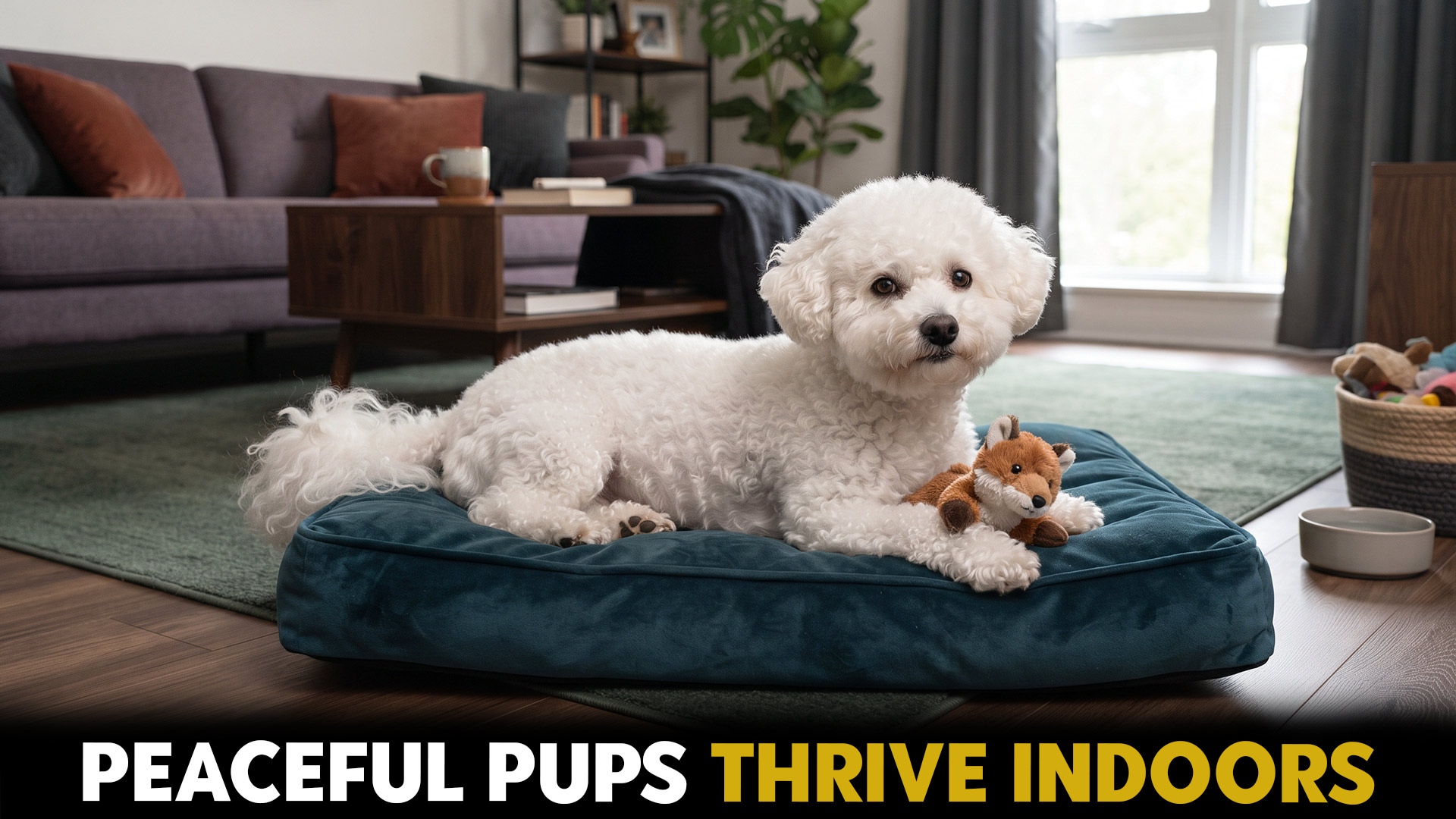
Some dogs can turn an ordinary indoor routine into a constant battle of barking, pacing, and restless energy. Others seem far more comfortable with the rhythm of home life, settling down after a walk and enjoying time near their people without needing nonstop activity.
Temperament plays a major role in that difference. A dog’s confidence, sociability, sensitivity, and ability to relax can affect everything from apartment living to family routines. Calm behavior also makes everyday situations easier to manage, particularly when guests arrive, household noises interrupt the day, or outdoor exercise is limited by weather.
A calm dog can still have plenty of energy and curiosity, so indoor living does not mean skipping the basics. Exercise, play, training, and social interaction remain important for every breed. The best match is the one whose everyday nature works with your indoor routine.
The best matches are waiting ahead, along with the traits that make each one worth considering for a home setting.
Key Takeaways
What makes a dog truly easy to live with indoors? For these breeds, it often comes down to knowing how to settle when the day slows down.
The Cavalier King Charles Spaniel has been keeping people company for centuries, even serving as a royal “comfort dog” for warmth on cold days.
Then there is the Bichon Frise, whose cheerful personality once took it from aristocratic homes to circus performances and street shows.
With stories like these behind them, the 10 breeds ahead offer plenty more to discover about finding the right temperament for indoor life.
Top Temperament-Friendly Dog Breeds That Thrive Indoors
1. Bolognese
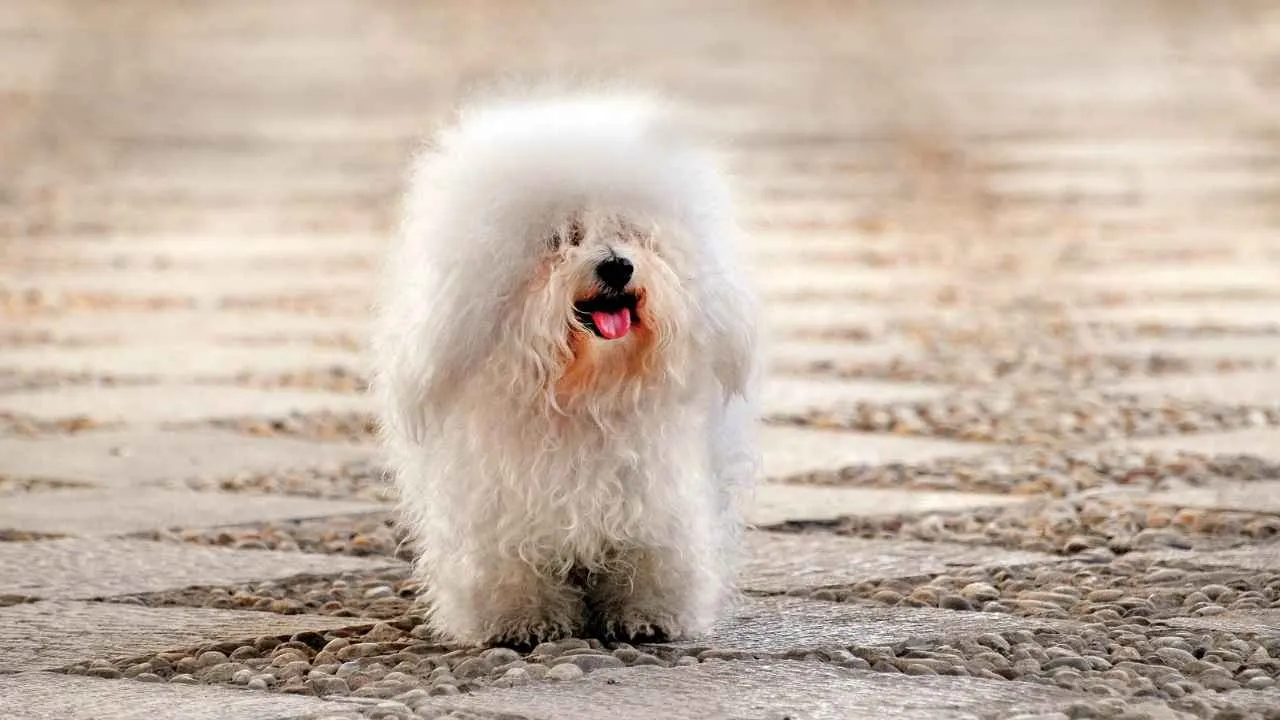
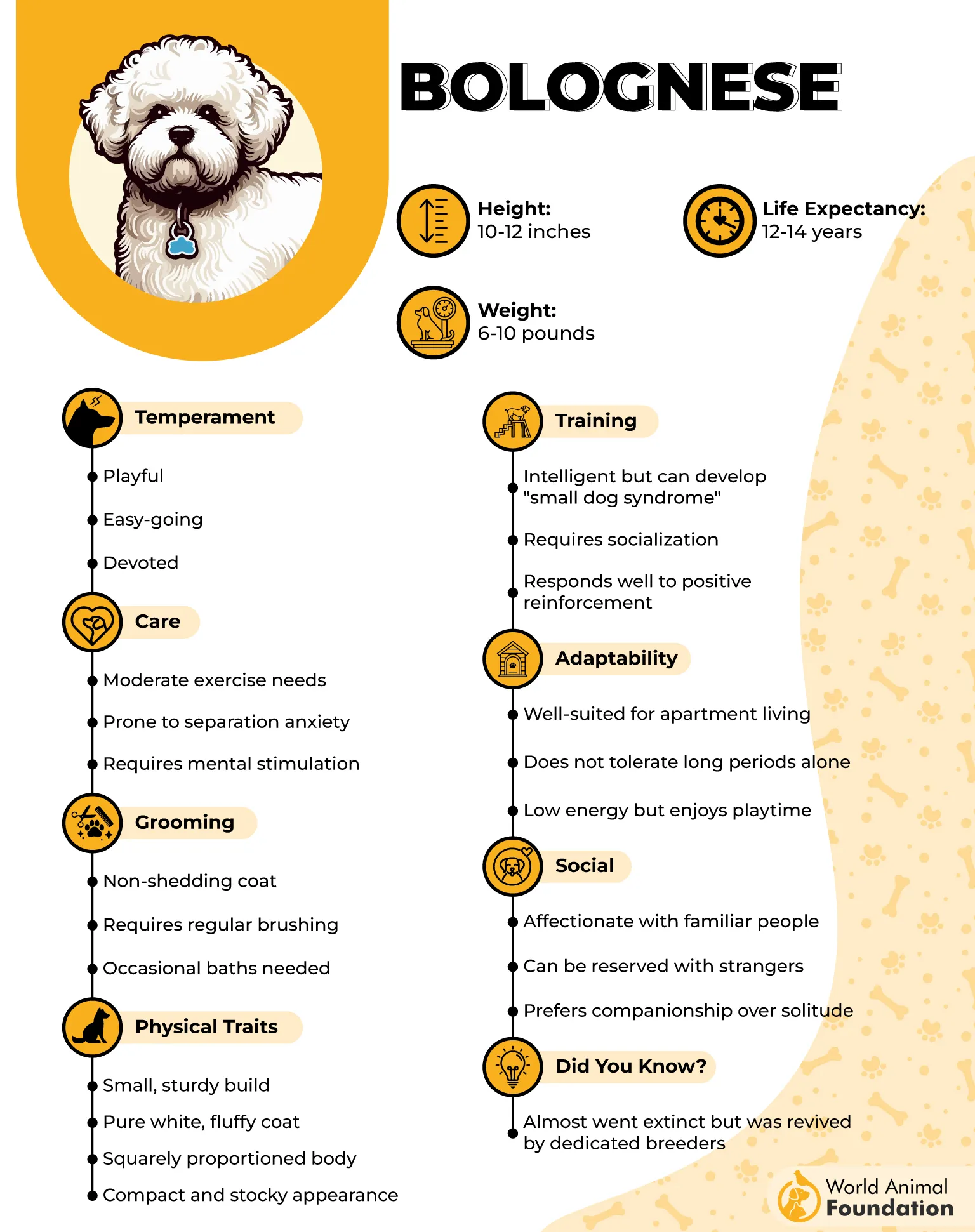
Bolognese comes from Bologna, Italy, and belongs to the Bichon group that emerged in the Mediterranean from crosses involving large water dogs and small white dogs. These little companions later became prized lap dogs among wealthy Italian families and were often exchanged as lavish gifts.
Thrives in Indoor life
Two 20-minute walks and some playtime usually keep the Bolognese content and active enough, even when travel changes its usual routine. Games at home such as rolling a ball across the floor, hide-and-seek, and learning tricks can add variety when you’re away from home.
This apartment dog has these daily life traits:
Follows family members from room to room
May alert to unusual sounds at the door
Can warm up quickly after calm introductions
A Playful Little Mate
This small dog breed brings a lighthearted personality to outings and enjoys making people laugh, with its playful nature often lasting well into its senior years. Its sociable attitude also helps it interact with other pets and unfamiliar people after a proper introduction, as noted by Royal Canin.
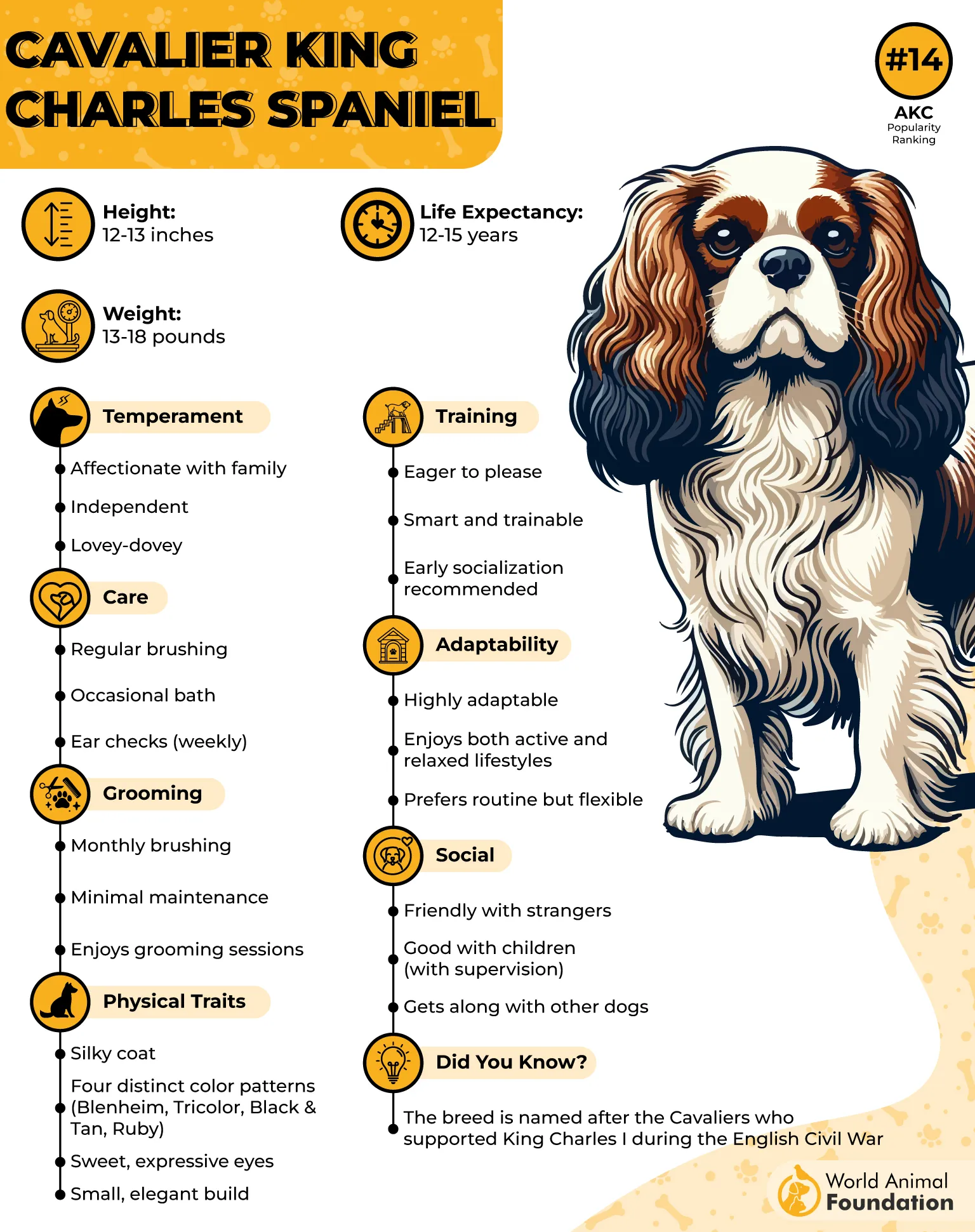
2. Cavalier King Charles Spaniel
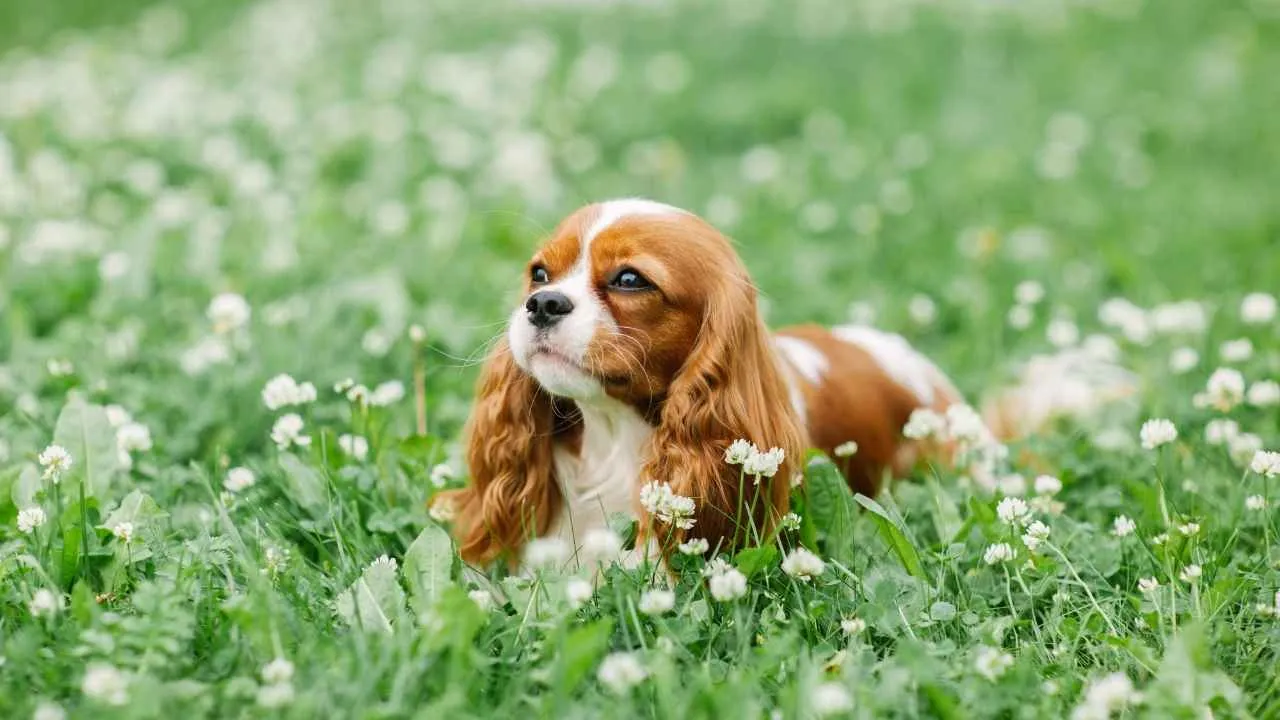
Cavalier King Charles Spaniel descends from the small toy spaniels seen in 16th- to 18th-century paintings across northern Europe.
These little dogs once warmed laps inside drafty castles and on cold carriage rides, with one Olde English prescription even advising an English queen to keep a “comfort dog” on her lap for a cold.
Made for Company
With its people around, this calm dog breed is perfectly happy keeping to an indoor routine. According to PetMD, two 20- to 30-minute walks can meet its moderate exercise needs, leaving plenty of time for relaxed household life between outings.
Worth knowing qualities of the breed are discussed here:
Alerts family members to knocks and birds
Can be shy around larger dogs
Needs regular potty breaks
Friendly by Nature
Cavalier King Charles Spaniel usually welcomes strangers, children, and other animals with an outgoing, playful attitude. Cats can also be good companions, while smaller social settings may help a timid Cavalier feel more comfortable around much larger dogs.
3. Russian Tsvetnaya Bolonka
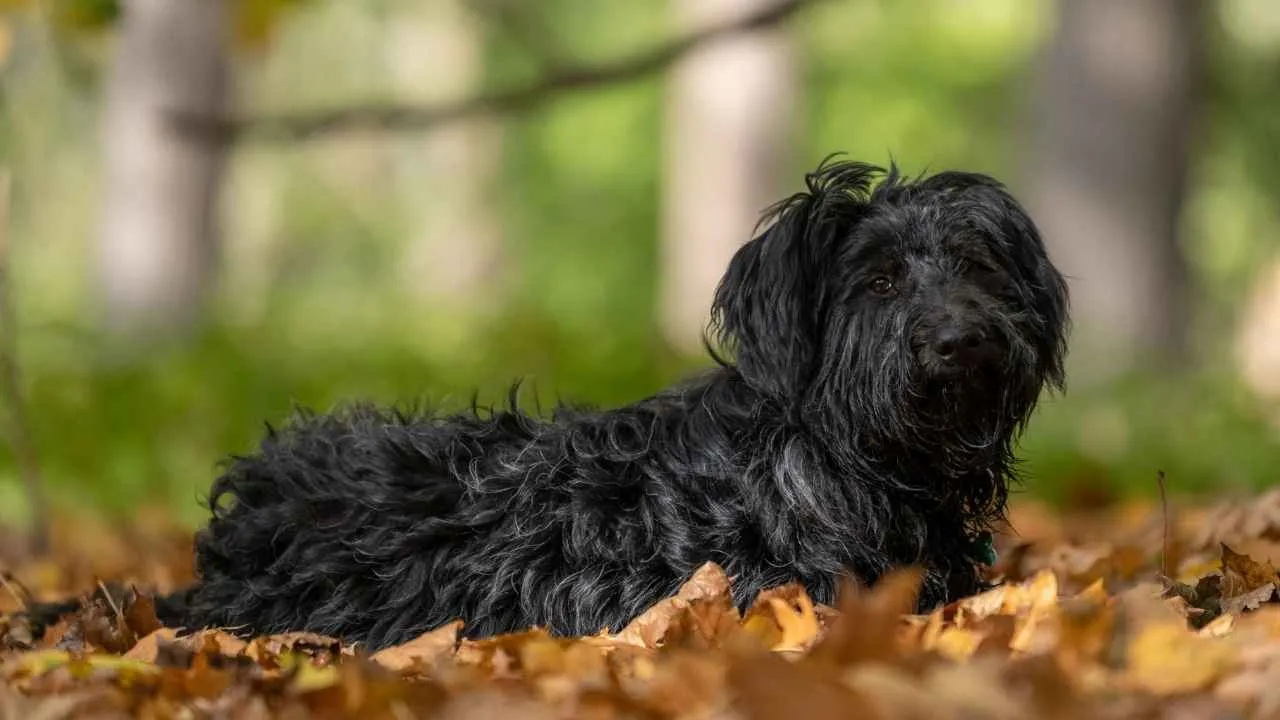
Russian Tsvetnaya Bolonka originated in Russia as a small companion breed, with its role centered around life alongside people. Its long, wavy coat and range of colors became part of the breed’s recognizable appearance as it was kept primarily for companionship.
Easy Indoor Energy
With modest daily exercise needs, this easygoing dog is practical for homes where long outdoor sessions are difficult to fit into each day. A couple of brisk and regular walks can provide useful activity, while indoor games such as hide-and-seek add variety.
These activities can make time indoors more engaging:
Searching for a hidden favorite toy
Working through a puzzle toy
Enjoying a chew treat during quiet periods
A Social Little Dog
Russian Tsvetnaya Bolonka tends to welcome attention from familiar people and strangers alike, with breeder Catherine Woods describing them as willing to accept affection from almost anyone. Their mild temperament also helps them interact well with other household pets.
4. Havanese
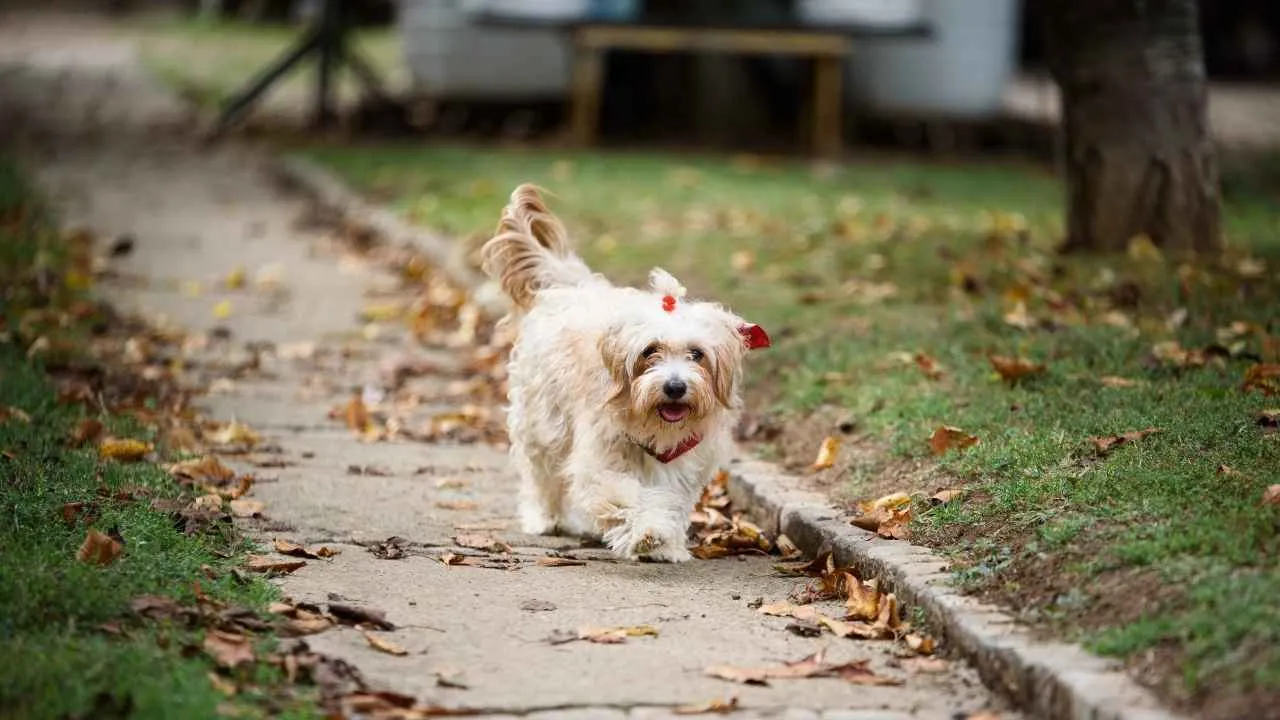
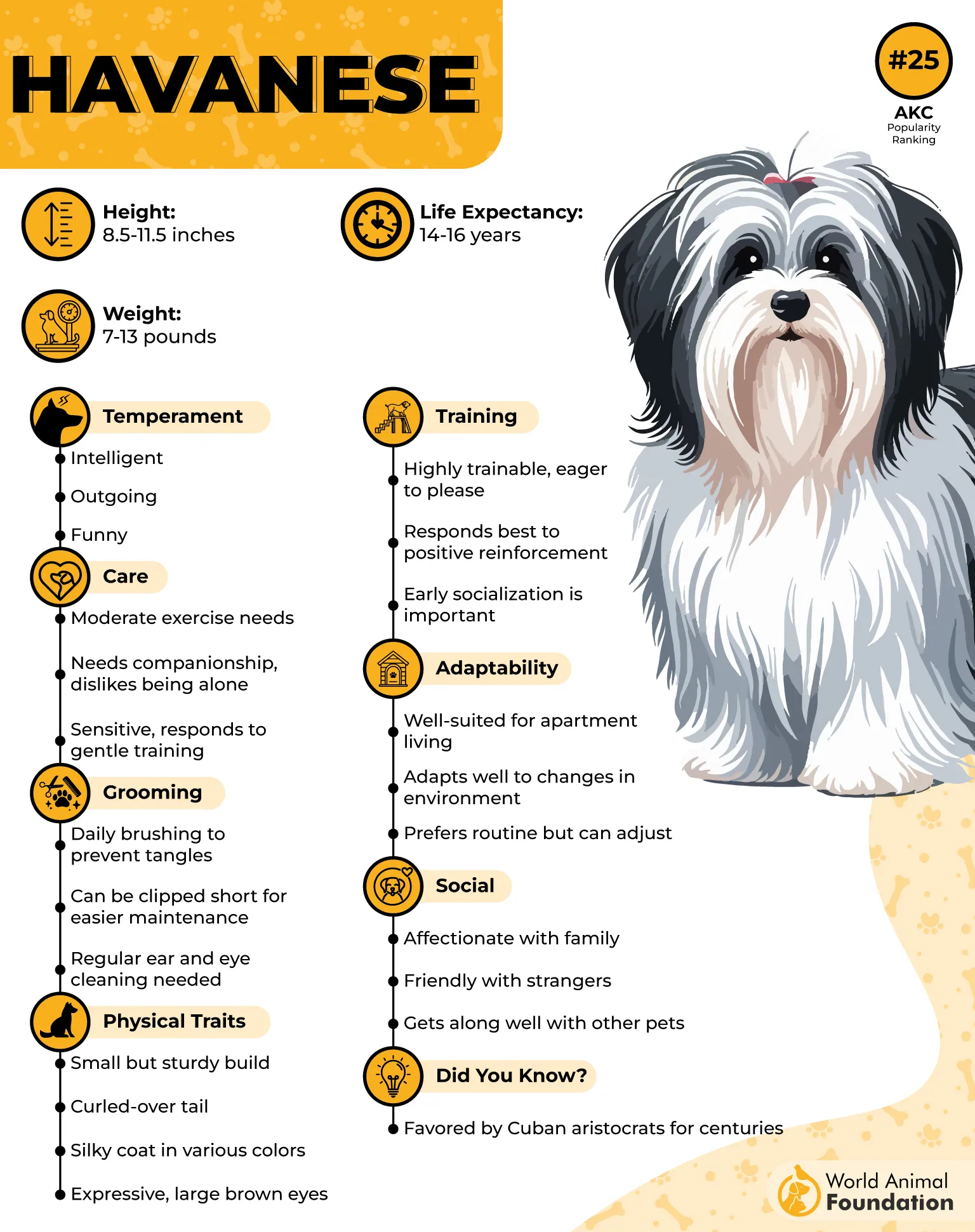
Havanese holds the title of Cuba’s national dog and belongs to the bichon family, where it was once a familiar companion in Cuban homes. The breed eventually became rare on the island, while many Havanese today trace back to dogs that left Cuba.
Homebody at Heart
These chill dogs are small, easygoing, and highly people-focused, making apartment life a best option when barking is under control. Its strong interest in human company also means indoor life suits a dog that prefers being involved with the household rather than spending hours alone.
The following breed characteristics make it especially distinctive:
Can learn to use a litter box
Often curls into blankets for warmth
Frequently checks back with its handler
Family-Friendly Habits
Havanese generally gets along well with dogs, cats, and other household pets and may happily initiate play with them. Around children, the breed has long been regarded as a gentle companion, although supervised play helps protect both the dog and child, as the Havanese Club of America noted.
5. Bichon Frise
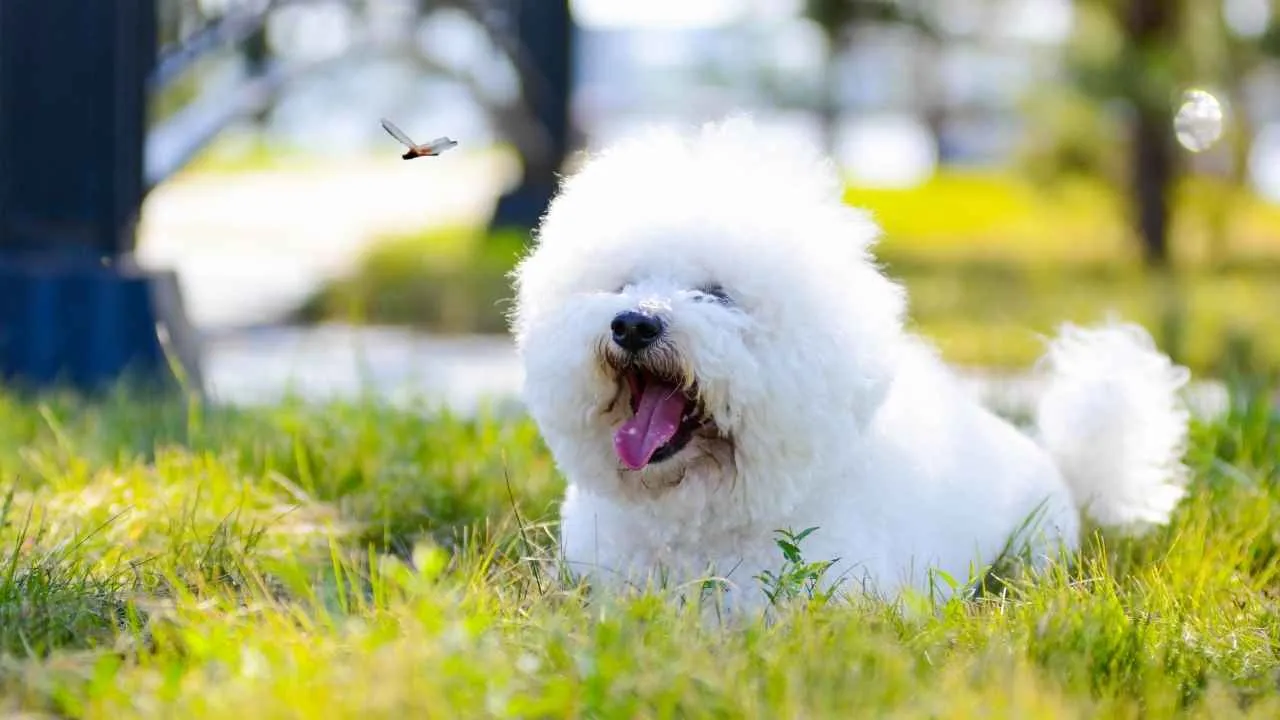
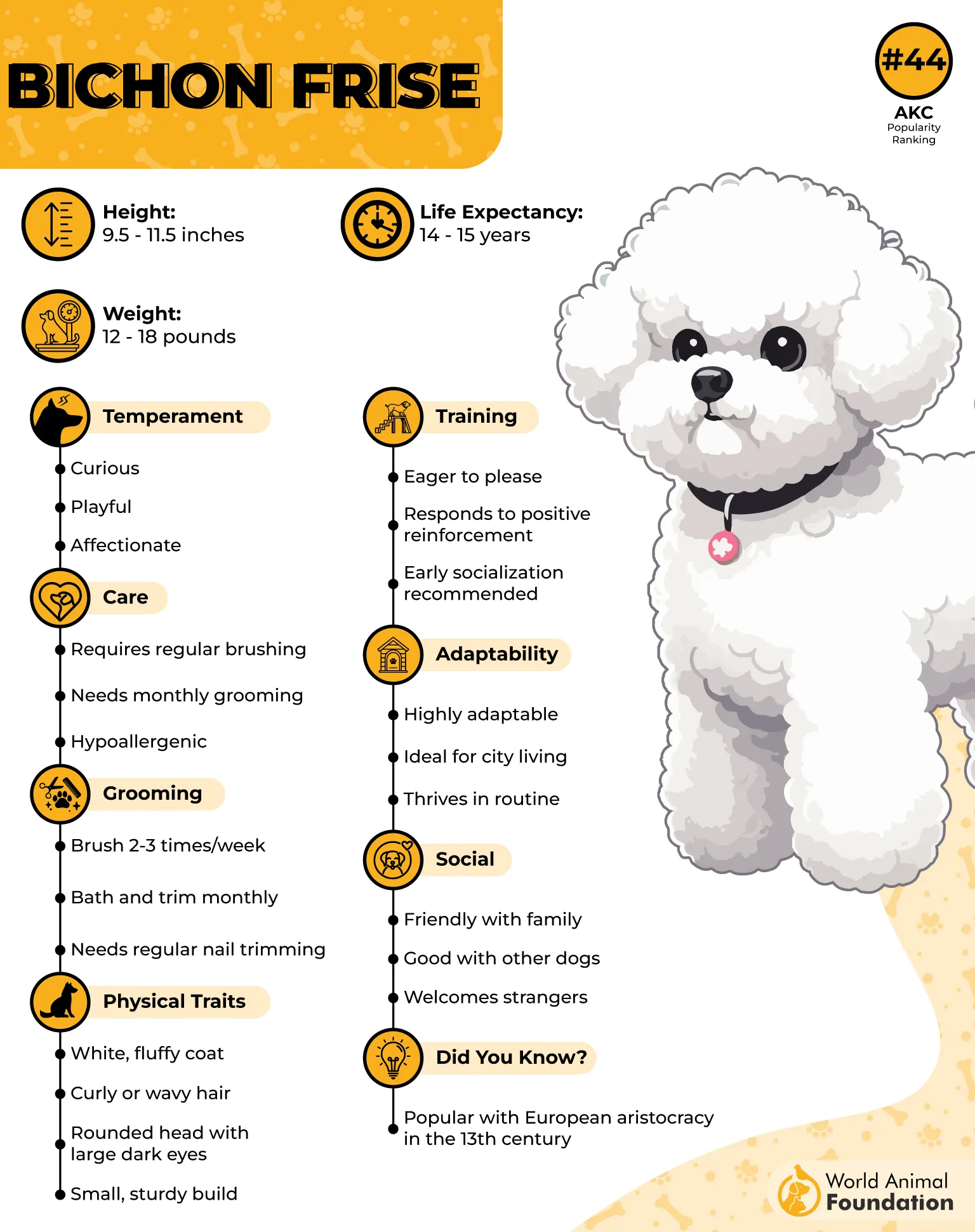
Bichon Frise has a fascinating past that took it from the households of French aristocrats to streets and traveling performances after the French Revolution. Street performers trained some of these dogs to perform tricks, eventually making the breed a familiar sight at circuses and fairs.
Perfectly Happy Indoors
Small enough for apartment life, the Bichon Frise is a non-sporting breed that usually prefers having its people close by rather than being left to itself. Its routine can include short walks, play sessions, and brief bursts of activity rather than long periods of strenuous exercise.
These qualities make living in small spaces easier:
Gets along well with other dogs
Handles environmental changes calmly
Excels at gentle fetch and scent games
People Matter
Bichon Frise enjoys having people nearby and can become unhappy when left alone for extended periods. Early training and socialization can help this people-focused breed interact well with children, visitors, and different types of households.
6. Pug
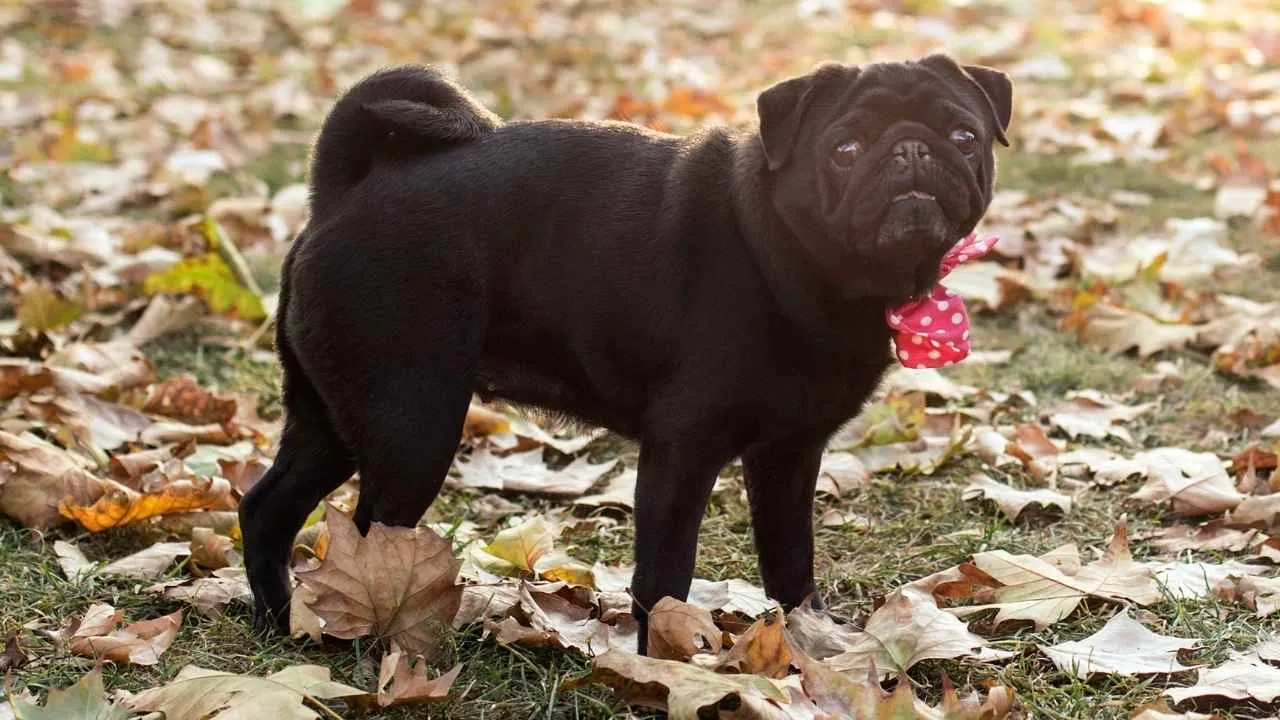
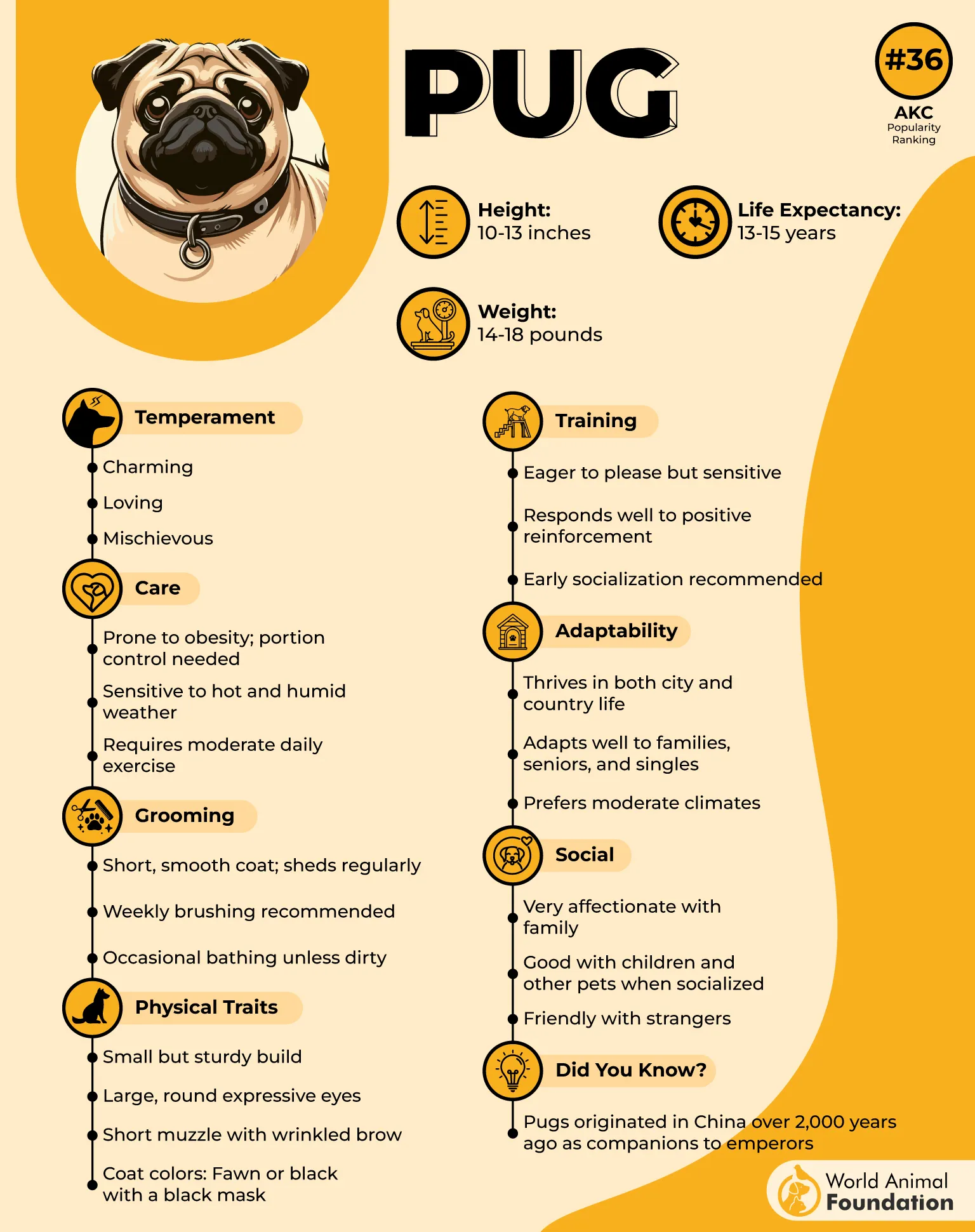
Pugs began life as a favored companion of Chinese emperors, with some even assigned personal guards during their time in royal households. By the 1500s, these small dogs had reached Europe, later finding admirers among Dutch royalty and figures such as Josephine and Queen Victoria.
Home is Just Fine
For Pugs, long outdoor sessions are also difficult due to their flat face, which affects strenuous activity, whereas a few walks can offer enough movement throughout the day. This breed is happier with casual games and easy outings than running or agility work.
These daily life routines make them easier to understand:
Low-key fetch suits their physical limits
Children should learn gentle handling early
Snorting and snoring can be their loudest sounds
Social at Home
Pug has an affectionate nature and enjoys being included when people are gathered around, making dinner parties and family activities especially appealing. Their friendly attitude can extend to children, babies, visitors, and other pets when introductions and interactions are handled properly.
7. Shih Tzu
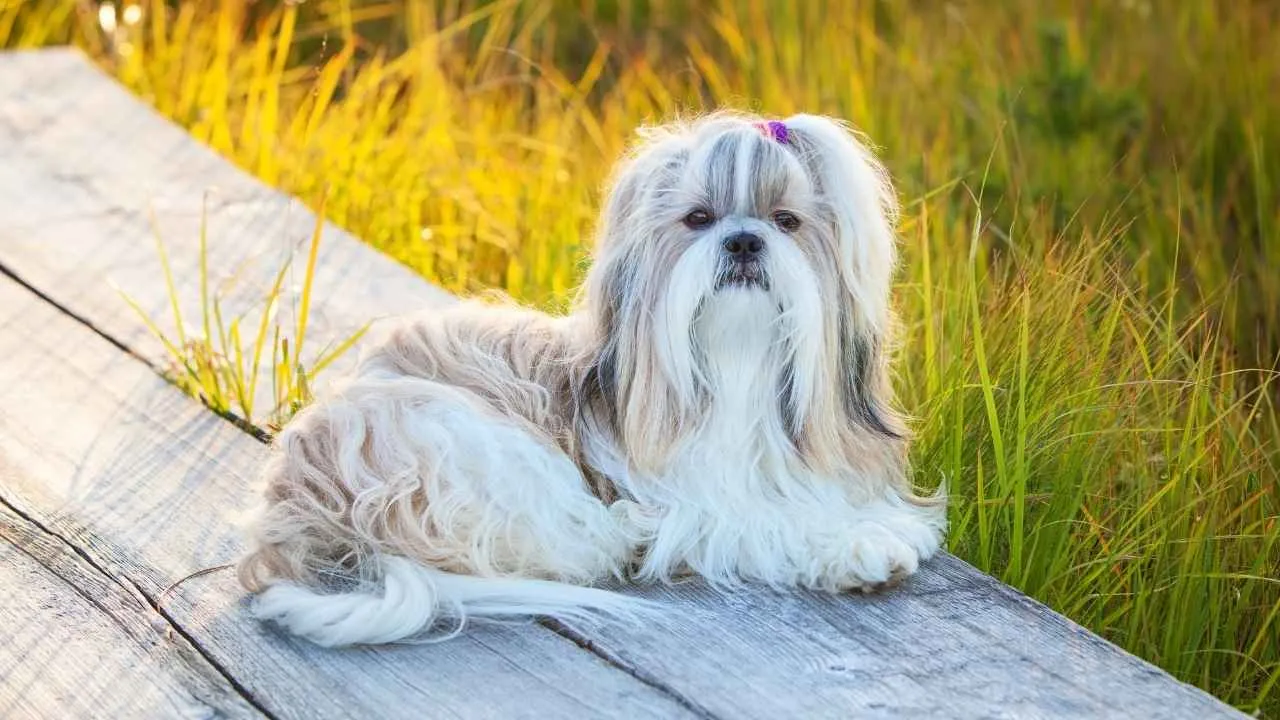
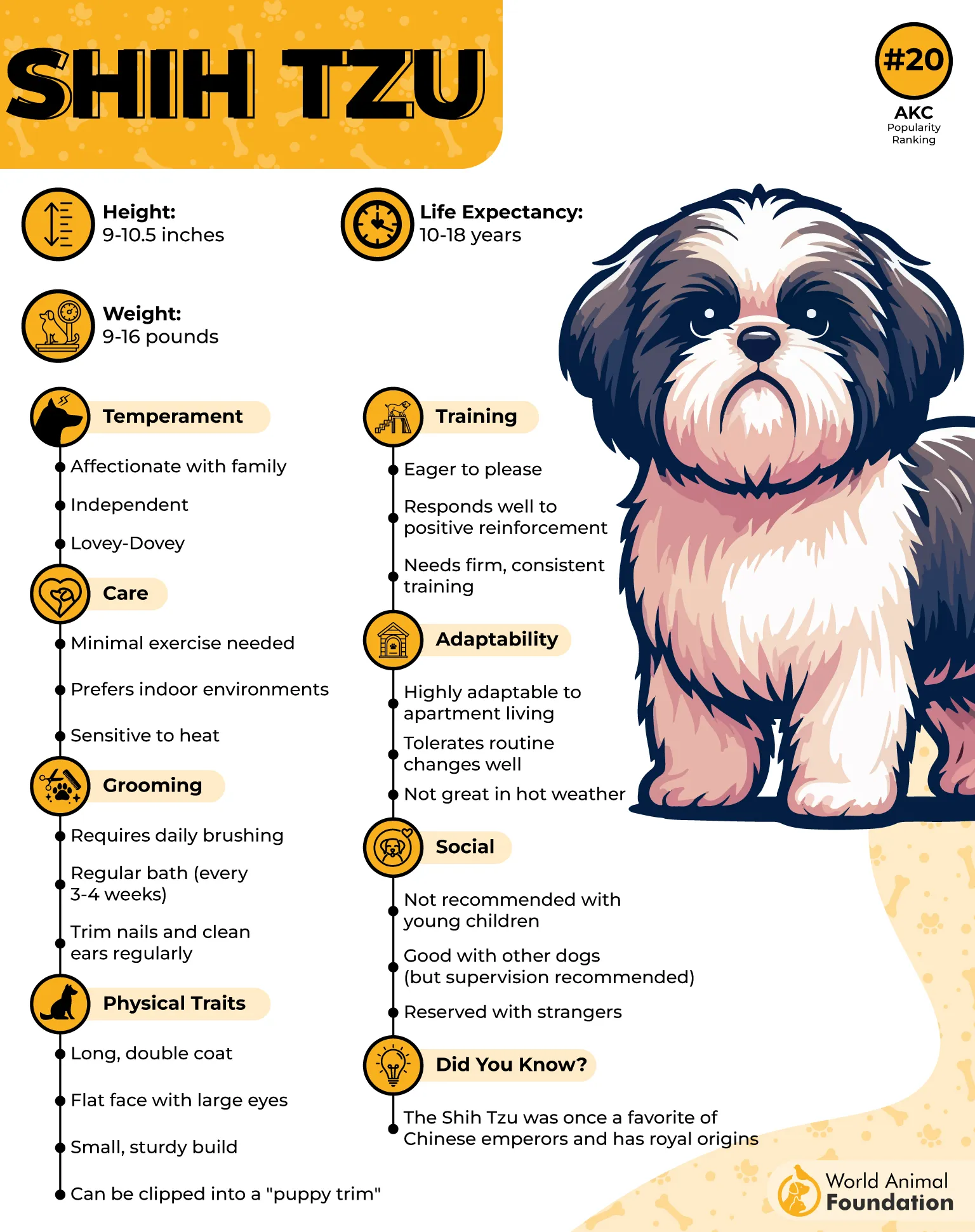
Shih Tzu originated in Tibet around the 7th century and may have begun as the smallest members of the Lhasa Apso type. Gifts to Chinese emperors later shaped the breed, with fanciers also suggesting Pekingese crosses influenced its shorter face.
Easygoing Indoors
With a Shih Tzu, indoor life can be worked around what is already happening at home. A quick walk or indoor game is often enough to get it moving, and when temperatures climb, its flat face makes cooler hours a better time to head outside.
A few details are worth knowing:
Can compete in agility events
May bark when someone arrives
Needs extra patience during training
More Than a Lapdog
Being around its people is important to Shih Tzu, and other pets are usually welcome once everyone has been introduced properly. Older children tend to be easier playmates because they can handle this small dog gently, while rough treatment may get into a difficult situation.
8. Yorkshire Terrier
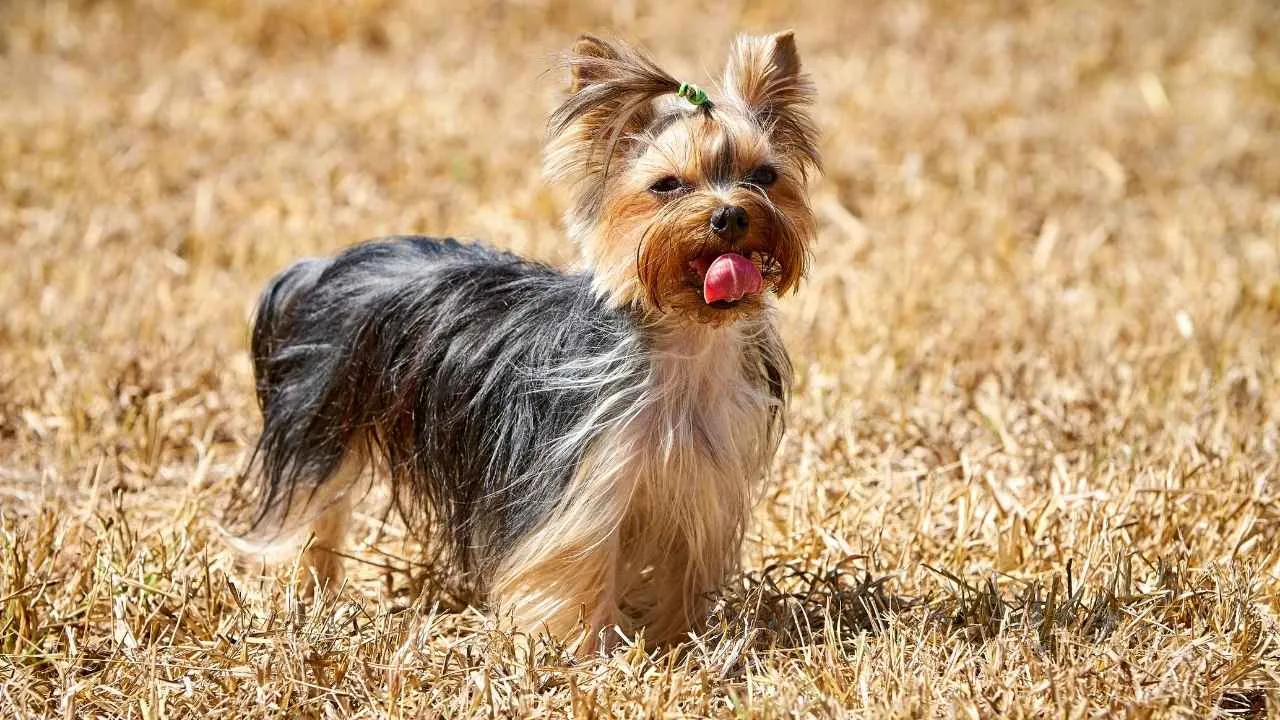
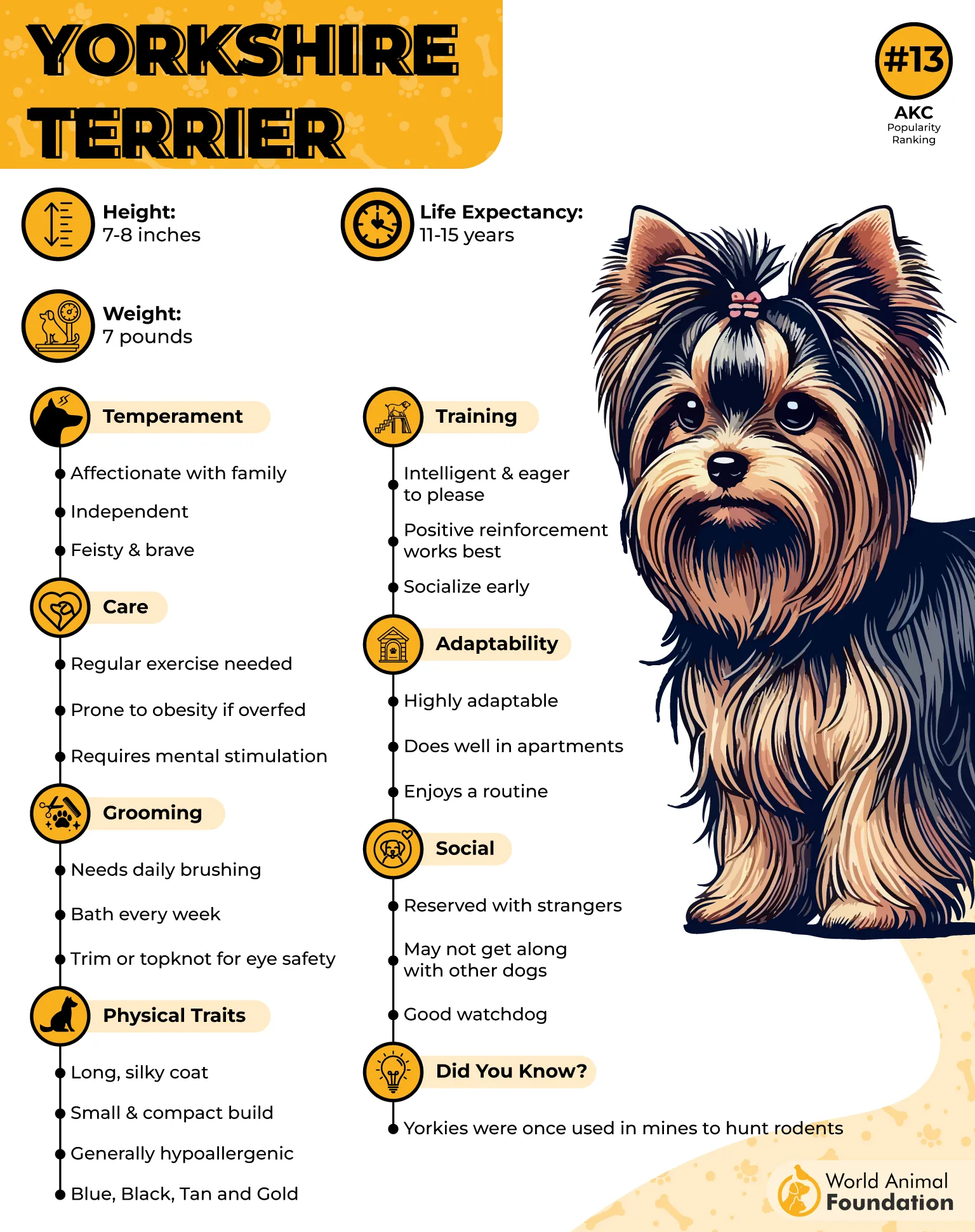
Yorkshire Terrier originated in Yorkshire during the mid-19th century after Scottish workers brought small terriers into the region’s cotton mills. These little dogs were used to catch rats around the mills, giving the breed a working role long before its popularity as a household companion.
Made for Indoors
Life with a Yorkshire Terrier does not call for a huge amount of space or elaborate exercise plans. A few walks around the neighborhood, a favorite indoor game, and some freedom to wander can easily keep its little legs busy.
There’s plenty more behind their size:
Can dig beneath yard fencing
Several short walks suit its routine
Indoor toss games provide useful activity
Small Dog, Big Attitude
Yorkies have a confident, lively personality and can be surprisingly determined about household routines, from breakfast time to walks and attention. Early training works well because this clever breed is eager to please and can begin learning cues from around 7 or 8 weeks old.
9. Boston Terrier
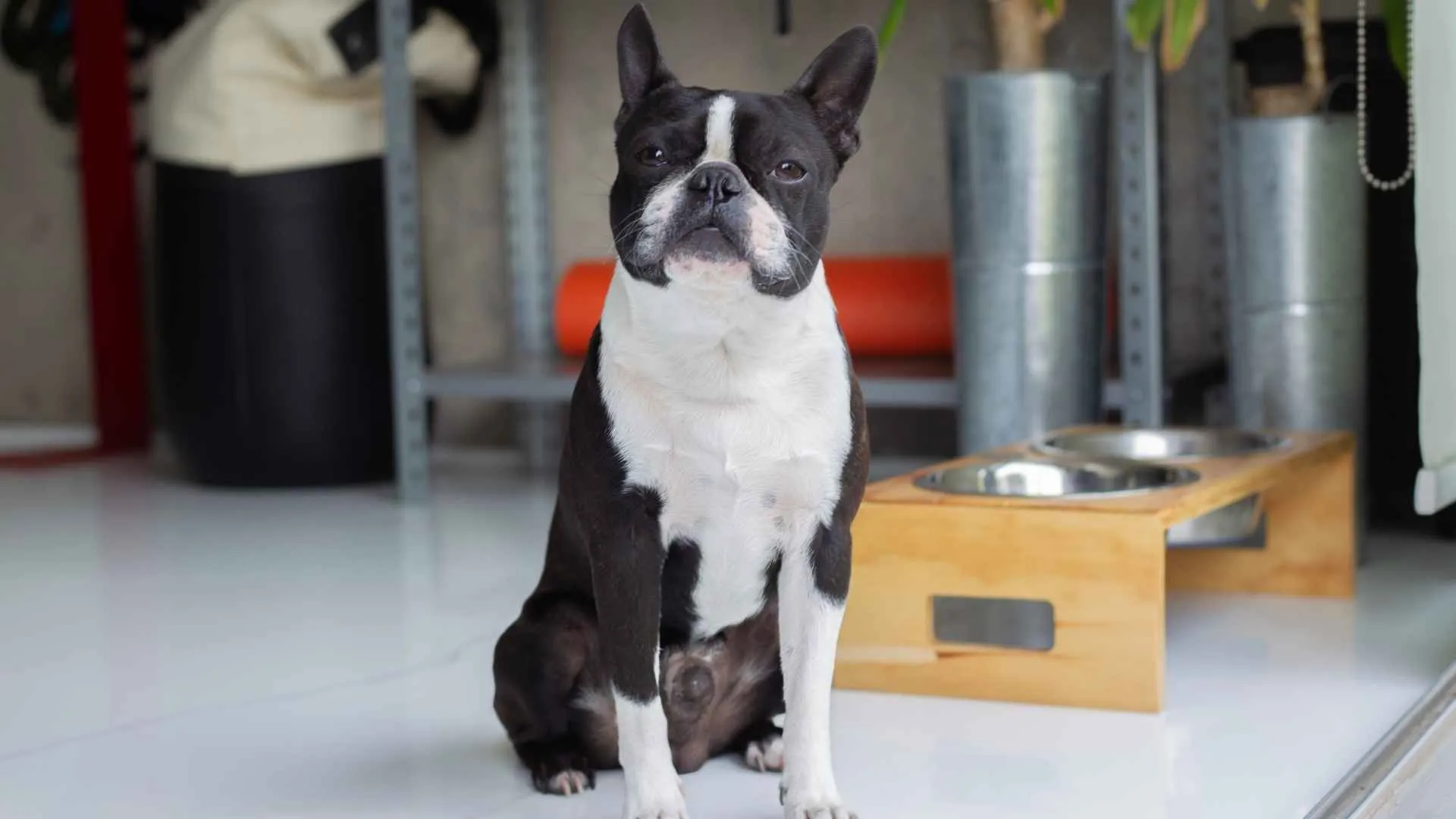
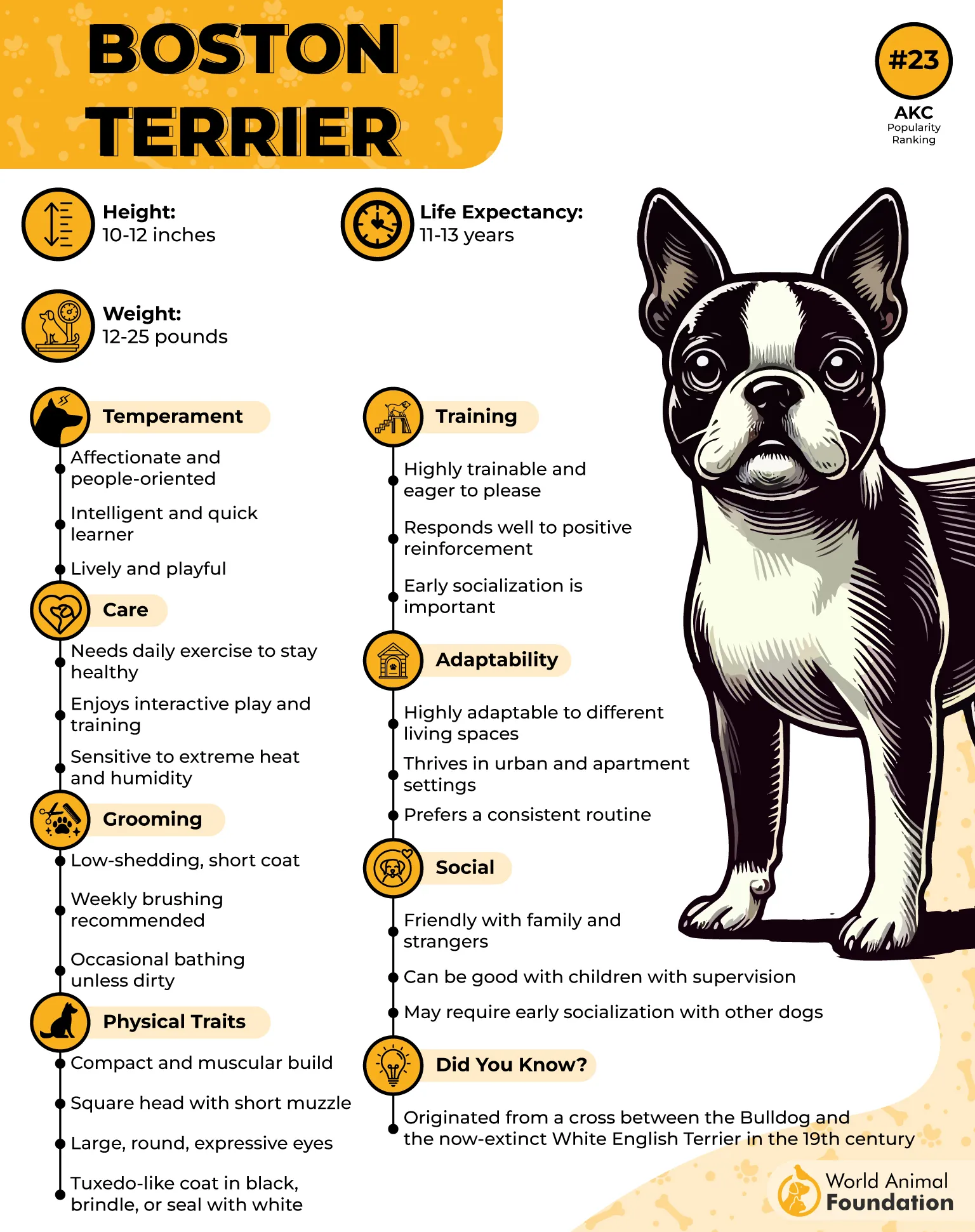
Boston Terrier originated in America in the late 1800s after a Bull and Terrier type dog was bred with French Bulldogs. The breed earned the nickname “American Gentleman” for its polite nature and tuxedo-like markings, giving its early identity a distinctly American character.
Made for Smaller Homes
Boston Terriers can fit the list of apartment dwellers, as their activity needs can often be met with a good walk and up to an hour of daily play. Puzzle toys and interactive games add useful mental work when outdoor space is limited, or life takes place in confined spaces.
A few practical details make that routine easier:
Needs training to control barking
Some prefer lounging between activities
Excels in obedience training and agility trials
Plenty of Personality
This even-tempered breed brings a playful, sometimes goofy side into the home, with clever antics that can turn an ordinary afternoon into something entertaining. Its friendly nature and calm disposition make regular interaction enjoyable for individuals and families alike.
10. Maltese
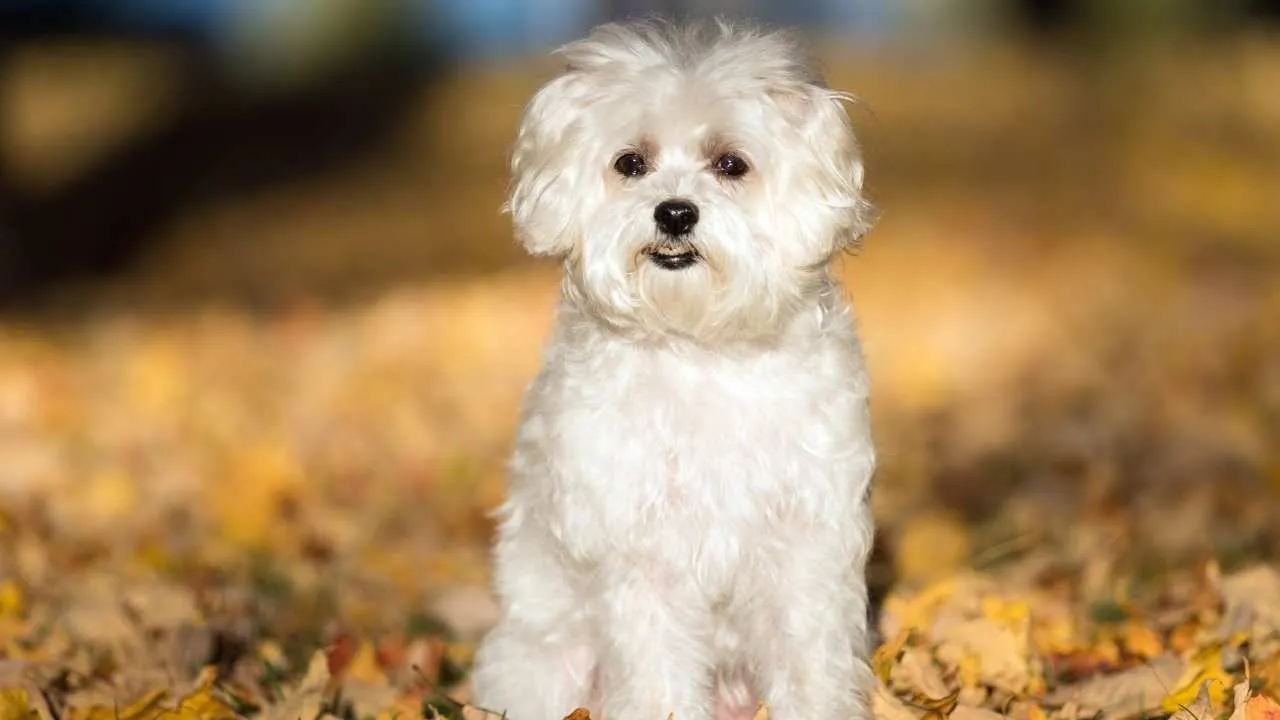
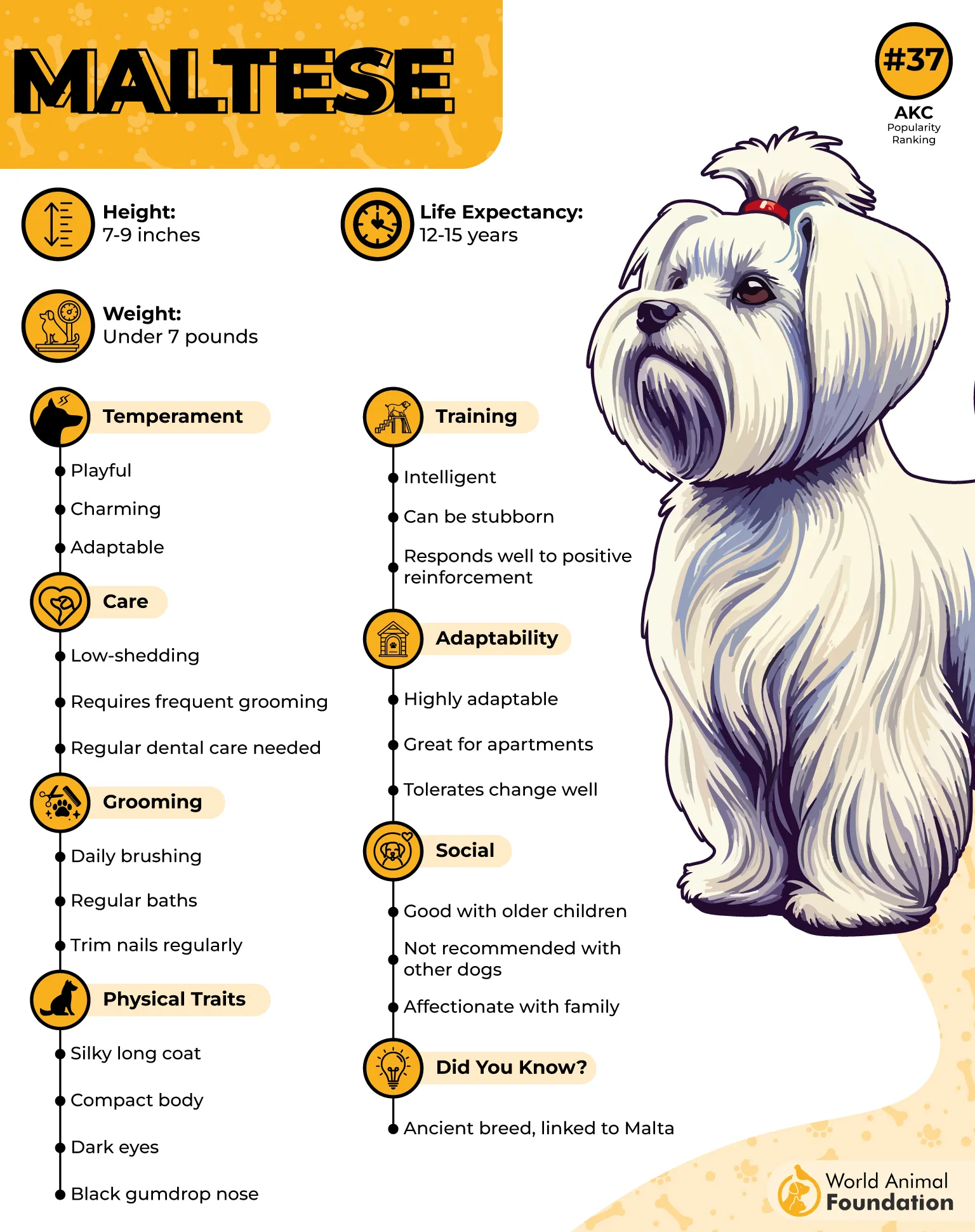
Maltese has roots reaching back at least 2,000 years on the Mediterranean island of Malta, with its image appearing on ancient Greek pottery. Even Aristotle mentioned the breed, giving this tiny, gentle breed an unusually long record among modern household dogs.
A Gentle Indoor Presence
Maltese has an affectionate, gentle temperament, with 82.4% of dogs tested by the American Temperament Test Society passing its temperament test. Its social nature also makes it generally comfortable around other dogs and household pets when properly socialized.
This is what makes their personality right at home:
Lively and surprisingly fearless
Enjoys learning new tricks
Used as a therapy dog
Lively in Small Doses
Maltese does not need the intense workload associated with highly athletic breeds, yet daily activity still matters for its well-being. Indoor games, fetch, scent work, interactive toys, and short walks can provide variety, while its lack of an undercoat makes a dog jacket useful in very cold weather.
Conclusion
Finding a dog that feels comfortable indoors is about more than choosing one with low exercise needs. A dog’s temperament, sociability, confidence, and a calm nature can shape how smoothly a companion fits into everyday home life. Even dogs that are calm indoors still need daily walks, play, training, and time with their people to stay content.
Household size, children, other pets, and time spent away from home can also influence which personality works best. When those needs match your routine, indoor living becomes easier for everyone, including active pet parents.
The perfect companion can enjoy quiet afternoons, family activity, and ordinary days at home without turning every moment into a challenge.
