




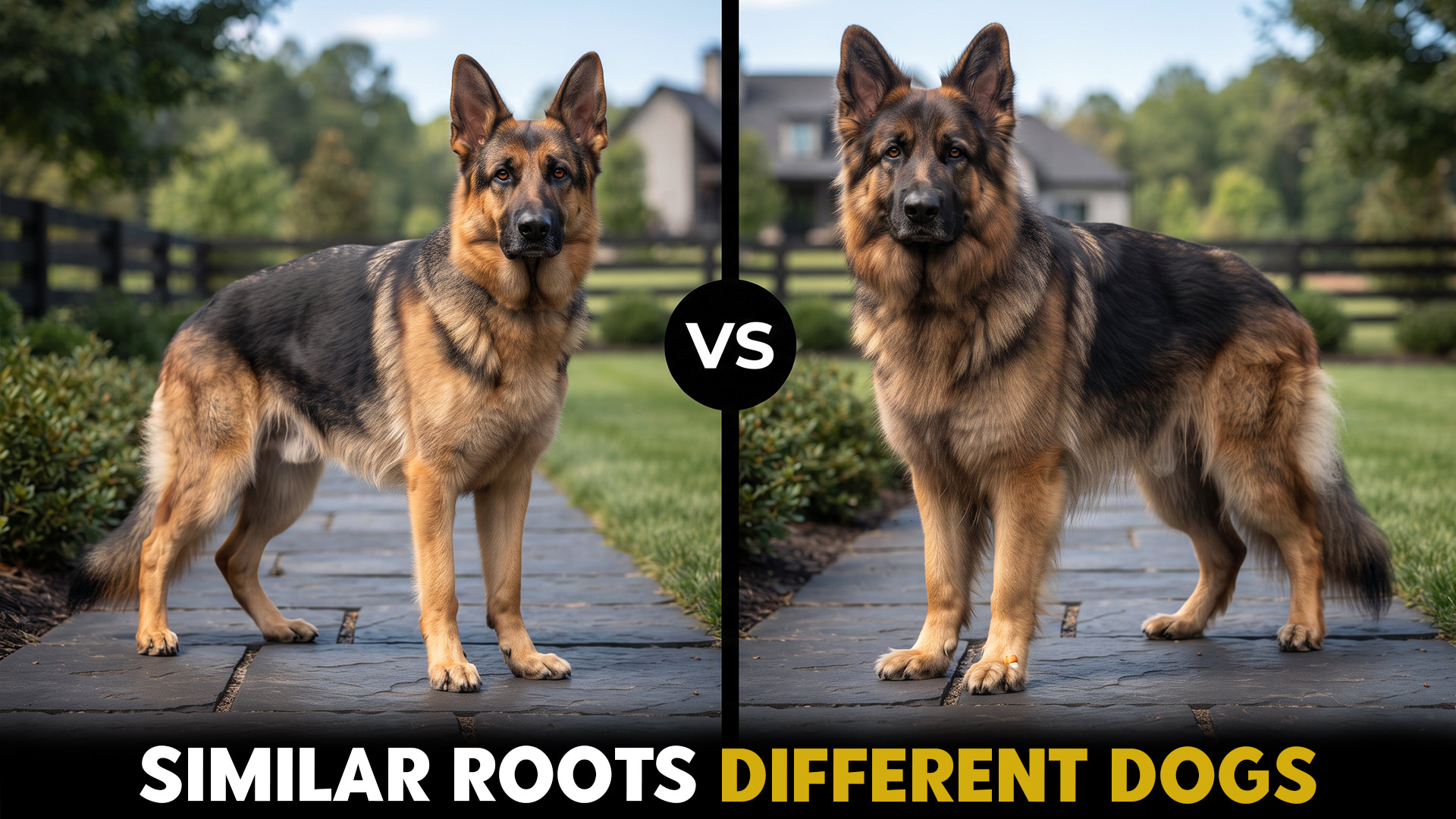
The German Shepherd and King Shepherd are two impressive large breeds known for intelligence, loyalty, athleticism, and strong working abilities.
The German Shepherd dog is one of the world’s most recognized working dogs, while the King Shepherd was developed more recently by combining German Shepherd ancestry with other large breeds to create a bigger companion and working dog. Although they share many characteristics, their differences can be significant.
German Shepherds are celebrated for their versatility, trainability, courage, and willingness to work closely with people. King Shepherds typically retain many of these qualities while offering a larger frame, heavier bone structure, and often a somewhat calmer, family-oriented personality.
Both can make devoted companions, but their size, energy requirements, grooming needs, and availability can influence which one is better suited to a particular home.
Choosing between these confident dogs requires looking beyond their similar appearance and German Shepherd heritage. Prospective owners should consider their origins, size, cost, temperament, exercise needs, trainability, grooming requirements, guarding instincts, and potential health concerns.
Understanding these differences can make it easier to determine whether the classic German Shepherd or larger King Shepherd fits your lifestyle best.
German Shepherd vs. King Shepherd: A Complete Breed Comparison Guide
Origins & Purpose
German Shepherd: The Versatile Working Breed
The German Shepherd originated in Germany and was developed primarily for herding and protecting livestock before becoming one of the world’s most versatile working dogs, as per PDSA. Its intelligence, athleticism, courage, and willingness to cooperate with handlers have allowed it to excel in police work, military roles, search and rescue, service work, and many dog sports.
King Shepherd: The Larger Modern Working Companion
The King Shepherd is a relatively modern breed developed in the United States with the goal of producing a larger, robust German Shepherd-type dog. Its ancestry can include German Shepherds along with other large breeds, depending on the breeding program. King Shepherds are generally intended to combine working ability, family life, substantial size, and a calm temperament.
Comparing Their Purpose
The German Shepherd has a much longer and more established history as a formal working breed, while the King Shepherd is a newer breed designed around many similar qualities in a larger package.
German Shepherds are especially prominent in professional working roles, whereas King Shepherds are often sought by owners who want German Shepherd traits combined with greater size and a family-oriented presence.
Size & Build
German Shepherd: Athletic and Powerful
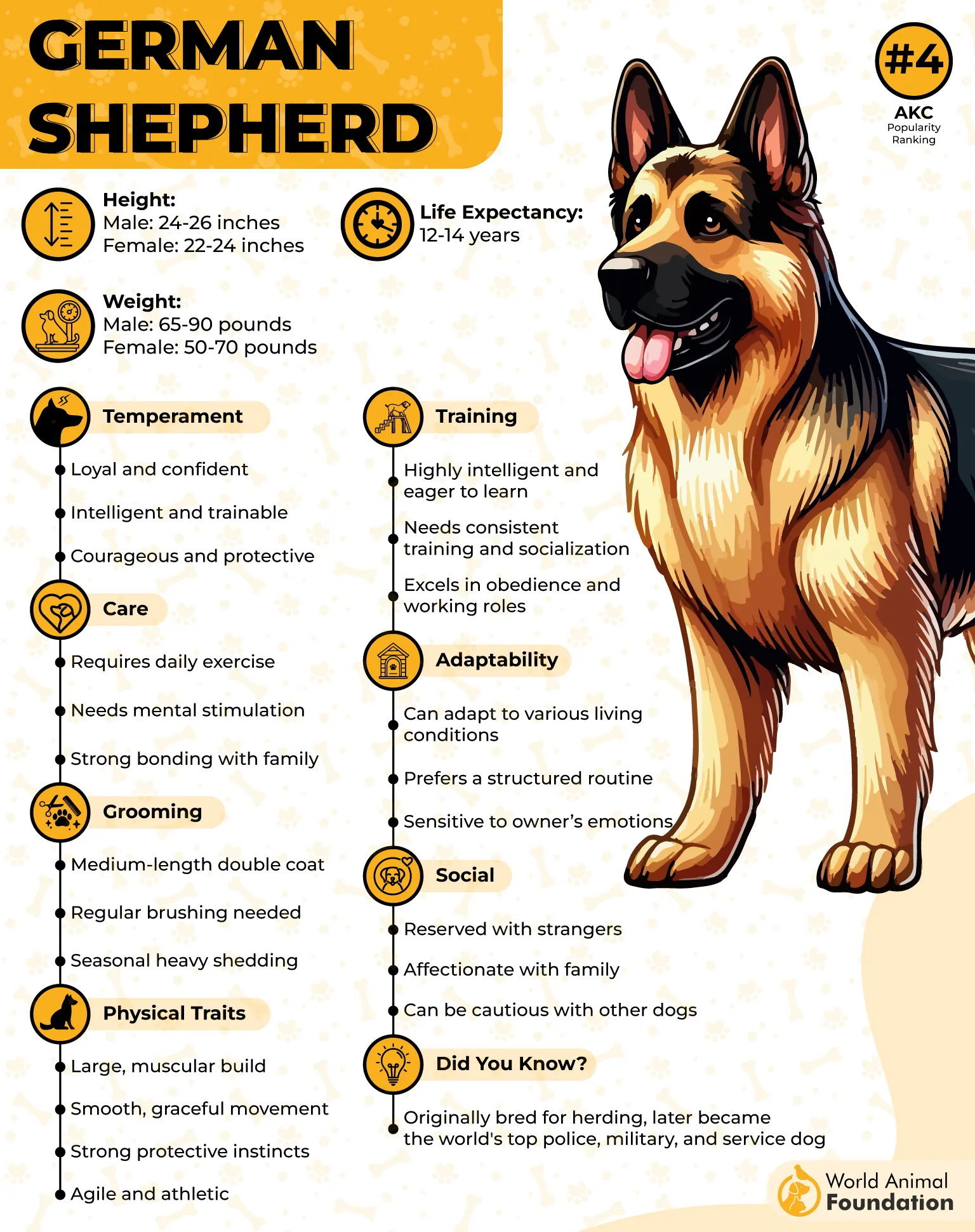
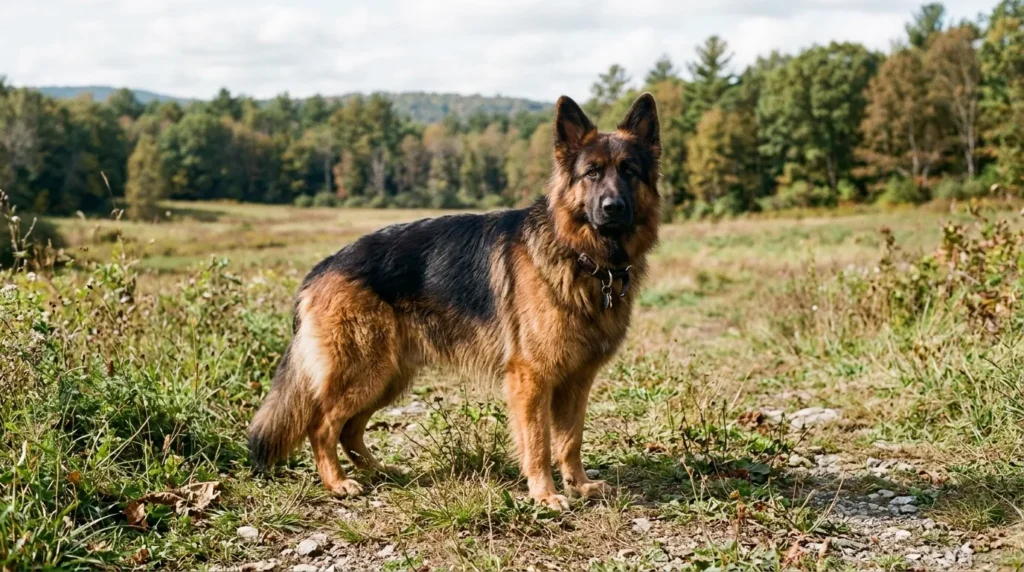
The German Shepherd is a large, muscular dog with a strong but relatively streamlined build. Its body is designed for endurance, agility, and efficient movement rather than extreme bulk. This combination allows the breed to perform demanding physical tasks while remaining highly mobile and responsive.
King Shepherd: Bigger and Heavier
The King Shepherd is generally larger and heavier than the German Shepherd, with substantial bone, a broad body, and a powerful overall appearance. Its increased size can give it an imposing presence, although individual dimensions vary depending on breeding lines. Despite its larger frame, it can still retain the athletic qualities associated with German Shepherd ancestry.
Comparing Their Physical Structure
The King Shepherd generally wins in overall size and bulk, while the German Shepherd tends to have a more athletic and streamlined appearance. Owners wanting a substantial giant-like working companion may prefer the King Shepherd, while those seeking a large dog with greater agility and established working proportions may favor the German Shepherd.
Pricing & Availability
German Shepherd: Widely Available
German Shepherds are widely recognized and bred in many countries, making them relatively accessible to prospective owners.
Prices can vary considerably depending on pedigree, location, breeder reputation, health testing, working titles, and whether the dog is bred for companionship or specialized work. Their widespread popularity also means prospective owners have many breeder and rescue options to consider.
King Shepherd: Rarer and Often Pricier
King Shepherds are considerably rarer than German Shepherds, and their availability can be more limited depending on location. Puppies from established breeders may command higher prices because of their rarity, breeding programs, health screening, and demand for larger German Shepherd-type dogs. Buyers should carefully research breeders because breeding standards and practices can vary.
Comparing Cost and Availability
German Shepherds generally have an advantage in availability because they are far more established and widely bred. King Shepherds may cost more and require greater effort to locate from a responsible breeder. In either case, the initial purchase price is only one part of ownership, with food, veterinary care, grooming, training, and supplies contributing substantially to lifetime expenses.
Temperament & Personality
German Shepherd: Loyal and Focused
German Shepherds are known for their intelligence, loyalty, confidence, and strong desire to work with their handlers. Well-socialized individuals can be affectionate with their families while remaining reserved and attentive around unfamiliar people. Their focused nature makes them highly responsive to training but also means they benefit from structure and meaningful interaction.
King Shepherd: Calm and Family-Oriented
King Shepherds are generally bred for a balanced temperament that combines confidence, intelligence, loyalty, and companionship. Many are affectionate with their families and can have a somewhat calmer presence than highly driven working-line German Shepherds. However, individual personality varies, and proper socialization remains important for developing a confident, loyal dog.

Comparing Their Personalities
Both breeds can be deeply loyal and protective, but German Shepherds often have a stronger work-focused intensity, while King Shepherds may offer a more relaxed family-companion temperament. The German Shepherd can be particularly appealing to owners interested in structured work and training, whereas the King Shepherd may suit those wanting similar traits with a larger, calmer presence.
Exercise Needs & Energy Levels
German Shepherd: Energetic and Driven
German Shepherds generally have high exercise needs and require a combination of physical activity and mental stimulation. Regular walks alone may not be sufficient for many individuals, particularly working-line dogs. Training, obedience exercises, scent work, agility, retrieving, and other purposeful activities can help satisfy their active minds and bodies.

King Shepherd: Active but Often More Moderate
King Shepherds are also active dogs that need regular exercise, outdoor activity, and mental engagement. Their larger size does not mean they should be treated as low-energy dogs, although some individuals may have a more relaxed temperament than highly driven German Shepherds. Structured walks, play, training, and appropriate activities can help keep them balanced.
Comparing Their Energy Requirements
Both breeds need committed owners who can provide daily activity, but German Shepherds—especially working lines—may have a stronger drive for continuous work. King Shepherds can be somewhat more relaxed in the home while still requiring substantial exercise. Neither breed is ideal for an owner seeking a dog that requires very little physical or mental stimulation.
Trainability & Obedience
German Shepherd: Exceptional Working Intelligence
German Shepherds are highly trainable and have long been valued for their ability to learn complex tasks and respond closely to handlers. Their intelligence, focus, and willingness to work make them excellent candidates for obedience, service work, protection work, search and rescue, and dog sports, as per PetMD. Consistent positive training helps channel their natural abilities effectively.
King Shepherd: Intelligent and Responsive
King Shepherds generally inherit considerable intelligence and trainability from their German Shepherd ancestry. They can respond well to consistent training, especially when lessons are engaging and rewarding. Their larger size makes early obedience particularly important so that owners can comfortably manage them throughout adulthood.

Comparing Their Trainability
Both breeds can be highly trainable, but the German Shepherd has a much longer track record in demanding professional working roles. King Shepherds can be excellent learners and obedient companions, particularly with proper guidance, but their breeding is more focused on combining working ability with family companionship rather than specializing exclusively in high-level working performance.
Grooming Needs & Shedding
German Shepherd: Heavy Seasonal Shedding
German Shepherds have a double coat that typically requires regular brushing to remove loose hair and maintain healthy skin and fur. Shedding can become especially noticeable during seasonal coat changes. Their grooming needs are manageable but should not be underestimated by owners who prefer a very low-shedding dog.
King Shepherd: More Coat to Manage
King Shepherds can have medium-length or longer coats depending on their individual genetics and breeding lines. Their larger bodies and fuller coats can mean more hair and potentially more brushing than a short-coated German Shepherd. Regular grooming helps prevent tangles, remove loose fur, and keep the coat comfortable.
Comparing Their Grooming Requirements
Both breeds shed considerably, but King Shepherds may require more grooming when they inherit longer and heavier coats. German Shepherds generally have a more predictable grooming routine, while King Shepherd coat types can vary. Neither breed is an ideal choice for someone looking for a low-shedding companion.
Guarding Instincts & Alertness
German Shepherd: Natural Protector
German Shepherds are naturally alert, confident, and protective of their families and surroundings. Their working history has made vigilance and responsiveness important parts of their temperament. With appropriate socialization and training, they can distinguish between ordinary situations and genuine concerns while remaining manageable family companions.
King Shepherd: Imposing and Watchful
King Shepherds can also possess strong protective instincts and an impressive physical presence. Their large size alone can serve as a visual deterrent, while their German Shepherd ancestry contributes to alertness and loyalty. Proper socialization is essential to ensure their protective tendencies remain appropriate rather than becoming excessive.
Comparing Their Guarding Ability
Both breeds can make effective watchdogs and protective companions, but the German Shepherd has a more established history in professional protection and law-enforcement work. For specialized working protection, the German Shepherd has the stronger established reputation, while the King Shepherd can provide an imposing family guardian.
Health & Lifespan
German Shepherd: Active Breed With Health Considerations
German Shepherds can be susceptible to certain inherited and orthopedic conditions, including hip and elbow problems, among other breed-associated concerns. Responsible breeding, health screening, appropriate exercise, nutrition, and regular veterinary care can help support their overall well-being. Maintaining a healthy weight is particularly important for protecting their joints, as per Britannica.
King Shepherd: Large-Breed Health Needs
King Shepherds can face many of the health considerations associated with large dogs and their German Shepherd ancestry. Joint health, weight management, responsible breeding, and routine veterinary care are important throughout their lives. Because individual King Shepherd breeding programs can vary, prospective owners should ask breeders about health testing and the health history of parent dogs.
Comparing Their Long-Term Health
Neither breed should be considered completely free from inherited or large-breed health concerns. German Shepherds have a much larger established population and more extensive breed-health information, while King Shepherd health can vary depending on the breeding lines involved. Choosing a responsible breeder, maintaining appropriate body condition, and providing regular veterinary care are important for either breed.
German Shepherd vs. King Shepherd: Which Breed Fits Your Lifestyle Best?
German Shepherd: Best for Active Working Homes
The German Shepherd may be the better choice for owners who want an athletic, highly trainable dog with a strong working drive. It can thrive with people who enjoy obedience training, outdoor activities, dog sports, service-oriented work, or other structured activities. Its combination of intelligence, versatility, and established working ability makes it particularly appealing to experienced and active owners.
King Shepherd: Best for Spacious Family Homes
The King Shepherd may appeal to families and experienced owners who want a larger German Shepherd-type companion with a substantial presence and potentially calmer household temperament.
It still requires regular exercise and training, but its breeding often emphasizes companionship alongside working qualities. Its larger size makes adequate space, food, veterinary care, and responsible handling especially important.
Choosing Between the Two
The best choice depends on the owner’s lifestyle, experience, space, activity level, and expectations. Choose a German Shepherd if you prioritize proven working versatility, intense trainability, and athletic performance. Consider a King Shepherd if you prefer a larger frame and a potentially more relaxed family companion while still wanting intelligence, loyalty, and protective qualities.
Conclusion
The German Shepherd and King Shepherd share many appealing qualities, including intelligence, loyalty, athleticism, and protective instincts, but they are not identical breeds.
The German Shepherd is more established, widely available, and highly respected for demanding working roles, while the King Shepherd offers a larger frame and is generally developed with both working ability and family companionship in mind.
German Shepherds may be better suited to owners who want an energetic, highly trainable working partner, while King Shepherds can appeal to those who prefer a larger and potentially more relaxed companion. Both breeds require exercise, training, socialization, grooming, and responsible health care, so neither should be chosen solely for appearance.
Ultimately, the right breed depends on what you want from your dog and what you can provide in return. Whether you choose the versatile German Shepherd or the imposing King Shepherd, responsible breeding, early training, regular exercise, and a strong family bond can help either breed become a loyal and rewarding companion.
