




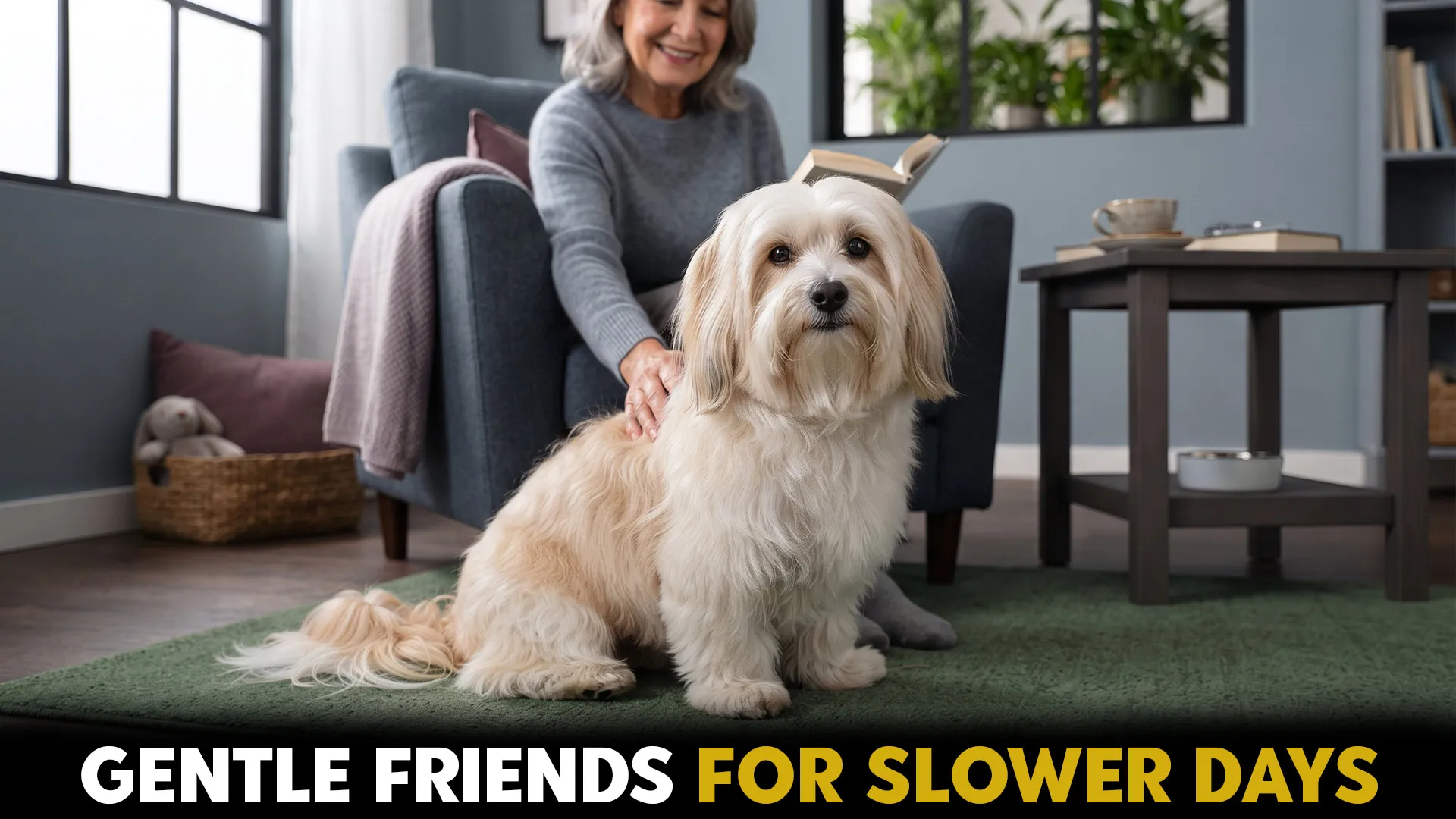
Retirement can mean slower mornings, flexible afternoons, and finally having enough time to appreciate a dog’s extremely important investigation of one suspicious leaf. The right companion can add affection, structure, gentle activity, and plenty of comedy to everyday life without transforming the home into a nonstop canine obstacle course.
Dogs can encourage their owners to move, meet neighbors, and maintain a daily routine. Middle-aged and older dog owners are more likely to be observed walking than non-owners at baseline.
Let’s talk about the best dog breeds for a calm and enjoyable senior lifestyle.
Best Dog Breeds for a Calm and Enjoyable Senior Lifestyle
1. Bolognese
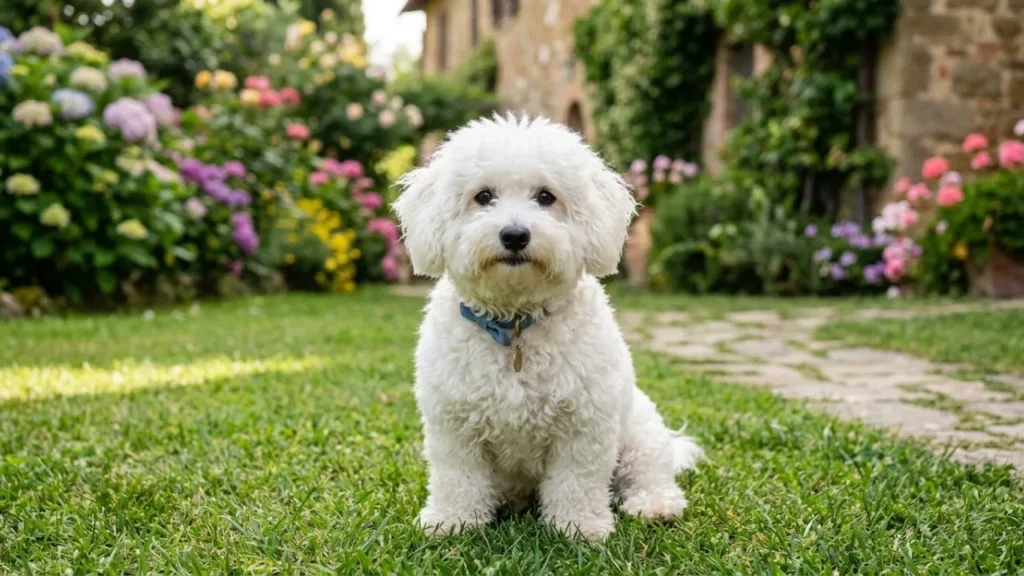
The Bolognese is a small Italian companion breed with a fluffy white coat and a calm, devoted personality. The American Kennel Club calls it a portable cloud with opinions, but the overall energy level is usually refreshingly sensible.
Unlike breeds that demand daily marathons and a personal fitness coach, this low-maintenance pup generally does well with moderate walks, indoor games, and relaxed play. Its easygoing nature can make it a suitable companion for retirees and seniors.
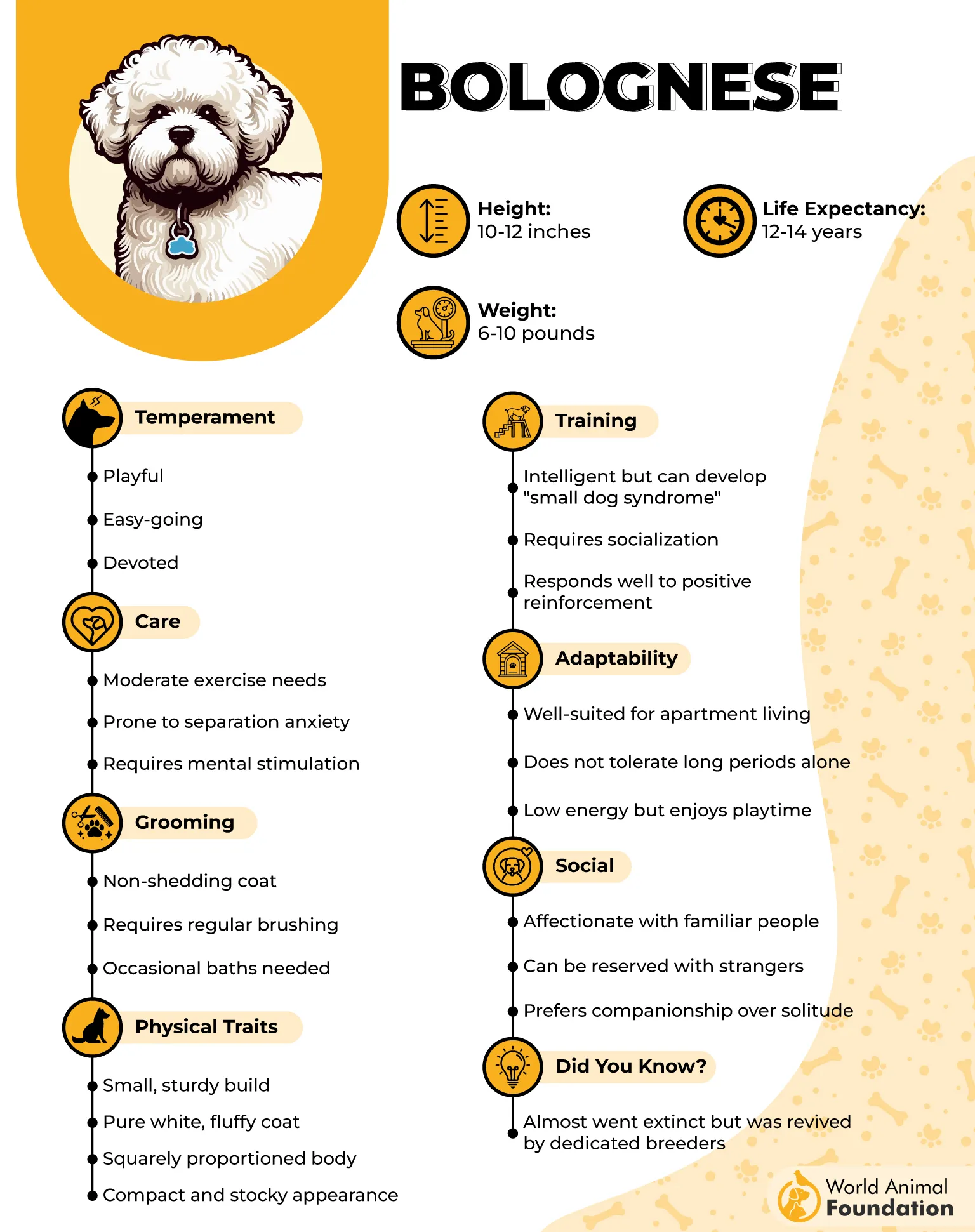
These dogs tend to bond closely with their chosen people and may be cautious around unfamiliar visitors until properly introduced. That loyalty feels wonderfully reassuring to someone who spends considerable time at home.
The Bolognese is smart and often responsive to calm, positive training, although excessive indulgence can encourage demanding behavior.
How They Support A Senior Owner
Their moderate activity needs can encourage regular movement without requiring intense outdoor adventures.
A compact body makes transport to the veterinarian, groomer, or family visits relatively manageable.
2. Pug
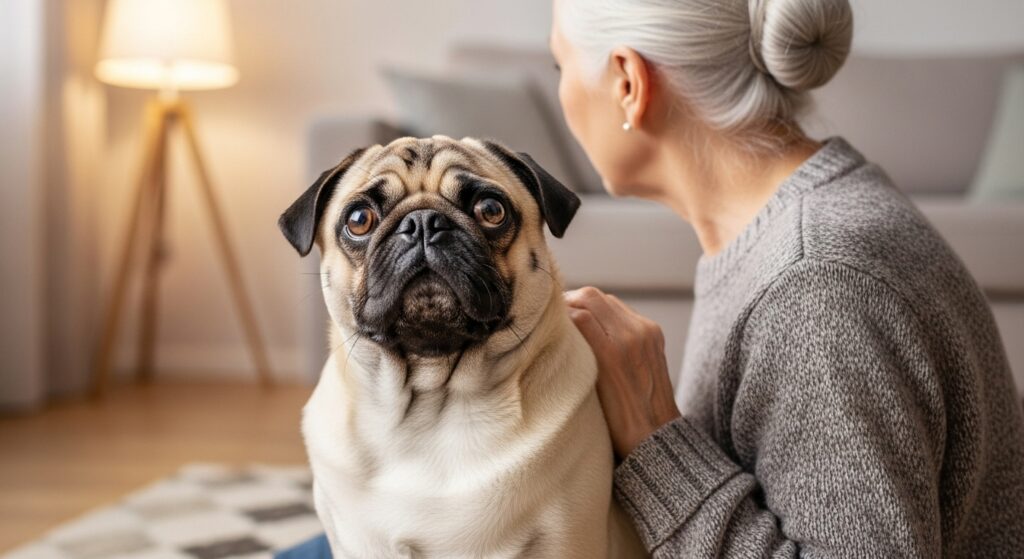
A Pug combines a compact body, expressive wrinkles, and the comedic instinct of someone who knows the entire room is watching. They are affectionate, adaptable house dogs that often enjoy older adults as much as they enjoy locating unattended snacks.
Daily exercise can consist of moderate walks and short play sessions rather than lengthy hikes. Because these lap dogs have shortened muzzles, they tolerate heat, humidity, and strenuous activity poorly, so walks should be scheduled during cooler hours and stopped when breathing becomes labored.
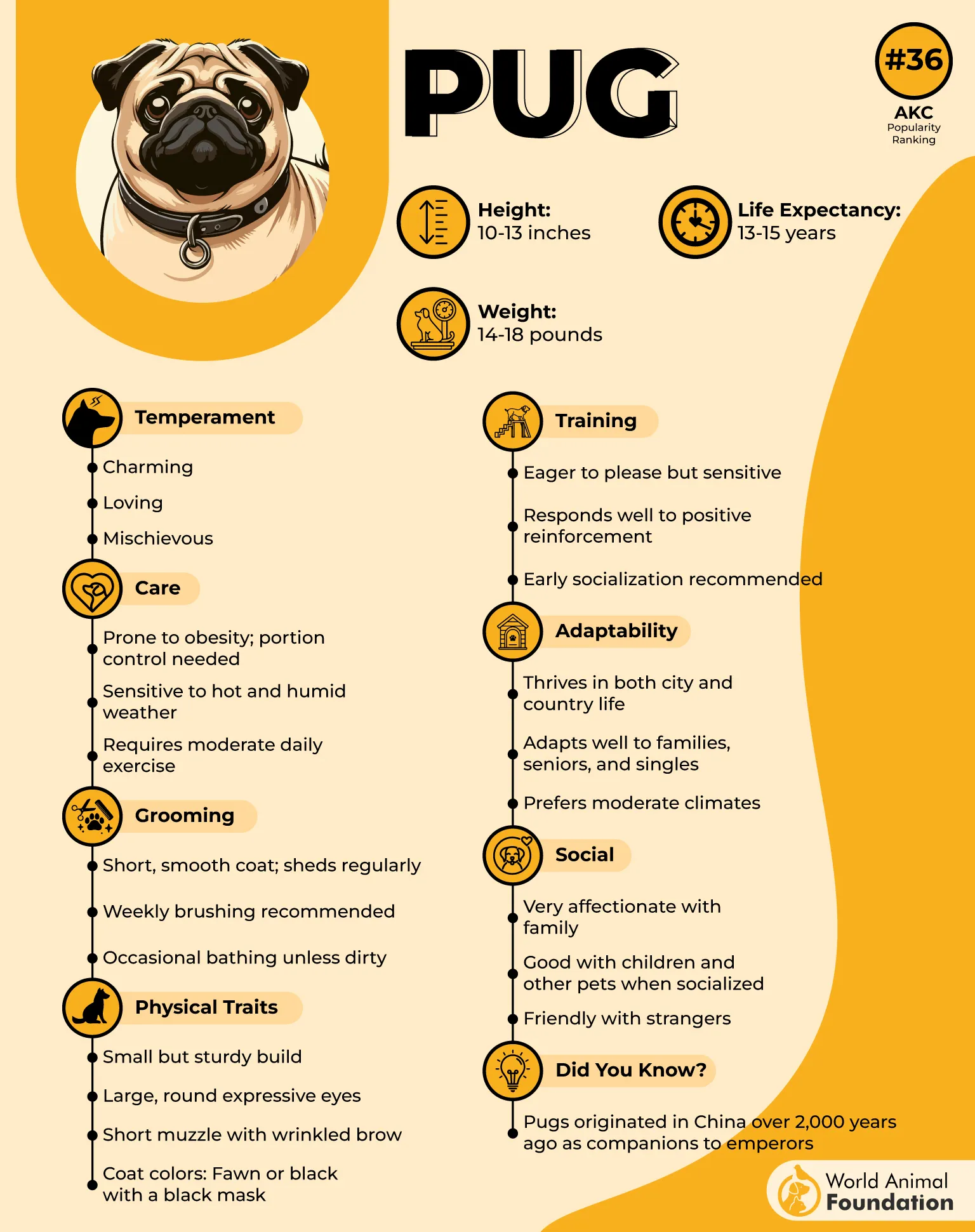
These furry friends were developed primarily to provide companionship, and many owners describe them as charming shadows who want to be part of household life. Positive, reward-based lessons usually work well because the breed enjoys human attention and is frequently food motivated.
Seniors considering this breed should prioritize dogs with open nostrils, quiet breathing, good mobility, healthy body condition, and documented respiratory screening.
How They Support A Senior Owner
A Pug is generally content with brief outings, making the breed compatible with a gentle pace.
Their sociable, playful behavior can bring humor and emotional warmth to otherwise quiet days.
🎧 Dogcast
Episode 37 — Why Dogs Stay Close without Touching
If you don't hear sound, tap the button above to enable audio.
3. Havanese
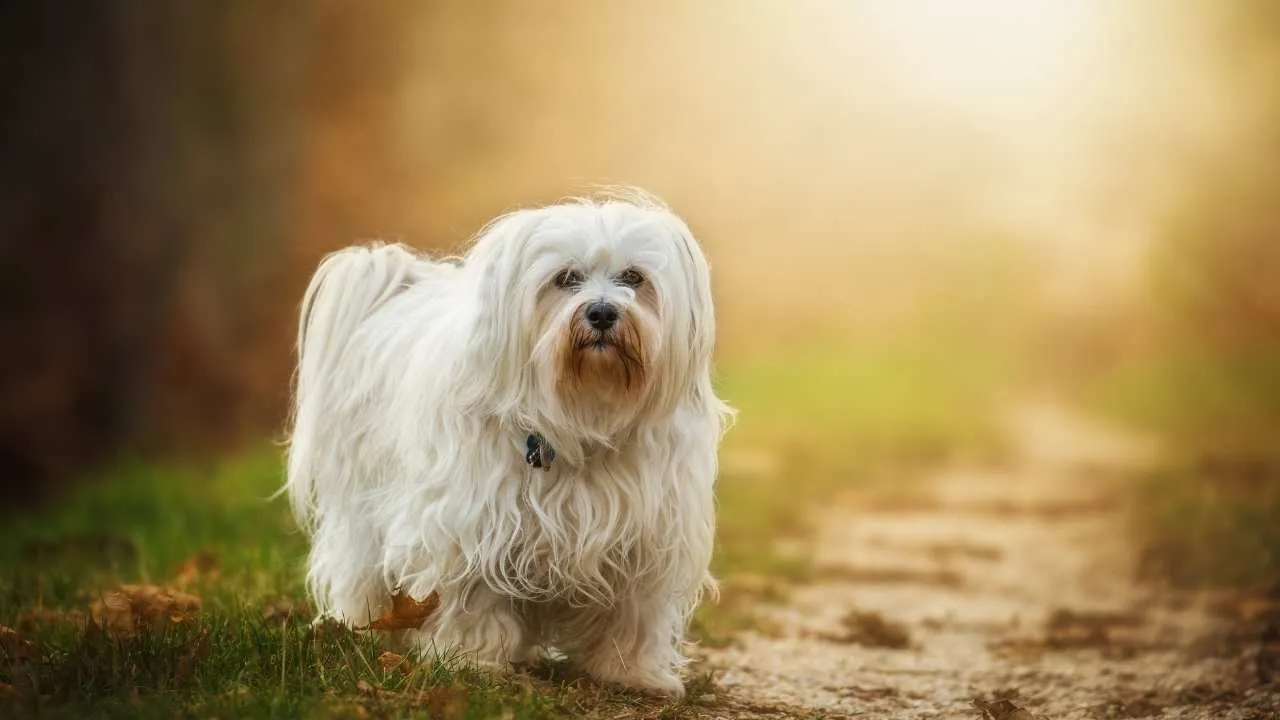
The Havanese is Cuba’s only native dog breed and one of the companion world’s most enthusiastic social butterflies. Their small yet sturdy build offers portability without making them feel quite as delicate as some miniature companions.
These dogs are outgoing, affectionate, and famously interested in whatever their humans happen to be doing. Purina claims that breed enthusiasts consistently describe them as happiest when rewarded with regular human companionship, and they may become distressed when isolated for long periods.
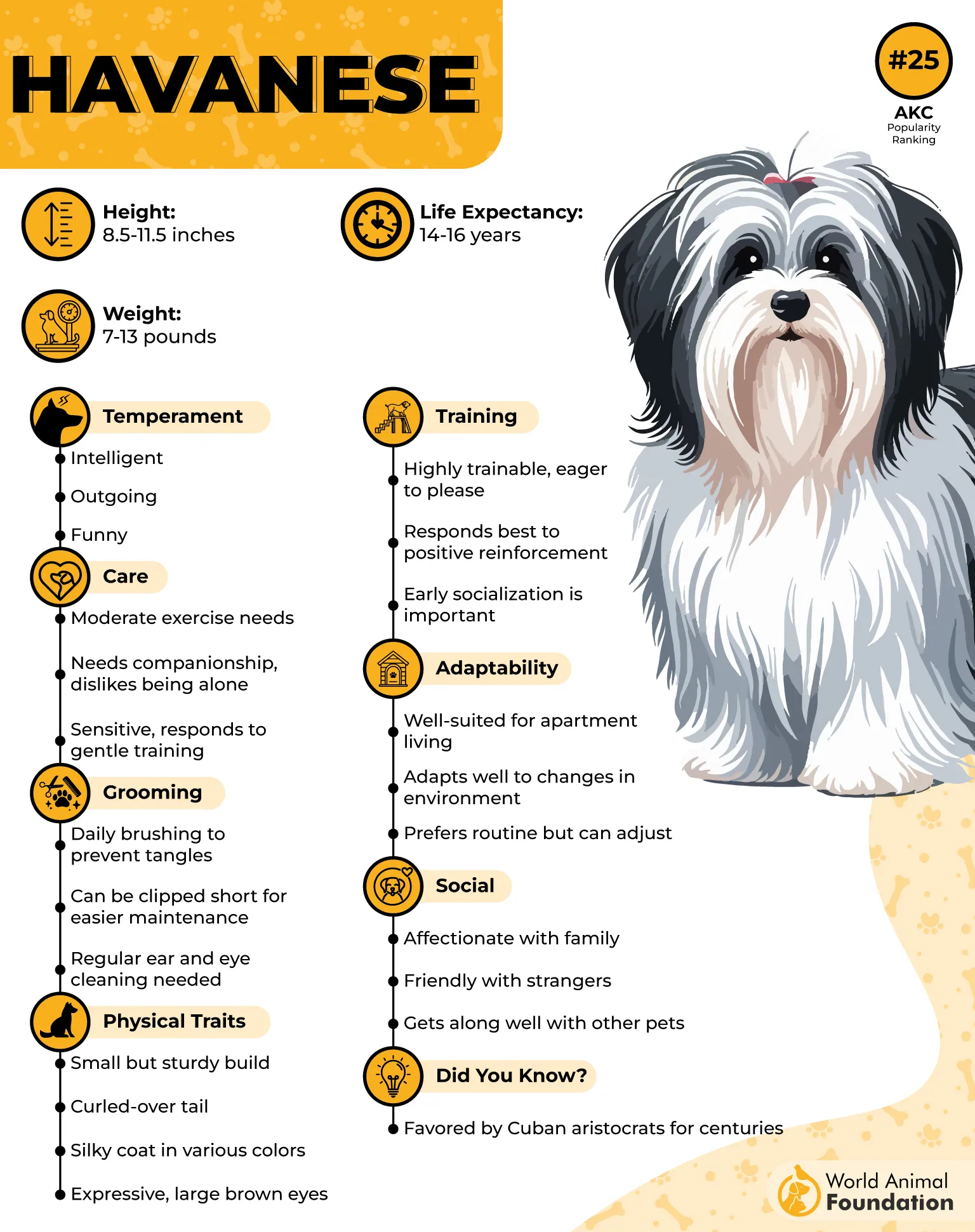
A retired owner who genuinely wants a sidekick may find this devotion adorable rather than mildly stalker-coded.
Exercise needs are moderate and flexible, with brisk walks, indoor games, and supervised garden play providing useful outlets. The ZooPlus notes that Havanese can live successfully in houses or apartments and that indoor activity can contribute meaningfully to their routine.
How They Support A Senior Owner
Indoor play provides an activity option when weather, pain, or mobility makes a long walk unrealistic.
Their responsiveness to training can turn simple daily lessons into an engaging shared hobby.
4. Cavalier King Charles Spaniel
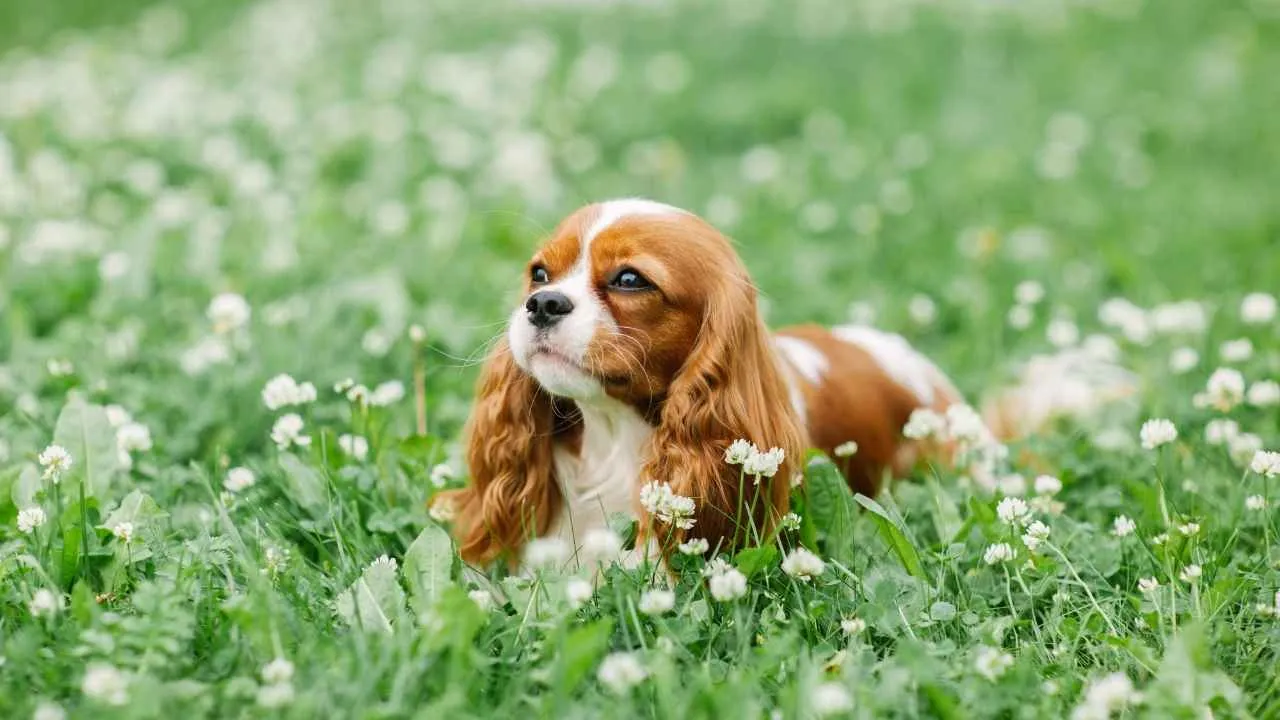
The Cavalier King Charles Spaniel looks like it stepped out of a royal portrait and immediately requested permission to join you on the sofa.
Daily walks are usually welcome, but Britannica says most Cavaliers do not need the punishing exercise schedules associated with high-drive working breeds. Loose-leash training is particularly valuable for an owner concerned about balance or falls.
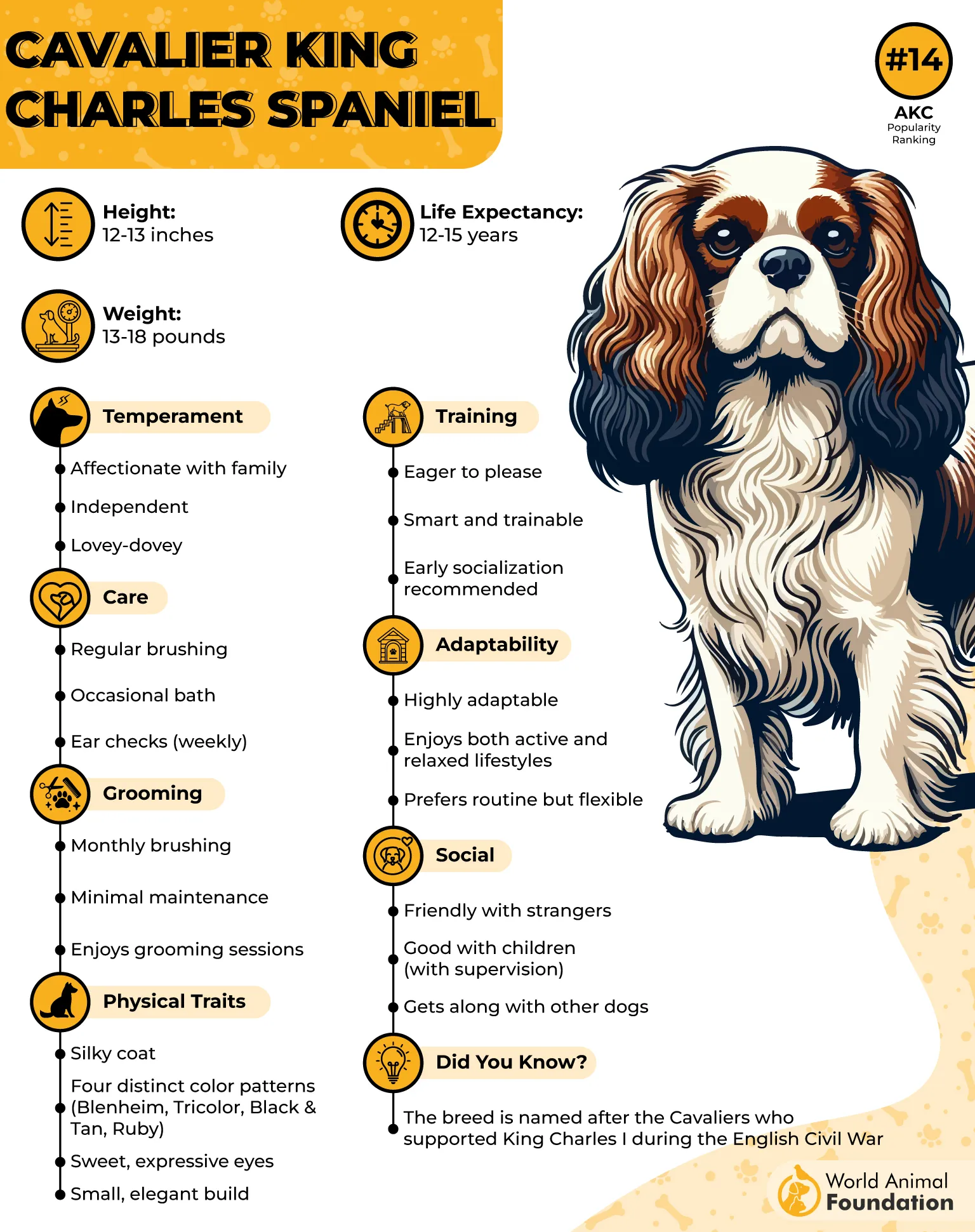
Few breeds show affection with this much commitment, because they thrive on interaction and often form strong bonds with their households. Their gentle, attentive behavior has also made them successful therapy dogs, demonstrating the calming social qualities many owners recognize at home.
The silky coat is relatively manageable and typically requires regular brushing, occasional bathing, monthly nail care, and weekly ear checks. Feathering behind the ears, beneath the legs, and around the feet should be combed before small tangles turn into tight mats.
How They Support A Senior Owner
Their natural gentleness suits owners seeking peaceful physical affection rather than nonstop wrestling matches.
Moderate walks offer a reason to leave the house while remaining adjustable to the person’s comfortable pace.
5. Coton de Tulear
Known as the Royal Dog of Madagascar, the Coton de Tulear is a happy little companion whose name is inspired by its cotton-like coat and the port city of Tulear.
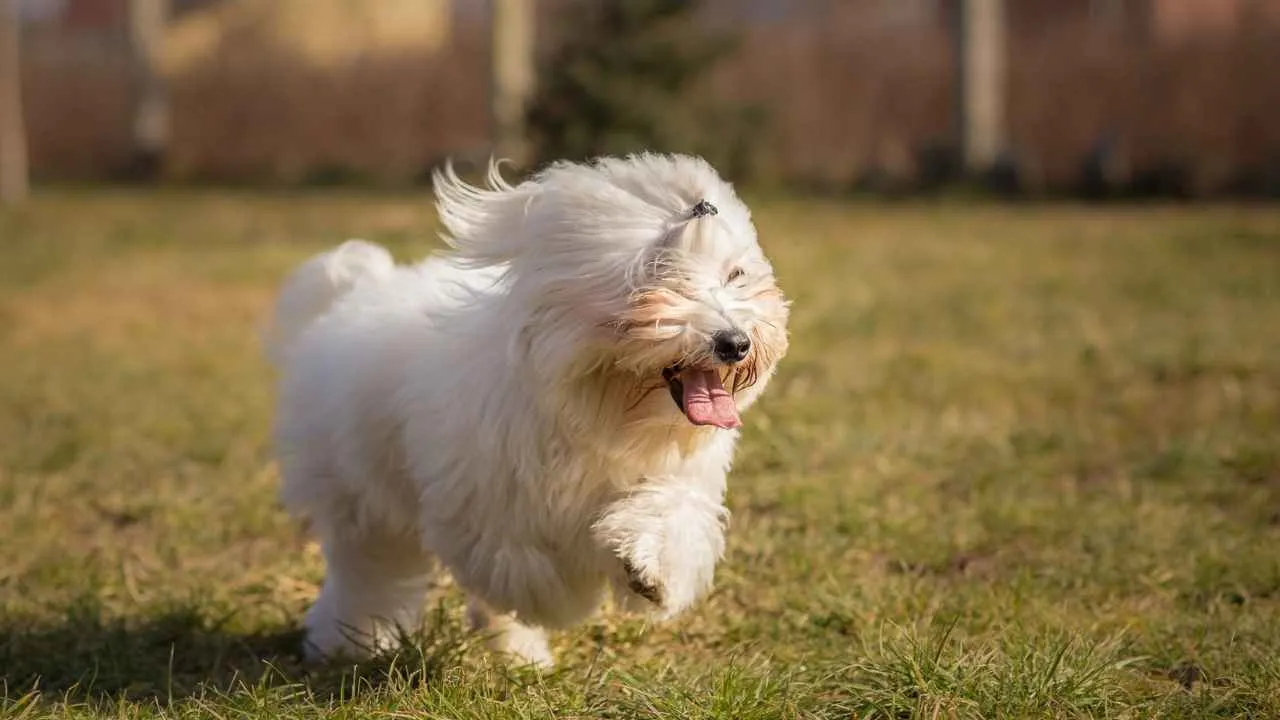
Personality is where the Coton truly goes full entertainer mode. The breed is known for clowning, following a favorite person around the house, and turning ordinary domestic moments into a suspiciously well-produced comedy special.
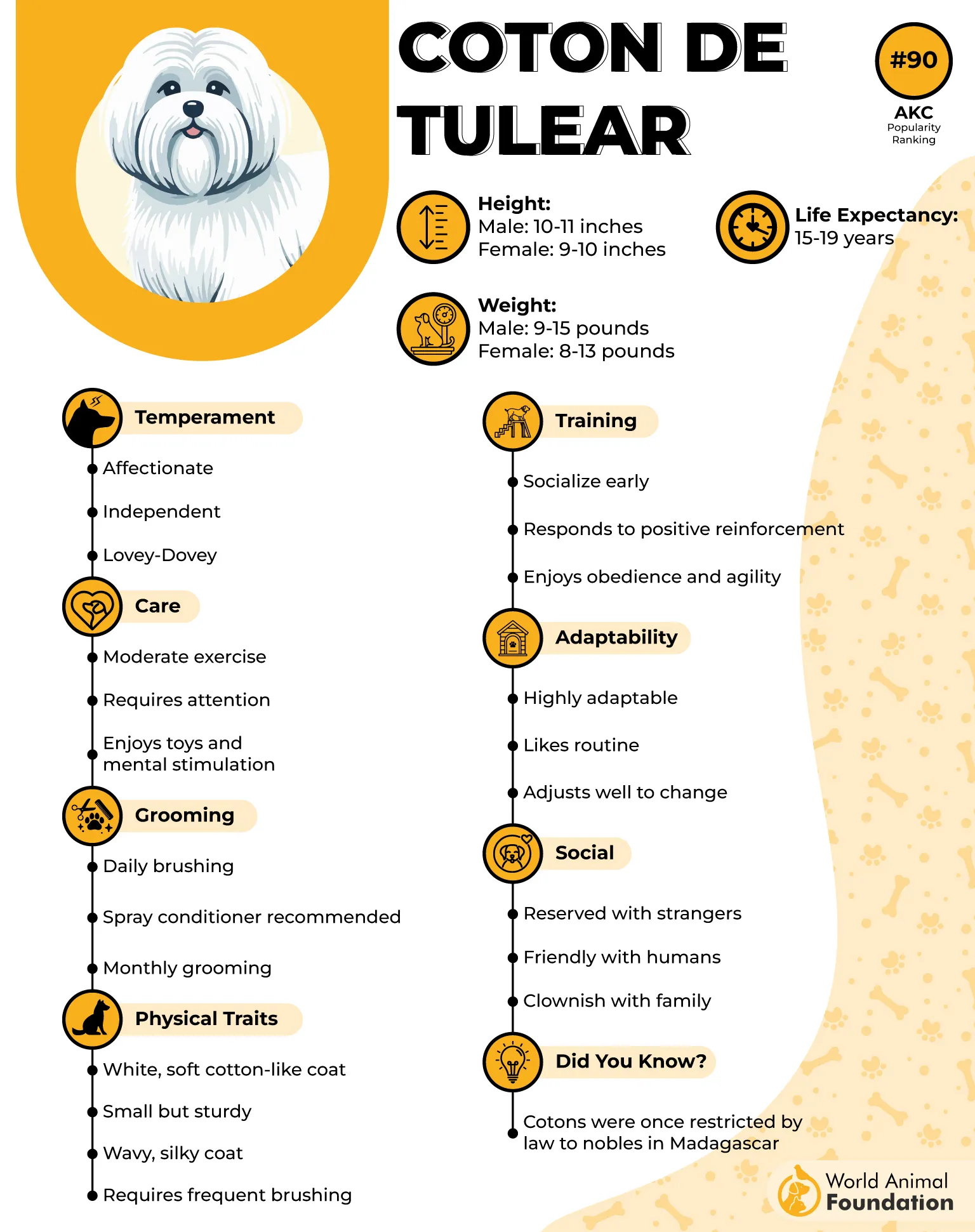
These little white dogs with moderate energy levels love slow daily walks, a gentle game of fetch, and access to interesting toys, which can satisfy much of the breed’s activity requirement. Cotons are moderately active rather than genuinely lazy, and insufficient attention can lead to boredom or destructive behavior.
Positive training works best because Cotons are bright, socially motivated, and typically unimpressed by harsh handling.
How They Support A Senior Owner
Their cheerful antics can create lighthearted interaction without the intensity of a large working dog.
Long life expectancy offers the potential for a deep bond, provided future caregiving arrangements are secured.
6. Russian Tsvetnaya Bolonka
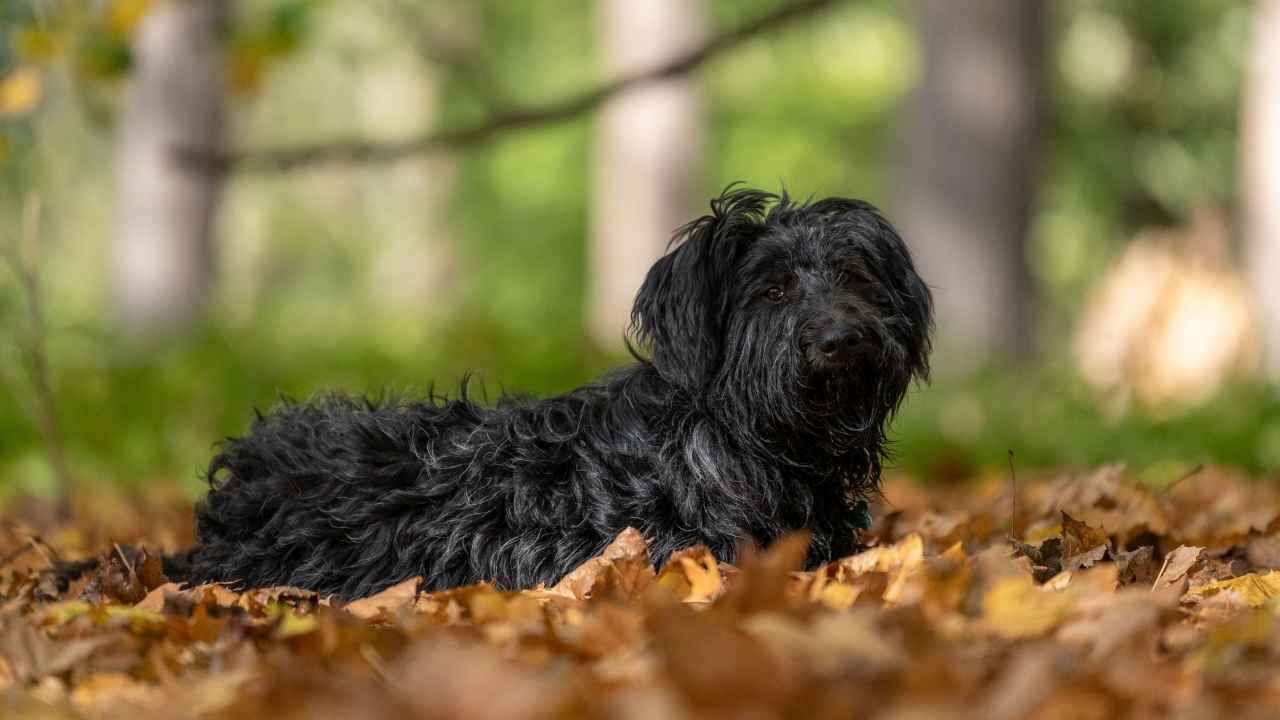
Developed as an apartment-friendly companion, the Russian Tsvetnaya Bolonka was created to be affectionate, sociable, intelligent, and comfortable in relatively limited living space.
With an estimated lifespan of 14 to 20 years, this breed is among the longest-living dogs. A senior owner should therefore identify family members, friends, or legal arrangements that can protect the dog if health or housing circumstances change.
These Russian dogs adjust to their owner’s activity level. An active person may receive an eager little adventure partner, while a quieter person may discover a very committed television companion. That adaptability is highly appealing, although an individual puppy can still be considerably more energetic than an established adult.
Bolonki enjoy walks and play but do not ordinarily require enormous amounts of exercise. Their cleverness makes trick training, scent games, obedience, and indoor hide-and-seek useful options. At the same time, early lessons can prevent alert barking from becoming the soundtrack of the entire apartment building.
How They Support A Senior Owner
Their tiny dimensions can suit apartments and make routine transportation less physically demanding.
Flexible energy allows many individuals to enjoy both gentle outings and quiet evenings.
7. French Bulldog

The French Bulldog is a compact, muscular companion famous for bat ears, a wrinkled expression, and a personality approximately three sizes larger than its body. They are playful, affectionate, adaptable, and generally less vocal than many small watchdog-type breeds.
A short walk or relaxed outdoor play session can provide sufficient daily exercise for many French Bulldogs. Their laid-back routine may suit a senior who wants companionship without marathon-level activity, but they should not be pushed in hot or humid conditions.
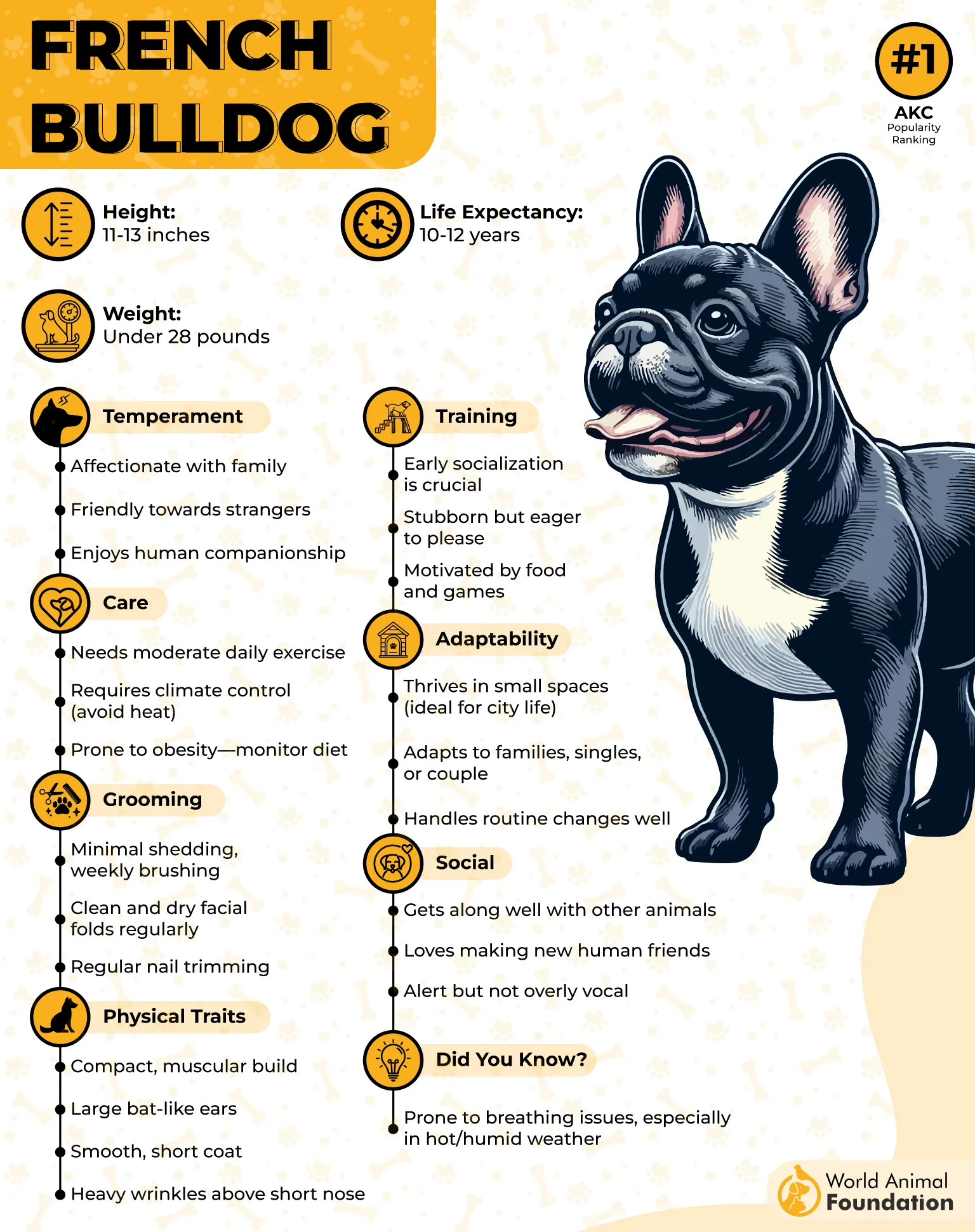
Frenchies enjoy human company and commonly adapt to apartments, smaller homes, and living with singles and couples. Training can require patience because they occasionally combine intelligence with selective hearing, yet food rewards and consistent boundaries usually improve cooperation.
The short coat only needs weekly brushing, but the wrinkles must be cleaned and dried carefully. Nails should remain trimmed, skin changes need prompt attention, and the ears should be checked for irritation despite their open, upright appearance.
How They Support A Senior Owner
Limited exercise requirements may suit someone who prefers short, scheduled walks close to home.
Their affectionate, expressive behavior offers lively companionship without constant barking.
Conclusion
A calm senior lifestyle does not require a dog that spends 23 hours a day impersonating a decorative cushion. The best companion is affectionate and manageable but still interested enough in life to encourage gentle movement, regular routines and social contact.
Bichon Frise, Boston Terrier, Shih Tzu, Cocker Spaniel, English Cocker Spaniel and Standard Poodle are also great dogs with affectionate temperaments for senior owners.
Before adopting, seniors should honestly evaluate their walking strength, balance, grooming ability, veterinary costs, travel arrangements, and access to emergency support. Pet-related falls can happen both inside the home and during walks, so clear pathways, securely stored toys, non-slip flooring, and well-trained leash behavior are practical investments.
