




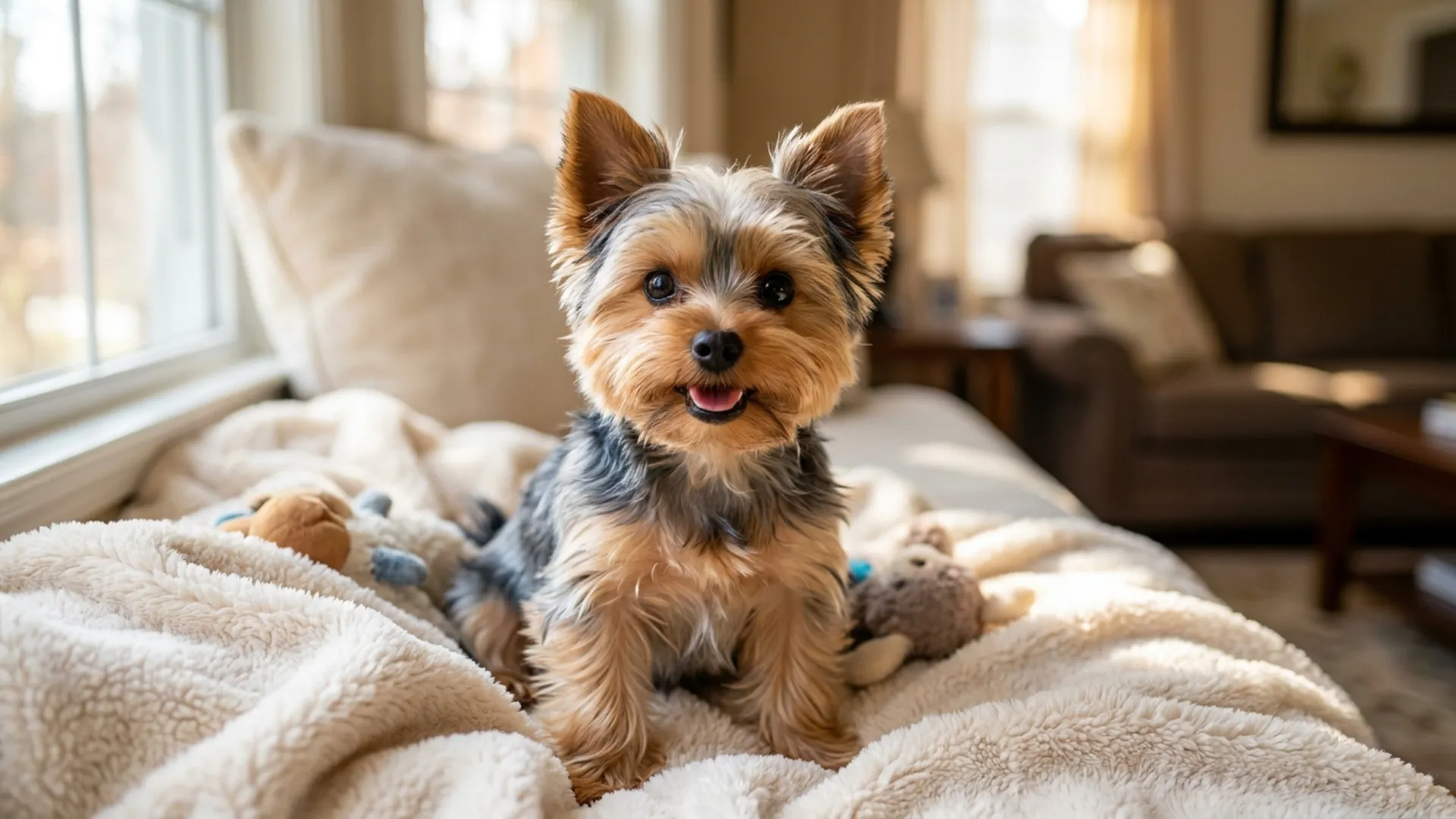
A puppy-sized dog has a certain appeal that is hard to ignore, especially when you want a companion that remains small long after the puppy stage ends.
It is easy to underestimate a puppy when it is small enough to carry around, but rapid growth can soon mean more room, sturdier equipment, and a different routine at home. The breed’s expected adult size tells you much more about the future than those tiny puppy proportions ever can.
Permanently petite dogs can suit apartments, smaller households, frequent travelers, and anyone who prefers a compact companion. Still, a tiny body does not tell you everything you need to know. Some are lively and playful, while others are more content with quiet company. Grooming, training, exercise, and personality deserve attention too.
Up next, you’ll find the breeds that stay small, plus the traits, personalities, and practical details that can help you choose confidently for everyday life today.
Key Takeaways
What if your dog could stay puppy-sized for life? These little breeds keep their tiny frames well into adulthood, making them especially appealing for smaller homes and easy everyday companionship.
The Toy Poodle stands only 8 to 10 inches tall, yet its ancestors were duck hunters built for cold water and hard work.
Then there is the Pekingese, once small enough to ride inside an emperor’s robe sleeve, while the Pomeranian came from much larger Arctic working dogs.
Keep reading, and you’ll find seven tiny breeds with very different personalities, from the determined Yorkie to the clever Papillon.
Best Small Dog Breeds – Always Puppy-Sized
1. Yorkshire Terrier
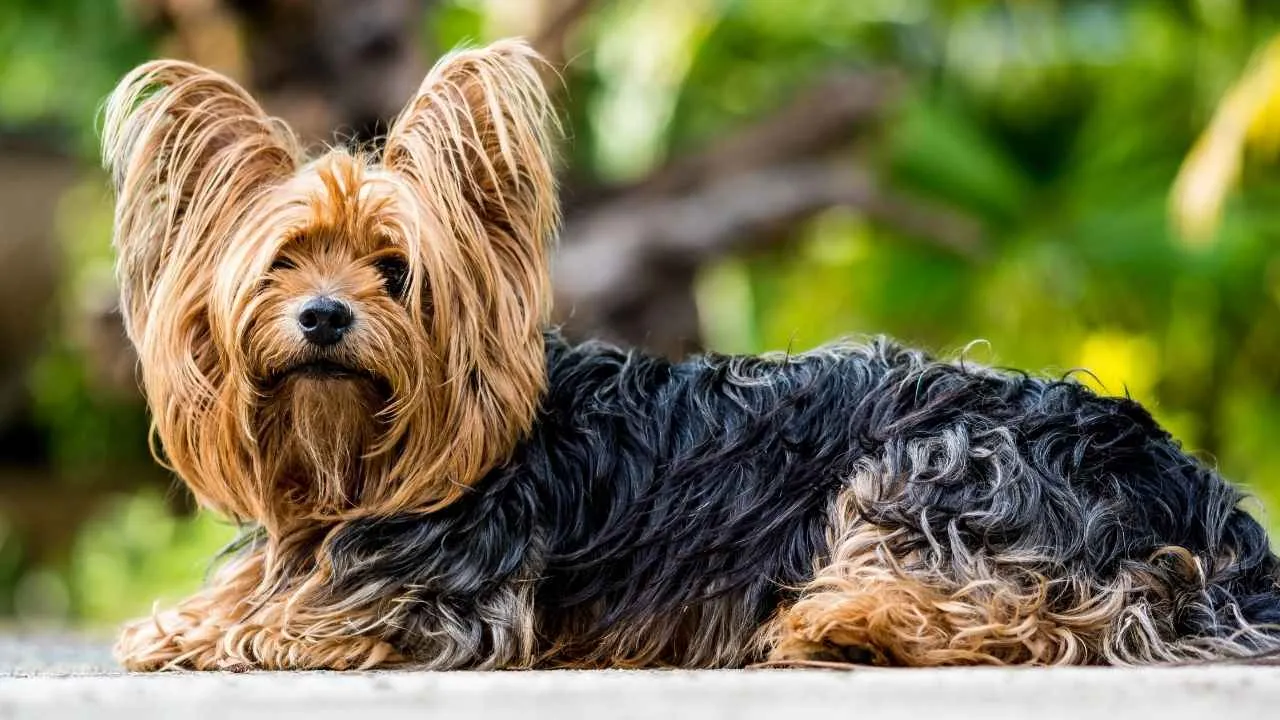
Yorkshire Terrier emerged in the 1800s in Yorkshire, England, where these tiny dogs worked in clothing mills catching rats. Working-class weavers first kept them as useful companions before their appeal reached households far beyond the mill communities.
Small Frame, Big Energy
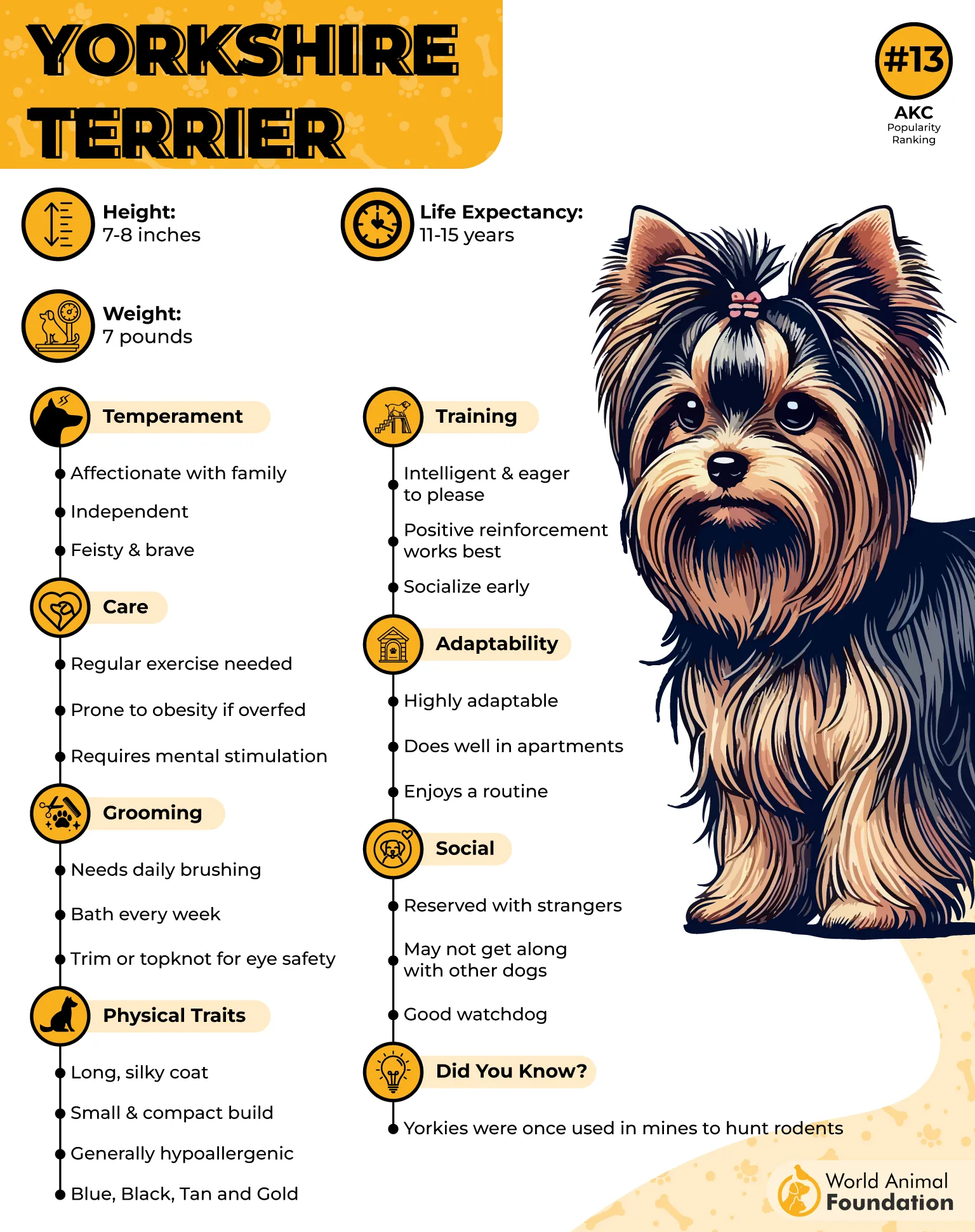
Yorkshire Terrier is among the smallest dog breeds, yet its rat-catching roots are easy to spot in its fearless, determined approach to activity. Daily walks, play sessions, and games that engage its nose can give that busy nature a useful outlet.
These practical details make life with a Yorkie more interesting:
Puzzle toys can challenge its curious mind
Early socialization helps with unfamiliar situations
Training can curb barking and lunging
A Watchful Little Personality
Yorkshire Terrier often takes time to assess unfamiliar people before becoming friendly, while familiar companions receive plenty of attention and affection. Its confidence can also become vocal or defensive when it feels threatened by visitors, outside noises, or other dogs, as WebMD writes.
2. Toy Poodle
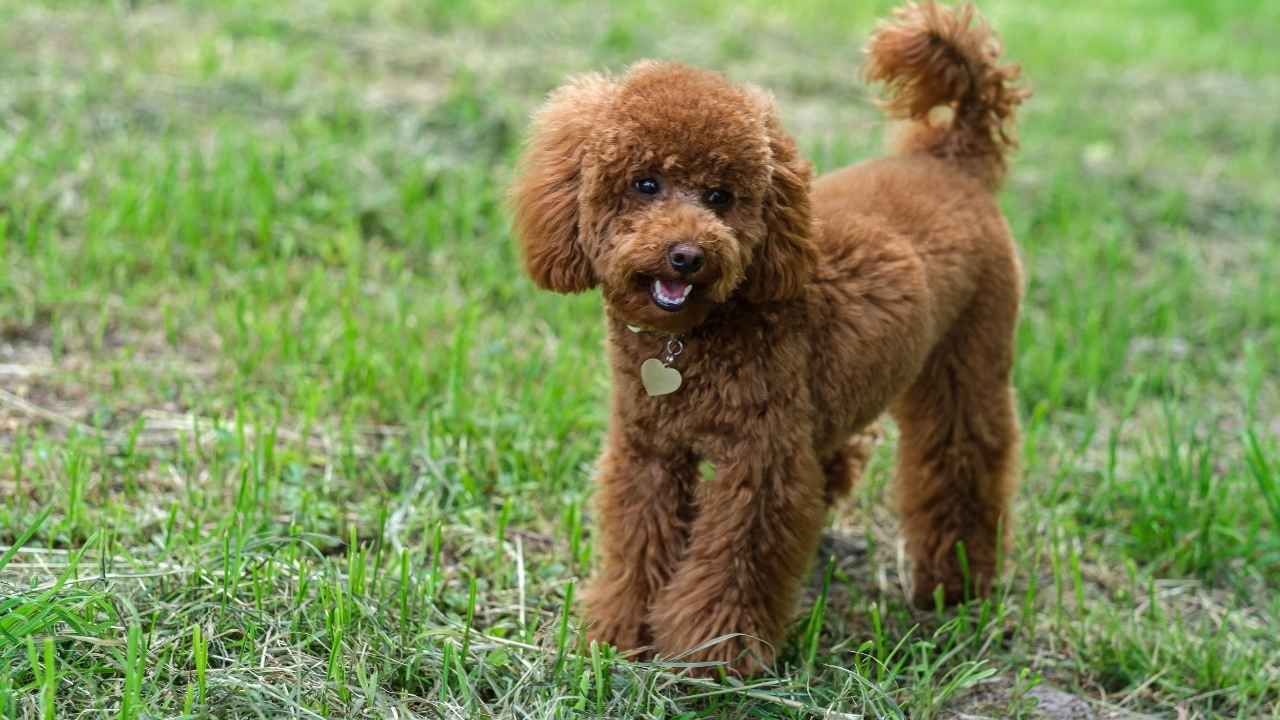
More than 400 years ago, Poodles in Germany were already working as duck hunters, and the Toy Poodle comes from that same lineage. Their dense, curly coats offered protection in cold water, while their athletic bodies helped them handle the retrieving work.
Truly Toy-Sized
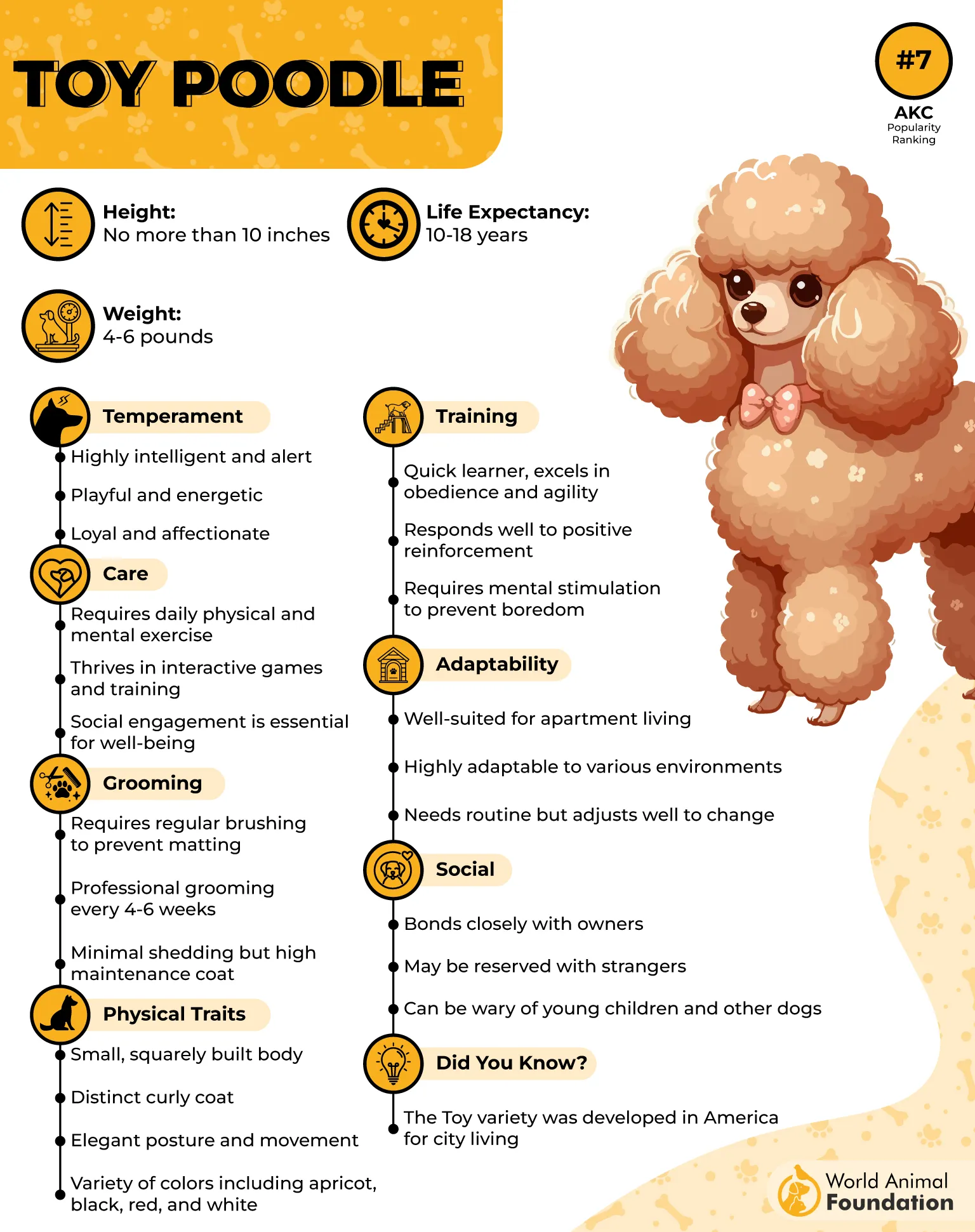
Toy Poodles reach only about 8 to 10 inches tall and weigh roughly 6 to 9 pounds, keeping this variety firmly in the petite category. That small frame also makes it easier to fit into compact homes where a larger poodle would need more room.
There is more to this little Poodle:
Affectionate with children and other pets
Can learn obedience exercises quickly
Separation anxiety can occur when left alone
Plenty of Talent
This lap dog needs about 30 to 45 minutes of daily exercise, with walks, swimming, and fetching and retrieving games offering practical ways to burn that energy. Their intelligence also lends itself to activities such as agility, tracking, dock diving, and trick training.
3. Shih Tzu
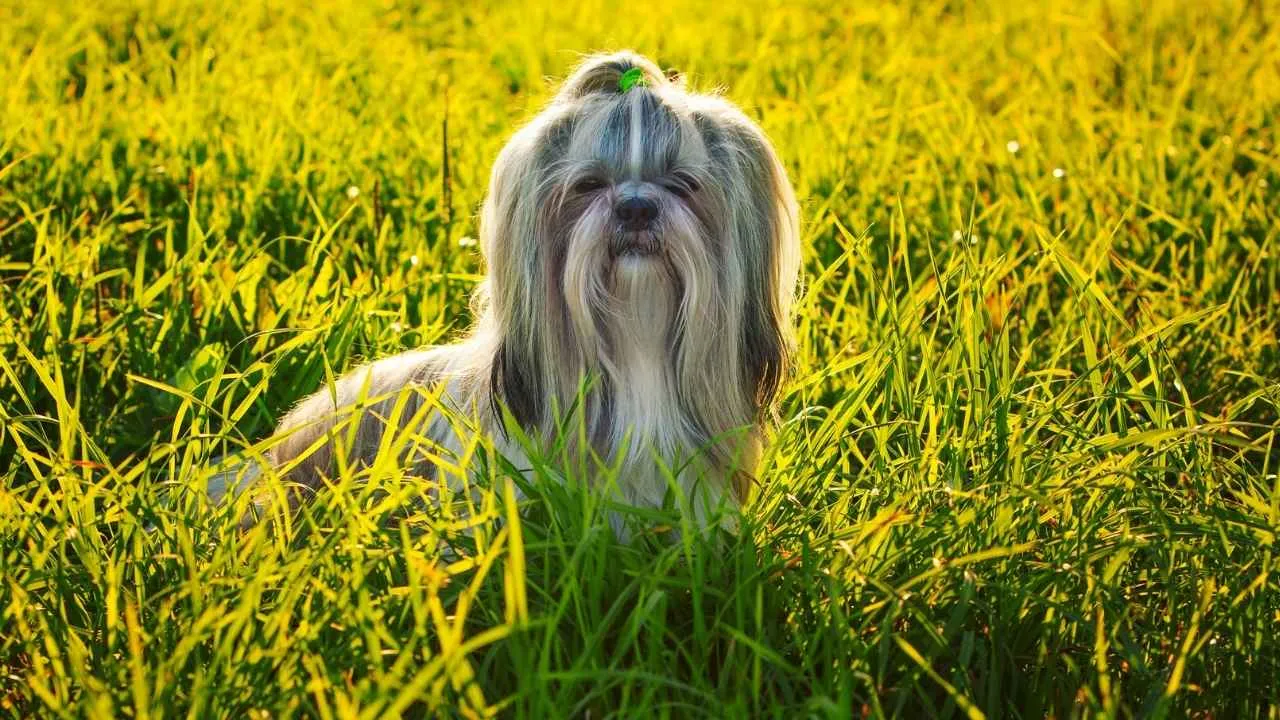
Shih Tzu’s early roots reach back to China around 1000 B.C.E., while the breed as recognized today originated in Tibet before reaching Chinese royal households. During the Ming dynasty, these small breeds were favored family dogs and given as gifts to royalty.
Small, Yet Spirited
Shih Tzu may be small enough to tuck beside you on the sofa, but there is plenty of personality packed into that little frame. It can happily curl up for a cuddle one minute and trot around the park the next, making both quiet days and casual outings enjoyable.
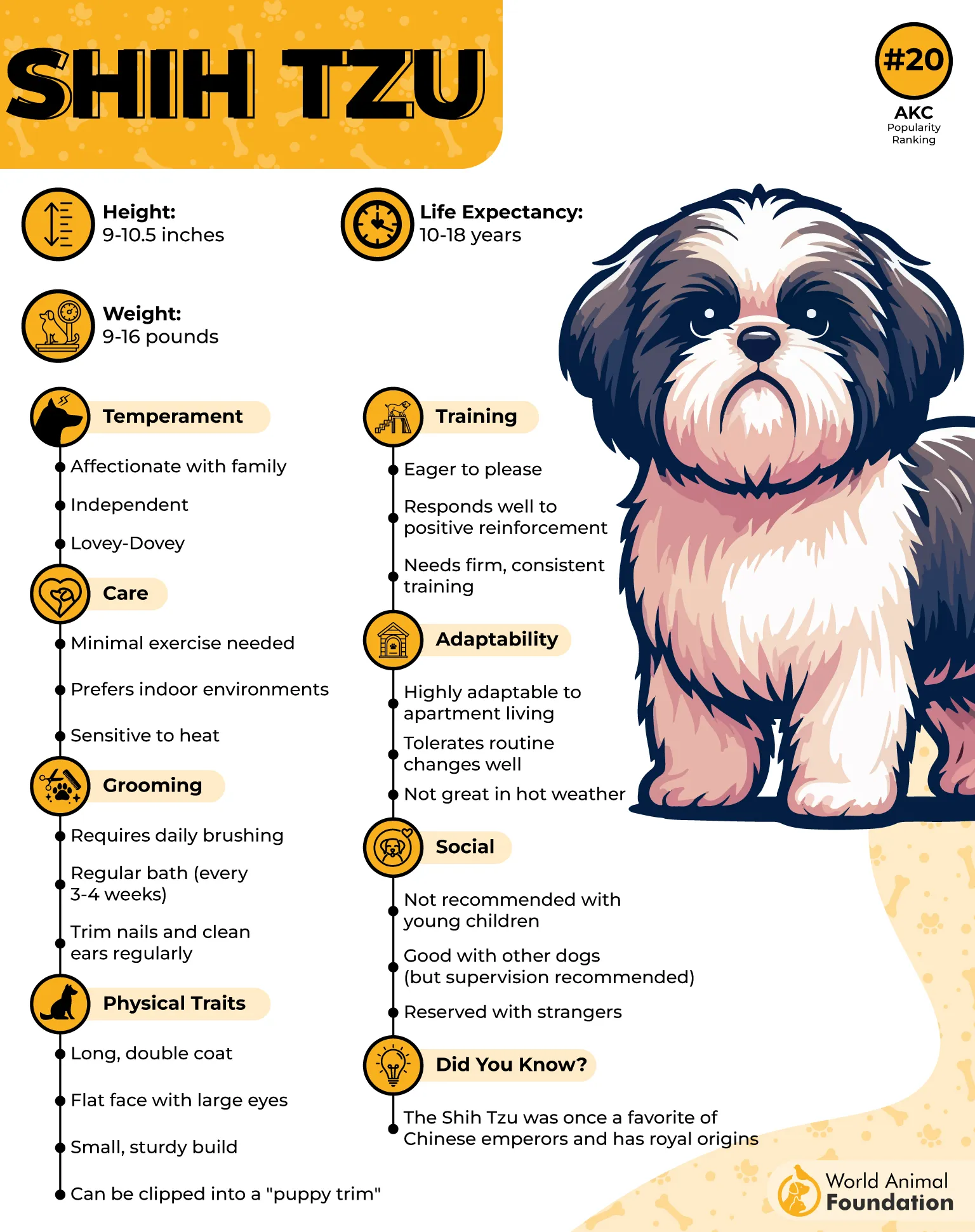
Life with one has its own quirks:
Channel their energy with games and brief walks
Able to assess situations quickly
Puppies may develop a stubborn streak
More Than a Lapdog
Shih Tzu often has fun with older children who know how to handle a small dog gently and can settle around other pets once everyone has been introduced properly, as per PDSA. Things can get a little mouthy during rough play, so younger children still need supervision around this tiny companion.
4. Maltese
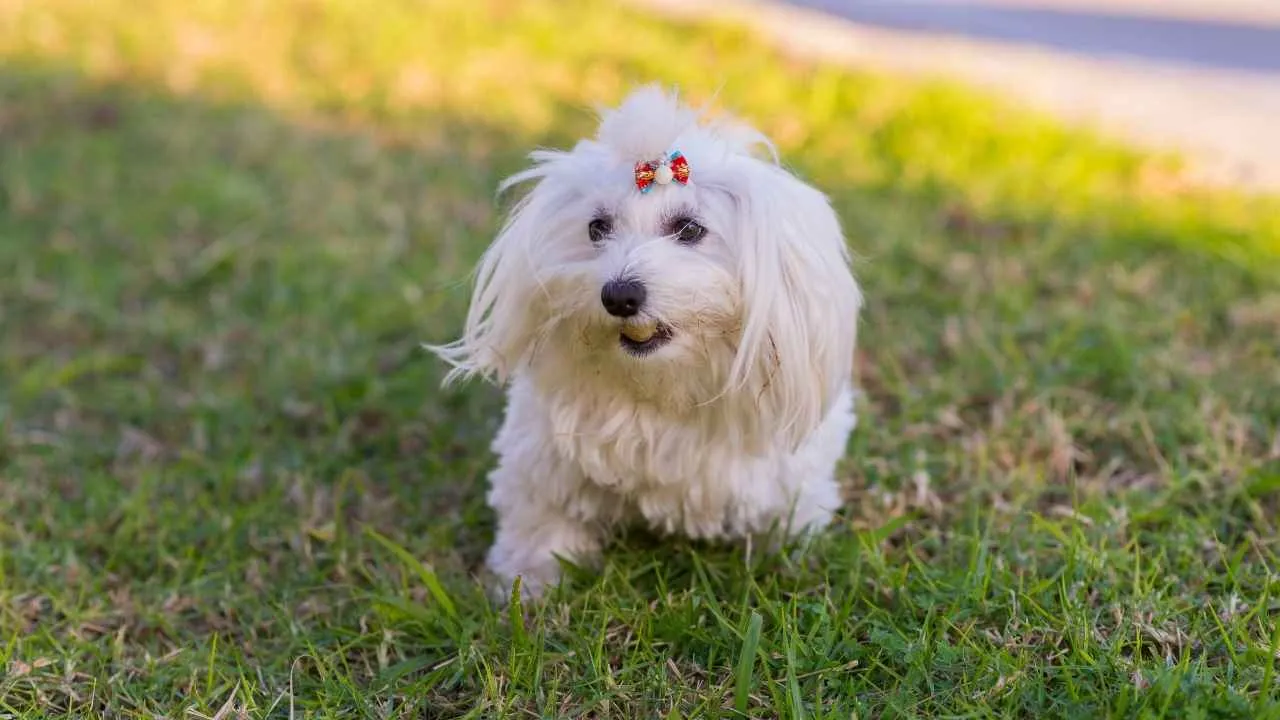
Maltese takes its name from Malta in the Mediterranean, where its story reaches back to around 1500 B.C.E. Phoenicians are thought to have introduced these little dogs to the island before Malta passed through the hands of different empires over two millennia.
Tiny by Nature
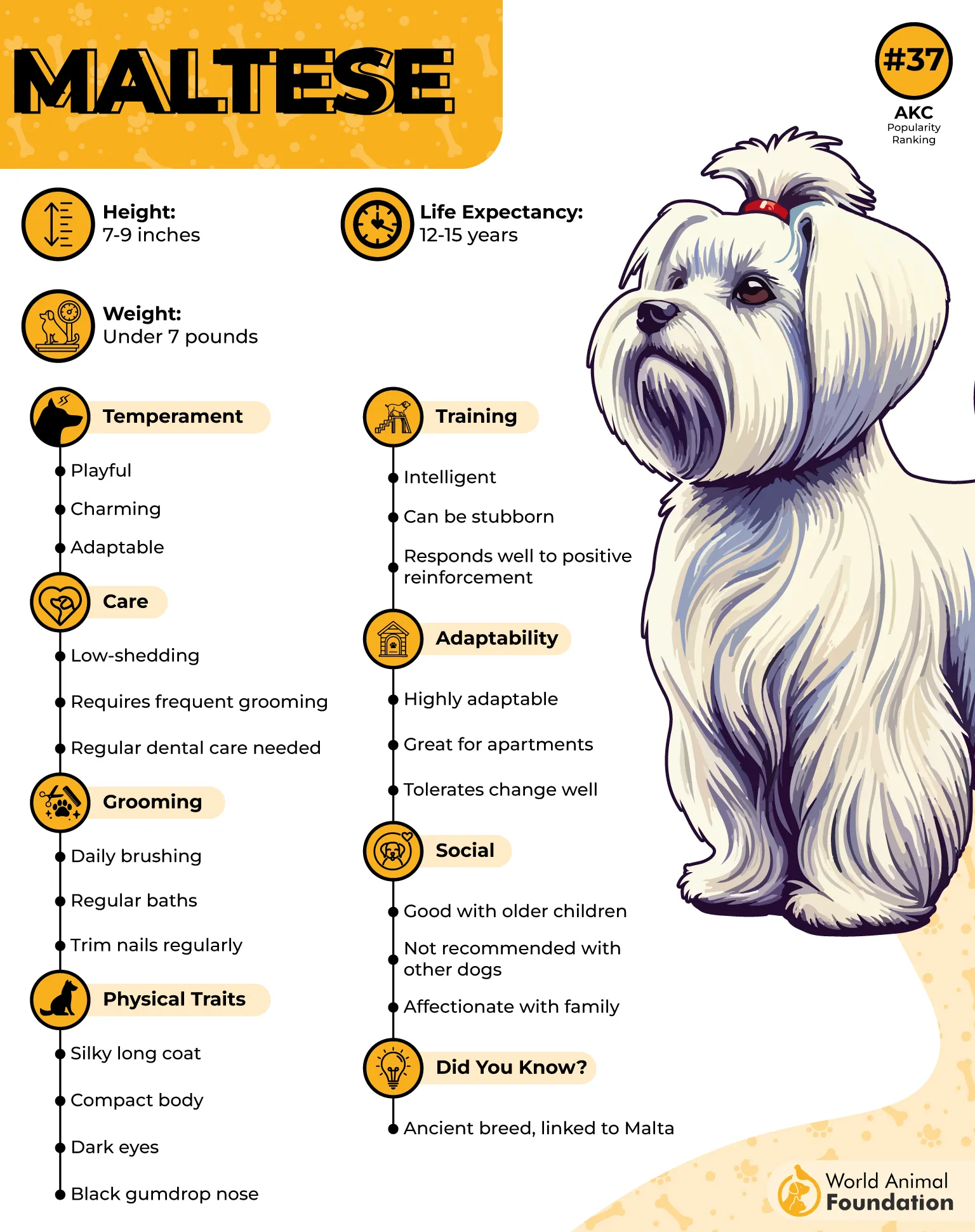
Even fully grown, the Maltese remains a tiny dog, which makes it appealing if you want something easy to carry, cuddle, and accommodate around the house. Its exercise routine can stay simple too, with walks and indoor play often giving it enough activity for the day.
This apartment-living breed has more going on:
Historically associated with queens
Often suited to therapy work
Talented in agility and obedience
Care Matters
Maltese has a long white coat that needs frequent brushing and combing, plus regular bathing and conditioning to reduce tangles and mats, as Pawlicy Advisor reported.
Their small frames also call for supervision around very young children, while consistency and positive training help channel their intelligence productively.
5. Papillon
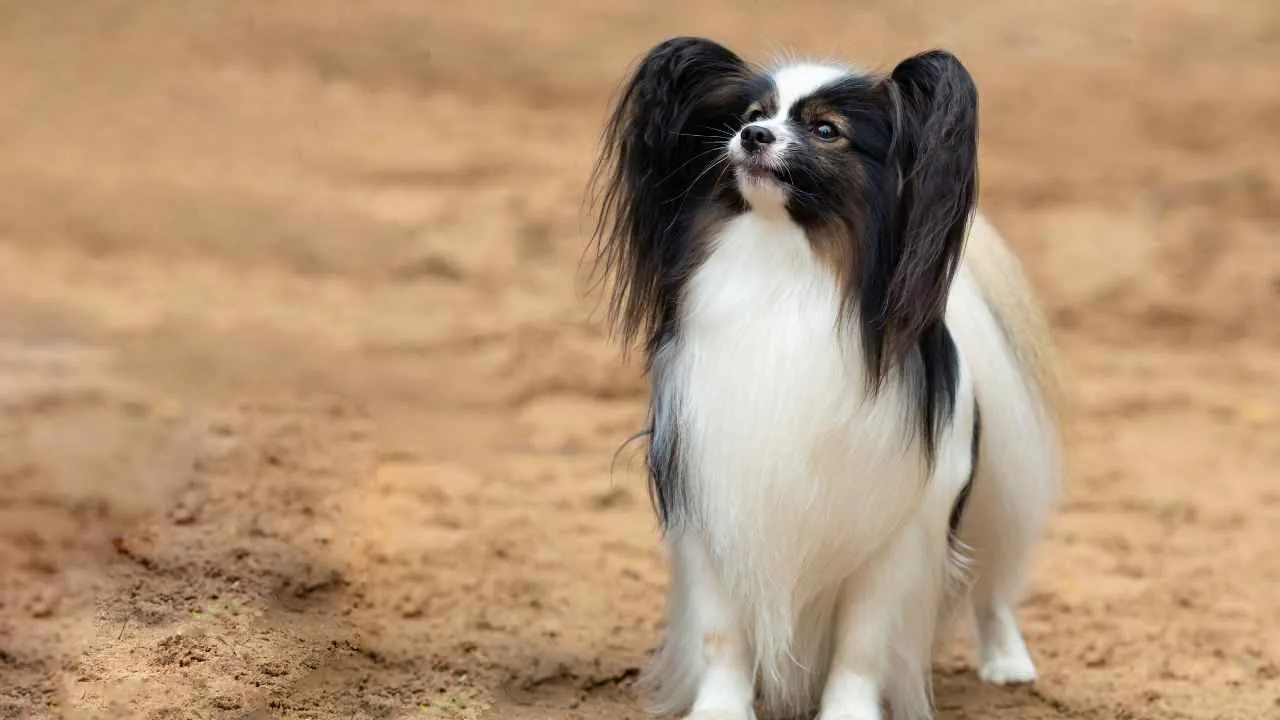
Papillon had a place among European nobles as a much-loved companion, particularly in French aristocratic circles. Portraits often show these little dogs beside queens and princesses, with Marie Antoinette and Louis XIV among the famous names linked to them.
Small in Stature
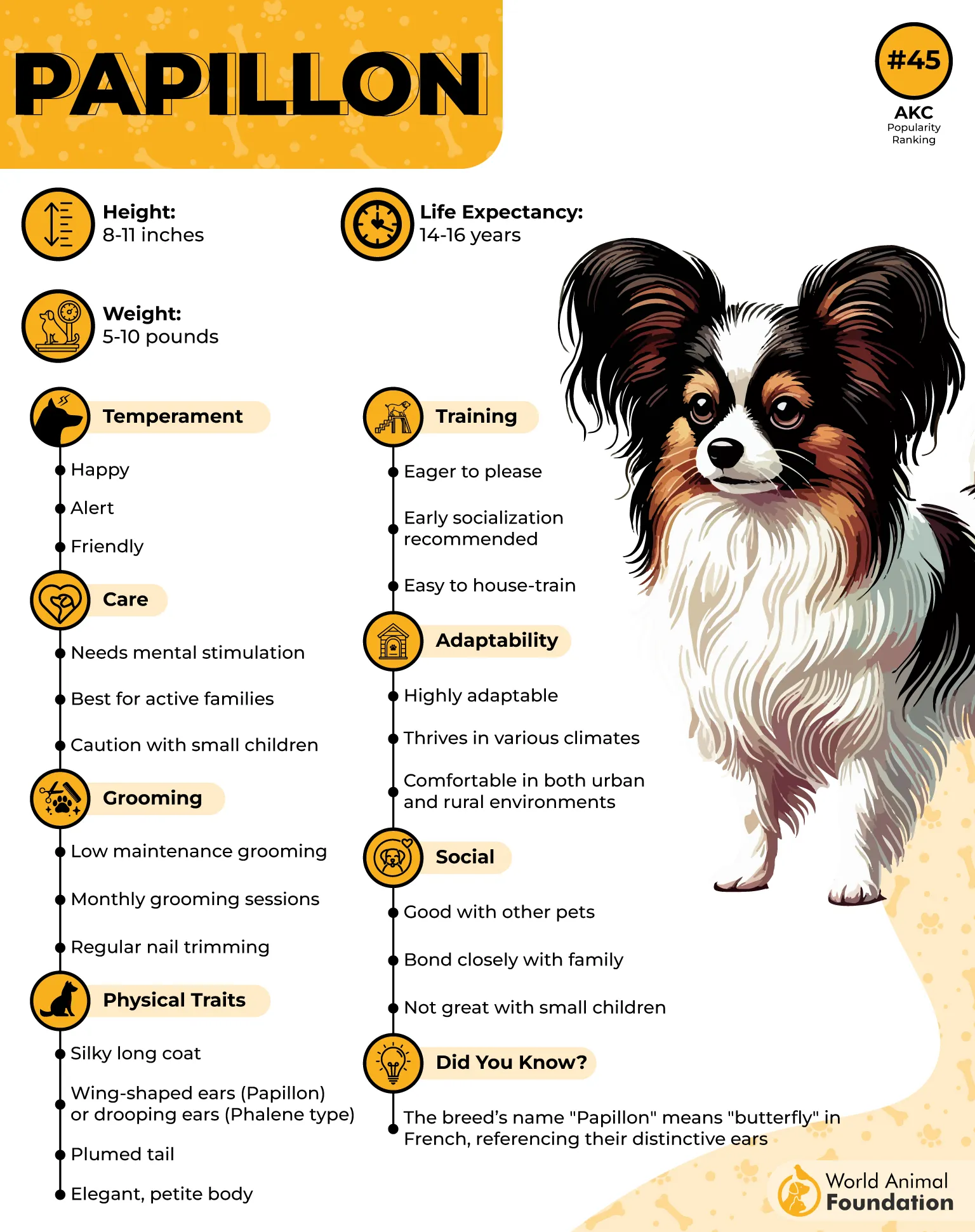
Papillon may weigh just 5–10 pounds and stand 8–11 inches at the shoulder, but this little dog is far from fragile. Beneath its fine-boned frame is an athletic body that moves lightly, while its alert expression and lively personality keep pace with its energy.
These details give this little dog plenty of personality:
Quick to learn new behaviors
Enjoys performing for people
May develop dominant habits
Small Body, Real Sensitivity
Young children need to handle Papillons carefully because rough play, being dropped, or getting stepped on can cause serious injuries to this tiny breed.
Loud sounds and sudden movements may also make some individuals uncomfortable, while their history as rat catchers can create problems around hamsters and other small animals.
6. Pekingese
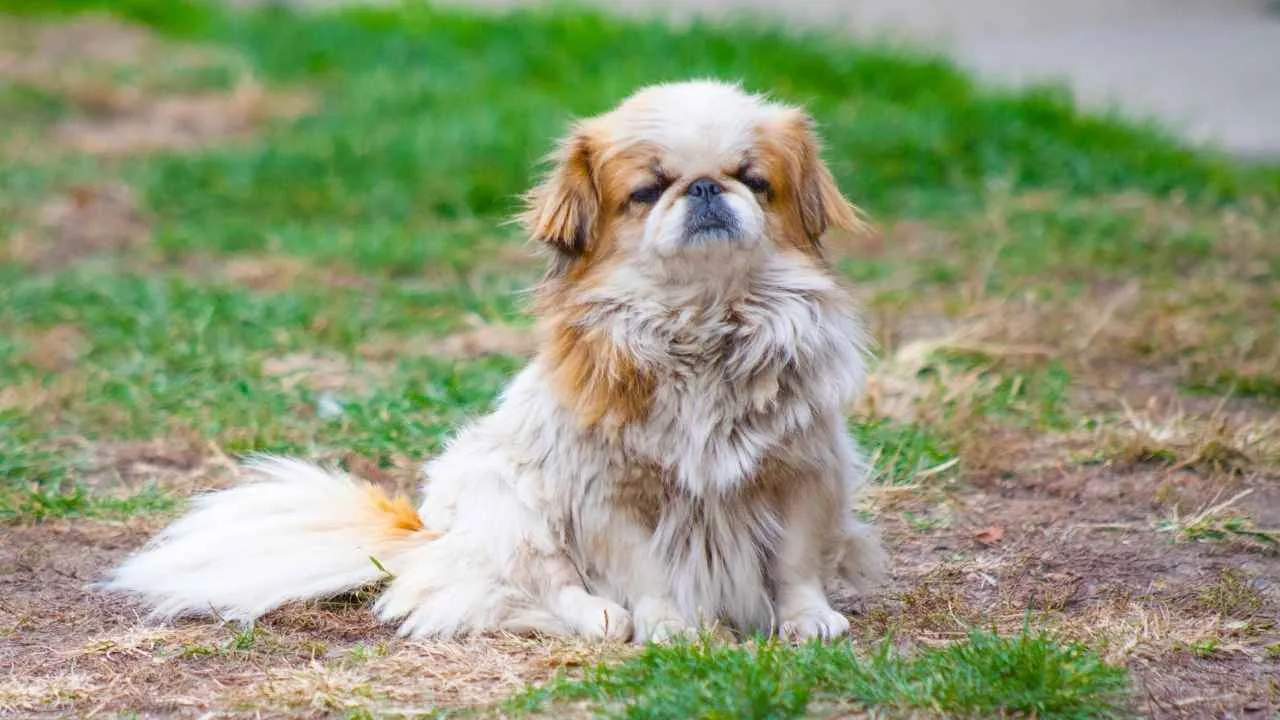
Pekingese shared the palaces of ancient China with royalty, earning a place as cherished and affectionate companions. The tiniest dogs had an unusual nickname, “sleeve dogs,” because they were small enough to fit inside an Emperor’s robe sleeves.
Tiny in Stature
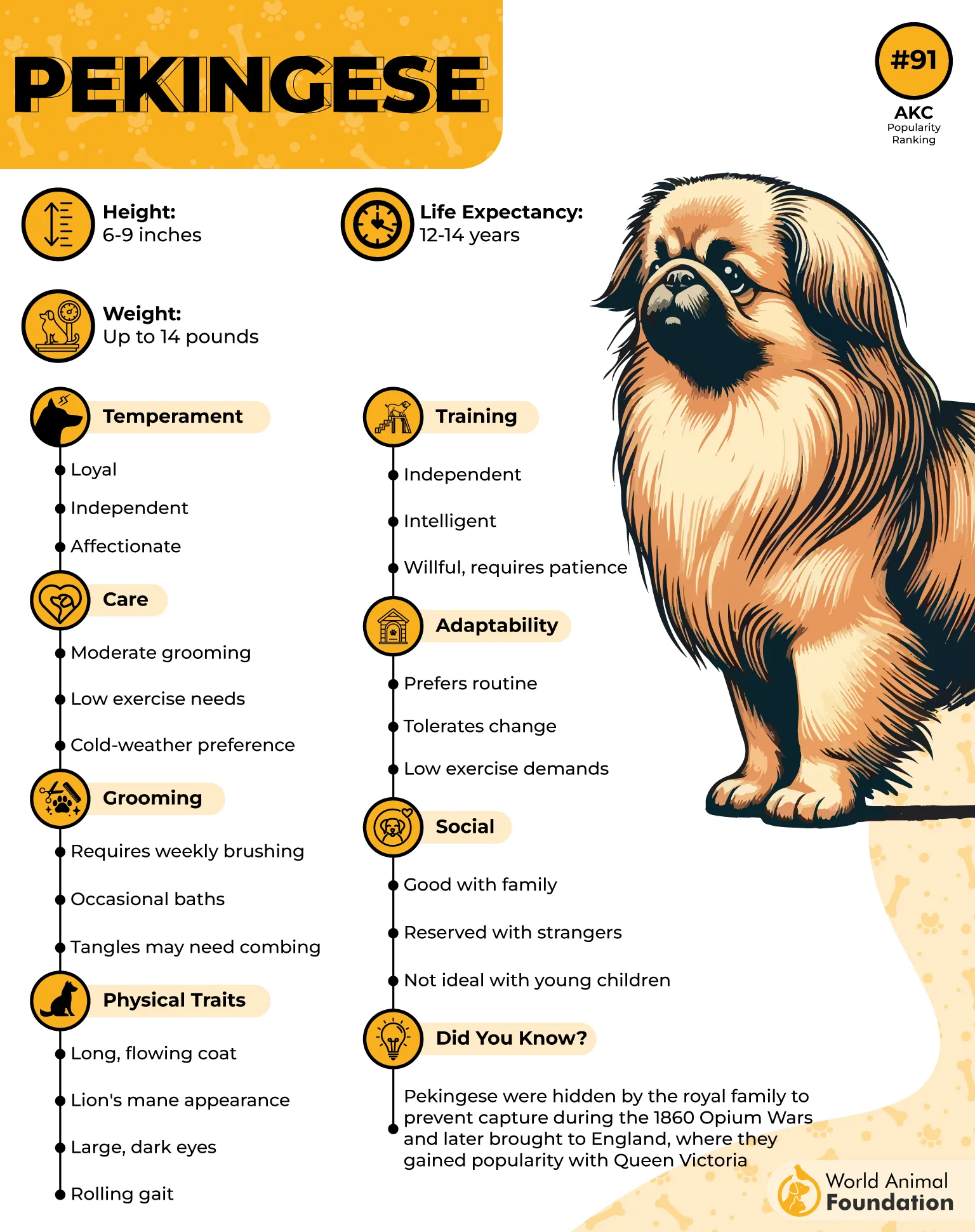
Standing at only 6–9 inches tall, Pekingese remains unmistakably tiny even as a fully grown dog, which helps explain its “always puppy-sized” appeal. That dense little frame also gives it a sturdy presence that seems bigger than its actual height.
The following characteristics put its petite size into perspective:
Classified as a toy breed
Flat face can contribute to breathing difficulties
Generally needs only short daily walks
A Strong Personality
Pekingese knows what it likes and can be surprisingly firm when someone gets too close to its personal space. Pulling at its coat, grabbing it during play, or reaching for its food and favorite toys can bring out a defensive response, so gentle handling and respect for its boundaries matter from the start.
7. Pomeranian
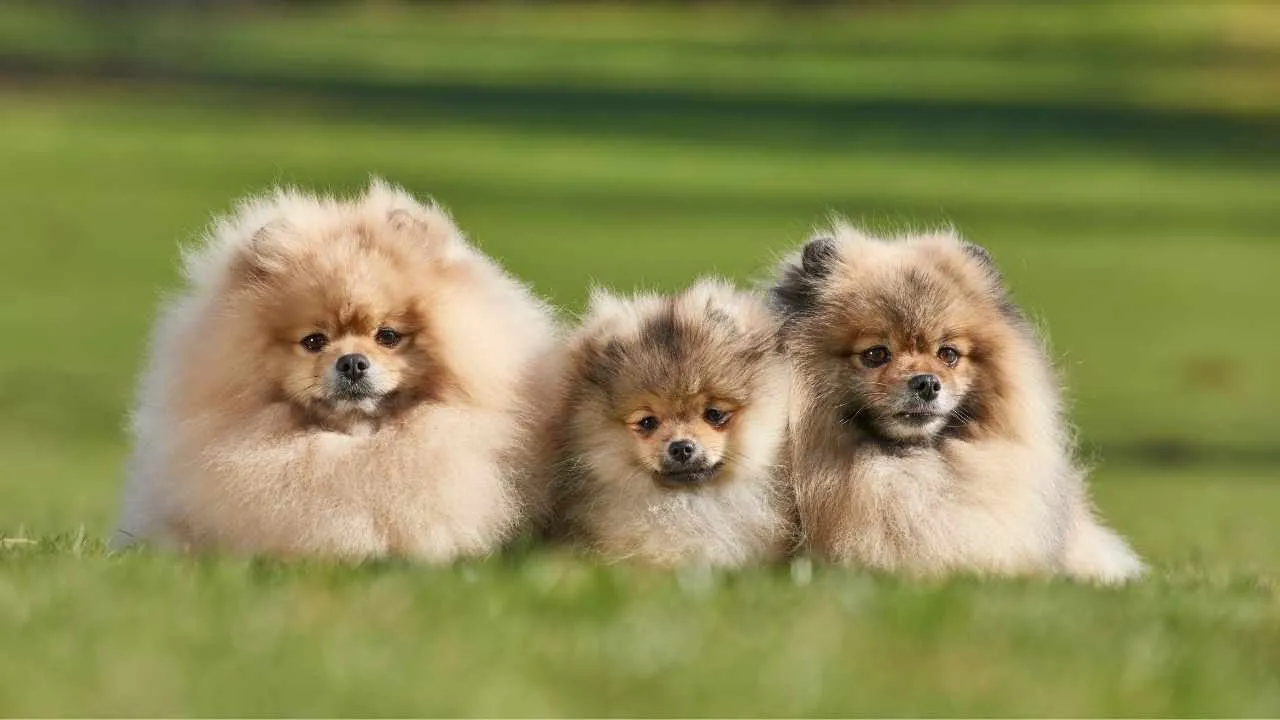
Pomeranian traces its roots to Arctic working dogs, with its name linked to Pomerania, the Baltic Sea region. Earlier Pomeranians were used for practical jobs such as guarding homes, protecting livestock, and pulling sledges before the breed became much smaller.
Tiny by Design
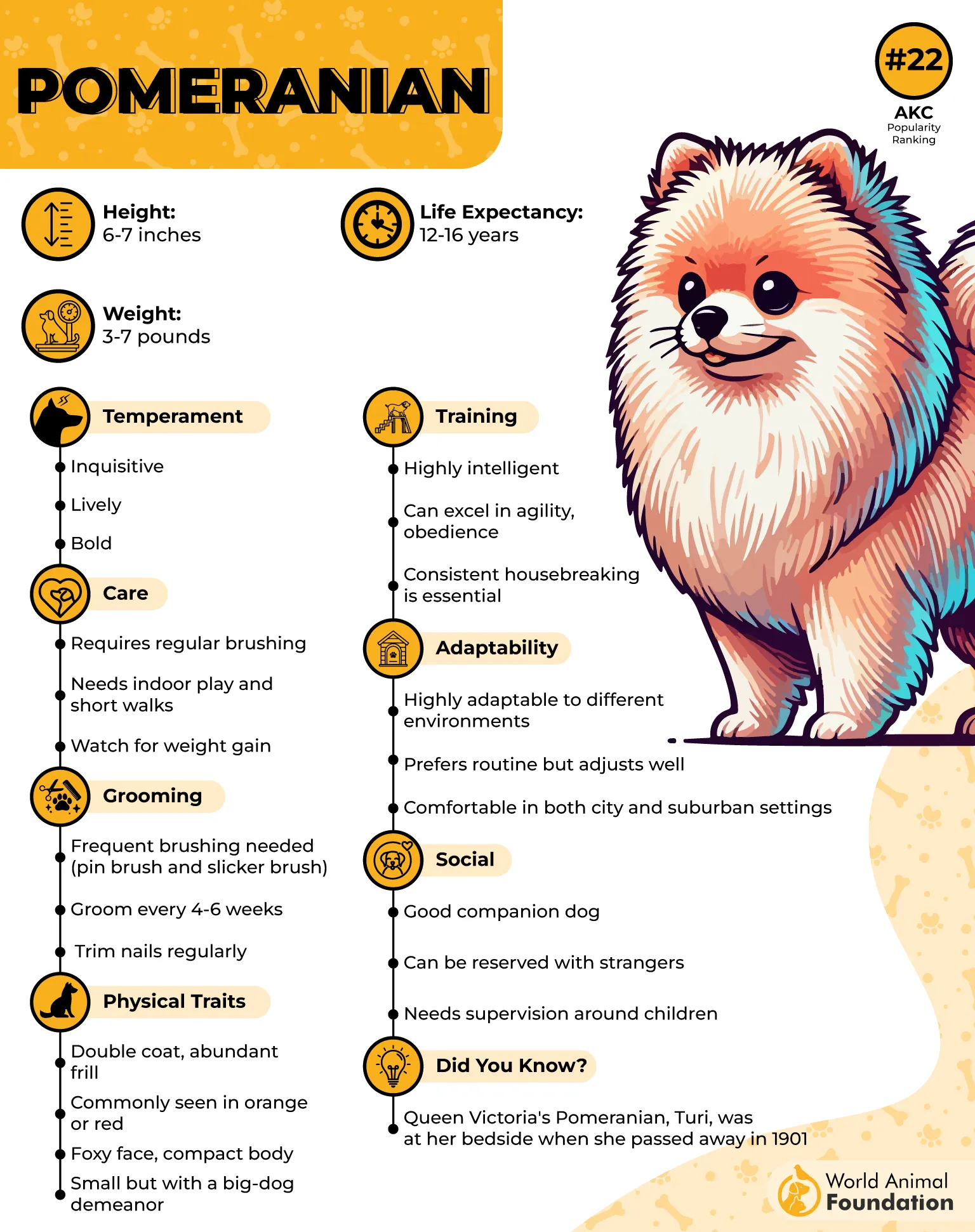
It is easy to underestimate just how small a Pomeranian starts. This toy breed typically reaches about 18 to 30 centimetres in height and 1 to 4 kilograms as an adult. Puppies may weigh less than a kilogram at birth, then grow rapidly and double their size within only a few days.
There is plenty more behind that size:
Brings plenty of curiosity and confidence to its small frame
Sharp mind, and picks up routine quickly
Early guidance makes them comfortable around people and other dogs
Little Legs, Fast Pace
Pomeranian can get enough regular exercise from two 15-minute walks each day, with extra exploration in a secure outdoor area adding variety. Its connection to sled-pulling dogs also comes with impressive speed, while a harness is recommended for walks because of the breed’s delicate windpipe.
Conclusion
A puppy-sized companion can bring plenty of charm without growing into one of those big dogs that changes your entire routine. Still, choosing one means looking beyond those tiny proportions and considering energy, grooming, training, and personality too. Some little dogs are easy to train, while others enjoy mental stimulation and staying busy alongside first-time pet parents.
Their small size may make everyday life easier, especially for apartment life, but their individual habits will shape the experience far more.
Taking time to understand those differences helps you find a companion that fits naturally into your household, whether you have younger kids or want a fiercely loyal friend. The right choice can keep that puppy-sized appeal while bringing years of companionship, fun, and affection.
