




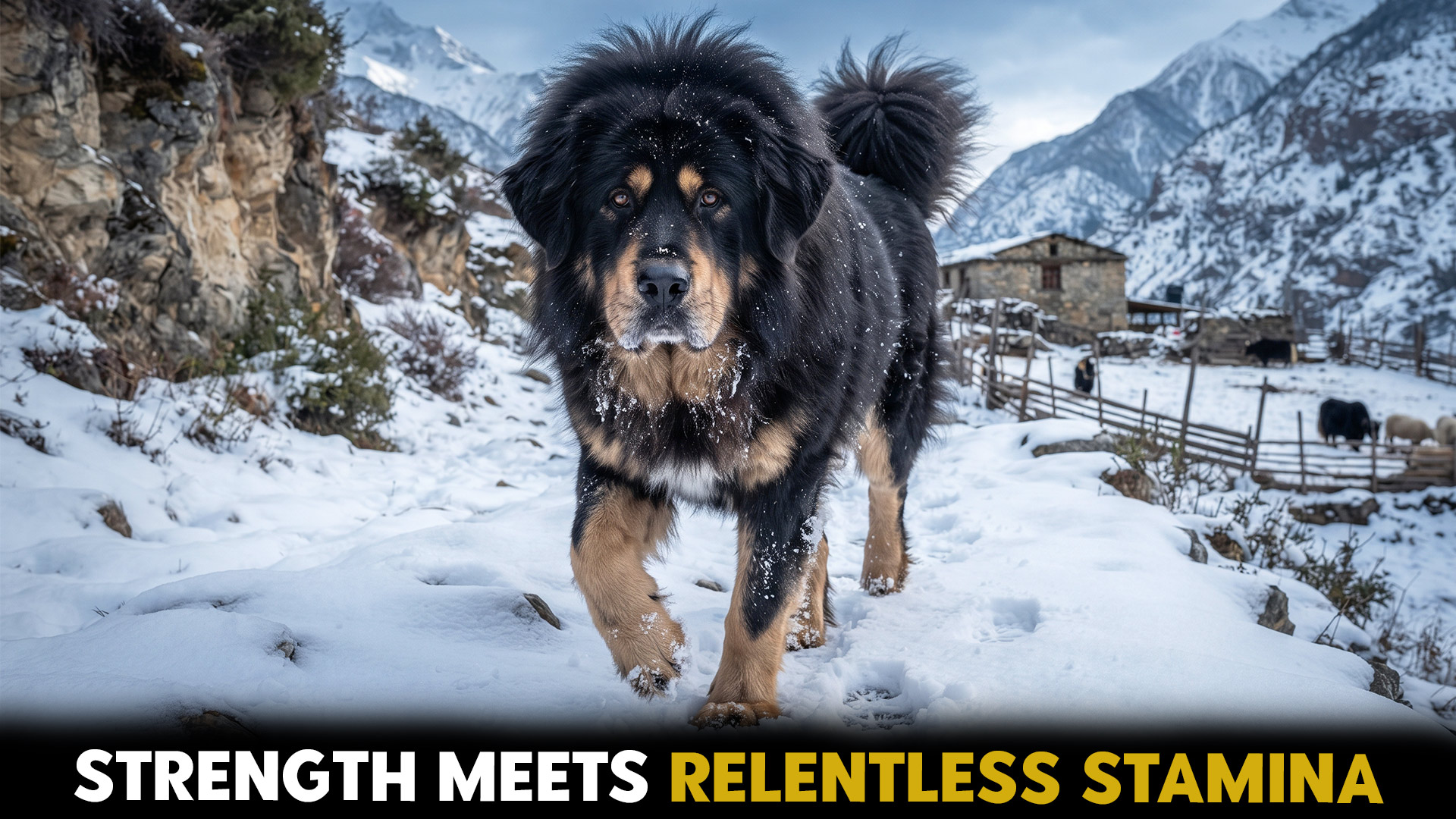
Some dogs are built for work that would challenge most pets. They cross frozen trails, guard open ranches, and handle long days in rough terrain. These are tough dog breeds who thrive in extreme working conditions because they have strength, endurance, focus, and impressive adaptability.
Many also have coats or body types suited to harsh weather. Yet being tough does not mean every breed fits every home. Their energy, instincts, and working needs can vary greatly.
This guide explores seven remarkable breeds with proven working backgrounds. You will discover what made each breed useful in demanding environments. You will also learn what active owners should know before choosing one.
From icy sled routes to rugged mountain lands, these dogs have earned their reputation through hard work.
Tough Dog Breeds Who Thrive in Extreme Working Conditions
Here we go, one by one.
1. Siberian Husky
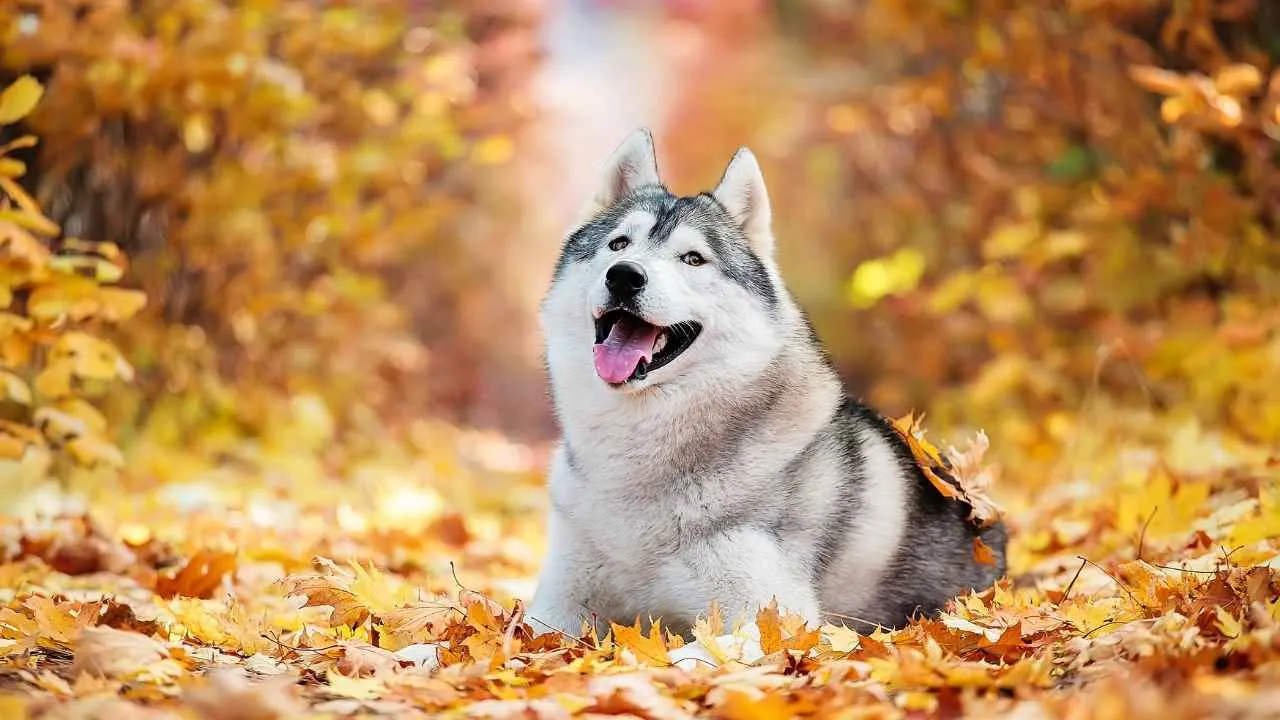
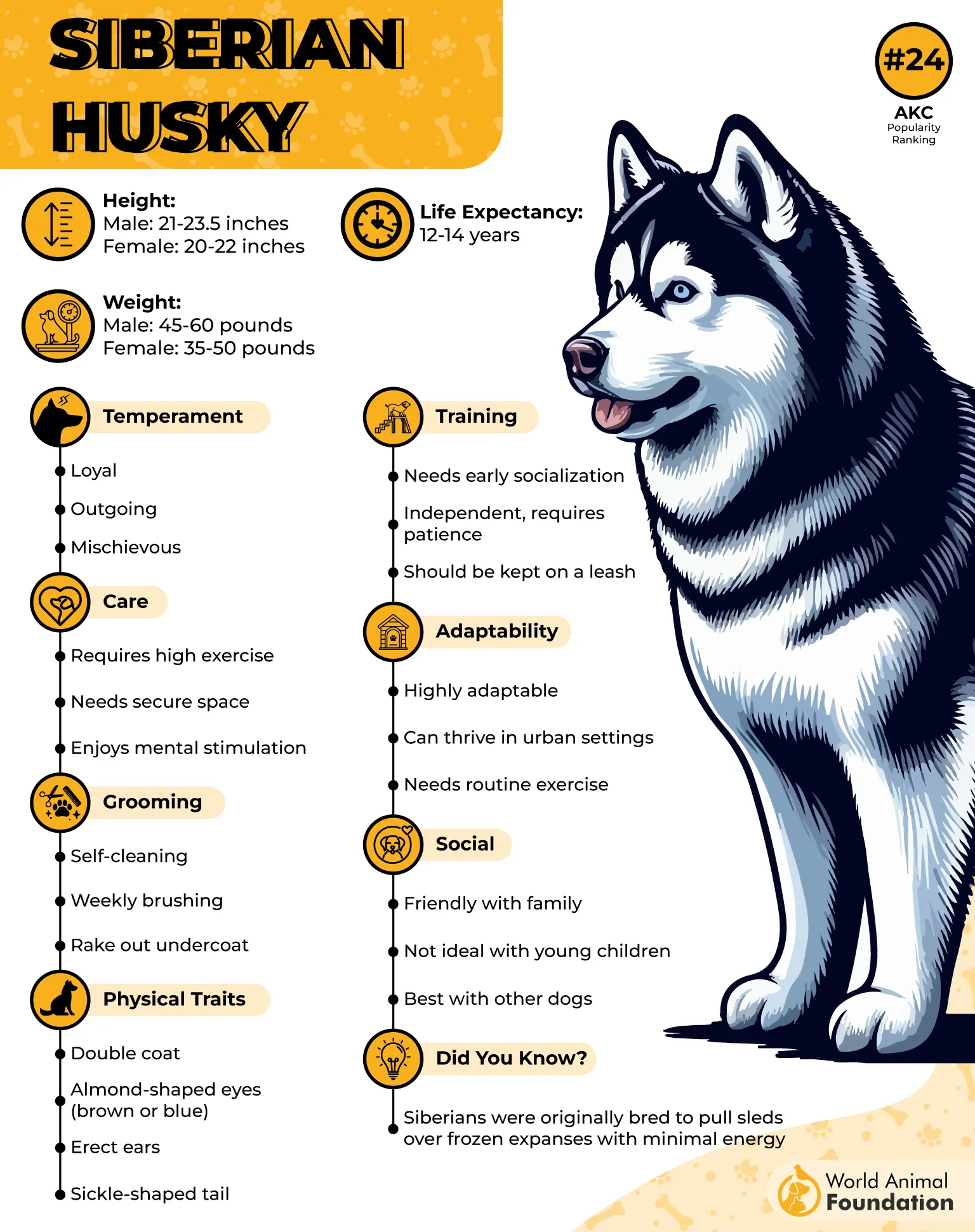
According to the American Kennel Club, the Siberian Husky is a medium-sized dog breed known for great endurance. This working dog breed originated with the Chukchi people of Siberia. Families relied on these sled dogs for travel across vast, frozen areas.
Their pack nature helped them cooperate closely with people and other dogs. Sibes also have a friendly, lively, and playful character. Their almond-shaped eyes may be brown, blue, or one of each.
A graceful gait gives them an effortless look while moving. Despite their active nature, they can be surprisingly clean at home. Their history shows how carefully this breed matched the needs of Arctic life.
Why They Thrive in Extreme Conditions
A Siberian Husky handles bitter cold with its thick double coat. The outer layer helps guard against snow and icy wind. A softer undercoat provides another layer of insulation. Their efficient body design also helps conserve energy during outdoor work.
Instead, they excel at steady movement over long distances. Their strong pack instincts also help them maintain a consistent pace. These traits allow the breed to stay active when temperatures drop sharply.
2. Anatolian Shepherd Dog
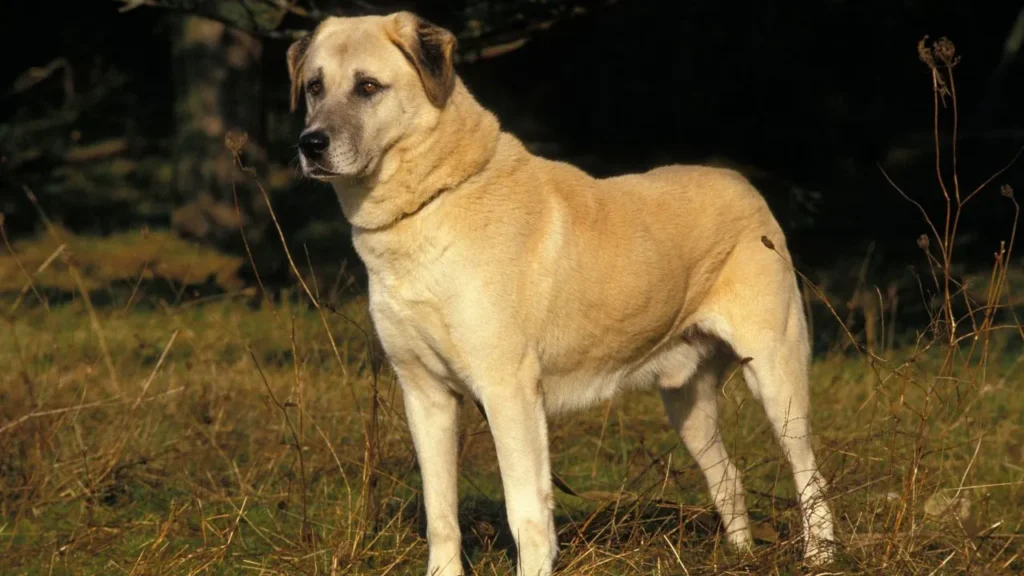
The Anatolian Shepherd Dog is a powerful guard dog breed with roots stretching back thousands of years. This breed was shaped for guarding livestock across vast, rugged lands. Its calm nature allows it to watch a flock without constant direction.
At the same time, it can react quickly when danger appears. These working dogs are also known for intelligence, loyalty, and independence. Their ability to bond closely with those they protect can extend to children and other household pets.
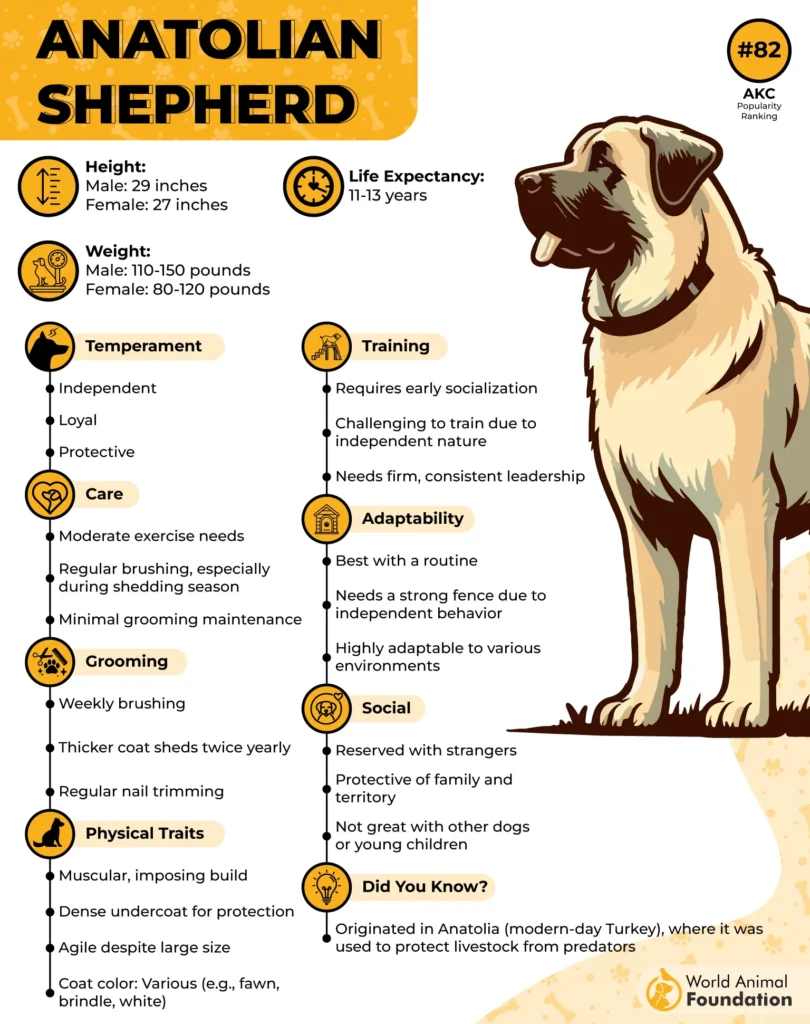
Their focus and judgment make them remarkable workers. Life with one requires an owner who can provide structure, patience, and clear boundaries.
Why They Thrive in Extreme Conditions
According to Purina, the Anatolian has a short, dense double coat that helps protect it from extreme weather. Its strong physical traits also support physically demanding tasks across challenging terrains.
The breed can stay alert for long periods while protecting its charges. However, owners should begin early socialization and provide proper training from a young age. With the right guidance, the breed excels as a dependable rural guardian while still adapting to family life.
3. Akita
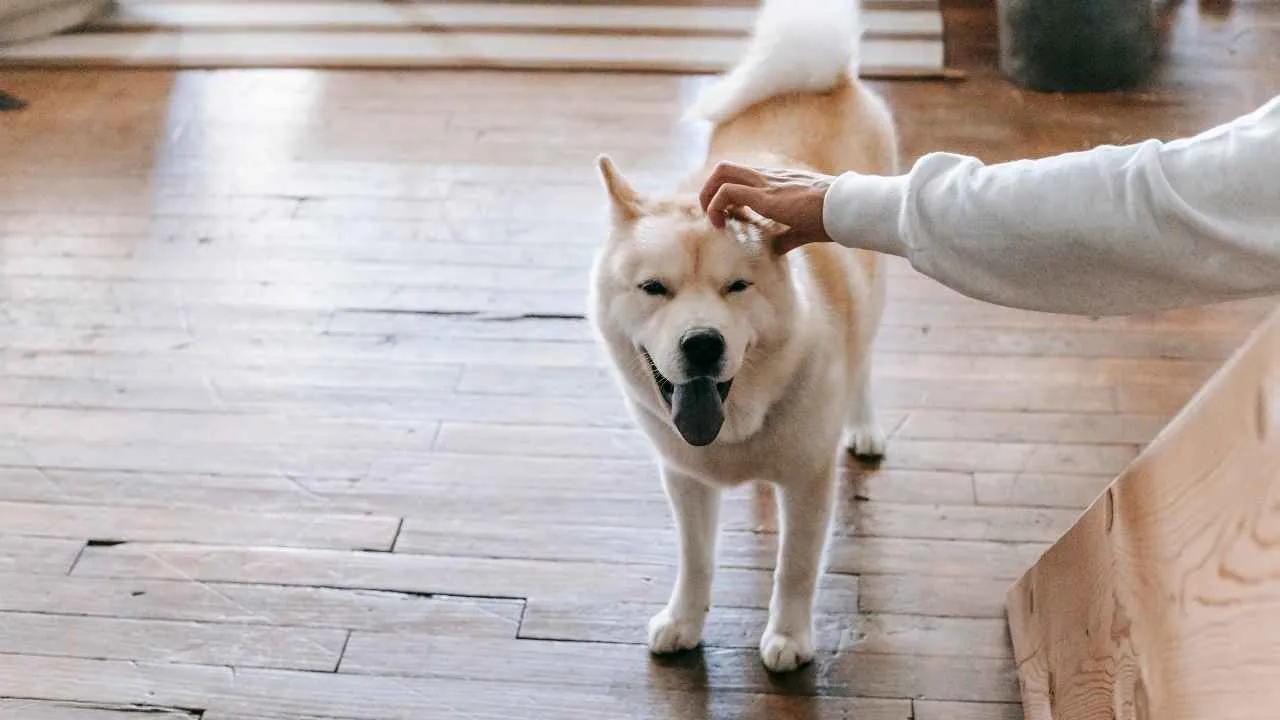
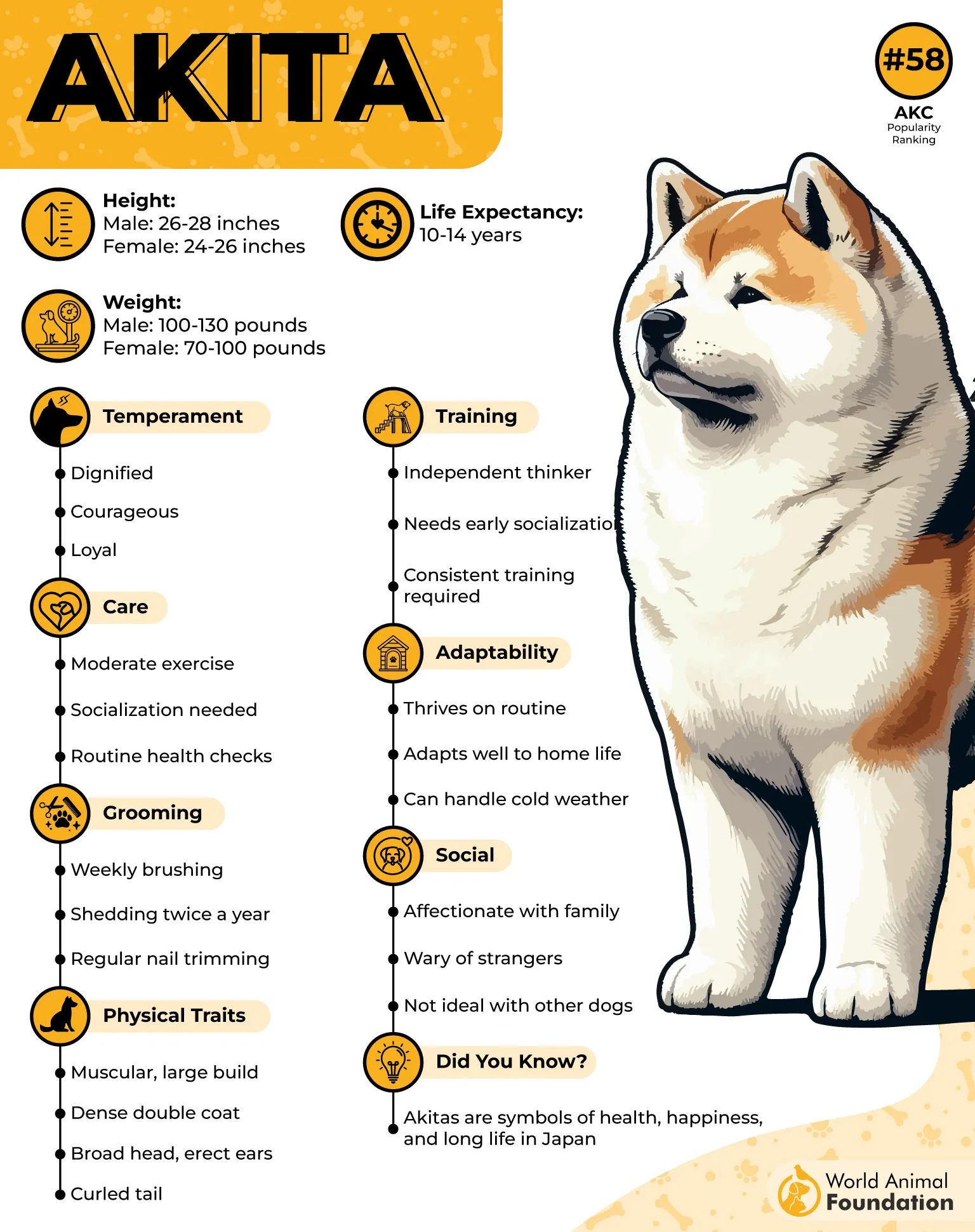
The Akita is a powerful Japanese dog breed known for courage, loyalty, and dignity. This ancient breed once worked alongside hunters in Japan. They relied on these strong dogs when pursuing demanding prey.
According to PDSA, Akitas originated in Japan and were originally bred as guard dogs, while their hunting history also gave them a strong prey drive. They could hunt wild boar and pursue other challenging targets across rough terrain.
Their fearless nature helped them become capable working dogs in demanding roles. The breed also gained worldwide fame through Hachiko, whose loyalty became a lasting symbol of devotion. Today, Akitas can make devoted family companions with the right owner and structure.
Why They Thrive in Extreme Conditions
An Akita’s dense double coat offers useful protection in cold weather. Its sturdy build also supports demanding outdoor activity. Still, this breed needs more than strength to stay balanced. Regular physical exercise can help channel its energy in healthy ways.
It also benefits from mental and physical stimulation that keeps its sharp mind engaged. Its natural instinct to chase can be strong around smaller animals. Consistent training helps owners manage that drive and build reliable habits. With proper structure, an Akita can thrive in challenging outdoor settings.
4. Tibetan Mastiff
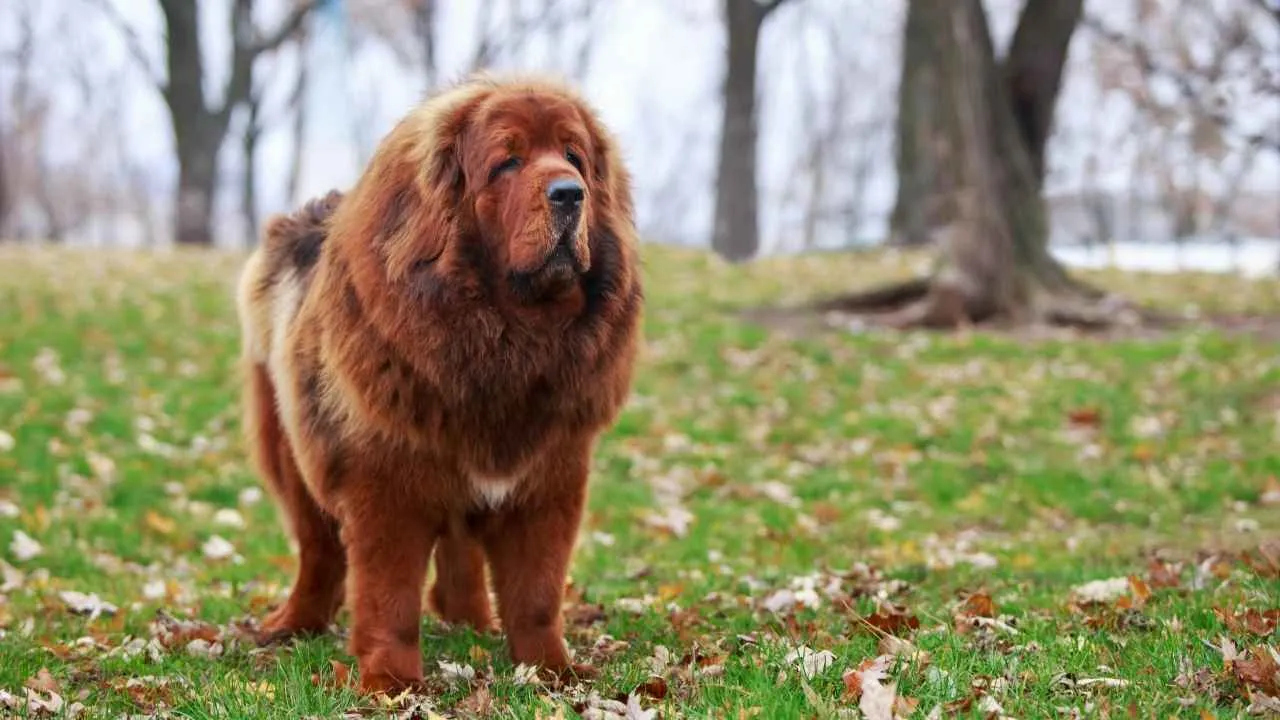
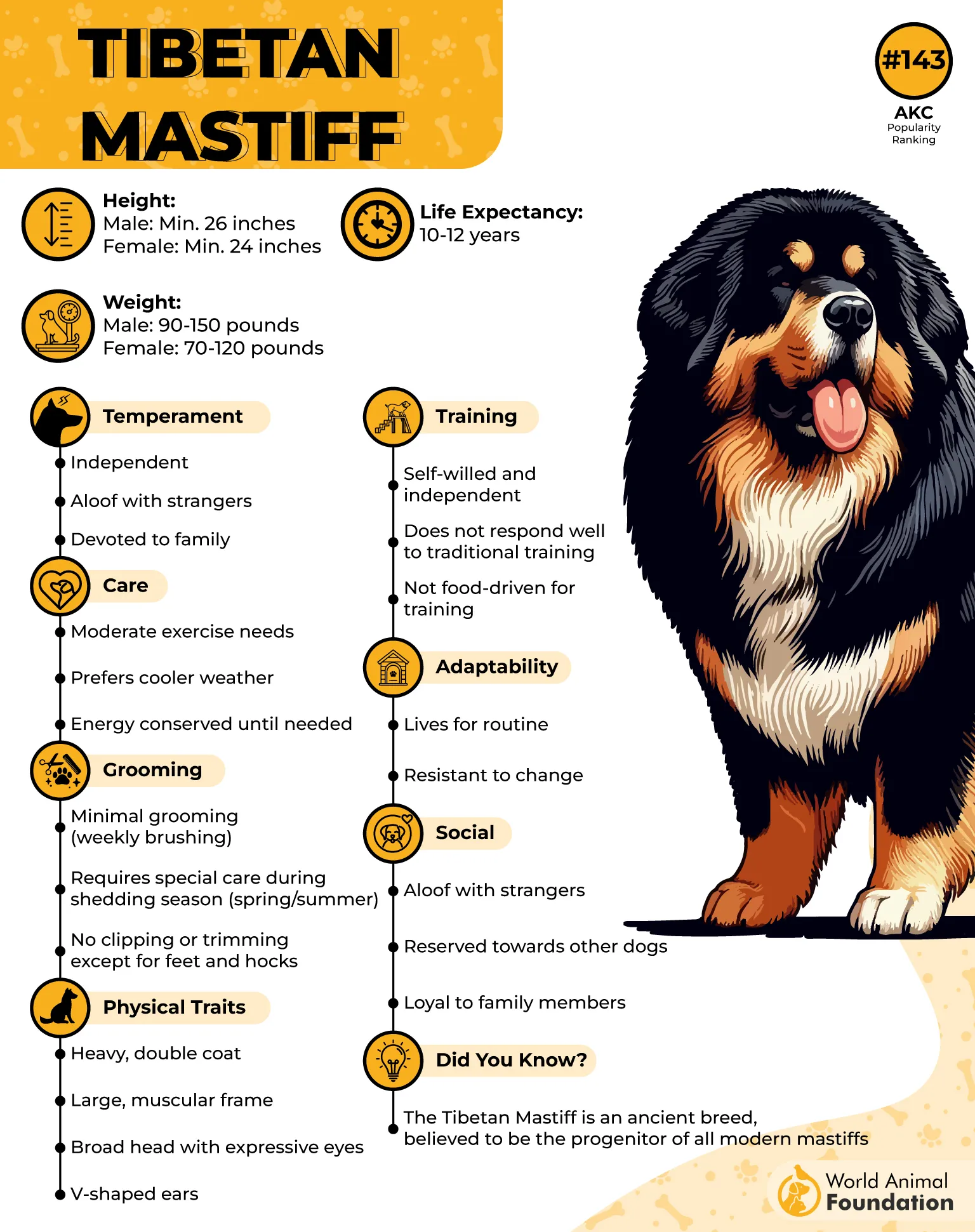
The Tibetan Mastiff is an ancient working dog breed with a powerful presence. Its roots reach back to the rugged mountains of Tibet. These gentle giants are watchful, calm, and deeply devoted to their families.
They can remain reserved around unfamiliar people and highly alert to changes nearby. According to Wikipedia, their strong-willed nature makes obedience and socialization especially important. Their high intelligence also allows them to assess situations without constant direction.
With the right owner, they can become excellent family dogs and show a surprisingly affectionate nature at home. However, their independent character makes them better suited to experienced owners than beginners.
Why the Breed Thrives in Extreme Conditions
A dense coat helps shield the Tibetan Mastiff from severe mountain cold. Its powerful body also allows it to cover long distances across rugged ground when needed. Despite its massive size, this guardian can react with impressive speed and agility.
Owners can build control through ongoing training, while agility training may provide useful mental and physical engagement. Their alertness makes them highly aware of their surroundings.
They may also enjoy certain dog sports with suitable guidance. With proper care and structure, this suitable breed thrives in demanding environments.
5. Great Pyrenees
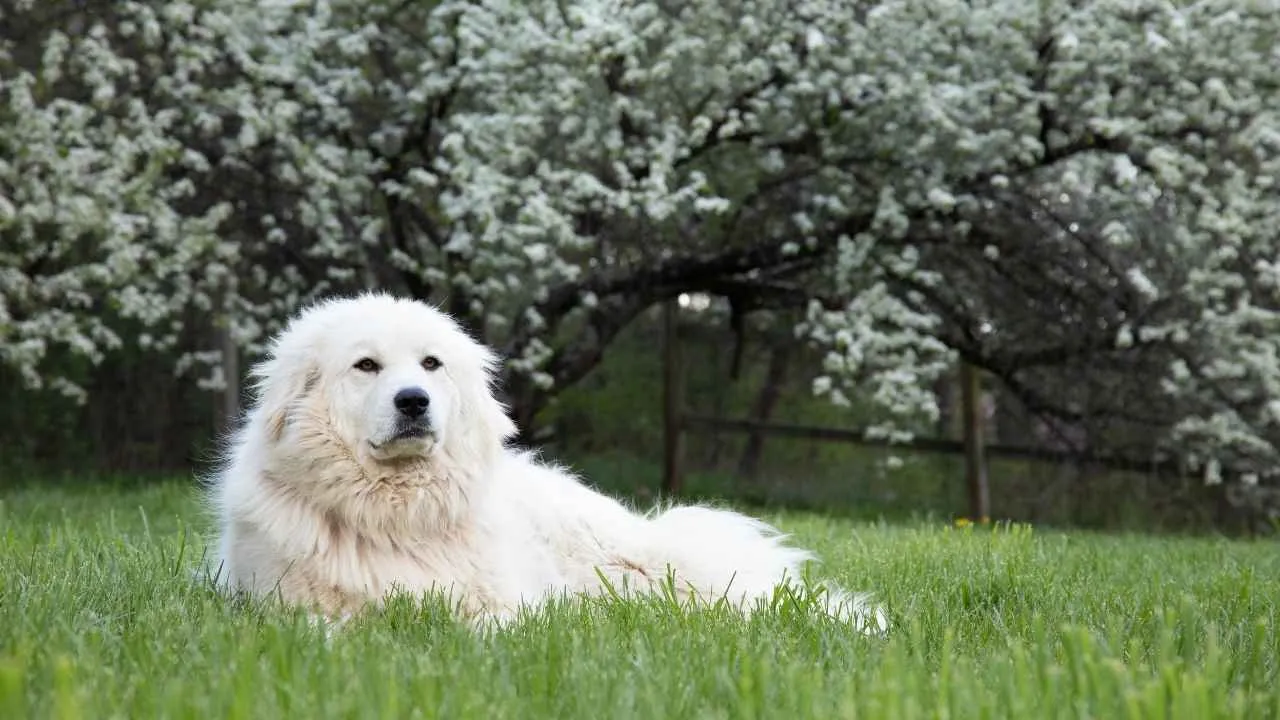
The Great Pyrenees has guarded mountain flocks for thousands of years. According to Hill’s Pet, this ancient breed descends from large guardian dogs of Asia Minor, with records reaching back nearly 3,000 years. Its name comes from the Pyrenees Mountains between France and Spain.
There, these dogs protected livestock from wolves, bears, and other threats. Unlike other breeds that actively pursue predators, the Great Pyrenees often relied on patience and presence.
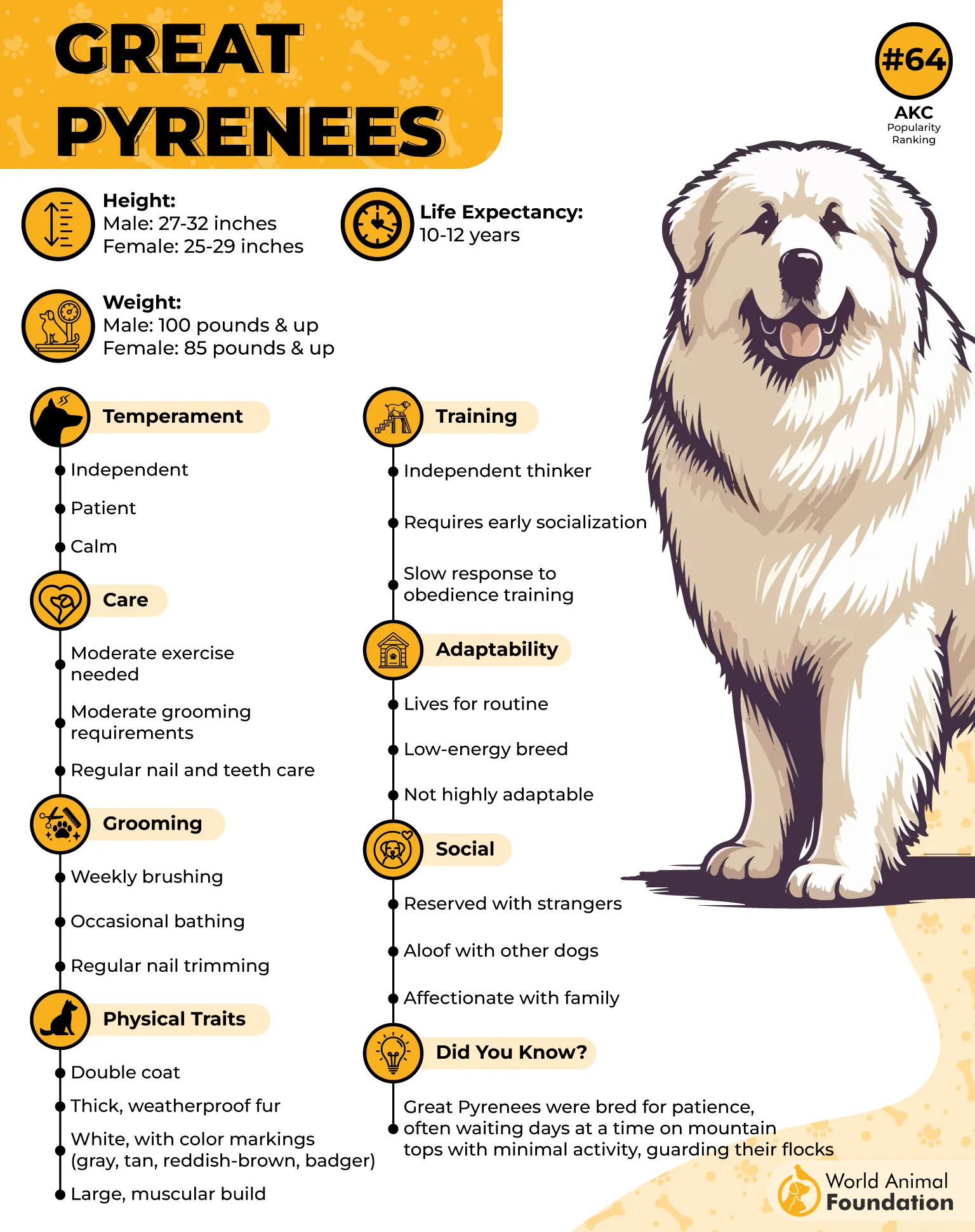
This popular working dog became valued for its calm judgment and strong protective instinct. Today, it can be one of the most devoted companion dogs for the right home. A fiercely loyal nature also makes this breed deeply attached to its family.
Why They Thrive in Extreme Conditions
Great Pyrenees can remain watchful for long periods without constant direction. Their thick coat also helps them handle cold mountain nights. Their natural independence can be useful during remote farm work. However, boredom may lead to destructive behavior when their needs go unmet.
Regular activity and regular mental stimulation can help prevent pent-up energy from becoming a problem. When properly trained, these calm guardians can handle demanding rural settings while staying composed around their family.
6. Alaskan Malamute
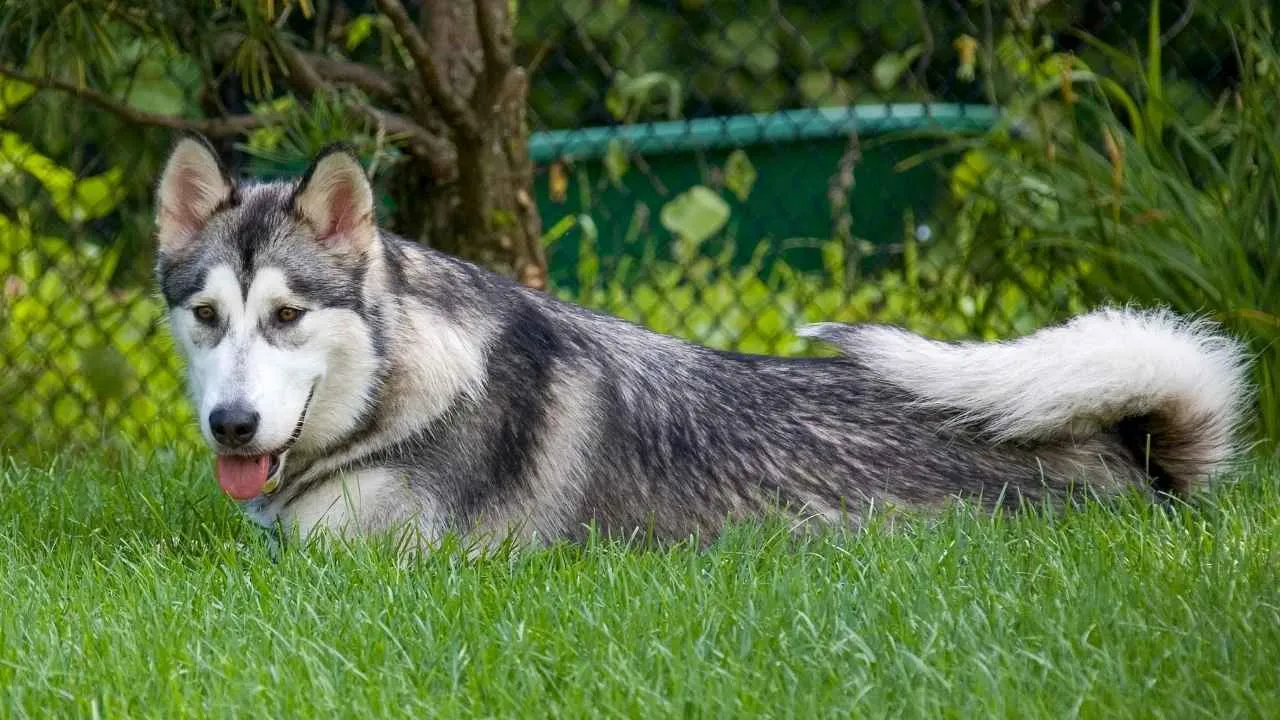
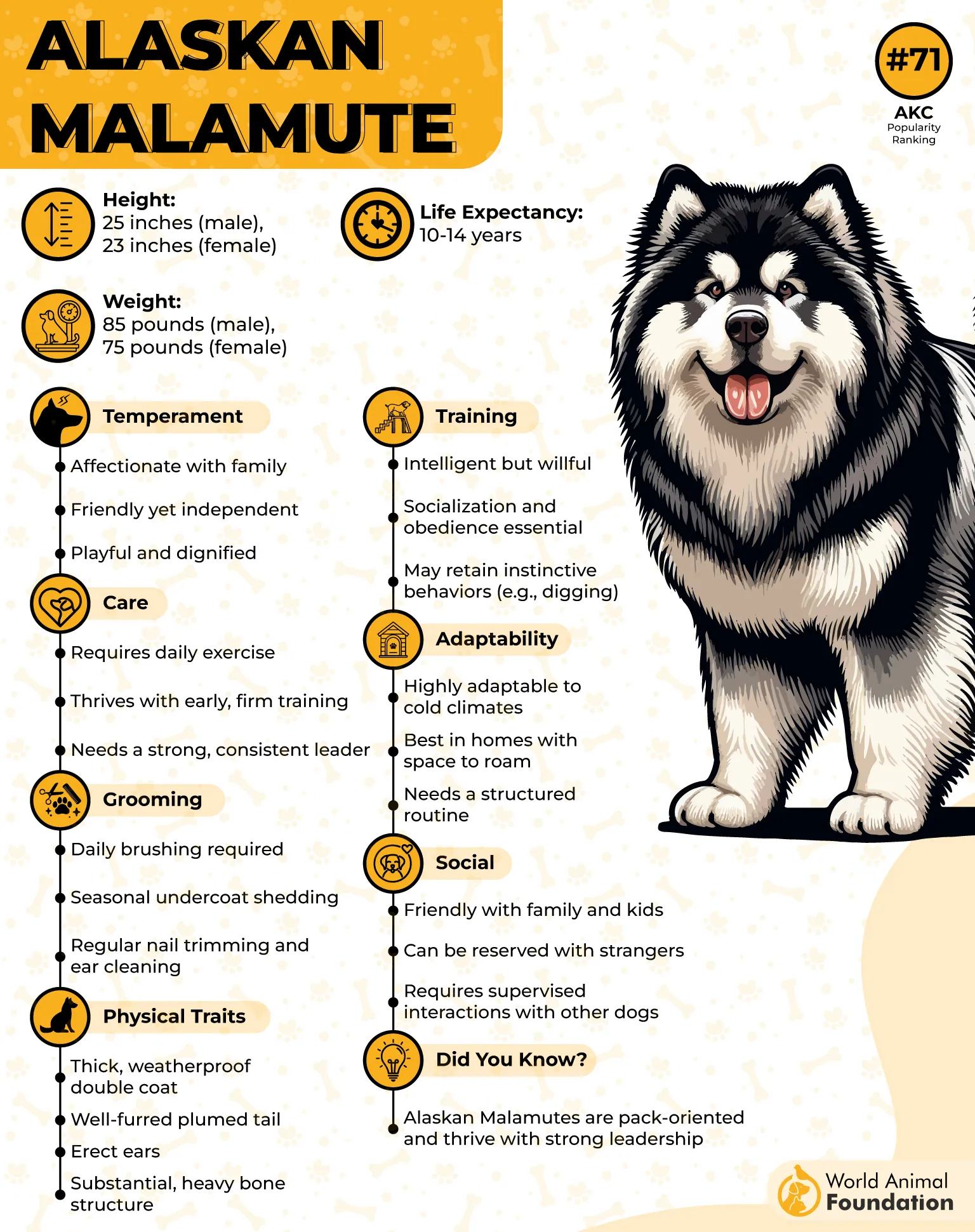
The Alaskan Malamute is a powerful dog with deep Arctic roots. According to PetMD, this breed developed alongside Alaska’s native Mahlemut people. It was originally bred to carry heavy loads and pull sleds across difficult terrain.
That demanding role helped shape this remarkable working breed into a strong and reliable partner. Yet life at home reveals another side of the Malamute. This affectionate companion dog can show a gentle nature with its family.
Many well-socialised Malamutes can become great family dogs when given proper guidance. Their history also includes service during World War II, when they supported military efforts in challenging settings, such as search and rescue missions.
Today, this breed fits best with owners who enjoy an active lifestyle.
Why They Thrive in Extreme Conditions
A Malamute’s body reflects its demanding Arctic purpose. Heavy bones and powerful shoulders support strenuous physical work. Its deep chest helps support stamina during demanding activity. A thick, weatherproof coat provides vital insulation in freezing weather.
However, natural strength still needs direction. Early obedience training can help manage their confidence and independence. Consistent activity also gives this energetic dog a healthy outlet.
These traits were developed specifically for harsh conditions, making the Malamute well suited to rugged outdoor work.
7. Norwegian Elkhound
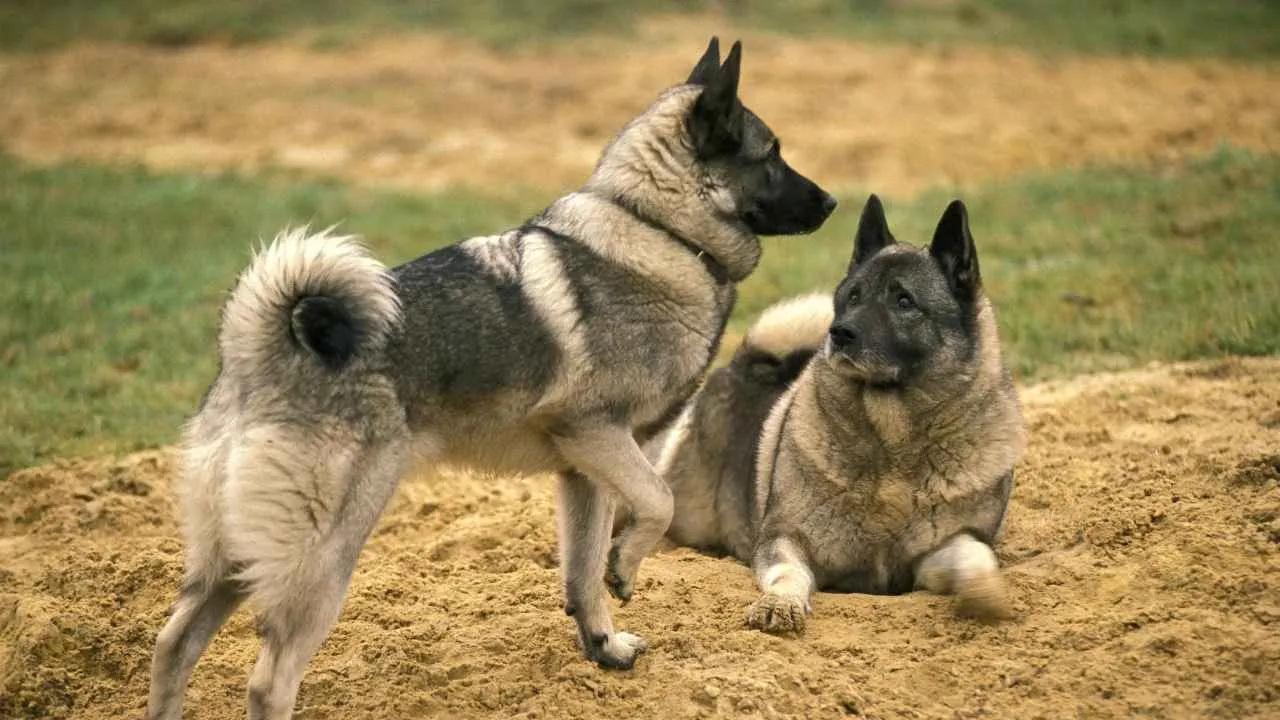
The Norwegian Elkhound is a hardy Nordic dog with a remarkable breed history. These dogs sailed with Vikings and appear in old Norse art and stories. According to WebMD, Norwegian Elkhounds are dependable working dogs known for their tracking abilities.
Their keen sense helped them follow game across rough northern landscapes. This popular working breed also took part in hunting large game, including moose. Today, the Elkhound can be a lively, loyal companion for active owners.
Its alert nature also gives it a naturally protective nature around its home. Although confident outdoors, this breed can be sensitive and independent. That balance makes it a fascinating choice for families seeking an active dog.
Why They Thrive in Extreme Conditions
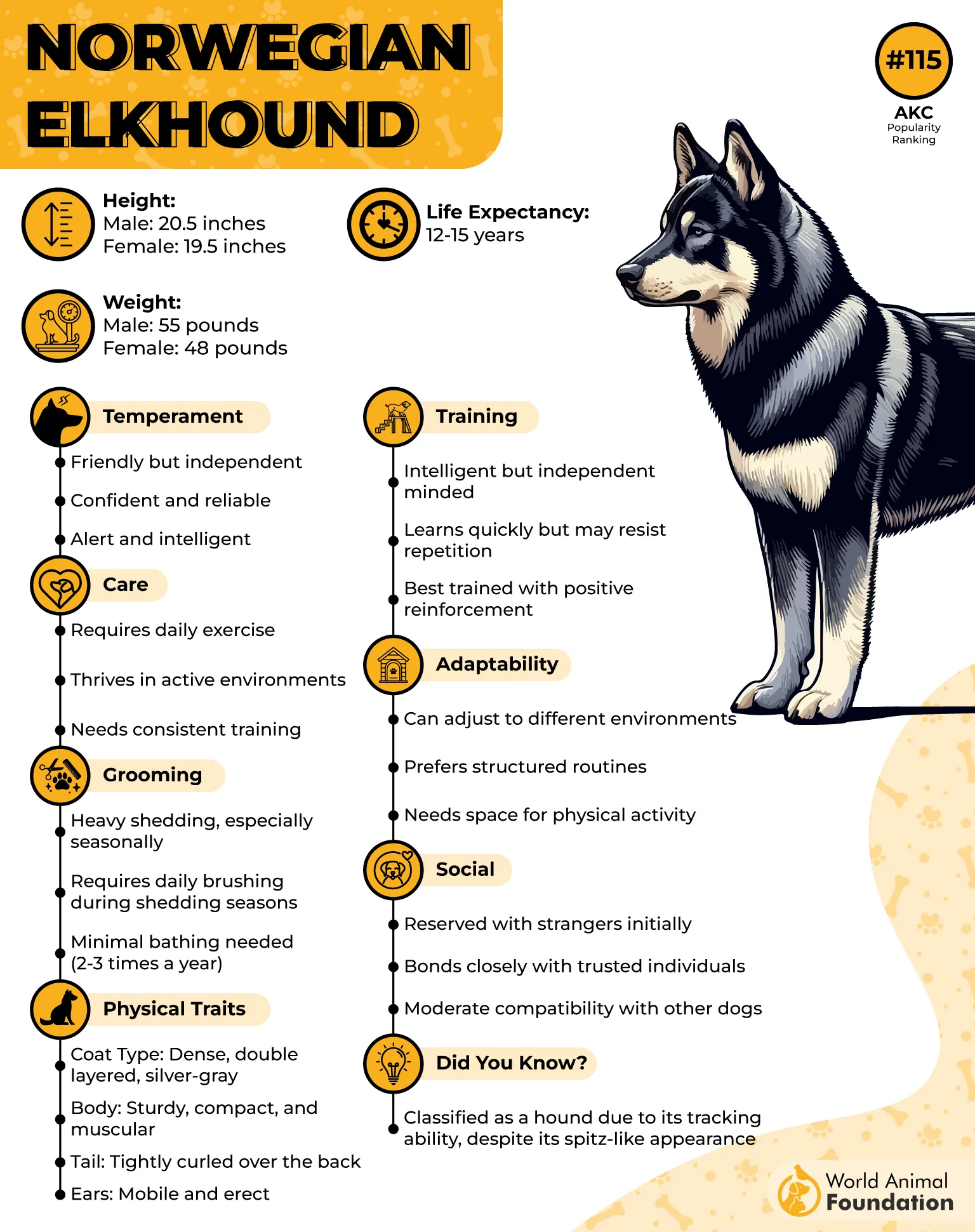
The Elkhound’s sturdy frame helps it move confidently across rugged ground. Its dense coat also provides useful protection in cold weather. Regular exercise keeps this athletic breed fit and engaged. Activities such as agility can give its energy a healthy outlet.
Early training also helps shape good habits before independence becomes difficult to manage. Early socialization helps the dog become comfortable around people and other animals. Keeping those needs in mind supports the breed’s overall well-being.
With enough activity and guidance, this northern worker can remain alert, capable, and content.
Conclusion
Tough dogs are shaped by purpose, not just impressive size. The seven breeds in this guide show many forms of working strength. Some excel at pulling, tracking, guarding, or surviving harsh weather. Others share traits seen in herding dogs that spend long days herding livestock across open land.
Their skills can also inspire roles beyond farms and trails. In fact, a few breeds from the wider working-dog world can serve as search and rescue dogs or therapy dogs. However, natural ability still needs careful guidance. Short, positive training sessions can help working dogs stay focused and well-behaved.
Owners should also provide proper shelter, fresh water, rest, and safe exercise in extreme weather. The toughest dog is not always the largest. The best choice is the breed whose abilities, energy, and needs fit your lifestyle.
