




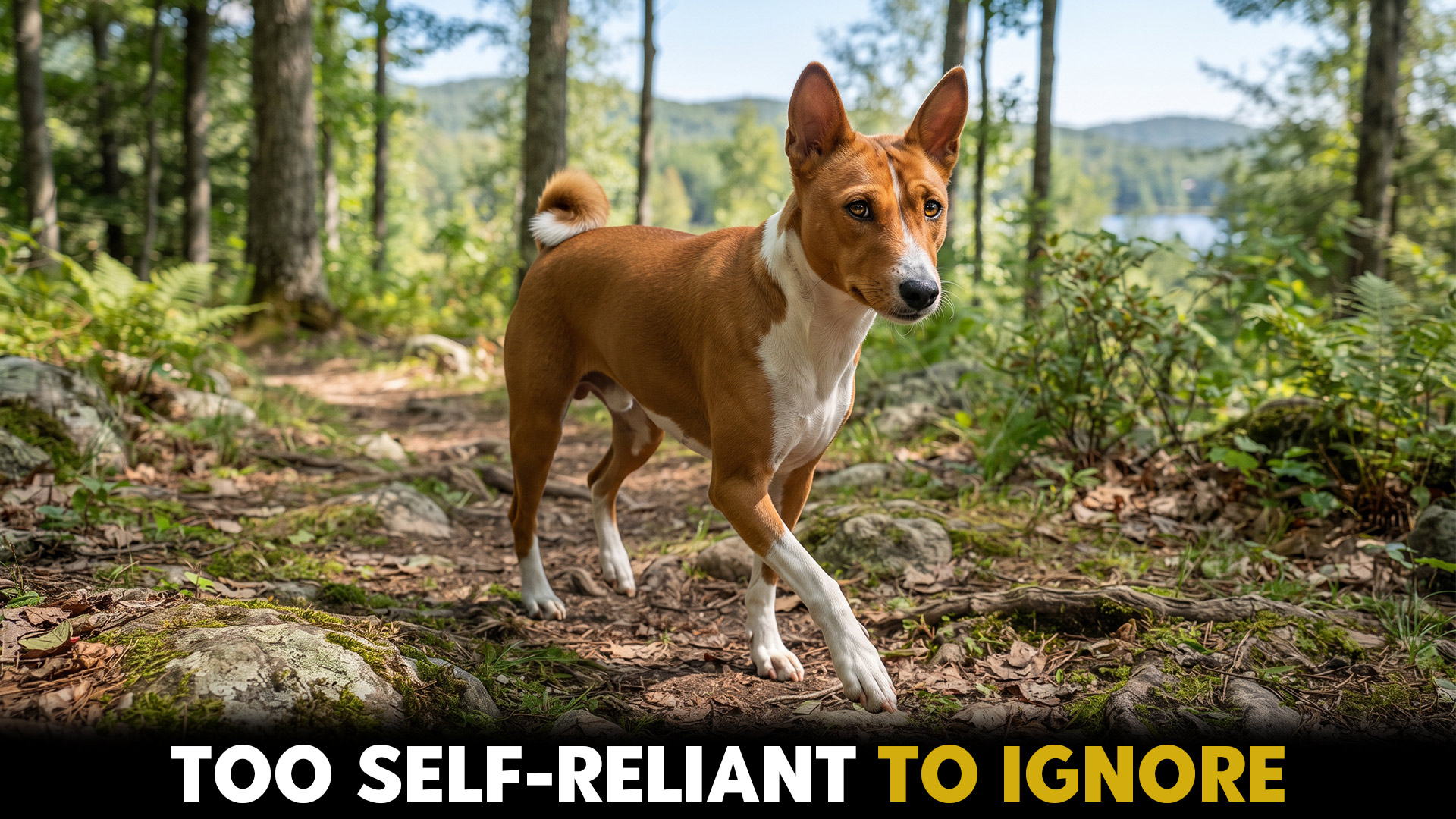
Love the outdoors but prefer peaceful trails over crowded parks? Some dogs are happiest exploring the world with one trusted companion instead of joining every social gathering.
While many breeds thrive in busy dog parks, others are naturally more independent, confident, and focused on adventure rather than constant canine interaction. Matching a dog’s instincts with your lifestyle helps create a stronger bond and a more enjoyable experience for both of you.
From rugged mountain hike companions to self-assured explorers, these popular breeds combine endurance, intelligence, and adaptability, making them excellent companions for solo adventures on the trail and beyond.
Popular Dog Breeds That Prefer Solo Adventures
1. Shiba Inu
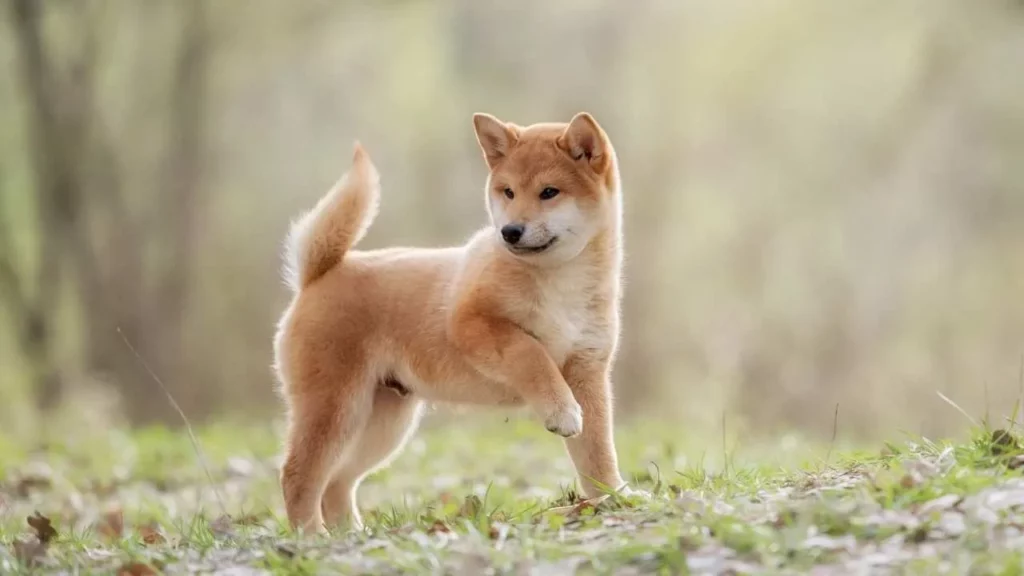
The Shiba Inu moves through life with quiet confidence, as though every trail and neighborhood path is its own personal expedition. According to PetMD, Shiba Inu dogs are an ancient Japanese breed originally developed to hunt birds, small game, and even wild boar.
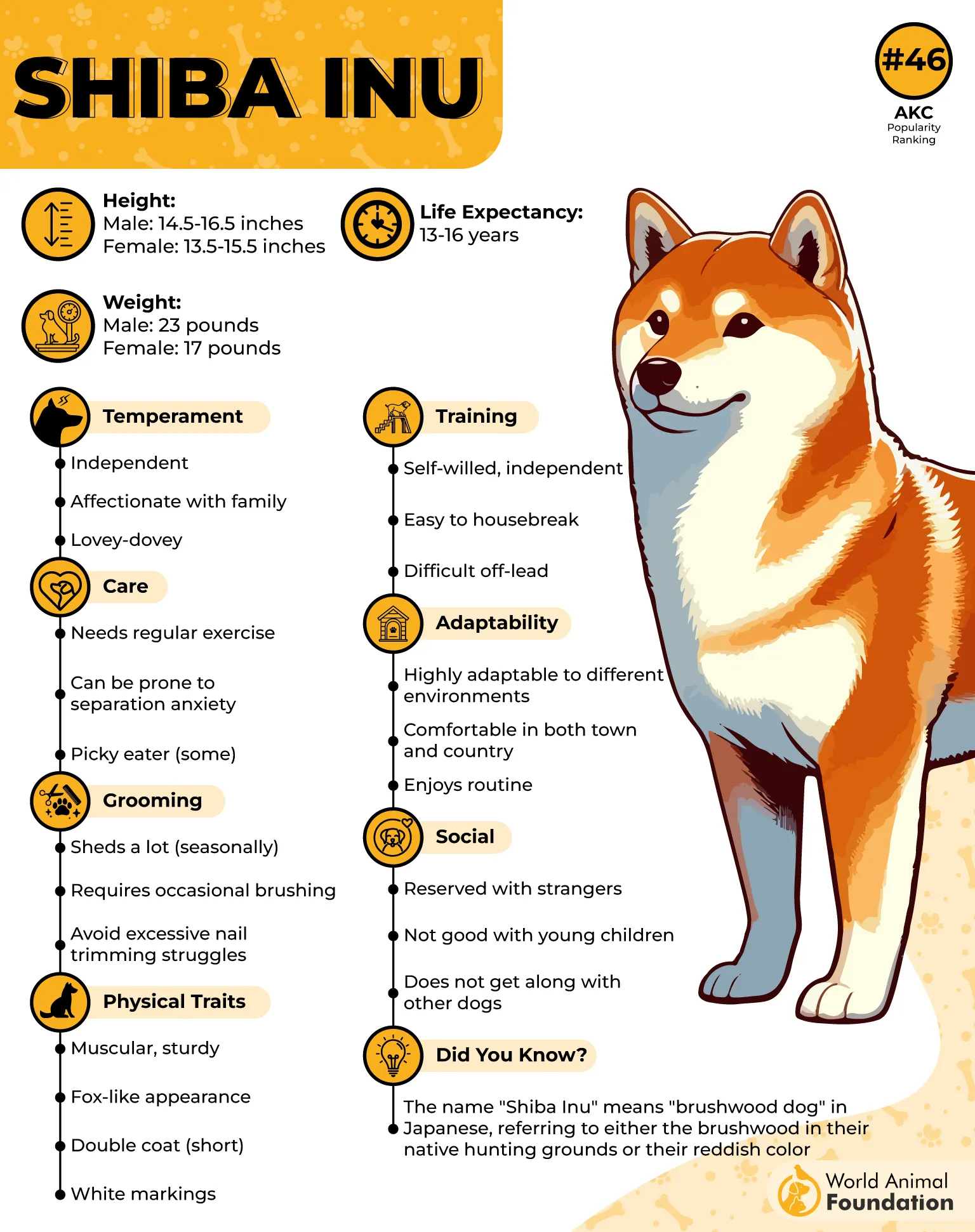
Independent yet deeply loyal, this outdoorsy companion enjoys sharing a home with its family without demanding constant attention. Its naturally clean habits make house training relatively easy, while daily walks and mentally engaging activities help satisfy its curious mind.
Because of its strong prey drive and determination, secure fencing and a leash are essential during great outdoor adventures.
Training requires patience, consistency, and positive reinforcement, as this intelligent breed prefers to think for itself. Early socialization helps reduce wariness toward strangers and other dogs.
For experienced adventurous owners who appreciate a self-reliant companion, the Shiba Inu offers a rewarding blend of loyalty, intelligence, and confident independence.
2. Chow Chow
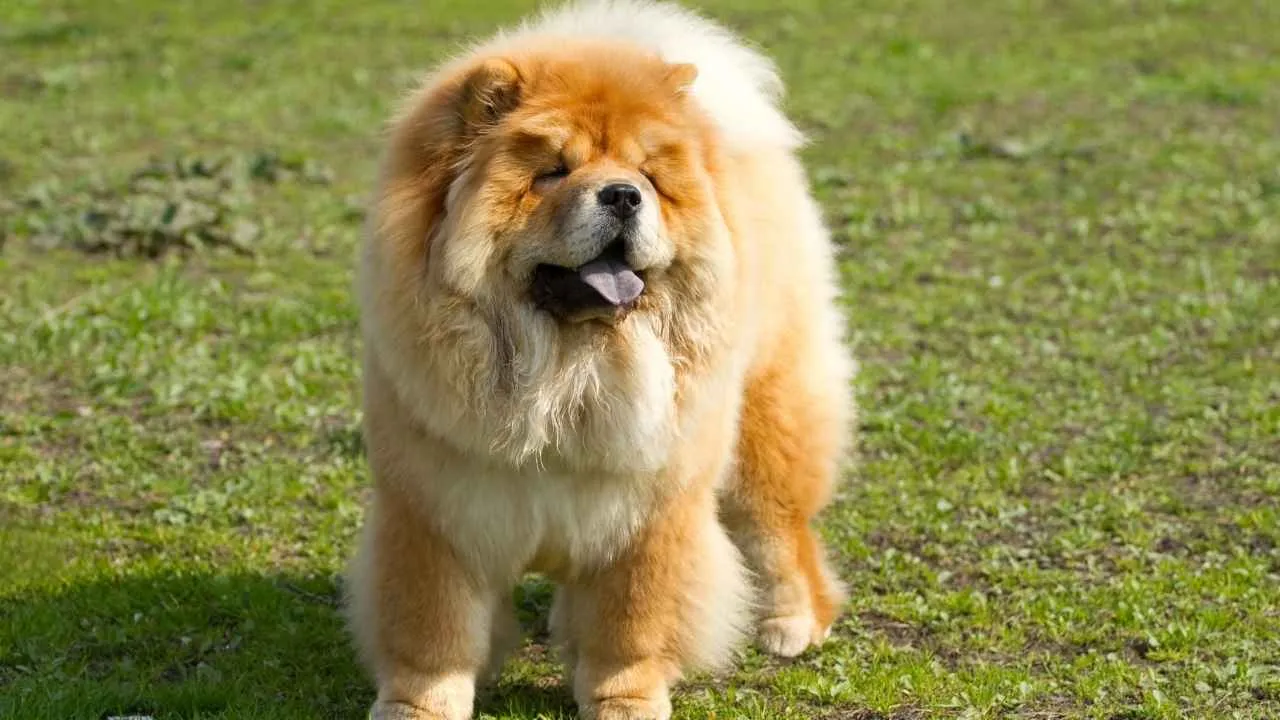
The Chow Chow carries itself like royalty, strolling through life with quiet dignity rather than seeking the spotlight. Descended from one of China’s oldest dog breeds, it has served as a hunter, guardian, and devoted companion for centuries.
Today, this independent spirit still prefers thoughtful observation over constant socializing, making it a natural fit for owners who appreciate a dog with strong personal boundaries.
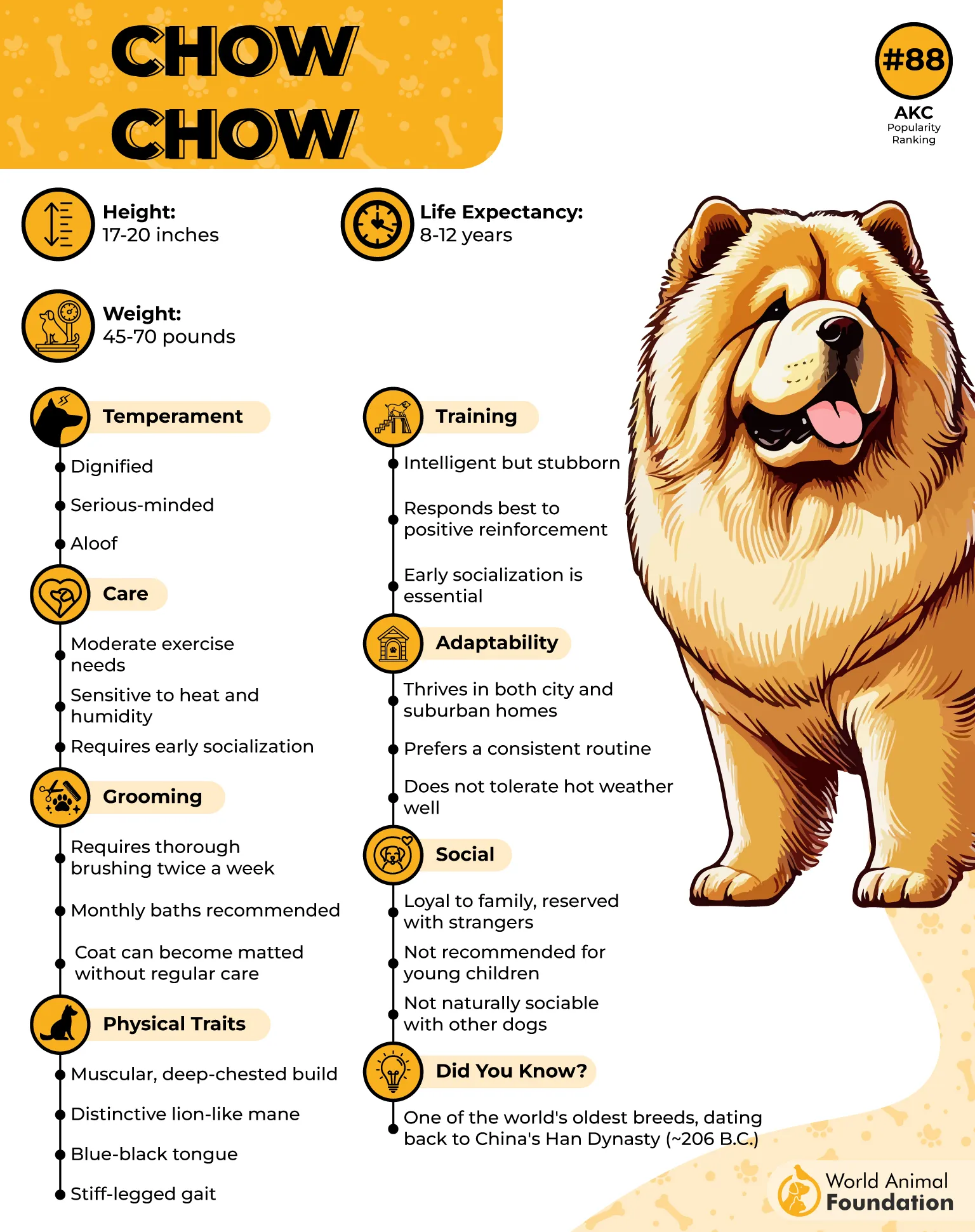
Despite its reserved nature, this adventure dog breed forms deep loyalty toward its family, often creating an especially close bond with one favorite person. Early socialization and patient, positive training help this intelligent breed become calm and confident around unfamiliar people.
Short daily walks and mental enrichment suit its lifestyle better than strenuous exercise, as its thick coat and short muzzle make overheating a concern.
Regular brushing keeps its luxurious double coat healthy, while balanced nutrition supports long-term joint health and overall well-being.
3. Basenji
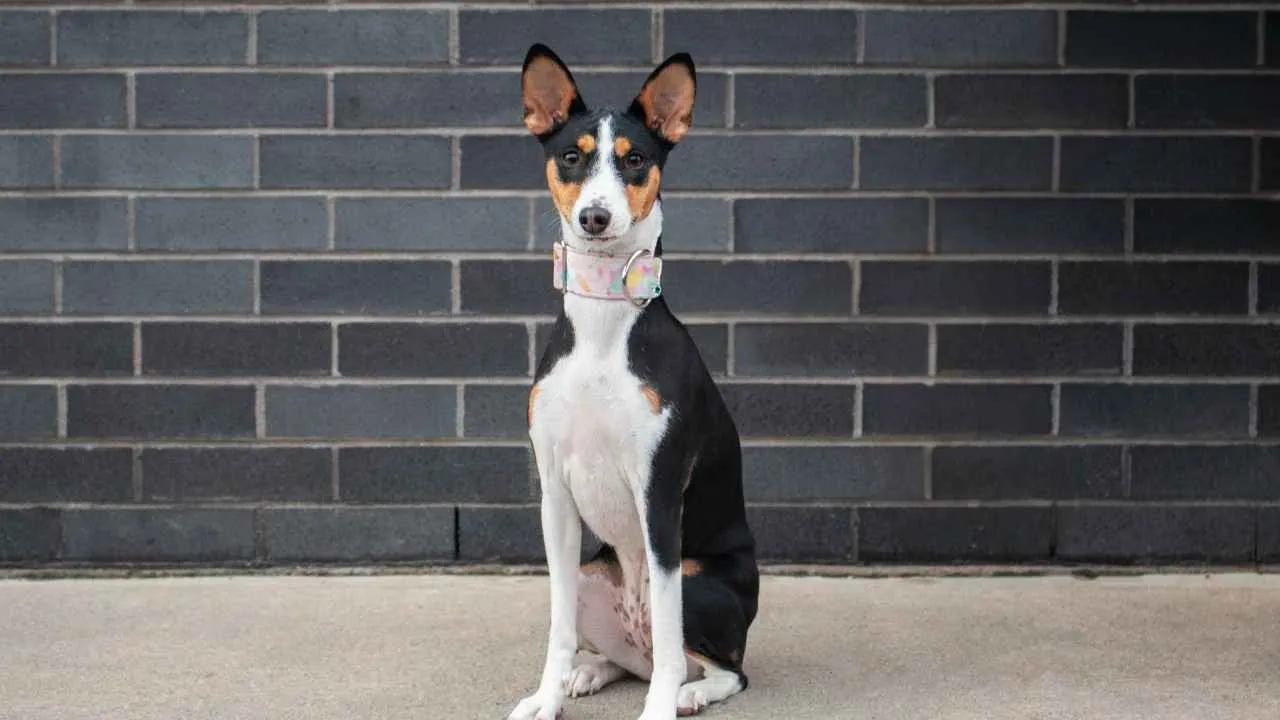
The Basenji approaches every walk like an expedition, always eager to discover a new trail, scent, or hidden corner of the world. Originating in Africa as an ancient hunting companion, this hiking companion relies on both sight and scent, making exploration second nature.
Instead of barking, it communicates with its famous yodel, adding even more character to its adventurous personality.
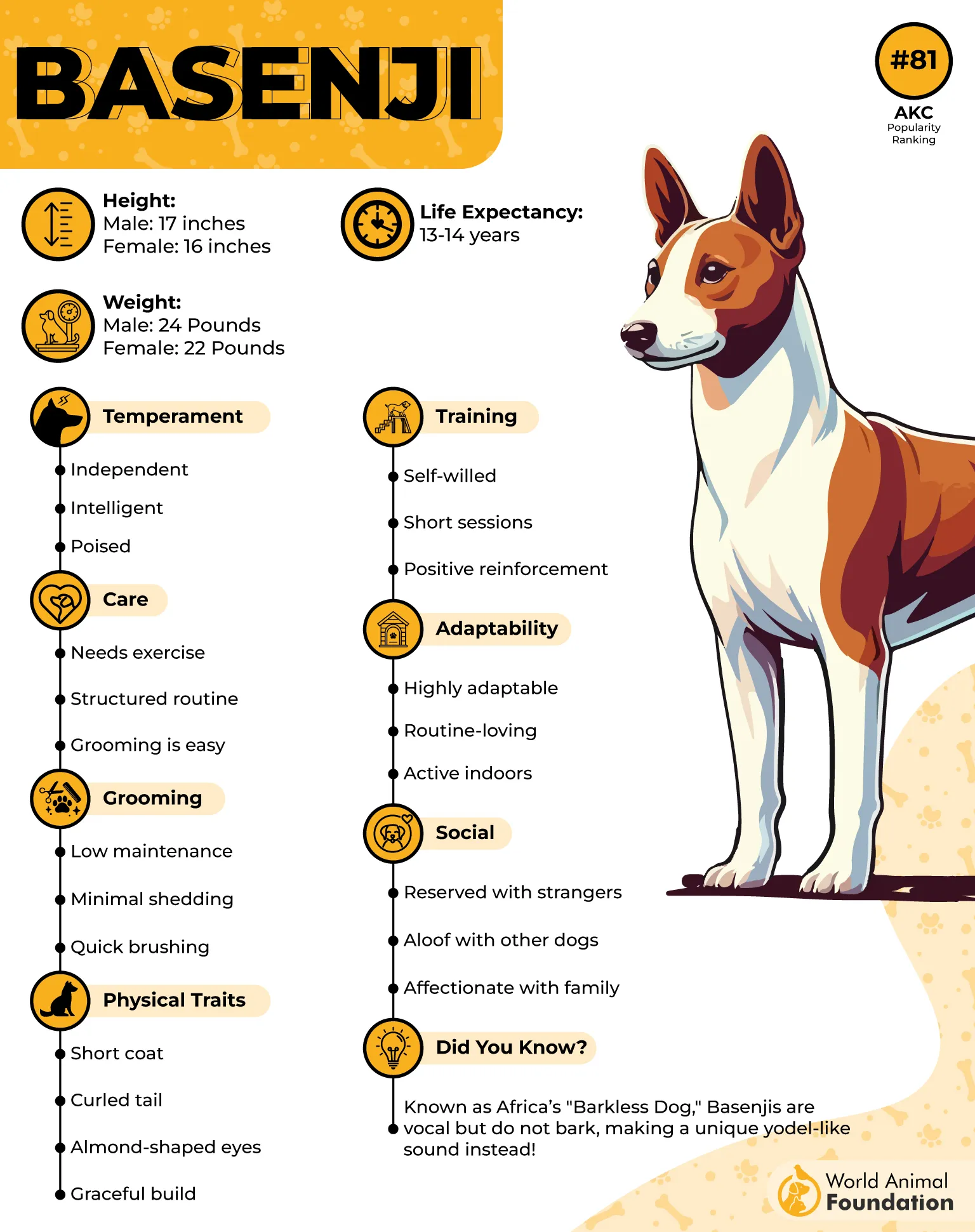
Independent yet deeply connected to its family, this friendly dog enjoys human companionship without demanding constant affection.
Its sharp intelligence and endless curiosity mean boredom can quickly lead to creative mischief, so hiking trips, scent games, and engaging training sessions are essential. Because of its powerful prey drive, secure fencing or a leash is always the safest choice during outdoor adventure travel.
According to Purina, Chow Chow dogs are sturdy, bear-like companions known for their double coat, curled tail, and striking appearance.
Despite its energetic lifestyle, grooming is refreshingly simple. This family pet’s short coat needs only occasional brushing, while a balanced diet and regular activity help support long-term health. Positive reinforcement and varied challenges bring out the best in this clever, trail-loving explorer.
4. Akita
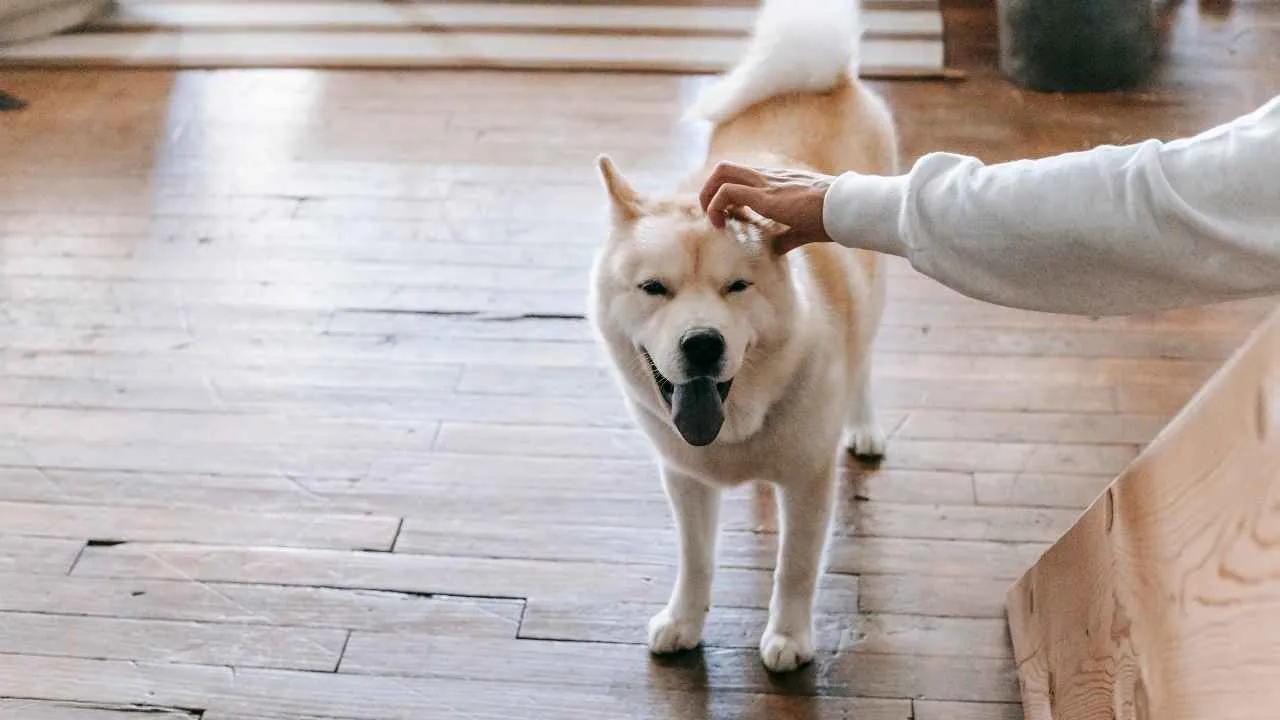
The Akita carries itself with quiet confidence, happiest beside the people it trusts rather than in noisy crowds. According to Britannica, Akita dogs originated in the mountains of northern Japan, where they were developed as powerful working and hunting dogs.
This noble companion values peaceful surroundings and often prefers a calm trail over a busy dog park. Its legendary loyalty, celebrated through the story of Hachiko, reflects the deep bond this breed forms with its family.
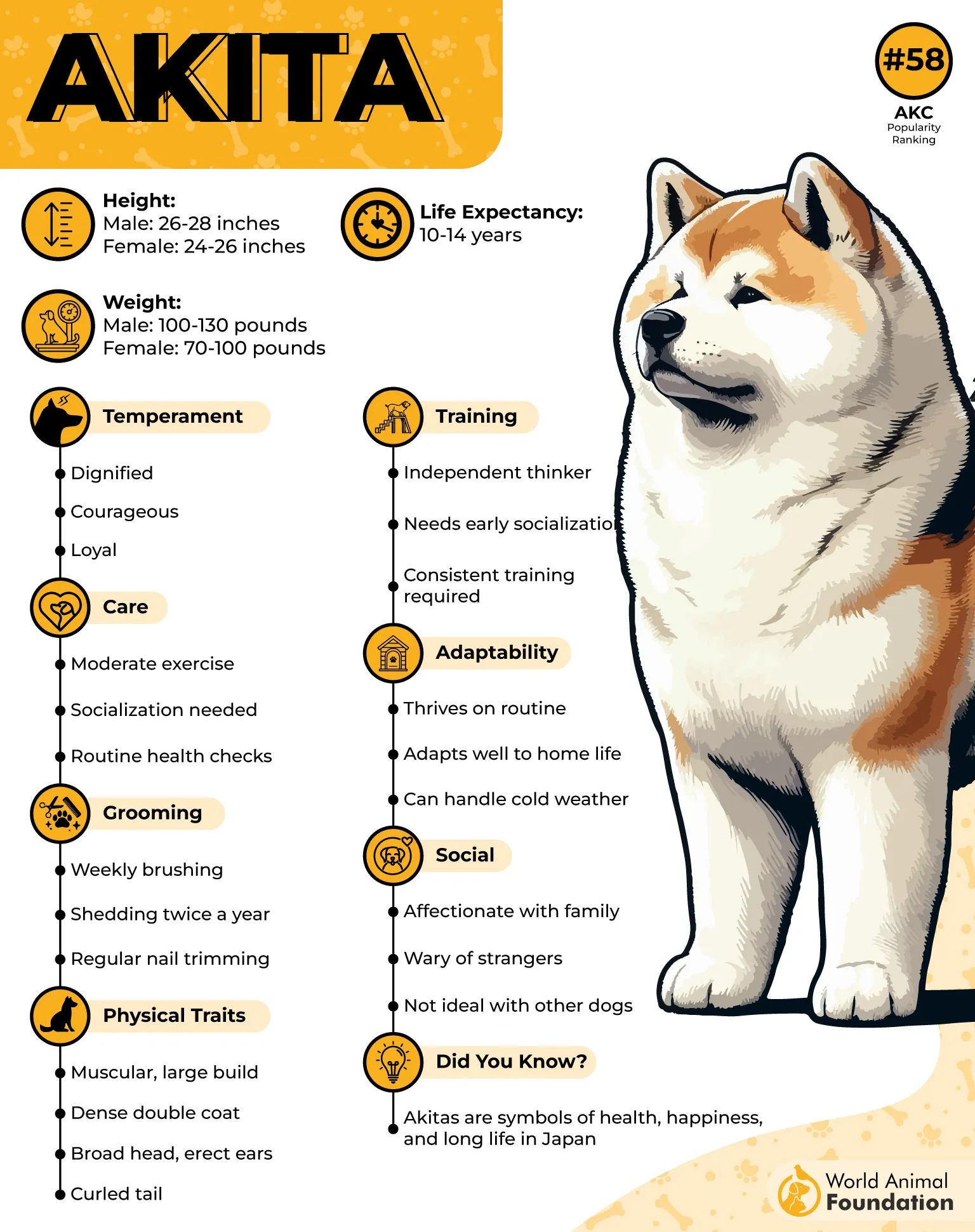
The Akita enjoys exploring but relies on experienced guidance and early socialization to channel its strong guardian instincts. Consistent, patient training helps this intelligent dog become a dependable companion, while moderate daily exercise keeps both body and mind balanced.
A nutritious diet designed for large breeds supports healthy joints and steady growth, with portion control helping maintain an ideal weight throughout life.
Routine veterinary care is also important, as this rugged companion can be prone to joint, eye, skin, and thyroid conditions. Behind its reserved expression is a devoted protector whose loyalty rarely wavers.
5. Afghan Hound
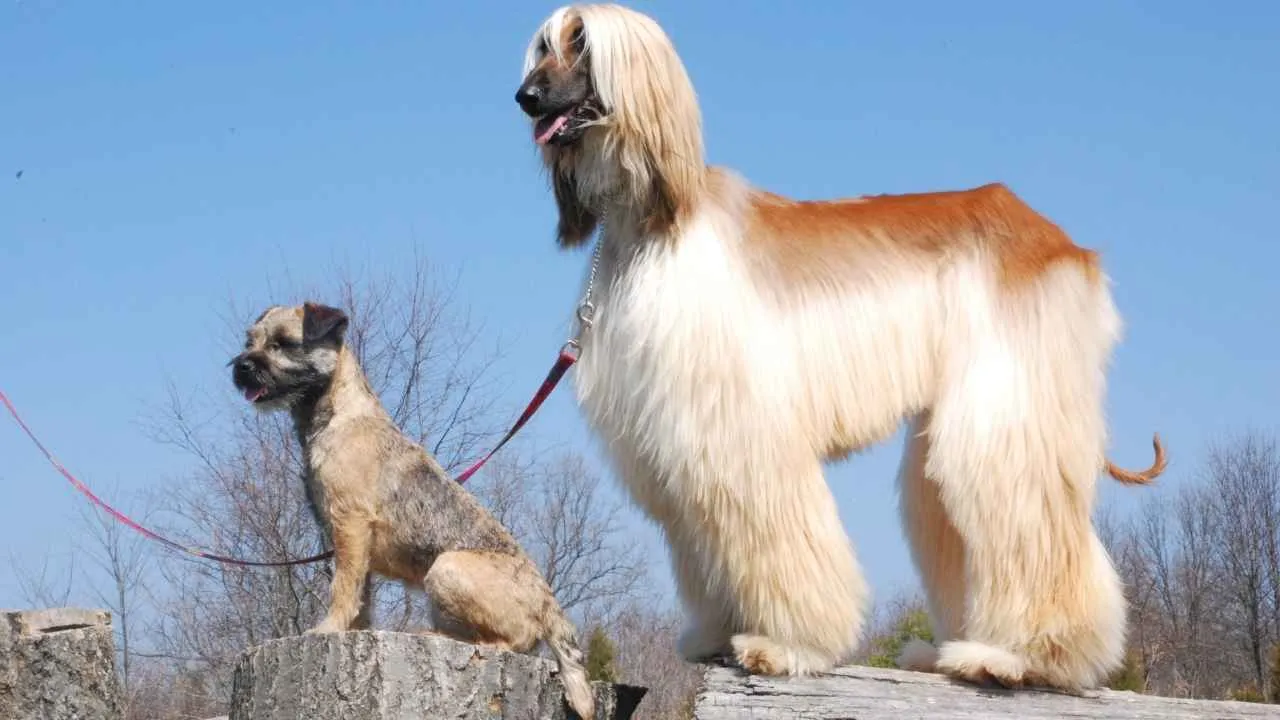
The Afghan Hound moves through life with effortless elegance, carrying the spirit of an independent hunter shaped by the rugged landscapes of Afghanistan.
Bred to chase swift game across challenging terrain, this graceful sighthound still enjoys adventures where it can stretch its long legs and rely on its remarkable speed and sharp eyesight.
They are one of the best hikers, as they are ideal for long hikes. Despite its reserved nature, it forms a deep bond with the people it truly trusts.
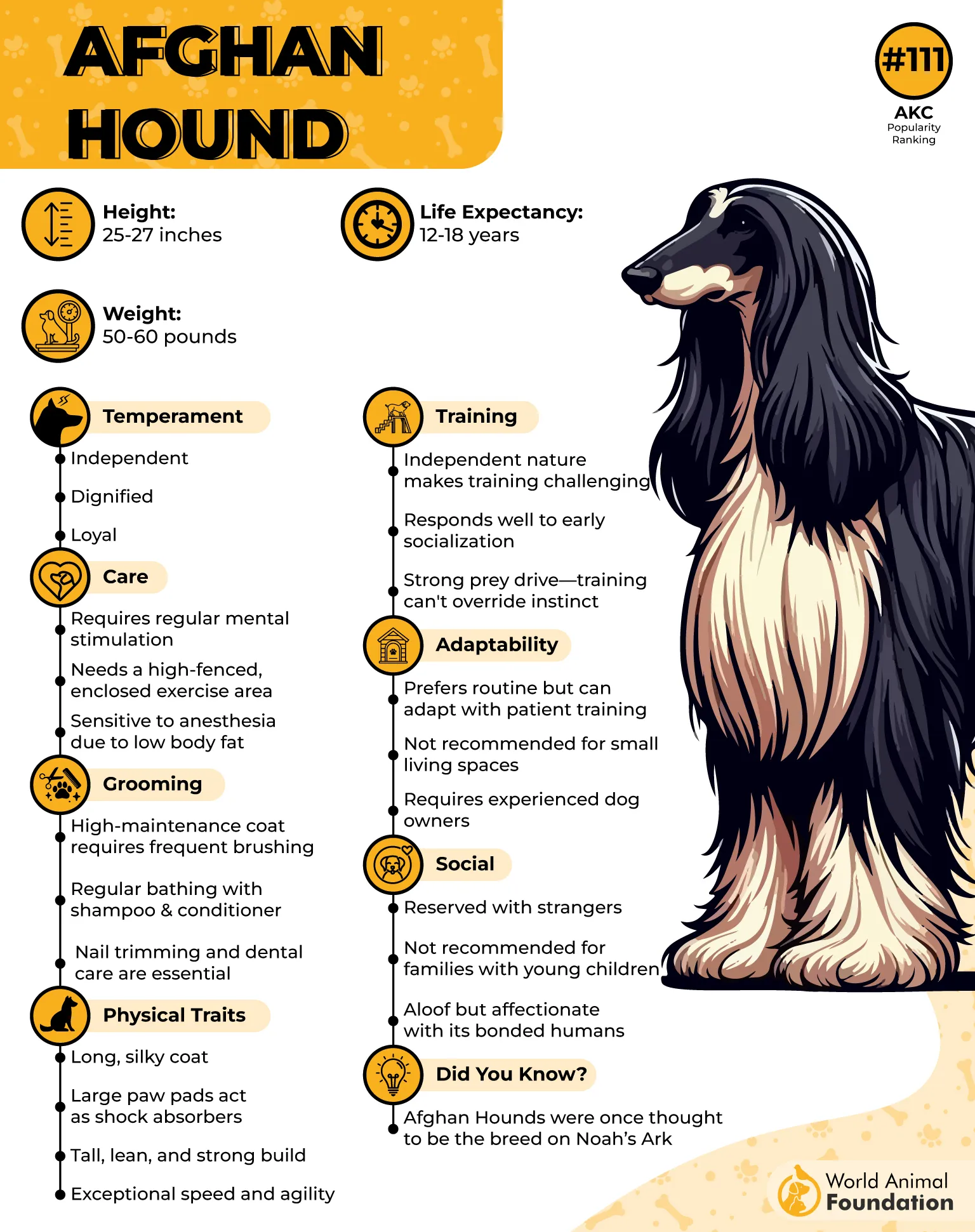
This hound group prefers exploring on a leash or inside a securely fenced area, as its powerful prey drive can quickly take over. Patient, positive training and early socialization help strengthen the connection between dog and owner while respecting the dog’s independent personality.
Its flowing, silky coat is undeniably luxurious but demands regular brushing and frequent grooming to stay beautiful. A balanced diet, sensible exercise around mealtimes, and routine health care help support this athletic companion, especially because deep-chested breeds can be more vulnerable to bloat and certain inherited conditions.
6. Tibetan Mastiff
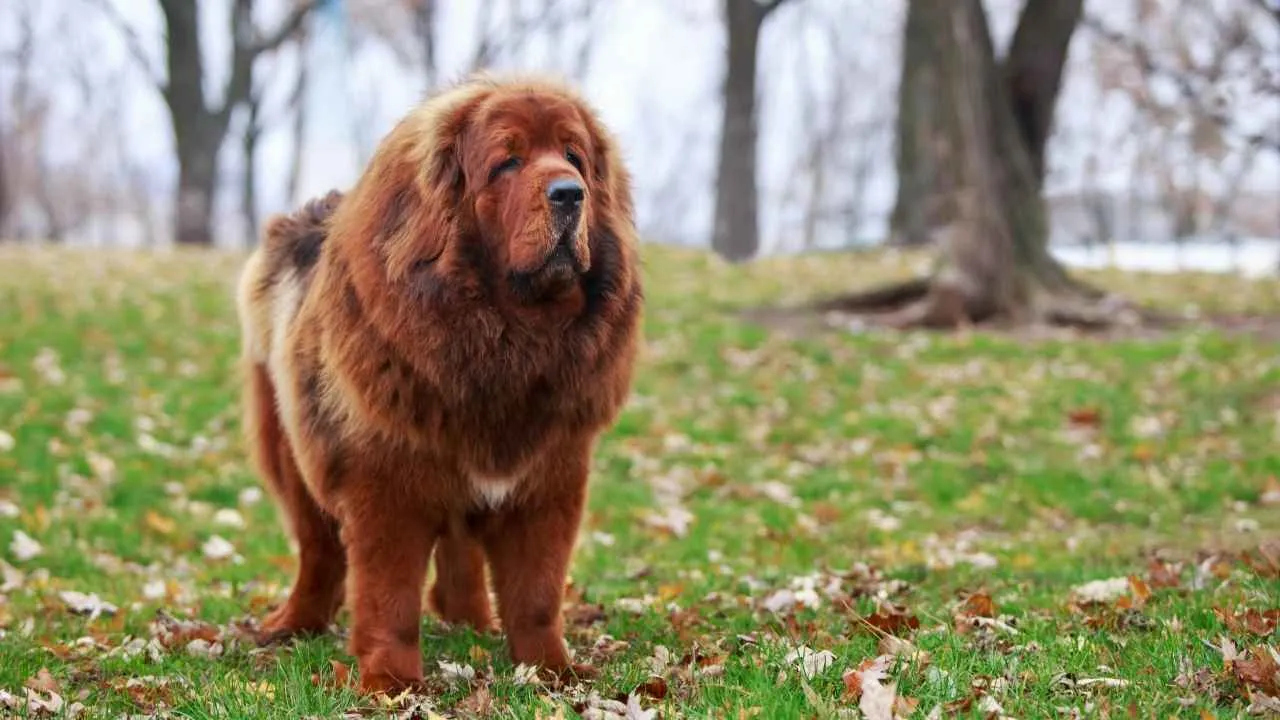
The Tibetan Mastiff was shaped by centuries of guarding remote villages, monasteries, and mountain flocks, developing into a confident companion that trusts its own judgment.
Rather than seeking constant attention, this ancient breed prefers quietly watching over its surroundings, forming an unshakable bond with its family while remaining naturally reserved with strangers.
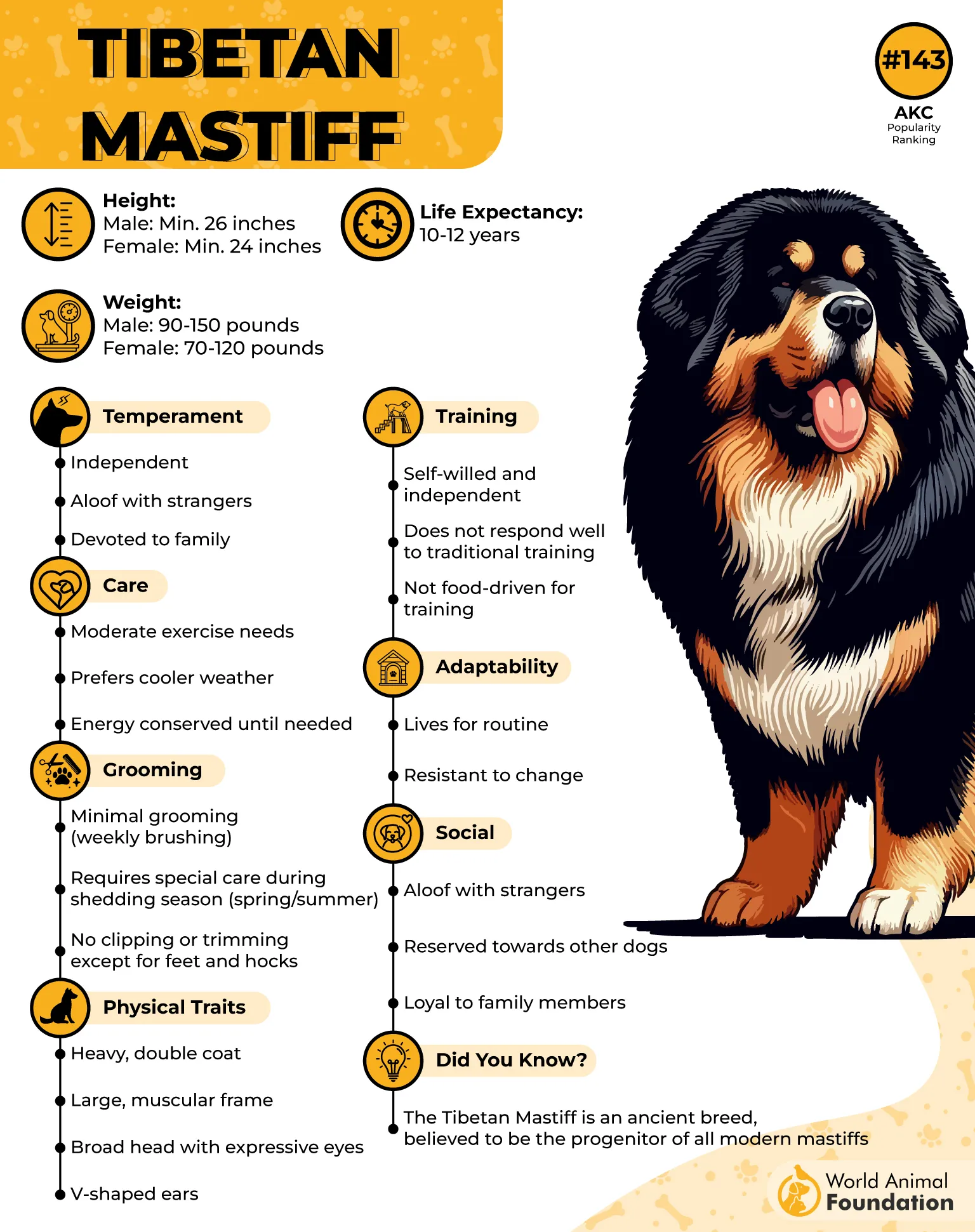
Although powerful and agile, this giant guardian is not built for endless running and is happier with steady daily walks and a meaningful role. Because of its protective instincts, secure handling and experienced leadership help it thrive.
A dense double coat needs regular brushing, especially during seasonal shedding, while a balanced diet designed for giant breeds supports healthy growth and joint function. Routine veterinary care is important, as the breed can be predisposed to joint, eye, and thyroid conditions. Calm, intelligent, and self-reliant, the Tibetan Mastiff remains a devoted guardian with a timeless spirit.
7. Basset Hound
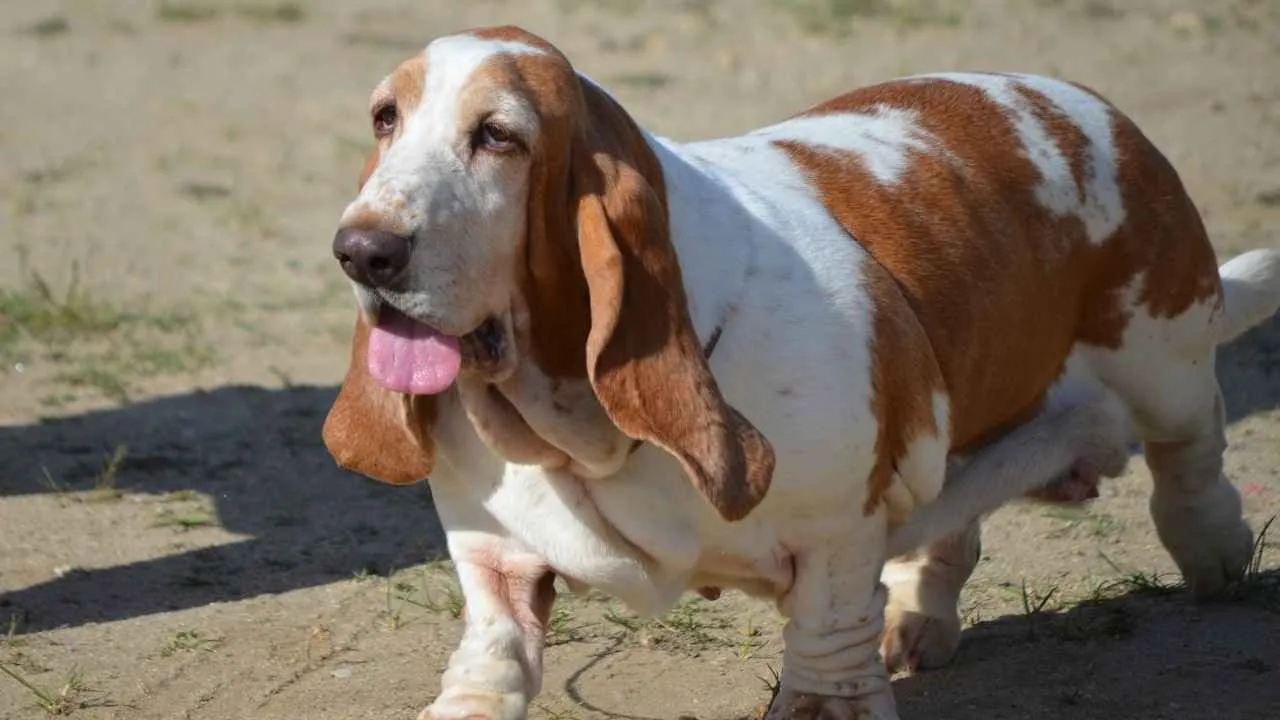
The Basset Hound may stroll at a relaxed pace, but the moment an interesting scent appears, the adventure begins. Originally bred in France to track rabbits and hares, this Purebred Adventure Dog trusts its remarkable nose more than almost anything else. Once it locks onto a trail, convincing it to change course can feel like negotiating with a furry detective.
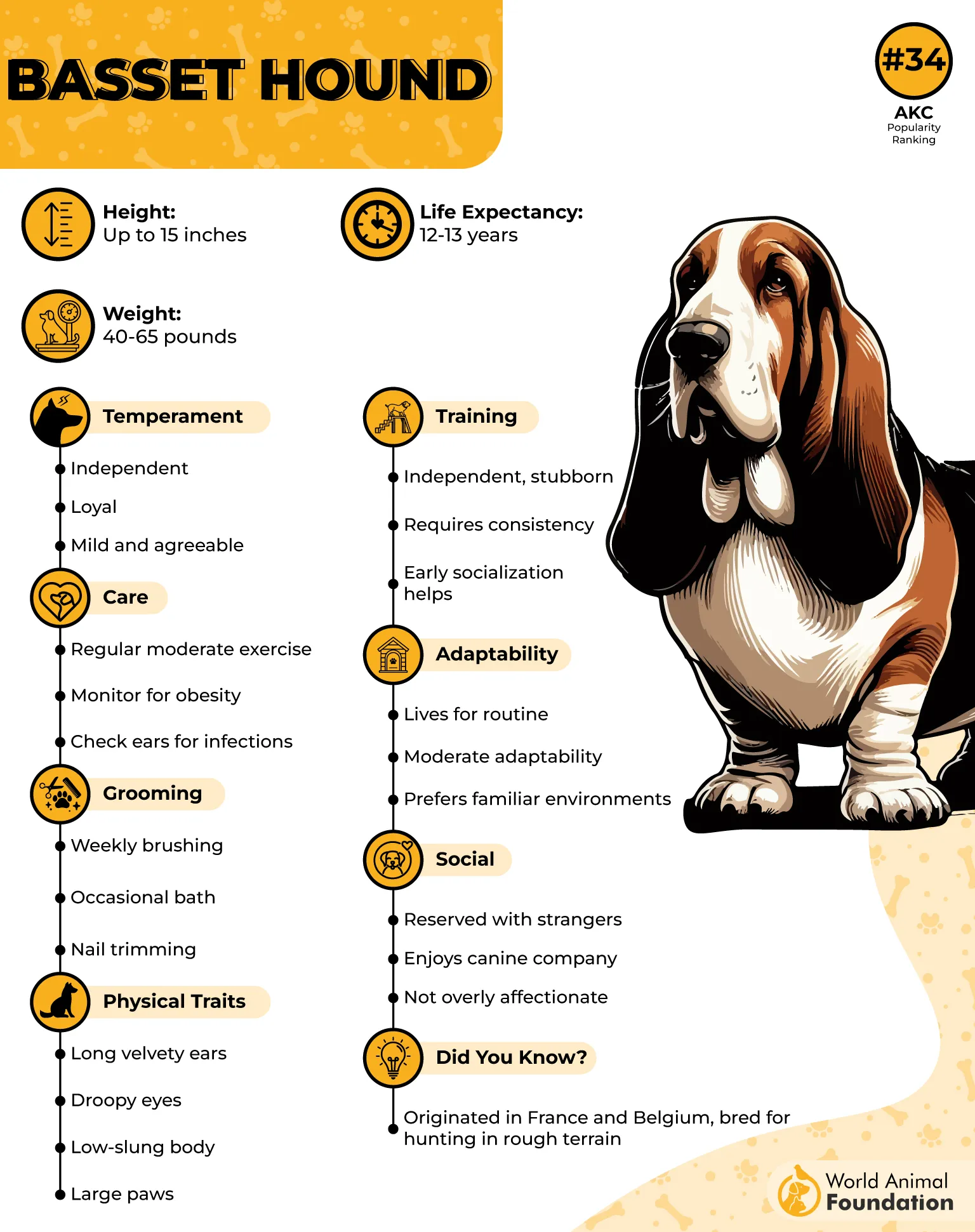
Friendly, easygoing, and famously entertaining, this Outdoorsy Type dog balances outdoor sniffing expeditions with long naps beside its favorite people. Because its powerful scent drive can lead it far from home, walks on a leash or in a secure area are the safest choice. Patient, reward-based training works best, especially when tasty treats are involved.
Its smooth coat requires minimal grooming, though regular ear care and cleaning around the face help keep this droopy companion comfortable. Maintaining a healthy weight and providing steady daily exercise also supports its joints and long back, allowing this lovable scent follower to continue every nose-led adventure.
Conclusion
Not every dog wants constant company from other pets. Some breeds are naturally more independent and feel happiest exploring, relaxing, or spending time with their favorite people instead of joining a canine crowd.
These self-reliant companions still need love, training, and regular interaction, but they often appreciate having their own space and following their own pace. Understanding their personality helps build a stronger, more trusting relationship.
Choosing a breed that matches your lifestyle is just as important as meeting its physical and mental needs. Daily exercise, enrichment, and patient guidance allow independent dogs to thrive while staying confident and well-balanced.
Whether you admire a common adventurer, a quiet thinker, or a loyal one-person companion, these breeds prove that enjoying solo adventures never means giving less affection. These breeds will love solo traveling with you. With respect, consistency, and care, they become devoted partners who treasure every shared journey.
