




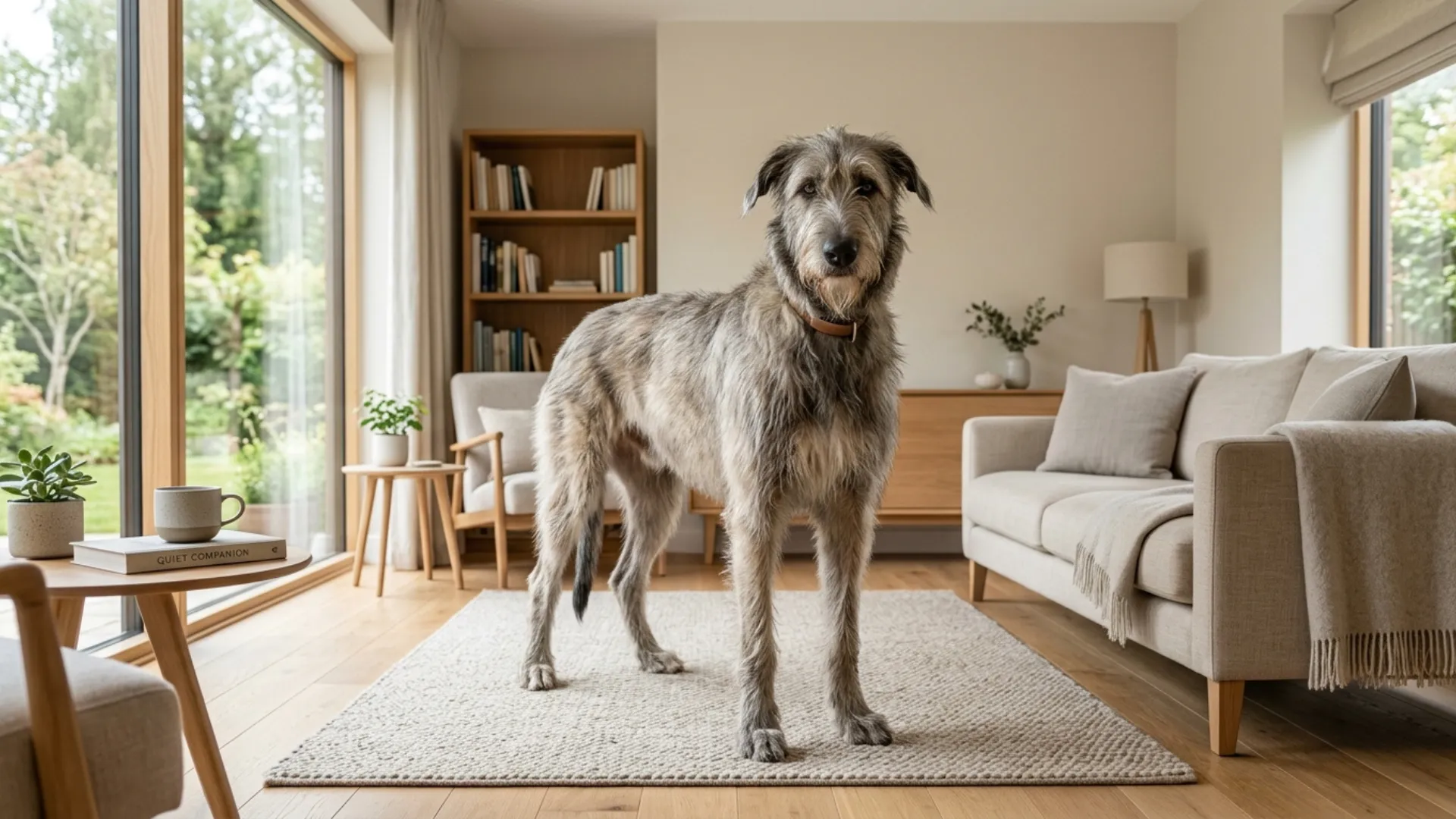
Some people dream of a dog that greets every stranger like a long-lost soulmate, but introverts may prefer a companion that understands the sacred art of minding their own business.
The ideal dog for a quieter household is often calm indoors, selective about social contact, and perfectly happy sharing space without demanding a twenty-four-hour entertainment program. Basically, you want a canine bestie who respects the boundaries.
Let’s talk about the top low-interaction dog breeds for introverted lovers, known for their calm behavior, independence, selective affection, reserve toward strangers, and ability to relax without constant stimulation.
Top Low-Interaction Dog Breeds for Introverted Lovers
1. Greyhound
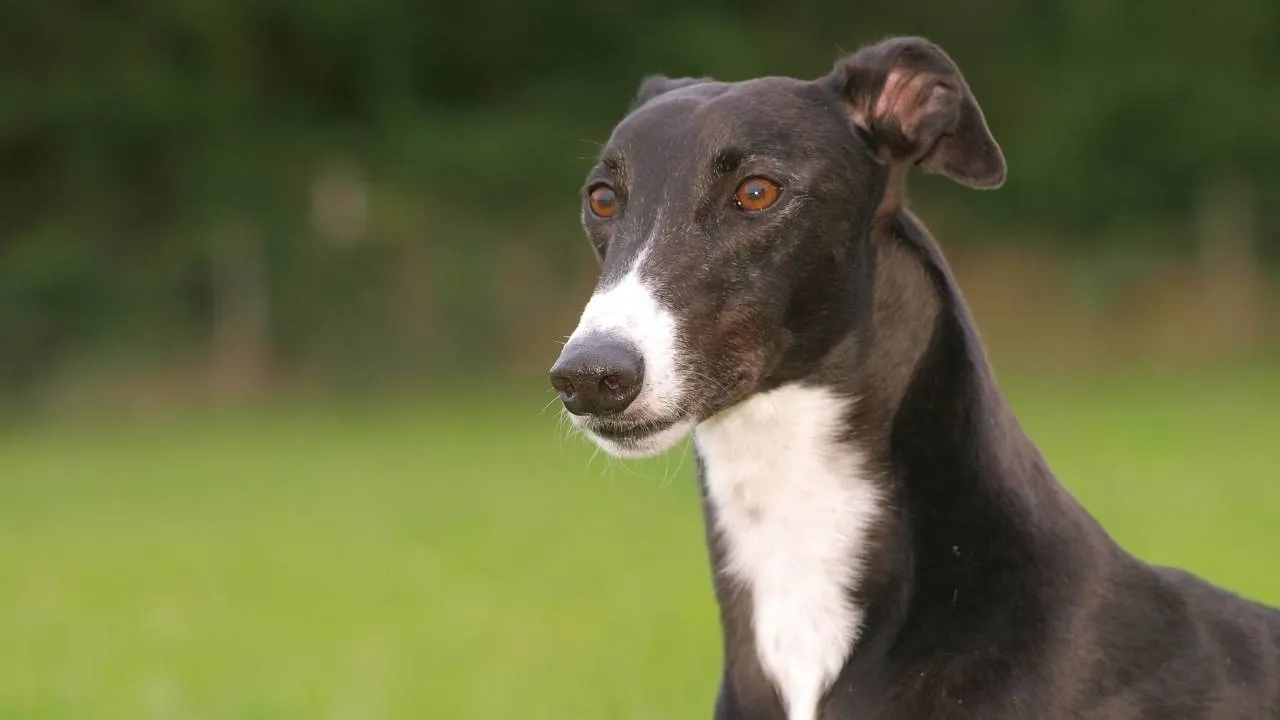
Greyhounds are the fastest dogs and can reach speeds of up to 45 miles per hour, yet adults commonly spend much of the day sleeping or relaxing. The result is an iconic combination of race-car hardware and power-saving mode.
Their introverted qualities are evident in how many Greyhounds handle social situations. They are usually affectionate with trusted family members but can be aloof, cautious, or politely uninterested when unfamiliar people enter the home.
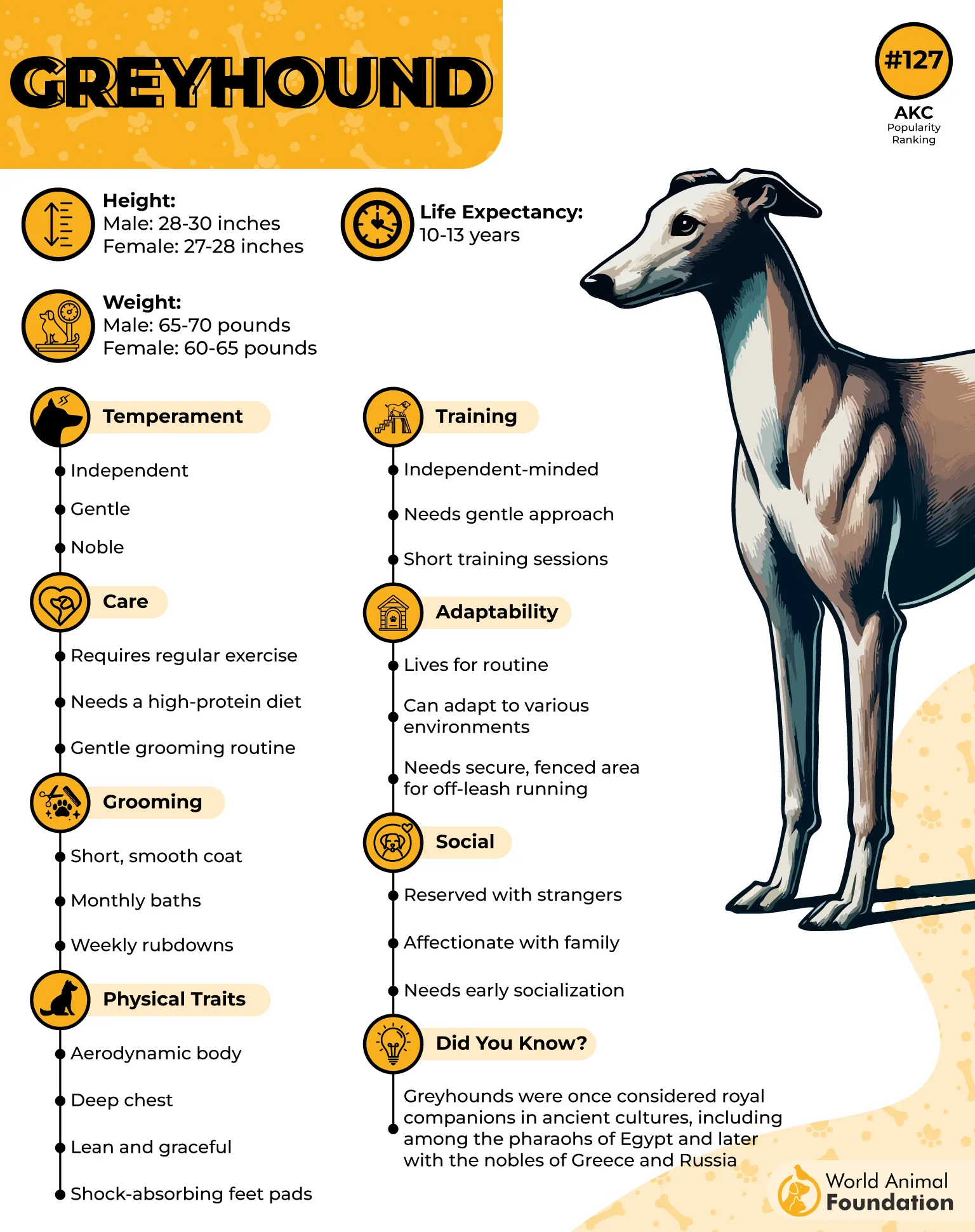
Some of the best dog breeds for introverted pet owners, these loving dogs are also sensitive and often prefer peaceful households without constant shouting, unpredictable handling, or nonstop activity. That emotional softness can make them a beautiful match for gentle owners who communicate without turning every instruction into a motivational seminar.
Their exercise pattern generally involves regular walks and occasional opportunities to run safely rather than hours of continuous activity. However, their strong sighthound instincts can trigger an instant chase when a rabbit, squirrel, cat, or suspiciously speedy plastic bag moves nearby.
2. Chow Chow
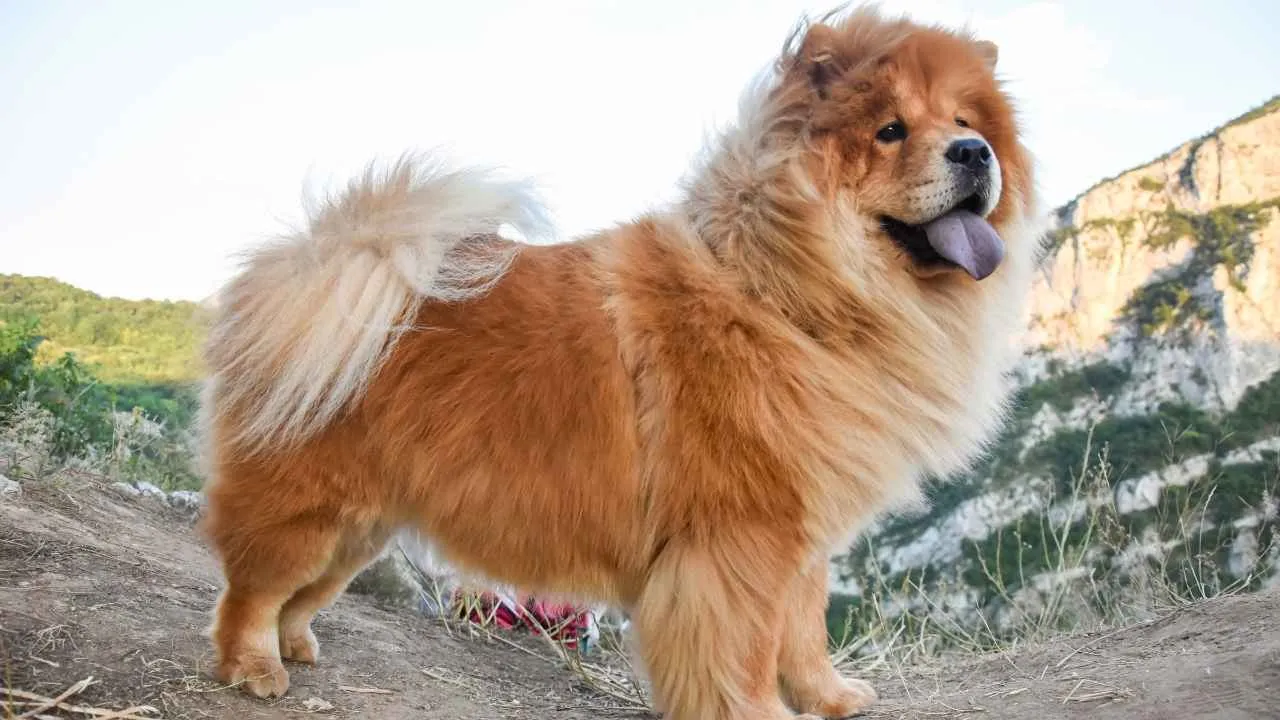
The Chow Chow has the appearance of a teddy bear, the dignity of an ancient emperor. Originating in China, the breed is muscular, serious-minded, and instantly recognizable by its lion-like ruff and blue-black tongue.
These barkless dogs are among the clearest examples of a naturally reserved canine personality. They often form a particularly strong attachment to one person while remaining loyal to the larger household, yet they rarely distribute affection like free promotional samples.
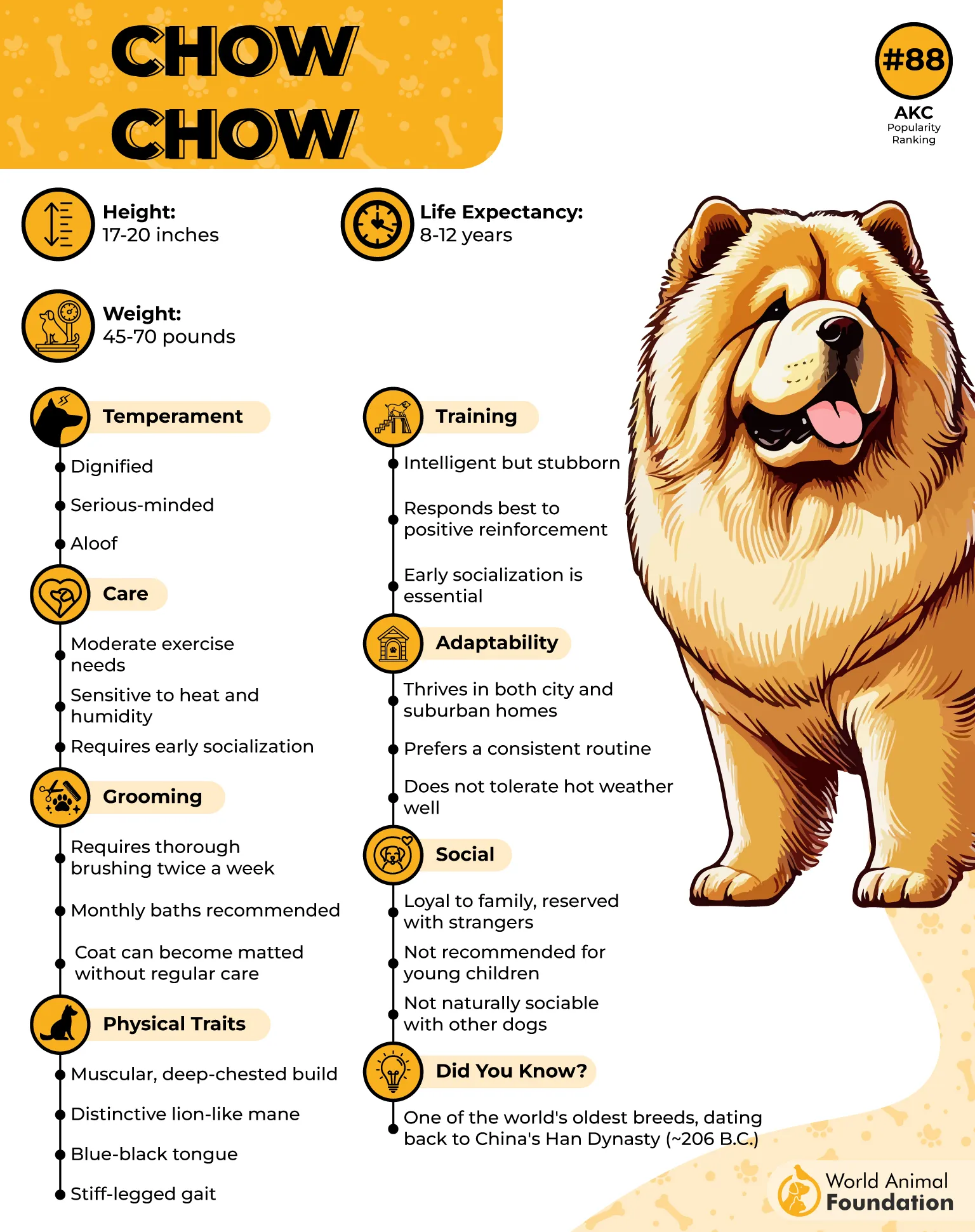
Strangers do not automatically receive VIP access to a Chow Chow’s emotional world. Many Chows watch unfamiliar people closely, avoid unnecessary contact, and need time to become comfortable with new visitors. Early, thoughtful socialization is crucial because healthy introversion should look like calm reserve rather than fear, uncontrolled suspicion, or aggressive behavior.
Otherwise, couch potatoes, they usually need a couple of moderate daily walks instead of exhausting endurance workouts. Chows can adapt to apartment living when they receive exercise, enrichment, and sufficient room to move, although hot weather can be challenging beneath that dense double coat.
3. Basset Hound
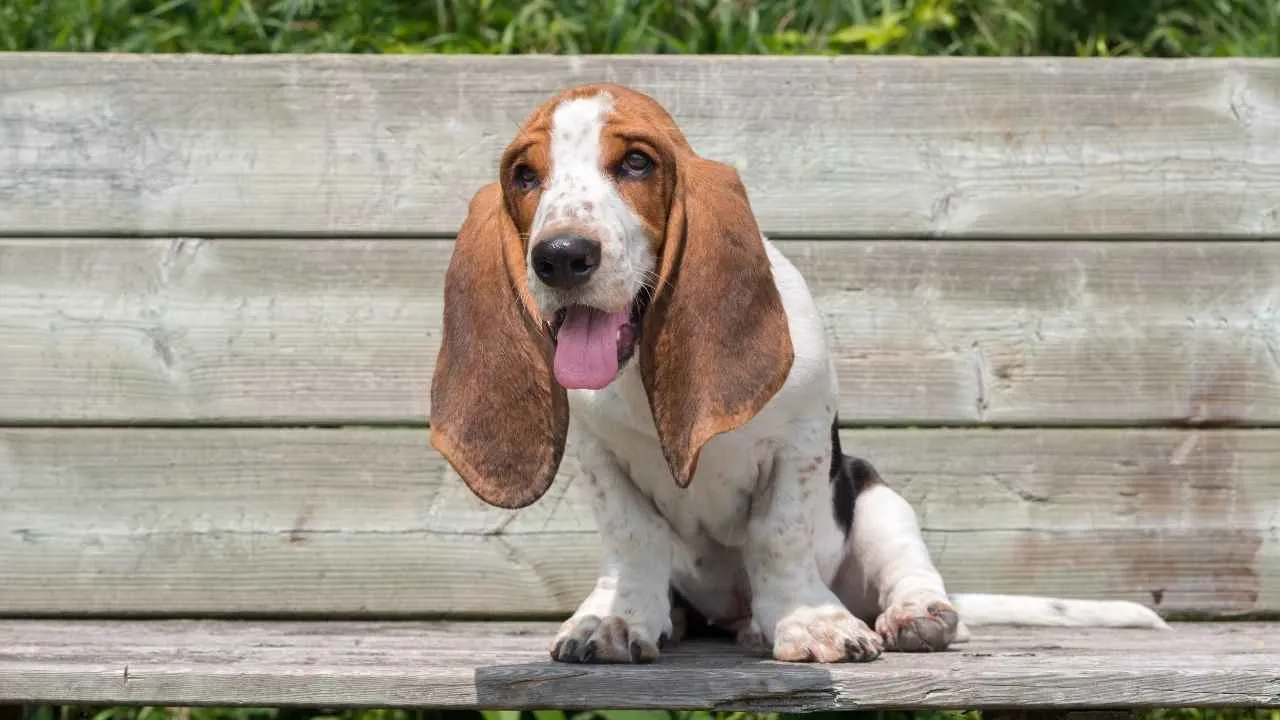
The Basset Hound is a low-slung scent hound with heavy bone, powerful paws, famously long ears, and an expression suggesting that someone has just cancelled dessert. Underneath the dramatic face is a charming, patient, low-key companion.
These hound dogs are not strongly introverted in the aloof-guardian sense, as many enjoy being around familiar people, children, and other dogs. Their appeal for introverted owners comes from their unhurried rhythm, relaxed indoor behavior, and lack of interest in turning every moment into a high-intensity event.
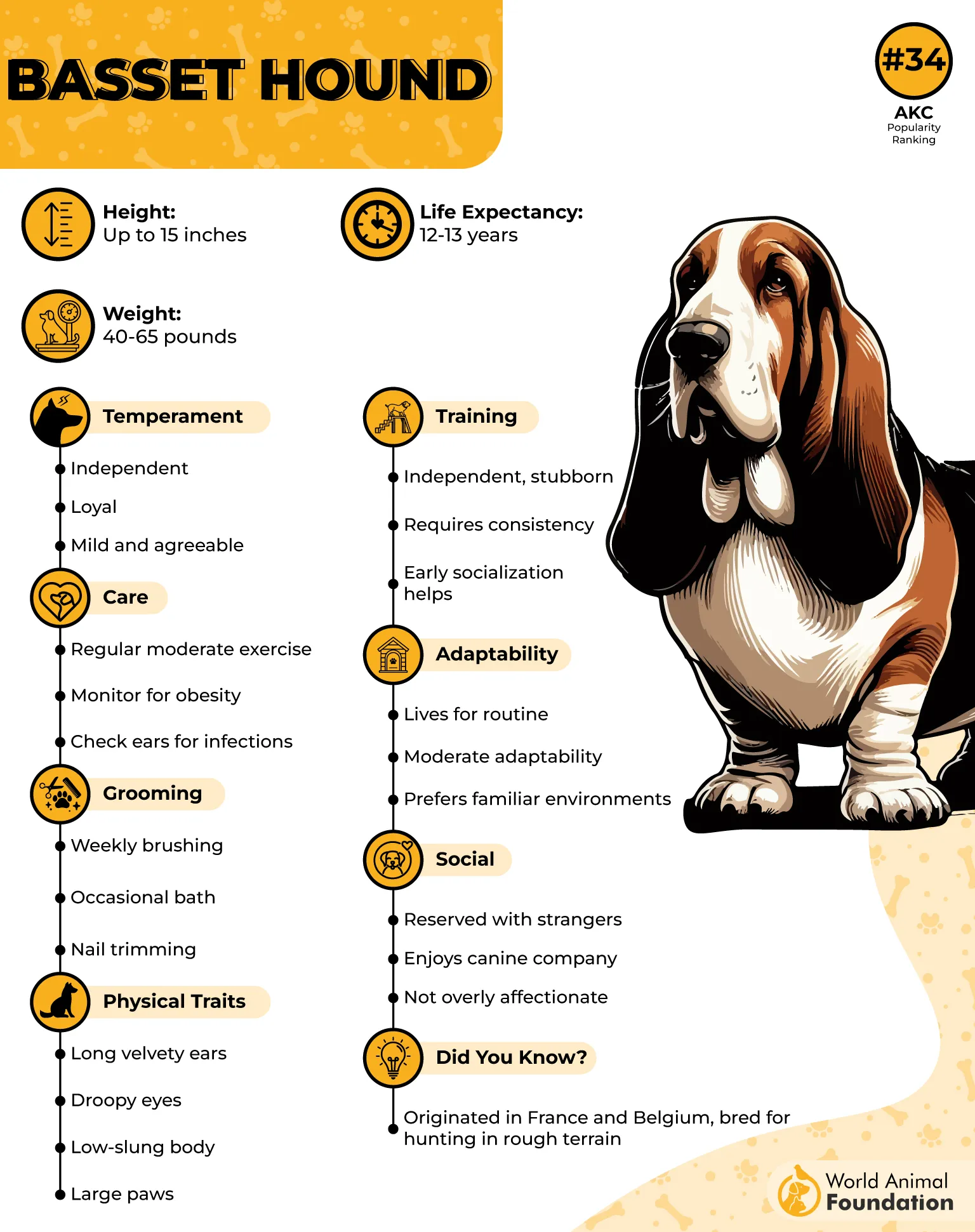
Daily walks give a Basset opportunities to exercise and investigate the world through its remarkable nose. These outings may progress at the speed of a thoughtful museum tour because every patch of grass apparently contains a detailed historical document.
The breed was built for endurance rather than speed, so patient exploration is more natural than fast-paced jogging. A scent can make a Basset impressively independent and temporarily unavailable for discussion. Once the nose selects a destination, recall may become a vague suggestion floating somewhere behind the dog’s ears.
4. Irish Wolfhound
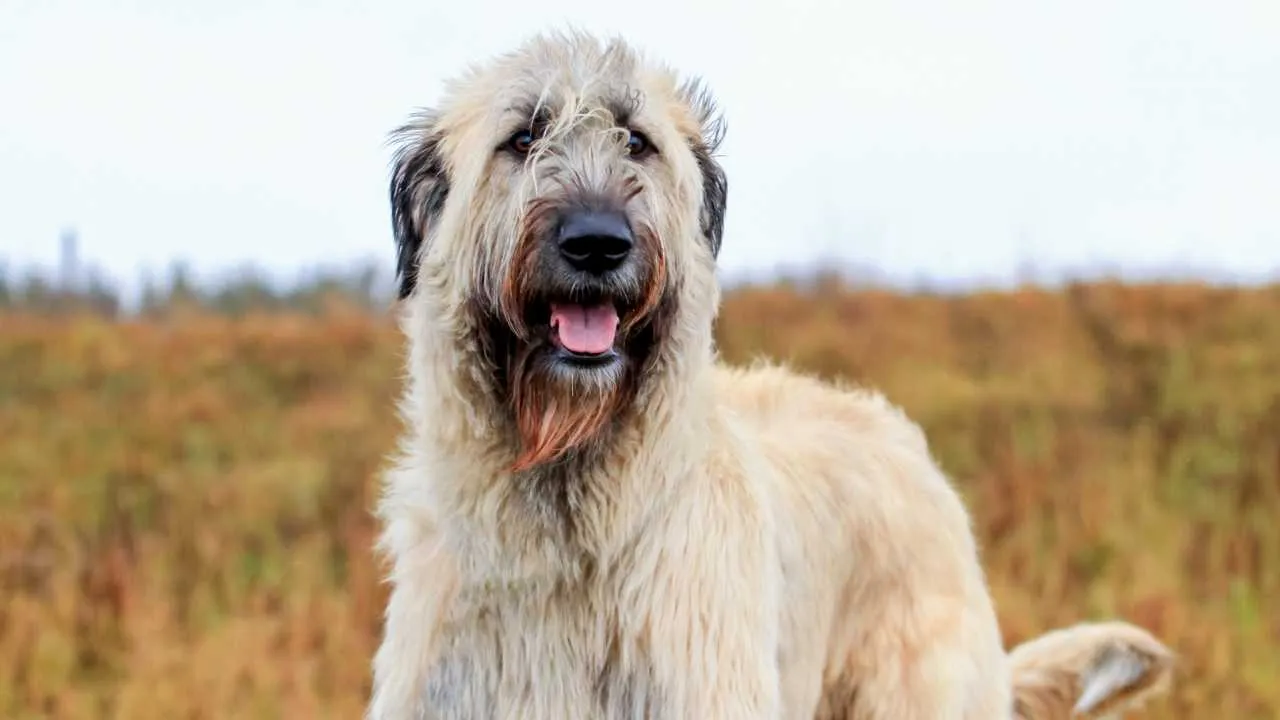
The Irish Wolfhound is what happens when somebody requests a calm companion but accidentally selects the extra-large setting. Despite its intimidating scale, the modern Wolfhound is widely characterized as dignified, kindly, and serene.
Many Irish Wolfhounds display an introvert-friendly mixture of gentleness, sensitivity, and quiet observation. Purina says they tend to form meaningful family bonds without bouncing through the house like oversized party hosts.
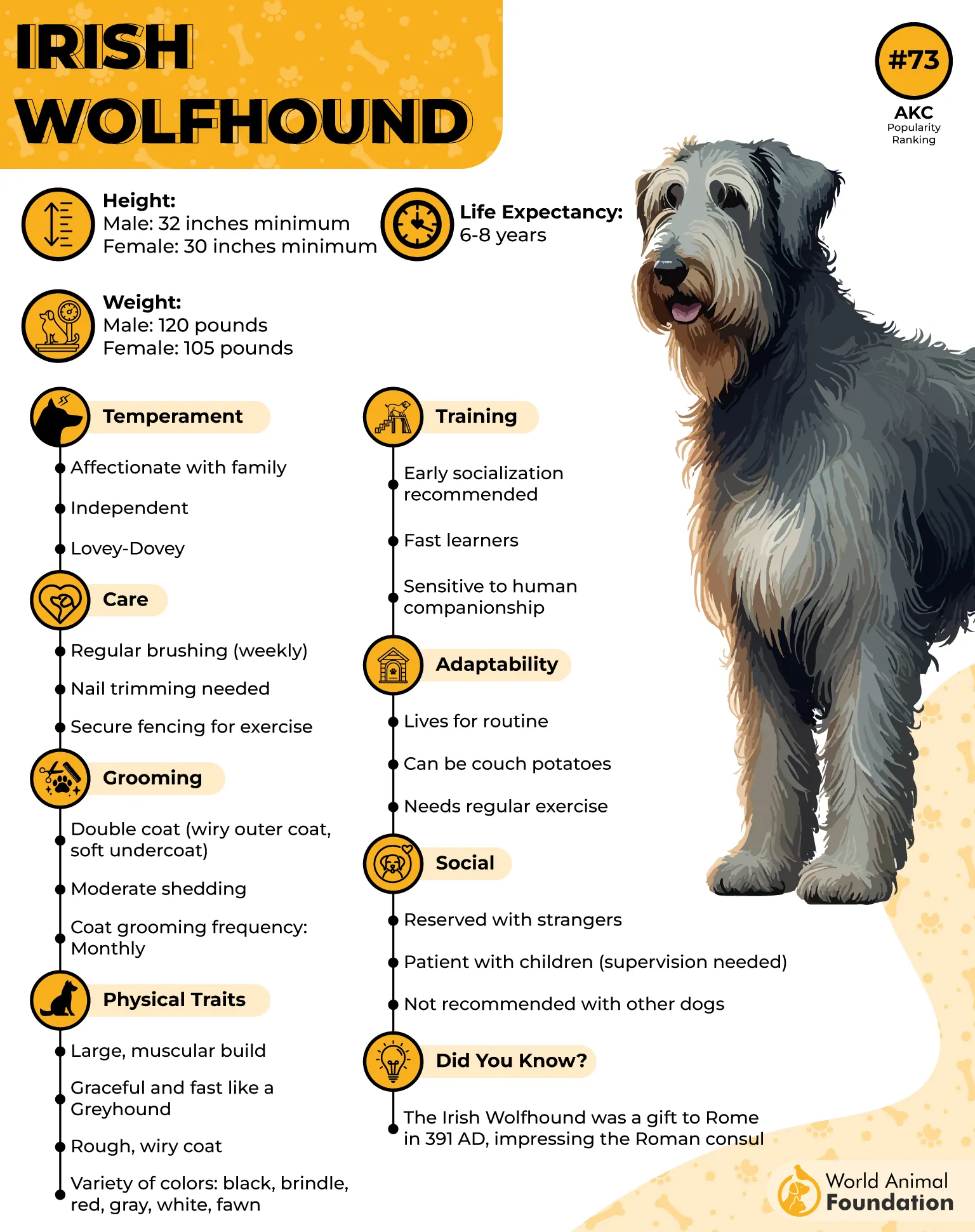
This is an excellent possibility for an outdoorsy introvert rather than a person who never wants to leave the sofa. Adult Wolfhounds need daily walks and appropriate exercise, though they usually relax peacefully once their physical needs are met.
Their coursing heritage means that moving animals may trigger pursuit, so off-leash freedom should only happen in genuinely secure spaces. Training requires patience because these thoughtful hounds may respond at their own pace rather than deliver competition-level precision.
For the properly equipped introvert, living beside this quiet giant can feel less like owning a dog and more like sharing a home with a peaceful mythical creature.
5. Chinese Shar-Pei
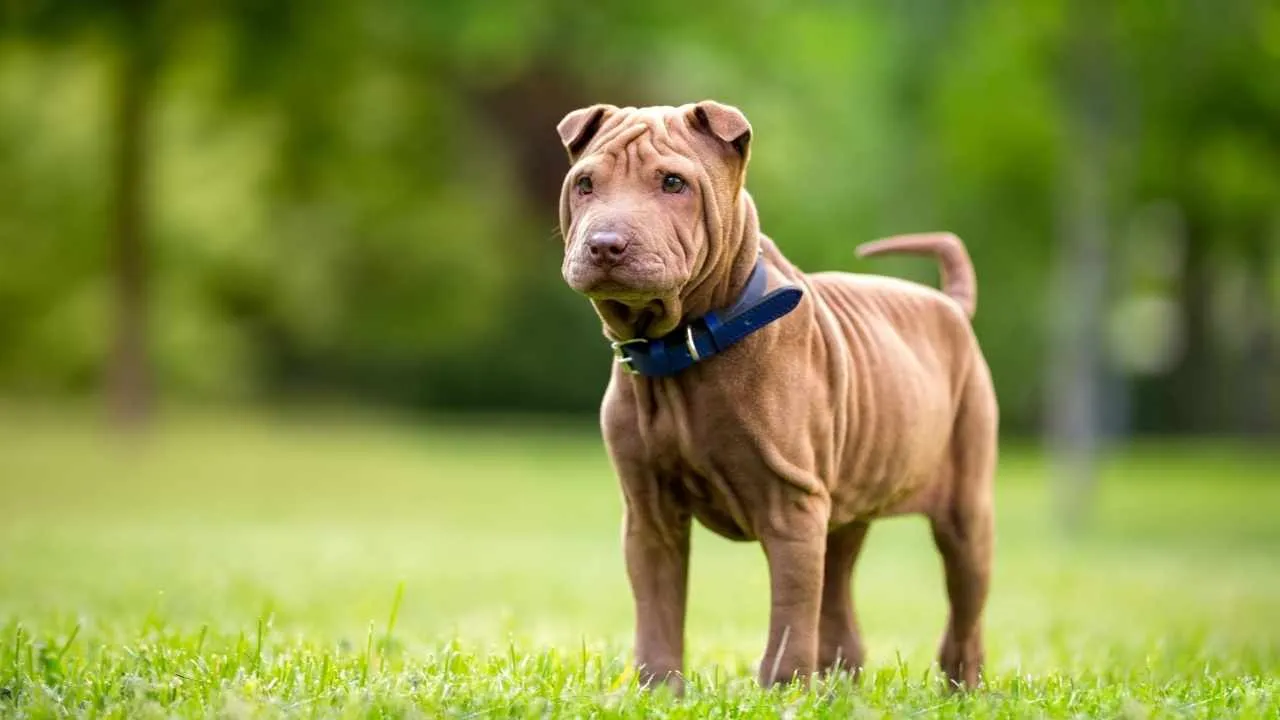
The Chinese Shar-Pei has a wrinkled face, a sandpapery coat, and absolutely no desire to audition for the role of neighborhood social coordinator. Its traditional temperament combines calmness, loyalty, confidence, and serious independence.
A Shar-Pei usually loves its family deeply while remaining selective about physical affection. It may approach for a brief touch, lean against a trusted person, or offer a quiet lick before deciding that the interaction has reached its natural conclusion.
Strangers frequently receive a much cooler reception because the breed was developed for guarding and other practical work. A stable Shar-Pei may remain composed and observant, but poor socialization can allow suspicion to develop into difficult behavior toward people or animals.
Exercise needs are moderate rather than extreme, with structured walks and mentally interesting activities helping maintain balance. Many Shar-Pei enjoy having a quiet home, a predictable routine, and an undisturbed place where they can decompress.
These Chinese dogs are not antisocial statues, but they generally appreciate owners who understand that personal boundaries are not a personal insult.
6. Great Pyrenees
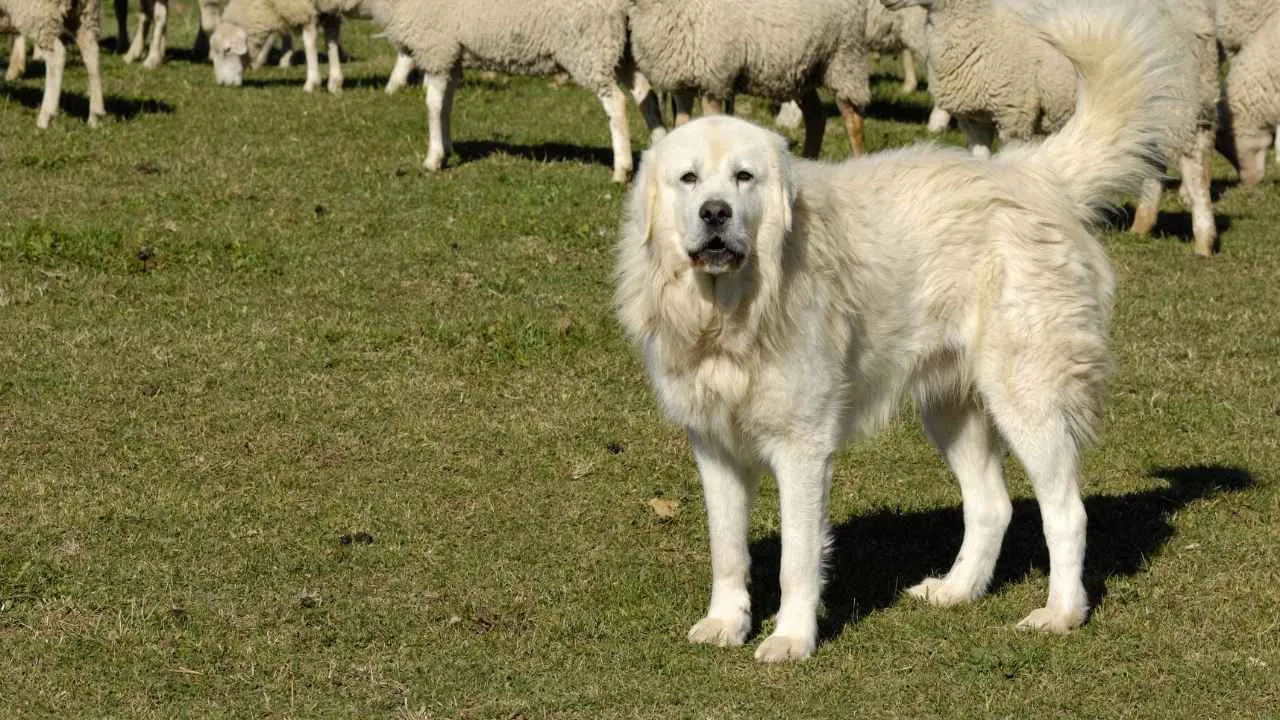
Developed to protect livestock from wolves and other predators in mountainous regions, the Great Pyrenees combines physical power with an ability to work independently for long periods. Modern Pyrs are often mellow with their household while remaining highly alert to anything they consider suspicious.
Their introverted nature is less about timidity and more about emotional depth, independent judgment, and a preference for trusted relationships over random social excitement. They may quietly comfort a distressed owner without demanding a detailed explanation, which is exactly the kind of support many introverts appreciate.
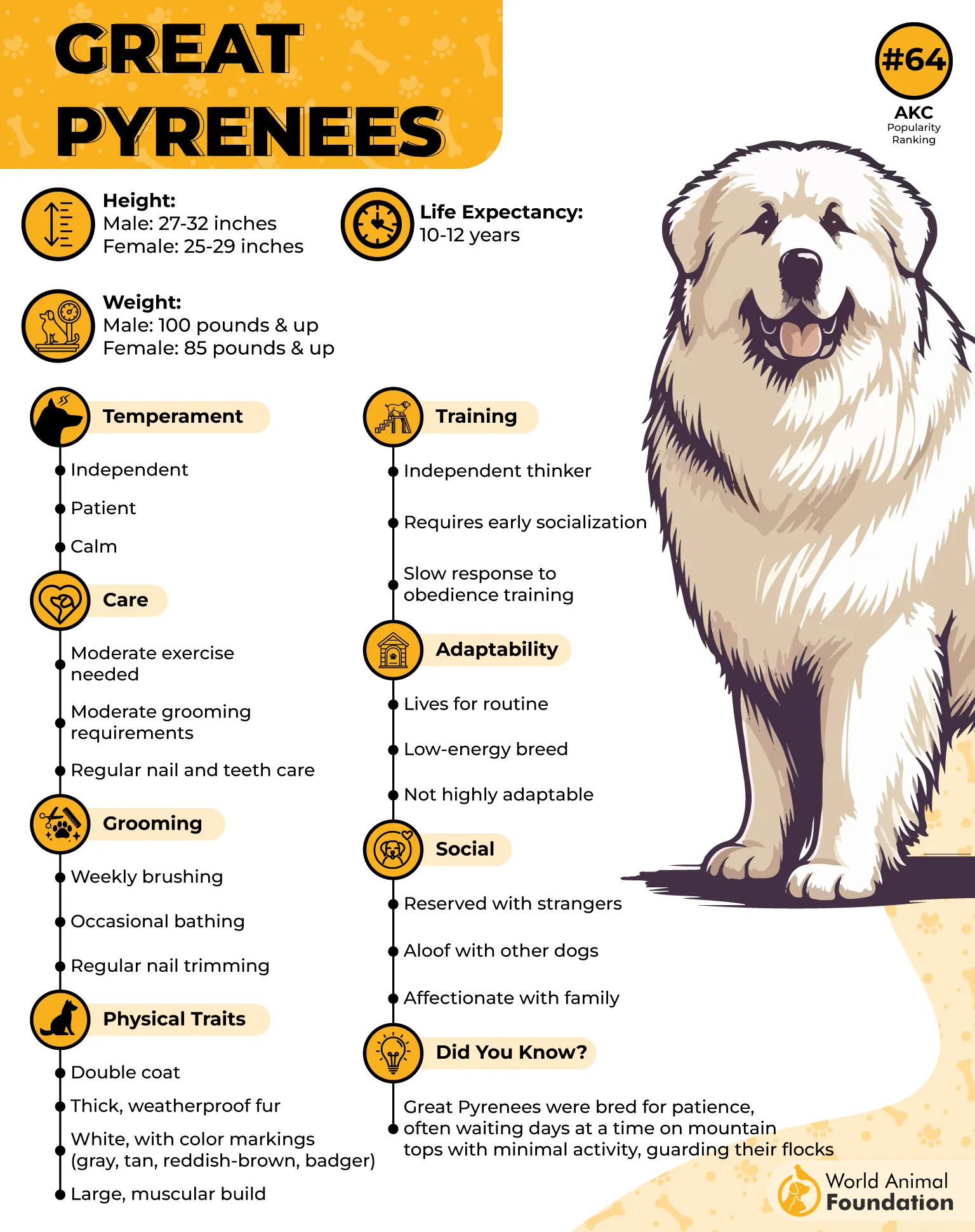
Pyrs were bred to guard flocks without waiting for human instructions, so they do not automatically view obedience as their main purpose in life. They can understand a command perfectly and still conduct an internal review before deciding whether it aligns with current security priorities.
Although generally calm, this breed is not always quiet because nighttime barking is part of its guardian heritage. A Great Pyrenees may consider a distant car door, wandering animal, falling branch, or suspicious moonbeam worthy of an official announcement.
7. Tibetan Mastiff
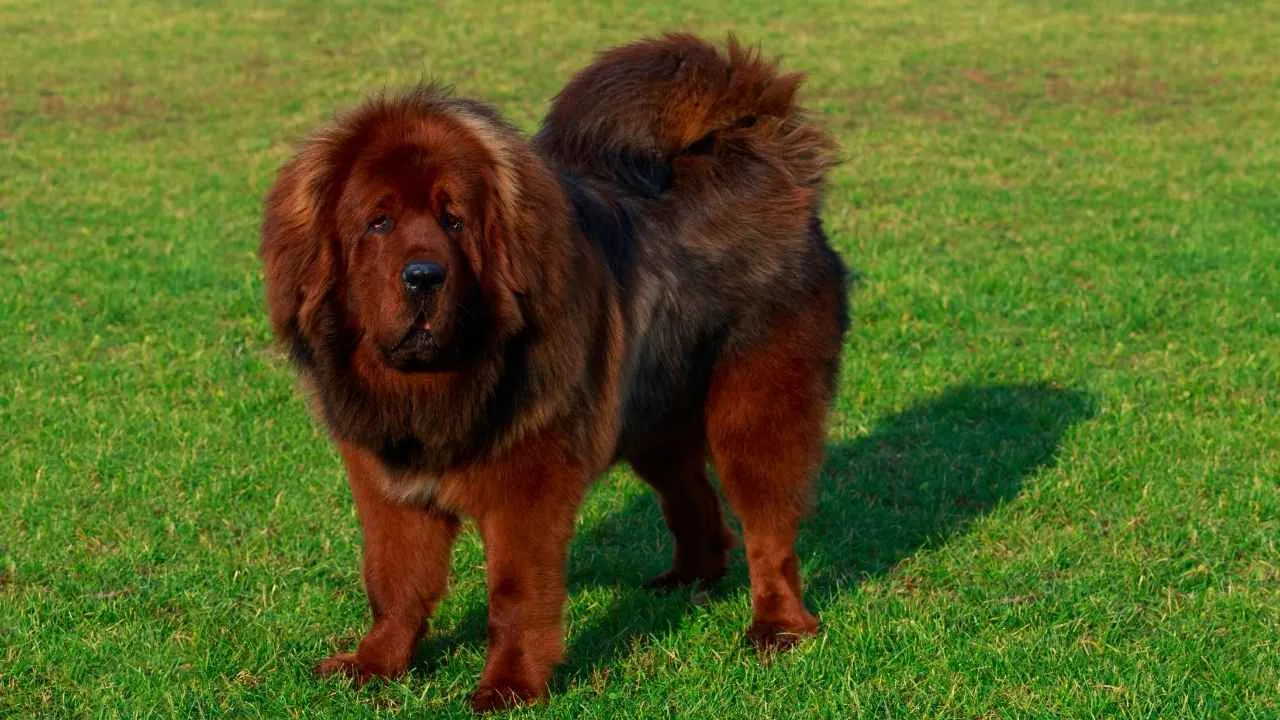
The Tibetan Mastiff does not merely have introverted energy; it looks like it owns a private mountain compound and accepts visitors only by written appointment. The breed is officially characterized as reserved, independent, intelligent, territorial, and intensely devoted to its family.
These dogs often adore their chosen people while displaying limited enthusiasm for unfamiliar humans. Some will watch a visitor without approaching, whereas others may actively guard the property until the situation has been carefully managed.
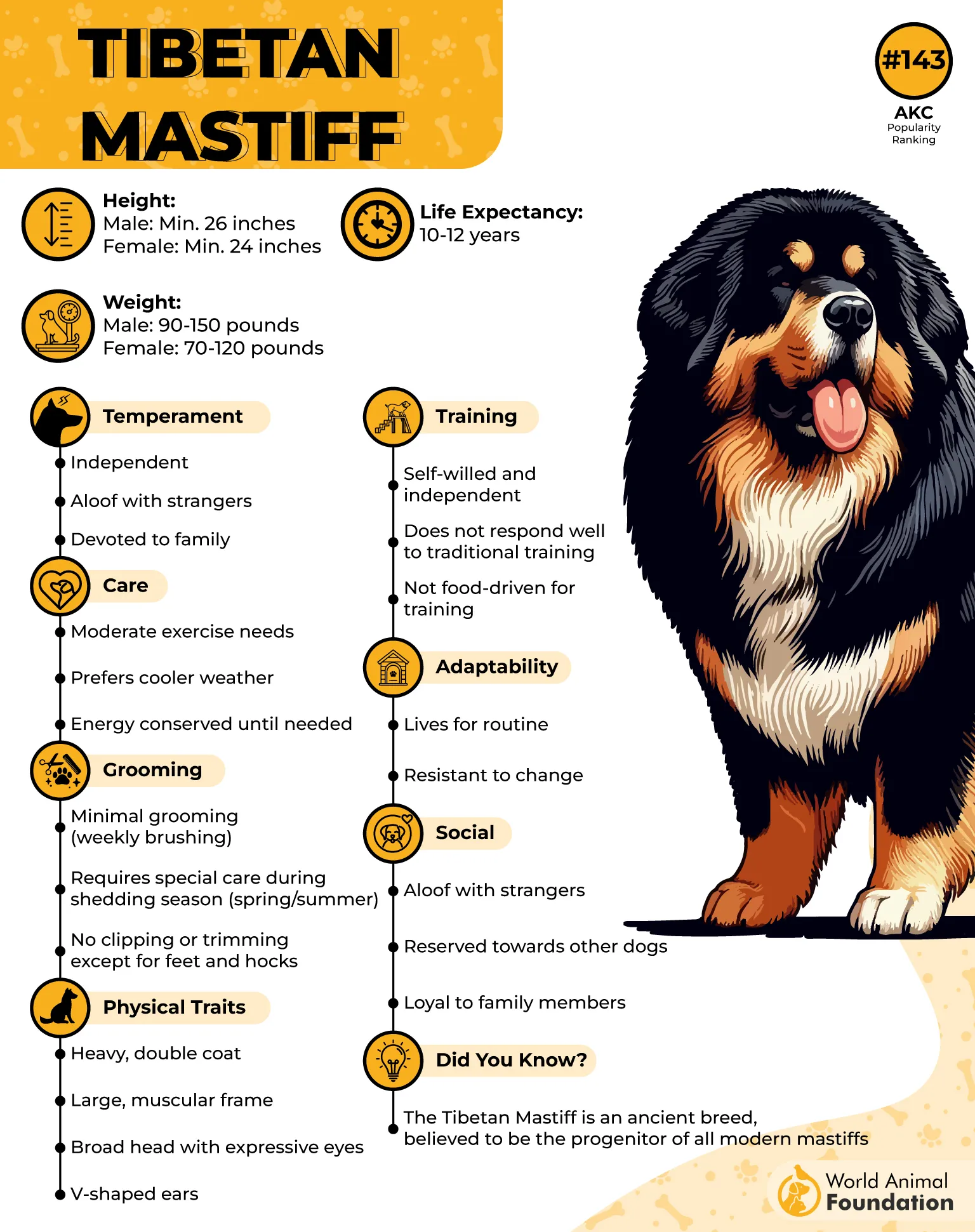
They think independently because their ancestors protected homes and livestock in remote Himalayan environments. Traditional obedience exercises may feel pointless to them, and the American Kennel Club notes that they can perform perfectly in class before ignoring commands at home.
Exercise is generally moderate, with many individuals preferring to patrol their property rather than repeatedly chase toys. This breed is not appropriate for most first-time owners, crowded urban buildings, or households with constant, unstructured visitors.
8. Pekingese
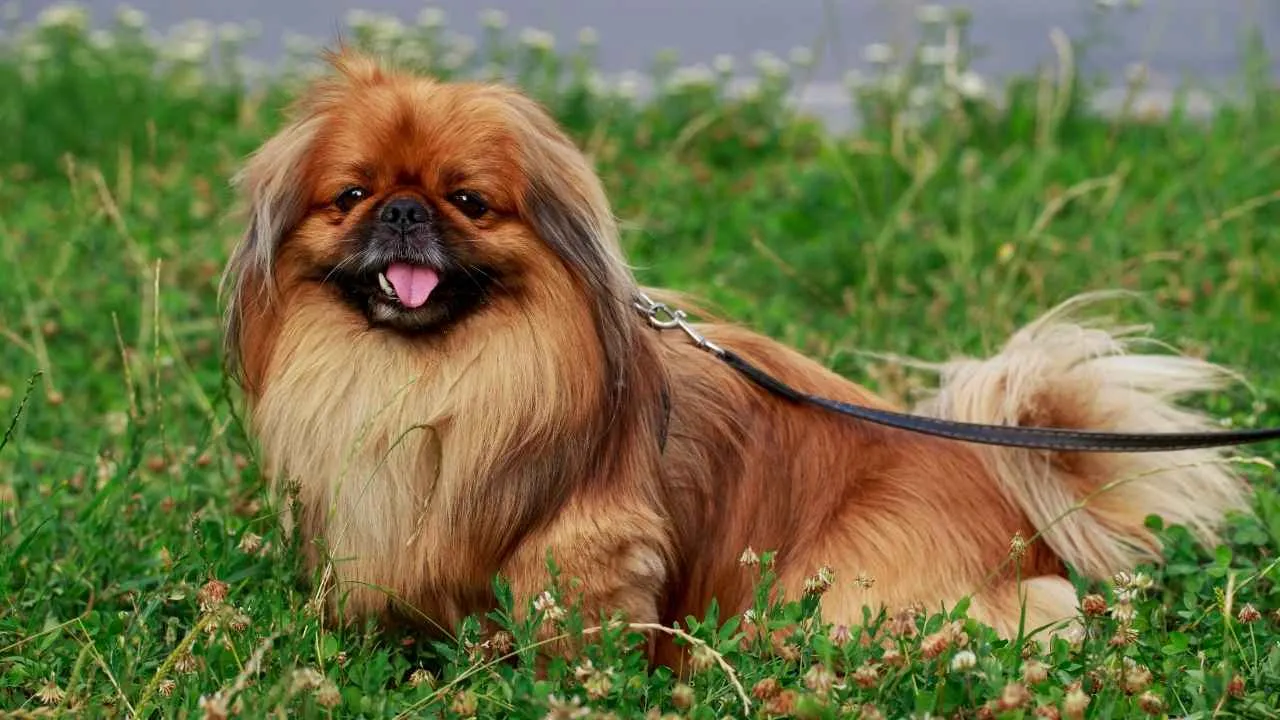
The Pekingese was developed for the ruling classes of ancient China, and modern examples have apparently retained the complete palace-management mindset.
Pekingese often bond closely with one favorite person or a small inner circle. They can be affectionate and loyal without extending the same warmth to every stranger who appears with an outstretched hand.
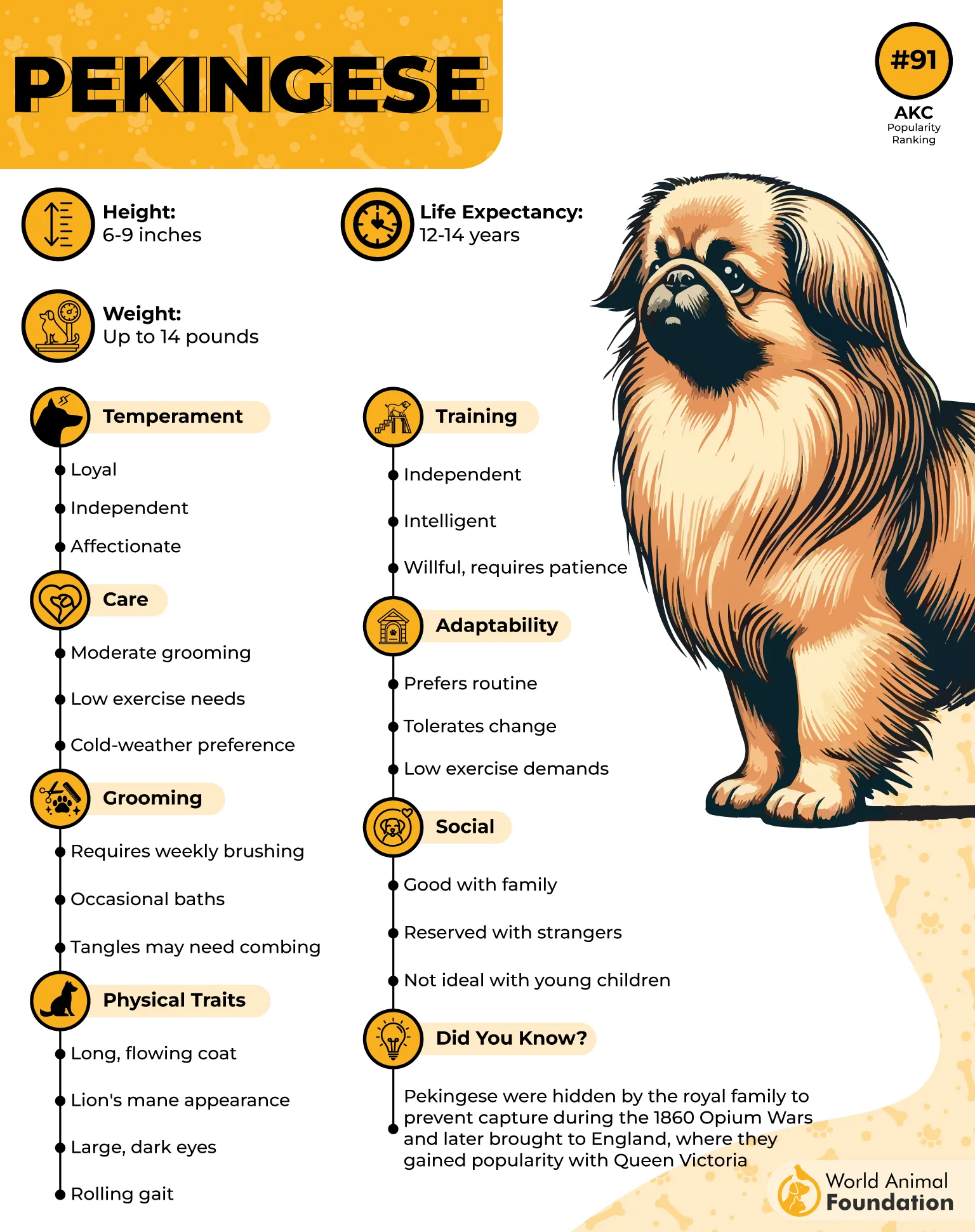
The breed usually prefers calm companionship over chaotic play, especially as it matures. Many Pekes are perfectly content to share a sofa, observe household events, and contribute occasional supervisory comments.
Despite their independence, Pekingese still value human company and may become distressed when left alone for extended periods. Their introversion therefore looks like choosing how and when to interact, not rejecting the people they love.
9. Scottish Deerhound
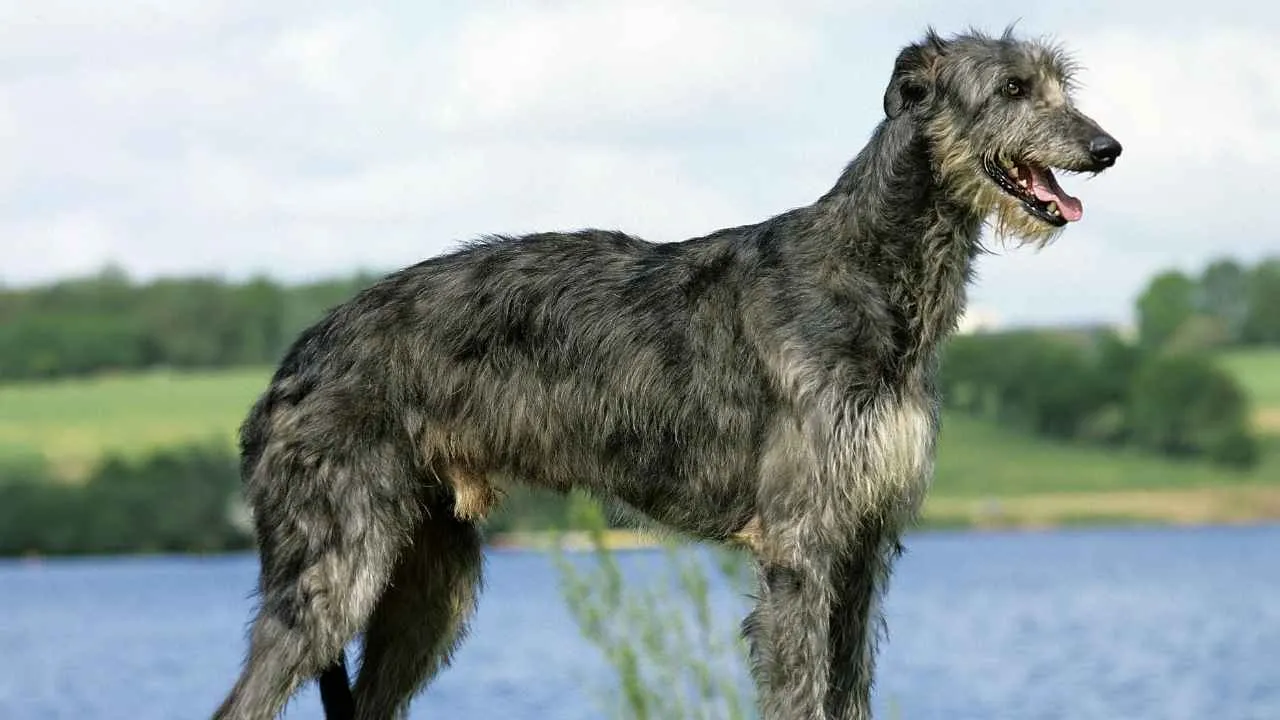
The Scottish Deerhound is tall, shaggy, athletic, and somehow capable of looking majestic while occupying most of the sofa. Bred to pursue large red deer across difficult Scottish terrain, it belongs to the ancient family of swift coursing hounds.
Adult Deerhounds are often quiet, easygoing, and comfortable relaxing near their people without demanding constant entertainment. PetMD claims that they enjoy companionship but typically express affection with softness rather than overwhelming physical enthusiasm.
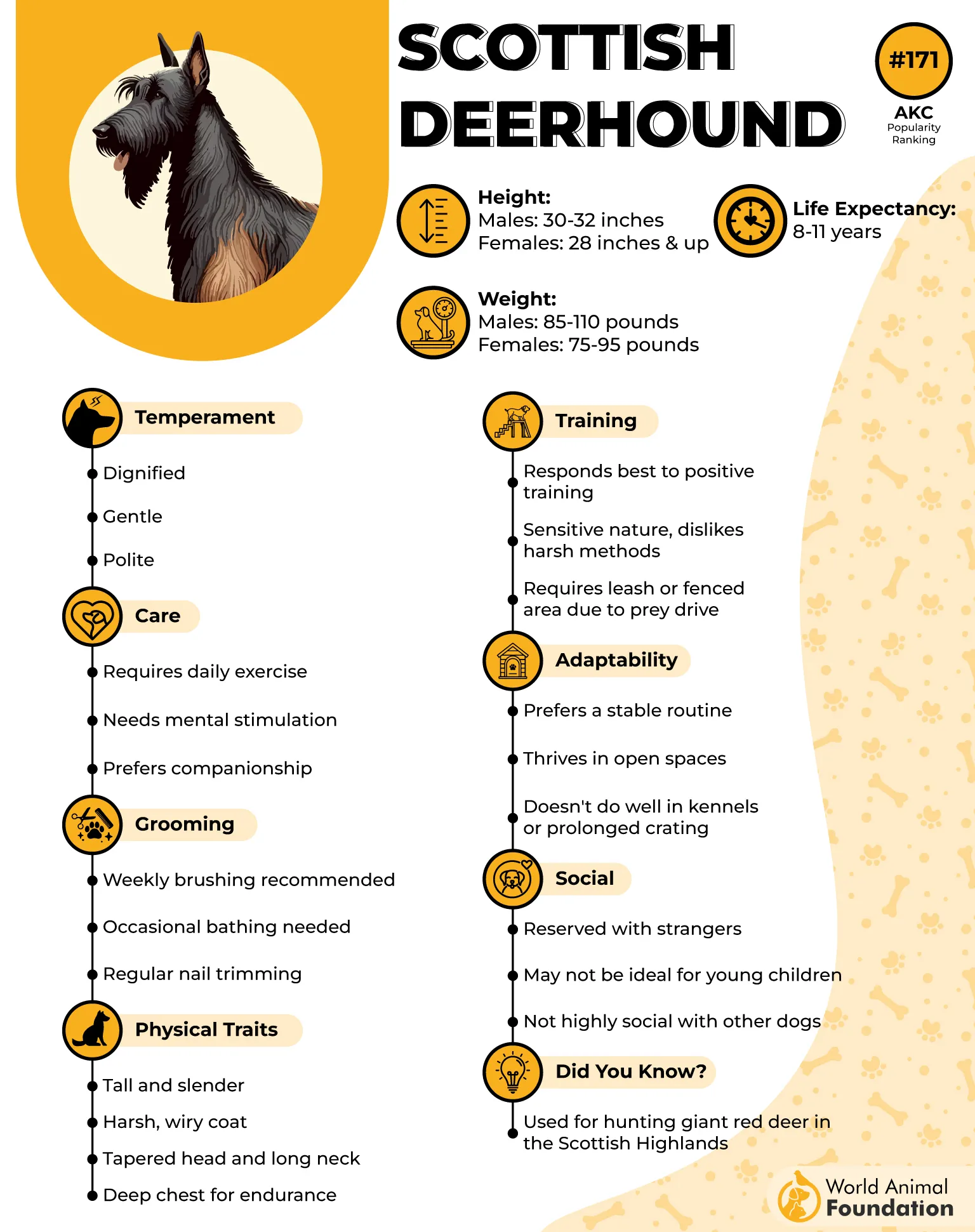
Their reserve is generally milder than the suspicion seen in guardian breeds. A Deerhound may initially watch unfamiliar visitors with quiet curiosity and then make friends once given respectful space.
Long walks can create an ideal routine for someone who recharges in nature and prefers open landscapes to crowded social environments. Once home, the Deerhound is likely to settle nearby and recover in a position that somehow uses every available cushion.
For a relaxed introvert with room to spare, this breed offers graceful companionship that feels present, affectionate, and wonderfully unintrusive.
10. Tibetan Spaniel
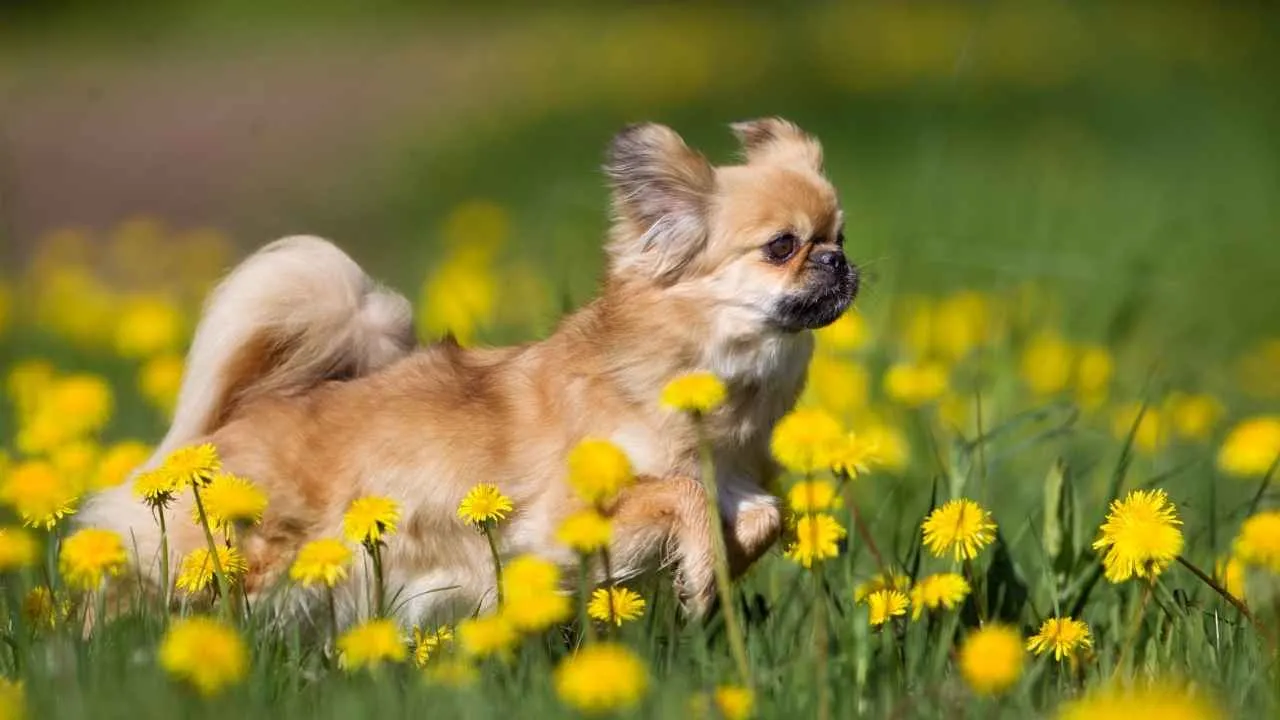
The Tibetan Spaniel is a small dog with the confidence of a much larger animal and the observational habits of a neighborhood cat. Historically, these dogs kept watch from the walls of Tibetan monasteries and alerted people when something unusual approached.
Their introverted side is clearest around unfamiliar people. Tibetan Spaniels are commonly devoted to their household yet reserved with strangers, preferring to assess a new person before offering friendship.
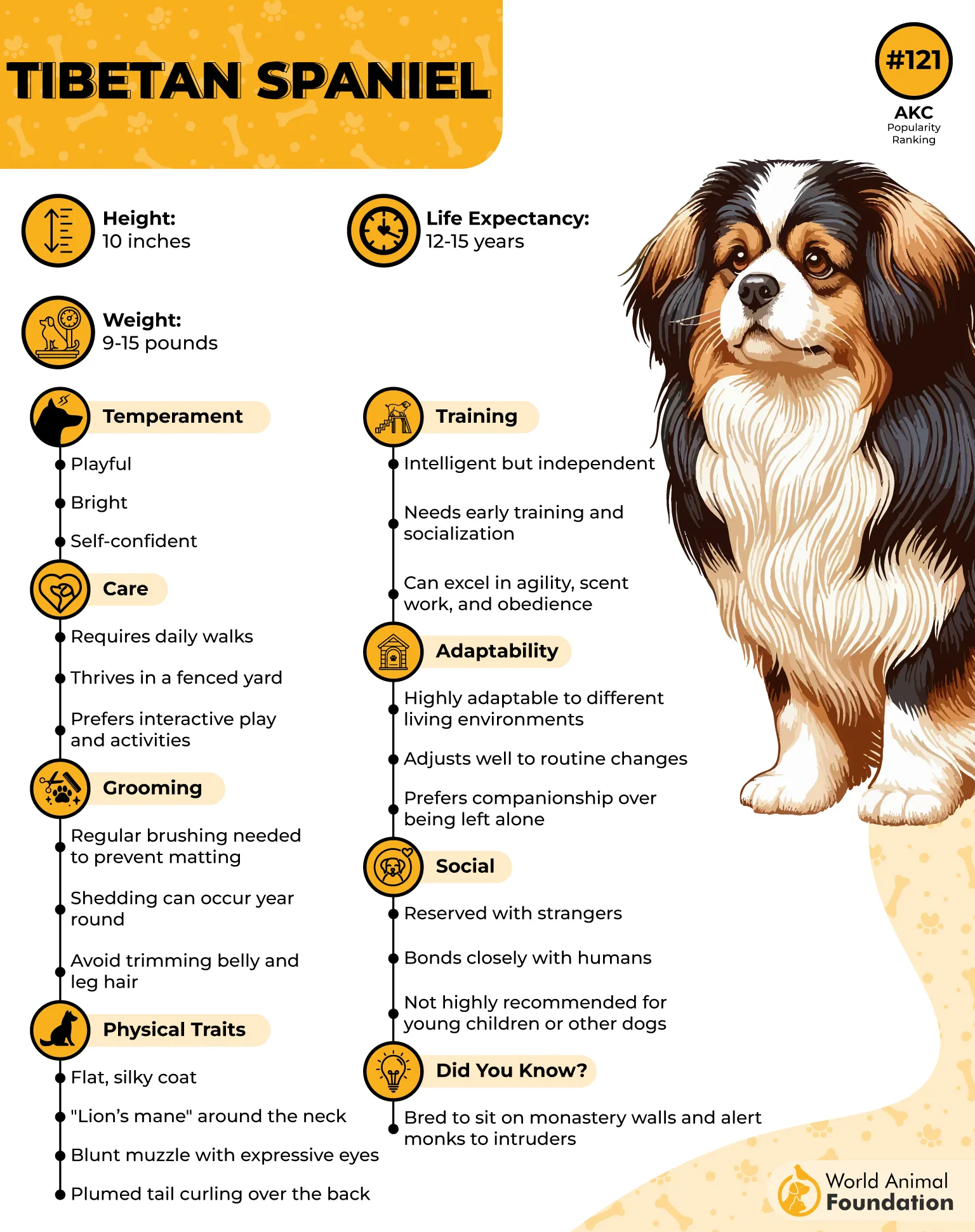
Within the family, however, Tibbie is affectionate, responsive, and highly attuned to human moods. These dogs often enjoy sitting near their person, watching household activity, or quietly joining a relaxed evening.
This is the right dog for all kinds of spaces as it can adapt to apartments or larger properties when given daily exercise and mental stimulation. Their problem-solving ability means that puzzle toys, scent games, short training sessions, and safe observation points can be more rewarding than repetitive physical drills.
The breed also dislikes prolonged isolation, proving once again that introversion does not mean emotional unavailability.
Conclusion
The most introvert-friendly dog is not necessarily the quietest, smallest, or least energetic breed. A better match is one whose preferred social style fits your household, whether that means gentle reserve, selective affection, independent decision-making, or peaceful parallel existence. The goal is compatibility, not finding a living decoration that never asks for anything.
Cavalier King Charles Spaniel, Shih Tzu, Shiba Inu, Great Dane, and Pug are also some phenomenal companion dogs for introverted dog lovers.
