




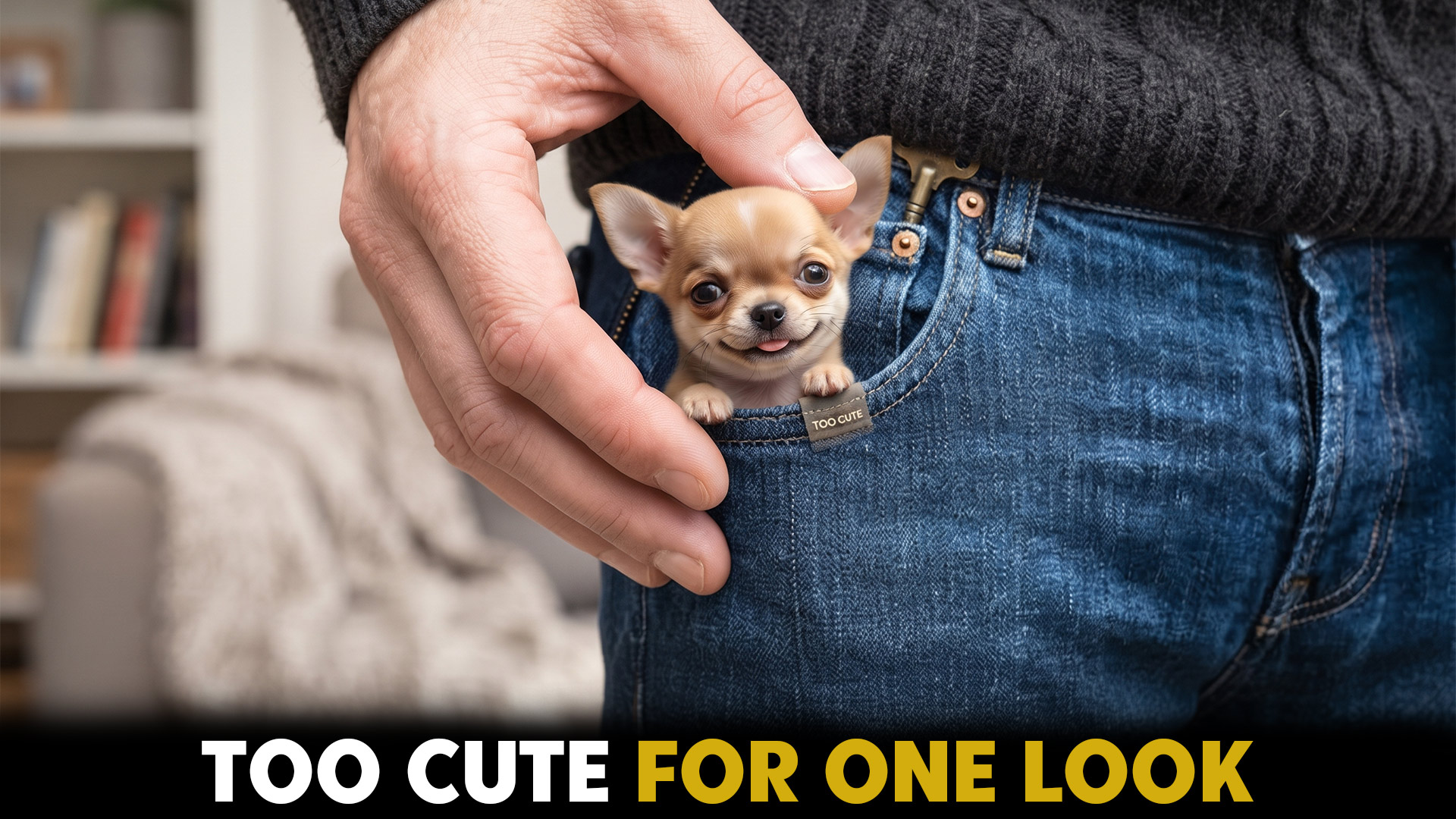
Pocket dog breeds often look similar at first glance, which is exactly why so many people assume choosing one is simple. That assumption usually lasts until everyday life begins.
A dog that seemed perfect in photos may have an energy level that surprises you, a personality that needs constant interaction, or grooming requirements you never expected. Another breed, almost identical in size, could fit naturally into your lifestyle without asking for major adjustments.
The difference is rarely about appearance alone. It has much more to do with what each little dog is actually like once you live with it. Those small frames can hide very different personalities, needs, and habits, which is where some first-time owners end up making choices they later rethink.
In this article, you’ll explore the top pocket dog breeds, compare their personalities, care needs, living requirements, and discover which tiny companion truly belongs in your everyday life.
Key Takeaways
Why can two dogs of almost the same size feel completely different to live with? Their personalities, energy levels, and daily needs can change the whole experience.
Chihuahua may want to stay close to one person, while a Yorkshire Terrier prefers having plenty to explore and do throughout the day.
Then comes the Pomeranian, whose ancestors were once close to 30 pounds, and the Papillon, a tiny dog with enough intelligence for agility, tracking, and therapy work.
There is plenty more tucked into these small frames, and the right match may surprise you.
Top Pocket Dog Breeds: A Complete Owner’s Guide
1. Chihuahua
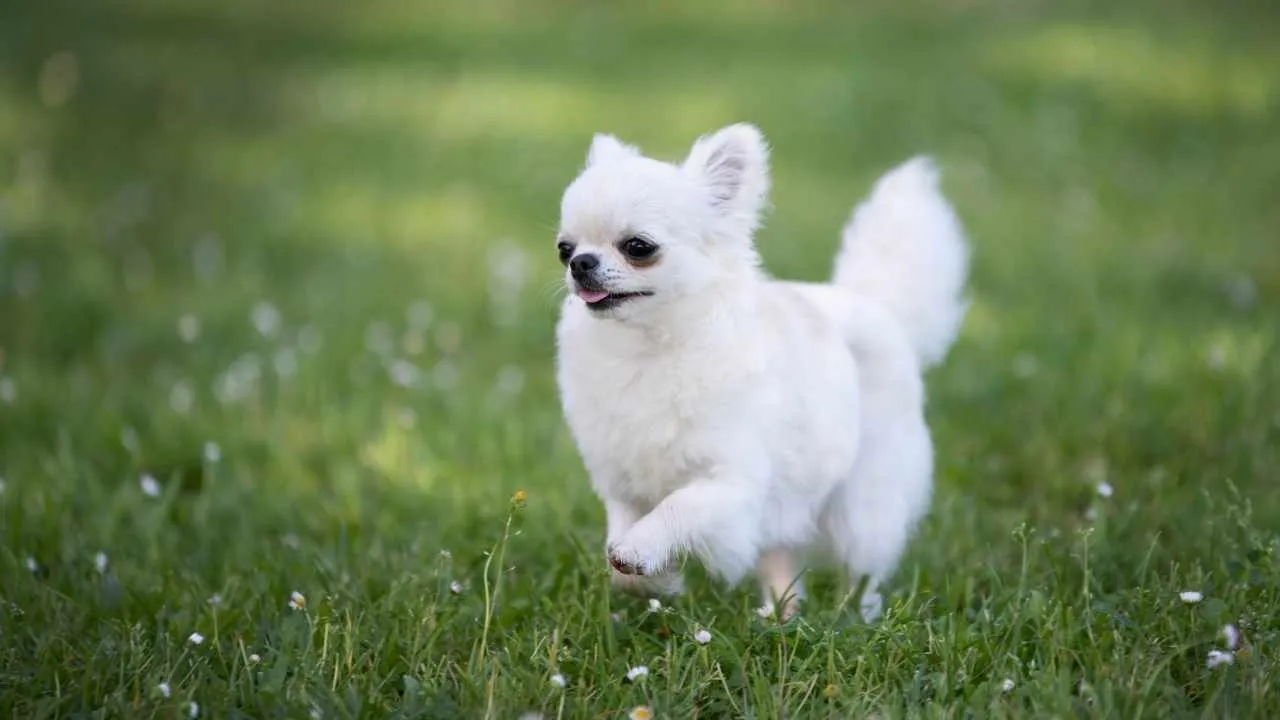
The Chihuahua has one of the most debated beginnings among dog breeds, with theories connecting it to China as well as Central and South America. In the mid-1800s, small dogs discovered in Chihuahua, Mexico, reached the United States, where interest in them gradually began to grow.
Tiny Frame, Big Presence
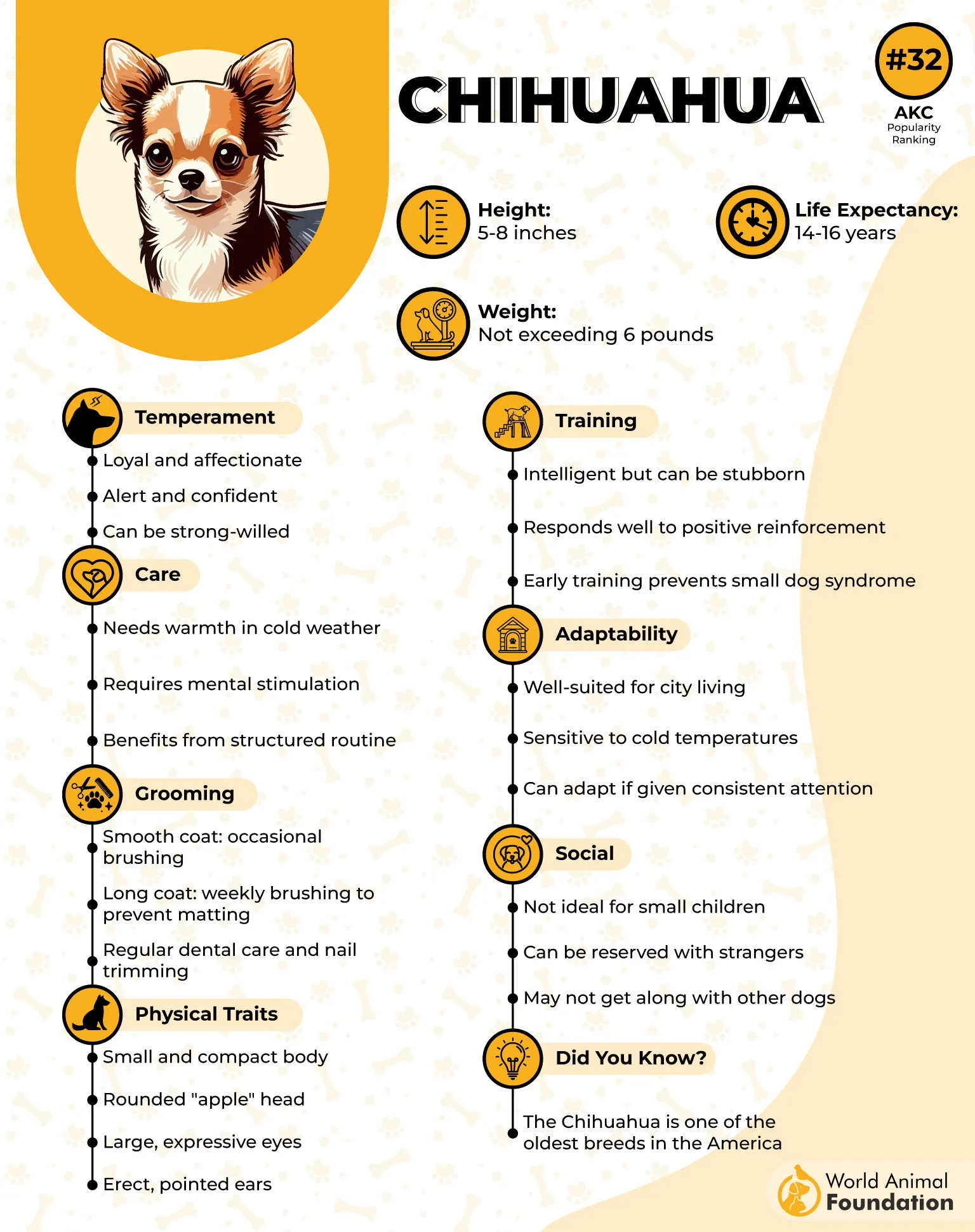
Chihuahua may be tiny enough to fit in your arms, but it carries itself with a confidence that makes its size easy to overlook. It likes keeping up with household routines, then happily heads indoors again after a brief walk or some backyard time.
Life with this breed has its details:
Strongest attachment is often to one person
Available in both short and long coats
Gets cold quickly in lower temperatures
Family Fit
Chihuahua usually does best with older children who understand gentle handling because of its delicate size, as Orvis mentioned. Early socialization also helps it become more comfortable around other dogs, while familiar cats are often accepted more easily than unfamiliar canine companions.
2. Yorkshire Terrier
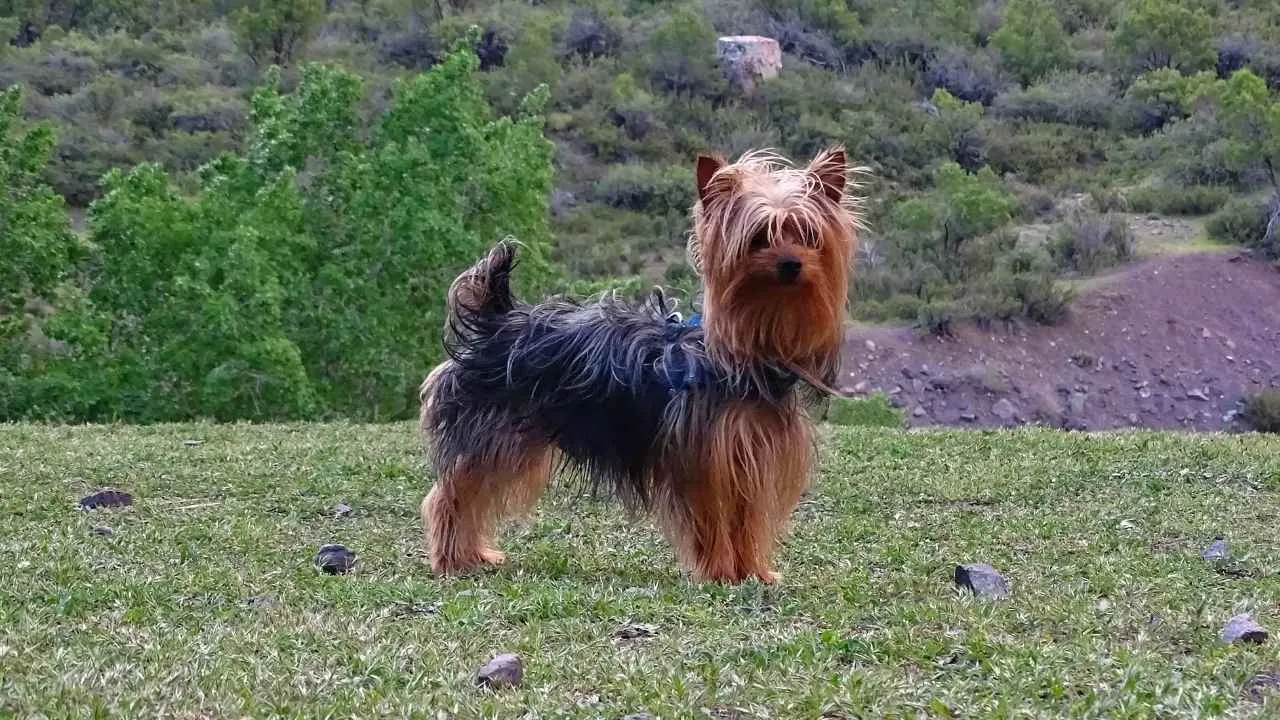
Yorkshire Terrier was bred during the 1850s, when Scottish weavers arriving in Yorkshire and Lancashire brought small terriers with them. These dogs were crossed with local terriers, creating a compact hunter that quickly became valued for controlling vermin in factories and mining communities.
Tiny Frame, Bold Spirit
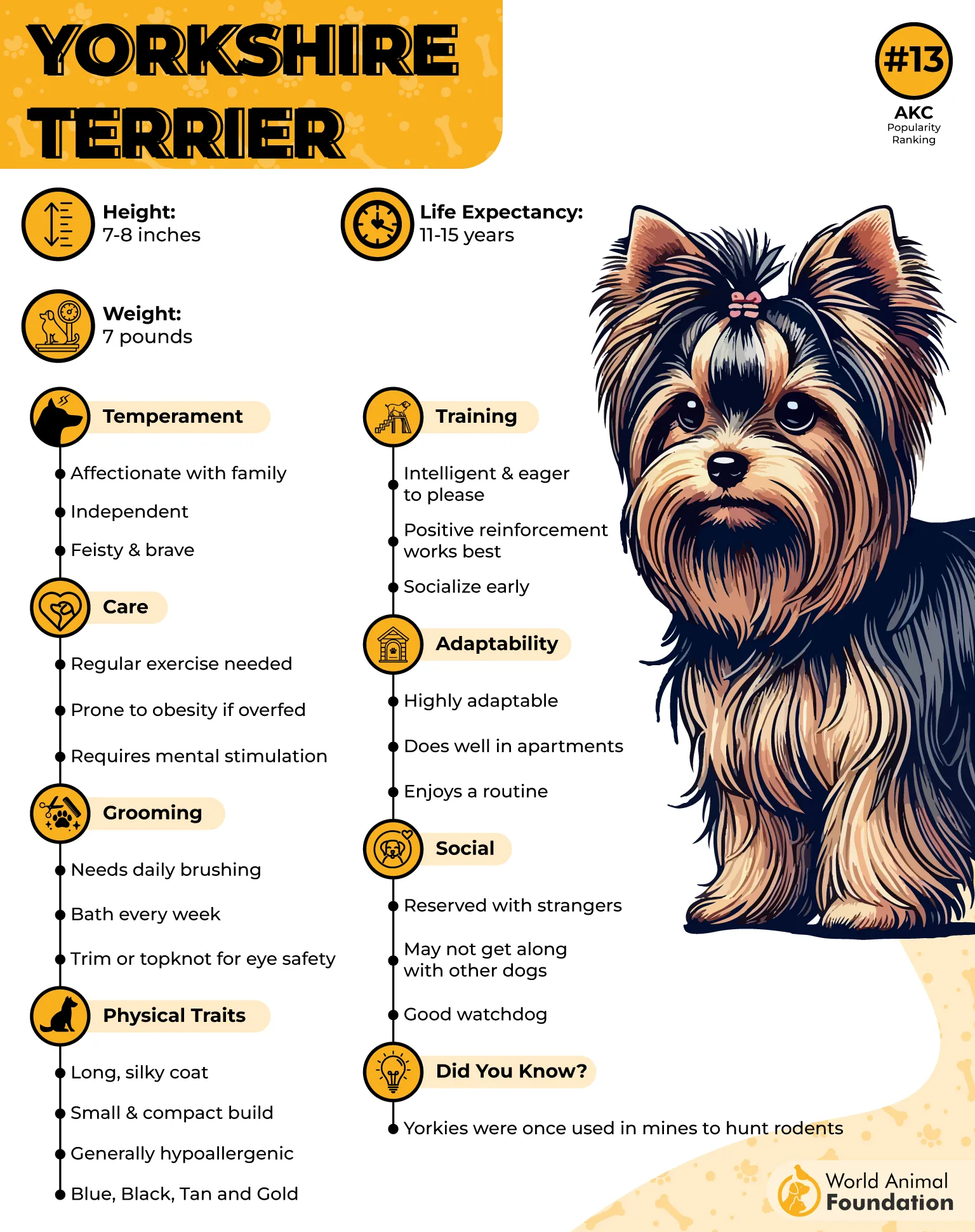
A Yorkie may take up very little space, but there is rarely anything small about its personality or curiosity around the house. It might settle happily on a familiar lap for a while, then suddenly dash away because a new sound, scent, or visitor has caught its interest.
Its lifestyle needs deserve attention too.
Followed people closely throughout the day
Fits well with older, sensible children
Alone time isn’t handled well by this breed
More Than a Lap Companion
Yorkshire Terrier enjoys daily walks, active games, and opportunities to sniff and explore instead of spending the entire day indoors. As per PDSA, around 30-40 minutes of exercise, along with play sessions, help keep its quick mind engaged and channels its lively nature into positive activities.
3. Maltese
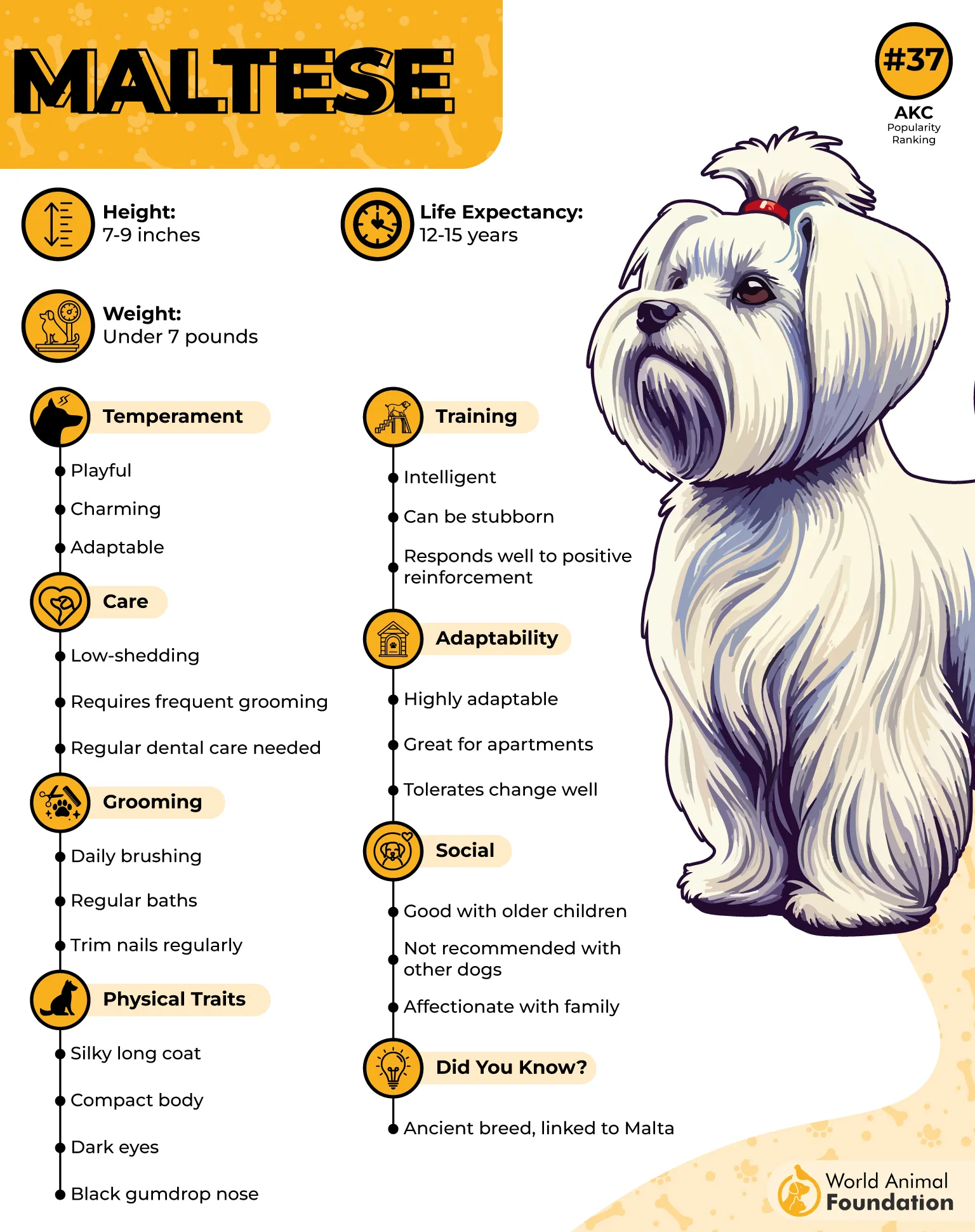
Maltese was first seen on the island of Malta in the Mediterranean, with records stretching back more than two thousand years. Ancient Greek pottery features this little dog, and even Aristotle referred to the breed, highlighting just how long it has been part of human life.
Small Size, Big Personality
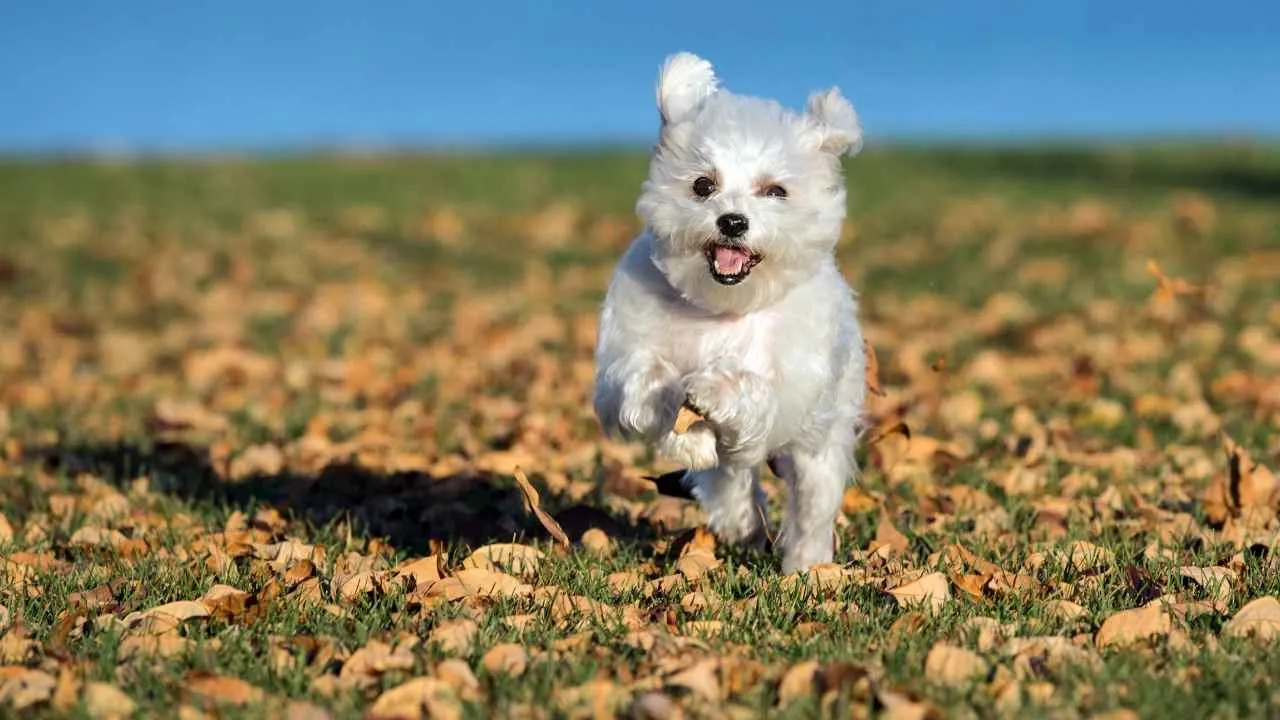
Curious, playful, and quick to learn, this best dog breed brings plenty of character into a compact package that fits comfortably into everyday life. Its size makes indoor games and short daily walks enough for keeping this lively companion happily occupied.
This is what this small dog breed has to offer:
Suitable for first-time dog owners
Enjoys frequent human companionship
Excels in agility and obedience dog sports
Clever Mind
Maltese learns new tricks with surprising speed, although that intelligence can also lead to testing boundaries during training sessions, as Royal Canin claims.
Consistent routines, positive reinforcement, and clear expectations usually bring out the best in this bright little dog without turning lessons into a negotiation.
4. Pomeranian
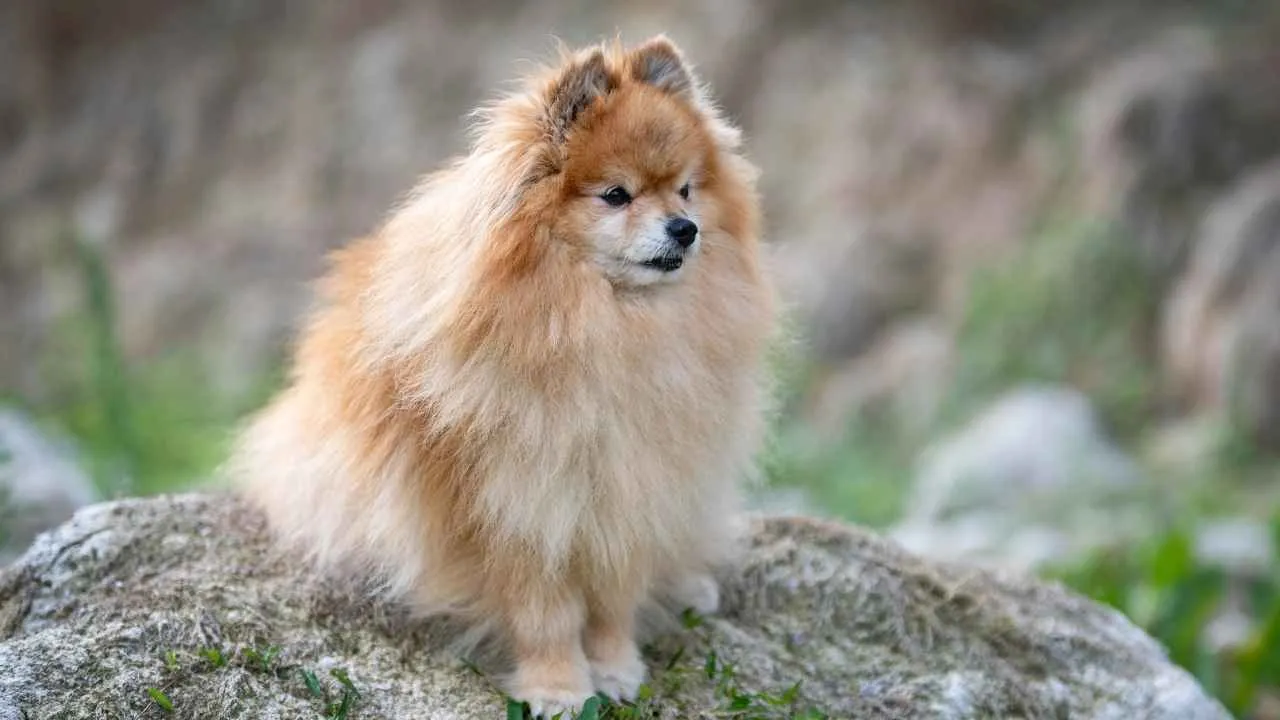
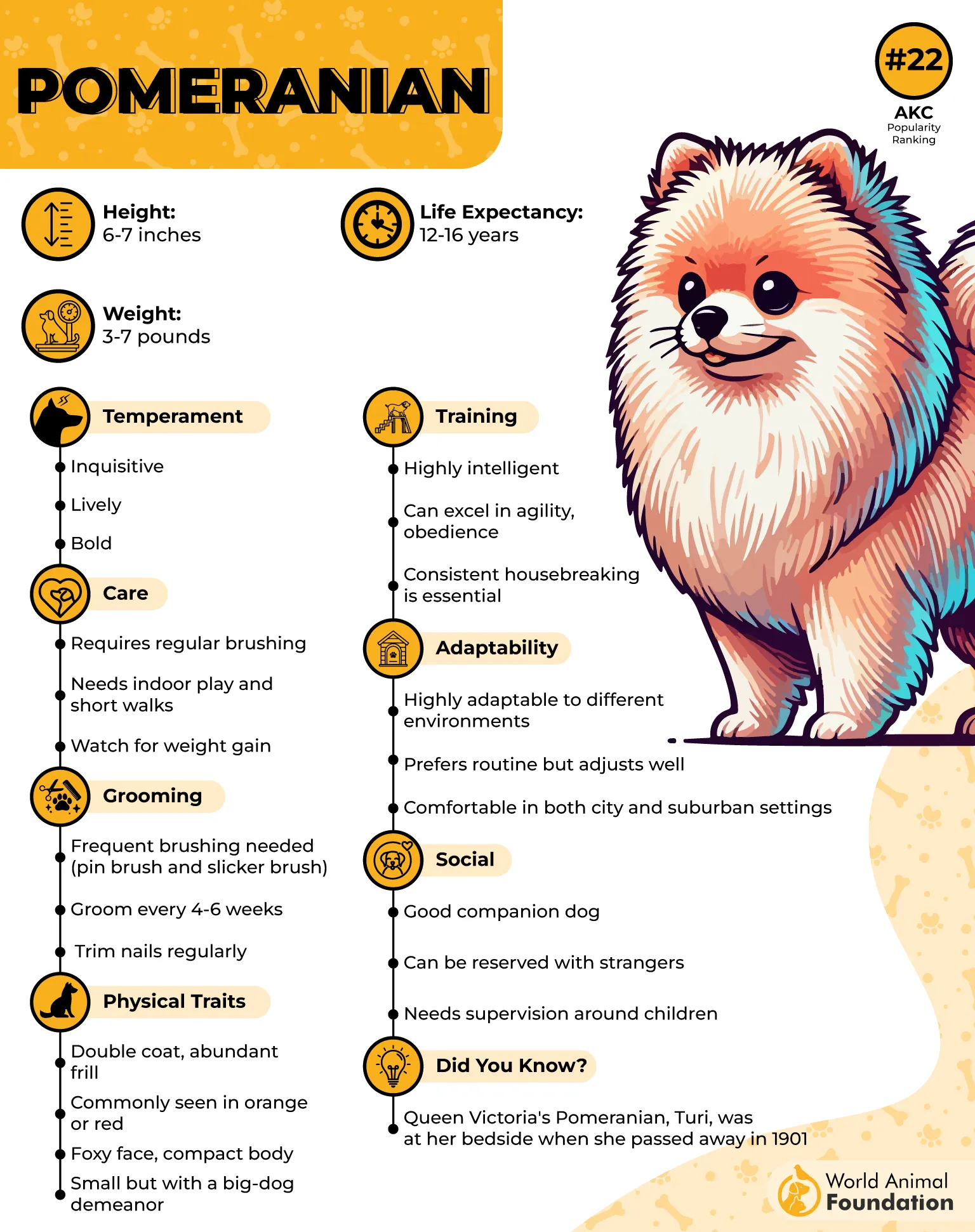
Pomeranian came from the larger Spitz family, sharing early ancestry with breeds such as the Akita, Alaskan Malamute, Chow Chow, and Samoyed. Early Poms weighed close to 30 pounds and helped with herding before selective breeding gradually reduced them to the compact size recognized today.
Tiny but Self-Assured
Small in size but never short on confidence, this companion dog likes being involved in family life without needing a large outdoor area to burn energy. A few neighborhood walks and some lively games at home can give this energetic little dog the activity it needs each day.
There is more to consider at home:
Benefits from early socialization
Fits well with singles, families, and older adults
Fragile around very young children
Bright Mind
Pomeranian learns quickly and enjoys activities that challenge its thinking as much as its energy. Obedience exercises, puzzle toys, fetch, agility, and flirt poles help keep this curious breed interested while encouraging good habits through positive reinforcement.
5. Shih Tzu
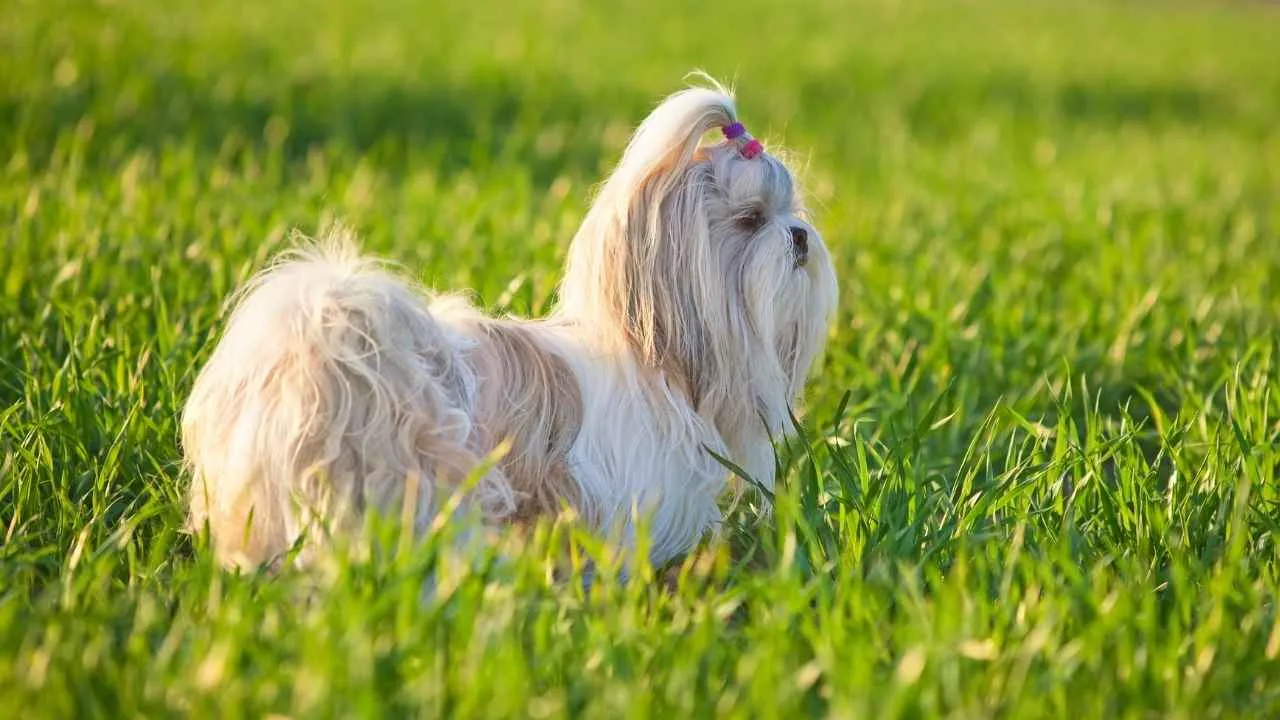
Shih Tzu belongs to one of the world’s oldest dog lineages, with DNA studies placing it among the 14 oldest recognized breeds. Early records point toward Tibet and China, where the breed’s earliest roots became closely connected over many centuries.
A Natural Companion
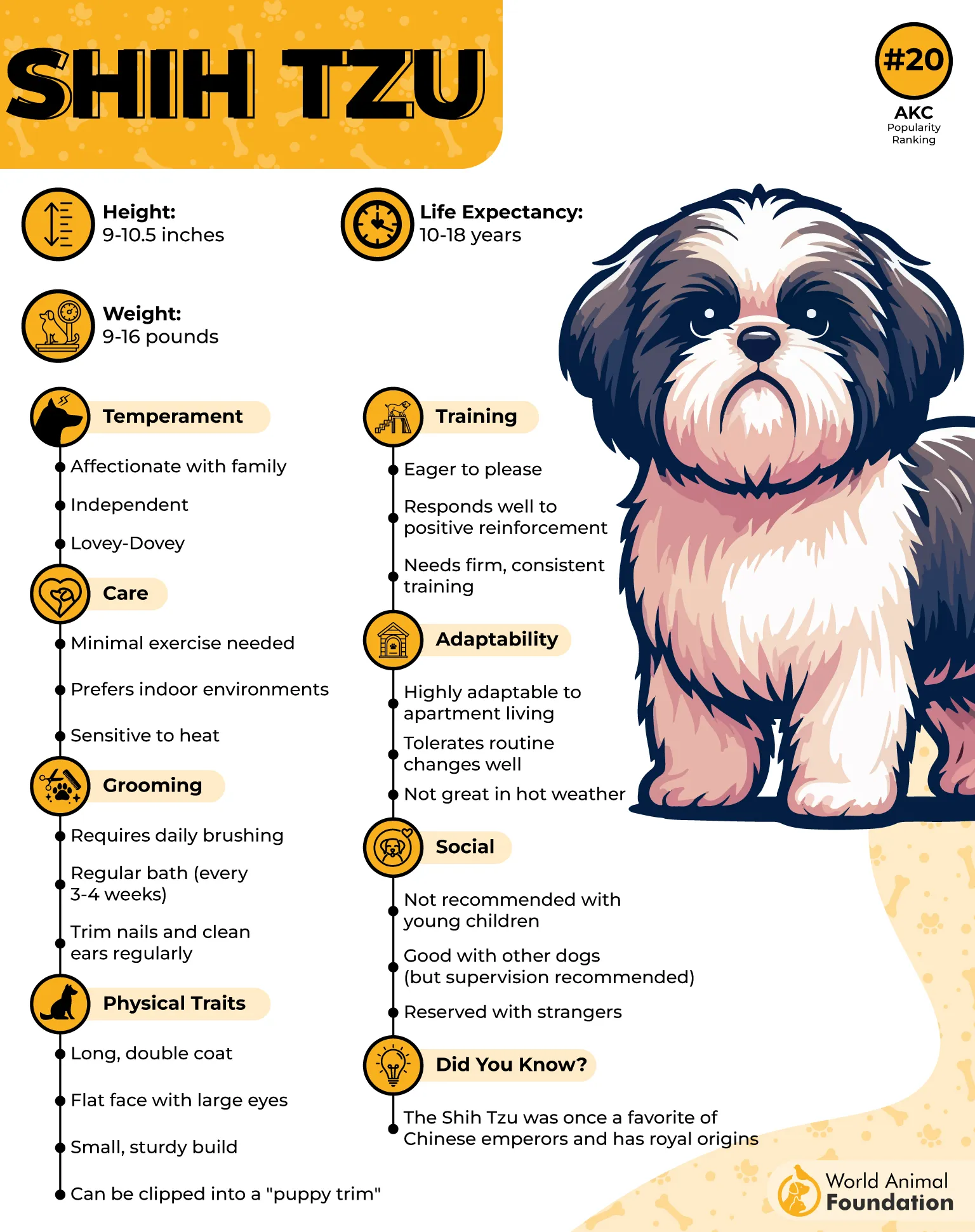
This small breed was carefully bred for sharing everyday life with people rather than performing demanding work. Its compact size, cheerful personality, and adaptable nature make it an easy fit for homes where space is limited but companionship matters.
Fascinating characteristics of this breed continue here:
Follows family members from one room to another
Needs short daily walks totaling around 40 minutes
Comfortable living with other pets
Family Favorite
Shih Tzu greets new faces with enthusiasm, often hoping every visitor is another opportunity for attention and affection. Its easygoing temperament also makes it a pleasant companion for children who understand gentle handling and respect its small size.
6. Papillon
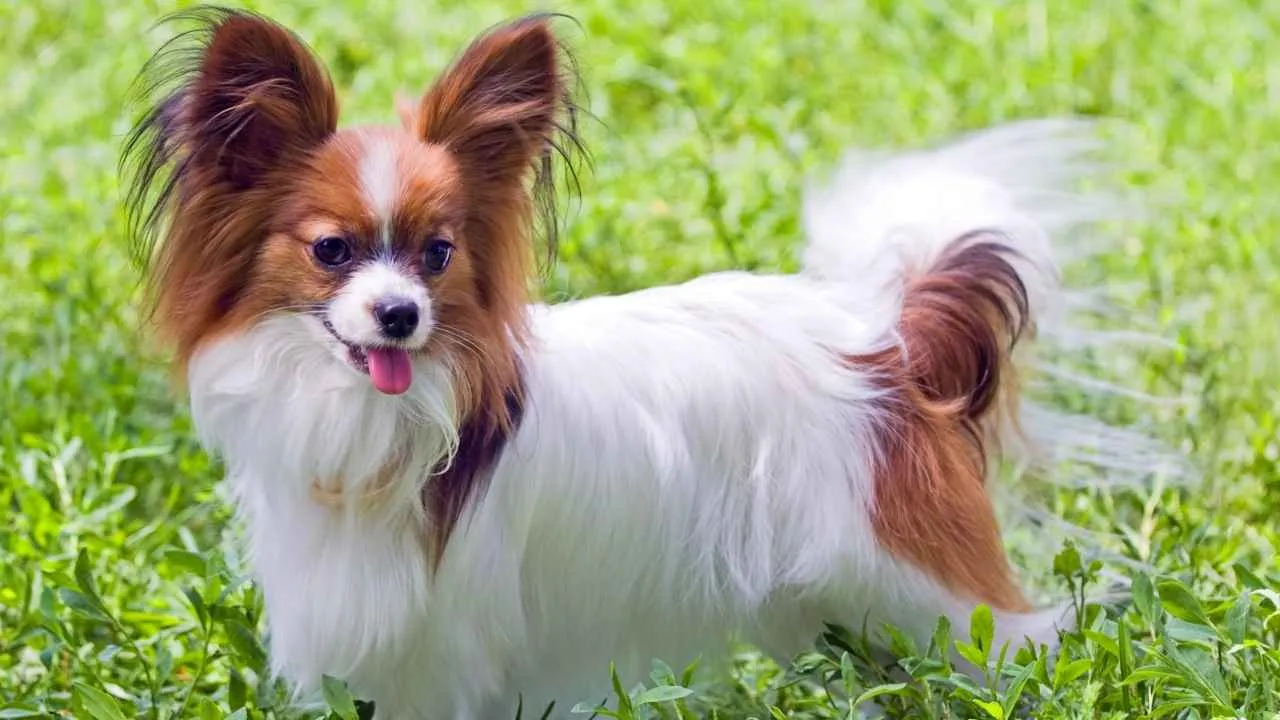
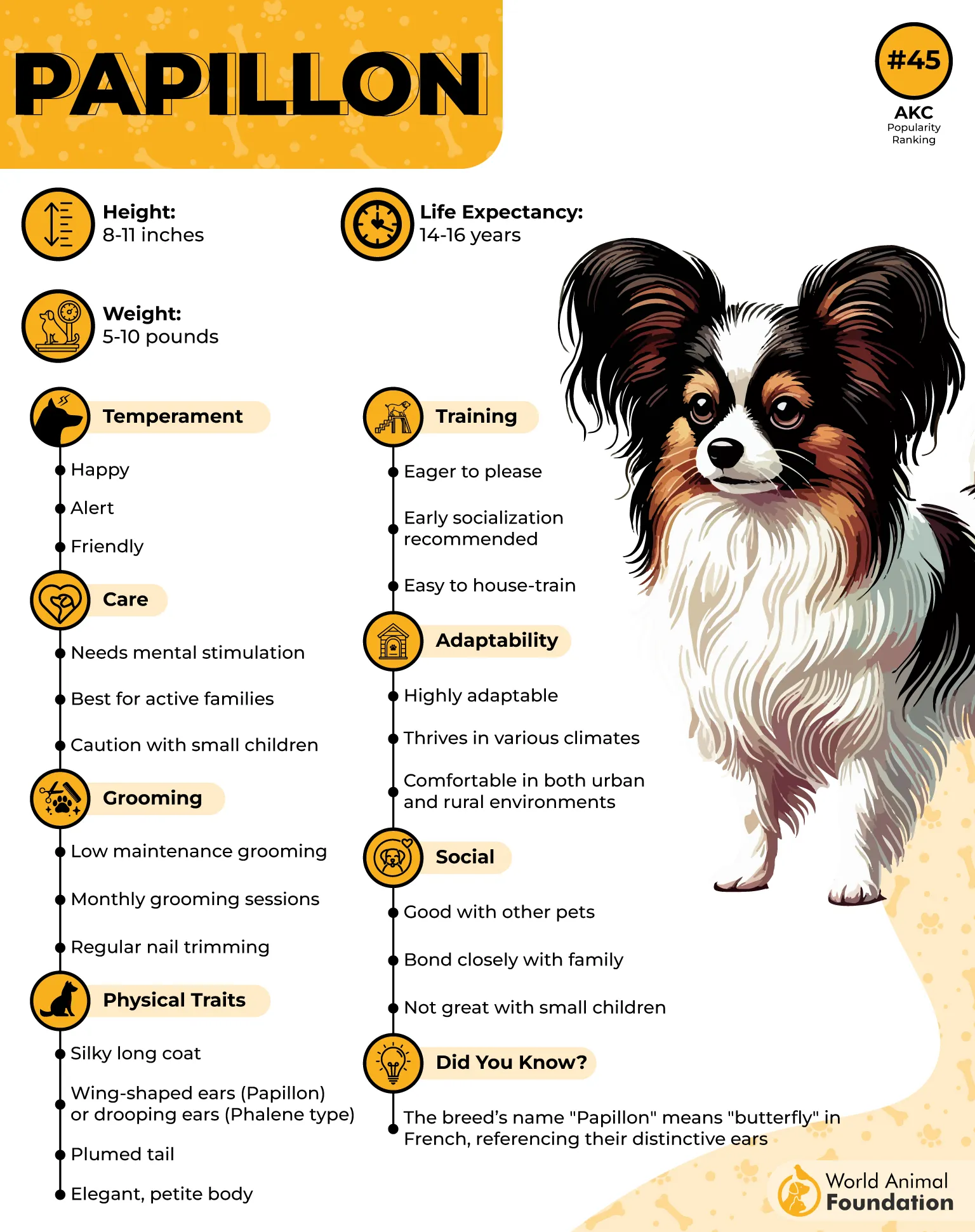
Papillon descends from the European Toy Spaniel, a little companion that appeared in paintings displayed throughout Europe’s royal courts as early as the 16th century. Long before the breed gained its modern identity, these elegant little dogs had already become a familiar sight among noble families.
Small Size, Busy Lifestyle
This compact breed enjoys an active daily routine filled with walks, play, and short training sessions. Around thirty minutes of exercise usually suits this lively little breed, although it can happily handle more when the opportunity comes along.
Some more details make everyday life even more interesting:
Travels comfortably in airline cabin carriers
No noticeable dog odor
Eats less than larger breeds
Clever Every Day
Papillon approaches new challenges with sharp intelligence and an eagerness to learn, which has helped this breed succeed in obedience, agility, tracking, and therapy work. Ball games are a favorite pastime, although an enclosed area is a safer choice because distractions can quickly steal its attention.
7. Toy Poodle
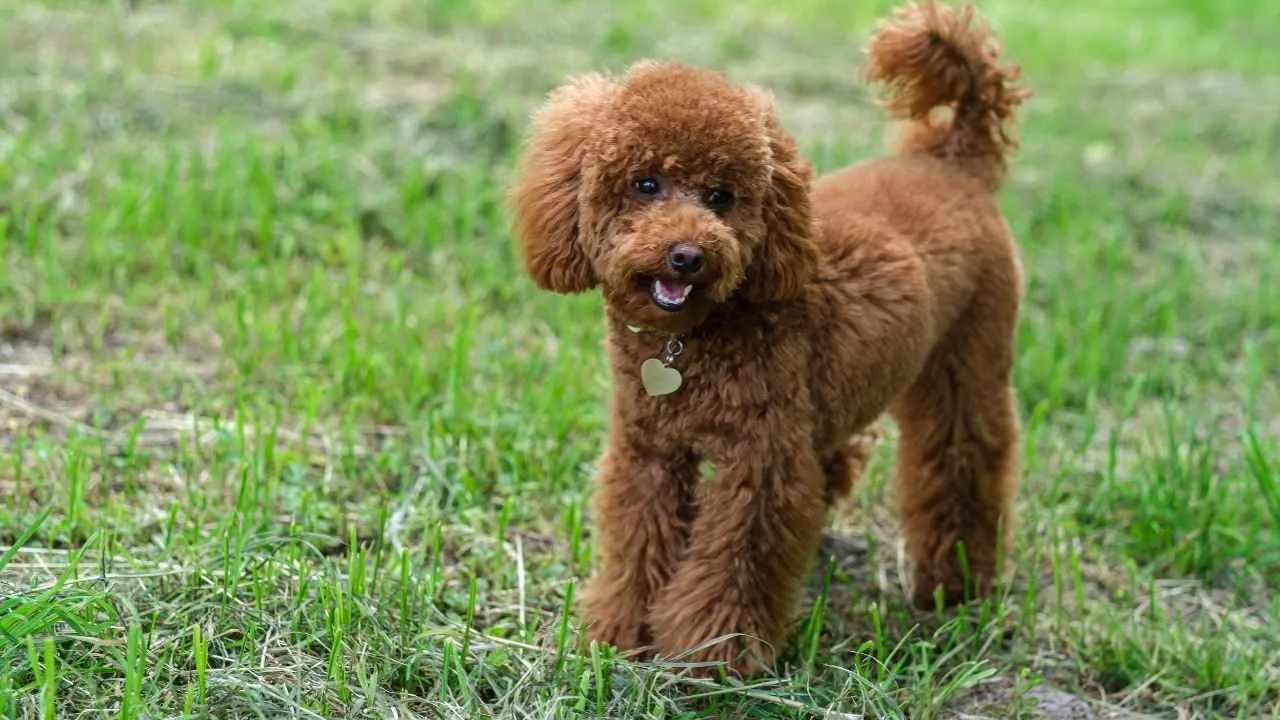
Toy Poodle came long after the Standard Poodle, which was initially recognized as a skilled water retriever with a strong working role.
Smaller versions followed when people wanted the same bright personality in a more compact size, and circus performers helped increase their popularity through entertaining performances.
Small Size, Full Schedule
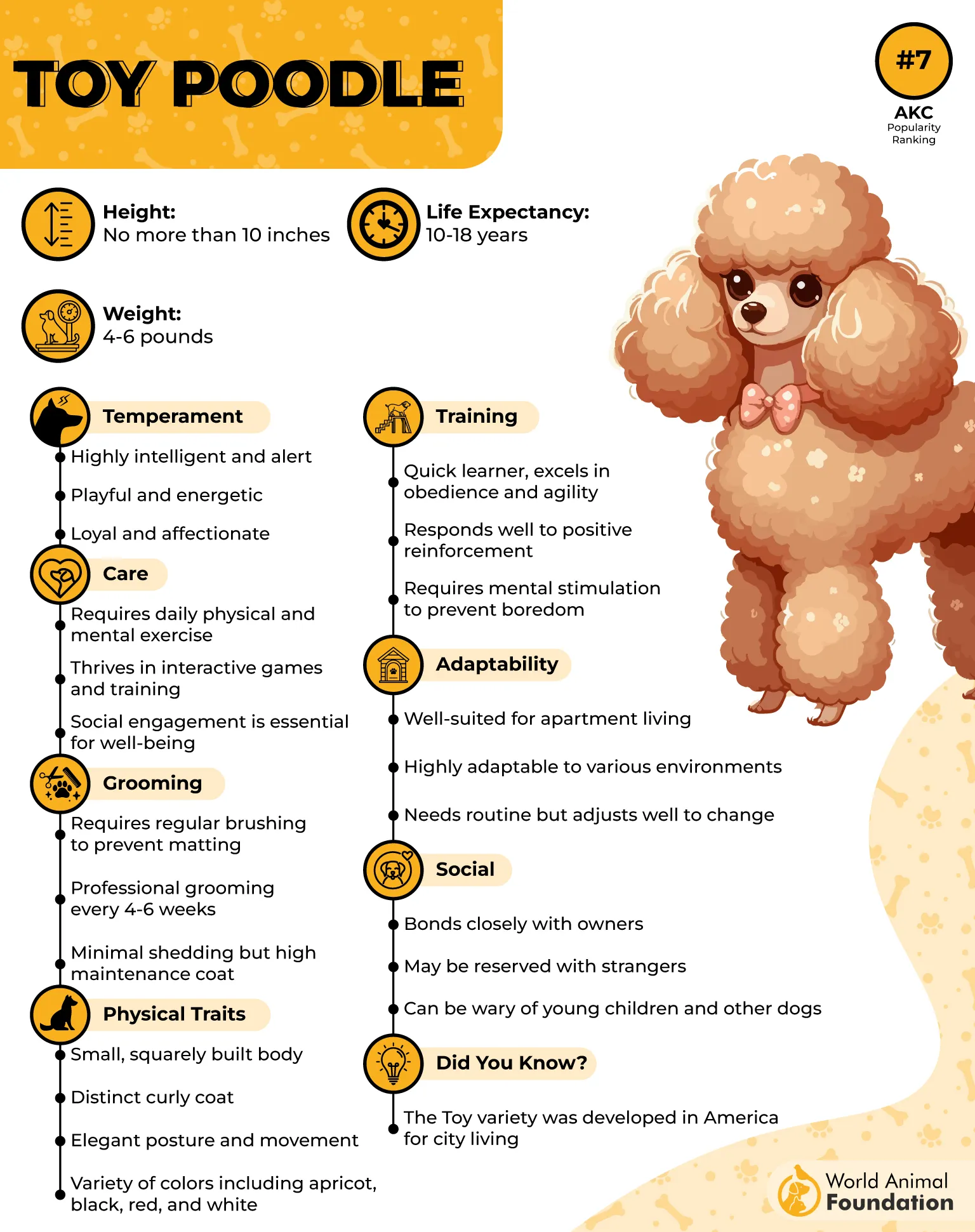
The Toy Poodle keeps the lively Poodle spirit alive, while its tiny size makes everyday life a little easier to manage. Around an hour of activity divided between two walks, along with games and interactive tasks, helps channel its enthusiasm into something productive.
Breed’s daily life needs matter too:
Can become noisy and restless when under-exercised
Need walks, playtime, and mental challenges
Miniature size came before the Toy variety
Quick to Learn
Toy Poodle enjoys learning new routines and eagerly joins family activities instead of watching from the sidelines. Interactive toys, short training sessions, and problem-solving games provide welcome variety throughout the day while keeping this bright little dog engaged.
8. Pekingese
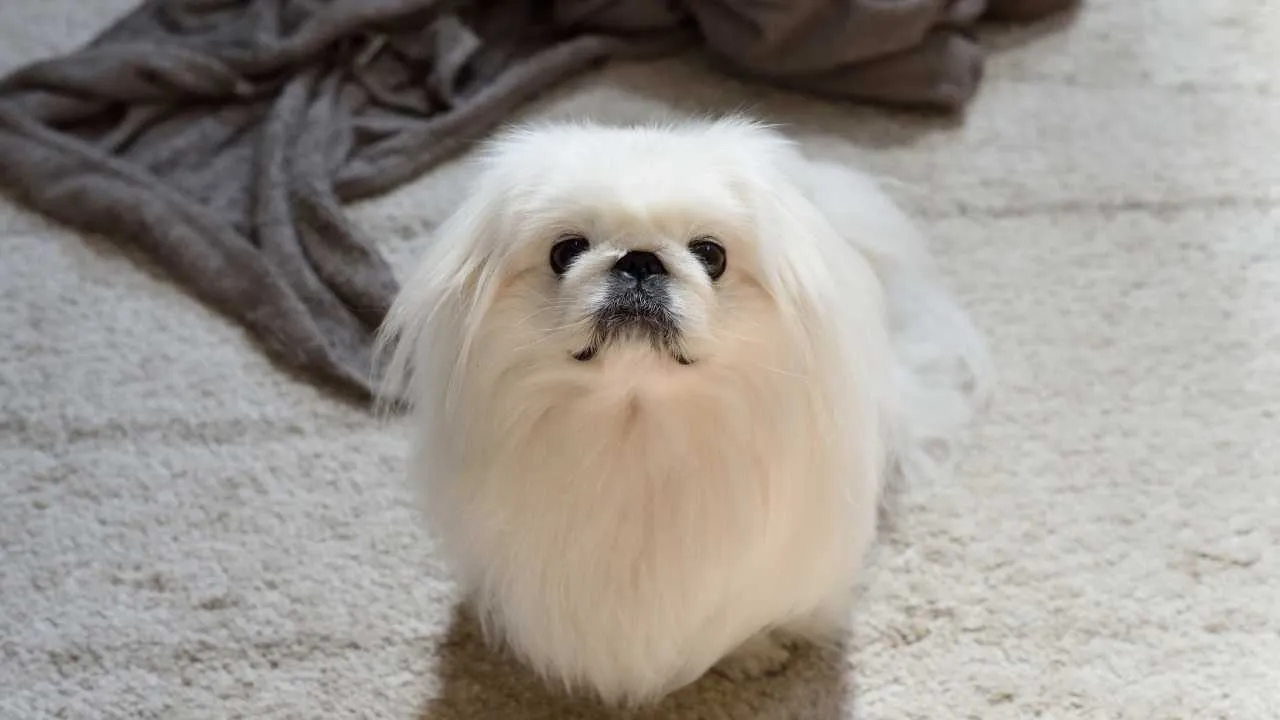
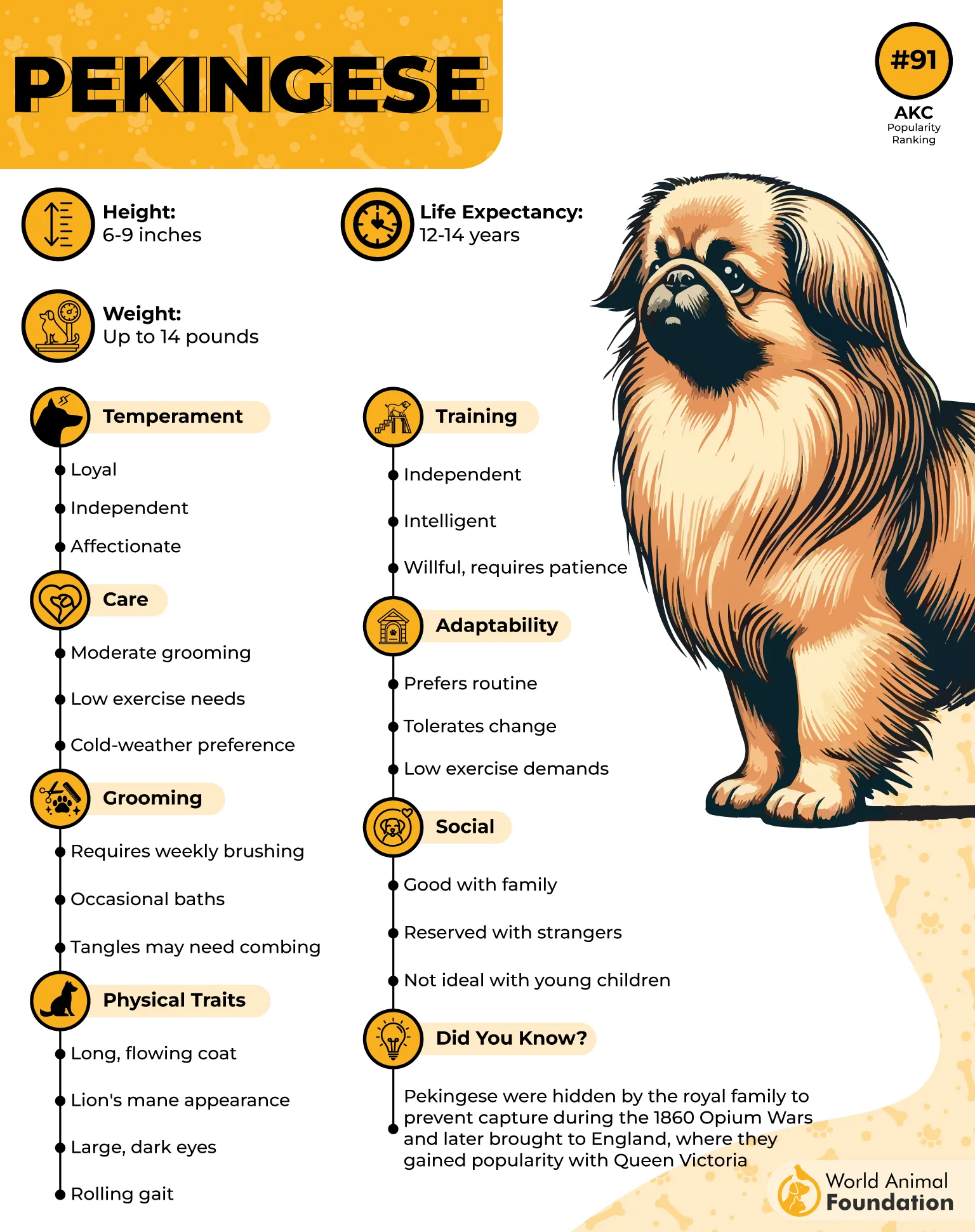
Ancient China gave the Pekingese a place beside the imperial court, where this tiny companion remained valued across generations. Its distinctive lion-like look was not simply decorative, as it reflected cultural symbolism that has continued to influence the breed’s identity over time.
Small Home, Big Presence
Apartment life can work nicely for Pekingese, since a few lively bursts around the home often come before a relaxed harness walk. Quiet neighborhoods suit this breed particularly well, while air-conditioned spaces offer welcome relief during warmer weather.
These details deserve a closer look:
Needs careful introduction around other pets
Harness walks are preferred over collar walks
Enjoys lively games with other Pekingese dogs
Confident Character
Pekingese approaches life with confidence, determination, and a surprisingly bold attitude for such a compact dog. Although it does not seek confrontation, this breed responds quickly to unfamiliar visitors with alert barking and takes its watchdog role seriously.
9. Brussels Griffon
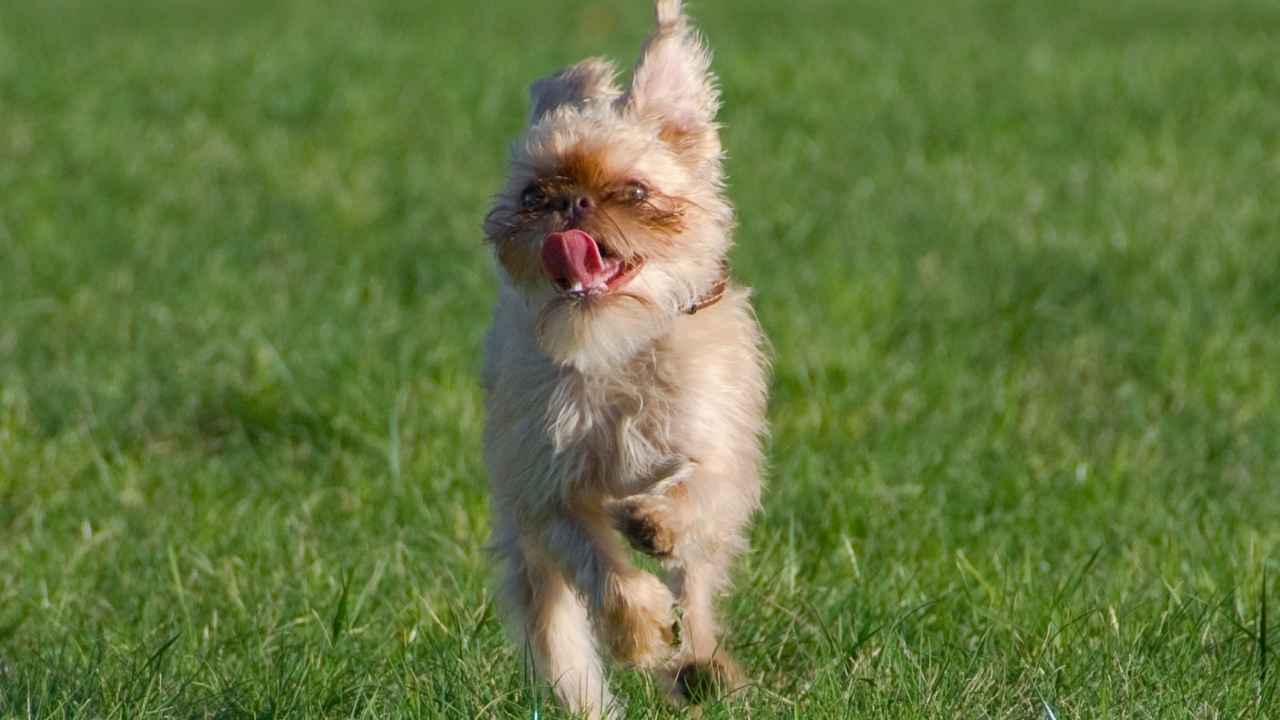
Brussels Griffon originated in Brussels during the early 1800s, where coachmen relied on sturdy little wire-coated dogs to control rat populations around horse stables. These early griffons closely resembled the Affenpinscher and were commonly called griffons d’ecurie, or wire-coated stable dogs.
Tiny Size, Big Presence
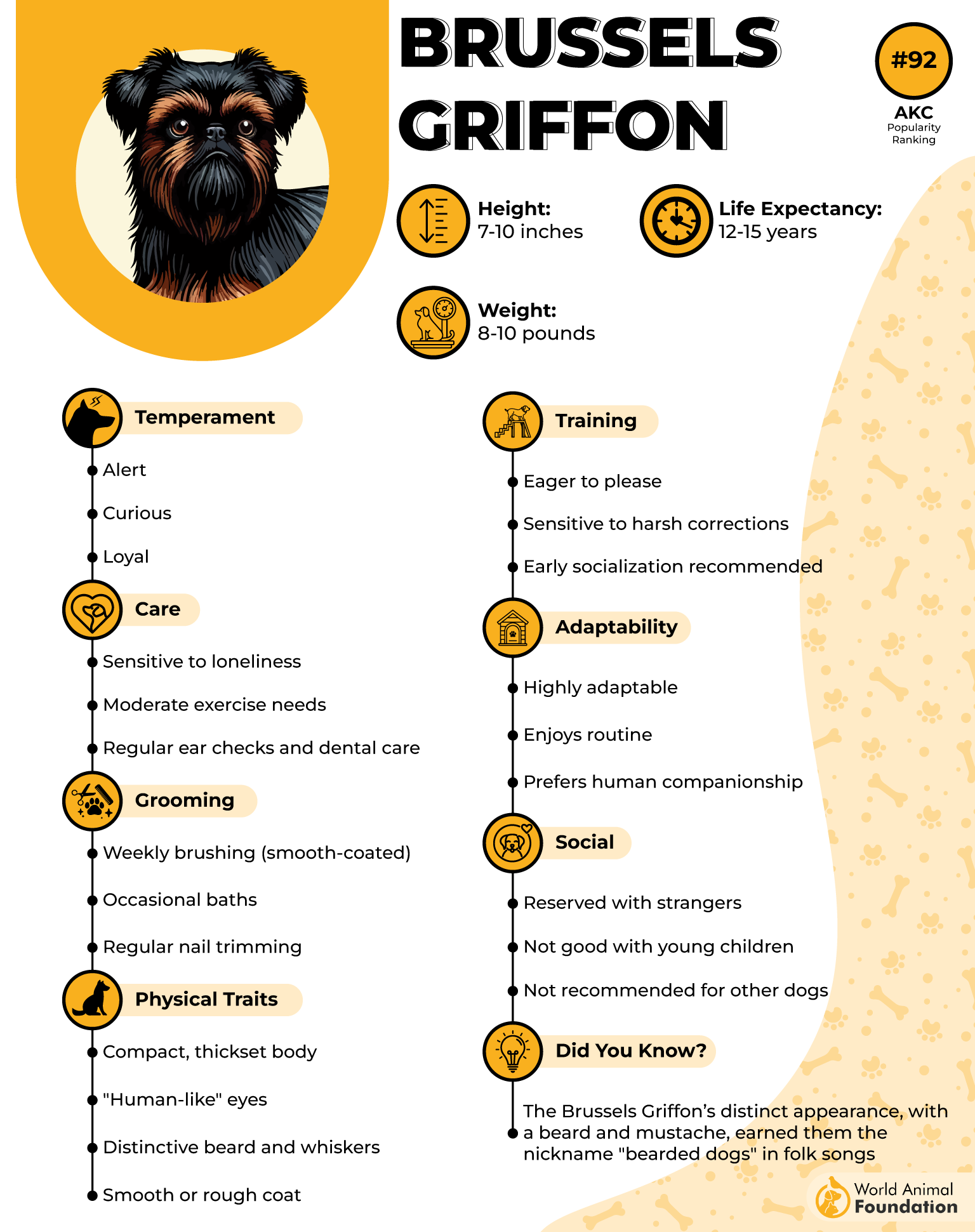
Brussels Griffon may belong to the Toy Group, but its confidence easily fills a room long before its size does. A lively attitude, plenty of energy, and a bold personality give this little dog a much bigger presence than its weight suggests.
A few details reveal even more about this breed:
Early socialization helps reduce shyness or suspicion
Often chooses one favorite person in the household
Positive reinforcement works better than harsh correction
Around Others
Brussels Griffon generally gets along with dogs and cats after proper introductions, although larger dogs need supervision because of the breed’s small size. Older children who understand gentle handling are a better match, since rough treatment or unwanted poking can lead to an impatient response.
Conclusion
A pocket-sized companion can bring far more into a home than its size might suggest. Daily routines become brighter through playful moments, quiet companionship, and the simple comfort of always having a loyal friend nearby. The key to enjoyable dog ownership is choosing a personality that matches your lifestyle instead of focusing only on appearance or popularity.
Once those needs align, caring for a tiny dog feels much more natural and rewarding. Whether you prefer a laid-back dog or one suited to apartment living, every breed still needs regular exercise and mental stimulation to stay happy. A thoughtful choice also creates a perfect match for homes with young kids, giving every family something special to enjoy together.
