




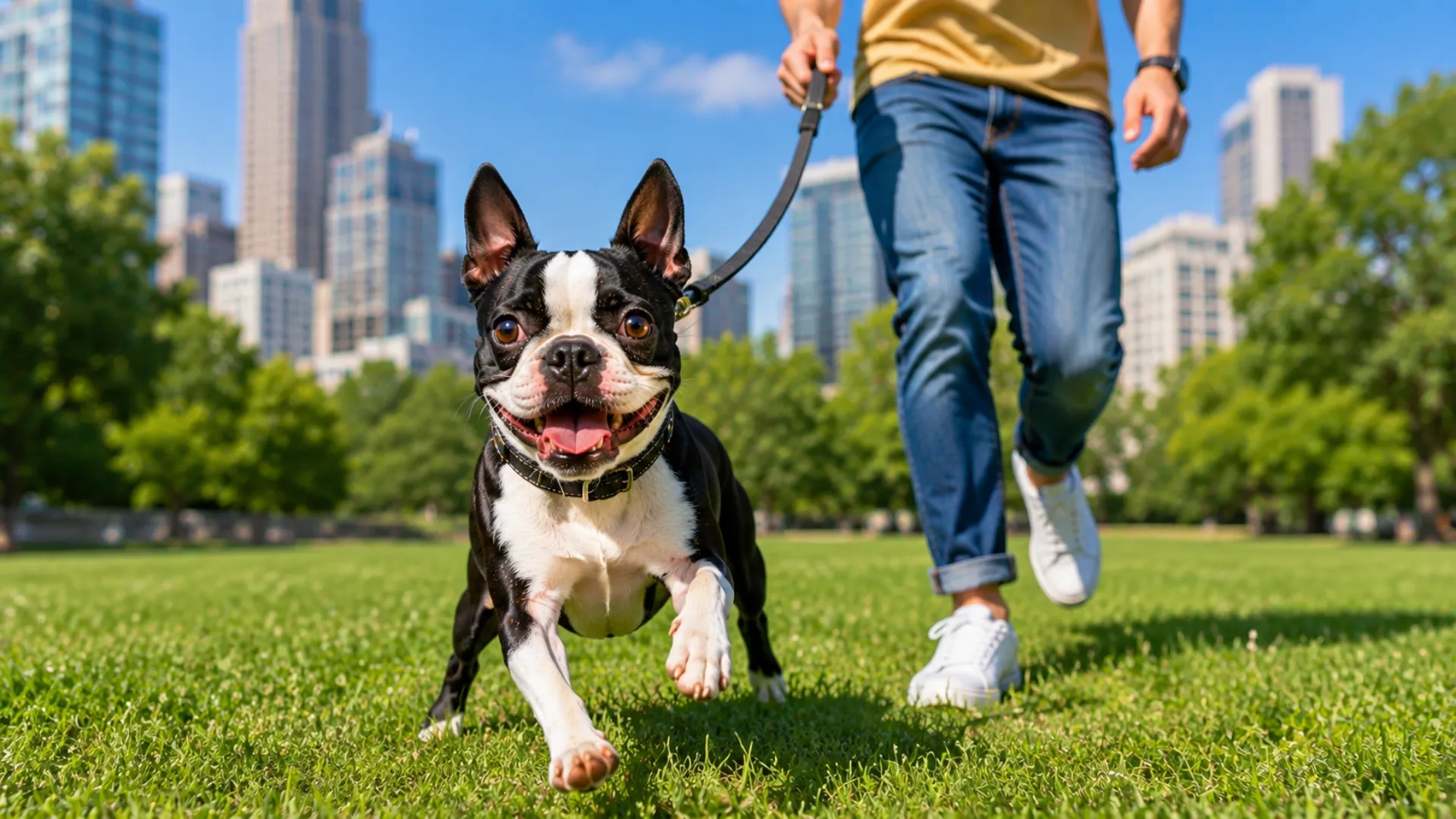
More people are looking for dogs that fit their lifestyle instead of choosing one based only on appearance. That shift has encouraged future owners to think beyond size, color, and popularity, especially when they lead active social lives.
Extroverts often spend their free time exploring new places, attending events, staying outdoors, and making every weekend count. A dog that naturally enjoys movement and excitement can become an important part of those experiences instead of simply watching them happen.
Compatibility plays a much bigger role than many people expect because an active owner and an equally enthusiastic dog often encourage each other to stay engaged with the world around them. The result is a partnership built around shared experiences rather than constant compromise.
If you love filling your days with activity and company, these energetic dog breeds can make lively companions for everything from casual outings to bigger adventures.
Key Takeaways
Ever wondered which dog could actually keep up with a person who always has somewhere to be? This list has some surprisingly energetic answers.
The Dalmatian once ran alongside horse-drawn fire carriages, barking to clear the streets before mechanical sirens existed.
Border Collies take that energy into their minds too, ranking at the top for canine intelligence and always looking for their next task.
From the social Golden Retriever to the tireless Jack Russell Terrier, the rest of this list has plenty more surprises waiting.
Top Energetic Dog Breeds Perfect for Extroverts
1. English Springer Spaniel
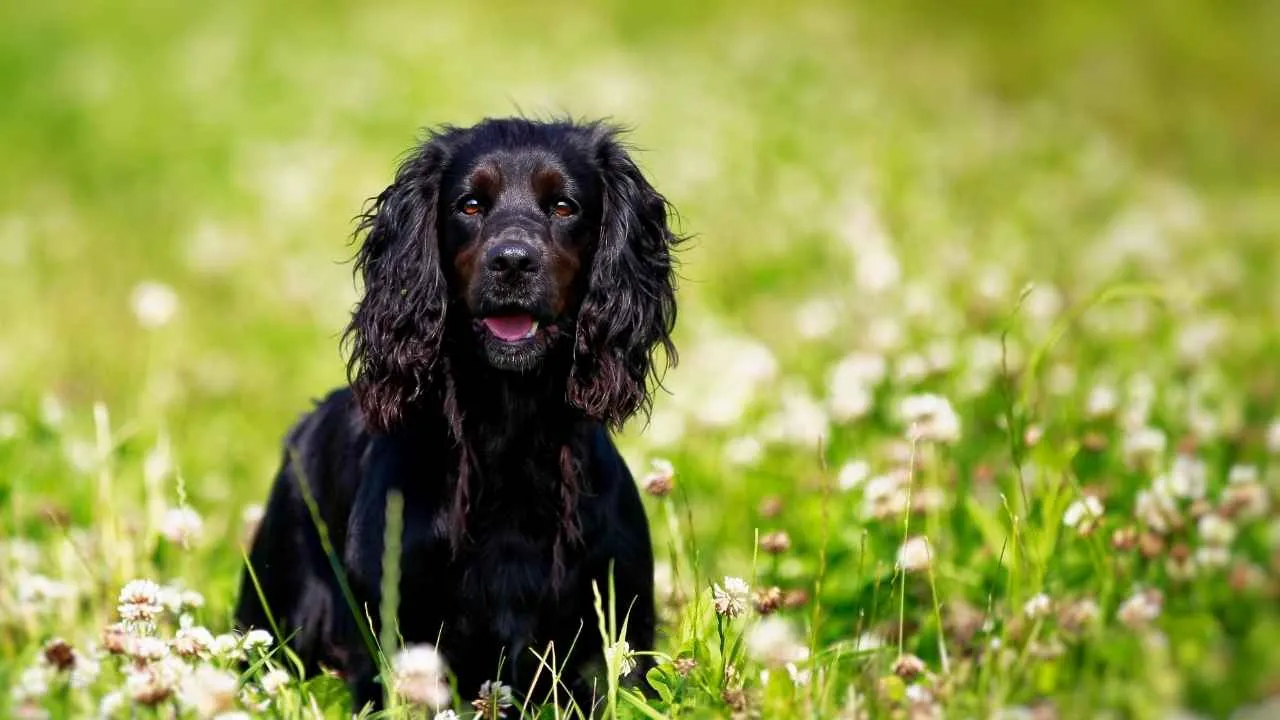
The English Springer Spaniel was already working in England by the early 1800s, helping hunters flush game from thick cover and retrieve it afterward. Rather than simply locating hidden birds, it remained involved throughout the entire process, serving as a hands-on partner in the field.
Always Ready to Join In
This Spaniel brings enthusiasm into almost every activity, making it a natural companion for outgoing people who enjoy spending time outdoors. Agility, flyball, dock diving, long walks, free running, and interactive dog sports all suit its lively personality and eagerness to participate.
There is plenty more to this breed:
Working and show lines differ in activity levels
Naturally enjoys holding objects in its mouth
Economical size for housing and travel
Full of Enthusiasm
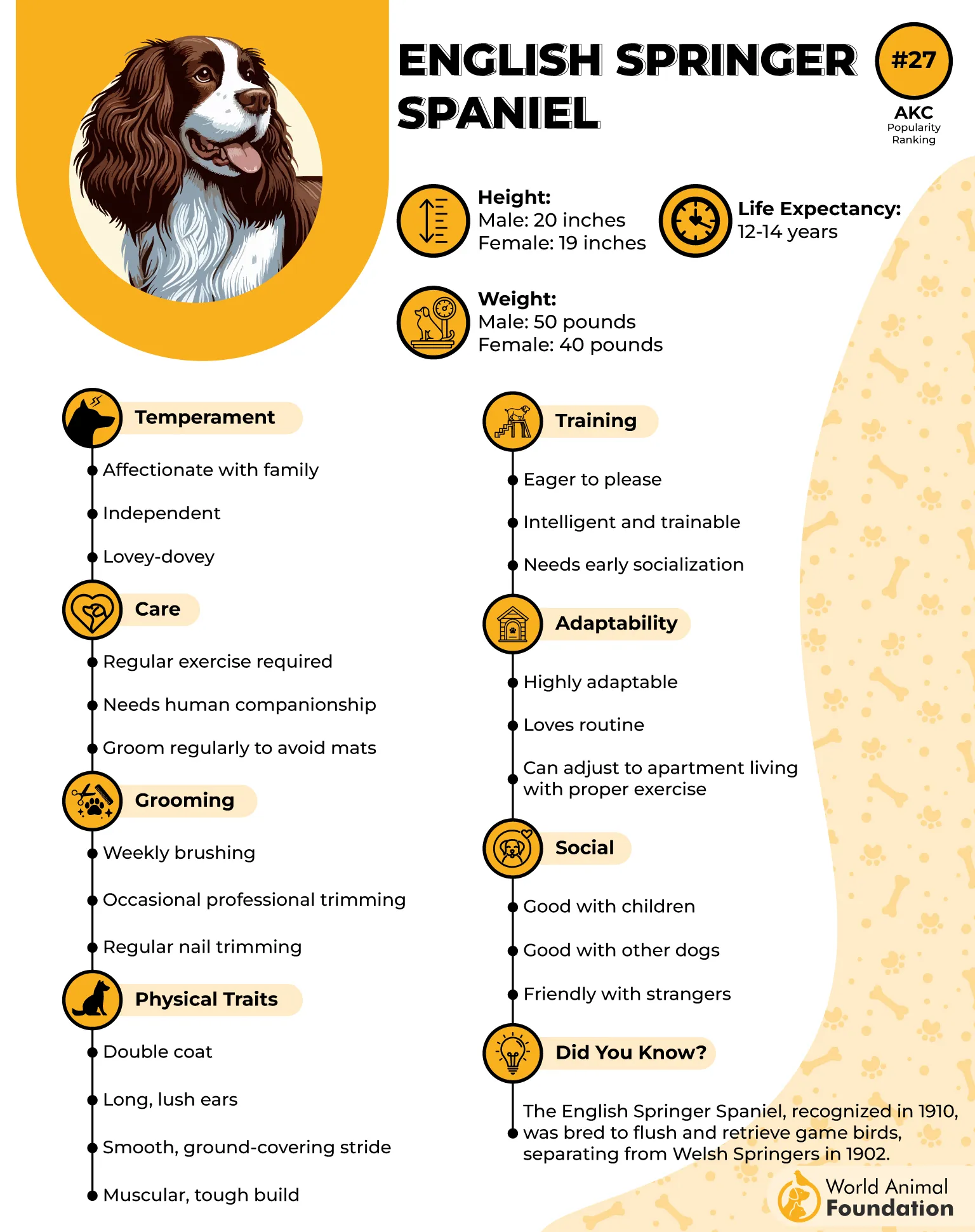
English Springer Spaniel approaches daily life with a cheerful attitude and learns quickly through consistent training and interaction, as Petplan noted. Friendly behavior toward children, other pets, and unfamiliar people makes social gatherings feel like another enjoyable part of the day.
2. Boston Terrier
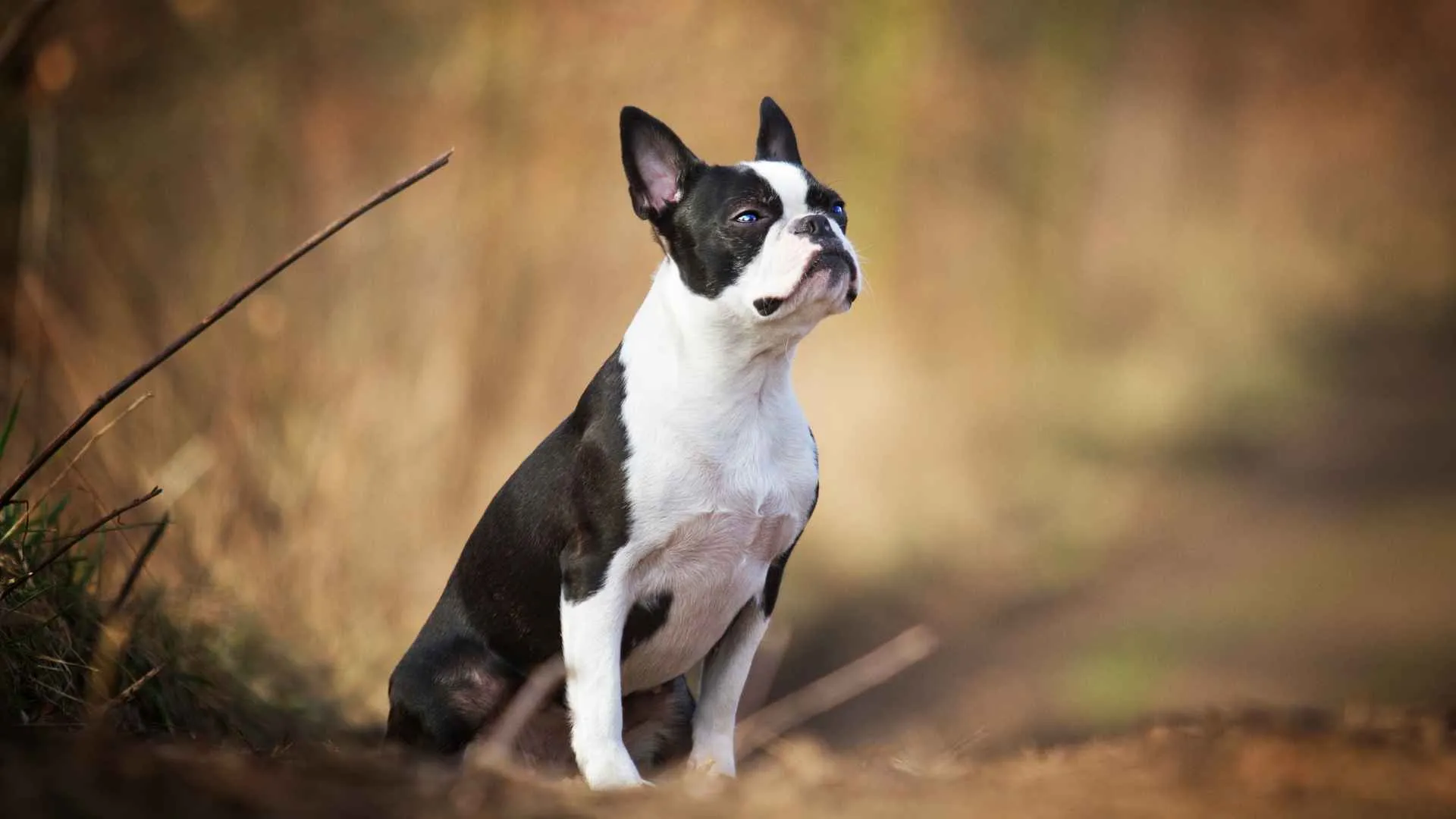
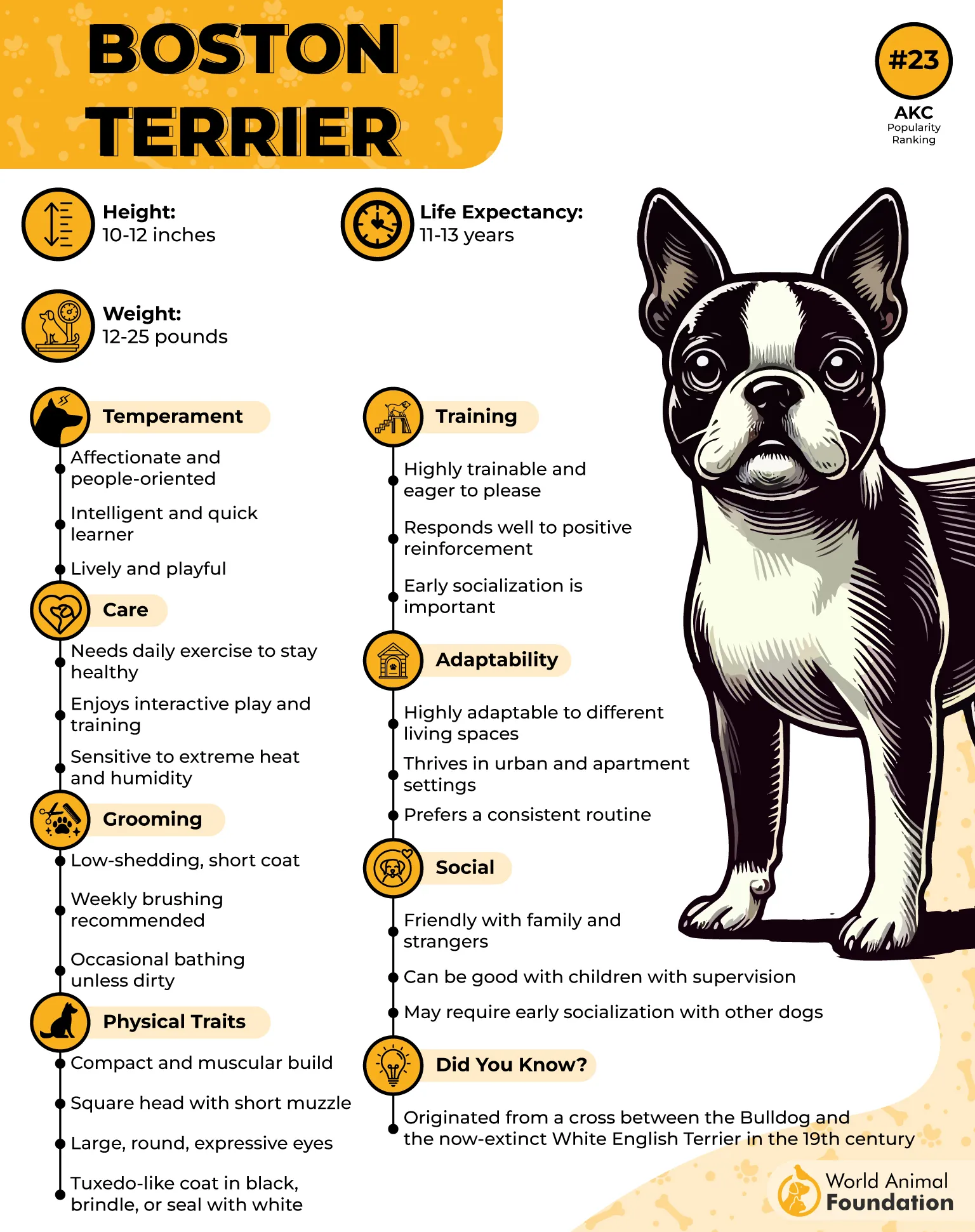
During the 19th century, the Boston Terrier developed in the United States, although its precise beginnings remain a topic of debate. One widely shared account links its creation to Bulldogs and the now-extinct English White Terrier through the work of coachmen employed by wealthy families.
Always Part of the Action
This terrier likes having something to look forward to, whether it is an outing, a game of fetch, or a new activity to try. Some can keep going for hours with running, agility, flyball, rally, or obedience, while others are perfectly happy making one brisk daily walk their main workout.
Here’s what else matters in daily life:
Enjoys close contact with family members
Unsettled if need to spend time alone
Minimal shedding and simple coat care
Clever but Determined
Boston Terrier learns quickly, although its independent streak can make training sessions more interesting than expected. According to PetMD, early socialization and a patient, consistent approach help channel that lively personality into good everyday manners and reduce frustration.
3. Dalmatian
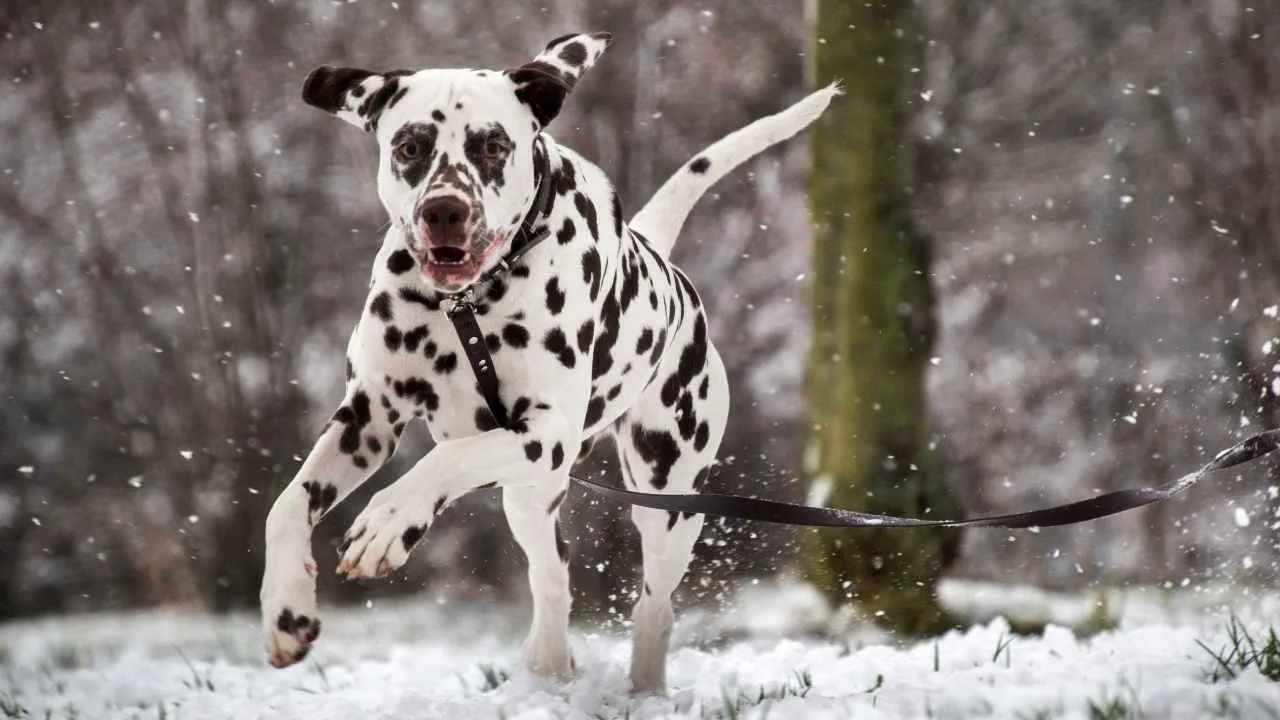
Dalmatian appeared in a surprising variety of working roles over the centuries, including ratter, retriever, sheepdog, and even circus performer before finding a lasting place beside horse-drawn coaches.
During the 1700s, these spotted dogs also ran alongside fire carriages, barking to clear busy streets long before mechanical sirens existed.
Always Ready for the Next Adventure
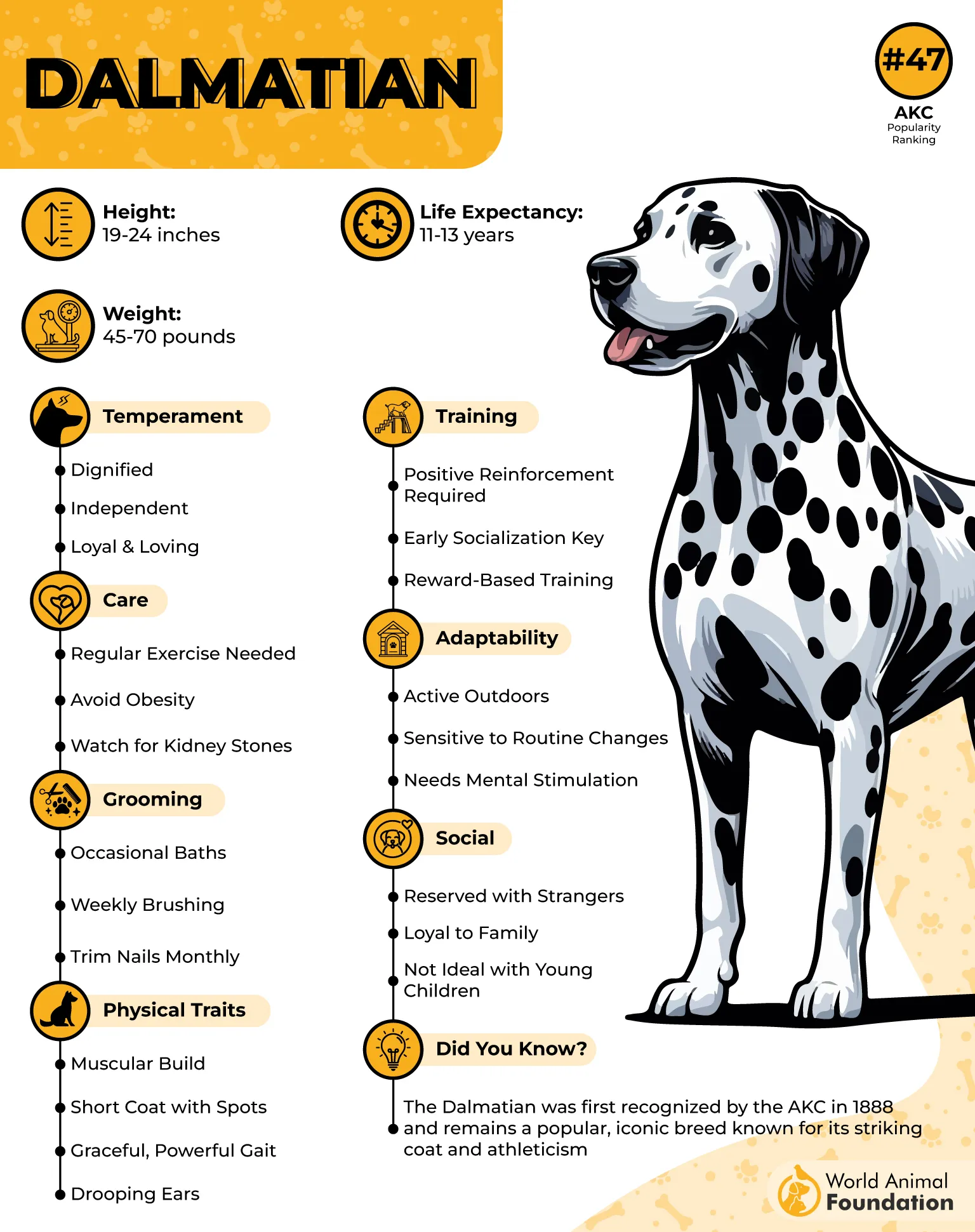
Dalmatians keep pace with extroverted humans who enjoy outdoor adventures and prefer to have their dog beside them throughout the day’s activities.
Among high-energy dog breeds, this one benefits from mental and physical stimulation, while dog sports, running, and interactive games provide a satisfying outlet beyond ordinary walks.
That active lifestyle can include plenty of variety:
Dock diving competitions
Frisbee and agility courses
Swimming and tug-of-war games
Bright Mind, Busy Personality
They combine intelligence with an independent streak, making proper training especially valuable from an early age. This breed is also known for an exceptional memory, with reports suggesting it can remember mistreatment long after it happens, while its playful nature suits an active family that enjoys regular involvement.
4. Golden Retriever
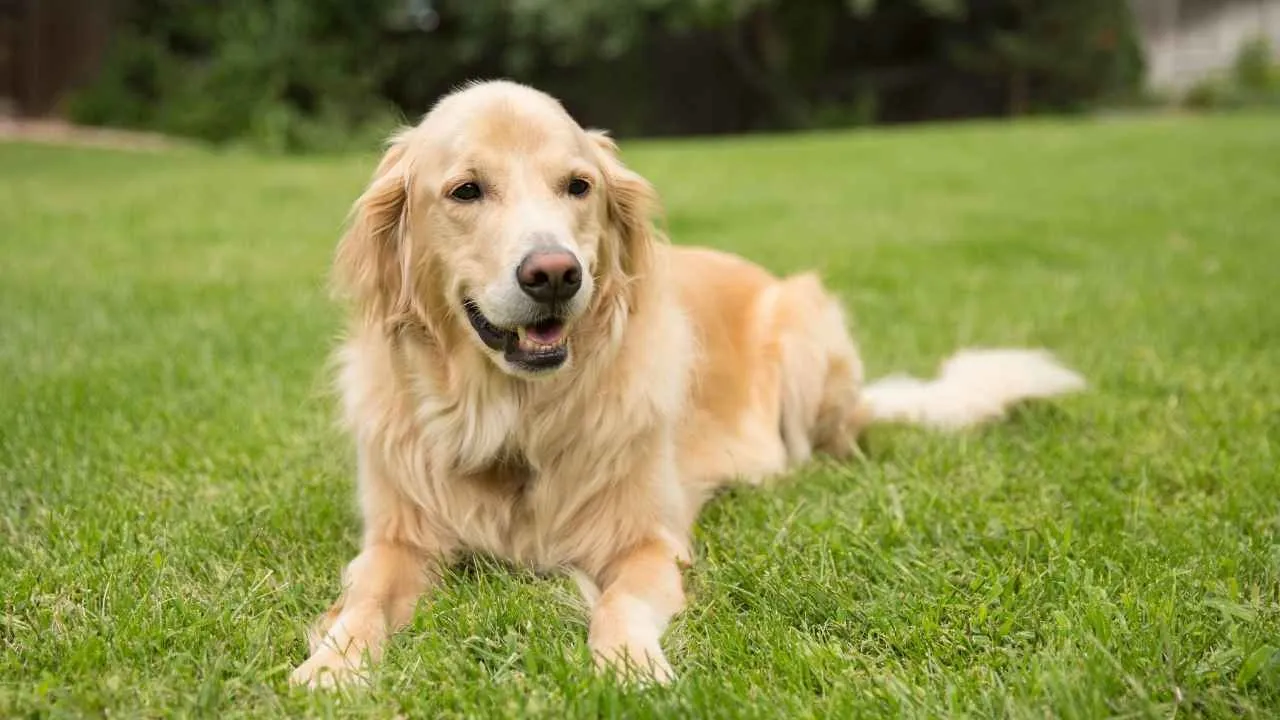
Golden Retriever first took shape in Scotland during the mid-1800s, when Lord Tweedmouth sought a dog capable of retrieving game through thick undergrowth. Crosses involving a Newfoundland, a Labrador and Water Spaniel mix, and later Setters gradually shaped the breed recognized today.
Always in the Middle of the Action
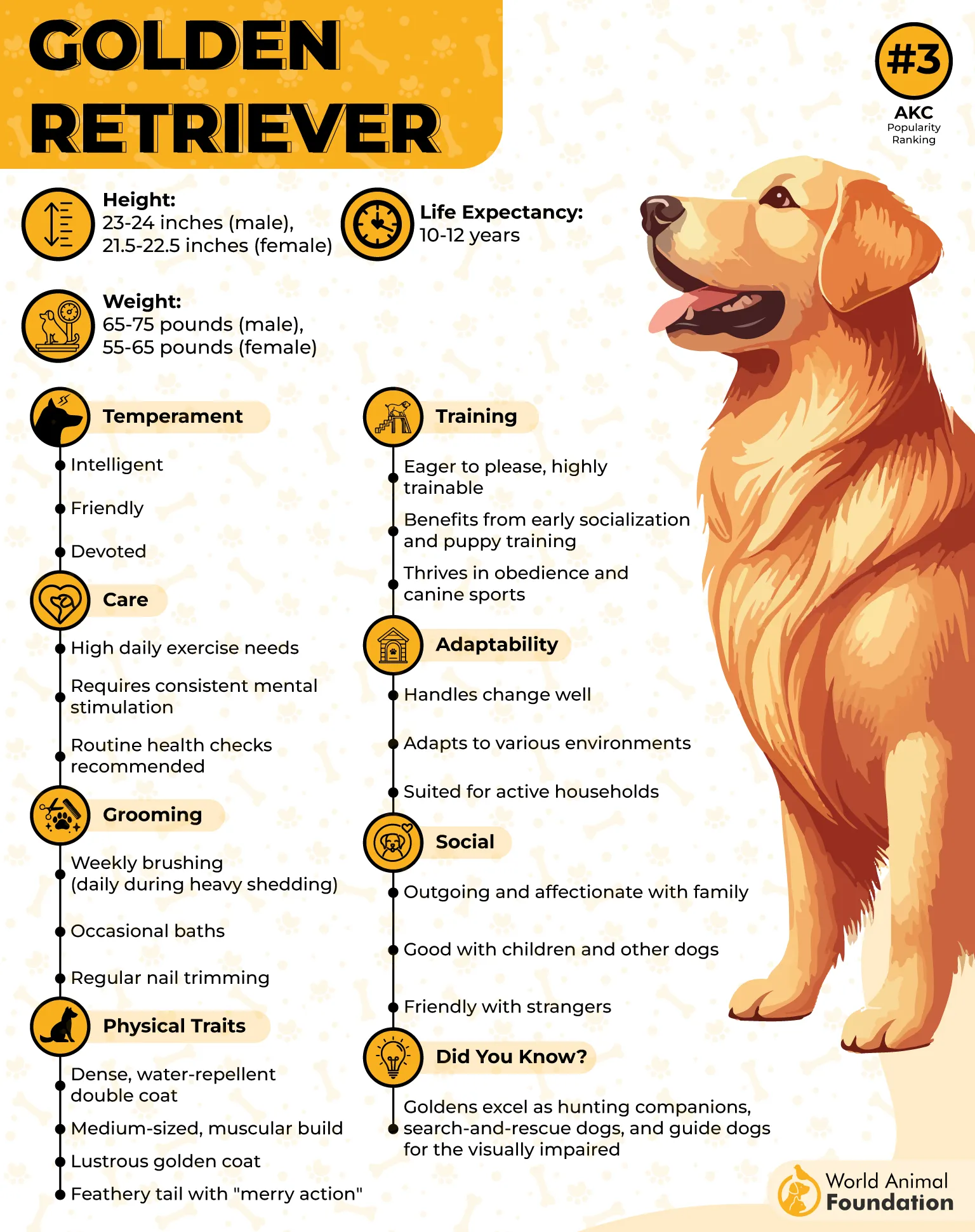
This popular dog enjoys busy days filled with people, conversations, outings, and interactive games instead of quiet time alone. Social gatherings, neighborhood walks, dog parks, and shared adventures naturally suit a dog that happily greets almost every new face.
That outgoing personality appears in different ways:
Loves interactive games of fetch and scent work
Enjoys swimming and daily mental and physical exercise
Prefers playdates over solo backyard time
Life of the Crowd
Golden Retriever approaches each day with visible confidence, a wagging tail, and genuine excitement for the next activity on the schedule, as noted by Omlet. Goofy bursts of zoomies, playful antics, and an eagerness to join every family moment make this breed an easy companion for people who enjoy an active social lifestyle.
5. Beagle
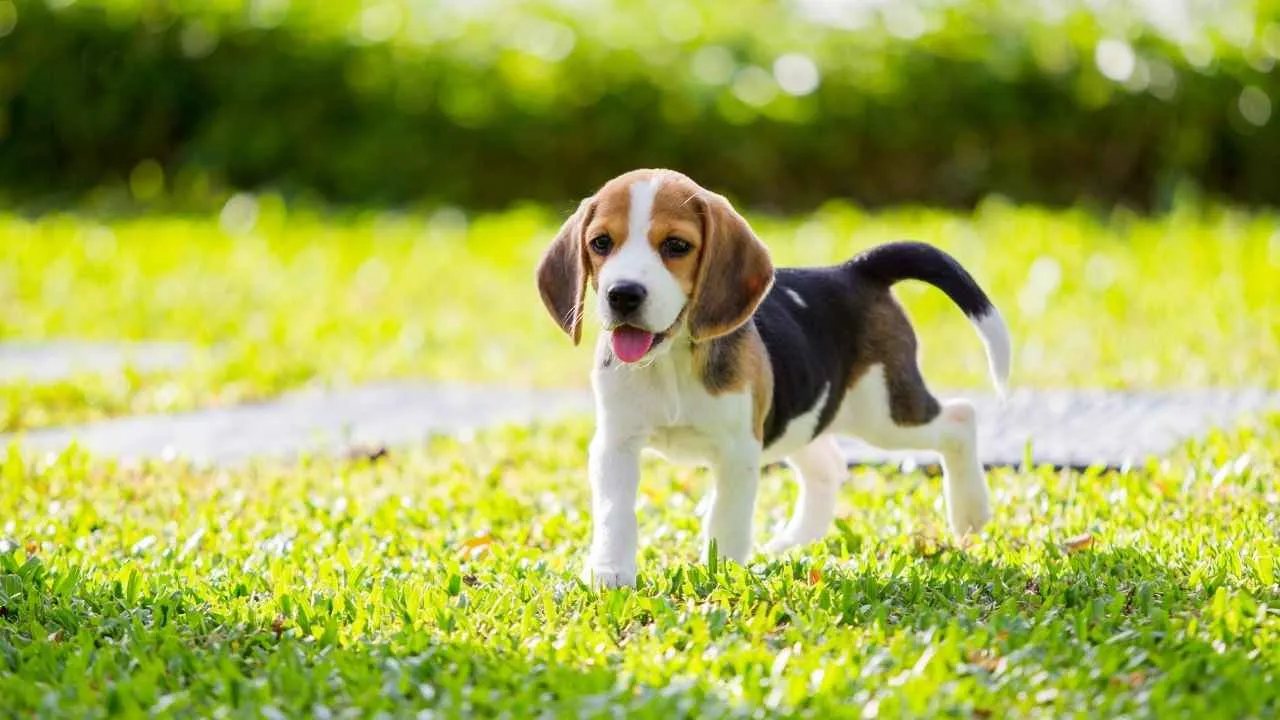
The Beagle was part of English hunting life by the 14th century, when hare hunting drew growing interest throughout the countryside. By the late 1800s, the familiar Beagle seen today had taken shape, replacing the earlier hunting dogs that looked quite different from the modern breed.
Always Ready to Join In
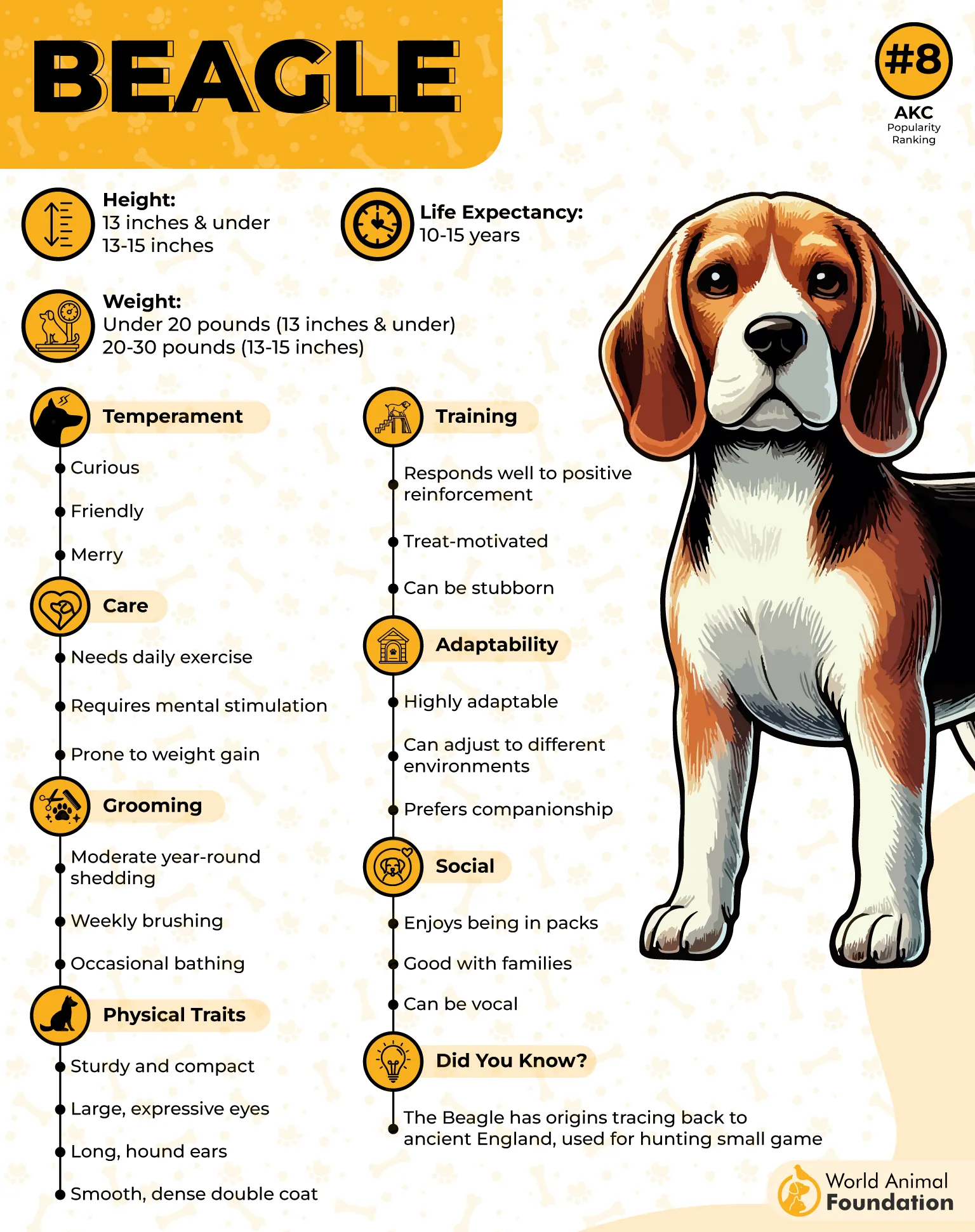
Beagles bring constant enthusiasm to walks, hikes, scent games, and active days outdoors, making it an easy match for people who enjoy staying busy. Daily outings of around an hour, along with opportunities to run and explore safely, help channel that lively personality into enjoyable activities.
These characteristics reveal more about this energetic breed:
Nose work is a favorite activity
Barn hunts suit its instincts
Scent walks keep it mentally engaged
A Voice You Will Notice
Beagle communicates with a deep bark and long howl when unfamiliar sounds or visitors catch its attention. Young dogs often approach everything with endless curiosity, while adults still happily join family walks, runs, and hiking adventures as they mature.
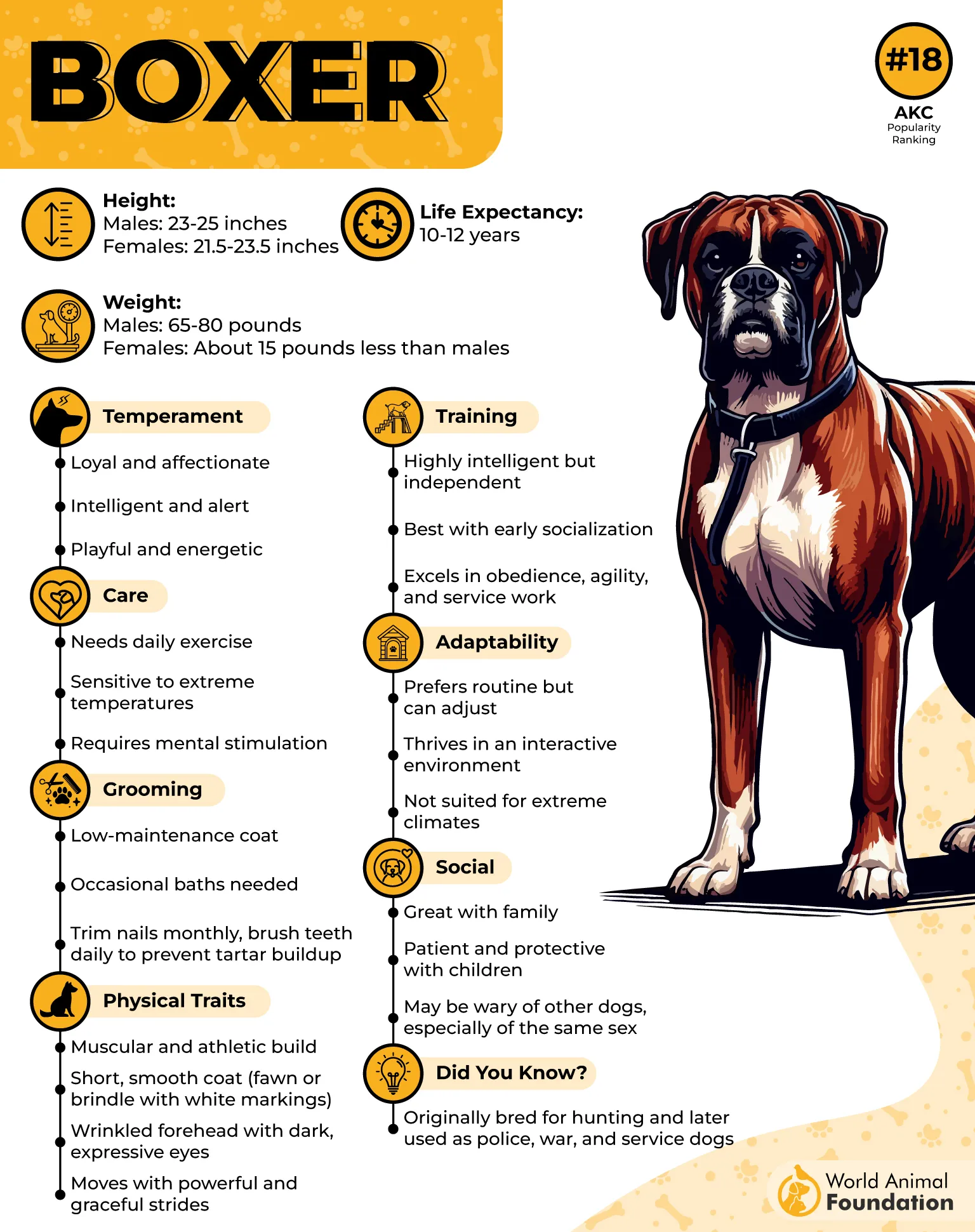
6. Boxer
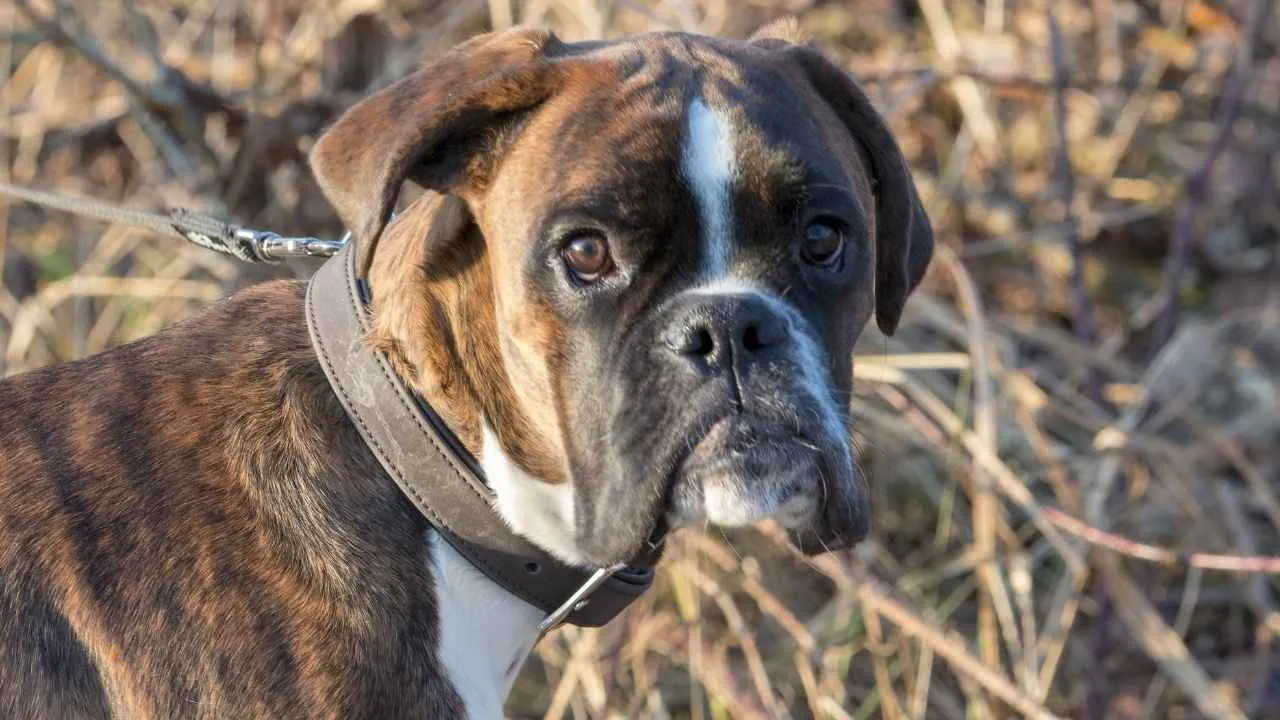
The Boxer was developed in Germany by the late 19th century, with the Bullenbeisser, Mastiff, and possibly Bulldog playing roles in its ancestry. Breeders had more than appearance in mind, keeping the dependable working abilities that had earned these dogs their value through generations.
Ready for Every Invitation
This high-energy breed enjoys an active social routine and responds well to households that include frequent outings, visitors, and shared activities. Daily exercise lasting anywhere from 30 minutes to two hours, along with games and dog sports.
Their busy mind needs plenty to do:
Nicknamed the “Peter Pan” of dog breeds
Excels in rally, agility, and lure coursing
Enjoys flyball, Frisbee, fetch, and nose work
Personality in Full View
Boxer often reveals an affectionate and playful side after becoming familiar with people, balancing confidence with a warm personality. Early introductions to new places, car rides, different environments, and unfamiliar faces help encourage comfortable behavior in everyday situations.
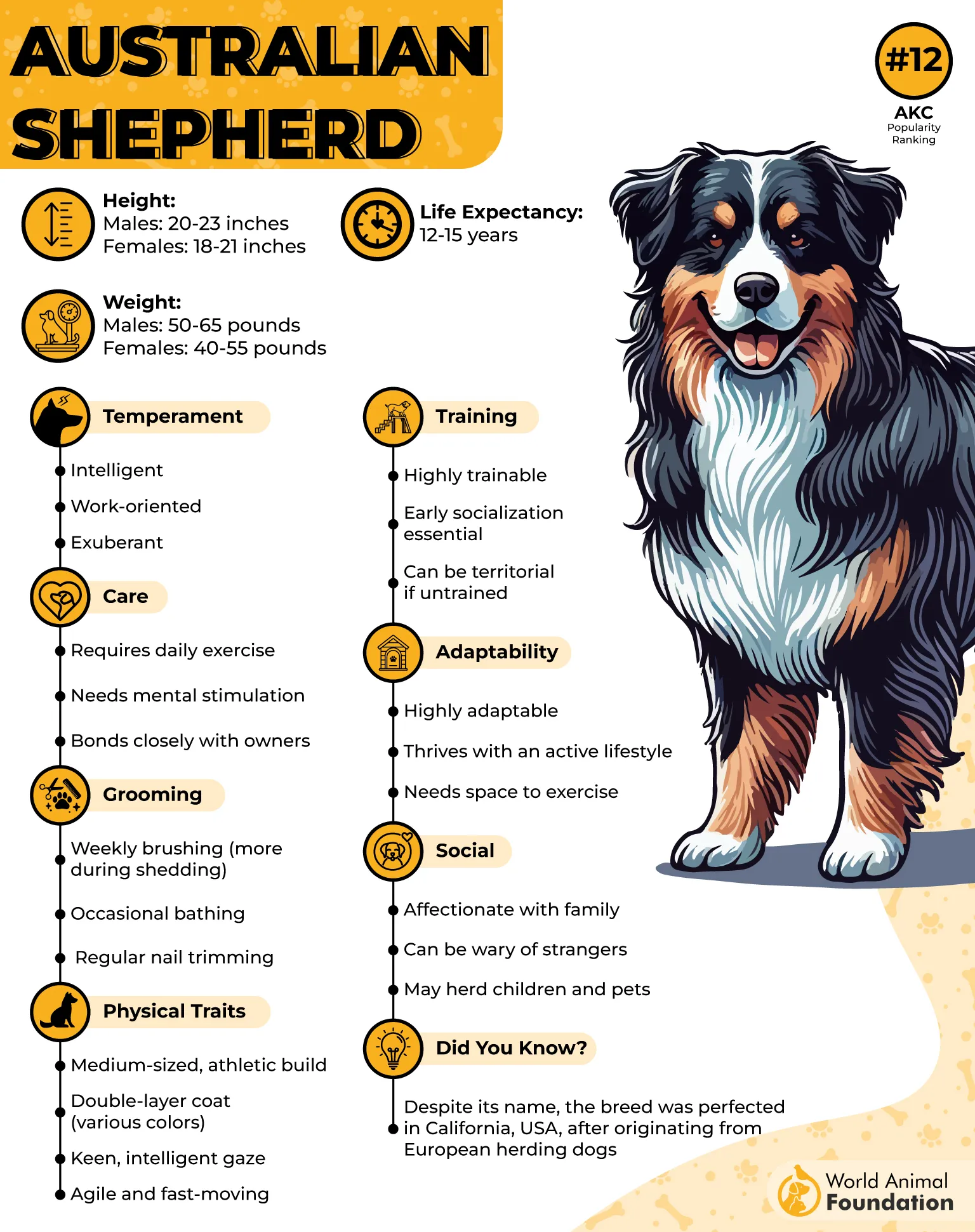
7. Australian Shepherd
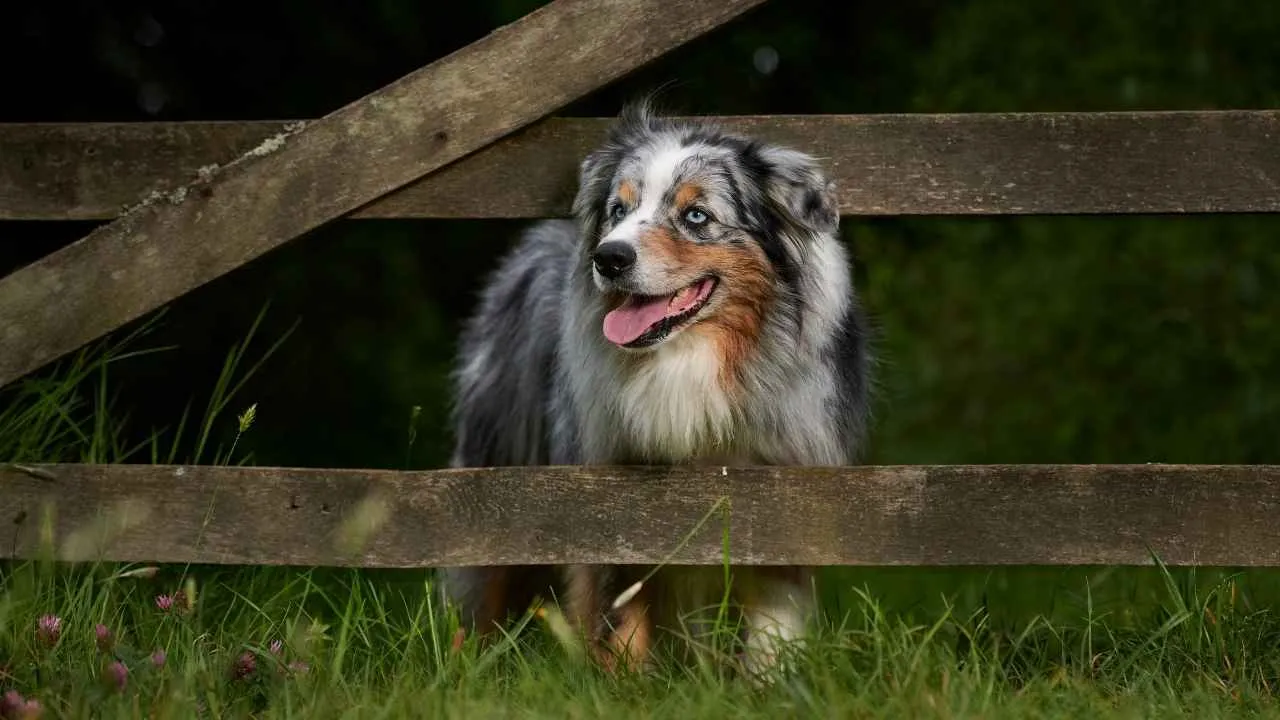
Australian Shepherd has a name that points one way, yet its early bloodline is linked to herding dogs from the Pyrenees Mountains before continuing in North America. Basque shepherds and their working dogs played an important role in shaping the breed recognized today.
Always Ready for Action
Give an Australian Shepherd a long hike, a run, a game of fetch, or an agility course, and there is plenty to keep its energetic mind and body occupied. Time spent with people is just as important, since this breed dislikes being left alone for extended periods.
Its energetic nature extends beyond the field:
Often called a “velcro dog”
Comfortable in high-altitude climates
Favored by ranchers for livestock work
A Busy Mind
Australian Shepherd enjoys solving problems and quickly invents its own activities when nothing is available to do. That curiosity can lead to herding children or other pets, while boredom may also result in digging, pacing, excessive barking, or destructive chewing around the home.
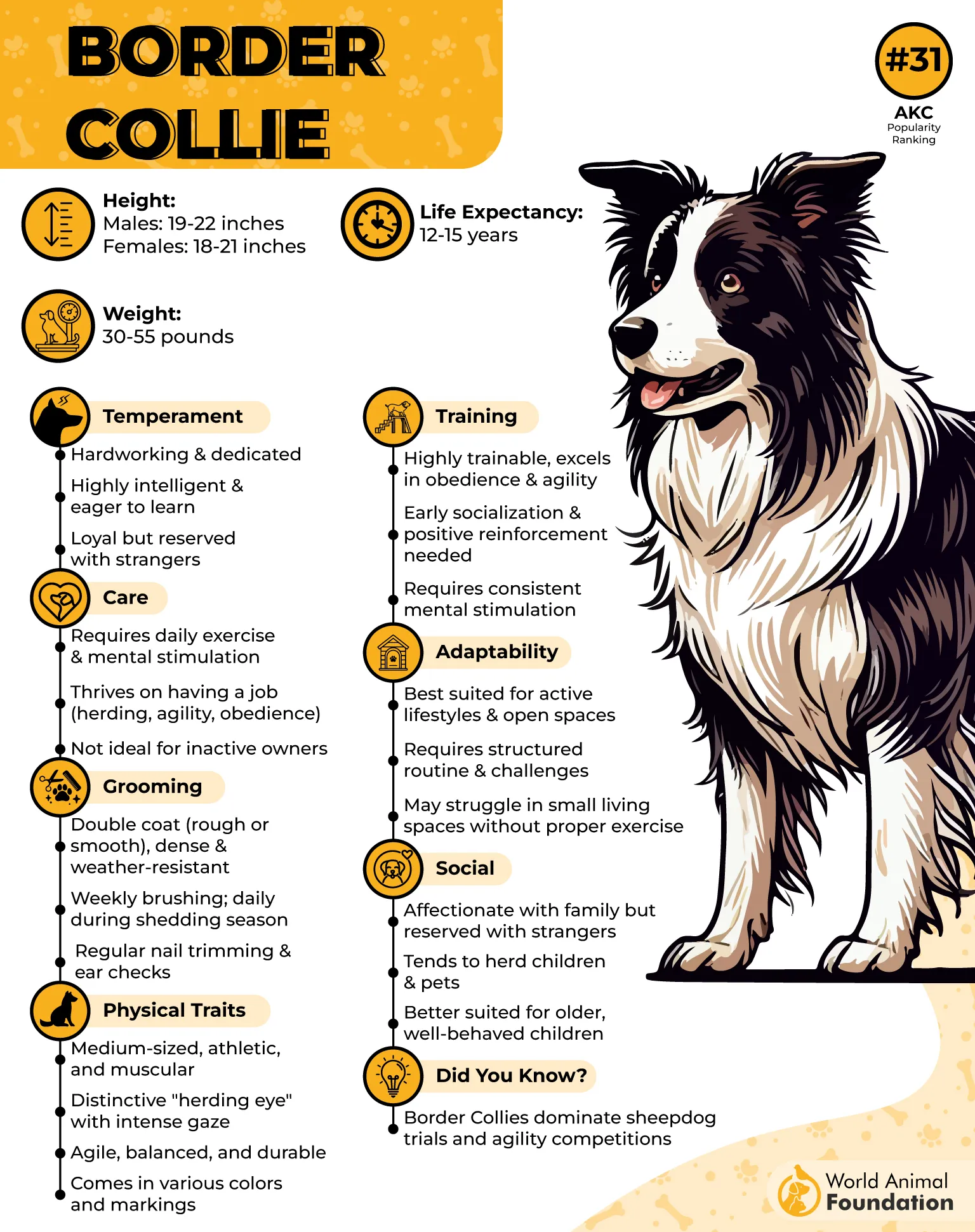
8. Border Collie
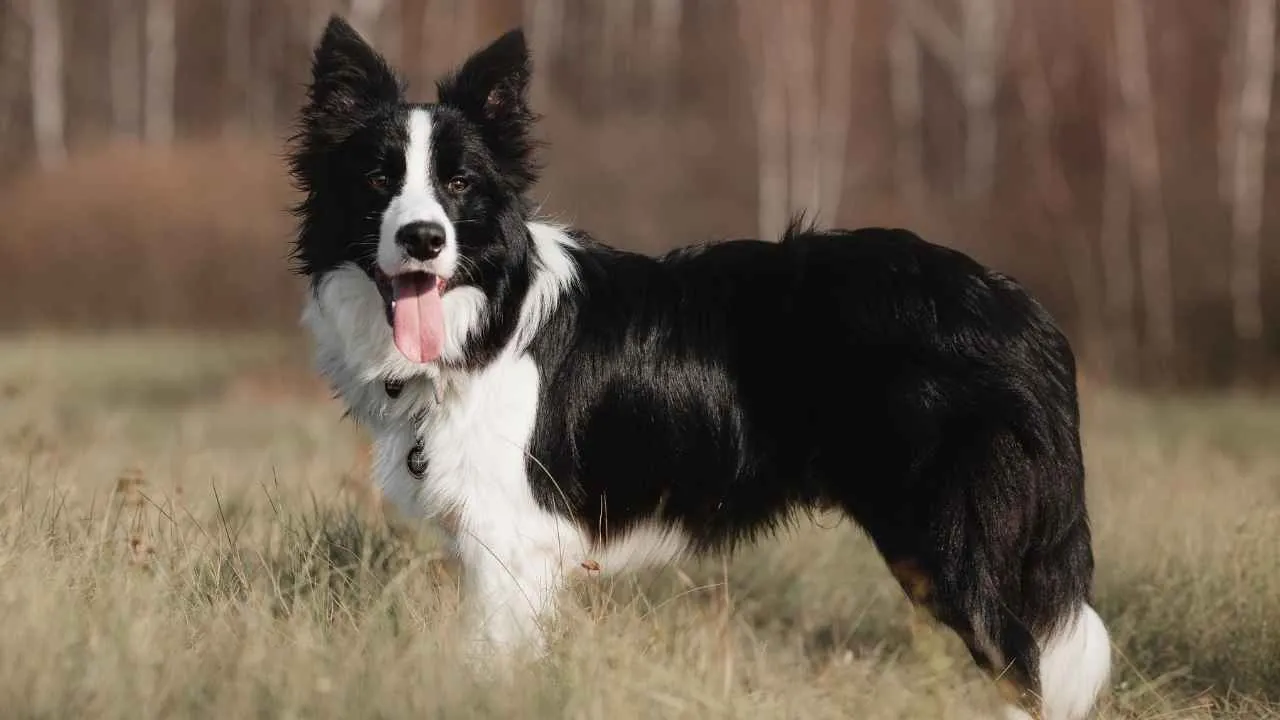
Border Collie gets its name from the countryside between England and Scotland, where skilled sheepdogs shaped the breed over generations. Interest widened during Queen Victoria’s era, and by the twentieth century these dogs had also reached the sheep ranches of Australia and New Zealand.
Always Looking for the Next Challenge
This dog tends to look for its next task when things get too quiet, which makes it a great match for outgoing people who rarely have slow days. Agility courses, Flyball, Frisbee, long hikes, running, and advanced obedience sessions match its fast-thinking nature particularly well.
The following milestones add another perspective about the breed:
AKC recognition came in 1995
Ranked highest in The Intelligence of Dogs
Recorded an 82.4% ATTS passing rate
A Mind That Keeps Working
Border Collie processes its surroundings almost continuously, making early training an important part of daily life rather than an occasional task. Without enough mental challenges, that busy mind can shift toward chewing, unwanted mischief, or attempting to herd children and other household pets.
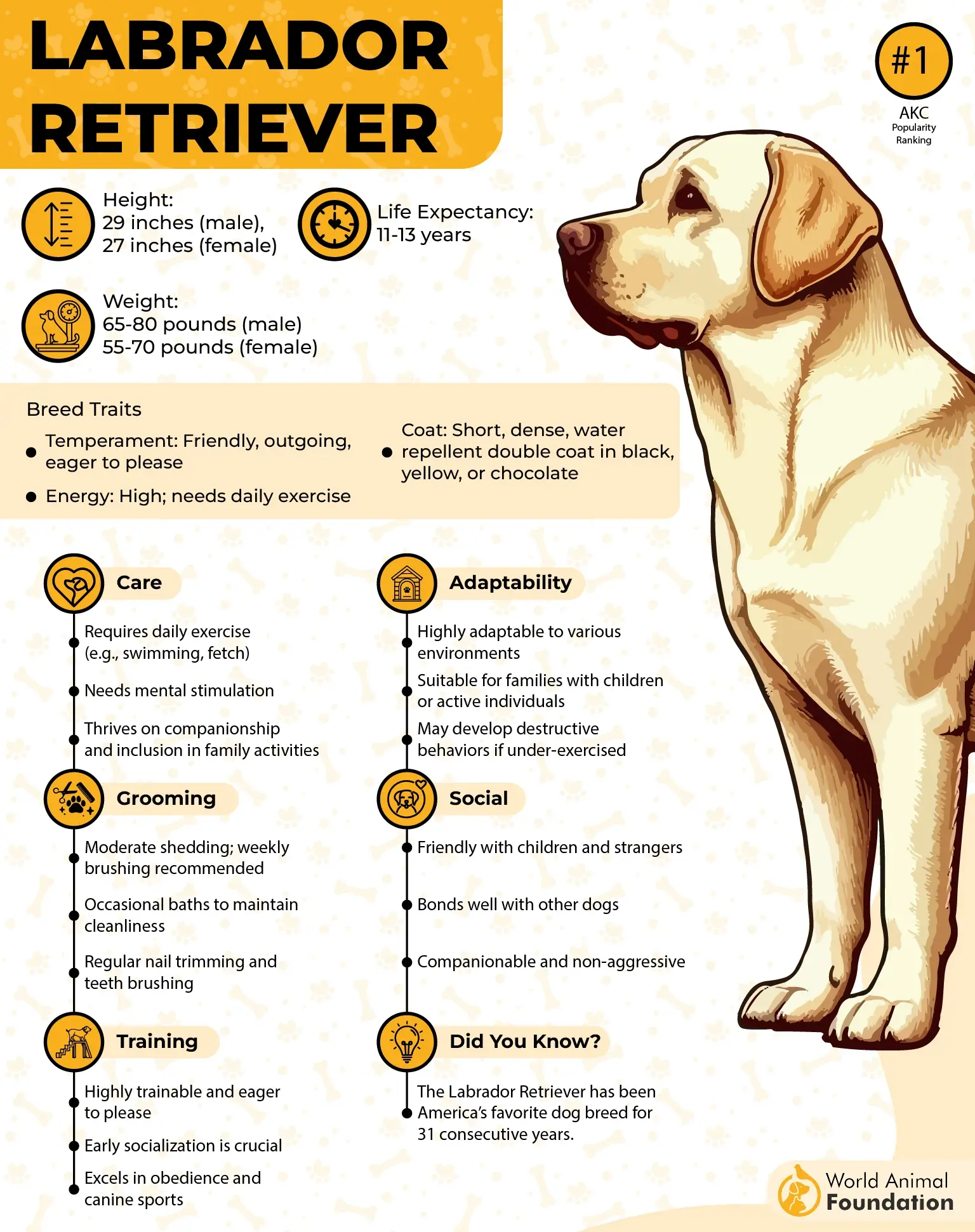
9. Labrador Retriever
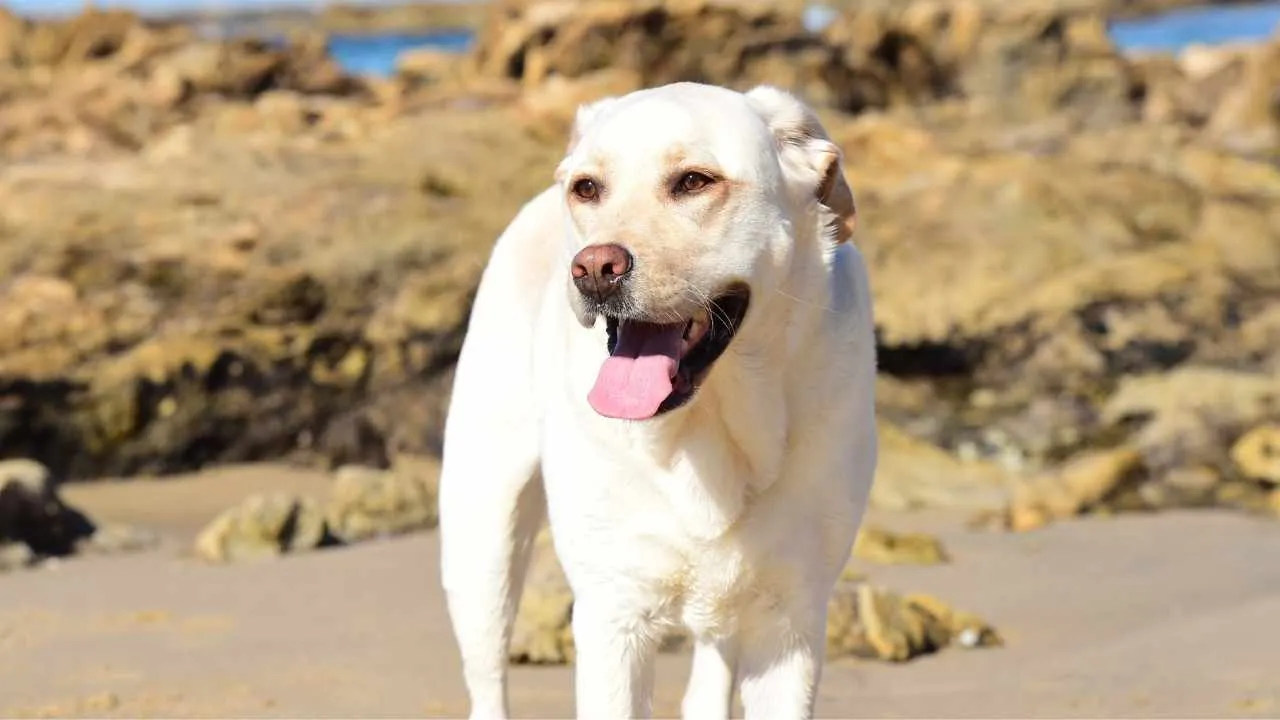
The Labrador Retriever has strong ties to Newfoundland, where its early relatives worked with fishermen to retrieve fish and waterfowl from the water. The breed descends from the now-extinct St. John’s Water Dog before later refinement continued in England during the nineteenth century.
Loves Every Introduction
A Labrador Retriever can turn an ordinary day into a social occasion, especially when friends visit or there is somewhere new to go. New faces usually spark curiosity, while familiar people, other dogs, and even cats can quickly become part of the excitement.
Some worth noting details of the breed include:
Excels at tracking and following a scent trail
Gentle mouth for retrieving game
Needs puppy training and early socialization
Ready to Join In
Labrador Retrievers learn quickly because they enjoy working alongside people and respond well to consistent guidance from an early age. That willingness supports roles in therapy work, search and rescue, service tasks, obedience, tracking, dock diving, hiking, and other interactive challenges.
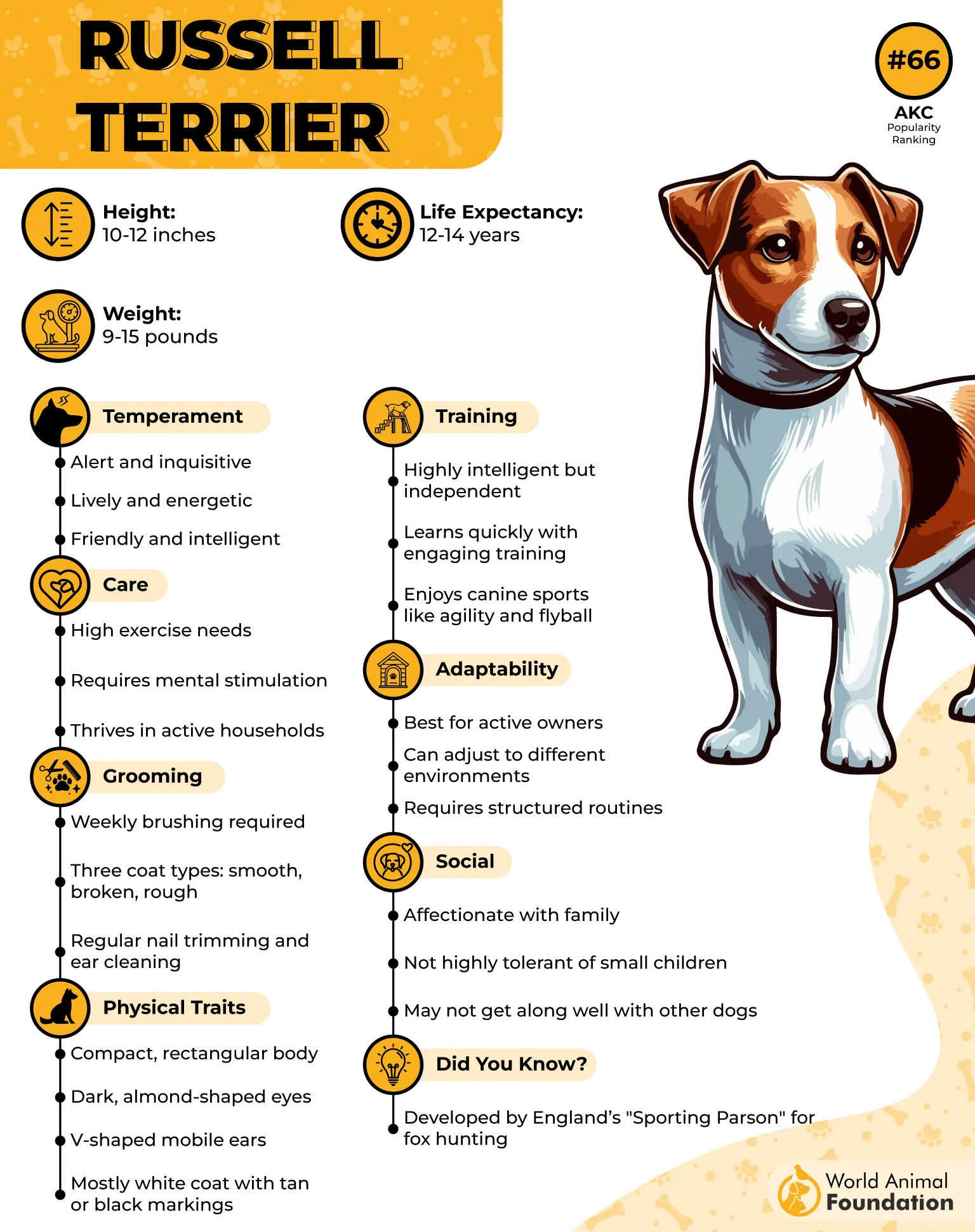
10. Jack Russell Terrier
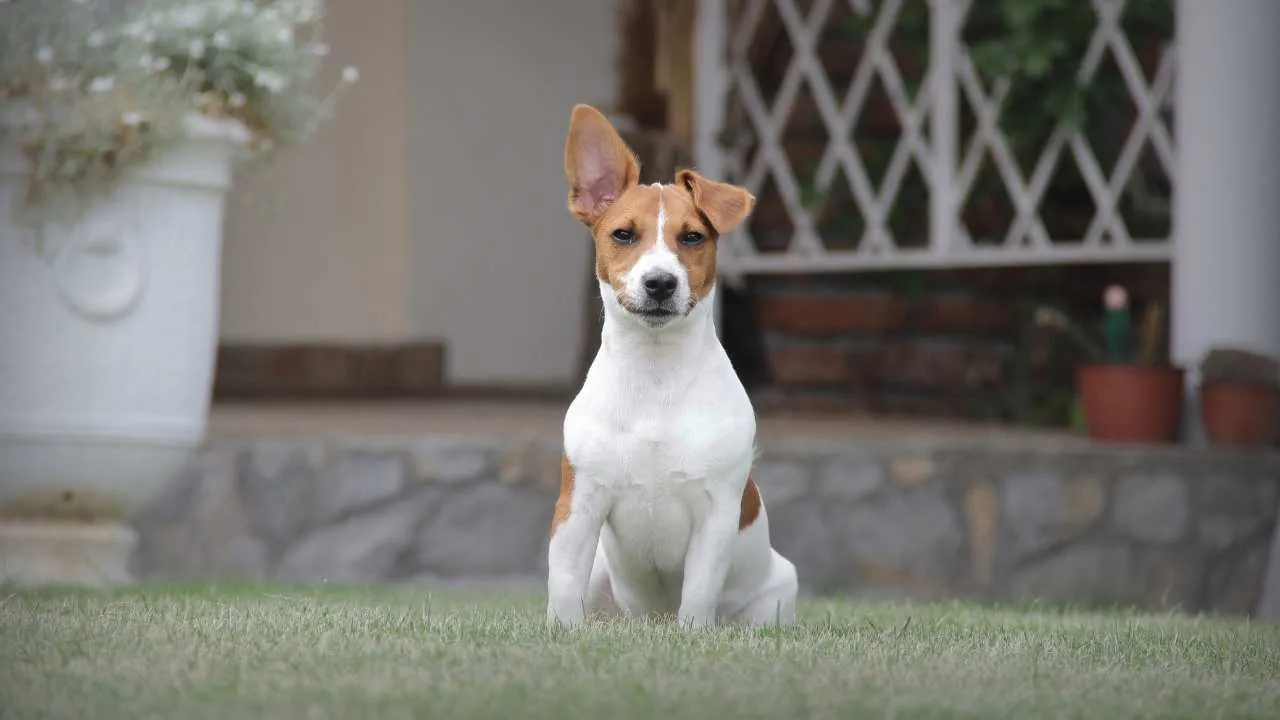
During the 1800s, England was home to the early Jack Russell Terrier, developed from the now-extinct White Terrier. Fox hunting shaped much of its early work, requiring the confidence to enter underground dens, locate foxes, and keep them there until the hunter arrived.
Always Looking for Action
With energy that rarely seems to run dry, this terrier keeps pace with people who fill their weekends with outings, plans, and plenty of movement. Even after a long walk, this lively breed is usually ready for another game, whether that means frisbee, hiking, agility, or an energetic round of fetch.
That lively personality also comes with these details:
Skilled at catching rats
Enjoys nose work challenges
Often digs with enthusiasm
Quick Mind, Quick Decisions
Jack Russell Terrier learns quickly, although repeating the same training routine can lose its attention before long. Positive reinforcement, training games, and early socialization help channel that intelligence while encouraging better manners around children and unfamiliar dogs.
Conclusion
Selecting an energetic companion is not about finding the busiest dog. It is about finding one whose enthusiasm naturally matches the way you already enjoy spending your time. A good match turns walks into adventures, encourages more time outdoors, and brings extra enjoyment to everyday routines without feeling like a challenge.
Consistent training, meaningful exercise, and regular companionship help that relationship continue growing over the years. When both owner and dog enjoy the same active lifestyle, the result is a partnership filled with movement, shared experiences, and countless memorable moments that make every day feel a little more rewarding together.
