




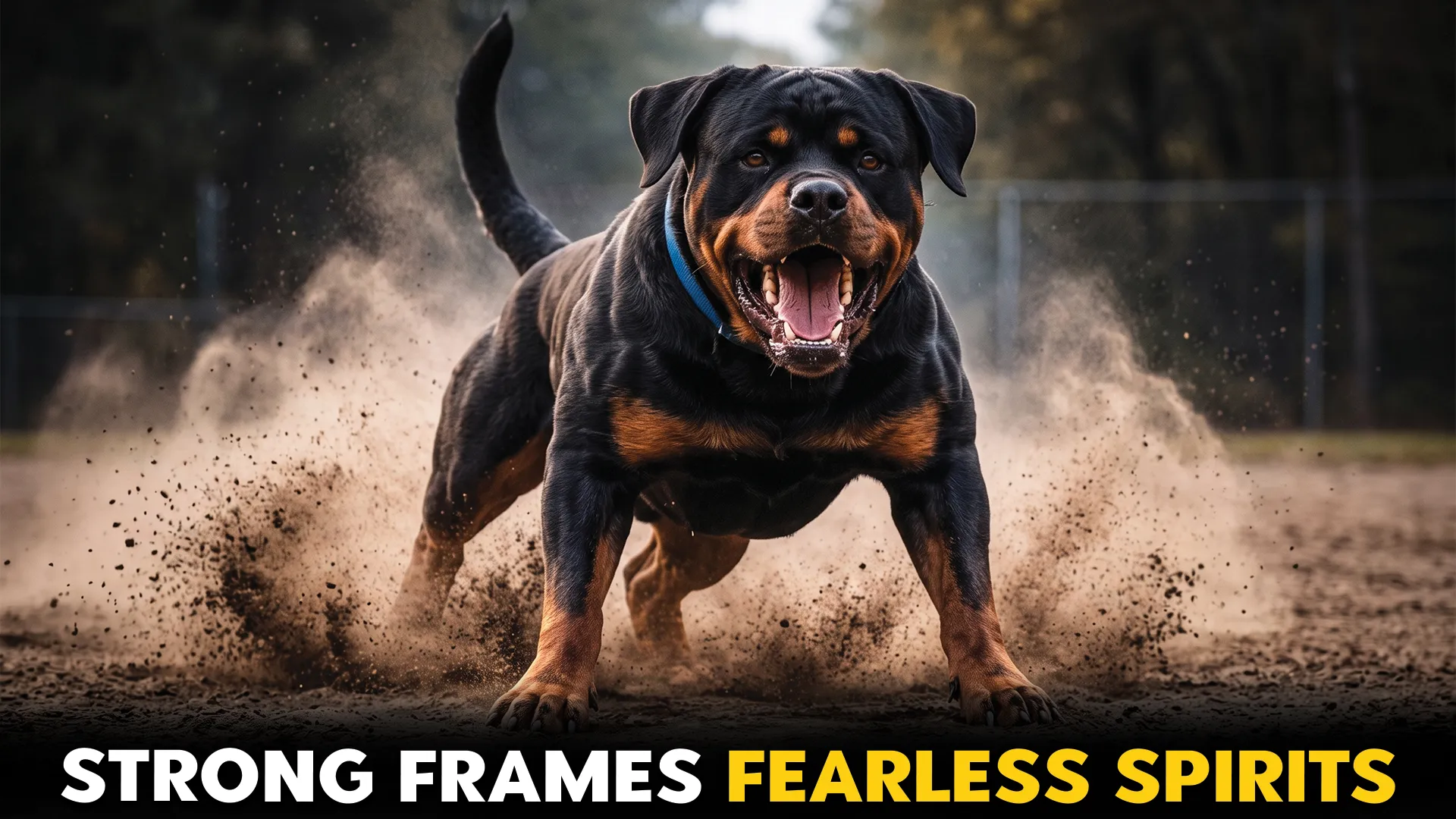
A powerful physique is one of the defining features of many remarkable dog breeds, but true strength goes far beyond broad chests and muscular frames.
It is the result of generations of purposeful breeding, shaping dogs that could guard livestock, protect families, herd animals, assist in demanding work, and thrive in physically challenging environments.
While an athletic build reflects endurance and capability, it should always be paired with good health, balanced nutrition, regular exercise, and responsible care.
Understanding a dog’s body condition is just as important as appreciating its appearance. A healthy dog should have a visible waist, a gently tucked abdomen, and ribs that can be felt beneath a thin layer of fat without being overly prominent.
These physical signs help determine whether a dog is underweight, overweight, or in ideal condition.
In this article, we explore nine impressive breeds whose powerful physiques are matched by intelligence, resilience, and the purpose they were bred to fulfill.
Key Takeaways
Powerful physiques are often linked to working roles. Many of these breeds were originally developed for guarding, herding, rescue, or protection, giving them exceptional strength and endurance.
Strength comes with intelligence. Most muscular dog breeds are highly intelligent and respond well to consistent, reward-based training and early socialization.
Regular exercise is essential. These athletic dogs require daily physical activity and mental stimulation to stay healthy, balanced, and well-behaved.
Early socialization shapes temperament. Proper exposure to people, animals, and new environments helps these naturally protective breeds become confident companions.
Not all powerful dogs are aggressive. With responsible ownership and training, many are affectionate, gentle, and deeply loyal to their families.
Top Dog Breeds With a Powerful Physique
1. Saint Bernard
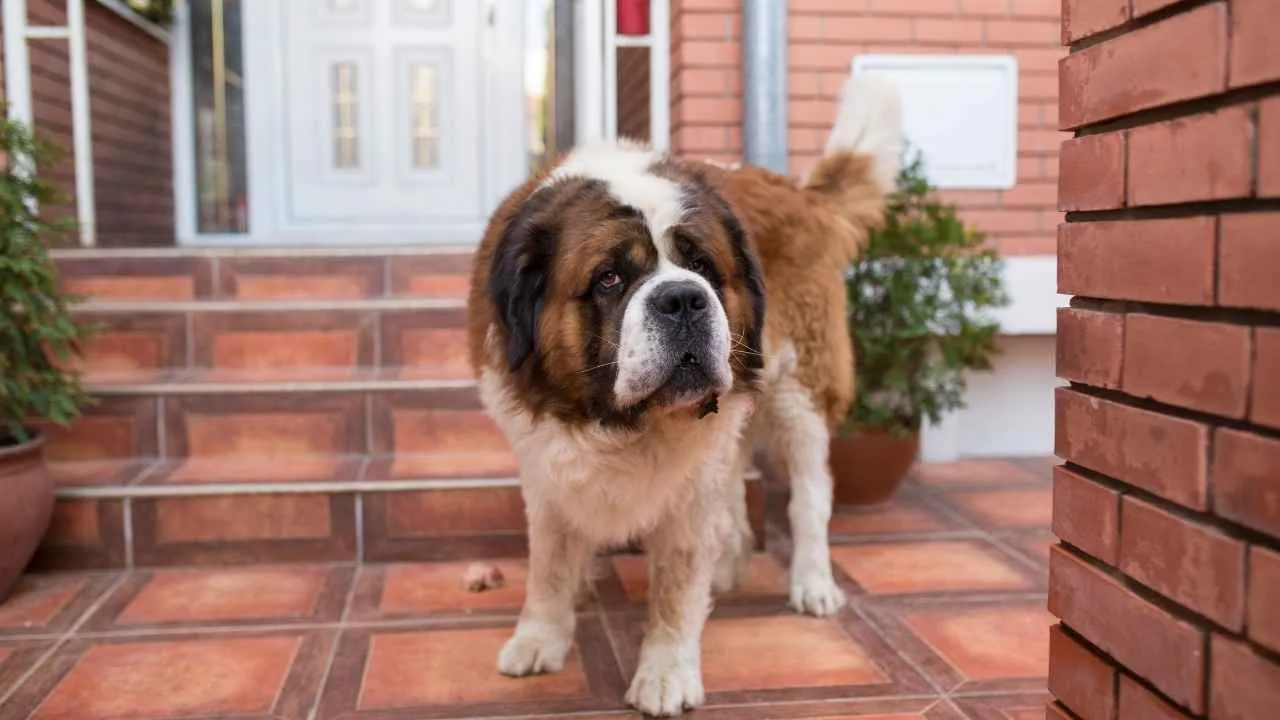
The Saint Bernard is one of the world’s most recognizable giant dog breeds, admired for its immense strength, gentle temperament, and unwavering devotion to its family.
Though it is not among the most commonly registered breeds, its powerful physique and calm, patient nature have made it a lasting favorite.
Built with a broad chest, massive frame, and exceptionally muscular body, the Saint Bernard combines impressive size with an intelligent, friendly expression.
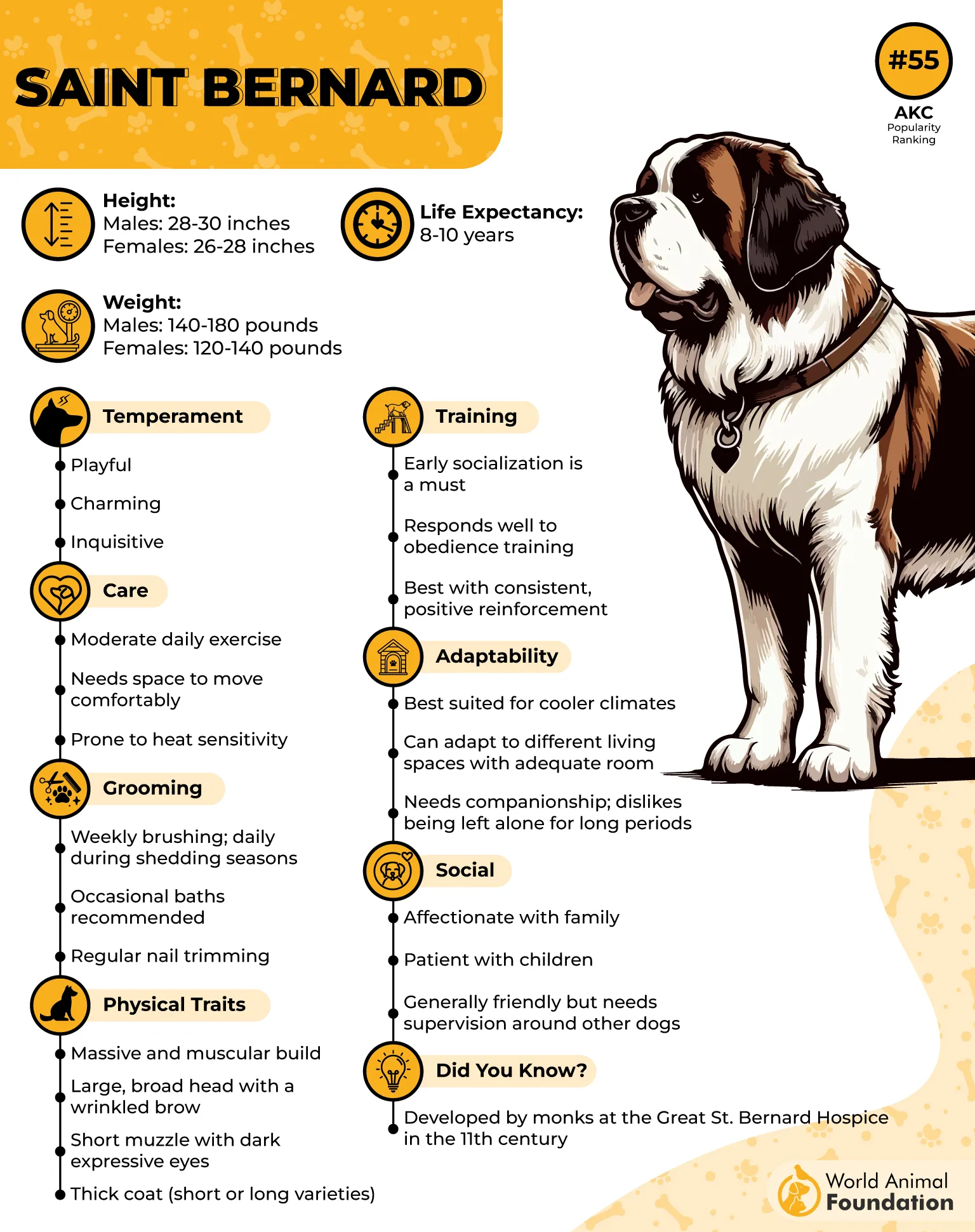
Despite its strength, this breed requires only moderate daily exercise, enjoying long walks, playtime, and outdoor adventures with its owners, according to the American Kennel Club.
Early training and socialization are essential to help these gentle giants develop good manners and confidently manage their size.
Regular brushing keeps both long- and short-coated varieties healthy, especially during seasonal shedding.
Like many large breeds, Saint Bernards are susceptible to bloat, hip dysplasia, and certain eye conditions, making proper nutrition, weight management, routine veterinary care, and attentive ownership essential for their long-term health.
2. Kangal
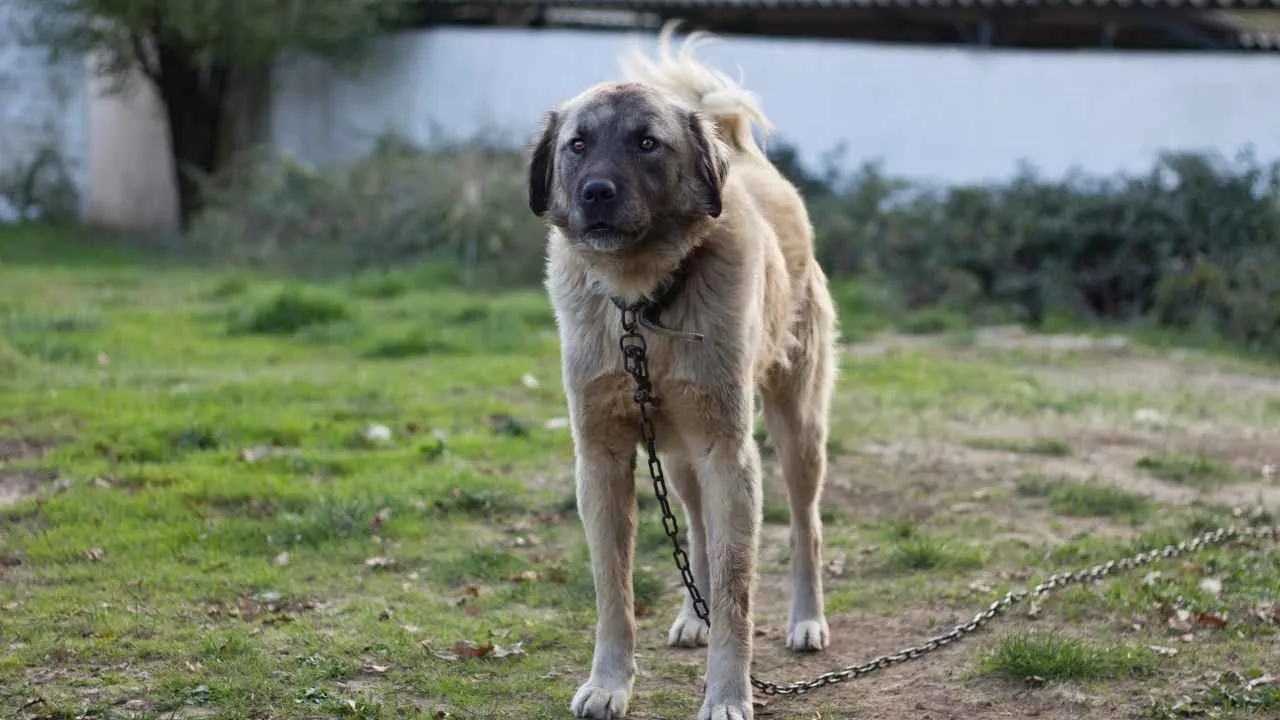
The Kangal is a commanding livestock guardian renowned for its powerful physique, athletic build, and unwavering protective instincts.
Officially recognized as a distinct breed by the FCI in 2018, this Turkish native is bred for strength, endurance, and independent decision-making.
Standing up to 32 inches tall and weighing as much as 143 pounds, the Kangal combines a muscular frame with remarkable agility.
Its dense double coat, typically fawn or sable with a distinctive black mask, protects it in varying climates. Despite its imposing appearance, a well-socialized Kangal is calm, composed, and deeply devoted to its family, though naturally reserved with strangers.
This intelligent breed requires experienced handling, early socialization, and consistent training to channel its strong guarding instincts.
Regular brushing, balanced nutrition, controlled growth during puppyhood, and screening for hip dysplasia help support long-term health. With proper care and ample space, the Kangal thrives as a confident and dependable working companion.
3. Doberman Pinscher
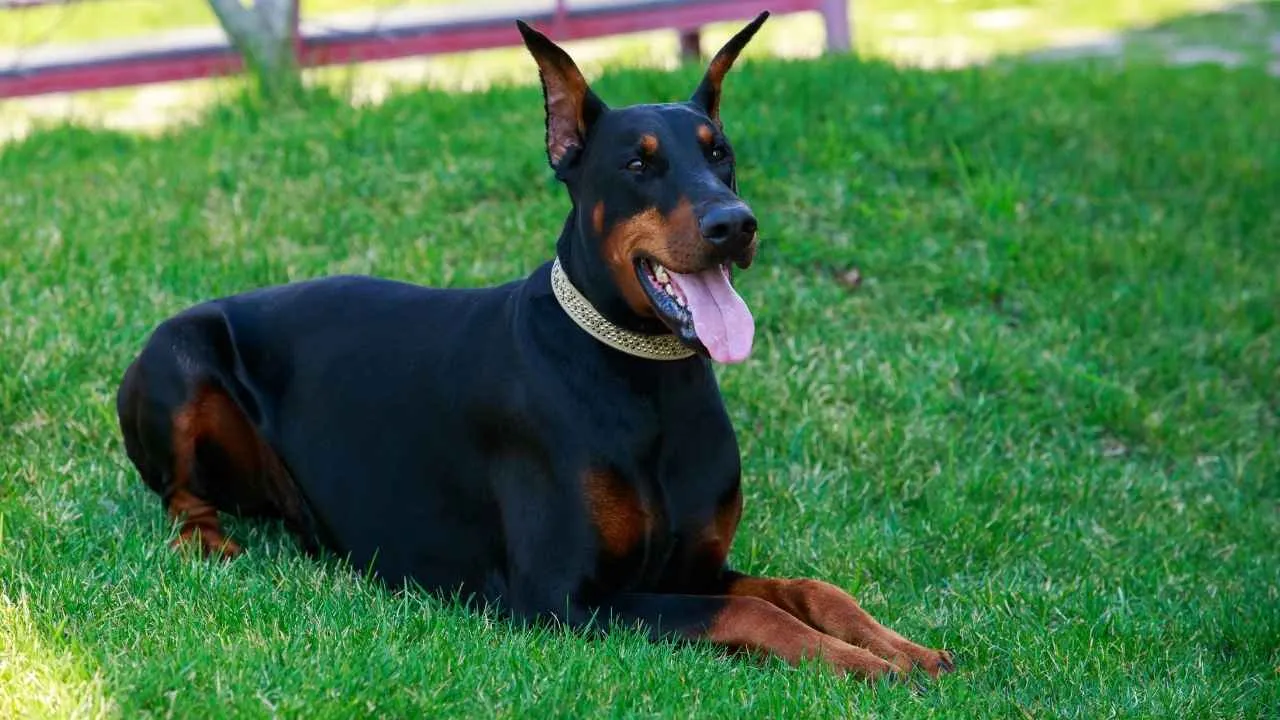
The Doberman Pinscher is a striking working breed admired for its lean, muscular build, remarkable intelligence, and unwavering loyalty.
Originally developed in Germany by Louis Dobermann in the late 1800s as a personal protection dog, the breed quickly earned a reputation for courage, athleticism, and dependability.
Standing 24 to 28 inches tall and weighing between 60 and 100 pounds, the Doberman combines speed, strength, and elegance in a sleek, powerful frame.
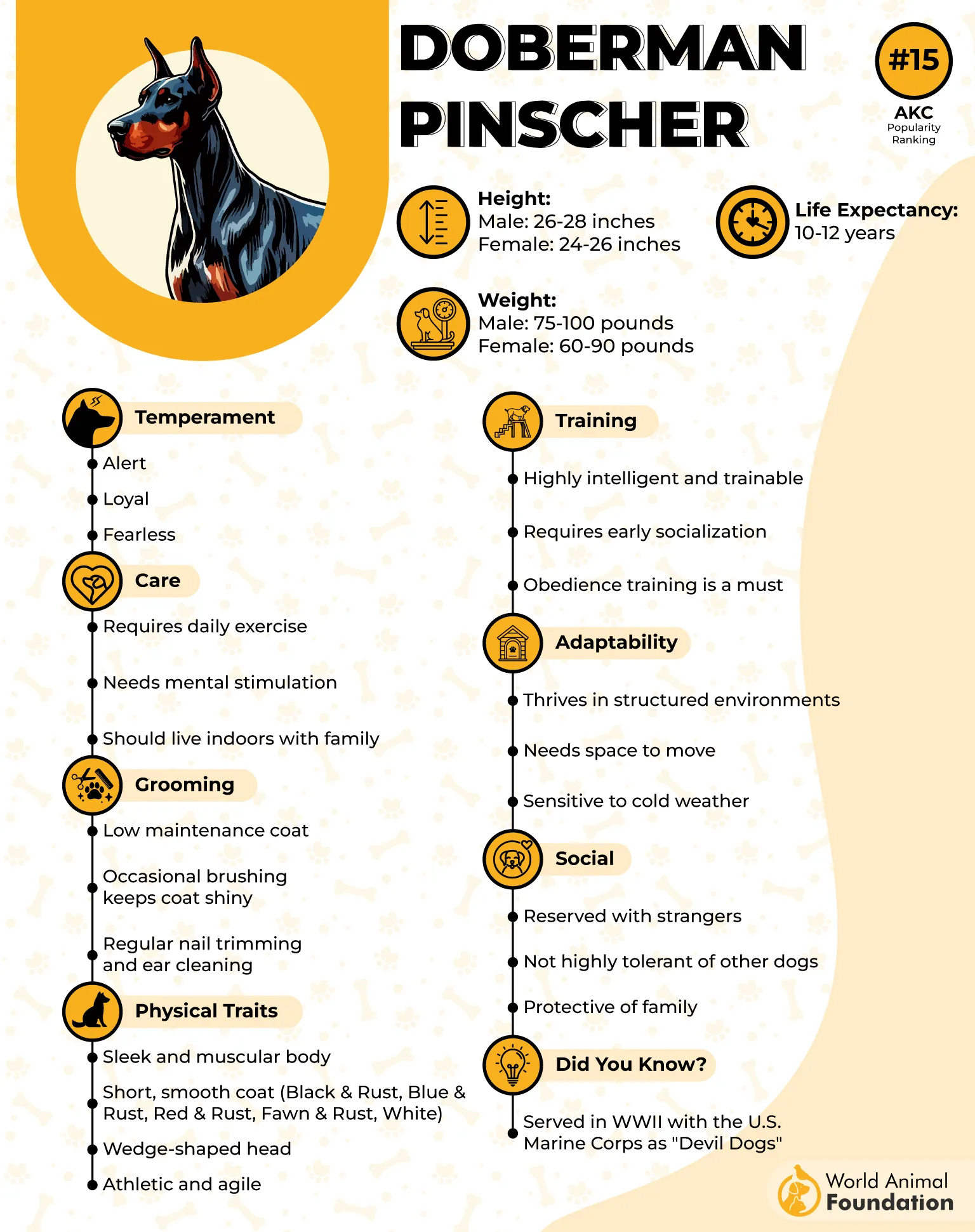
Beyond its impressive appearance, this breed is highly trainable and thrives when given consistent leadership, early socialization, and plenty of physical and mental exercise.
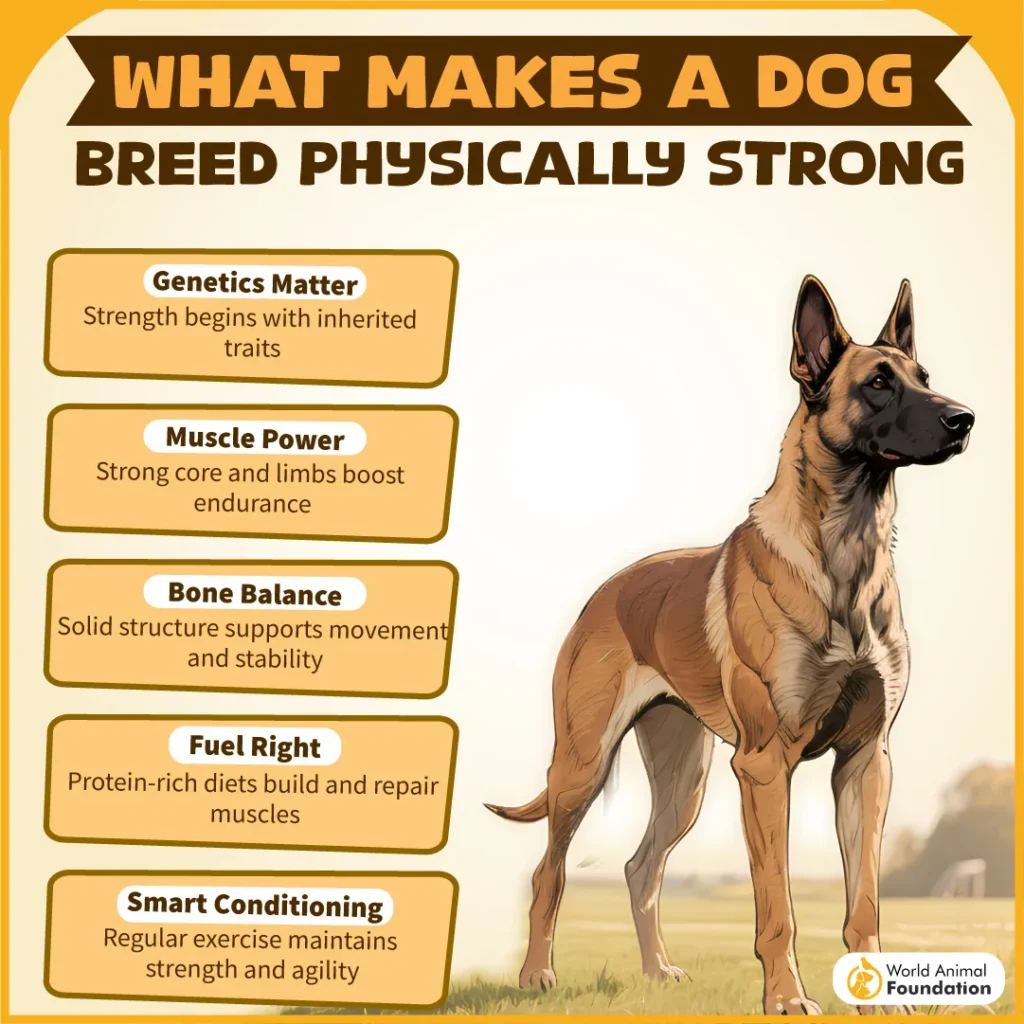
Despite its protective instincts, a well-bred and properly trained Doberman is affectionate with its family and forms deep, lasting bonds with its owners, as stated by BarkBusters.
Regular activity, responsible breeding, and routine health screenings contribute to the breed’s overall well-being. With the right guidance, the Doberman excels as a devoted companion, dependable guardian, and versatile working dog.
4. Boerboel
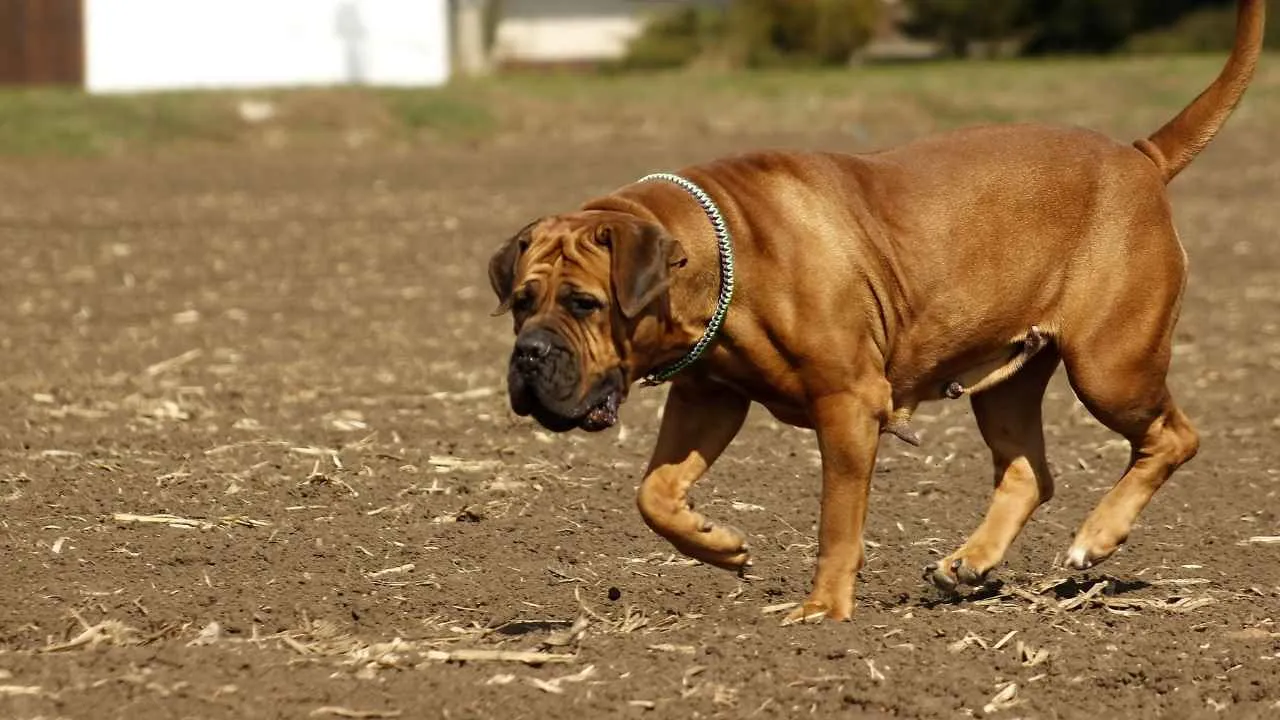
The Boerboel is a formidable working breed developed in South Africa during the 1600s to protect farms and families from large predators.
Its name, meaning “farm dog,” reflects its long history as a courageous guardian with exceptional strength and agility.
Standing 22 to 27 inches tall and weighing between 150 and 200 pounds, the Boerboel possesses a broad head, deep chest, and heavily muscled body that commands respect.
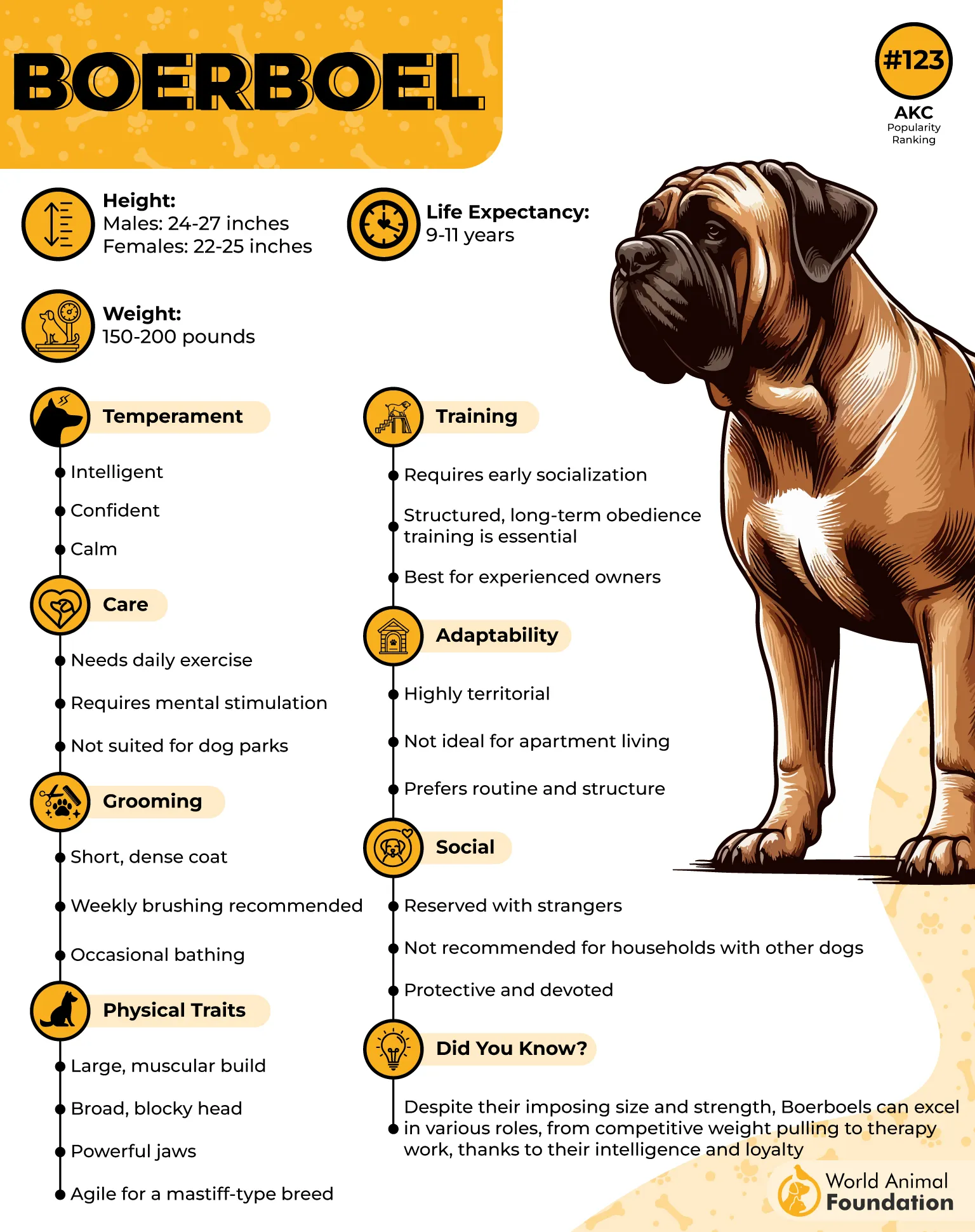
Despite its imposing appearance, this breed is deeply loyal, affectionate with its family, and capable of forming strong bonds when properly trained and socialized.
Intelligent yet independent, Boerboels need experienced owners who can provide firm, consistent leadership from an early age.
Their short, dense coat requires minimal grooming, while regular exercise and mental stimulation help keep them balanced and content.
Although generally healthy, they can be prone to bloat, joint disorders, heart disease, and certain eye conditions, making responsible breeding and routine veterinary care especially important.
5. Rottweiler
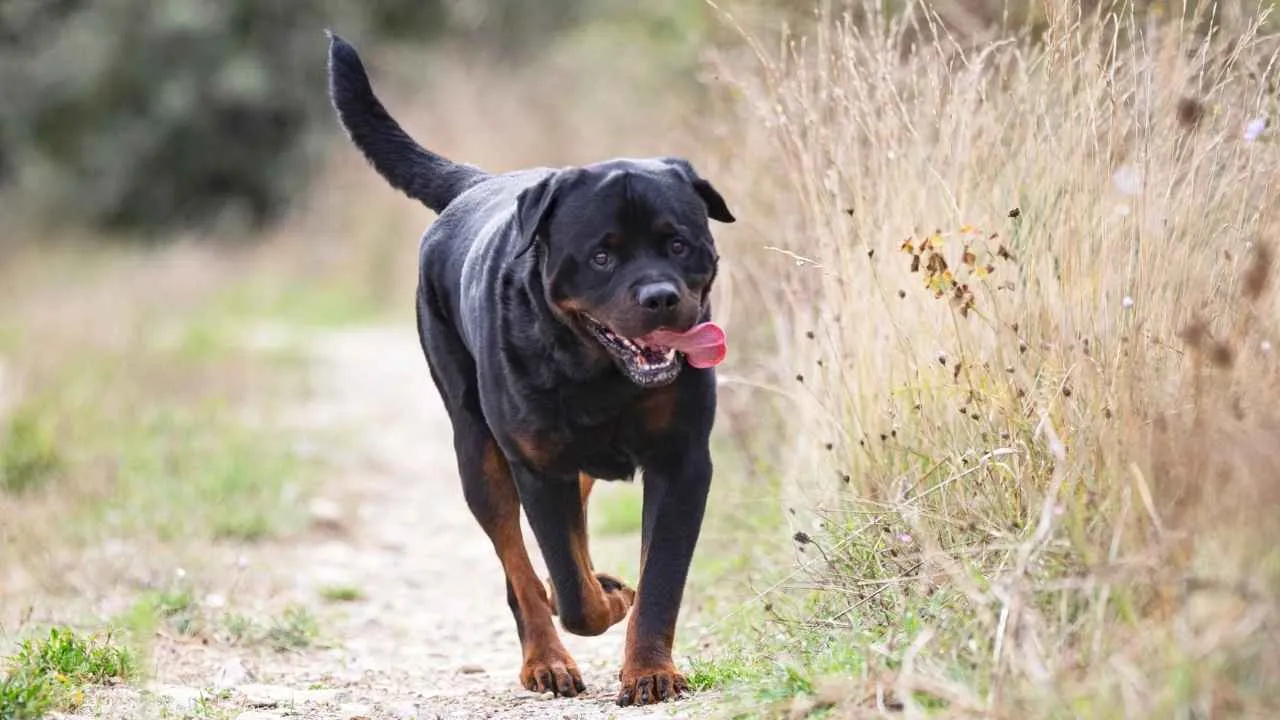
The Rottweiler is a powerful working breed whose history traces back to the Roman Empire, where its ancestors helped drive cattle alongside Roman legions before becoming established in Rottweil, Germany.
Over the centuries, this muscular breed has served as a cattle drover, guard dog, draft dog, police dog, guide dog, and search-and-rescue partner, showcasing remarkable strength, intelligence, and versatility.
Standing up to 27 inches tall and weighing over 110 pounds, the Rottweiler combines a broad, athletic build with confidence and endurance.
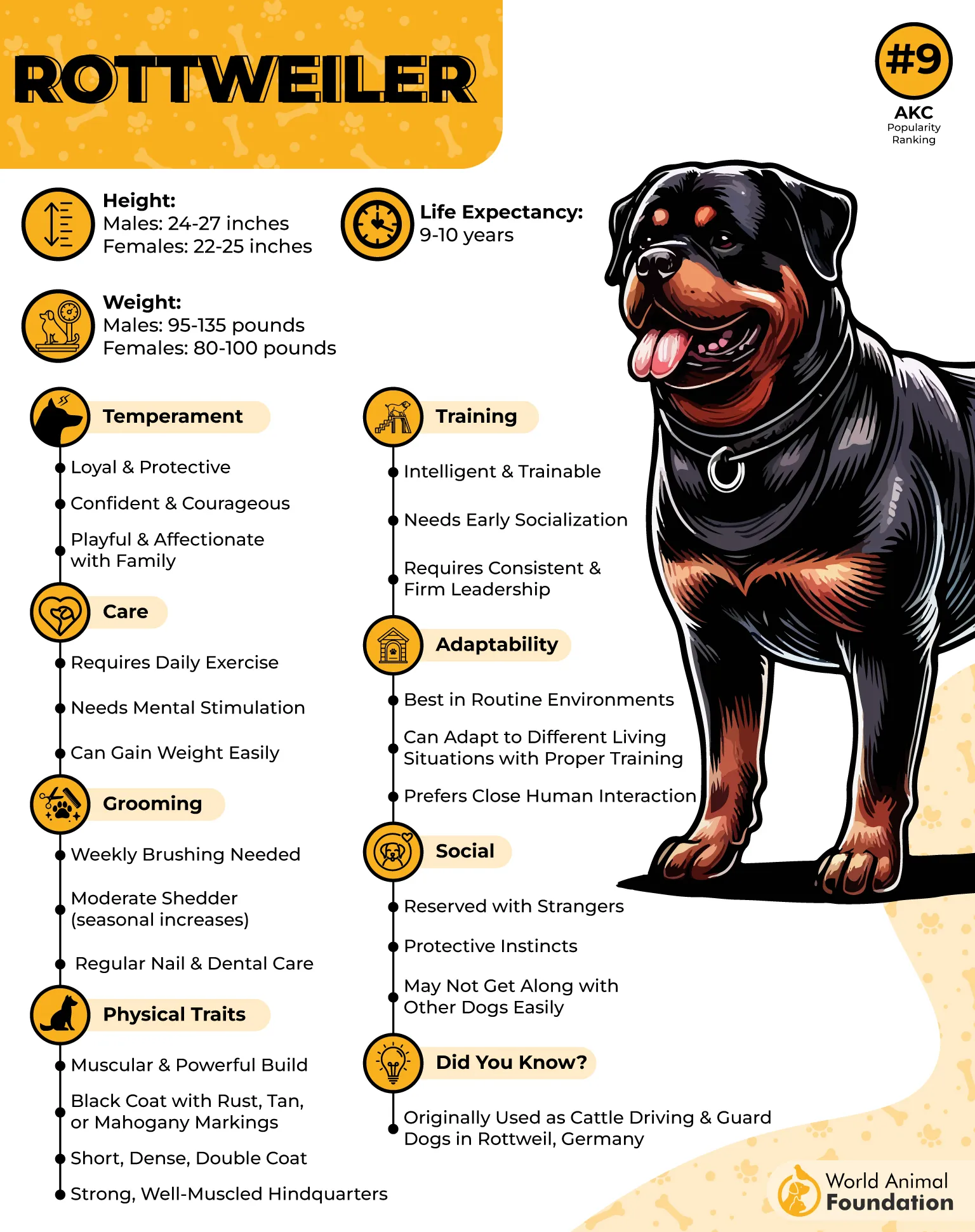
While naturally protective, a well-socialized Rottweiler is loyal, affectionate, and deeply devoted to its family, as explained by Greencross Vets.
Early training, consistent leadership, and regular mental and physical exercise are essential to help this intelligent breed thrive.
Its short double coat requires relatively simple grooming, while routine veterinary care is important because the breed can be predisposed to hip and elbow dysplasia, gastric torsion, eye disorders, and certain inherited health conditions.
6. Rhodesian Ridgeback
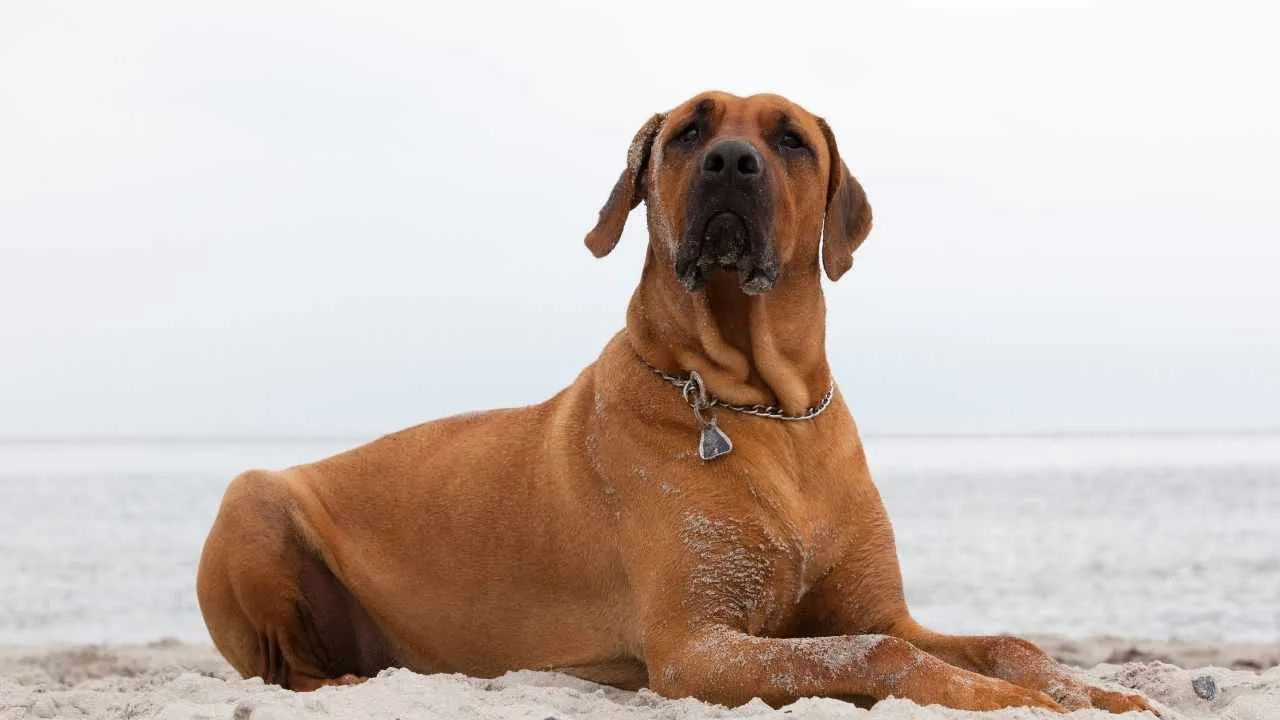
The Rhodesian Ridgeback is a powerful, athletic hound best known for the distinctive ridge of hair running along its back.
Originally developed in southern Africa to track large game, this breed combines strength, agility, and endurance with a calm, affectionate nature toward its family.
The Ridgeback is built for stamina and thrives in active households that can provide at least two hours of daily exercise.
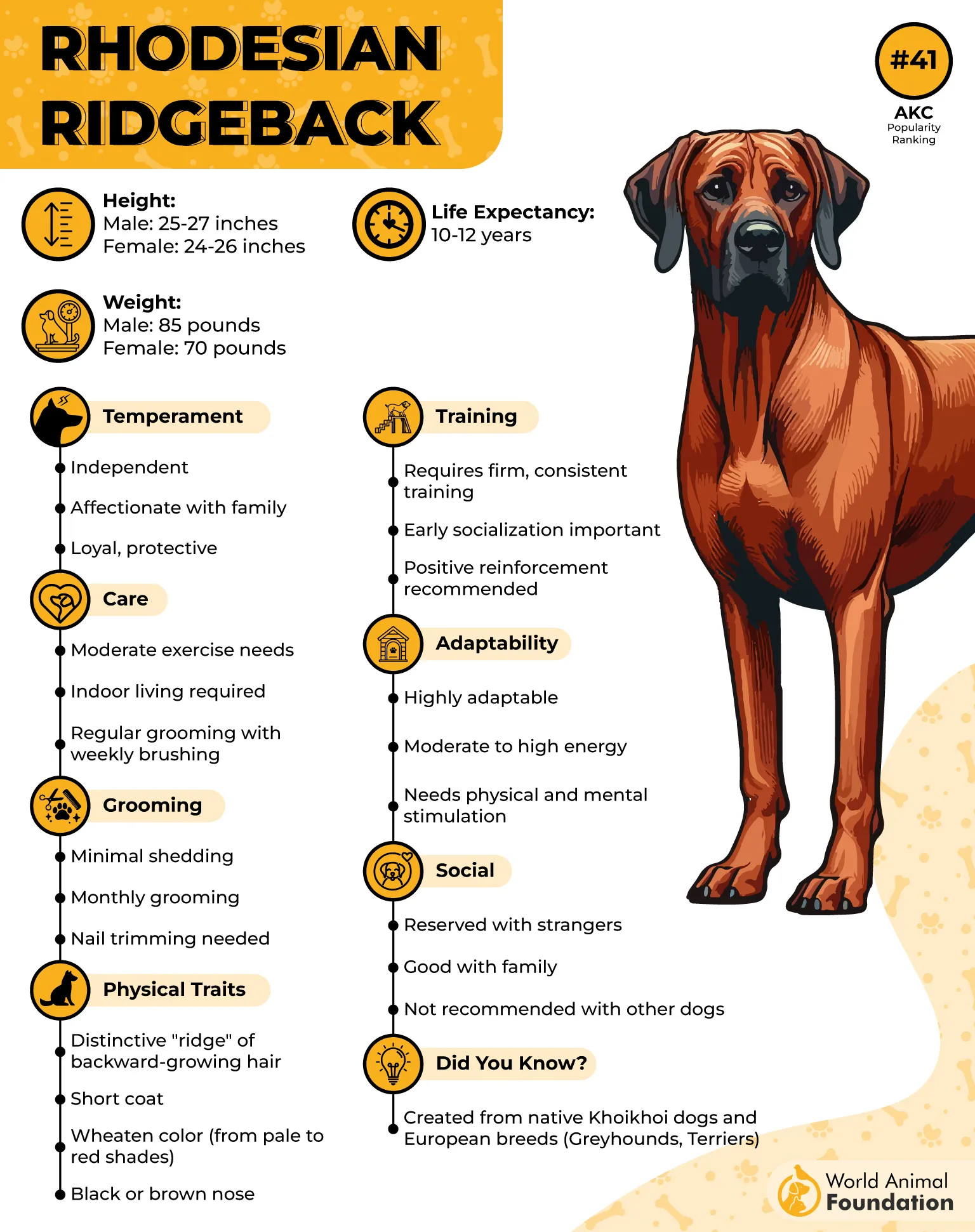
Highly intelligent yet independent, it responds best to experienced owners who use consistent, reward-based training and early socialization.
While naturally loyal and protective, Ridgebacks are often reserved around unfamiliar people and may have a strong prey drive.
Their short coat requires minimal grooming, with weekly brushing usually sufficient.
Like many large breeds, they can be prone to hip and elbow dysplasia, gastric dilatation-volvulus (GDV), hypothyroidism, dermoid sinus, epilepsy, and certain cancers, making responsible breeding and routine veterinary care essential.
7. German Shepherd
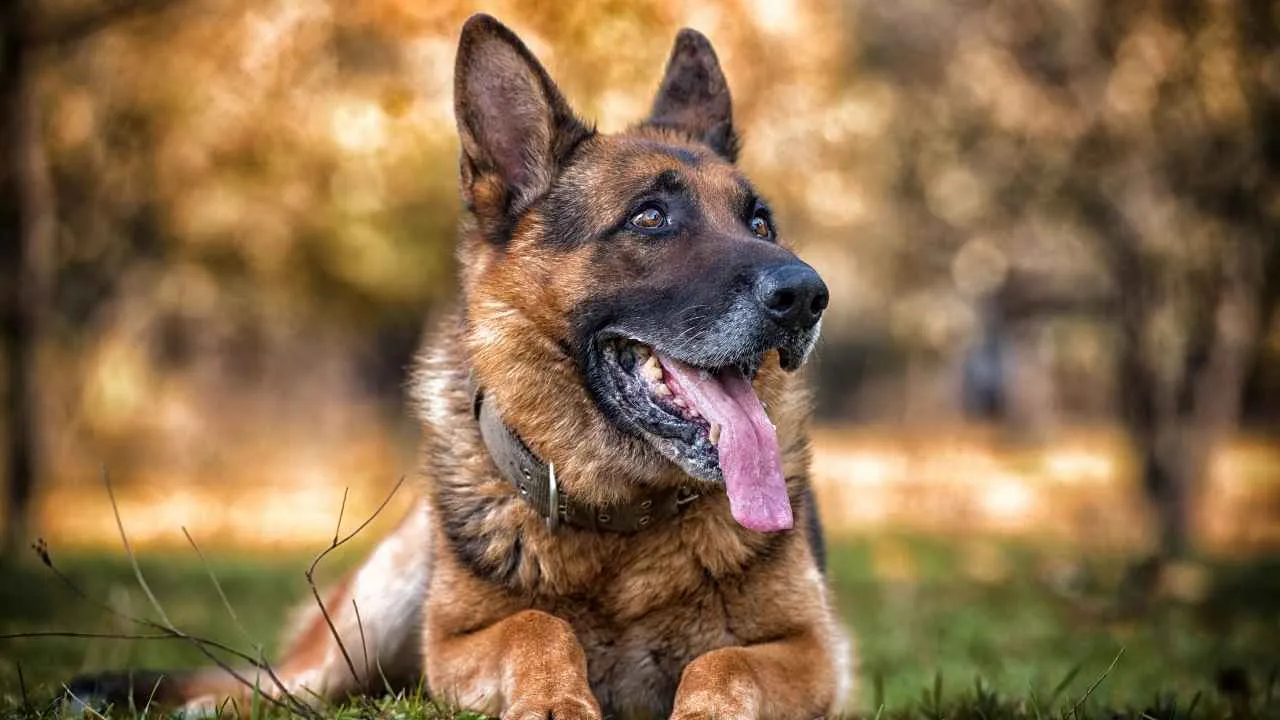
The German Shepherd is one of the world’s most respected working breeds, admired for its powerful physique, intelligence, and unwavering loyalty.
Originally developed in Germany for herding and protecting livestock, this athletic breed now excels in police work, military service, search and rescue, and assistance roles. The German Shepherd combines a lean, muscular build with exceptional agility and endurance.
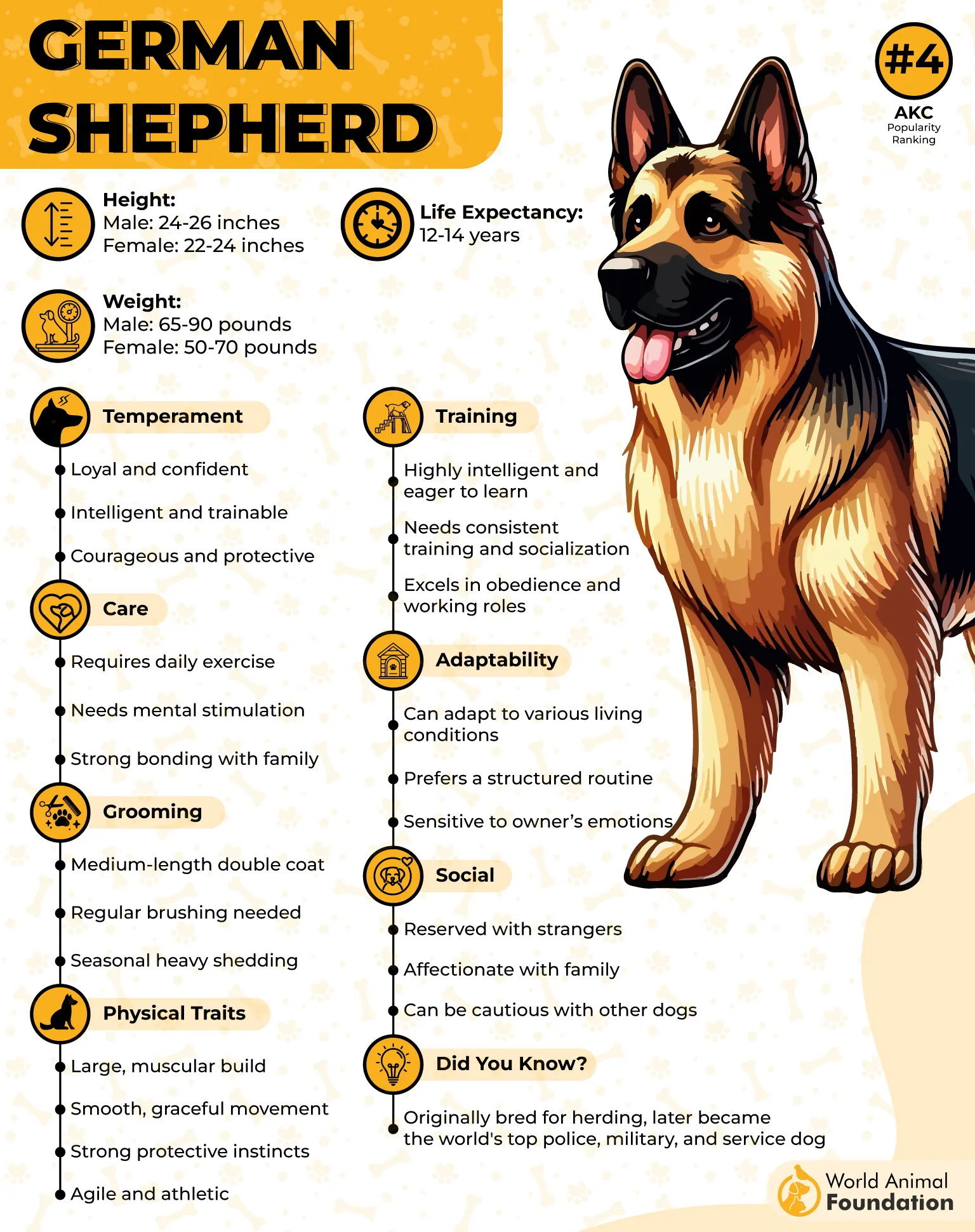
Highly trainable and eager to learn, it thrives with consistent guidance, early socialization, and ongoing mental and physical challenges. Adult German Shepherds typically require 1.5 to 2 hours of daily exercise to stay healthy and well-balanced.
Their protective instincts make them devoted family companions, though they are naturally reserved with strangers, according to Pawlicy Advisor.
Routine grooming, a balanced diet, and regular veterinary care are essential, as the breed can be predisposed to hip and elbow dysplasia, degenerative myelopathy, gastric dilatation-volvulus (GDV), and certain inherited conditions.
8. Estrela Mountain Dog
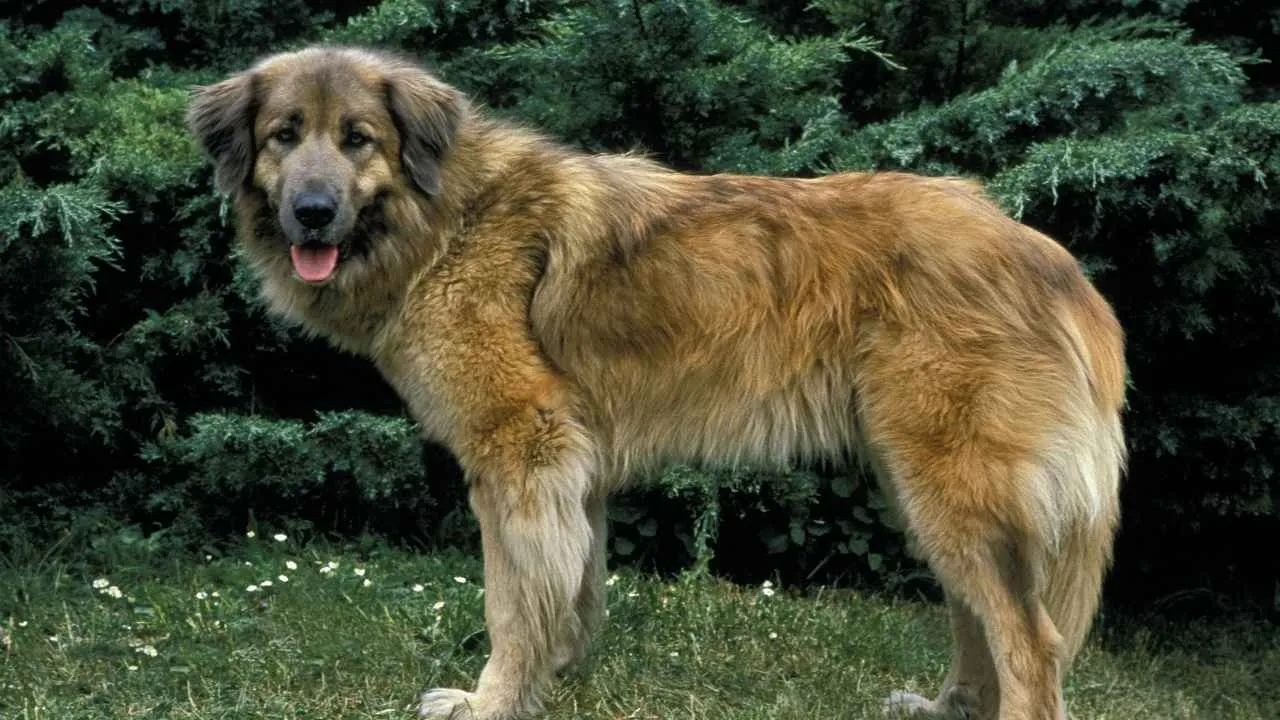
The Estrela Mountain Dog is a powerful and ancient guardian breed from Portugal’s rugged Estrela Mountains, where it spent centuries protecting livestock and homesteads from predators.
Known for its impressive size, strength, and fearless nature, this mastiff-type dog combines a muscular build with a calm and devoted personality. The Estrela has a commanding presence enhanced by its thick, weather-resistant coat and confident movement.
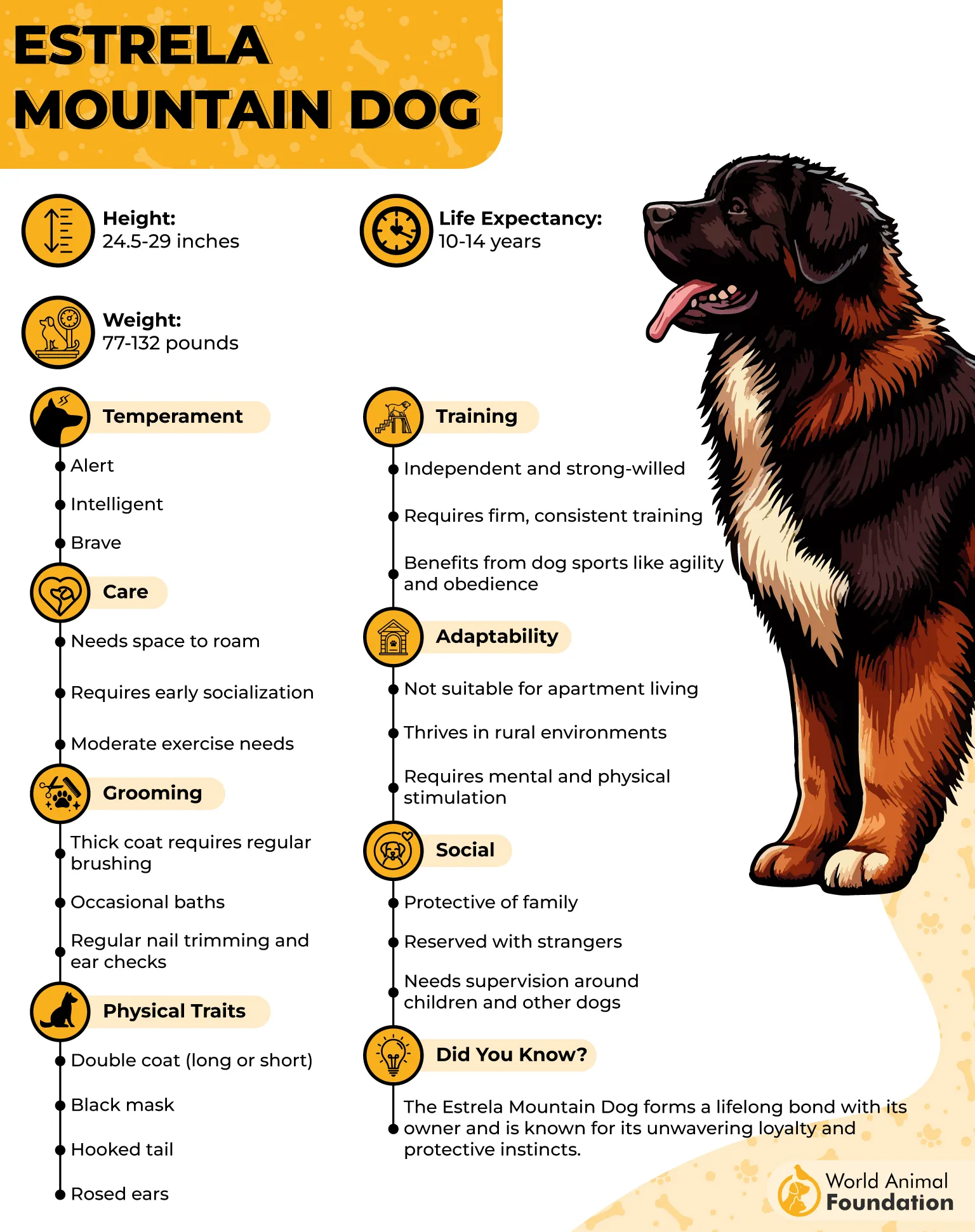
Despite its protective instincts, this breed is deeply loyal and affectionate toward its family, often forming strong bonds with those it trusts.
Intelligent and independent, the Estrela requires early socialization, consistent training, and experienced handling to develop into a well-balanced companion.
Its dense coat needs regular grooming, while daily exercise and mental stimulation help maintain its health and happiness.
Like many large breeds, it may be prone to hip dysplasia, elbow dysplasia, and gastric torsion, making responsible care essential.
9. Boxer
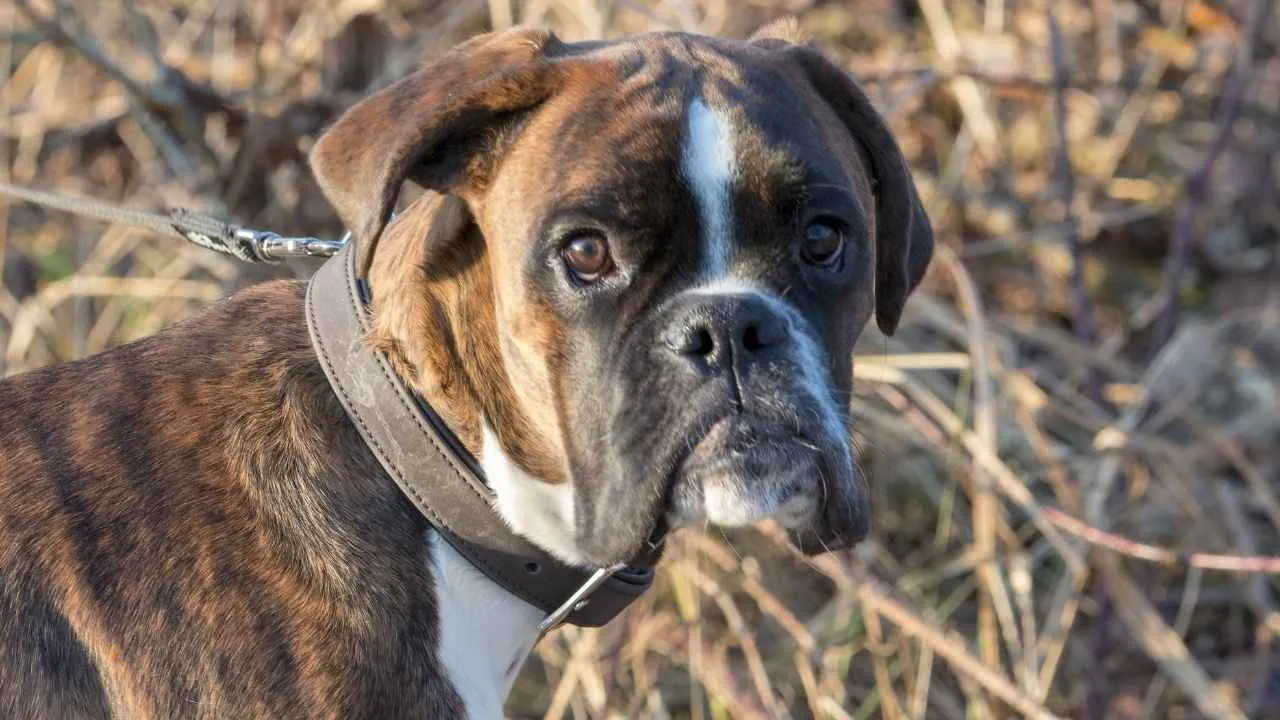
The Boxer is a muscular, athletic working breed celebrated for its strength, intelligence, and deep devotion to its family.
Developed in Germany from powerful hunting dogs used to hold large game, the modern Boxer has evolved into a versatile companion that excels as a guardian, service dog, search-and-rescue partner, and loyal family pet. The Boxer’s compact, well-defined physique combines power with remarkable agility.
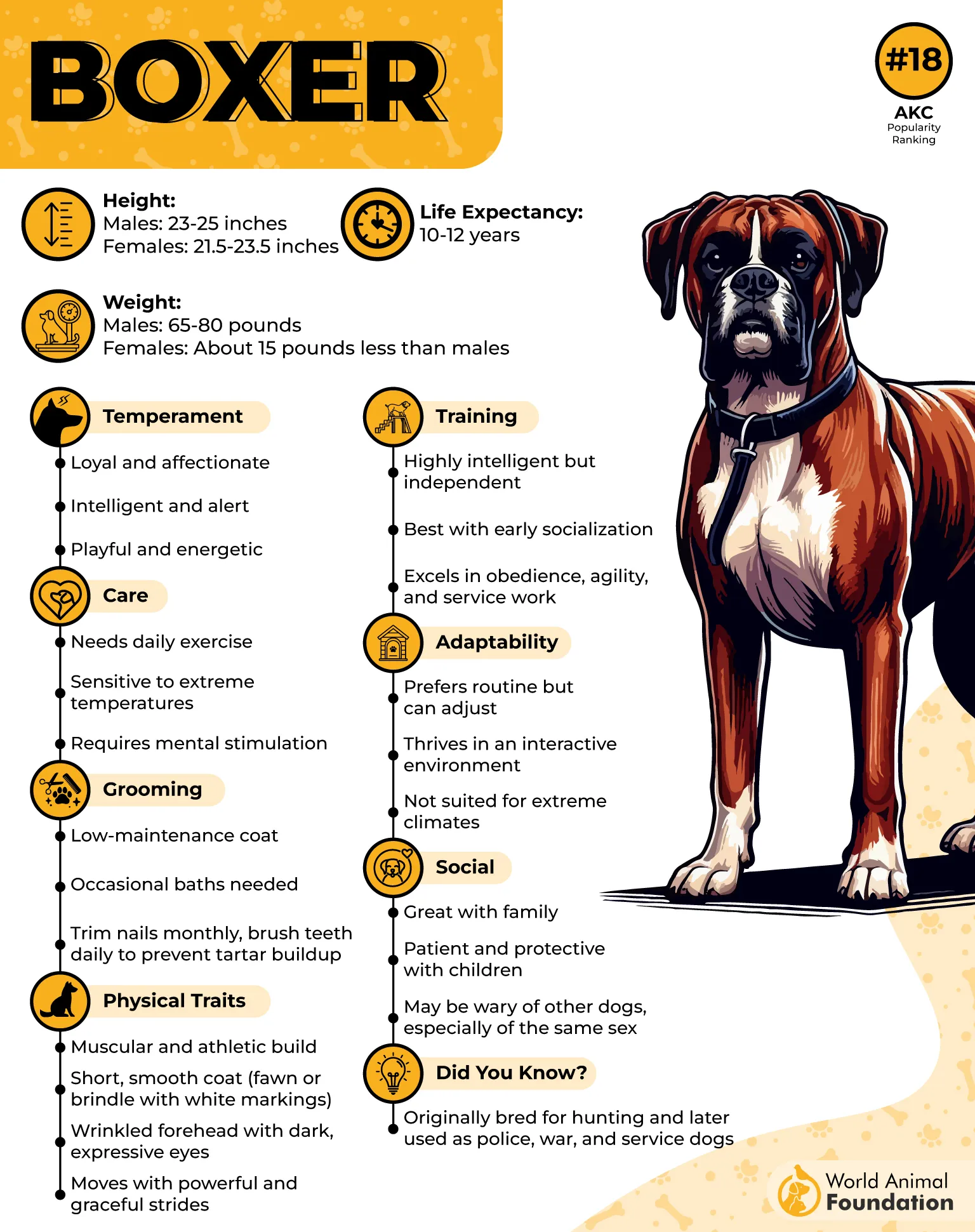
Its alert expression, square muzzle, and smooth coat give the breed a distinctive, confident appearance. Despite its impressive build, the Boxer is affectionate, especially with children, and forms strong bonds with its owners.
Highly intelligent and eager to work, it responds well to patient, consistent training and thrives when given both mental and physical challenges.
With its natural protective instincts, playful spirit, and dependable temperament, the Boxer remains one of the most versatile and admired working breeds.
Conclusion
A powerful physique is only one part of what makes these remarkable dog breeds truly exceptional.
From the dependable Rottweiler and courageous Boerboel to the agile Rhodesian Ridgeback and devoted Saint Bernard, each breed pairs impressive strength with unique qualities shaped by its history and purpose.
While their muscular builds allow them to excel as guardians, workers, or companions, responsible ownership is what helps these dogs reach their full potential.
Early socialization, consistent training, proper nutrition, regular exercise, and routine veterinary care are essential for maintaining both their physical health and balanced temperament.
These breeds thrive when their energy, intelligence, and loyalty are guided with patience and understanding. Choosing a powerful dog should never be based on appearance alone; it should also reflect your experience, lifestyle, and ability to meet the breed’s needs.
With the right care and commitment, these magnificent dogs become loyal companions whose strength is matched by their unwavering devotion.
