





Dogs and cats of the new era are friends, not foes!
In fact, breed tendencies can improve the chances of a peaceful match, but no breed arrives with a guaranteed feline-bestie certificate.
Age, past experiences, prey drive, energy level, training, and the cat’s confidence all influence whether the pair becomes close friends or simply respectful roommates. Even a famously gentle dog can overwhelm a shy cat if it charges into the first meeting like an unpaid party host.
Proper introductions usually begin with separate spaces, scent swapping, controlled visual contact, and short supervised meetings. The cat should have high resting places and an open escape route, while the dog should be rewarded for staying relaxed instead of staring, lunging, or chasing.
Let’s talk about the top dog breeds that pair seamlessly with cats in multi-pet households.
Top Dog Breeds That Pair Seamlessly With Cats
1. Golden Retriever
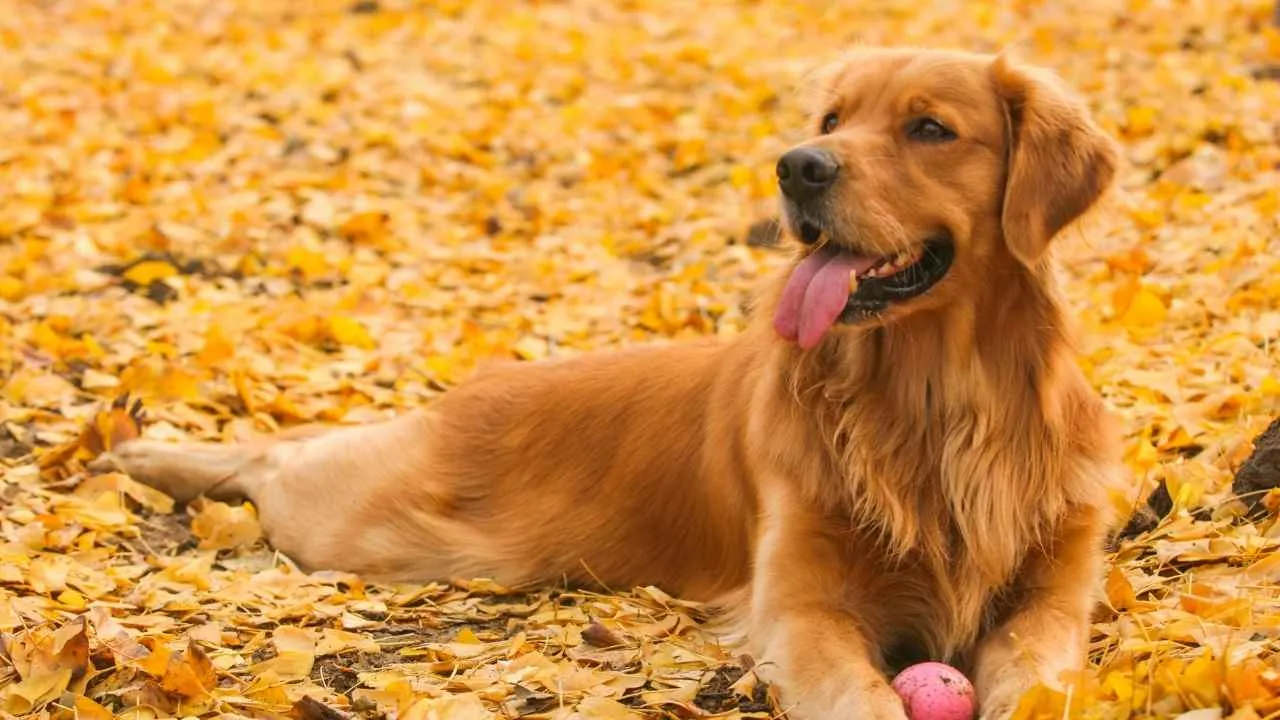
Golden Retrievers bring warm, friendly energy into almost every room they enter. Their affectionate nature often extends to children, visitors, other dogs, and household cats, especially when they grow up around a variety of animals.
Although Goldens were developed as sporting dogs, their traditional role involved retrieving game carefully rather than attacking it. That cooperative background helped produce dogs that often enjoy following human guidance and carrying objects with their mouths under control.
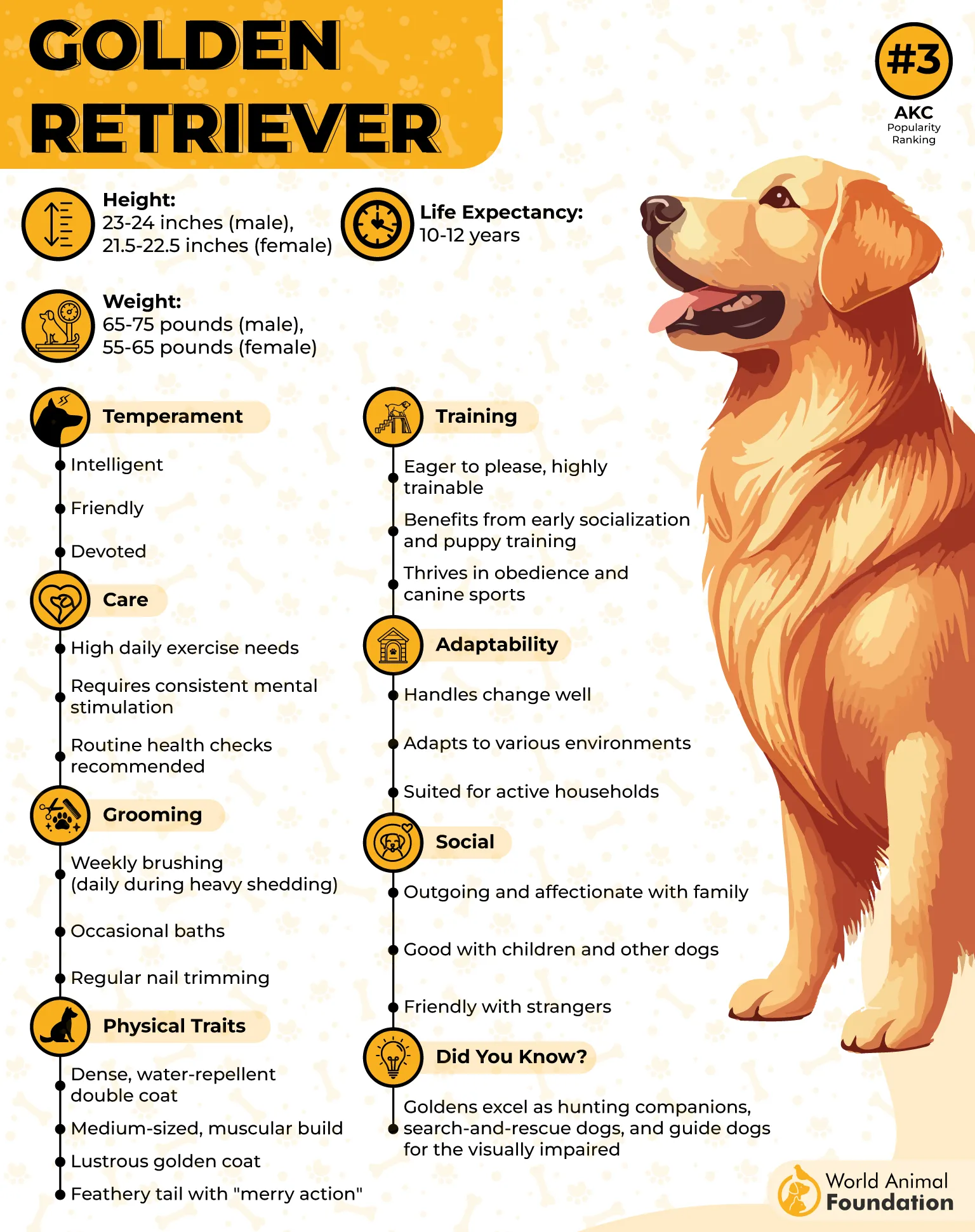
With patient training, a Golden can learn that the cat is a family member rather than something to chase whenever it performs a surprise hallway sprint.
A Golden-cat friendship often has hilarious older-sibling energy. The dog may follow the cat around hoping for attention, while the cat steals the best part of the bed and behaves as though this arrangement was legally agreed upon.
2. Labrador Retriever

Labrador Retrievers rarely enter a household with plans to remain mysterious and distant. They are usually outgoing, affectionate, and eager to include every available creature in their social circle.
Labs are sporting dogs with energy, a strong retrieving instinct, and a strong interest in carrying whatever object is available. A cat toy, slipper, sock, or unidentified household item may therefore become part of the dog’s personal collection.
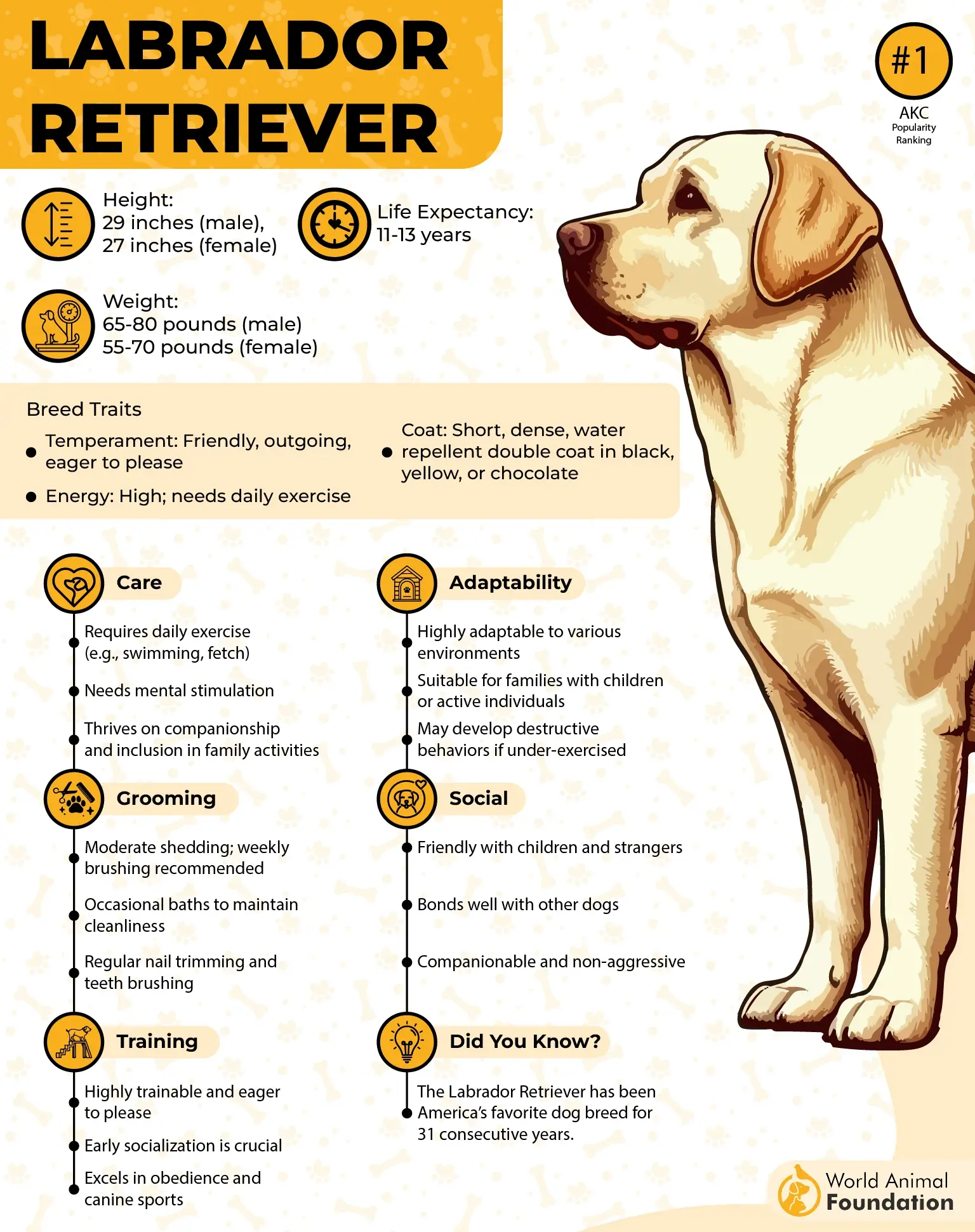
Food motivation can be a major advantage when teaching a Labrador to behave politely around a feline roommate during the introduction. Reward the dog for seeing the cat and turning back toward you, settling on a mat, or allowing the cat to pass without following.
The first meeting should be controlled because a happy Lab may rush forward without understanding how frightening that feels to a smaller animal. Once comfortable, Labs and the feline companions can create a delightfully chaotic partnership.
3. Basset Hound
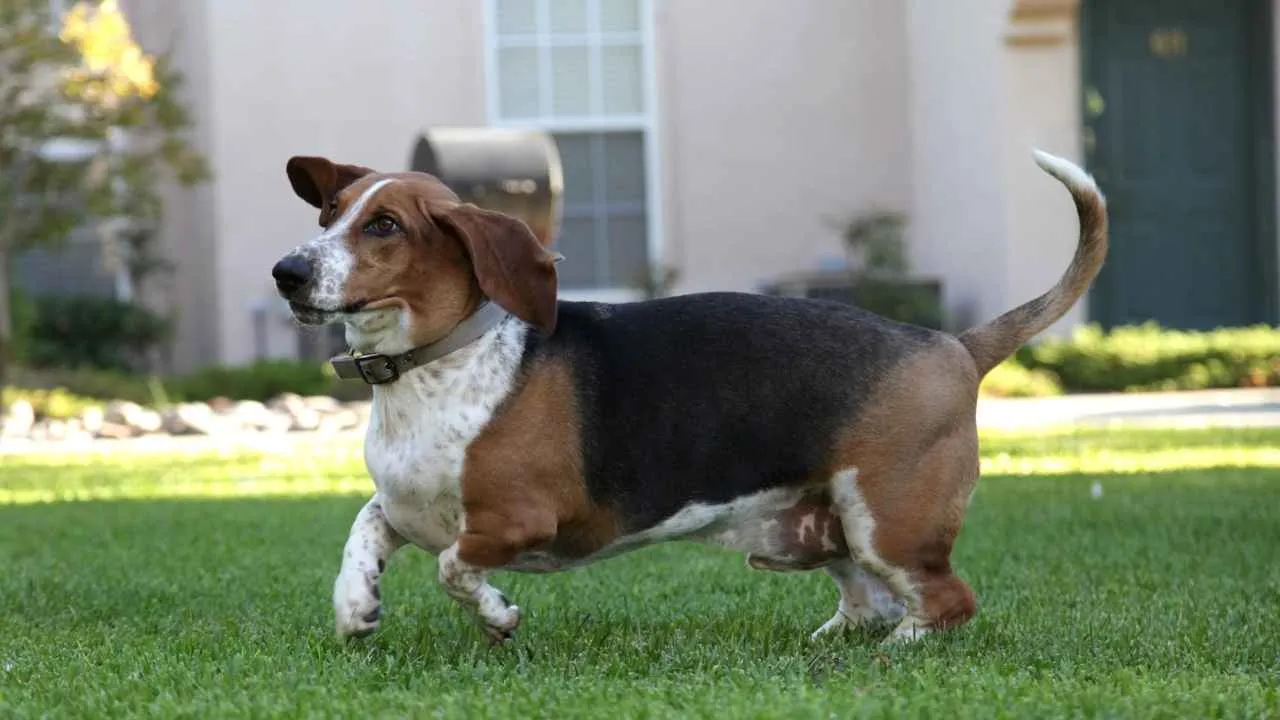
The Basset Hound offers a much slower style of interspecies friendship. Its short legs, heavy body, patient nature, and generally low-key movement may feel less alarming to a cat than the arrival of a fast, spring-loaded dog.
These hound dogs are scent detectors, which means the cat itself may not be the most fascinating part of the situation. The cat’s food, blanket, paws, litter area, and recently occupied chair can all become important evidence in an investigation led by one extremely committed nose.

A Basset-cat relationship often revolves around shared relaxation. Both pets may spend hours on nearby cushions, moving only when the sunlight shifts, or someone opens the refrigerator. Their version of bonding may not involve dramatic wrestling, but peaceful silence and synchronized napping are still major achievements in friendship.
The American Kennel Club includes Basset Hounds among breeds likely to coexist well with cats because of their sociable pack background and calm personality.
4. Bichon Frise
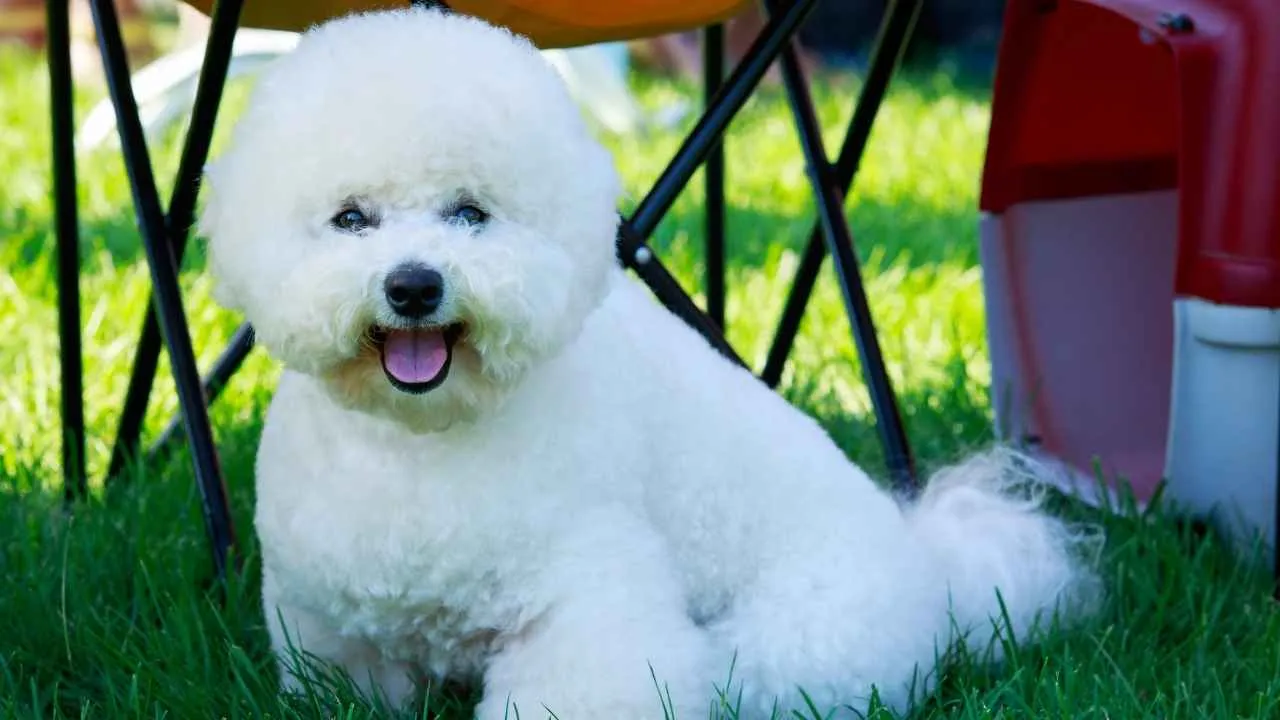
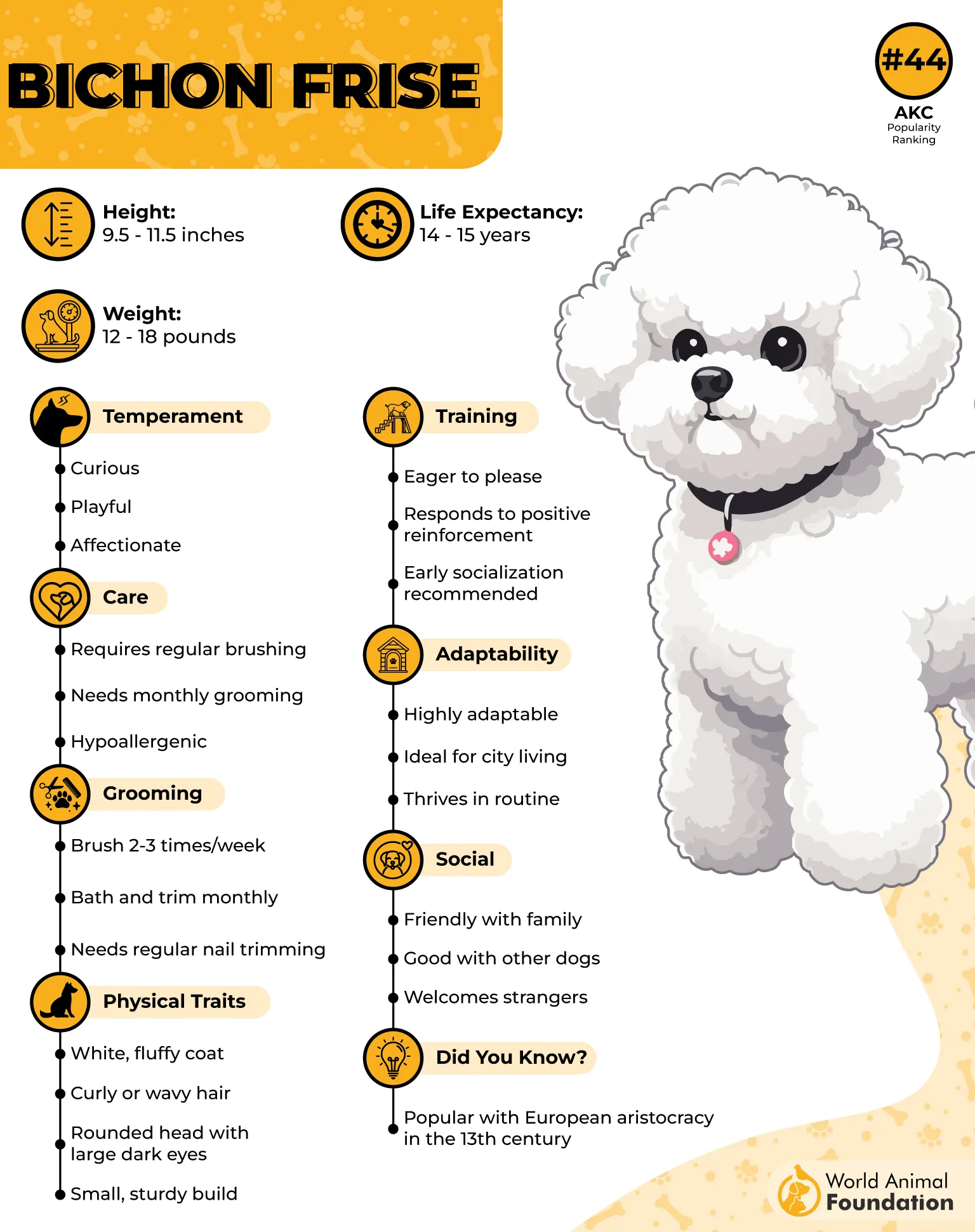
The Bichon Frise is a cheerful little cloud that often approaches life as though every creature might become a new friend. Bichons are playful, sociable, affectionate, and sturdy enough to join gentle games without being an extremely fragile toy dog.
Their small size can make early meetings less visually intimidating for a confident cat. Petplan also describes the breed as curious, peppy, adaptable, and more interested in friendship than conflict.
The dog often offers a cheerful invitation, while the cat decides whether the activity receives approval or is canceled immediately. When the mood is right, their games can look like two fluffy siblings producing a low-budget action movie in the living room.
That bright personality can become too much for a cat that values privacy above all else. Owners should interrupt repeated barking, pawing, chasing, or attempts to follow the cat into every hiding place. Play is healthy only when both animals return voluntarily, exchange roles, and walk away without being pursued.
5. Beagle
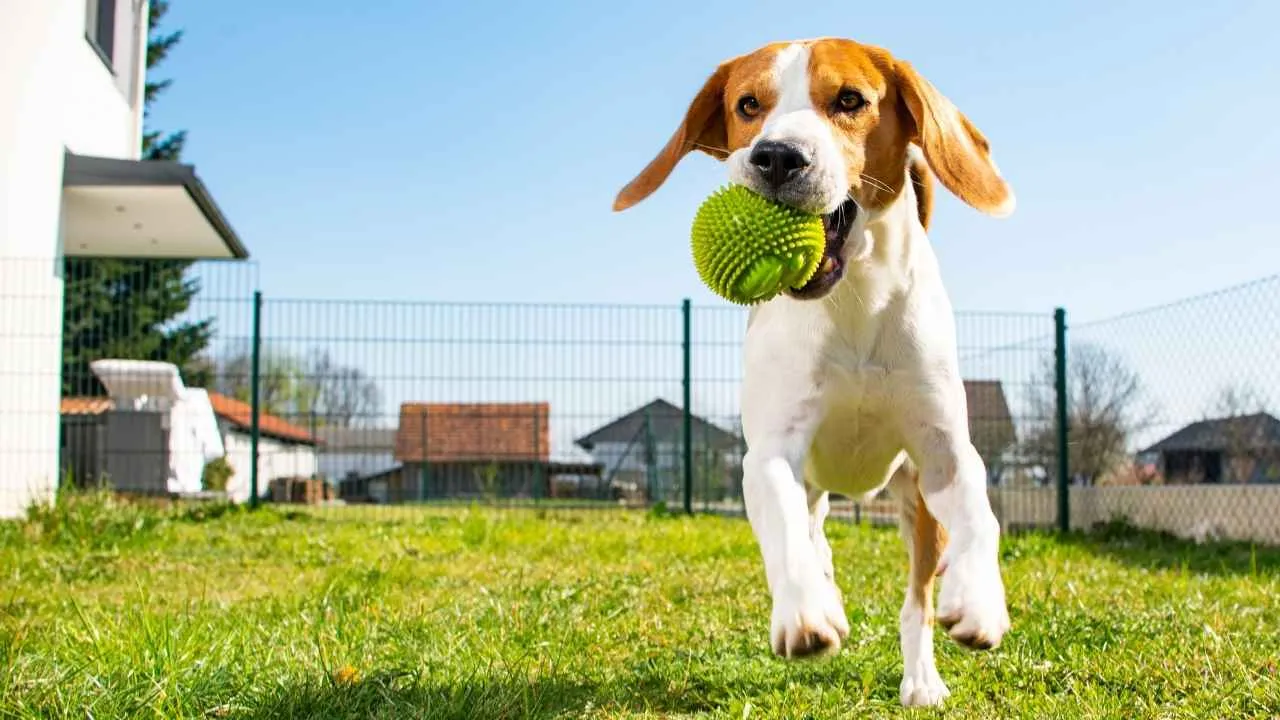
Beagles were bred to work with other dogs, according to The Royal Kennel Club, giving them a naturally social, pack-oriented background. This can help them accept a cat as part of the household group instead of viewing every animal as an outsider.
The Beagle’s nose will almost certainly become involved in the relationship. Cat beds, toys, food bowls, scratching posts, and recently occupied boxes may all require a full scent inspection. This is usually curiosity rather than hostility, but the cat may not appreciate having its private belongings reviewed by a canine detective.

Some Beagles have enough chase instinct to become overexcited when a cat runs. Early leash management, recall training, redirection, and rewards for calm observation are therefore essential.
When the match works, the pair may create high-quality sibling comedy. The cat can launch ambushes from behind furniture, while the Beagle responds with dramatic sniffing and a short chase that ends when both animals lose interest.
6. Maltese

The Maltese was developed primarily as a companion, not as a large hunting or guarding dog. Its tiny size, playful charm, adaptable personality, and strong interest in human company can make it a promising choice for a cat-friendly home.
A calm cat may initially find the Maltese less physically intimidating than a much larger breed. Both animals can move easily through a smaller home, claim elevated cushions, and compete for the warmest available lap.
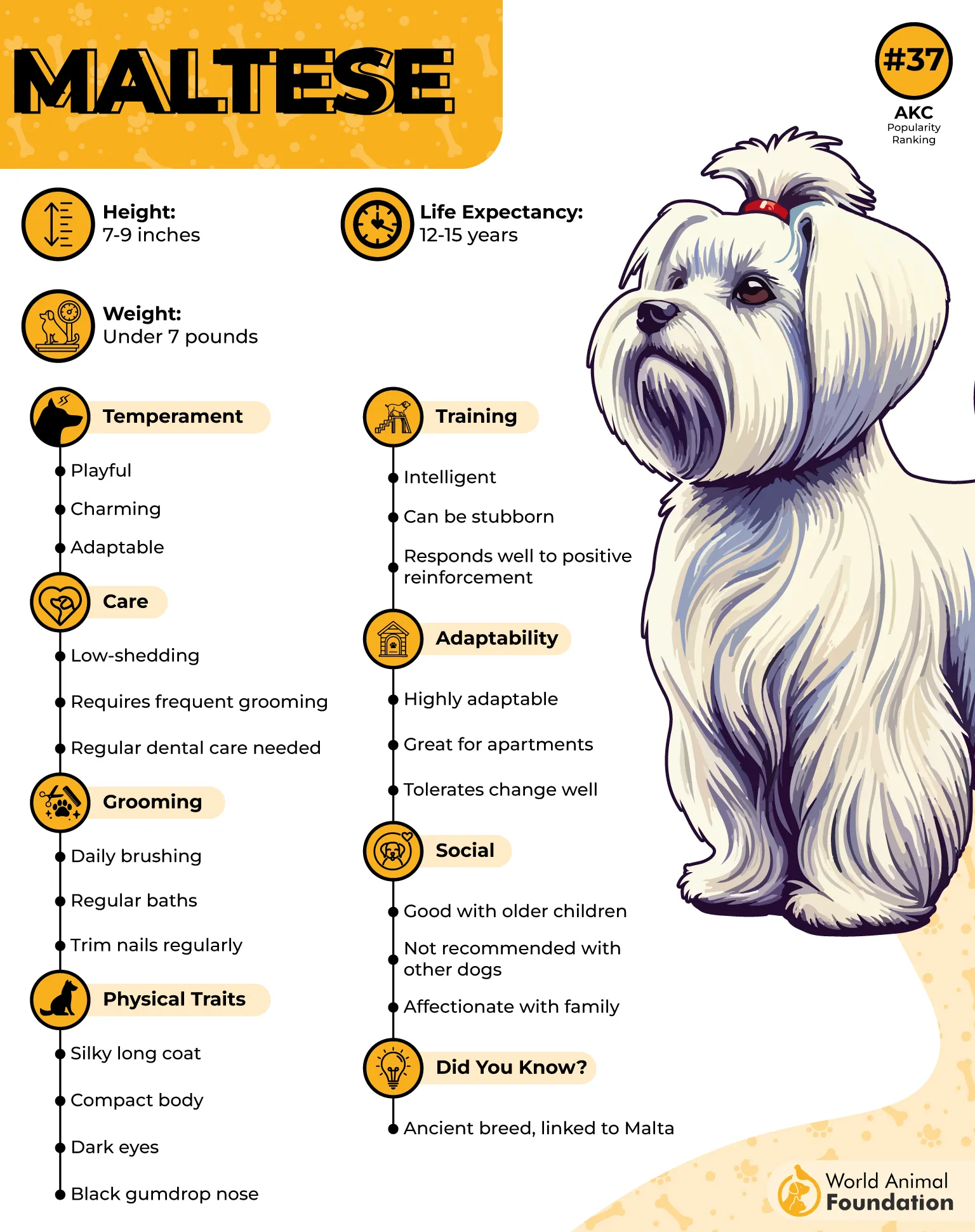
These small dogs can be lively and fearless, so owners should not assume that small automatically means quiet. An excitable individual may bark at, follow, or repeatedly invite the feline friends to play even after the invitation has been declined.
Their fun moments may include gentle toy games, short indoor chases, or joint supervision of whatever their human is doing. A Maltese may curl beside the cat on a blanket, while the cat treats the silky white coat as part companion and part heated furnishing.
7. Papillon
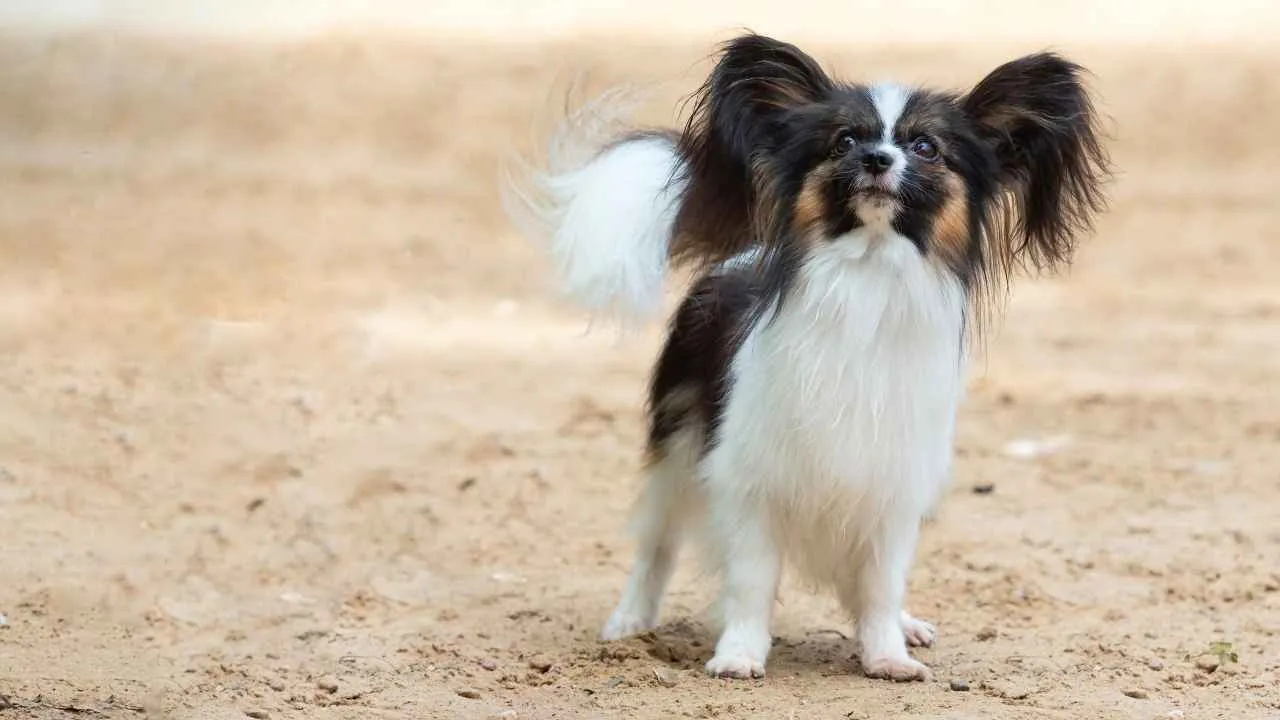
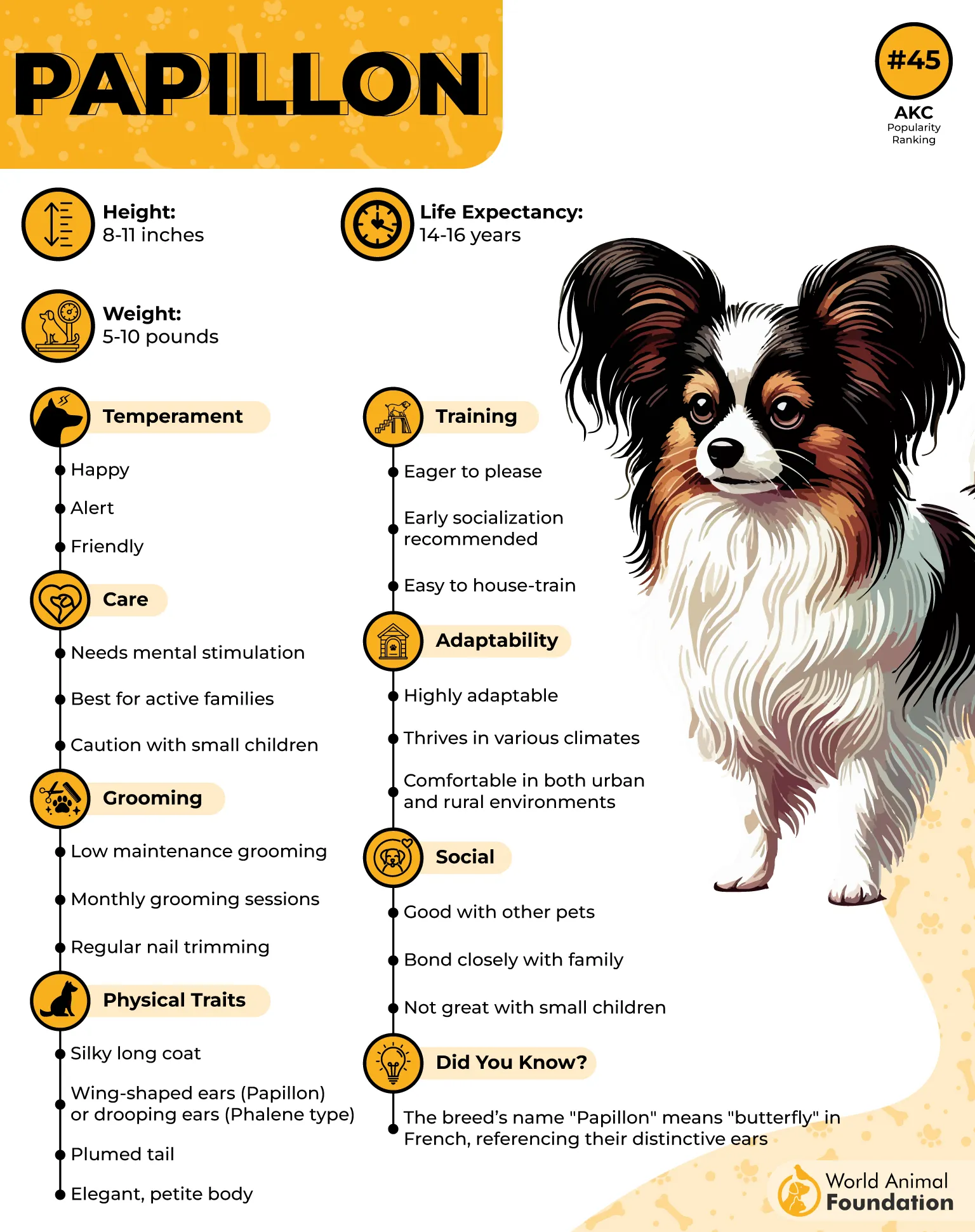
The Papillon may look delicate, but underneath those butterfly-shaped ears is a lively and athletic little dog. Papillons are commonly described as happy, alert, friendly, quick, and curious, giving them enough confidence to interact with a sociable cat.
Their small body can help a cat feel less physically overwhelmed, but their fast movement may still activate a cautious feline’s emergency settings. Papillons enjoy running, learning tricks, climbing onto furniture, and investigating changes around the home.
This pair can develop an impressively playful relationship. The cat may hide around a corner and pounce, while the Papillon responds with a quick spin before racing toward the next room. Because both animals can be light, agile, and clever, their games may look like a tiny obstacle course nobody remembers approving.
Papillons are highly trainable, which makes impulse-control work both practical and enjoyable. Teach the dog to pause, return when called, wait at doorways, and settle on a mat while the cat crosses the room.
8. Pug
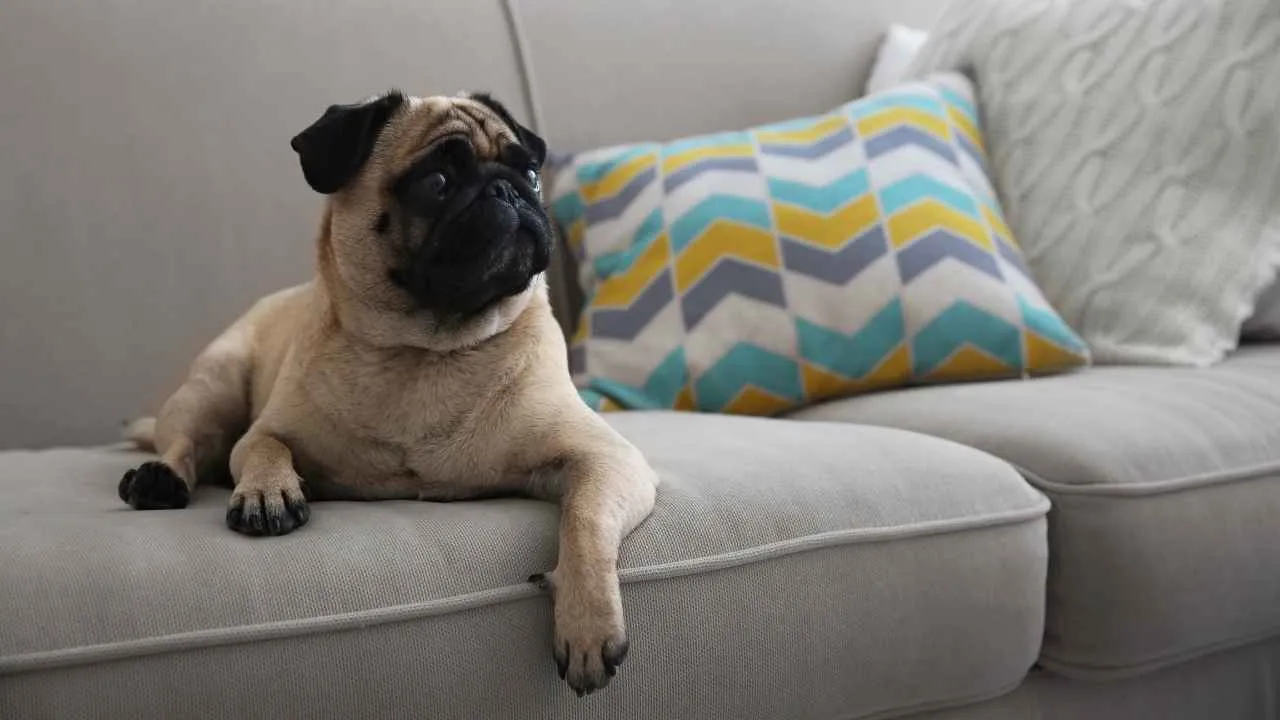
Pugs were bred as companion animals, so their historic career involved staying close to people rather than chasing game across open land. That background can support a more relaxed attitude toward household cats, especially when the dog meets felines during early socialization.
This compact size creates a solid little dog that can participate in household activity without towering over the cat. Pugs are typically affectionate and people-focused, bringing more cuddle energy than serious hunting ambition.
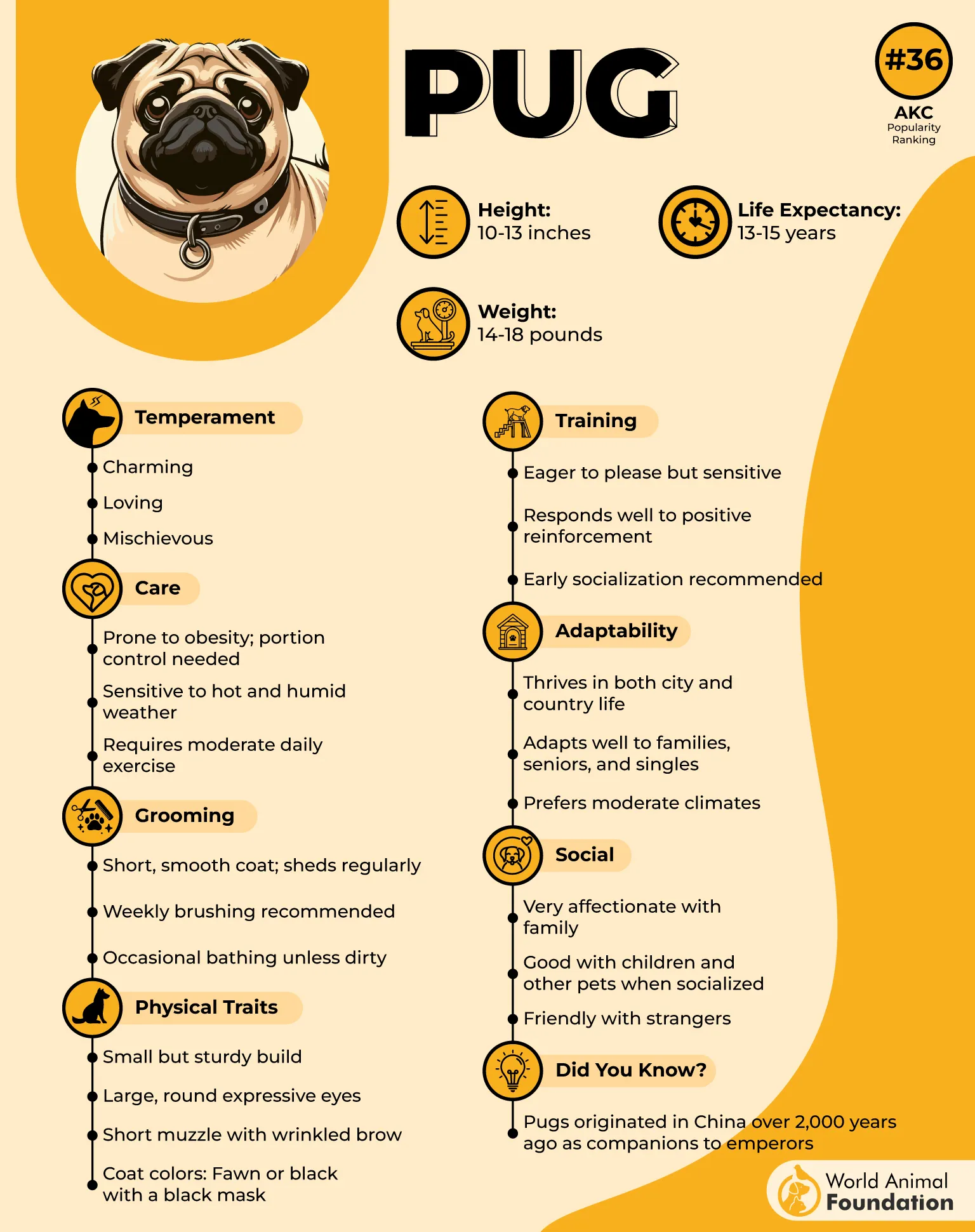
A Pug-cat friendship may be built almost entirely around comfort. Both pets can become experts at locating sunbeams, soft blankets, warm laundry, and the precise spot where their human intended to sit.
Play sessions often involve brief chases, toy inspections, and gentle paw taps followed by immediate rest. The cat may jump onto a high surface when it wants a break, while the Pug remains below looking personally betrayed by the loss of entertainment.
9. Cavalier King Charles Spaniel
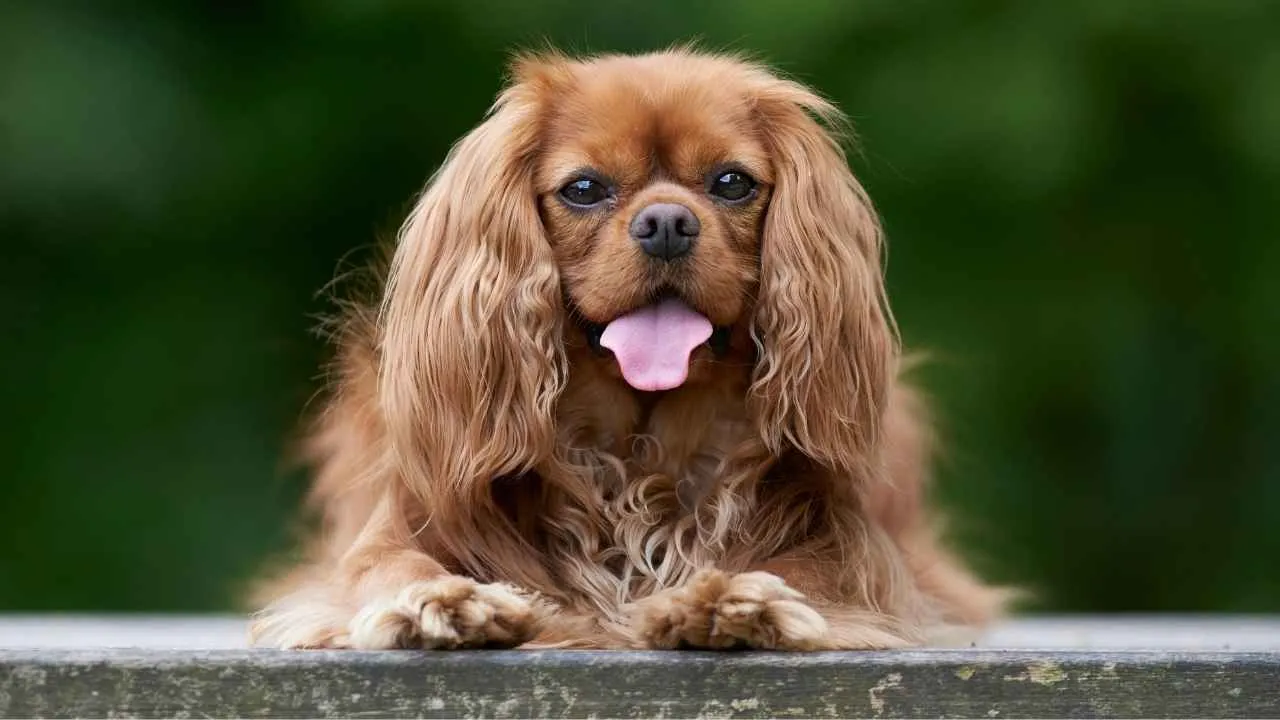
The Cavalier King Charles Spaniel was created to be an affectionate companion and still approaches family life with a soft, social personality. Cavaliers are often gentle, adaptable, and interested in the company of both people and other animals.
Their manageable size and calm indoor manners can make them less overwhelming than a larger, more forceful dog. A confident cat may feel comfortable sharing a sofa, following the Cavalier through the house, or sleeping beside its long, silky ears.
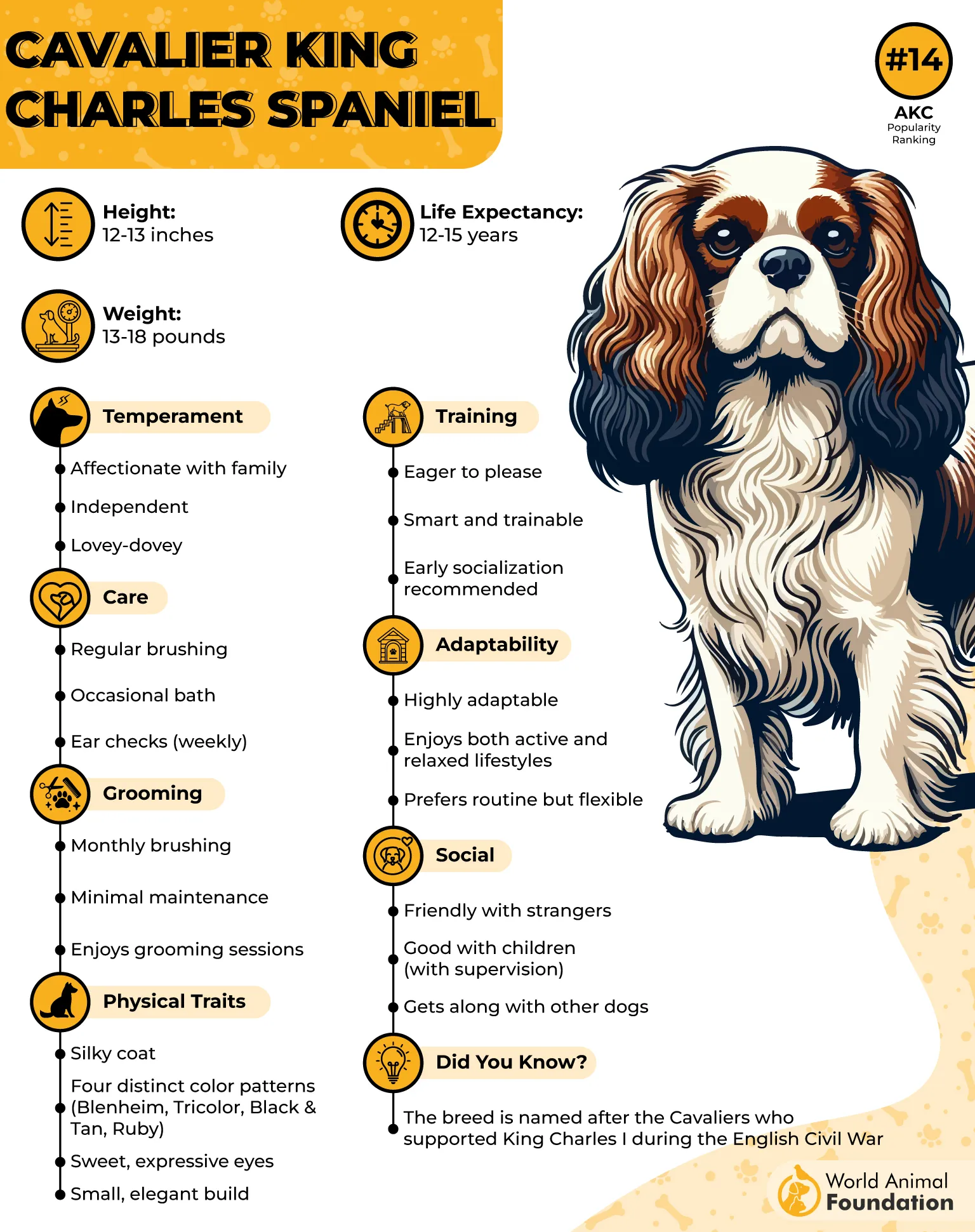
These furry friends still carry spaniel instincts, so some individuals may chase when a cat darts suddenly across the room. Early training should focus on recall, disengagement, calm watching, and rewarding the dog for remaining settled during quick feline movement.
Their playful relationship tends to be sweet rather than highly competitive. A Cavalier may gently follow the cat, join a short chase, or wait nearby while the feline explores a box that the dog is clearly too polite to claim first.
Later, the pair may sleep together, consistent with broader research findings that physical proximity is common in peaceful mixed-pet homes.
10. Miniature Poodle
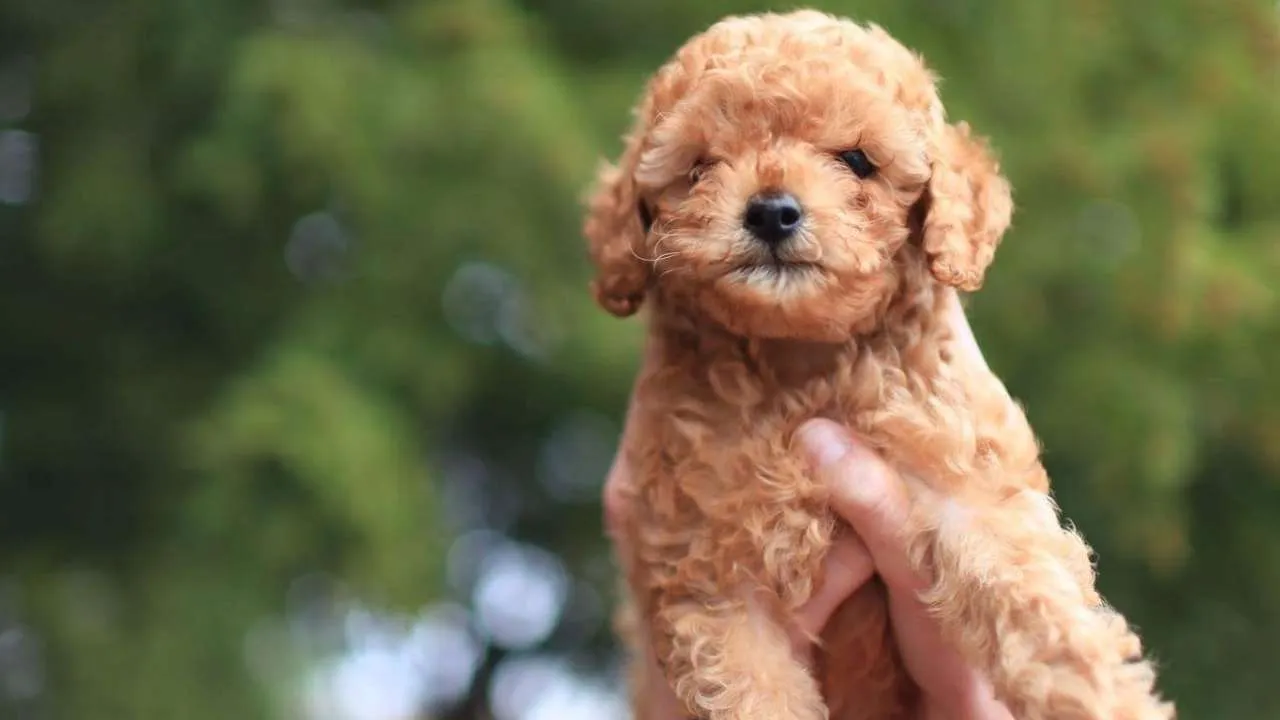
The Miniature Poodle brings intelligence, athletic ability, and serious problem-solving talent into a cat household. These dogs are active, proud, people-oriented, and famously quick to learn, which helps owners establish clear boundaries around a feline roommate.
Their trainability is one of their greatest advantages in a multi-pet home. A Miniature Poodle can learn to wait while the cat eats, return when called, leave feline toys alone, and settle during sudden cat zoomies.
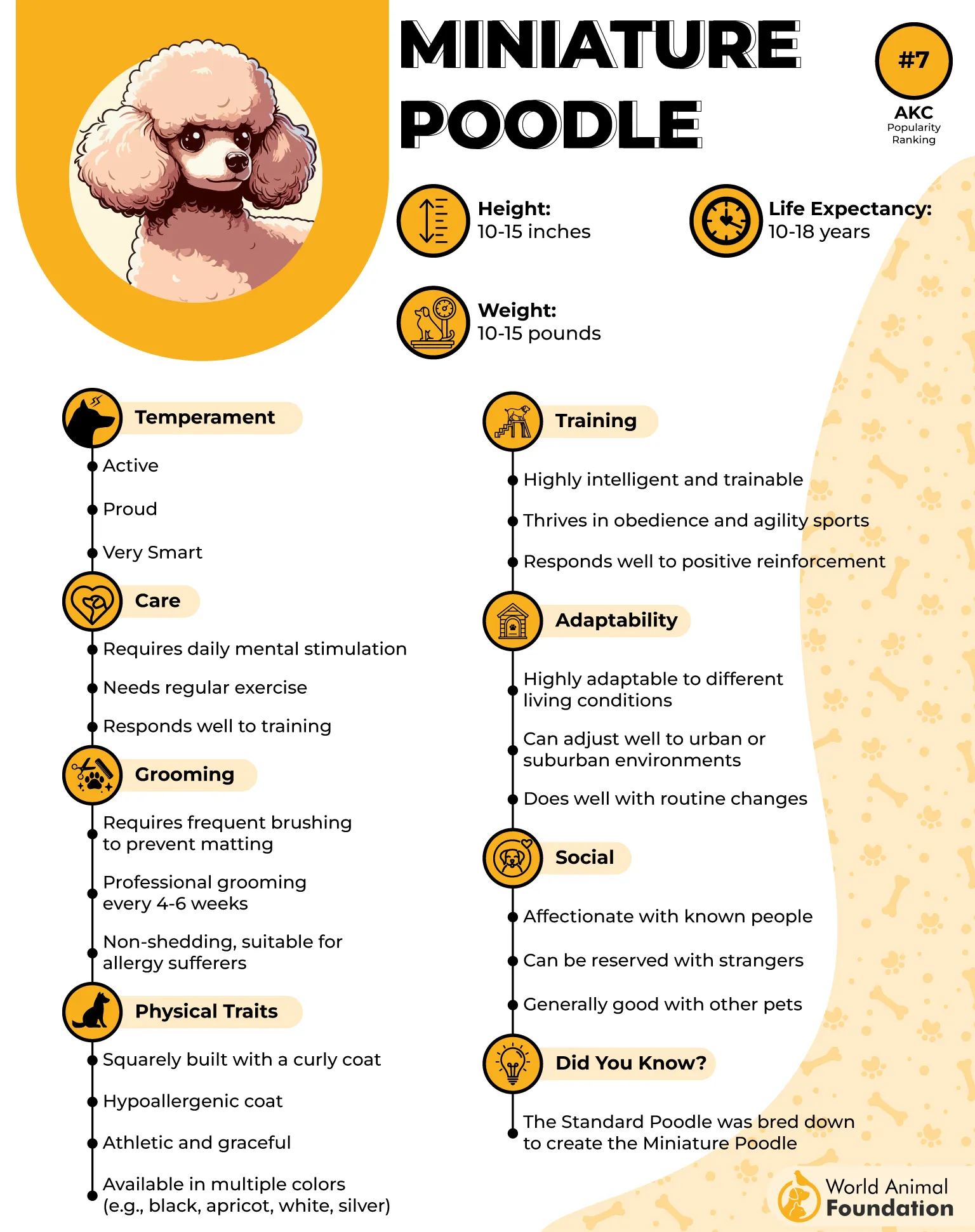
These small dogs with an easygoing nature are energetic enough to enjoy short chases and interactive games with a confident feline. The cat may leap onto furniture while the Poodle waits below, apparently calculating a route and reviewing several strategic options.
Separate enrichment can protect the friendship from becoming too intense. Offer the Poodle puzzle feeders, scent games, trick sessions, and walks, while providing the cat with climbing structures, hiding places, and independent play.
Conclusion
Never choose a dog based only on a breed list and immediately place it beside an unfamiliar cat. Ask about the individual dog’s history, observe its response to small animals, consider the cat’s age and confidence, and manage every first interaction carefully.
Bernese Mountain Dog and Shetland Sheepdog are other breeds that get along well with different cat breeds.
When the match is handled well, cats and dogs can become playmates, sleeping partners, snack-time observers, and professional co-conspirators. They may chase each other, trade gentle paw taps, or occupy opposite ends of the same sofa while pretending not to care. Either way, the old rivalry story starts looking seriously outdated.
