




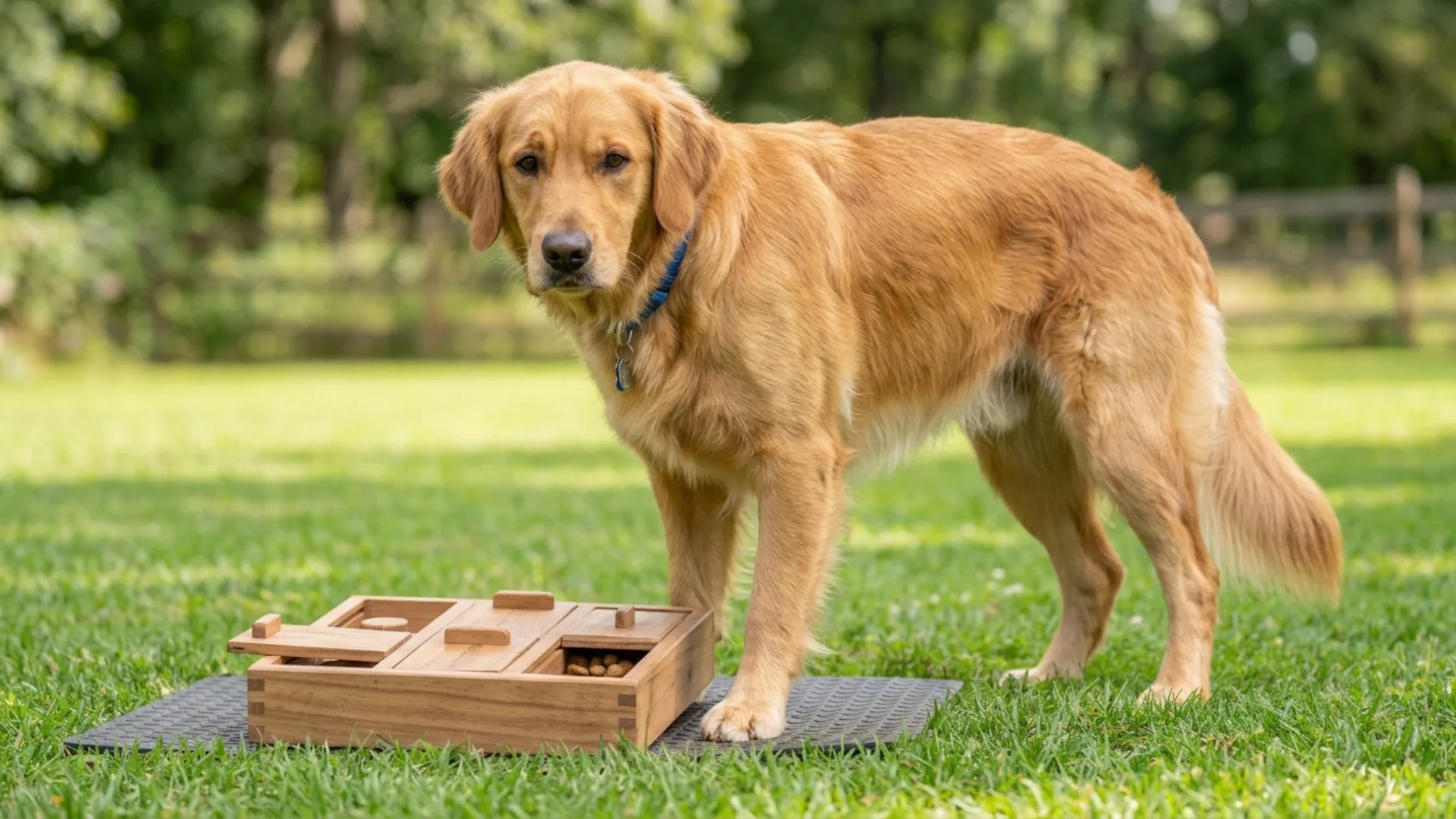
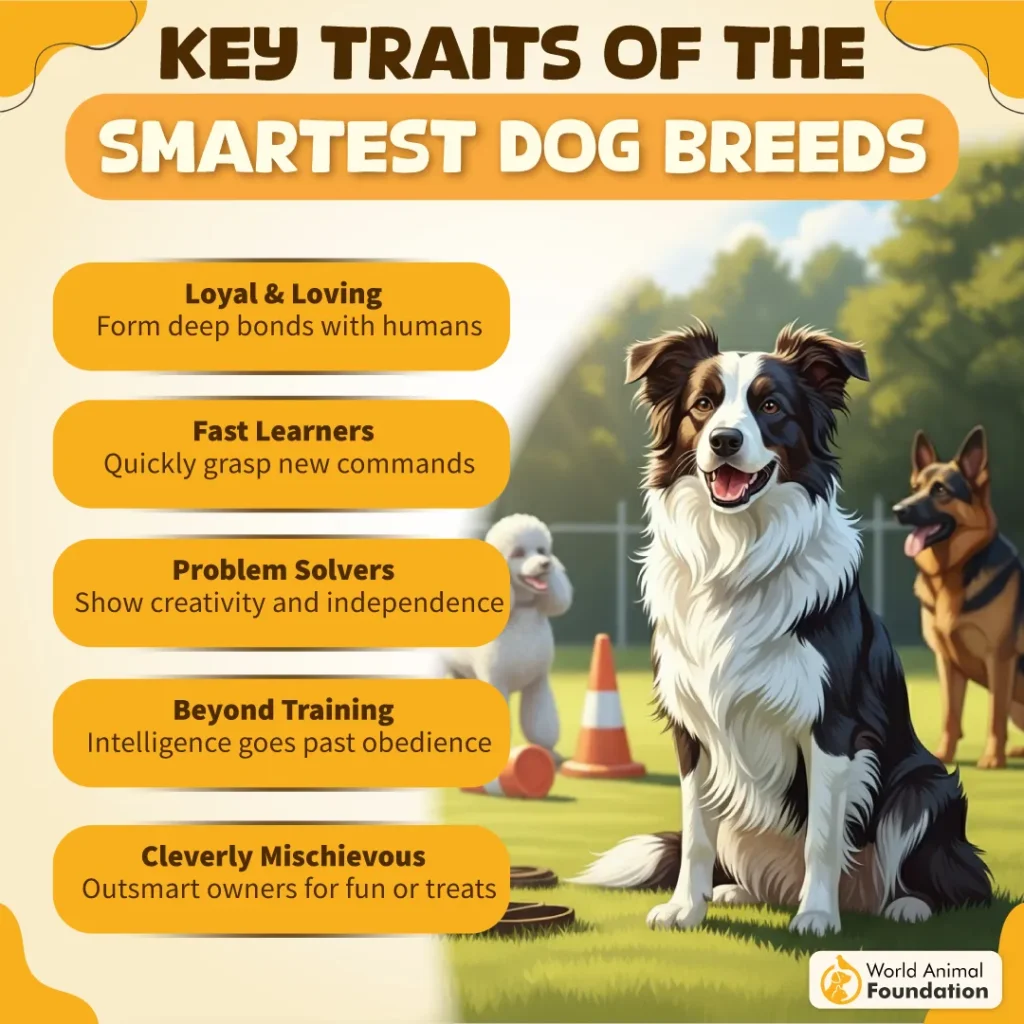
Some breeds have strong problem-solving skills. These breeds can learn to open gates, learn complicated patterns, have spatial problem-solving abilities, and make decisions without the need for constant direction.
They are intelligent because of years of experience and proper training. These nine dog breeds are among the best choices for dog owners who can provide them with mental stimulation and proper physical activity as well.
However, intelligence in dogs comes with responsibility. Highly intelligent breeds thrive when given challenging tasks, regular training, and opportunities to use their minds. Without enough mental and physical engagement, they can become bored and develop unwanted behaviors, making consistent enrichment an essential part of their daily routine.
Brilliant Dog Breeds That Outperform in Problem-Solving Tasks
1. Border Collie
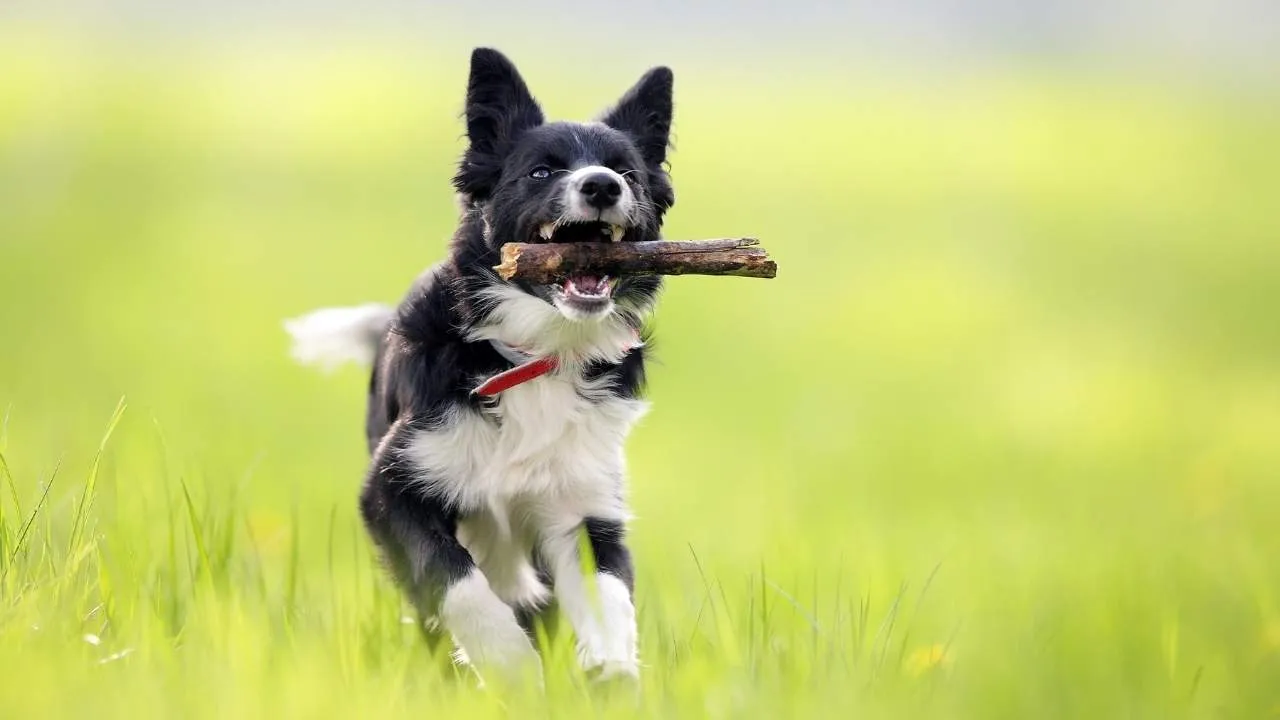
While the Border Collie has been widely recognized as the most intelligent breed in the world, it is its ability to solve problems rather than obey that makes it stand out.
Known as a remarkably bright workaholic by the American Kennel Club (AKC), the Border Collie is always making decisions without waiting for orders when on sheep herding duty. This herding group observes animals, forecasts their movements, and moves accordingly within seconds.
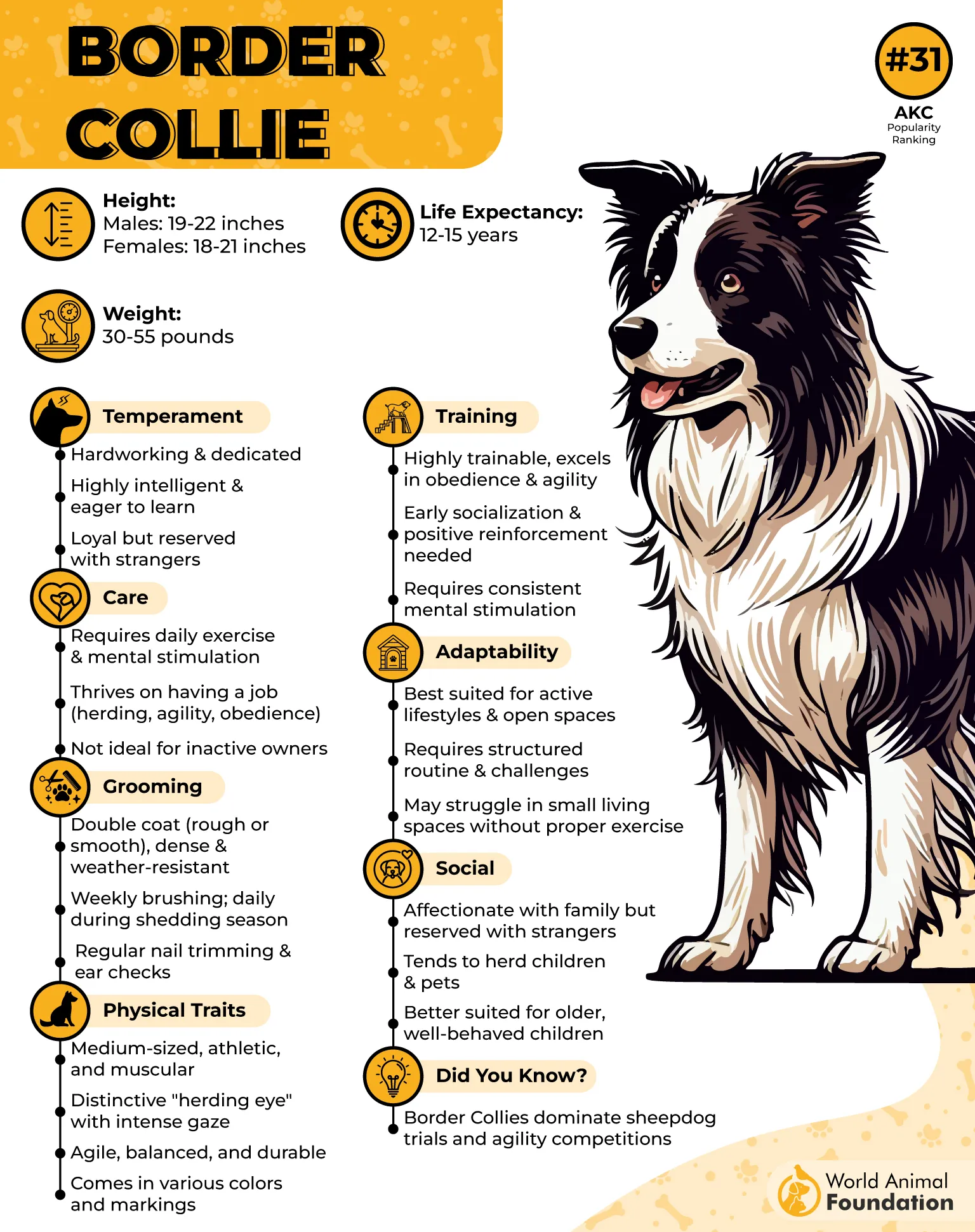
Many Border Collies will learn the workings of doors, gates, and puzzle toys rapidly at home. They like games such as searching, sorting, or finding hidden objects.
This breed can create its own games if not given mental exercise, and this can be counterproductive.
Interactive puzzle feeders and scent games keep its mind focused, and advanced obedience exercises also keep it active.
2. Poodle
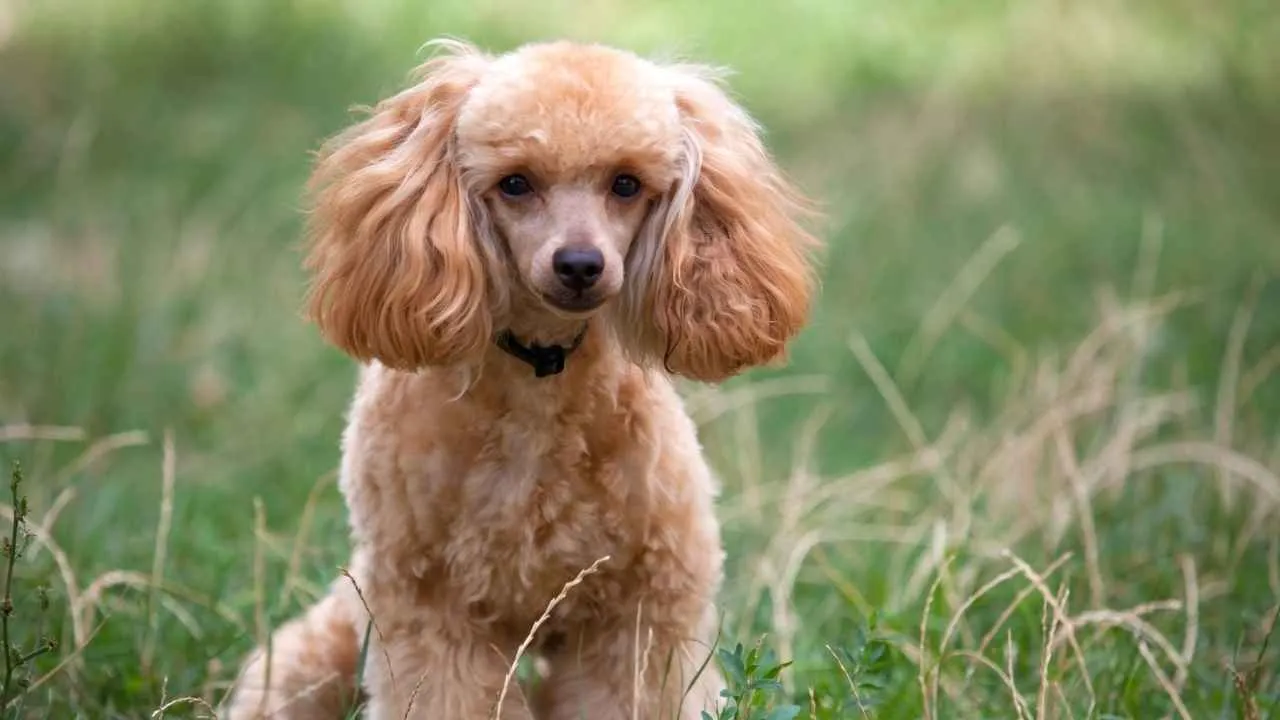
The Poodle is an intelligent dog with great memory. It rapidly identifies patterns and recalls routines well after they were first learned.
The Poodle was originally bred to be a water retriever and loves to be in the lake and river. These highly perceptive dogs have the same skill today, which enables them to solve puzzles and learn new commands rapidly.
There are some Poodles that can memorize their daily routines. They have a friendly nature and tend to be good at letting their owners know when it is time for a walk, meal, or training session before the owner can give them any verbal cue.
This breed is playful and will like to think, but not perform repetitive commands. Puzzle toys, agility courses, and scent work are great options.
If the Poodle gets bored, it may find its own entertainment like opening cabinets or moving objects around the house.
3. German Shepherd
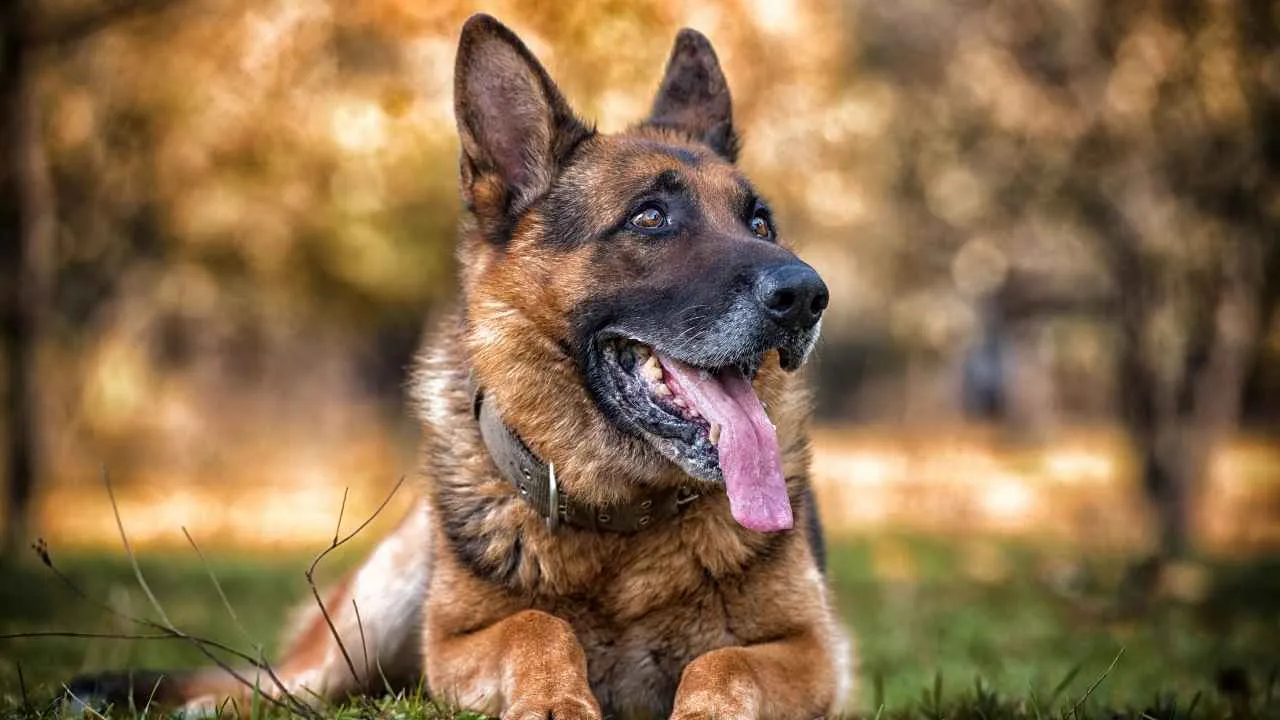
The German Shepherd, primarily used as a service dog and in police work, is the type of dog that makes calm decisions under pressure. That is one of the reasons it is trusted for the job in the police, military, and search-and-rescue sector.
Known as having a noble and regal attitude by Purina, their natural quick-thinking ability is enhanced through training sessions with obstacle courses, scent detection, and problem-solving games.

They can easily learn new tricks and are highly active. They are also aware of changes in their surroundings and act accordingly.
These dogs are also among the most loyal and protective animals for families and children both.
German Shepherds are quick learners that thrive on having an objective, as they have a working dog background.
4. Golden Retriever
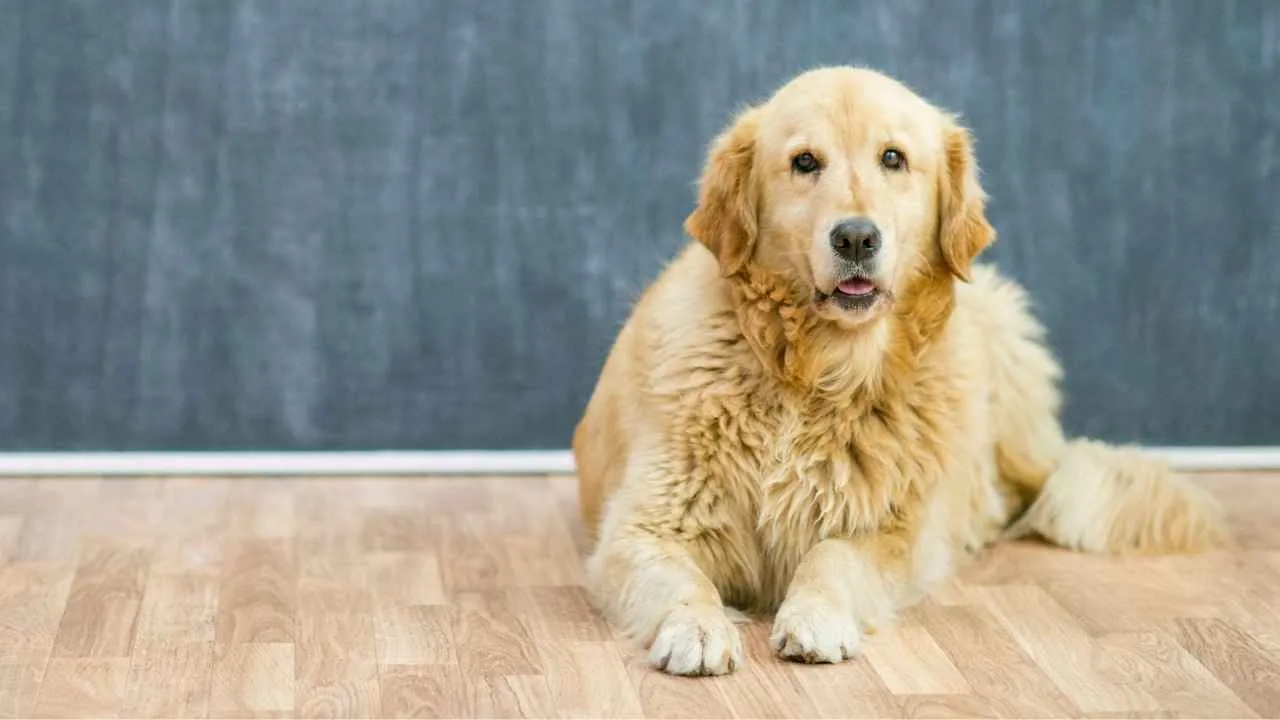
The Golden Retriever’s problem-solving method is different. It is not just a matter of being quick or instinctive; it is also about intelligence and feeling.
This breed is popular as a service and therapy dog, as it is able to learn complex tasks while remaining calm around people. It is confident in remembering tasks, identifying objects, and adjusting to new circumstances.
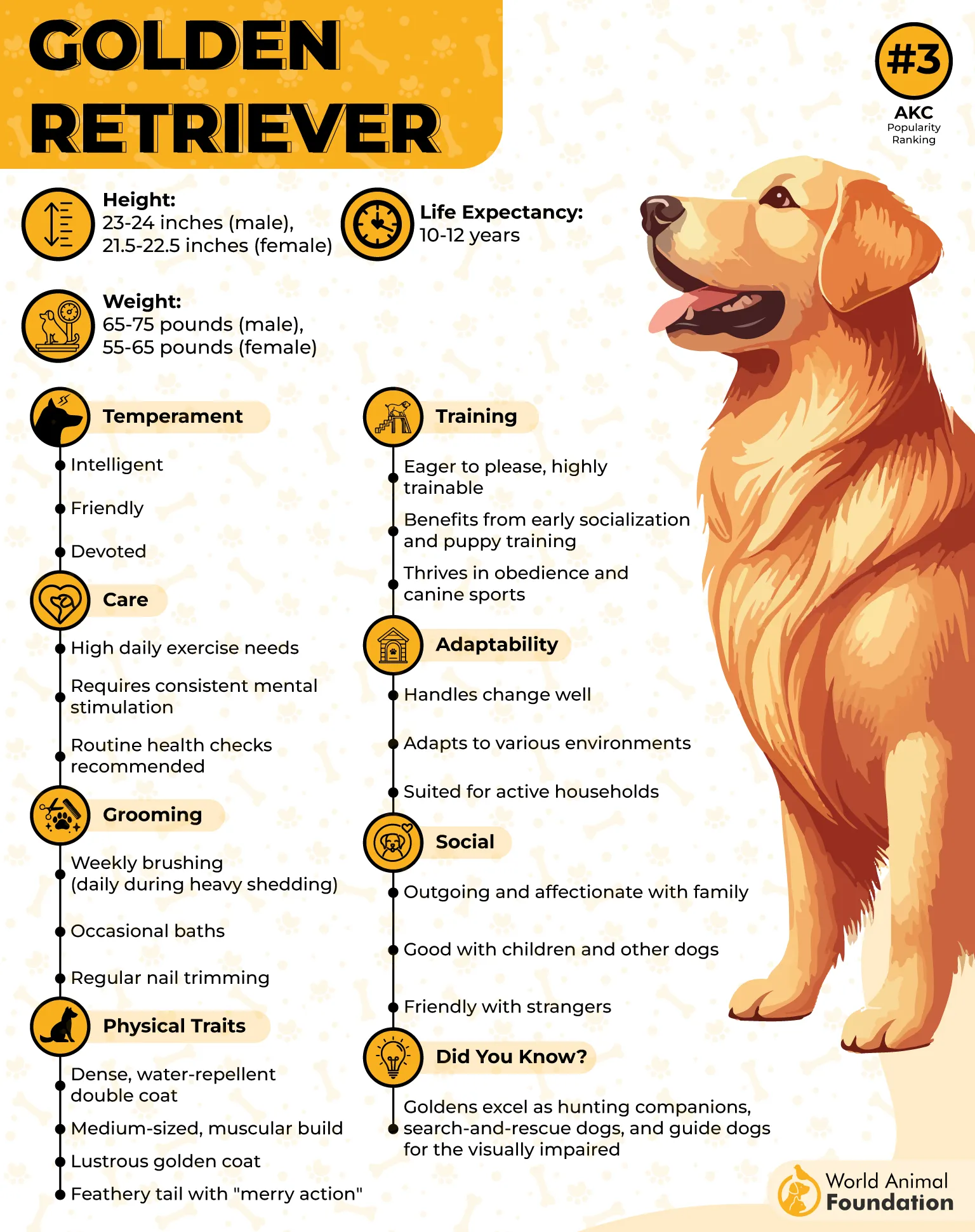
Goldens will enjoy games where they find items to retrieve or learn to point to a particular toy by name. With practice, many can learn to recall dozens of object names.
They are easy to train and fun to work with, even for new trainers. They are motivated by positive reinforcement as they learn new challenges.
A Golden Retriever is a dog that helps people daily with its mind and gentleness.
5. Doberman Pinscher
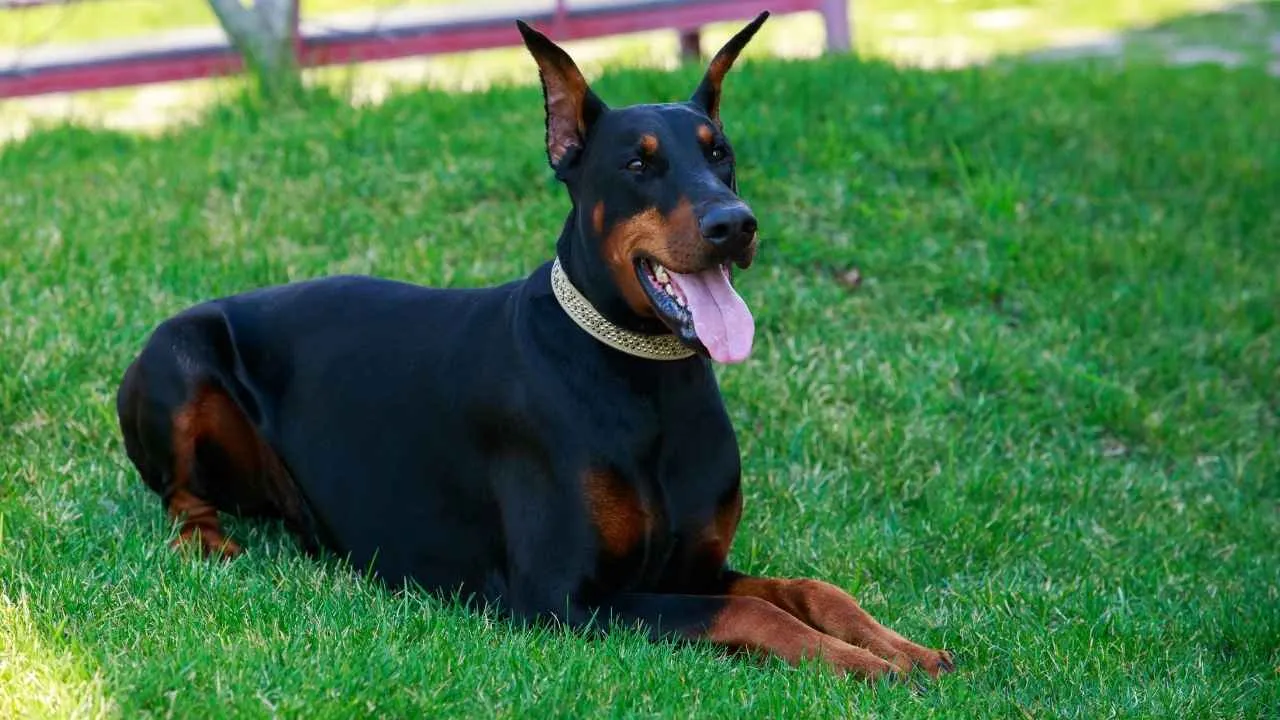
The Doberman Pinscher is a quick-minded breed. Being of high intelligence, it can quickly gauge a situation and make a decision. This has earned it a reputation as one of the most esteemed working dogs in the canine world.
Dobermans watch people and pay attention to odd behavior and how it differs from their usual observations. This helps them make smart decisions rather than taking action without thinking.
Dobermans are mentally inquisitive and do well in advanced obedience, tracking, and protection sports due to being highly energetic dogs. They learn rapidly when training sessions are interesting.
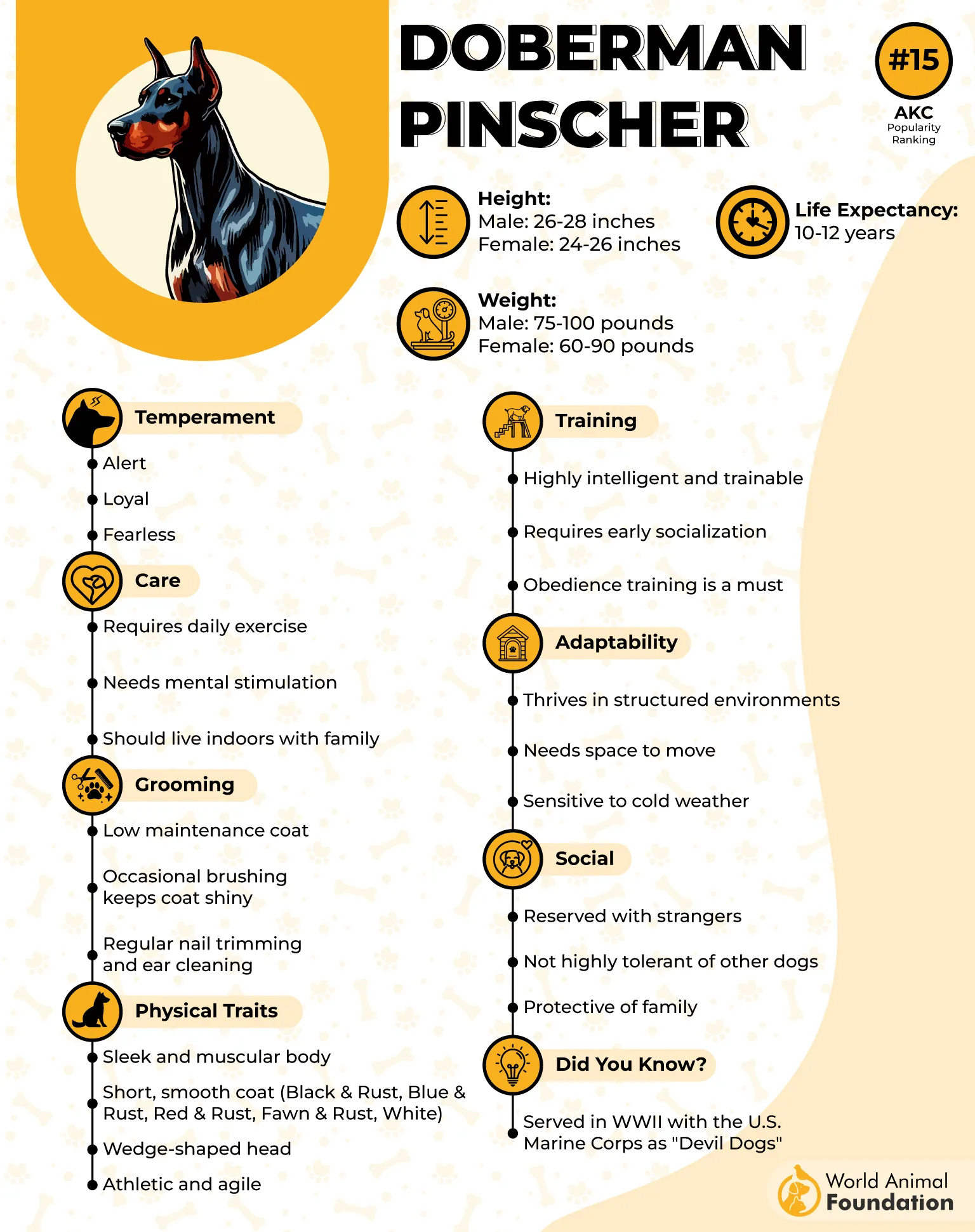
Owners should also supply regular problem-solving sessions. This breed is mentally satisfied with hidden treats, scent trails, and obstacle courses.
A well-trained Doberman is confident, focused, and work-oriented.
6. Shetland Sheepdog
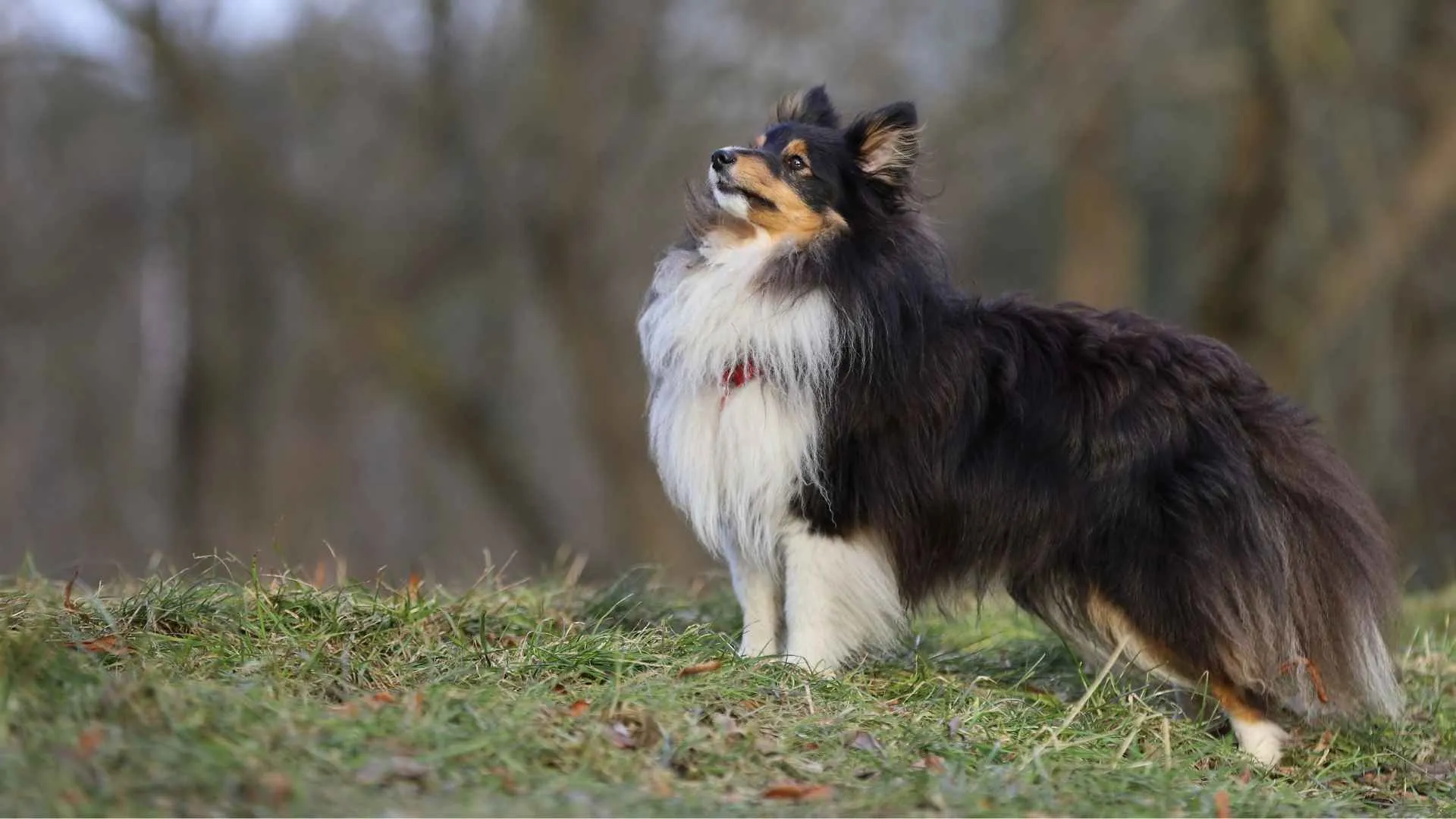
Although the Shetland Sheepdog is a smaller working dog than many, its intelligence is astounding. Originally trained for managing livestock, it was sometimes required to work without supervision.
This breed is constantly alert. It even senses changes in routine, movement, and sometimes even small gestures from its owner.
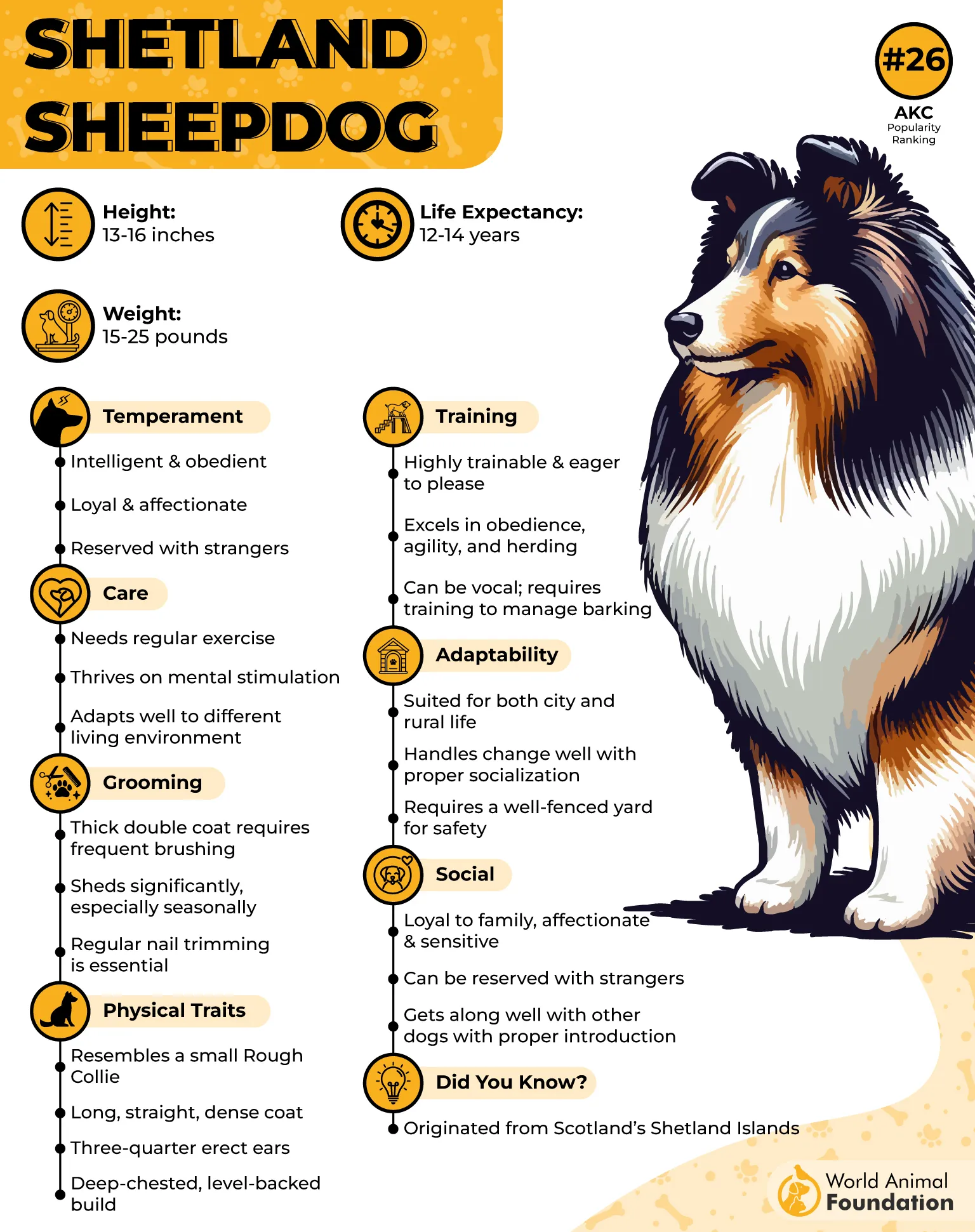
Shelties love puzzle games and observational games. They rapidly discover the placement of toys and keep that memory hidden in their brain for many more days.
They are also good at agility and obedience, as they are fast and think on their feet.
Mental stimulation helps to ward off boredom and nuisance behavior in Shetland Sheepdogs.
7. Labrador Retriever
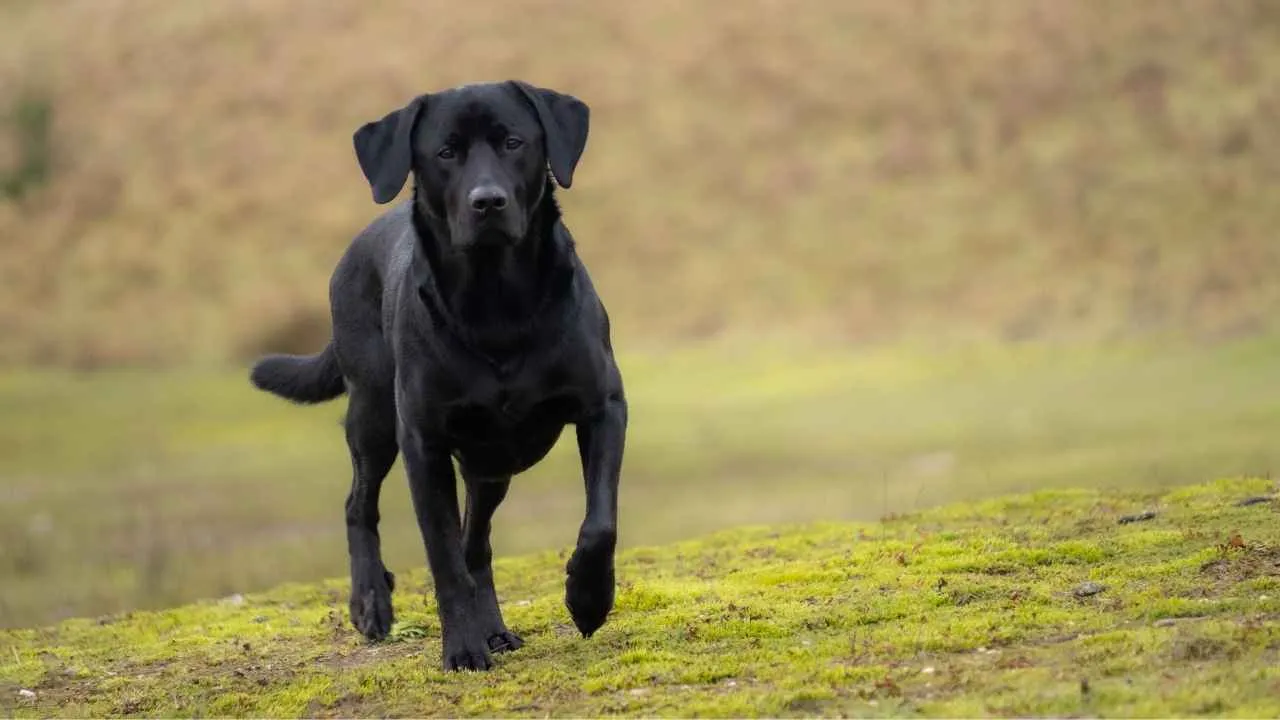
While the Labrador Retriever is known for retrieving game, it is its ability to solve problems in a practical way that makes it one of the most popular breeds among dog lovers. It learns ways to perform activities safely and effectively.
The Labrador is frequently called to work without constant instructions, such as when it is a guide dog, a search-and-rescue dog, or a detection dog. It learns tricks, gets around, and changes courses when unexpected events occur.
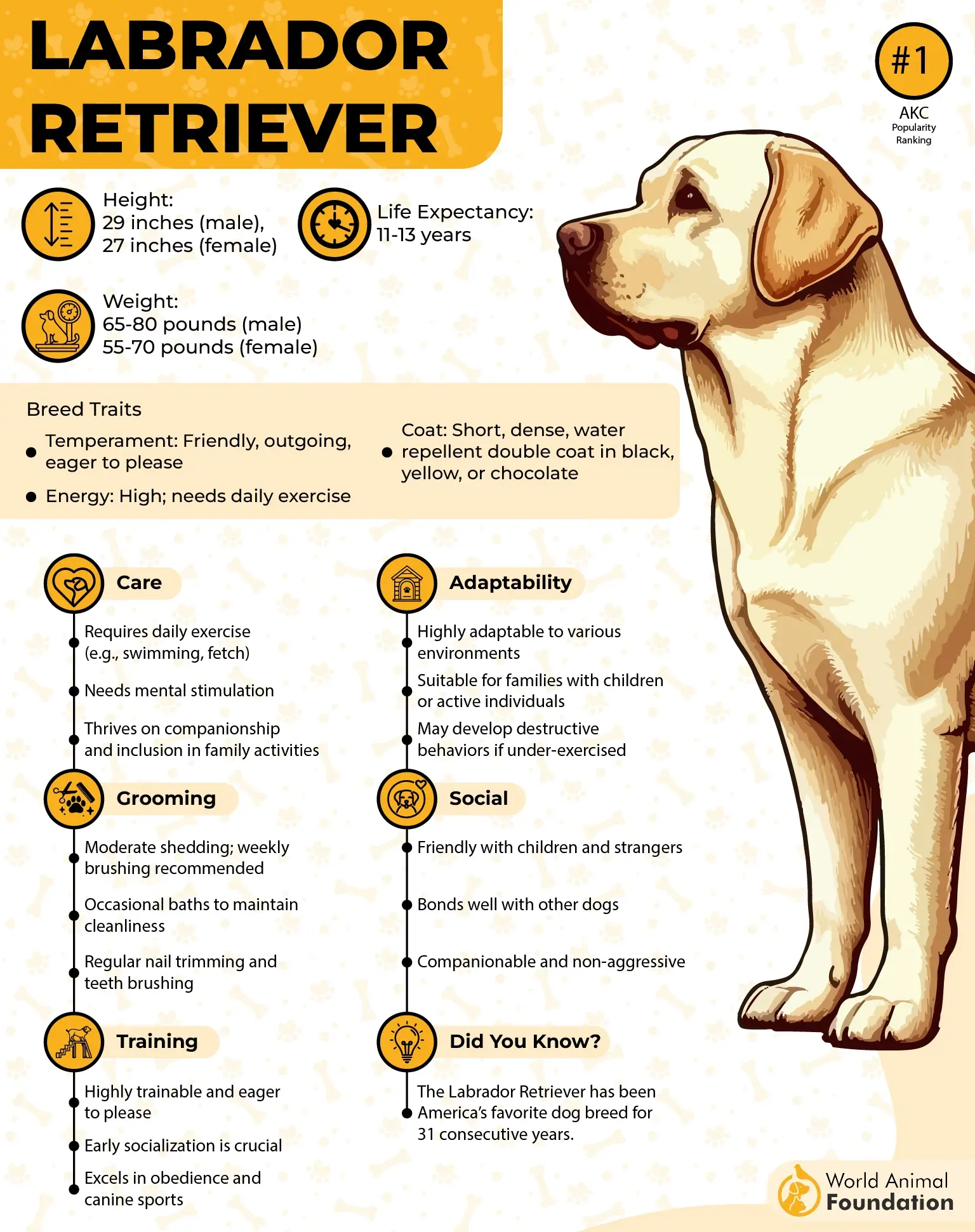
Labs are very good at smelling out challenges. They like to look for objects, follow a line, and pick out particular smells.
They are willing to cooperate, and learning is fun. They don’t give up on tasks that are difficult, but instead, they persist until they are accomplished.
Labradors can remain happy and confident with mental stimulation along with regular exercise.
8. Papillon
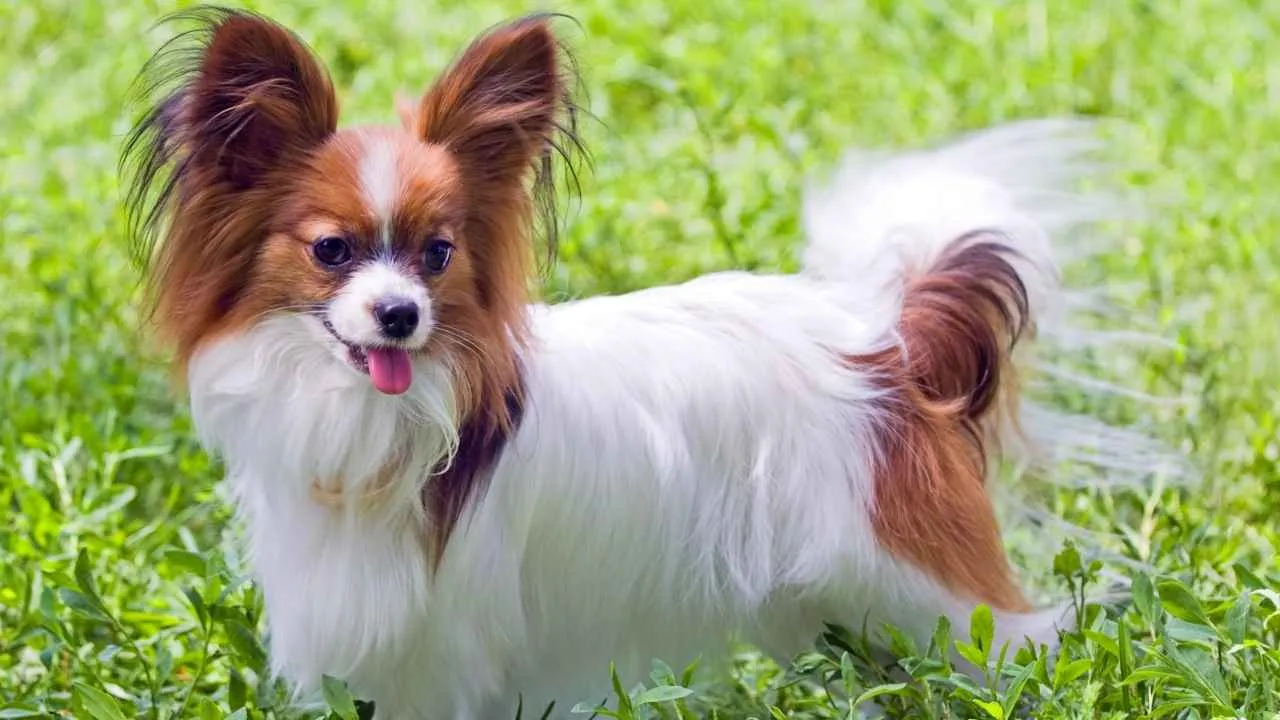
Although the Papillon is a few pounds lighter than other small breeds, it has one of the keenest minds.
This active pet is keen on playing with puzzles and gaining new tricks. They are very agile and think quickly while running through obstacles, hence making them very good at agility.
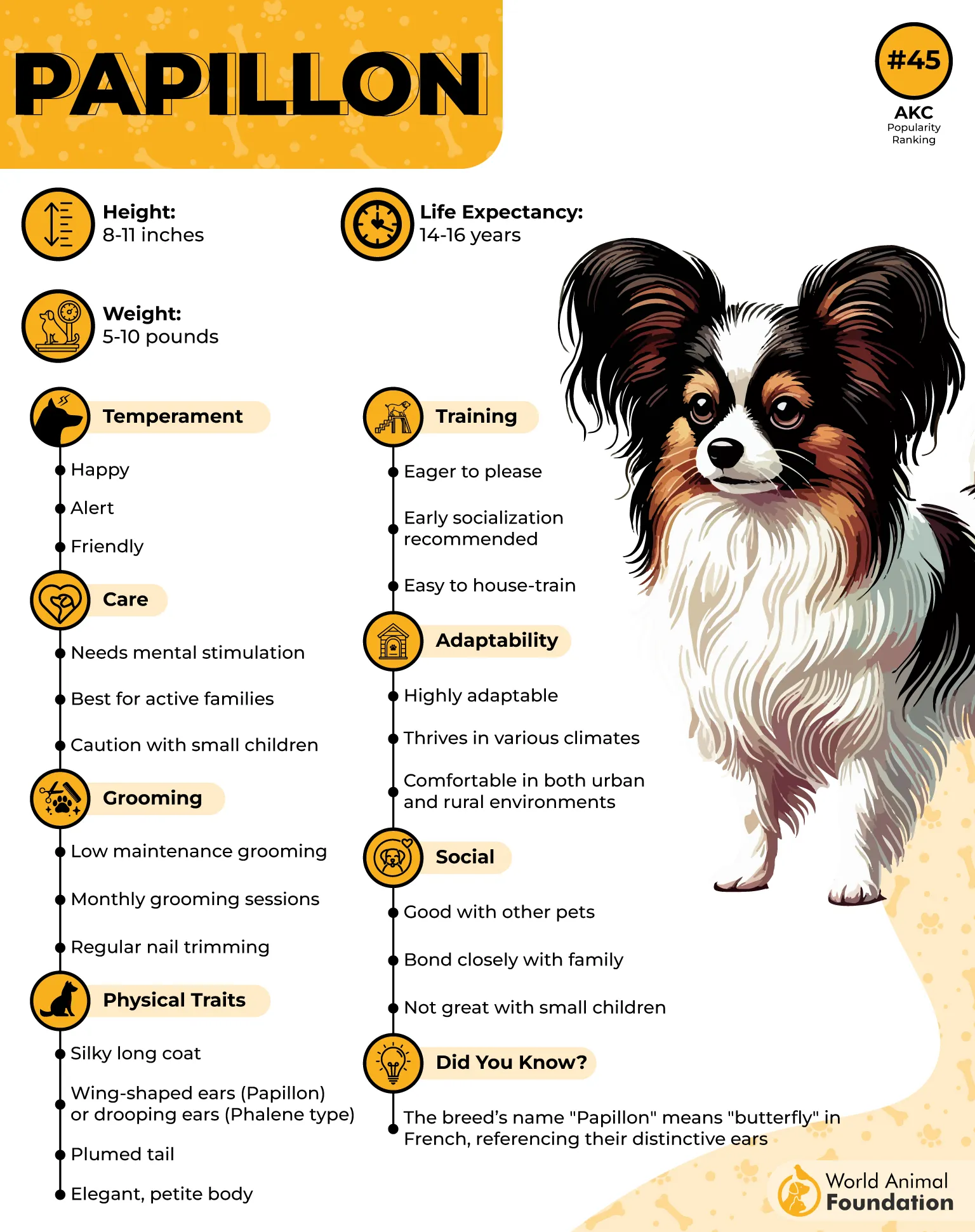
They are inquisitive and like learning new places. When challenged, they do not give up but try out different approaches until they find a way.
These dogs learn quickly and enjoy variety, and short, fun training sessions are the best for them.
It is known for being very intelligent, sometimes more so than its larger counterparts, which tend to be expected to be better at more complicated things.
9. Rottweiler
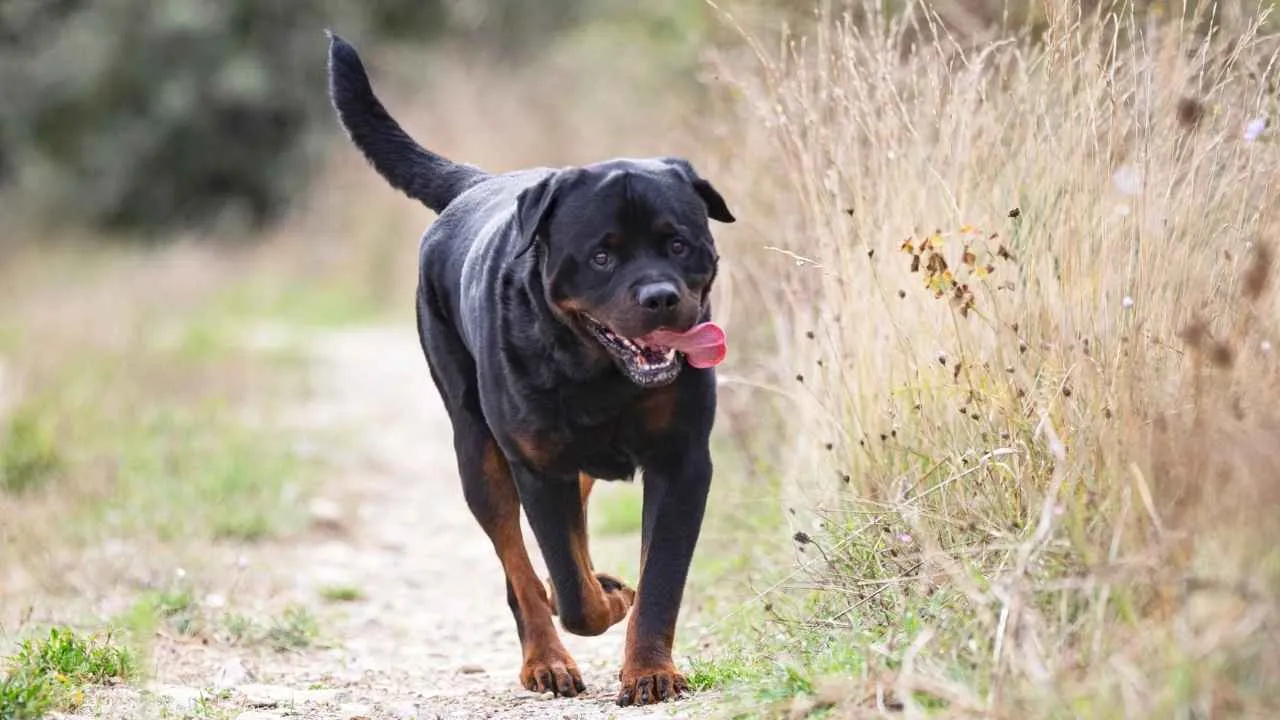
The Rottweiler is different compared to other intelligent breeds when it comes to solving problems. It does not jump to conclusions but carefully observes before deciding.
The Rottweiler has a quiet, reflective temperament that has enabled it to be a reliable working dog, a protector, and a searcher.
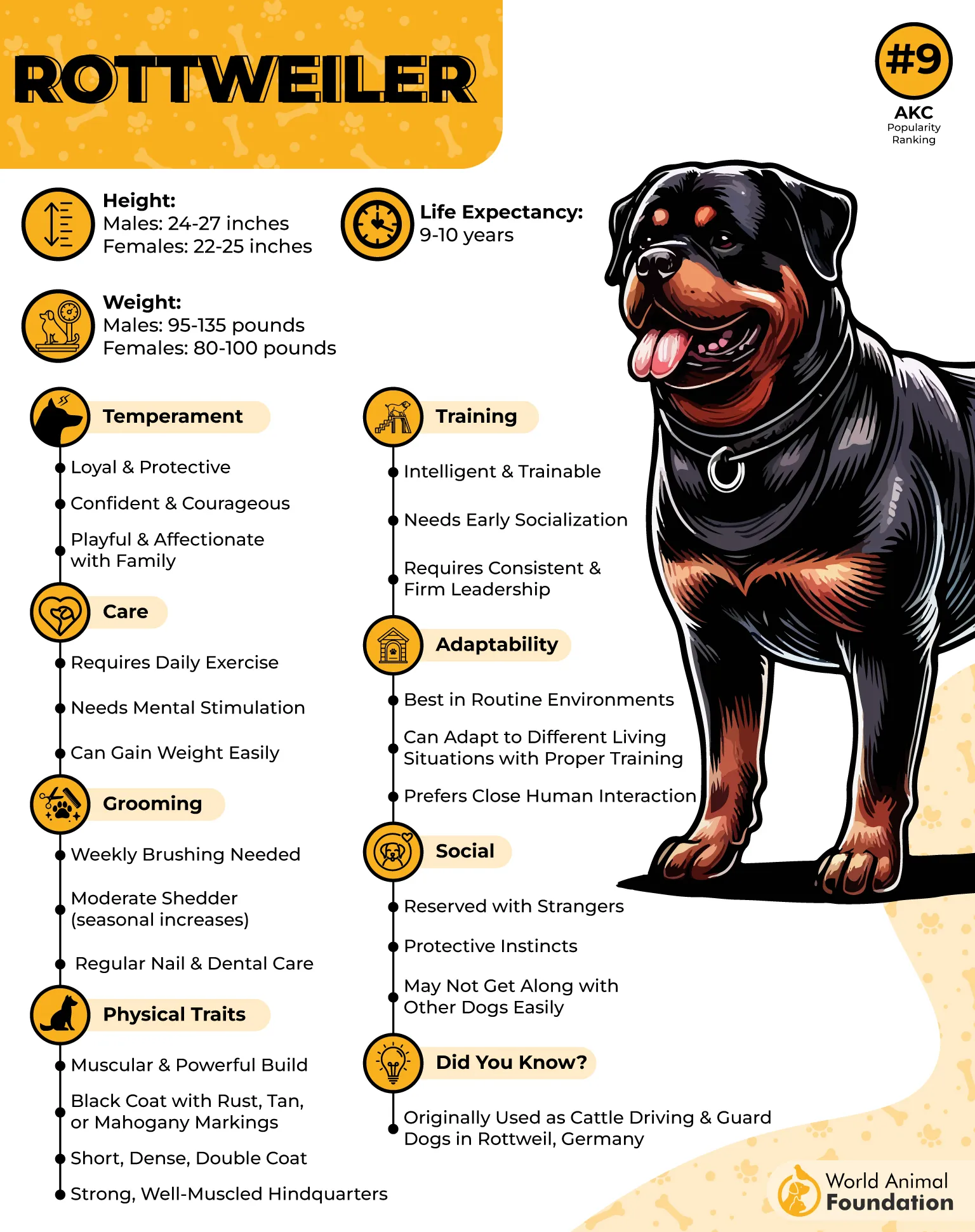
Orvis states that Rottweilers are sturdy and alert dogs. They are good at learning routines and are fast to pick up if something is amiss. They consider new situations and make decisions about actions.
Training should contain activities that stimulate thinking, not the repetition of facts. The breed is mentally stimulated with tracking exercises, advanced obedience, and scent games.
If socialized and led properly, the Rottweiler can be a dependable protector and an outstanding problem solver.
Conclusion
Problem-solving is more than a command list. It’s the power to observe, think, adapt, and make good decisions. Each of these 9 breeds has its own solutions. Some depend on memory, while others depend on observation, and some are independent thinkers naturally.
Using puzzle toys, scent games, training, and tasks in real life is necessary as it keeps these dogs entertained and mentally stimulated. Any of these dogs can be wonderful pets if you are an active person and crave an intelligent companion.
