




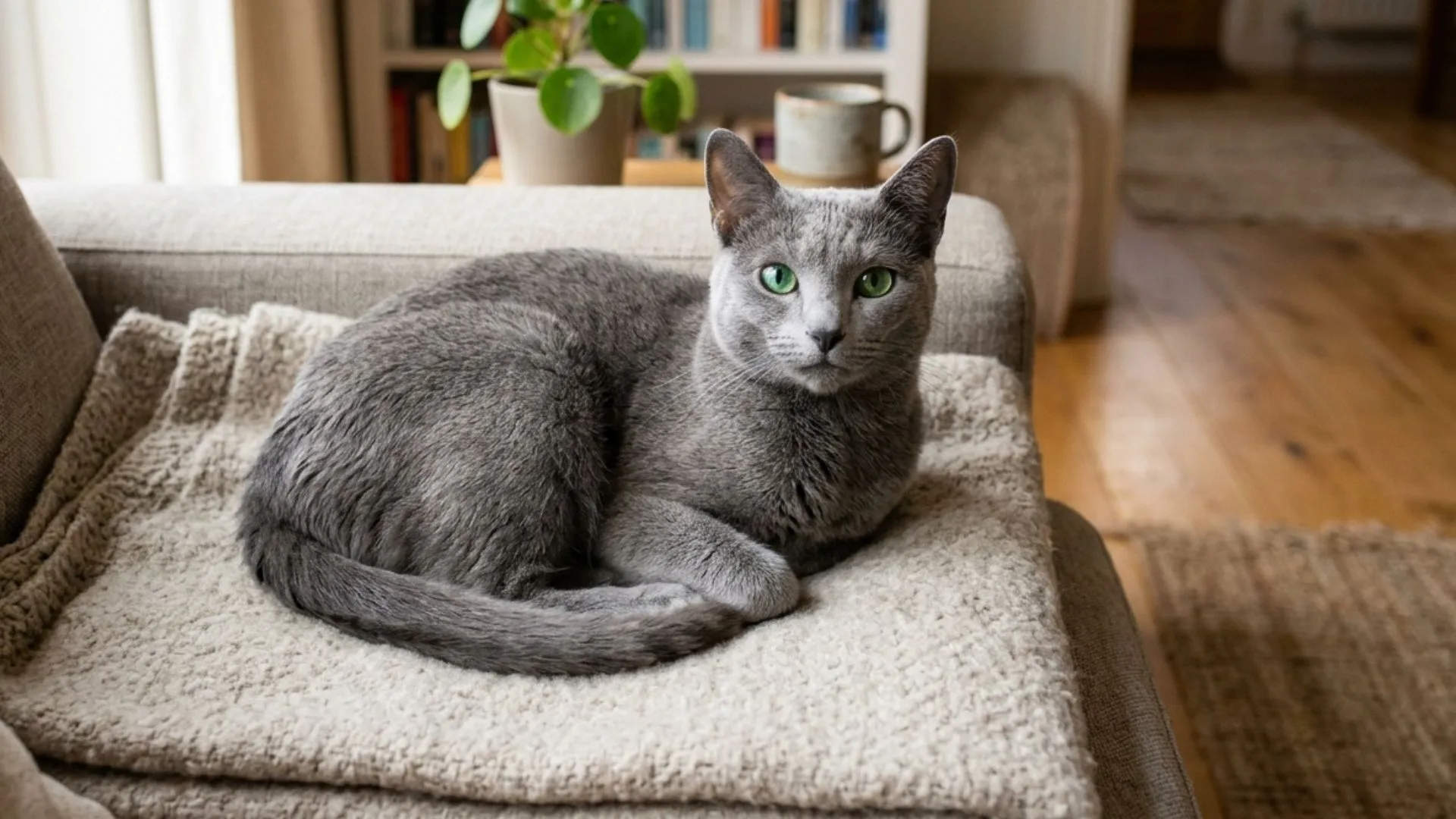
Choosing a healthy breed is about more than reducing vet visits—it’s about welcoming a companion that can enjoy many happy years by your side. While every cat deserves proper care and requires minimal grooming, some breeds are known for their resilience and lower risk of certain inherited health conditions.
A breed’s genetic background can influence its overall health, but nutrition, weight management, regular veterinarian checkups, and an enriching environment remain essential for lifelong well-being. Understanding these factors helps you make an informed choice when selecting a feline companion.
If your goal is to find a cat with a strong foundation for a long, active life, these seven breeds stand out for their hardiness while still offering the affection and personality that make cats such treasured family members.
FACT: No cat is immune to disease, but breeds with broader genetic diversity and fewer inherited disorders are often associated with better overall health and longer lifespans when given proper care.
Cat Breeds That Resist Common Illnesses
1. American Shorthair
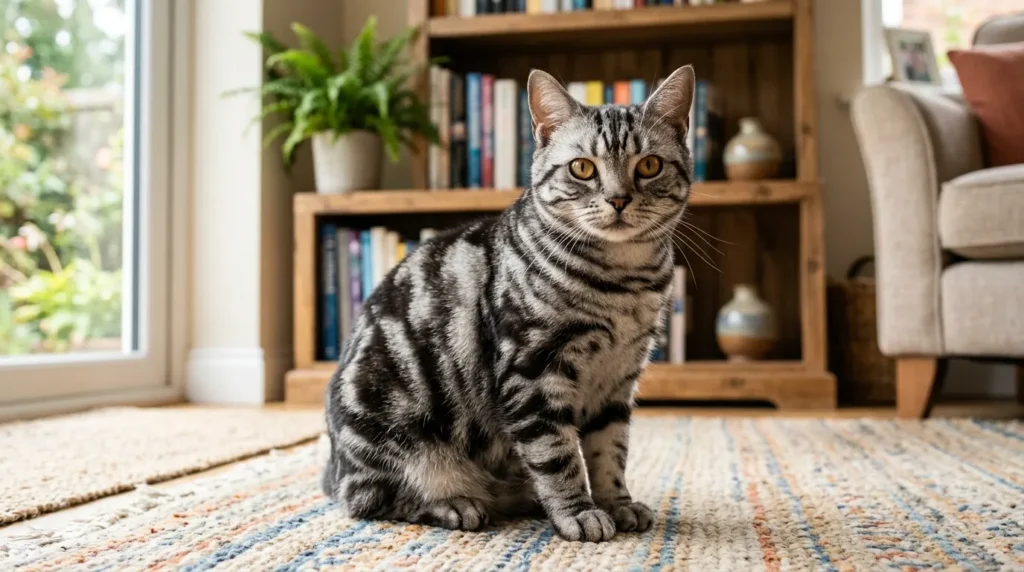
The American Shorthair cat has earned a reputation as one of the healthiest and most dependable cat breeds. Descended from hardworking cats brought to America by early settlers, it developed historically over time, resulting in a sturdy breed with rare genetically linked health conditions.
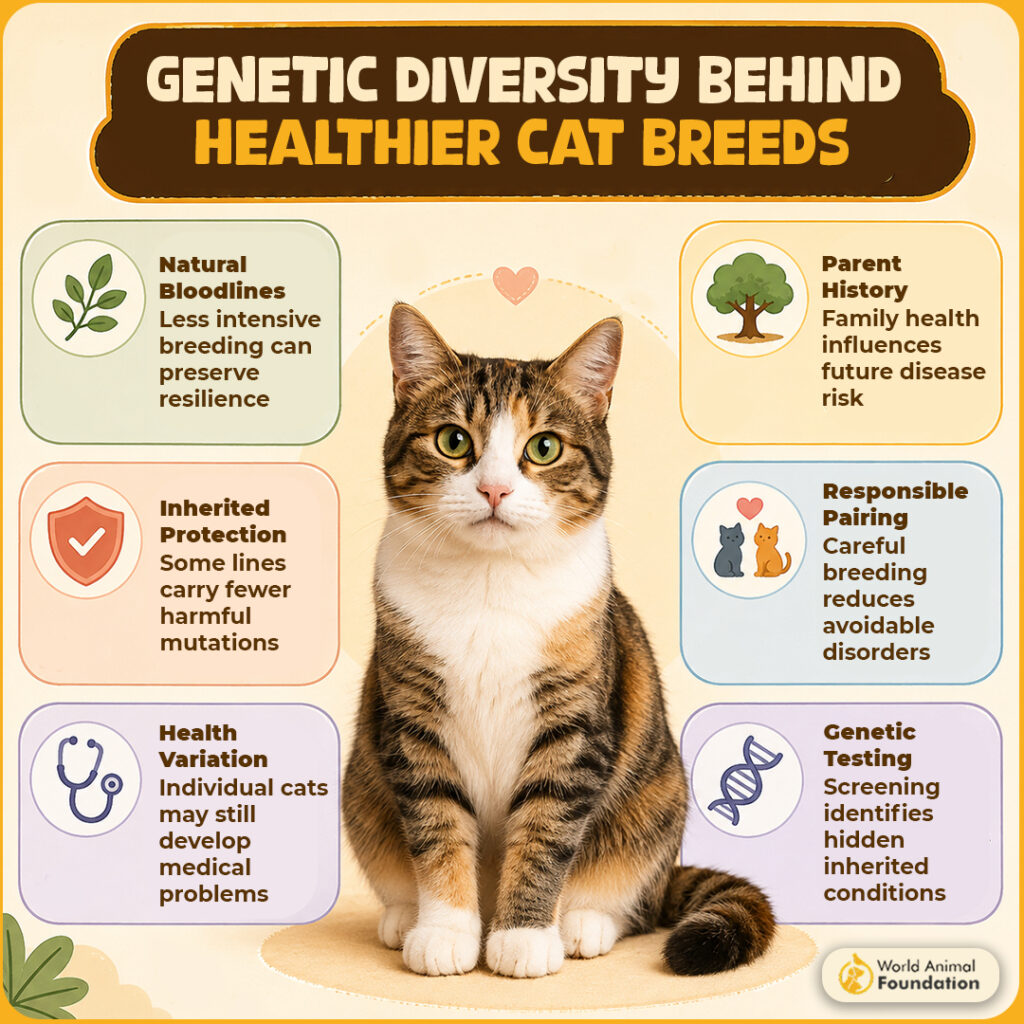
Its robust build and resilient nature make it a reliable companion for families seeking a cat that typically enjoys a long, healthy life. With proper nutrition, vaccination, routine veterinary care, and an active lifestyle, many American Shorthairs remain healthy well into their senior years.
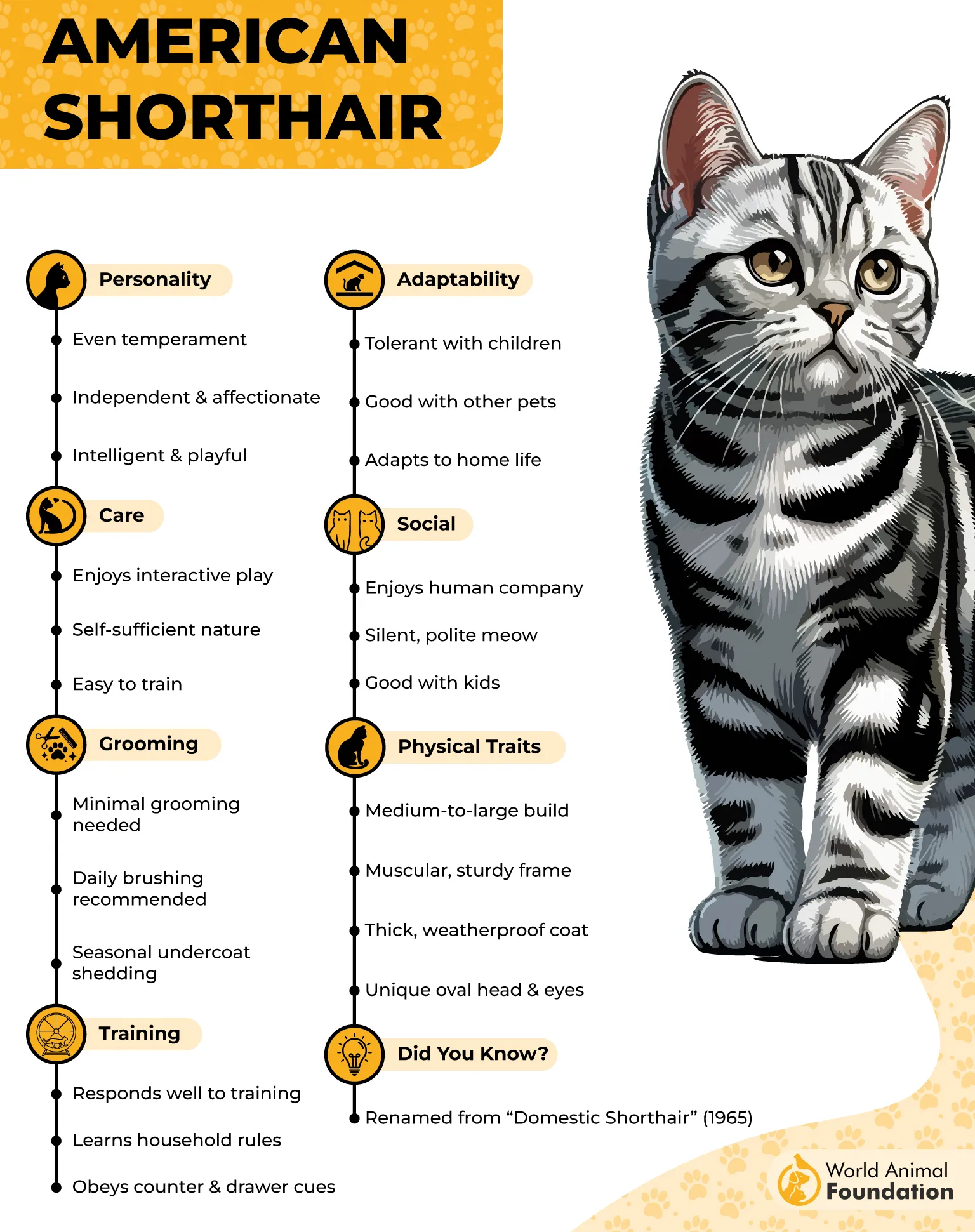
Beyond its physical resilience, this breed is admired for its calm, gentle temperament. It gets along well with children and adapts comfortably to a variety of households, balancing independence with affectionate companionship.
Originally prized for protecting homes and food supplies from rodents, the American Shorthair still reflects that capable heritage through its confident, easygoing personality and enduring vitality.
2. Russian Blue
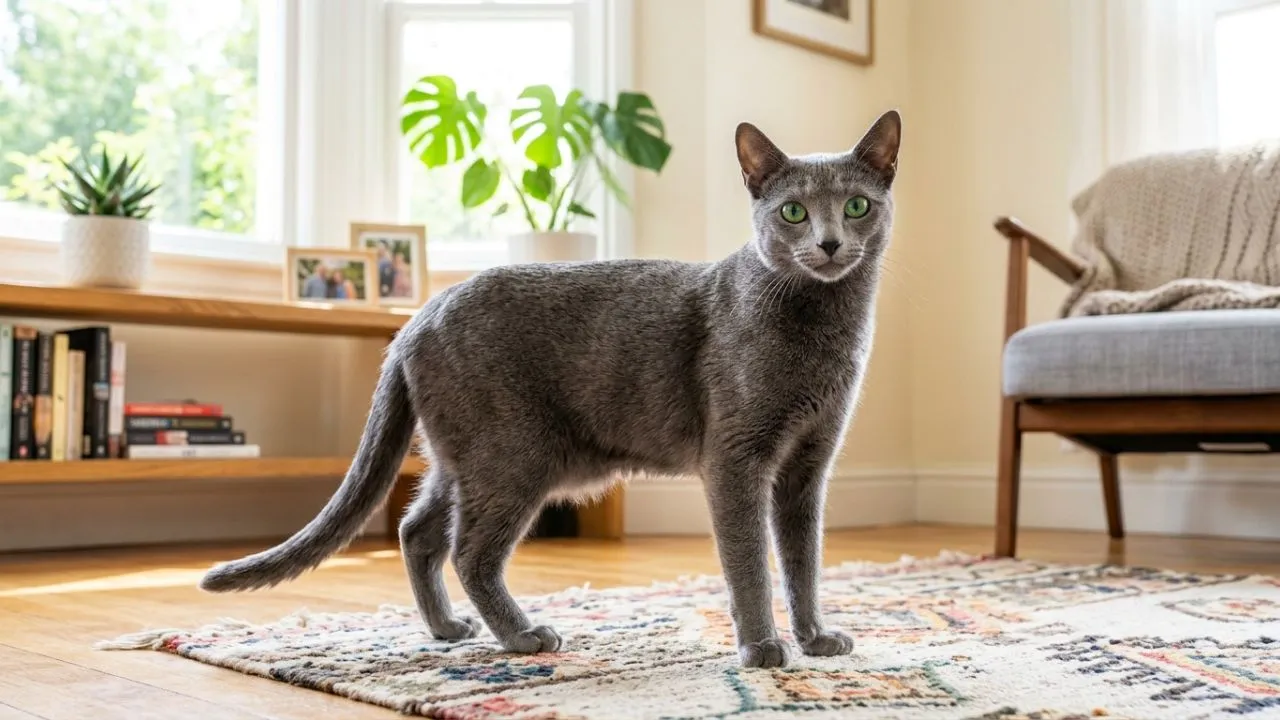
The Russian Blue has long been admired for its graceful appearance and hardy constitution. Originating from Russia and historically linked to the port of Arkhangelsk, this elegant breed has been cherished since it appeared in some of England’s earliest cat shows.
One reason the Russian Blue is often considered a resilient companion is its low incidence of inherited health conditions. With regular veterinary care, a balanced diet, and a stable routine, many enjoy healthy, regular grooming and live long.
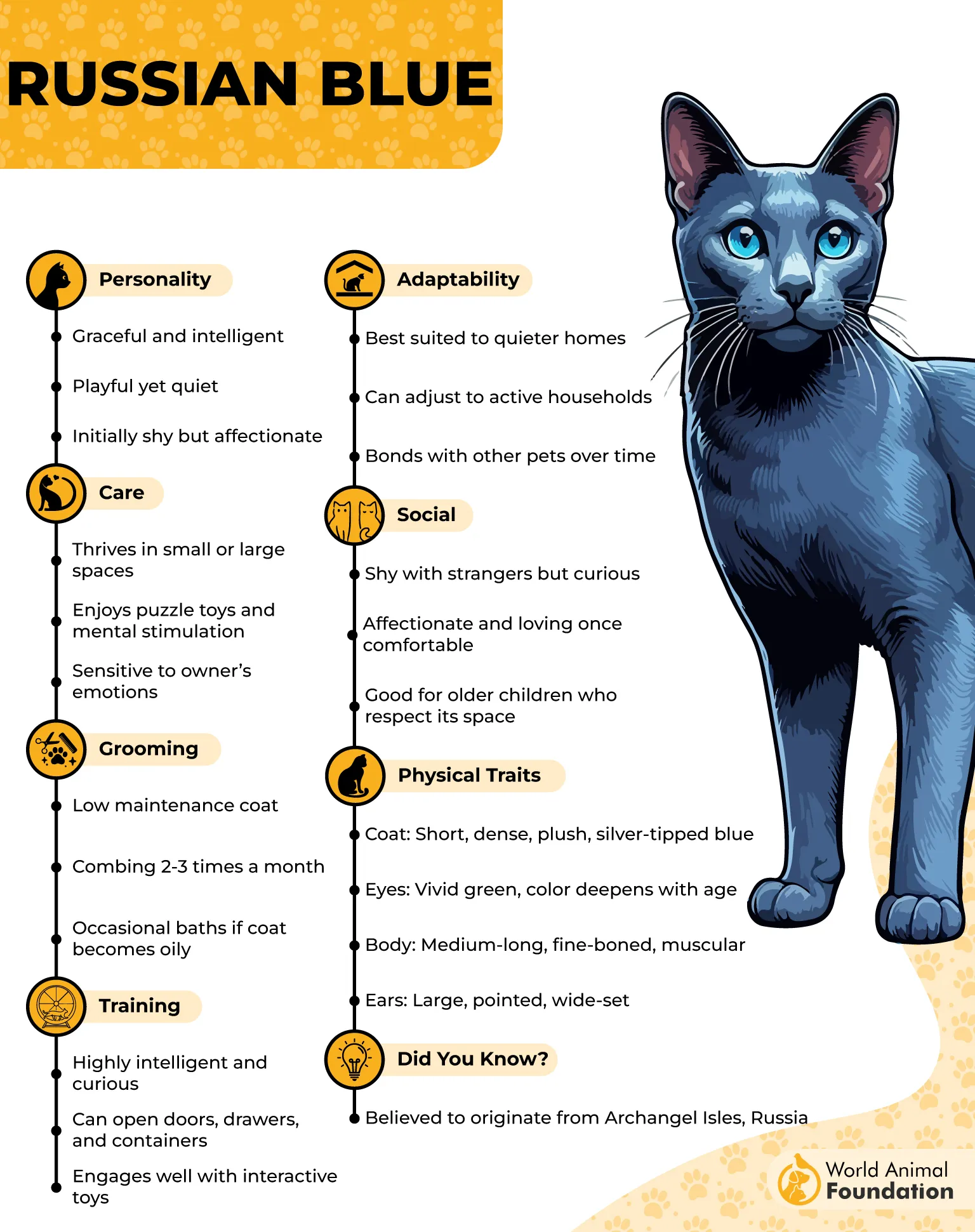
Its plush short coat is easy to maintain, requiring only occasional brushing rather than intensive grooming. This calm, reserved cat feels most comfortable in peaceful households, where a predictable environment helps minimize stress.
Although generally robust, the Russian Blue may have a slightly increased risk of bladder stones. According to PetMD, Russian Blue cats have a hearty appetite, so monitoring their weight and overall body condition can help reduce the risk of obesity.
Providing fresh water, proper nutrition, and routine health checkups supports its overall well-being while preserving its refined, healthy lifestyle.
3. Siberian
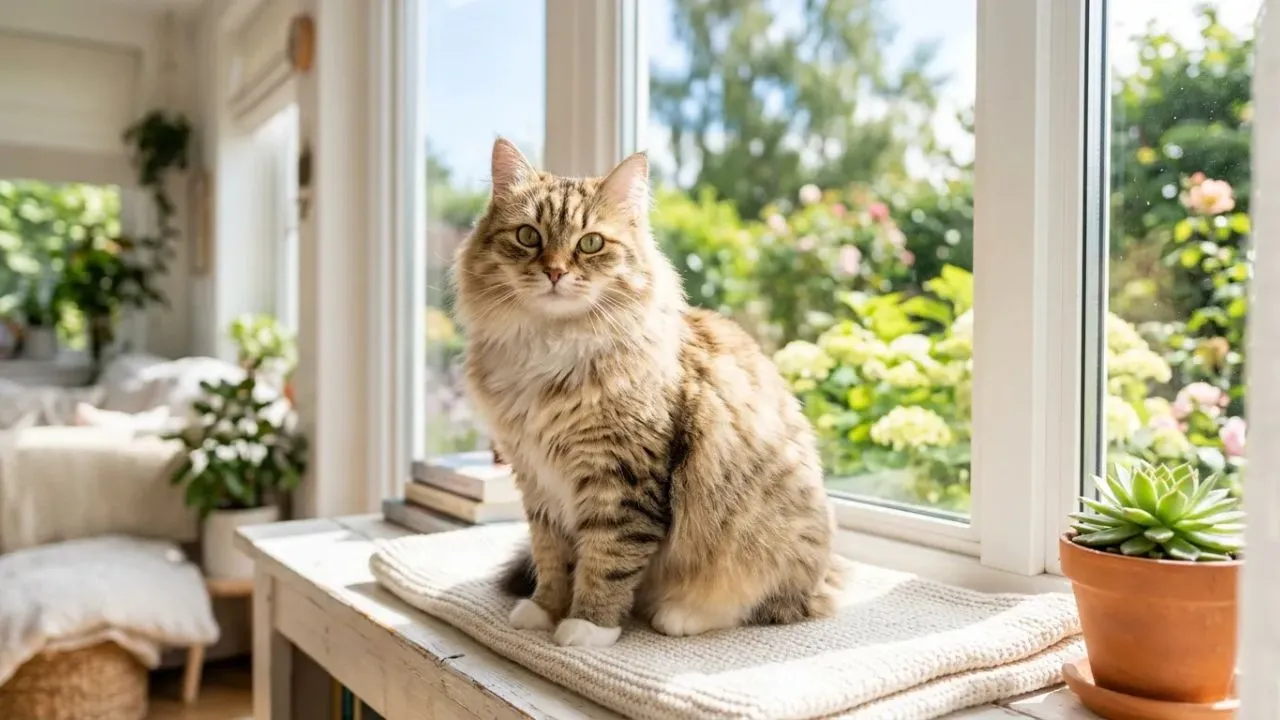
The Siberian’s story begins in the forests of Russia, where it developed over centuries without selective breeding. Surviving harsh winters required strength, adaptability, and a dense triple fur coat that still protects this resilient breed today.
According to Purina, their water-resistant triple coat also means they seldom require baths unless they become particularly dirty.
That rugged heritage contributes to the Siberian’s reputation as one of the healthier cat breeds. Although prone to hypertrophic cardiomyopathy in some bloodlines, it has few known inherited health concerns.
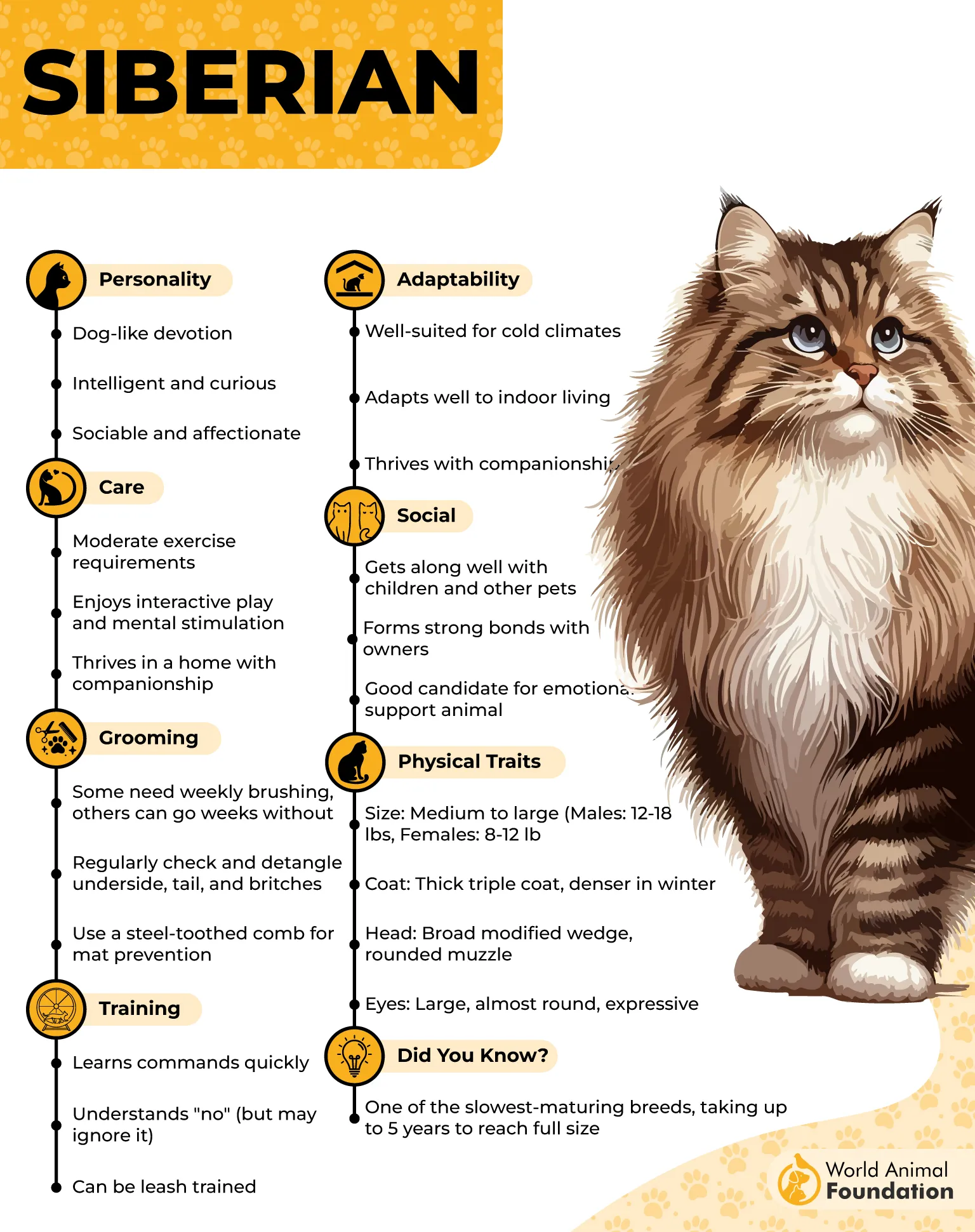
Despite its sturdy build, the Siberian is affectionate and people-oriented, often forming deep bonds with its family. A proper diet supports its active lifestyle. It enjoys interactive play, mental stimulation follows its favorite humans from room to room, and is always eager to join daily activities.
Curious and athletic, this forest-born cat also loves climbing, exploring, and outdoor adventures in safe environments, reflecting the resilience and confidence that helped its ancestors thrive when properly fed in demanding conditions.
4. British Shorthair
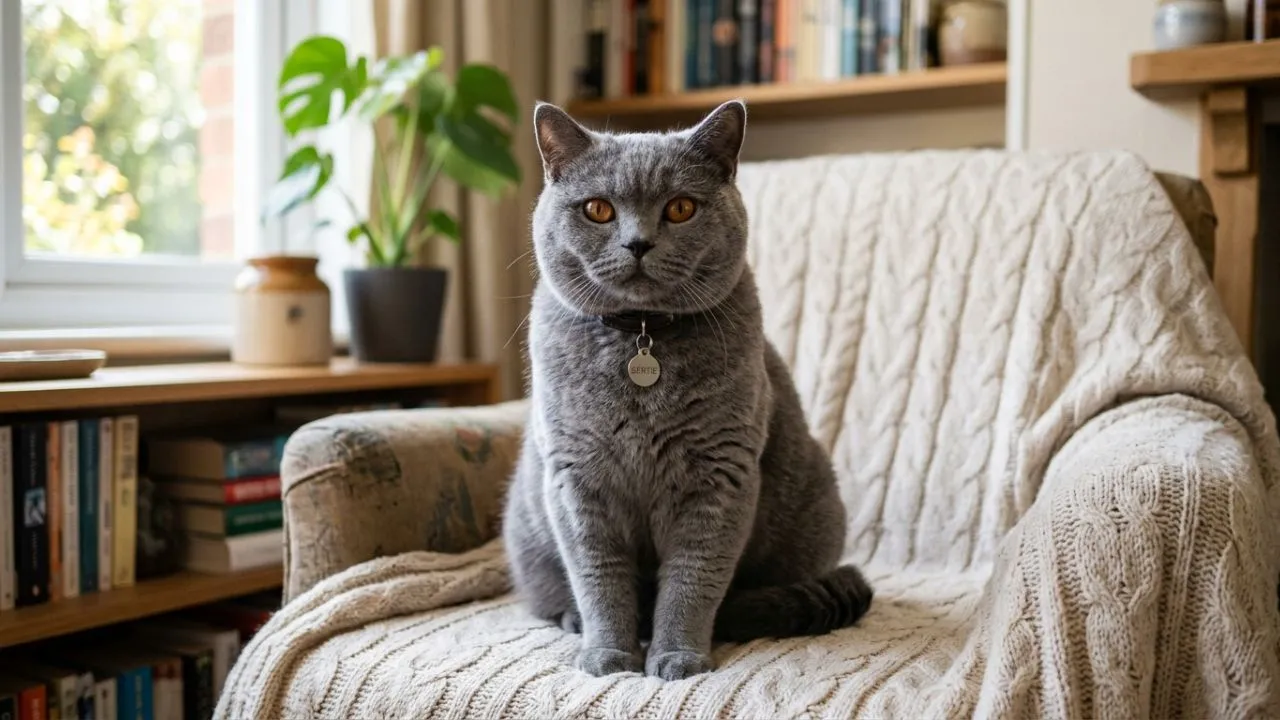
The British Shorthair has come a long way from its early days as a skilled street mouser to becoming one of the most dependable family companions. Its naturally sturdy build and generally resilient health have helped this breed earn a reputation for remarkable longevity when given proper care.
Although British Shorthairs are considered healthy overall, regular veterinary checkups remain important. Other cats may develop conditions such as hypertrophic cardiomyopathy, polycystic kidney disease, or hyperthyroidism, making routine health monitoring a valuable part of preventive care.
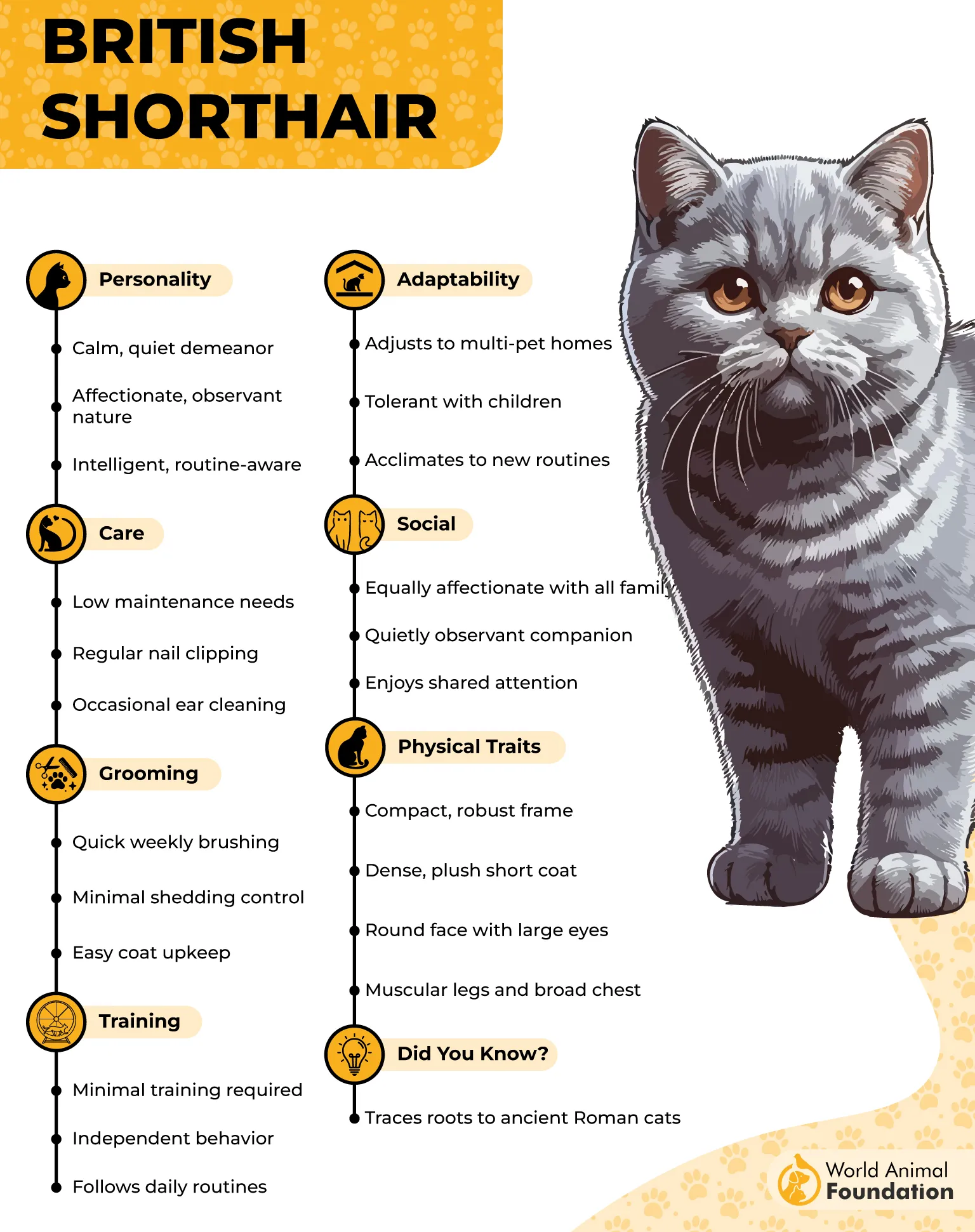
Life with a British Shorthair is wonderfully relaxed. This calm, quiet cat enjoys spending time with its family without demanding constant attention, making it an excellent fit for peaceful households.
Its dense, plush coat benefits from regular brushing, while a balanced diet and daily play help prevent excess weight. With thoughtful care and a steady lifestyle, the British Shorthair often enjoys a long, healthy life filled with quiet companionship.
5. Bombay
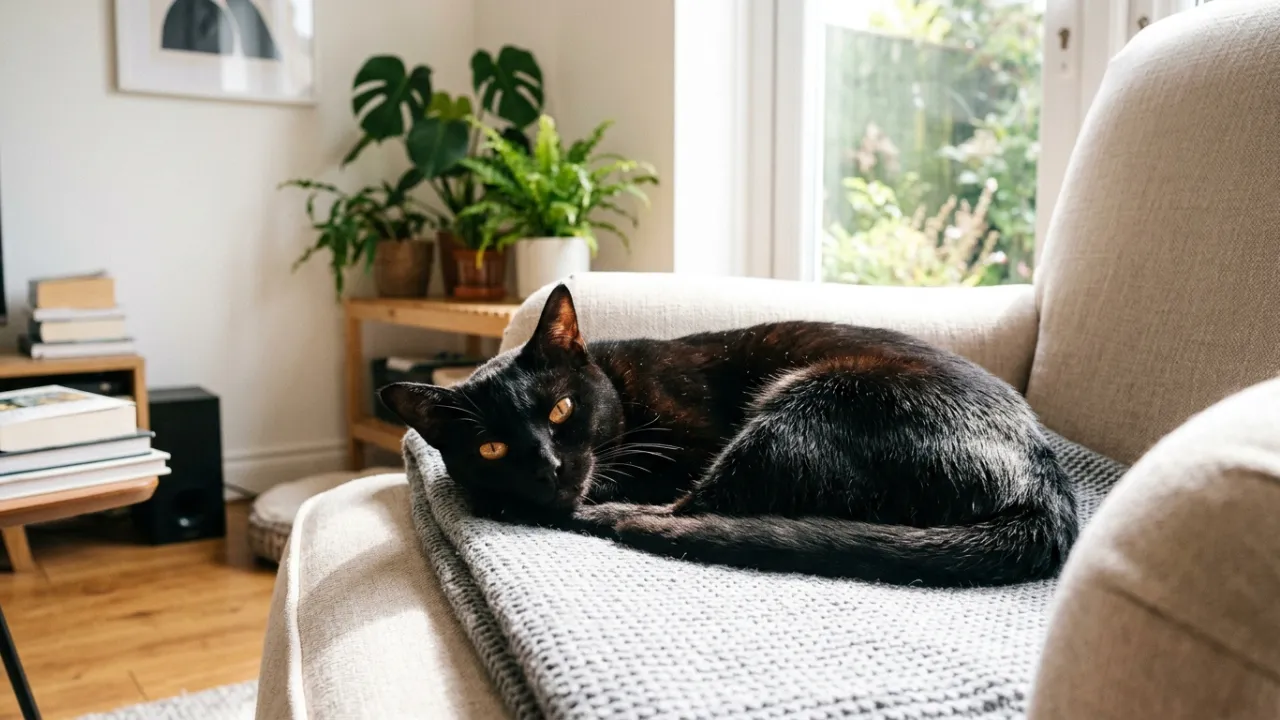
With its glossy black coat and striking golden eyes, the Bombay has the elegance of a miniature panther wrapped in a refined companion. Beneath that luxurious appearance is a muscular, athletic cat that is generally healthy and often enjoys a long lifespan when cared for properly.
Although the breed may have a higher risk of conditions such as hypertrophic cardiomyopathy or sinus issues in some lines, responsible breeding, routine veterinary care, and a balanced lifestyle help many Bombays remain resilient.
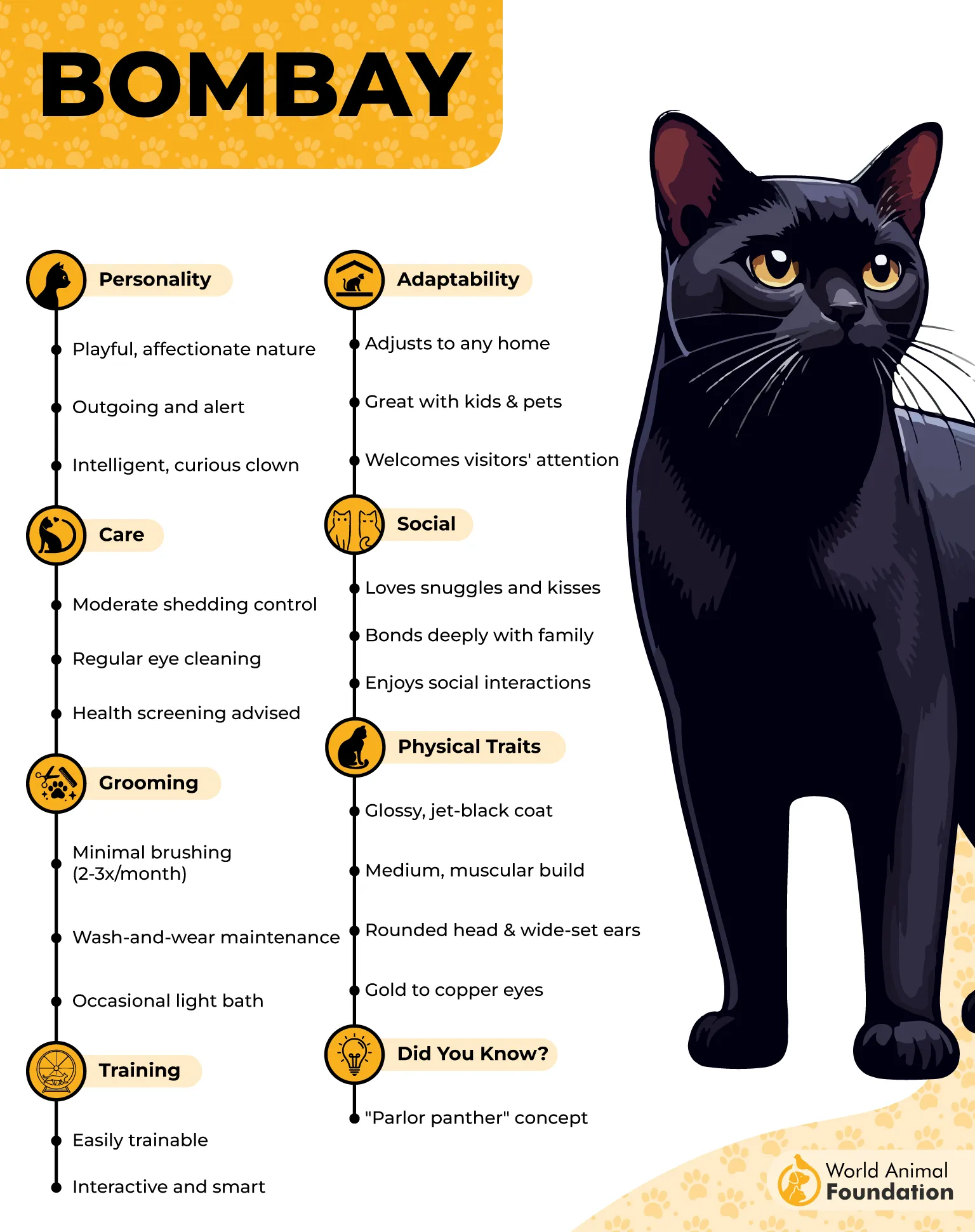
The Bombay’s energetic nature shines through climbing, exploring, and interactive play. Multilevel cat trees and engaging activities help satisfy its athletic instincts while supporting overall fitness.
Affectionate and outgoing, this breed loves being involved in family life, happily following its favorite people from room to room with quiet confidence and unmistakable charm.
6. Egyptian Mau
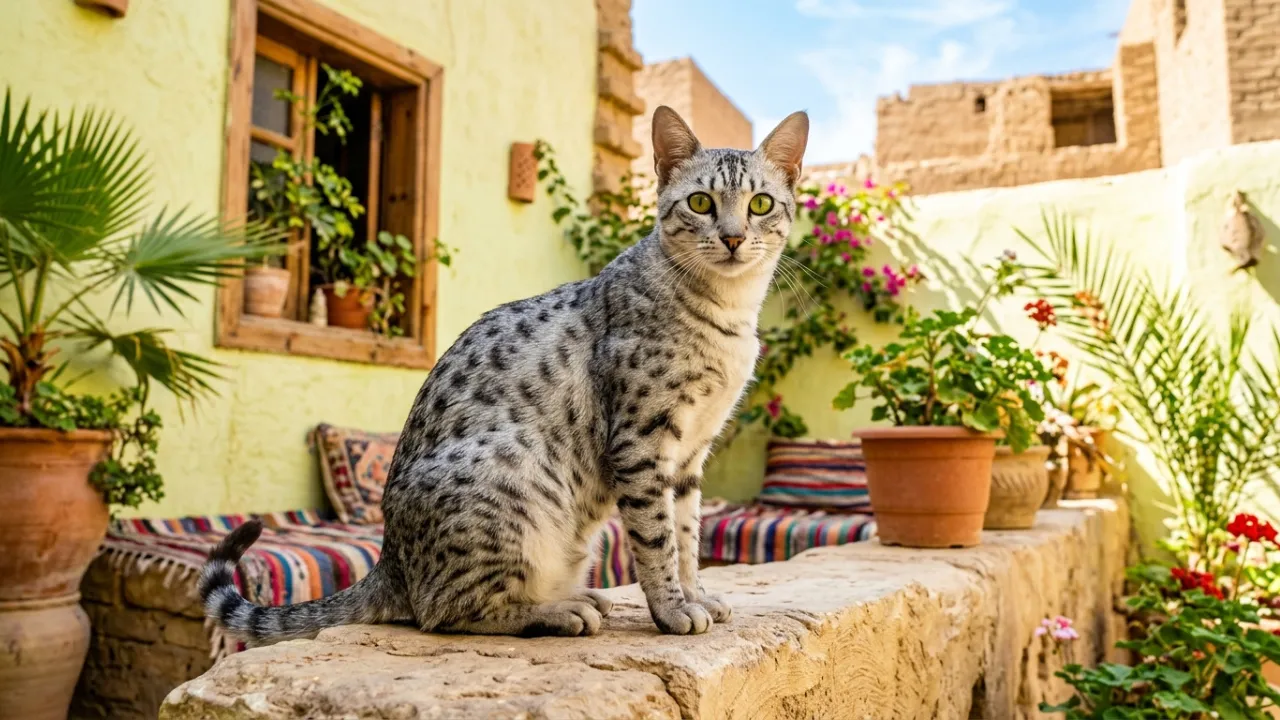
The Egyptian Mau carries a remarkable legacy as one of the oldest natural cat breeds, with roots stretching back to ancient Egypt. As the only naturally spotted domestic cat, it developed without extensive human intervention, contributing to its reputation as a hardy companion.
This athletic breed is always ready for action, enjoying fast-paced games, climbing, and exploring every corner of its environment. Keeping an Egyptian Mau mentally and physically engaged helps it stay happy while satisfying its natural curiosity and energetic spirit.
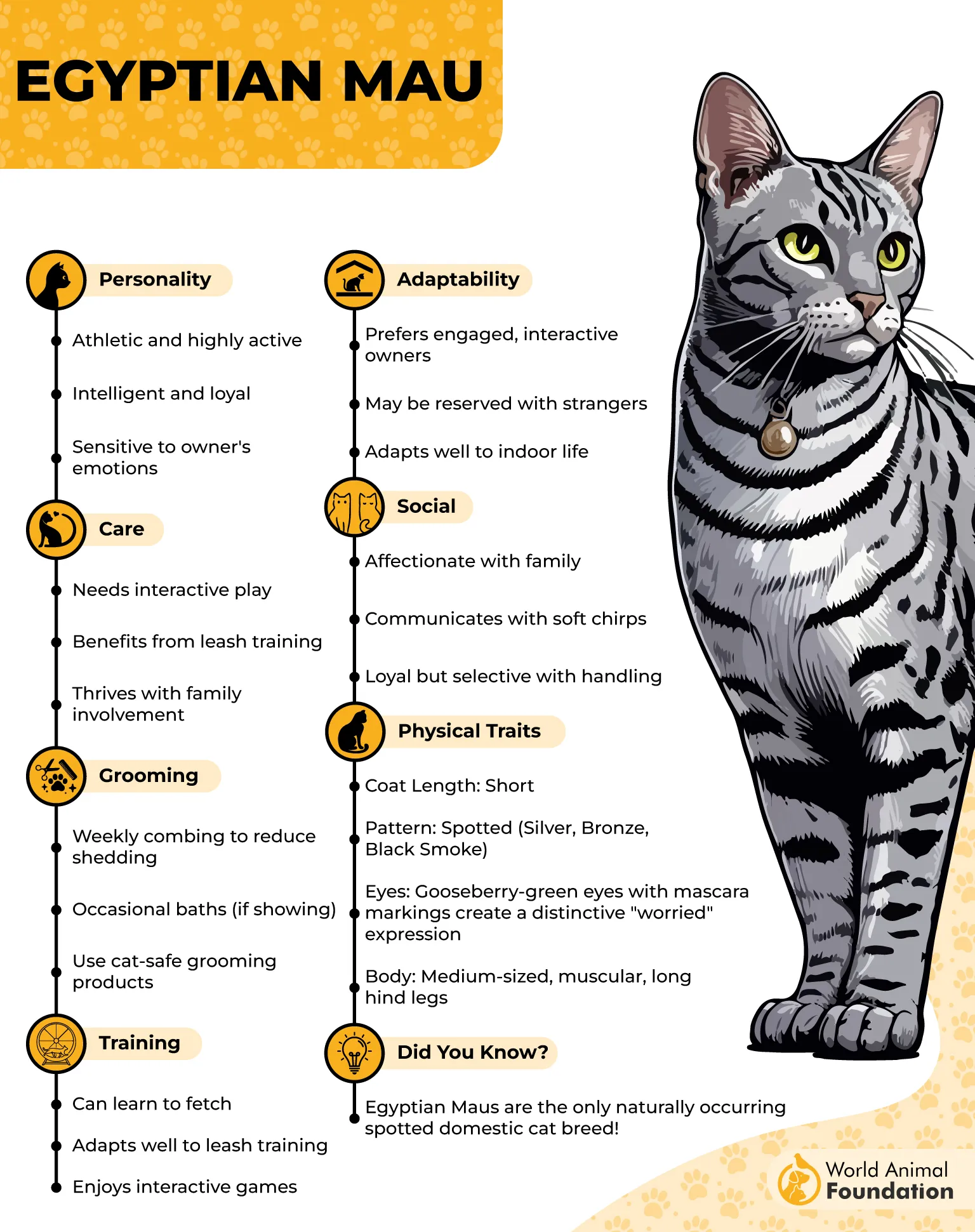
The breed is generally considered healthy and resistant to many common illnesses. Although a few inherited conditions can occur, responsible breeding practices help reduce their presence, allowing many Egyptian Maus to enjoy long, active lives.
Beyond its adventurous nature, the Egyptian Mau is deeply affectionate and forms close bonds with its family, happily sharing both exciting play sessions and quiet moments at home.
7. Norwegian Forest Cat
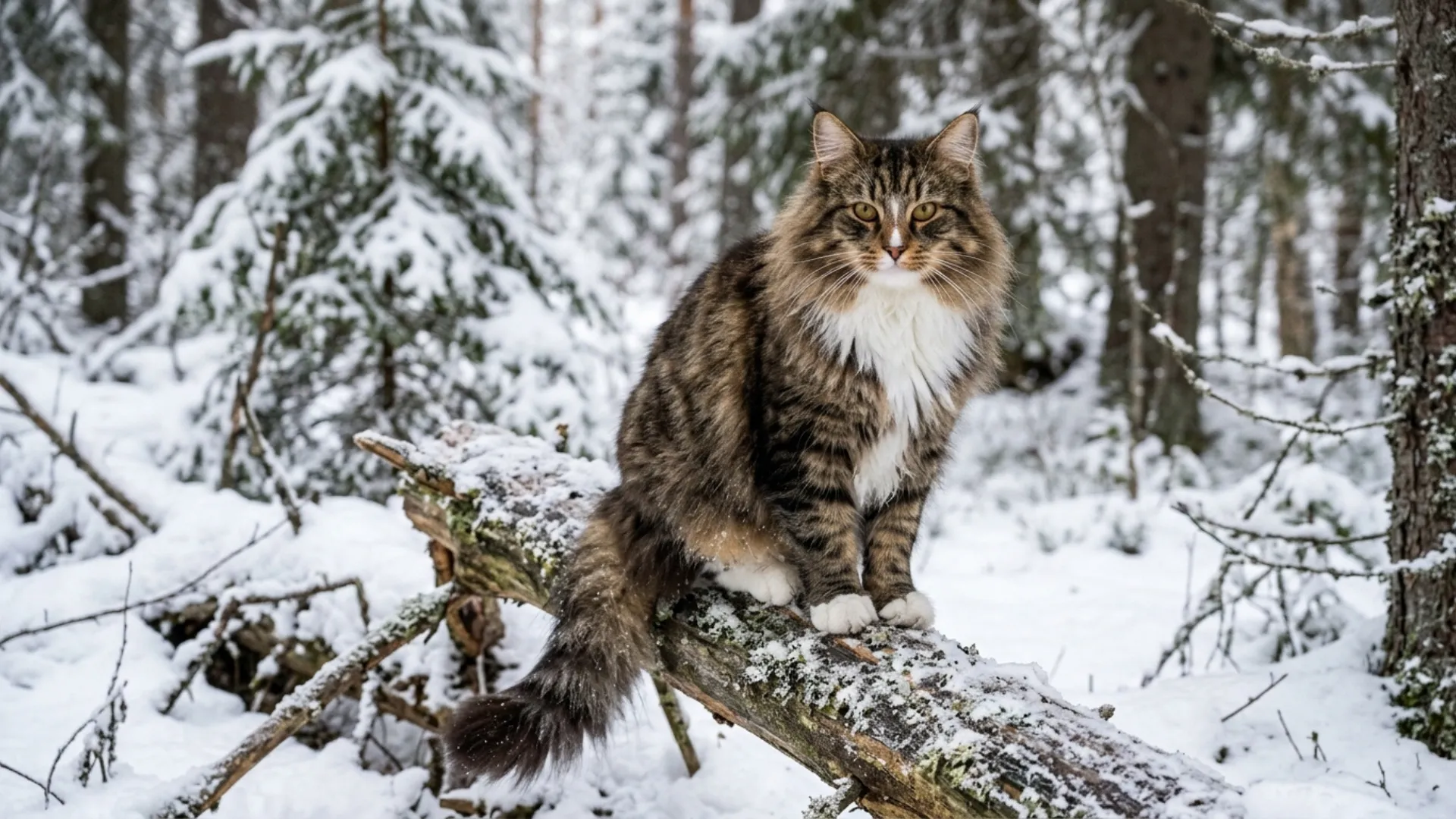
The Norwegian Forest Cat traces its roots to the rugged forests of Scandinavia, where generations of natural adaptation shaped a hardy breed. Revered in its homeland and later named Norway’s official cat, compared with other breeds, it developed the strength needed to thrive in harsh mountain landscapes and freezing winters.
Its dense double fur provides insulation against cold weather. According to WebMD, its coat naturally sheds in the warmer months, leaving it shorter and better suited to summer temperatures.
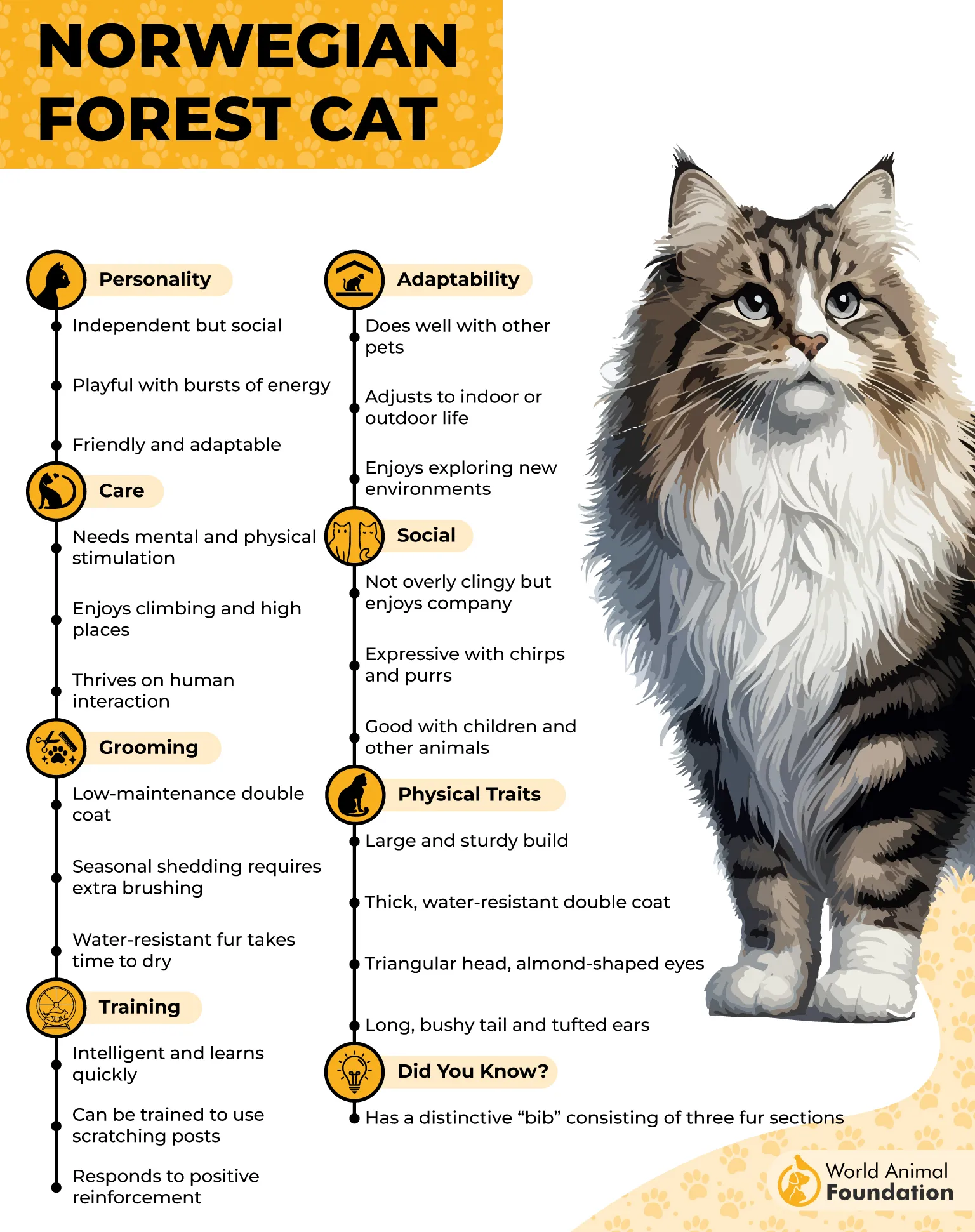
Although generally robust, the Norwegian Forest Cat can be prone to inherited conditions such as hypertrophic cardiomyopathy and glycogen storage disease.
Responsible breeders use genetic screening for disorders like glycogen storage disease type IV and pyruvate kinase deficiency to reduce the risk of passing these dangerous conditions, which can lead to serious health problems.
Intelligent, graceful, and built for demanding environments, this majestic animal combines rugged endurance with a gentle personality, making it a remarkable companion for families who appreciate both history and resilience.
Conclusion
Choosing a cat with a reputation for good overall health can help reduce the likelihood of common illnesses, but no breed is completely immune to medical concerns. Responsible breeding and informed ownership play an important role in supporting lifelong wellness.
Many gradually hardy breeds developed their resilience through generations of adaptation, while modern health screening helps lower the risk of inherited conditions. Selecting a kitten from a responsible breeder can make a meaningful difference.
Regular vet checkups, a balanced diet, routine minimal grooming, and an enriching environment are just as important as genetics. Preventive care allows potential health issues to be identified and managed early.
The healthiest companion is one whose natural strengths are supported with consistent care and attention. By understanding each breed’s history, temperament, and health profile, you can welcome a feline friend that is well-equipped to enjoy a long, active, and happy life.
Only Cat Experts Can Score 6/6 on These Healthy Breeds 🐱
Which breed descended from hardworking cats brought to America by early settlers?
Which health concern may occur slightly more often in Russian Blue cats?
Which resilient breed developed a dense water-resistant triple coat in Russia?
Which breed is known for its glossy black coat and golden eyes?
Which breed is described as the only naturally spotted domestic cat?
Which inherited disease may affect the Norwegian Forest Cat?
