




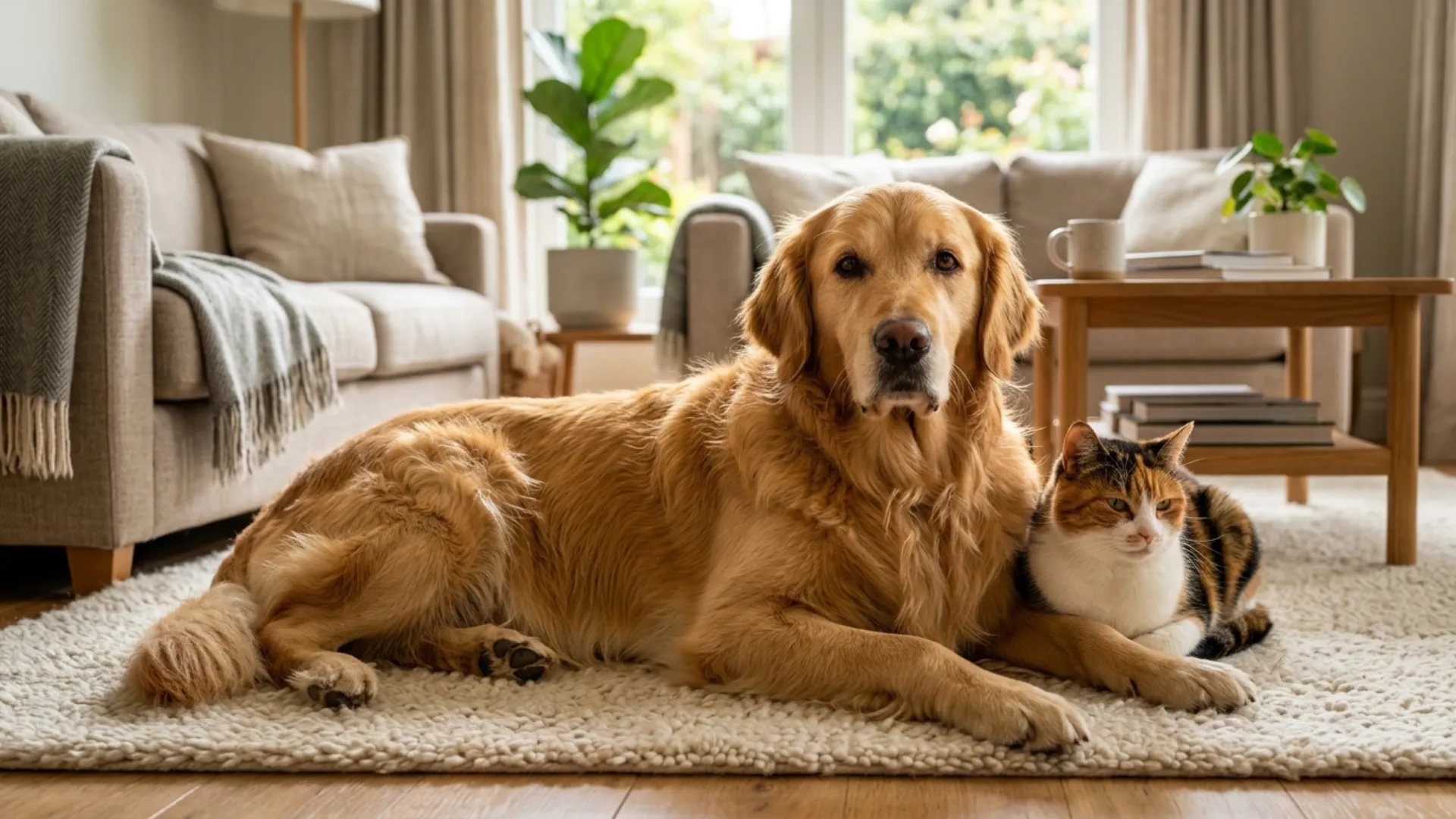
The whole “fighting like cats and dogs” thing is honestly outdated drama.
A 2020 study of 1,270 homes with both pets found that 62.4% of dogs and cats played together, while 68.5% slept together at least sometimes, suggesting that cross-species friendship is far more common than cartoons suggest.
Some become inseparable cuddle buddies, while others agree to share the sofa without starting a tiny household war, and both results can count as success.
Personality, age, past experiences, training, prey drive, and the cat’s comfort level all matter, which is why experts recommend slow introductions, scent swapping, barriers, short supervised meetings, and a reliable escape route for the cat.
The seven breeds below are known for their friendly, gentle, playful, or easygoing behavior, which can suit a multi-pet home.
Dog Breeds That Love Cats: Harmony for Two
1. Golden Retriever
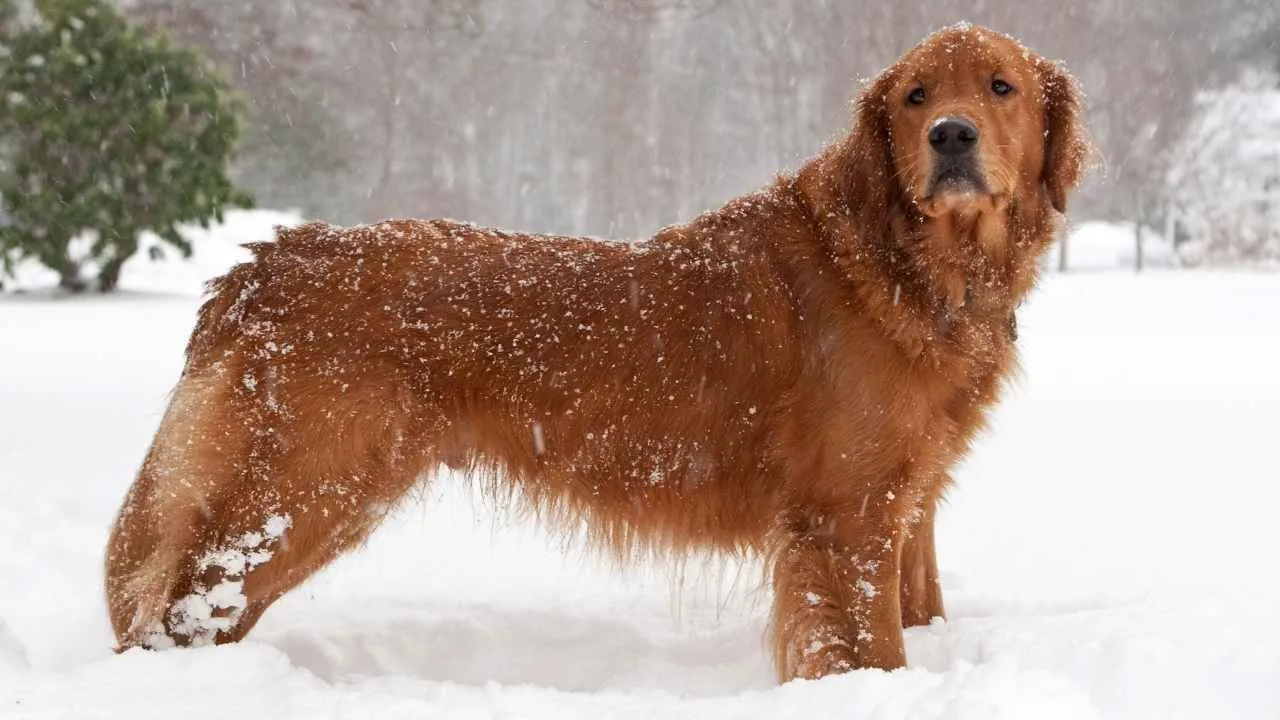
Golden Retrievers bring friendly-main-character energy into a home, and that warmth often extends beyond people to other pets. They are affectionate, outgoing, and usually eager to join family life rather than control every creature in the room.
Their larger size can look intense beside a cat, according to the AKC. Still, their famously gentle social style can help a confident feline relax once both animals have been properly introduced.
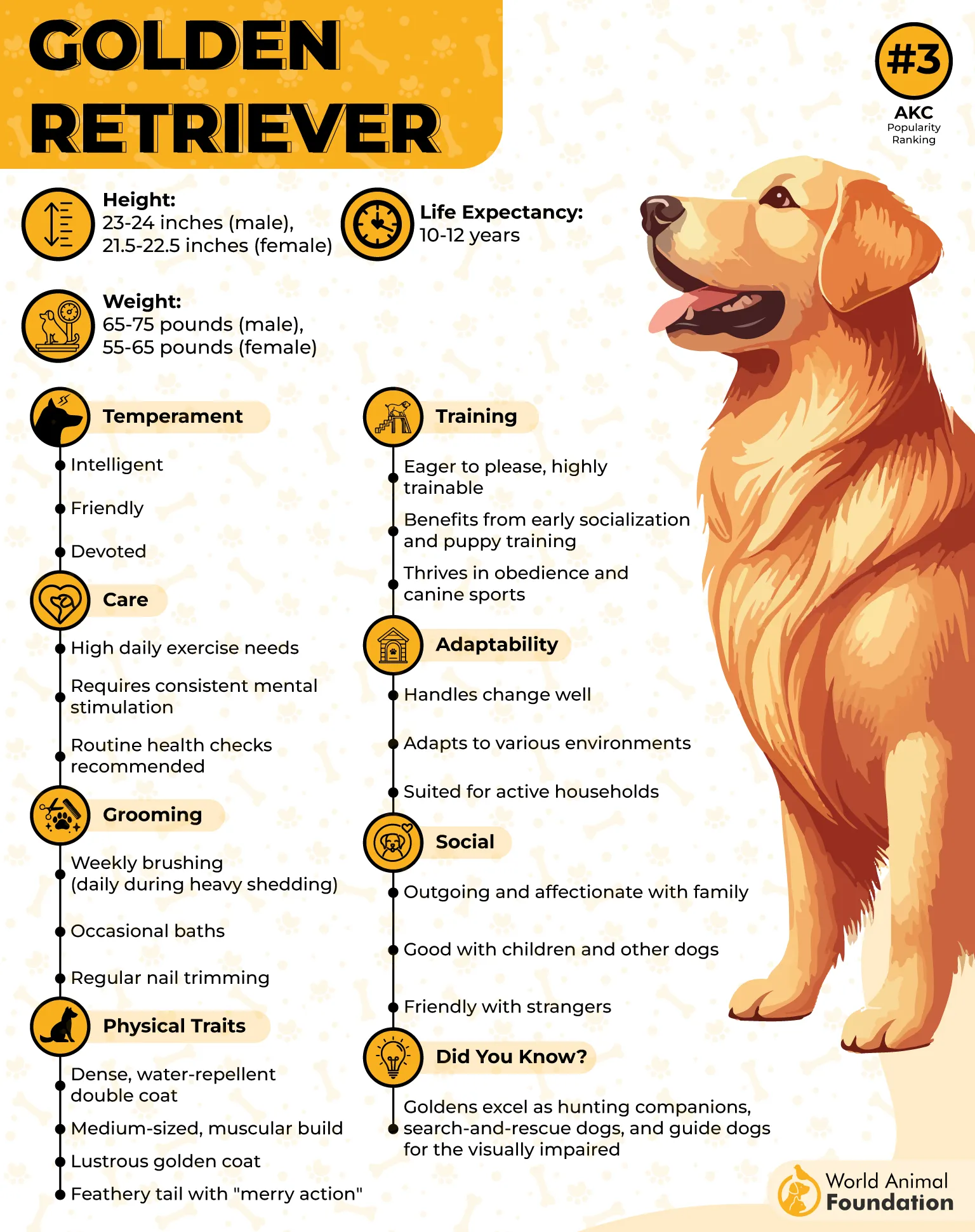
They are smart, highly trainable, and often motivated by praise, toys, food, or simply making their person happy. Those qualities make cues such as “leave it,” “stay,” “place,” and “gentle” easier to build into everyday life with a cat.
A Golden and a cat should first meet after they have explored each other’s scent through bedding, clothes, toys, or closed-door feeding. During visual meetings, keep the Golden on a standard leash while the cat remains free to step away, jump onto a high surface, or return to a dog-free room.
Activities These Dogs Often Perform With Cats
Stretching out beside the cat during family movie nights and quietly sharing the premium sofa zone.
Following a feline friend from room to room without crowding, especially after calm-behavior training becomes routine.
2. Labrador Retriever
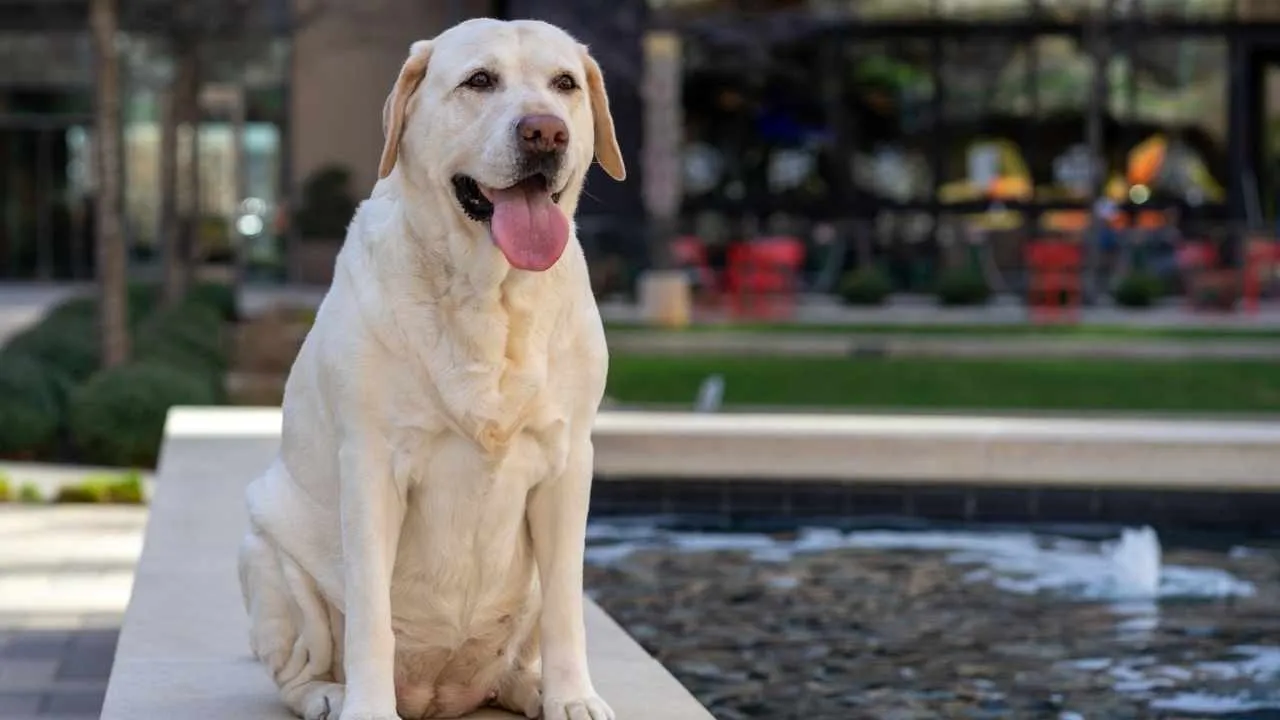
Labrador Retrievers are social butterflies in dog form, and many treat a resident cat as one more possible friend on the household guest list. The breed is known for an affectionate, outgoing, energetic personality and a strong desire to be involved in whatever the family is doing.
Their friendliness is a huge advantage, although a young Lab’s enthusiastic hello can still feel like a surprise tackle to a smaller pet.
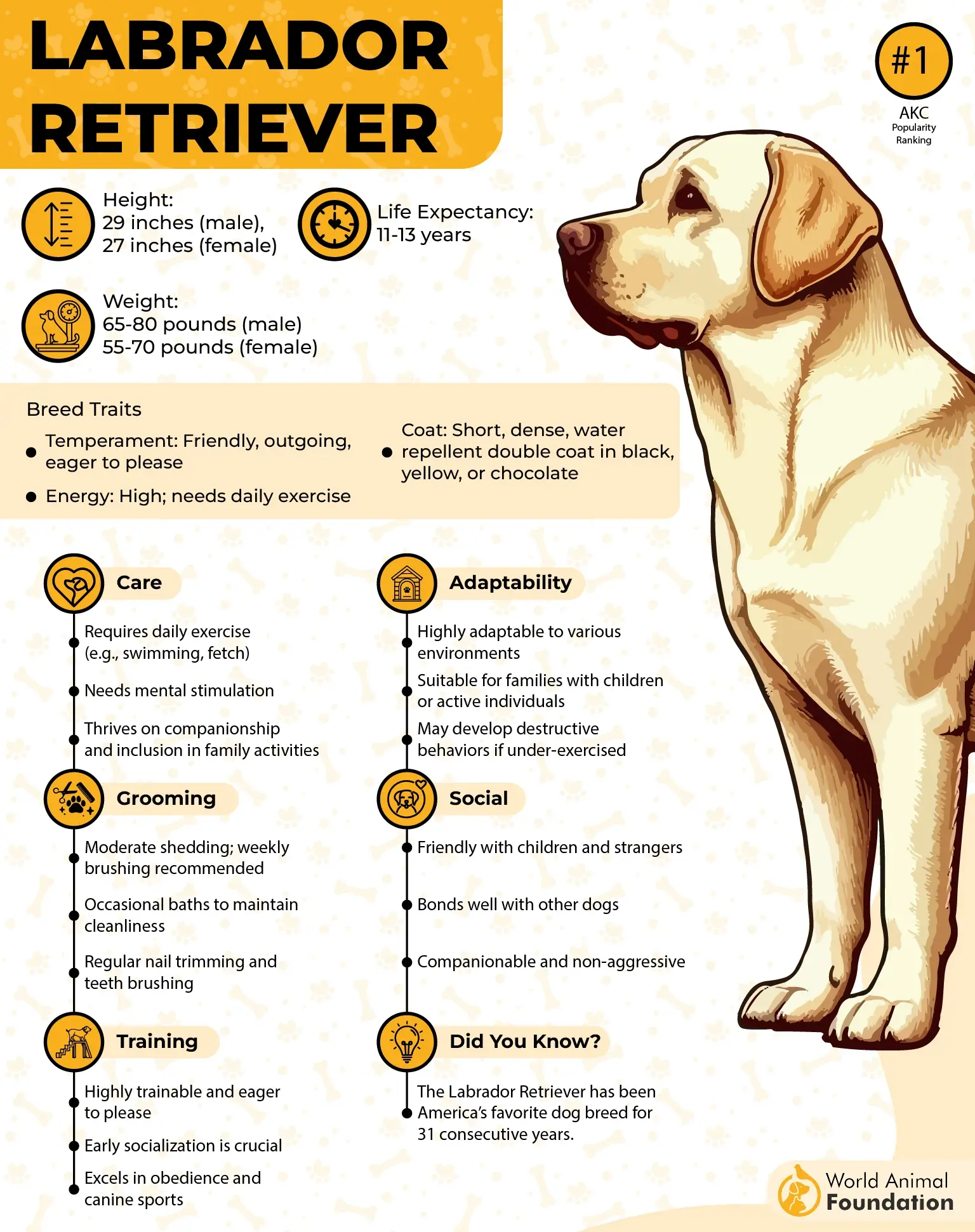
Food motivation is often the Lab owner’s secret superpower because calm behavior around the cat can be rewarded quickly and clearly. Ask for a sit, down, hand target, or mat settle whenever the cat walks through the room, then pay the dog before excitement builds.
Activities These Dogs Often Perform With Cats
Waiting beside the cat during treat sessions and practicing turns instead of attempting a snack-based takeover.
Exploring cardboard boxes, tunnels, or scent games while each pet works at a comfortable distance.
3. Beagle
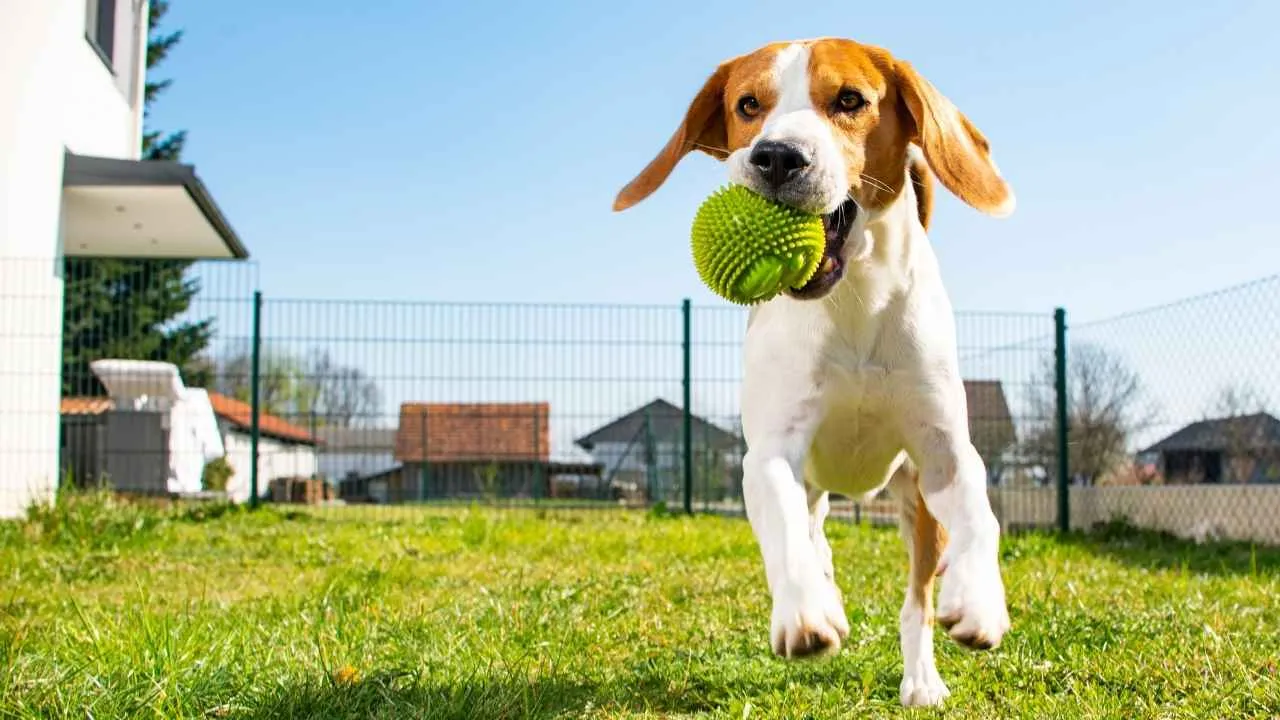
Beagles were bred to work in packs, so being around other animals is built into much of their social history. PetPlan describes them as merry, happy, easygoing companions that enjoy company, which can help them view a cat as another household member rather than an automatic rival.
Its nose is basically running its own private investigation at all times. Your cat’s bed, food bowl, litter area, toys, paws, and secret hiding places may all become important evidence in a case nobody asked the dog to solve.

Cat personality matters a lot with this breed because a bold, dog-experienced cat may set boundaries more comfortably than a shy senior who dislikes busy attention. Training should focus on recall, disengagement, settling, and leaving interesting smells alone when asked.
A leash or long line can prevent the dog from rehearsing chasing during early meetings, while treats reward the moment this dog notices the cat and calmly checks back with the owner.
Activities These Dogs Often Perform With Cats
Conducting joint scent investigations around shopping bags, delivered boxes, and every new item entering the home.
Taking turns initiating quick hallway chases when both animals show relaxed, playful body language.
4. Basset Hound
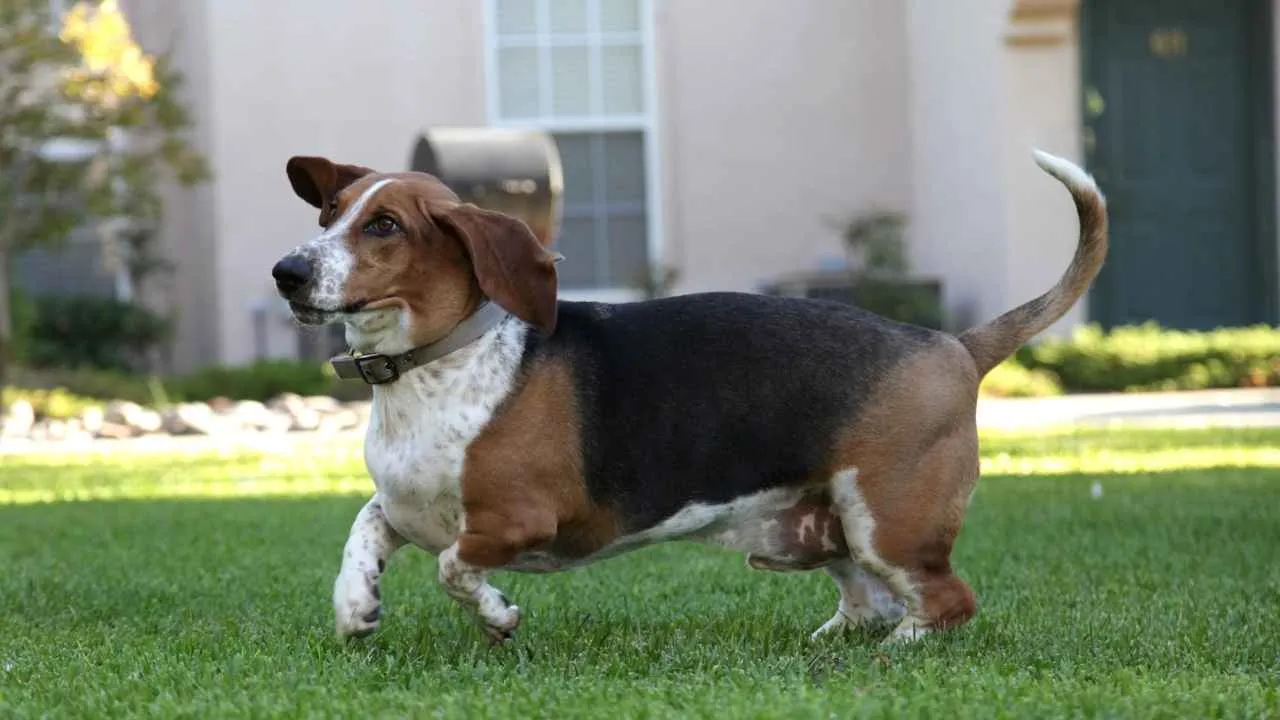
Basset Hounds look like they were designed by someone who selected “extra ears,” “short legs,” and “permanent sleepy face,” yet their calm charm is very real. They are generally loyal, patient, mild, and low-key, which can feel less threatening to a cat than the movements of a fast, spring-loaded dog.
They are scent hounds, as per PetMD, and an interesting smell can temporarily outrank the owner’s entire speech. Their independence may slow training, but slow does not mean impossible, especially when sessions are short, rewarding, and focused on practical household skills.
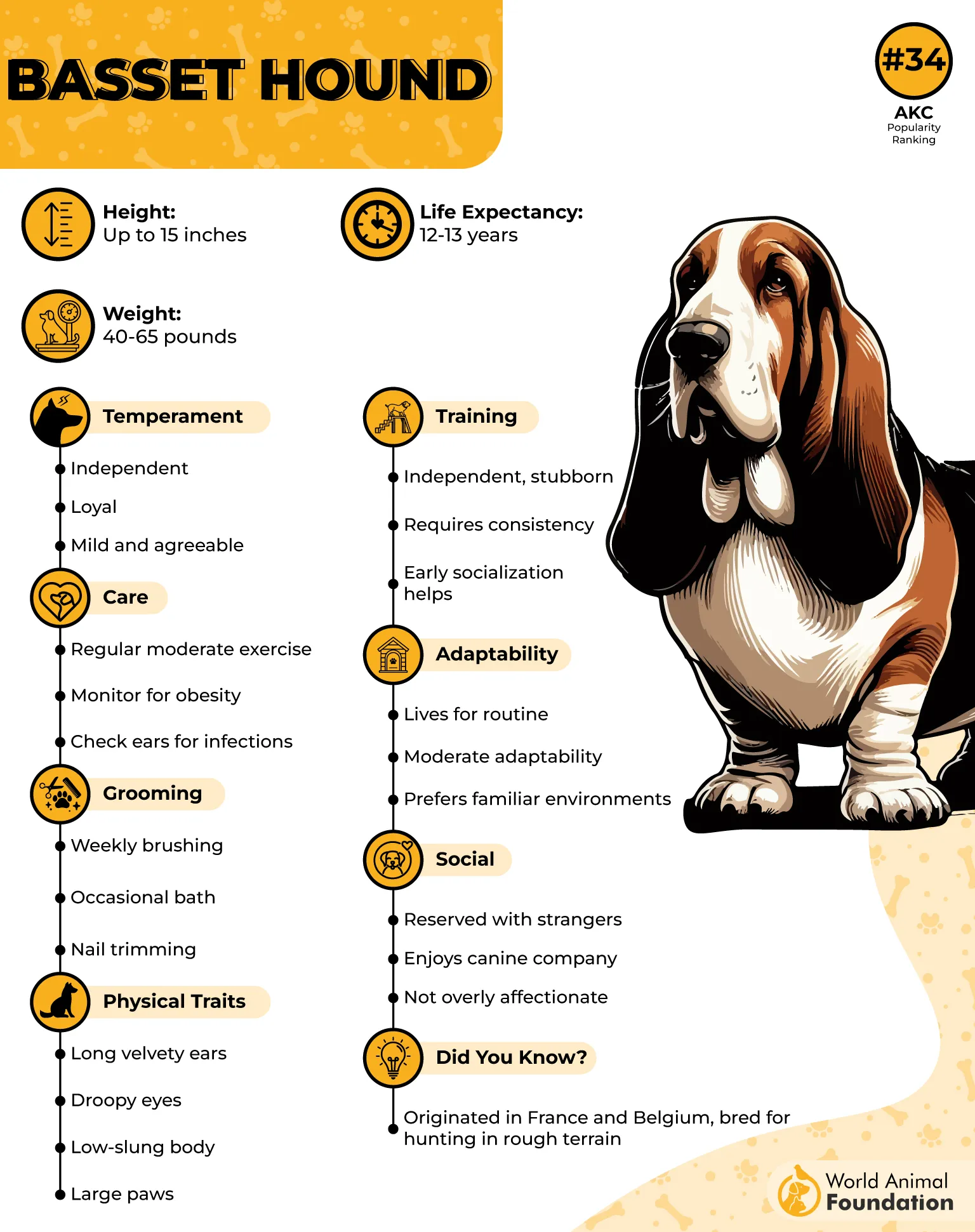
The best introduction style for a Basset is calm, gradual, and almost boring, which honestly matches the breed’s preferred vibe. Let both pets learn the other’s smell first, then use a barrier and brief face-to-face sessions before offering shared freedom.
It is a friendly, tolerant, patient dog whose slow movement and low energy can suit feline housemates. They may become close companions, but they are equally good candidates for the peaceful “we nap in the same room and mind our business” arrangement.
Activities These Dogs Often Perform With Cats
Sharing long afternoon naps in separate but nearby spots, creating a very serious relaxation department.
Slowly trailing the cat to the kitchen in case a mysterious snack event is about to occur.
5. Cavalier King Charles Spaniel
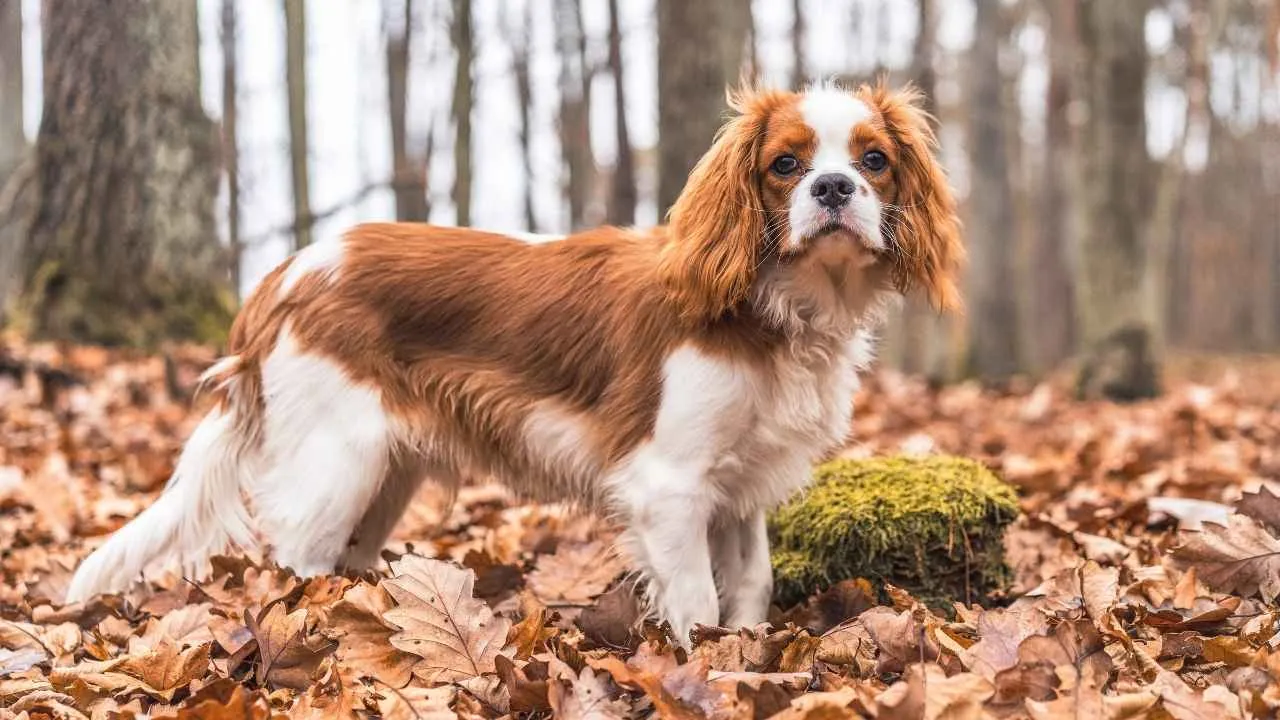
Cavalier King Charles Spaniels combine the soft affection of a companion dog with the bright energy of a small sporting spaniel. They are described as affectionate, gentle, graceful, and open to other animals when properly socialized.
These small-breed dogs are deeply people-focused, according to the Royal Kennel Club, and often dislike being left out of family activities. A friendly cat can provide quiet company, shared resting time, and another living creature to watch when the humans are busy.
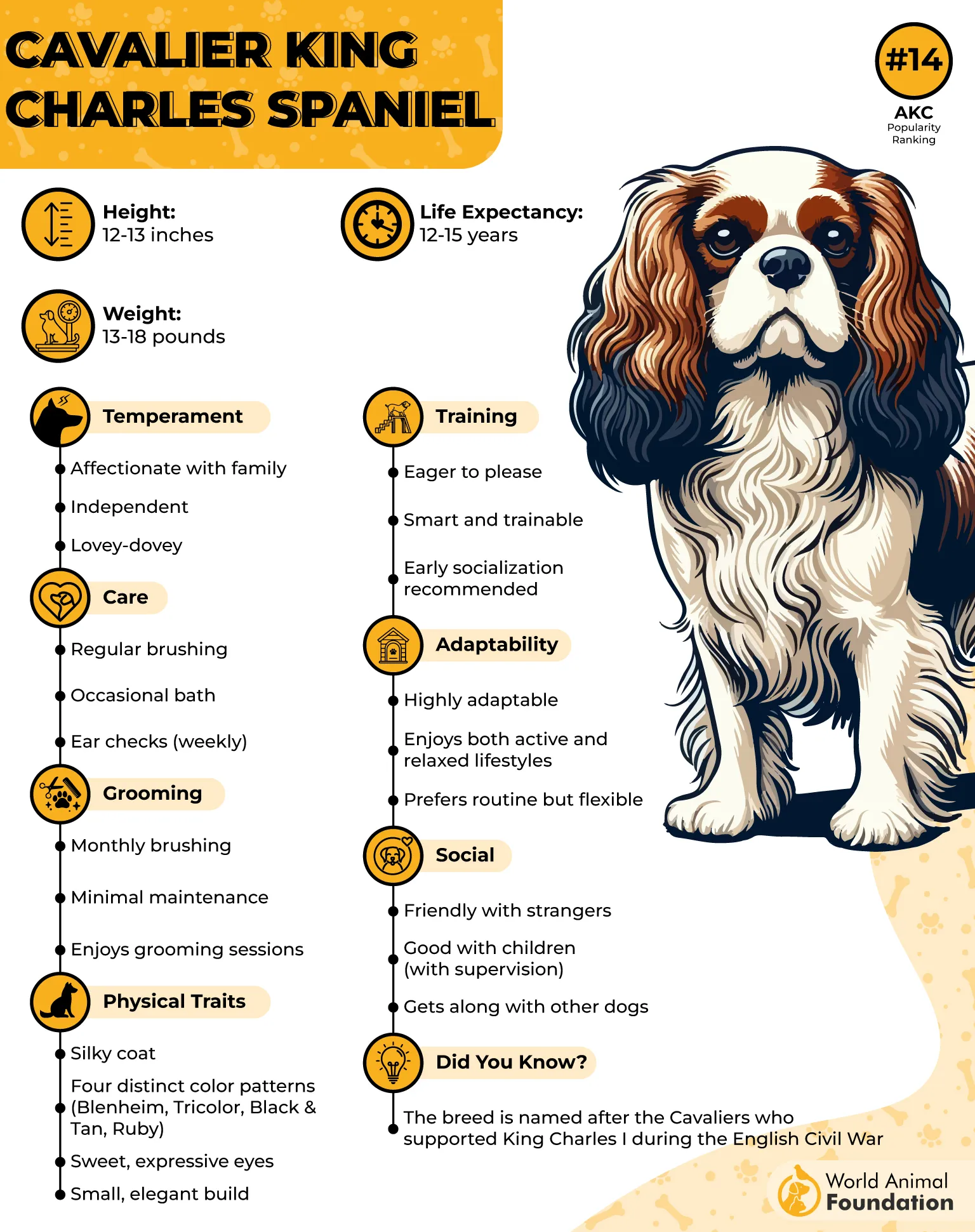
The breed’s spaniel background means some individuals may notice quick movement and attempt a playful chase. Early socialization, recall practice, leash control, and positive reinforcement help prevent that spark of interest from becoming a daily cat cardio program.
Before the pets meet, prepare a dog-free cat shelter with food, water, litter, scratching options, toys, hiding places, and comfortable high surfaces. Let the cat choose when to approach the barrier, and keep the Cavalier busy with treats to address soft eyes, loose posture, and attention to the handler.
Activities These Dogs Often Perform With Cats
Resting together on blankets, cushions, or human laps during quiet parts of the day.
Watching birds through a window while the Cavalier politely accepts the lower viewing position.
6. Bichon Frise
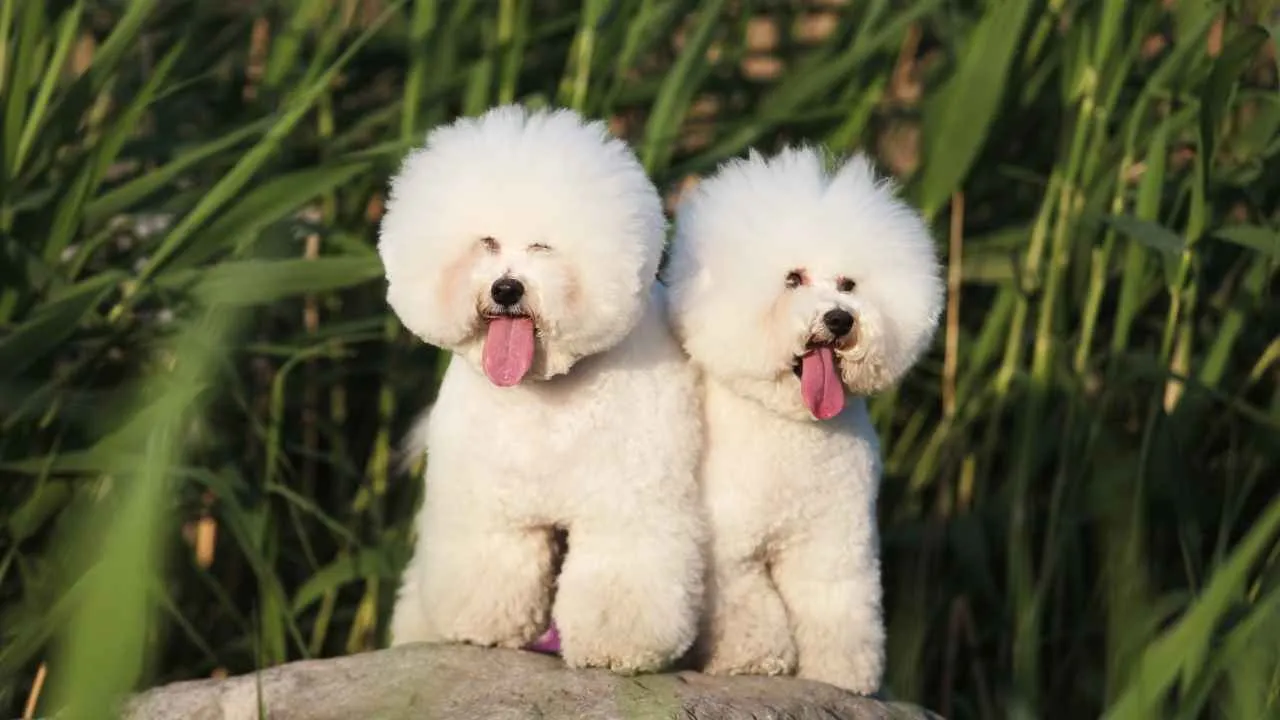
The Bichon Frise is a cheerful white puff with the confidence of a much larger entertainer. The breed is known for being curious, playful, peppy, affectionate, and strongly interested in company, which can make a tolerant cat feel like a potential sibling or audience member.
Bichons have a long history as companion dogs and performers, so they often enjoy learning tricks and earning attention. Their intelligence can be directed toward useful cat-friendly behaviors such as waiting at doors, staying on a mat, and backing away from food bowls.
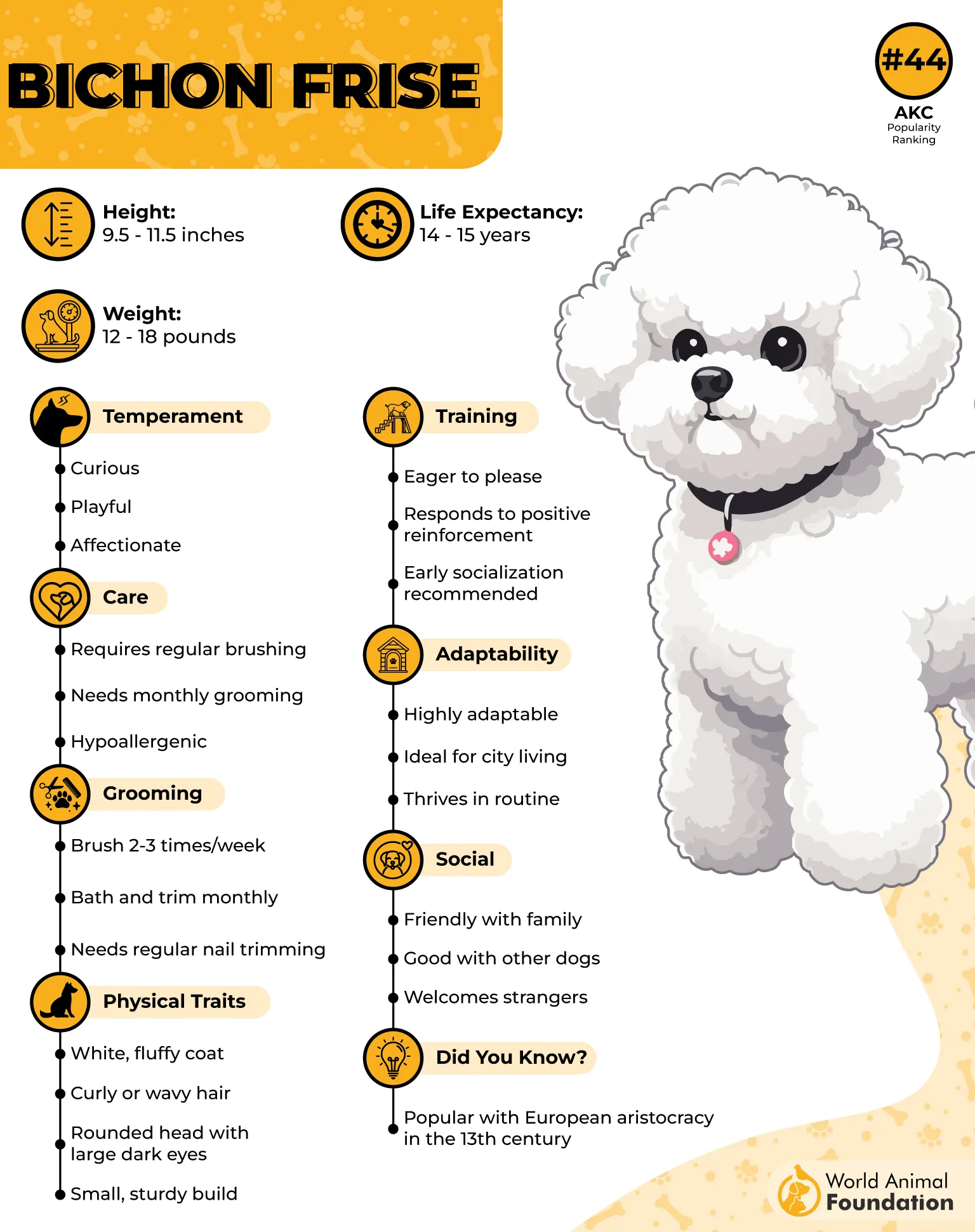
Because Bichons are small and playful, many owners assume supervision is unnecessary as they coexist peacefully, but size does not automatically create good manners. A lively Bichon can chase, bark at, corner, or repeatedly paw a cat that wants space, while a frustrated cat can injure delicate eyes with one defensive swipe.
A well-matched feline companion can bring serious sitcom energy to the house through short games, shared curiosity, and dramatic negotiations over soft sleeping spots.
Activities These Dogs Often Perform With Cats
Taking part in short trick-training sessions where both pets earn rewards for simple, separate behaviors.
Investigating paper bags and lightweight toys together while an owner keeps the play area calm and open.
7. Pug
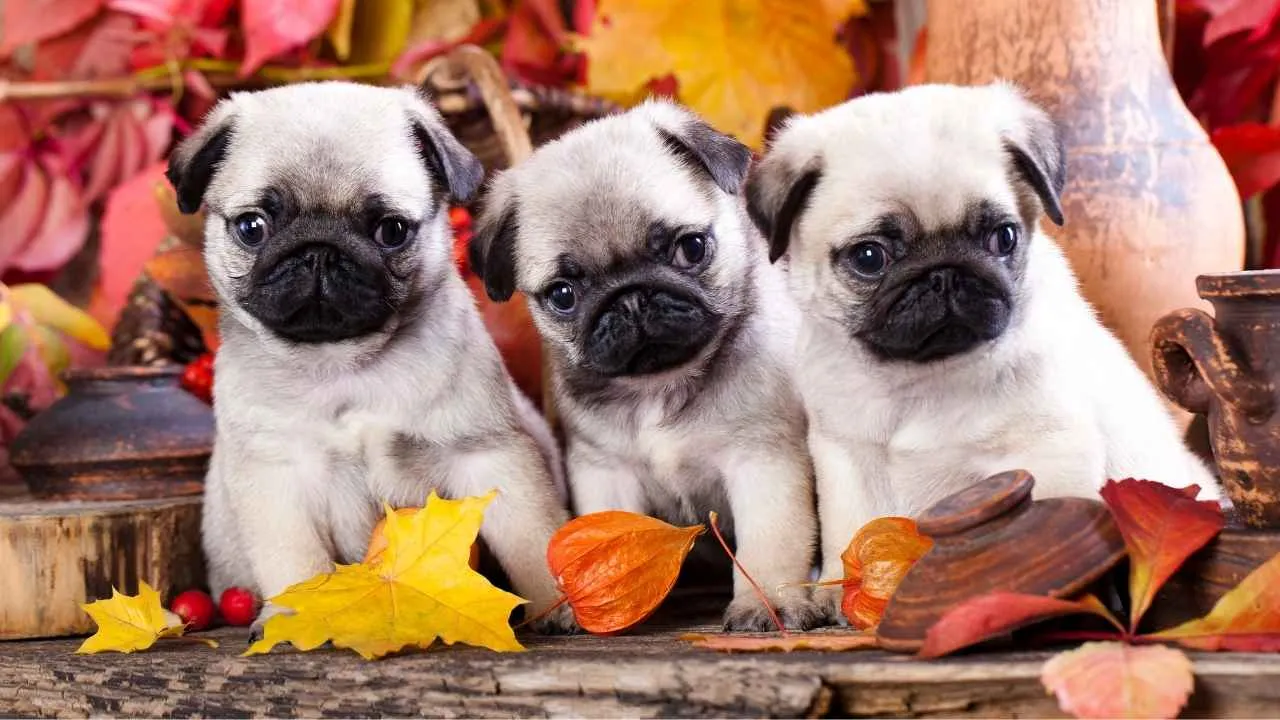
Pugs were developed primarily as companion dogs, so their primary role was to stay close, look charming, and enjoy human life. They are known for an even-tempered, playful, outgoing, and loving disposition rather than the intense working drive found in many hunting breeds.
A lower hunting drive may improve the odds, but it does not turn every Pug into an automatic feline fan.
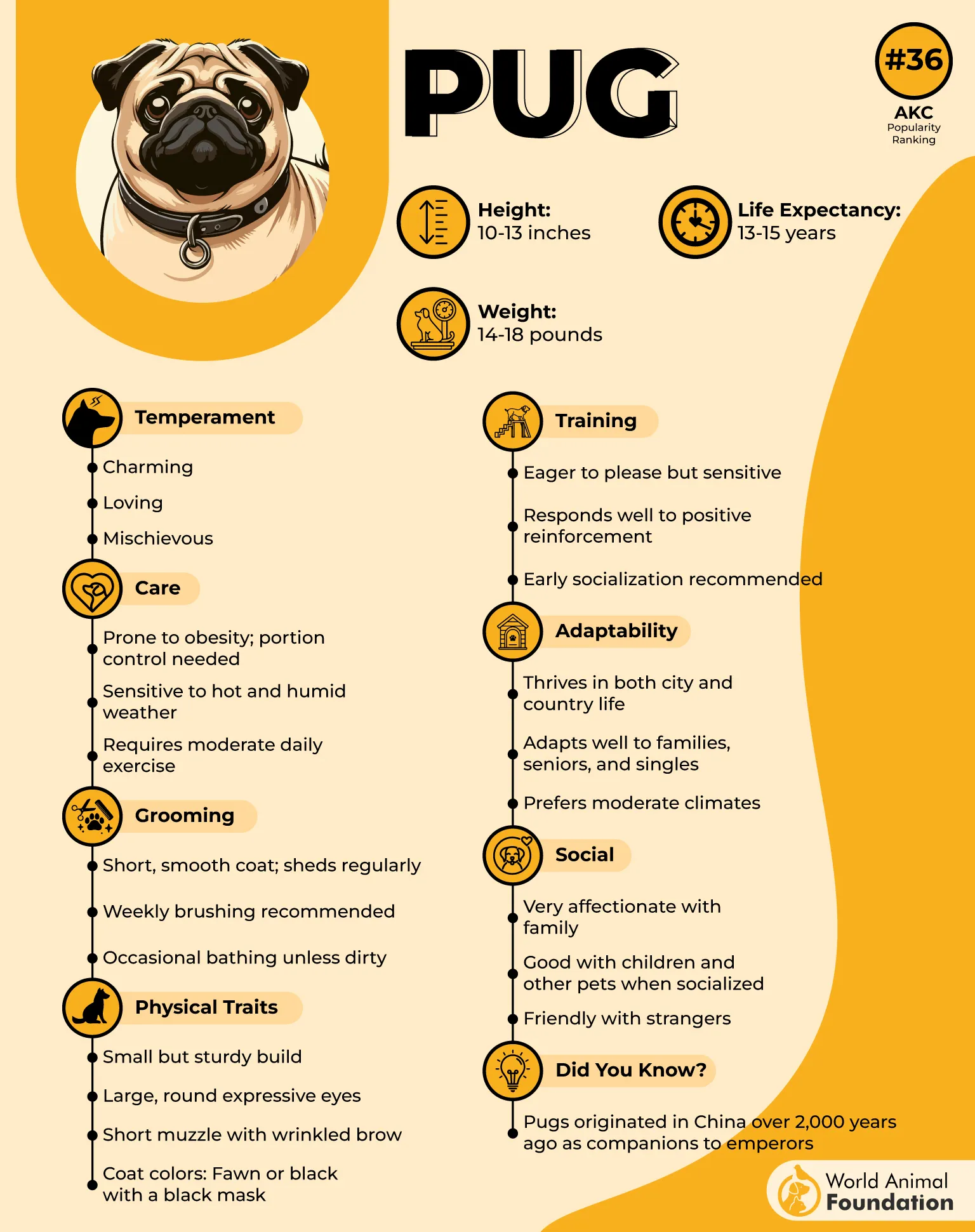
Chewy mentions that these dogs with a gentle temperament often enjoy moderate play followed by a great deal of resting near their favorite people or animals. A confident cat may appreciate this rhythm, especially when it prefers a roommate that can have fun without demanding an all-day athletic tournament.
Owners should teach the Pug to pause at doors, wait around food, come away from the litter area, and settle when the cat enters. Positive reinforcement works better than scolding because the aim is to make calm choices rewarding, not to make the cat’s presence predict tension.
When the match works, Pugs and cats can become professional loungers in a multi-pet household and share warm spots, follow their humans, and check each other’s activities with low-stakes curiosity.
Activities These Dogs Often Perform With Cats
Claiming neighboring patches of sunlight and remaining there until the warm spot moves across the floor.
Following the family from room to room as a two-pet support crew with very limited respect for privacy.
Conclusion
All these dogs bring traits that can support life with a cat. Some offer gentle patience, some bring playful friendship, and others specialize in world-class shared lounging, but every successful match still depends on the individuals involved.
Choose carefully, introduce slowly, reward calm behavior, and let the pets decide whether their final relationship becomes best-friend chaos or peaceful roommate perfection.
