




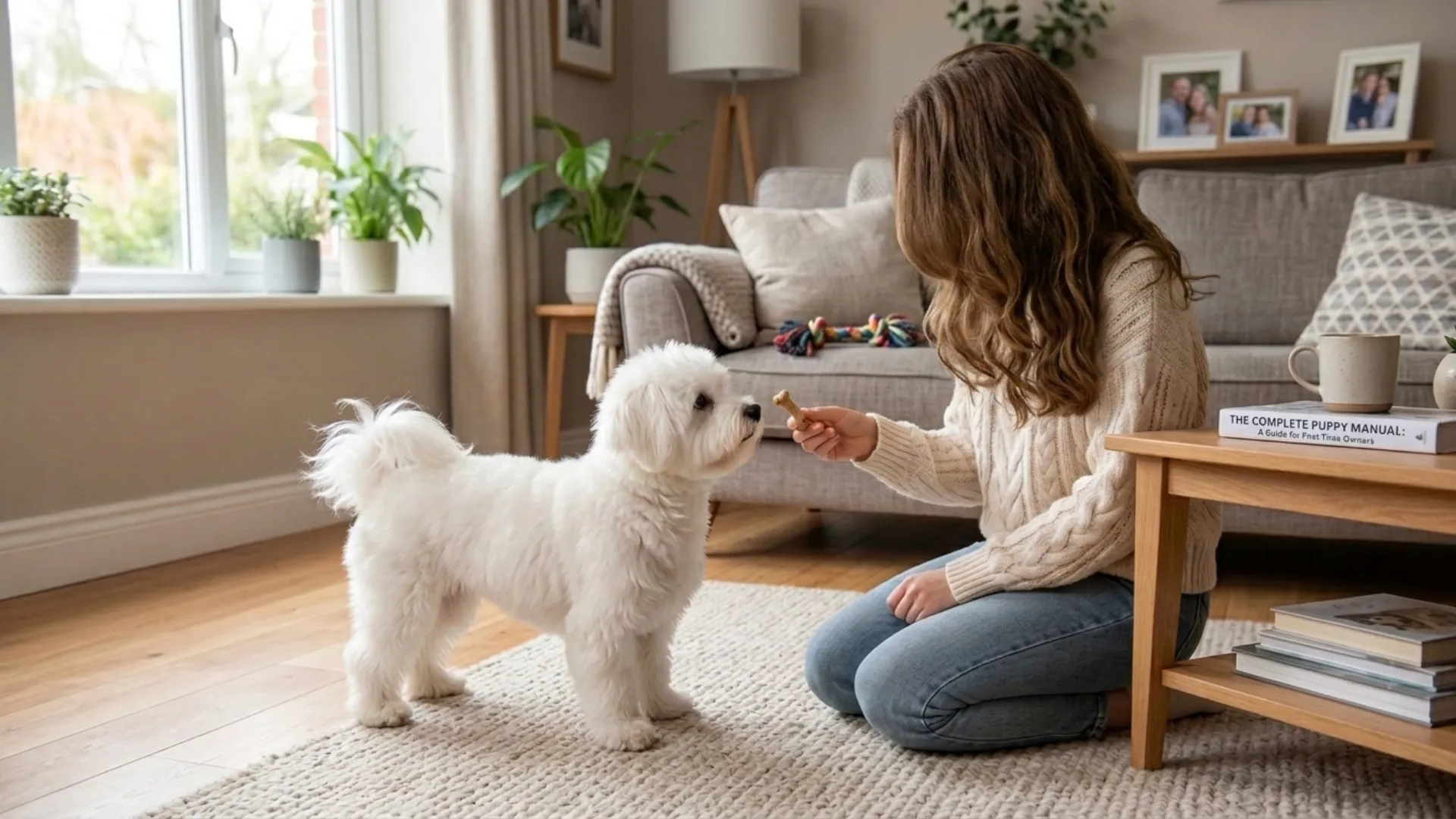
Bringing home your first dog is exciting, but it also comes with plenty of questions. Will the dog settle into your routine? Will training feel overwhelming? Will you be able to handle the responsibility without feeling like you’ve taken on more than you expected?
These concerns are completely normal, especially when you have no previous experience. The good news is that your first dog doesn’t have to make the learning process harder. Some small breeds have a naturally gentle way of fitting into everyday life, making the adjustment easier for both you and your new companion.
Their size may be the first thing people notice, but it’s often their friendly personalities, willingness to bond, and manageable care needs that leave the biggest impression.
Here, you’ll discover sweet small dog breeds that make welcoming your very first companion feel exciting, comfortable, and well worth the journey.
Key Takeaways
The best first dog is often the one that understands your lifestyle, settles into your routine, and makes every day a little brighter.
The Pug has been loved for centuries, even by Chinese emperors, while still keeping a simple routine that many new owners can handle.
From the gentle Cavalier King Charles Spaniel to the clever Lowchen, these small companions bring affection, personality, and just the right amount of care.
The full list reveals the small dogs that can turn your first pet experience into a joyful beginning.
Sweet Small Dog Breeds Ideal for First-Time Owners
1. Pug
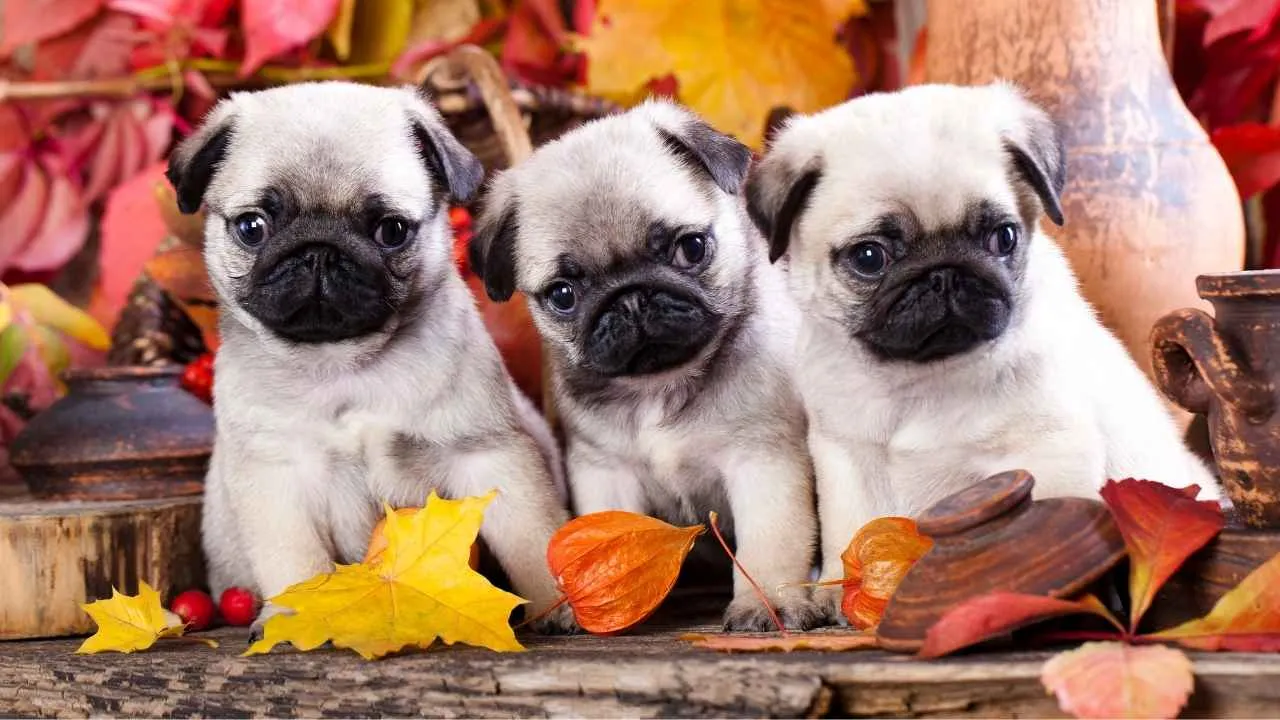
The pug first appeared in China during the Han Dynasty, between 206 BC and 200 AD, with similar pug-like dogs also recorded in ancient Tibet and Japan. This compact breed became closely associated with Chinese imperial families, where palace guards even watched over these cherished companions.
Easy to Live With
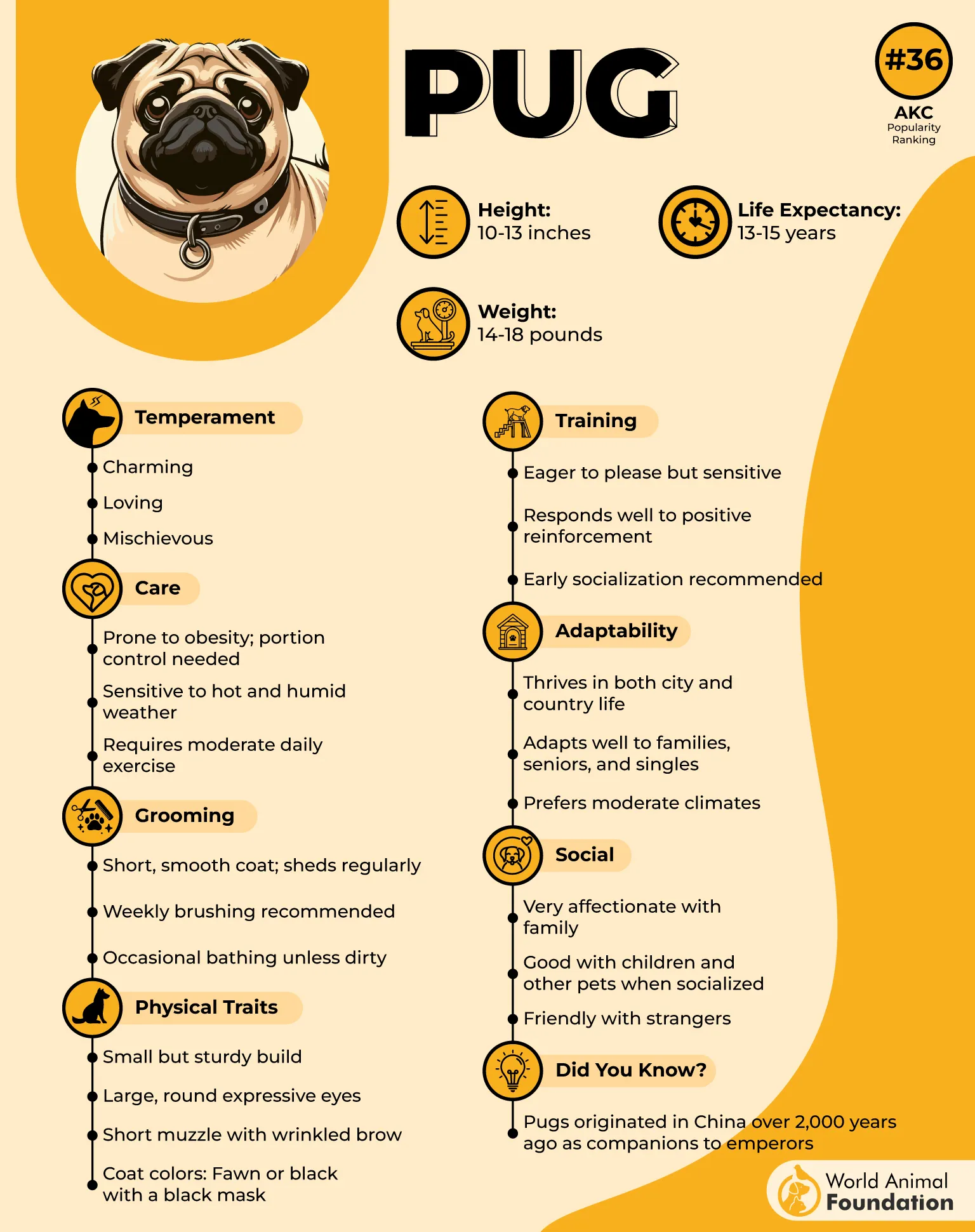
Pug suits first-time dog owners because its daily routine is simple and manageable, needing about 30 minutes of walking or play to remain content. Dry-land activities are a better choice, as swimming is not one of this breed’s natural strengths, as Greencross Vets reported.
There’s more of this small dog breed:
Motto means “a lot in a little”
Often called the “clowns of canines”
Short, glossy coat is easier to maintain
Full of Character
This low-maintenance dog brings a playful, humorous personality into everyday life and enjoys joining whatever is happening around the home, from relaxing on the sofa to tagging along for a neighborhood walk. Long periods without human company can leave this companion feeling unsettled and unhappy.
2. Bolognese
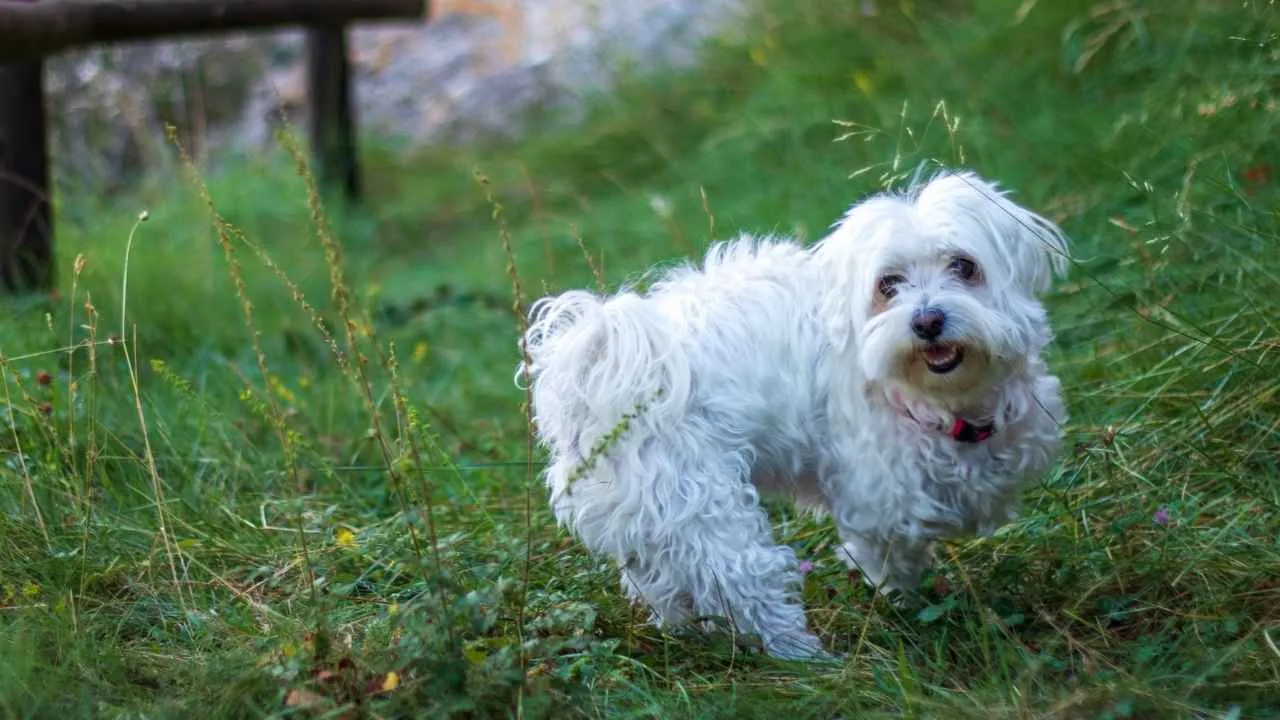
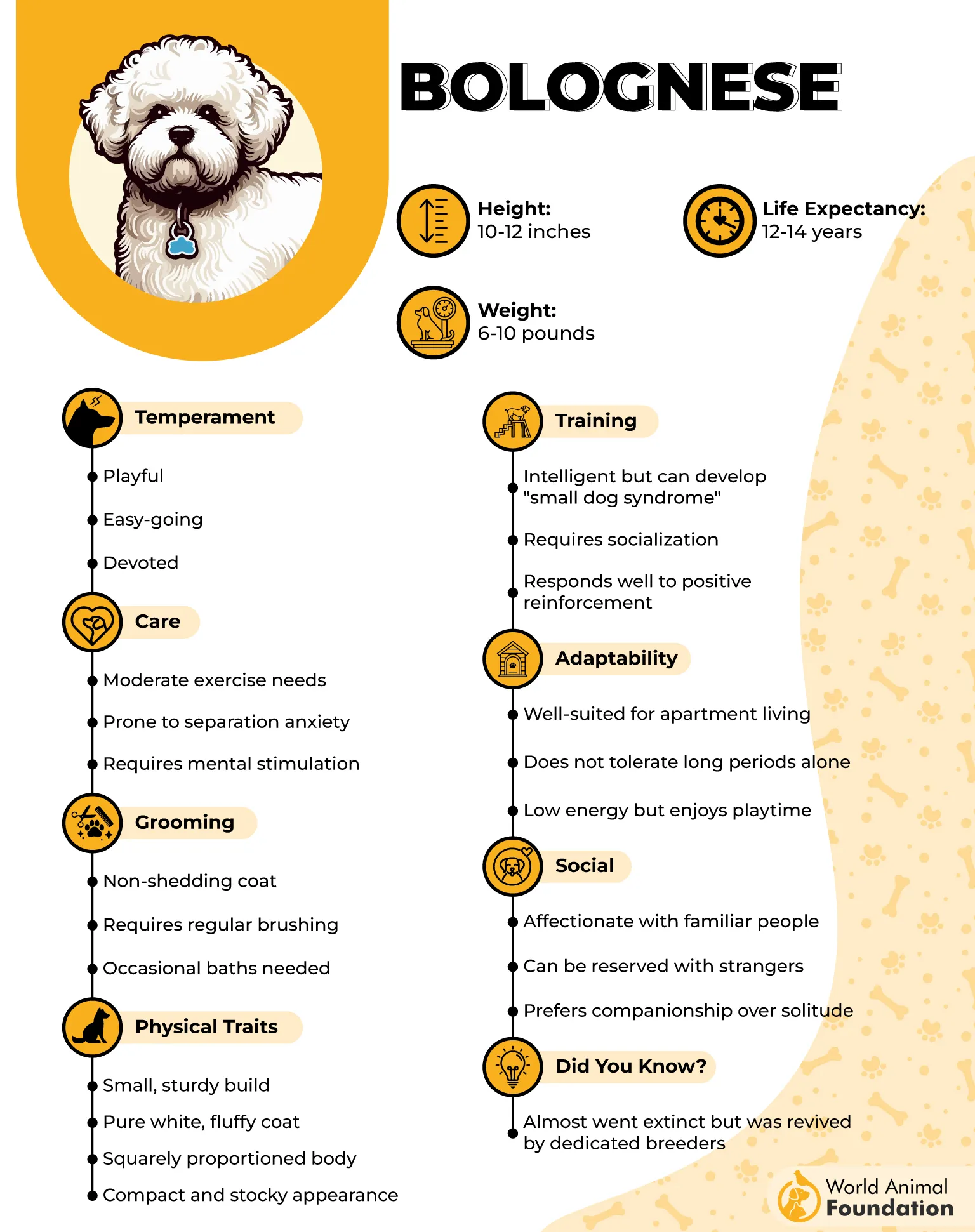
Bolognese has been associated with Bologna, Italy, since at least the 11th and 12th centuries, with roots linked to the small white bichon dogs of southern Italy and Malta. Historical accounts even mention these little companions dining from solid gold bowls and being attended by servants.
A Comfortable Fit
This apartment-living breed combines an eager mind with a manageable size and enjoys spending everyday life close to its family. It can also get enough activity from about an hour of exercise or playtime in a reasonably sized garden, as Purina reports.
A few details make this breed even more interesting:
Suitable for children, retirees, and singles
Dead hair removed through regular grooming
Responds well around other dogs
Close by Choice
Bolognese feels most comfortable when it can stay close to the people it knows and may not enjoy long stretches without company. When meeting someone new, it usually observes before becoming friendly, while training provides a rewarding outlet for its sharp learning skills.
3. Cavalier King Charles Spaniel
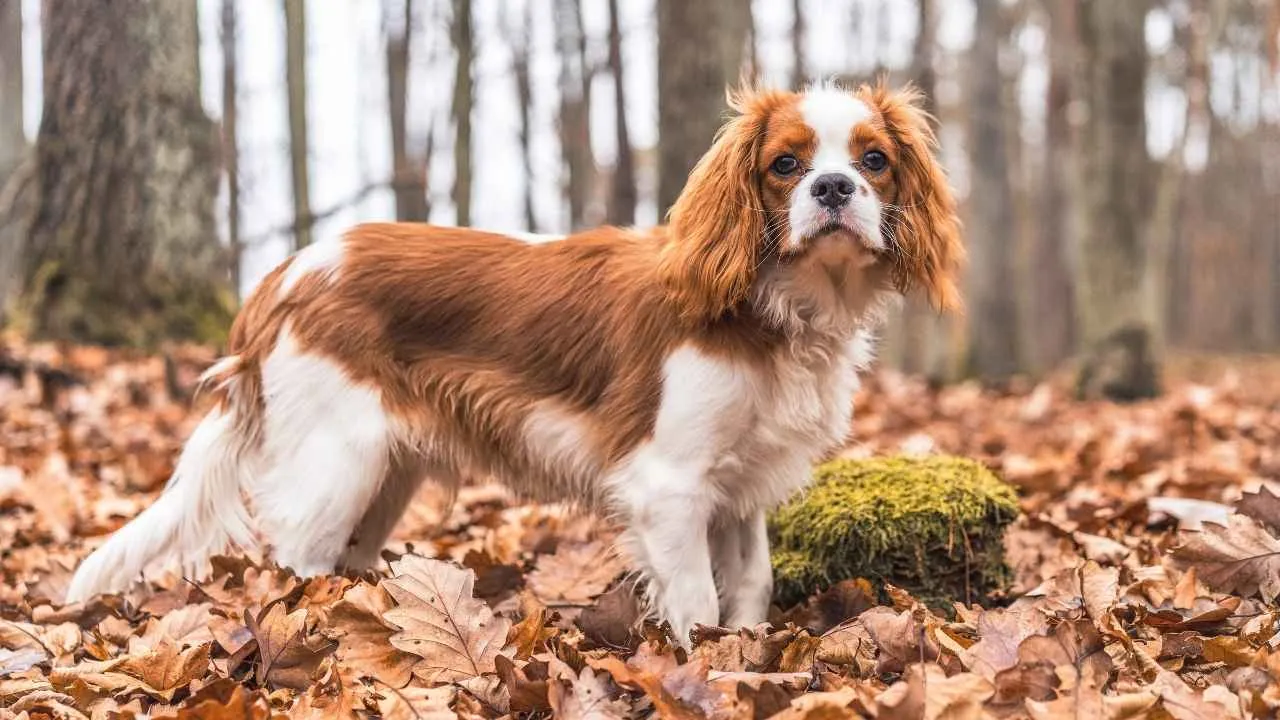
Cavalier King Charles Spaniel first appeared during Tudor times, where it spent its days as a lap companion and even helped warm cold feet. By the 1700s, King Charles II became so closely associated with the breed that his name eventually became part of its identity.
An Easy First Companion
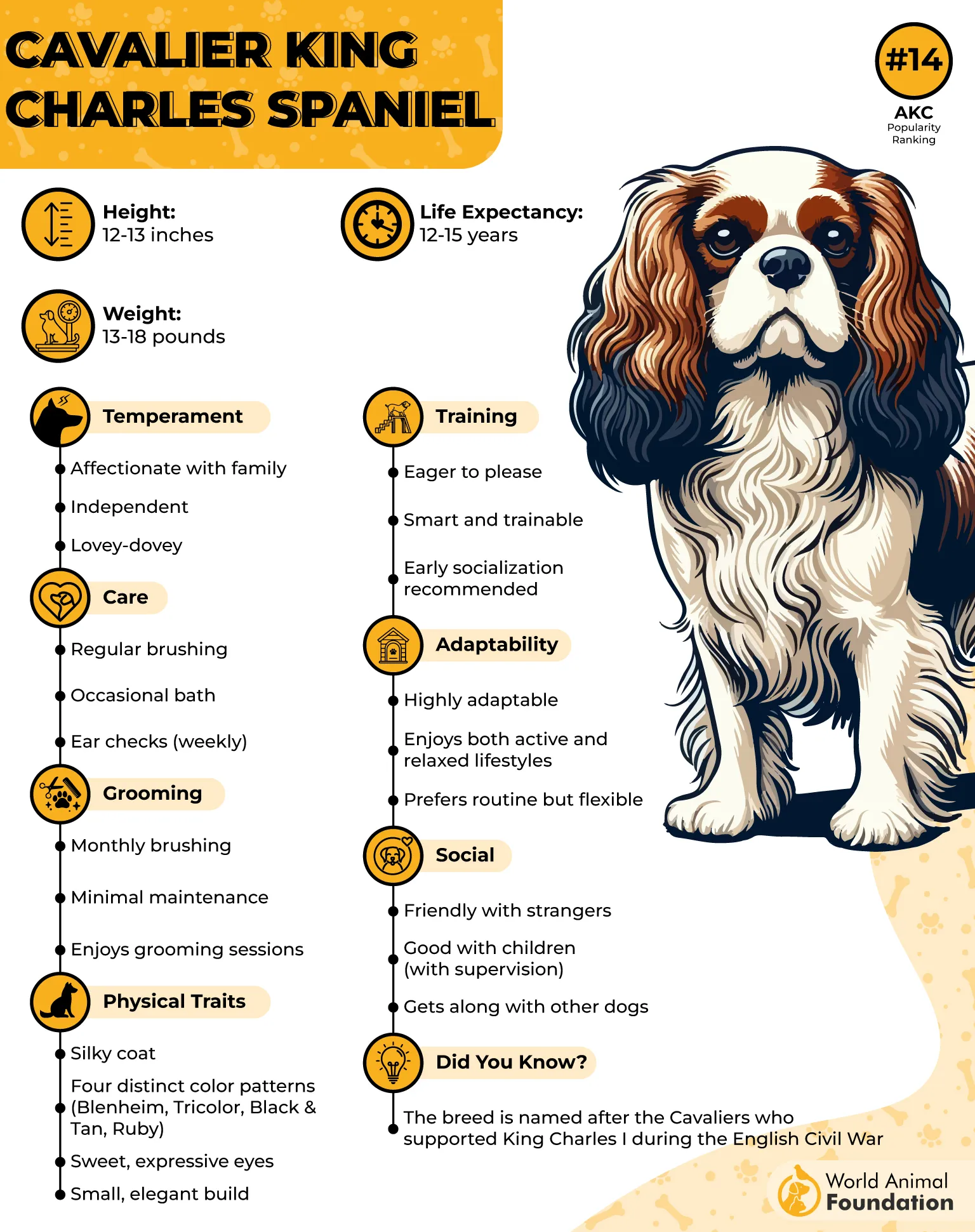
This wonderful companion dog offers an easygoing personality that suits people bringing home a dog for the first time. Whether the day includes a gentle walk, a game of fetch, or quiet time on the sofa, this breed adjusts with very little fuss, as Petplan stated.
The details don’t stop there:
Lives peacefully alongside cats and other dogs
Often works as a therapy dog
Monthly baths are usually enough
Bright and Affectionate
Cavalier King Charles Spaniel learns quickly and responds especially well to praise and affection during training sessions. Two daily walks of about 20 to 30 minutes, along with games or simple agility activities, provide enough variety before this gentle companion happily curls up beside the family.
4. Brussels Griffon
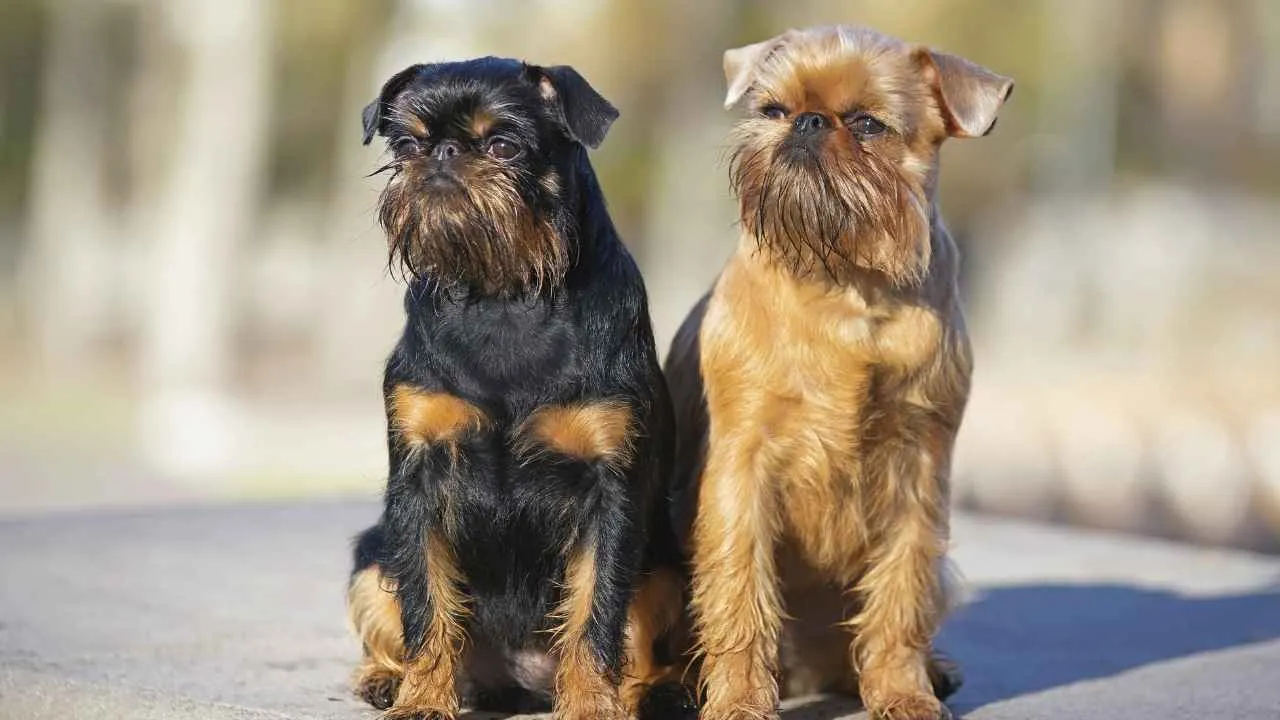
Belgium is where the Brussels Griffon developed into a compact yet confident little hunter, using its quick movements and determined nature to control vermin. Those early working days are still reflected in the purposeful way it moves and the bright, watchful expression it carries today.
Easy to Live With
The Brussels Griffon does not require a demanding exercise schedule, which can make daily care simpler for first-time owners. Around 30 minutes of neighborhood walks or play each day is usually enough to keep this lively companion satisfied.
There’s plenty more worth knowing:
Intelligent dog and an entertaining personality
Excels in dog sports including tricks and agility games
Responds well to positive reinforcement
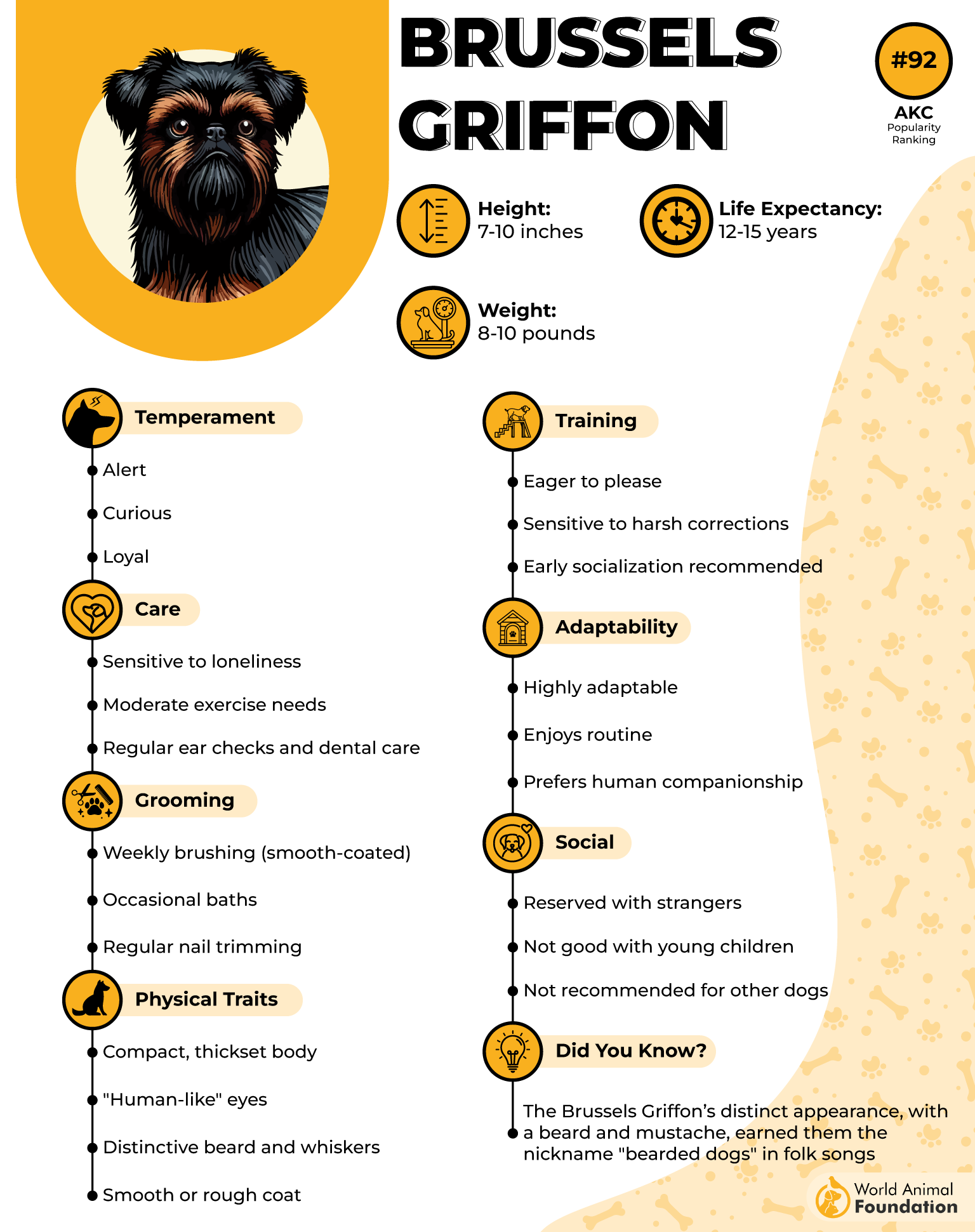
Always Nearby
Brussels Griffon enjoys being included in everyday family life and prefers homes where people are around for much of the day. Early socialization helps this sensitive breed feel more comfortable with unfamiliar people, new surroundings, and different experiences.
5. Border Terrier
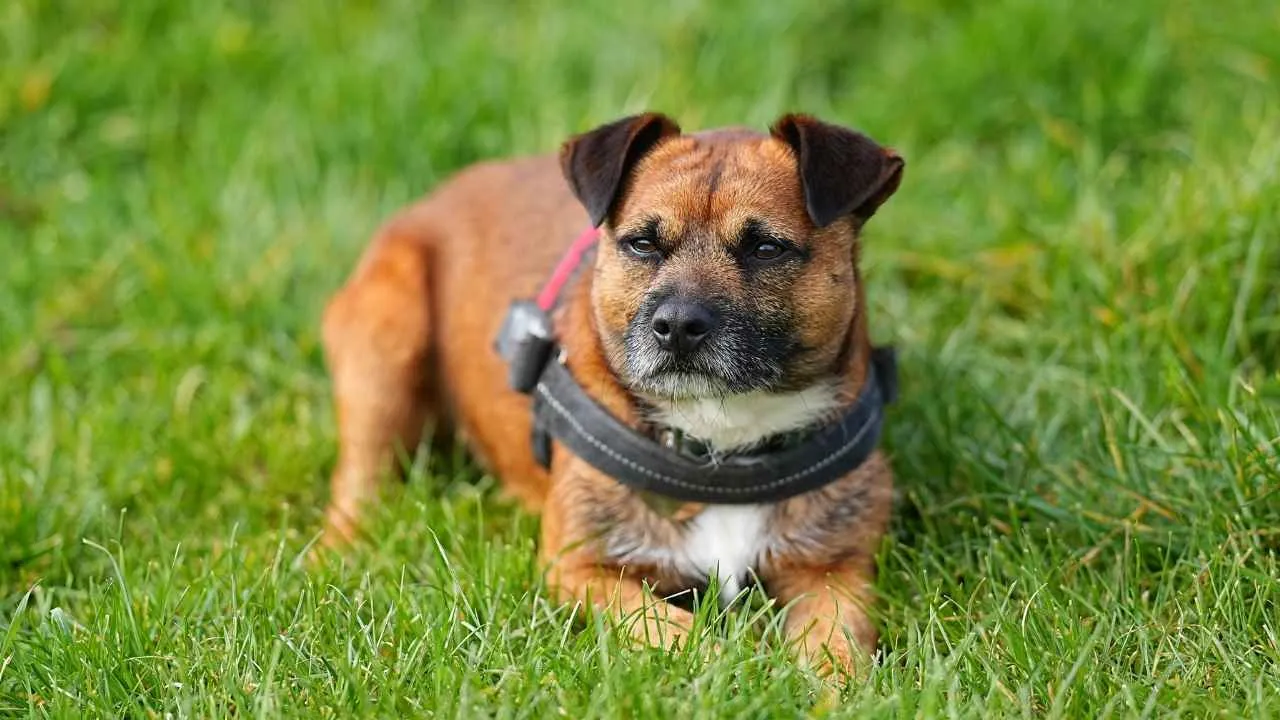
The Border Terrier developed in the border country between Scotland and England, where its smaller size became a valuable advantage when following foxes into underground dens. That close connection with tough working conditions created a resilient dog ready to handle demanding tasks.
A Good First Companion
Border Terrier brings a cheerful, easygoing nature while still being happy to relax on its own for a while. Regular walks and playful moments are usually enough to keep this energetic little dog content without creating a complicated routine.
A closer look reveals even more:
Better with other dogs than many terriers
Needs a secure fenced area for play
Needs steady guidance and consistency
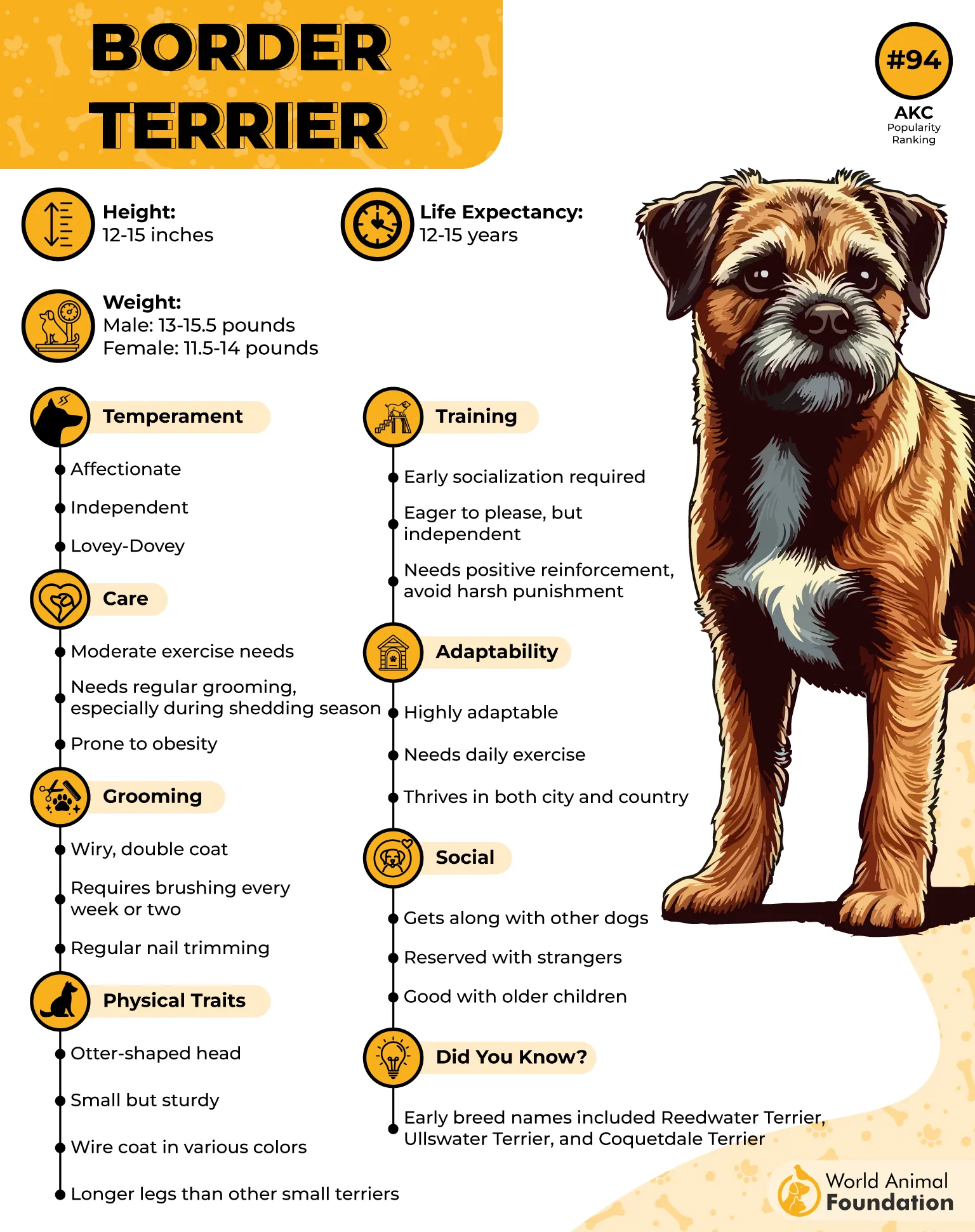
Coat Care Made Simple
Border Terrier wears a hard, wiry outer coat over a soft undercoat, giving the coat natural protection against dirt. Weekly brushing is usually enough for much of the year, while seasonal shedding calls for regular hand stripping or a stripping tool.
6. Lowchen
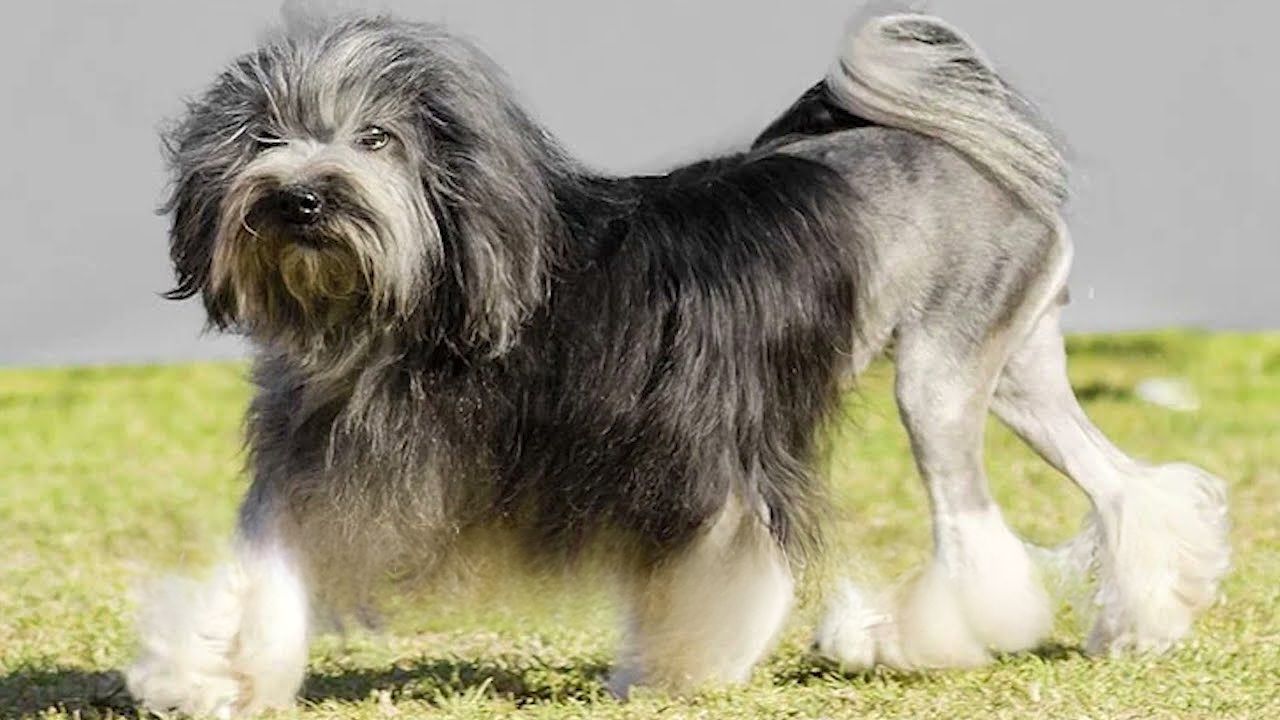
Lowchen, whose name means “little lion” in German, has shared homes across Continental Europe for more than 500 years. In its earlier days, this small companion spent time as a chamber dog, where living closely with people shaped its easygoing personality from the very beginning.
Easy to Live With
For new pet parents, the Lowchen offers a manageable personality, with adults often enjoying quiet moments at home just as much as a gentle walk outside. It may announce unfamiliar guests with a few barks, though it typically warms up after a proper introduction.
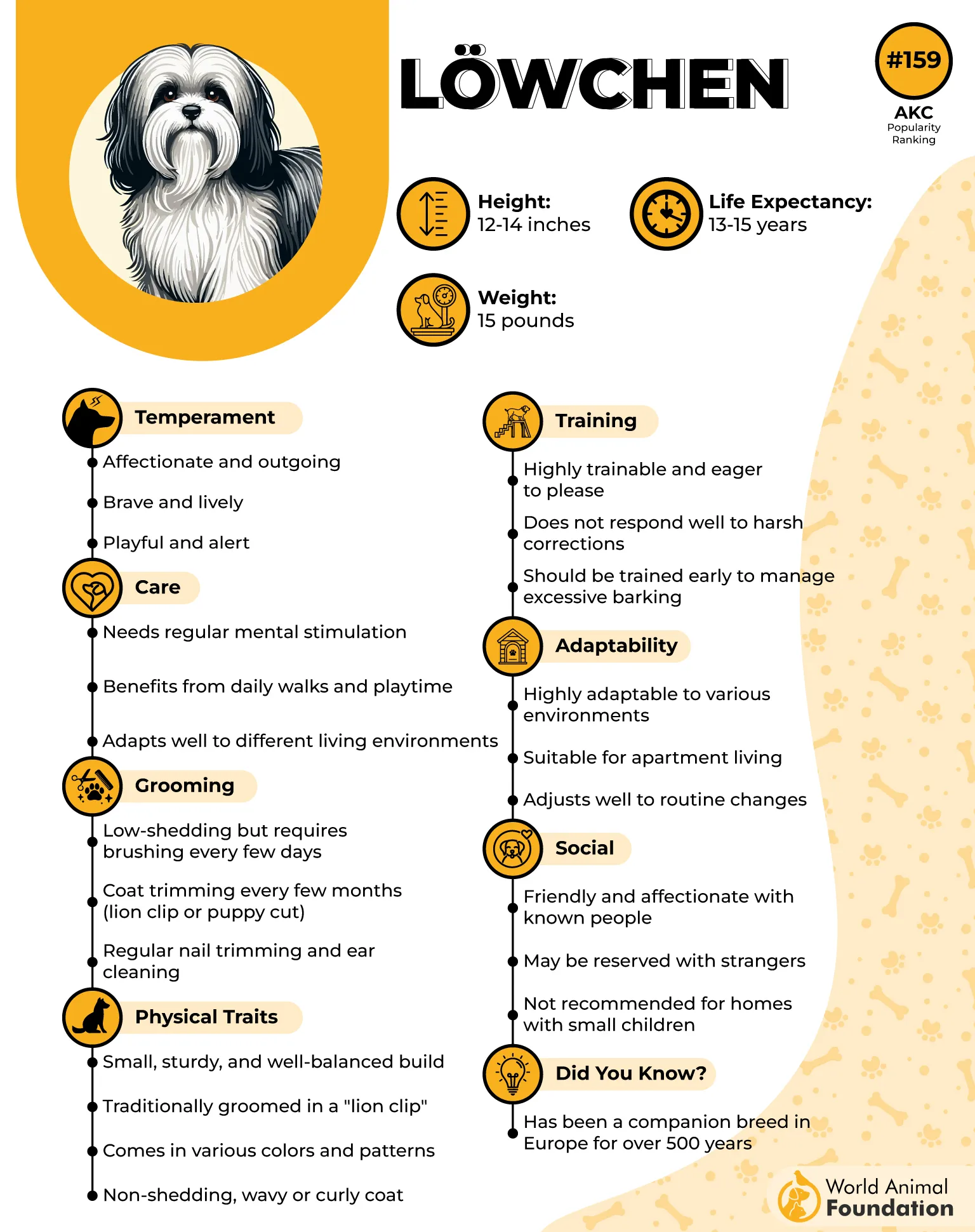
Here’s what makes this little breed more appealing:
Non-shedding coat
Can experience separation anxiety if left alone for long stretches
Positive disposition toward people and other pets
Clever Company
Lowchen’s affectionate nature and sharp mind make training sessions enjoyable, although a determined streak may appear from time to time. Dog lovers who introduce new games, obedience work, or agility exercises often find this bright little companion eager for fresh challenges.
7. Russian Tsvetnaya Bolonka
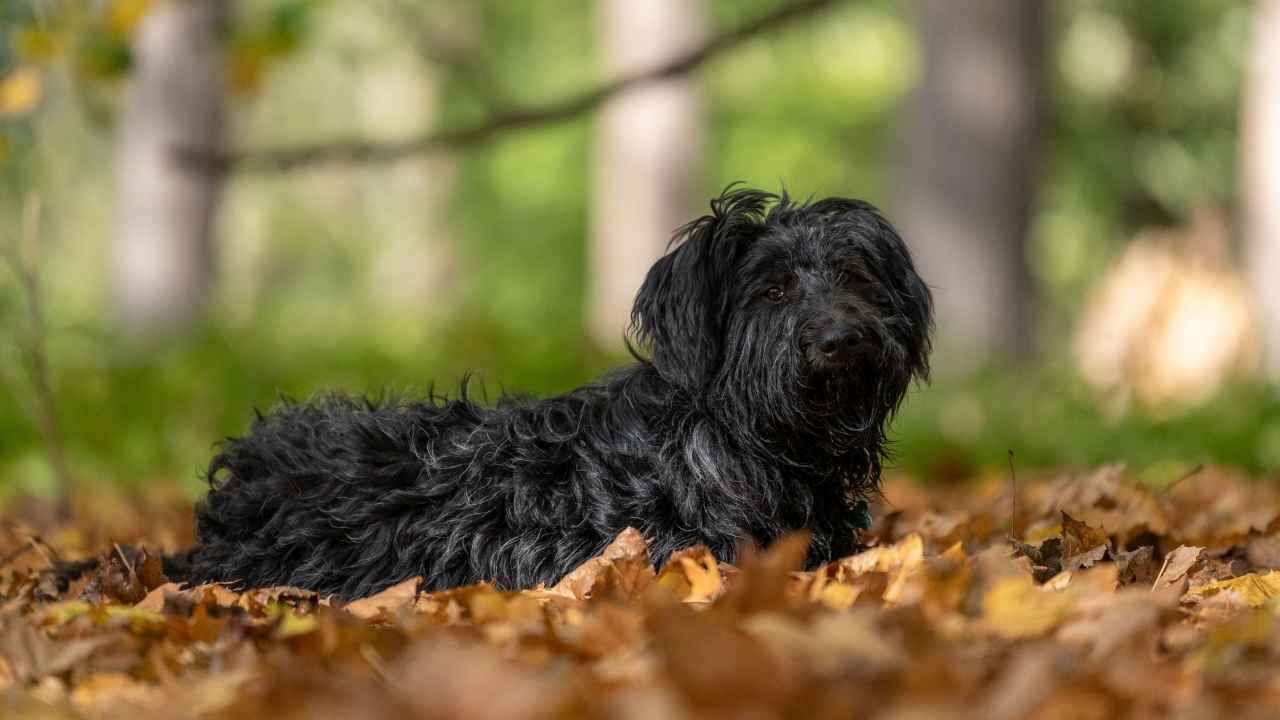
Russian Tsvetnaya Bolonka, whose name translates to “Russian Colored Lapdog,” was originally bred as a companion for apartment living. This little member of the Bichon family almost disappeared before its numbers gradually recovered after the Cold War, giving the breed a second chance to flourish.
A Natural First Companion
This breed blends well into everyday routines with its cheerful personality, gentle nature, and eagerness to learn, making it a welcoming choice for new dog owners. Play sessions, short walks, and simple indoor games are usually enough to satisfy its exercise needs.
There’s always more to discover:
Some become impressive mimics
Enjoy rally, tracking, and agility training
Independent attitude for a toy breed
Clever Around the House
Russian Tsvetnaya Bolonka often finds ways to keep itself entertained, whether learning new tricks or waiting near the door to keep an eye on daily activity.
Early socialization helps this bright little dog feel comfortable around people while getting along well with other dogs and household animals.
Conclusion
A wonderful first dog does more than share your home. It helps build confidence, encourages new routines, and turns ordinary days into memories that stay with you for years. Whether you prefer the best small dog breeds or larger dogs, the happiest partnerships come from choosing the right dog breed for your lifestyle instead of following trends or appearances.
With patience, gentle guidance, and realistic expectations, even someone with no previous experience can become an excellent dog owner. The best dog breeds for first-time owners enjoy human companionship and often grow into a devoted family dog, making every walk, training session, and quiet evening together one of the most rewarding parts of everyday life.
