




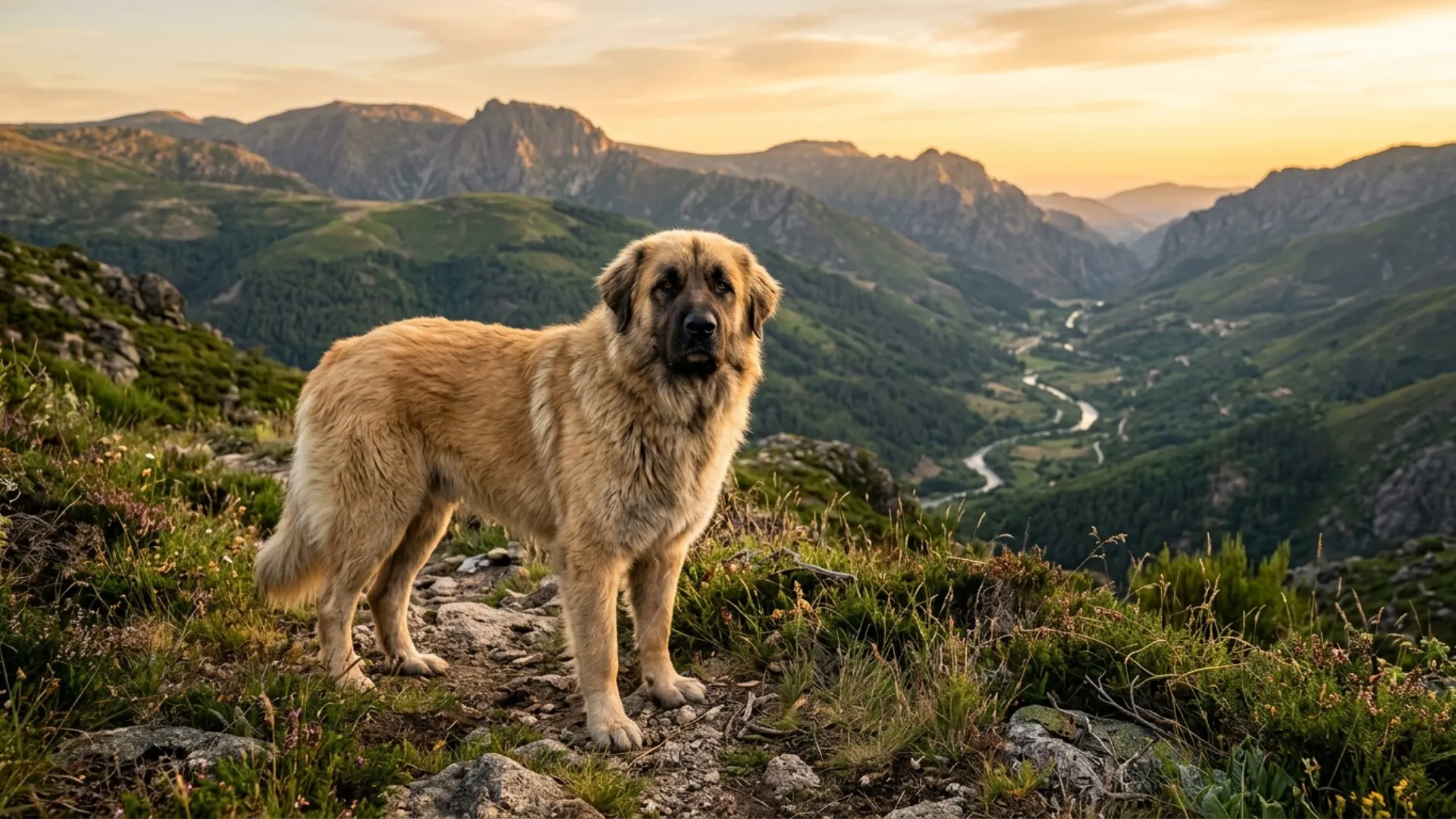
Some dogs wait for instructions before making their next move, while others have already inspected the garden, checked the gate, and judged the new delivery driver.
Self-sufficient giant breeds were often developed to guard animals, patrol large properties, or hunt without a person directing every step. Their ability to think independently is impressive, but it can also make training feel like a serious business meeting with a furry employee who has its own agenda.
Let’s talk about the large dog breeds that are livestock guardians and have historically worked far from shepherds, watching for wolves, thieves, and other threats.
Self-Sufficient Giant Dog Breeds That Thrive on Their Own
1. Anatolian Shepherd Dog
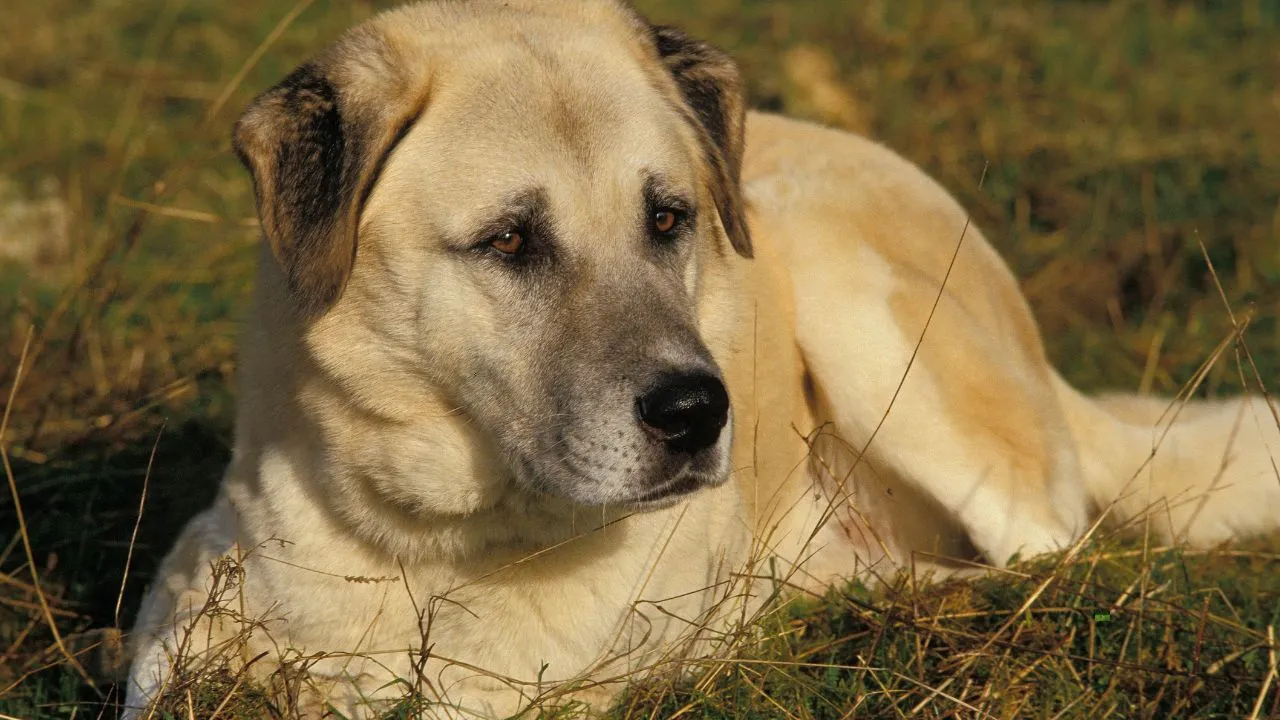
The Anatolian Shepherd Dog is the definition of a canine independent contractor. This rugged livestock guardian was developed to protect animals across difficult terrain, where waiting for a shepherd to approve every decision could have put the flock at risk.
Despite that impressive mass, the breed is muscular and surprisingly nimble rather than slow and clumsy. Its body was built to cover ground, face challenging weather, and remain physically capable during long guarding shifts.
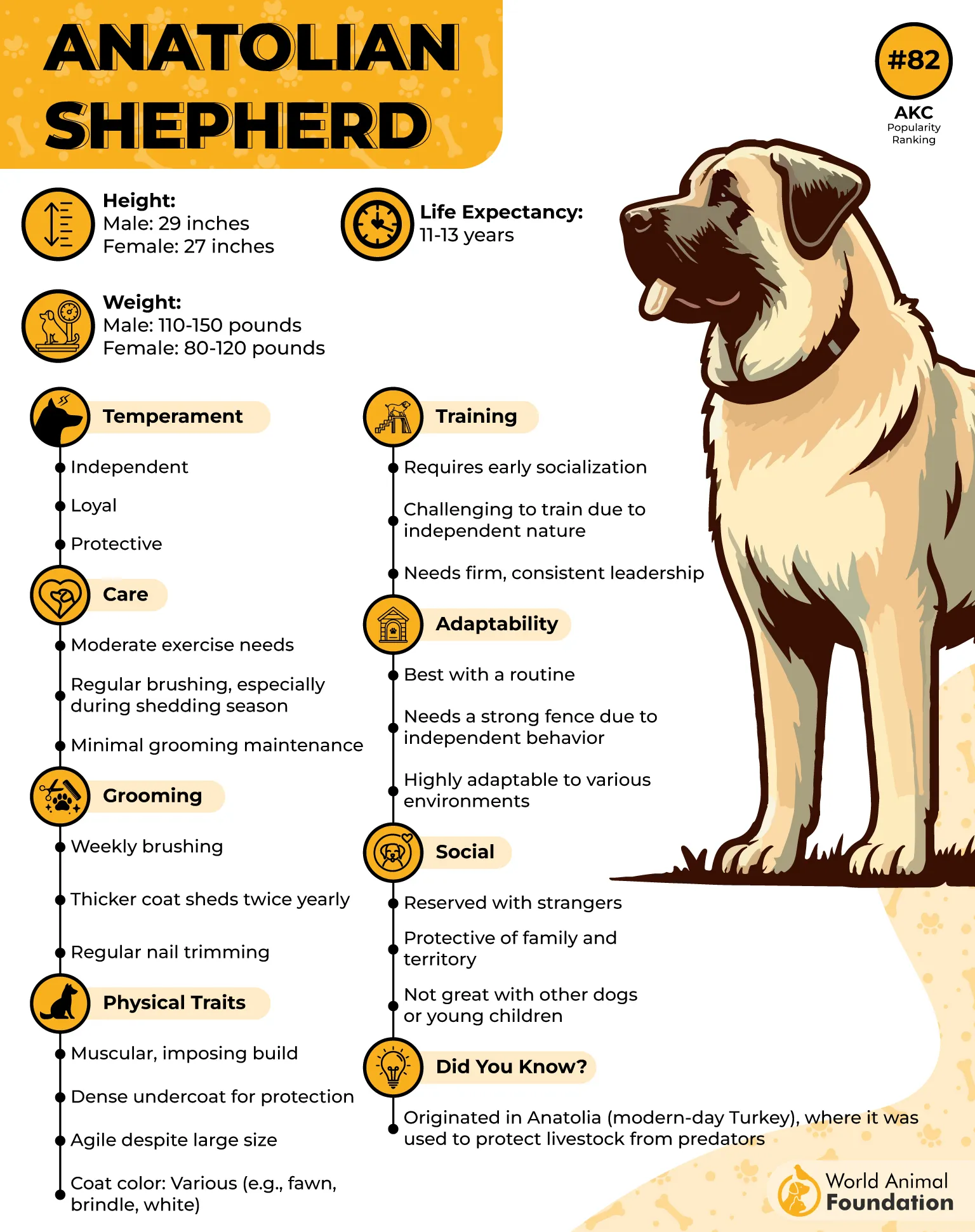
These deeply affectionate dogs often spend quiet periods resting while continuing to monitor movement, sounds, and changes around their territory. They do not need nonstop entertainment to feel important because calmly watching an area is already meaningful work in their minds.
That independent judgment means obedience training may not look as instantly responsive as it does with an eager herding breed. These Shepherd dogs need early socialization, patient reward-based lessons, dependable leash manners, and clear household boundaries that remain consistent every day.
2. Spanish Mastiff
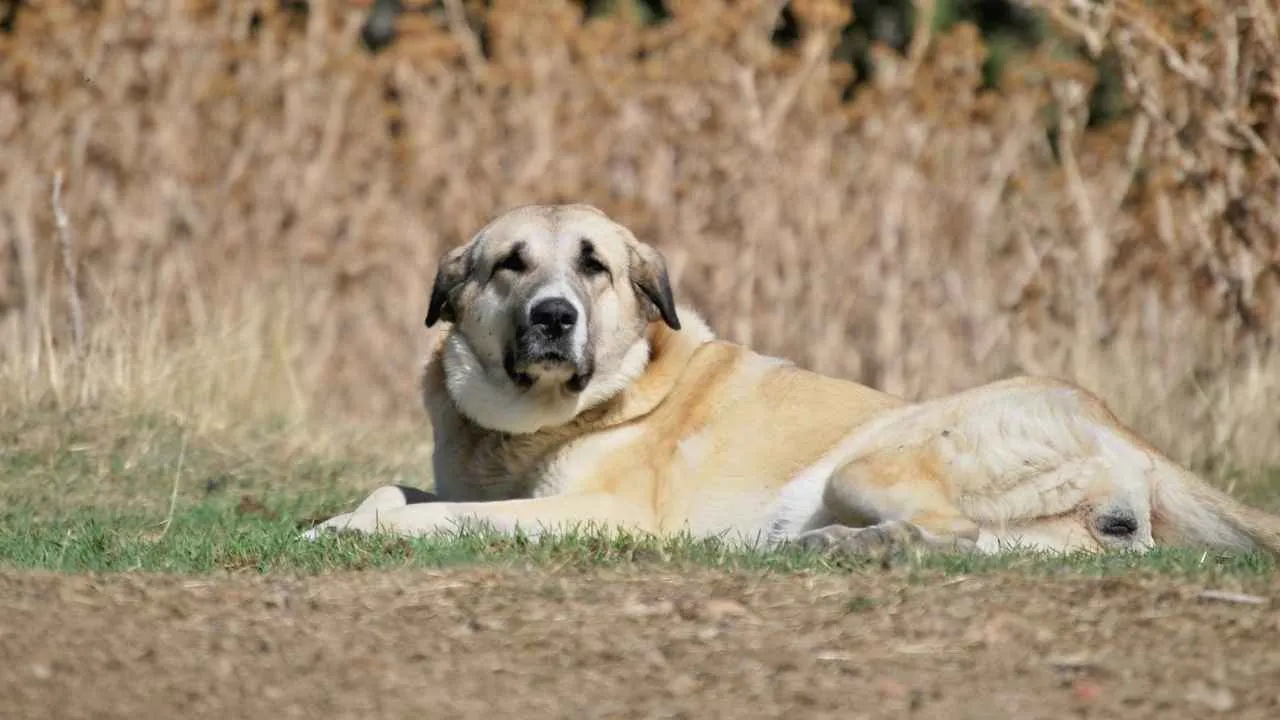
The Spanish Mastiff has a long history of protecting livestock during seasonal journeys between grazing areas. United Kennel Club notes that these dogs sometimes accompanied moving flocks without a shepherd’s guidance, requiring confidence and independent judgment. Basically, the Spanish Mastiff was trusted with the night shift before security cameras were even a concept.
Its massive head, powerful frame, and functional movement create enough presence to make potential trouble reconsider its schedule.
A Spanish Mastiff normally saves its energy instead of bouncing around like a giant puppy for the entire day. It may rest near livestock or the home while quietly processing distant sounds, animal behavior, and unfamiliar movement. This calm energy management is part of its self-sufficiency because the dog knows that guarding is a long game, not an endless cardio challenge.
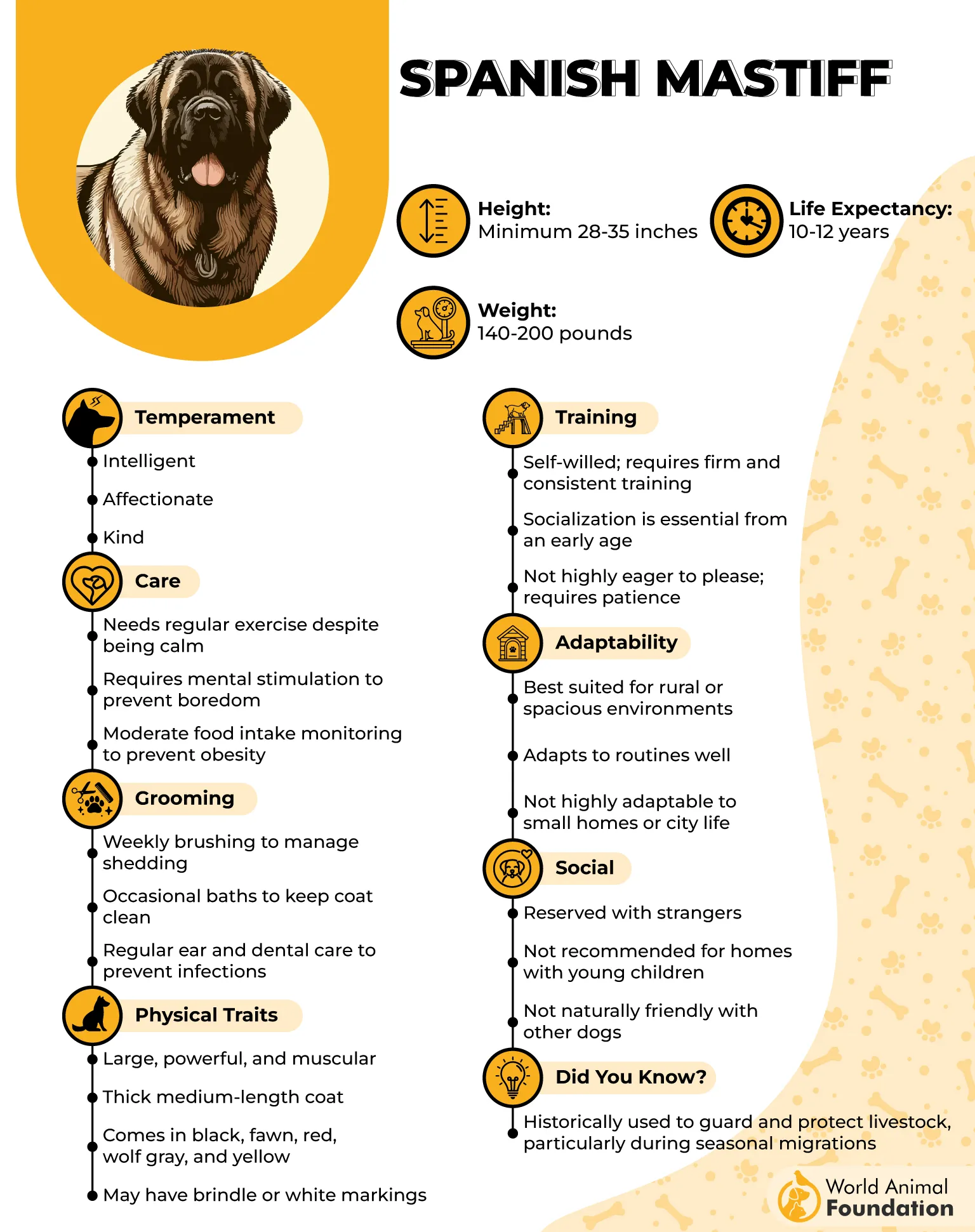
The breed is described as intelligent, noble, kind, determined, and highly confident when protecting its flock, farm, or owner. That protective confidence needs careful socialization so the dog learns that guests, veterinarians, workers, and normal neighborhood activity are not automatic emergencies.
3. Estrela Mountain Dog
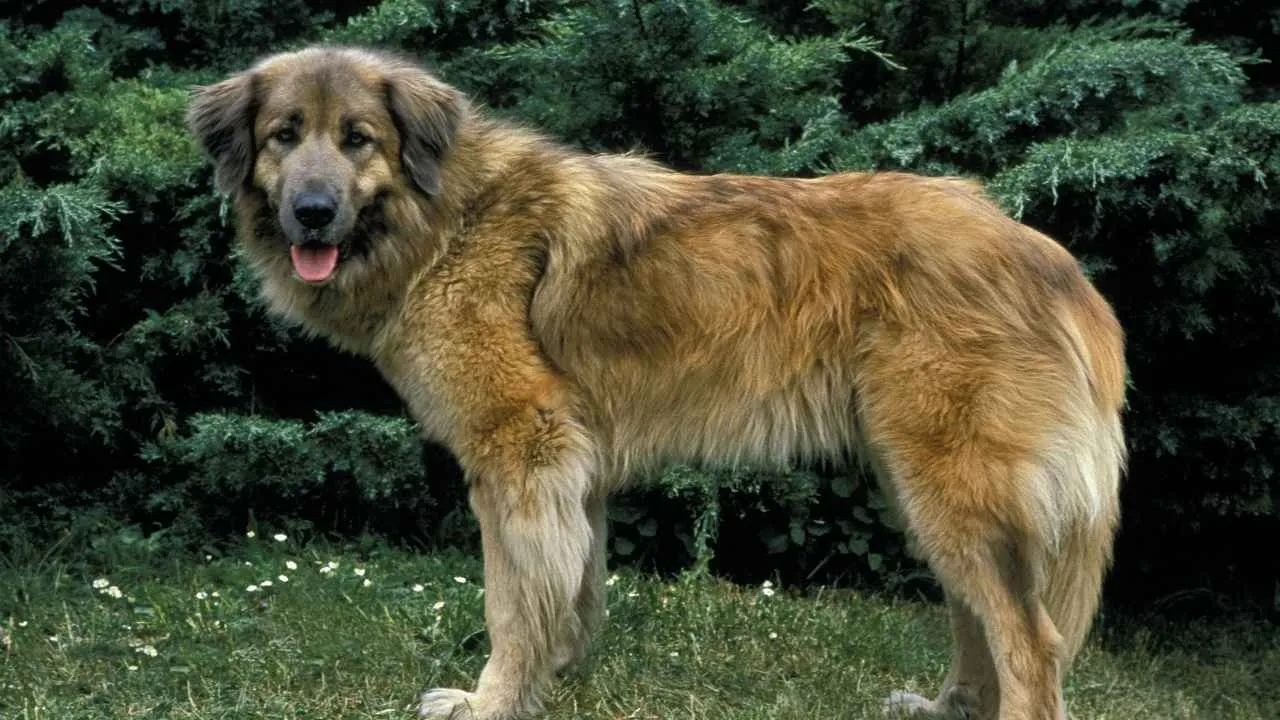
The Estrela Mountain Dog comes from Portugal and developed as a protector of animals and property in the Estrela Mountains. This is a dog created for real responsibility, not merely for looking majestic in misty landscape photos.
These gentle giants are intelligent, alert, brave, loyal, and capable of working with considerable independence. Their traditional role required them to judge whether a sound, person, or approaching animal posed a genuine threat before the shepherd could intervene.
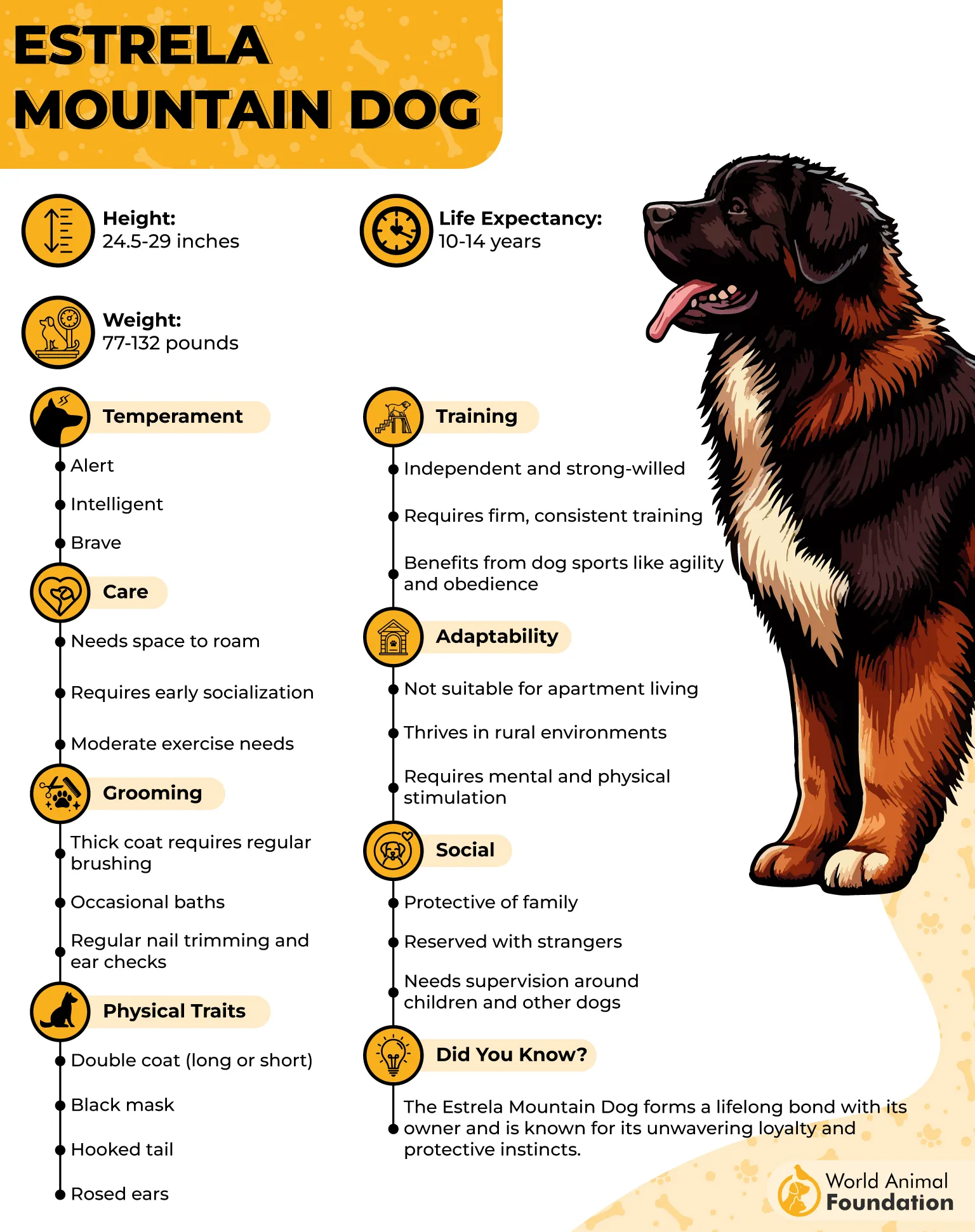
Self-sufficiency does not mean emotional distance in this breed. Estrelas commonly form strong bonds with their families and may become especially attached to one chosen person while remaining reserved around outsiders.
It is independent and somewhat stubborn, so recall and off-leash reliability may require more work than owners expect. A sense of humor helps because this mountain dog may fully understand the assignment and then submit a strongly worded alternative proposal.
4. Great Pyrenees
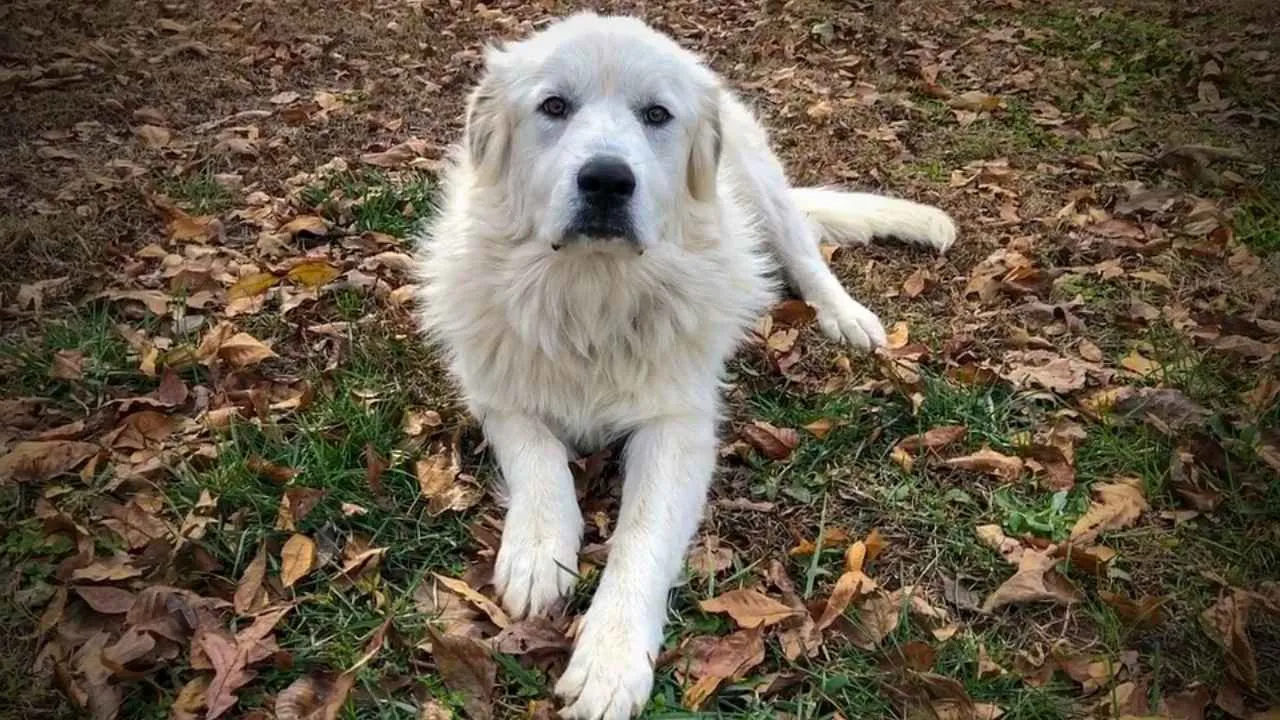
The Great Pyrenees was bred to protect sheep against predators in the snowy Pyrenees Mountains. These large, thickly coated dogs were expected to stay with their flocks, watch the surrounding land, and respond when trouble approached.
Many Great Pyrenees become especially watchful after dark because livestock predators traditionally approached under cover of night. A Pyr may rest for hours and then begin barking when it hears wildlife, distant footsteps, or suspicious activity near the property.
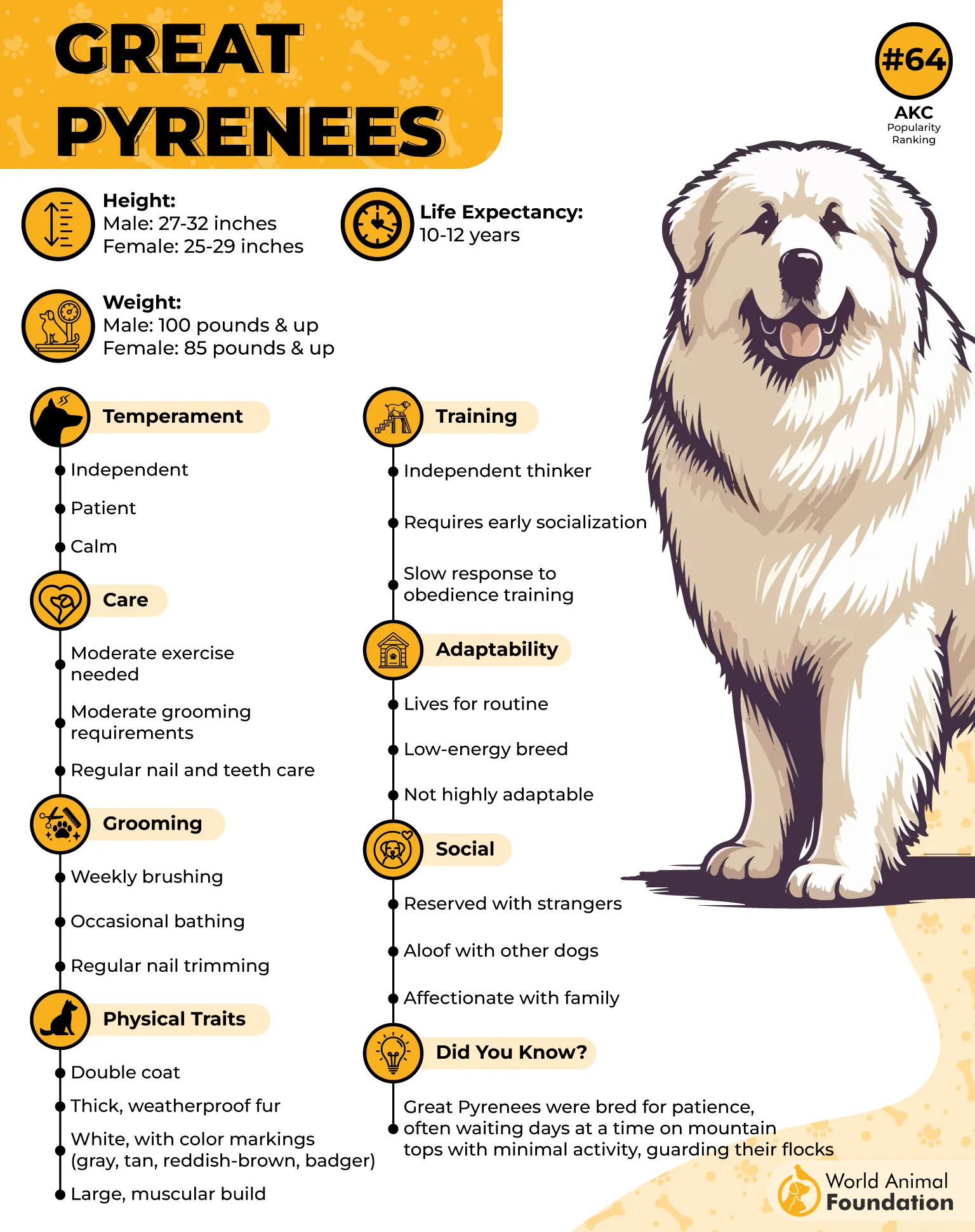
It does not usually need a human to stand beside it and explain how to observe a boundary. Royal Canin says its instincts encourage it to patrol, choose useful resting points, and place itself between its family or animals and anything unfamiliar.
Independent guardians are also famous for making creative decisions about where their territory ends. Strong fencing and supervised outdoor time are essential because a Great Pyrenees may decide that the next field, road, or neighbor’s property also requires professional monitoring.
5. Irish Wolfhound
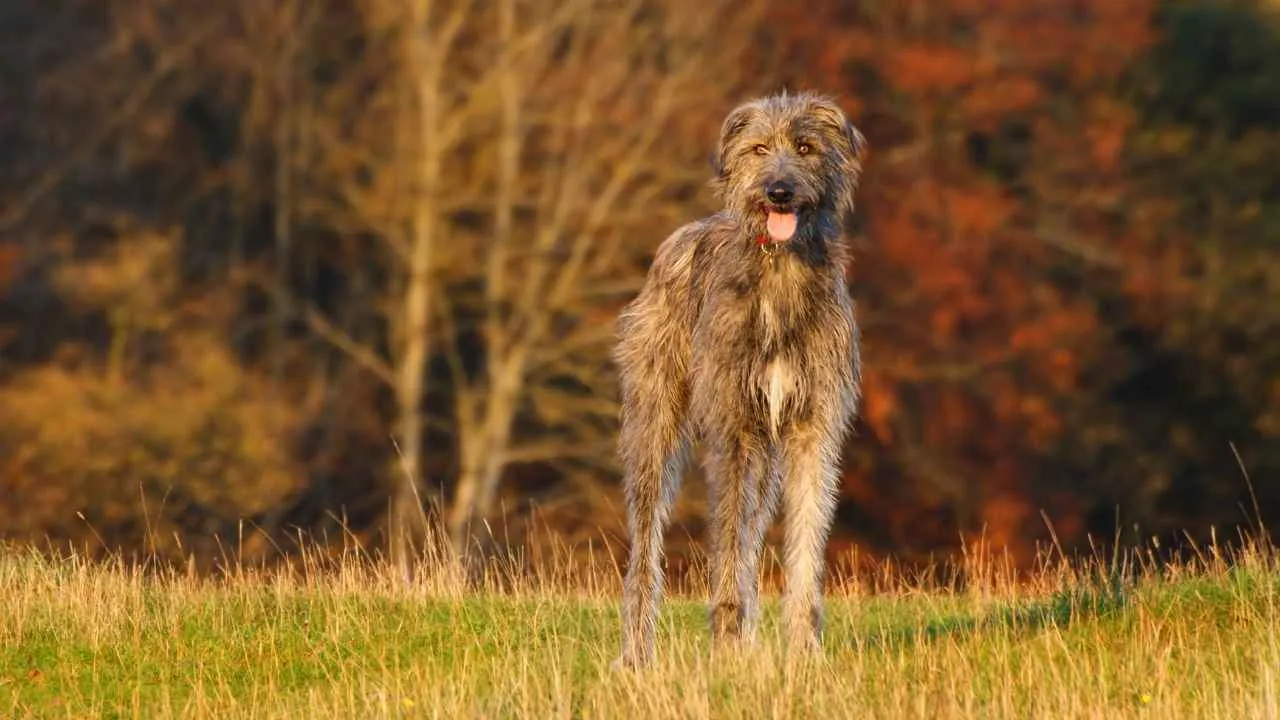
The Irish Wolfhound is the unusual entry on this list because it is not a traditional livestock guardian. Its self-sufficiency comes more from calm dignity, physical confidence, and the ability to settle without creating constant drama.
Irish Wolfhounds were created as powerful hunting hounds. Their imposing outline may resemble home security equipment, but the breed is generally unsuitable for guard or patrol work because it is not naturally suspicious or aggressive.
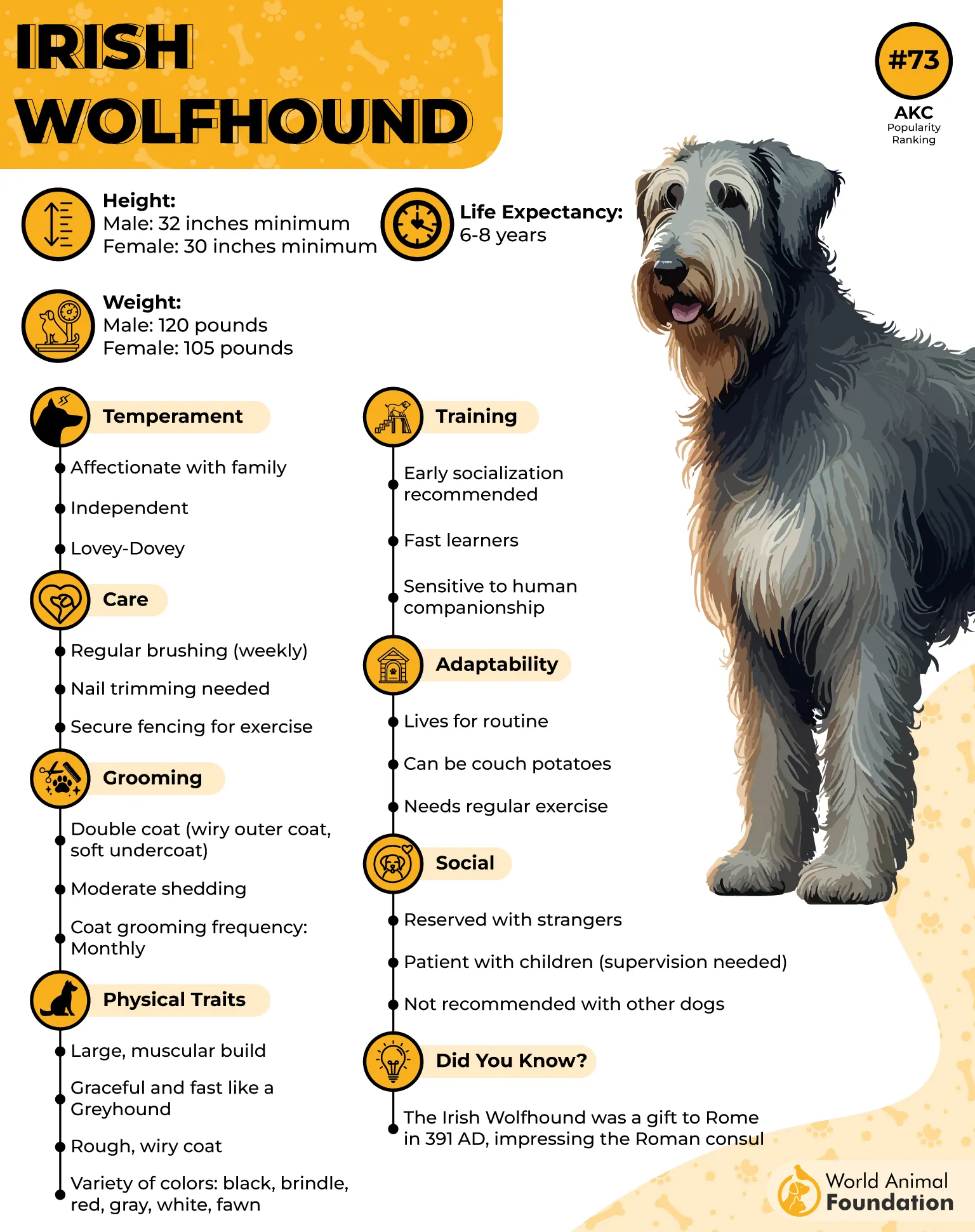
Indoors, mature Wolfhounds can be wonderfully low-key once their exercise needs have been met. They often stretch out quietly rather than following an owner around and requesting a new activity every thirty seconds.
Their hunting background gave them the independence of movement and the confidence to pursue a target at speed. Experienced dog owners therefore advise establishing secure areas, maintaining leash control, and practicing thoughtful recall training because a suddenly moving animal may activate the hound brain before negotiations begin.
6. Tibetan Mastiff
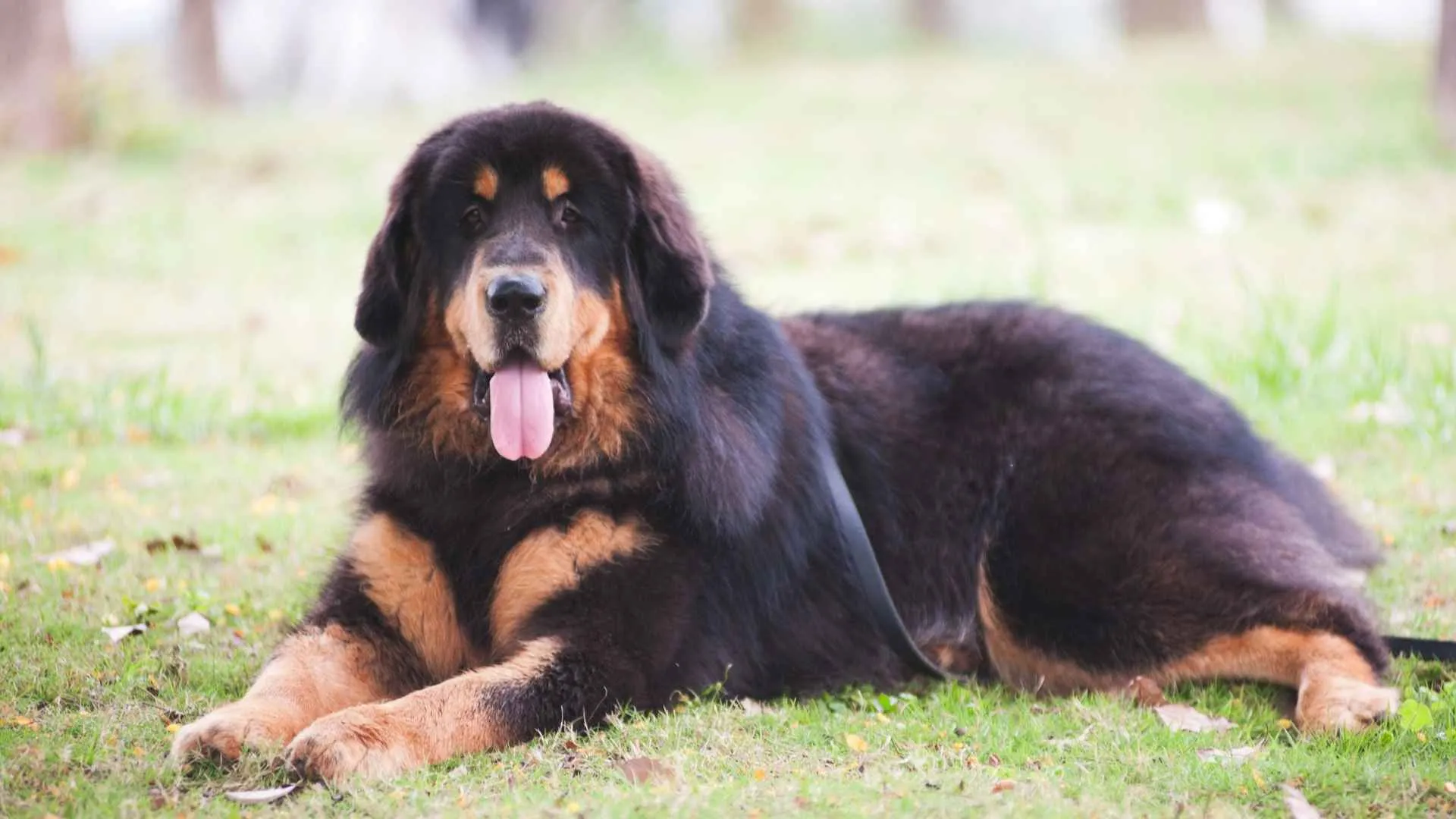
The Tibetan Mastiff is one of the dog world’s most legendary independent guardians. Watchful, aloof, territorial, and deeply devoted to family, it was developed to protect homes and animals in challenging Himalayan environments.
Their woolly undercoat and coarse outer hair create a heavy double coat that adds even more volume to an already muscular body. The dramatic mane may look designed for royal portraits, but the coat helped protect working dogs in cold, harsh conditions.
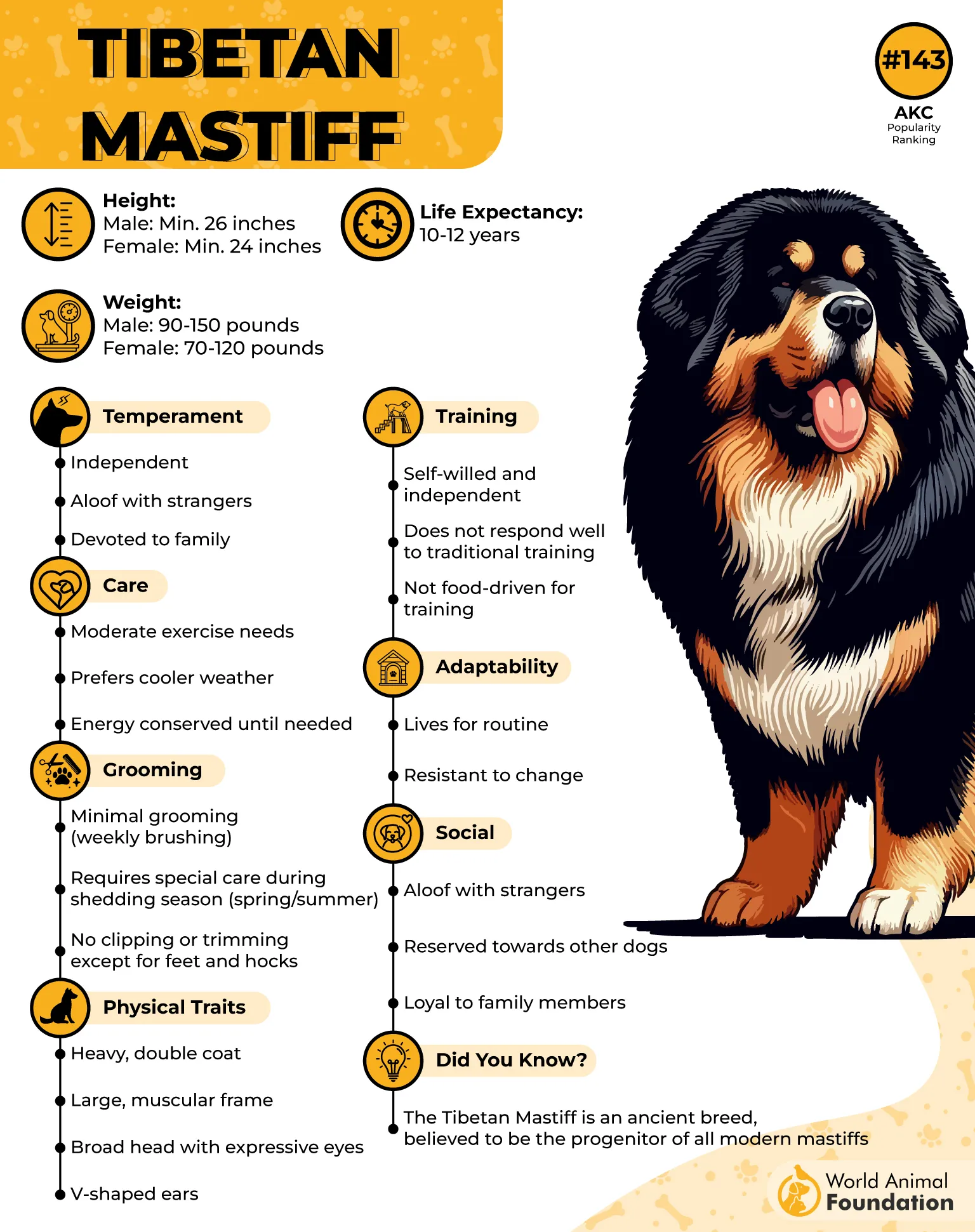
These dogs are often calm inside the home while remaining highly aware of activity near their territory. They may become more active and vocal at night, when traditional guardian instincts signal that the security shift has officially begun.
Traditional obedience can be challenging because the breed is intelligent, stubborn, and not always strongly motivated by food. Tibetan Mastiffs may perform perfectly in a class and then ignore the same command at home when their own judgment takes over.
7. Caucasian Shepherd Dog
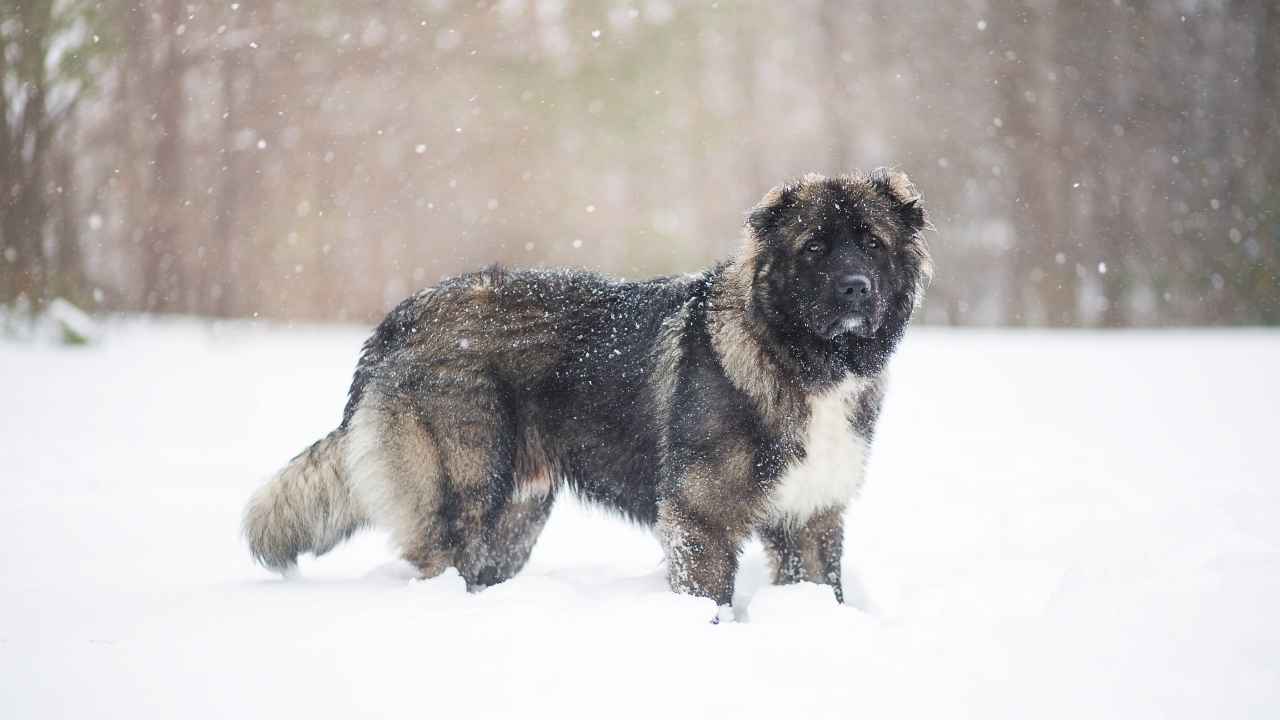
The Caucasian Shepherd Dog is not a casual pet wearing an impressive fluffy coat. It is a serious guardian that is bold, fearless, self-confident, and capable of becoming fierce when a threat is present.
A Caucasian Shepherd may spend long periods lying quietly while remaining extremely aware of its surroundings. It does not need constant games to feel productive, because maintaining boundaries and memorizing normal activities already provide mental purpose.
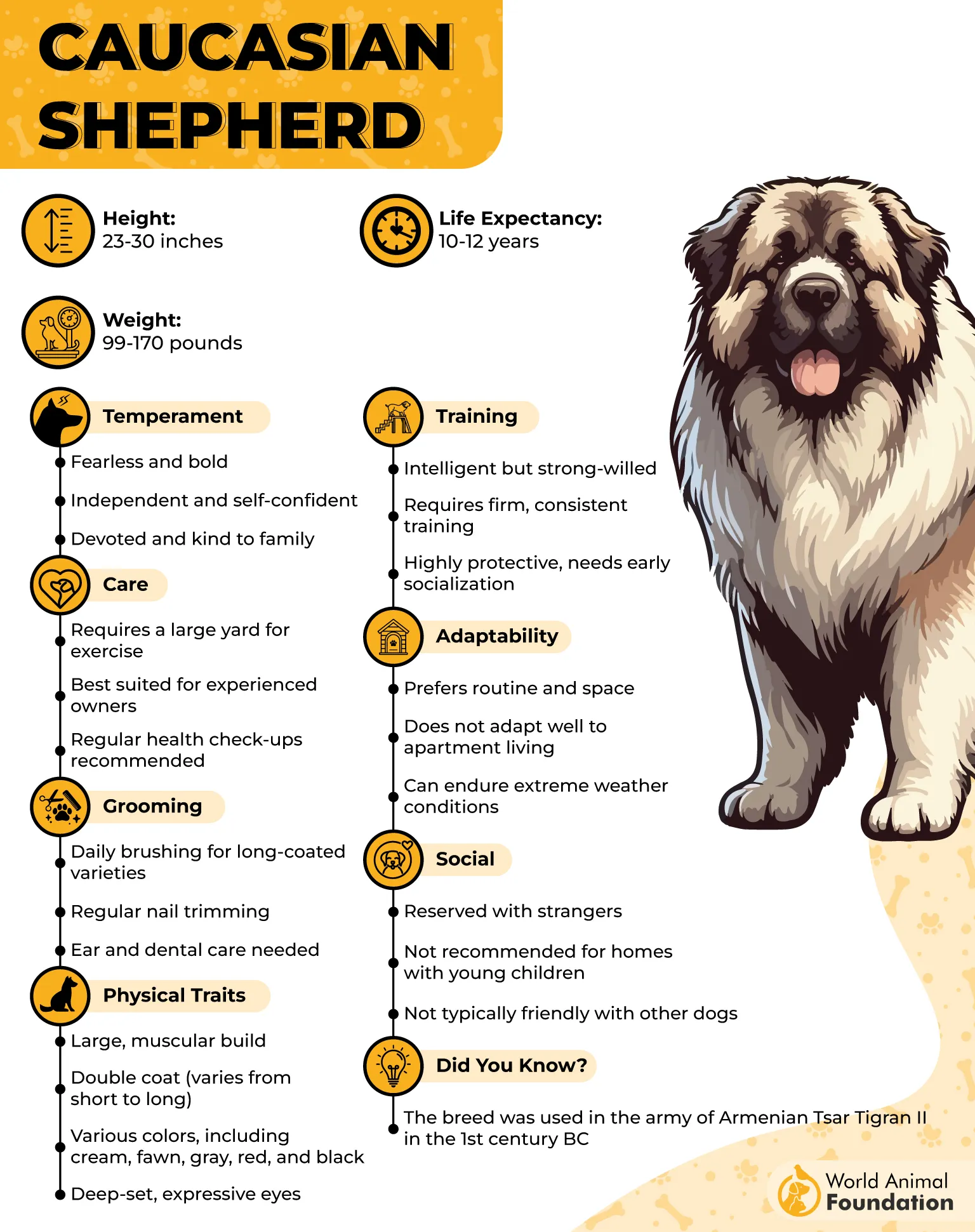
That level of confidence becomes dangerous when paired with poor fencing, weak handling, or inadequate socialization. Puppies need structured exposure to visitors, vehicles, veterinary care, household noises, other animals, and public environments before their size and suspicion fully develop.
Caucasian Shepherds need space, secure containment, respectful training, and handlers who can remain calm around a powerful dog. They are not suitable for beginners seeking a dramatic-looking companion or for owners who expect effortless obedience.
8. Central Asian Shepherd Dog
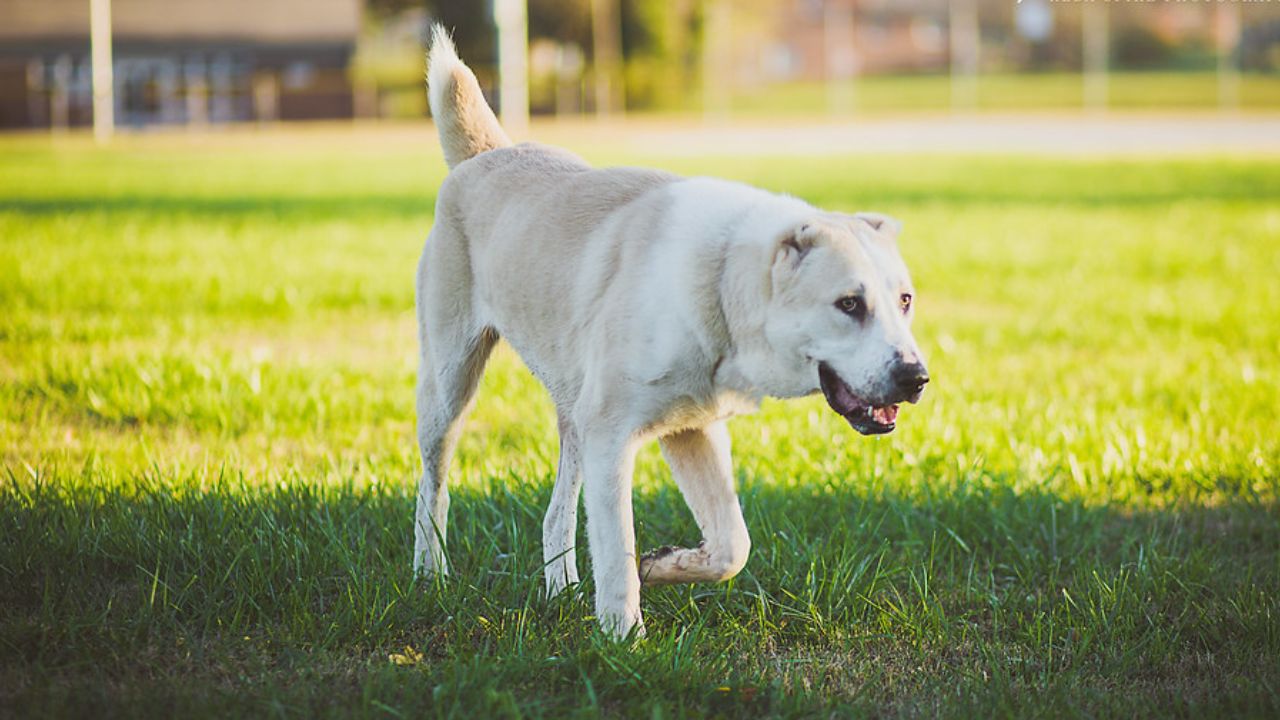
Few breeds demonstrate independent working ability as clearly as the Central Asian Shepherd Dog. These dogs worked alone or in small groups with little intervention from herders, relying on instinct and intelligence to protect livestock.
The breed developed across a vast region with climates ranging from hot and dry to bitterly cold and windy. Hard natural conditions favored strong, steady dogs with endurance, guarding ability, and the toughness to keep working in difficult conditions.
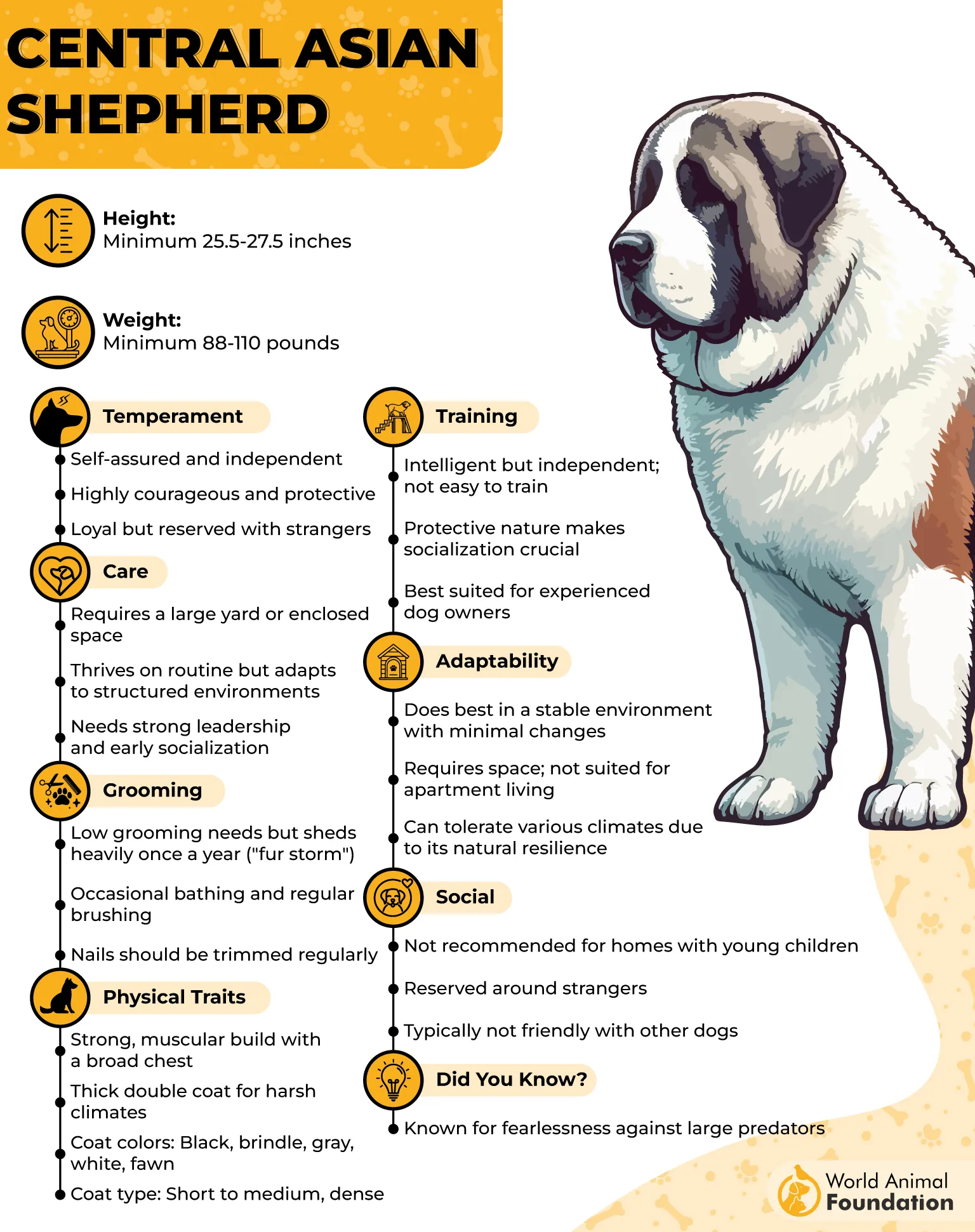
These popular companion animals are often lower-energy than fast-moving herding breeds, but that does not make them lazy. They conserve effort, observe, and act only when a situation demands it, rather than burning energy unnecessarily.
These big dogs are devoted to their families but expect to be treated consistently and with respect. They may be suspicious of unfamiliar dogs or people, mature slowly, and require extensive socialization combined with patient training.
9. Black Russian Terrier
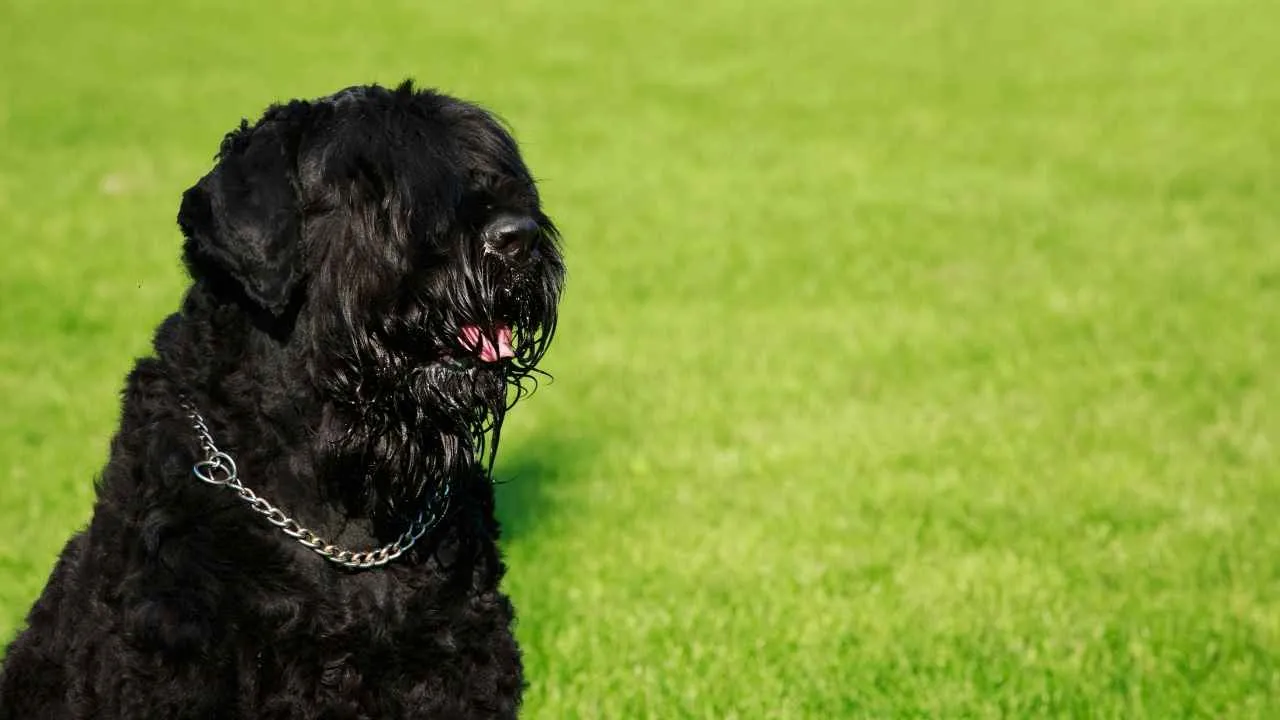
The Black Russian Terrier was developed as a powerful military and security dog rather than as a traditional livestock guardian. Breeding programs associated with the Soviet Red Star Kennel used several working breeds to produce a courageous, intelligent, adaptable protector.
Their double coat combines a thick, soft underlayer with a coarse protective outer layer that requires thorough brushing once or twice each week. Regular trimming around the beard and face is also necessary unless the owner wants every drink of water carried across the entire floor.
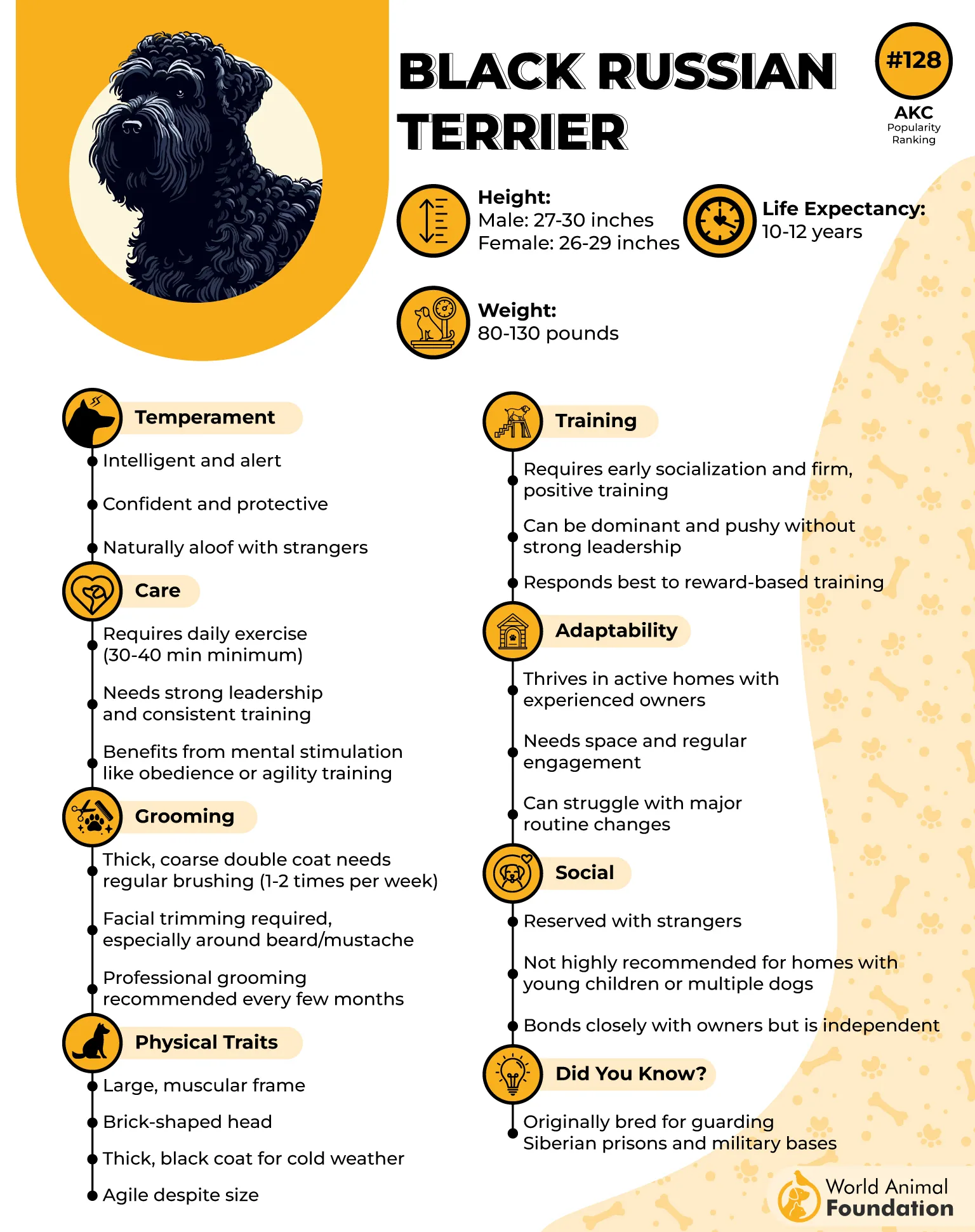
BRTs can confidently assess unusual situations and do not typically collapse emotionally when their person leaves the room. However, their self-sufficiency has limits because they were developed to work closely with people and tend to form strong family bonds.
Training these incredibly loyal dogs must begin early, as an adult BRT is far too large and powerful for casual negotiations. These dogs learn quickly but can become dominant or pushy when household rules change from one day to the next.
10. Kuvasz
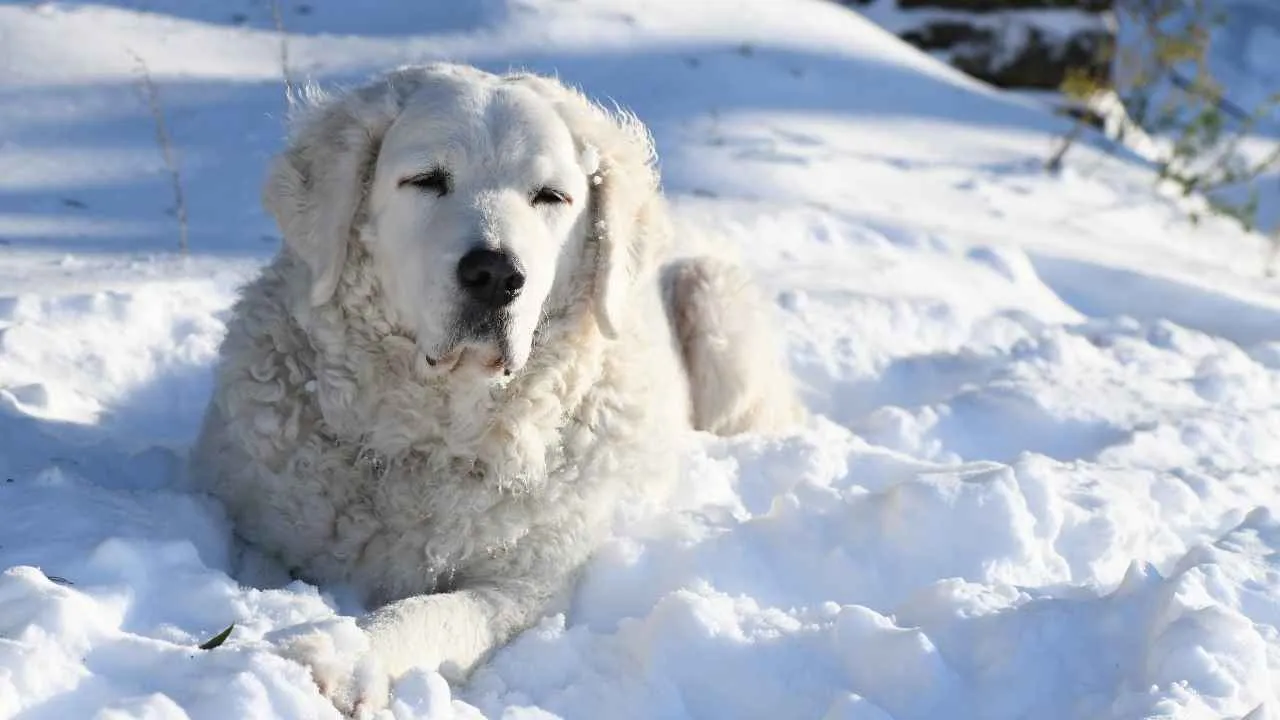
The snow-white Kuvasz is a Hungarian livestock guardian known for loyalty, courage, intelligence, and independence. These dogs historically watched flocks for long periods and needed enough confidence to act when predators approached.
Their thick white double coats helped them work outside and made them easier to distinguish from darker predators near the flock. The same coat now makes regular brushing and seasonal hair removal an unavoidable part of the household schedule.
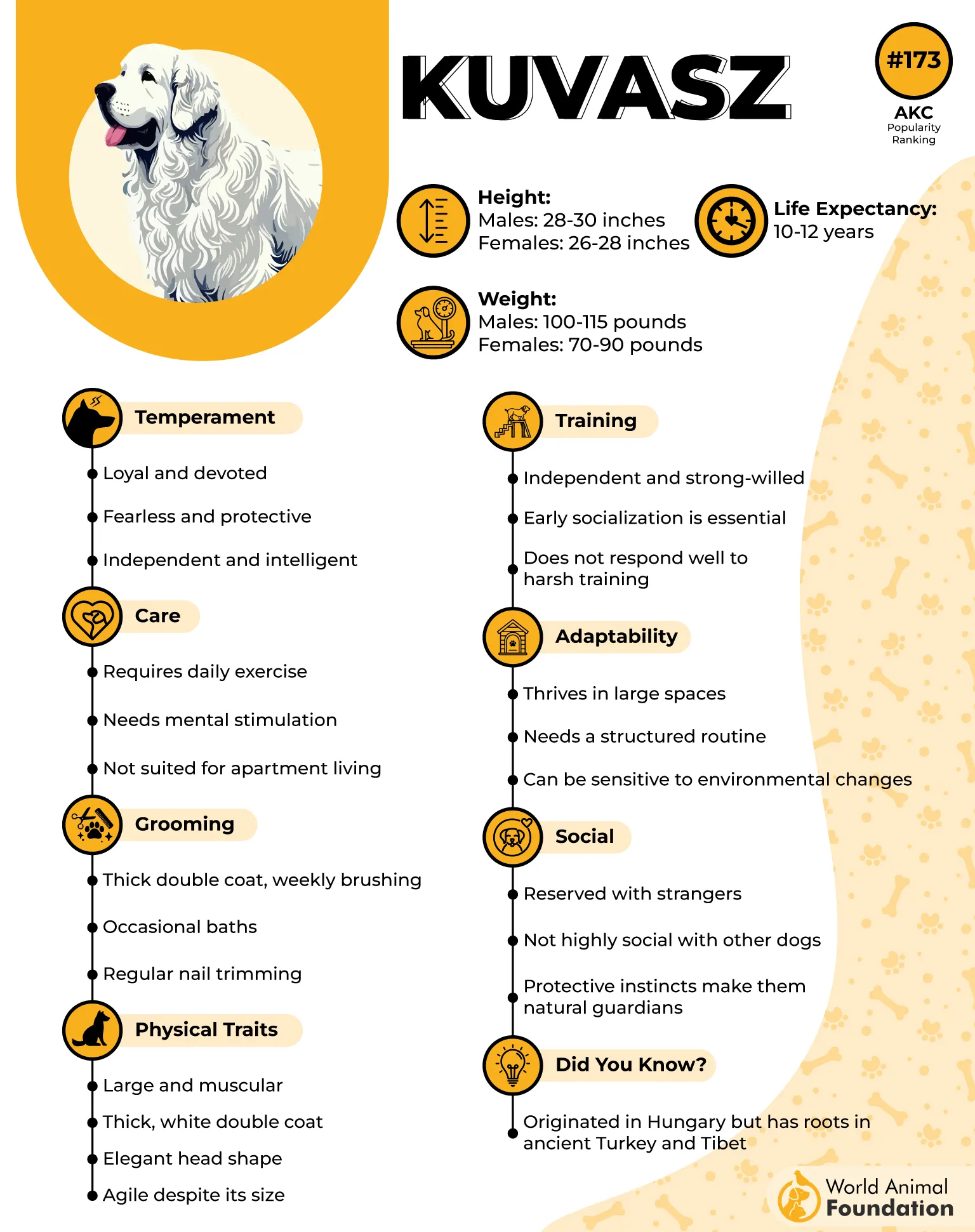
One of the Kuvasz’s strongest self-sufficient qualities is patient observation. A working dog could keep watch without constant commands, deciding whether a distant movement required attention or could safely be ignored.
These large-breed dogs are intelligent, according to WebMD, but they do not always believe obedience should be performed simply for the sake of repetition. Training should be varied, respectful, and useful, with early socialization helping the dog separate normal visitors from genuine concerns.
Conclusion
Independence should never be confused with being easy to own.
A dog that can make its own decisions may question commands, guard too broadly, roam beyond boundaries, or treat unfamiliar visitors as problems when training and management are weak.
Golden Retriever, German Shepherd, Bernese Mountain Dog, Labrador Retriever, Basset Hound, Neapolitan Mastiff, Shiba Inu, and Alaskan Malamute are some other breeds known for their self-sufficiency.
The best home for a self-sufficient giant is not one that ignores the dog. When owners respect both the power and intelligence of these breeds, they gain a confident companion that can stand on its own four paws without ever being left completely alone.
