




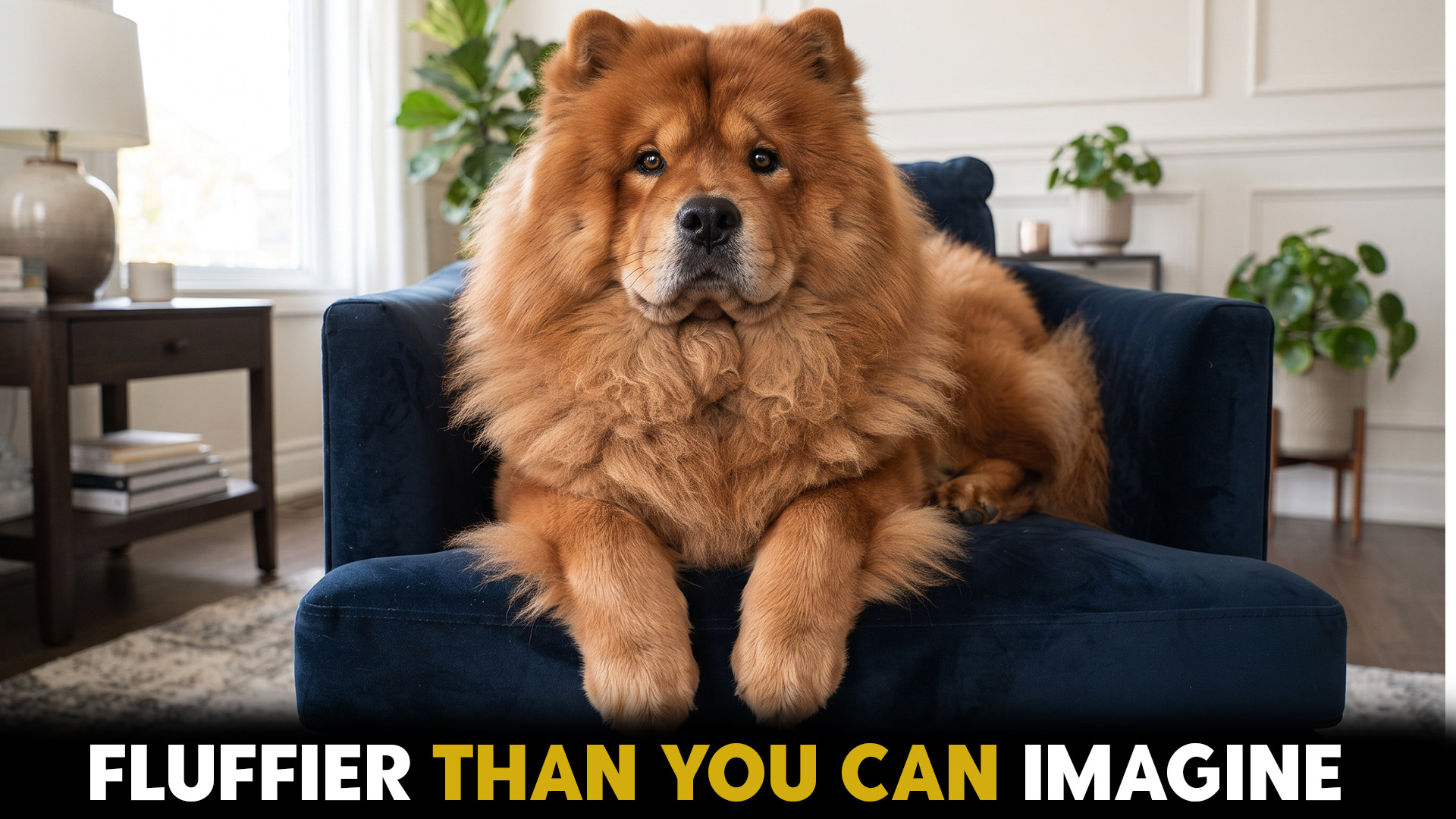
Some dogs have smooth coats, some have curls, and others walk around looking like luxury cushions that somehow grew legs. Their thick fur creates rounded bodies, dramatic neck ruffs, feathered tails, and enough fluff to make every photo look extra cozy. These breeds serve cute teddy-bear looks, and major “please let me hug you” vibes.
Much of that volume comes from a double coat, which has two different layers. A soft, dense undercoat sits close to the skin, while longer guard hairs form the outer layer that helps repel moisture, dirt, and rough weather. When the undercoat is especially thick, it lifts the outer hair and gives the dog that famous puffed-up appearance.
Let’s talk about dog breeds with soft fur that look super adorable.
Dog Breeds Featuring Naturally Fluffy, Cushion-Like Coats
1. Chow Chow
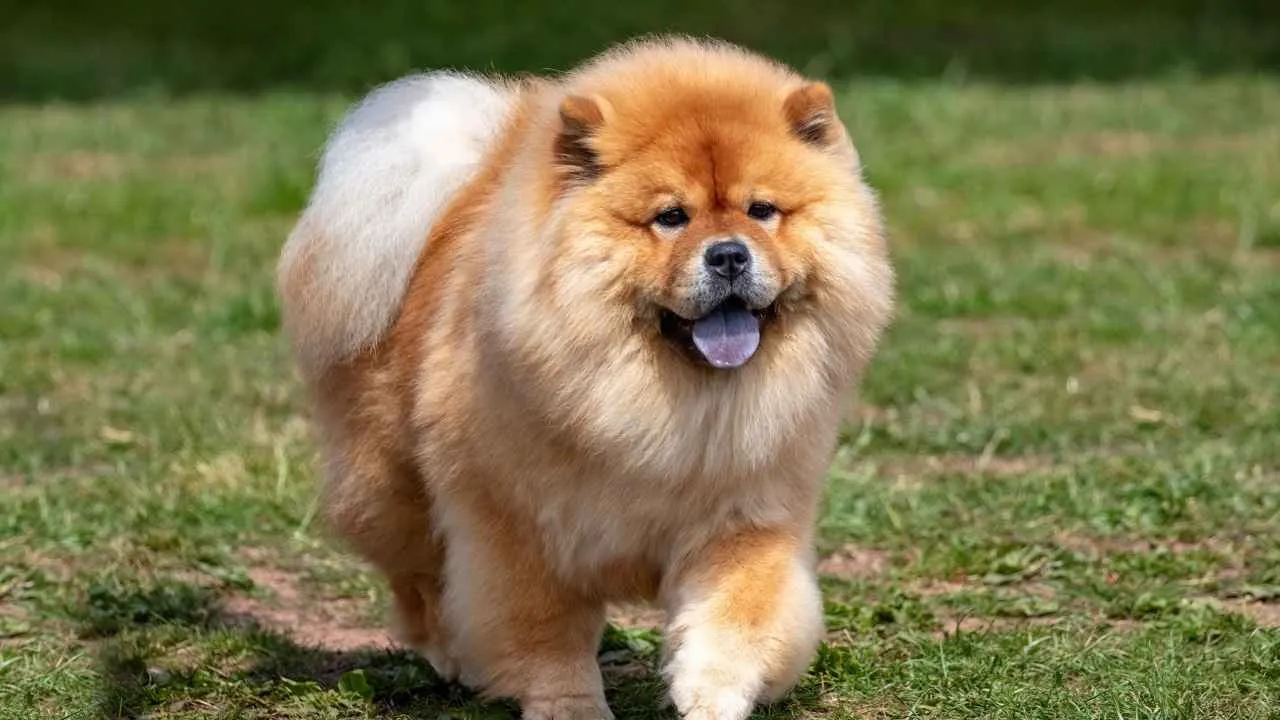
The Chow Chow looks like a compact lion wearing an oversized winter collar. Its dense coat stands away from the body, creating rounded cheeks, a broad chest, and a thick mane around the head and shoulders.
These big, fluffy dogs may have either rough or smooth coats, although the rough-coated variety provides the greatest cushion effect. The abundant double coat creates a full outline, making the dog appear larger and softer than it truly is beneath all that volume.
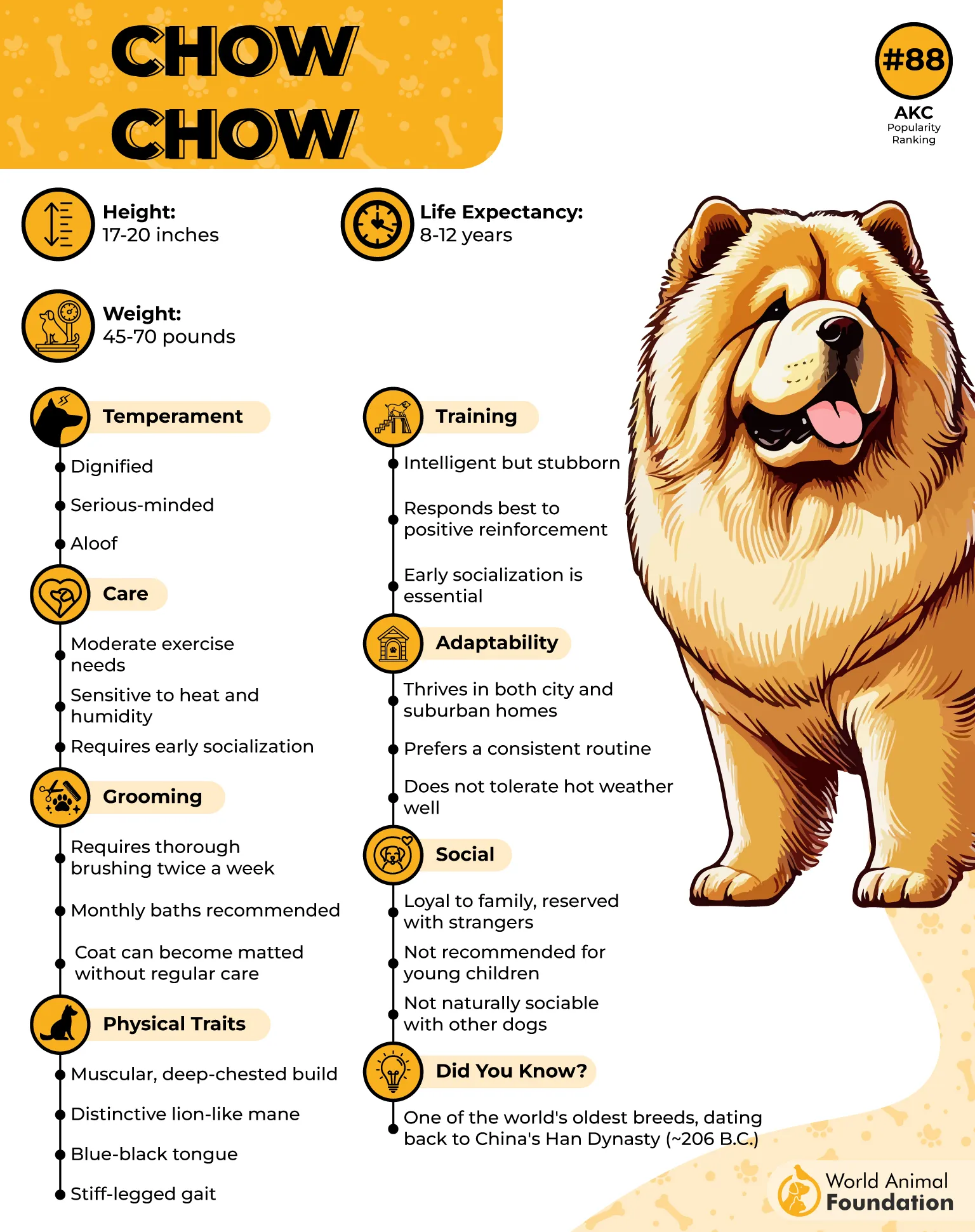
The outer fur feels firmer and straighter than the silky undercoat, while the undercoat is softer, thicker, and woollier. This combination gives the coat structure, so it does not simply hang flat like long human hair. Running your hands through the properly maintained plush coat can feel less like touching a pillowcase and more like pressing into a dense, supportive cushion.
That famous mane requires consistent brushing because loose undercoat can gather beneath the longer hairs.
2. Great Pyrenees
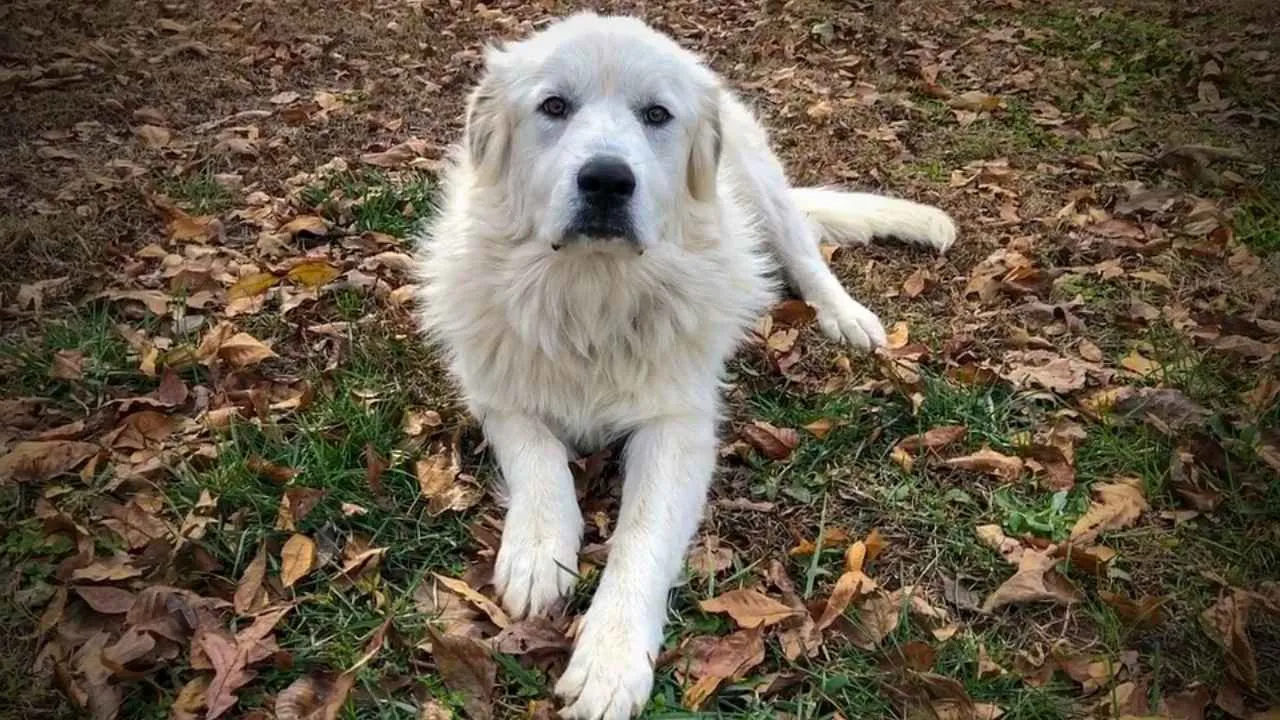
A Great Pyrenees can look like a fresh snowbank calmly walking across the garden. Its long white coat, thick neck hair, feathered tail, and broad frame create an enormous cushion-like silhouette. People often assume the dog is even larger than it really is because of all the hair.
These big fluffy dog breeds have a dense undercoat covered by longer, weather-resistant guard hairs. That practical coat helped these livestock guardians work outdoors around sheep and face difficult mountain conditions.
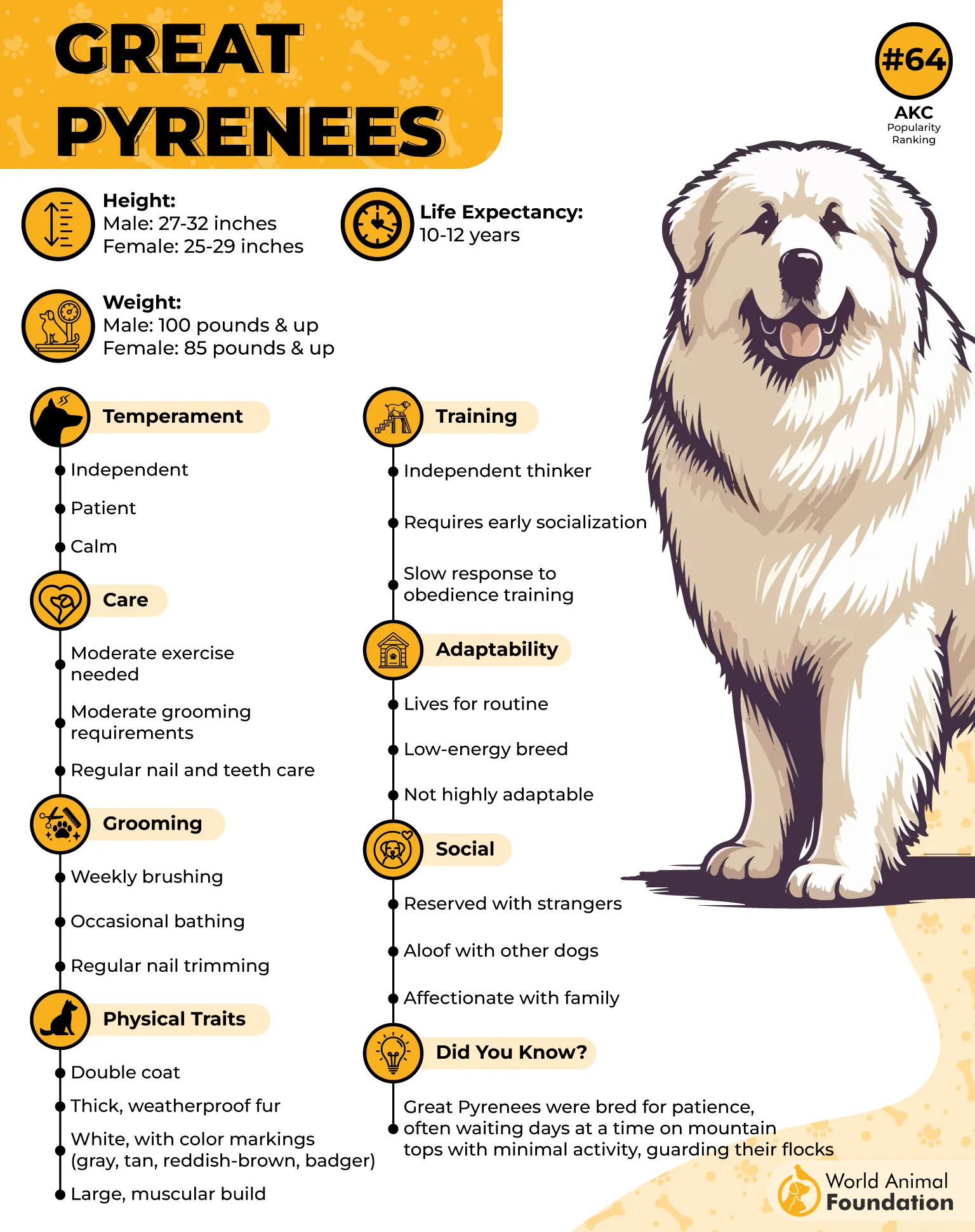
The fluffy double coat is especially full around the neck and shoulders, forming a soft ruff that frames the face. Feathering along the backs of the legs and tail adds movement when the dog walks, while the undercoat provides deep padding beneath.
Weekly brushing is a sensible minimum, with more frequent brushing needed when the loose undercoat begins to shed heavily. A long coat can collect leaves, mud, seeds, and mysterious outdoor objects that the dog apparently decided to bring home as souvenirs.
3. Japanese Spitz
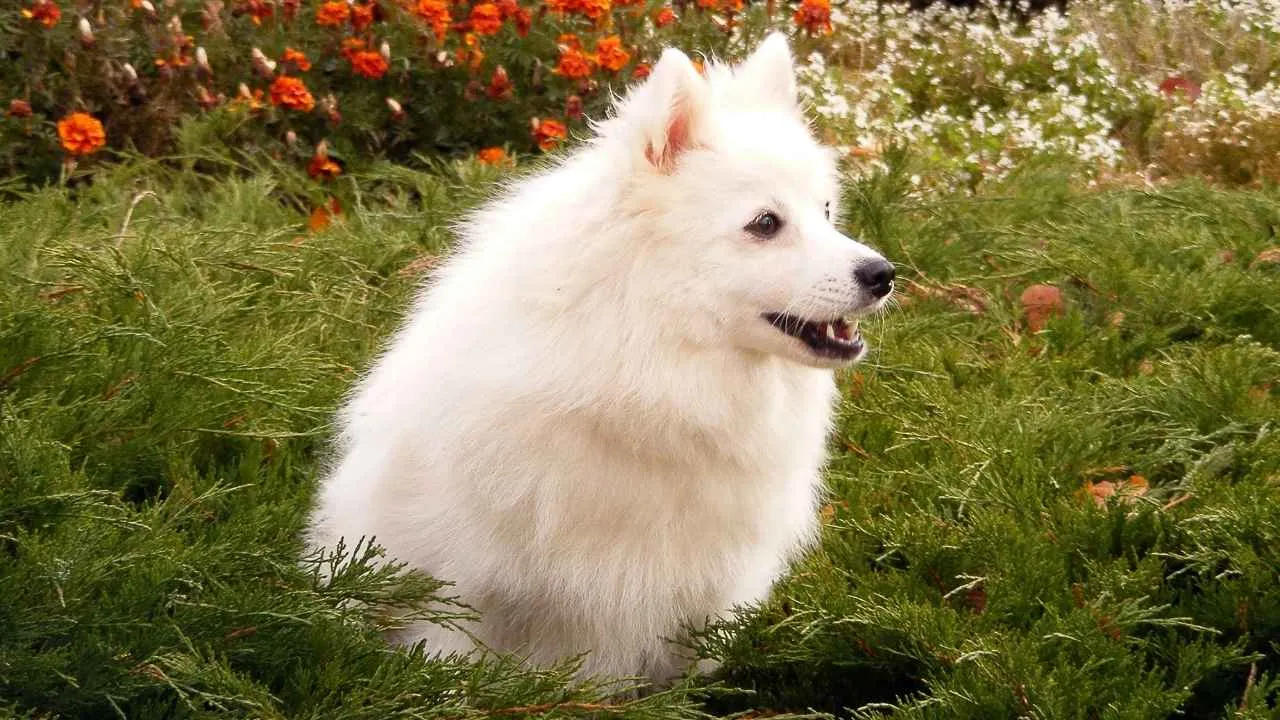
The Japanese Spitz looks like someone took a white cloud, gave it pointed ears, and added a permanent happy expression. Its pure-white coat stands away from the body instead of lying flat, creating a clean, rounded, and seriously fluffy outline.
Under the long outer hair sits a profuse, short, soft, and dense undercoat. The coat becomes especially full around the neck, shoulders, chest, and tail, while the face and lower legs remain more neatly fitted.
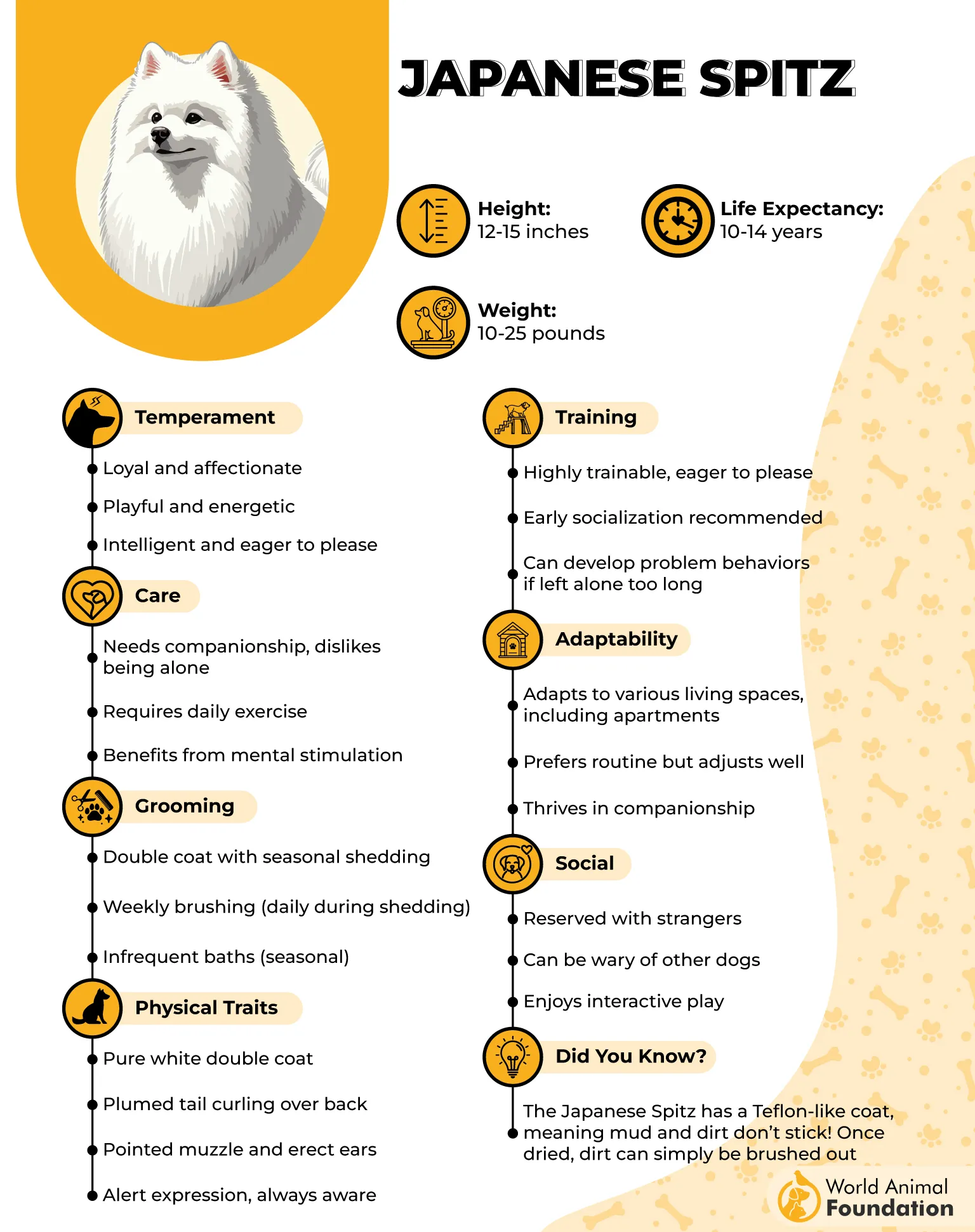
Their small size places a surprising amount of fluff in a fairly portable package. You get the visual drama of a northern dog without needing a sofa large enough for a giant breed.
Japanese Spitz coats may appear high-maintenance because every speck of dirt seems ready to challenge the bright white aesthetic. However, the straight outer hairs of these Japanese dogs can release dried dirt more easily than a soft, absorbent coat might, provided the fur remains healthy and properly brushed.
4. Leonberger
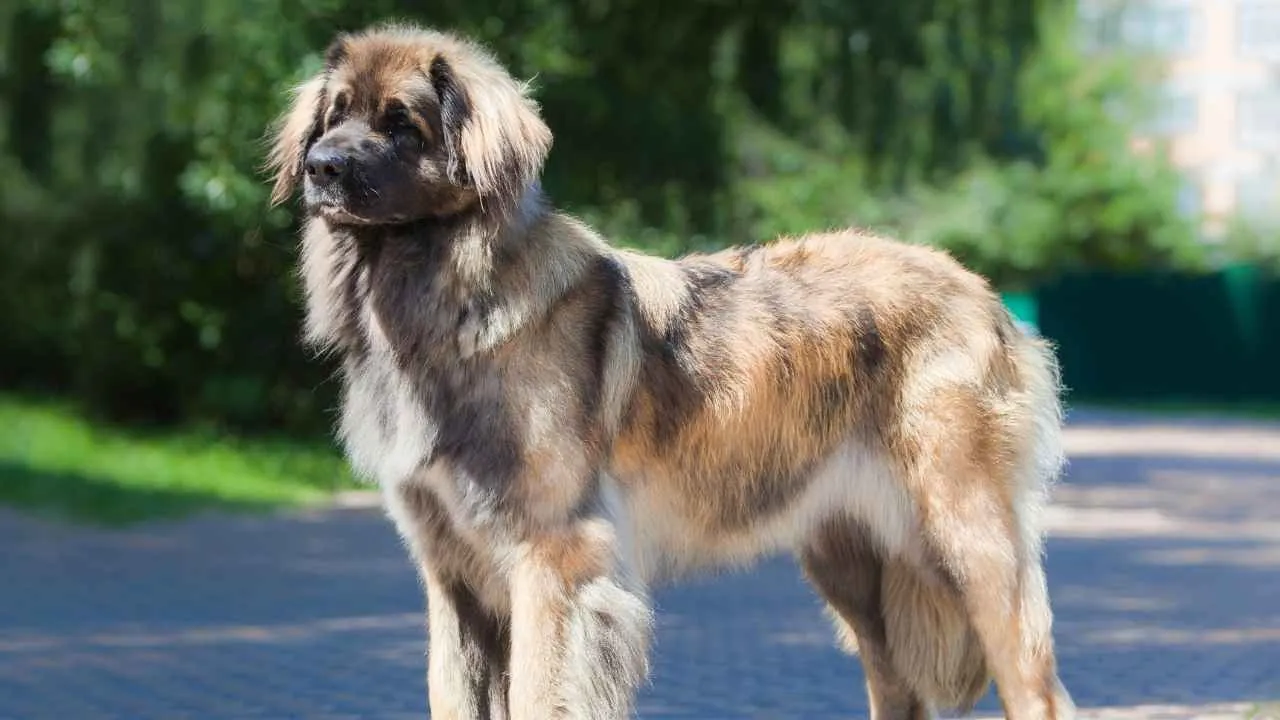
The Leonberger brings maximum fluff on a genuinely giant scale. Its long coat, broad chest, feathered legs, sweeping tail, and thick neck ruff can make it resemble a friendly lion wearing an expensive winter blanket. This is not a decorative throw cushion but an entire cushion-covered sofa moving toward you for affection.
Omlet claims that their size alone creates presence, but the lush coat adds even more visual width and drama. Beneath the fur is a powerful working dog rather than the giant stuffed animal the photos may suggest.
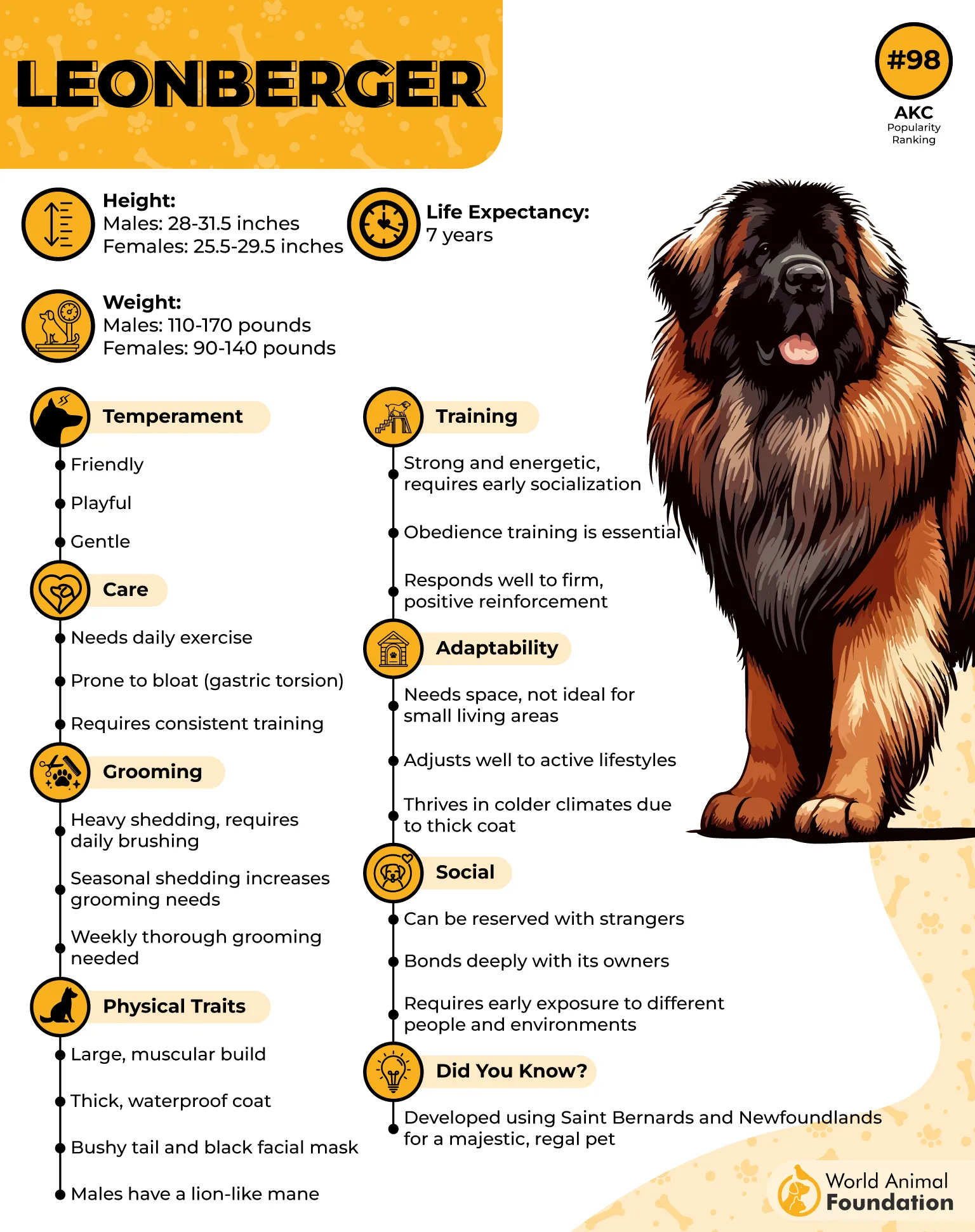
The outer coat is long and lies closer to the body than the coat of some upright-haired Spitz breeds. A dense undercoat still supplies softness and insulation, while feathering adds fullness around the chest, tail, and backs of the legs.
Active pet parents need to reach the undercoat, gently separate tangles, and check friction zones such as the ears, armpits, trousers, and tail. During heavy shedding, the amount of removed fur can look less like grooming waste and more like evidence that another Leonberger has appeared.
5. Pekingese
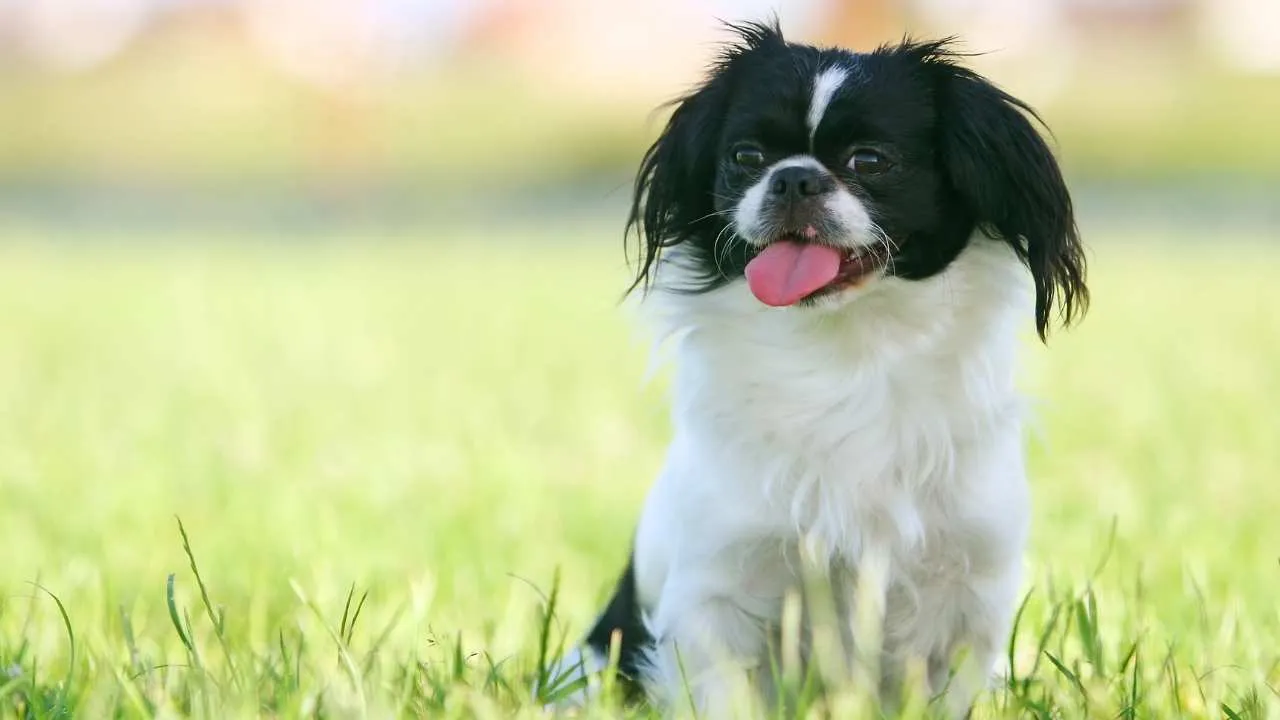
The Pekingese proves that a dog need not be large to deliver enormous coat drama. This lap dog can look twice its actual size once its fur is fully in place. It is basically a small royal dog hidden inside a moving cushion.
The hair grows longest around the neck and shoulders, creating the breed’s famous lion-like mane. Long feathering on the ears, legs, tail, and body produces a flowing outline, while the shorter face hair keeps the wide eyes and little muzzle visible.
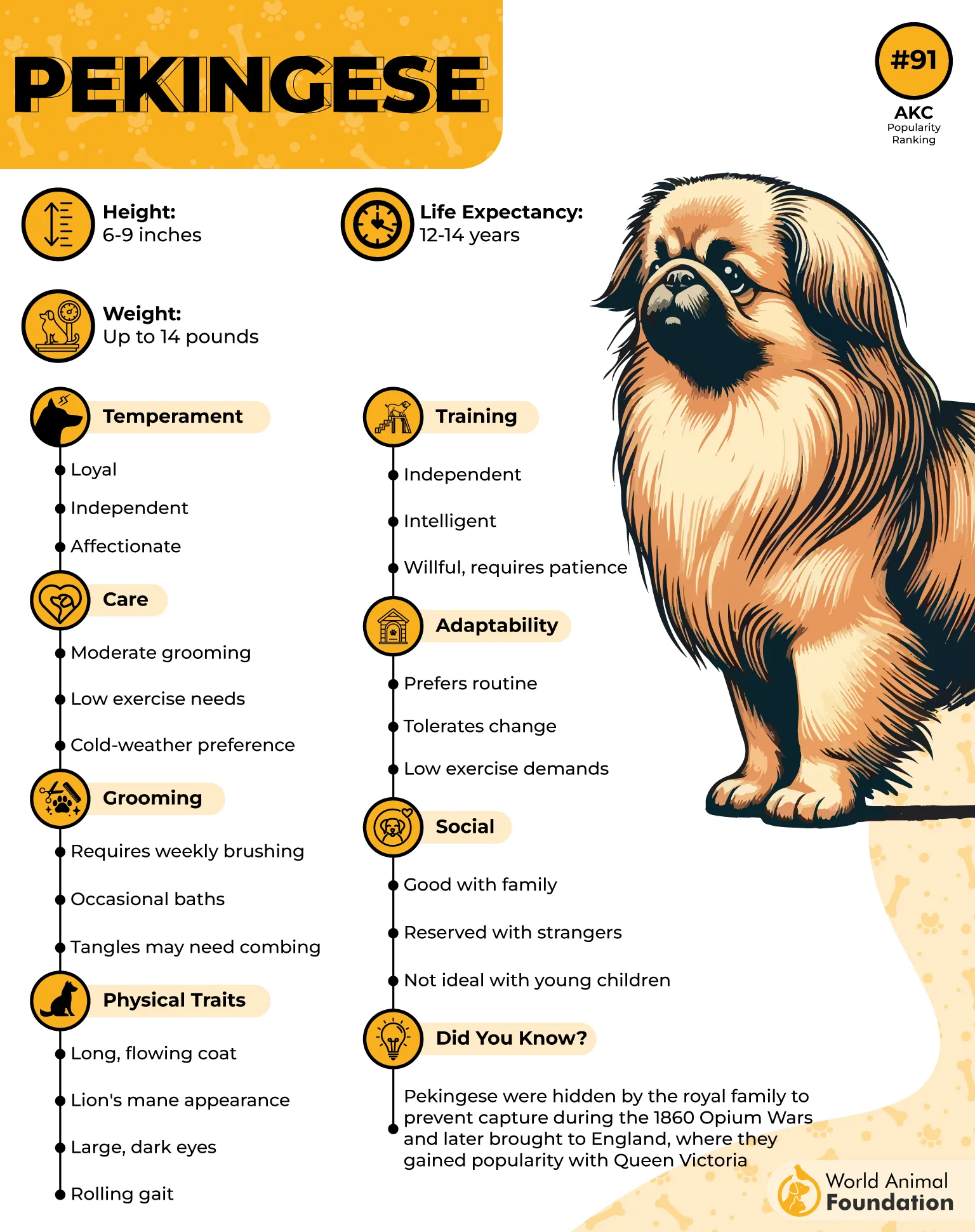
The undercoat adds body beneath the straighter outer hair, preventing the silhouette from appearing thin or flat. The final texture looks plush near the body and more feathered toward the ends, giving owners several styles of fluff in one tiny package.
Regular brushing of the Pekingese coat is essential because long hair can tangle around the ears, chest, legs, and underside. The face, eyes, skin folds, and short muzzle also need responsible care, so professional grooming should include much more than making the coat look glamorous.
6. Keeshond
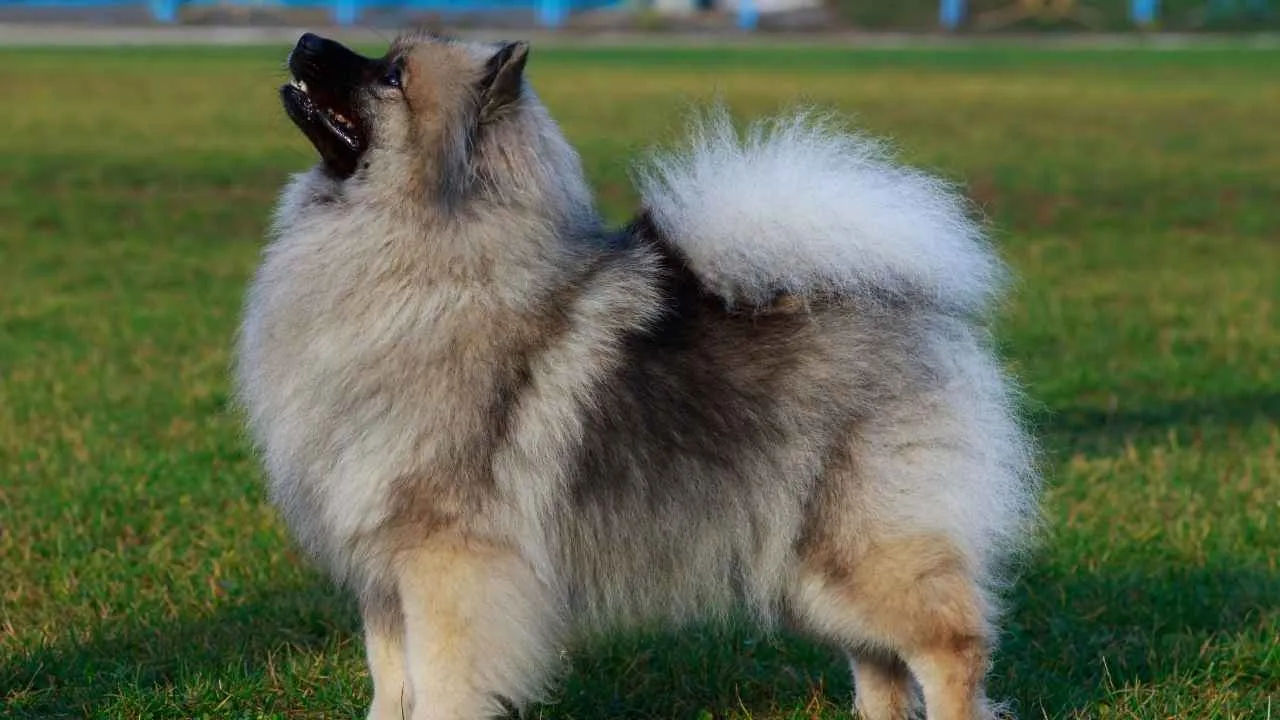
The Keeshond looks like a silver-gray cloud with spectacles painted around its eyes. Its coat stands away from the body, creating full cheeks, a deep chest ruff, fluffy trousers, and a heavily plumed tail curled over the back. The dark-tipped hairs add depth, so the fluff appears layered rather than being one flat shade.
A thick coat provides most of the softness and volume beneath the harsher outer hairs. Around the neck, the coat forms an especially dramatic mane that gives the breed a proud, almost lion-like frame.
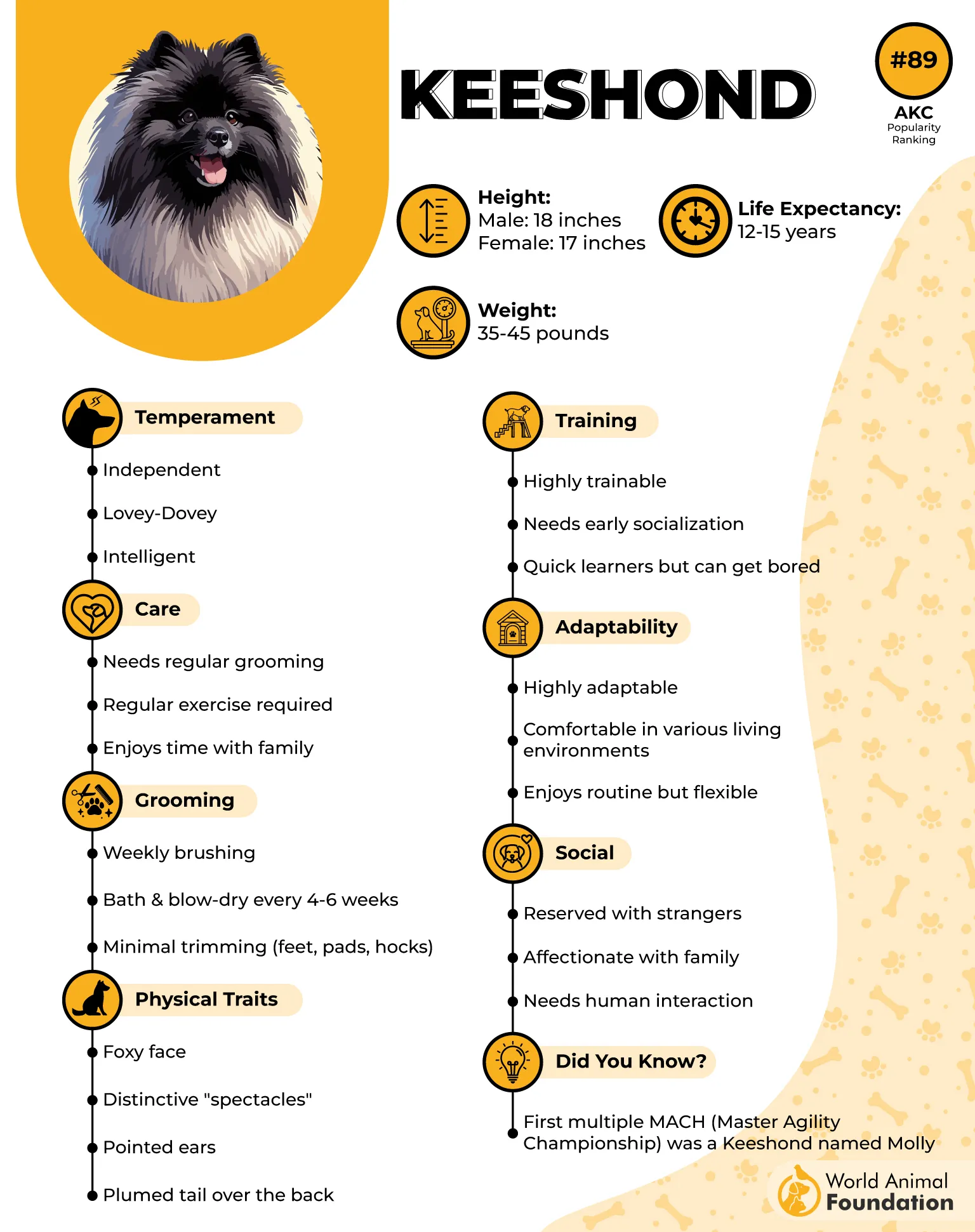
PetMD describes it as affectionate, good-natured, energetic, and quick to learn. That social personality makes the breed feel as warm as its coat looks, although it also means many Keeshonden want to be involved in whatever the household is doing.
Leave the room for ten seconds, and your silver cushion may immediately relocate to stay within management range. Frequent brushing helps lift out loose undercoat and prevents dense areas from packing together.
7. Samoyed
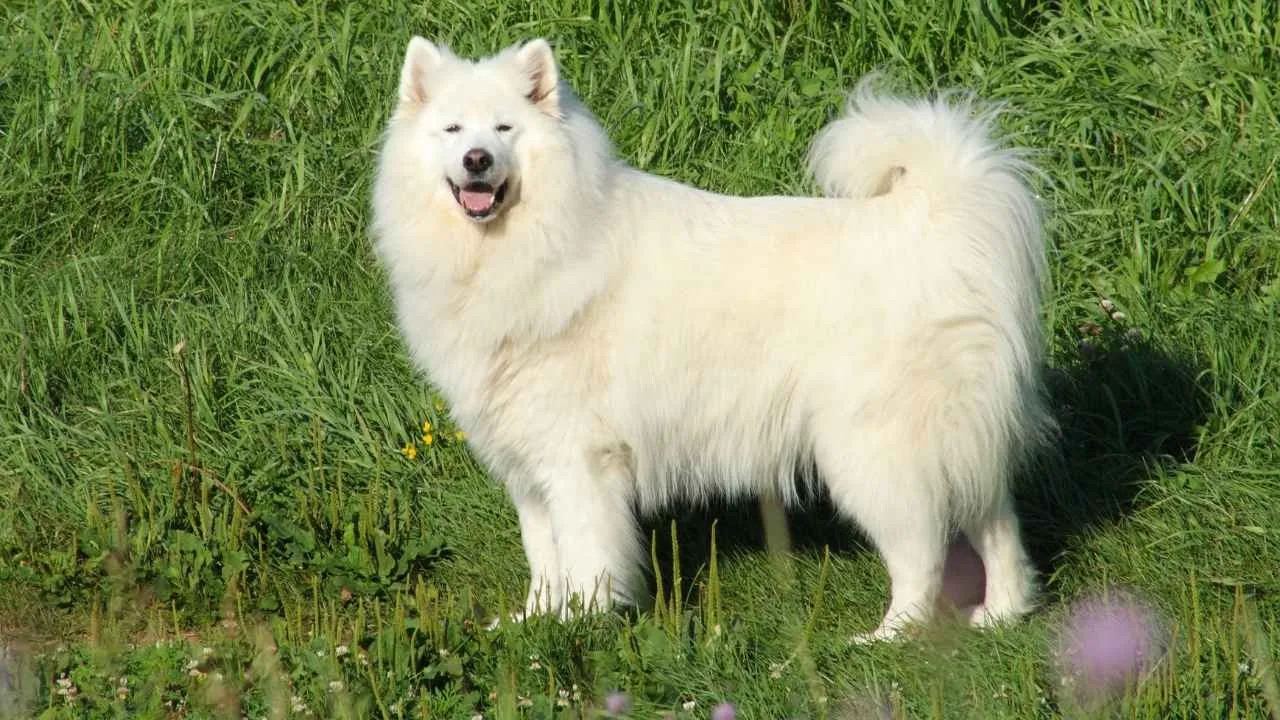
The Samoyed is the celebrity face of cloud-like dog coats. Its brilliant white, cream, or biscuit fur surrounds the body in a thick halo, while the curled tail adds one final explosion of fluff across the back. Combined with the famous “Sammy smile,” the result looks almost suspiciously perfect.
These toy-breed dogs have a profuse, thick double coat consisting of a longer, harsher outer layer and a soft, thick, woolly undercoat. The coat can carry a silvery sheen, giving clean fur a sparkling appearance in bright light.
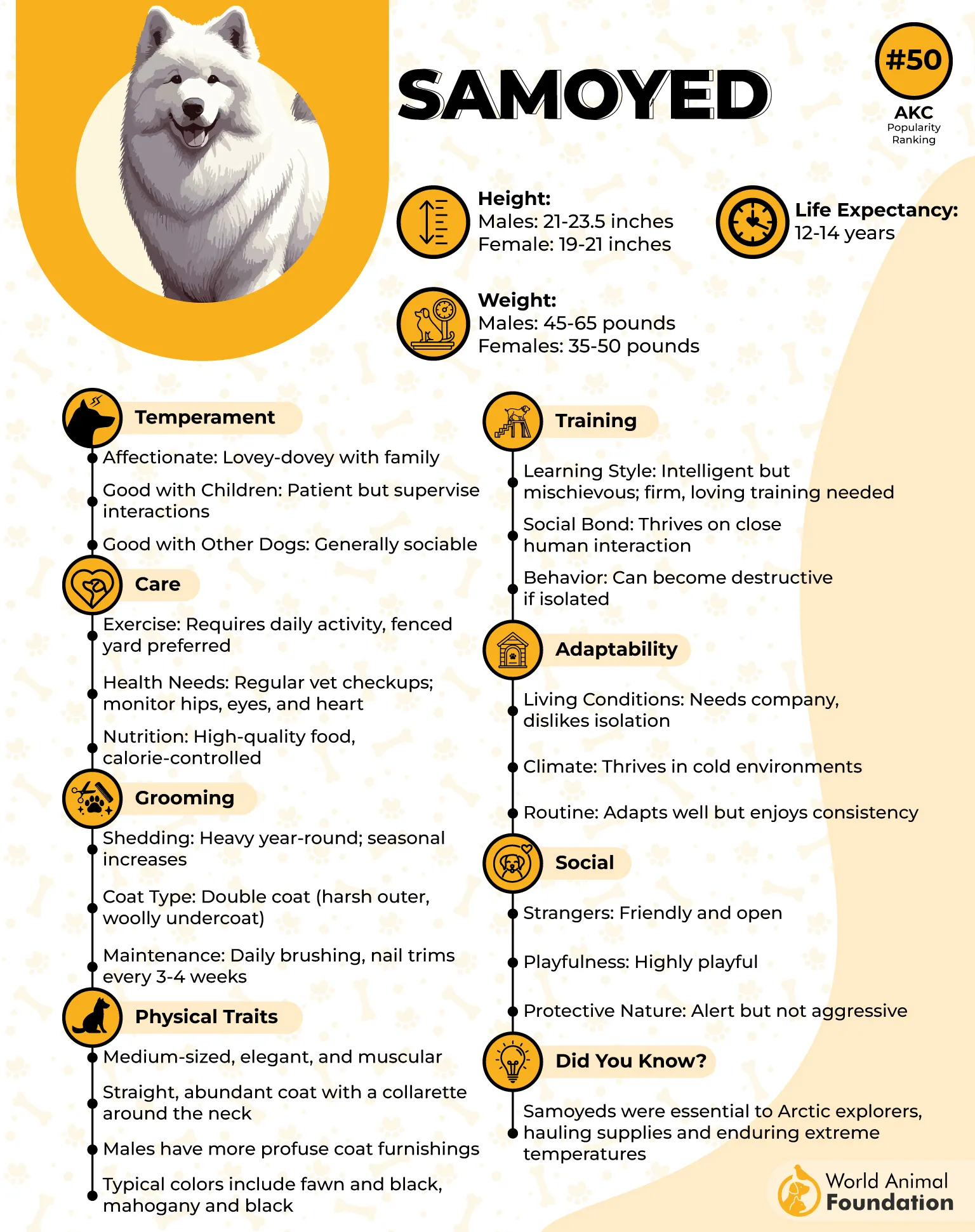
The woolly undercoat creates that deep cushion sensation, while the coarser outer hairs help shed snow, dirt, and moisture. Beneath the visual bulk is a medium-sized, strong, compact working dog rather than an oversized marshmallow.
This magnificent coat sheds year-round and becomes even more pronounced when the undercoat is shed seasonally. Daily brushing of its white coat can remove loose hair, prevent tangles, and keep every dark outfit from turning white within thirty seconds.
8. American Eskimo Dog
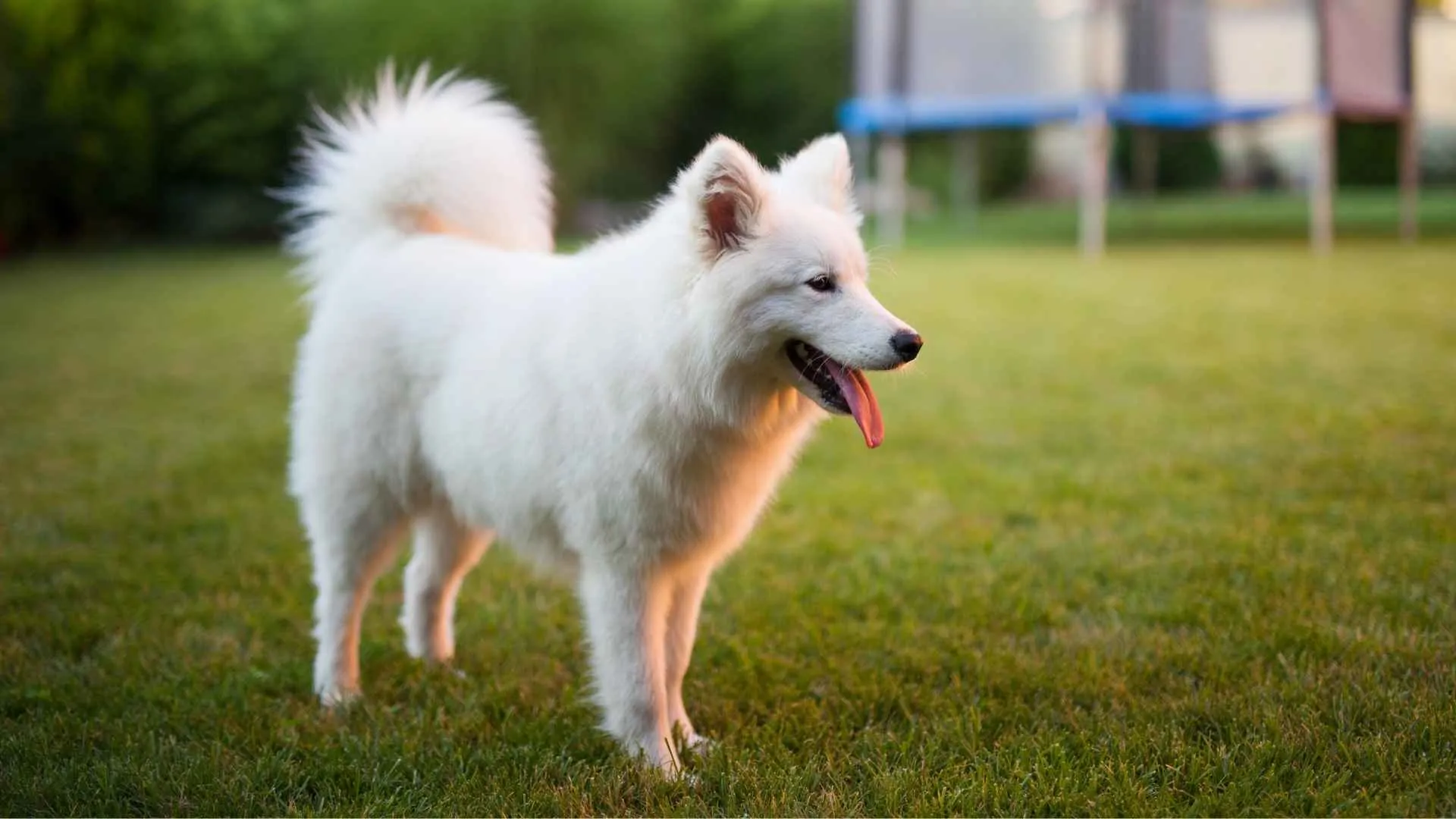
The American Eskimo Dog arrives with a bright white coat that has enough lift to make the entire body look freshly blow-dried.
The coat consists of a straight outer layer that stands away from the body and a shorter, dense undercoat. Extra-long hair around the neck and chest forms a pronounced ruff, while the tail carries a full curtain of fur over the back.
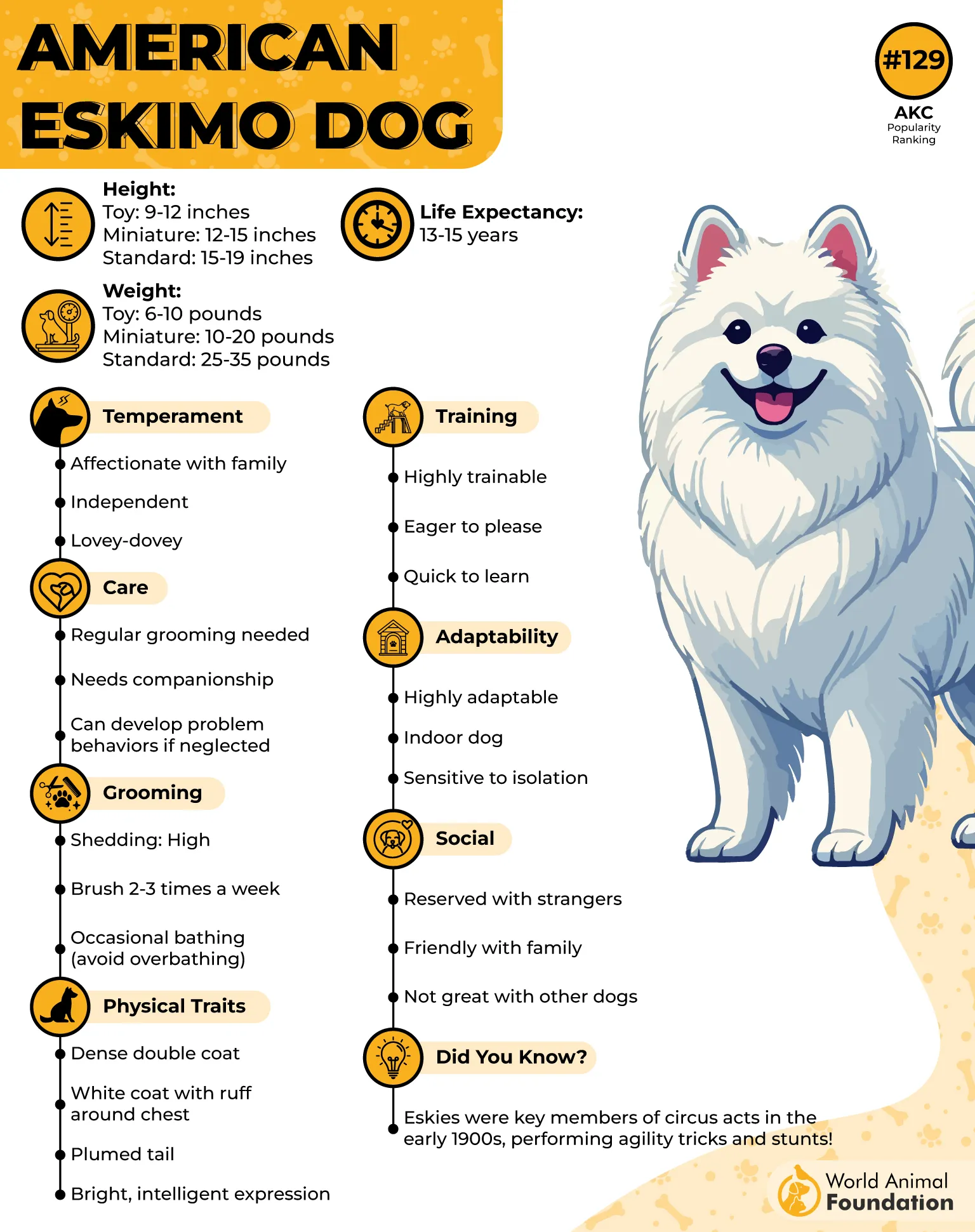
This small, fluffy dog breed comes in toy, miniature, and standard sizes, according to Orvis. That means owners can choose from a small, medium, or slightly larger cushion while keeping the same bright Spitz look.
This white, fluffy dog became famous in traveling circuses because it was intelligent, trainable, and capable of performing tricks. One Eskie is even credited as the first dog known to walk a tightrope, proving a serious athlete is hiding beneath that fluffy shell.
9. Pomeranian
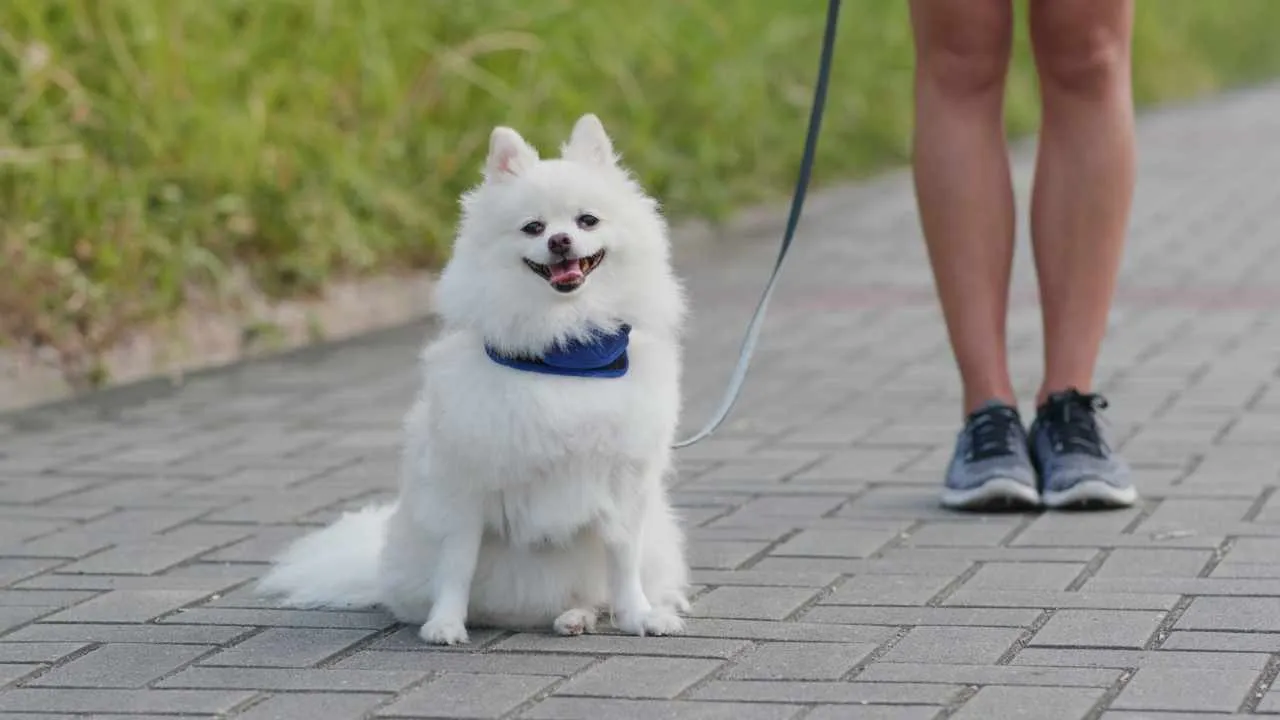
The Pomeranian is only a few pounds of actual dog surrounded by a spectacular amount of hair. Its abundant coat creates a rounded body, a thick chest frill, fluffy shoulders, and a plumed tail carried across the back.
Their double coat comes in nearly two dozen colors, patterns, and markings, although orange and red are especially familiar. No matter the shade, the dense underlayer helps the outer coat stand up and deliver maximum puff.
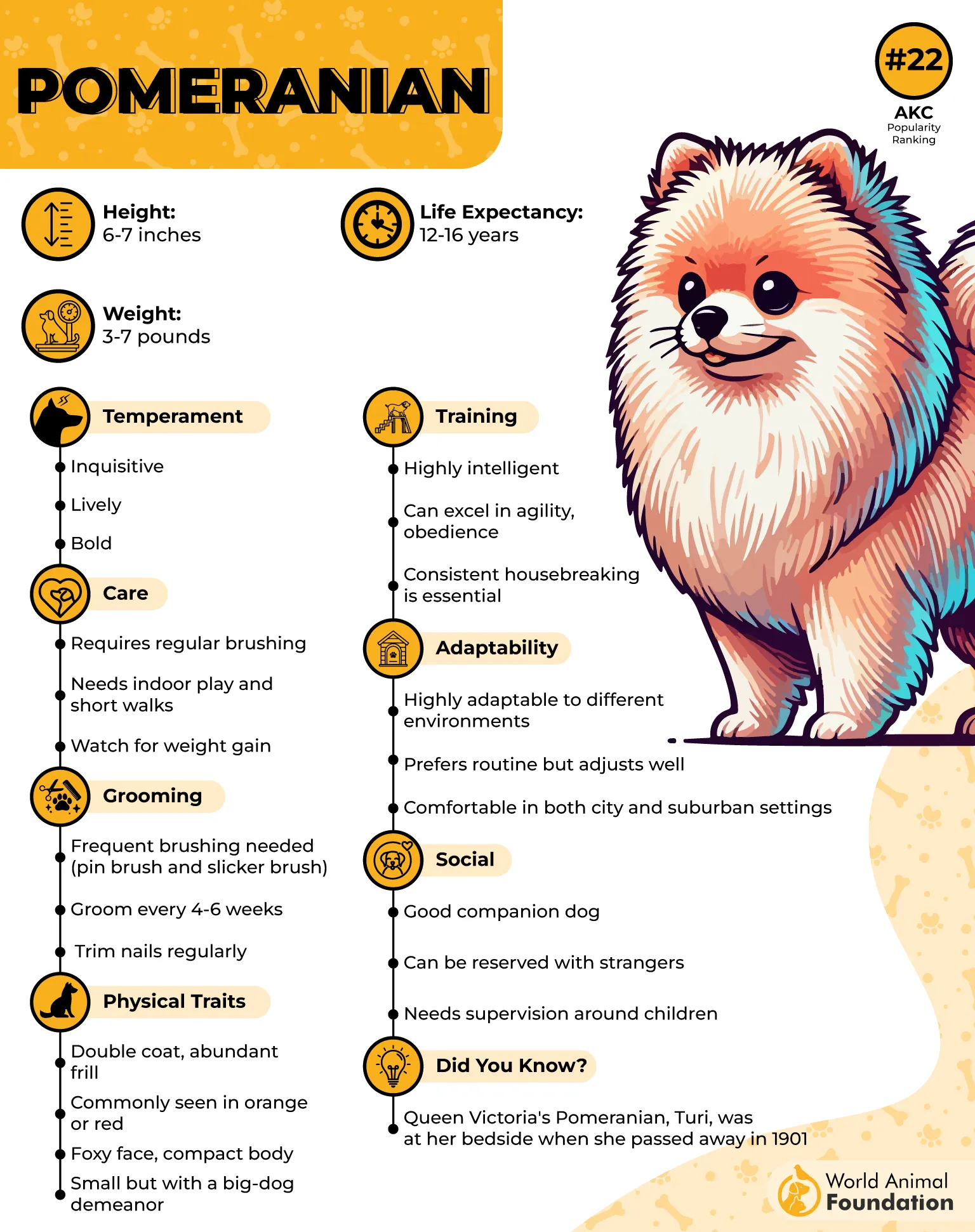
The longest hair gathers around the neck and chest, forming a dramatic frill that frames the fox-like face. Thick fur over the shoulders and body creates a soft, rounded silhouette, while the tail blends into the back, adding even more height.
Regular brushing of this companion dog is necessary to prevent tangles, remove shedding undercoat, and keep the outer hairs lifted rather than packed down. These small dogs have delicate skin and fine hair and require gentle tools and patient handling.
Conclusion
A healthy fluffy coat should be clean, properly brushed, free from painful mats, and supported by good nutrition and veterinary care. Grooming needs depend on coat texture, activity, climate, age, and health, so owners should learn the correct technique for their individual dog.
Most importantly, fluffy dogs are living animals rather than stuffed toys. Their soft coats may invite hugs, but affection should always respect the dog’s body language, temperature, space, and comfort. Treat the fluff responsibly, and your cushion-like companion can remain healthy, magnificent, and extremely photogenic for years.
