





Choosing between a German Shepherd and a Labrador Retriever isn’t as simple as picking between two of the world’s most popular dog breeds. Although both are intelligent, loyal, and dependable, they were bred for very different jobs.
German Shepherds were developed in Germany for herding and protection, while Labrador Retrievers originated in Newfoundland, Canada, where they helped fishermen retrieve nets and fish from cold waters.
In this article, we’ll reveal surprising facts about German Shepherds and Labrador Retrievers while comparing their temperament, intelligence, trainability, health, exercise needs, and overall care. By the end, you’ll know which remarkable breed is the better match for your lifestyle and family.
Key Takeaways
Discover the surprising differences between these two beloved dog breeds.
Learn why German Shepherds are known for loyalty, protection, and intelligence.
Explore why Labrador Retrievers stand out as friendly, playful companions.
Find out which breed’s personality and needs match your lifestyle best.
German Shepherd vs. Labrador Retriever: Surprising Facts About These Dog Breeds
Origins & Purpose
German Shepherd
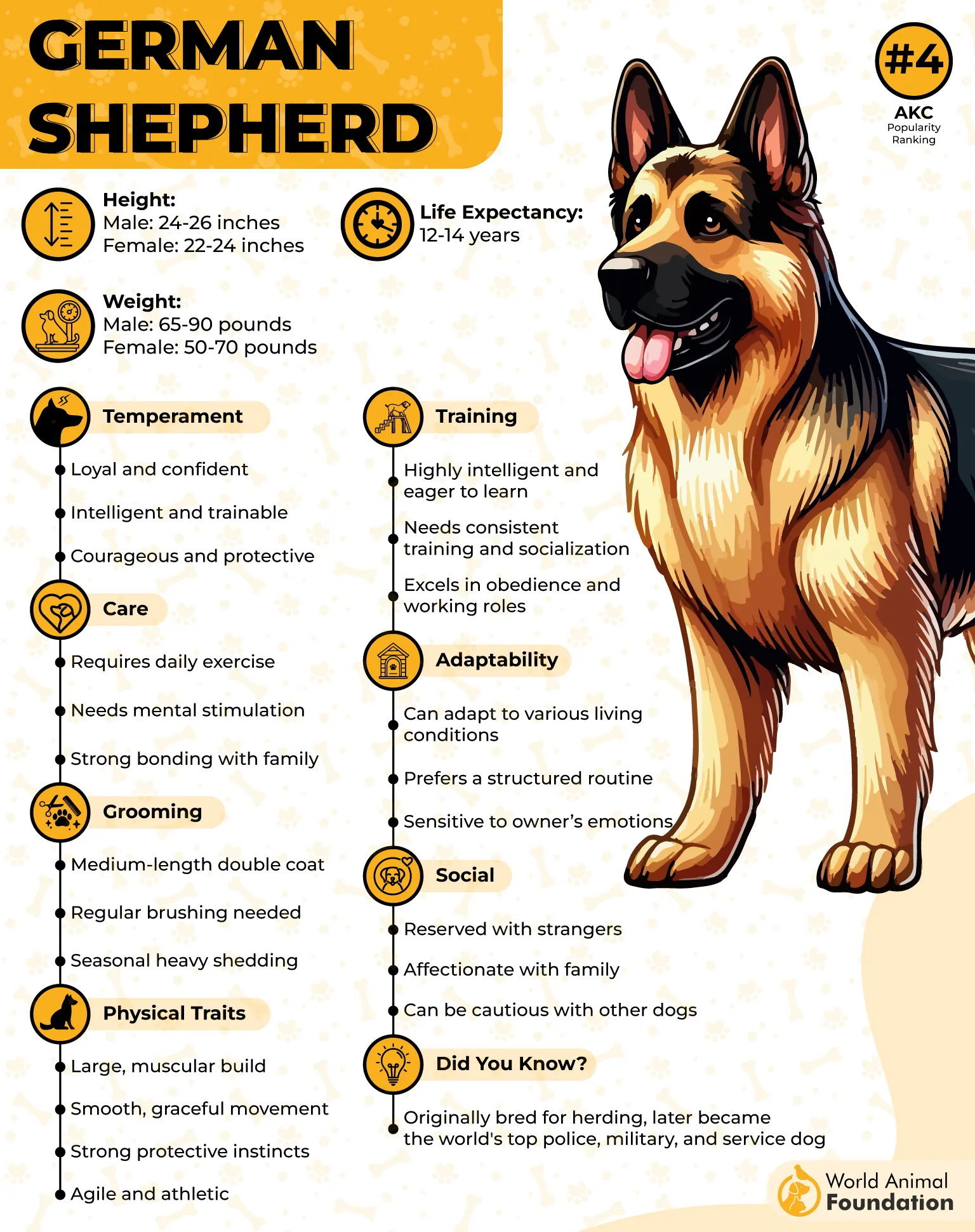
The German Shepherd dog was developed in late 19th-century Germany by Max von Stephanitz, who aimed to create the ideal herding and working dog.
Bred to herd and protect livestock, these dogs were valued for their intelligence, endurance, and loyalty. Over time, their exceptional trainability led them to excel as police, military, service, and search-and-rescue dogs.
Labrador Retriever
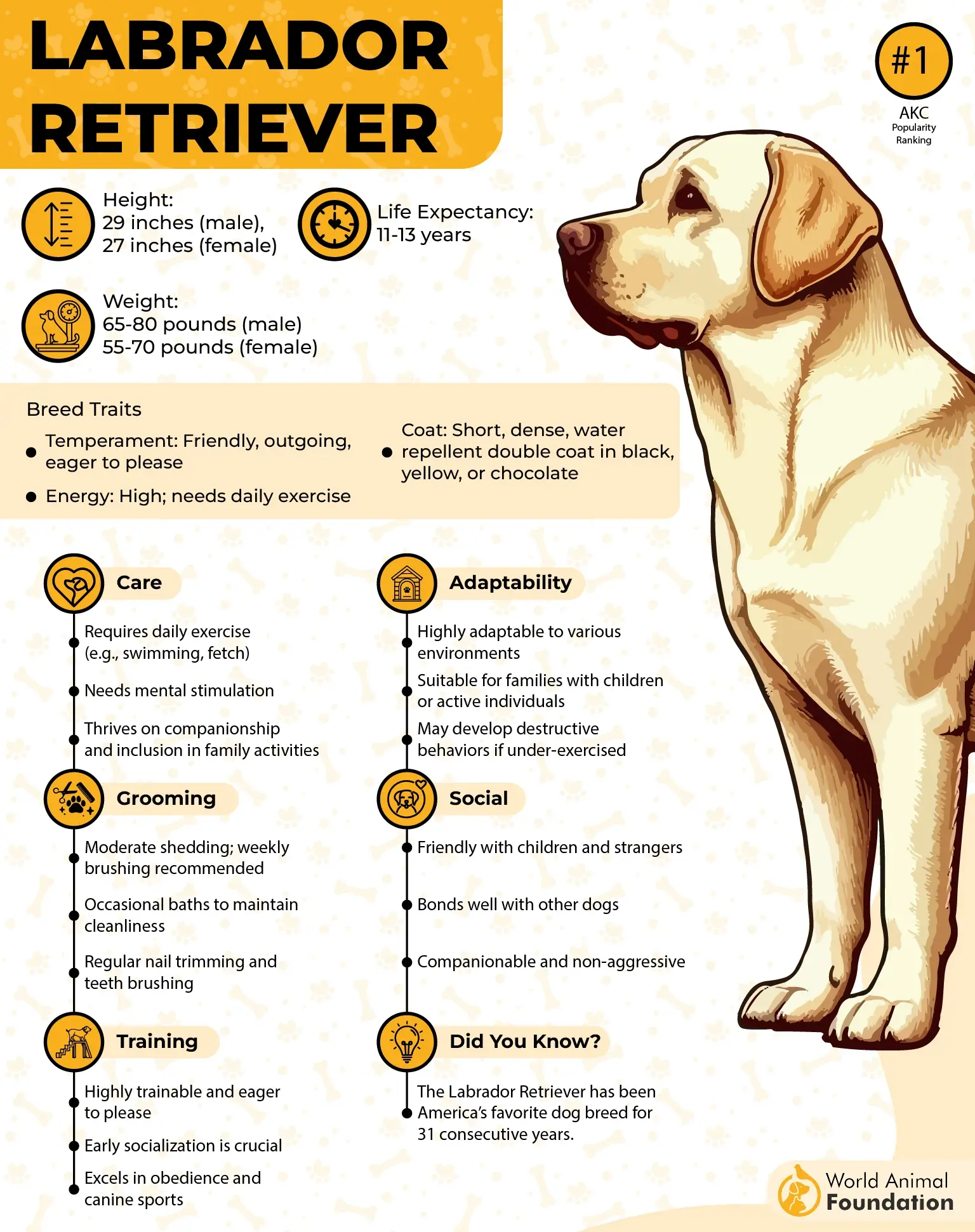
The Labrador Retriever originated in Newfoundland, Canada, and descended from the St. John’s water dog, according to the American Kennel Club.
They were bred to help fishermen retrieve nets, ropes, and fish from cold waters before becoming skilled hunting companions. Their friendly nature and eagerness to please later made them outstanding family, therapy, and assistance dogs.
Size & Build
German Shepherd
German Shepherds stand 22–26 inches tall and typically weigh 50–90 pounds, with males generally larger than females. They have a long, athletic body, erect ears, a bushy tail, and a dense double coat that comes in colors like black and tan, sable, and black.
Labrador Retriever
Labrador Retrievers also stand 22–25 inches tall and usually weigh 55–80 pounds. They have a broad head, muscular body, expressive eyes, and a thick, otter-like tail that helps them swim. Their short, water-resistant coat comes in black, yellow, or chocolate.
Pricing & Availability
German Shepherd
German Shepherds are widely available from reputable breeders and rescue organizations. A well-bred puppy typically costs $1,000–$3,000, depending on the breeder’s reputation, pedigree, health testing, and bloodline. Adoption is a more affordable option, with fees generally ranging from $200–$600.
Labrador Retriever
Labrador Retrievers are one of the most readily available dog breeds, making them easy to find through breeders and rescue groups. Like German Shepherds, puppies from reputable breeders usually cost $1,000–$3,000, while adopting a Labrador typically costs $200–$600.
Temperament & Personality
German Shepherd
German Shepherds are confident, intelligent, and fiercely loyal dogs that form deep bonds with their families. Originally bred for herding and guarding, they are naturally protective and tend to be more reserved around strangers while remaining affectionate with those they trust.
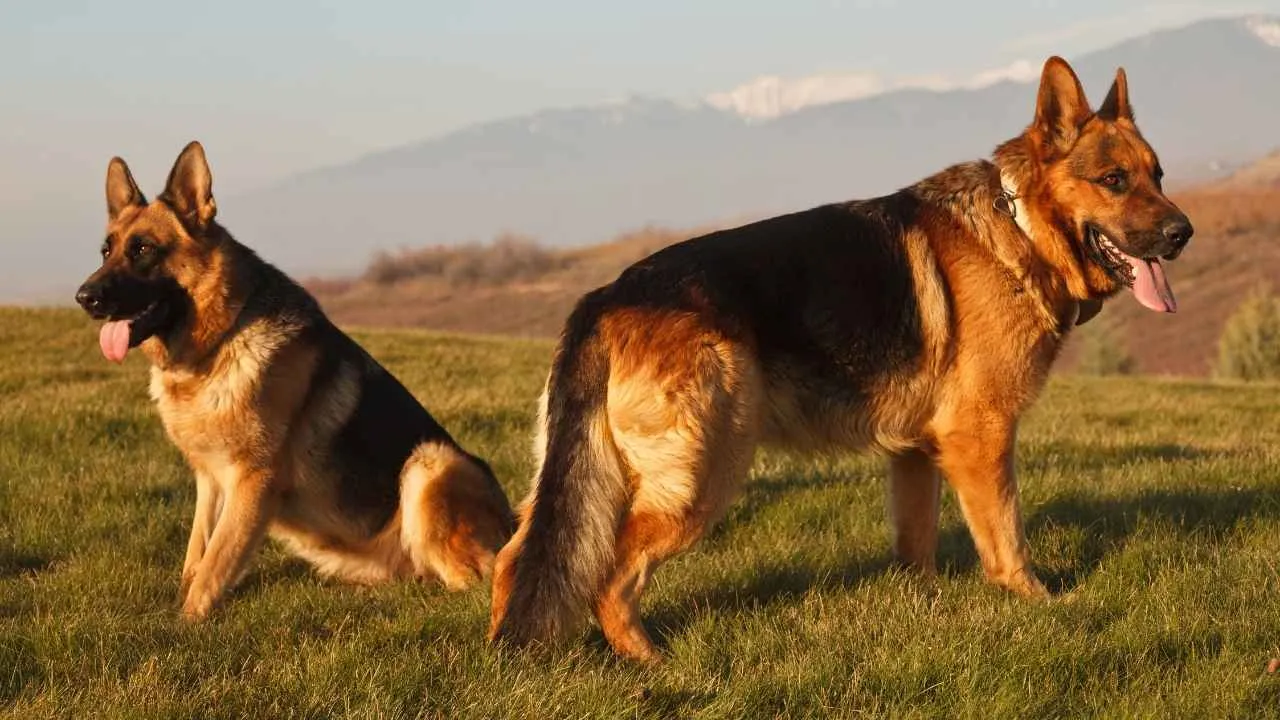
Their eagerness to learn, strong work ethic, and high level of obedience make them exceptional police, military, service, and search-and-rescue dogs. They thrive with consistent training, early socialization, and plenty of mental and physical stimulation.
Labrador Retriever
Labrador Retrievers are friendly, outgoing, and even-tempered dogs known for their affectionate nature and love of people. PetMD mentions that they are highly social and typically get along well with children, strangers, and other pets, making them one of the world’s most popular family companions.
Labradors are intelligent and eager to please, which makes training relatively easy, and their playful personality means they enjoy interactive games, outdoor activities, and spending time with their families. Their gentle temperament also allows them to excel as therapy, assistance, and guide dogs.
Exercise Needs & Energy Levels
German Shepherd
German Shepherds are high-energy, intelligent dogs that need regular physical activity and mental challenges to stay happy and healthy. PDSA says they typically require a minimum of 2 hours of exercise daily, including walks, running, play sessions, and structured training.
Since they were bred as working dogs, they enjoy activities that give them a purpose, such as obedience training, agility, hiking, and problem-solving games. Without enough exercise and stimulation, they may become bored and develop unwanted behaviors.
Labrador Retriever
Labrador Retrievers are also energetic dogs that thrive on daily activity and interaction. They usually need around 60–90 minutes of exercise each day, with activities like playing fetch, swimming, walking, and outdoor adventures being ideal.

Their playful and social nature means they enjoy exercising with their owners, other dogs, or family members. While Labradors love staying active, they are also adaptable and can relax at home after getting enough physical and mental stimulation.
Training & Obedience
German Shepherd
German Shepherds are highly intelligent and one of the most trainable dog breeds in the world. Their strong work ethic, focus, and eagerness to learn make them excellent candidates for obedience training, service work, police duties, and advanced tasks.

They respond best to consistent, structured training methods that provide clear guidance and mental challenges. Early socialization is especially important because their protective instincts can become overly cautious without proper exposure to different people, animals, and environments.
Labrador Retriever
Labrador Retrievers are also highly trainable dogs known for their intelligence, friendliness, and desire to please their owners. Their gentle temperament and cooperative nature make them easier to train for many first-time dog pet parents.
Labradors respond well to positive reinforcement, rewards, and interactive training sessions. They enjoy learning commands, retrieving games, and activities that keep them mentally engaged, although their playful nature can sometimes make them easily distracted.
Grooming Needs & Shedding
German Shepherd
German Shepherds have a thick double coat consisting of a dense undercoat and a protective outer coat. This coat helps them adapt to different weather conditions but also means they shed throughout the year, with heavier shedding during spring and fall.
Regular brushing 2–3 times per week helps remove loose fur, prevent mats, and keep their coat healthy. During peak shedding seasons, more frequent brushing may be needed.
Along with coat care, German Shepherds need routine grooming, including occasional baths, ear cleaning, nail trimming, and regular health checks. Their grooming needs are moderate, but owners should be prepared for noticeable shedding due to their thick coat.
Labrador Retriever
Labrador Retrievers also have a double coat, but their short, dense, water-resistant fur is generally easier to maintain.

Despite their shorter coat, Labradors are heavy shedders, especially during seasonal coat changes in spring and fall. Brushing 2–3 times per week helps control loose hair and keeps their coat smooth and shiny.
Labradors require occasional baths, ear cleaning, nail trimming, and routine grooming care. Since they love swimming and outdoor activities, keeping their ears clean and dry is important to help prevent infections.
Outdoor Adventure & Exploration
German Shepherd
German Shepherds are excellent companions for outdoor adventures thanks to their athletic build, endurance, and love for purposeful activities. Originally bred as working dogs, they enjoy experiences that challenge both their bodies and minds, such as hiking, running, agility training, and long walks.

Their confidence and protective instincts also make them reliable companions for owners who enjoy exploring new places. However, they benefit most from structured activities that include training and mental stimulation rather than just casual exercise.
Labrador Retriever
Labrador Retrievers are naturally adventurous dogs that thrive in outdoor environments. Their history as water-retrieving dogs makes them especially passionate about swimming, playing fetch, and exploring open spaces.
They enjoy activities like hiking, beach trips, camping, and outdoor games with their families. Their friendly and adaptable personality allows them to enjoy adventures with people, children, and other dogs, making them a great choice for active households.
Health & Lifespan
German Shepherd
German Shepherds have an average lifespan of 7–10 years. Their athletic build and active lifestyle make them excellent working dogs, but they are more prone to joint and mobility issues as they age.
Common health concerns include:
Hip and elbow dysplasia: Genetic conditions that can cause pain, stiffness, and mobility problems.
Degenerative myelopathy: A progressive spinal condition that can affect movement.
Bloat (gastric torsion): A serious digestive emergency that requires immediate veterinary care.
Epilepsy: A neurological condition that may cause seizures.
Eye problems: Including cataracts and progressive retinal atrophy.
Digestive issues and allergies: Some German Shepherds may experience food sensitivities or skin problems.
Labrador Retriever
Labrador Retrievers generally have a lifespan of 10–12 years and are known for their active and friendly nature. However, their love of food and certain genetic risks can make them vulnerable to specific health problems.

Common health concerns include:
Obesity: Labradors are food-motivated and can gain weight easily without proper portion control and exercise.
Hip and elbow dysplasia: Joint conditions that may affect mobility.
Ear infections: Their floppy ears can trap moisture and increase infection risk.
Eye diseases: Including progressive retinal atrophy (PRA).
Bloat: A potentially dangerous digestive condition.
Cancer and tumors: Some Labradors may have a higher risk of certain cancers.
Exercise-induced collapse (EIC): A condition that can cause weakness after intense activity.
German Shepherd vs. Labrador Retriever: Which Loyal Breed Fits Your Lifestyle?
Choosing between a German Shepherd and a Labrador Retriever depends on your lifestyle, experience, and what you want from a canine companion. Both breeds are intelligent, loyal, and loving, but their personalities and needs are quite different.
A German Shepherd is best suited for owners who want a devoted, protective, and highly trainable companion. They thrive in active households where they can receive regular exercise, structured training, and mental challenges.
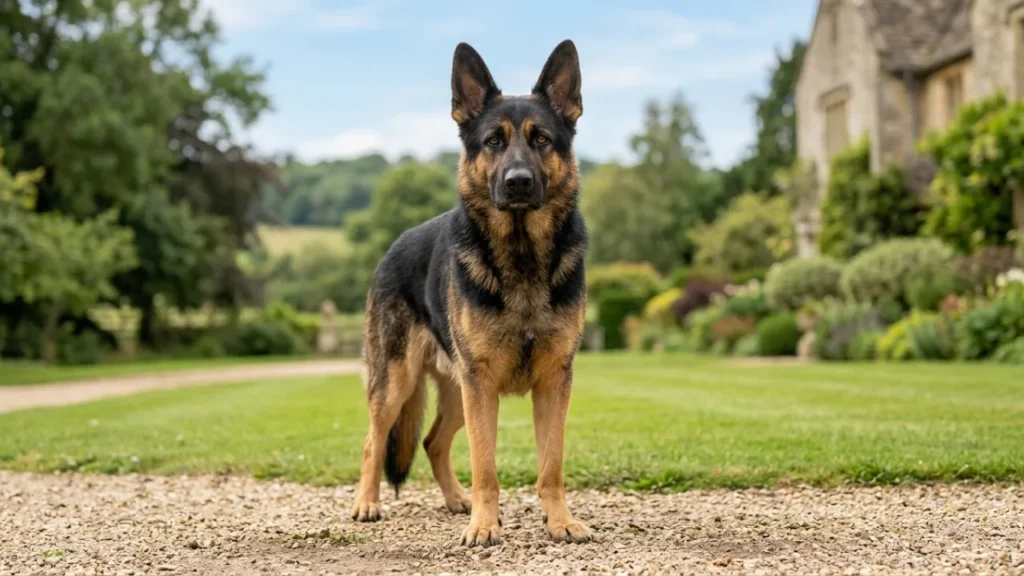
Their natural guarding instincts make them excellent guard dogs and working partners, but they require early socialization and consistent guidance to become confident, well-balanced dogs.
A Labrador Retriever is an excellent choice for families, first-time owners, and people who want a friendly and adaptable family dog.
Their gentle temperament, playful nature, and love for people make them great with children and other pets. Labradors enjoy outdoor activities, games, and social interaction, but they also need regular exercise and proper weight management to stay healthy.
Conclusion
German Shepherds and Labrador Retrievers are both remarkable breeds with unique strengths. German Shepherds stand out for their loyalty, intelligence, and protective nature, while Labradors win hearts with their friendliness, adaptability, and playful personality.
Although they differ in exercise needs, grooming, training style, and temperament, both breeds can become incredible companions with proper care and attention.
The best choice comes down to your lifestyle and what you expect from your dog. Consider your time, activity level, living environment, and commitment before bringing one home.
Whether you choose the focused and devoted German Shepherd or the cheerful Labrador Retriever, you’ll gain a loyal friend who can bring years of companionship and unforgettable memories.
