




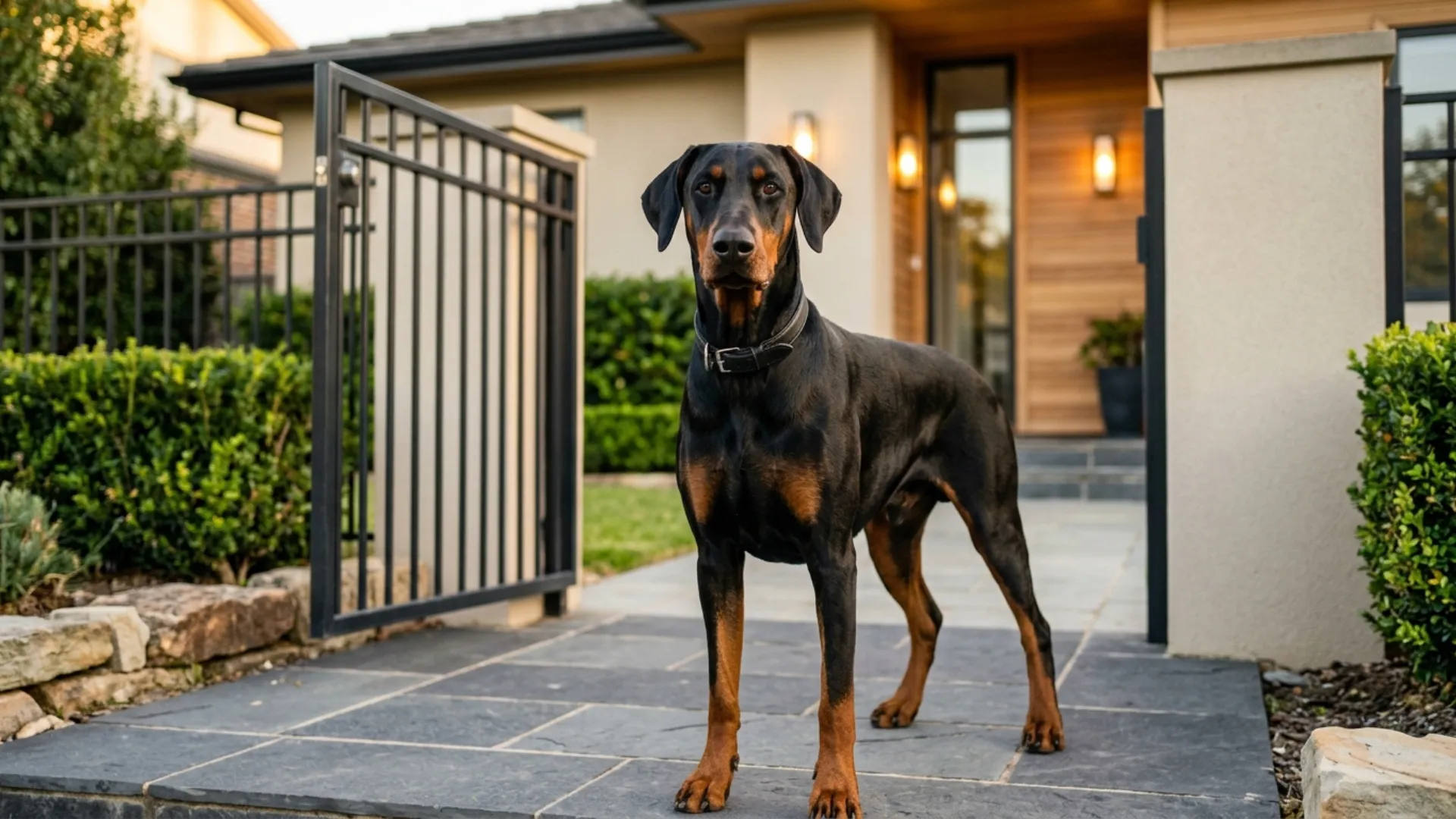
A dog’s loyalty is one of the most special parts of the human-dog bond. Some dogs are happy simply being by your side, while others go a step further: watching over their families, sensing danger, and standing between their loved ones and potential threats.
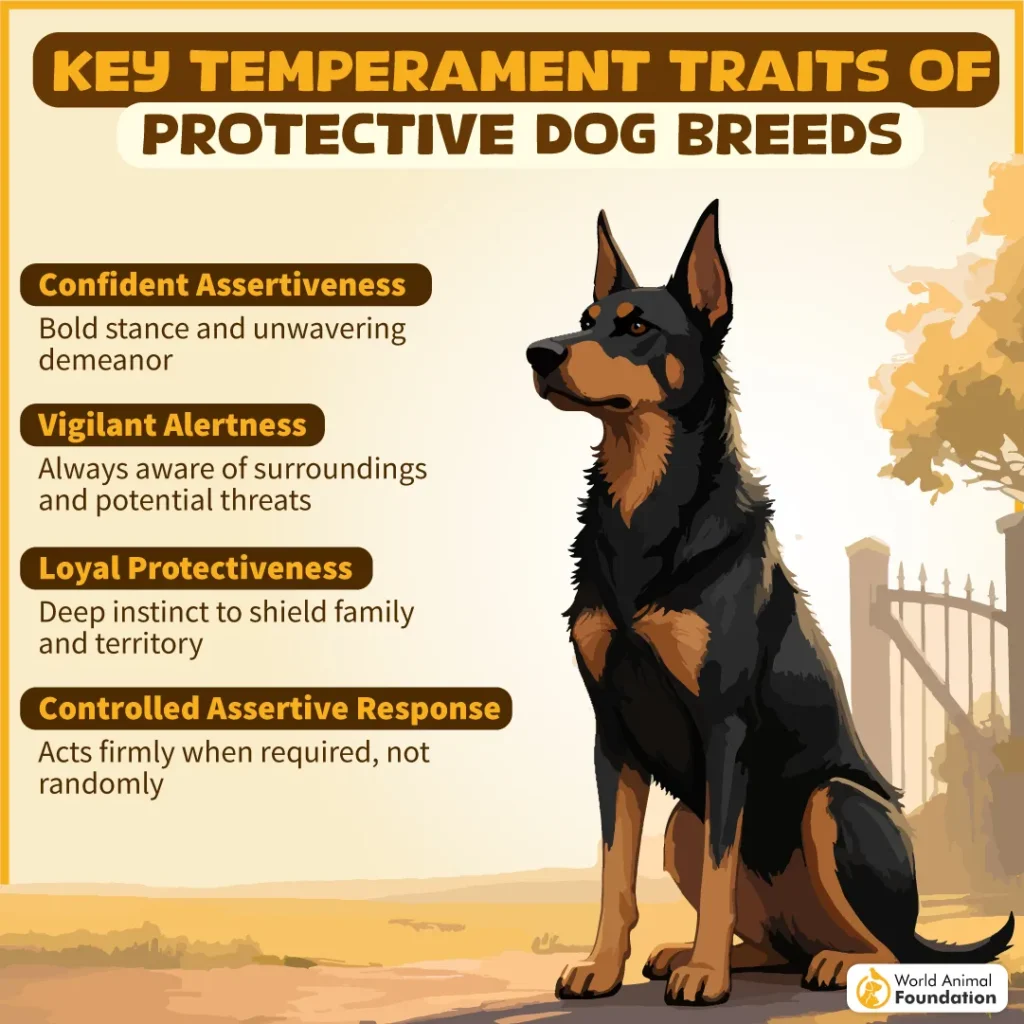
Their protective nature is not just about being brave; it comes from a deep connection and desire to keep their people safe. While any dog can become a loving and loyal companion, certain dogs naturally have stronger protective instincts because of their history, temperament, and the roles they were bred to perform.
From staying close during everyday moments to showing incredible courage in difficult situations, loyal dogs have earned a special place in our hearts.
If you’re looking for a four-legged companion who offers affection, devotion, and a natural sense of protection, discovering the right fit can help you find a lifelong friend who truly has your back. Let’s take a look at some of the most protective dog breeds.
Dog Breeds Known for Their Protective Instincts and Loyalty
1. German Shepherd
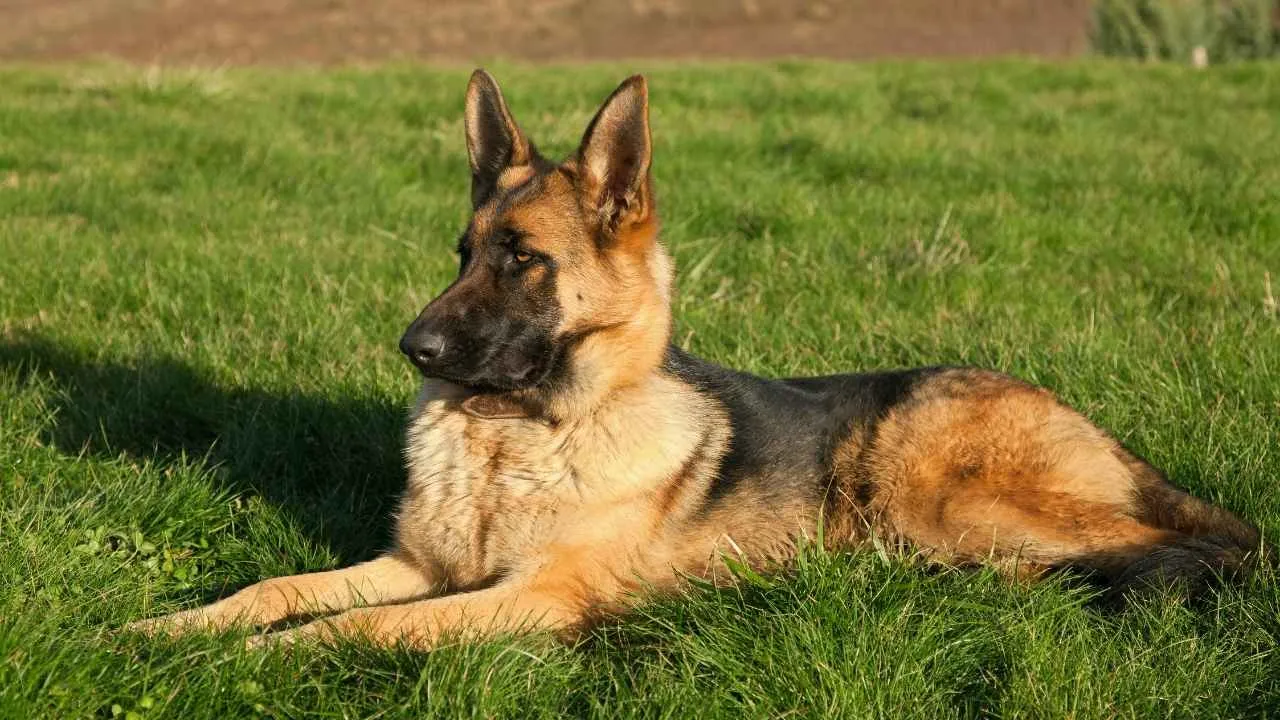
German Shepherds are one of the most trusted guard dog breeds, known for their courage, intelligence, and unwavering loyalty. They form strong bonds with their families and have an instinct to guard their people and home.
Their confidence and bravery make them popular working dogs for police and military forces, where they assist with tracking, patrol duties, detecting substances, and search-and-rescue missions.
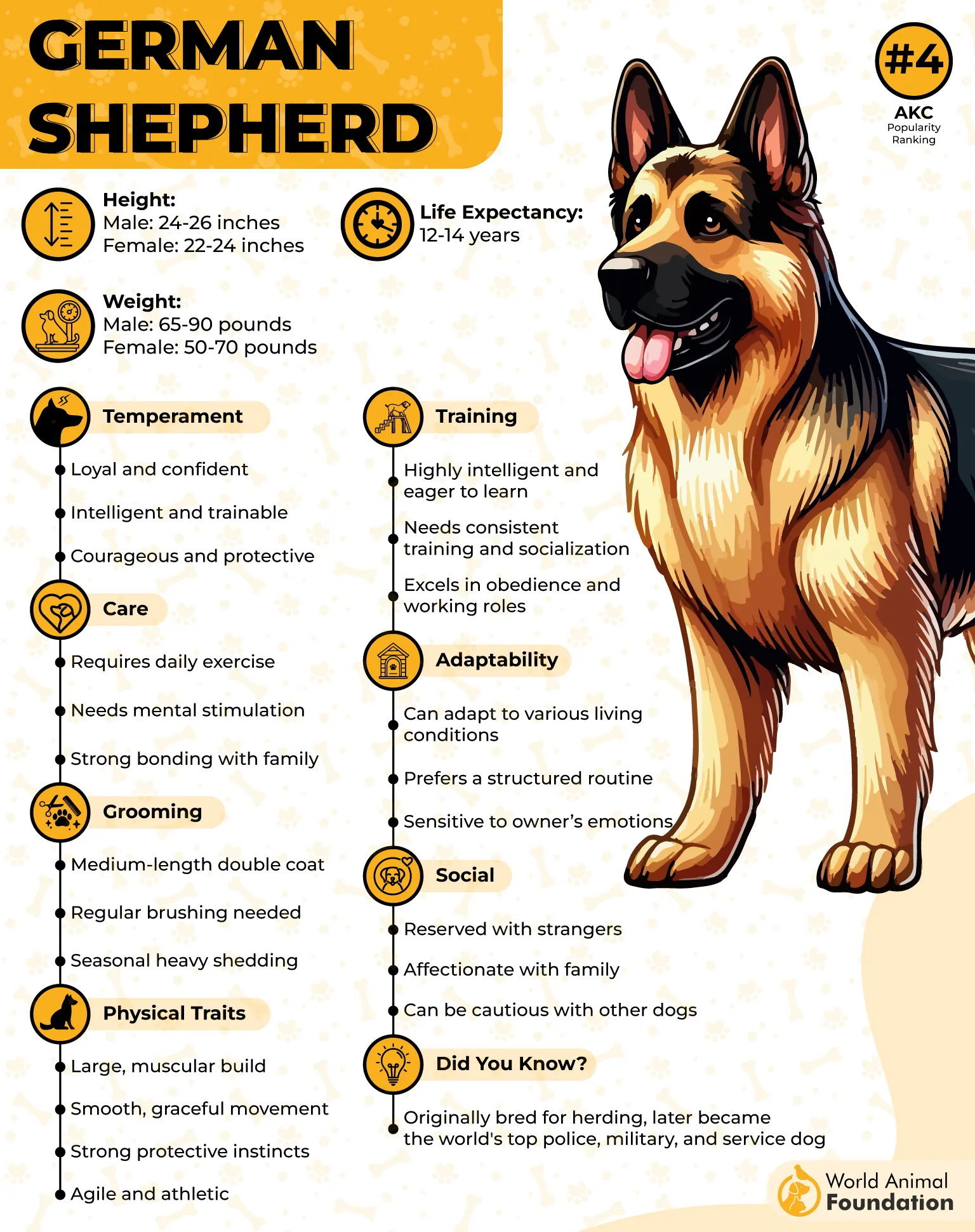
Intelligence, Training, and Personality
German Shepherds are highly intelligent dogs that enjoy learning new tasks and advanced training. They need regular mental stimulation and clear guidance to keep their protective instincts balanced.
Without proper training, they may become overly dominant or protective. With early socialization, they become gentle family companions, good with children, and cautious but respectful around strangers.
What To Know
German Shepherds are active dogs that need daily exercise, playtime, and activities to stay happy and healthy. They do best with owners who can provide consistent training and leadership. Their double coat sheds heavily, especially during seasonal shedding periods, so regular brushing is needed.
2. Doberman Pinscher
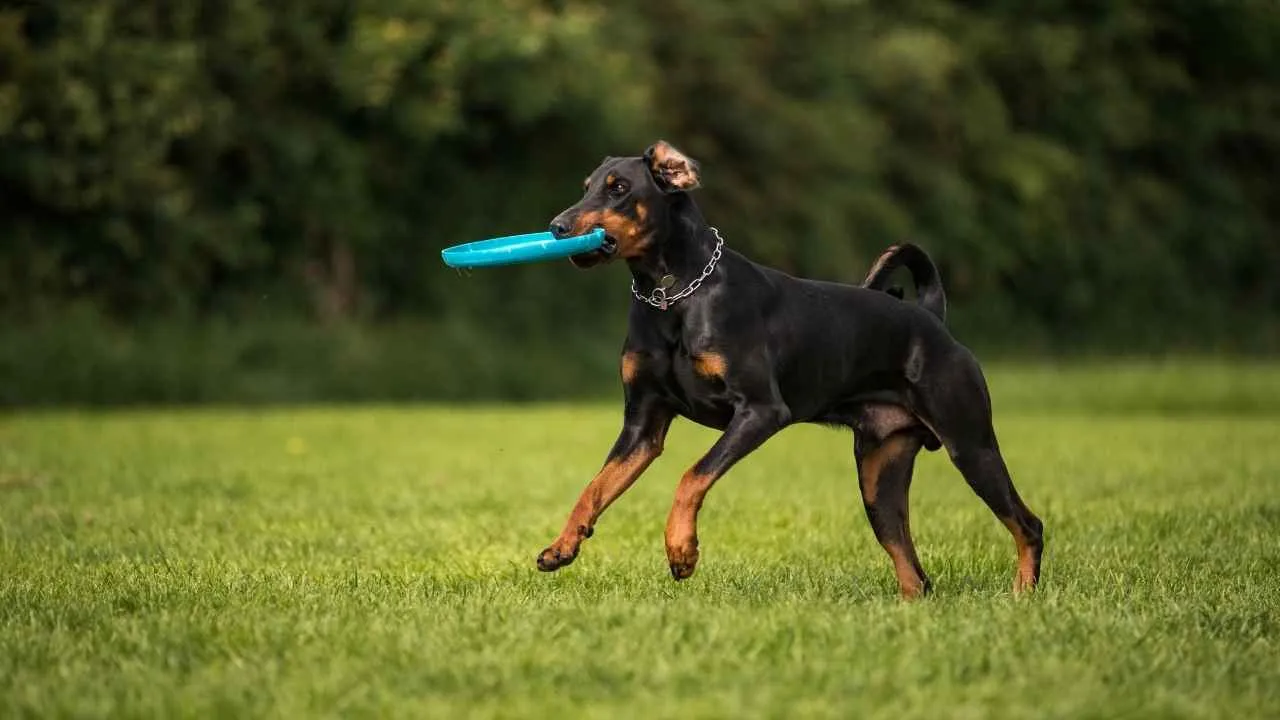
Doberman Pinschers are powerful guardians known for their intelligence, alertness, and strong loyalty. Originally bred in Germany as guard dogs and companions, they have an instinct to protect their families.
Their courage, focus, and ability to learn quickly make them excellent working dogs, often used in military, police, and search-and-rescue roles. They are usually quiet but will alert their owners when they sense danger.
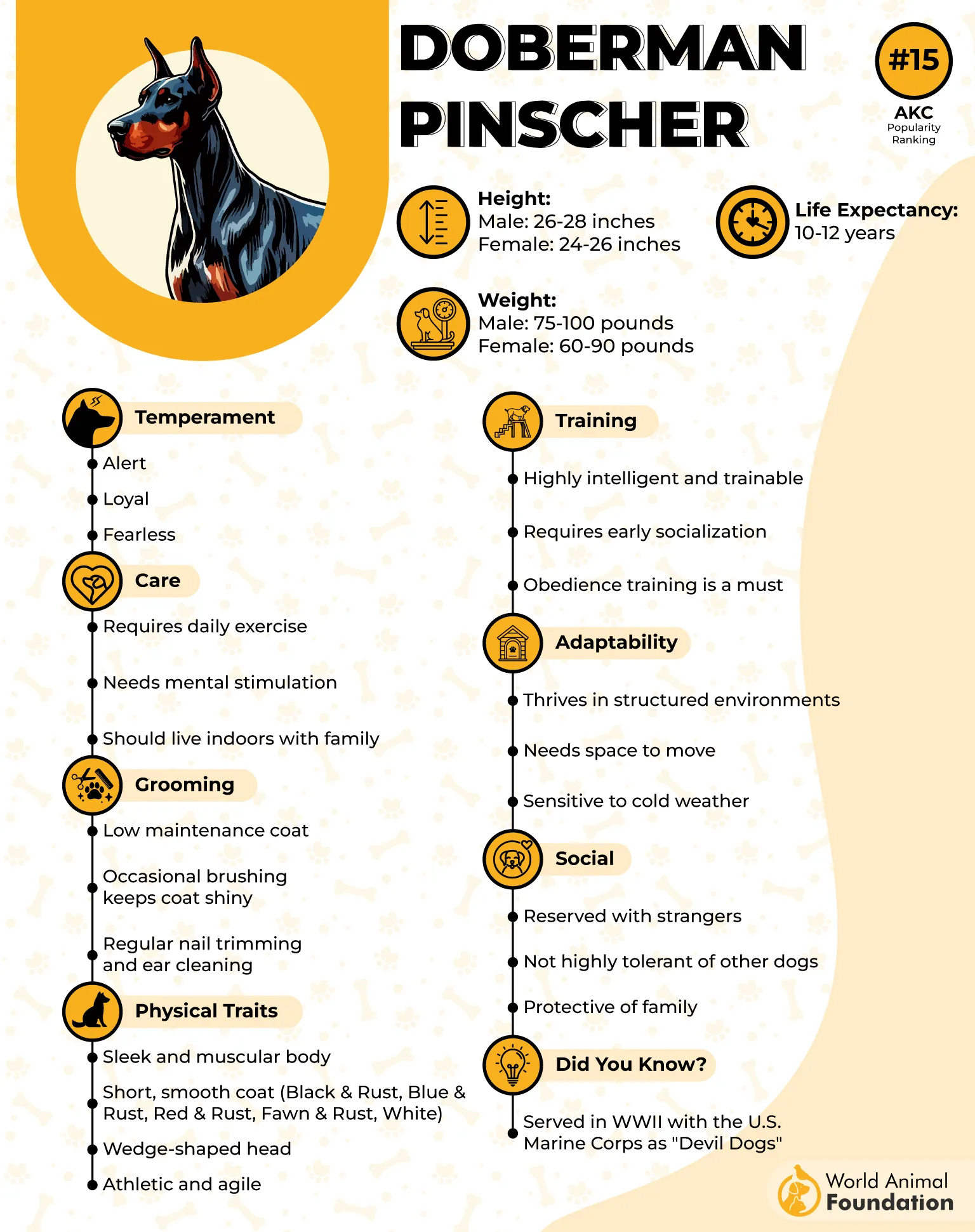
Intelligence, Training, and Personality
Dobermans are highly intelligent and energetic dogs that enjoy training and mental challenges. They form deep bonds with their owners and are often called “Velcro dogs” because of their devotion.
Early training and socialization are important to manage their protective nature. While they can be reserved with strangers and dominant around unfamiliar dogs, they are loving, playful, and affectionate with their families.
What To Know
These active dogs need regular exercise and stimulation to stay happy and well-behaved. Without enough activity, they may develop unwanted behaviors from boredom. PetMD mentions their strong prey drive means they need supervision around smaller animals and should be kept secure outdoors.
3. Rottweiler
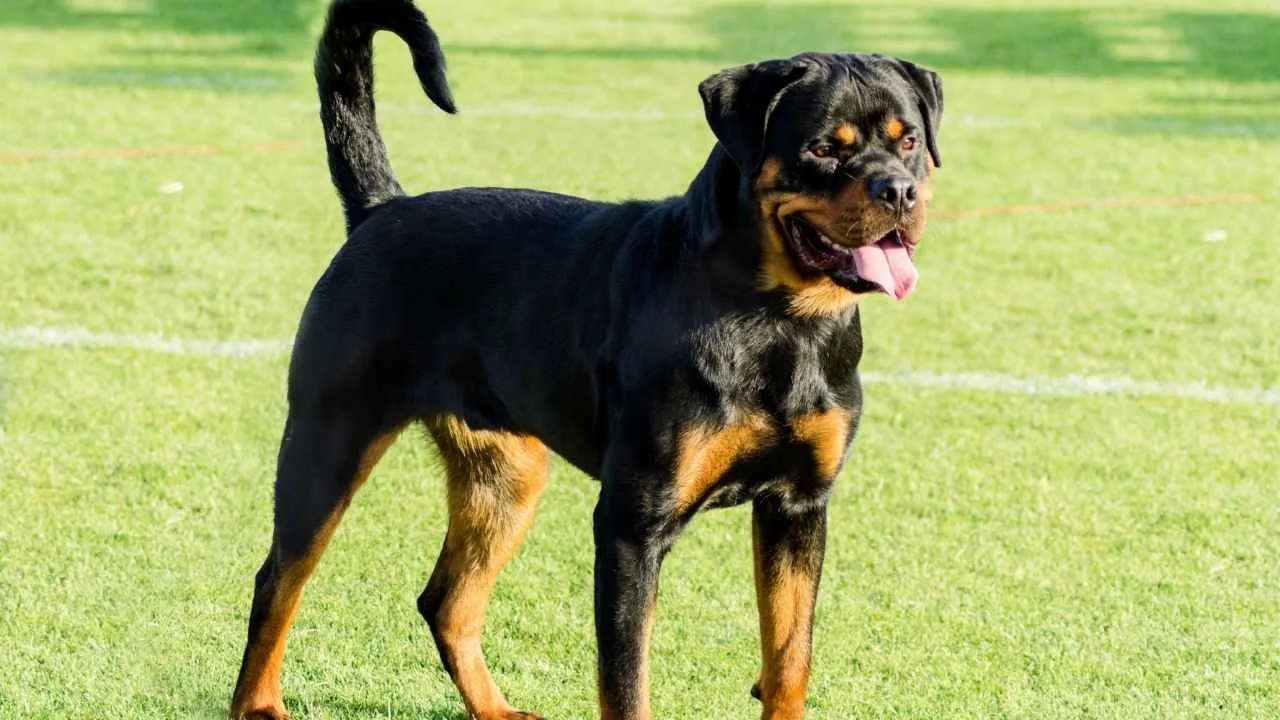
Originally bred as working and guardian dogs, Rottweilers have a strong desire to keep their families safe. They are calm and observant, often taking time to assess new situations rather than reacting quickly.
Their intelligence and courage have also made them successful in police, military, and other working roles.
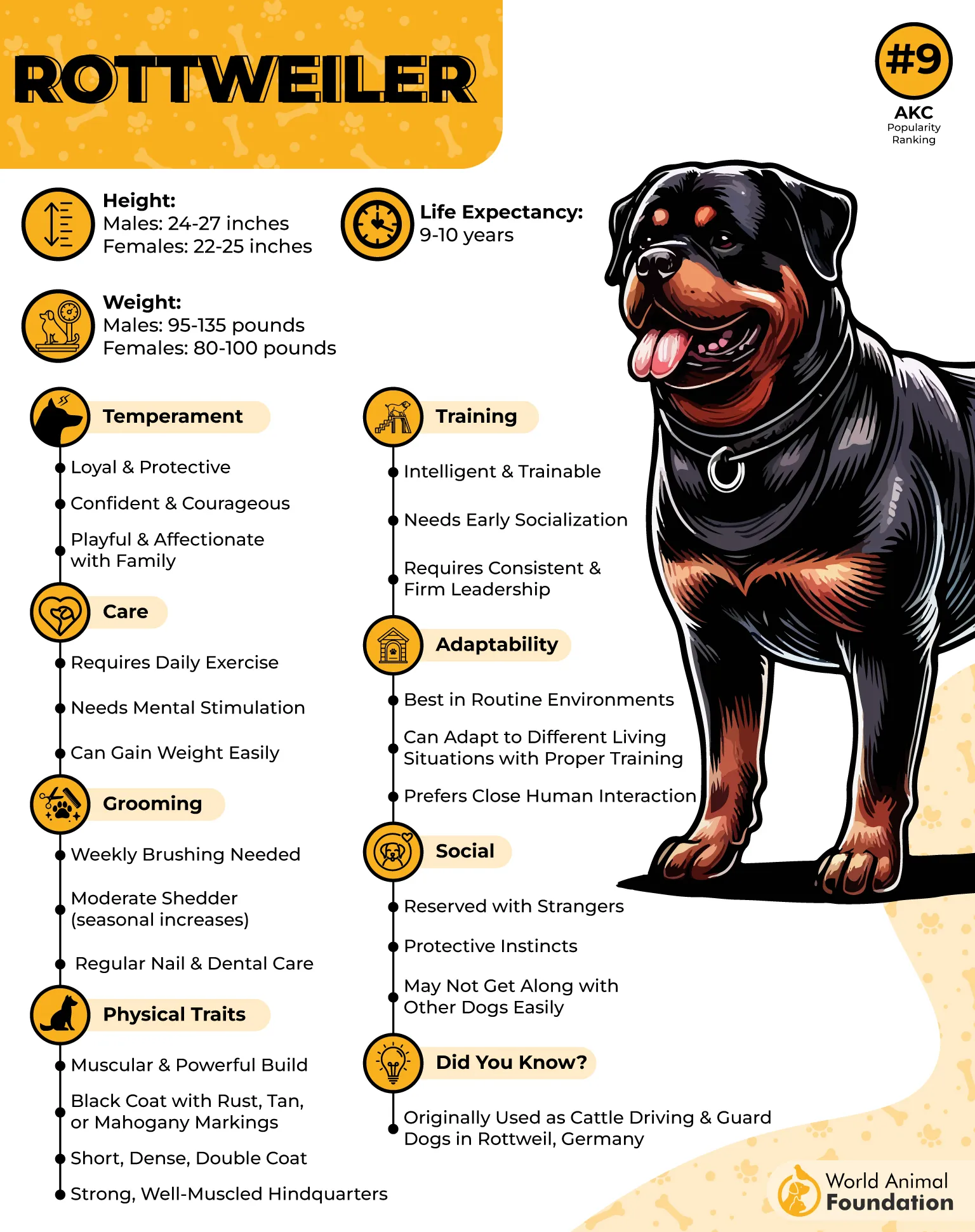
Temperament, Training, and Personality
Despite their serious appearance, well-socialized Rottweilers are affectionate, calm, and deeply devoted to their families. They often follow their owners around the home and enjoy close companionship.
However, their protective nature requires early socialization, consistent training, and experienced handling. Without proper guidance, their strength and confidence can become difficult to manage.
What To Know
Rottweilers are active and intelligent dogs that need daily exercise and mental stimulation to stay happy. They enjoy having a job to do, whether through training, dog sports, or family activities. Their short coat requires regular brushing to manage year-round shedding.
4. Bullmastiff
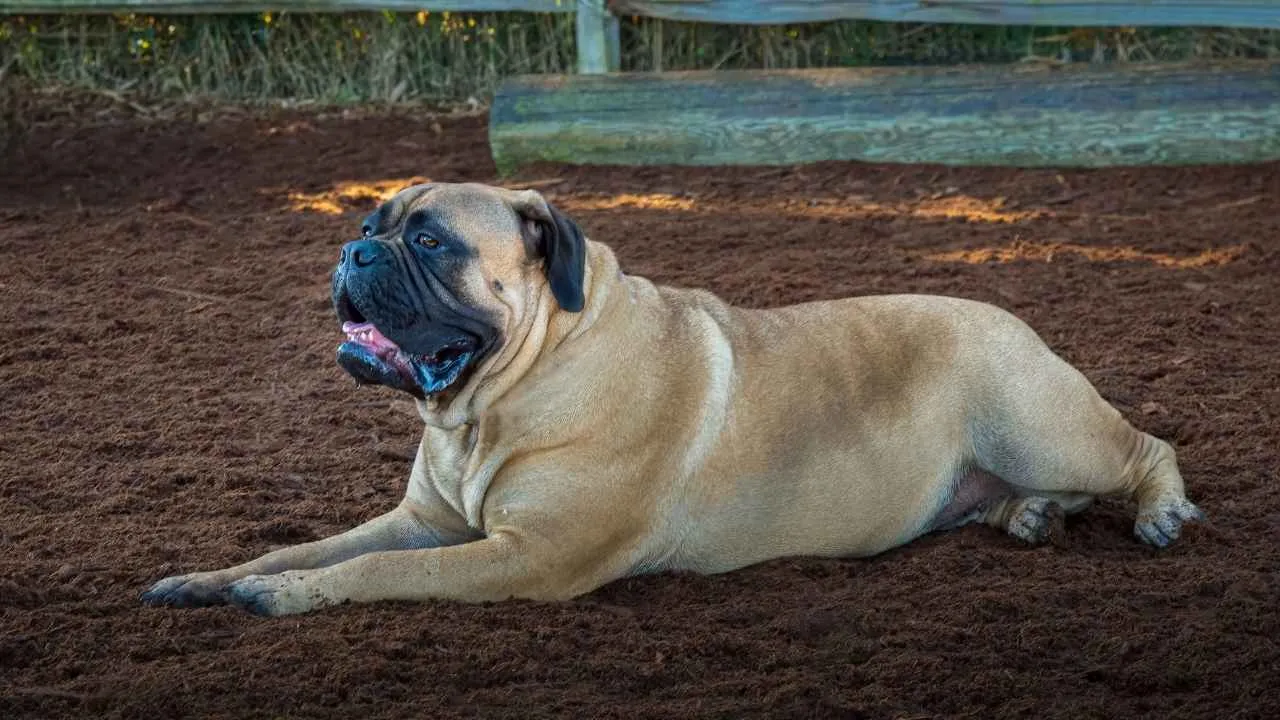
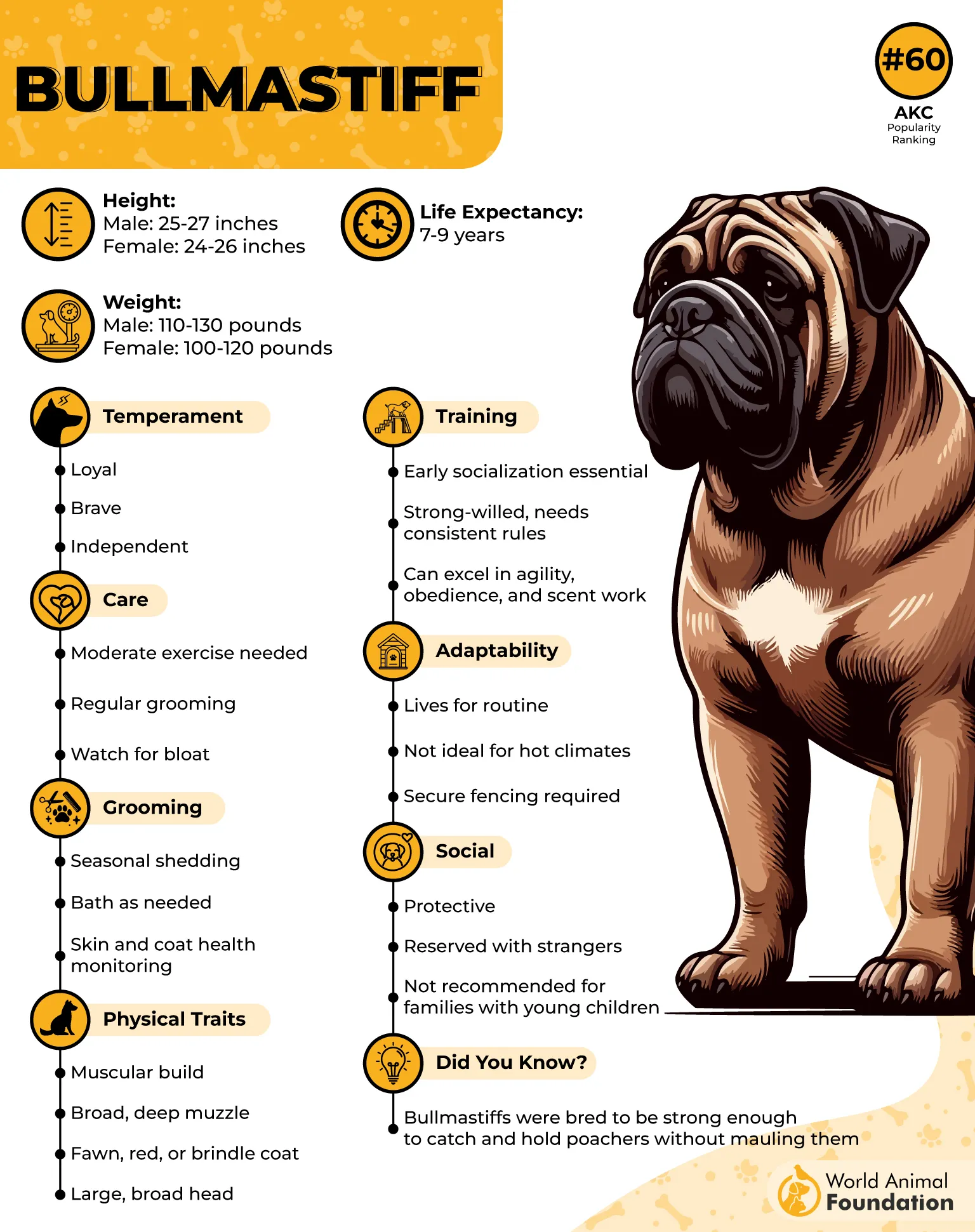
Bullmastiffs are incredibly loyal and powerful guardians originally developed in Britain to protect estates from poachers. Created by crossing Bulldogs and Mastiffs, they were bred to be strong, intelligent, and responsive to their handlers.
Despite their impressive size, they are calm and affectionate with their families. However, they remain naturally protective and can be suspicious of unfamiliar people.
Temperament, Training, and Personality
Bullmastiffs form deep bonds with their owners and enjoy being close to their families. They are gentle, loving, and often think they are smaller than they really are, happily leaning on their favorite people for affection.
Early training and socialization are essential because their strength and protective nature can become difficult to manage without proper guidance. They learn quickly but can also be independent, making consistent training important.
Exercise, Grooming, and Family Life
These giant dogs need daily exercise through walks and playtime but are not built for long-distance running. Their short coat requires minimal grooming, though they are known to slobber and drool quite a bit, as mentioned by Hill’s Pet.
Bullmastiffs can be wonderful family companions and are generally good with children, but their large size means supervision is important.
5. Belgian Malinois
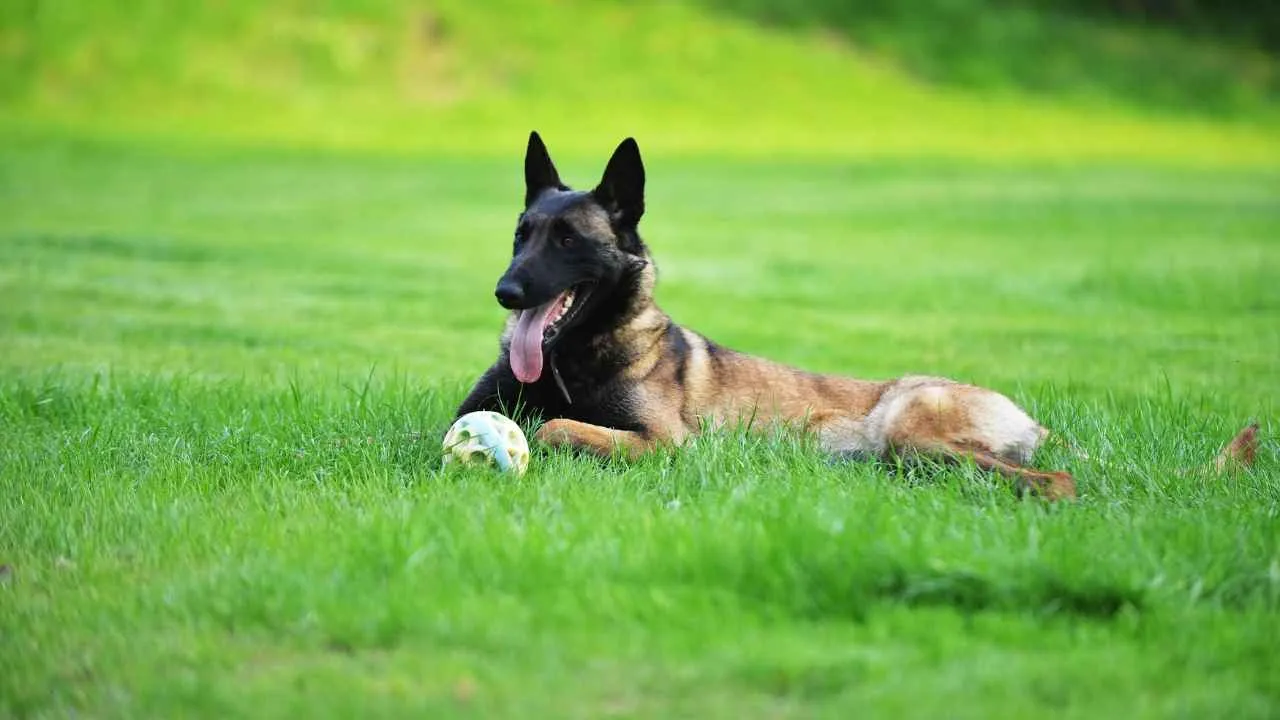
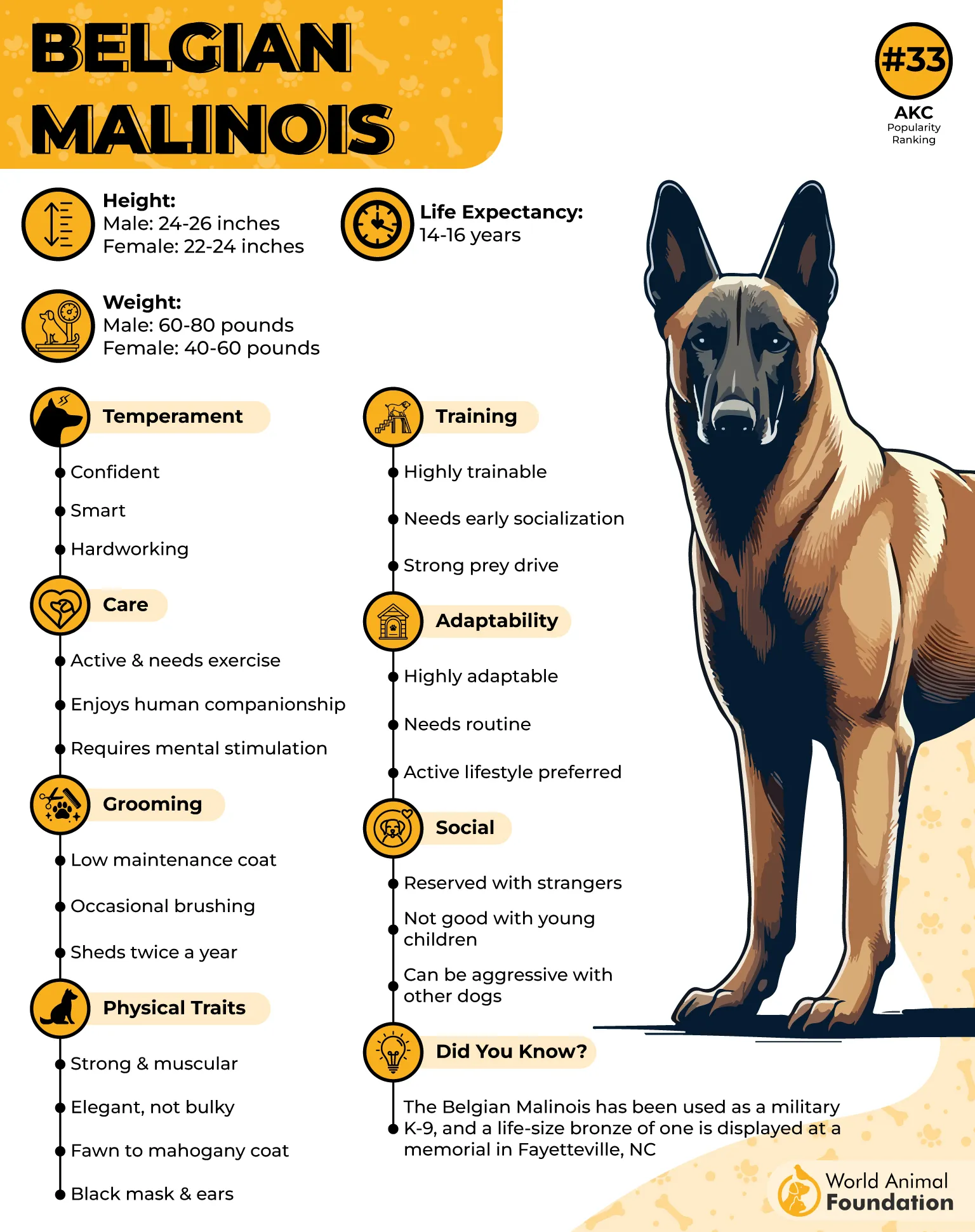
Belgian Malinois are highly intelligent, confident, and hardworking dogs known for their loyalty and protective nature. Originally bred for herding in Belgium, they quickly became valued for their trainability and strong work ethic.
Their alert personality and ability to handle challenging tasks make them excellent guard dogs and working dogs, often serving in police, military, search-and-rescue, and detection roles.
Intelligence, Training, and Personality
Belgian Malinois thrive when they have structure, purpose, and strong bonds with their owners. They are quick learners who enjoy training, obedience, tracking, agility, and other activities that challenge their minds.
However, their high energy and strong drive require experienced owners who can provide consistent training and leadership.
What To Know
This active breed needs much more than simple daily walks. Belgian Malinois require intense physical exercise and mental stimulation to stay happy and prevent destructive behaviors.
They do best in homes where they have a job to do and plenty of activities to keep them engaged. Early socialization is important, especially around children and other pets.
6. Cane Corso
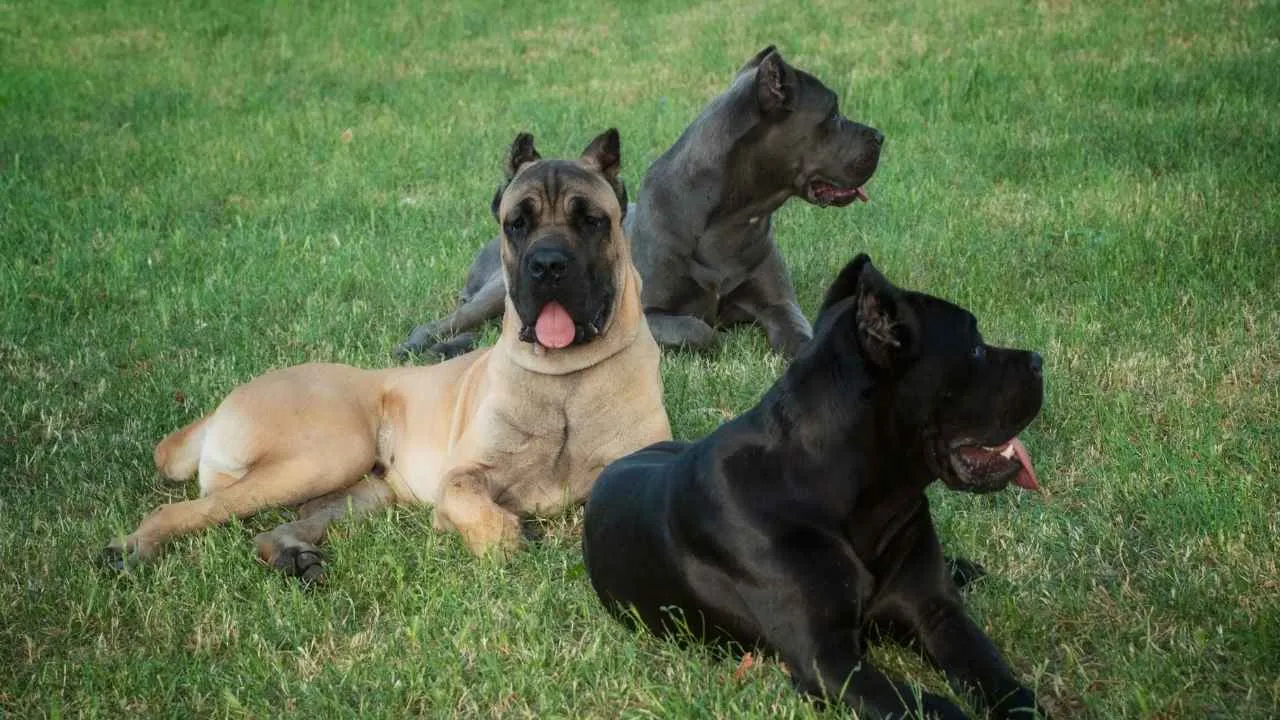
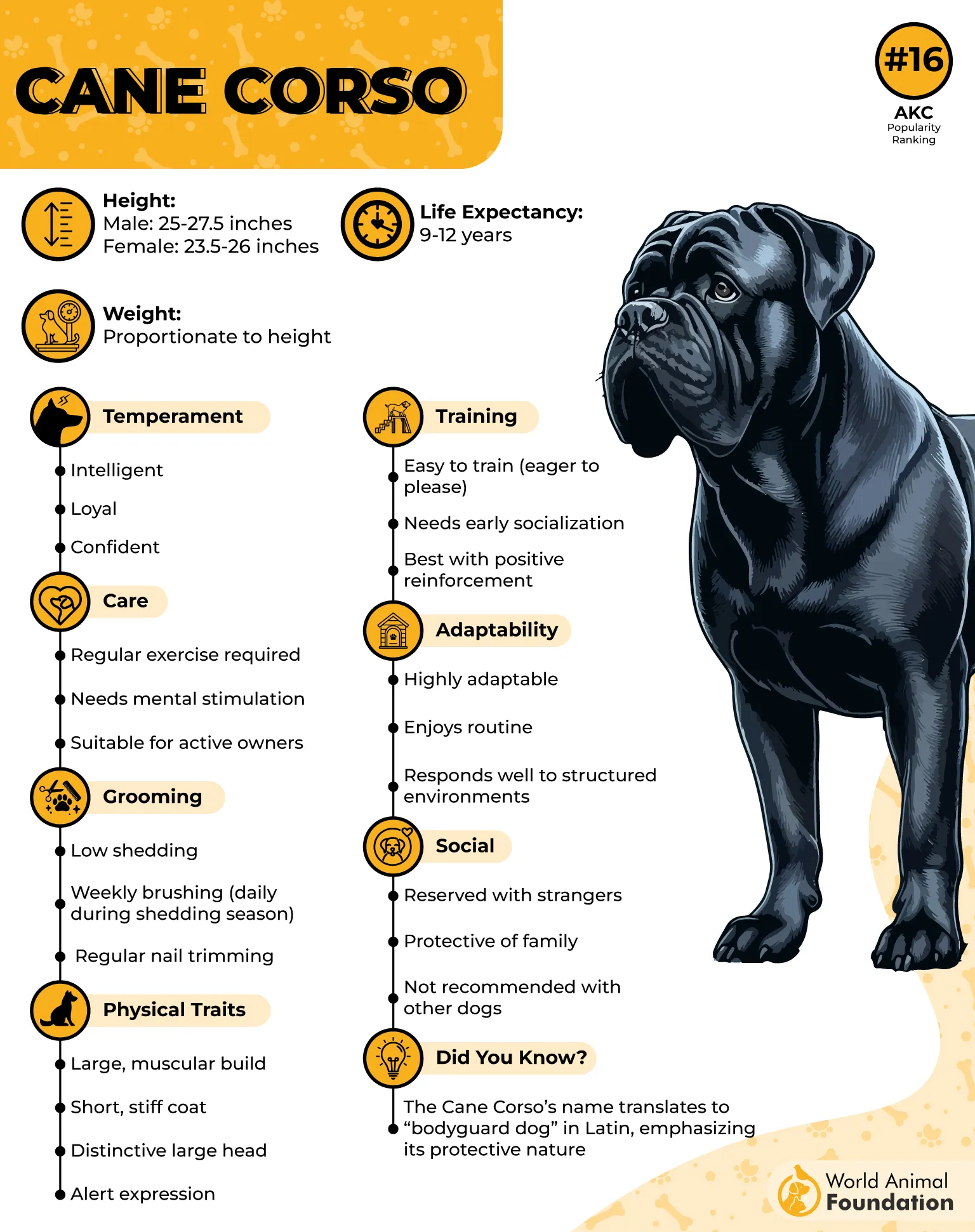
Originally from Italy, Cane Corsos were bred as working dogs and served as watchdogs, farm helpers, and even canine soldiers. Their name means “guard dog of the courtyard,” reflecting their natural ability to protect their family and territory.
Intelligence, Training, and Personality
Cane Corsos are smart, eager to please, and quick to learn, but they can also be strong-willed and independent. They form deep bonds with their owners and are affectionate with the people they trust.
However, their natural suspicion toward strangers means early socialization and consistent positive training are essential.
What To Know
These muscular dogs need regular exercise and mental stimulation to stay healthy and balanced. Without enough activity, they may become bored and develop unwanted behaviors.
Their short coat is easy to maintain but sheds moderately throughout the year. Cane Corsos can do well with children and other pets when raised with proper training and socialization.
7. Giant Schnauzer
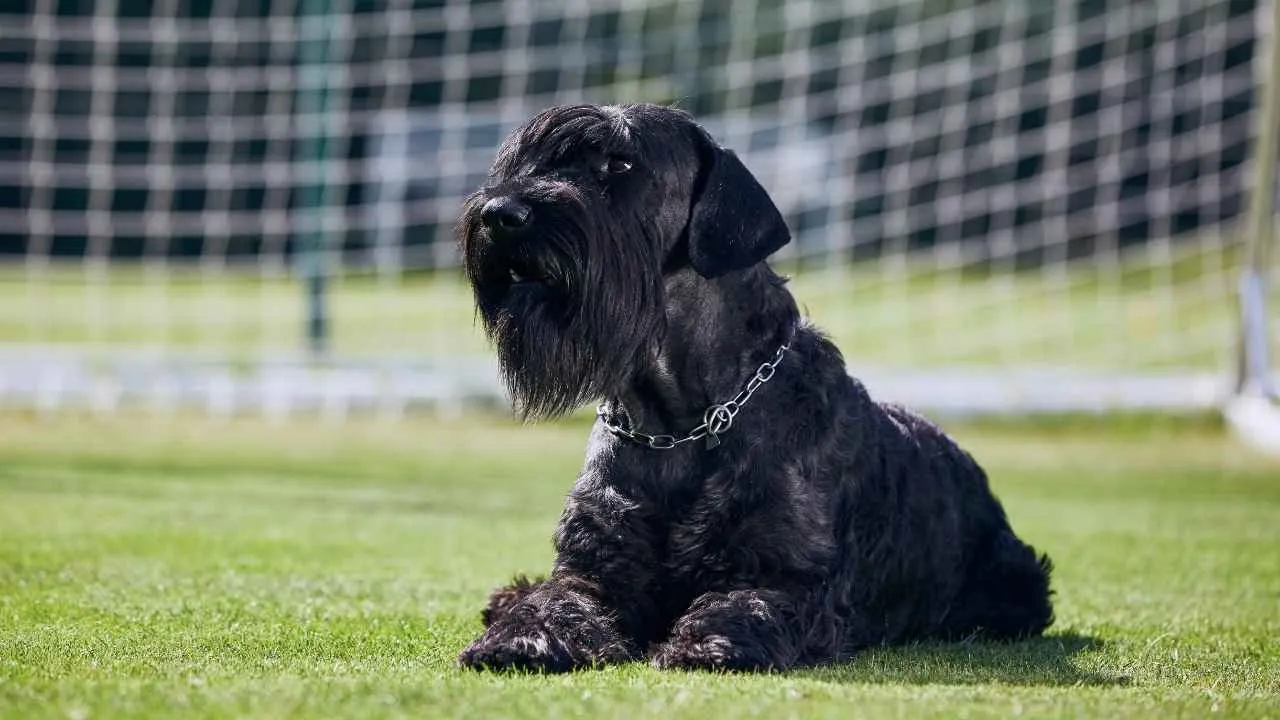
Originally developed in Germany as farm and home guardians, Giant Schnauzers were bred to watch over property and handle demanding tasks.
Today, their courage and trainability have made them popular as police and military dogs. Omlet says they are naturally cautious with strangers but calm and devoted with their families.
Intelligence, Training, and Personality
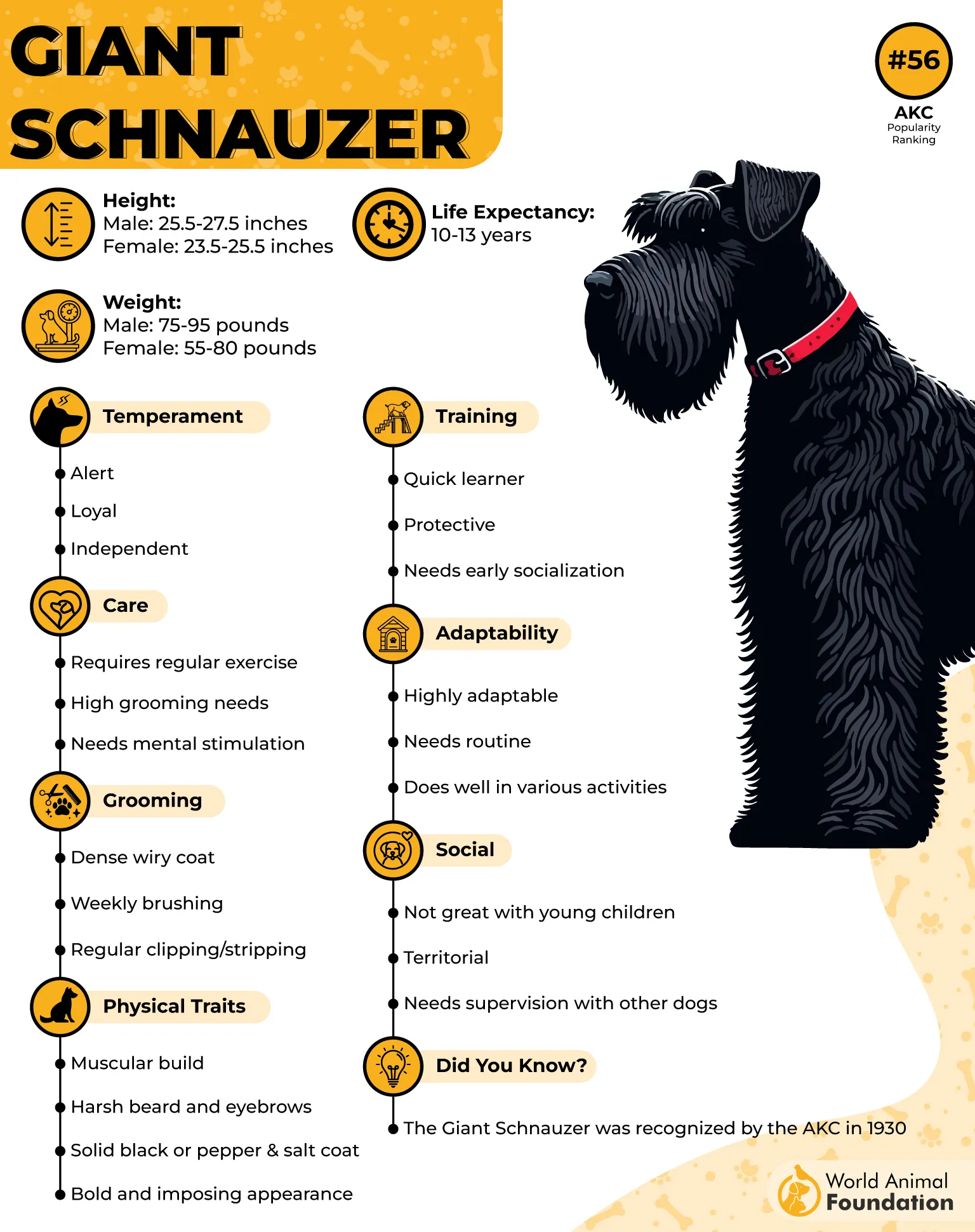
Giant Schnauzers are smart dogs that enjoy learning and having a purpose. They respond well to training but need early guidance and socialization to manage their strong personalities. Without proper leadership, they may try to take control.
When raised correctly, they are gentle, playful, and affectionate with their families. They enjoy being involved in daily activities and can be wonderful companions for children.
What To Know
These energetic dogs need daily exercise, mental stimulation, and activities to keep them happy. They enjoy adventures, training games, and having jobs to complete.
Their wiry double coat requires regular brushing and grooming to stay healthy. With proper socialization, they can live well with other pets, though their hunting instincts may make them unsuitable around small rodents.
8. Great Dane
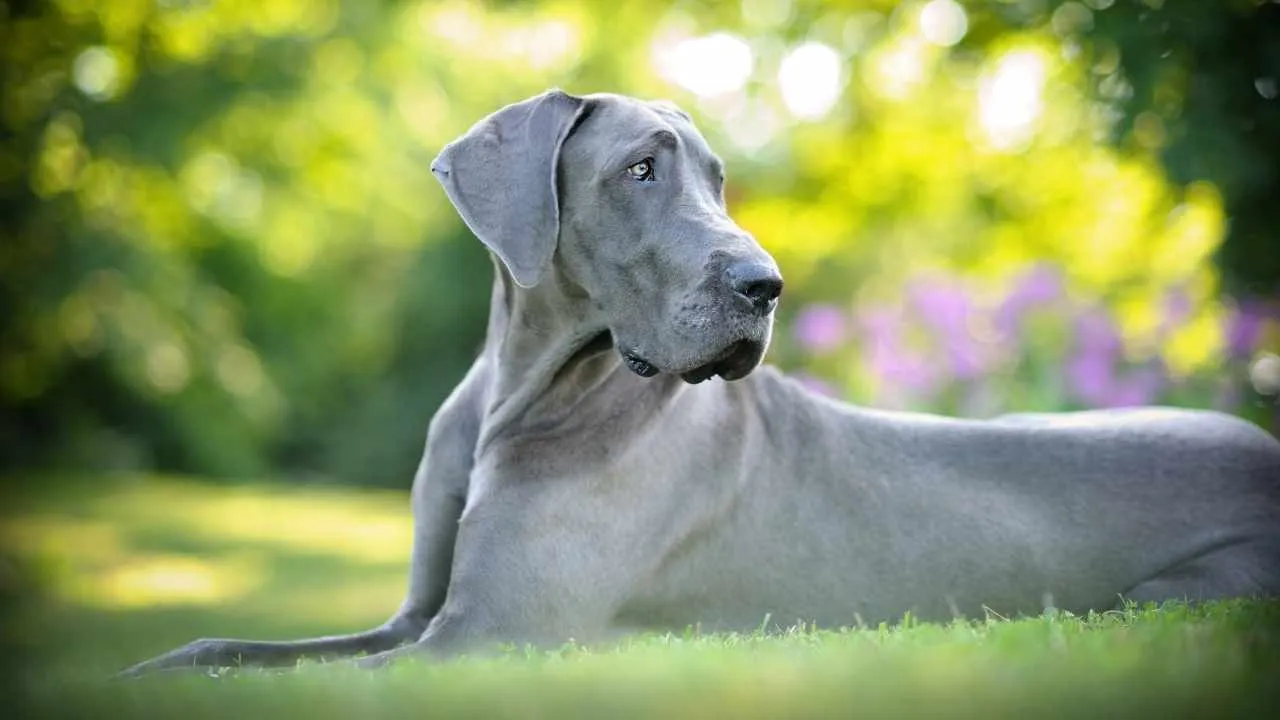
Great Danes are gentle giants known for their loyalty, affection, and impressive presence. Originally bred in Germany for hunting wild boar and guarding estates, they still carry an instinct to watch over their families.
Despite their massive size, they are kind-hearted and enjoy being close to their owners. Their deep, powerful bark helps them alert families when they notice something unusual.
Temperament, Training, and Personality
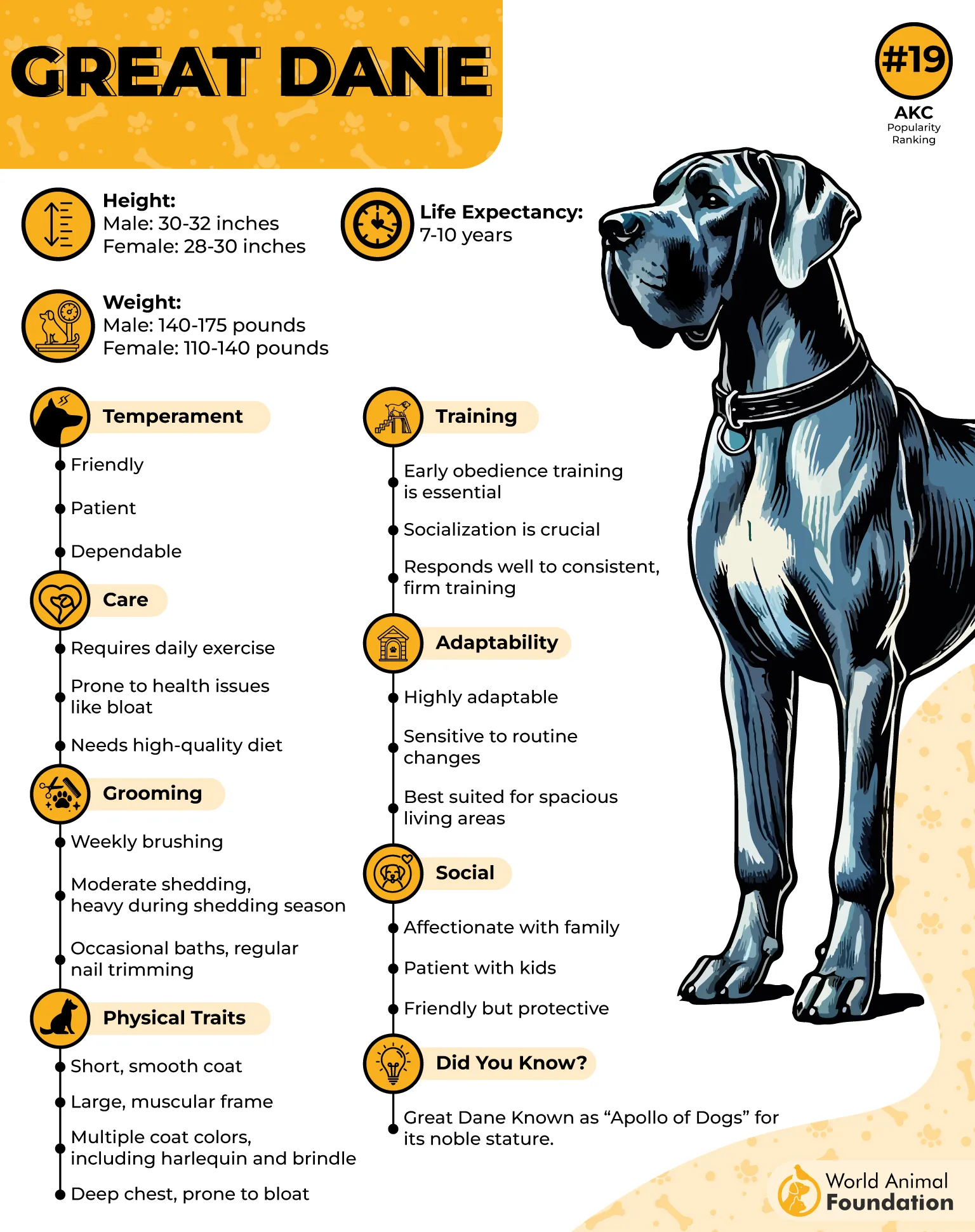
Great Danes form strong bonds with their families and often follow their owners everywhere. They are loving companions who may even try to act like lap dogs despite their size.
While they can appear reserved around new people, early socialization helps them become confident around strangers and other animals. Proper training is important because their large size and protective nature need to be managed from an early age.
What To Know
Great Danes are calm and affectionate dogs that enjoy family life and staying involved in daily activities. They need regular exercise but are not overly demanding.
Their short coat requires only weekly brushing to stay healthy. With proper care, training, and socialization, Great Danes become loyal companions, reliable watchdogs, and gentle protectors who bring a big heart into any home.
9. Akita
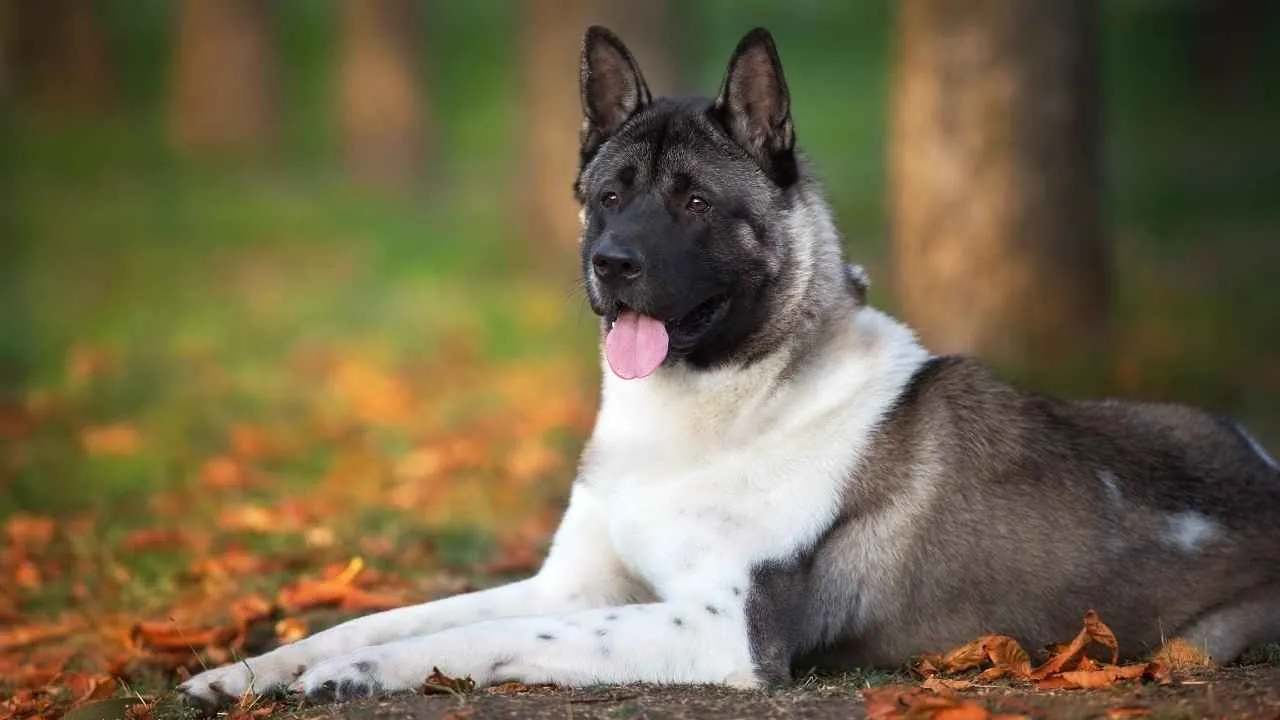
Akitas are powerful working dogs from Japan, originally bred for hunting and guarding. They are admired for their courage, dignity, and unwavering loyalty. The breed is famously represented by Hachiko, the loyal Akita who waited for his owner every day for nine years.
Naturally protective and territorial, Akitas make excellent watchdogs and usually bark only when they believe something is wrong.
Temperament, Training, and Personality
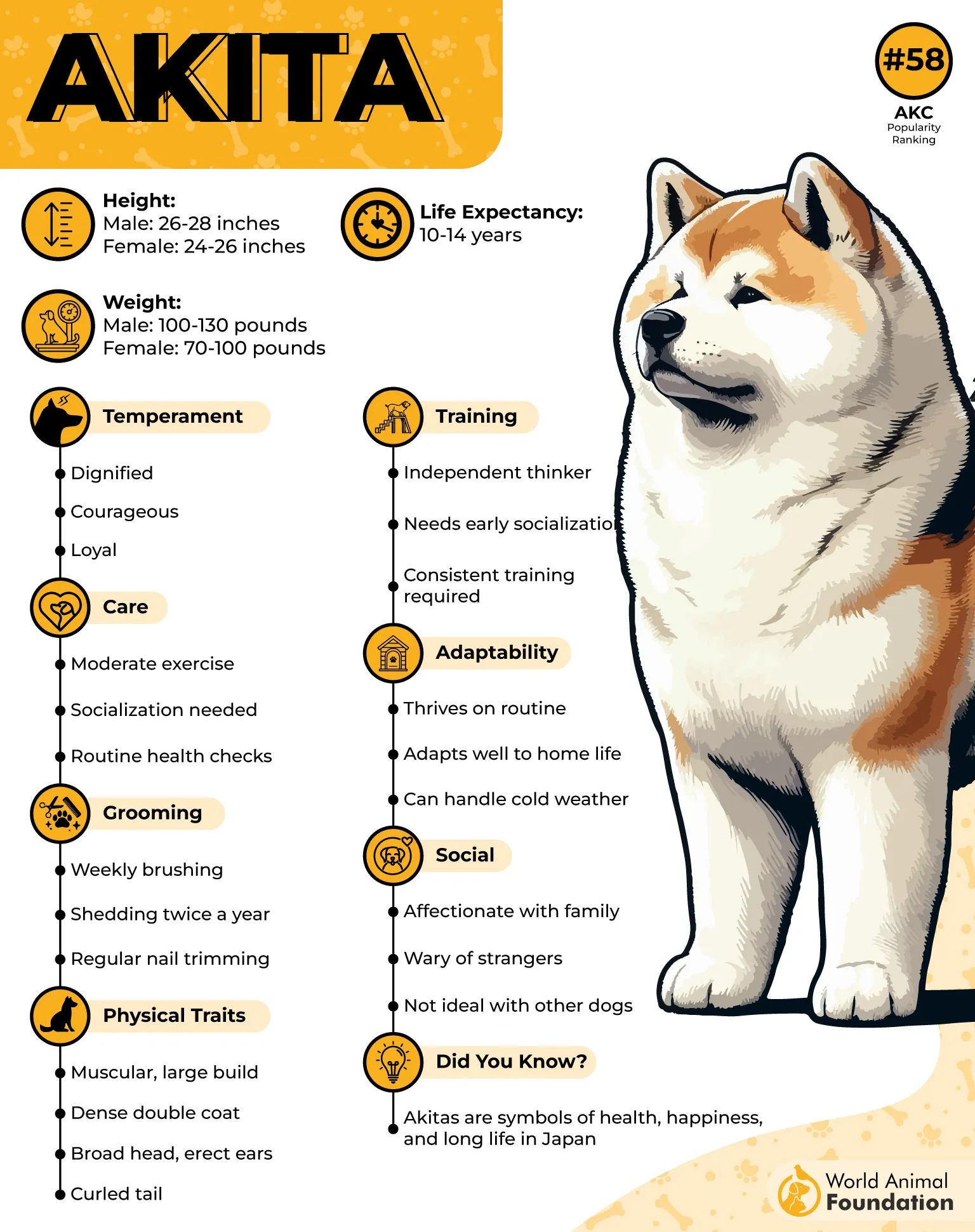
Akitas form incredibly strong bonds with their families and are affectionate, playful, and devoted companions. They are often reserved around strangers and prefer to assess new people before warming up to them.
Their independent nature means they need experienced owners who can provide firm, consistent training and early socialization. They also tend to prefer being the only dog and may be dominant around unfamiliar dogs.
What To Know
Akitas are intelligent dogs that enjoy having a purpose and need regular exercise to stay physically and mentally healthy.
Their thick double coat requires routine grooming and makes them better suited to cooler climates. They are naturally clean, easy to house train, and often described as having cat-like habits.
10. Great Pyrenees
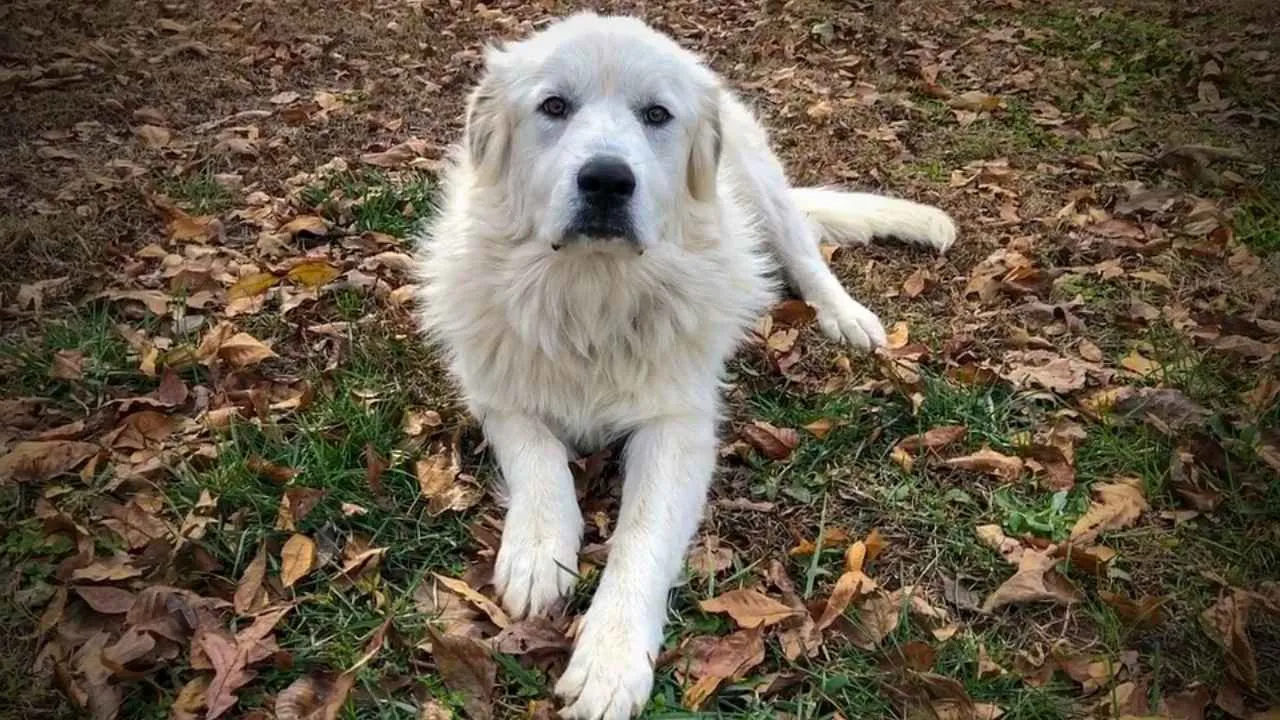
Great Pyrenees were originally bred in the Pyrenees Mountains to guard livestock from predators such as wolves and bears. Their calm confidence, patience, and natural protective instincts made them exceptional guardians.
Even today, they remain devoted watchdogs who will not hesitate to defend their families and territory when necessary.
Temperament, Training, and Personality
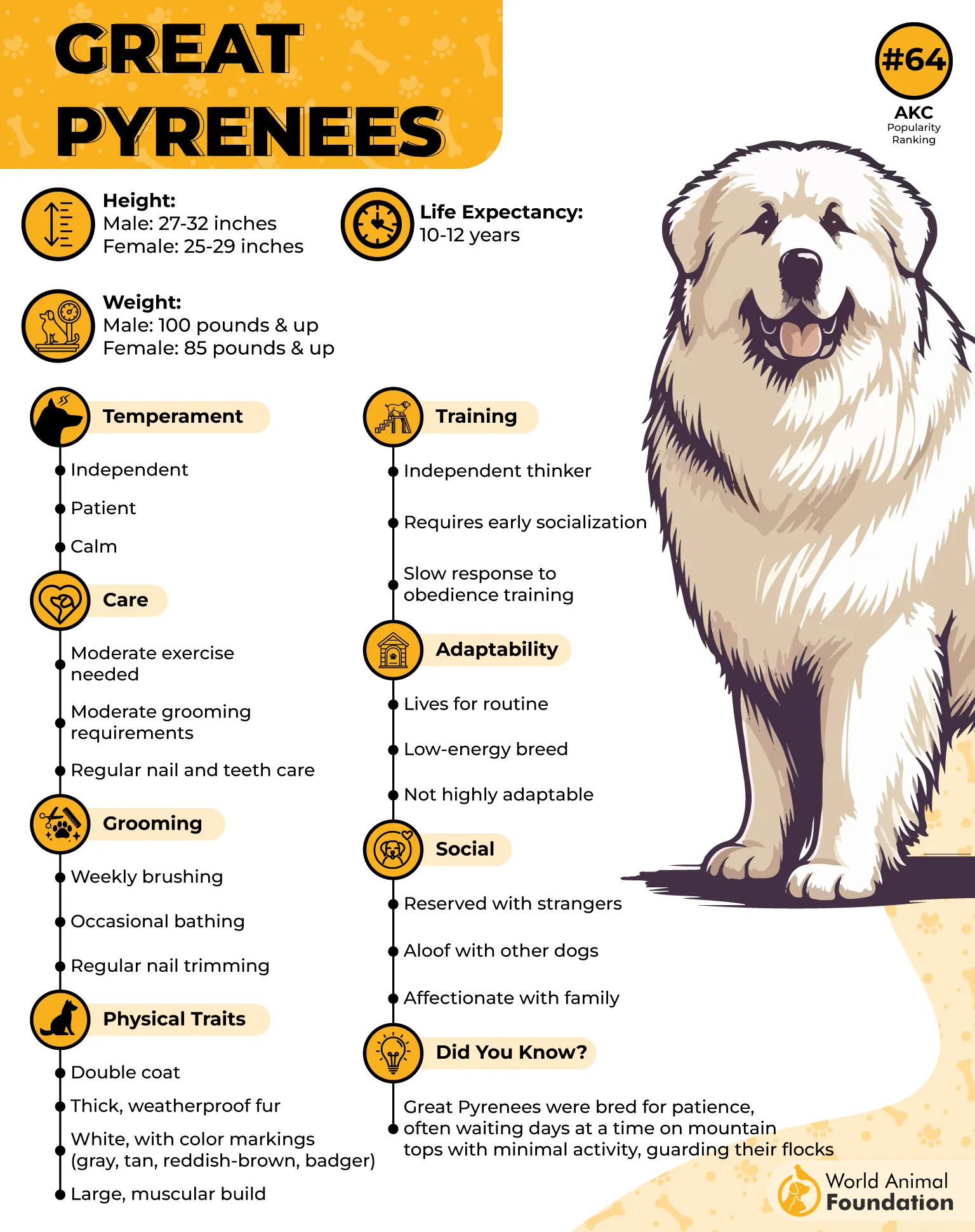
Despite their impressive size, Great Pyrenees are affectionate, patient, and well-suited to family life. They generally get along well with children and other animals, reflecting their history of living alongside livestock.
Because they were bred to work independently, they can be strong-willed and may not always respond quickly to training. Early socialization and patient, consistent guidance are essential to help manage their protective instincts and territorial nature.
What To Know
Great Pyrenees are relatively low-energy dogs that enjoy a calm and predictable home life. Daily walks or playtime are enough to keep them physically and mentally healthy. Their weather-resistant double coat is surprisingly easy to maintain with weekly brushing, though they shed heavily once a year.
Conclusion
Every protection dog brings something unique to the table. Some rely on strength and confidence, while others use intelligence, patience, or sharp instincts to keep their families safe.
No matter the breed, true loyalty is built through trust, proper training, early socialization, and a strong bond with their owners. When raised with care, these dogs become much more than protectors—they become lifelong companions who are always by your side.
If you’re looking for a loyal dog with natural protective instincts, choose a breed that matches your lifestyle, experience, and activity level rather than appearance alone.
The right companion will not only help you feel more secure but will also reward you with years of unwavering devotion, affection, and friendship that make every moment together worthwhile.
