




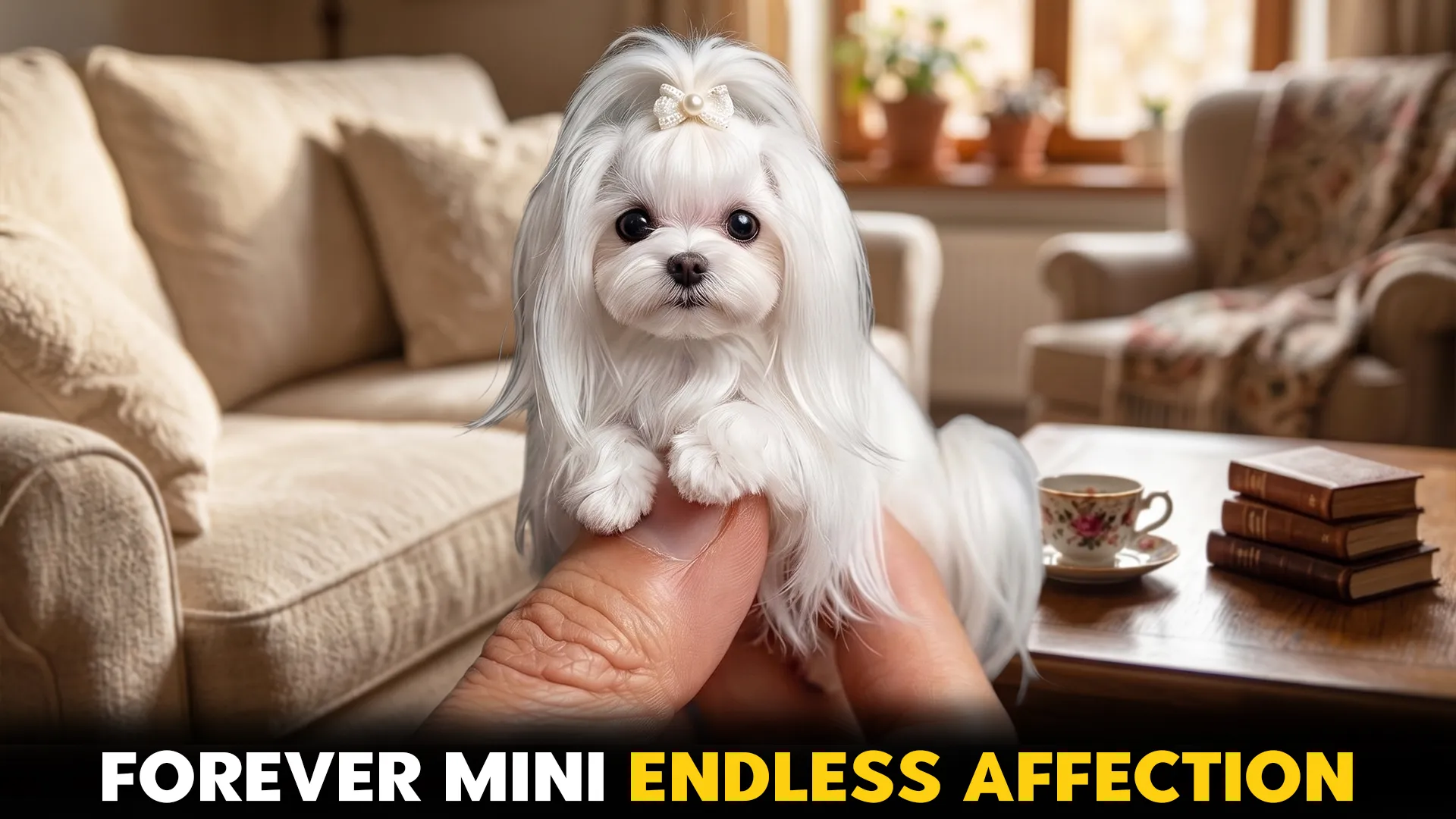
If you’ve always dreamed of having a dog that keeps its cute, compact size for life, you’re in the right place. Charming dog breeds that stay small no matter what offer all the love, personality, and companionship of larger dogs without taking up much space.
Whether you live in an apartment, have a cozy home, or simply prefer a pint-sized companion, these little pups can fit comfortably into almost any lifestyle.
Don’t let their small size fool you—these dogs are often full of confidence, affection, and playful energy. Many are easy to travel with, require less room to roam, and can make wonderful companions for singles, couples, seniors, and families alike.
In this article, you’ll discover some of the best small dog breeds that never outgrow their small stature. We’ll explore what makes each one special, from temperament and care needs to who they’re best suited for, helping you find the perfect little companion to welcome into your home.
Key Takeaways
Meet seven charming dog breeds that stay small forever.
See whether the Toy Poodle, Shih Tzu, or Maltese suits your lifestyle.
Compare each breed’s personality, grooming, and care needs.
Find your perfect pint-sized companion in minutes.
Charming Dog Breeds That Stay Small, No Matter What
1. Toy Poodle
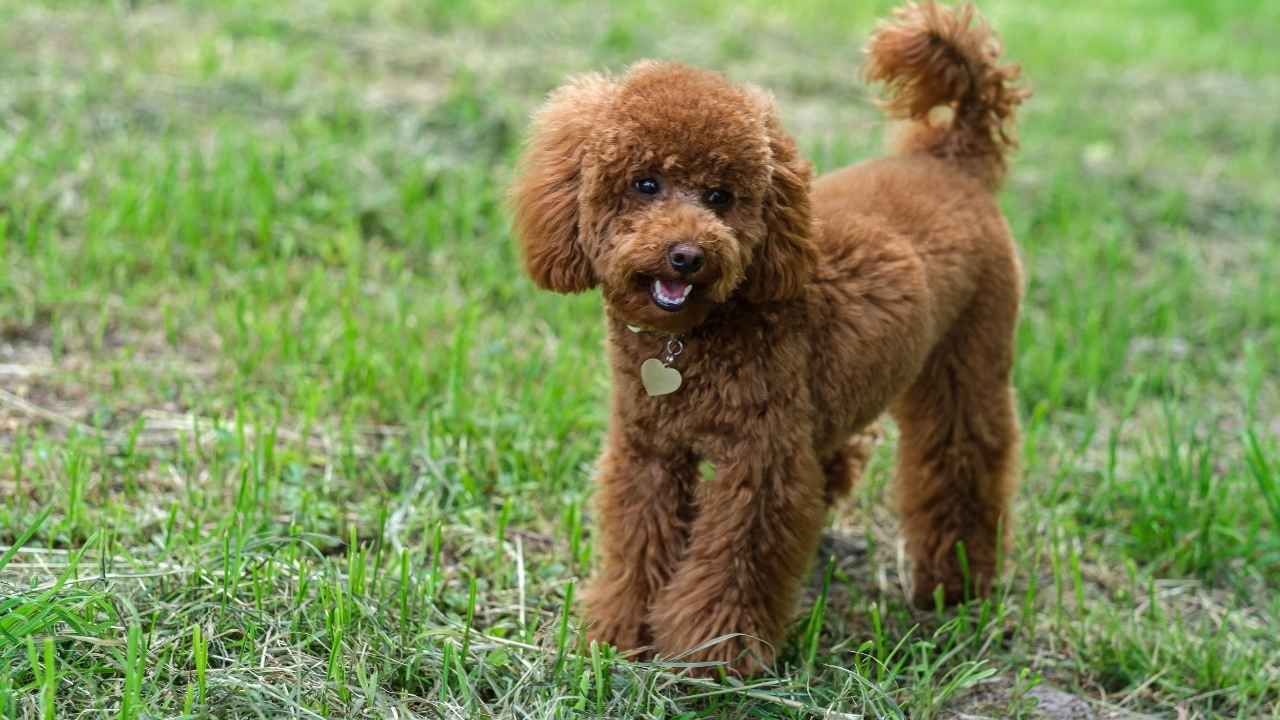
Toy Poodles prove that great things really do come in small packages. They combine impressive intelligence with a playful, affectionate nature.
Originally developed from the larger Standard Poodle, these tiny companions love being around their families and are always ready to learn, play, or show off a new trick.
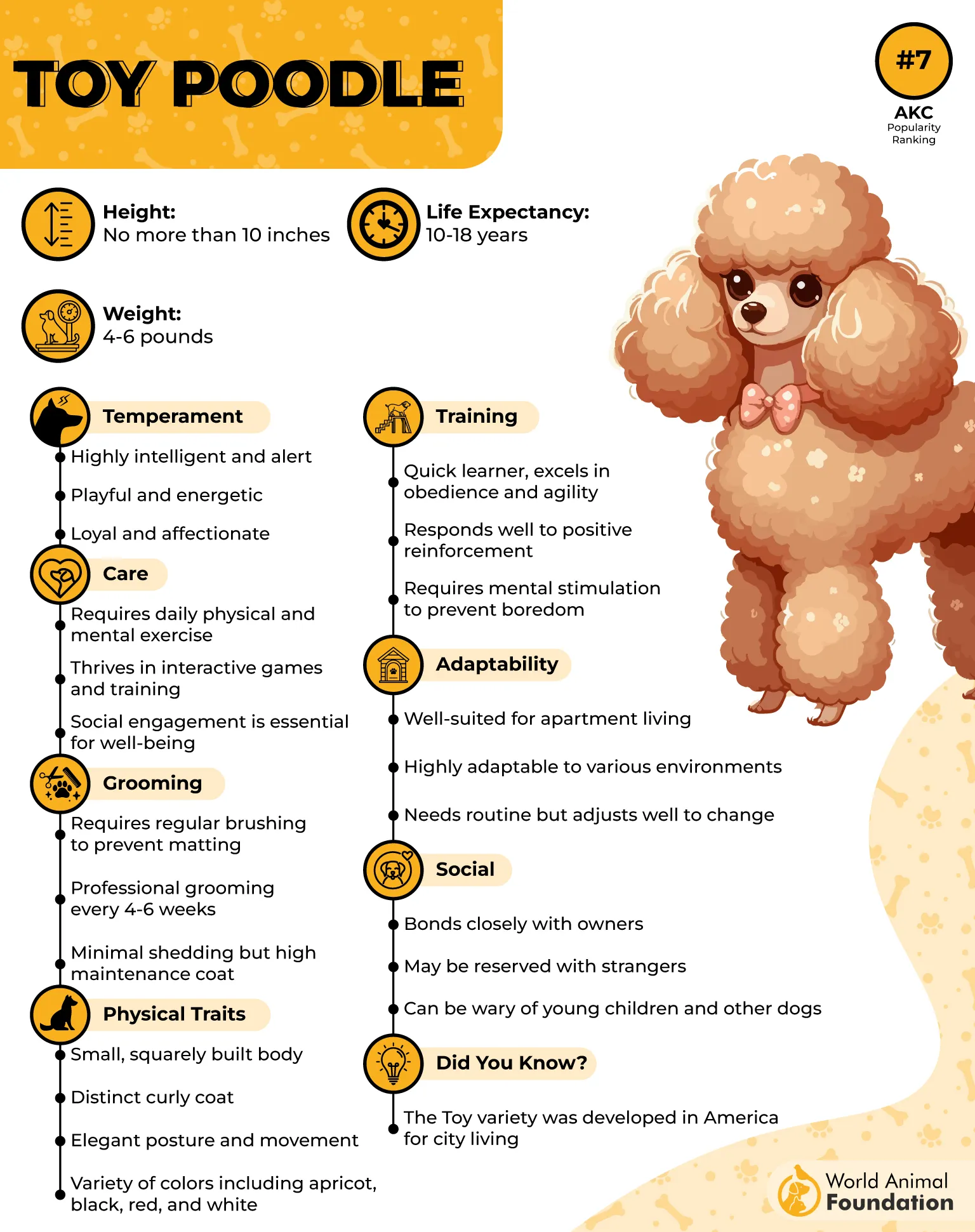
What to Expect
Alert and surprisingly vocal, making them great watchdogs
Quick to learn tricks and enjoy interactive games that challenge their mind
Sensitive and responsive to their owner’s emotions
Long-lived breed with a lively, youthful personality well into adulthood
Their curly coat grows continuously and needs daily brushing to prevent mats, along with trimming every four to six weeks, as mentioned by PetMD. Toy Poodles also thrive on puzzle toys, training sessions, and interactive games.
They bond closely with their families, so they may develop separation anxiety if left alone for long periods. Early socialization helps them get along well with children and other pets, but supervised play is important because of their tiny size.
2. Shih Tzu
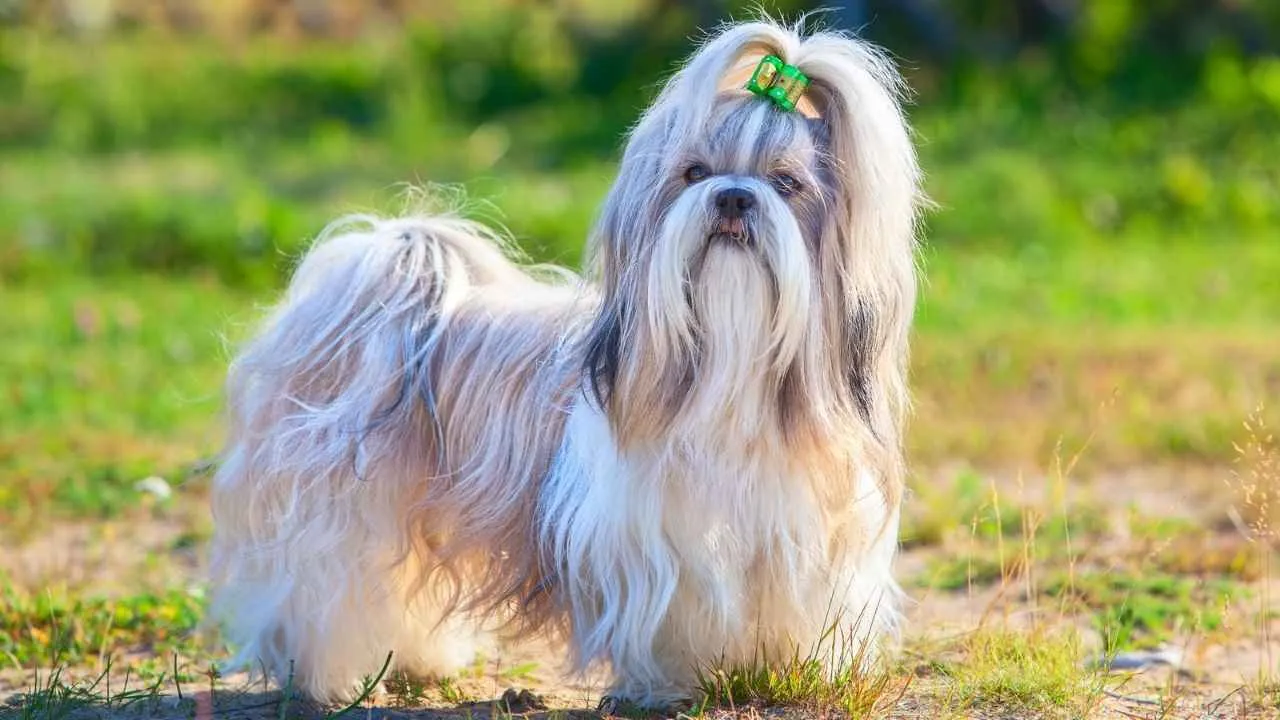
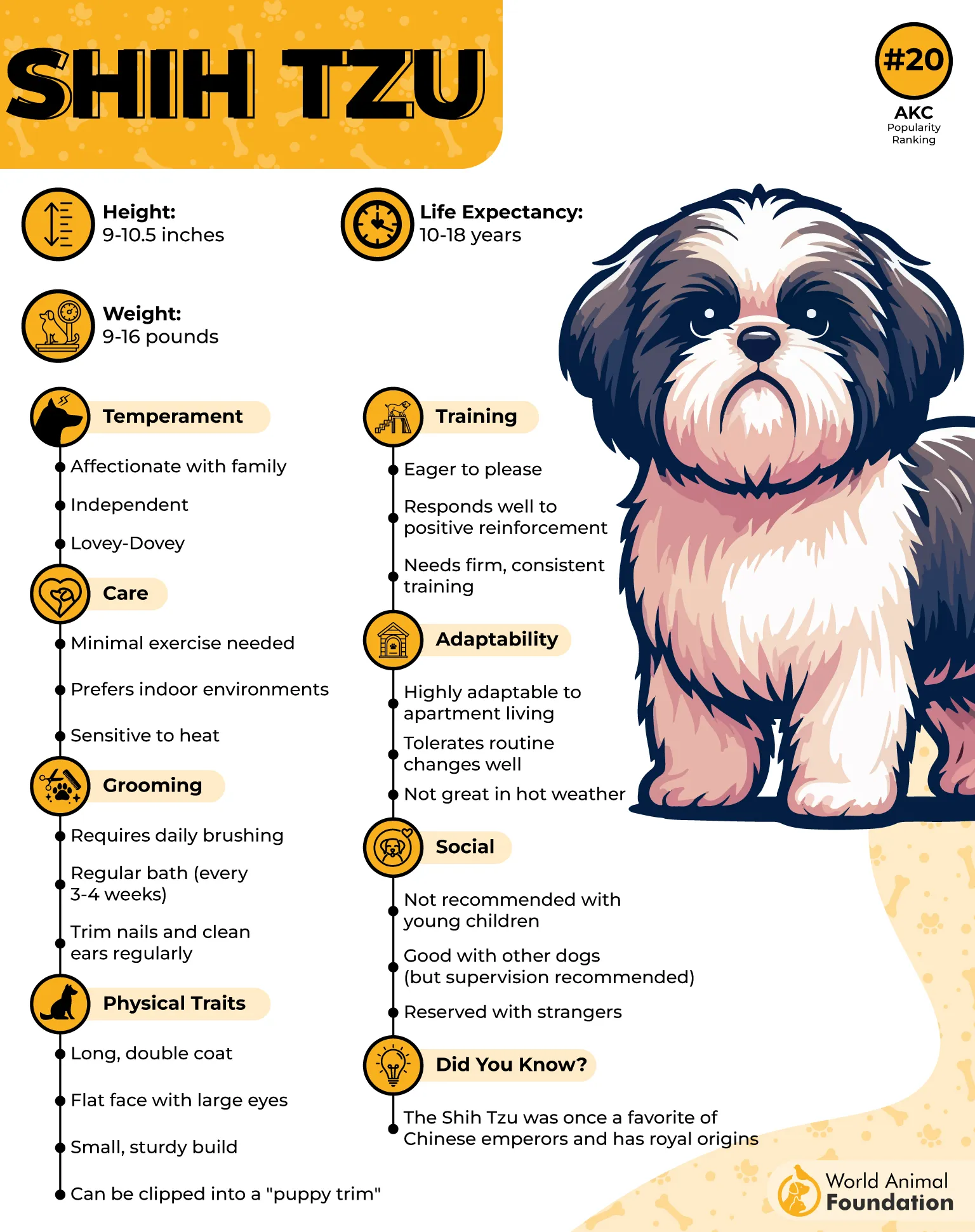
Shih Tzus were bred to be companion dogs, and they still love nothing more than spending time with their favorite people. Dating back over 1,000 years, these cheerful little “lion dogs” were developed in Tibet before becoming beloved companions of Chinese royalty.
Today, they remain one of the most charming toy dog breeds thanks to their friendly nature and adorable appearance.
What to Expect
Distinctive “chrysanthemum” facial hair pattern with hair growing outward from the nose
Surprisingly confident personality despite their small size
Often enjoy being carried around and treated as a true companion
Naturally social and enjoy being part of everyday family routines
Shih Tzus are playful, adaptable, and happy whether they are cuddling on the couch or joining a family walk. They enjoy learning with positive reinforcement and love being the center of attention.
Their long double coat needs frequent brushing and regular grooming to prevent tangles, while early socialization helps reduce excessive barking or digging. Because of their flat face, they are more comfortable in mild weather and should avoid too much heat.
3. Maltese
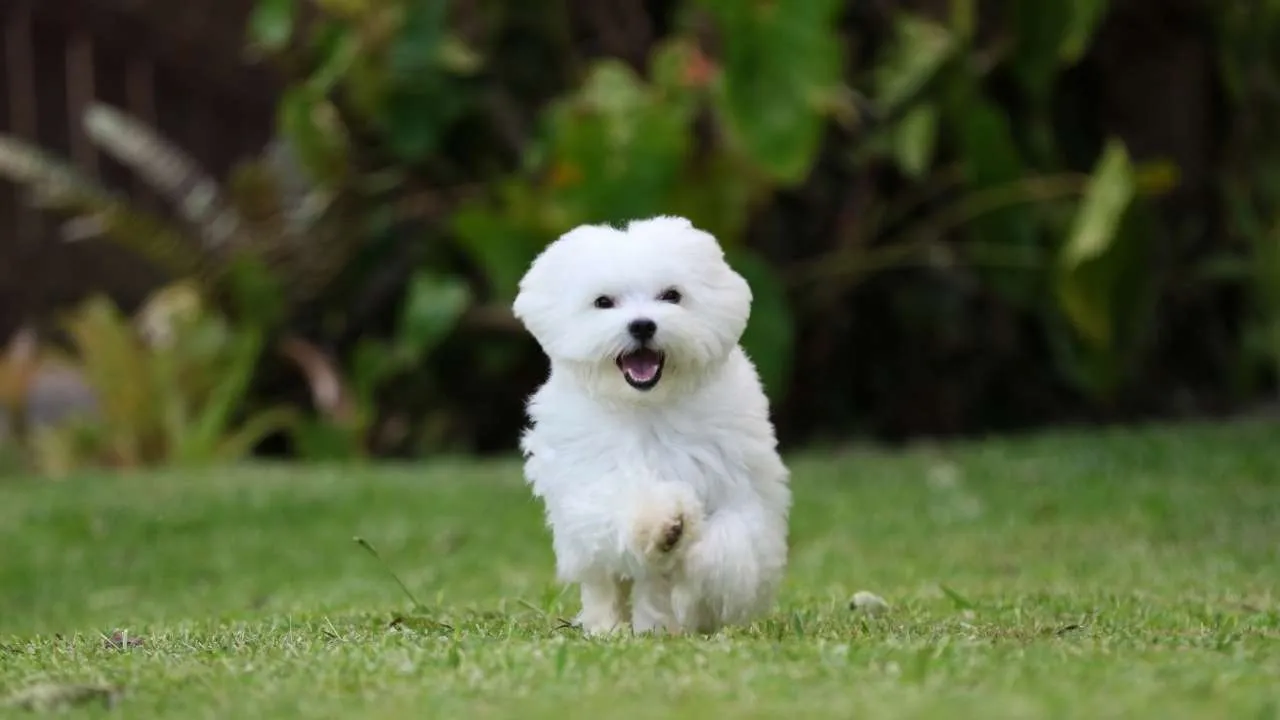
The Maltese has been winning hearts for centuries with its elegant white coat and loving personality. Originally from the Mediterranean island of Malta, this ancient companion breed was once treasured by royalty and noble families.
What to Expect
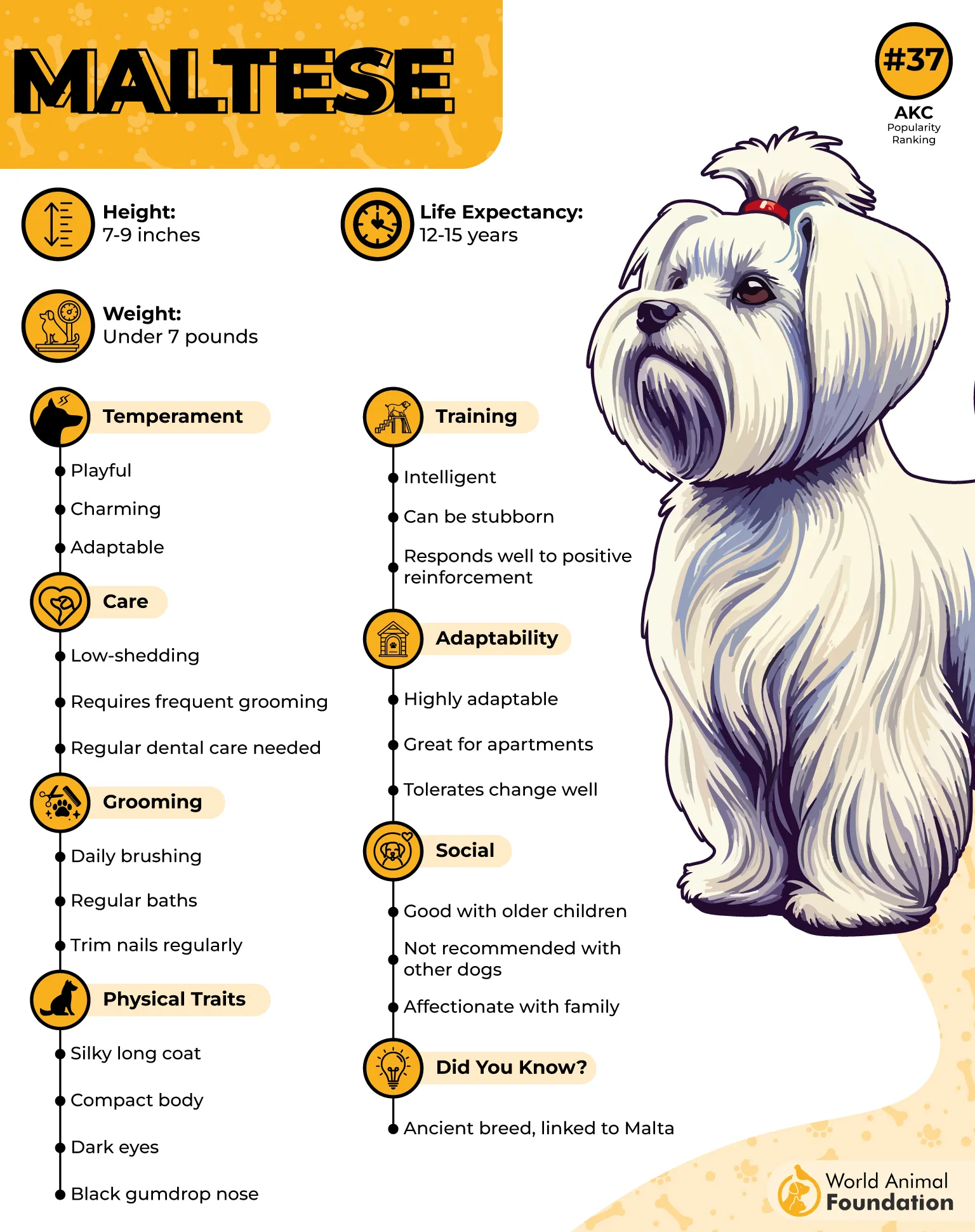
Naturally fearless personality despite their tiny size
Keen interest in their surroundings with a sharp, curious nature
Known for their “Maltese sparkle” — bright, expressive eyes and lively expression
Athletic little dogs with impressive jumping and agility abilities
Maltese dogs form strong bonds with their families and prefer not to be left alone for long, as they can develop separation anxiety. Their silky white coat needs daily brushing and regular baths to prevent tangles, while routine eye cleaning helps reduce tear staining.
They are intelligent and respond well to positive reinforcement, but early socialization and gentle handling are important, especially around young children because of their delicate size.
4. Pomeranian
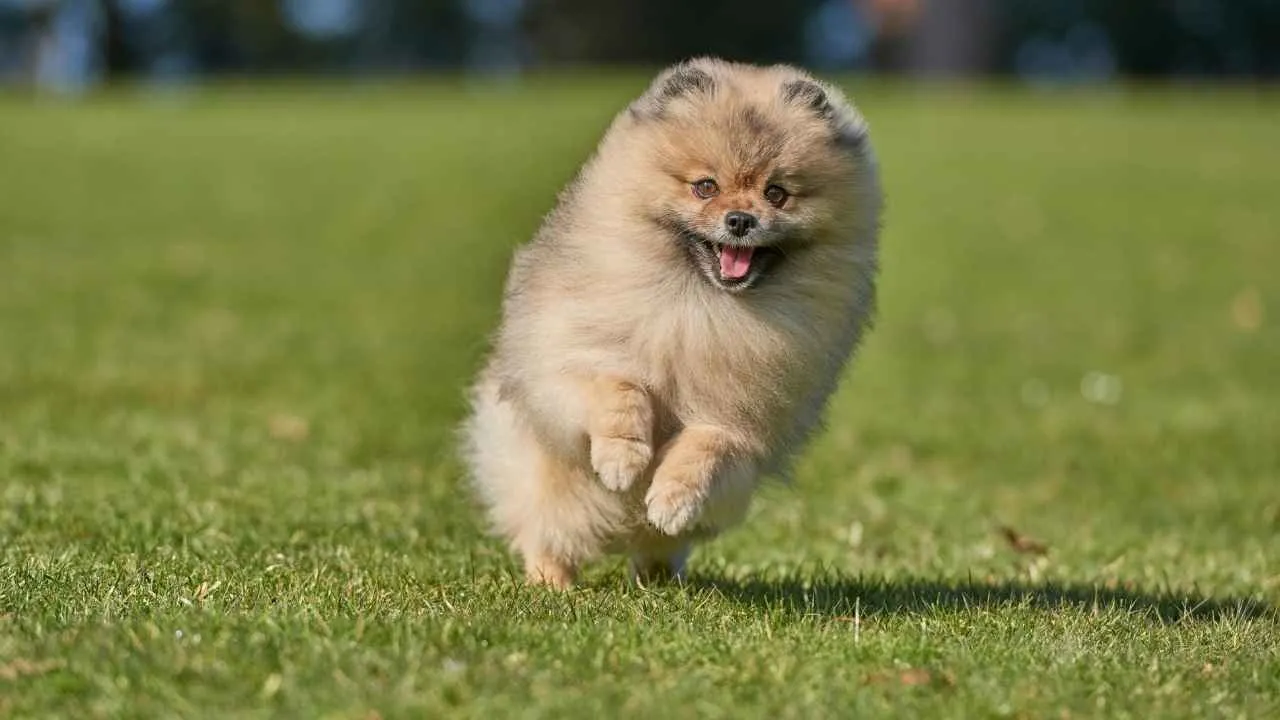
Pomeranians may be tiny today, but they descended from much larger Spitz working dogs. Over time, they were bred into the fluffy companions we know and love. Their fox-like face, thick double coat, and bold personality make them one of the cutest dog breeds to keep at home.
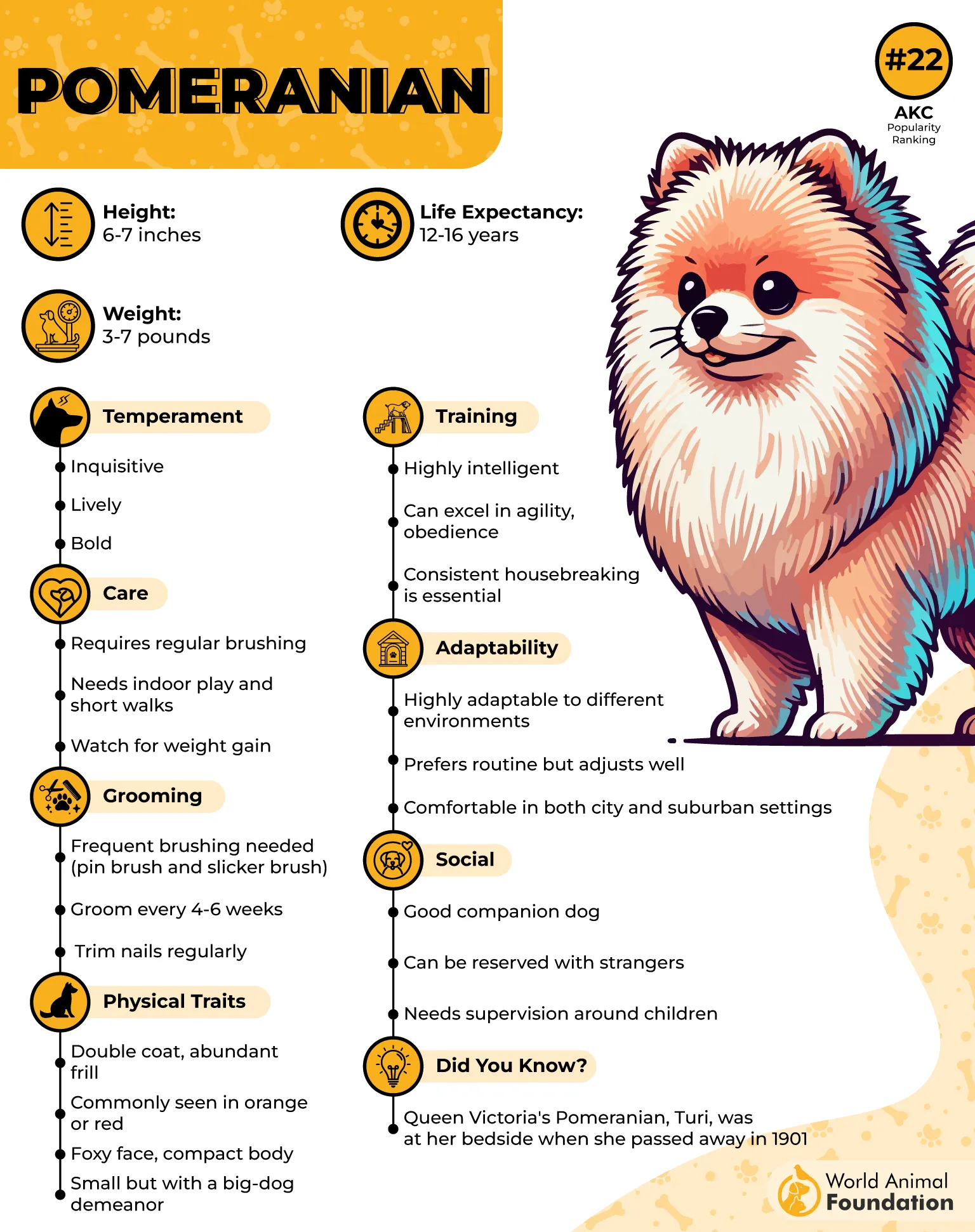
What to Expect
Bold, confident personality often described as a “big dog in a small body”
Highly expressive nature with a wide range of sounds and reactions
Naturally curious and observant, always aware of activity around them
Strong performing instinct and often excels at tricks and entertainment

Pomeranians love being the center of attention and enjoy training, puzzle toys, and interactive games. Early socialization is important to prevent excessive barking and help them grow into well-mannered companions.
Their fluffy coat needs brushing several times a week, with more frequent grooming during shedding seasons. Because of their tiny size, they should be supervised around young children, larger dogs, and while outdoors.
5. Yorkshire Terrier
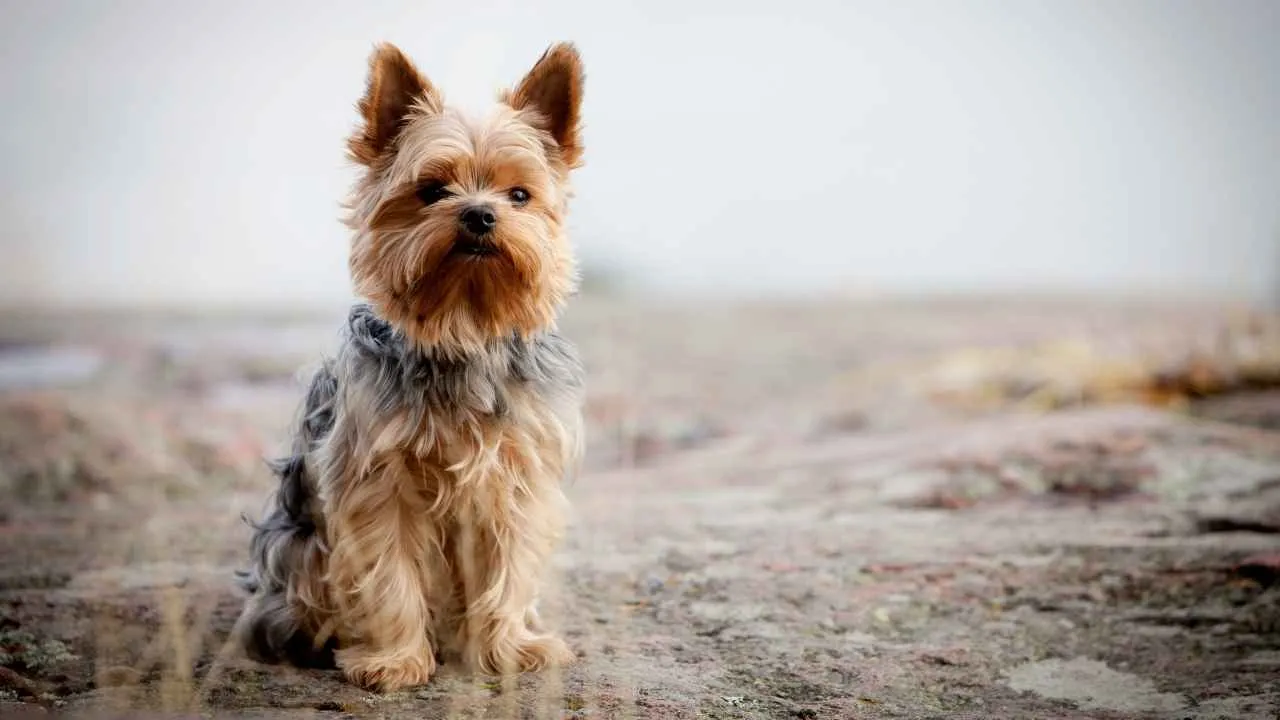
Yorkshire Terriers, better known as Yorkies, may be tiny, but they have the confidence of a much larger dog. Originally bred to chase rats in textile mills, these energetic little dogs later became beloved companion pets.
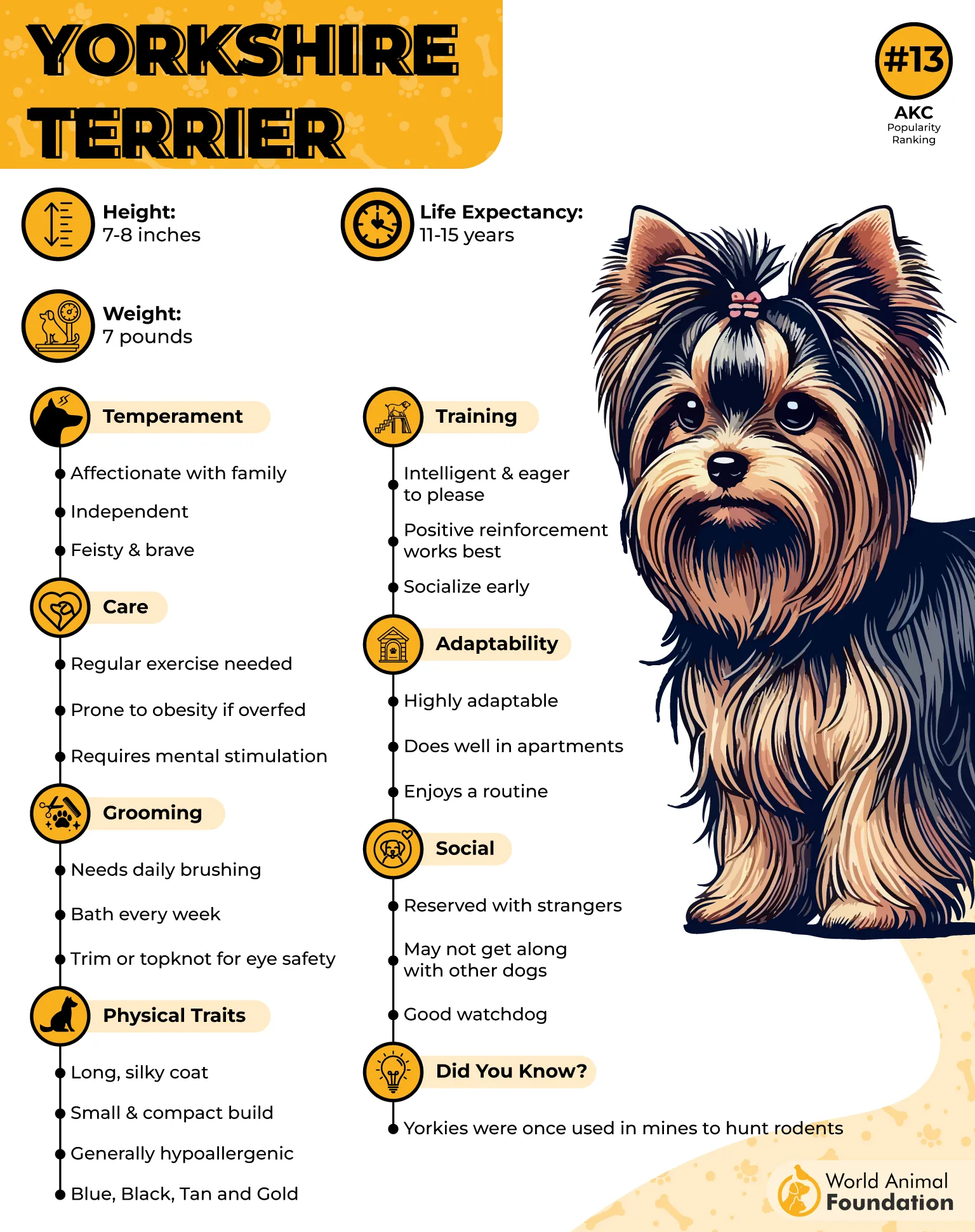
What to Expect
Naturally alert with a strong instinct to investigate their surroundings
Energetic and spirited, often showing a playful “terrier” attitude
Surprisingly brave and willing to stand their ground despite their size
Quick, clever mind with a talent for learning tricks and commands
Yorkies are affectionate with their families and thrive on attention, but they also have stubborn independence, according to Orvis. Early socialization helps reduce excessive barking and builds confidence around people and other pets.
Their long coat needs daily brushing or regular trims to keep grooming manageable. Short walks, puzzle toys, and training sessions provide enough exercise and mental stimulation to keep these little companions happy.
6. Papillon
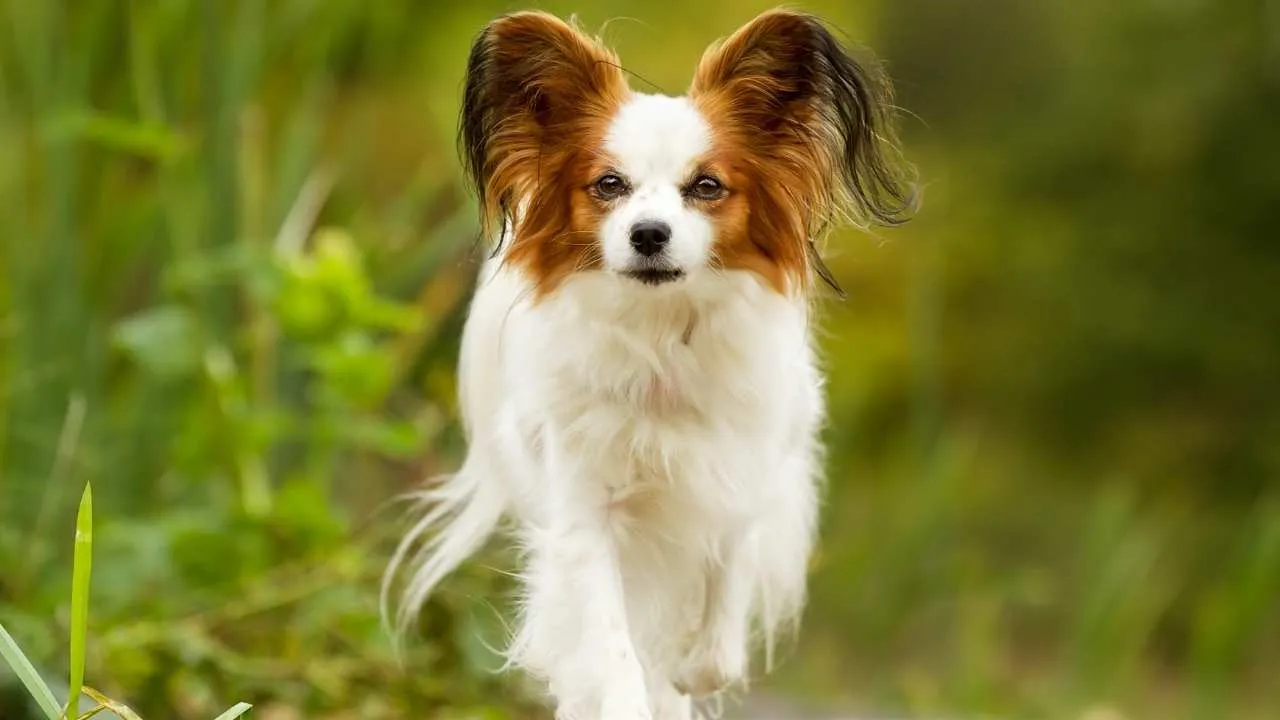
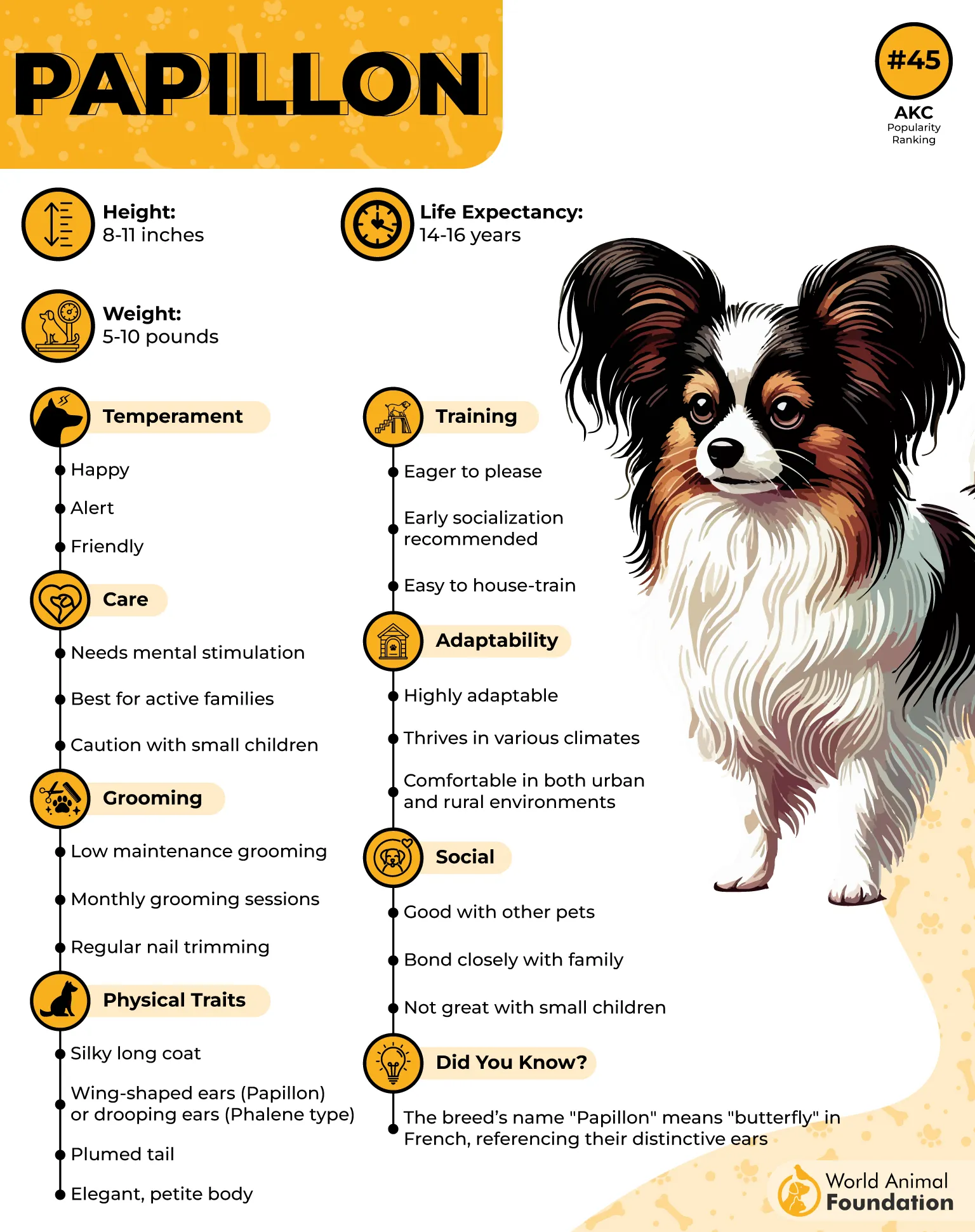
Papillons get their name from the French word for “butterfly,” thanks to their large, feathered ears that resemble butterfly wings. Bred as companion dogs for centuries, these elegant, tiny dogs are friendly, fun-loving, and always eager to be part of family life.
What to Expect
Highly expressive with alert eyes and constant awareness of activity around them
Light, energetic movement that gives them a unique “dancing” appearance
Social and engaging nature with a strong desire to participate in family life
Naturally curious and eager to explore new environments
Papillons are quick learners and respond well to positive reinforcement, making them easy to train. They enjoy agility, obedience, and interactive games that keep both their body and mind active.
Their silky coat needs brushing a few times a week to prevent tangles, while early socialization helps them grow into well-mannered and easygoing companions. Because they bond closely with their families, they do best in homes where they are not left alone for long periods.
7. Japanese Chin
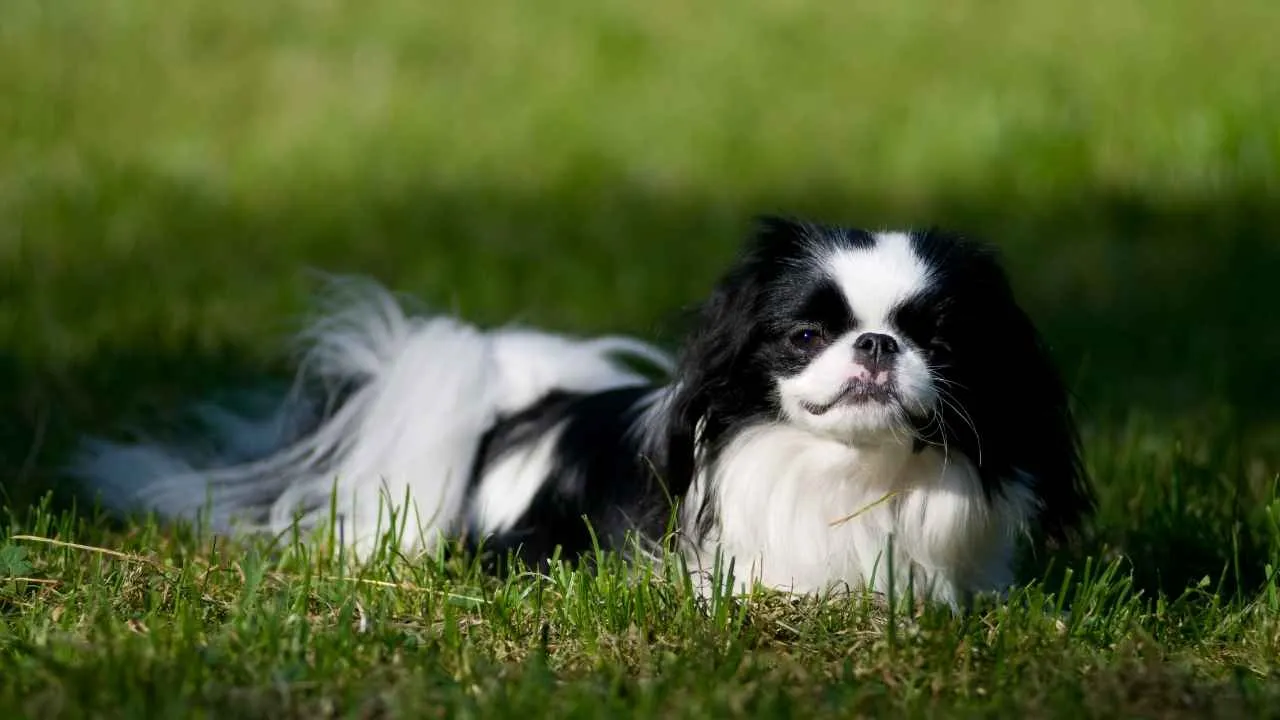
Japanese Chins have been treasured as companion dogs for centuries and were once gifted to nobles and kept in royal palaces.
Known for their silky coat, expressive eyes, and graceful nature, they are one of the most charming dog breeds. Despite their elegant appearance, these little dogs are playful, affectionate, and full of personality.
What to Expect
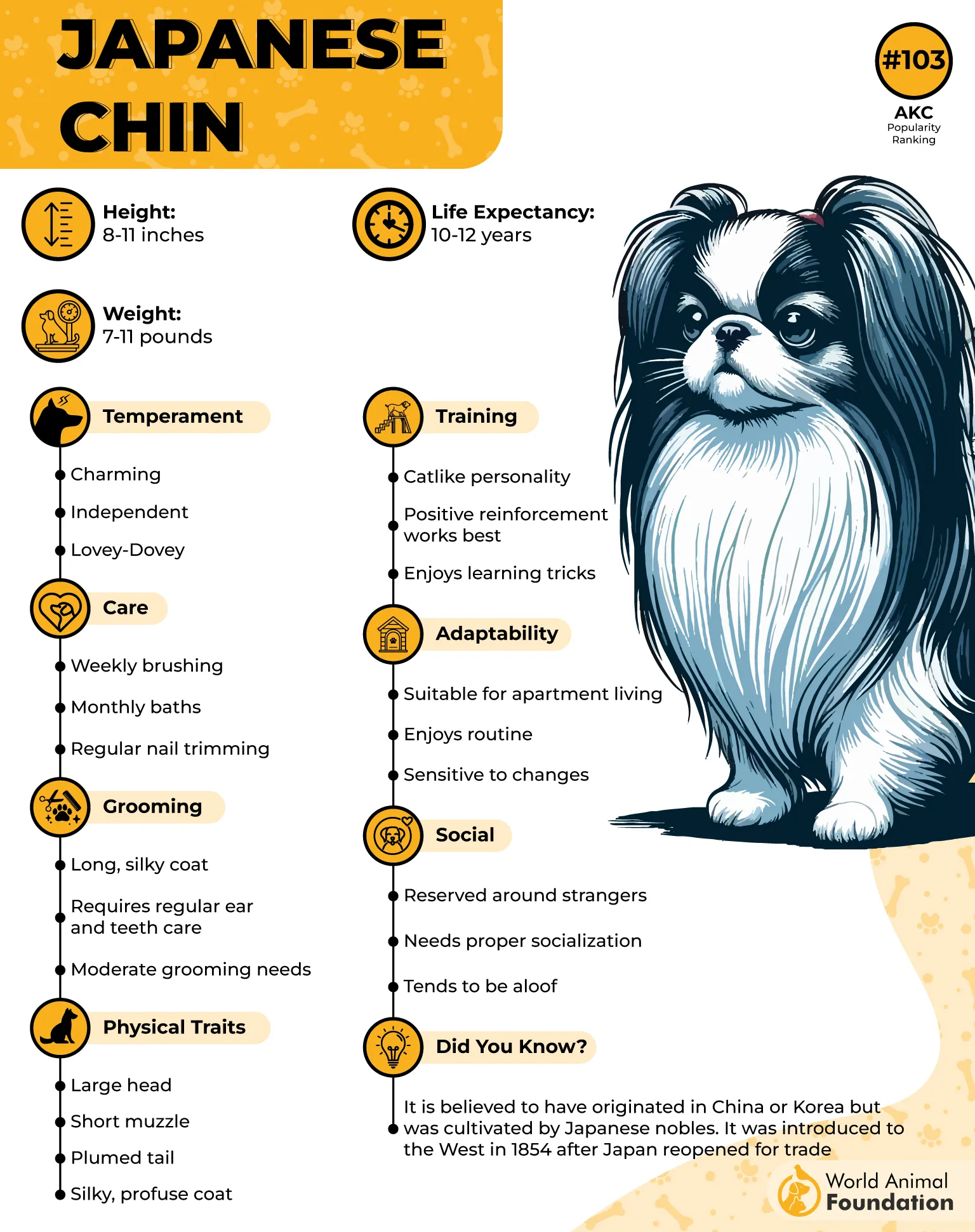
Independent streak combined with a deep affection for their chosen people
Light, graceful gait known as the “Chin spin” when they become excited
Sensitive and emotionally aware, often matching their owner’s mood
Quiet and observant nature with a tendency to study situations before reacting
Purina mentions that Japanese Chins love spending time with their people and are often described as having cat-like habits, such as lounging on high furniture or cleaning their faces with front paws. They enjoy learning tricks and respond best to short, positive training sessions with treats and praise.
Their silky hair only needs brushing once or twice a week, making grooming fairly simple. Early socialization helps them become more confident around strangers, while regular companionship helps prevent separation anxiety.
Conclusion
Small breeds may be tiny in size, but they have huge personalities and endless love to give. From playful and energetic companions to calm cuddle buddies, these charming breeds prove that you don’t need a big dog to enjoy a loyal and rewarding friendship.
The key is finding a breed whose personality, exercise needs, and grooming requirements fit your lifestyle. Before bringing any dog home, take time to research the breed, meet them if possible, and make sure you’re ready for the lifelong commitment of pet ownership.
The perfect dog won’t just fit your home. They’ll quickly become a beloved family member and fill your days with joy, companionship, and unforgettable moments.
Looking for more small dog breeds? You can also check out the Cavalier King Charles Spaniel, Boston Terrier, French Bulldog, Chinese Crested dog, Miniature Pinscher, Pekingese, Bichon Frise, Miniature Dachshund, Brussels Griffon, Miniature Schnauzer, and Chihuahua.
