




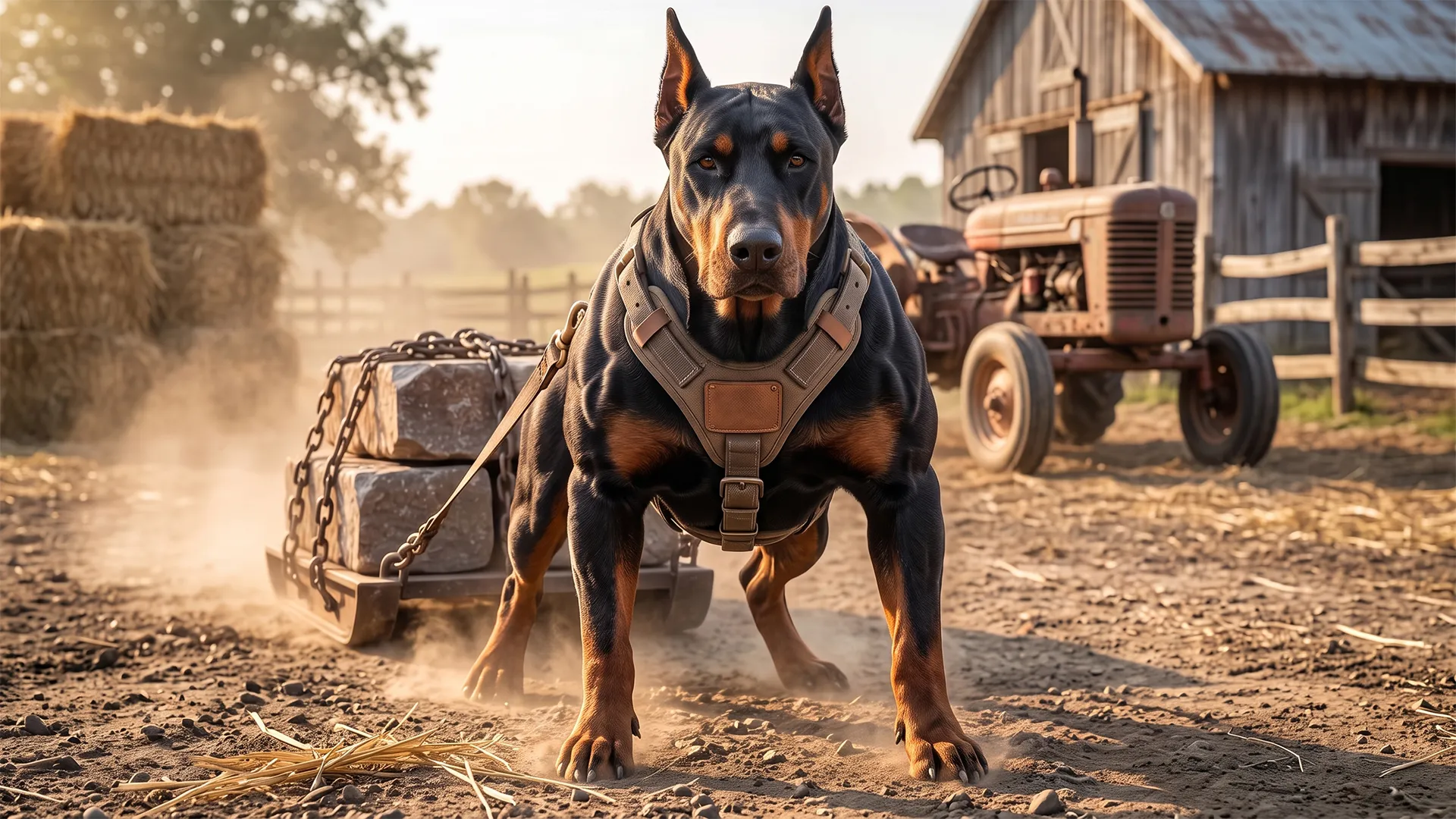
Some dogs were designed to accessorise a sofa, while others arrived carrying the energy of a gym coach, security chief, and wilderness employee rolled into one furry package. Muscular working breeds have historically hauled freight, moved livestock, guarded remote properties, pursued dangerous game, and performed physically demanding jobs alongside humans.
However, “heavy-load work” does not mean attaching a random tyre to a puppy and yelling motivational quotes across the garden. Large and giant breeds need time for their bones and joints to mature, while any pulling programme should use a correctly fitted harness, gradual conditioning, suitable surfaces, and veterinary approval.
This guide of top muscular dog breeds that tackle heavy-load tasks is a tour through different forms of canine strength.
Top Muscular Dog Breeds to Tackle Heavy-Load Tasks
1. Mastiff
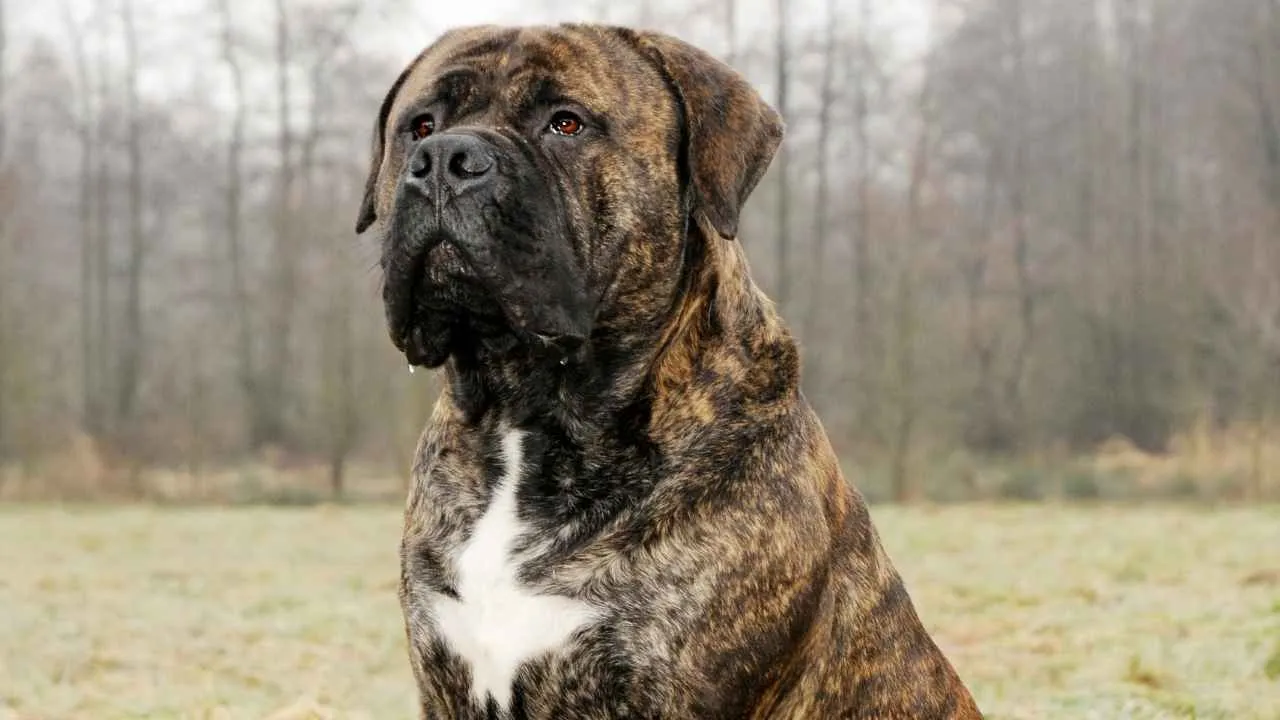
The Mastiff is an enormous, heavy-boned working dog whose strength is built around mass, depth, and stability. Despite that imposing construction, the American Kennel Club says that responsibly bred Mastiffs are generally described as dignified, courageous, and devoted rather than constantly hyperactive.
This breed belongs to an ancient family of powerful, broad-headed dogs that appeared in history as guardians, war dogs, hunters, and household protectors.
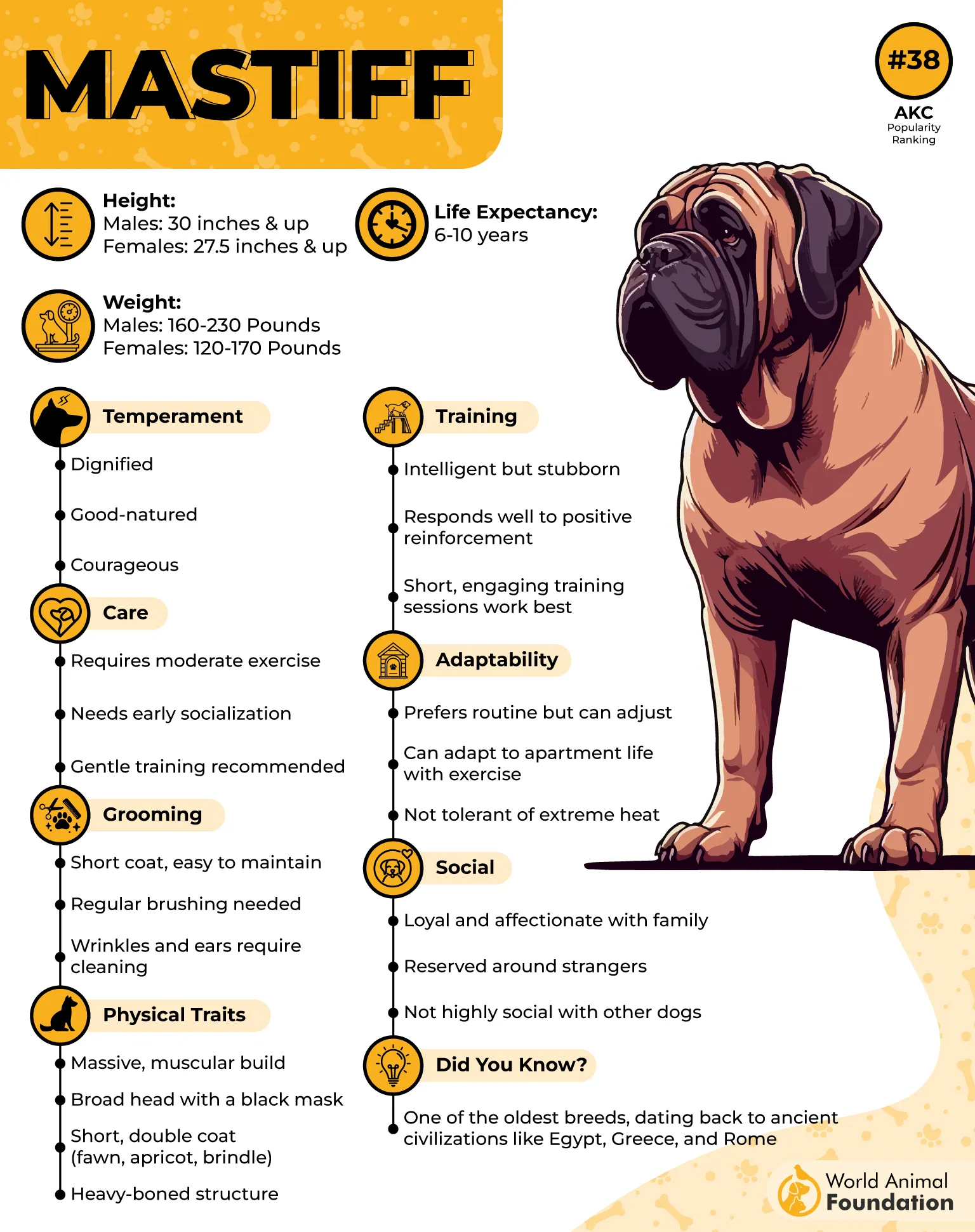
These dogs pulled carts carrying ammunition, putting their mass and steady strength to practical use. That was not glamorous work, but it was the kind of essential heavy labour that proves muscle is most valuable when paired with courage and reliability.
Some of the most muscular dog breeds out there, they are usually calmer than freight-bred sled dogs and should not be treated like endurance athletes. Positive reinforcement, short sessions, controlled socialisation, and patience work better than physical confrontation with a dog this substantial.
Heavy Load Tasks That They Perform Well
Historically pulling supply carts: Their massive frames allowed Mastiffs to move ammunition and equipment during wartime service.
Controlled recreational carting: Healthy, fully mature adults may learn light cart work when conditioned gradually under professional and veterinary guidance.
2. Great Dane
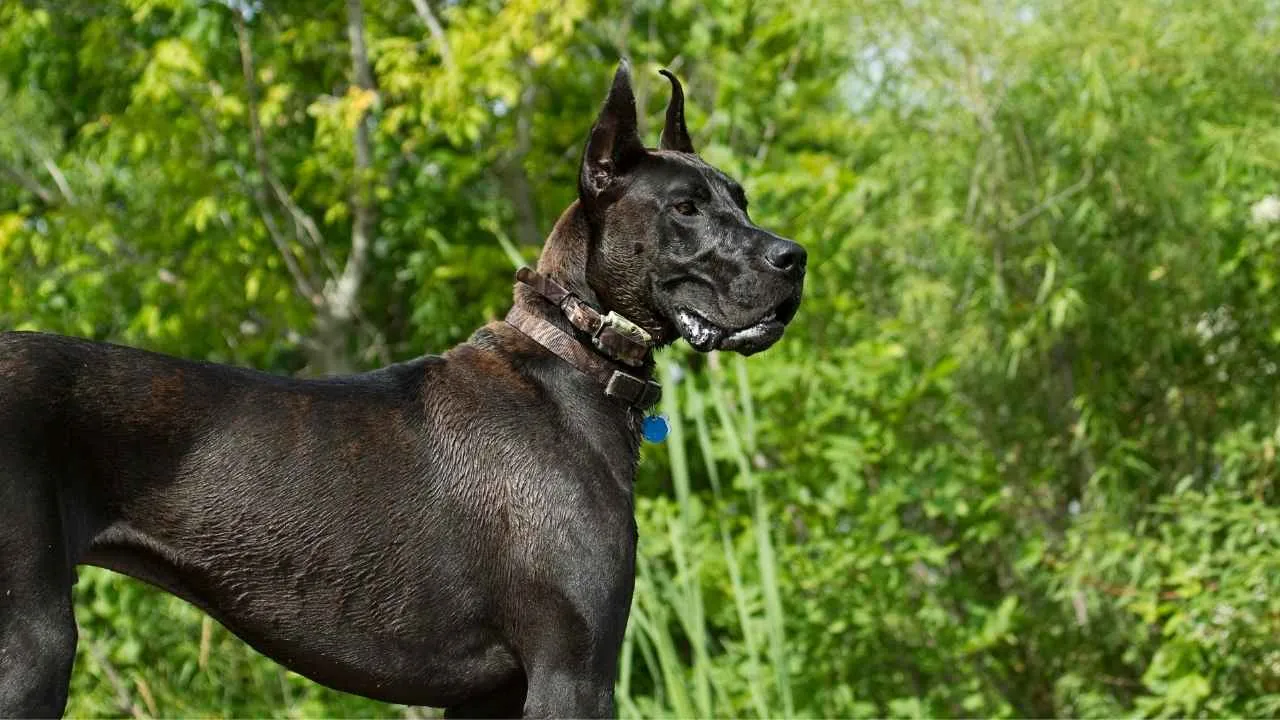
The Great Dane may look as if someone stretched a working dog vertically, but the breed combines considerable height with genuine muscle and athletic balance.
Despite the name, these dogs with a muscular body were developed in Germany rather than Denmark. German nobles bred their ancestors as powerful boarhounds capable of pursuing and confronting dangerous wild boar, a task that required speed, courage, and physical resilience.
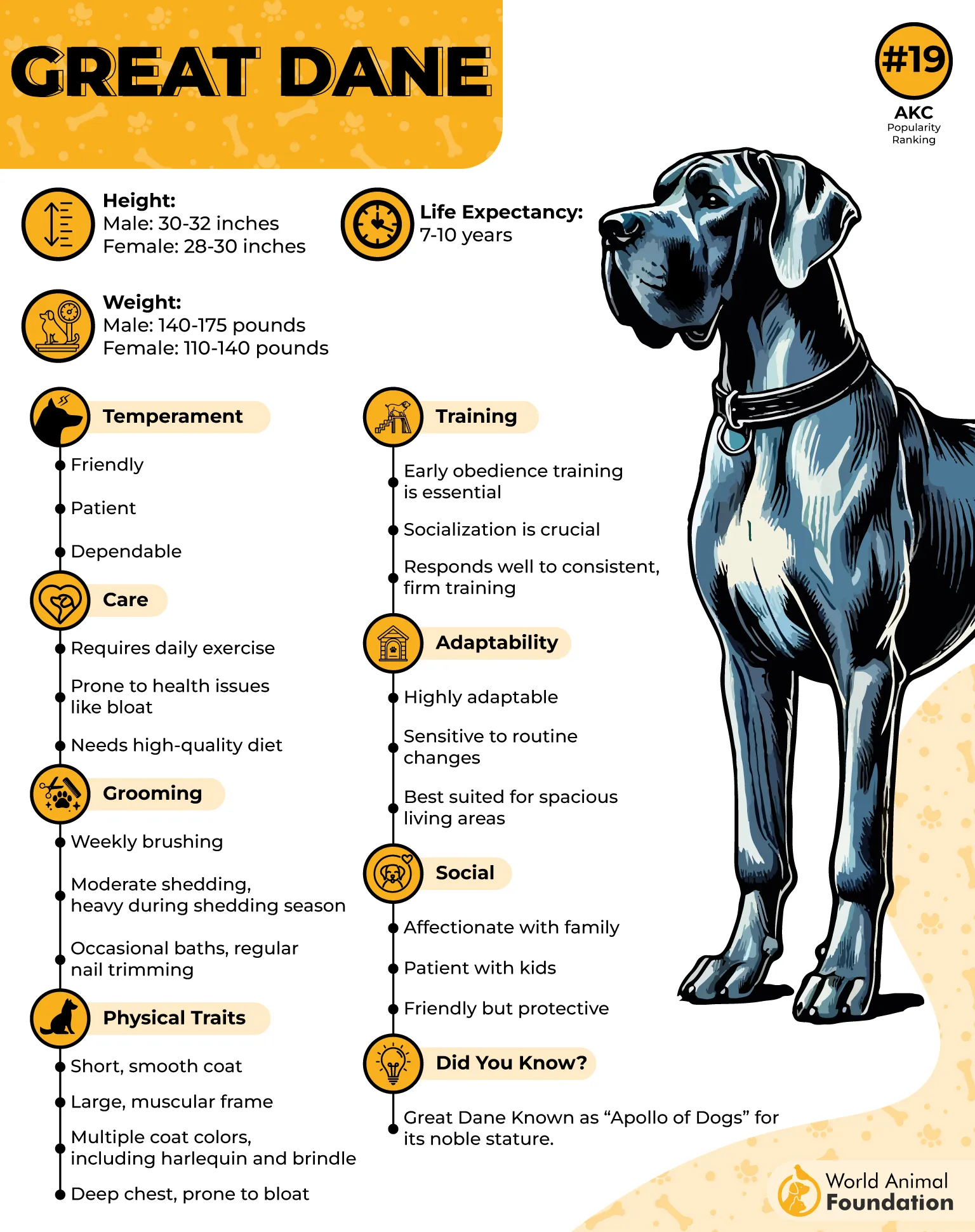
They can participate in activities including obedience, tracking, agility, and carefully managed weight-pull sports, but their giant joints require sensible preparation. At the same time, they are also phenomenal as military dogs, security dogs, and search-and-rescue agents.
They need mental engagement and regular exercise, yet they are not designed for continuous freight hauling over huge distances.
Heavy Load Tasks That They Perform Well
Structured weight-pull activities: Some conditioned adults can perform low-volume pulling work using purpose-designed equipment and expert supervision.
Large-item carrying games: A trained Dane may retrieve or transport appropriately sized soft objects without placing weight on its neck or spine.
3. Tibetan Mastiff
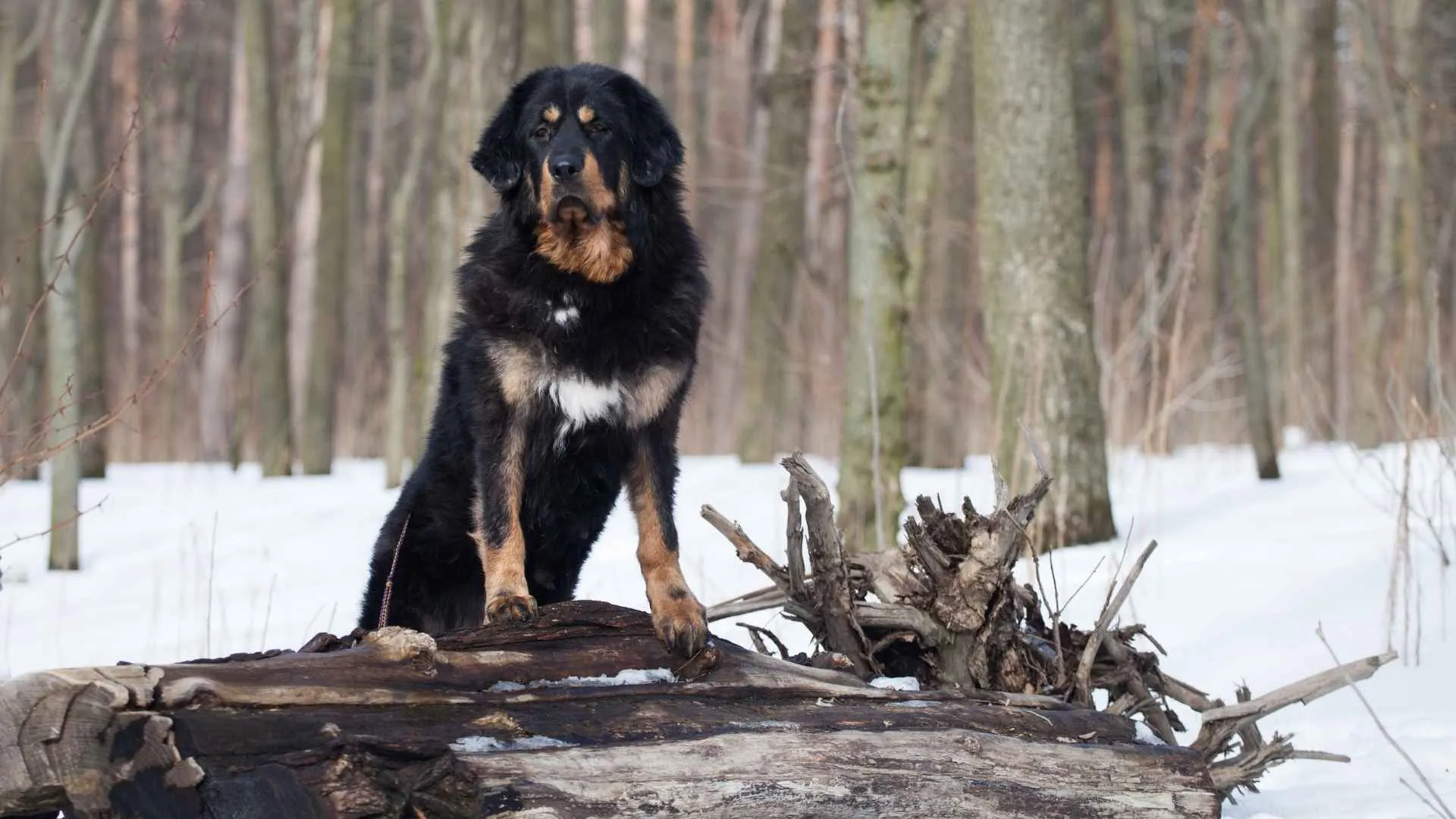
The Tibetan Mastiff is a dense, heavily muscled guardian wrapped in enough coat to look like a lion attending a winter fashion show.
For millennia, these guard dogs protected Himalayan homes, monasteries, nomadic camps, land, and livestock. Their job was not to wait for step-by-step instructions but to detect unfamiliar activity and make independent decisions when human guidance was unavailable.
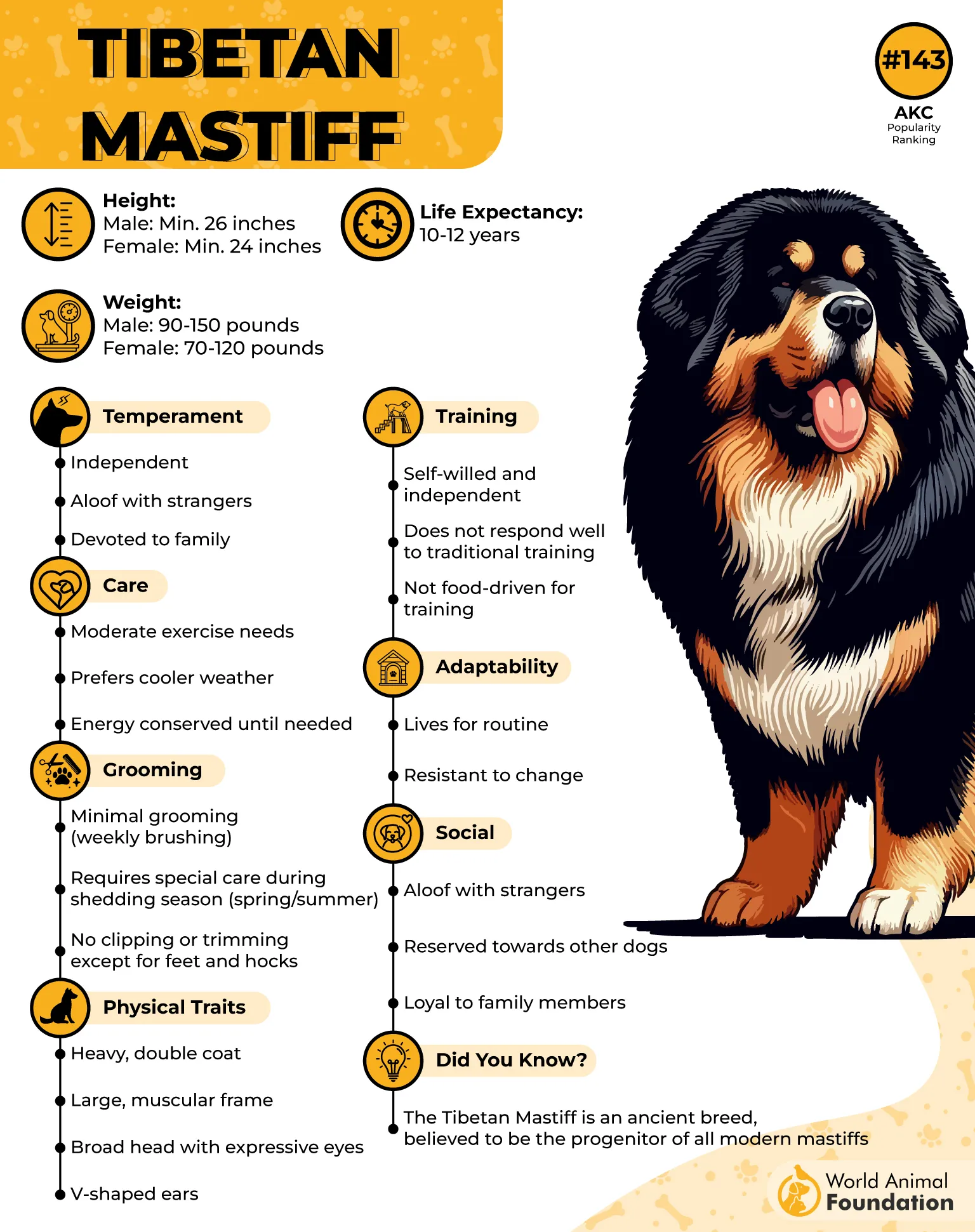
These affectionate companions were not primarily refined as long-distance freight dogs. Their “heavy work” involved carrying their own substantial bodies across rough terrain, patrolling boundaries, confronting predators, and remaining alert through harsh conditions.
The breed is generally most active in cooler weather and may conserve energy until action becomes necessary. Its thick double coat makes intense work in warm or humid conditions risky, while long jogging sessions can lead to overheating.
Heavy Load Tasks That They Perform Well
Mountain-property patrol: Their sturdy bodies and weather-resistant coats support measured movement across cold, uneven terrain.
Livestock-guardian responsibility: They can watch animals, investigate disturbances, and deter predators without constant human direction.
4. Irish Wolfhound
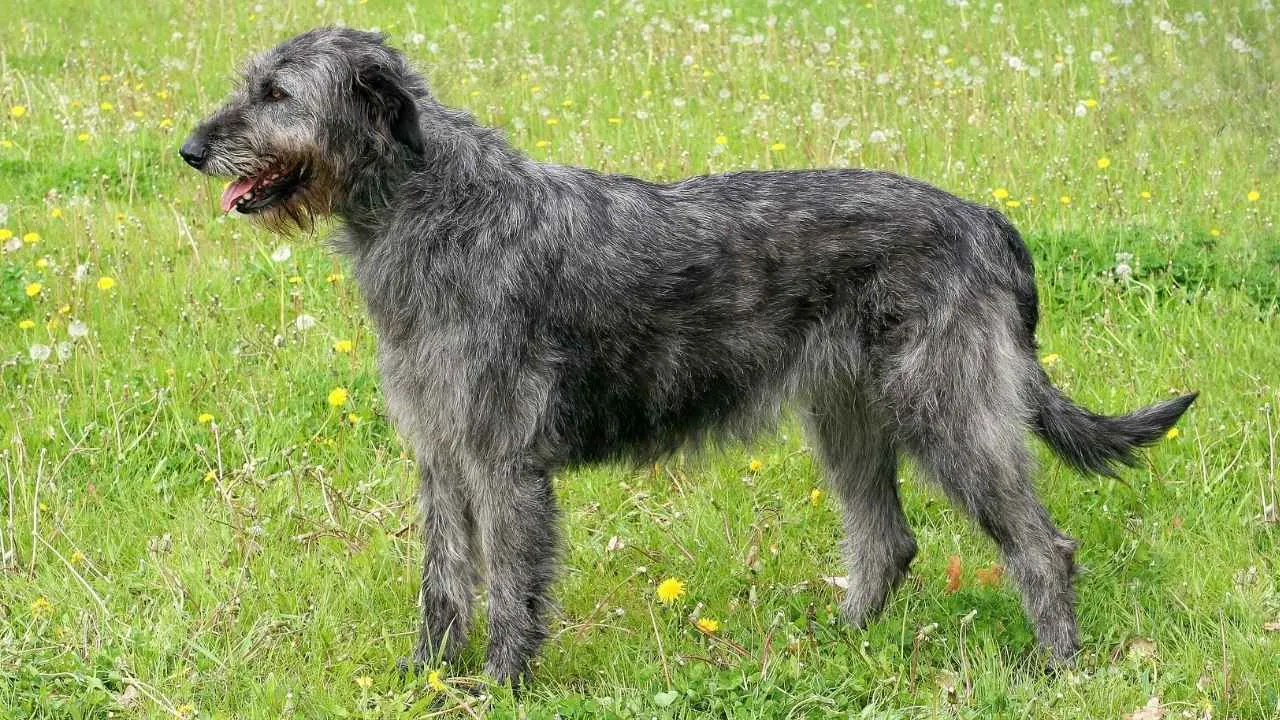
Historically, Wolfhounds pursued wolves, deer, and other large, fast-moving game. Their construction therefore combines deep-chested power with long limbs, flexibility, speed, and a stride capable of covering significant ground.
Modern Irish Wolfhounds are usually calm, friendly, and sensitive companions rather than fierce working guardians. WebMD specifically notes that their temperament makes them unsuitable as serious guard or patrol dogs, although their towering size may still discourage unwanted visitors.
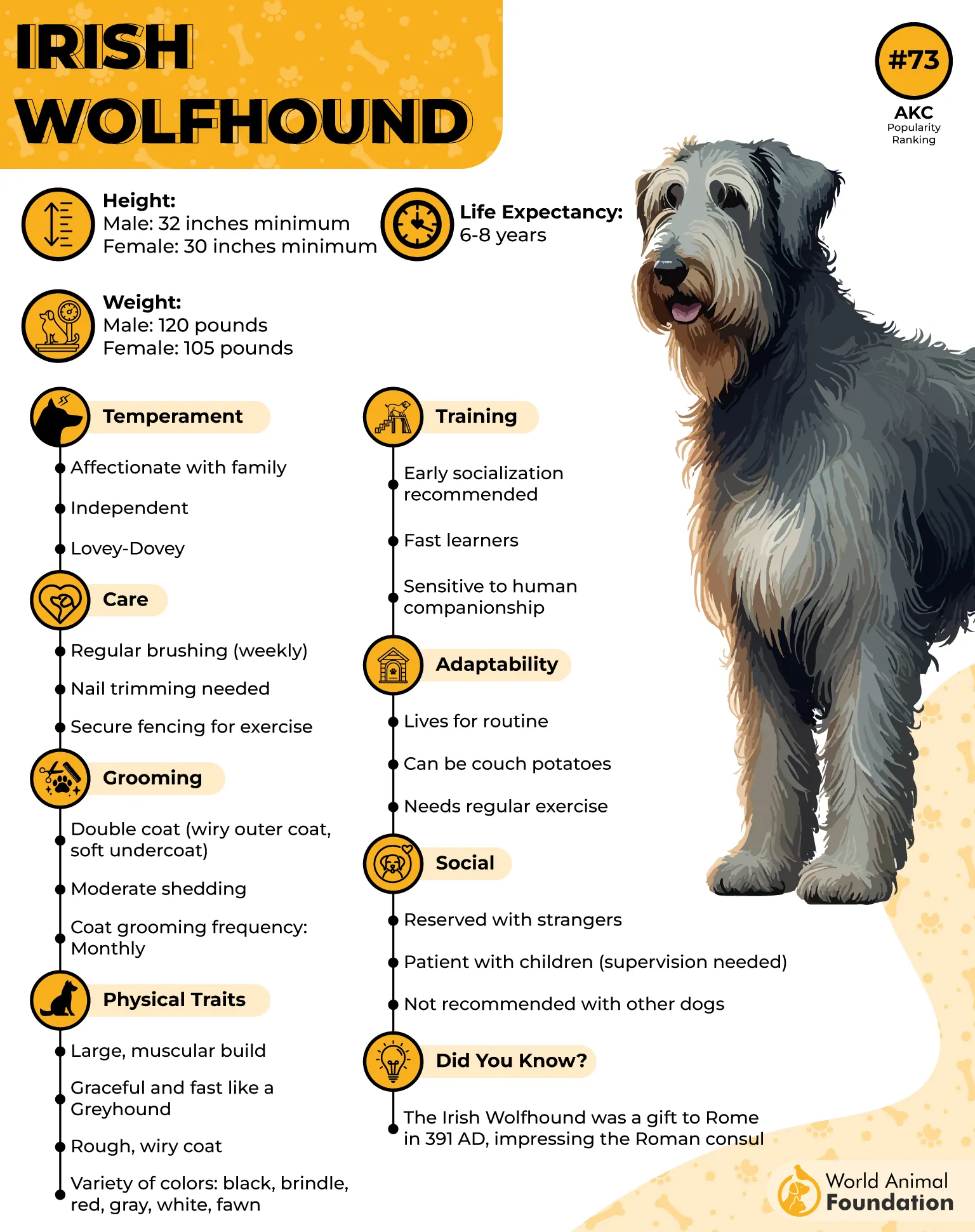
These hounds need regular exercise to maintain muscle mass, cardiovascular health, coordination, and joint function. Long controlled walks and opportunities to run in a safely enclosed space suit adults, while growing puppies must avoid forced exercise and repetitive impact.
Owners frequently mention the breed’s gentle, company-seeking nature alongside the practical chaos its size creates. A casually wagging tail can clear a coffee table, while an enthusiastic turn can make a narrow hallway feel like a maritime emergency.
Heavy Load Tasks That They Perform Well
Large-game-style lure work: Controlled coursing activities allow mature hounds to use the speed, strength, and pursuit instincts for which they were originally bred.
Distance-covering field movement: Their long stride suits steady travel across open ground when weather and physical condition are appropriate.
5. Anatolian Shepherd
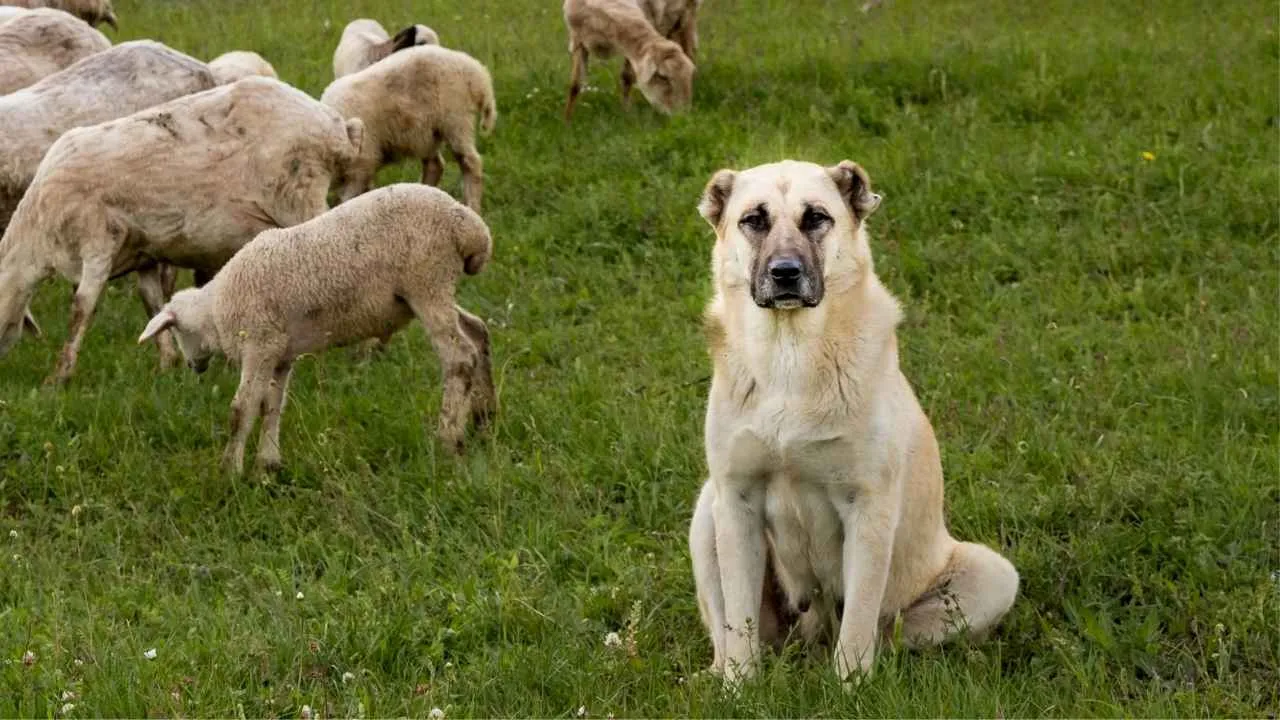
The Anatolian Shepherd is a rugged livestock guardian developed to function across harsh terrain with limited supervision. Despite its size, the breed is nimble enough to move quickly when a predator approaches its flock.
Rather than directing sheep with rapid movement, Purina says an Anatolian lives among livestock, observes the surroundings, assesses risk, and discourages predators from approaching. This is heavy-duty responsibility in the truest sense, because the dog may be expected to protect valuable animals while the farmer sleeps.
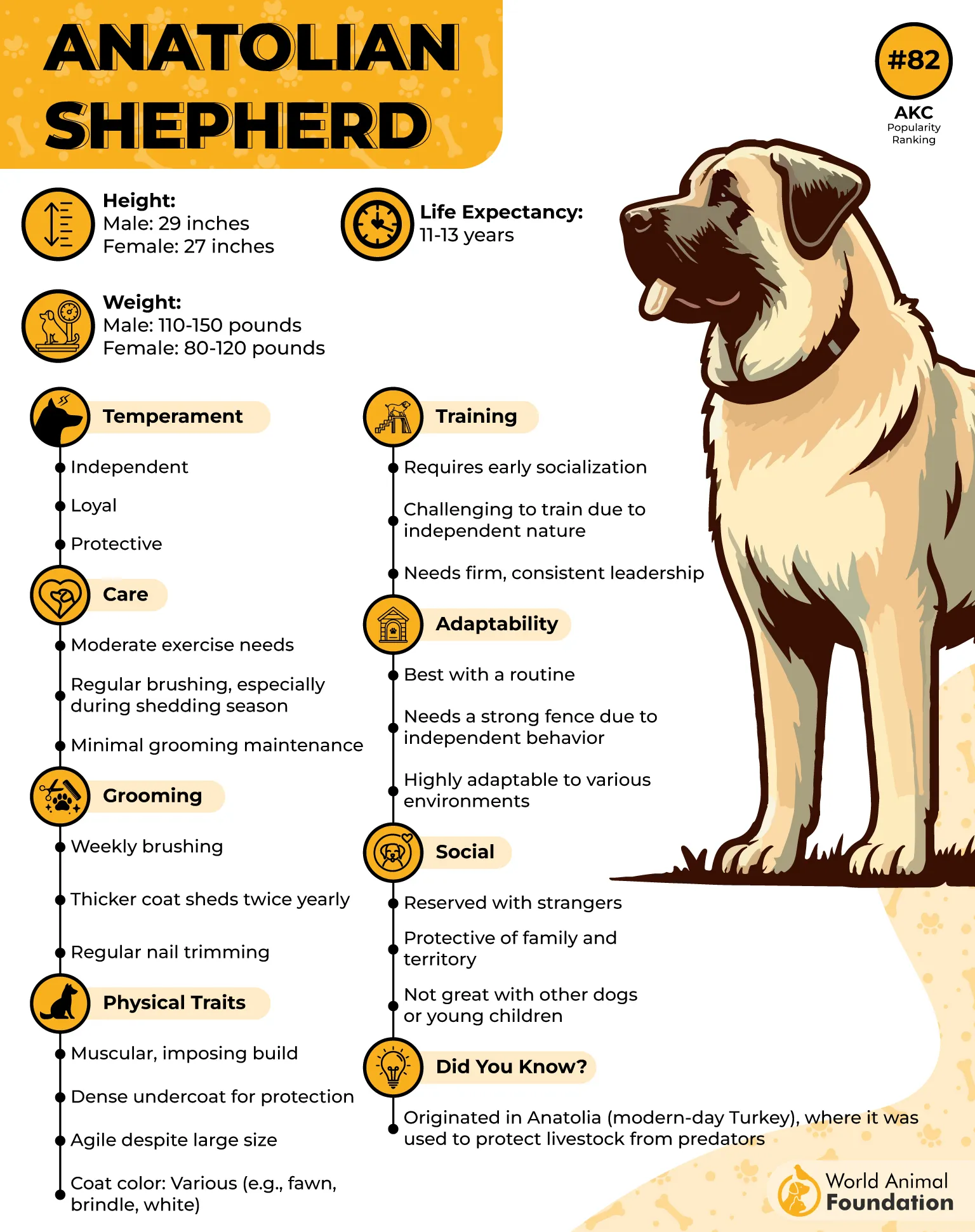
The breed’s muscular build supports acceleration, physical endurance, and the ability to navigate uneven rural land. However, Anatolians were not developed to haul freight for hours, and turning one into a makeshift sled dog ignores the specialisation behind its structure and temperament.
These dogs are famously self-reliant and may not display affection in the constant cuddliness expected of some companion breeds.
Tasks That They Perform Well
All-night flock supervision: Anatolians can monitor livestock and respond to disturbances across wide rural spaces.
Predator-deterrence duty: Instead of transporting physical cargo, they carry the serious workload of keeping vulnerable animals safe.
6. Cane Corso
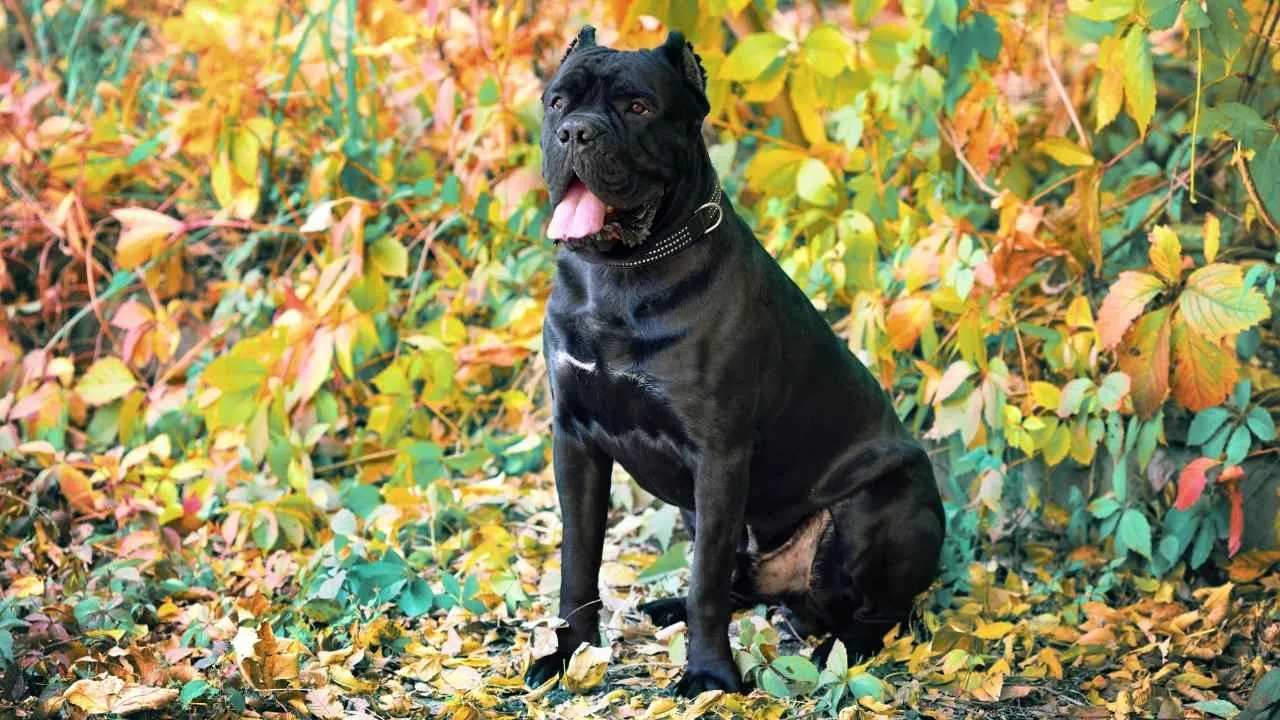
The Cane Corso is a large Italian Molosser with a broad chest, substantial head, and powerful yet comparatively athletic build.
Unlike giant breeds built mainly around bulk, the Corso combines muscle with useful speed and manoeuvrability. Its strong neck, deep body, broad chest, and powerful hindquarters support short bursts of intense work and controlled resistance.
Corsos are smart and trainable, but they can also be assertive and require owners who establish clear, fair rules. Harsh corrections may damage trust or provoke defensive behaviour, whereas reward-based training helps channel their willingness to work.
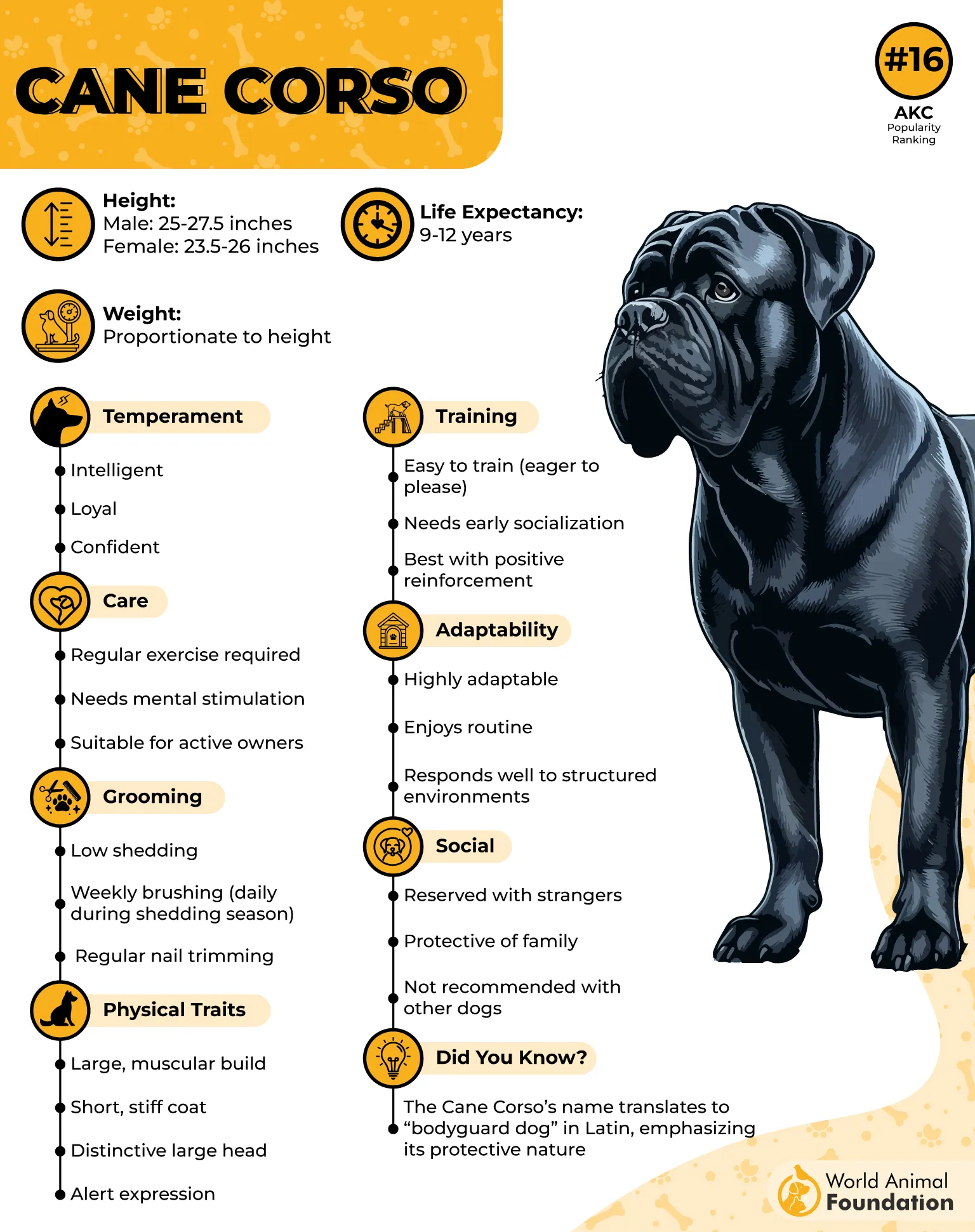
Daily exercise must challenge both the brain and the body, as a casual stroll may not satisfy a healthy adult. Brisk walking, obedience, tracking, scent work, controlled tug, farm chores, and advanced body-awareness exercises can provide constructive outlets.
Heavy Load Tasks That They Perform Well
Traditional farm carting: Historical Corsi reportedly hauled carts as part of their all-purpose agricultural role.
Resistance-based conditioning: Mature, health-screened dogs may handle progressive pulling exercises using a specialised harness and a professional plan.
7. Alaskan Malamute
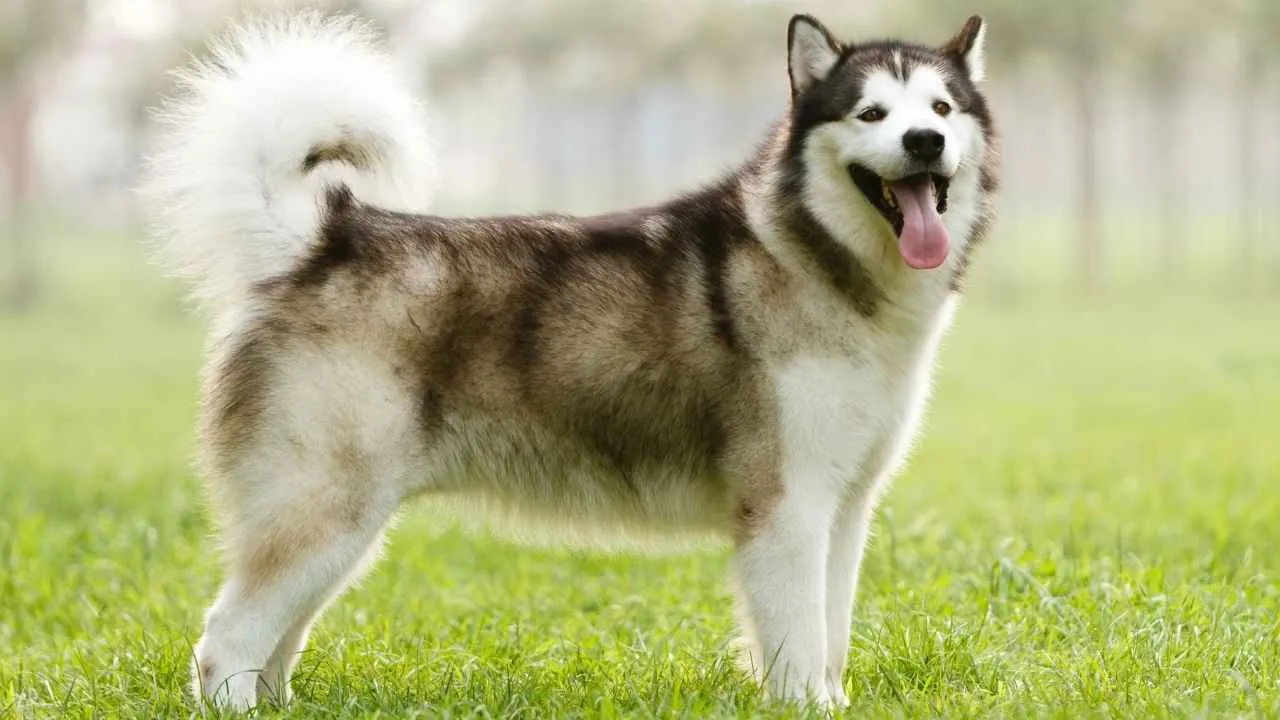
The Alaskan Malamute is the most obvious freight specialist in this group because heavy hauling has been central to its breed history. The Mahlemut Inuit developed these powerful Arctic dogs to pull sleds over long distances in severe conditions.
Efficient movement matters as much as brute force in a capable freight dog. A well-balanced Malamute should trot smoothly, extending through the front while generating strong drive from the rear without looking laboured.
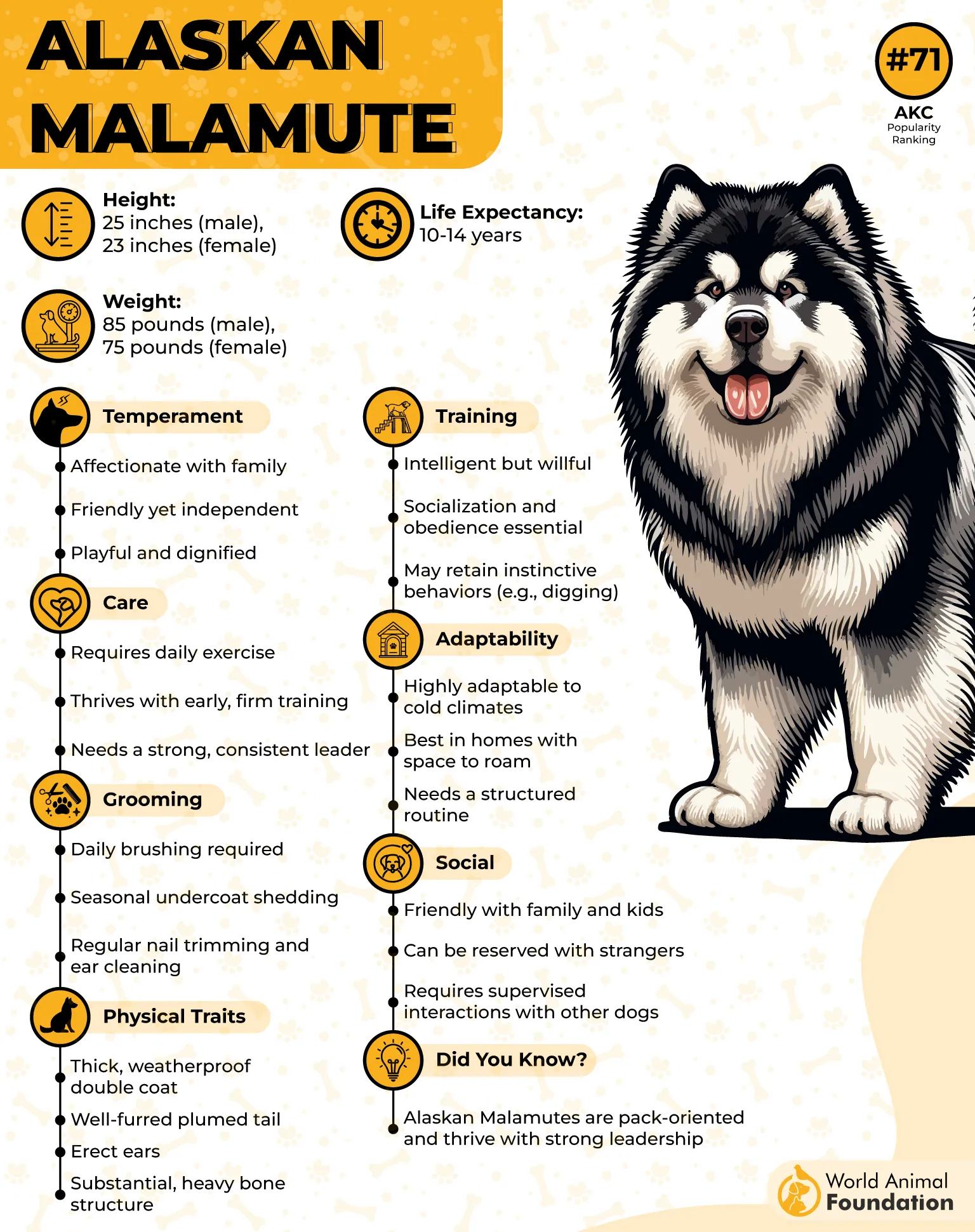
The breed often learns sledding and pulling work more readily than repetitive obedience because these tasks connect directly with its inherited instincts. They remain independent, strong-willed, playful, and sometimes spectacularly creative about ignoring instructions they consider unnecessary.
Modern outlets include recreational mushing, dryland carting, bikejoring, skijoring, backpacking, and properly managed weight-pull competitions.
Heavy Load Tasks That They Perform Well
Long-distance freight hauling: Malamutes were specifically developed to pull substantial supplies at controlled speeds across Arctic terrain.
Team sled work: Their pack-oriented working style allows multiple dogs to combine strength efficiently under an experienced musher.
8. Doberman Pinscher
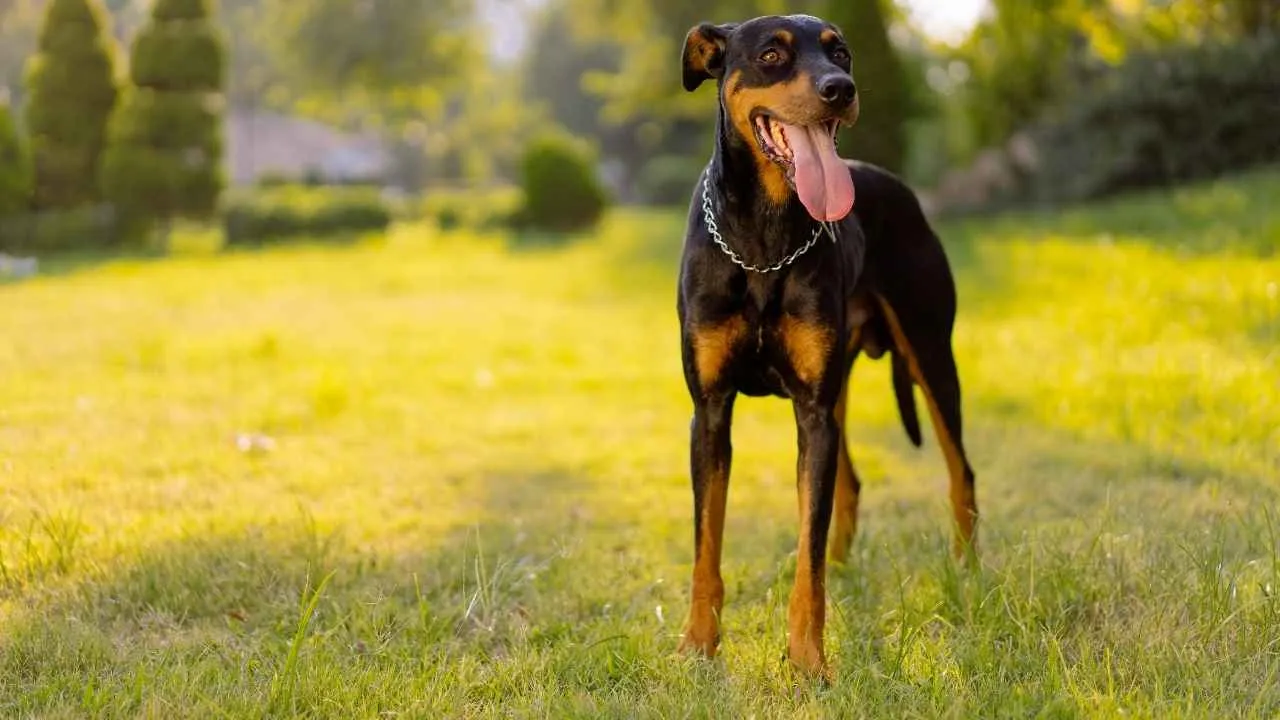
Dobermans are known for vigilance, courage, athleticism, and close cooperation with their handler. Its historical role centred more on personal protection and demanding service than on pulling giant carts.
That distinction matters when evaluating heavy-load ability. They can develop impressive strength and may enjoy resistance-based conditioning, but their body is optimised for mobility rather than maximum freight capacity.
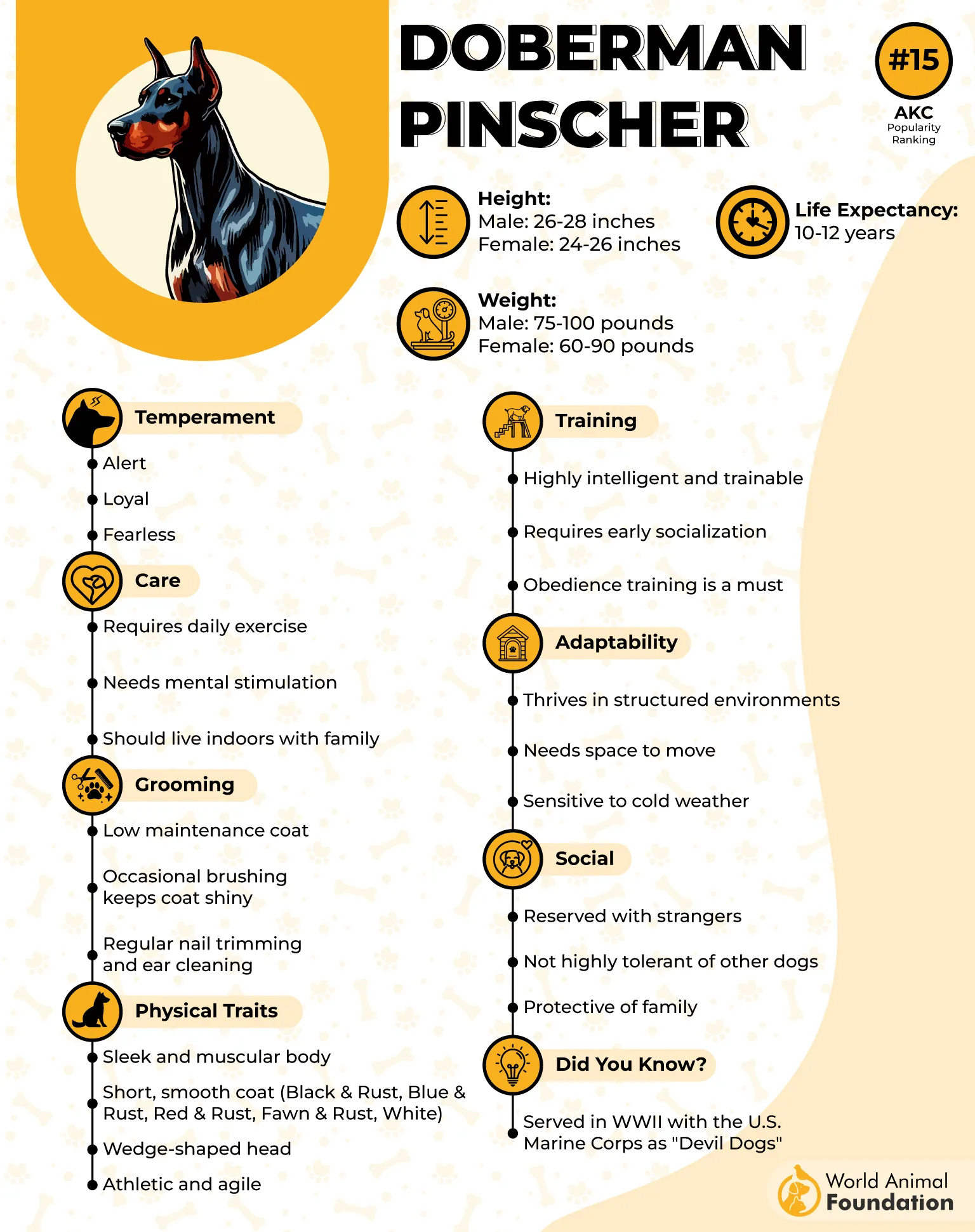
These muscular breed dogs need regular physical exercise and enough mental stimulation to keep their quick minds occupied.
Training must emphasise calm control, as power and speed can become difficult to manage when paired with poor impulse control. Positive reinforcement training, reliable recall, heelwork, scent exercises, and progressive strength conditioning build useful ability without encouraging frantic behaviour.
Heavy Load Tasks That They Perform Well
Working-backpack hikes: Fit adults may carry a light, evenly balanced pack after veterinary clearance and gradual preparation.
Mobility-focused service tasks: Their combination of strength and responsiveness can support trained routines for fetching, carrying, guiding, and equipment retrieval.
9. Rottweiler
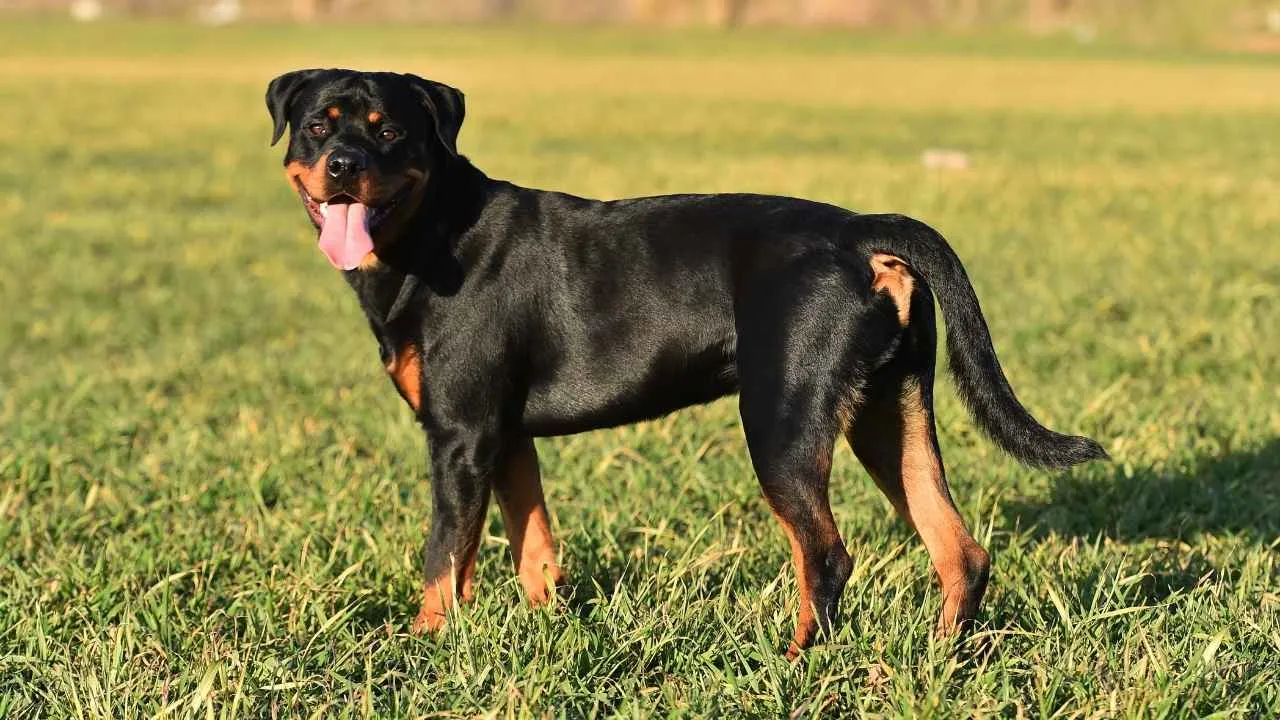
The Rottweiler is a compact, substantial working dog whose broad body and strong hindquarters communicate power before it takes a single step.
Their compact build combines strength, agility, and endurance, making them capable of controlled power rather than mere static bulk. This fit companion dog can move decisively, change direction, and sustain moderate workloads when properly conditioned.
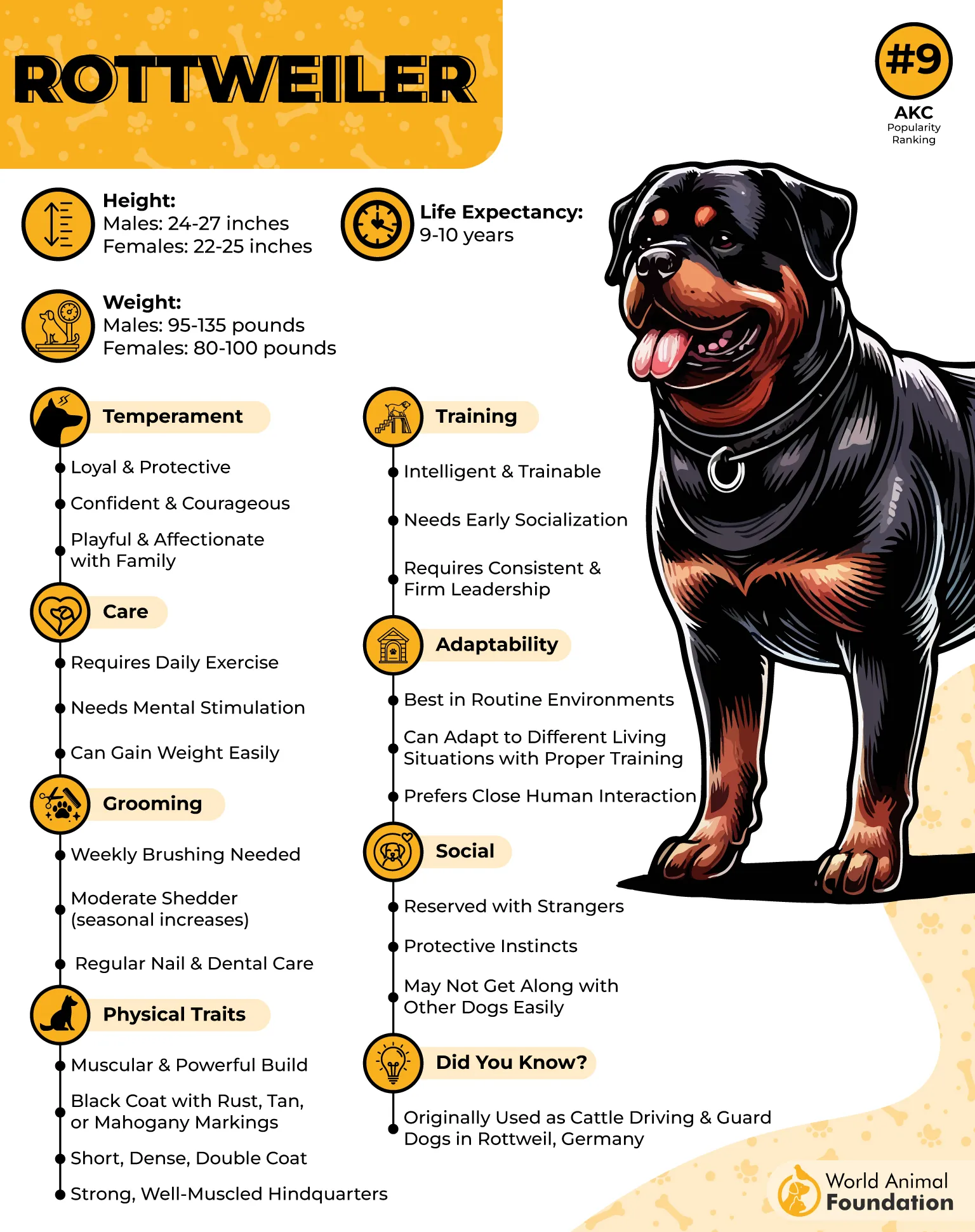
Without exercise, companionship, and guidance, PetPlan says that they may become diggers, nuisance barkers, territorial gatekeepers, or freelance furniture inspectors. Early socialisation and reward-based obedience are essential for managing their physical force and naturally watchful temperament.
These big dogs with an intimidating presence may excel in carting, tracking, obedience, herding, rally, or carefully regulated weight-pull activities.
Heavy Load Tasks That They Perform Well
Traditional butcher-cart work: Rottweilers historically transported meat and other goods through German market towns.
Modern drafting and carting: Their broad chests and powerful rear drive suit properly conditioned recreational cart work.
Final Thoughts
The best canine worker is physically sound, emotionally stable, motivated, and responsive to its handler. Appropriate equipment, gradual progression, veterinary oversight, and generous recovery transform raw strength into sustainable performance.
Heavy-load activities should enhance a dog’s life rather than become a test of human ego. Watch body language, reward effort, stop before exhaustion, and choose goals based on the individual dog instead of chasing online records.
