




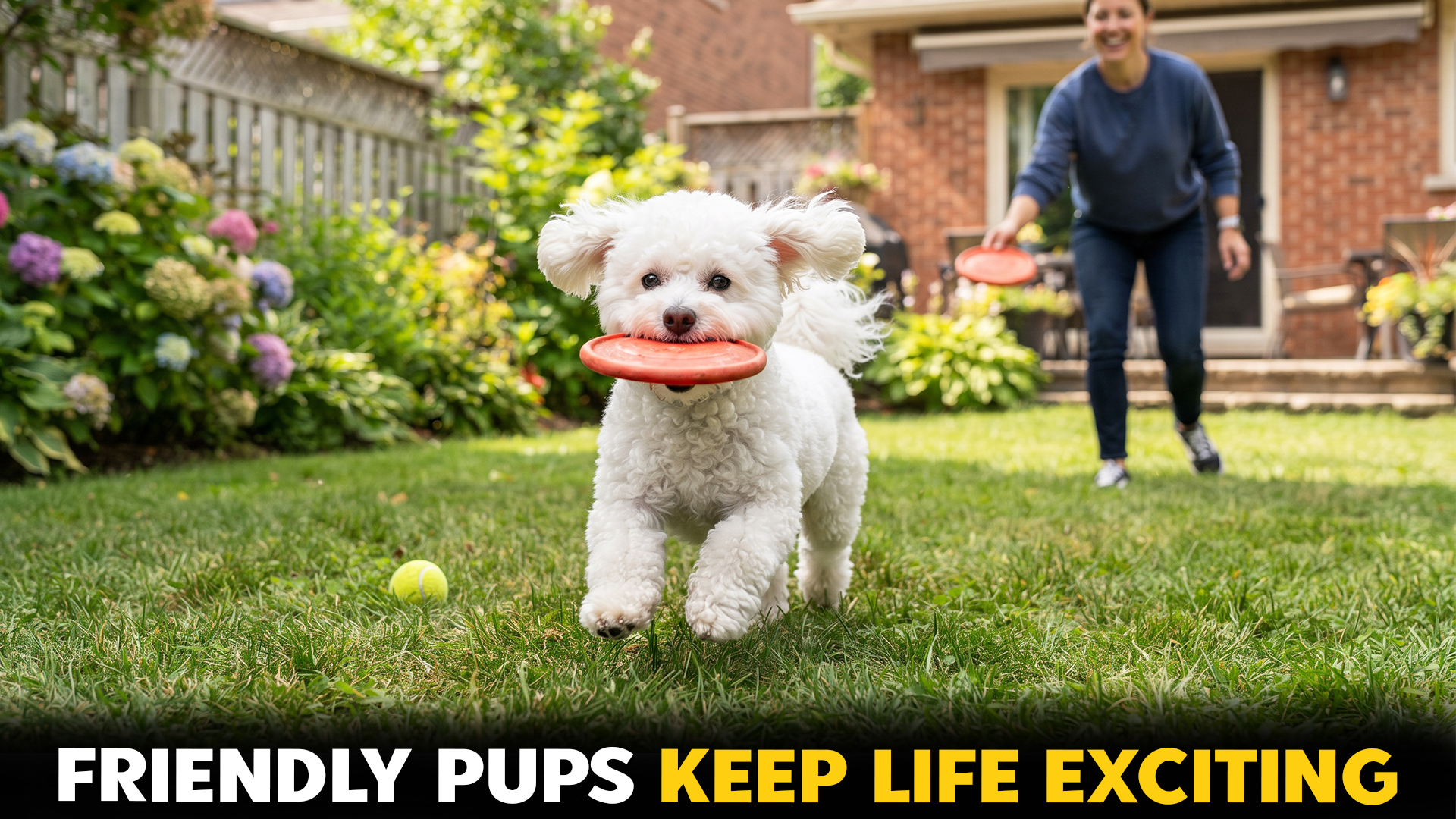
Small dogs sometimes get unfairly labelled as delicate lap warmers whose biggest daily mission is locating the softest cushion. In reality, many compact breeds are athletic, curious, and playful. These pocket-sized dynamos bring serious energy without requiring a home the size of a country estate.
Their small frames also make them appealing to flat dwellers, city families, older owners, and people who enjoy taking their canine companion almost everywhere. However, small does not automatically mean low-maintenance, because clever and energetic breeds still need walks, enrichment, socialisation, training, and meaningful time with their humans.
The seven small breeds below combine friendliness, fun, affection, and wonderfully animated personalities.
Fun and Friendly Small Dog Breeds That Bring Endless Energy
1. Jack Russell Terrier
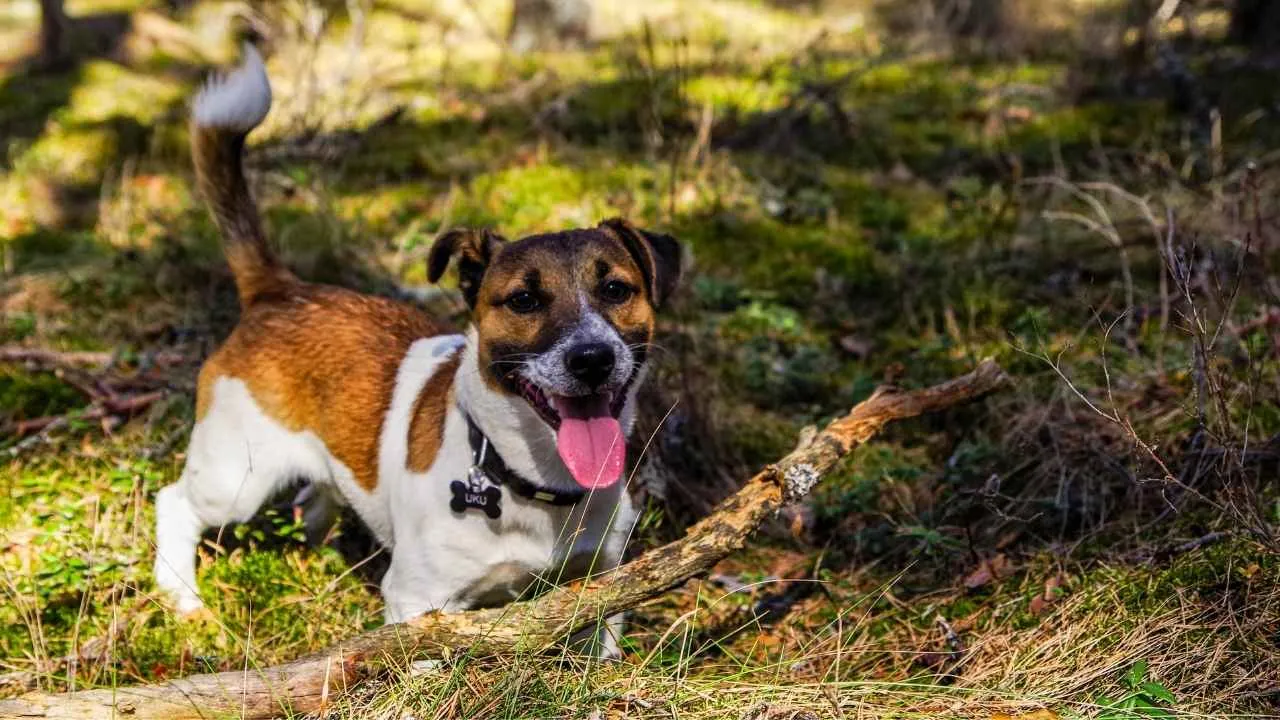
A Jack Russell Terrier rarely walks into a room quietly and waits for life to happen, because this bold little explorer prefers to organise the entertainment personally.
Life with a Jack Russell is often fast, funny, and just a little chaotic in the best possible way. They bond closely with their families and usually want to participate in walks, games, garden projects, household conversations, and anything else that looks remotely exciting.
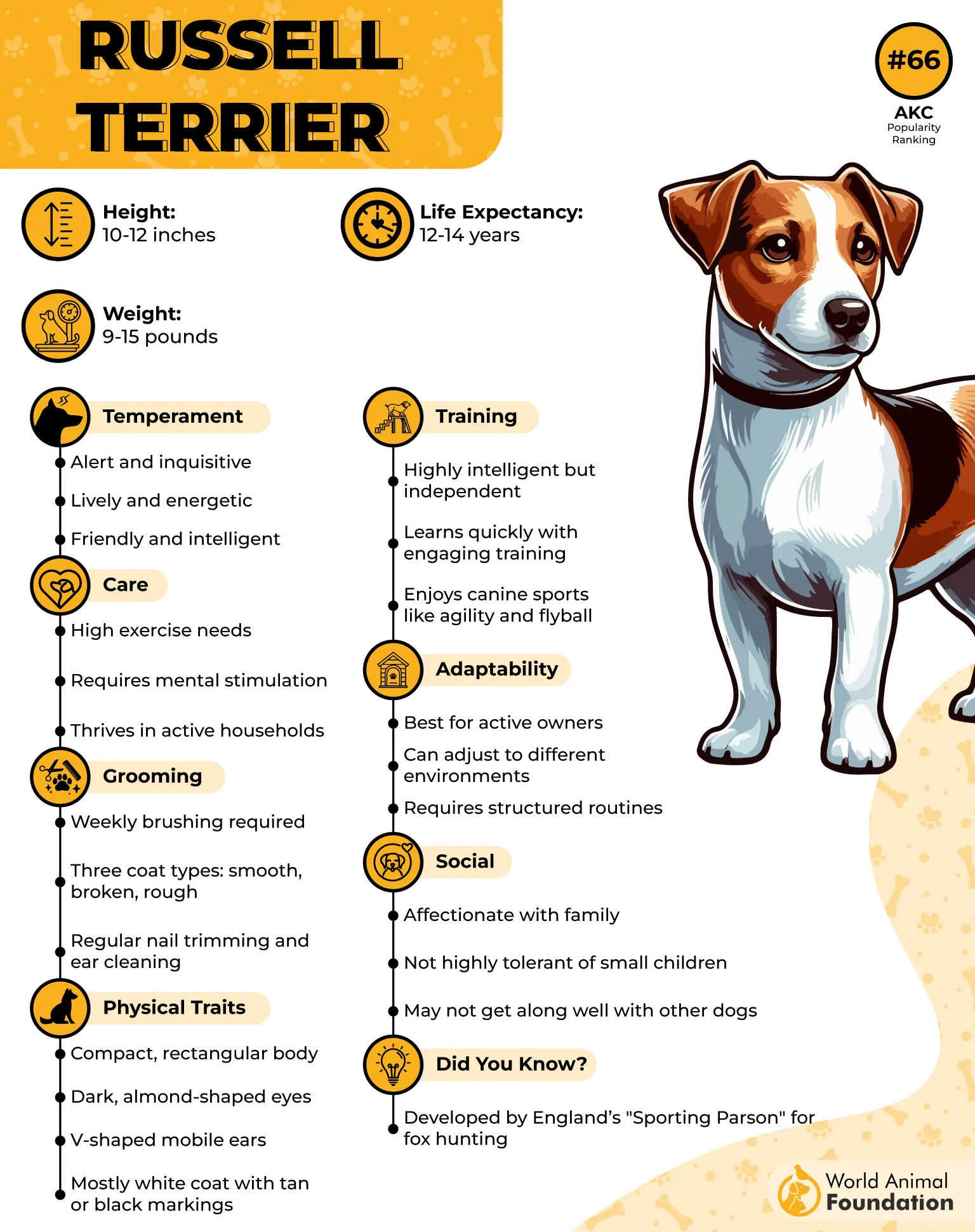
Exercise is not an optional bonus for this breed; it is basically the subscription fee for peaceful cohabitation. Long walks, controlled running, scent games, digging boxes, tug sessions, and puzzle-based play can help channel their seemingly endless energy toward acceptable activities.
Training it requires consistency, creativity, and a working sense of humour because boring repetition will lose them faster than an unskippable advert.
What Makes Them Remarkable
Their working-terrier determination allows them to approach games, puzzles, and outdoor exploration with remarkable enthusiasm.
They deliver the confidence of a much larger dog without requiring the physical space it occupies.
2. Boston Terrier
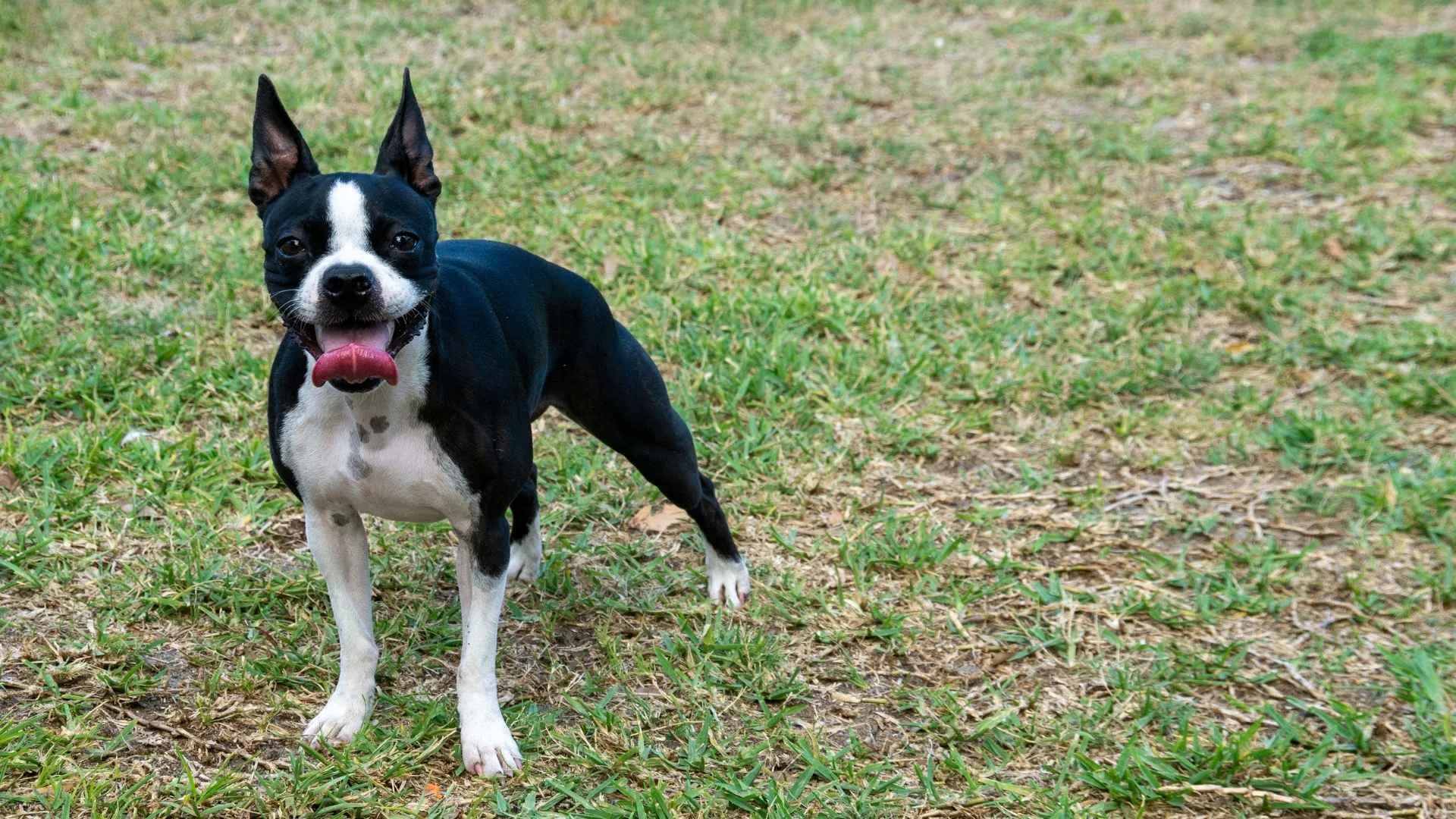
The Boston Terrier arrives dressed for a formal event but behaves like the funniest guest at the party. Its neat markings helped inspire the nickname “American Gentleman,” while its bright expression and playful behaviour reveal a natural talent for comedy.
They were developed primarily as companions, and that history still shows in their desire to remain close to their people. Properly socialised individuals commonly do well with considerate children, visitors, and other household animals, although every introduction should remain calm and supervised.
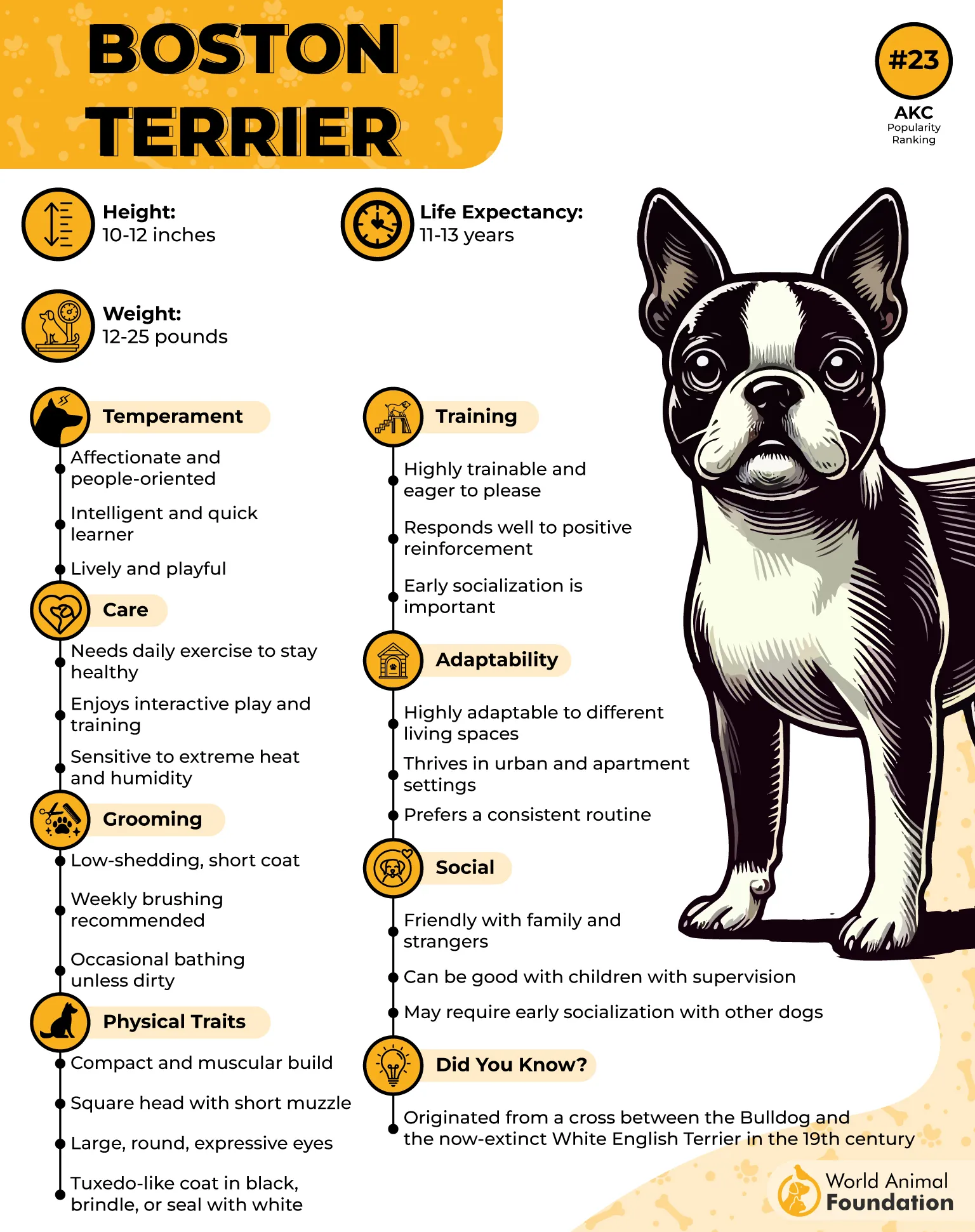
Their energy usually appears in lively bursts rather than marathon-level endurance. Several short walks, indoor games, fetch sessions, trick practice, or carefully managed dog sports can suit them better than one punishing workout.
Positive reinforcement generally works beautifully because Boston Terriers are sensitive, socially motivated, and often eager to earn praise.
PetMD reports that flat-faced breeds are at substantially increased risk of heat-related illness. At the same time, it is recommended to exercise Bostons during cooler periods and closely monitor for signs of breathing difficulties.
What Makes Them Remarkable
They balance clown-like playfulness with a deeply affectionate companion-dog temperament.
Their compact build and adaptable exercise routine can work well for active city households.
3. Toy Poodle
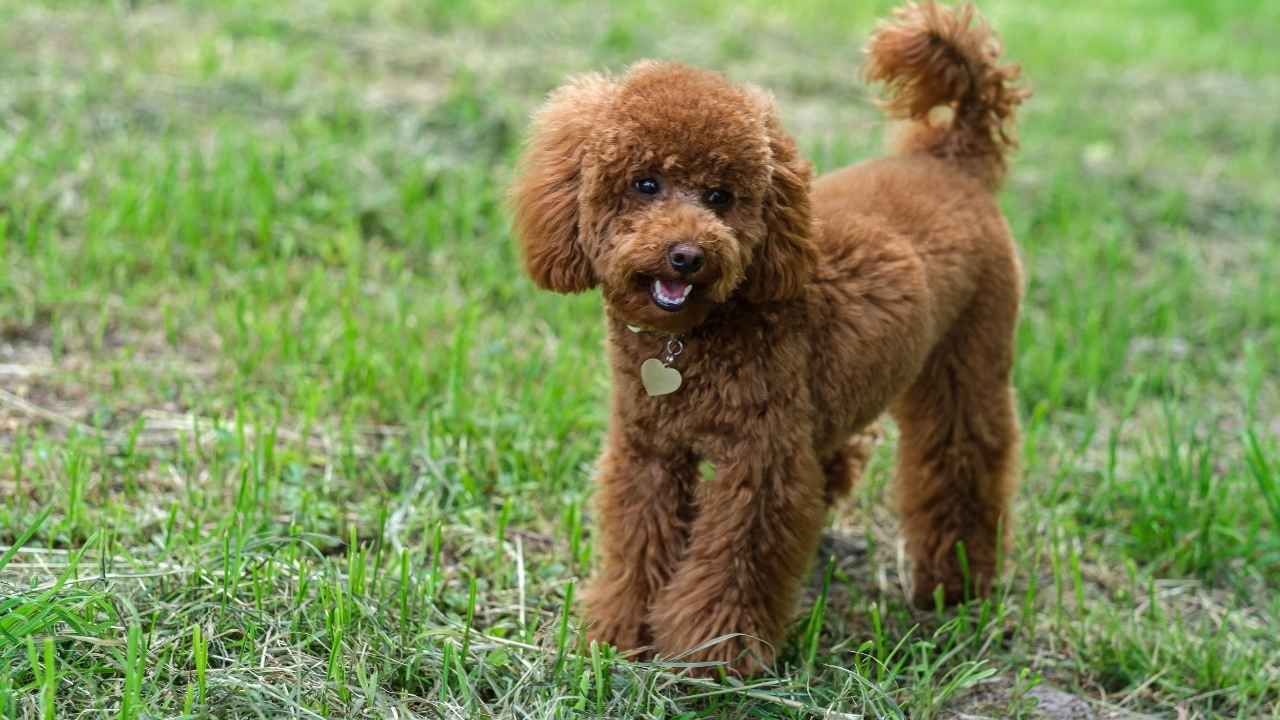
A Toy Poodle may look like a perfectly styled celebrity, but behind the glamorous curls is an energetic problem-solver constantly analysing the room. They are agile, self-confident, and intelligent, which explains why these dogs frequently excel at learning tricks and routines.
Toy Poodles form strong connections with their people and usually want to be included rather than observed from the sidelines. Their emotional sensitivity makes gentle handling especially important, while thoughtful socialisation can help them become confident around visitors, children, and other pets.
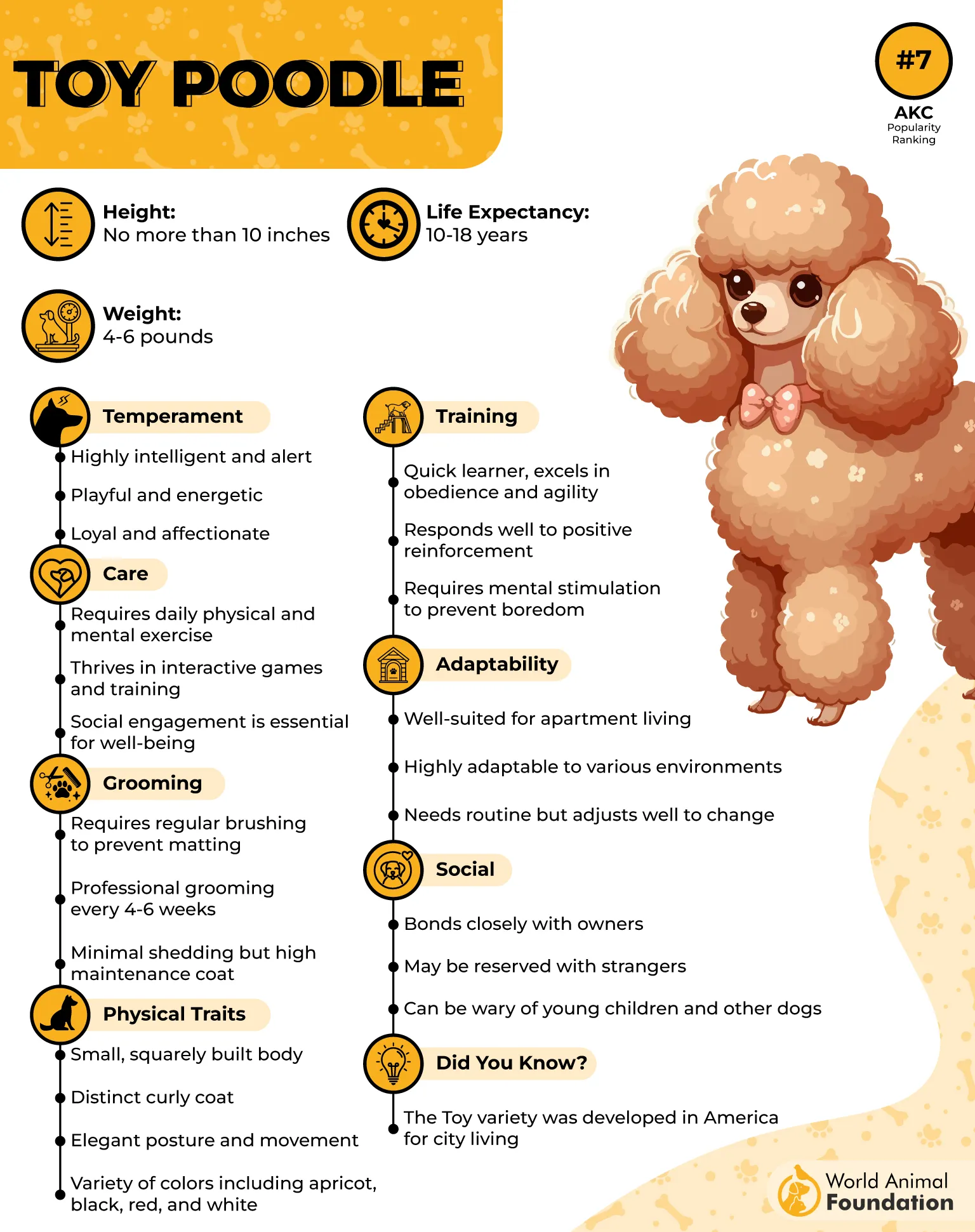
Daily movement can include neighbourhood walks, retrieving toys, indoor hide-and-seek, carefully designed agility exercises, or enthusiastic games in a secure space. Poodles were historically connected with water retrieving, and many retain an instinctive interest in swimming and carrying objects.
The famous low-shedding coat still requires substantial maintenance because loose hair can become trapped in the curls, forming mats. Regular brushing, bathing, trimming, nail care, dental hygiene, and professional grooming should be considered part of the normal ownership budget.
What Makes Them Remarkable
Their combination of athletic ability and rapid learning makes everyday training genuinely exciting.
Toy Poodles can adapt to compact homes without becoming mentally or physically inactive.
4. Yorkshire Terrier
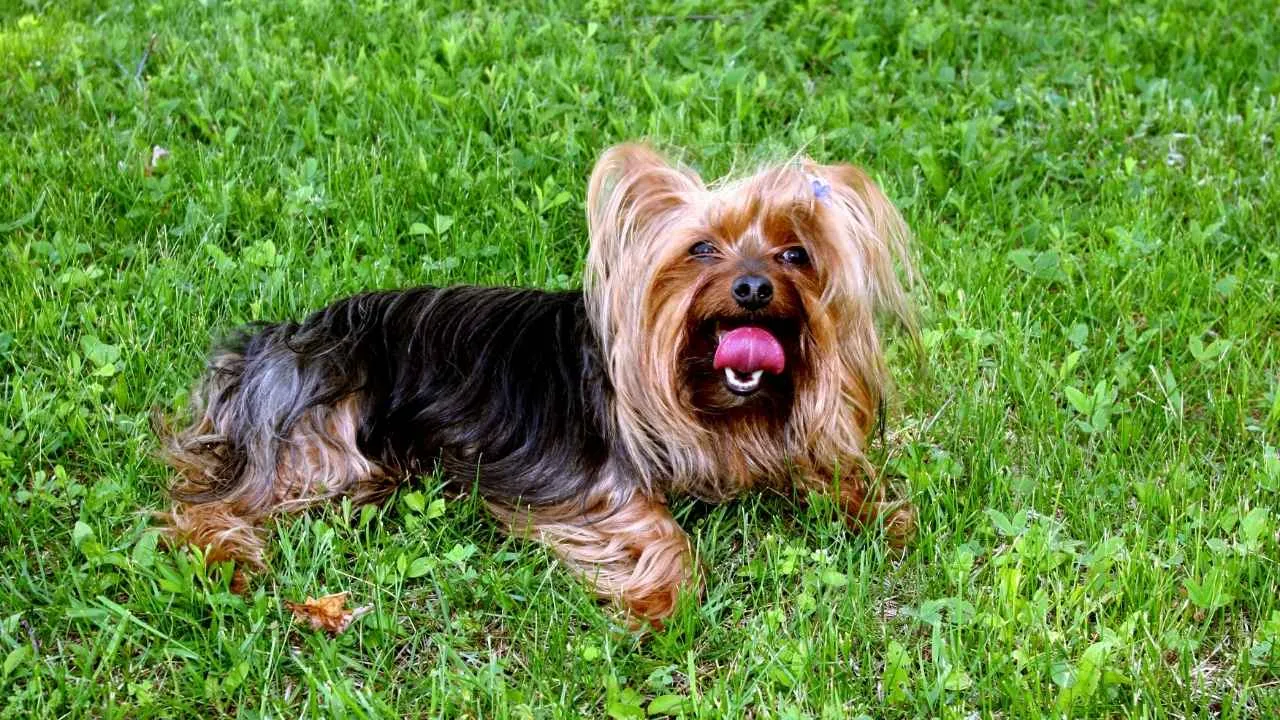
Yorkshire Terriers carry themselves with the confidence of someone who owns the building, even when they need assistance climbing onto the sofa. Their history as genuine terriers explains the alertness, courage, curiosity, and determination hiding beneath that silky coat.
These small pups often become intensely devoted to their favourite humans and enjoy being close to the centre of household activity. They can live happily in flats or smaller houses when given walks, games, attention, and opportunities to investigate the outside world.
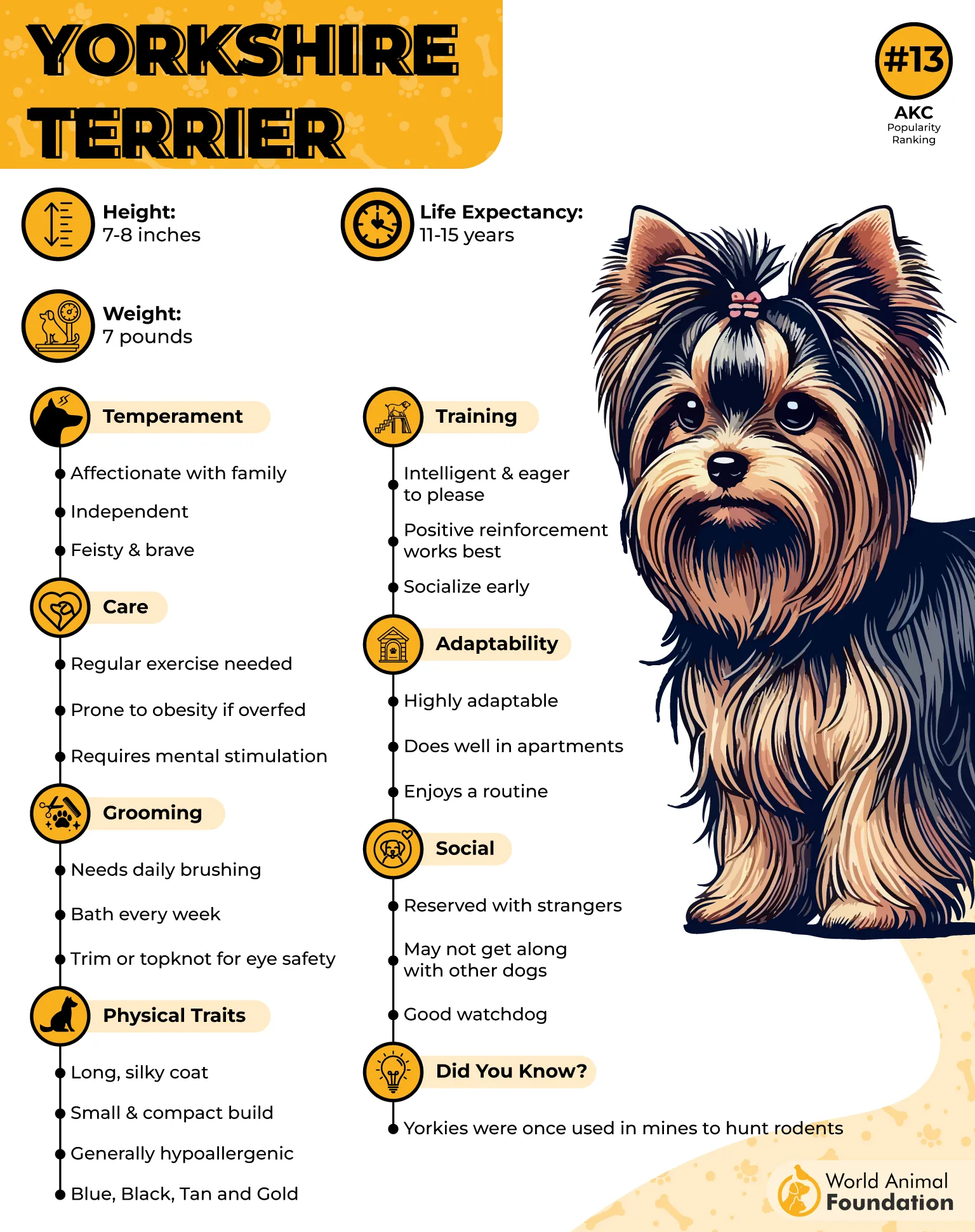
A pair of short walks, playful training exercises, indoor chasing games, or a mini agility course can help release their physical energy. Despite their size, Yorkies can participate in obedience, rally, therapy work, and agility when activities are introduced safely.
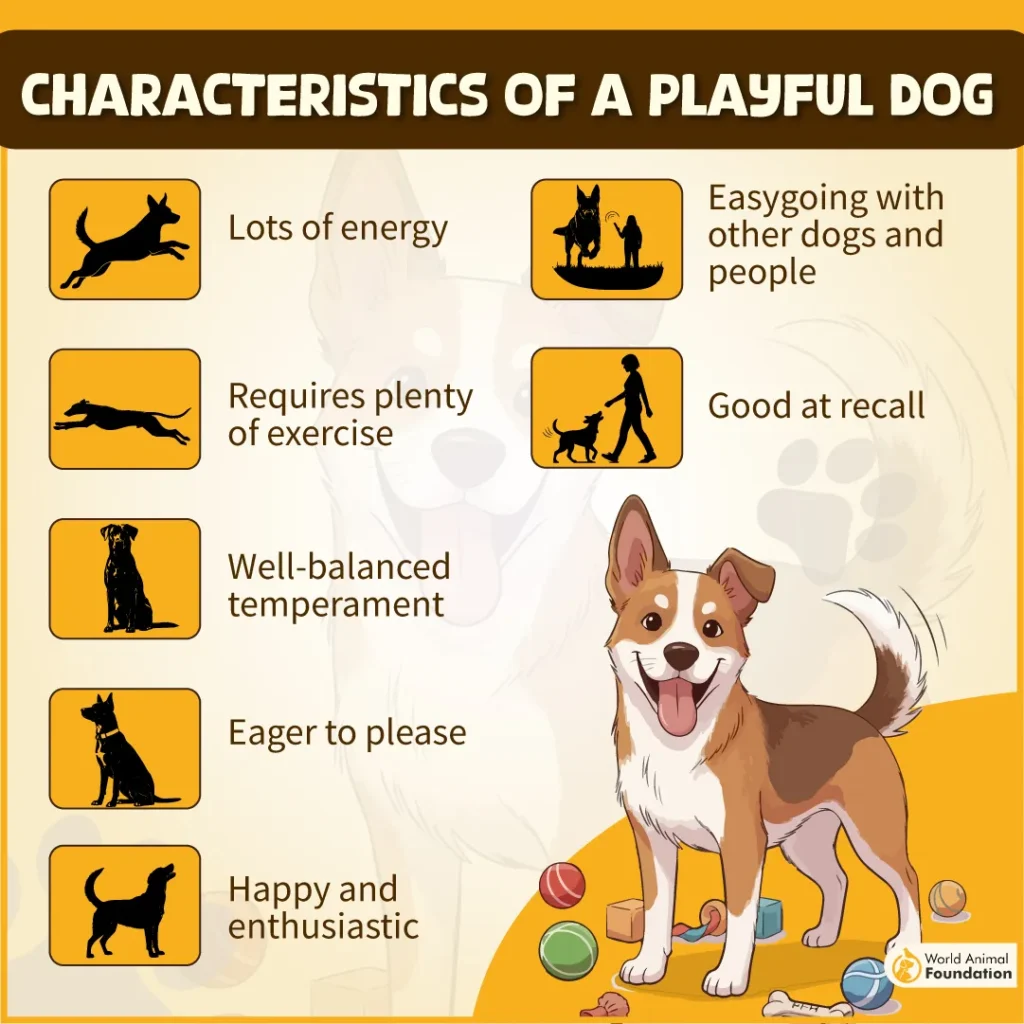
Their alert nature makes them useful little watchdogs, but barking left unmanaged can become stressful in a busy building. Desensitisation to hallway noises, visitors, doorbells, and passing dogs can teach them that not every sound deserves a breaking-news announcement.
What Makes Them Remarkable
Yorkies preserve the grit and curiosity of a working terrier within an exceptionally portable frame.
Their social confidence can turn a simple walk into a neighbourhood meet-and-greet event.
5. Papillon
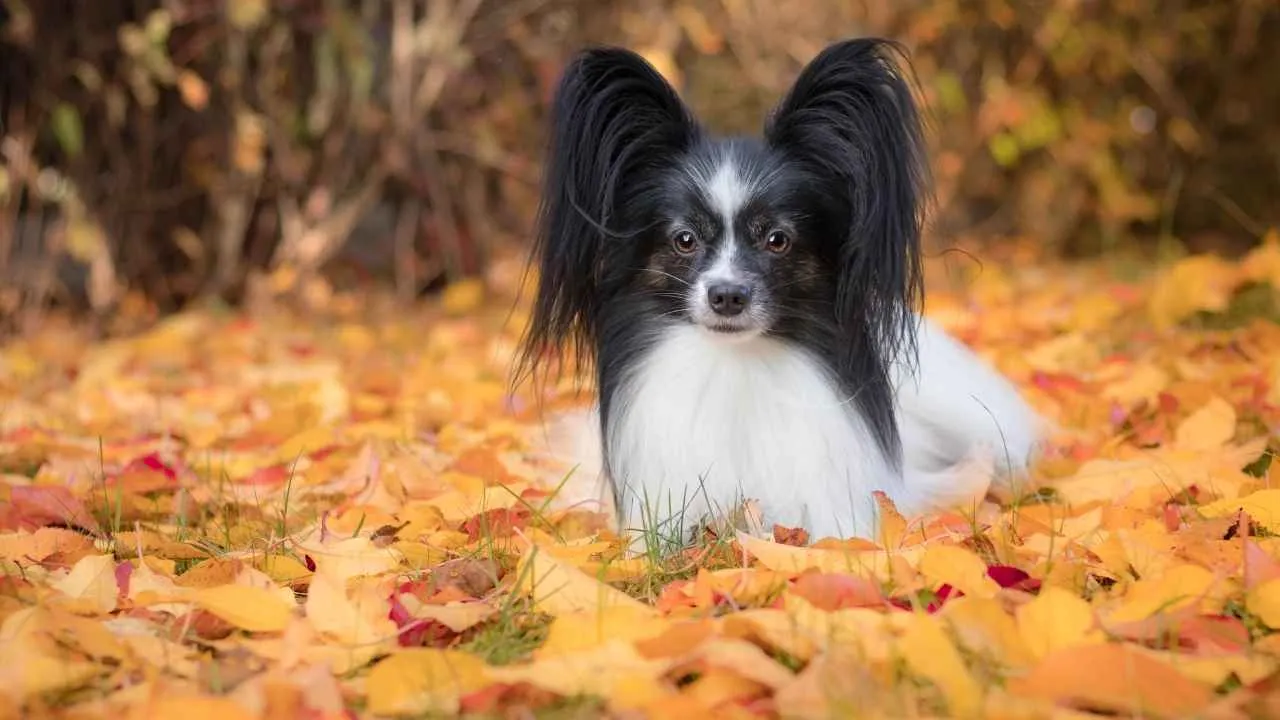
The Papillon looks delicate enough to belong in a royal portrait, yet its personality is closer to an energetic honour student who joined every extracurricular activity.
They are usually alert, friendly, affectionate, and highly interested in the humans around them. Their open nature can help them settle into family life, particularly when positive social experiences begin during puppyhood.
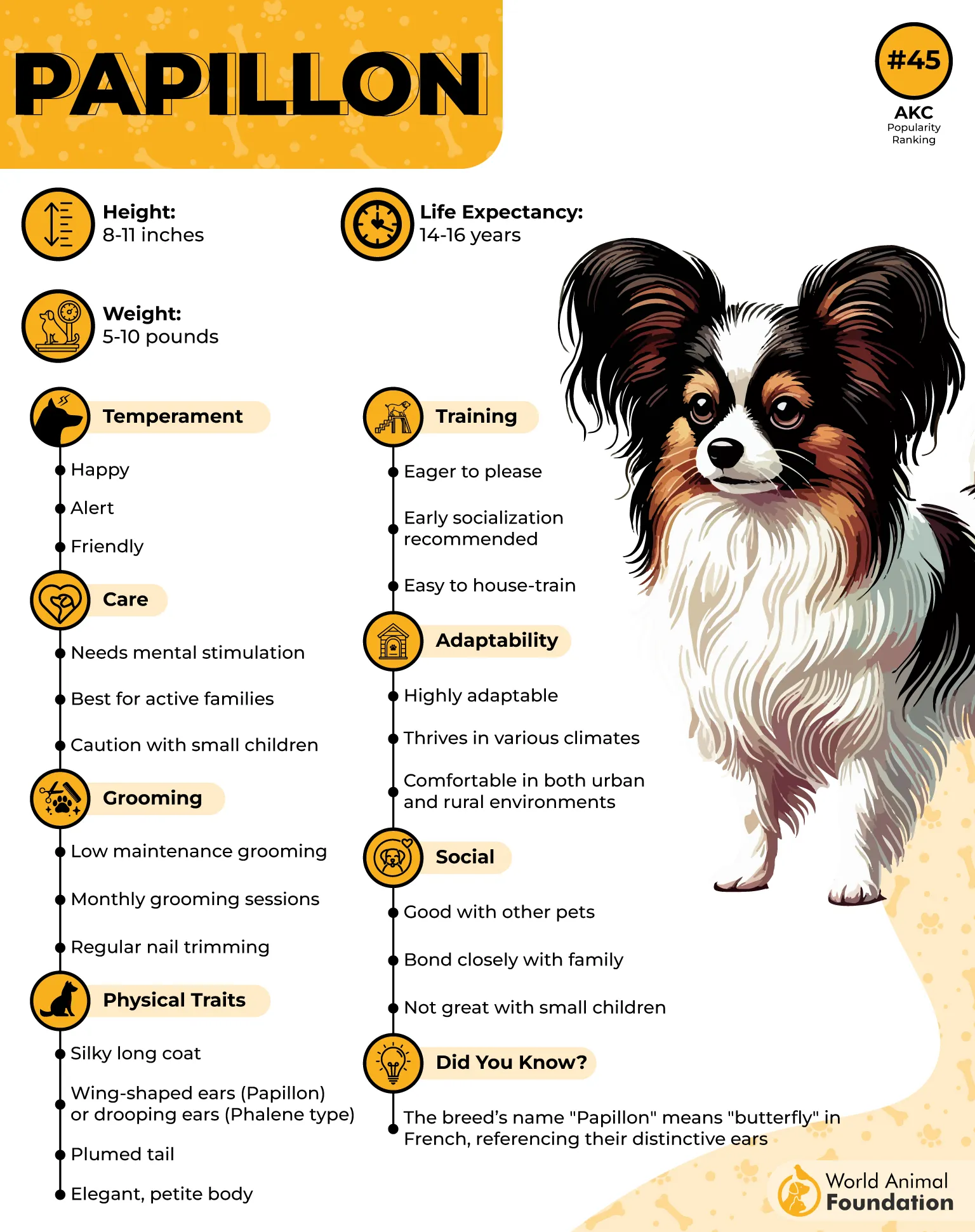
They pack impressive athleticism into very small physical space. Papillons enjoy retrieving toys indoors, running in secure areas, exploring on walks, and learning energetic games with their families.
Their intelligence and eagerness to engage make advanced trick training, scent work, obedience, and canine sports natural outlets. A Papillon can quickly learn household routines and may begin predicting events from tiny clues, such as recognising which shoes mean walk time.
What Makes Them Remarkable
Their feather-light appearance conceals an athlete capable of thriving in demanding canine sports.
Papillons combine companionable warmth with the curiosity of a dog that genuinely enjoys learning.
6. Bichon Frise
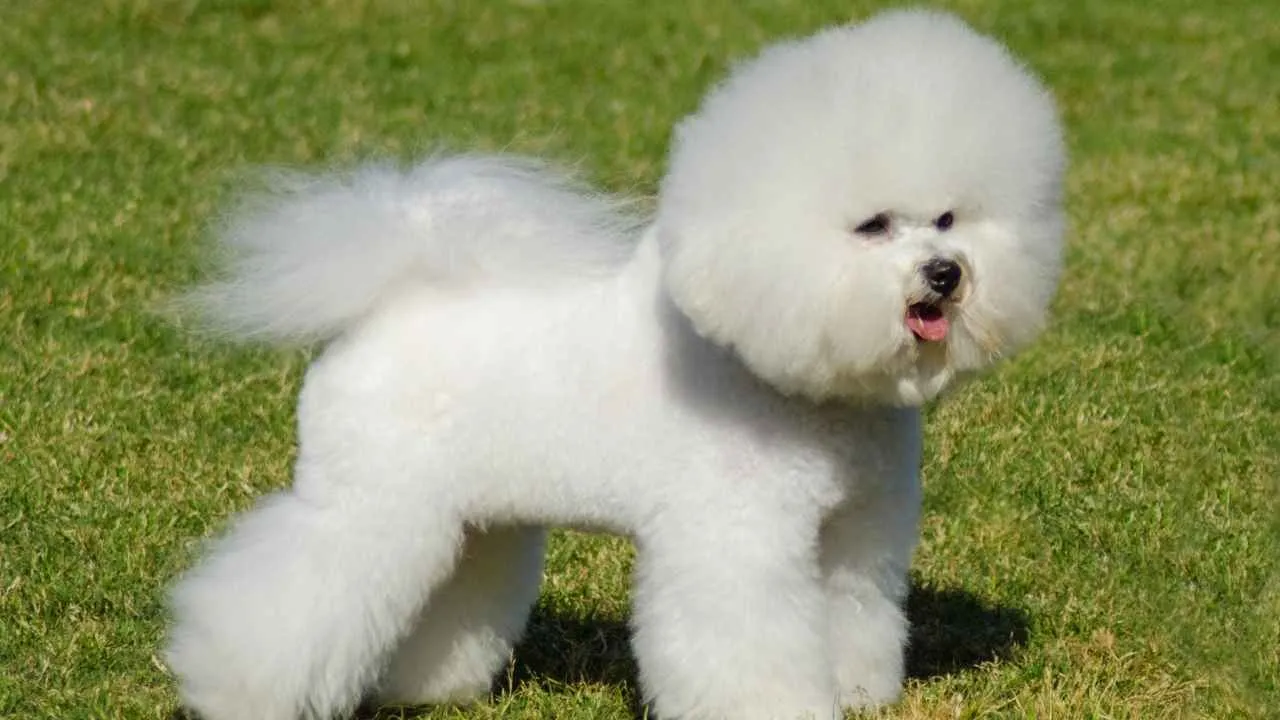
The Bichon Frise resembles a cloud that gained legs, confidence, and impeccable comic timing. These cheerful dogs have spent centuries charming people, including members of European nobility, with their intelligence and naturally sociable manner.
Their friendly reputation makes them appealing to families, older adults, and multi-pet households. Properly introduced Bichons often get along with children, dogs, cats, and unfamiliar people, although responsible supervision should remain standard during interactions.
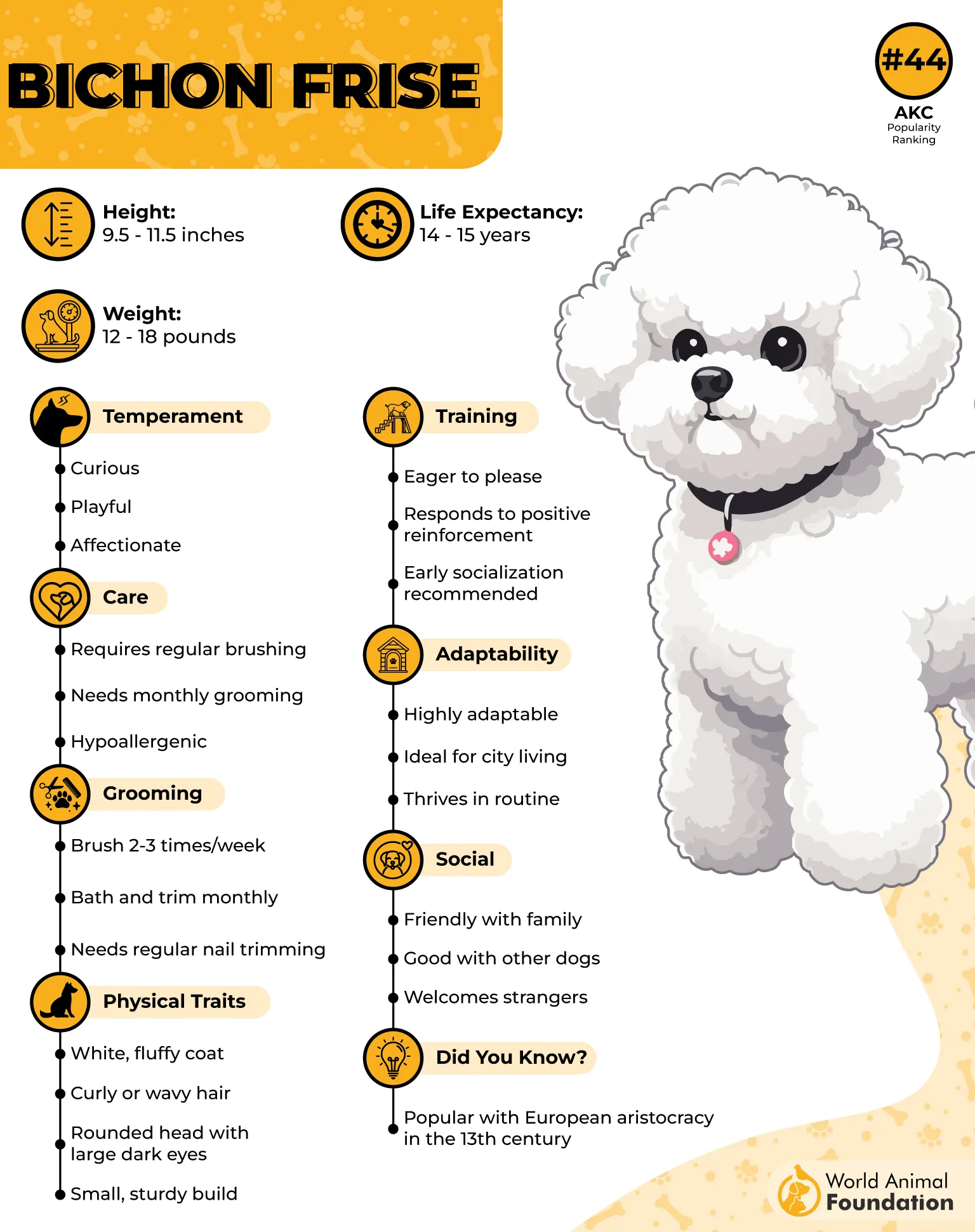
American Kennel Club says Bichons often alternate between calm lounging and explosions of speed, commonly nicknamed the “Bichon blitz.” Daily walks and interactive play are generally more suitable than extreme endurance exercise, yet their sturdy build allows many to enjoy agility, rally, and obedience.
They are intelligent performers who frequently learn tricks and basic cues quickly when rewards and enthusiasm are involved. Housetraining may require extra patience, consistency, careful scheduling, and close observation, so potential owners should not assume every lesson will be effortless.
What Makes Them Remarkable
Their sociability helps them spread joy across families, friendship groups, and therapeutic settings.
Short activity bursts allow them to be energetic without demanding an endurance-athlete household.
7. Chihuahua
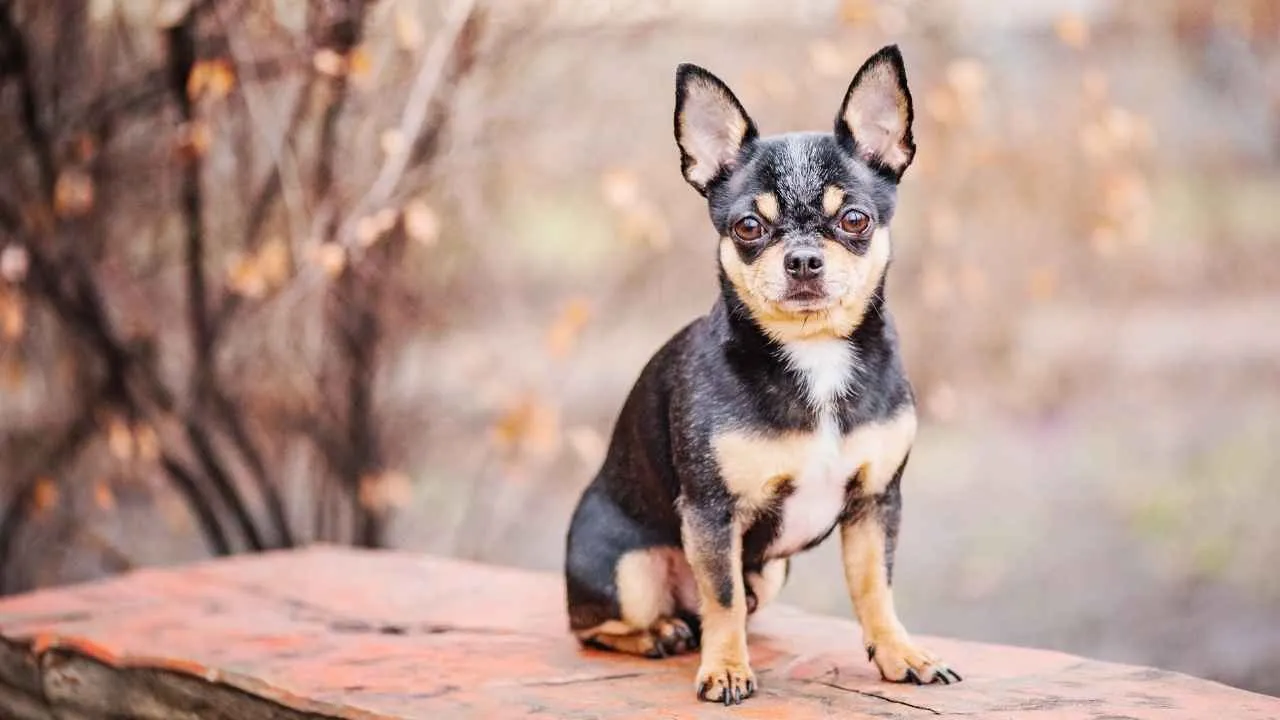
The Chihuahua may be the smallest breed in this group, but no one has successfully explained that to the Chihuahua. Alert, graceful, charming, and famously sassy, these dogs often move through life with the confidence of a nightclub owner inspecting the VIP section.
Some of the best small dog breeds for families: they commonly form strong attachments to one or more trusted people and may seek warmth, closeness, and frequent physical contact. Their loyalty can be deeply touching, but insufficient socialisation may encourage suspicion, anxiety, or noisy reactions around unfamiliar people and animals.
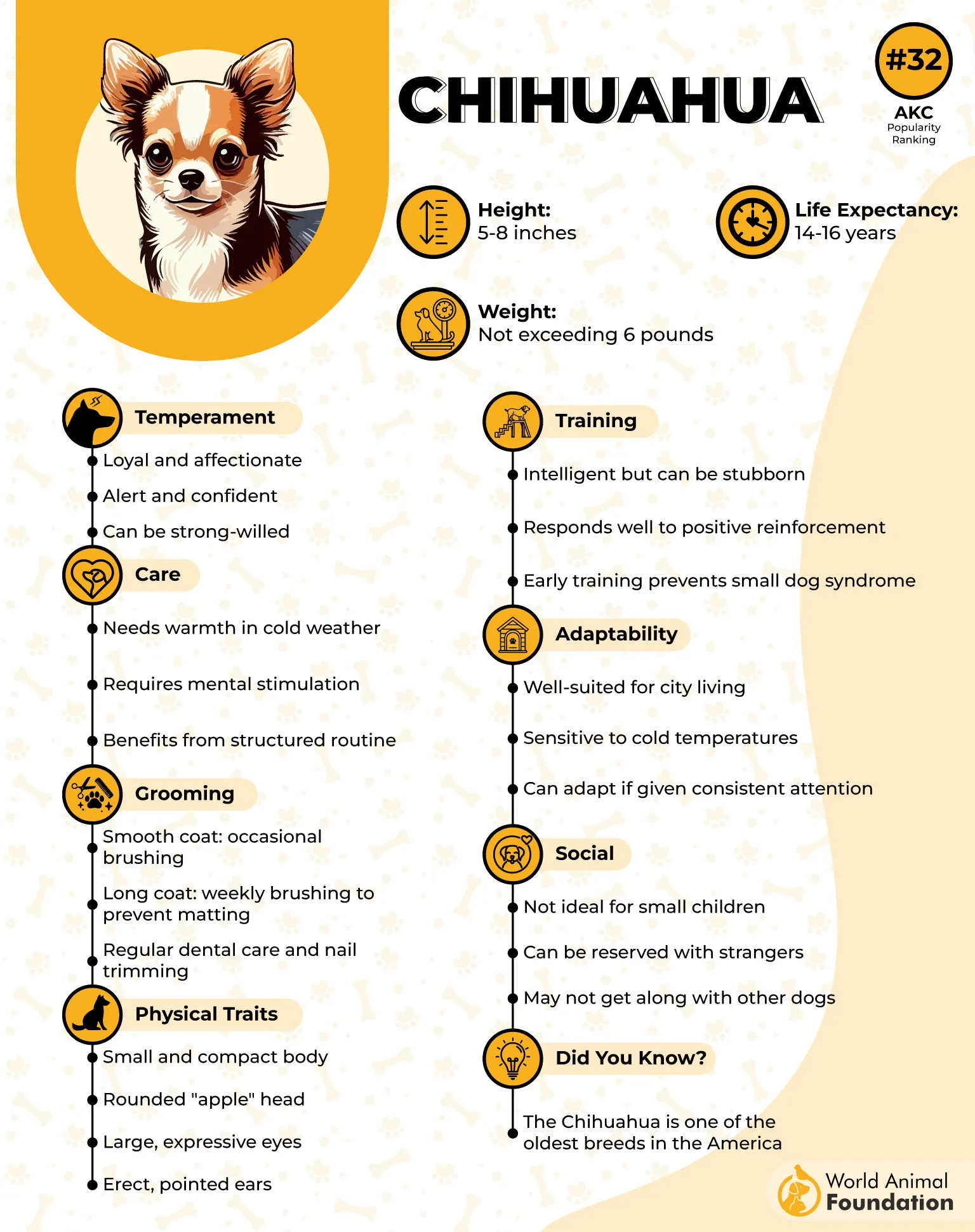
These family dogs are energetic enough to enjoy short walks, indoor games, toy-chasing, and playful training, yet their exercise needs can often be met in a relatively small area. Because of their small size, strenuous distances and forced high-speed activity are unnecessary and can become physically overwhelming.
American Kennel Club says that with respectful handling and thoughtful training, they become hilarious, affectionate companions whose bravery is somehow both inspirational and wildly disproportionate.
What Makes Them Remarkable
They offer intense loyalty and lively companionship in one of the canine world’s smallest bodies.
A Chihuahua can meet much of its activity requirement through manageable walks and creative indoor play.
Conclusion
Before getting a dog, consider exercise requirements, grooming costs, noise sensitivity, prey drive, training style, heat tolerance, fragility, alone time, and compatibility with children or existing pets. Breed tendencies are useful guides rather than guarantees because personality, health, upbringing, socialisation, and individual experience shape every dog.
A responsible owner provides veterinary care, positive training, appropriate food, safe exercise, enrichment, companionship, and respectful boundaries regardless of breed.
