




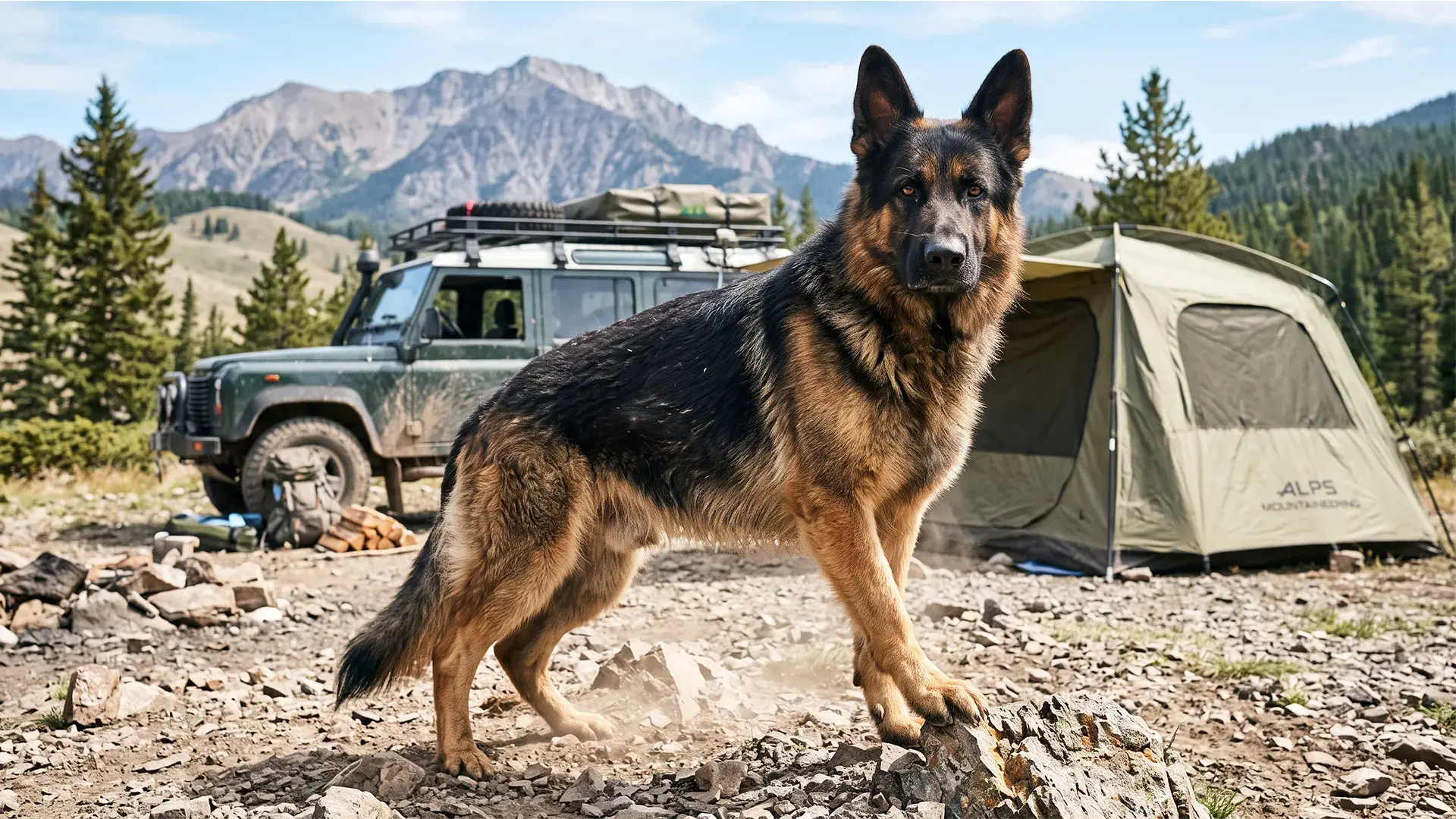
Off-road camping is not the same as parking beside a serviced campsite with electric sockets, clean bathrooms, and a snack shop conveniently waiting nearby. Remote trips can involve rocky trails, muddy tracks, river crossings, steep ground, wildlife, sudden weather changes, and long distances from veterinary assistance.
“Fearless” should never mean reckless, aggressive, or willing to chase every animal that moves. The best wilderness companions remain composed on unfamiliar surfaces, recover quickly after startling noises, and look to their handlers when the environment becomes confusing. Courage with functional brakes is the real outdoorsy flex.
The seven breeds below bring distinct styles of adventure to remote camps. Some dominate long, cool-weather routes, others handle warmer open country, and several offer the trainability needed for technically demanding environments.
Fearless Dog Breeds That Love Off-Road Camping Trips
1. Rhodesian Ridgeback
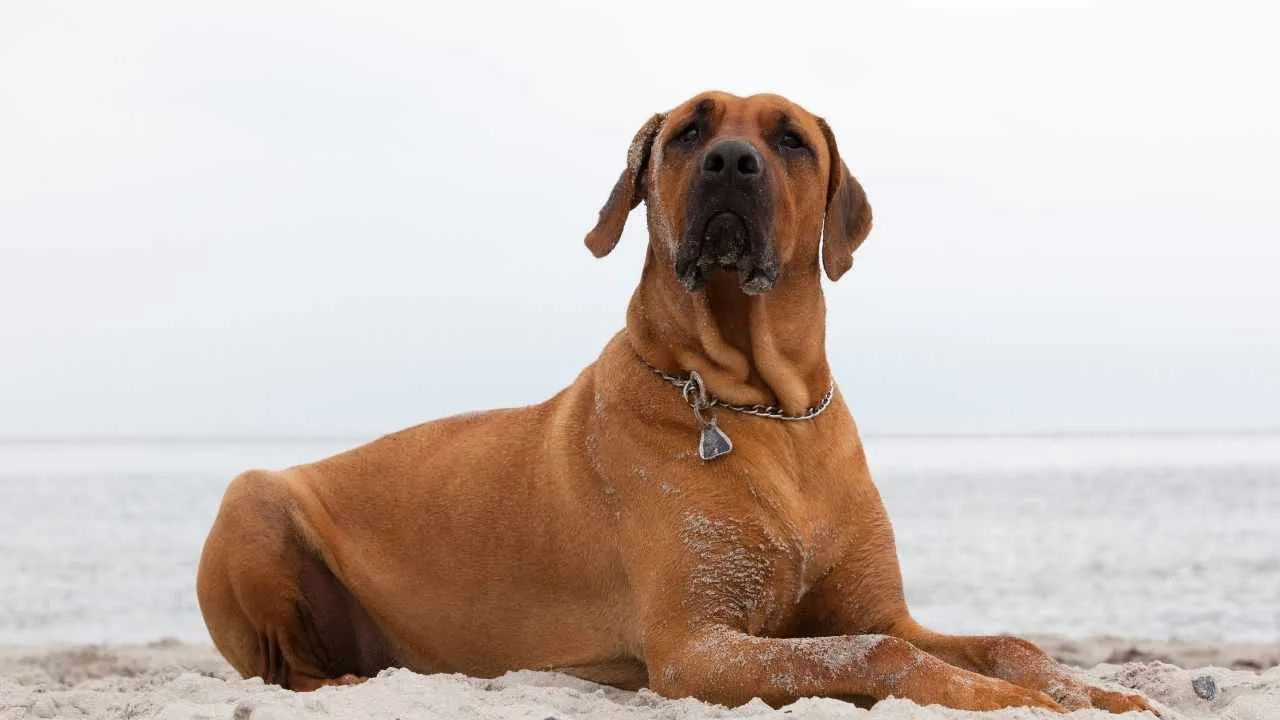
The Rhodesian Ridgeback was developed in southern Africa as an athletic, all-purpose hound capable of tracking large game over extensive distances, originally bred as a powerful dog with endurance, environmental awareness, and the ability to remain functional in rough or demanding terrain.
On an off-road route, it generally performs best at a controlled hiking pace that allows it to conserve energy over several hours. Strong legs and a deep chest support travel across rolling hills, scrubland, dry tracks, and uneven open country, while the short coat does not become heavily loaded with mud or vegetation.
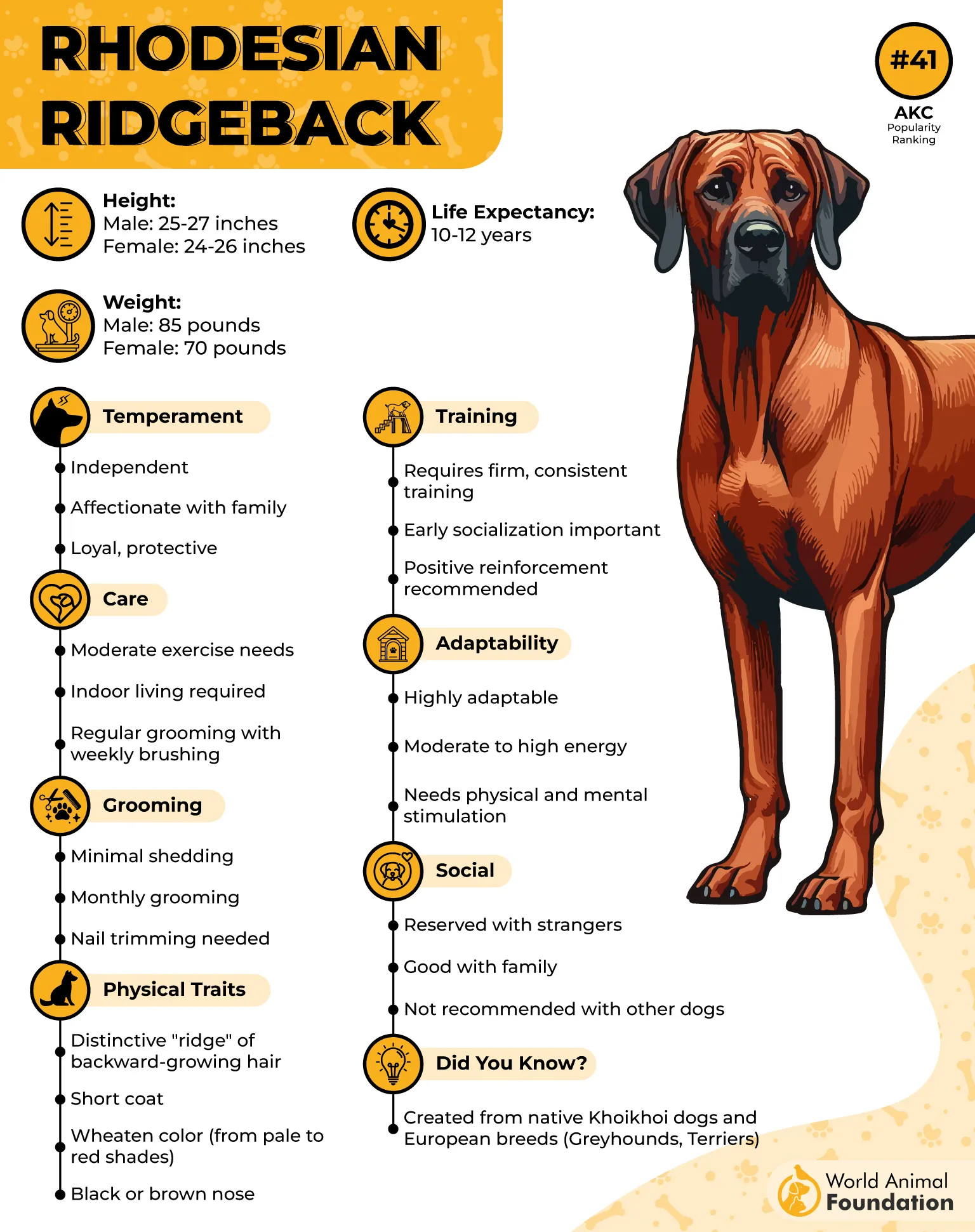
These active dogs tend to be reserved around strangers and deeply attached to their families, according to Omlet, making for a useful combination at isolated campsites. They may notice approaching people, animals, or vehicles before the rest of the group, yet a stable dog should observe calmly rather than treating every sound as an automatic emergency.
Prey drive is the biggest management concern when deer, rabbits, or other wildlife suddenly appear. A Ridgeback that begins pursuing an animal can cover serious distance before the handler has finished regretting the decision to remove the leash, so physical restraint remains safer than betting everything on recall.
2. Golden Retriever
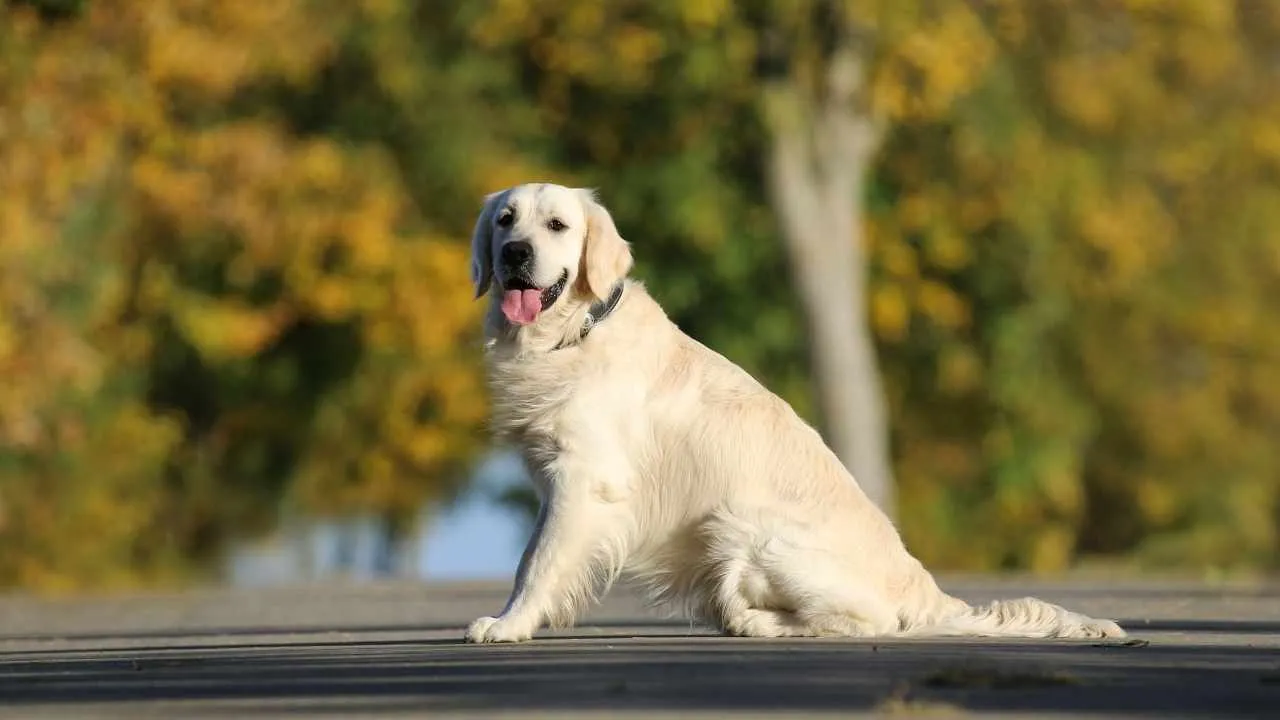
The Golden Retriever was developed in the Scottish Highlands as a sturdy gundog capable of finding and recovering birds from land and water, as PetMD states.
Golden Retrievers usually approach rough camping trips with joyful enthusiasm rather than suspicious caution. They enjoy hiking, swimming, carrying objects, and helping with activities, although their definition of “helping” may include proudly transporting a wet branch directly into the tent.
Water is both a major advantage and an ongoing management challenge with this breed. A Golden may confidently enter lakes and shallow rivers, but strong currents, cold water, hidden debris, and steep banks remain dangerous regardless of swimming ability.
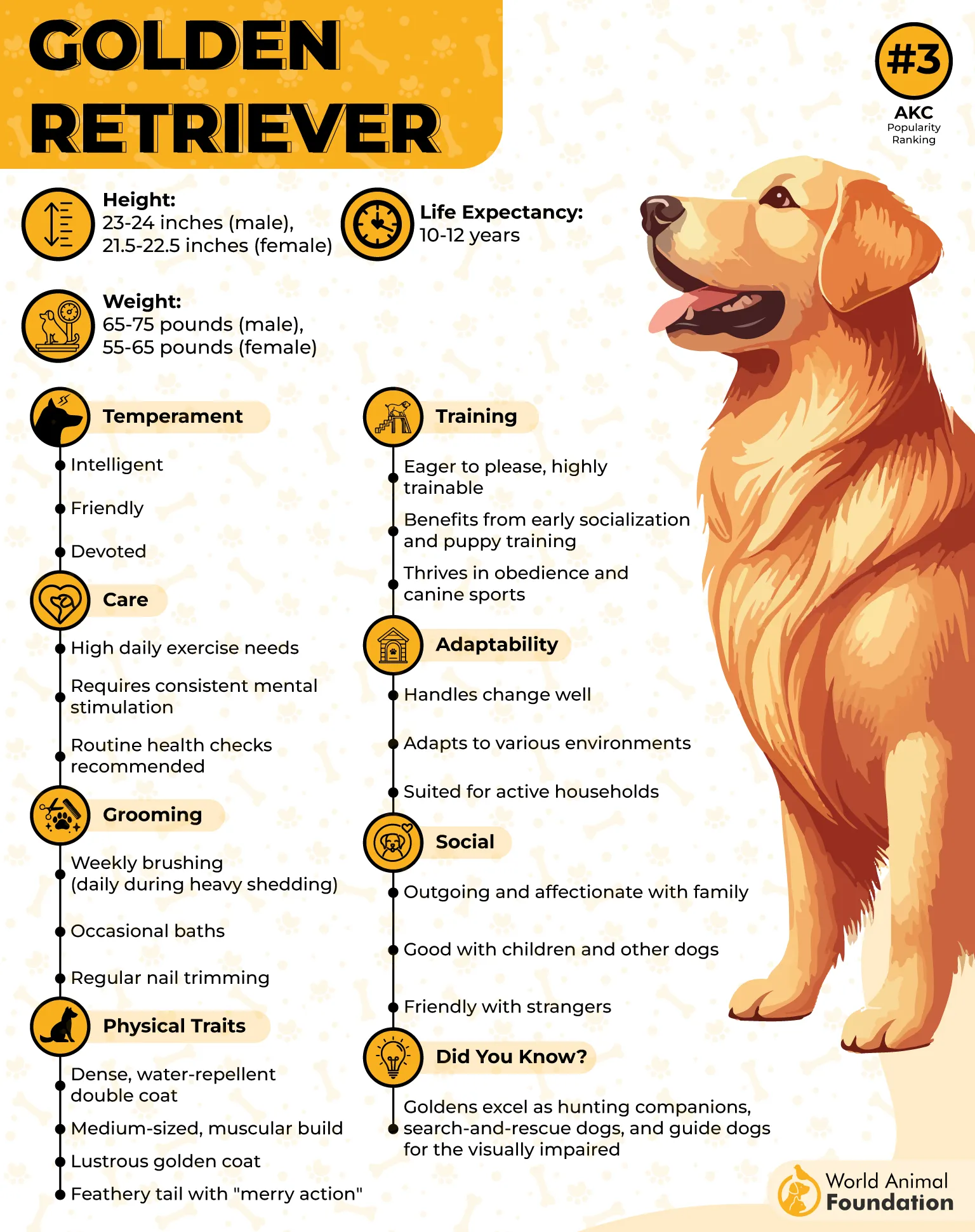
The dense coat protects the dog from cool weather and damp vegetation, yet the feathering collects seeds, burrs, mud, ticks, and foxtails. Experts recommend thoroughly checking a dog at the end of each day and removing any debris before it forms mats or causes skin problems.
These high-energy dogs are food-motivated, social, and curious, so campsite manners deserve serious attention. A trained place cue can stop the dog from visiting neighbouring tents, investigating cooking equipment, or helping itself to provisions that were allegedly packed for humans.
3. Australian Shepherd
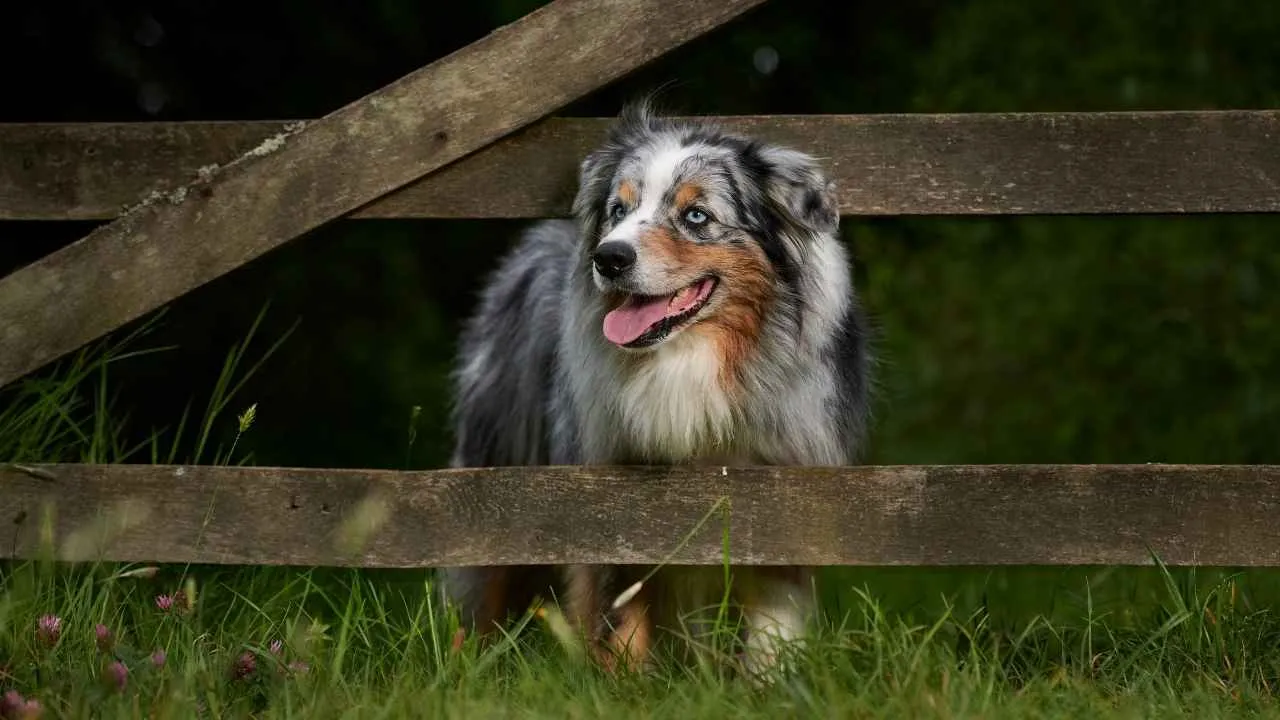
The Australian Shepherd is an American-developed ranch dog closely associated with livestock work, rodeos, and Western riding culture despite its geographical name.
Aussies move across technical terrain with excellent body awareness. Their agility helps them negotiate rocks, roots, narrow tracks, shallow water, and sudden changes in elevation without carrying the bulk of a giant working breed.
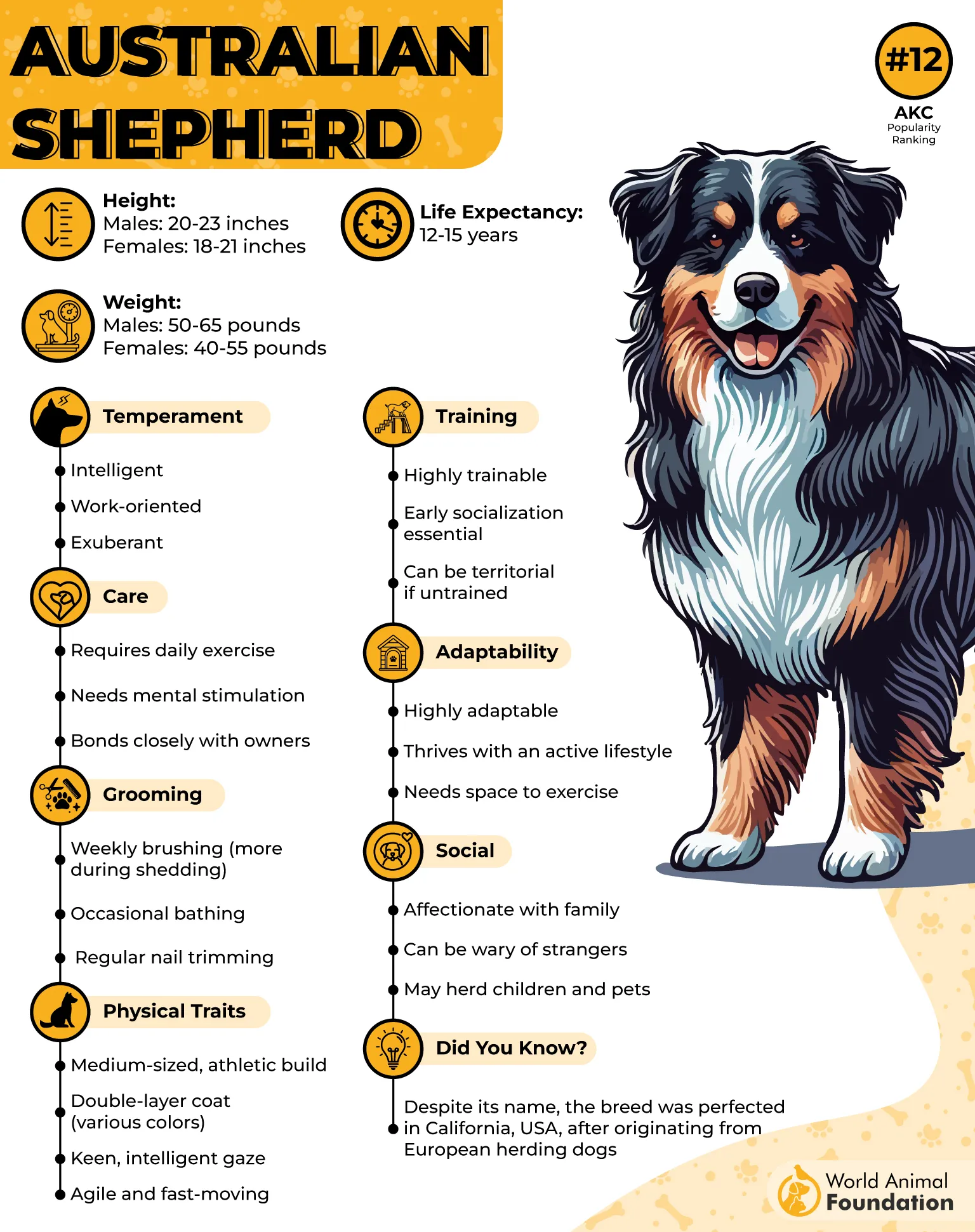
Mental exercise matters as much as physical distance for this athletic breed. Campsite tasks such as carrying light equipment in a correctly fitted pack, locating hidden objects, practising directional cues, or waiting beside gear can keep the Aussie’s brain productively engaged.
The Australian Shepherd’s double coat offers useful protection against cool temperatures and changing conditions, but it requires daily inspection in brush-heavy terrain. Burrs, grass seeds, ticks, and tangles can become buried in the feathering behind the ears, legs, tail, and chest.
Motion sensitivity and herding instinct can complicate encounters with mountain bikers, horses, runners, and wildlife. Owners should teach loose-leash walking, emergency stops, calm passing, and a reliable focus cue before attempting crowded or narrow routes.
4. German Shepherd Dog
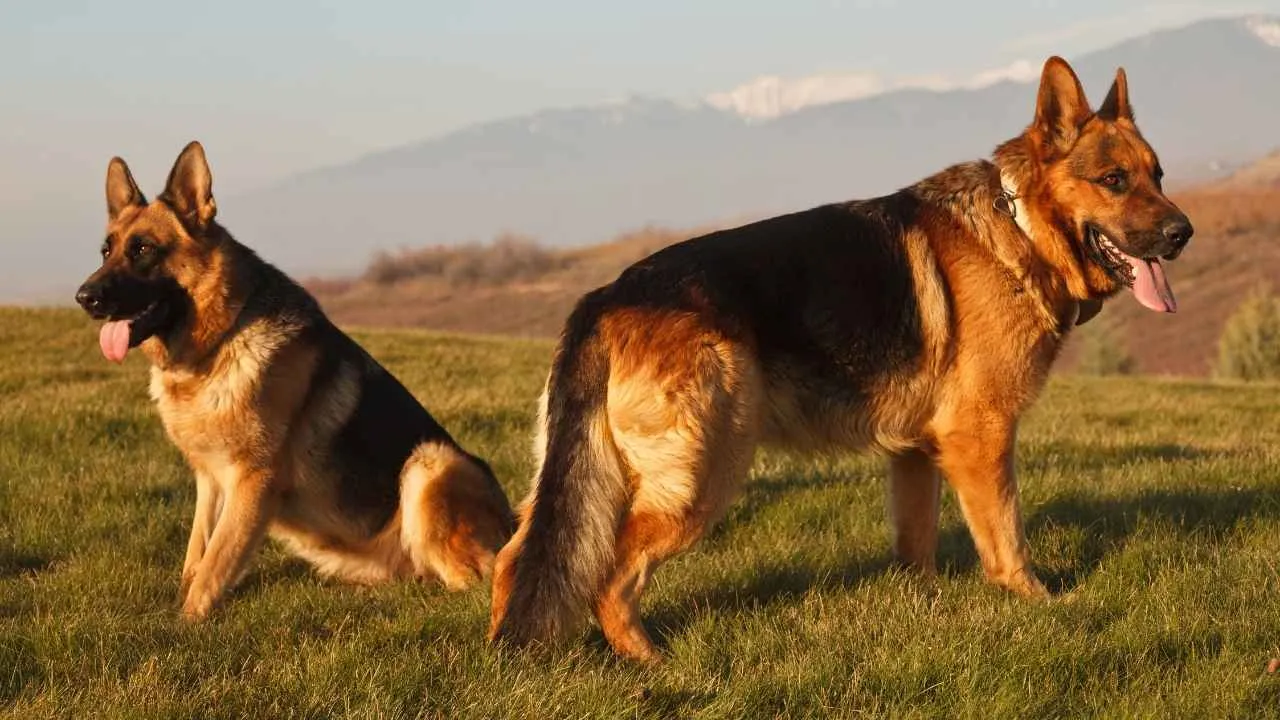
The German Shepherd Dog is a large, agile, muscular breed known for intelligence, courage, confidence, and versatility.
On rugged camping routes, a fit German Shepherd combines endurance with deliberate movement. It can climb, balance, cross shallow water, and follow directional commands while carrying enough physical presence to make its handler feel less alone in remote country.
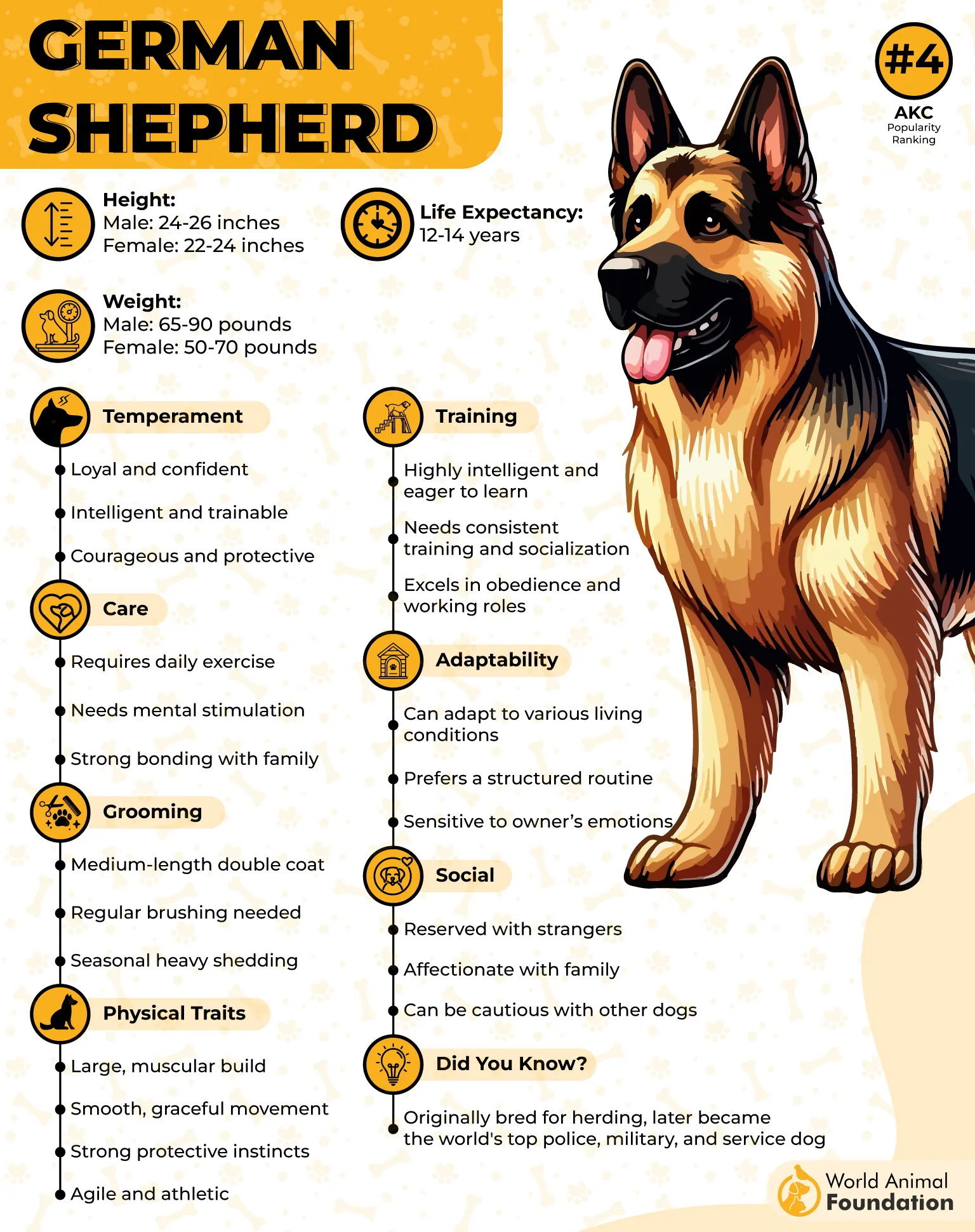
These athletic dogs are naturally observant and may remain alert when the group settles for the night. They often notice distant footsteps, vehicles, animals, or unusual sounds and may position themselves to watch the tent entrance.
A dense double coat helps protect the Shepherd in cool, wet, or windy conditions, although it also traps loose hair and trail debris. The coat does not make the breed invulnerable to extreme cold, heat, wetness, or prolonged exposure, so suitable shelter and bedding remain essential.
5. Vizsla
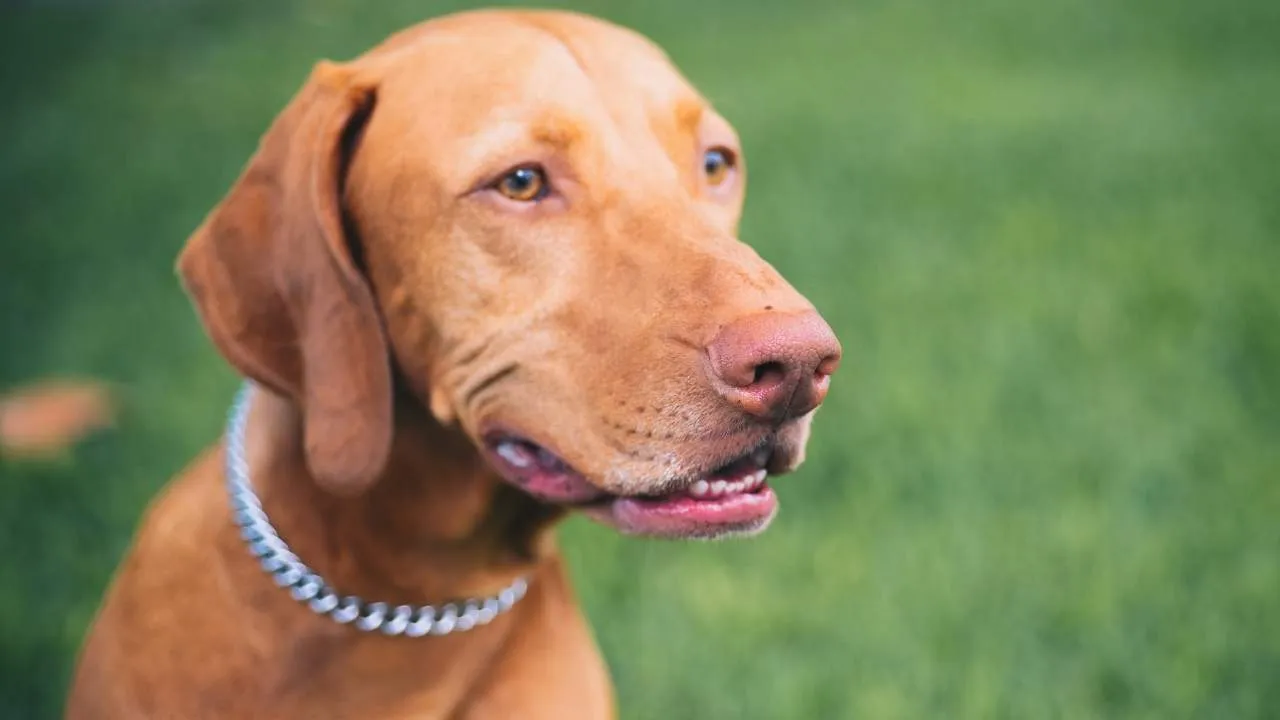
The Vizsla is a Hungarian gundog developed for long working days in the field. It combines speed, endurance, scenting ability, and close cooperation with its handler, making it particularly attractive to hikers who want an intensely engaged companion.
A conditioned adult Vizsla can cover substantial ground without the heavy body mass of larger working dogs. Its light frame supports efficient movement over dry trails, woodland tracks, grassland, and moderate climbs, while quick reactions help it negotiate rapidly changing surfaces.
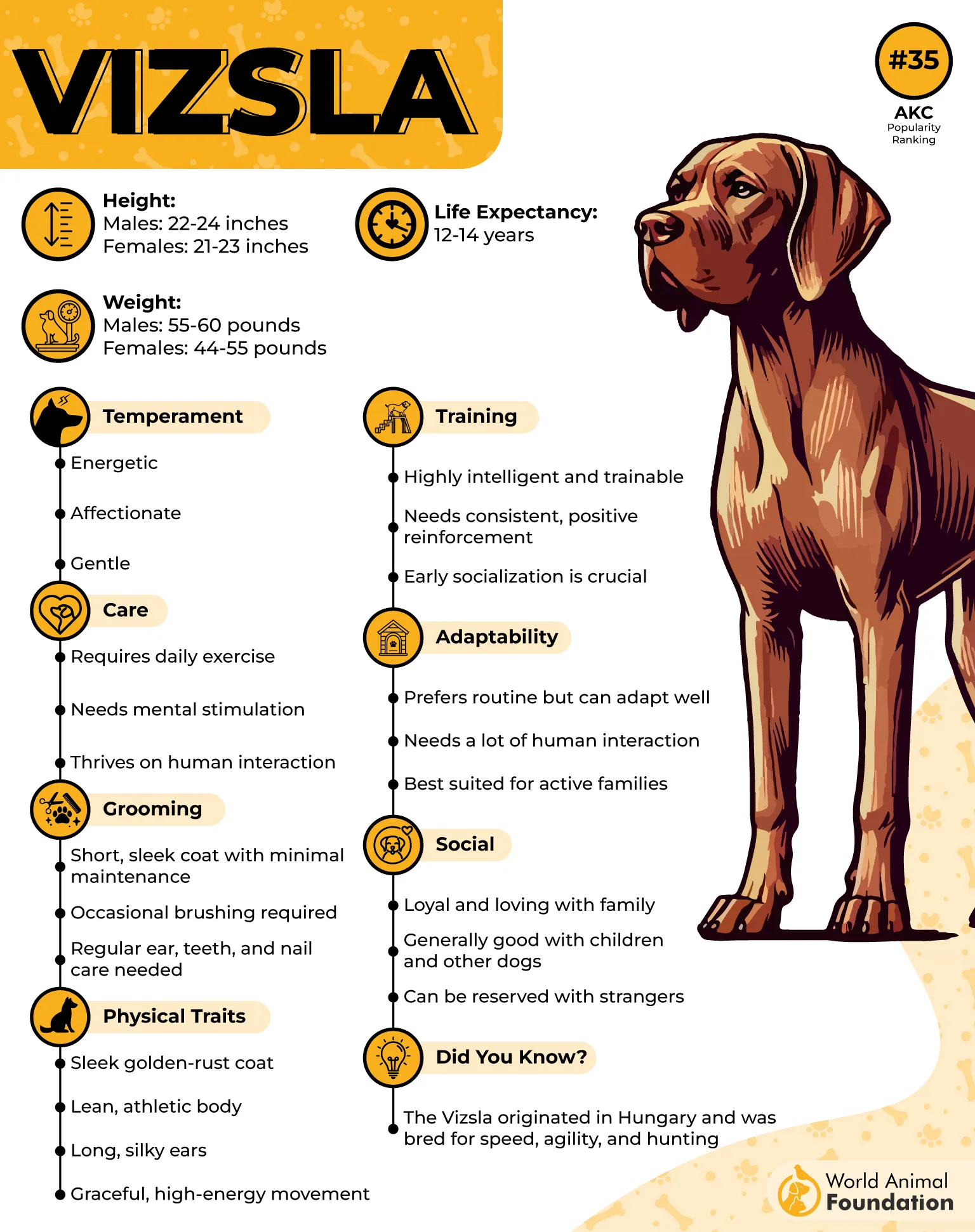
These great hiking companions are people-oriented and often prefer remaining physically close to their owners. That attachment can support trail communication and campsite cooperation.
The breed’s smooth coat is easy to clean after dust, sand, or light mud, yet it offers little protection from cold weather. These energetic dogs may need insulated clothing, dry bedding, and space inside the tent during chilly nights, particularly after rain or strenuous exercise.
6. Siberian Husky
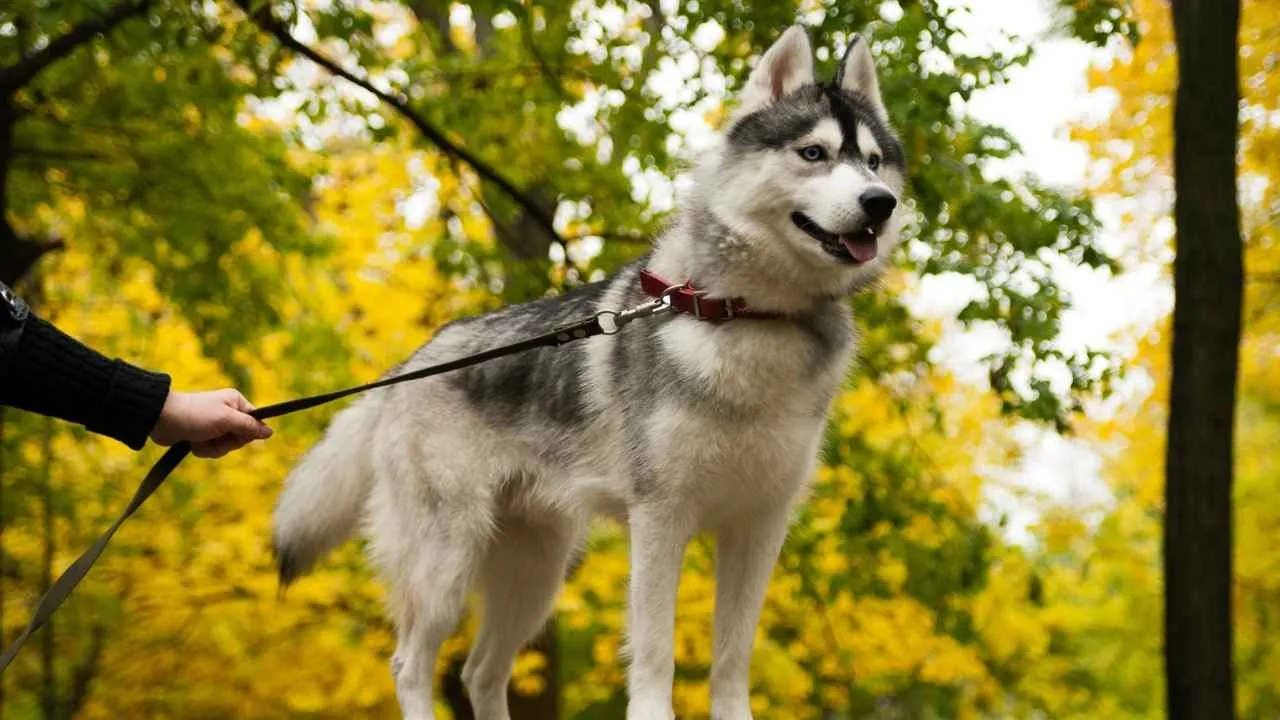
The Chukchi people of northeastern Asia developed the Siberian Husky to pull light loads at moderate speeds across vast frozen distances.
This sled dog often performs best on long, steady routes where stamina matters more than explosive speed. Snowy forest roads, cool mountain tracks, and winter camps allow the breed to use the equipment its ancestors spent generations perfecting.
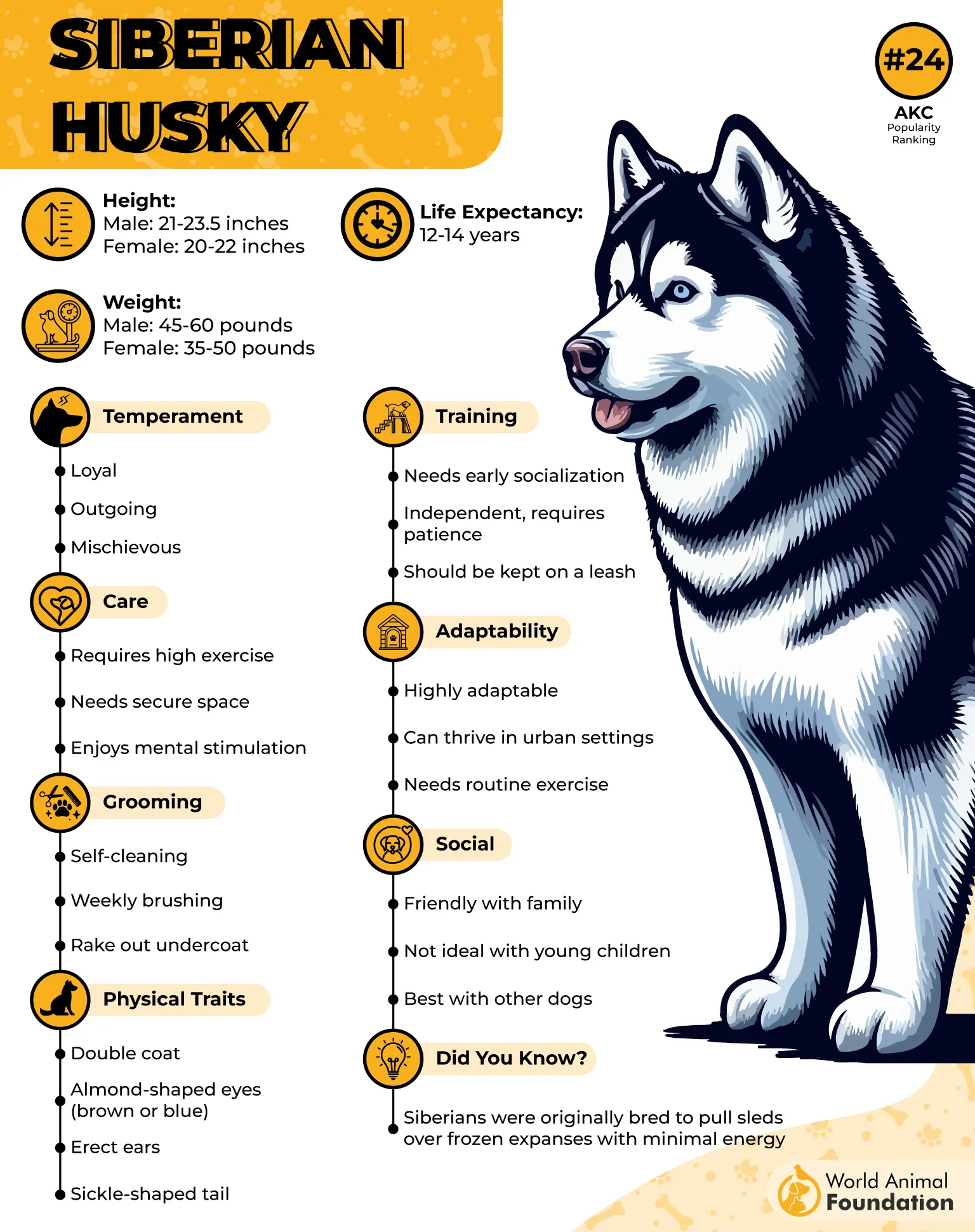
These dogs are social, playful, and accustomed to working in groups, which can make them enjoyable companions around a responsible camping party. They are also famously vocal, so disappointment about delayed meals, restricted exploration, or an inadequate sleeping arrangement may be presented as a complete audio documentary.
Escape behaviour and prey drive create serious risks in unfamiliar wilderness. Pawlicy recommends keeping these loyal companions leashed, harnessed, or securely fenced because their instinct to run can overpower ordinary recall, especially when small animals appear.
Warm-weather off-roading requires considerable restraint because a thick northern coat makes dissipating heat more challenging. Choose cool hours, shorten distances, offer frequent water and shade, and cancel the activity when temperatures make sustained exercise unsafe.
7. Bernese Mountain Dog
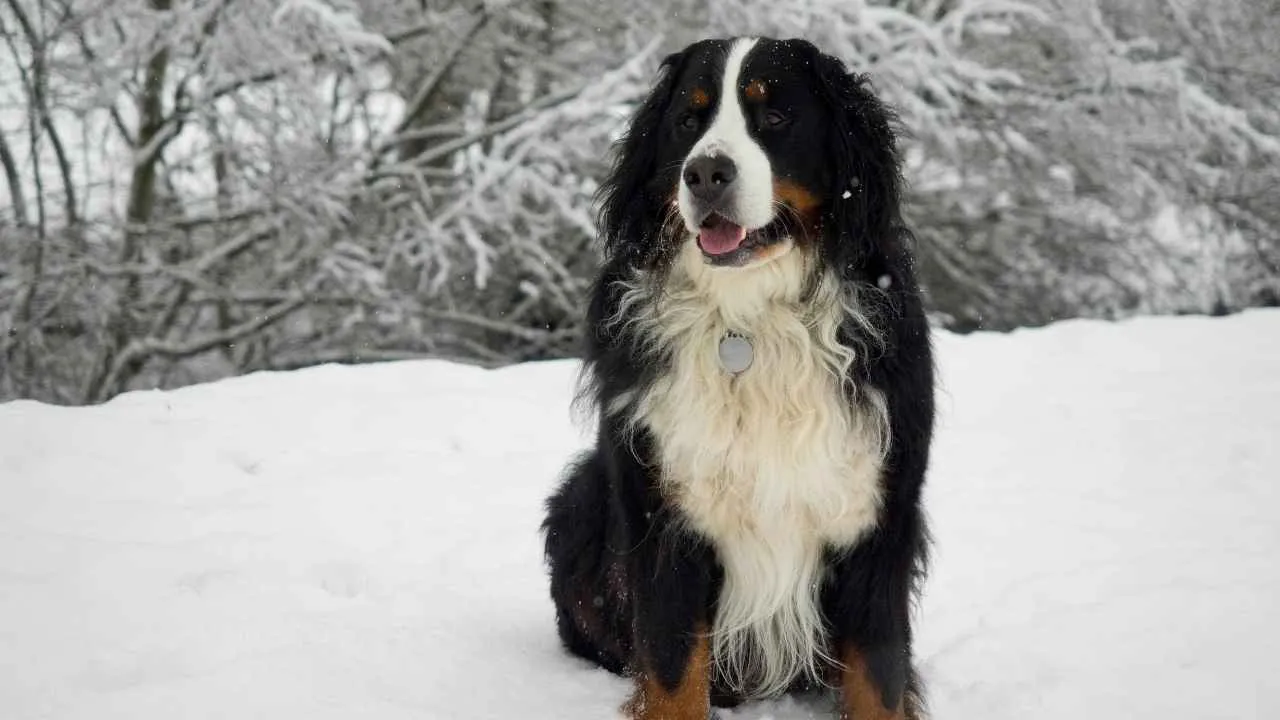
The Bernese Mountain Dog is a large Swiss working breed historically used for droving cattle, guarding farmyards, and pulling carts.
These perfect camping companions usually favour deliberate, scenic travel over the relentless pace of a Vizsla or Husky. They can enjoy long walks, camping, and backpacking, but route selection must account for their substantial body weight, maturity, joint health, and level of conditioning.
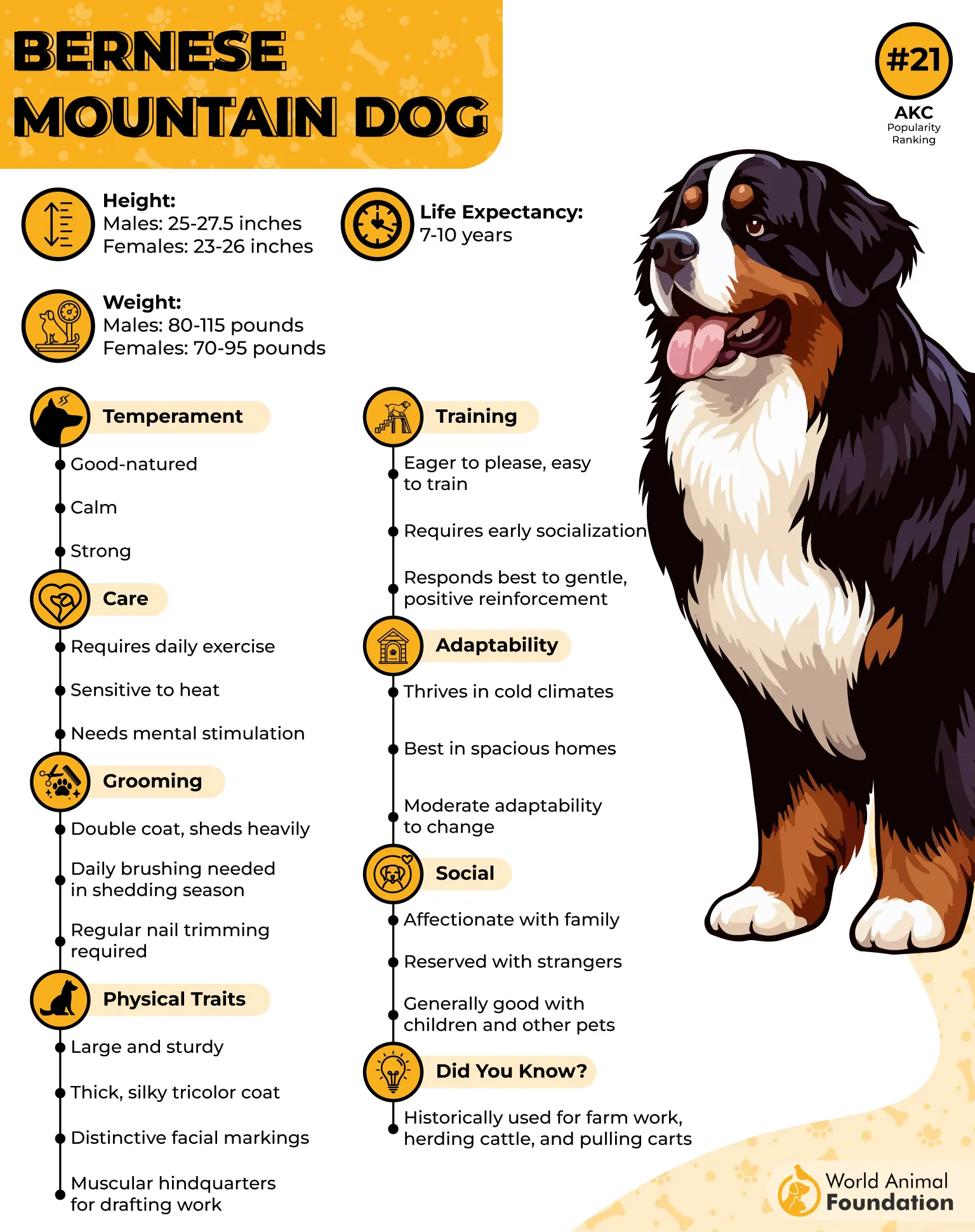
This mountain breed’s good-natured personality often translates beautifully to camp life. Many Berners prefer remaining near their families and can settle quietly once they have exercised, eaten, and secured a comfortable place to rest.
A thick double coat provides valuable insulation in cold conditions but increases the risk of heat-related issues in warm weather. Cool-season trips are generally the better match, while summer routes need shade, abundant water, reduced intensity, and close monitoring for overheating.
Conclusion
Intelligence, environmental awareness, and the ability to master detailed trail routines make these dogs phenomenal on off-road camping trips. The most reliable expedition dog is the individual whose health, training, temperament, and preparation match the specific trip.
Respect pet restrictions, protect wildlife, monitor the weather, and turn back when the dog is no longer comfortable. Fearlessness should appear as steady footing, trust in the handler, and calm recovery—not blind pursuit or physical exhaustion.
