




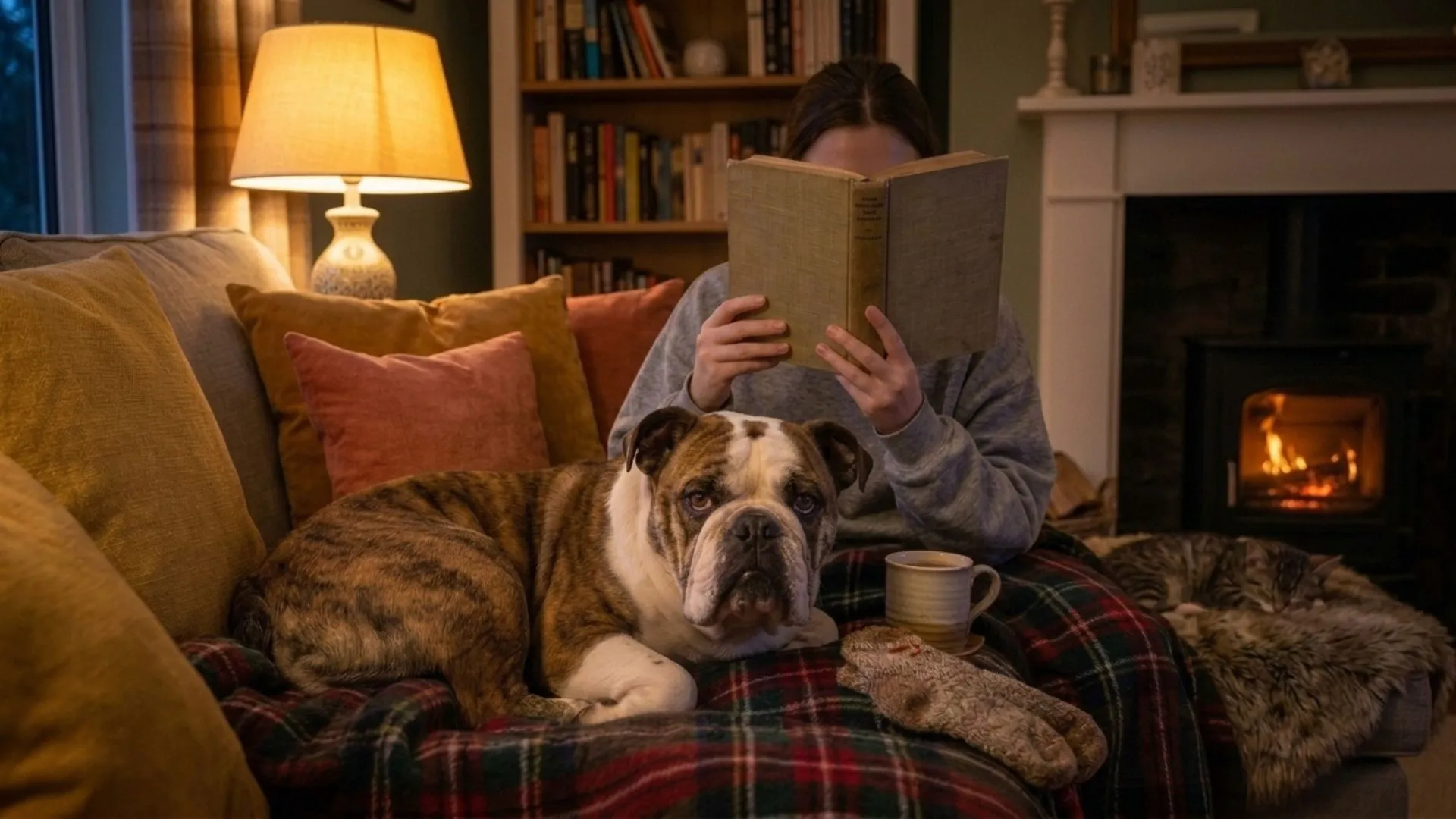
Some people recharge at crowded parties, while others achieve peak happiness with a blanket, a comfort show, and absolutely no plans involving outside trousers. For home-loving introverts, the right dog can make a peaceful evening feel warmer without turning the living room into a nonstop canine festival.
However, a calm-looking dog is not automatically quiet, effortless, or happy to spend every day doing nothing. Even relaxed breeds require exercise, training, grooming, veterinary care, socialization, and opportunities to sniff around like tiny neighborhood investigators.
The breeds in this list generally value companionship and can settle comfortably into slower domestic routines. Some are devoted lapdogs, while others are former hunters whose preferred evening activity now involves occupying most of the sofa.
Gentle Dog Breeds to Keep Introvert Nights Cozy
1. Basset Hound
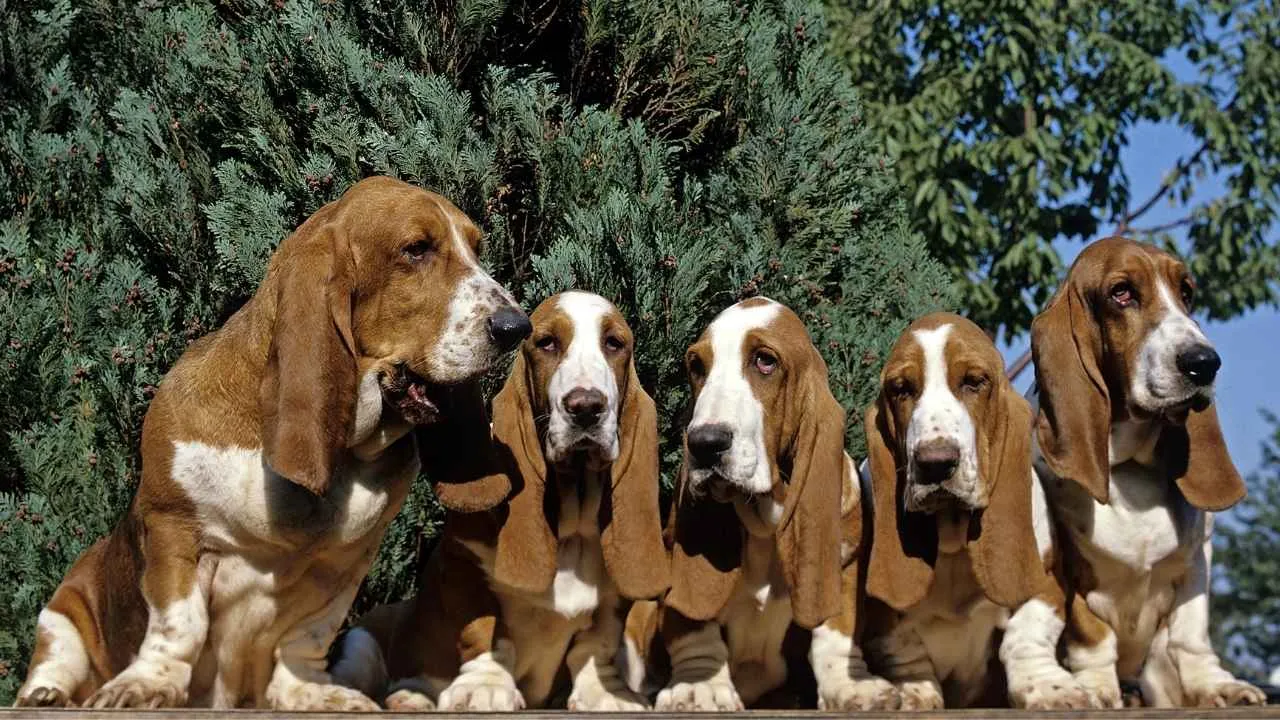
The Basset Hound looks permanently disappointed by the state of the world, which makes it an oddly relatable companion during a quiet Monday night. The American Kennel Club says this breed is generally mild, patient, low-key, and deeply loyal, although its dramatic face does not necessarily reveal its true mood.
Its gentle indoor manner comes from a breed developed for patient, methodical work rather than explosive speed. Bassets were created to follow scent trails through difficult terrain, and the breed standard describes them as mild in temperament, devoted, and capable of considerable field endurance.
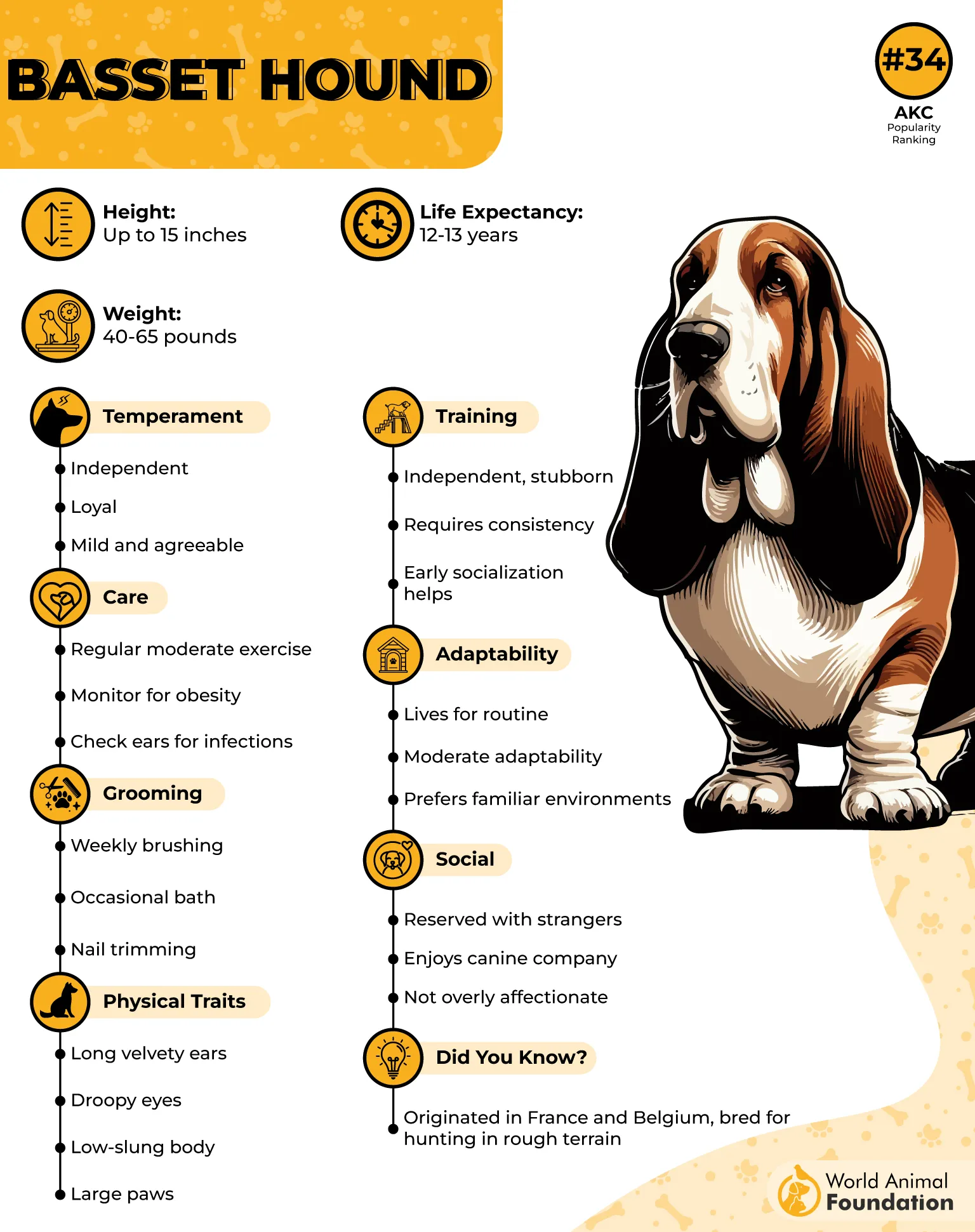
For introverts, the Basset’s independence can feel refreshingly undemanding because it may be content to rest nearby instead of requesting constant entertainment.
Moderate daily exercise helps protect their joints, control weight, and prevent boredom without requiring marathon training. A steady walk, scent game, or leisurely garden investigation usually suits their deliberate movement better than repeated high-impact jumping.
2. Bulldog
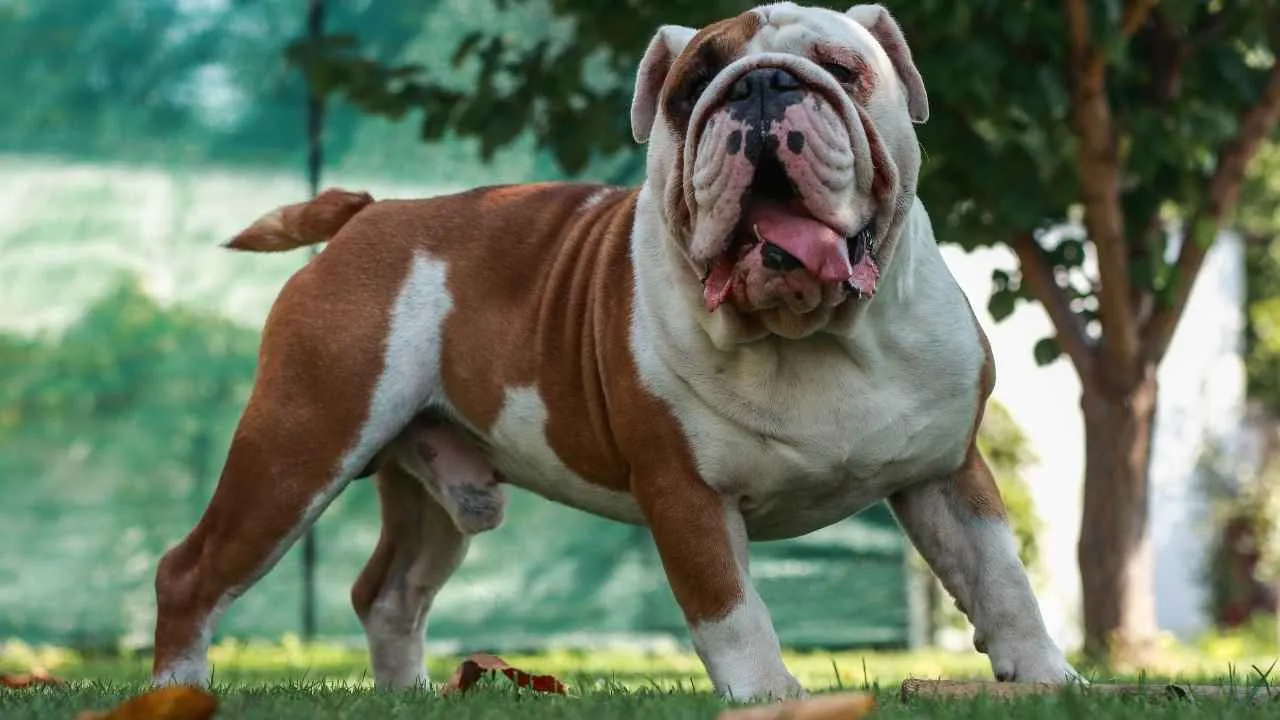
The Bulldog brings the visual energy of a nightclub bouncer but often possesses the soul of a sleepy best friend. PetMD describes the breed as kind, courageous, friendly, dignified, docile, and loyal, with an adaptable nature that can suit both urban and rural homes.
Their calm household manner can make them appealing to introverts who want substantial companionship without the endless motion associated with high-drive working breeds.
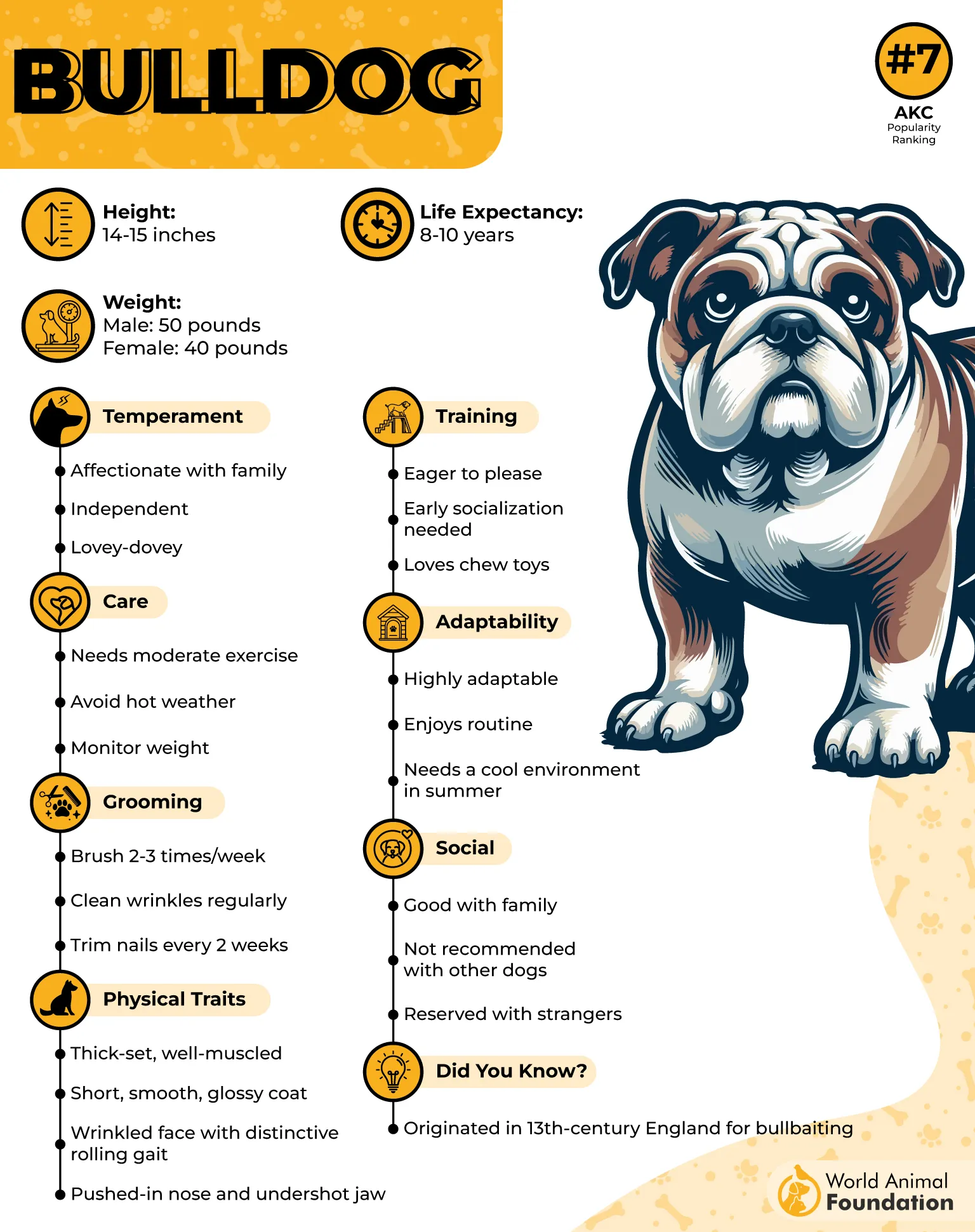
This couch potato still needs regular movement, even when it attempts to convince you that walking from one sofa cushion to another counts as cardio. Short, moderate outings are generally more appropriate than long-distance running, particularly because the breed does not cope well with heat.
Training tends to work best when lessons are brief, positive, and meaningful. Bulldogs can be eager to please, yet their physical strength means leash manners, polite greetings, food-related boundaries, and a dependable “drop it” cue should be established early.
The short coat needs brushing several times a week, while facial wrinkles must be checked and kept clean and dry to reduce irritation.
3. Pug
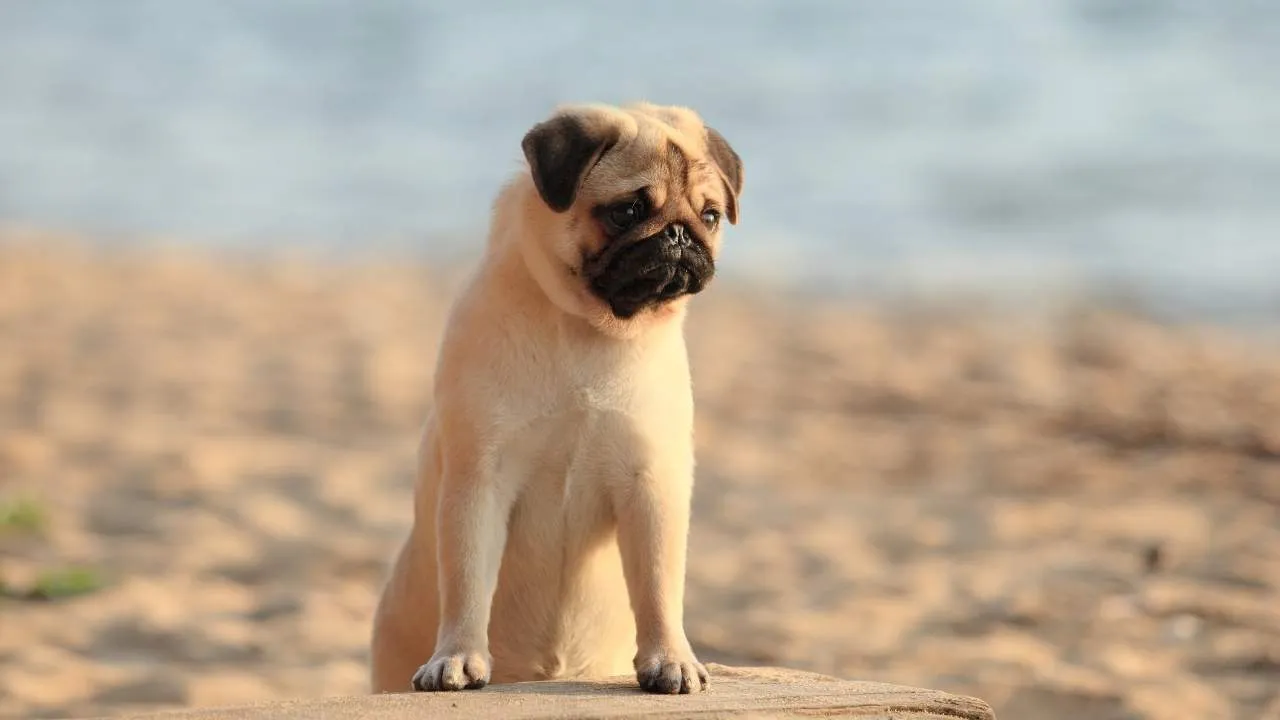
The Pug is ideal for introverts who want a quiet evening but do not mind being silently judged by one of the most expressive faces in the canine world.
Pugs are outgoing, adaptable, loyal, and intensely interested in whatever their humans are doing. They often settle happily beside an owner during reading, gaming, crafting, or a six-episode television commitment, provided they have first received attention and suitable activity.
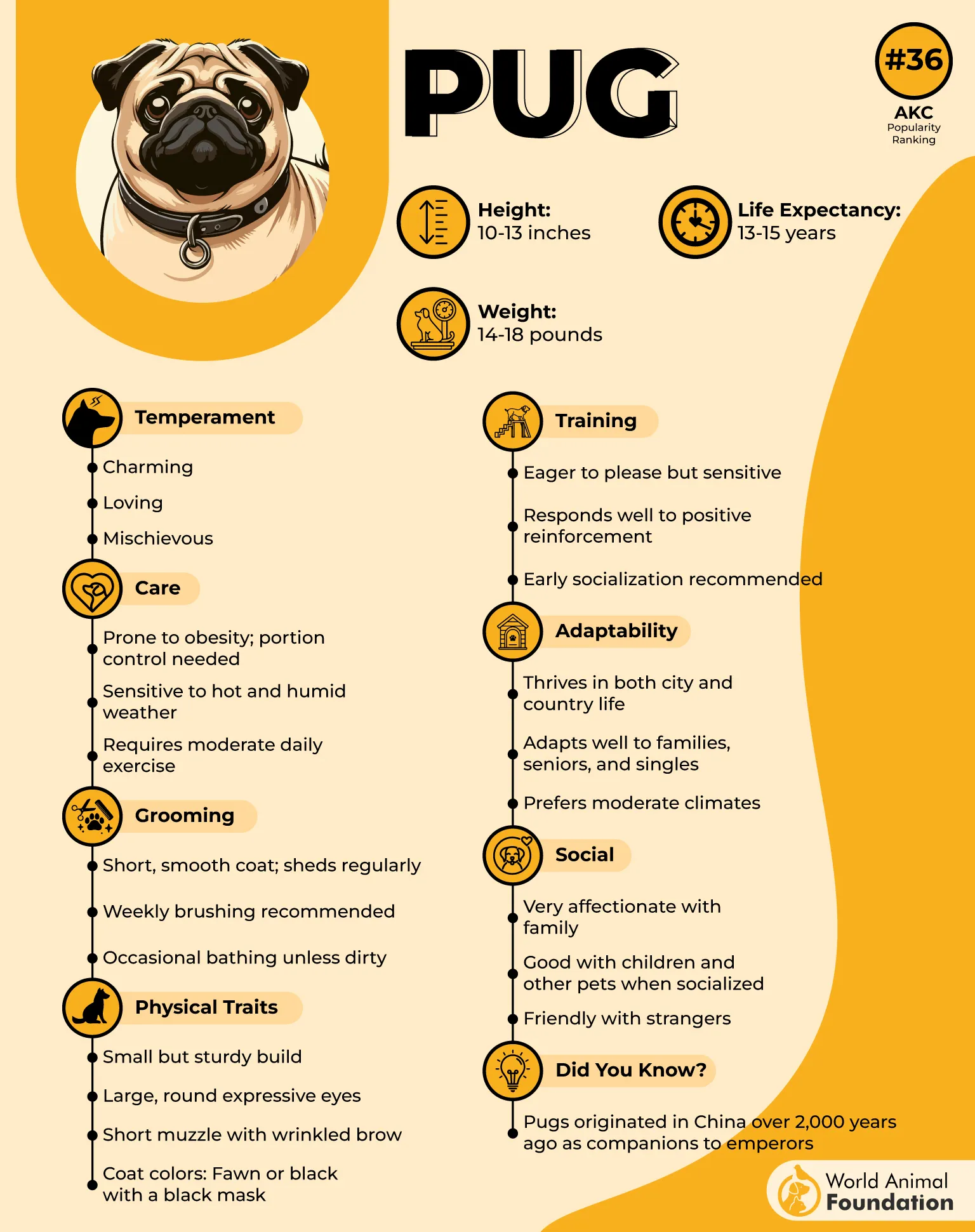
They generally require moderate rather than extreme exercise, making short walks and indoor games practical for many households. Food puzzles, gentle trick training, and controlled play can engage their minds without pushing their bodies too hard.
Positive training suits their sensitive temperament, while harsh correction can damage trust and make lessons stressful. Great for quiet homes, they commonly enjoy the company of children and other dogs when introductions and supervision are handled properly.
4. Shih Tzu
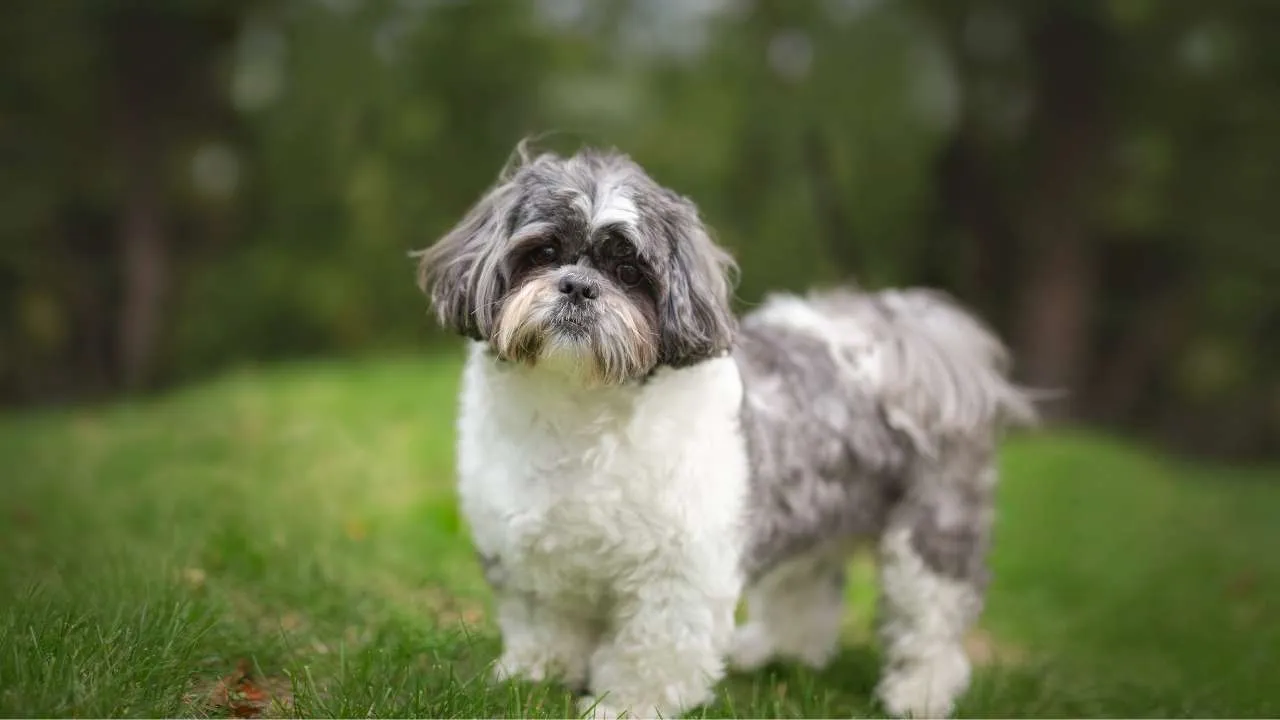
The Shih Tzu has spent centuries perfecting the art of being adorable in somebody else’s house. These small “Lion Dogs” were developed as companions, and modern individuals remain playful, affectionate, outgoing, and highly focused on their people.
Their small size does not make them emotionally distant, because they frequently want to participate in household life from extremely close range. Personal space may become more of a historical concept once a Shih Tzu decides your lap is now protected royal property.
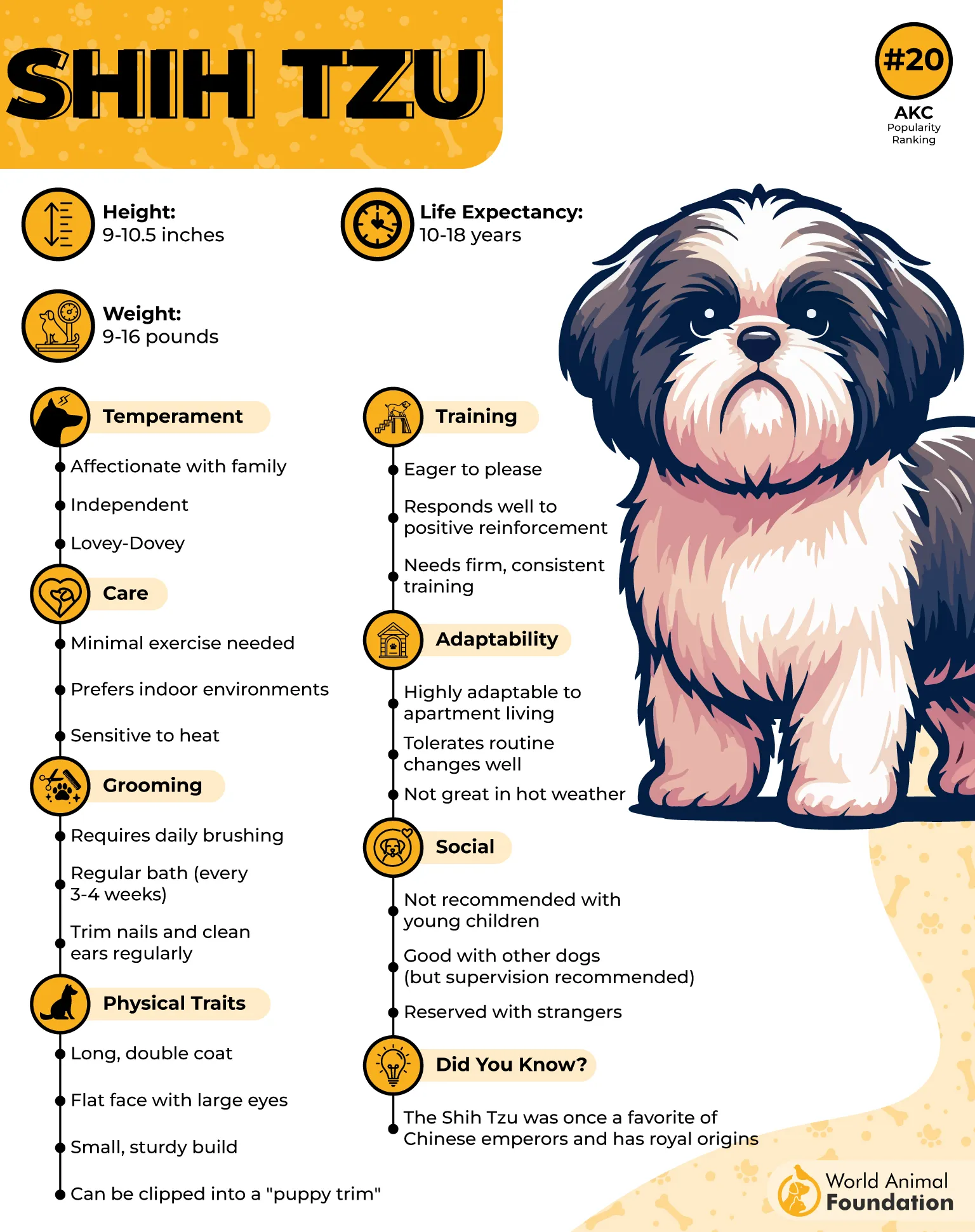
Daily exercise can remain manageable through short walks, gentle play sessions, and indoor enrichment. These dogs are not endurance athletes, but they still benefit from movement, interesting smells, puzzle toys, and opportunities to learn.
Training a Shih Tzu requires consistency because charm is one of the breed’s primary negotiation tactics. Praise, rewards, and gradual teaching usually work better than force, particularly with a sensitive companion that values a positive relationship.
5. Pekingese
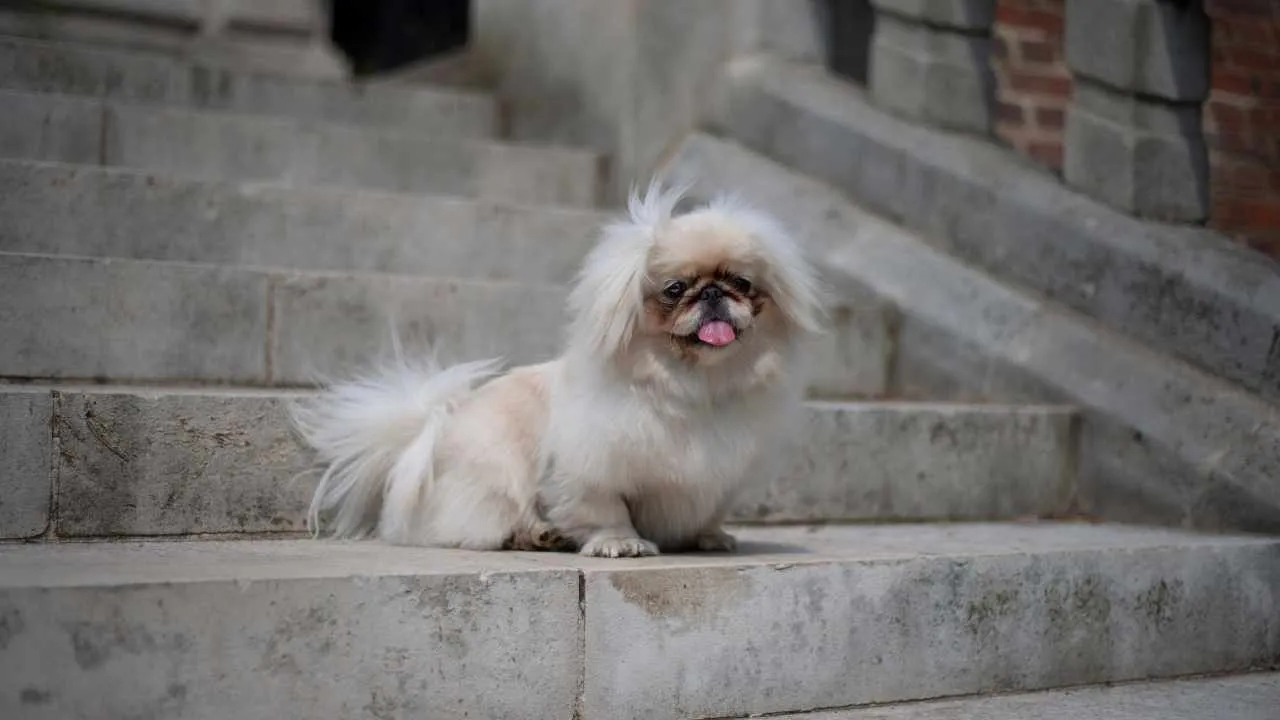
The Pekingese does not merely enter a room; it appears to grant the room permission to exist. Created for the ruling classes of ancient China, this compact companion carries a regal bearing, a distinctive rolling gait, and a strong sense of personal dignity.
Pekingese often form especially powerful bonds with one chosen person, making them appealing to introverts who prefer a close, selective relationship. They can be loving and charming without behaving like social-event organisers, and many remain reserved when strangers appear.
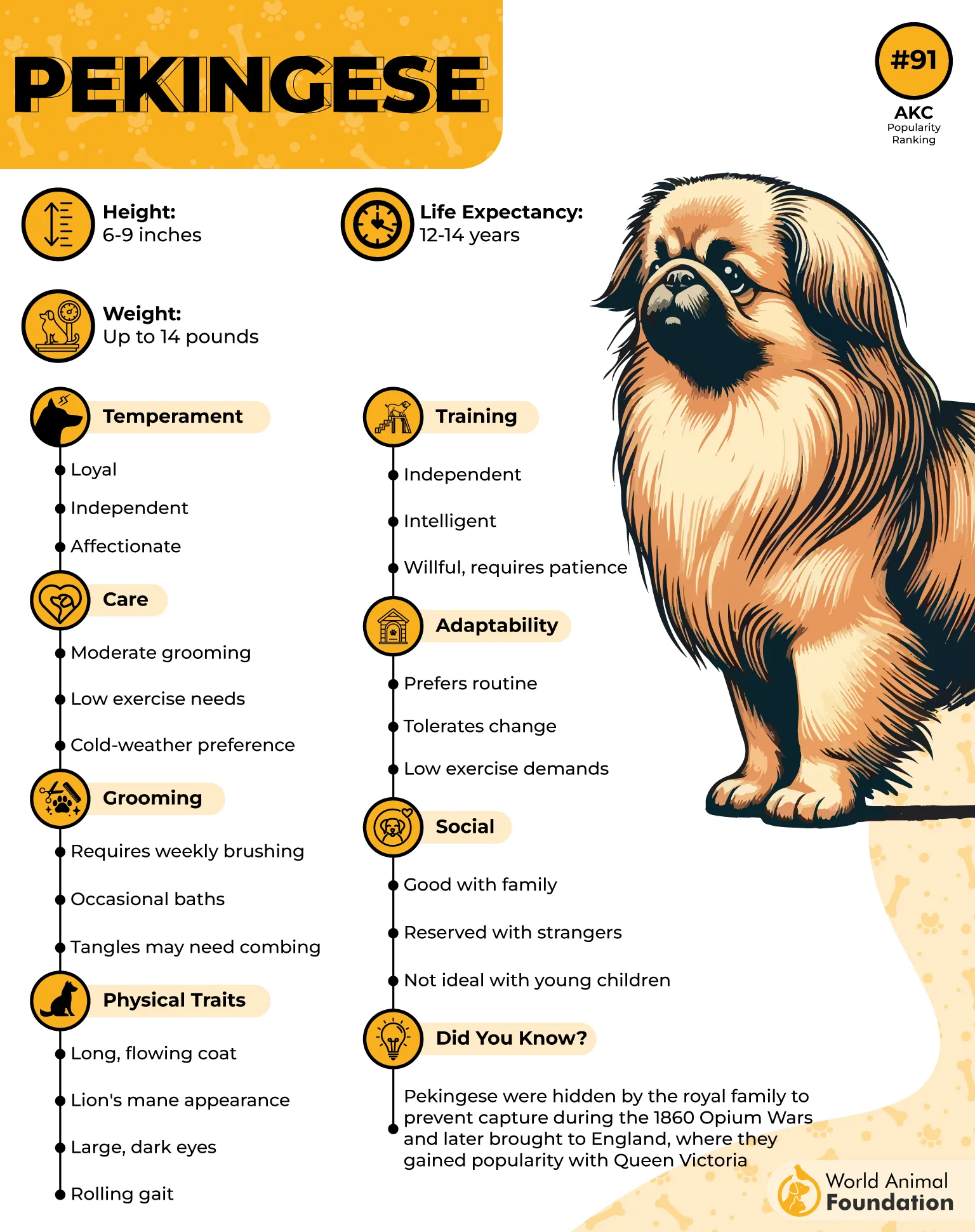
This breed is relatively low energy and usually needs only modest daily exercise. Short walks, relaxed indoor games, and controlled exploration can maintain mobility without creating unnecessary strain.
Intelligence and independence can make training slower than it would be with a dog desperate to satisfy every request. Patient repetition, tiny rewards, and respectful handling usually produce better cooperation than confrontation.
Prospective owners should also understand that the breed’s flat face, prominent eyes, long back, and short legs can contribute to respiratory, ocular, and spinal concerns.
6. Havanese
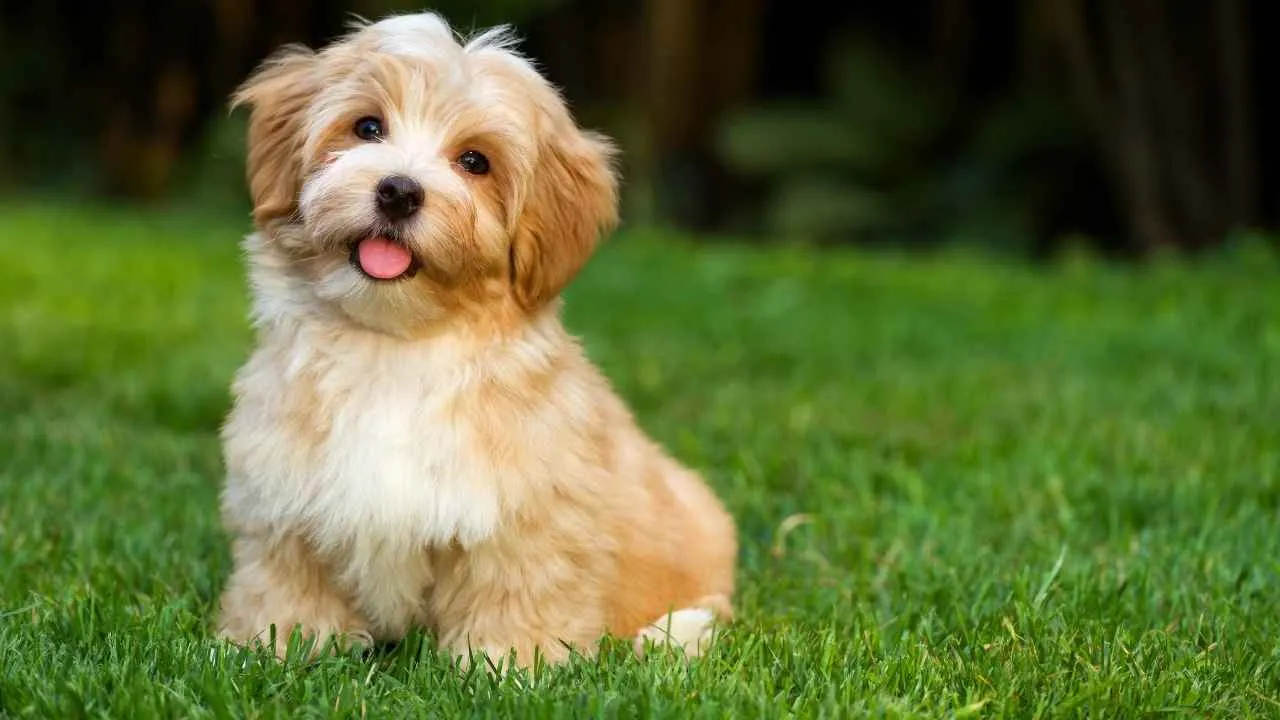
The Havanese offers a slightly brighter form of cosiness, like a cheerful friend who respects your desire to stay home but still brings snacks.
Omlet mentions that they tend to bond closely with people and often get along with considerate children and non-aggressive pets after appropriate socialisation. Their friendly enthusiasm can gently pull a quiet owner into healthy daily routines without demanding that the household suddenly become a public festival.
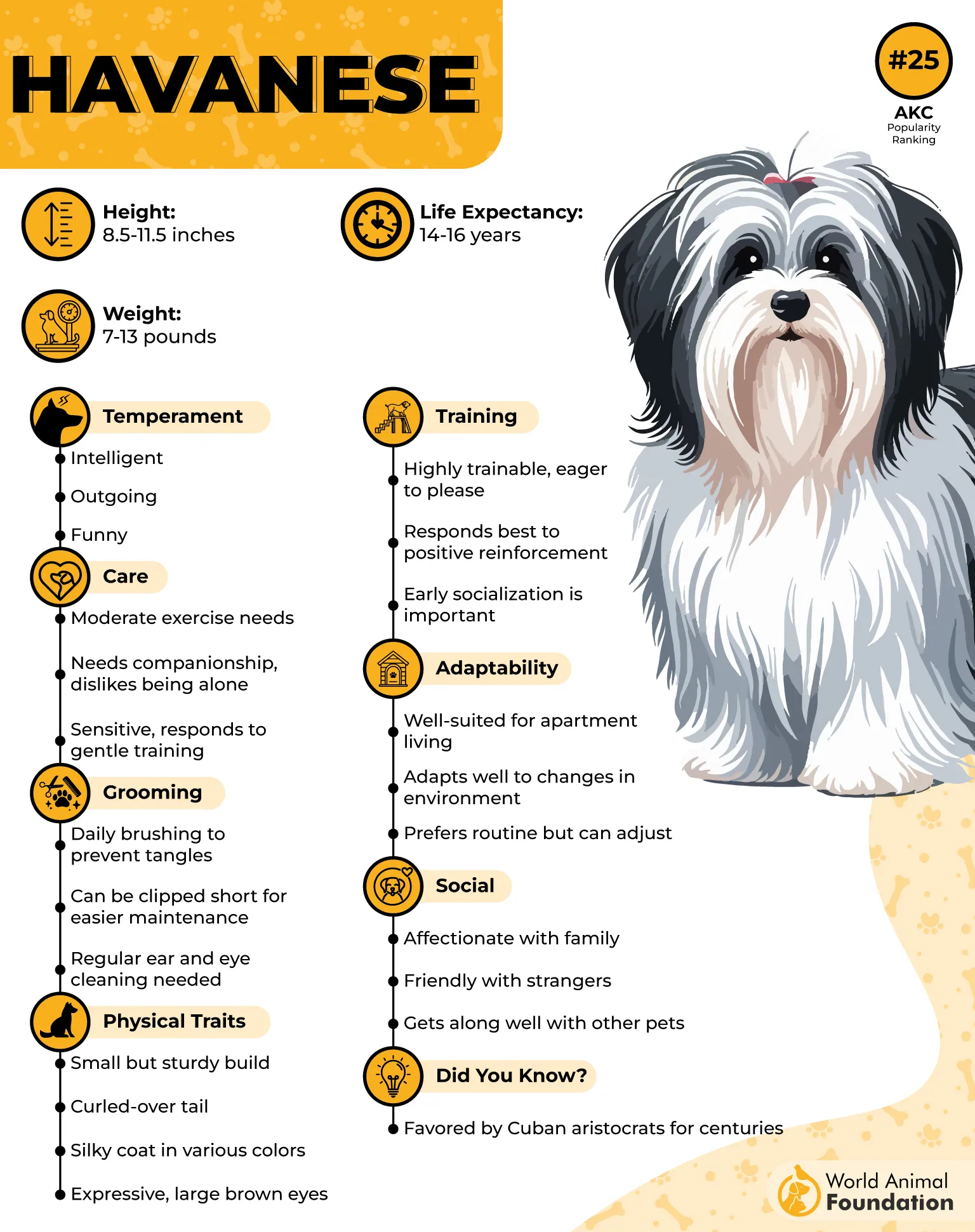
Moderate exercise is normally enough, with brisk walks, play sessions, and training games providing useful outlets. Havanese are clever enough to enjoy tricks, puzzle toys, obedience exercises, and other mentally engaging activities.
Their sensitivity makes reward-based training especially appropriate. Early socialisation can support their natural friendliness, while calm alone-time practice is important because these people-oriented dogs may struggle when repeatedly left for long periods.
7. Clumber Spaniel
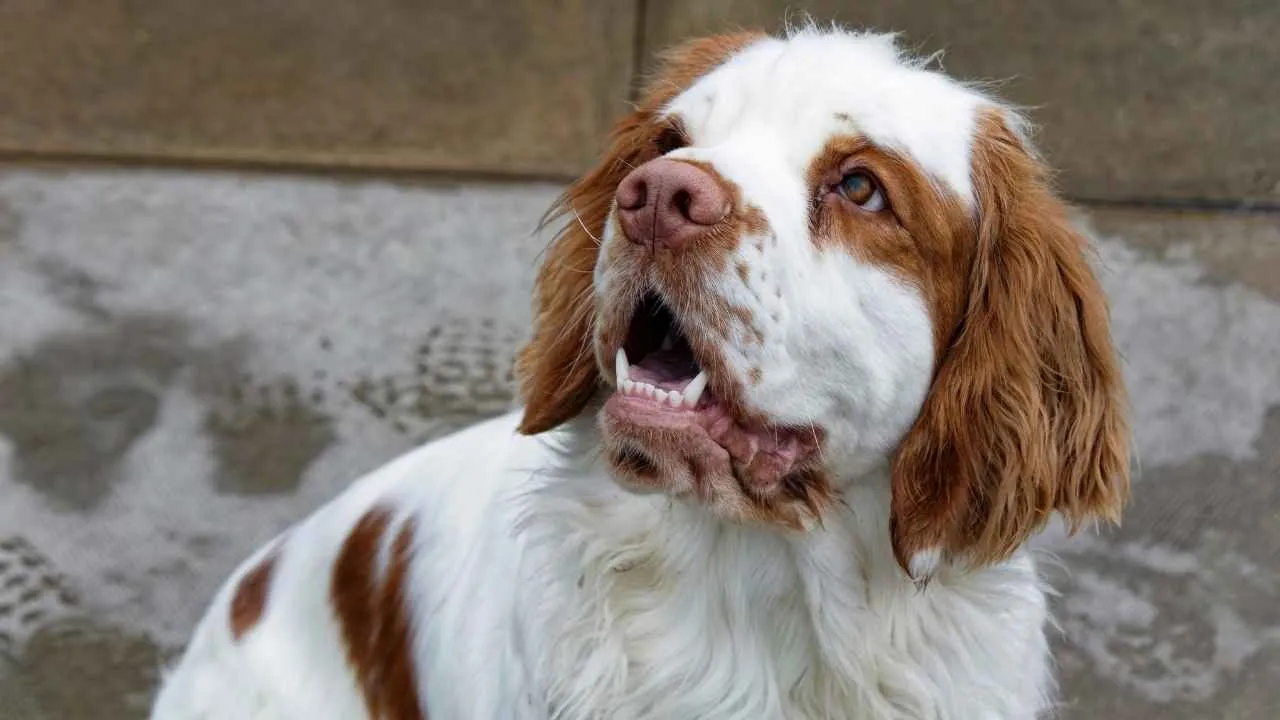
The Clumber Spaniel is what happens when a dignified country gentleman is reincarnated as a heavy, slightly drooly bird dog.
Clumbers are commonly described as amiable, affectionate, intelligent, amusing, and gentlemanly around the home. Their solid presence can feel especially comforting during quiet evenings, when they are often pleased to remain near their favourite people.
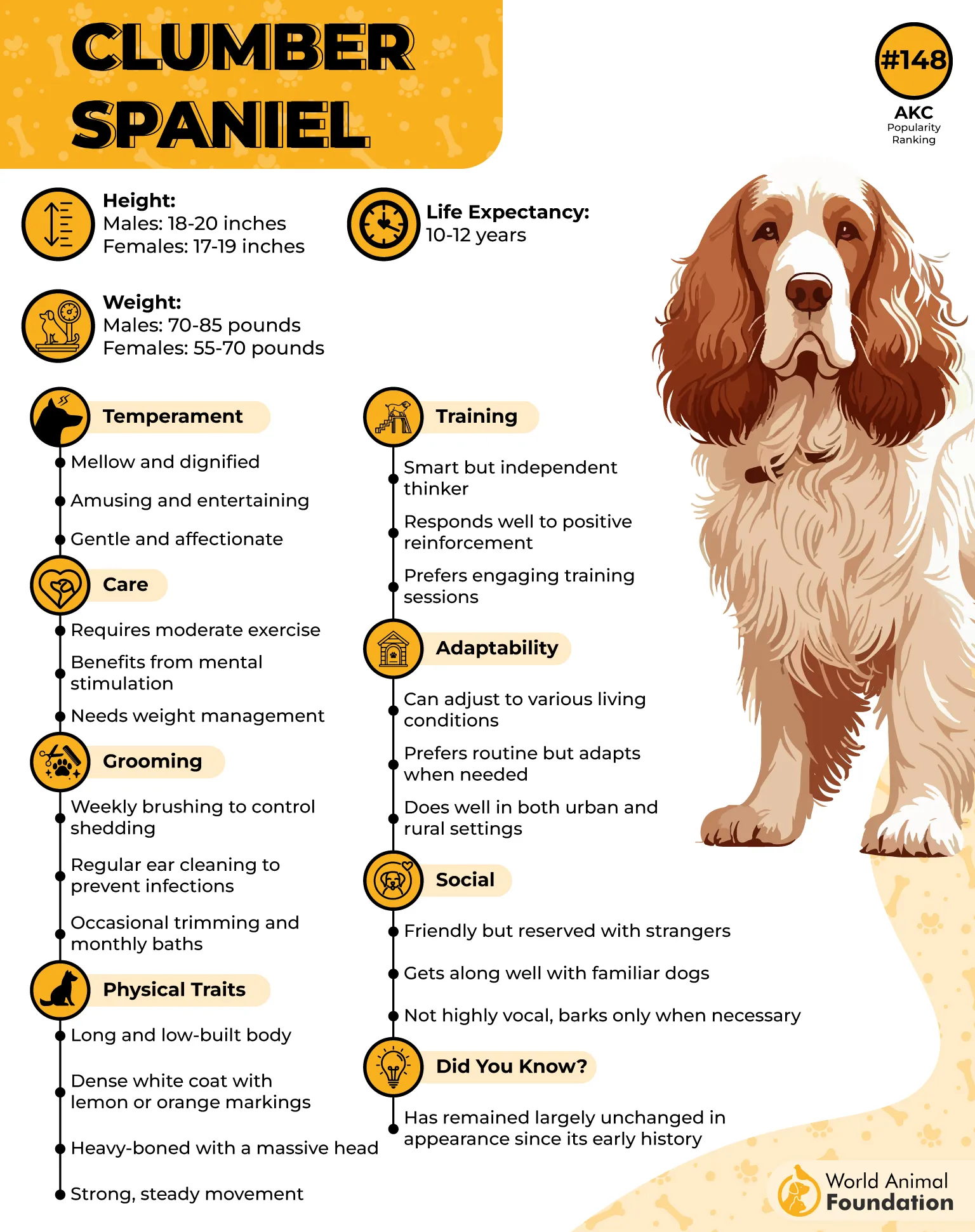
Although calmer than many sporting breeds indoors, the Clumber still needs regular exercise and opportunities to use its nose. Leisurely walks, retrieving games, scent work, swimming where safe, and woodland exploration can satisfy its working heritage without requiring frantic activity.
Their natural retrieving interest can be channelled into practical games, while polite leash skills matter because this is a substantial animal rather than a portable toy breed. Owners should also prepare for noticeable shedding, some drooling, and regular coat, ear, nail, and dental care.
Conclusion
A cozy dog is not simply the breed most willing to fall asleep during a film. The best companion is one whose exercise, social, grooming, training, financial, and healthcare needs genuinely fit your routine. A peaceful evening feels considerably less peaceful when either the person or dog is living in the wrong environment.
Cavalier King Charles Spaniel, Golden Retriever, Great Danes, and Greyhounds are some other
chill dogs that are a perfect match for introverts.
It is also important to meet individual dogs rather than selecting entirely from an online description. Breed tendencies cannot guarantee gentleness, sociability, silence, or compatibility, and an adult rescue dog may offer a more visible temperament than an unpredictable young puppy.
