




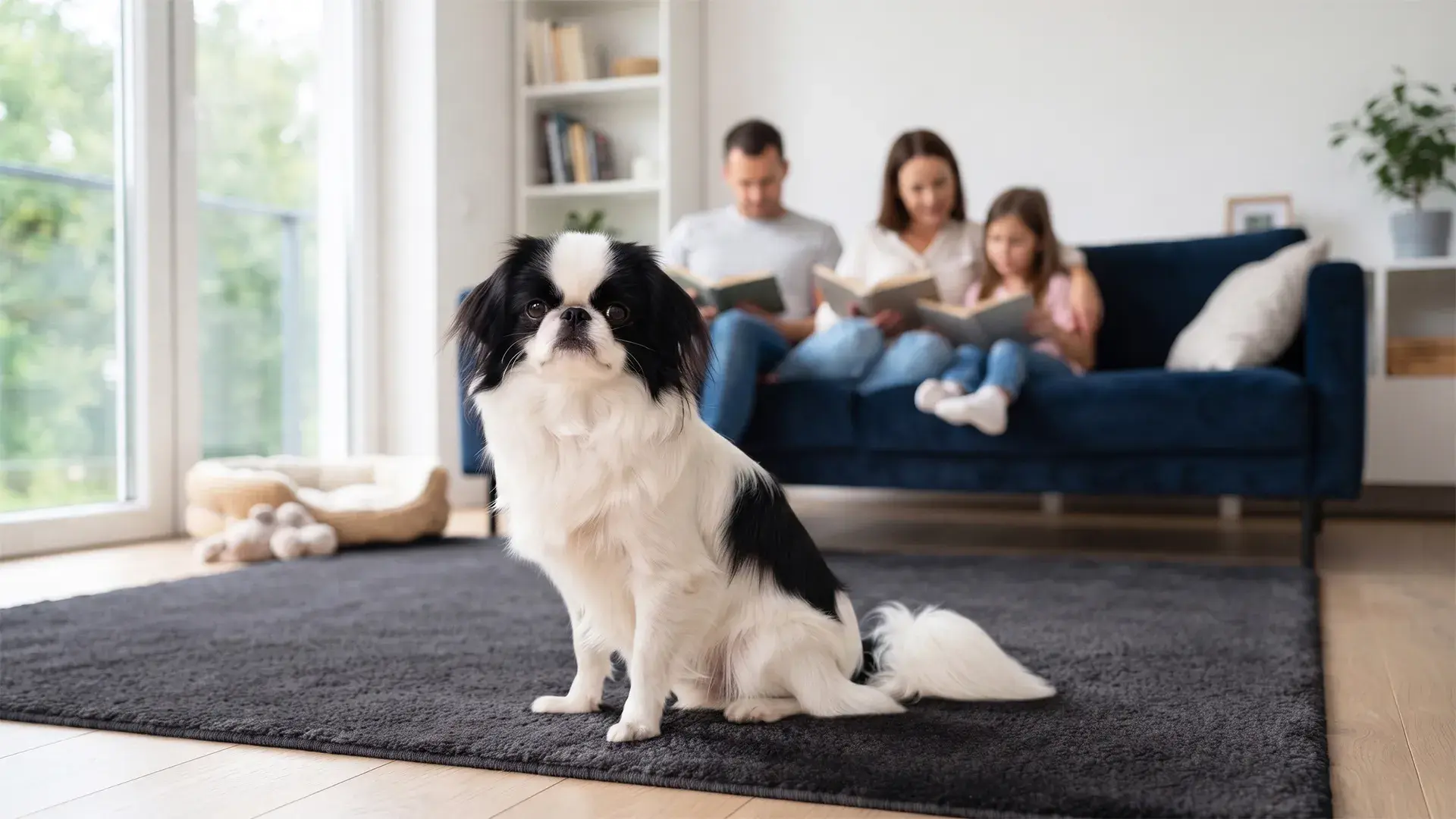
A quiet family dog does not have to be a sleepy dog that spends the entire day curled up in a corner. That assumption can make it harder for families to find the right companion.
Low-barking dogs can be energetic, affectionate, curious, playful, and ready to join whatever is happening around the house. What makes them appealing is their ability to bring personality into family life without turning every unfamiliar sound into a neighborhood announcement.
For parents with young children, families living in apartments, or households that simply appreciate a calmer atmosphere, that trait can matter more than expected. Barking will always be part of normal canine communication, but some dogs naturally use their voices far less than others.
The breeds covered in this article offer a range of temperaments, sizes, and activity needs, making it easier to compare different quiet companions and find one that feels right for your family and your home.
Key Takeaways
Some of the quietest dogs in a home can still be the ones making everyone laugh, playing with the kids, or following their favorite person from room to room.
The Japanese Chin has a particularly interesting history, with ties to Buddhist monks and Imperial palaces, and it is also known for being one of the quieter companions on this list.
From the playful Coton de Tulear to the affectionate French Bulldog, each breed has its own way of fitting into a calmer family life.
Keep reading to see which of these seven low-barking breeds could bring the right kind of energy to your home.
Low-Barking Dog Breeds for Quiet Family Homes
1. Coton de tulear

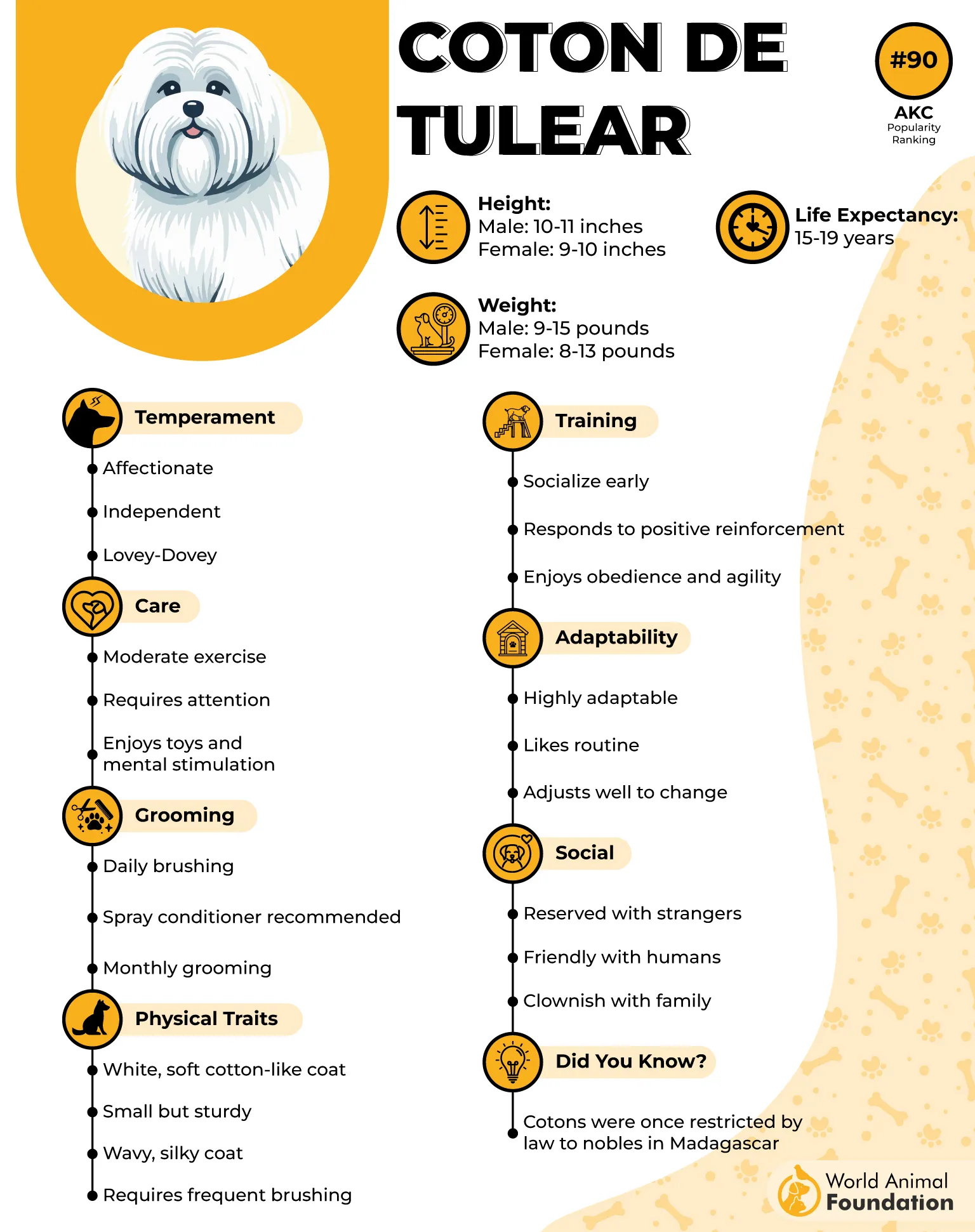
Coton de Tulear originated on Madagascar and takes its name from Toliara, the island port associated with the breed. Accounts suggest its ancestors arrived by ship in the 15th century, while French colonial rule later made this rare dog a prized possession of Madagascar’s nobility.
Quiet in the Home
This quiet dog breed has a playful nature without needing nonstop activity, making its daily rhythm easier to manage in a family household. Short walks and regular play can provide enough activity, while its tendency to bark mainly at unfamiliar sounds helps keep unnecessary noise down.

The following traits explain its quieter reputation:
Alerts to doorbells and strange noises
Can use softer vocalizations for attention
Head tilts when spoken to
People-Oriented Personality
Coton de Tulear enjoys games, affection, and plenty of interaction with its favorite people, while children and other pets can be good companions after proper introductions, as Omlet writes. This social nature also means long periods alone can lead to separation anxiety, so regular human company matters.
2. Bichon Frise
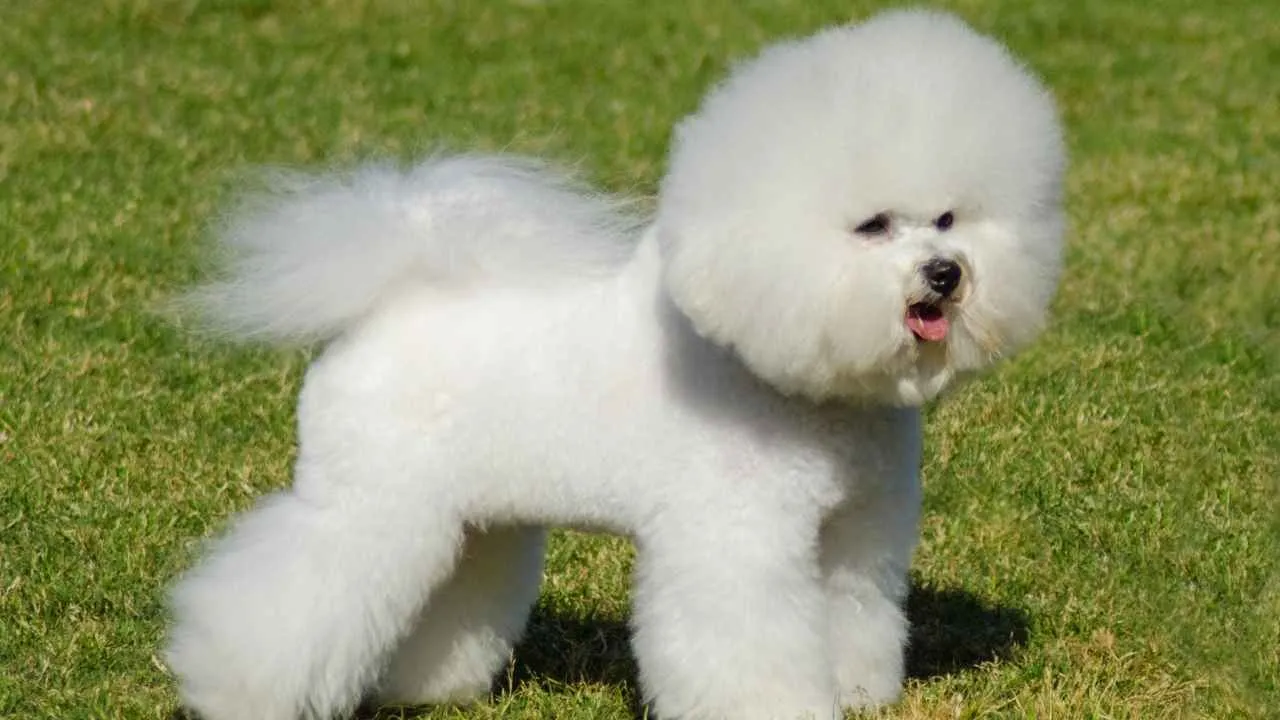
Bichon Frise has roots stretching back through Europe, where the small companion dog became associated with non-sporting breeds rather than a working role. Its compact size and people-oriented nature later helped it become a familiar household companion across different settings.
A Softer Voice
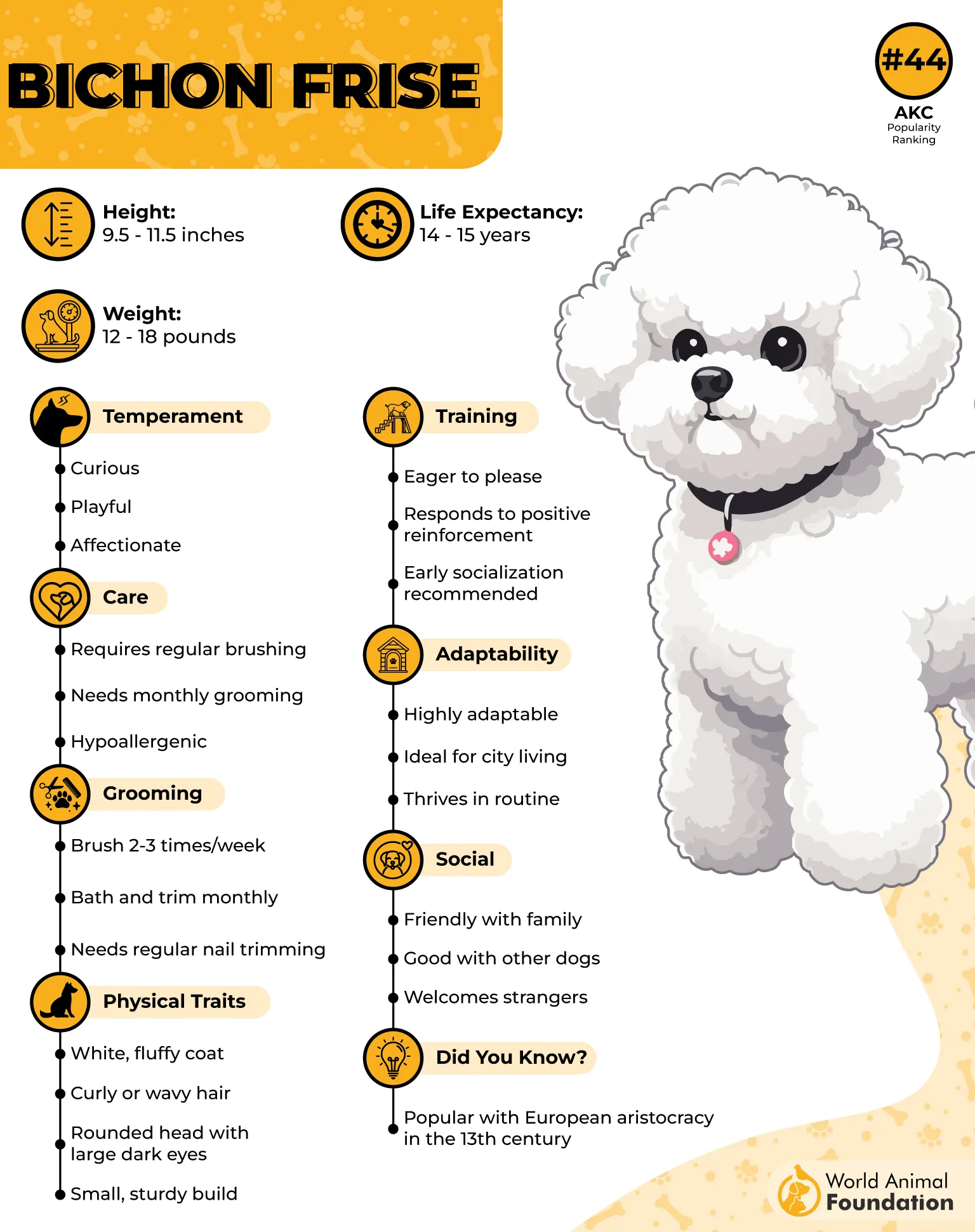
They can be vocal when unfamiliar sounds catch their attention, and excitement or time alone can also bring out more barking. Training from puppyhood is especially useful because this eager-to-please breed responds well to learning what deserves a response and what does not.
These details matter when aiming for a quieter household:
Alert barking can be triggered only by unfamiliar noises
Separation can increase vocal behavior
Can switch from lively play to relaxing beside family members
Social by Nature
Bichon Frise enjoys meeting people and other dogs, particularly when introductions and socialization begin during puppyhood, as PetMD writes. Its playful side comes through in trick training, toy games, and interactive activities that give this curious little dog something engaging to do.
3. Pug

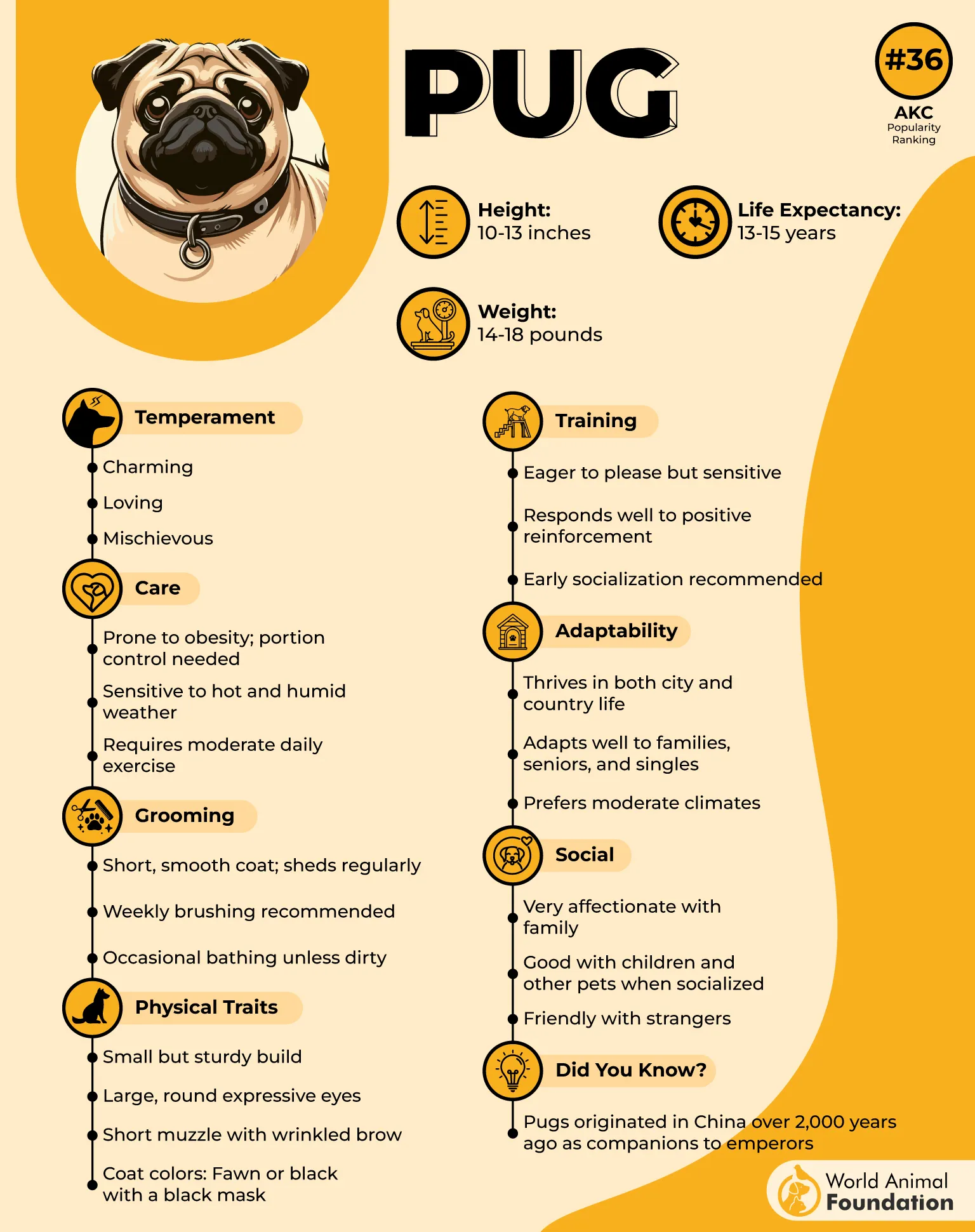
The Pug originated in China around 2,000 years ago, giving this small companion breed a remarkably long connection with human households. Its appeal later reached royal circles around the world, helping turn the breed into a widely cherished household companion.
Quiet by Nature
This apartment dweller is not usually the type to turn every little sound into a barking session, often preferring to curl up on the sofa and watch the household go by. That quieter nature can be a real plus for families who would rather keep things peaceful at home.
There’s more to this little breed:
Several 15–20 minute walks can suit its routine
Casual fetch offers a simple activity
High-energy running can be physically unsuitable
A People-Focused Companion
Pug is highly social and enjoys being involved in everyday family activities, often seeking affection, cuddles, and plenty of human company. Its friendly, eager-to-please temperament can make it approachable for first-time dog parents who are prepared to be attentive to its health needs.
4. Japanese Chin
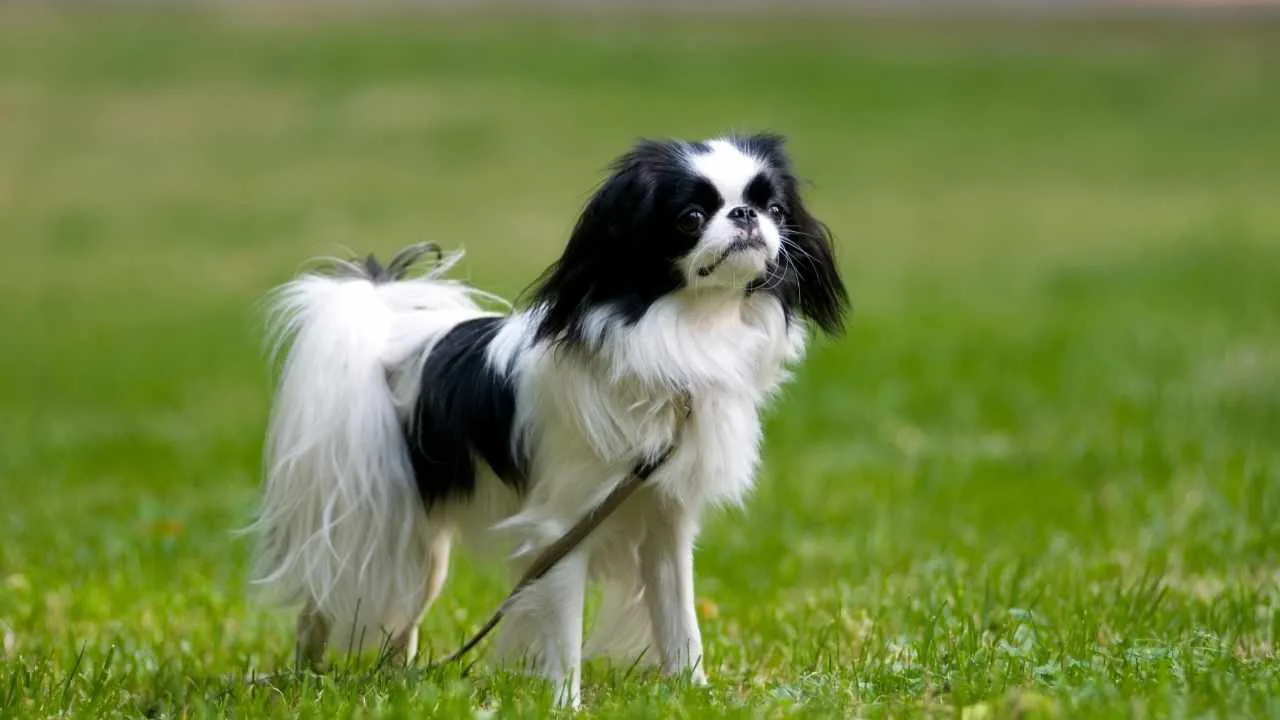
Japanese Chin has an intriguing past tied to Buddhist monks, Chinese origins that remain uncertain, and gifts exchanged with Japanese nobility. The breed eventually became a familiar presence in Imperial palaces, where its role centered on companionship and close human contact.
Quiet Indoor Character
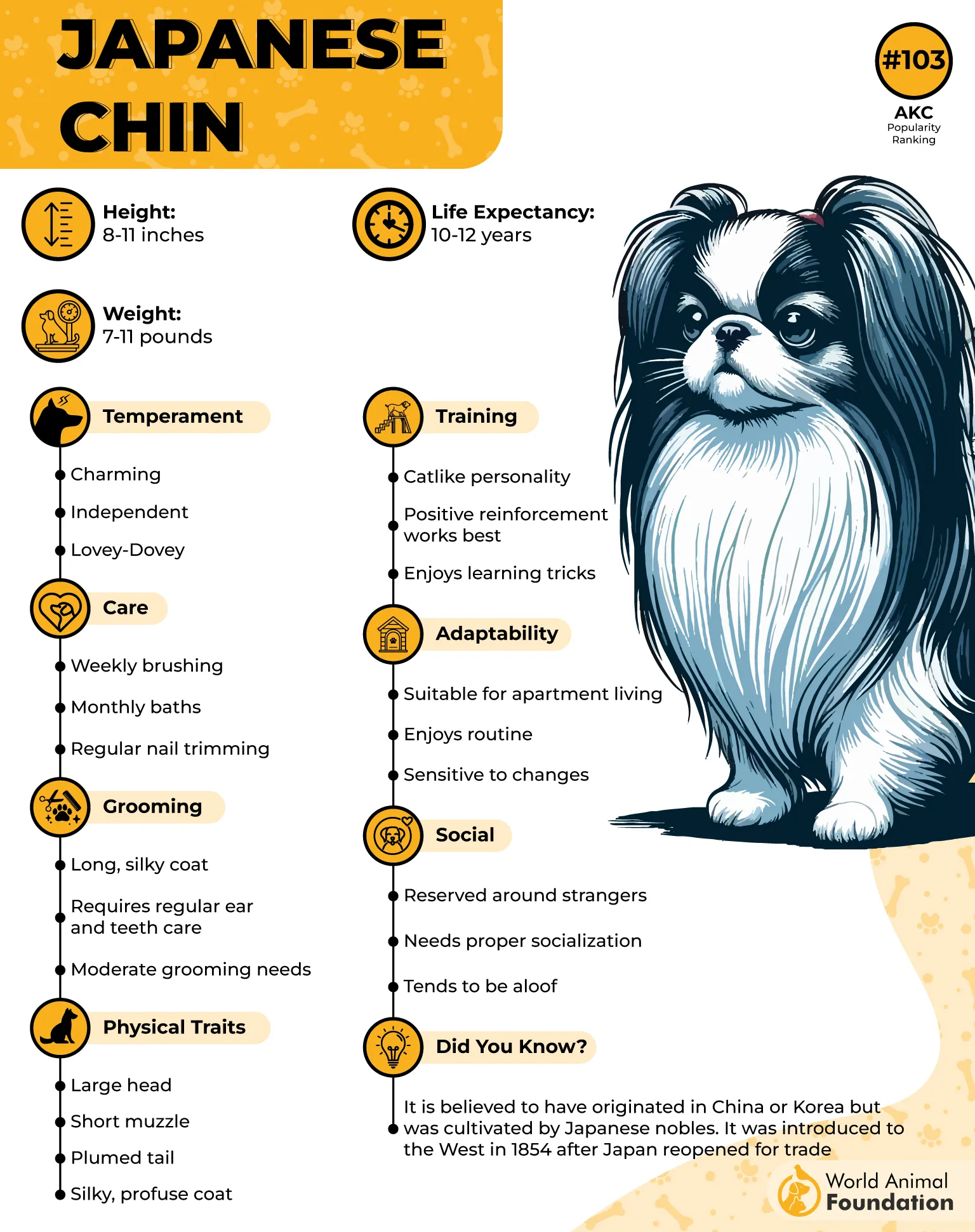
This small dog is a particularly quiet breed, with barking generally limited to alerting its family about an unfamiliar person or unexpected sound. It also has little interest in digging, which can make its behavior easier to manage in a peaceful household, as Hills Pet noted.
Specifics that make its quieter nature easier to understand:
Loves to spend time with pet parents
They are intelligent and easy to train
Resting on the back of the sofa
Small Dose of Exercise
Japanese Chin has moderate energy and still enjoys getting outside for a walk or playing in a secure area. Around 30 minutes of daily activity is enough, while supervised play with children is important because its tiny frame can be injured accidentally.
5. French Bulldog

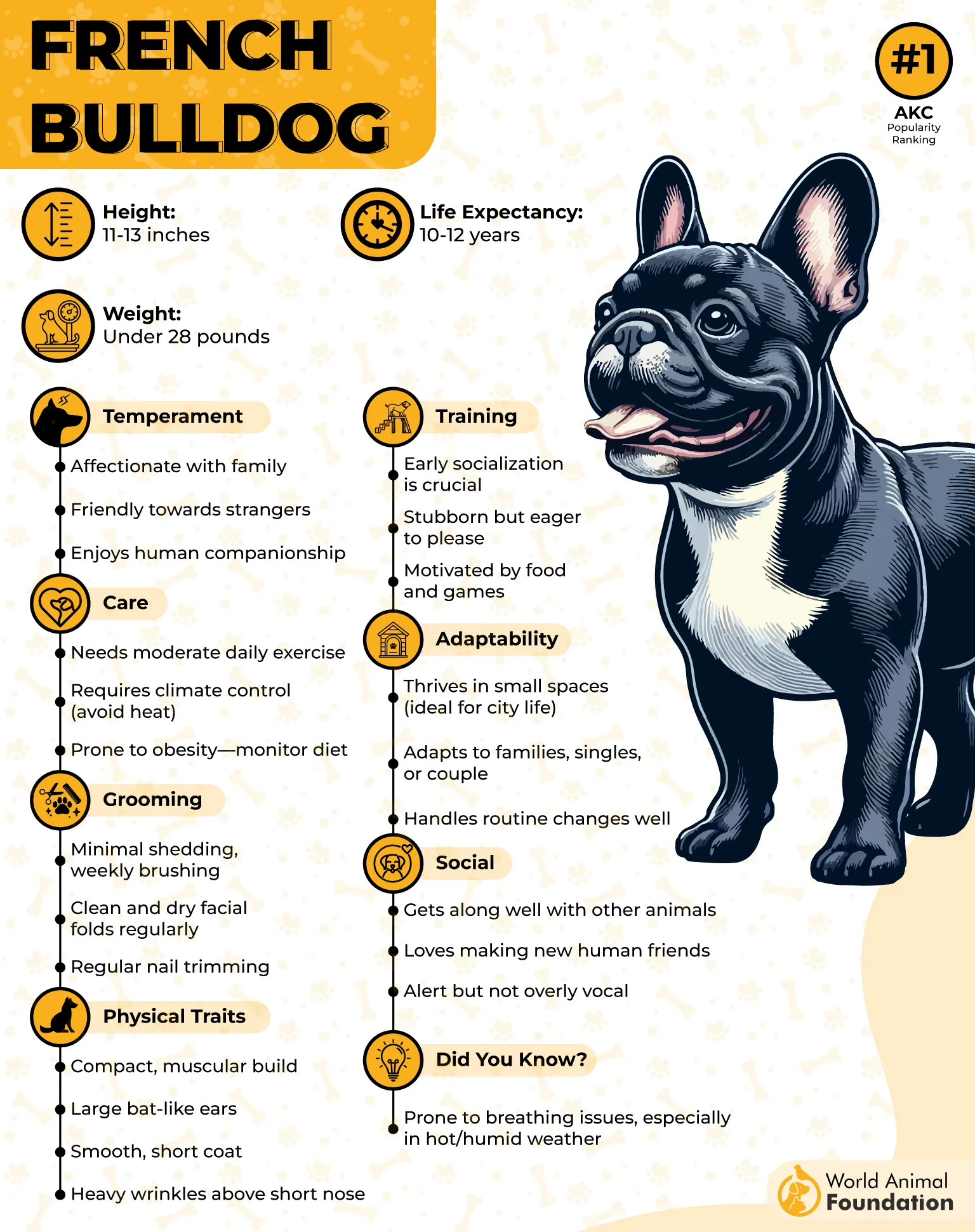
French Bulldog emerged as a small companion breed with a look that quickly became unmistakable, especially through its oversized upright ears. Its broad, square head, short muzzle, and compact muscular frame add to the appearance that made this little dog so recognizable.
Quiet by Nature
They are naturally quiet dogs and do not usually demand a packed exercise schedule or bark at every little thing. A quick walk or some playtime can be enough for the day, with obedience, agility, and rally giving them something extra to learn and enjoy.
There’s plenty more worth knowing:
Alert enough to act as a watchdog
Suitable for singles, couples, or families
Generally friendly with other animals
Easygoing Company
French Bulldog is playful, affectionate, and adaptable around different household setups, with an outgoing nature that often extends to unfamiliar people. Its companionable personality also makes social interaction a natural part of everyday family life.
6. Boston Terrier

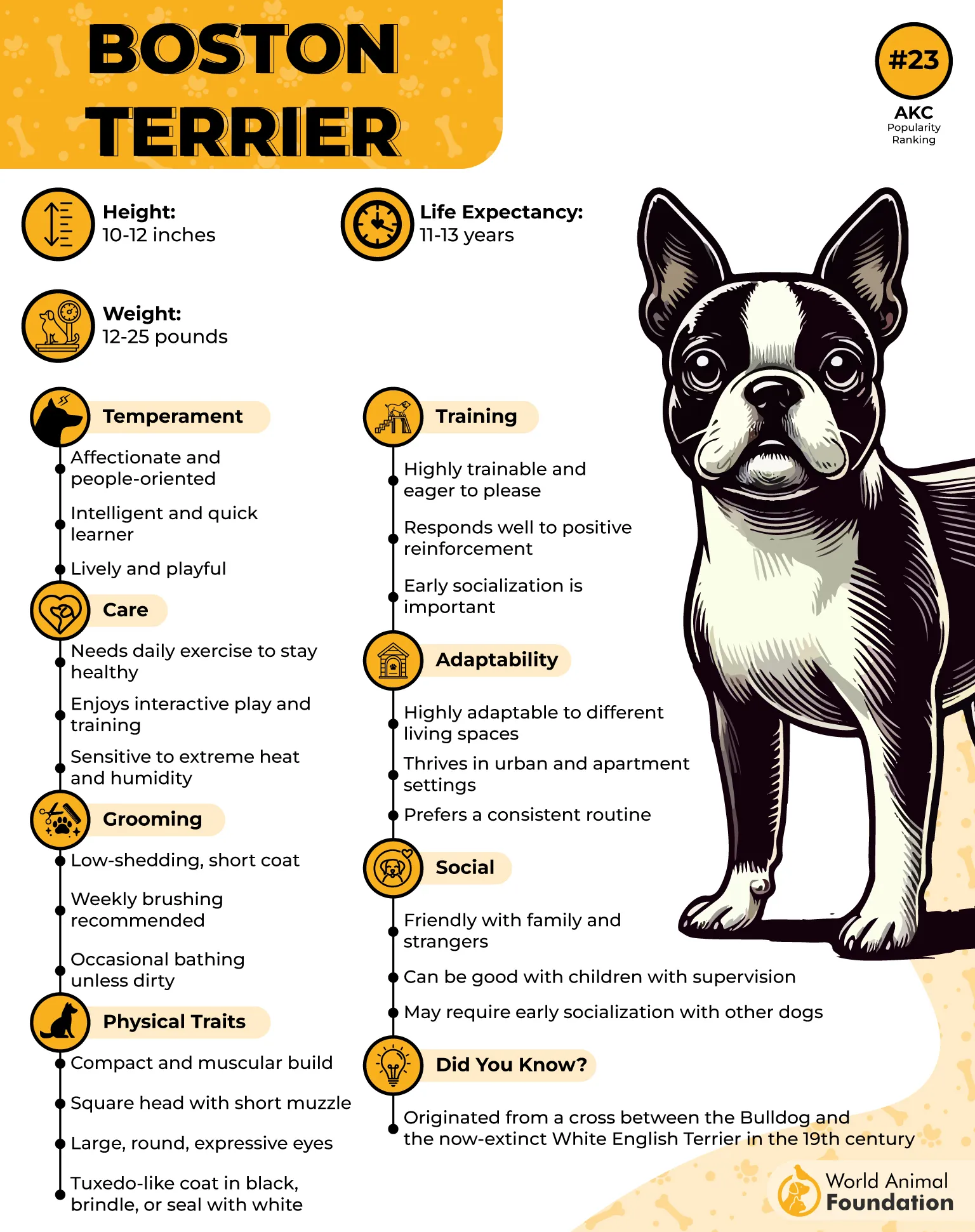
Boston Terrier originated in Boston, the city that gave the breed its name, and its reputation for polished manners earned it the nickname “American Gentleman.” Its tuxedo-style coat is commonly black and white, while brindle coloring also appears within the breed.
Quiet by Nature
Boston Terrier has a calm temperament that suits households where constant noise can become distracting. The breed rarely barks excessively, usually vocalizing when an unfamiliar visitor or unusual activity catches its attention.
These characteristics make its daily rhythm especially practical:
About 30 minutes of daily activity
Fetch and frisbee suit its playful side
Short play sessions can replace intense workouts
Companion at Heart
Boston Terrier was bred as a companion dog and generally enjoys indoor interaction, including cuddling and resting near its people. With appropriate introductions, training, and socialization, it can fit into multi-pet households and apartment living.
7. Bolognese
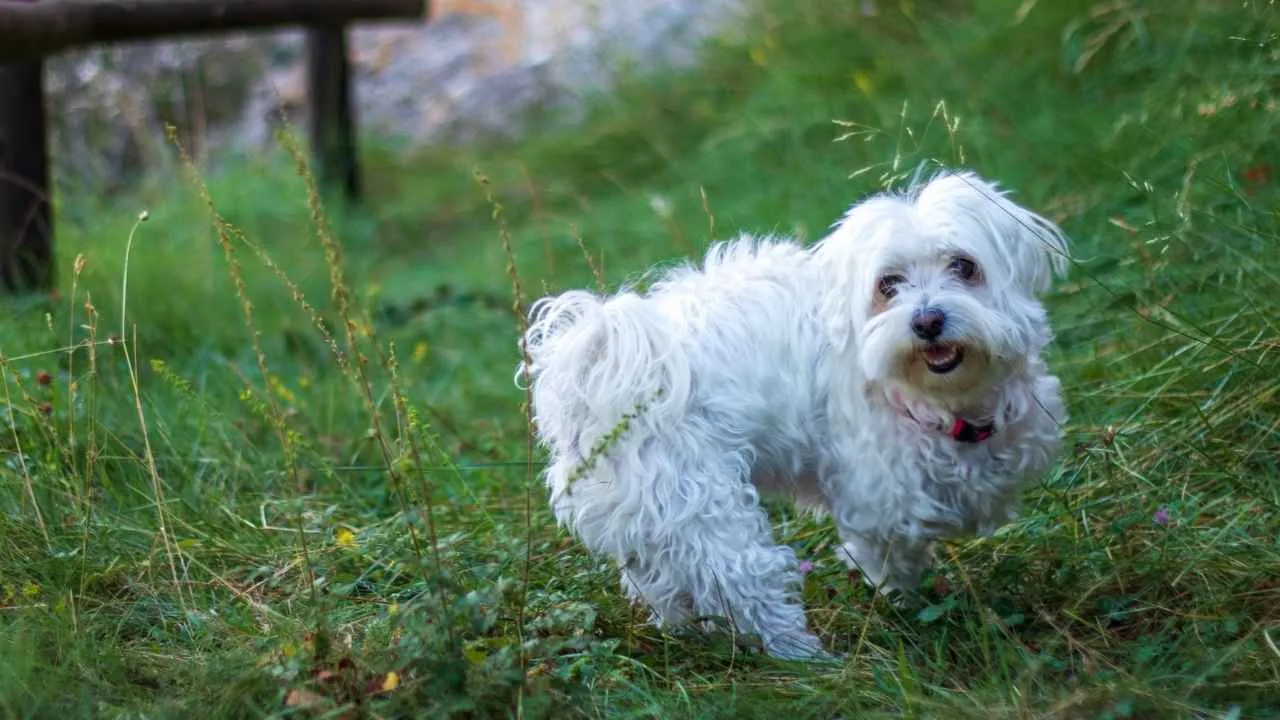
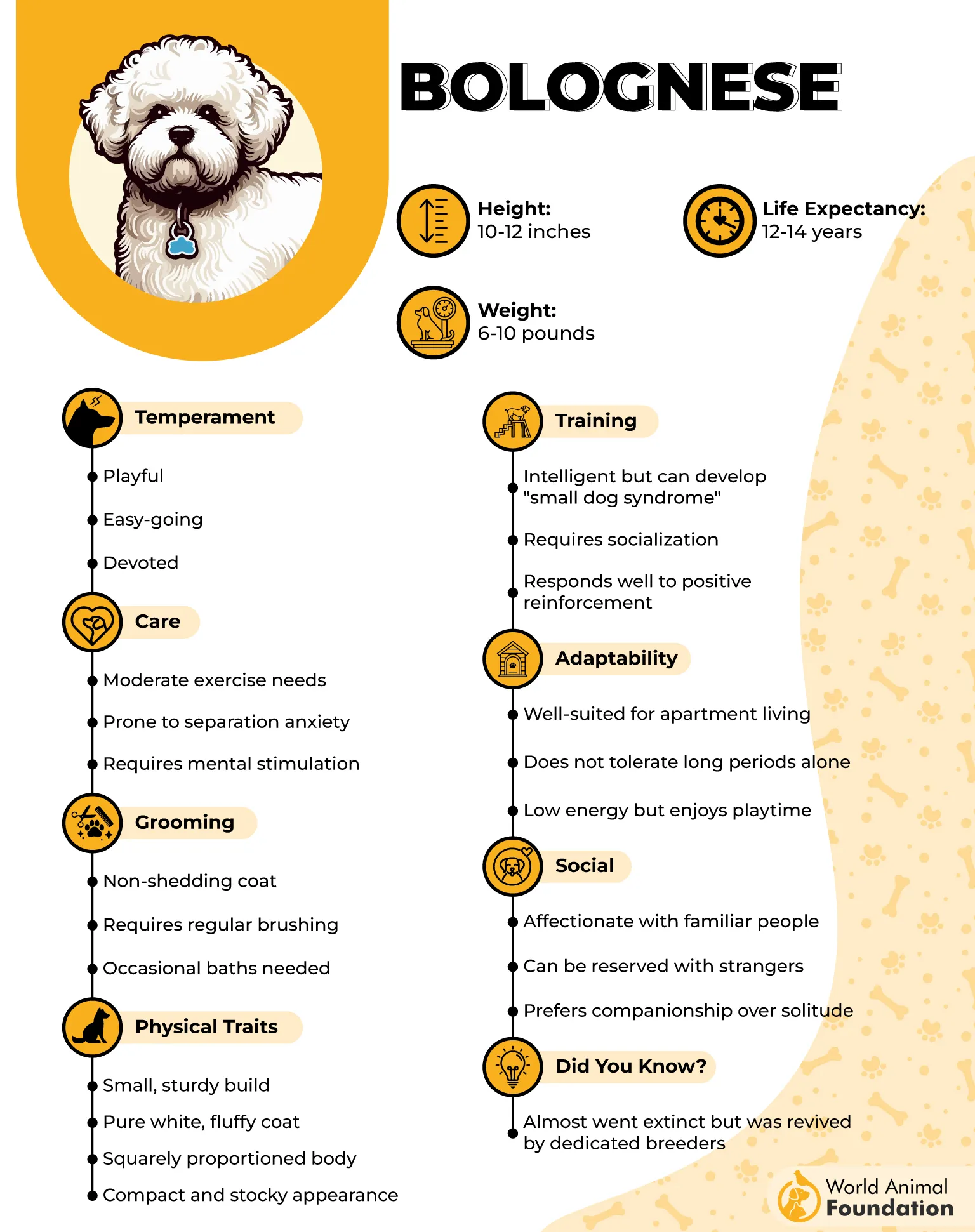
Bolognese has been cherished as a companion for centuries, with Italian nobility closely associated with the breed and its place in Renaissance-era art. These small white dogs also share Mediterranean roots with the Maltese, Havanese, and Bichon Frise.
Quiet by Nature
Bolognese tends to keep things low-key at home, choosing time with its family over constant running around or nonstop play. It can be a lovely match for people who would rather have a dog that adds companionship without adding chaos.
The following details further explain that peaceful nature:
Reserved around strangers
Alert without being overly excitable
Enjoys quiet cuddling sessions
Easygoing Company
Bolognese has a gentle personality that can make everyday routines feel pleasantly uncomplicated. With proper socialization and training, the breed can adapt well to both children and older adults while remaining affectionate toward familiar people.
Conclusion
Some homes feel better when the soundtrack is soft, and choosing a quieter companion can help create that atmosphere. The dogs featured here may differ in size, personality, and activity needs, but even naturally quiet dogs can bring affection and fun without constant barking. Their quieter habits do not mean they lack opinions, energy, or curiosity.
They still need training, socialization, exercise, mental stimulation, and time with the people they trust. When those needs fit your routine, life together can feel wonderfully uncomplicated, especially with city living and loud noises nearby.
You get a companion ready for family time, playful moments, and quiet evenings without feeling the need to greet strangers with every small noise inside your home.
