




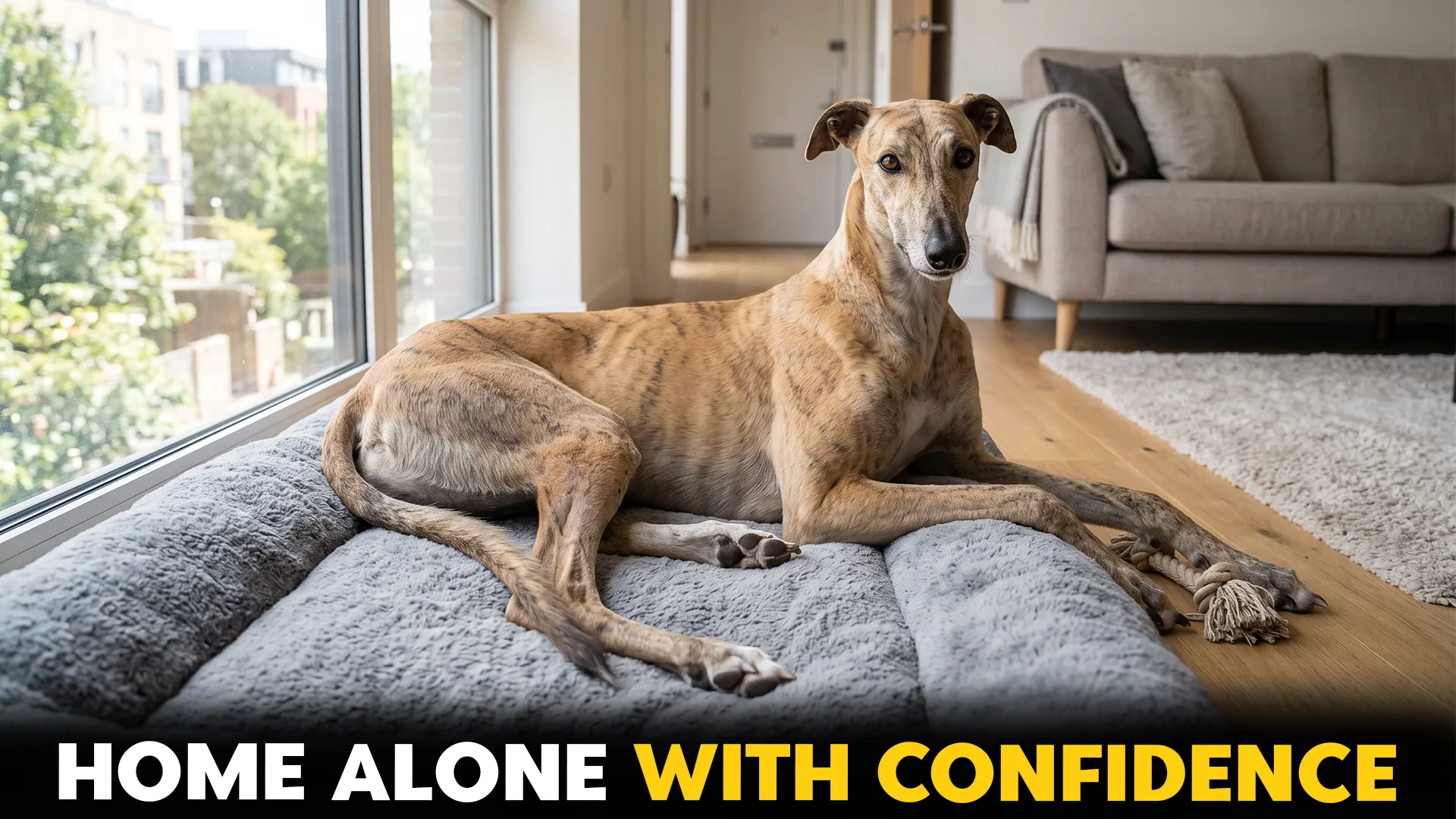
Balancing work, family, and personal responsibilities often means leaving a dog home alone for part of the day. While every dog enjoys time with its owner, some breeds are naturally more independent and simply better equipped to handle a bit of solitude than others.
Independent dog breeds are less likely to get anxious or develop destructive habits when left alone, especially when they’re getting proper exercise, mental stimulation, and a consistent routine. Their calm, adaptable nature makes them a practical fit for people with busy schedules.
That said, no dog should be left alone for excessive hours without any care or companionship. Knowing which breeds handle occasional independence better can help you choose a companion that fits your lifestyle while still making sure their emotional and physical needs are fully met.
Independent Dog Breeds That Handle Being Home Alone
1. Greyhound
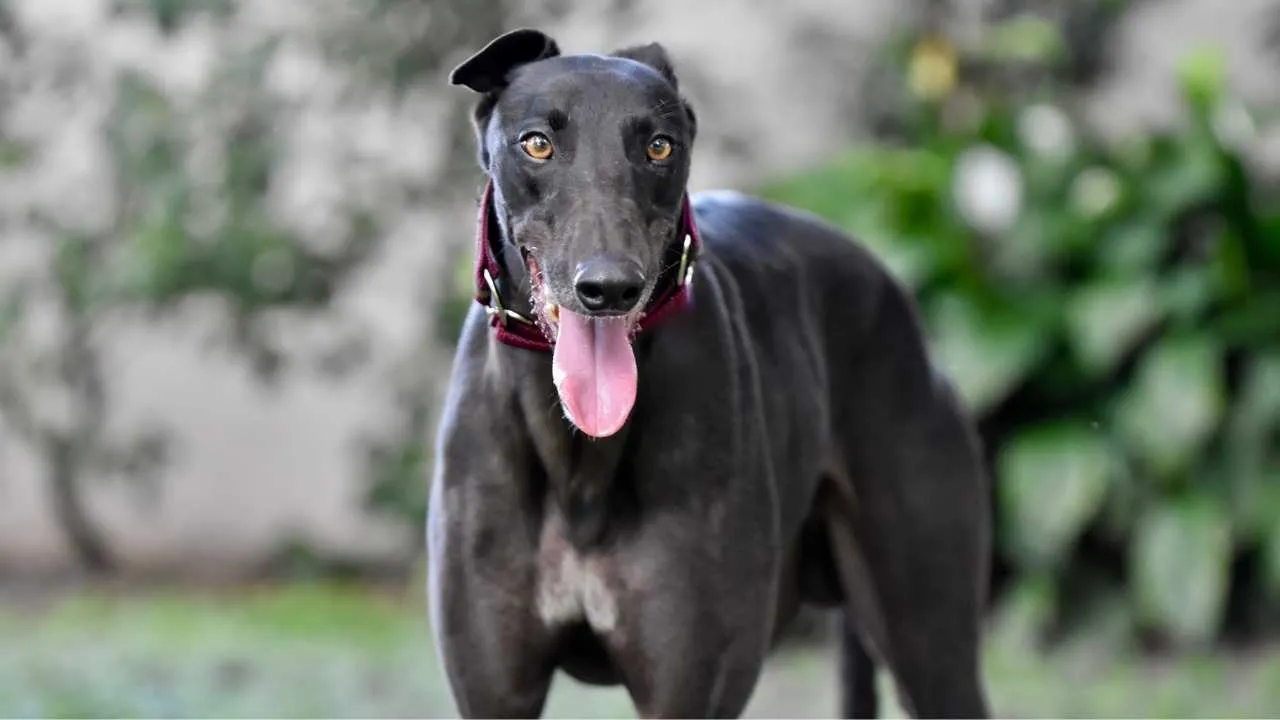
Recognized as an independent yet affectionate breed, Greyhounds tend to enjoy their alone time without becoming clingy. Interesting fact though: despite being the fastest dogs in the world, they’re actually pretty calm and love nothing more than lounging with their favorite people whenever they get the chance.
Greyhounds don’t need constant attention or nonstop physical activity, which makes their day-to-day needs fairly easy to manage.
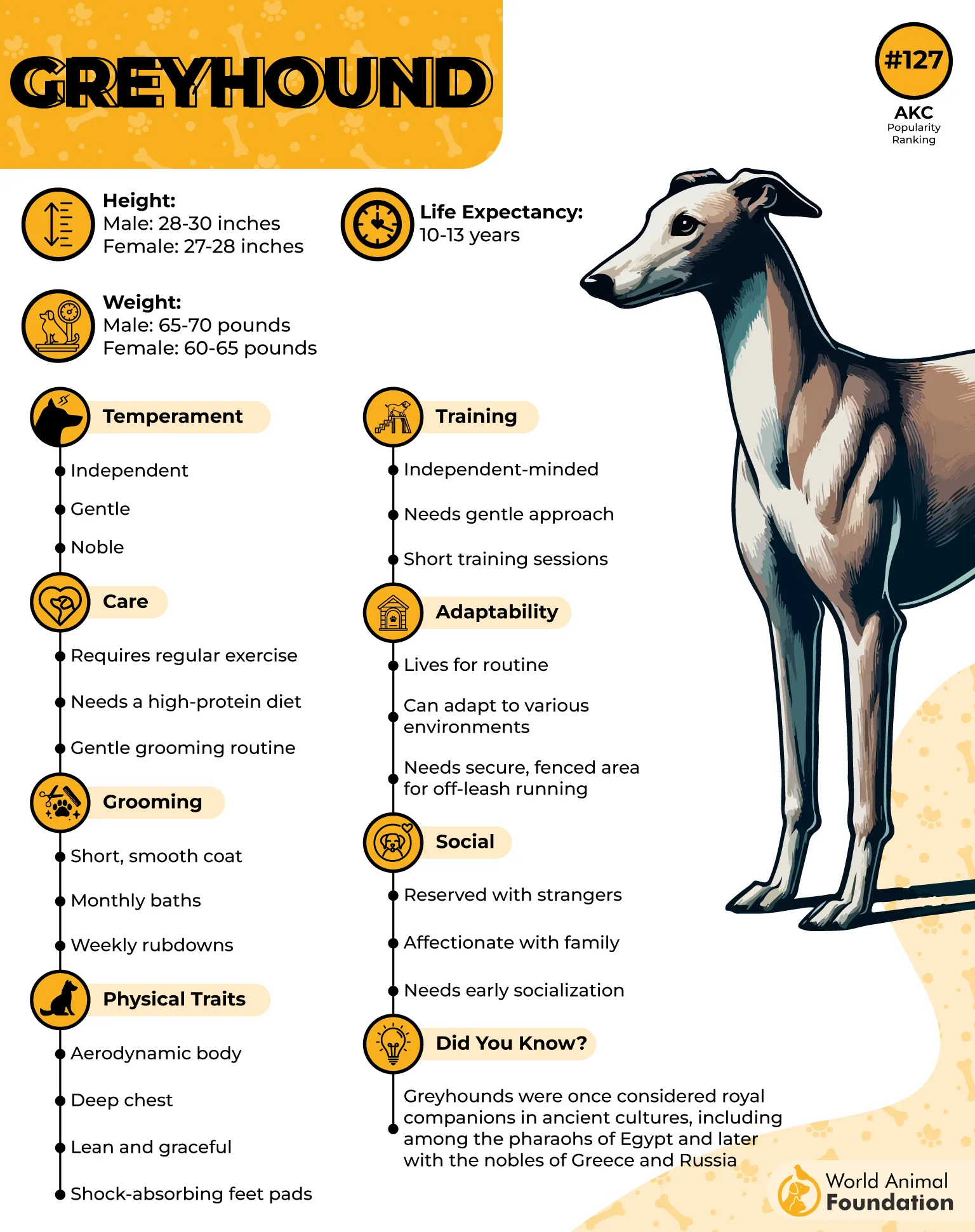
They’re highly adaptable and can settle into both lively households and quieter environments. One thing to watch for, though: their strong prey drive means they may chase after smaller pets like cats or birds.
While Greyhounds can handle a few hours alone at home, their sensitive side means pet parents should still make an effort to keep them mentally engaged through games, trick training, and quality one-on-one time. Left alone for too long, they can develop separation anxiety.
2. Chow Chow
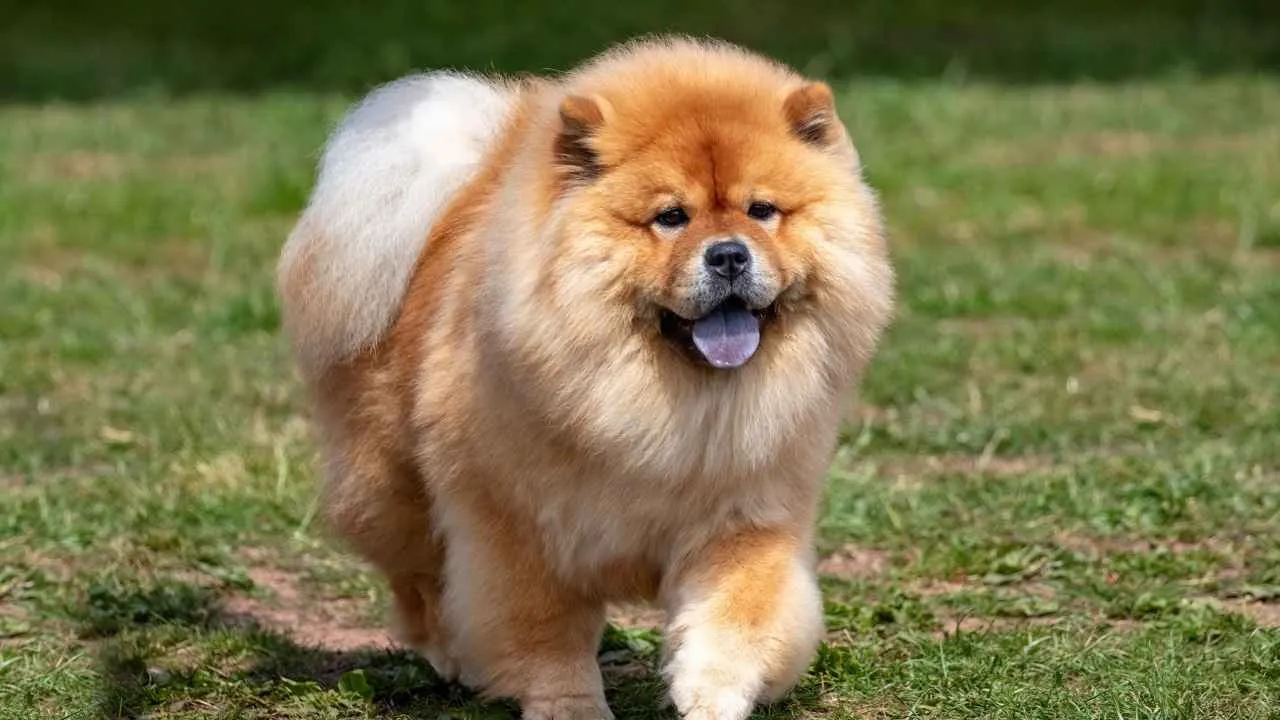
As long as they get enough exercise and mental stimulation, Chow Chows can comfortably handle a few hours alone at home. That said, like most dogs, they’re still prone to separation anxiety if left alone for too long. They tend to be aloof with strangers but form deep, loyal bonds with their family.
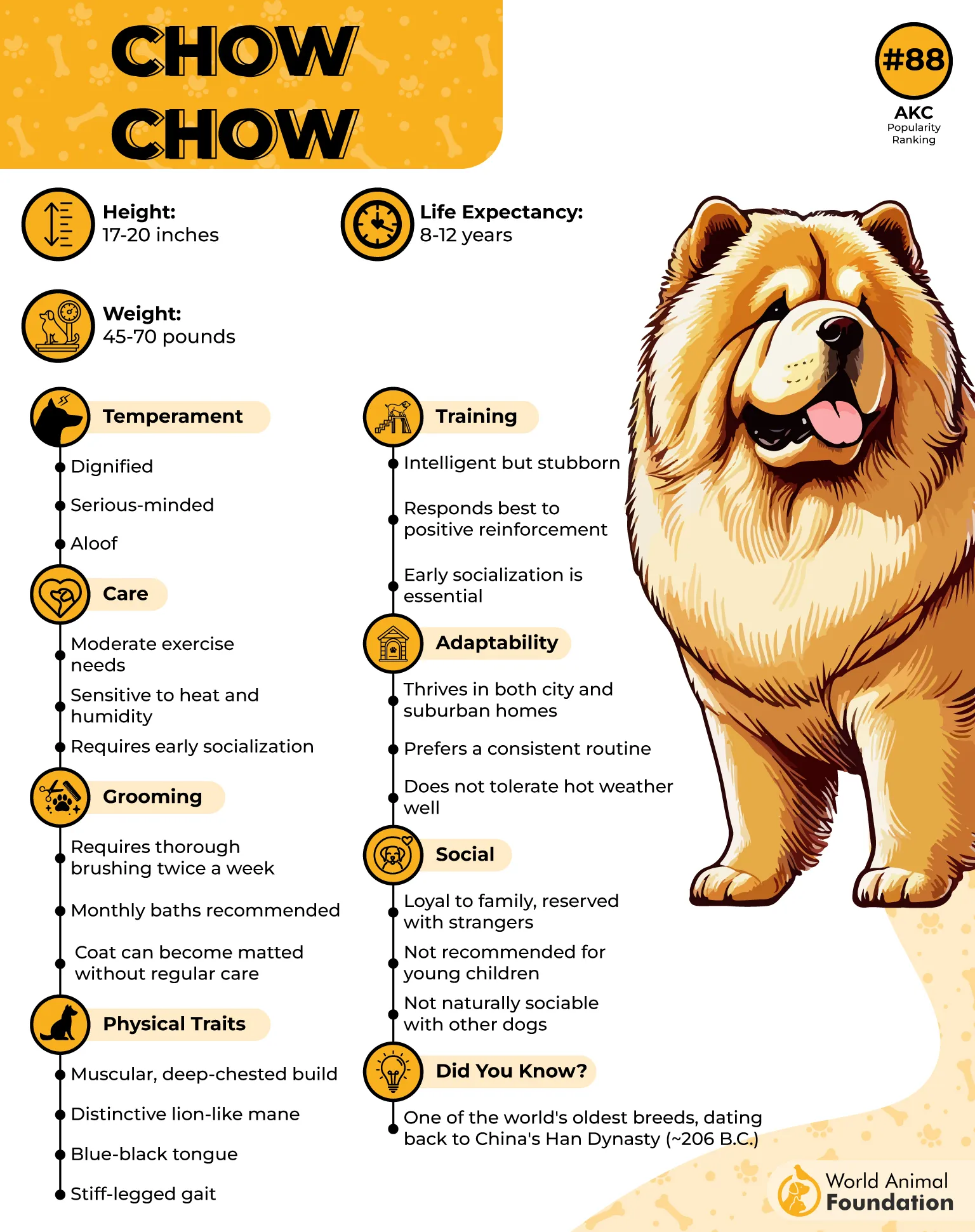
Chow Chows are often considered one of the better breeds for people working nine-to-five jobs or other demanding schedules. That said, their independent streak calls for patient, consistent training throughout their lives, which makes them a better fit for more experienced owners.
They stay fairly alert and can be trained into solid watchdogs, though their smaller stature means they’re not really cut out to be guard dogs.
Housetraining can be a bit of a challenge with this breed, so positive reinforcement methods tend to work best. Overall, Chow Chows are relaxed dogs with fairly low energy levels.
3. Basset Hound
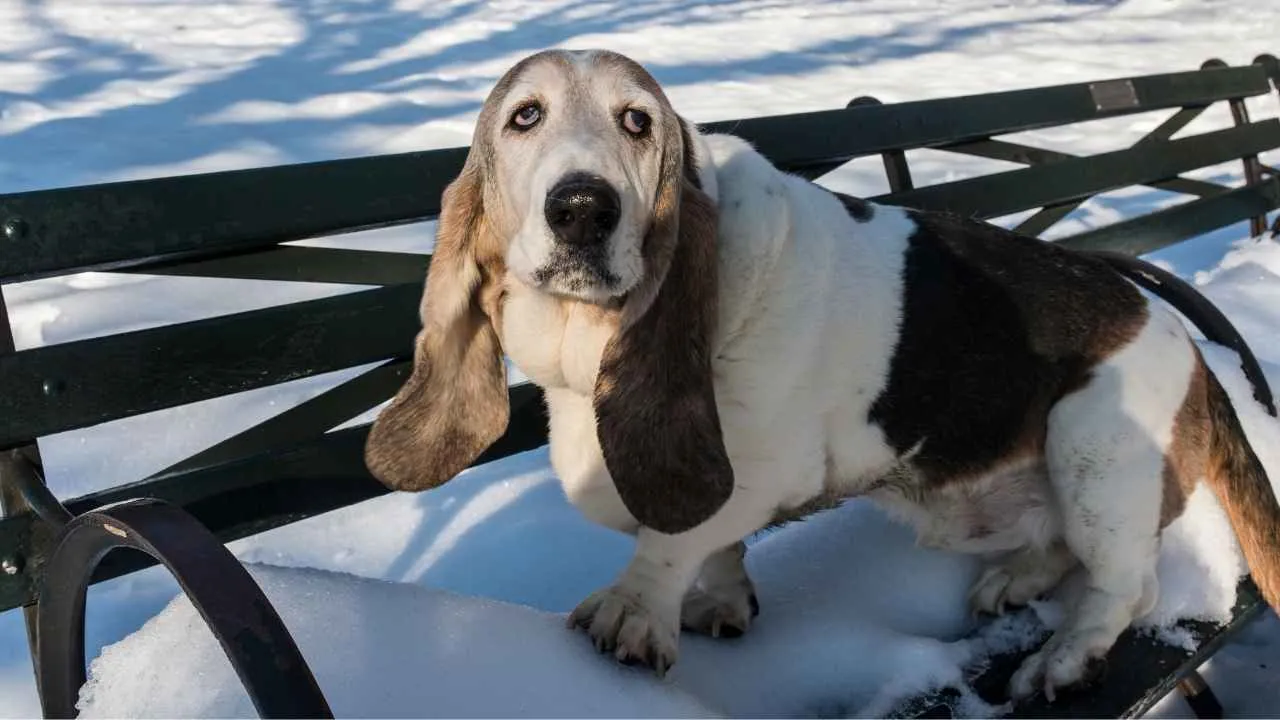
A calm temperament, laid-back nature, and a genuine love for napping make Basset Hounds pretty content spending a few hours alone at home. Originally bred to hunt small game like rabbits, these hound dogs have become beloved companions today thanks to their affectionate, friendly personality.
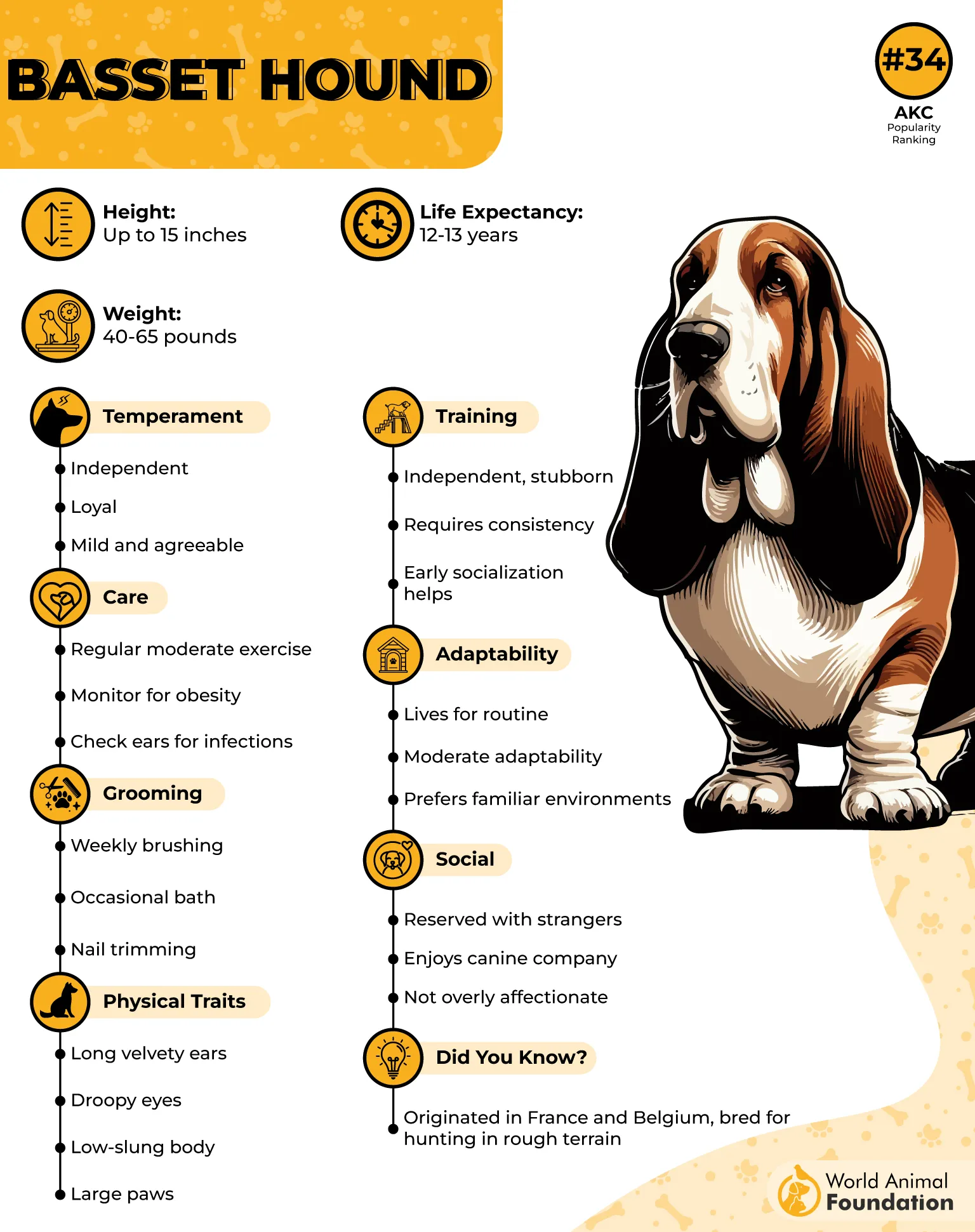
Basset Hounds are known for having one of the best senses of smell in the dog world, second only to Bloodhounds. They don’t need as much exercise as other medium-sized breeds, and a single daily walk paired with some mental engagement at home is usually enough to keep them happy.
They’re social by nature and tend to get along well with other dogs, and even cats, if introduced early on. Before heading out, busy owners should make sure their Basset has enough to keep its mind occupied, whether that’s toys, puzzle feeders, or the company of another dog.
4. Lhasa Apso
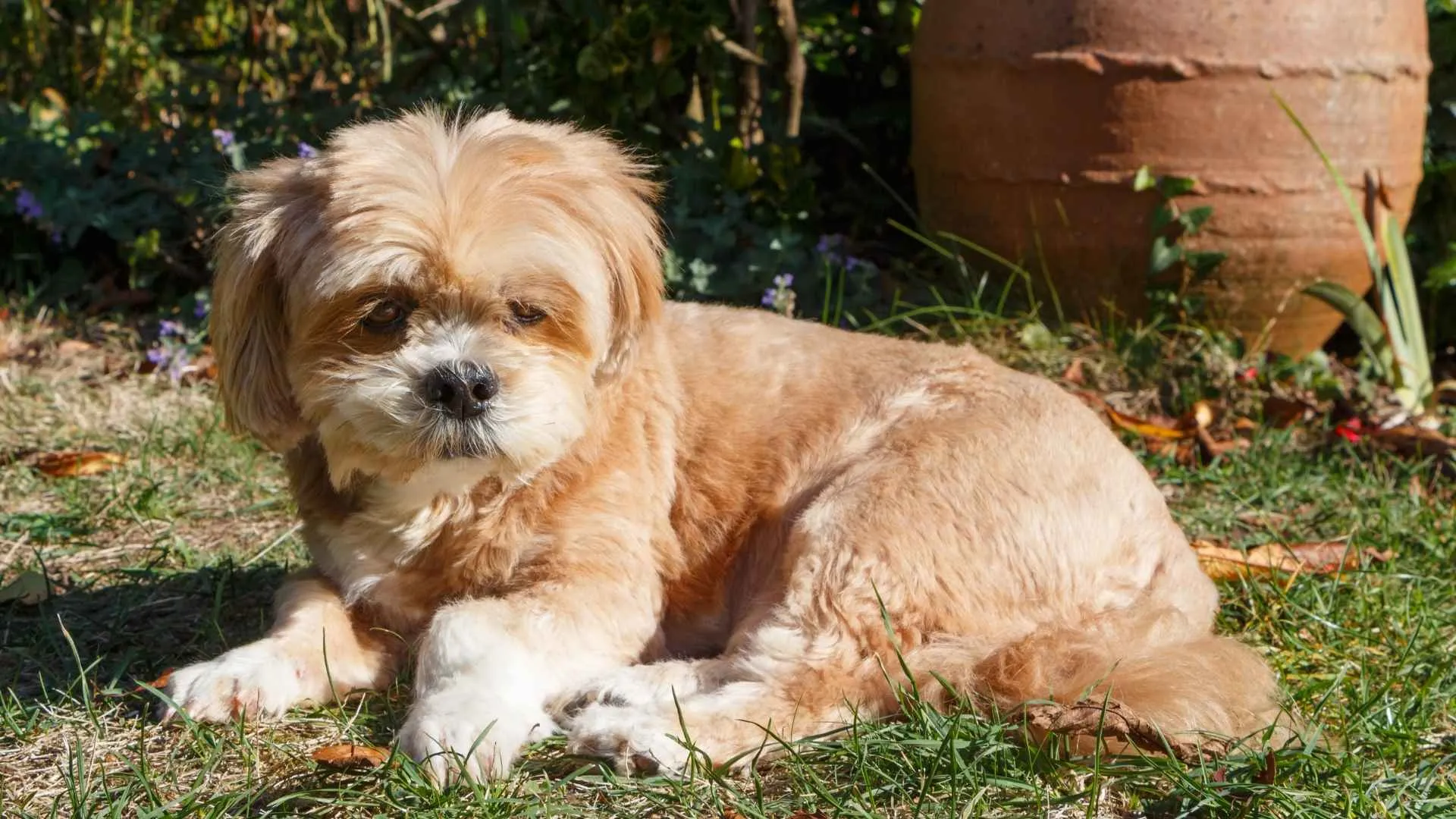
Famous for their bold personality and lion-like mane, Lhasa Apsos share a long history with Tibetan aristocracy, prized for their keen hearing, watchful nature, and independent streak. Despite their reserved personality, they’re deeply devoted and loving toward their families.
While they’re generally built to handle some alone time, it’s best kept to no more than 4 to 6 hours. They don’t have particularly high energy levels either, so their exercise needs are easy to manage even in apartment living.
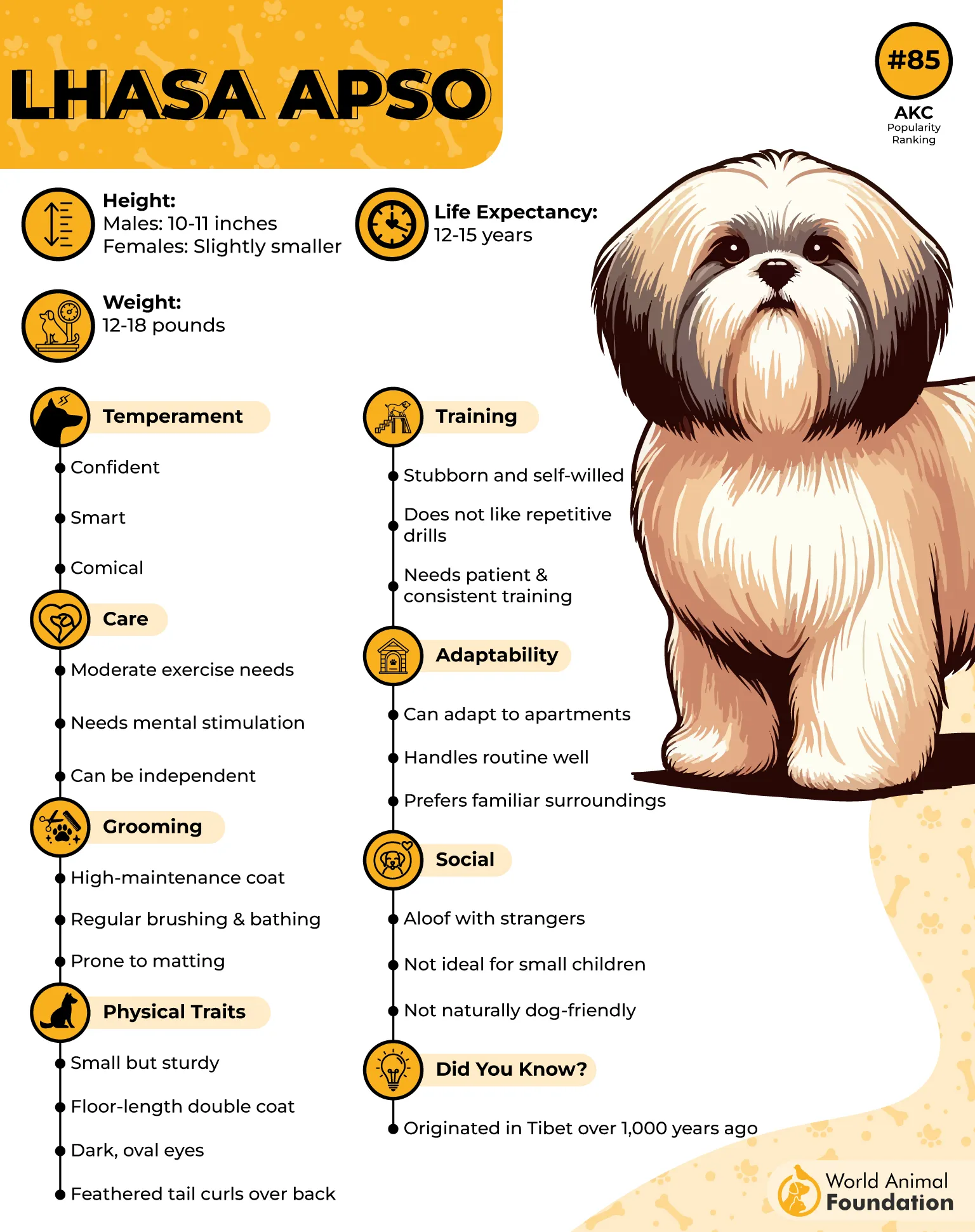
Petplan warns that these small dogs can become incessant barkers if not properly socialized and trained. Their floor-length, silky, thick coat needs regular care and attention to stay looking its best.
Their independent streak can make training a bit of a challenge, so keeping sessions short and fun is key to success.
5. Shiba Inu
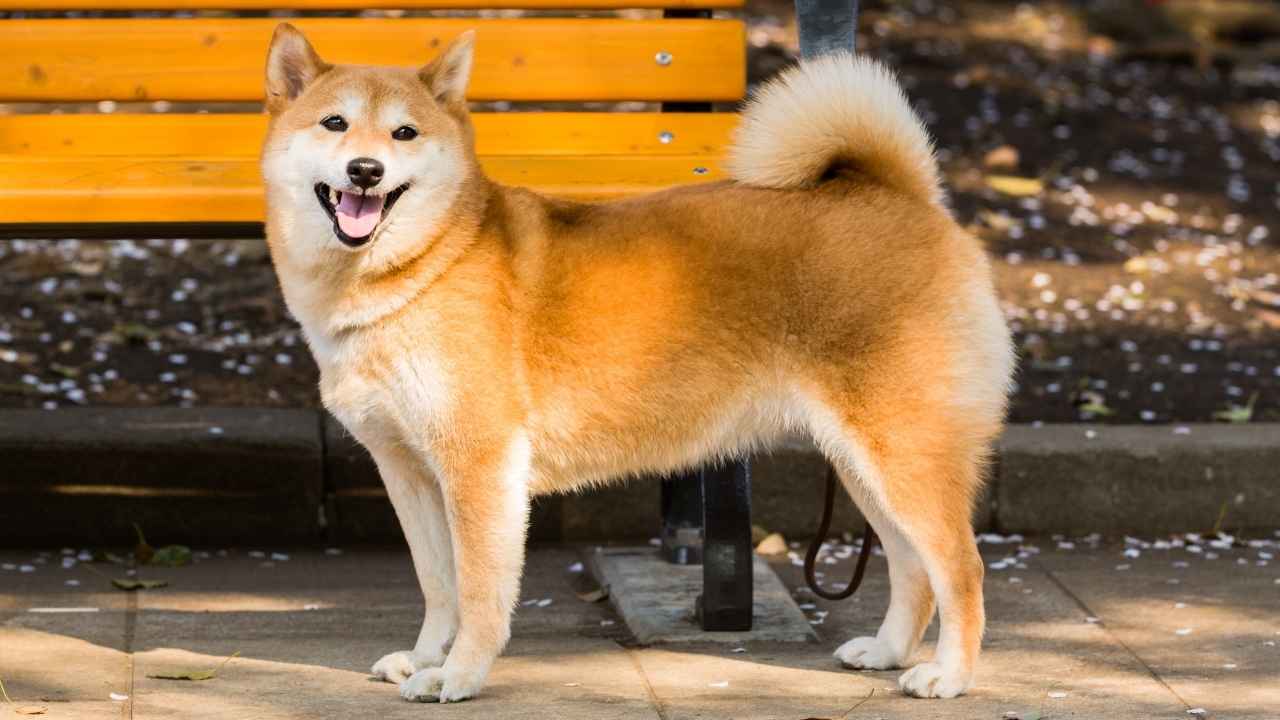
The national treasure of Japan, the Shiba Inu ranks high among independent dog breeds for good reason. Despite their independent streak, there’s honestly nothing they love more than a good nap.
Shiba Inus tend to be reserved, but with early training and socialization, they warm up well to the whole family and become less aloof around strangers.
They’re not the type to crave constant attention like a classic lap dog. In fact, Shiba Inus are alert and loyal enough to make great watchdogs for busy households.
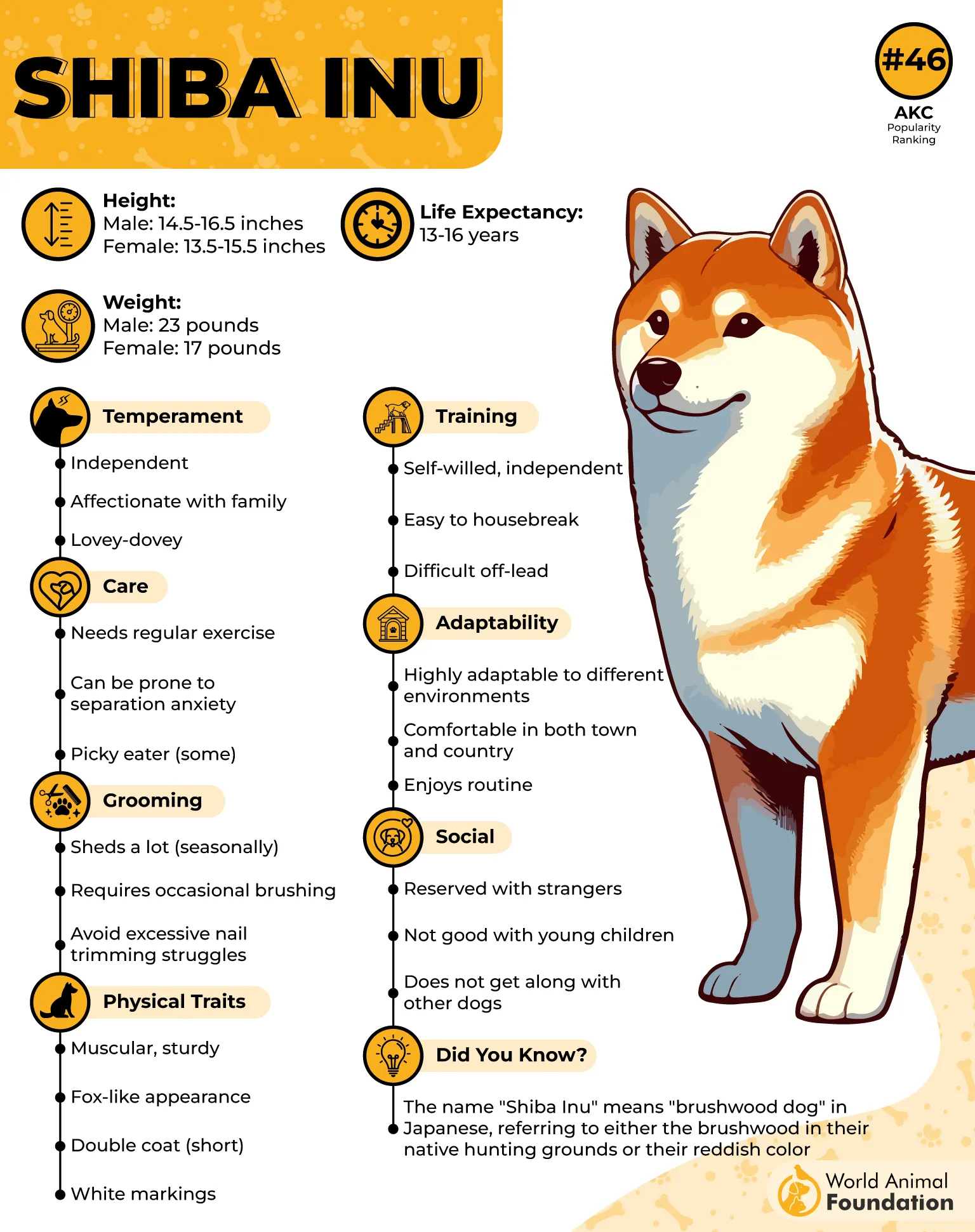
They can be confident, sometimes a little bossy, and may come across as dominant with other animals. They also tend to be possessive over their food and toys.
If you’re planning to leave one alone for a few hours, make sure they’ve had a good amount of exercise beforehand (and after), or they may start developing destructive habits.
6. Chinese Shar-Pei
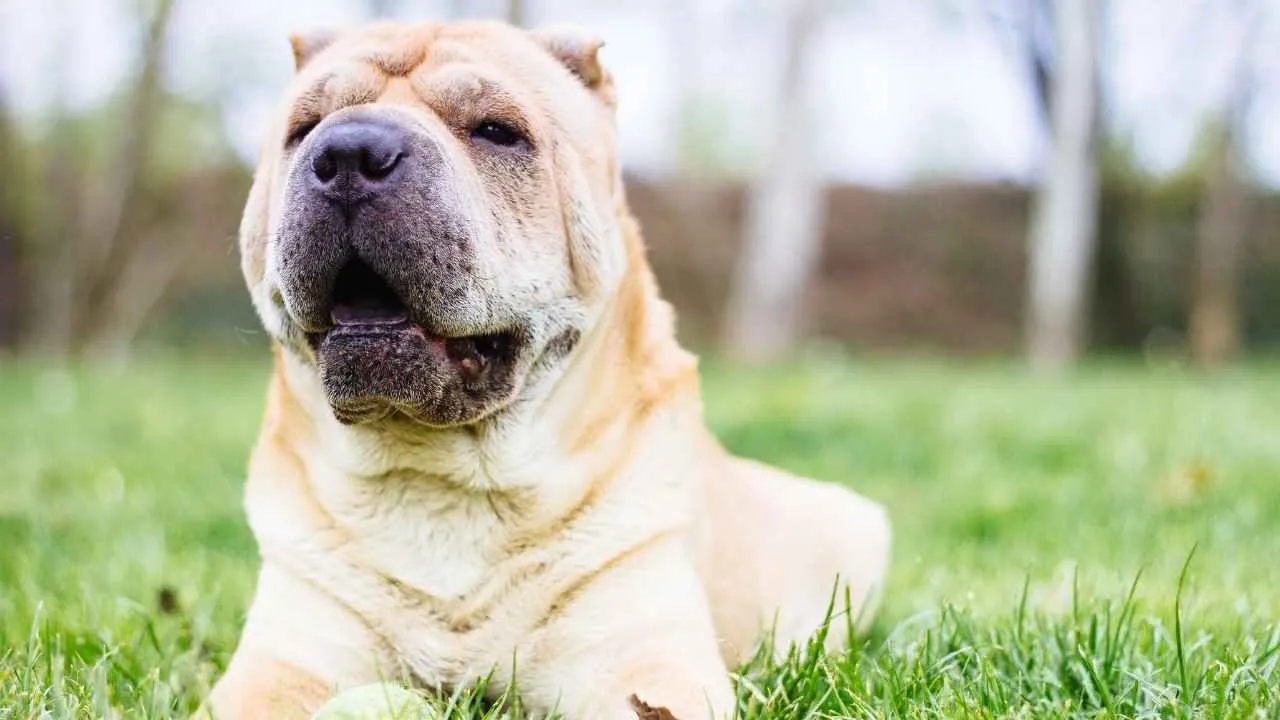
With their distinctive wrinkled look and independent nature, Chinese Shar-Peis are pretty comfortable spending some solo time when left home alone. Because of their hunting background, they’re not always the most trustworthy around other pets, especially ones with quick, darting movements.
According to PetMD, these medium-sized dogs are loyal and affectionate but need proper training to interact well with other pets, kids, and new people. Since they’re not naturally easygoing or quick to adapt to new surroundings, they’re not the best fit for first-time pet parents.
That said, Shar-Peis aren’t overly demanding when it comes to exercise or attention. They adapt well to smaller homes and are happy with short walks paired with some indoor playtime.
As they get older, Shar-Peis tend to slow down and show less interest in play, though as puppies, they’re usually eager to join in on any game.
7. Great Pyrenees
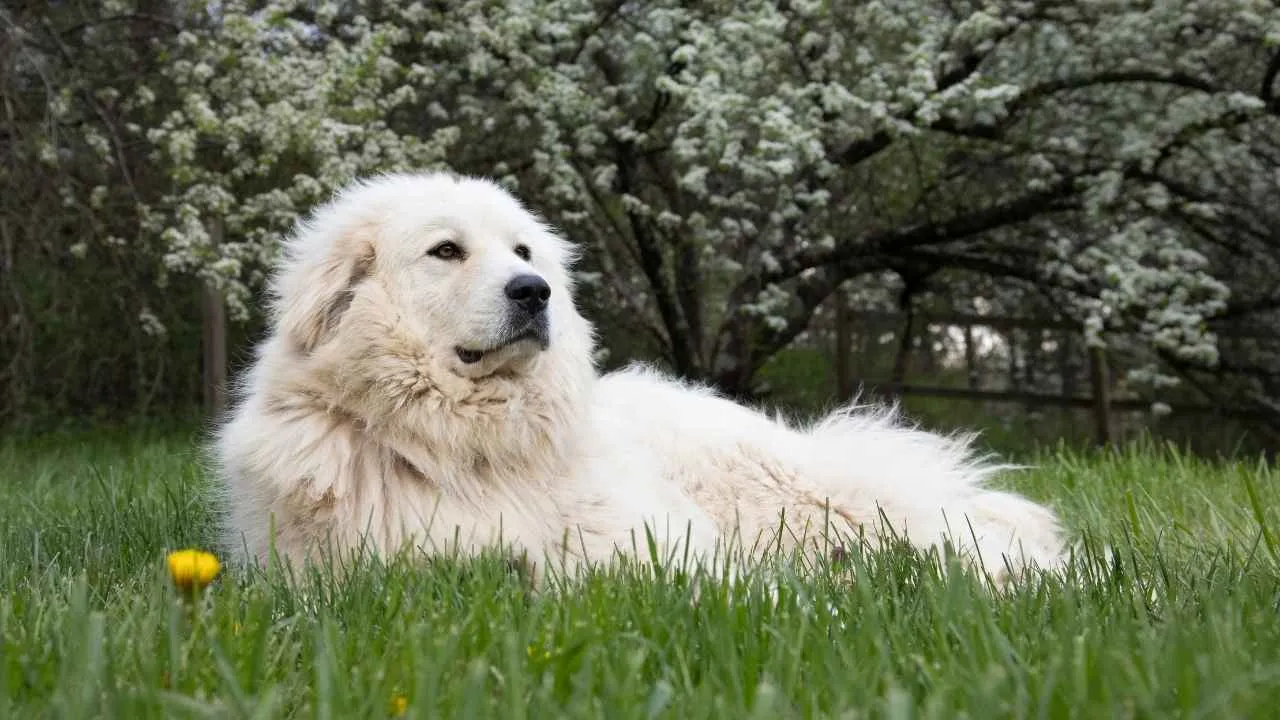
Despite their big frame and impressive strength, Great Pyrenees are calm, gentle dogs capable of handling several hours alone at home. They’re highly intelligent, but not always the best listeners, so training calls for real patience and consistency, according to Orvis.
Originally bred as livestock protectors, Great Pyrenees are prone to barking, especially at night, which actually makes them a solid option for guarding your home and property.
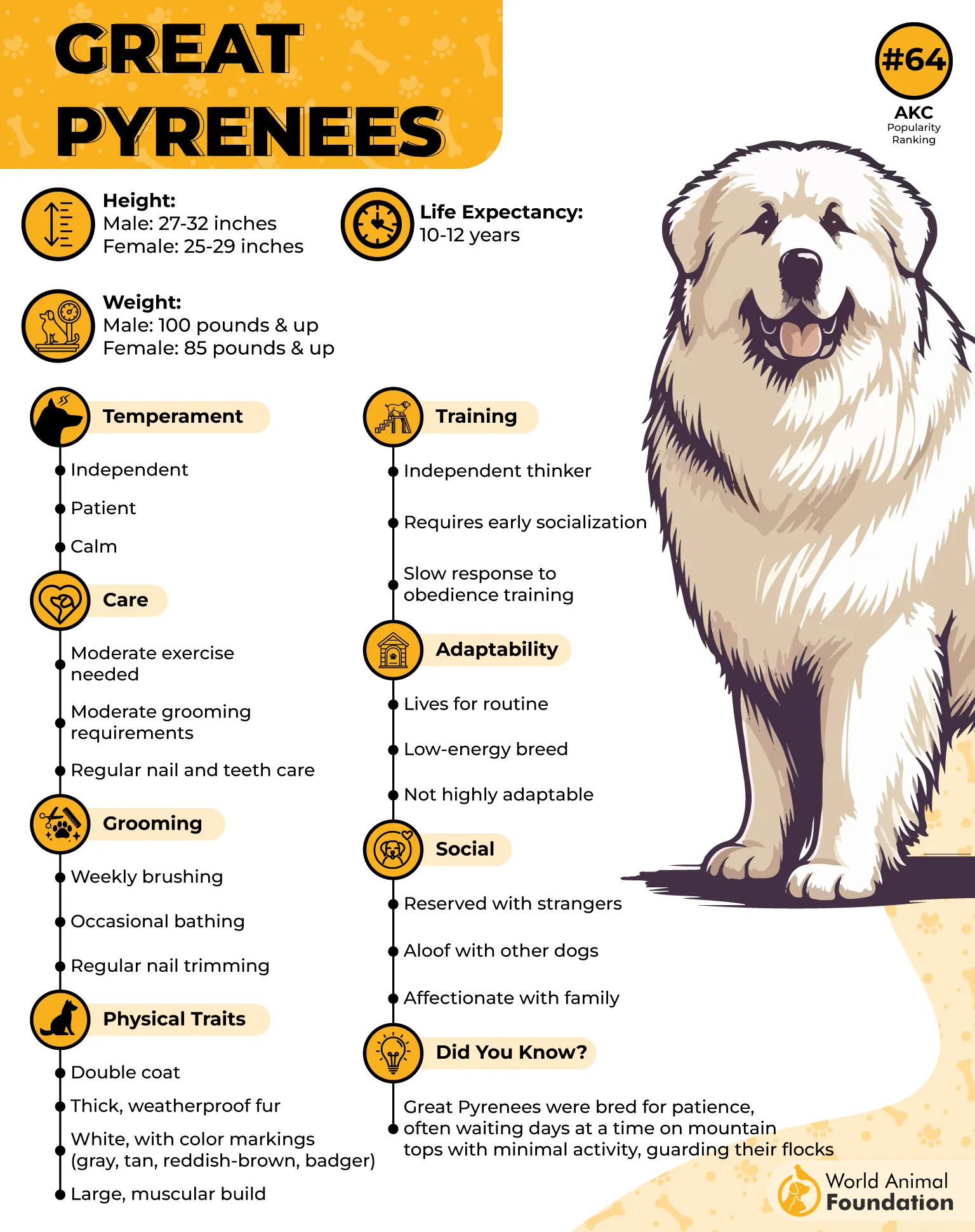
Given their size, they need plenty of space to rest and move around comfortably, even with their otherwise calm temperament.
Pyrs aren’t the overly affectionate type; they tend to show love and devotion in their own quiet way. With regular exercise and mental enrichment, they can handle being alone for up to 8 hours during the day. They shed year-round and need frequent brushing, though they only need occasional baths.
Conclusion
Not every dog struggles with spending time alone. While all dogs need companionship, some breeds are naturally more independent and better suited to owners with busy schedules. Picking the best dog breed that stays calm during your workday, paired with proper training, puzzle toys, and a consistent routine, can go a long way in preventing boredom, destructive behavior, and separation anxiety.
Finding the right match depends not just on the breed, but on your commitment to meeting your pet’s physical and emotional needs during the time you do spend together.
