




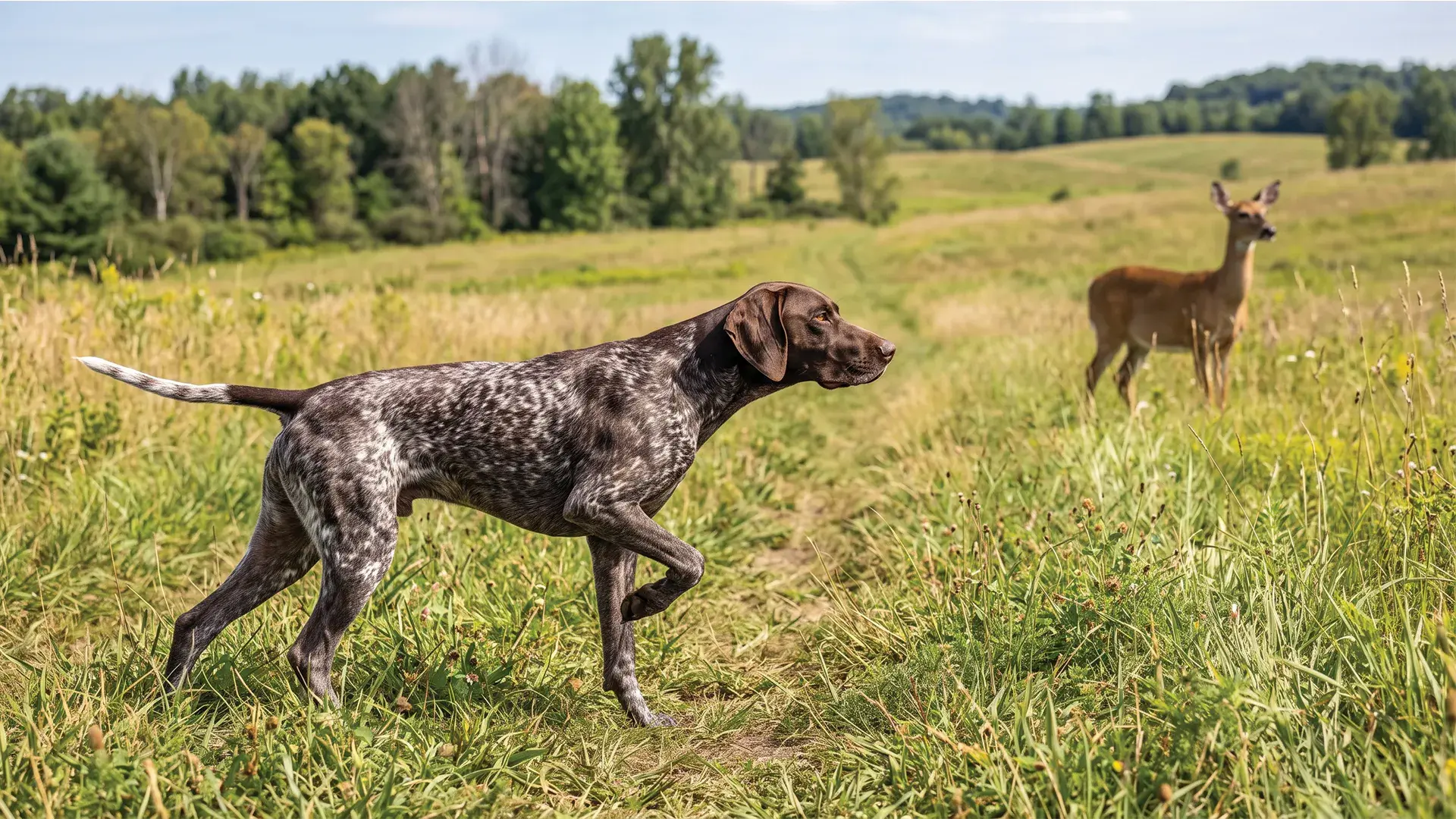
A trail can vanish faster than your dog disappears when someone opens the treat cabinet. One turn through thick brush, a rocky patch, or a little rain, and suddenly every useful clue seems to have packed its bags and left the woods.
Humans start squinting at leaves and questioning every broken twig. Tracking dogs simply lower their noses, switch into detective mode, and get to work. These determined canine sleuths bring sharp scenting skills, stamina, focus, and enough persistence to ignore that suspicious squirrel trying to derail the mission.
Some locate quarry, while others help recover wounded game across terrain where human eyes quickly lose the plot. Let’s meet the remarkable trackers that can turn one faint scent into a trail worth following.
Did you know?
Many dogs may possess up to 300 million olfactory receptors, compared with about 6 million in humans. That incredible nose power helps them notice faint scent clues people miss, making trained canines especially valuable for tracking deer and other prey.
Top Exceptional Dog Breeds for Deer and Prey Tracking
1. Irish Setter
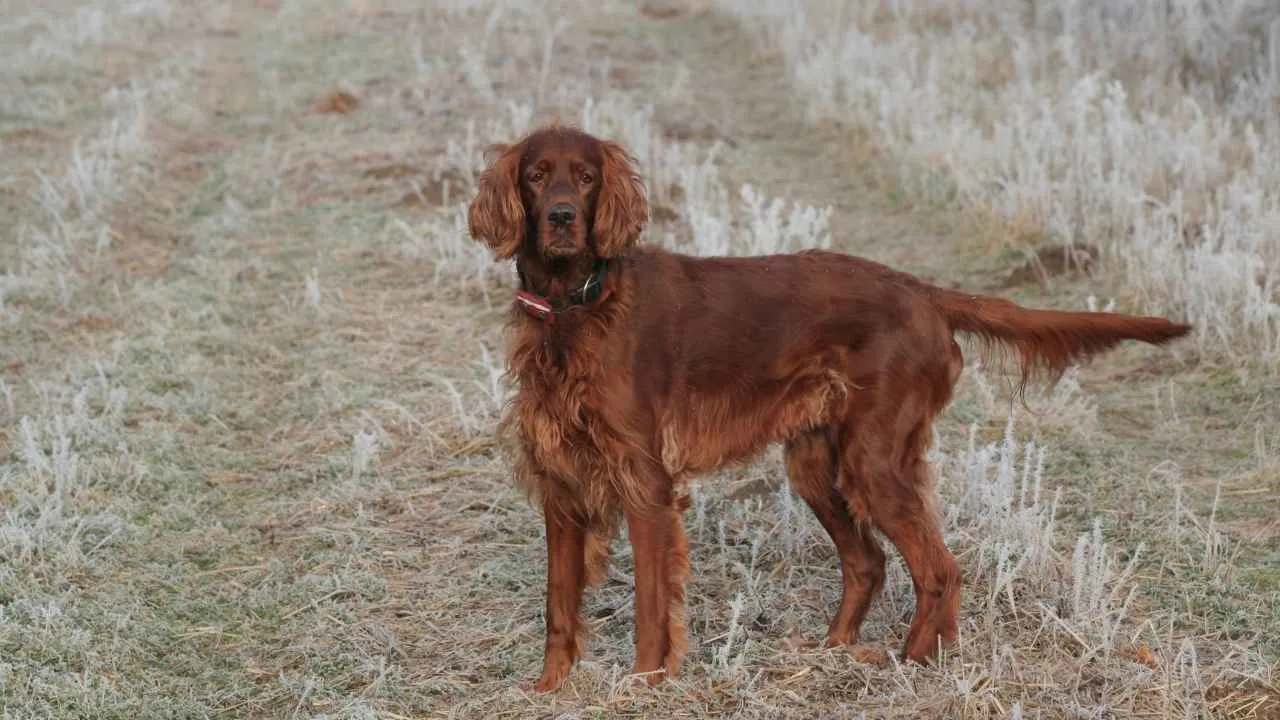
That glossy red coat may look ready for a grand entrance, but the Irish Setter is happiest when the countryside becomes its workplace. This lively gundog moves quickly and follows scent eagerly. Fieldwork is basically its favorite invitation.
Originally bred in Ireland for hunting birds, the Irish Setter was developed to move swiftly across open countryside while remaining attentive and patient. Early breeders combined setter and spaniel influences, creating an eager worker with a keen nose.
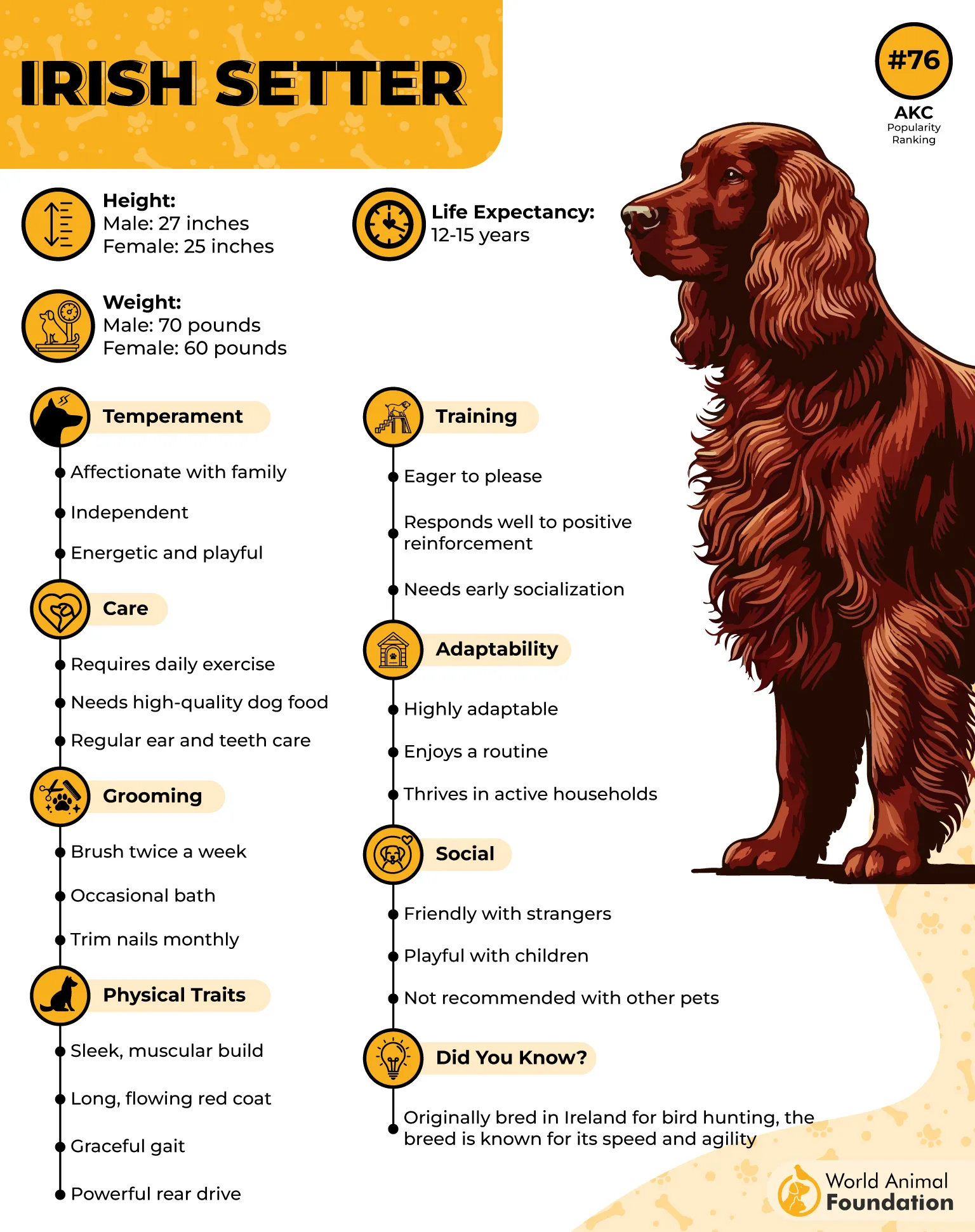
For prey tracking, this hunting breed brings speed, strong scenting ability, stamina, and a willingness to work closely with its handler. Its clearest specialty is locating game birds while covering open ground quickly and purposefully, never turning the hunt into a stroll.
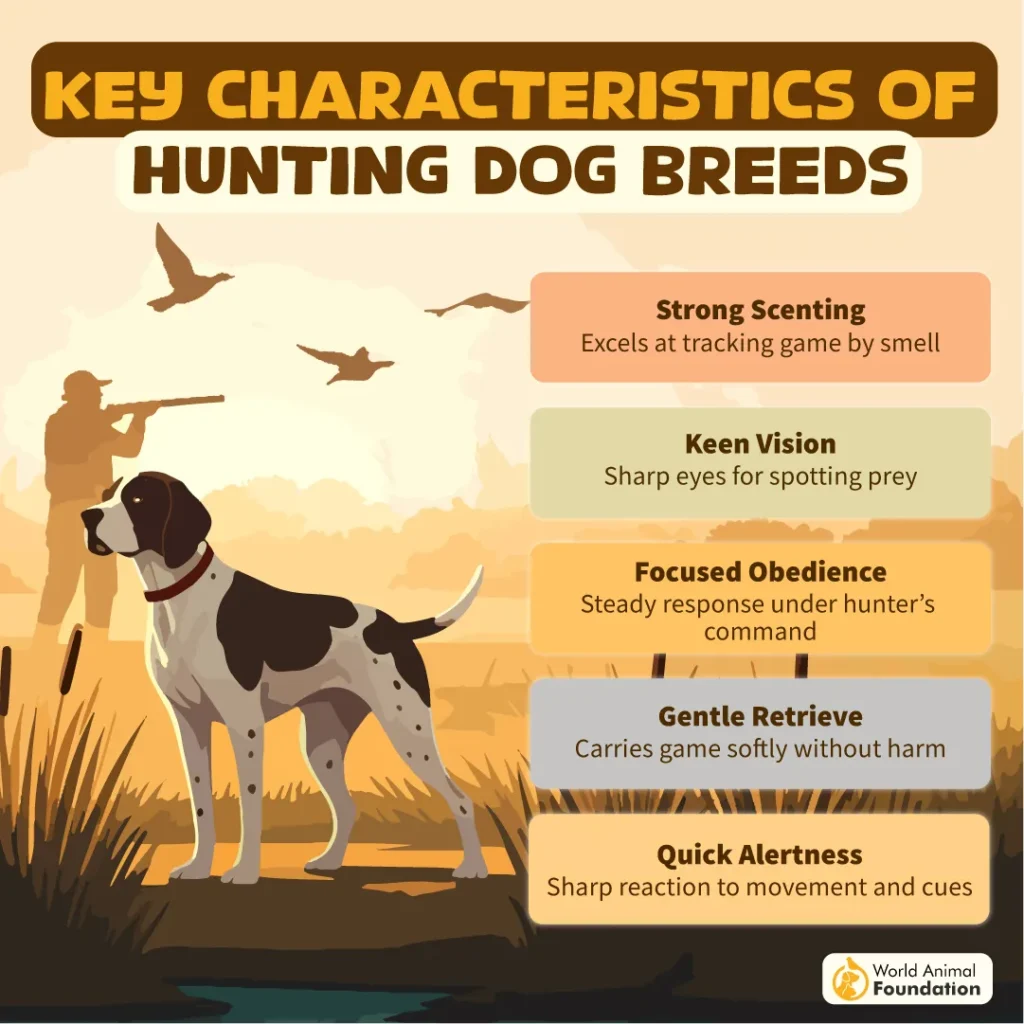
What Makes This Breed Stand Out
Its classic setting posture quietly signals where hidden birds are holding.
Field-bred lines preserve practical working ability with a lighter, less heavily feathered build.
2. Brittany Spaniel
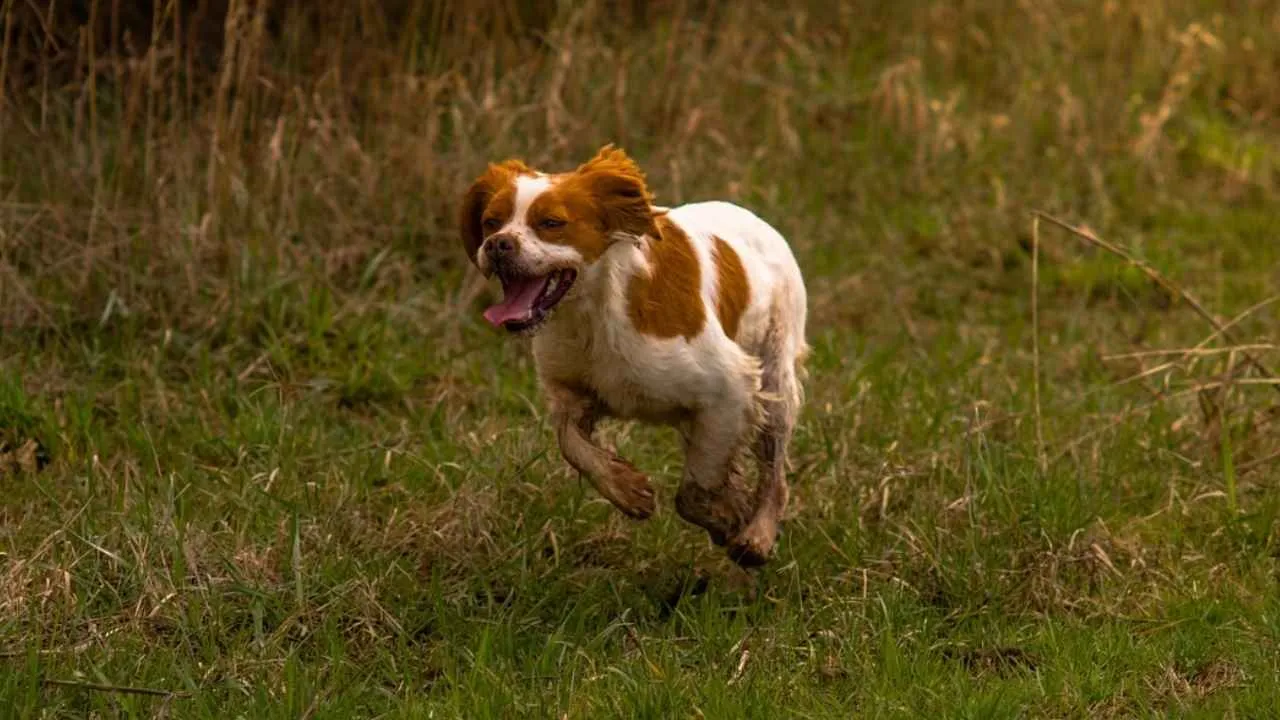
The Brittany arrives in the field like someone pressed the fast-forward button. Bright, agile, and tireless, this upbeat hunting dog can point, flush, and retrieve gamebirds. Suddenly, hidden quarry may feel considerably less confident about its clever hiding place.
Its value comes from versatility rather than one flashy trick. The Brittany can locate game, point out its position, and retrieve it after the find. Its rugged build and tireless working style also help it perform across different hunting environments.
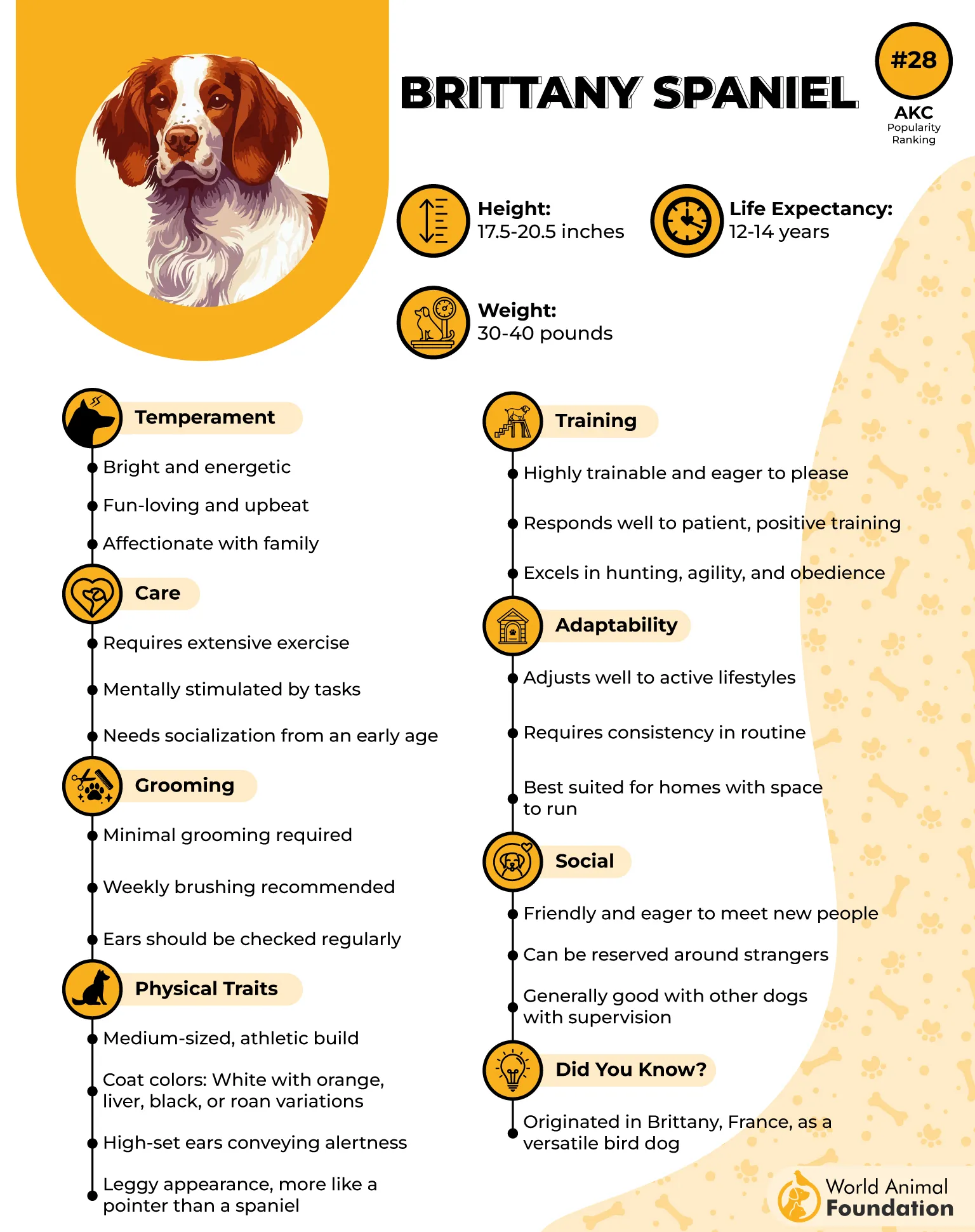
As noted by PetMD, the Brittany learns best through gentle, positive methods that keep sessions short, frequent, and genuinely fun. Treats and praise help maintain enthusiasm. Lengthy drills can turn this eager student into a bored little critic.
What Makes This Breed Stand Out
Its feathered quarry can include ducks, woodcock, pheasants, and partridges.
Its compact, leggy frame offers hunters an all-purpose worker in a conveniently manageable package.
3. German Shorthaired Pointer
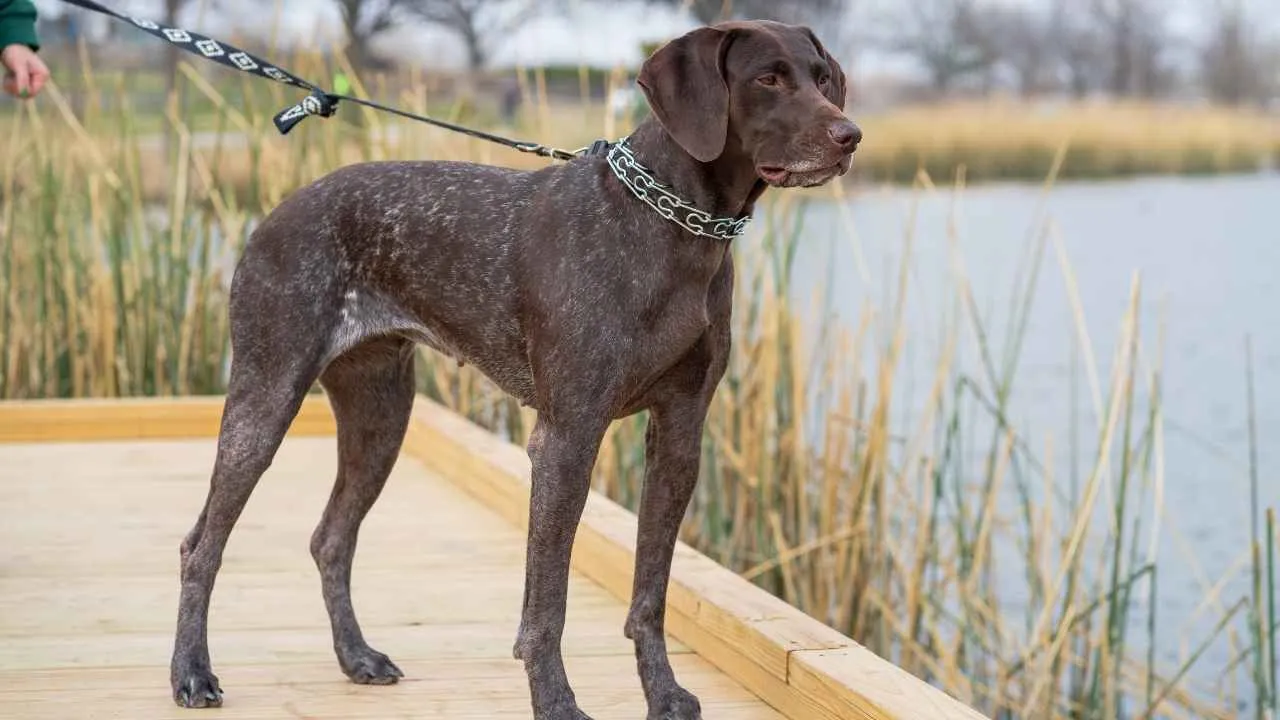
Some dogs enter a field politely. The German Shorthaired Pointer arrives ready to inspect every scent, patch of cover, and suspicious feather. Speed, agility, endurance, and a powerful working drive make this gun dog a remarkably versatile hunting partner.
When wounded game leaves a fading trail, the German Shorthaired Pointer can put its strong nose and tracking heritage to work. The breed has hunted varied quarry, including deer. Its early development included dogs interested in trailing mammals.
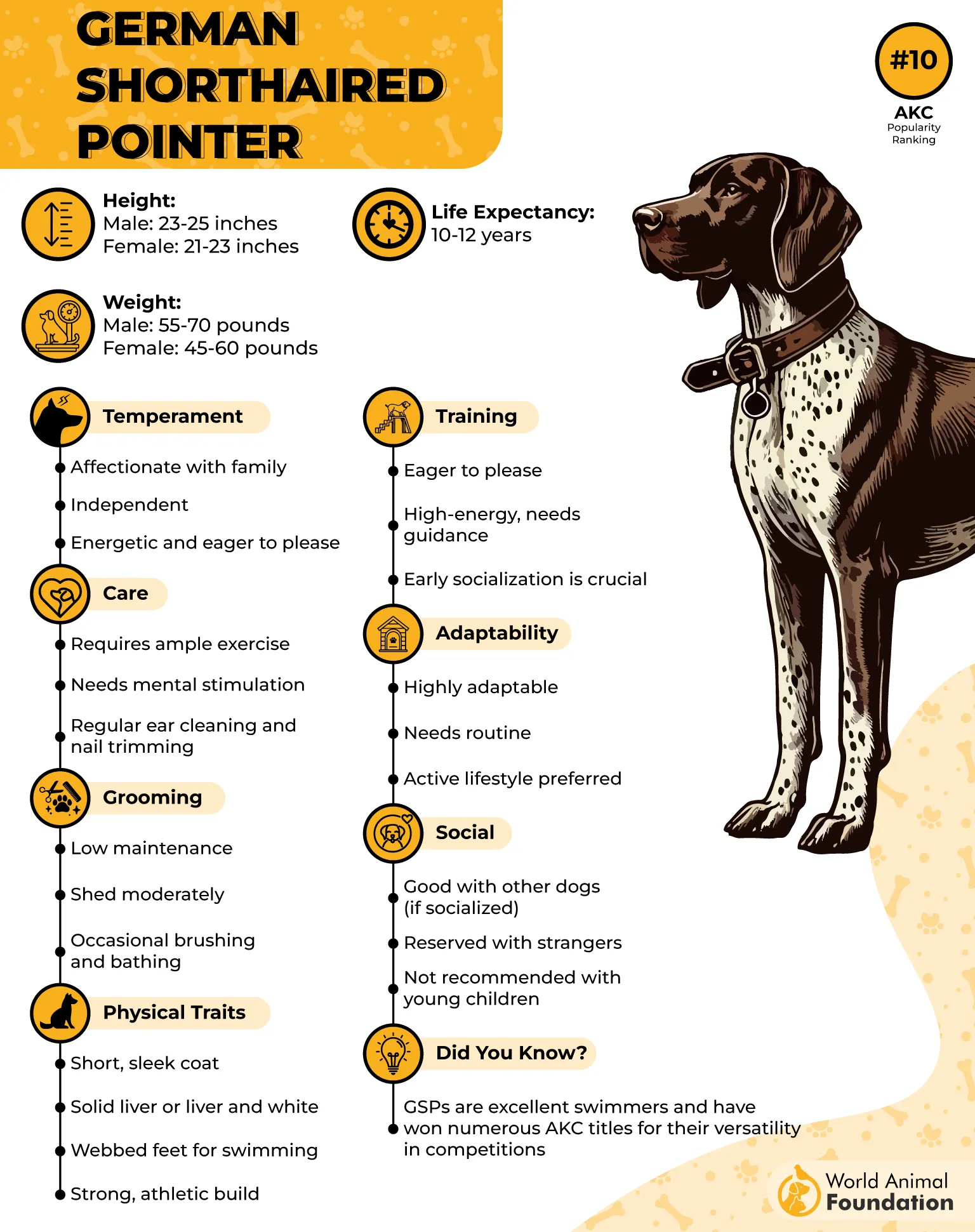
Upland game hunters value the German Shorthaired Pointer because it searches widely, locates birds by scent, and freezes with its nose aimed toward the find. It can also retrieve the game, keeping the entire assignment wonderfully well organized.
What Makes This Breed Stand Out
A long, powerful muzzle allows the dog to carry recovered game for extended periods.
Its short, thick, water-repellent coat offers practical protection during wet field assignments.
4. Basset Hound
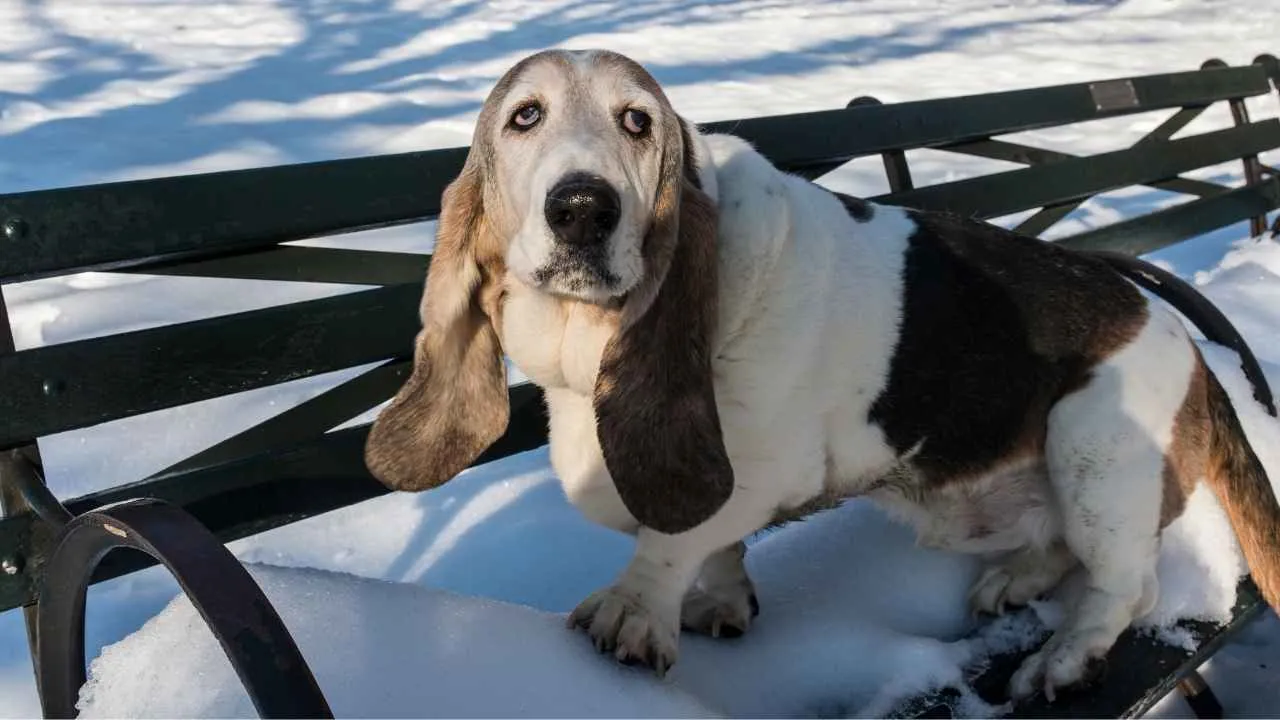
The Basset Hound looks as though it has postponed every appointment except sniffing. Recognized by the American Kennel Club (AKC) in 1885, this deliberate scent hound follows trails with persistence and endurance. Winning a footrace is clearly not on today’s agenda.
Rough ground, thick forest, and dense undergrowth do not automatically cancel the Basset Hound’s plans. Its low build, protective loose skin, rugged coat, and measured pace helped hunters follow on foot. Rabbit and deer trails kept it busy.
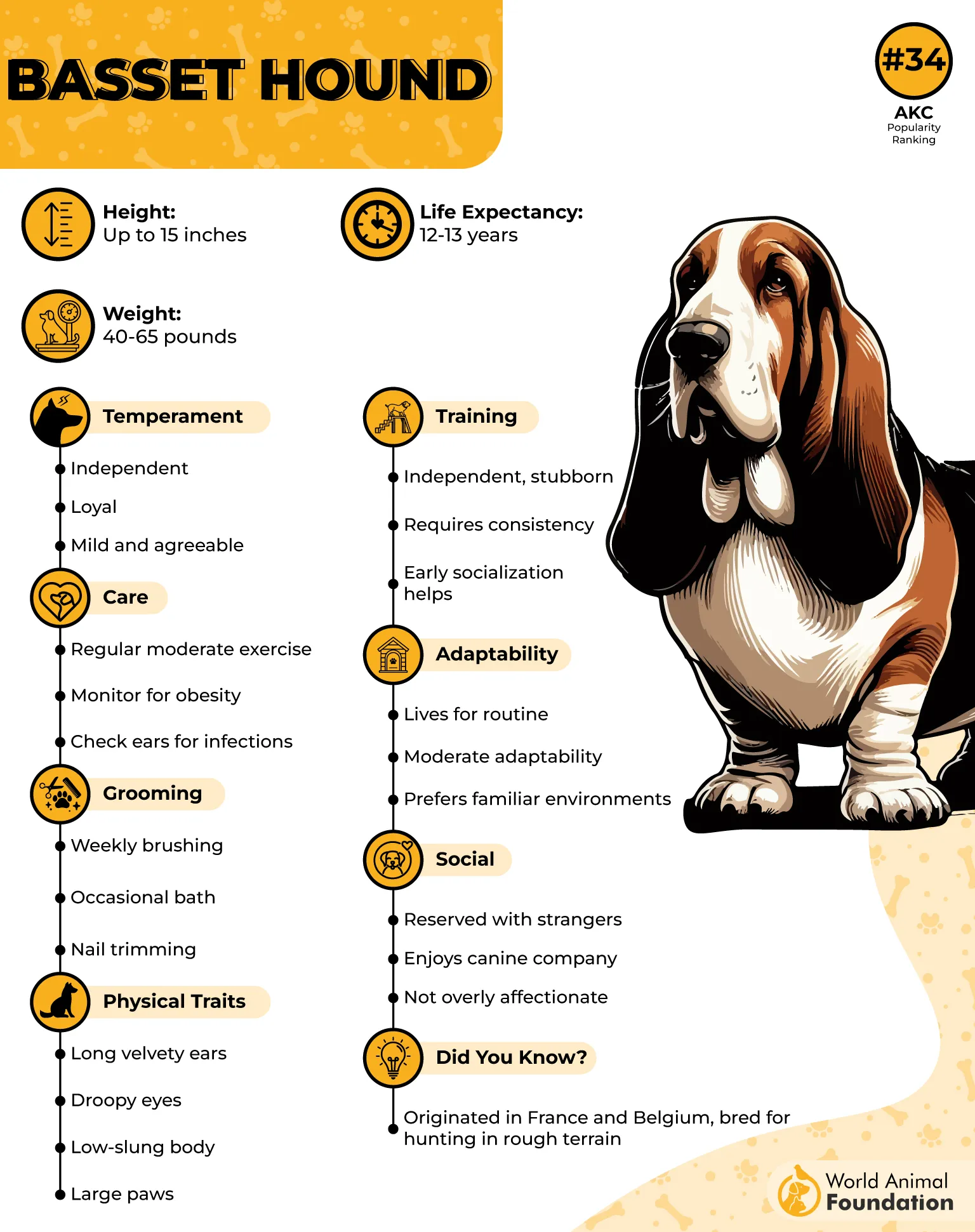
Once the outdoor detective work ends, the Basset Hound becomes an easygoing and loving family pet. It generally gets along well with children, other dogs, and familiar animals. Its pack-bred nature means family companionship is certainly not optional background decoration.
What Makes This Breed Stand Out
A loud, ringing voice helps handlers hear where the trail has taken this low-slung tracker.
Independent concentration helps it remain committed to a scent without demanding constant instructions.
5. Weimaraner
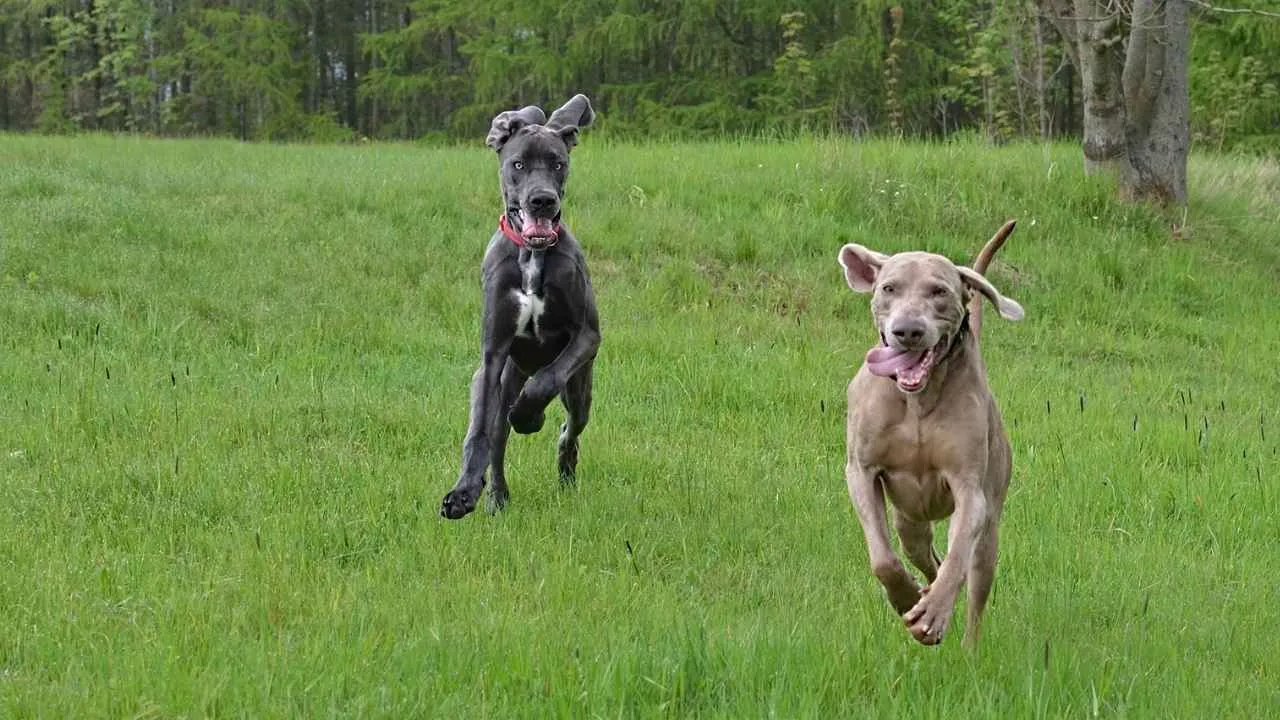
The Weimaraner carries the nickname Gray Ghost, which feels appropriate when this sleek hunter glides through the field. Friendly at home and fearless outdoors, it combines speed, courage, durability, and exceptional tracking ability. This high-energy dog takes work seriously.
The Weimaraner is best described as a versatile big-game tracker. Its strong scenting ability, speed, courage, stamina, and durable build help it follow quarry and perform confidently during demanding pursuits across difficult and challenging hunting environments.
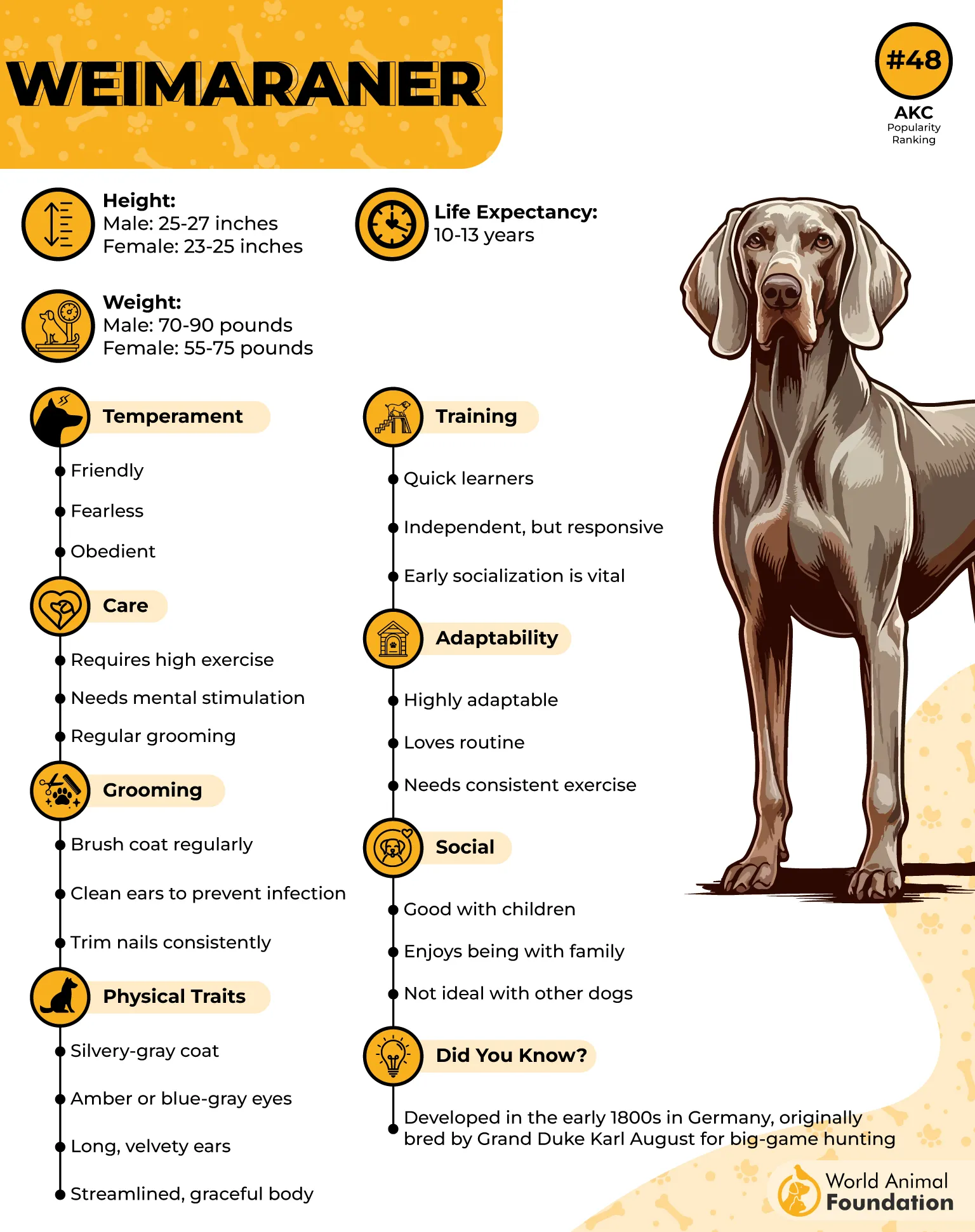
Bird work became an important second career when large predators grew less common in Europe. The Weimaraner developed into an all-purpose hunter that points toward gamebirds and retrieves them. This gray athlete qualifies as a capable bird dog as well.
What Makes This Breed Stand Out
Strong attachment to people supports close cooperation between the dog and its handler.
Regular mental challenges help keep this clever hunter focused on the assigned job rather than inventing one.
6. English Pointer
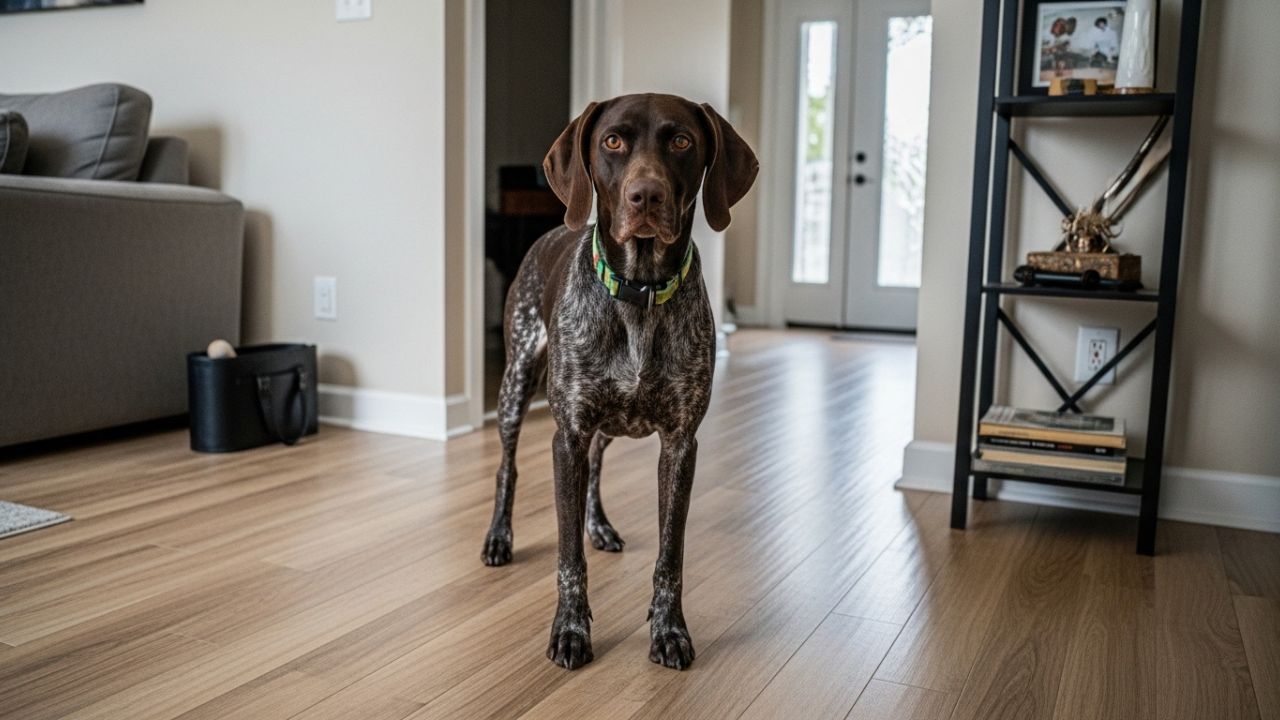
The English Pointer treats open country like a giant scent puzzle waiting to be solved. Its exceptional nose, speed, endurance, and instinctive pointing posture help hunters locate hidden game while this hardworking athlete covers ground with impressive purpose.
Once a scent catches its attention, the English Pointer can range widely and keep working across substantial country. Its strong nose and hard-charging field style support long searches, although the exact working distance can vary considerably between individual breeding lines.
When it comes to training, gentle consistency, positive reinforcement, and firm guidance are ideal for this sensitive and intelligent dog. It understands expectations quickly but may ignore recall during a hunt, so professional field preparation and meaningful activity keep cooperation from wandering off.
What Makes This Breed Stand Out
Its motionless pointing pose gives hunters a clear indication of hidden game.
A short, smooth coat requires little maintenance after messy field outings.
7. Bluetick Coonhound
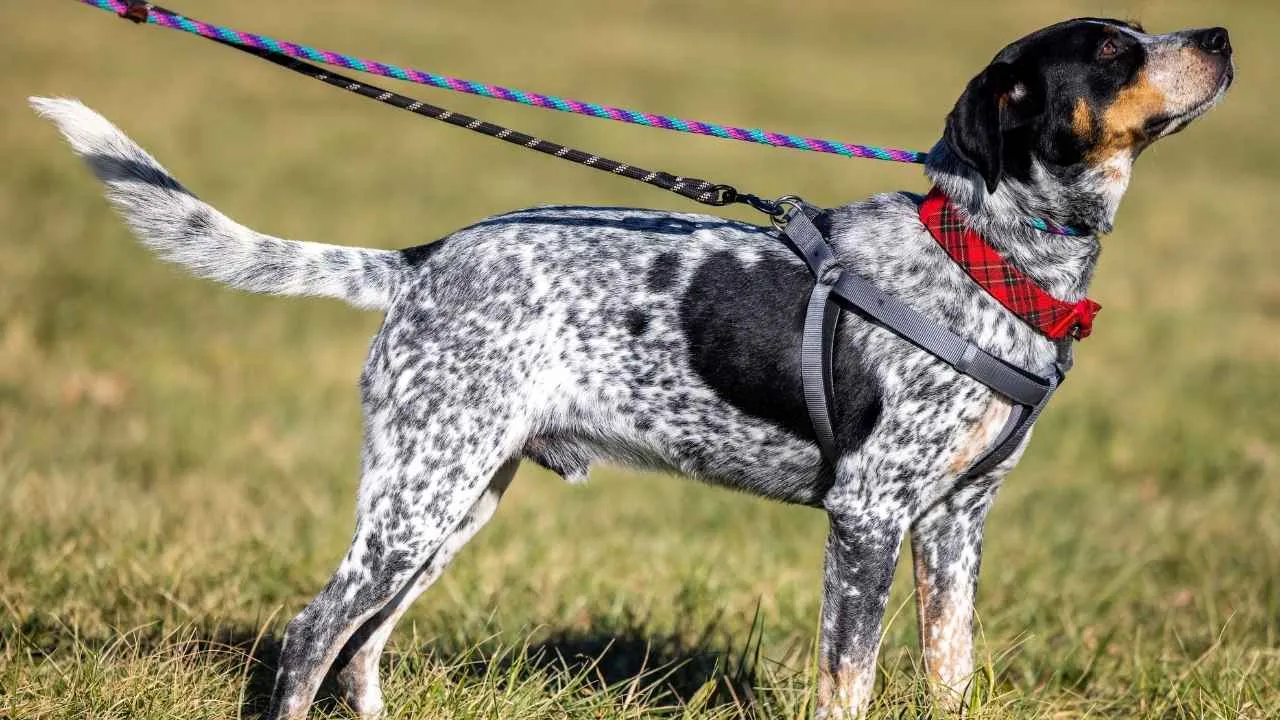
The Bluetick Coonhound may snooze sweetly beside its owner, then flip into full detective mode when quarry appears. Its excellent nose, endurance, and stubborn focus allow it to follow old scent trails while broadcasting progress in unmistakable hound music.
After dark is when this hunter traditionally clocks in. Blueticks trail warm-blooded quarry by scent, often working alone but also functioning in packs, and their voices change from long bell-like calls to shorter chopping notes once prey is cornered.
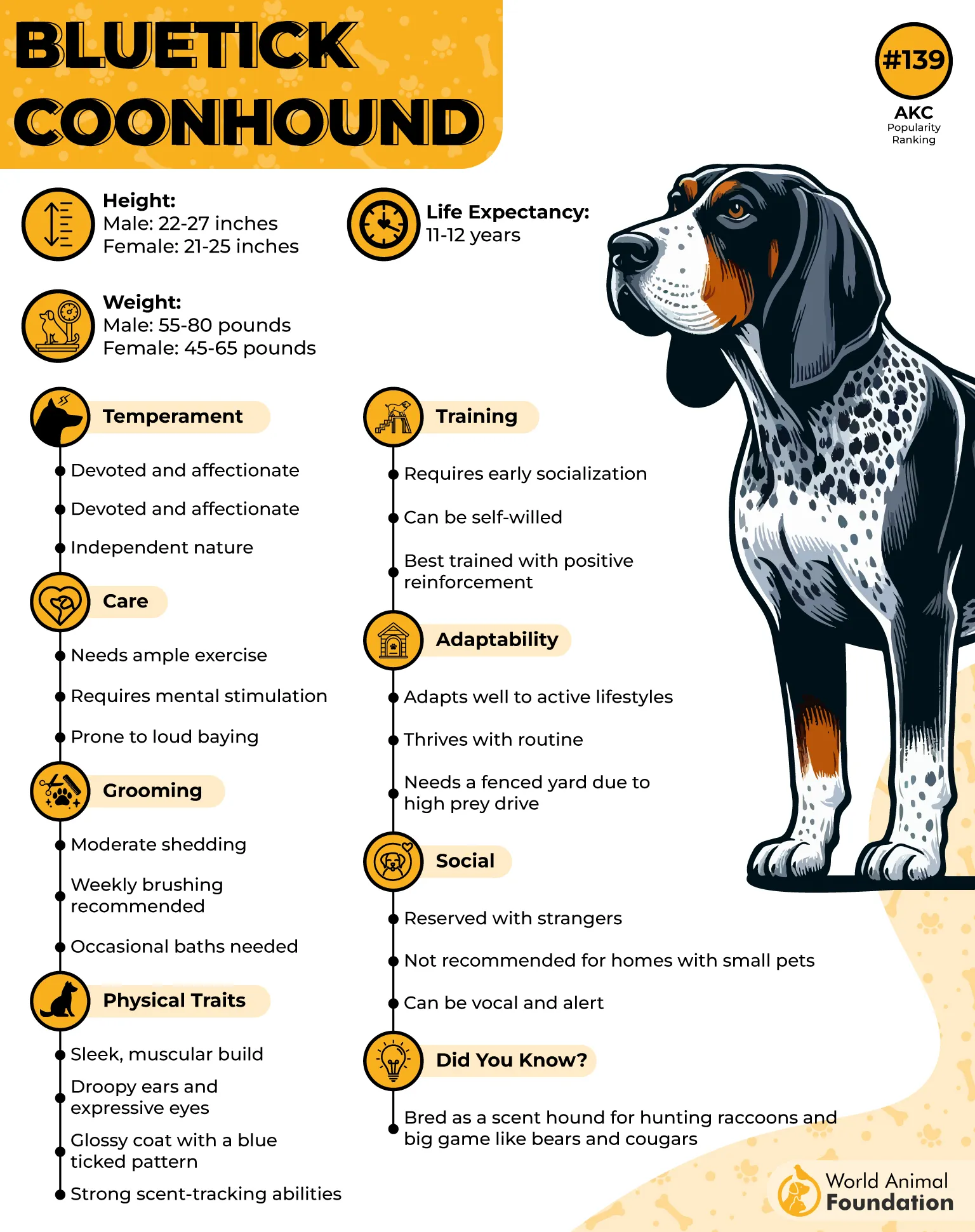
As mentioned by WebMD, Bluetick Coonhounds need daily exercise and moderate mental stimulation to stay content. Long walks, fenced-yard play, tracking, agility, hunting, and field trials provide useful outlets, while leashes help stop squirrel-inspired disappearing acts.
What Makes This Breed Stand Out
Its muscular build balances speed with the stamina needed for demanding pursuits.
Its intense devotion creates a close partnership with an experienced handler.
8. Bloodhound
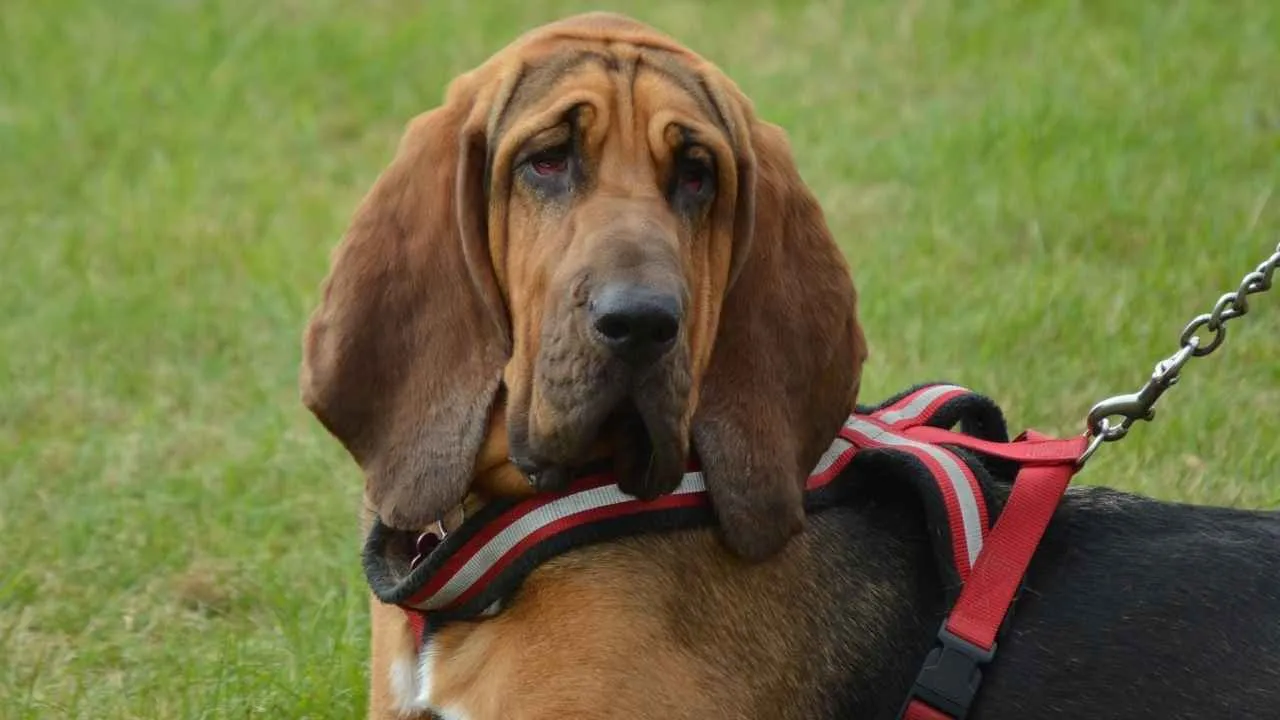
Few noses come with a résumé quite like the Bloodhound’s. This relentless scent specialist can follow trails across rough terrain for hours, staying committed even when other clues disappear. Once its nose votes yes, the rest of the dog follows.
Its fame comes from tracking accuracy that has served hunters, search teams, and law enforcement. Bloodhounds can follow missing people across difficult terrain, and their scent evidence has even been accepted in court. That is considerably more than party sniffing.
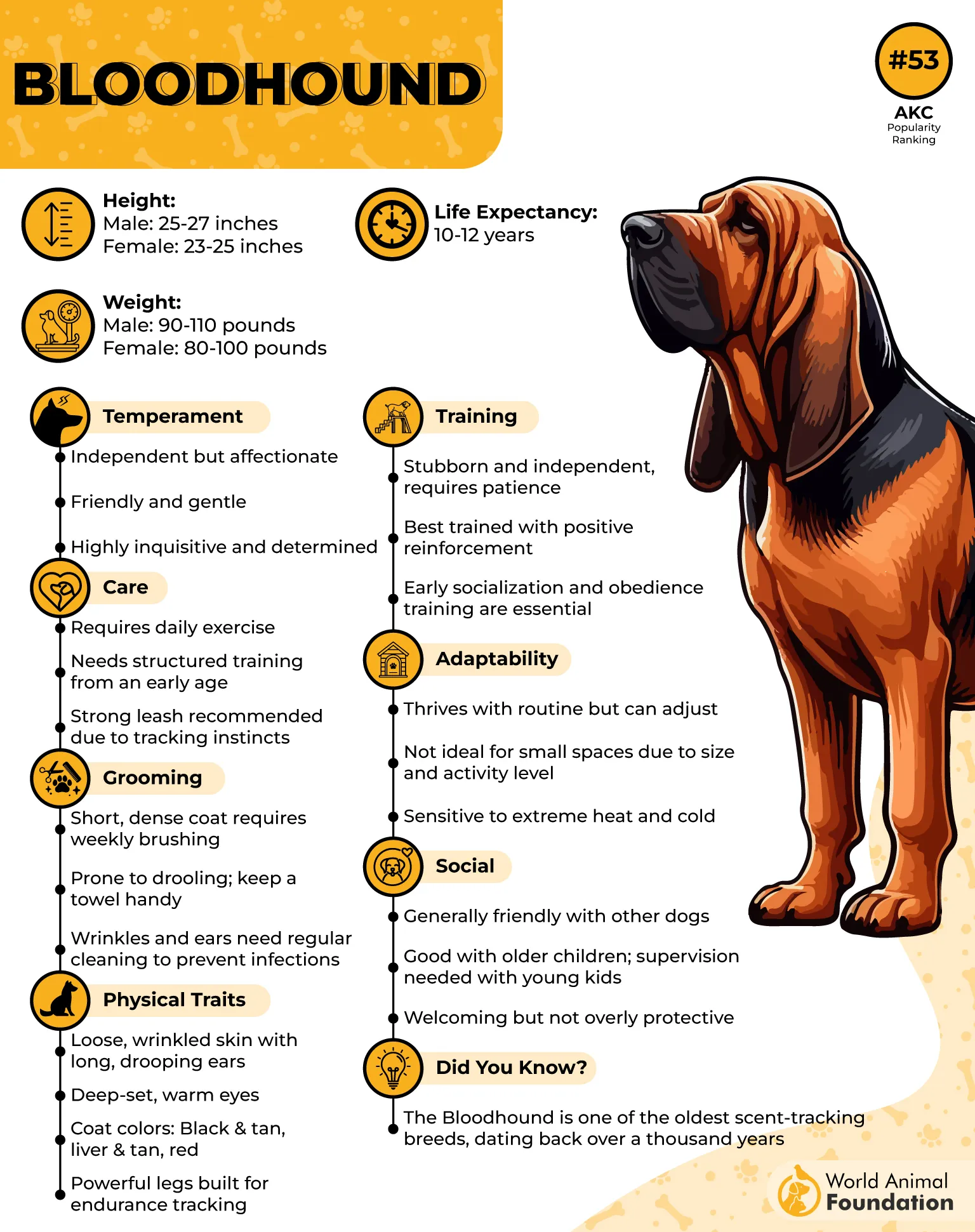
For deer hunting and tracking, the Bloodhound brings centuries of game-trailing heritage, endurance, and the determination to pursue old scent. The breed was historically used for deer and other quarry, making a properly trained individual a serious candidate for recovery tracking.
What Makes This Breed Stand Out
Its tracking ability can continue across bodies of water and punishing terrain.
Loose facial skin and low-hanging floppy ears help gather scent around the nose.
9. Beagle
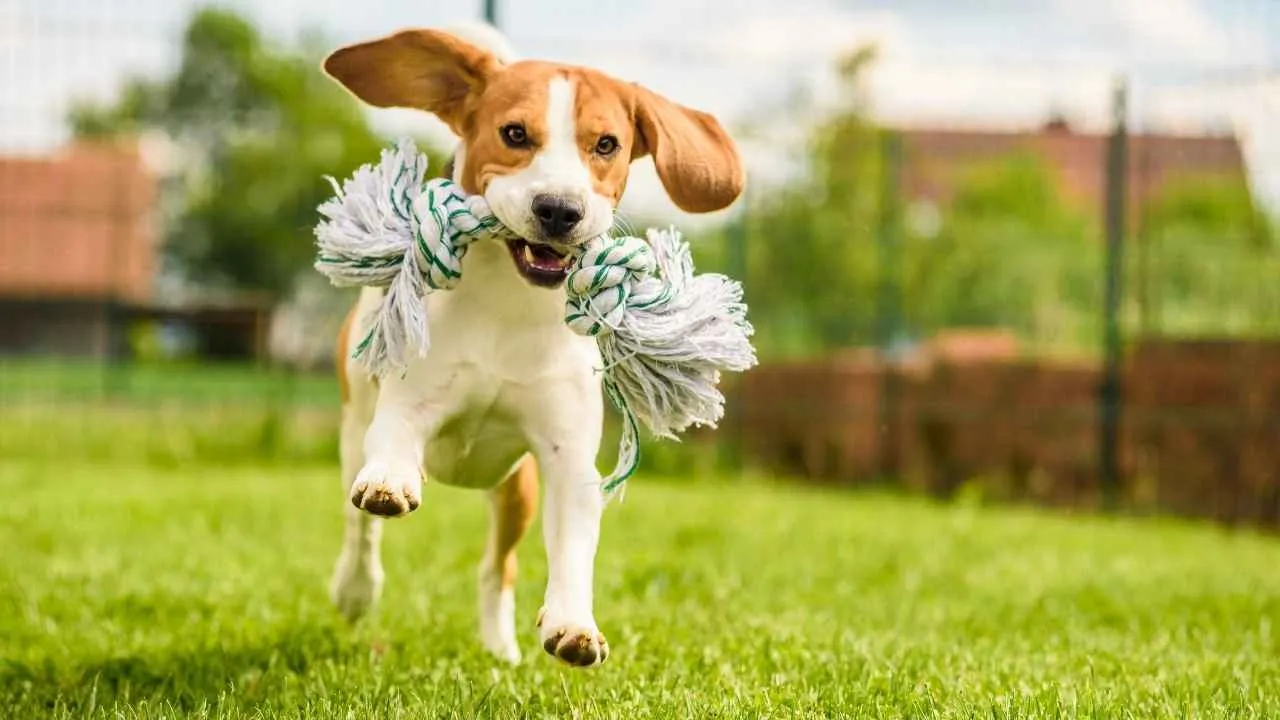
A Beagle approaches the ground like every leaf might be hiding breaking news. This cheerful scent hound combines a powerful nose, hunting stamina, and determined curiosity, making it especially handy when quarry slips through brush and leaves only scent behind.
Small game is the Beagle’s traditional department, particularly rabbits and hare, though the breed has also hunted jackals and wild pigs. Its tracking instincts can follow larger quarry, but the provided research presents small-game hunting as its clearest specialty.
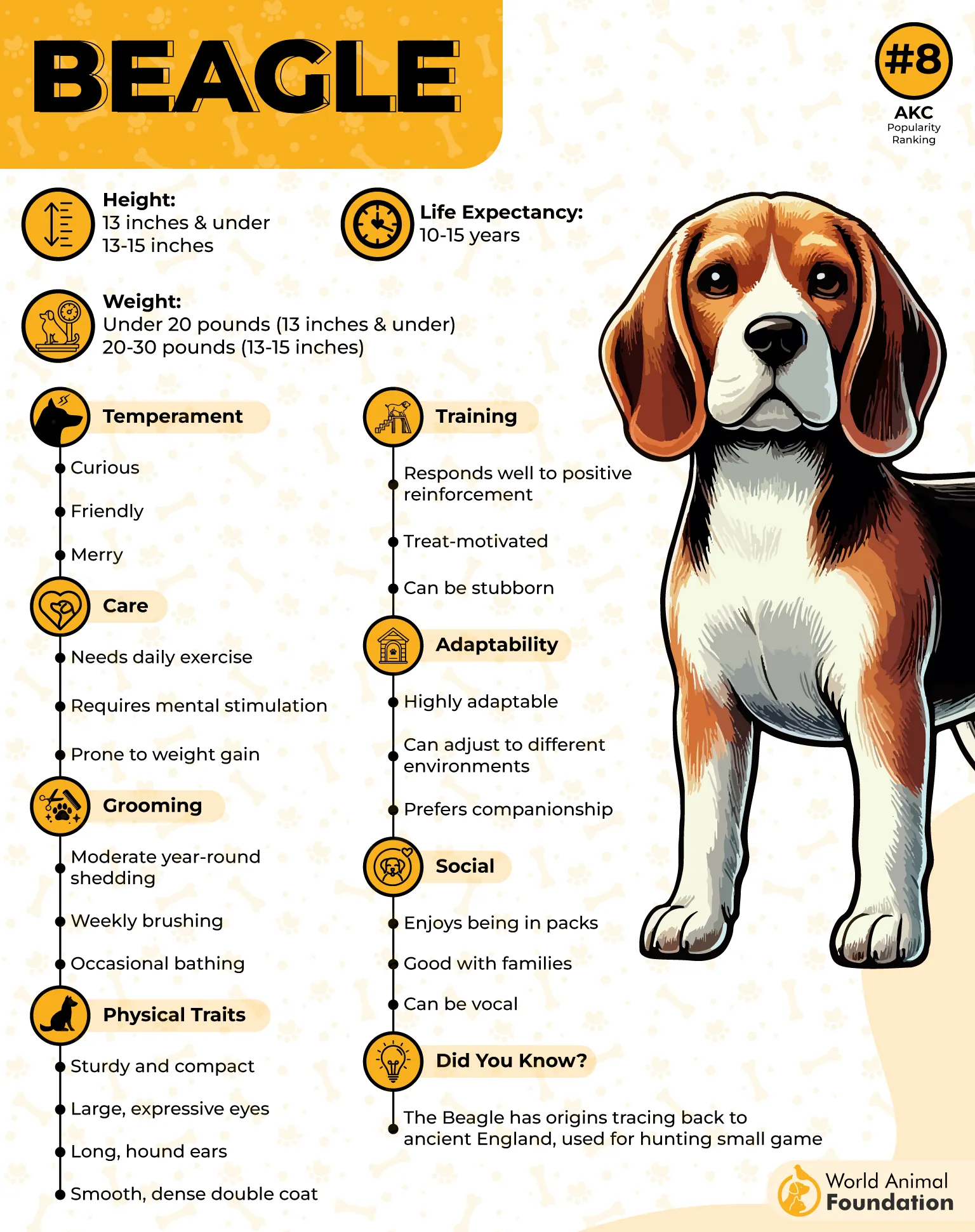
Busy noses need busy schedules. Beagles require regular exercise, playtime, and activities that engage their minds, while secure fencing and leashed walks help manage their strong hunting instinct. A tempting scent can make recall requests suddenly sound remarkably optional.
What Makes This Breed Stand Out
Its white-tipped tail helps hunters spot it while its nose remains near the ground.
A pack-oriented nature encourages companionship during coordinated hunting work.
10. Labrador Retriever
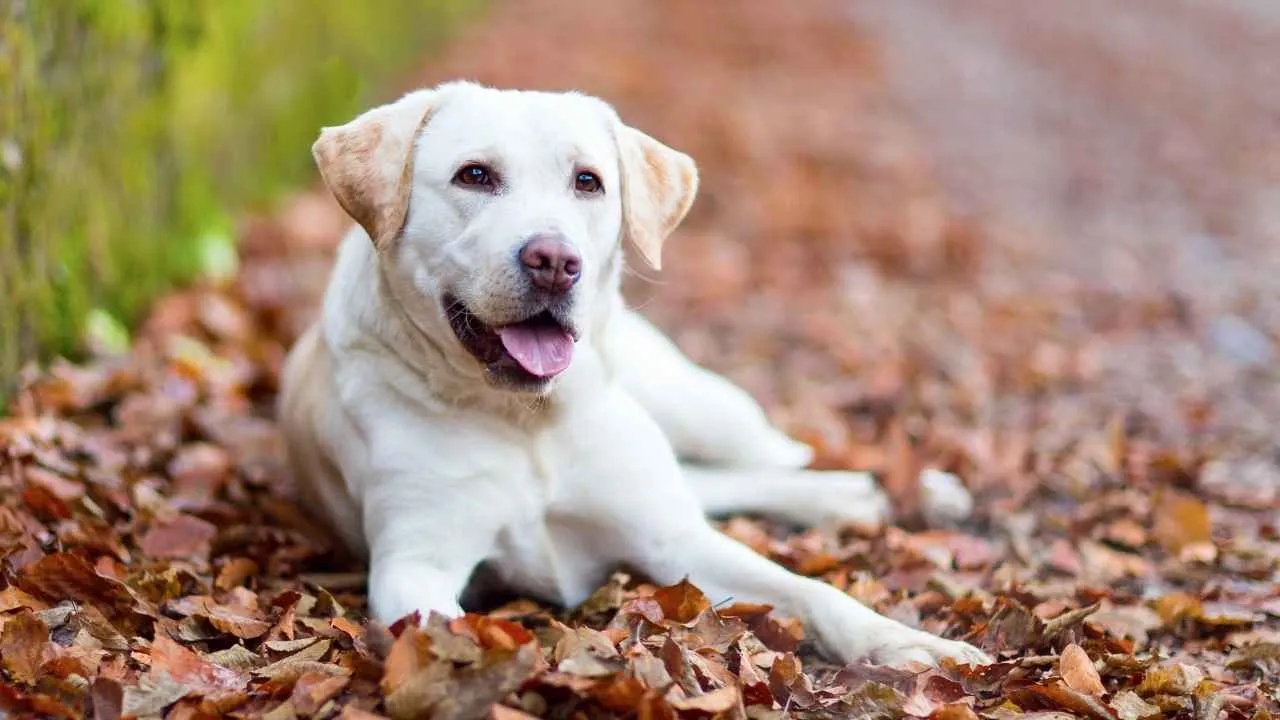
The Labrador Retriever brings cheerful enthusiasm to nearly every assignment, preferably one involving movement, water, or something worth carrying. Bred to work closely with people, this energetic sporting dog combines intelligence, retrieving instinct, and a strong desire to stay useful.
Labs can participate in hunting, field trials, tracking, detection, and search work, showing genuine scenting versatility. Their supplied research emphasizes retrieving rather than a pronounced pursuit drive, so deer recovery suitability depends on dedicated scent training, not breed reputation alone.
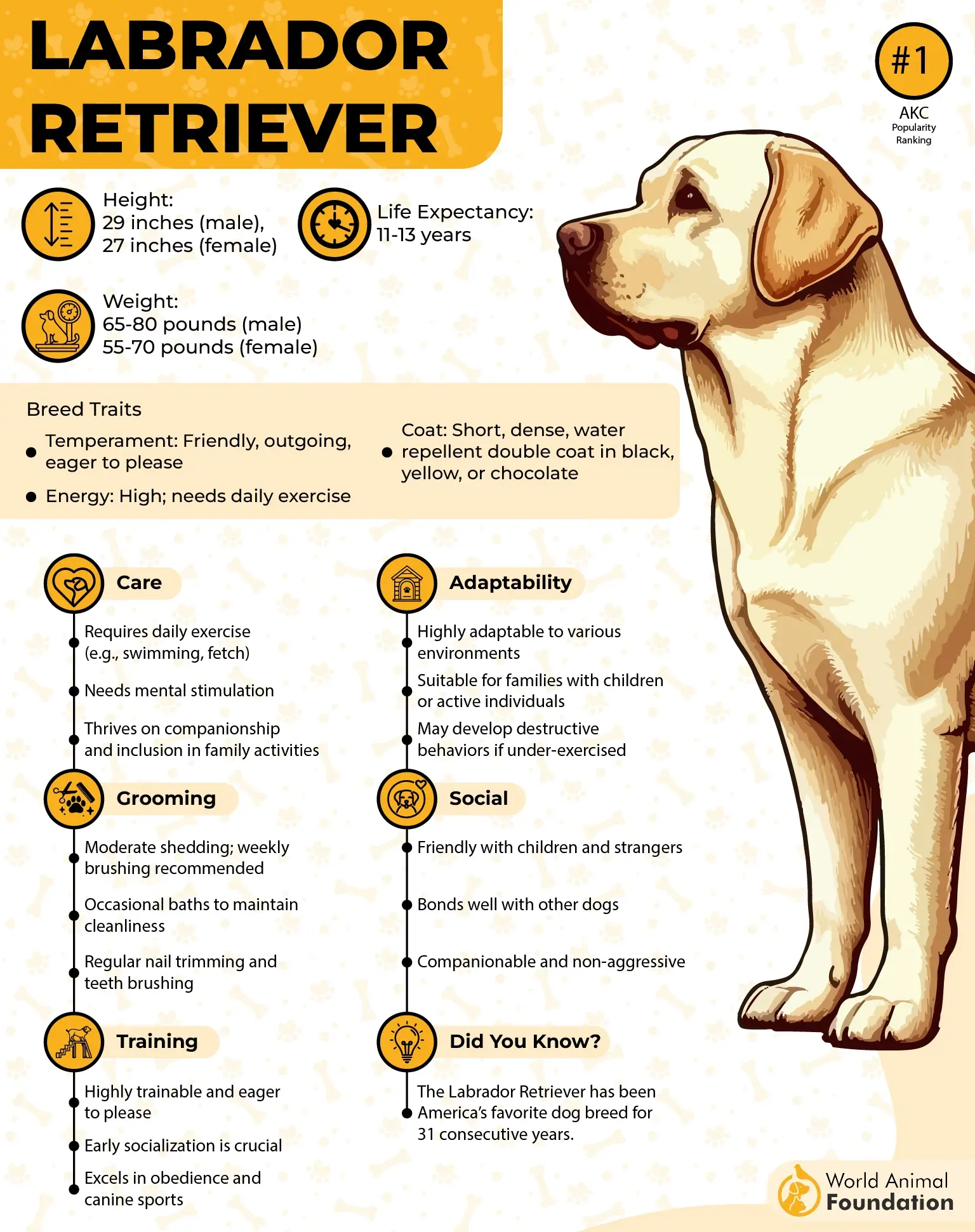
Once work ends, the Labrador happily joins the household committee. These friendly dogs make wonderful pets, bond easily with everyone, socialize well with children and other animals, and enjoy being near people. Their affectionate nature explains why they make such great family dogs.
What Makes This Breed Stand Out
A water-repellent double coat supports work in cold and wet environments.
Webbed feet and a sturdy tail contribute to confident swimming and retrieval.
Conclusion
These remarkable tracking dogs bring different talents to the trail, from determined scent work and wide-ranging searches to steady retrieving and close cooperation with hunters. The best dog breed for tracking comes down to your preferred quarry, environment, handling experience, and ability to meet the breed’s working needs.
Before making your choice, consider which dog’s energy, temperament, training style, and hunting instincts fit your life beyond the field. Pick thoughtfully, prepare responsibly, and build the partnership with patience. The right companion may help recover quarry, but it can also become part of your heart.
