





The price of bringing a dog home is only a small part of what you’ll spend over the years. What surprises many owners is that two dogs with similar personalities can leave completely different marks on the family budget.
The difference rarely comes from luck. It often begins with the breed itself and the everyday care that follows. Some dogs naturally require fewer expensive grooming appointments, eat smaller portions, or have lower routine maintenance needs, while others quietly demand much more than expected.
These details are easy to overlook when excitement takes over, yet they shape the experience of dog ownership long after adoption day. Knowing where those hidden costs come from makes it much easier to choose wisely without feeling like you’re settling for less.
This guide explores dog breeds known for keeping expenses manageable and highlights the traits that make them practical companions for budget-conscious owners.
Key Takeaways
The price of a puppy tells only a small part of the story. Over the years, everyday care can quietly decide whether a dog feels easy or expensive to keep.
The Schipperke keeps things interesting with its history as a canal barge dog, while its small appetite and simple coat care can make everyday ownership easier on the wallet.
From a Chihuahua eating just 200 to 300 calories a day to the Jack Russell Terrier needing little more than weekly brushing, the savings often hide in the smallest details.
By the end of the list, you may have a very different idea of what makes a dog truly affordable.
Top Low-Cost Dog Breeds: A Guide for Thrifty Owners
1. Schipperke

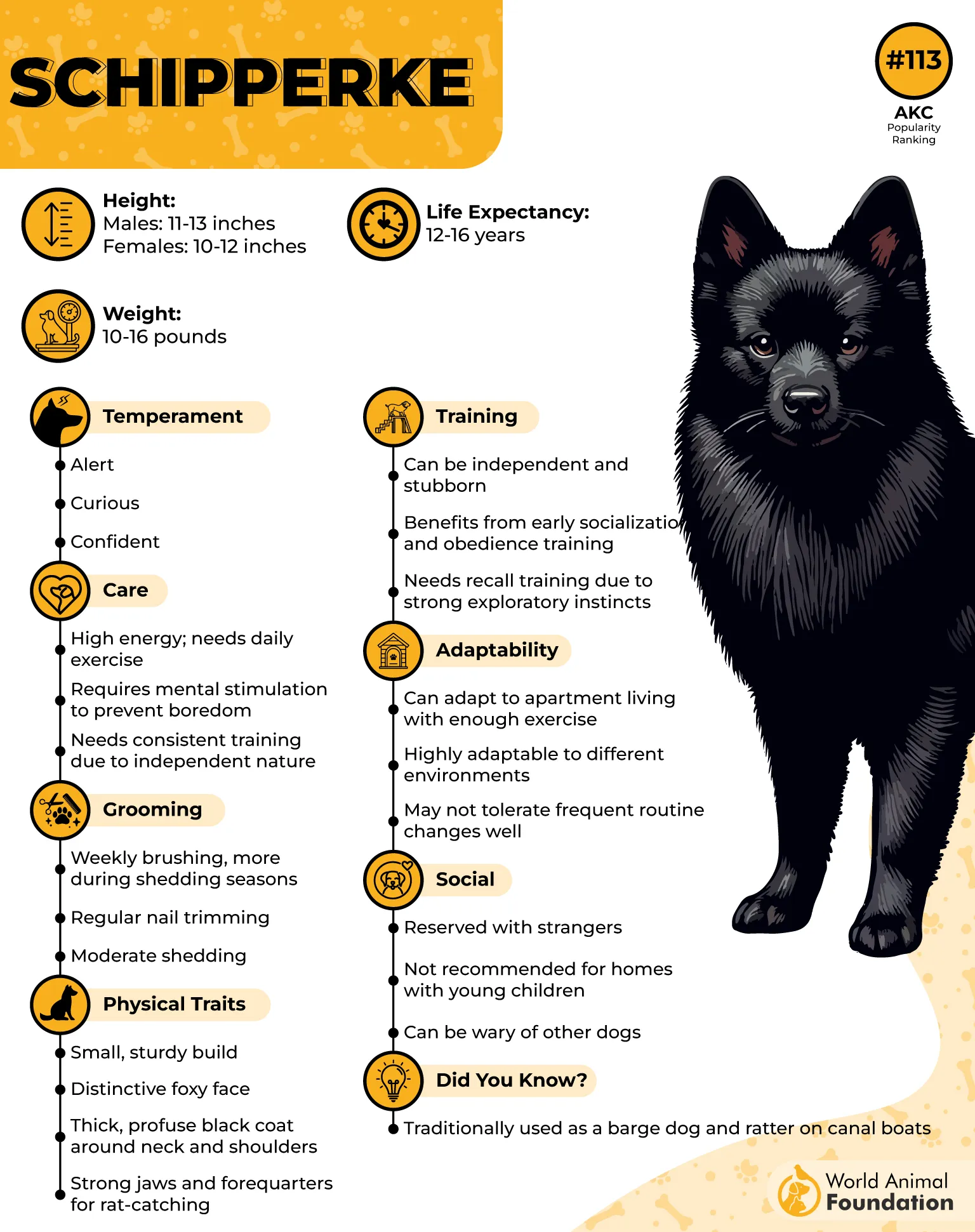
Schipperke takes its nickname, “Belgium’s little captain,” from its long association with the canal barges of the Low Countries. Life aboard those working boats shaped a fearless little dog trusted to guard property and keep troublesome rats under control, as WebMD mentioned.
Budget Beyond the Purchase
The purchase price can range from $800 to $2,500, but everyday expenses are where this breed becomes easier on the wallet. Its small frame, simple coat care, and modest appetite help keep long-term costs comfortably below those of many larger dogs.
Several practical details help explain the savings:
Eats about 1 to 2 cups of food daily
Weekly brushing replaces frequent grooming visits
Smaller beds, crates, and flea treatments cost less
Long-Term Picture
Schipperke often lives 12 to 16 years, making routine veterinary care an expense worth planning for over time. Regular checkups also help monitor concerns such as patellar luxation, eye conditions, and the uncommon metabolic disorder called MPS IIIB.
2. American Foxhound

American Foxhound grew alongside the rolling estates of old Virginia and became closely connected with figures from the Revolutionary era. That early role shaped a dog valued for covering long distances with speed, endurance, and remarkable determination in the field.
Budget-Friendly Coat
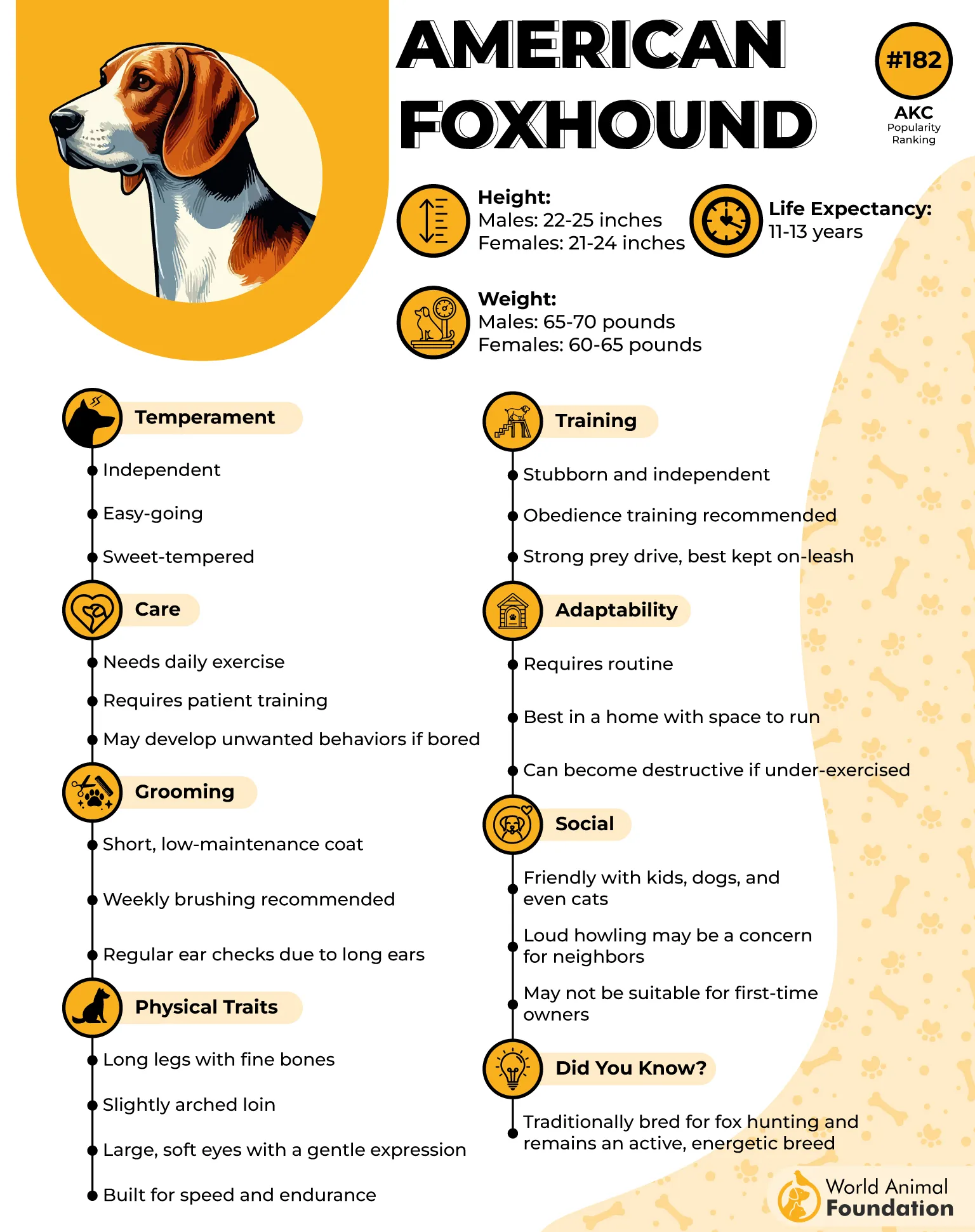
One reason this breed fits a cost-conscious budget is its short, close-fitting coat, which requires very little grooming throughout the year, as PetMD writes. Baths are usually needed only after particularly messy outdoor adventures, helping reduce routine care expenses.
Here’s what else affects the budget:
Adoption fees often range from $50–$300
Breeder prices commonly fall between $600–$1,000
Require minimal grooming needs professionally
Beyond the Purchase Price
American Foxhound can become more expensive over time if its active lifestyle is overlooked. Large-breed food typically costs about $600–$900 each year, while routine veterinary care and treatment for ear infections or activity-related injuries may average $350–$600 annually.
3. Dachshund

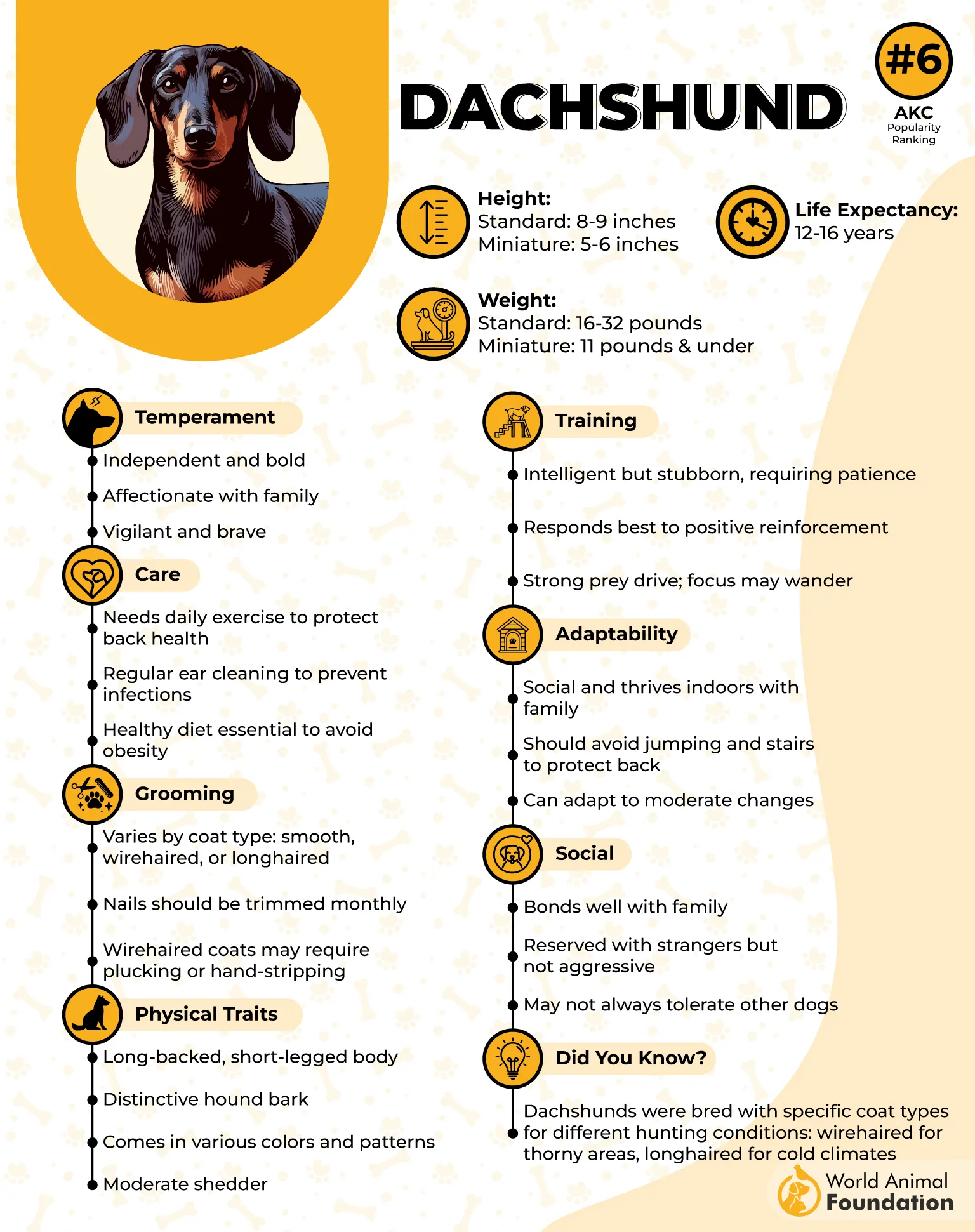
The Dachshund’s long body, short legs, and confident personality give it a look that tends to stick in people’s minds. With smooth, long, and wire coats available in two size options, this breed offers plenty of variety while keeping the quirky appearance that has made it a favorite among dog lovers.
Budget-Friendly Upkeep
Routine care remains one of this small dog’s biggest financial advantages because everyday expenses are generally easy to manage. Small portions of food, simple home grooming for smooth-coated dogs, and lower-priced supplies all help reduce monthly costs.
Smart ownership includes these details:
Smaller weight keeps flea treatments cheaper
Compact crates and beds cost less
Moderate walks replace paid activity programs
Everyday Care
Smooth-coated Dachshunds need little more than weekly brushing and an occasional bath, while longhaired and wirehaired varieties require different grooming routines based on coat type. Monthly nail trimming and basic coat care usually cover most regular maintenance needs.
4. Pembroke Welsh Corgi

Pembroke Welsh Corgi first gained recognition in Wales as a determined cattle herder, where its low frame and confident nature suited demanding farm work.
Over time, this energetic little dog became one of the world’s most widely recognized herding breeds while keeping its original working spirit intact.
Budget Beyond the Price
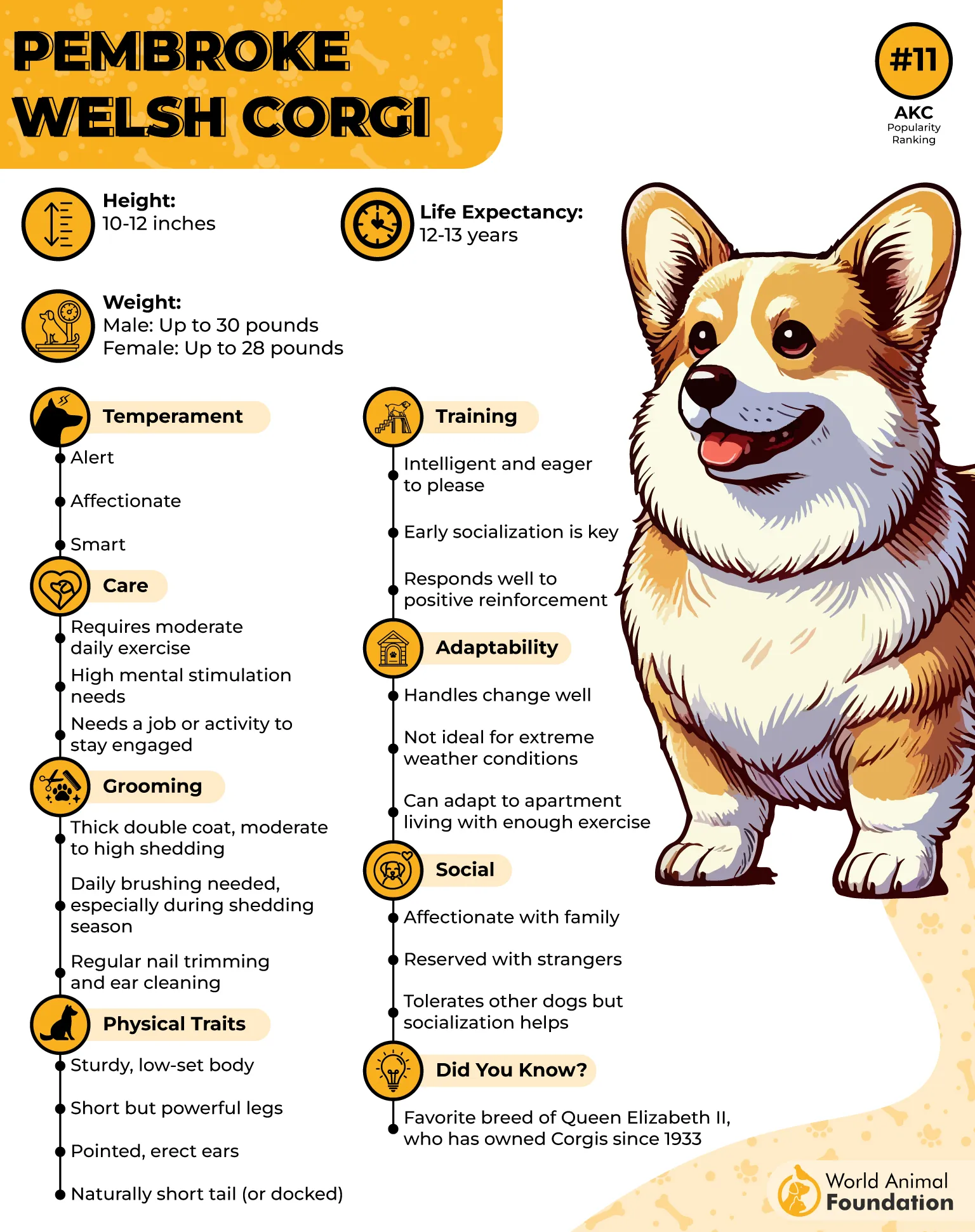
Corgis can cost anywhere from $800 to $2,000, with some pedigrees reaching $4,000. Long-term budgeting also deserves attention because grooming, quality food, and routine care continue well after the first purchase.
The following costs are worth planning for early:
Initial vaccines: $200-$450
Spaying or neutering: $200-$600
Essential supplies: $300-$700
Everyday Expenses
Pembroke Welsh Corgi benefits from moderate daily activity such as walks or gentle jogs, although its short legs are not suited for keeping pace beside a bicycle, as the AKC writes. Annual food and routine preventive care average about $1,300, making ongoing expenses an important part of long-term planning.
5. Miniature Pinscher

Miniature Pinscher has roots in Germany, where this little dog spent its early years controlling rat populations around busy barnyards. That practical job shaped a bold, alert temperament long before the breed became a familiar companion in modern homes.
Budget-Friendly Choice
Min Pin keeps routine expenses fairly manageable because its compact size affects everything from food portions to flea treatments and grooming supplies. Home brushing and smaller toys also help reduce regular care costs without sacrificing everyday comfort.
A closer look explains why costs often remain reasonable:
Small kibble bags last longer
Weekly brushing needs only a bristle brush
Rescue adoption can reduce upfront expenses
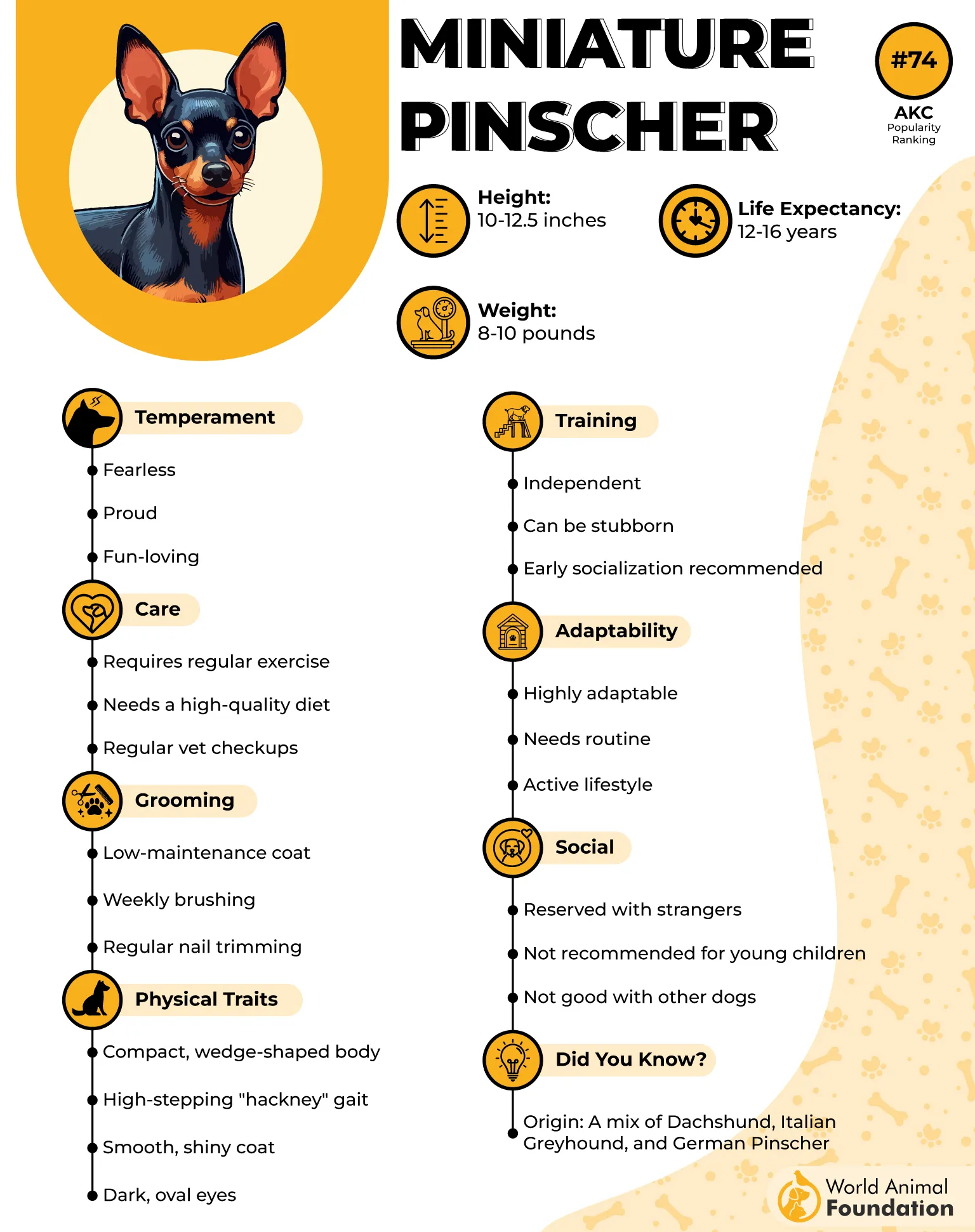
Small Dog, Bold Outlook
Miniature Pinscher packs remarkable confidence into a dog that stands only about one foot tall at the shoulder. Curiosity often leads the way, so engaging games and consistent guidance help channel that fearless attitude into productive daily routines.
6. Jack Russell Terrier

Developed in England during the 1800s, the Jack Russell Terrier was bred to enter fox dens and drive foxes out of their burrows.
Its job was to locate them and keep them from escaping until hunters arrived, and its talent for chasing vermin later made it useful for controlling rats around farms.
Budget-Friendly Care
This affordable breed keeps routine grooming costs low because its short coat only needs a quick weekly brushing at home. That simple grooming routine can save money over time, making pet ownership easier to manage without frequent salon visits.
Keep these practical points in mind:
Rescue adoption can cost $50–$400
Pet insurance averages $25–$50 monthly
Monthly care typically ranges from $60–$160
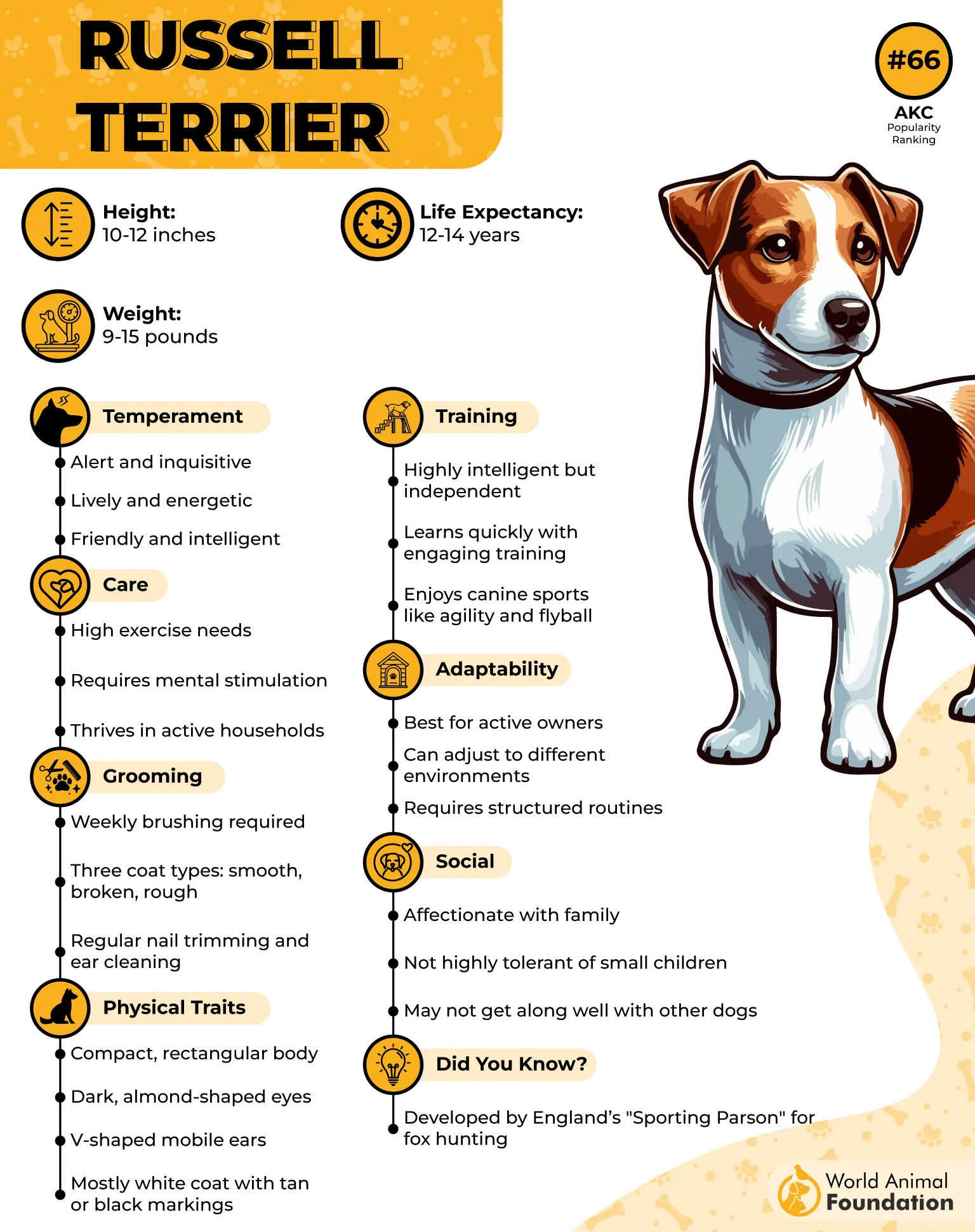
Full of Energy
Jack Russell Terrier brings plenty of enthusiasm into family life, often finding another burst of energy after a long walk and a short nap. Its determined personality also explains why open fences and inviting holes can quickly become irresistible adventures for this best dog breed.
7. Australian Terrier

Australia’s tough conditions called for a terrier that could work hard despite its small size, and the Australian Terrier proved to be exactly that kind of dog.
Its grit, confident personality, and lively spirit helped it earn a lasting reputation as one of the country’s best-known native terrier breeds.
Budget-Friendly Choice
The Australian Terrier can be fairly easy on the wallet, thanks to its moderate grooming and uncomplicated coat care, and sturdy build. Being small enough for compact homes is another plus for first-time dog owners trying to keep daily costs manageable.
These details can help you budget:
Weekly brushing is usually enough
Professional grooming is seldom needed
Compact size helps reduce food costs
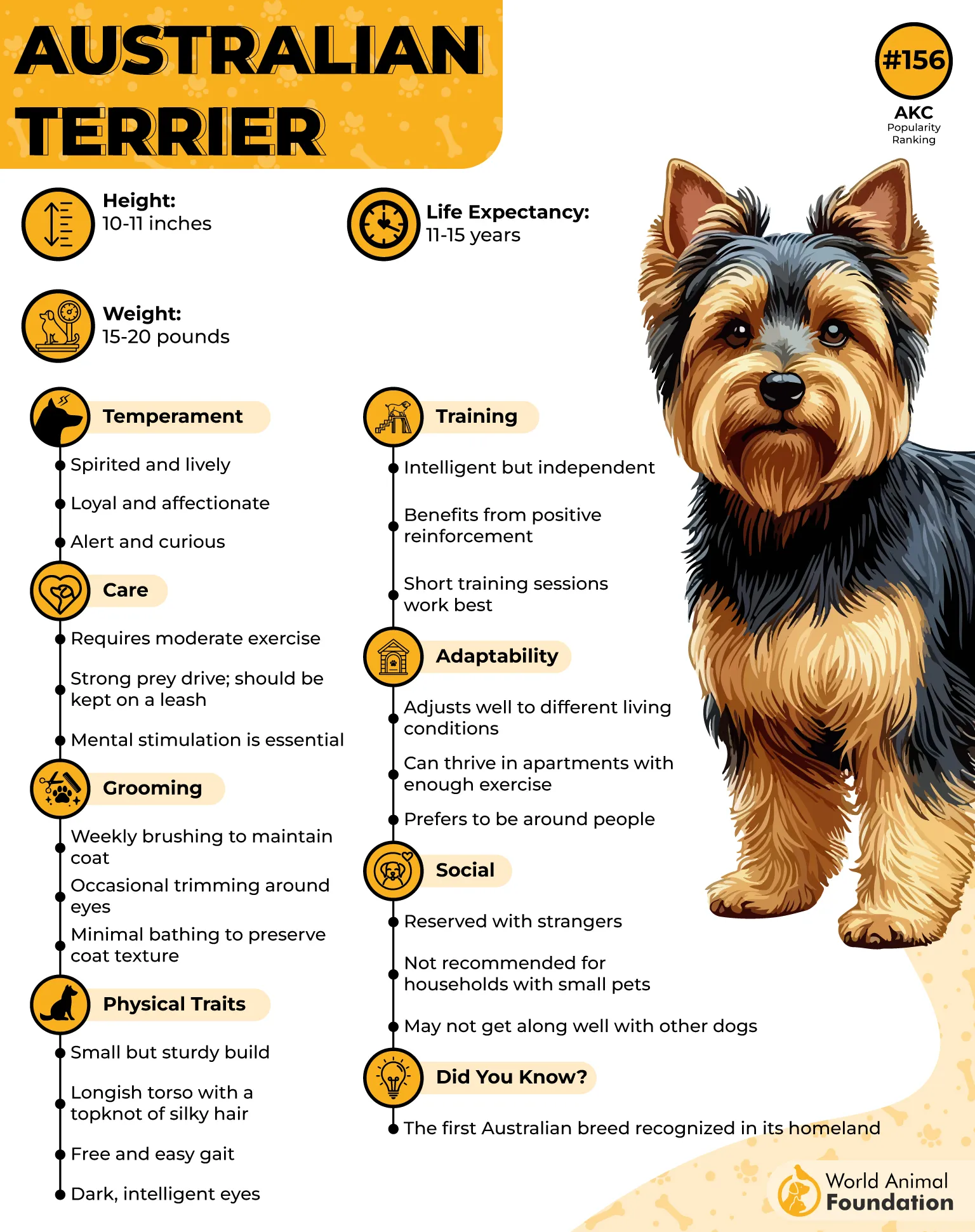
Active Around Home
Australian Terrier brings plenty of energy into daily life and enjoys play sessions that help prevent boredom and unwanted behavior indoors or outside. Its alert personality, quick learning ability, and adaptable nature also make it a dependable family dog for a variety of households.
8. English Setter
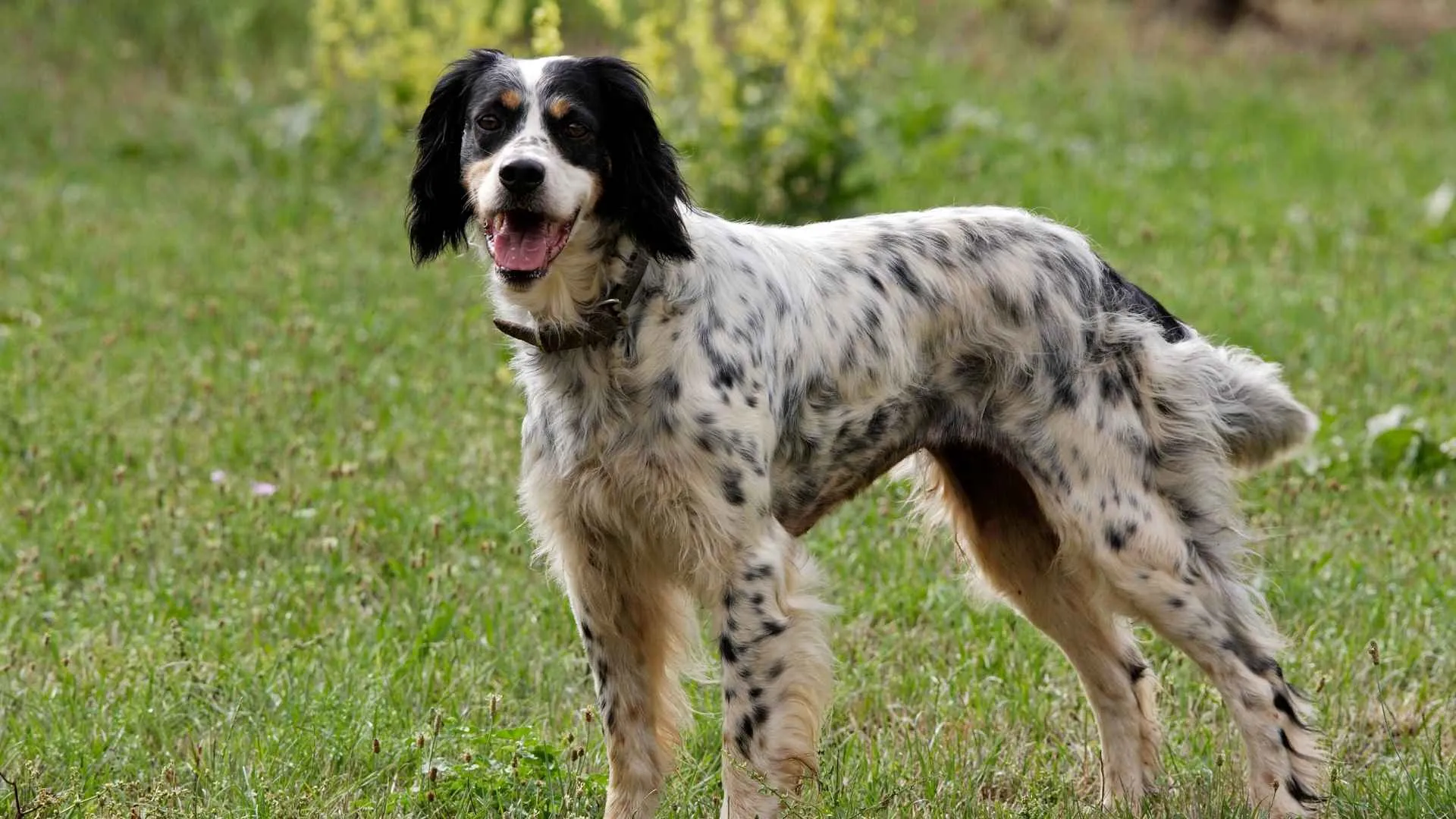
English Setter belongs to one of the AKC’s four British setter breeds, with each setter shaped for the distinct landscapes of England, Ireland, and Scotland. That sporting heritage helped create a graceful yet sturdy dog that combined elegance with dependable field ability across varied ground.
Budget Beyond the Price
The initial purchase or adoption cost is only part of the overall expense, as coat care and daily activity add to long-term budgeting. Regular grooming appointments and an active lifestyle are worth considering before bringing this breed home.
These points help complete the picture:
Professional grooming every 8 to 10 weeks
Annual food costs of $700 to $1,200
Rescue adoption around $300
Active Living
English Setter enjoys vigorous outings that can range from about 40 minutes to two hours each day, including long walks, hikes, jogging, or running beside a bicycle. Homes without a secure fenced space may also need to plan for additional exercise arrangements when budgeting for this breed.
9. Chihuahua

Chihuahua gained wider attention as a household dog during the early 20th century, followed by official recognition from the American Kennel Club in 1904. Its growing popularity introduced more families to a toy breed whose confident personality quickly became part of its identity.
Budget-Friendly Choice
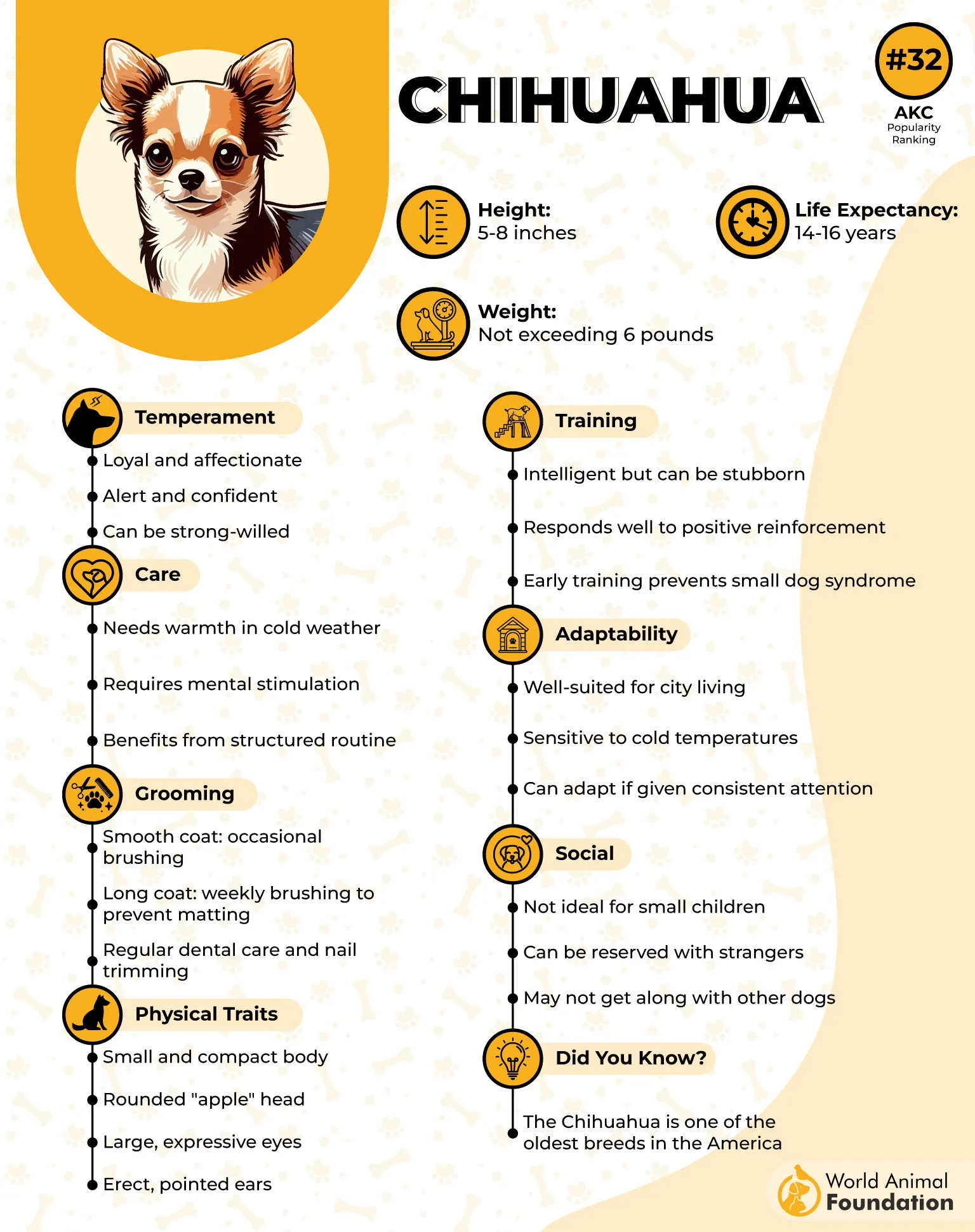
Chihuahua lives well in small living spaces and eats only about 200 to 300 calories a day, helping keep food costs between $20 and $35 per month. While this can make it an economical option, pet parents should still plan for adoption or purchase fees, routine preventive care, and basic supplies.
A few costs are easy to overlook:
Adoption fees from $50 to $350
Starter supplies around $50 to $100
Preventive care averaging $30 to $50 monthly
Small Dog, Big Personality
This apartment-living breed combines the charm of an affectionate breed with the confidence of a much larger dog, making it one of the most recognizable companion dogs.
Daily walks and indoor games usually provide enough activity, so long sessions of intense exercise are generally unnecessary for this low-maintenance dog breed.
10. Beagle

Beagles spent generations working alongside other hounds, where teamwork played a central role in successful hunts. That long tradition explains why this breed enjoys company and often feels more comfortable when included in everyday family life.
Budget-Friendly Care
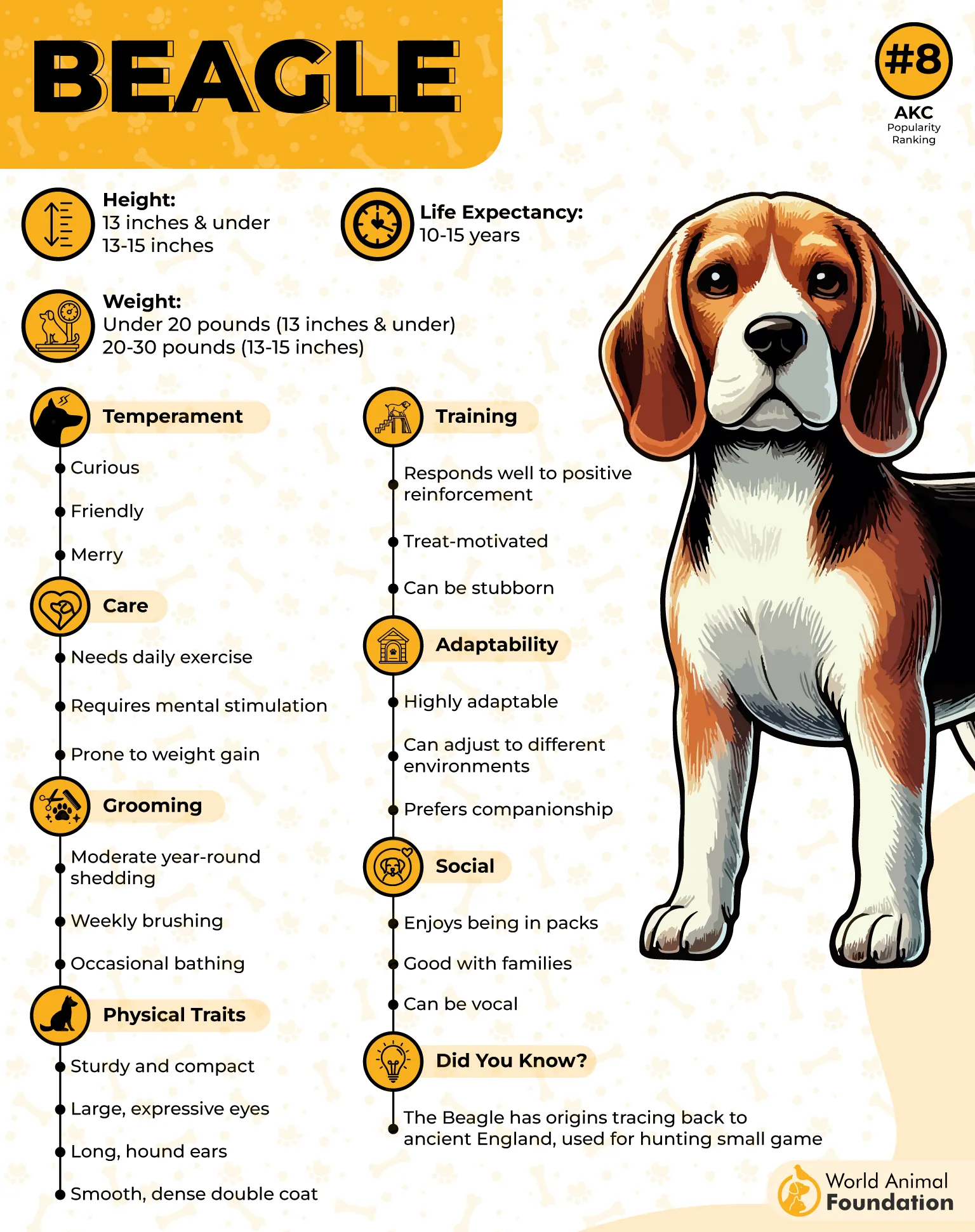
One reason Beagles fit a thrifty budget is their lower grooming needs, with simple weekly brushing usually keeping the short double coat in good condition. Initial costs from reputable breeders can range from $400 to $1,500, while adoption often falls between $100 and $300.
Budgeting goes beyond the upfront cost:
Spring is the heaviest shedding season
Ear infections can increase veterinary expenses
Bays and howls may require extra training
Everyday Personality
Beagle brings a cheerful attitude, plenty of curiosity, and a gentle temperament that appeals to families and first-time pet parents alike. Without enough playtime and companionship, that same inquisitive nature can quickly turn toward chewing household items or finding its own entertainment.
Conclusion
A well-chosen companion should fit naturally into both your home and your monthly budget. Looking at long-term expenses instead of only the initial price helps create a clearer picture of responsible ownership.
Selecting a low-maintenance breed that is easy to train and has fewer health concerns can also help keep everyday costs more manageable for busy families.
When those needs remain manageable, it becomes much easier to provide consistent care throughout the years. Careful planning does not reduce the joy of owning a dog. Instead, it helps create a stable, rewarding relationship where both owner and companion become great companions for many happy years together without unnecessary financial pressure or worry.
