




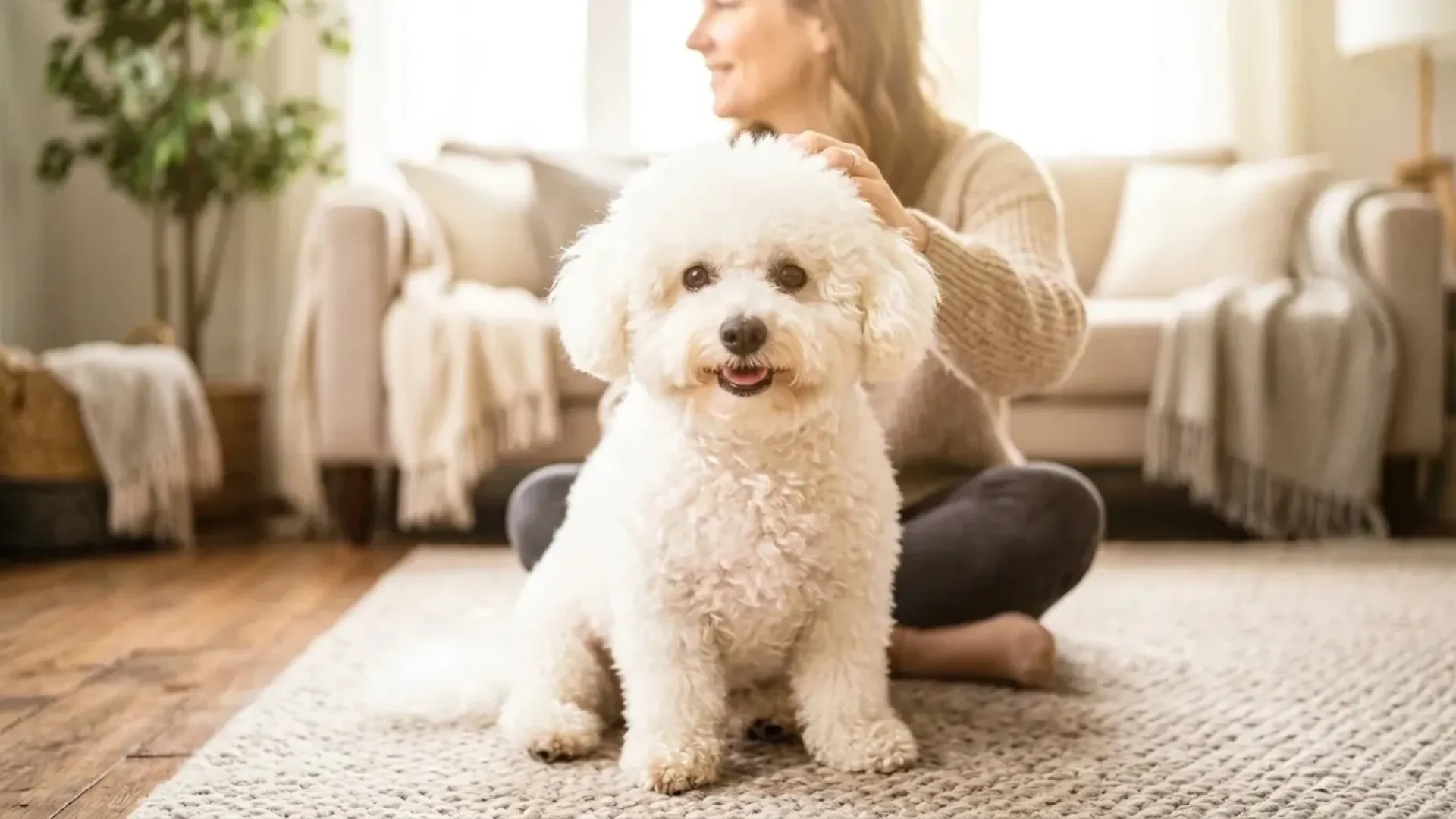
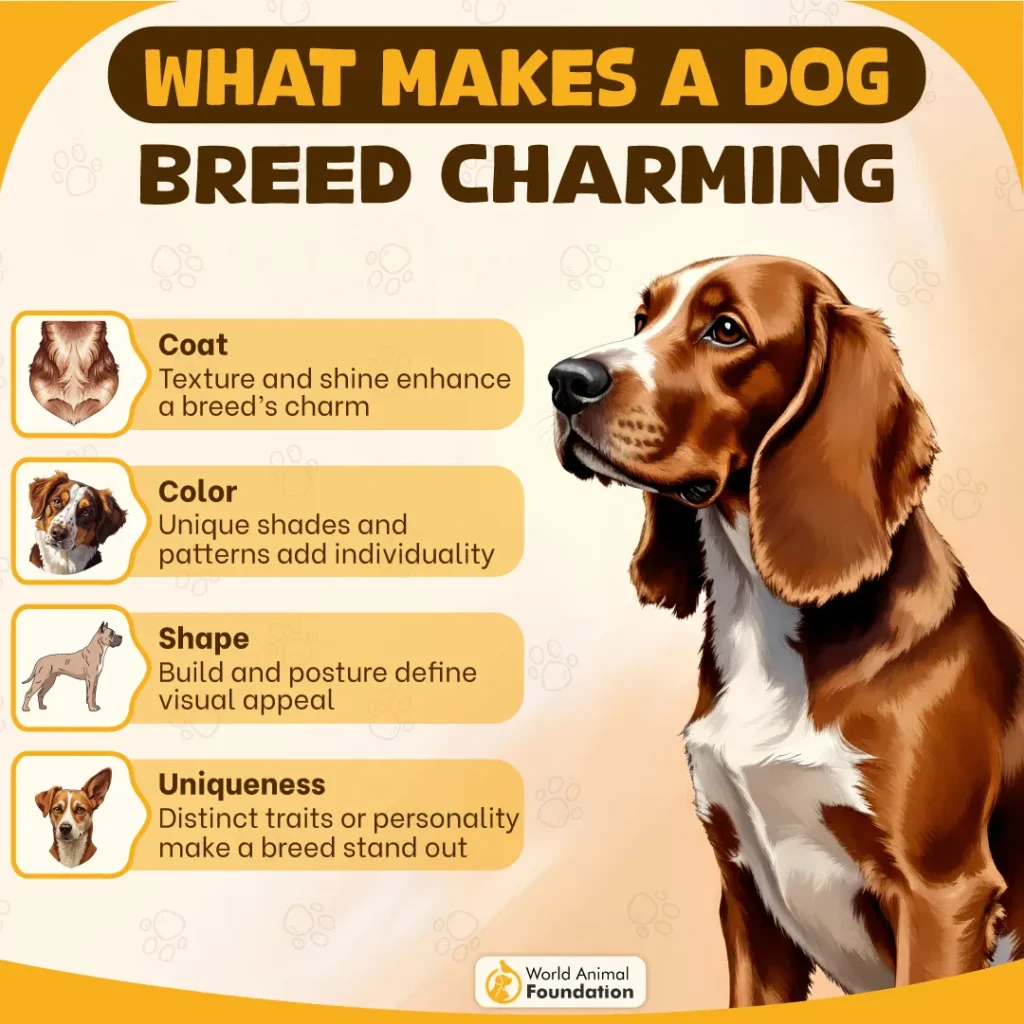
What makes a dog look so much like a teddy bear that you instantly want to reach through the screen and hug it?
Sometimes it is the plush coat. Sometimes it is a round little face, soulful eyes, floppy ears, or a soft expression that seems made for cuddling. Put all those details together, and certain dogs have an almost unfair advantage when it comes to winning hearts. Yet their appeal goes deeper than a cute appearance.
The right companion can bring a warm, comforting presence into everyday life while still having its own energy, habits, and personality. That combination is what makes teddy bear-looking dogs so fascinating to dog lovers. If you have ever stopped scrolling because a fluffy face looked too adorable to ignore, you already understand the attraction.
The following picks reveal which heart-warming dogs bring that irresistible teddy bear feeling straight into your home.
Key Takeaways
What makes a dog look so much like a teddy bear that you instantly want to hug it? A plush coat, round face, soft eyes, and floppy ears can do quite a lot.
The Bichon Frise takes that look even further with grooming that shapes its fluffy coat into a perfectly rounded face. But there is a playful side to this little dog that once made it a performer.
Then there is the Pomeranian, whose ancestors could weigh around 30 pounds before selective breeding turned it into the tiny fluffy companion we know today.
From the Samoyed’s famous smile to the Leonberger’s impressive coat, these seven breeds have plenty of surprises waiting for you as you read on.
Heart‑Warming Dog Breeds Resembling Irresistible Teddy Bears
1. Bichon Frise
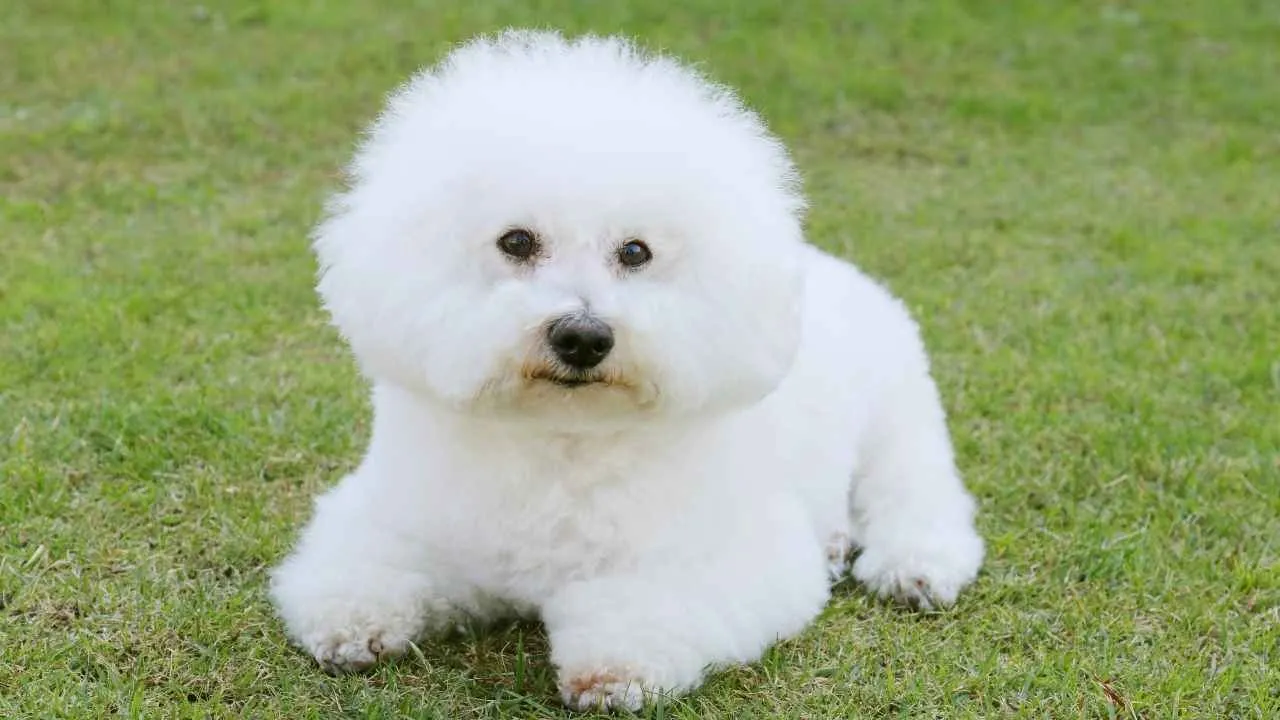
Bichon Frise emerged from Mediterranean dogs created by crossing large water dogs with small white dogs, producing the Barbichon family. The Tenerife type became especially important, with sailors taking these little white dogs to Italy, where wealthy families soon favored them.
The Teddy-Bear Look
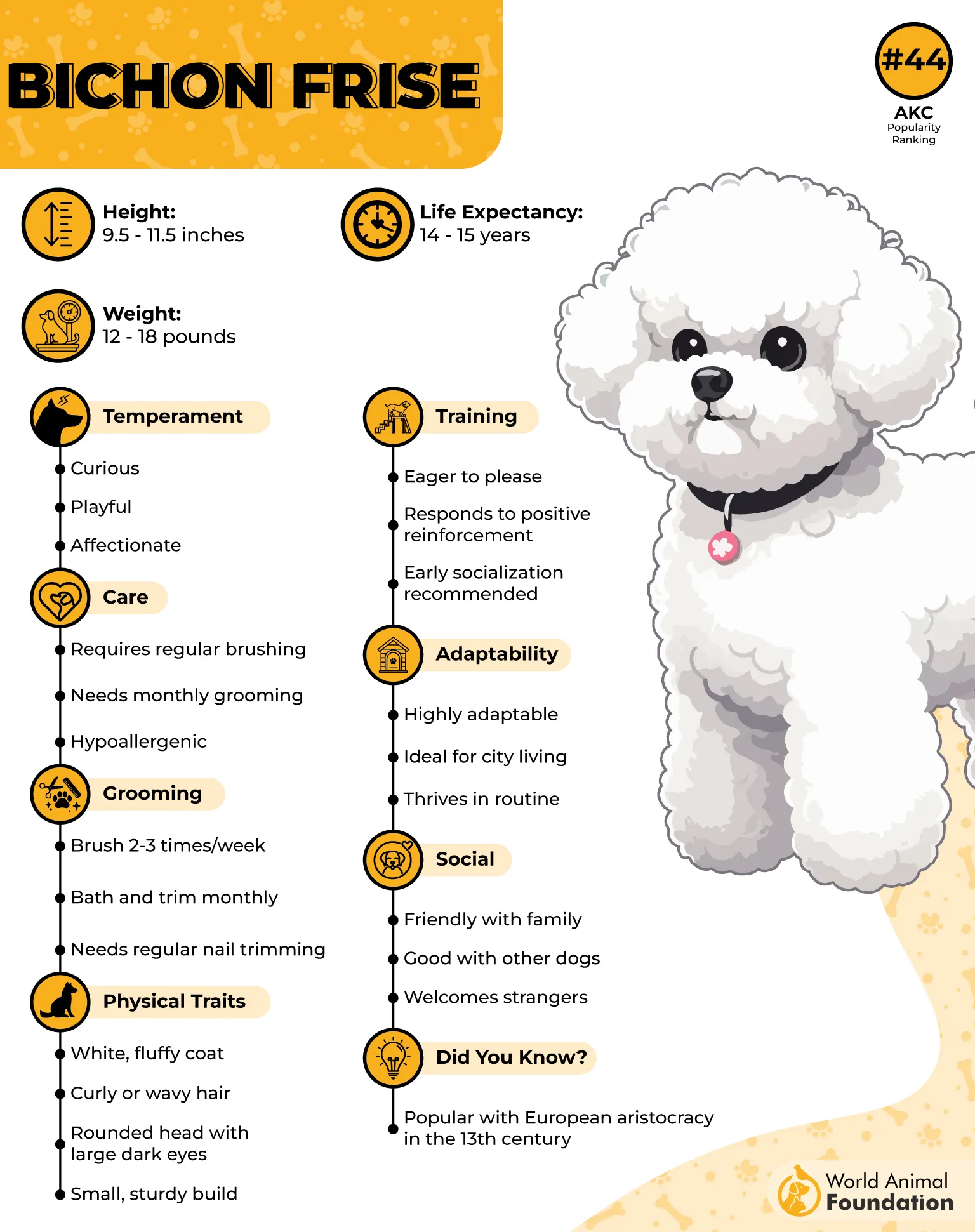
Bichon Frise gets its rounded, plush appearance through careful grooming rather than naturally having a teddy-bear-like appearance. Its loose curls, snow-white coat, dark round eyes, and black nose create the toy-like face pet lovers recognize.
Their grooming reveals three important details:
Facial hair is hand-scissored into a circle
Body fur is clipped to a plush, even length
Professional grooming is needed every 4 to 6 weeks
More Than a Pretty Face
This furry friend has a playful streak that once made it useful to street performers, who trained these dogs to perform tricks for audiences, as Omlet mentioned. That same eagerness for attention can make boredom a problem, especially when the dog has too little interaction during the day.
2. Chow Chow
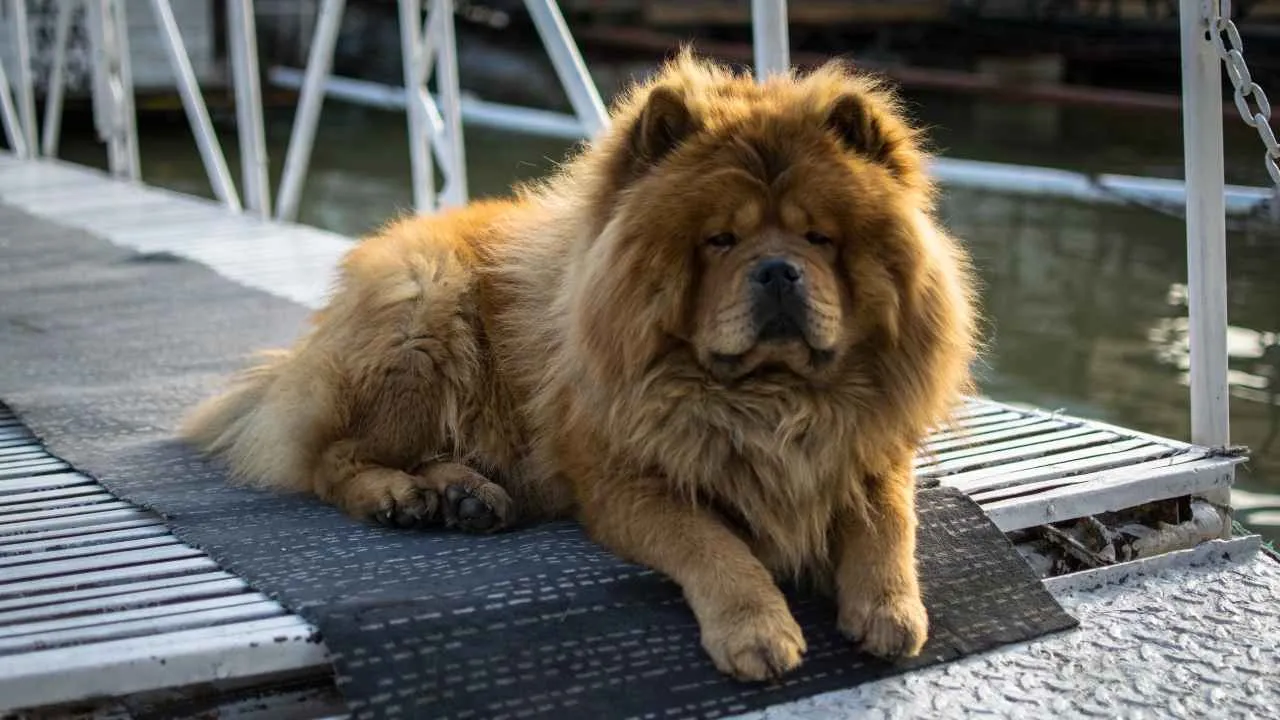
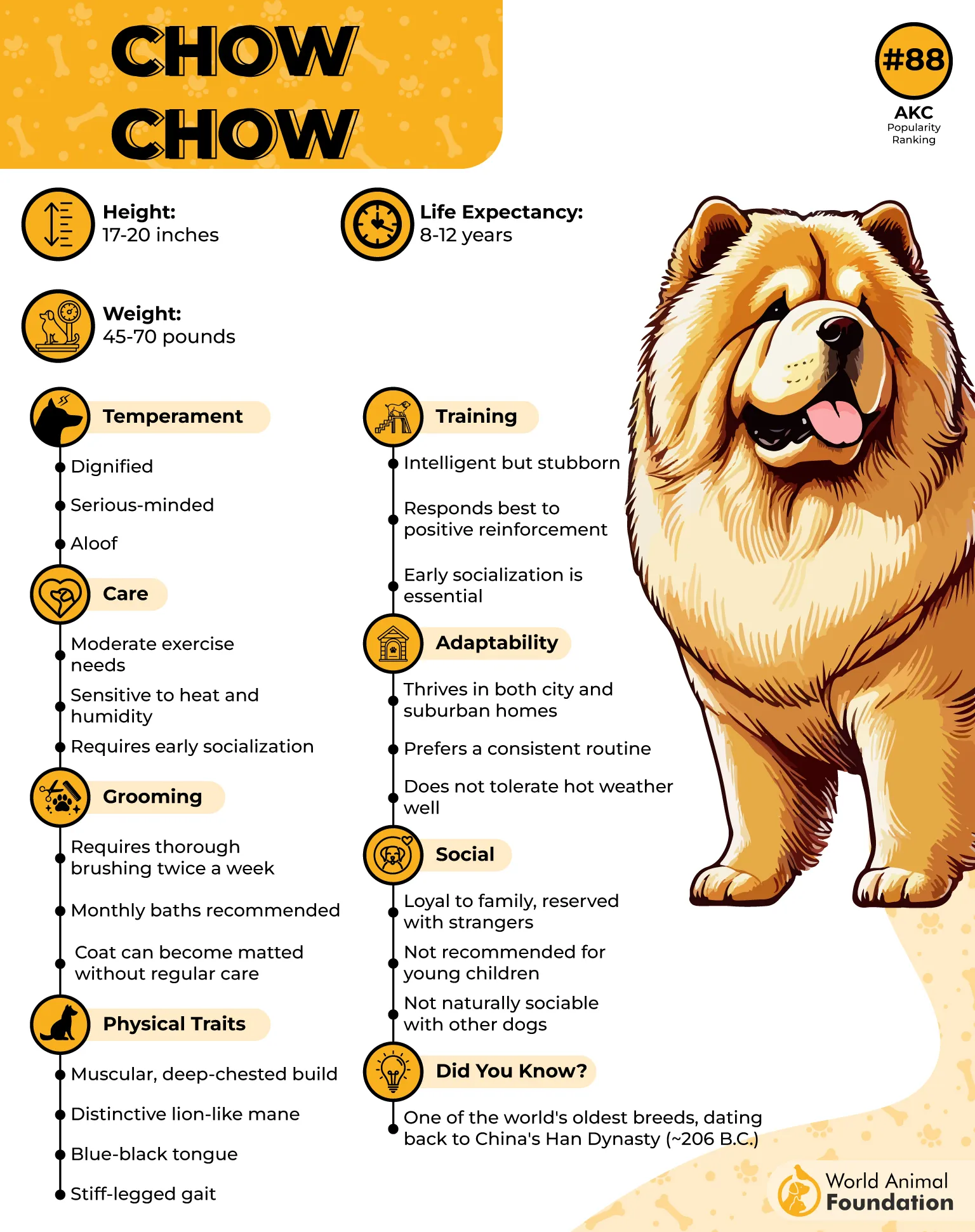
Chow Chow is among the oldest recognized dog breeds, with its origins placed in China during the Han Dynasty, from 206 BCE to 220 CE, as PetMD highlighted. Over time, these dogs reached Europe and later the United States, where their distinctive appearance became familiar to a much wider audience.
A Bear-Like Coat
They have a dense, straight double coat with a thick ruff around the head and shoulders, giving the breed its plush, bear-like appearance. That luxurious covering sheds throughout the year and more heavily during seasonal changes, so thorough brushing is an important part of grooming.
Traits make that appearance especially distinctive:
Blue-black tongue
Straight hind-leg structure
Curled tail
Selective With Affection
Chow Chow can become deeply devoted to the people it accepts, often forming a particular preference for one person while remaining attentive to the whole household. Families with older children may find the breed easier to manage, especially when early socialization and training are provided properly.
3. Pomeranian
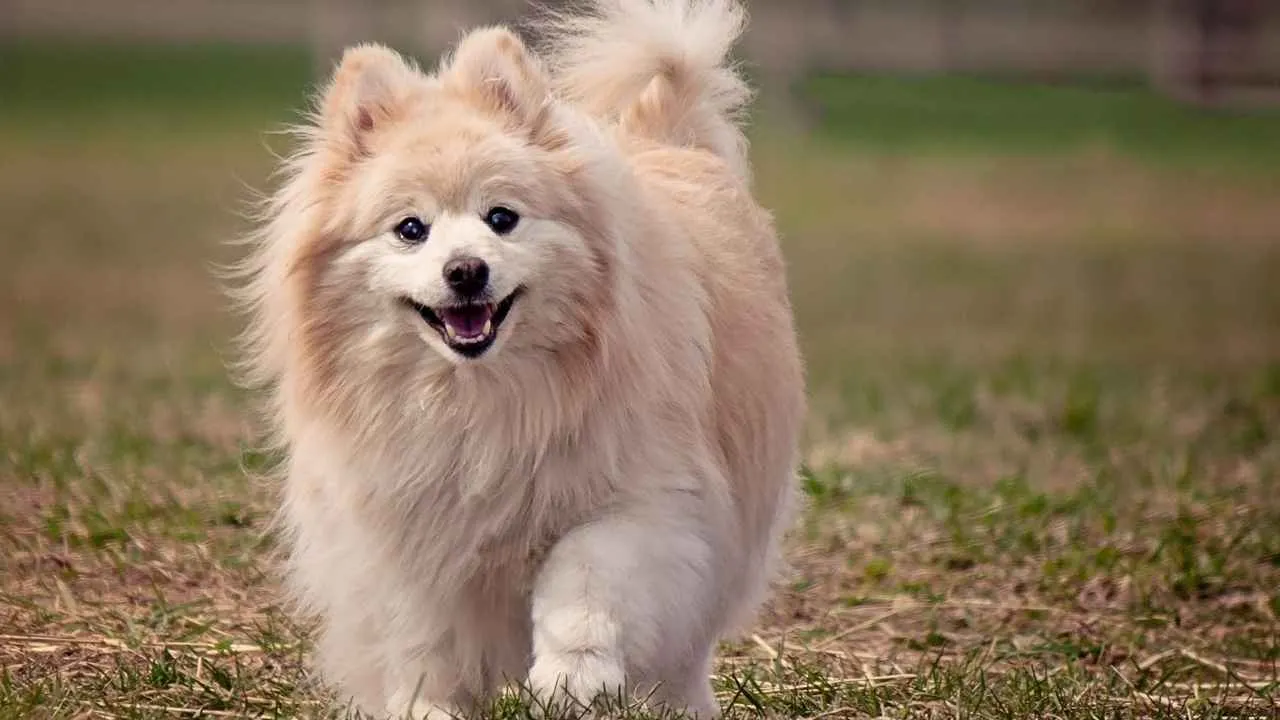
Pomeranian descends from the larger Spitz sled dogs that included breeds such as the Akita, Alaskan Malamute, Chow Chow, and Samoyed. Earlier Pomeranians weighed around 30 pounds and were used for herding before selective breeding produced the tiny companion recognized today.
Teddy-Bear Details
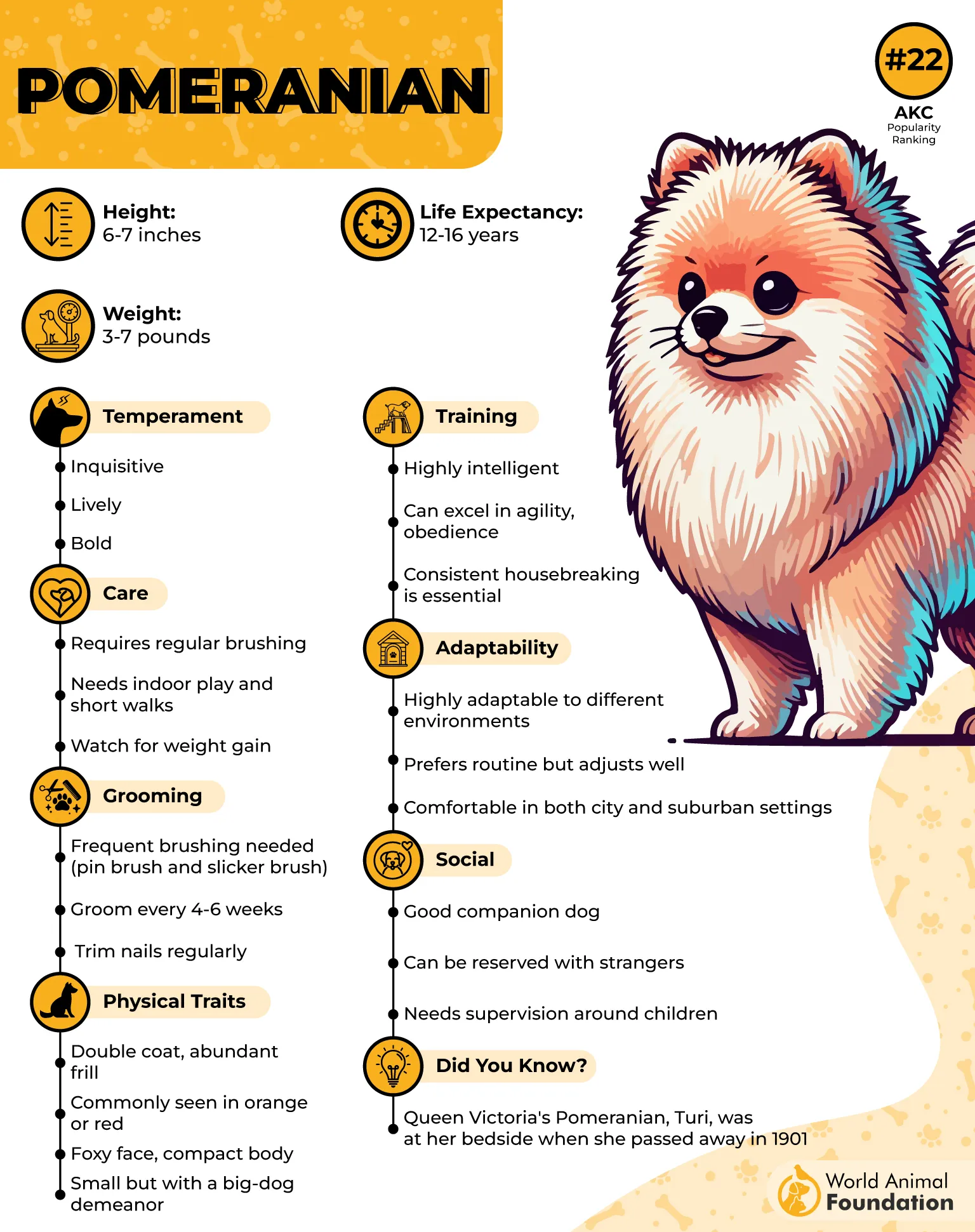
This teddy bear dog breed has a foxlike face, thick neck ruff, square body, and plush double coat that already gives it a distinctly soft appearance. Grooming can push that look further, with 1–2 inches of trimmed fur, rounded facial contours, and shortened ear tips creating a stuffed-animal effect.
Some essentials of their grooming include:
Electric clippers are not recommended for a teddy bear cut
Paws rounded into neat “cat feet”
Undercoat kept protected
Big Attitude
Pomeranian packs considerable confidence into its tiny frame, with a spirited personality that can make the dog seem far larger than its actual size, as Orvis claims. Intelligence adds another layer, as this breed enjoys learning, training exercises, and activities that give its mind something to figure out.
4. Samoyed
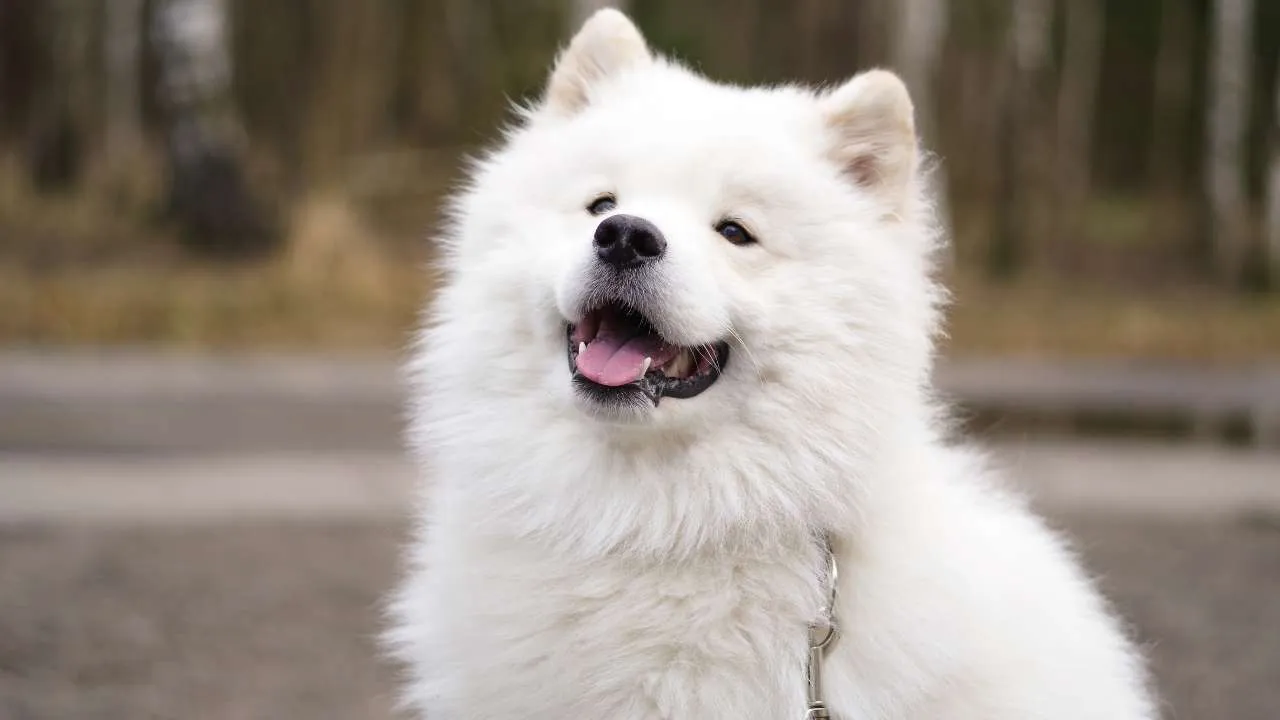
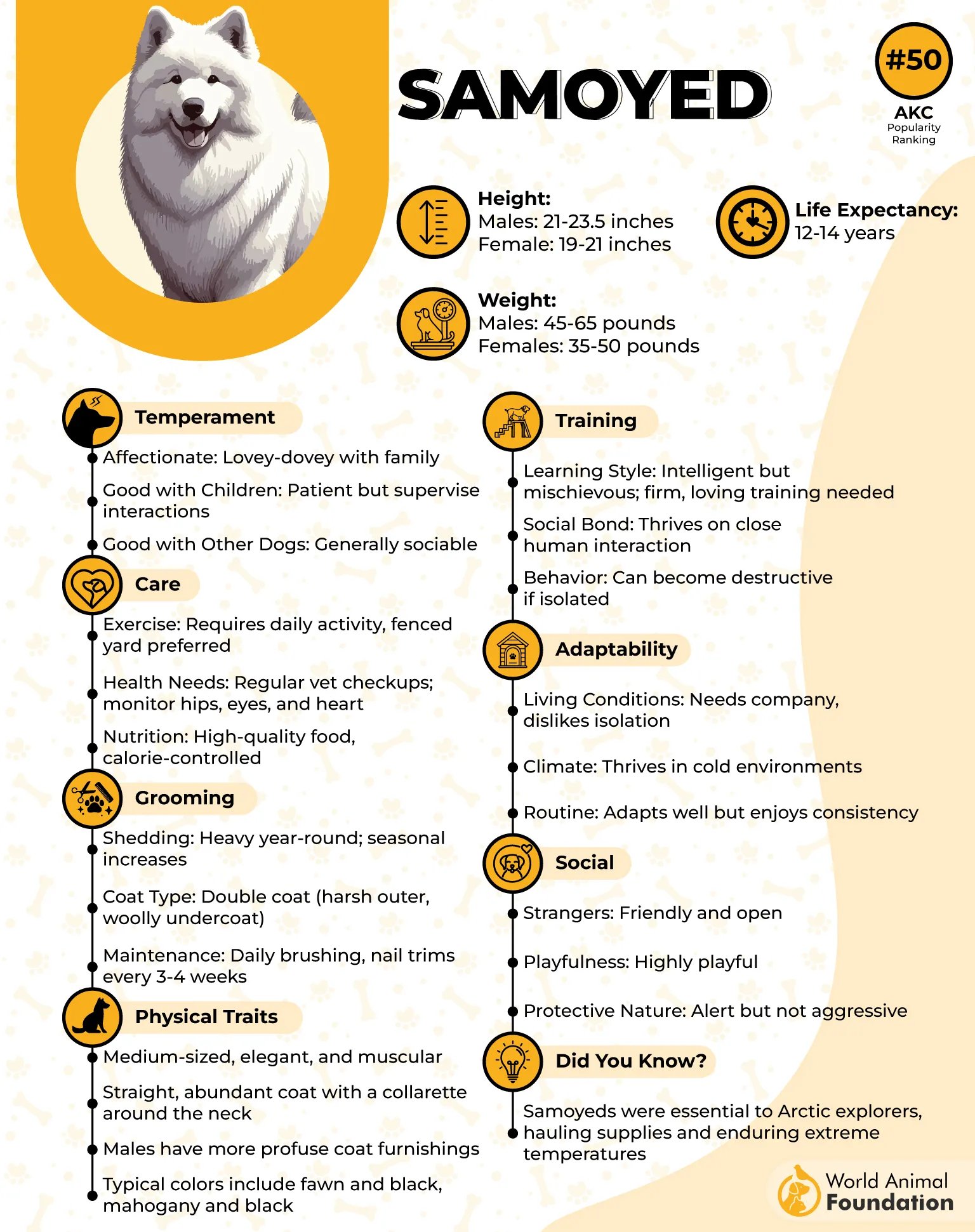
Samoyeds originated in northwestern Siberia, where the Samoyed people relied on these dogs for reindeer herding and sled work in severe cold. Their working role in such a demanding region shaped a breed built around endurance, cooperation, and comfort in wintry conditions.
The Teddy-Bear Look
Samoyeds have several features that create their plush, stuffed-animal appearance, with a dense double coat giving the body its soft, cloud-like fullness. Dark almond-shaped eyes, small fur-covered ears, and the naturally upturned “Sammy Smile” add even more character.
Three details make that appearance especially recognizable:
Bright white coat with woolly underlayer
Small, triangular ears covered in fur
Upturned mouth corners prevent saliva from dropping outside
Energy With a Mischievous Side
Samoyed needs at least two hours of exercise each day and enjoys activities such as sled pulling, herding, agility, and running through snow. Its quick mind also needs regular challenges, since boredom can lead to chewing, digging, or attempts to herd children and smaller animals.
5. Old English Sheepdog
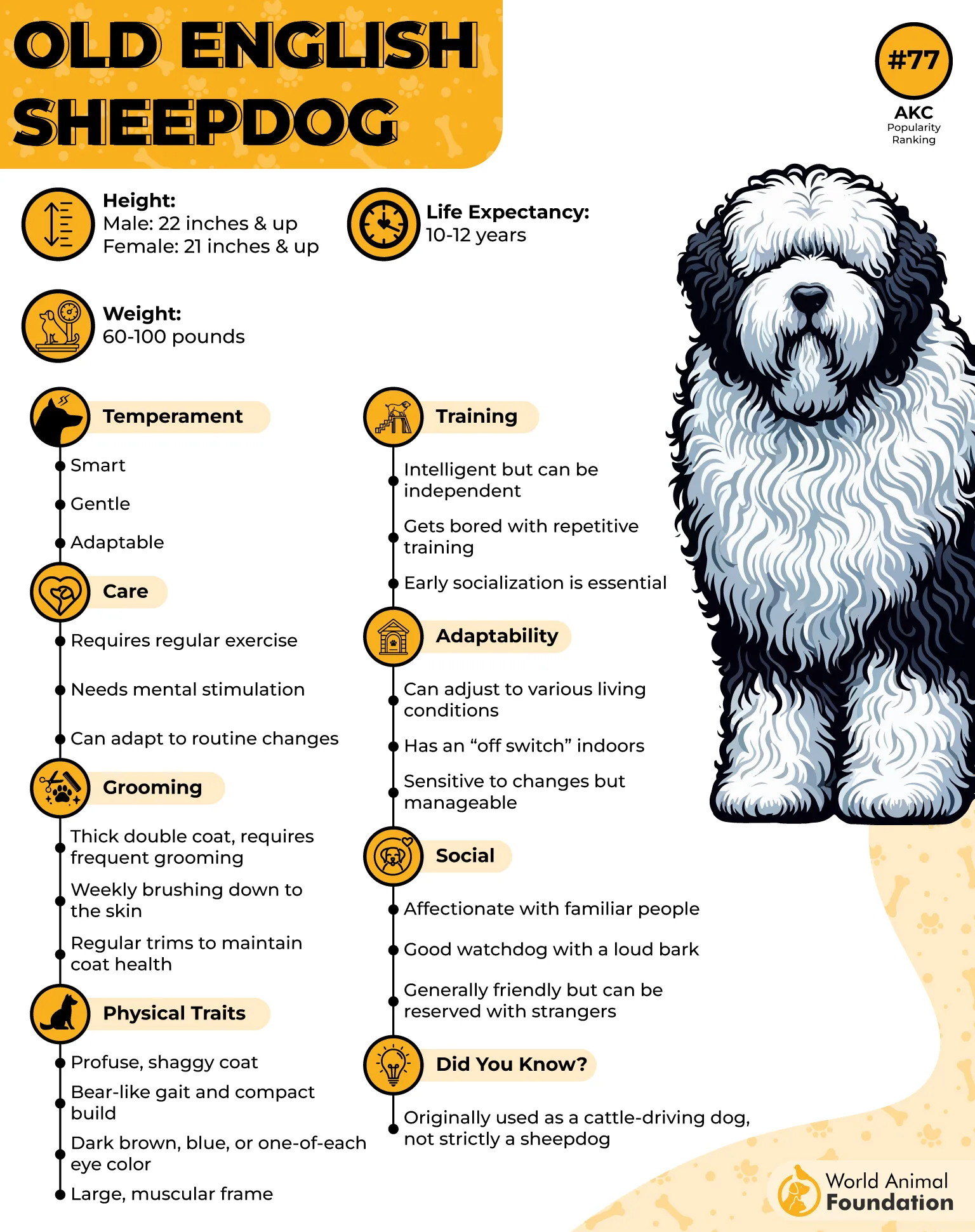
Old English Sheepdog has been around for roughly 200 years, making its origins much more recent than its shaggy appearance might suggest. The breed is linked to western England, with possible ancestry involving dogs from Scotland and even Russia.
That Teddy-Bear Look
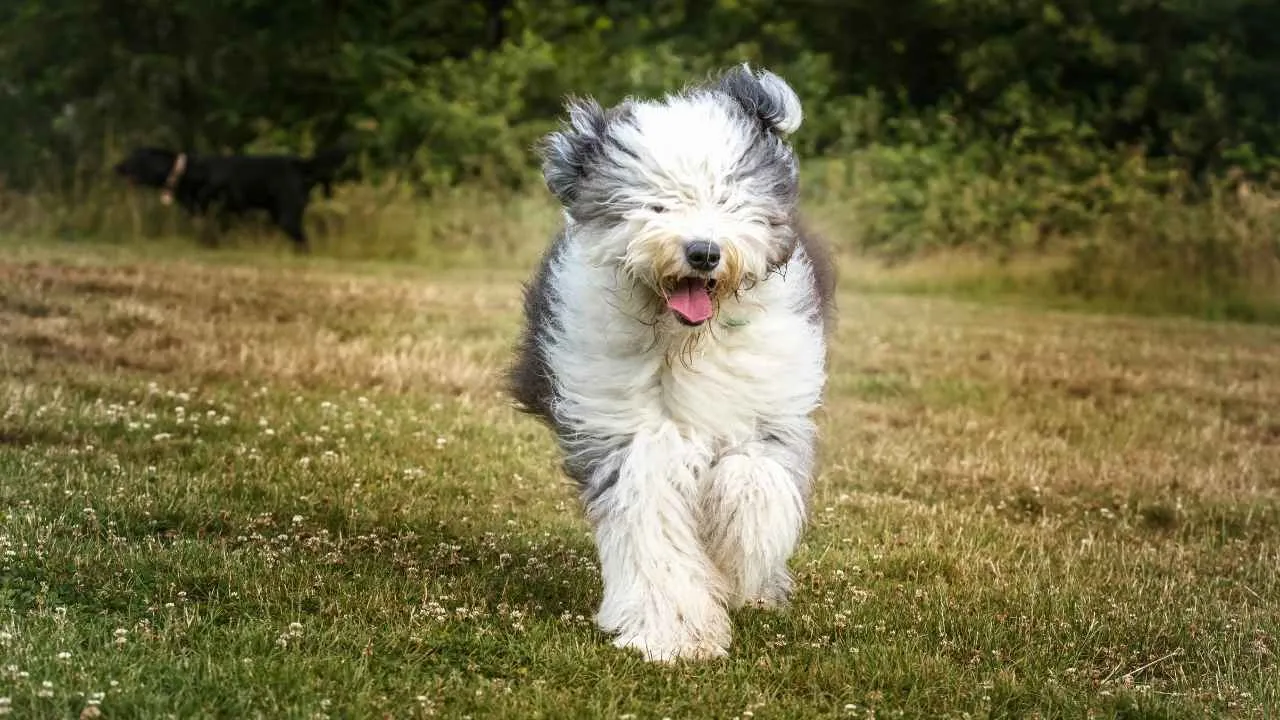
OES gets its plush appearance from a thick, shaggy coat that can be clipped into the rounded “teddy bear” style often chosen for family pets. A professional trim can leave the body hair around 1 to 2 inches long while shaping the head into a soft, rounded form.
This teddy bear breed has a few more surprises:
Dark, expressive eyes
Massive, rounded paws
Soft, plush frame
From Farms to Families
Old English Sheepdog once worked with both sheep and cattle, helping bring livestock from farms to local markets. Today, its affectionate and playful nature can make it a gentle companion for people of different ages, with sensible precautions needed around small children because of its size.
6. Keeshond
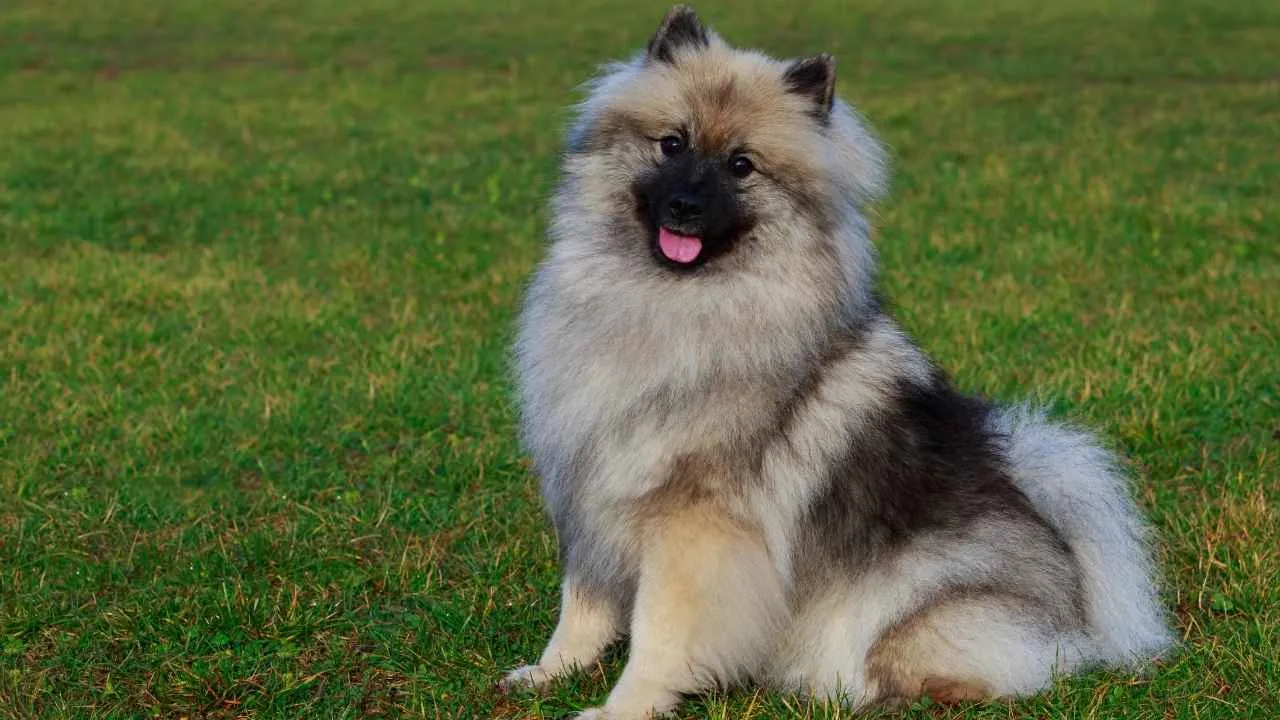
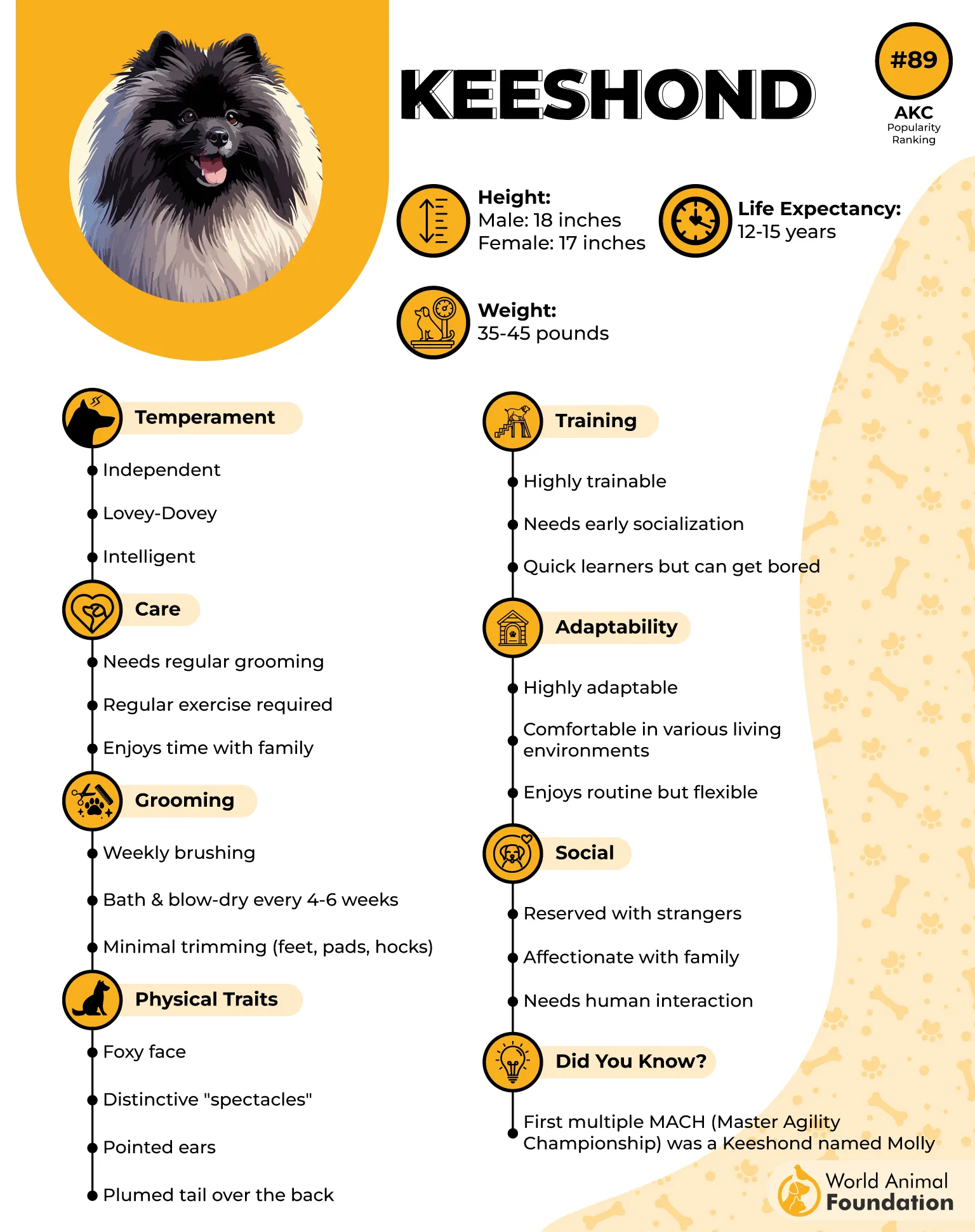
Keeshond began life alongside the canals and boats of the Netherlands, where these dogs served as companions during journeys on the waterways. They were bred primarily for companionship, which helps explain the gentle, affectionate temperament associated with the breed today.
A Plush Silhouette
Keeshond has a dense woolly undercoat beneath a longer, harsher outer layer, giving the coat its rounded, fluffy shape. Around the neck, a full ruff adds extra volume, while feathered hind legs and a tightly curled, plumed tail complete the look.
A closer look at the coloring reveals even more detail:
Gray and silver coat shading
Black and cream accents
Wolf-like overall coloring
The Dutch Smile
Keeshond is sometimes called the “smiling Dutchman” because of its affectionate nature and playful personality. This outgoing breed generally enjoys people, children who understand proper dog interaction, and other animals, making social contact an important part of its daily life.
7. Leonberger
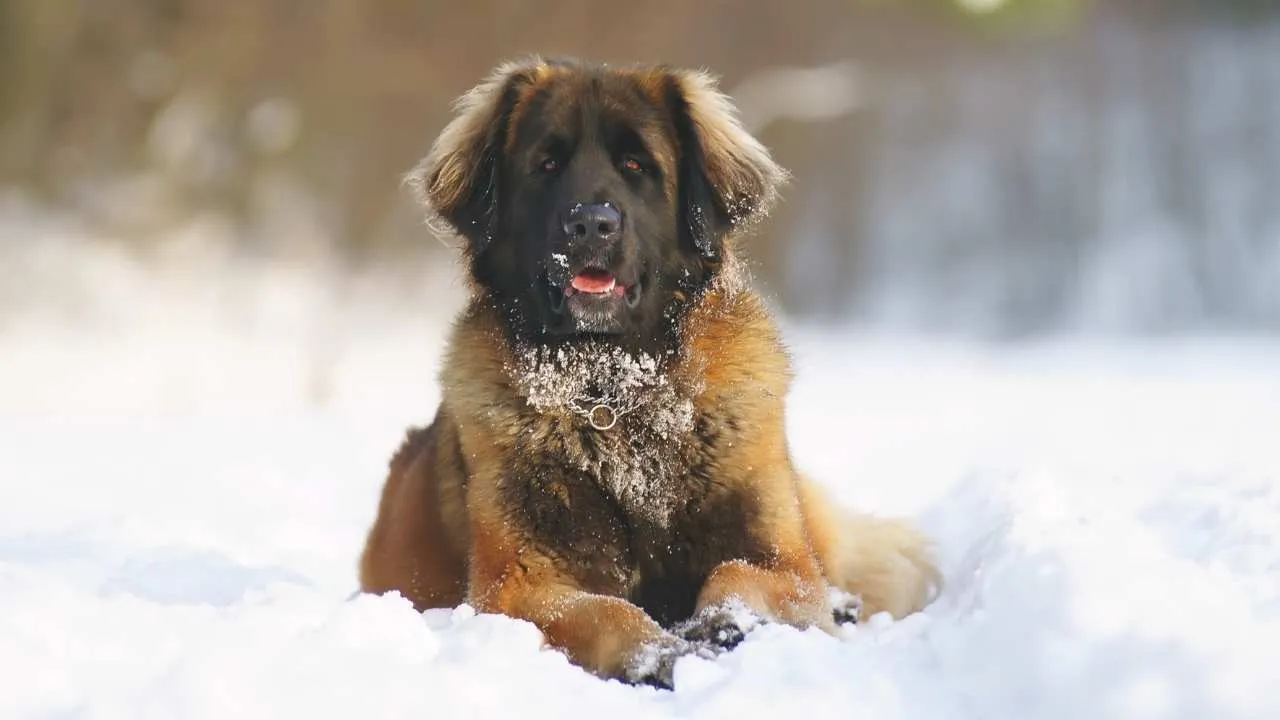
Leonberger takes its name from Leonberg, Germany, with a 17th-century legend linking its reddish-gold appearance to the lions on the town’s coat of arms.
The story credits Newfoundlands, Saint Bernards, and Great Pyrenees in its creation, while European royalty later favored the breed for its long coat and friendly temperament.
A Coat Full of Detail
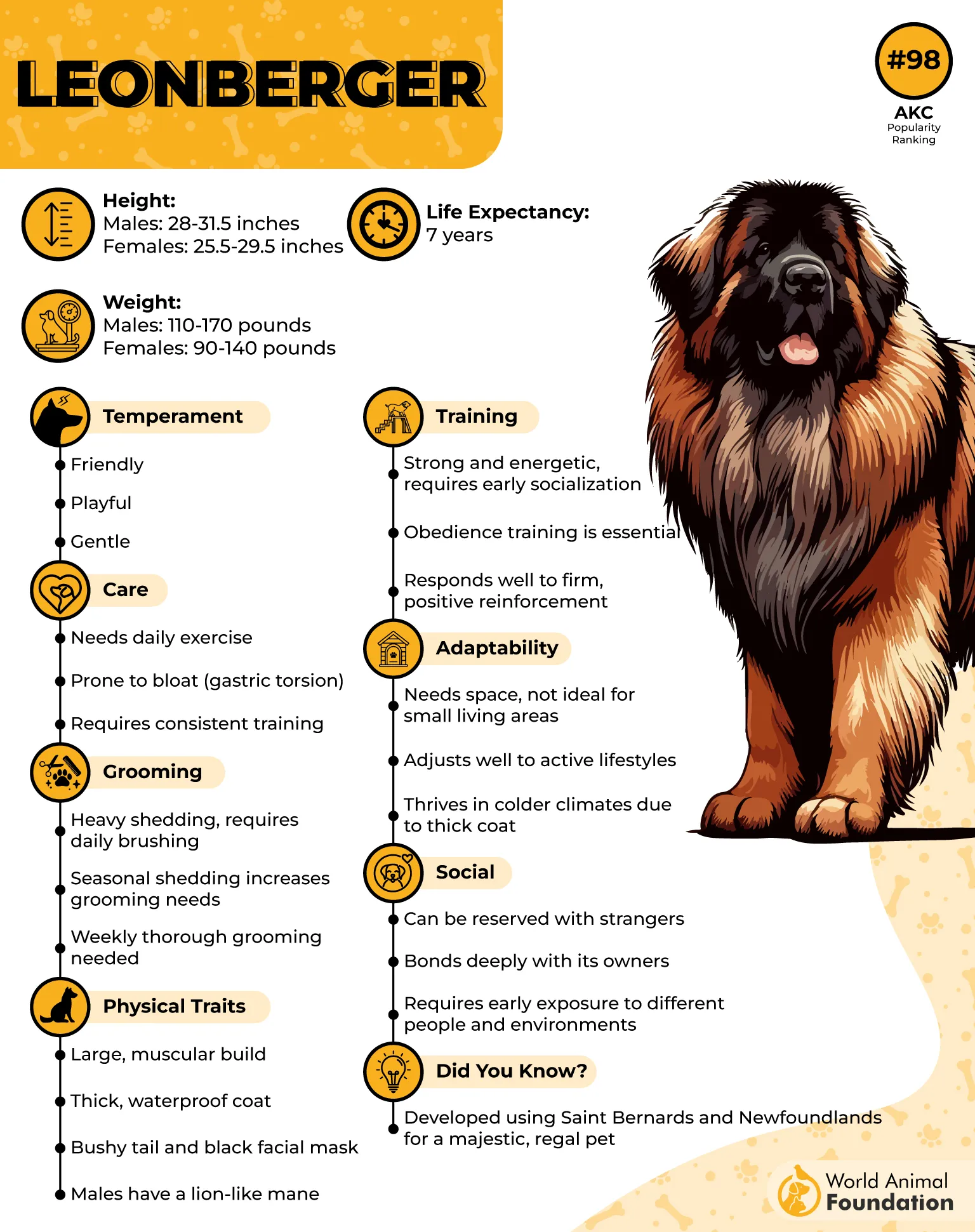
This gentle breed has a dense double coat with a soft underlayer and longer outer fur, giving the dog its impressive fluffy coat. Males grow a striking neck and chest ruff around age 2 to 3, while heavy feathering covers the ears, legs, thighs, and bushy tail.
A closer look at that coat reveals some practical details:
Outer layer repels water during swimming
Daily brushing helps prevent painful mats
Major shedding periods occur twice yearly
Calm With People
Leonberger brings a gentle nature to family life, often interacting well with children, other dogs, and familiar strangers after proper socialization. Its calm, quiet behavior also comes with relatively little barking or digging, while regular human interaction remains important to its well-being.
Conclusion
Some dogs catch your attention because of their charming looks, but the happiest homes are built on much more than appearance. A loving personality, a calm demeanor, the right energy level, and a good match for your lifestyle matter just as much as soft, cotton-like coats and an adorable face. These dogs can become excellent companions when welcomed from a young age.
Taking time to understand each breed makes it easier for dog owners to find the perfect companion that fits naturally into everyday routines. Whether you enjoy peaceful evenings indoors or playful moments throughout the day, these charming dogs can become cherished family members, forming strong bonds with their loved ones and bringing unforgettable affection into everyday life.
