




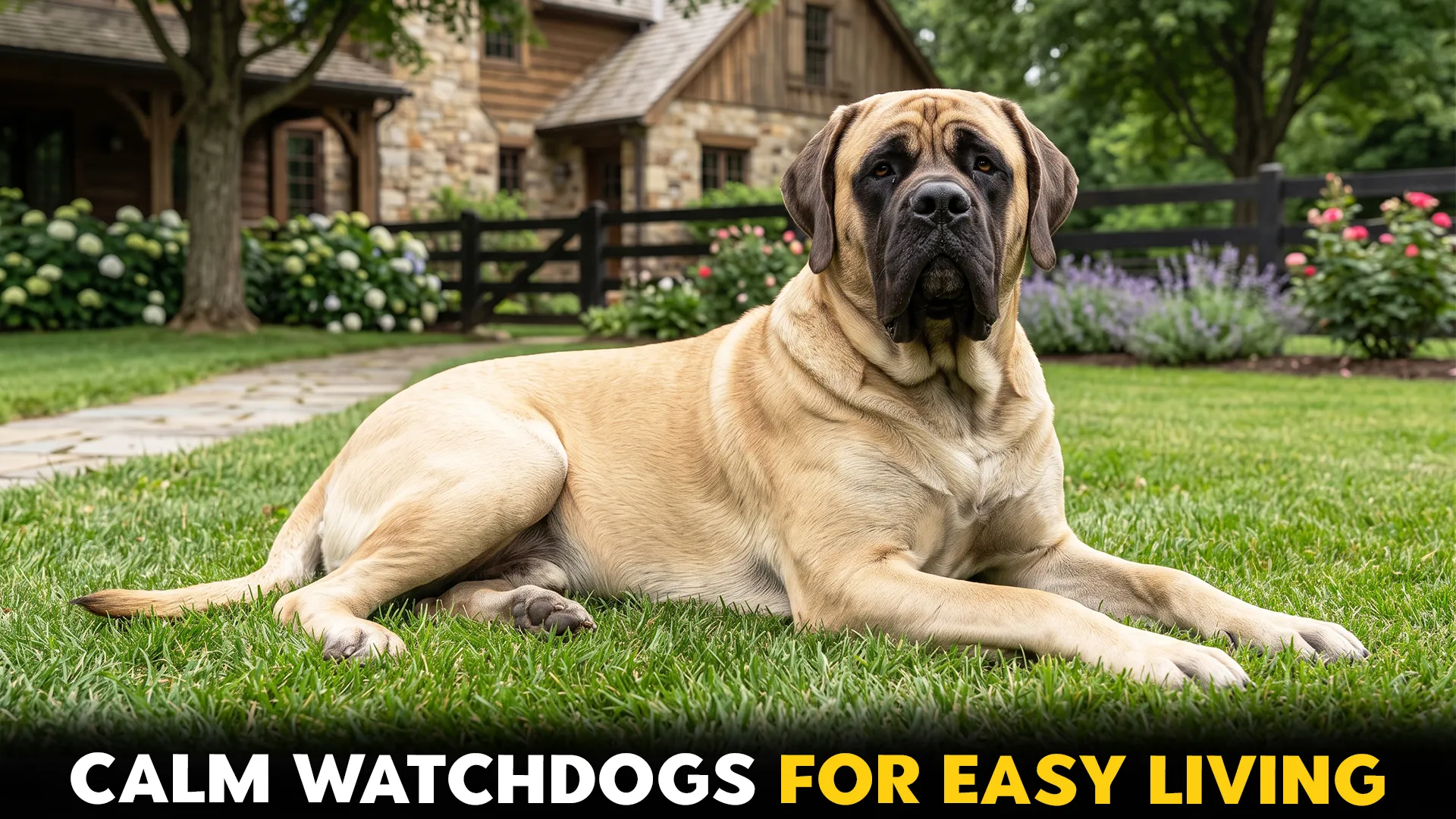
A dog that can watch over your home without turning every day into a full-time commitment sounds almost too good to be true. Yet that balance is exactly what plenty of owners hope to find.
They want a companion that notices unfamiliar activity, takes its role seriously, and still knows how to settle once everything is calm again. Constant exercise, endless grooming sessions, and nonstop demands for attention simply do not fit every household.
That does not mean giving up the idea of having a dependable protector. Some breeds naturally combine a steady temperament with practical care needs, making daily life much easier without losing the confidence people value in a watchdog. The key is knowing which qualities actually matter before making a decision.
Here, you will discover relaxed guard dog breeds that offer dependable protection, manageable care requirements, and personalities suited to owners who appreciate a calmer, simpler routine.
Key Takeaways
A good guard dog does not need to stay in motion all day to make people feel safe.
The Great Pyrenees once watched over sheep while wolves and bears roamed nearby, showing that quiet confidence has been part of its story for centuries.
From the giant Newfoundland to the towering Great Dane, these dogs bring reassurance without making everyday life feel complicated.
Keep reading, and you may find the one breed that offers exactly the balance you have been hoping for.
7 Relaxed Guard Dog Breeds for Low-Maintenance Owners
1. Great Pyrenees
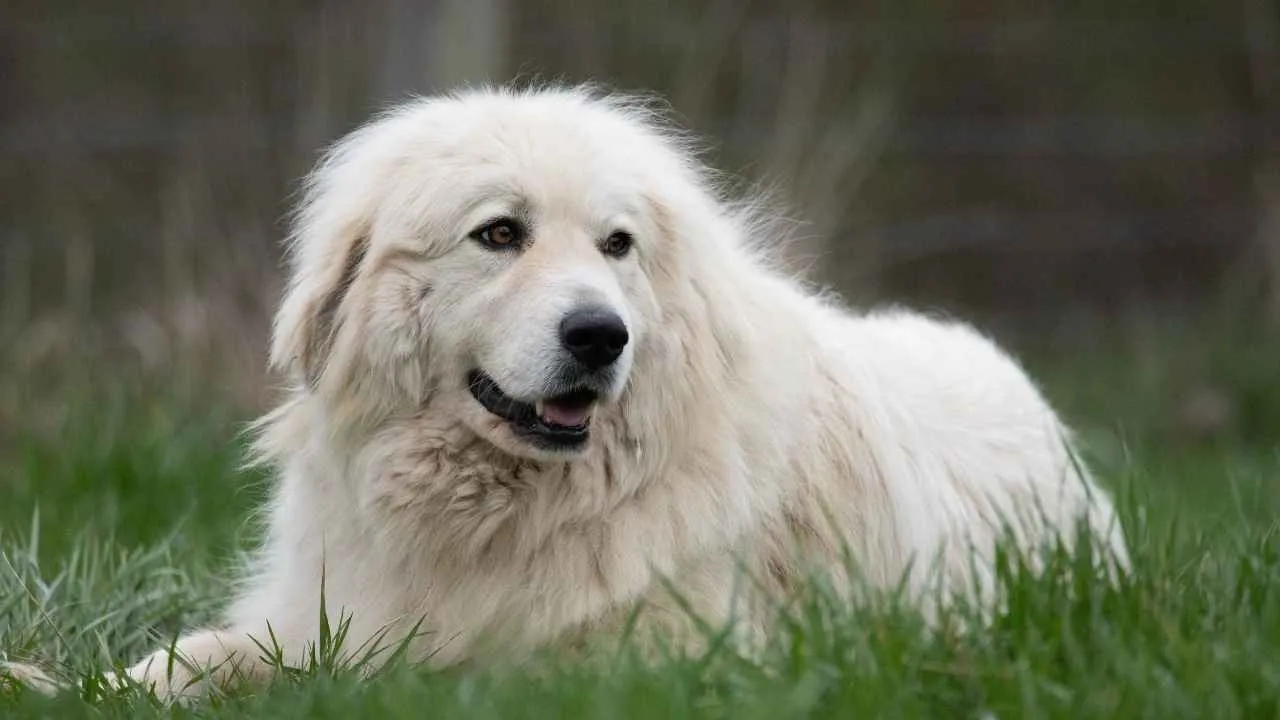
Great Pyrenees was bred among the Pyrenees Mountains between France and Spain, where its thick white coat blended naturally with snowy landscapes. That natural camouflage helped this powerful guardian watch over sheep while predators such as bears and wolves roamed nearby.
Calm by Choice
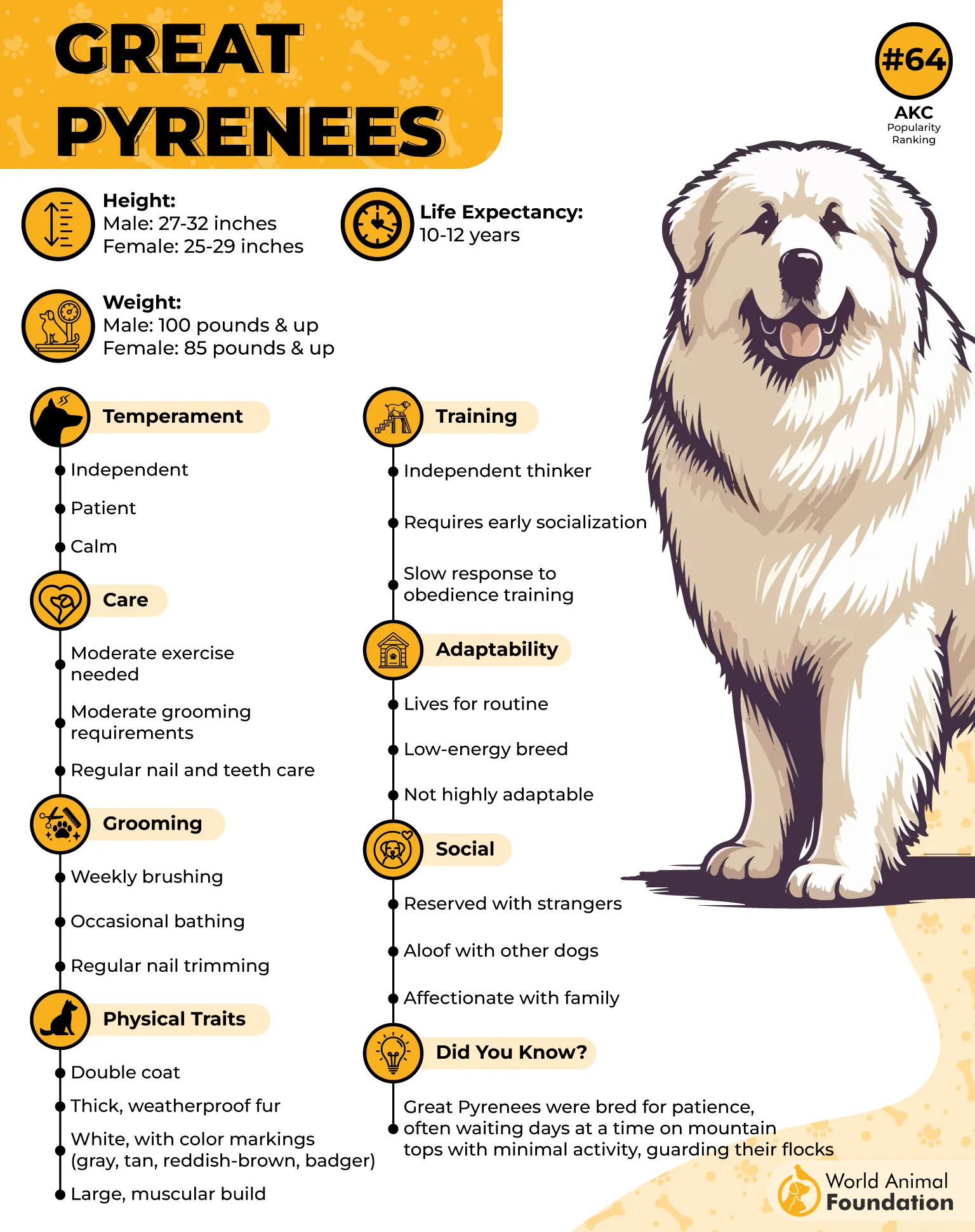
This low-maintenance dog breed fits the list, as guarding doesn’t depend on constant activity with this breed. It naturally conserves energy, prefers a quieter daily routine, and can spend time on its own without needing continuous attention or busy schedules.
That quiet approach comes with a few practical details:
Dirt-resistant outer coat
Tangle-resistant fur texture
Weekly brushing helps control shedding
Independent Nature
Great Pyrenees appreciates having a peaceful place to retreat, especially in homes with other playful pets that demand frequent interaction. According to PetMD, their independent temperament can also make training a slower process, requiring patience instead of repeated corrections.
2. Mastiff
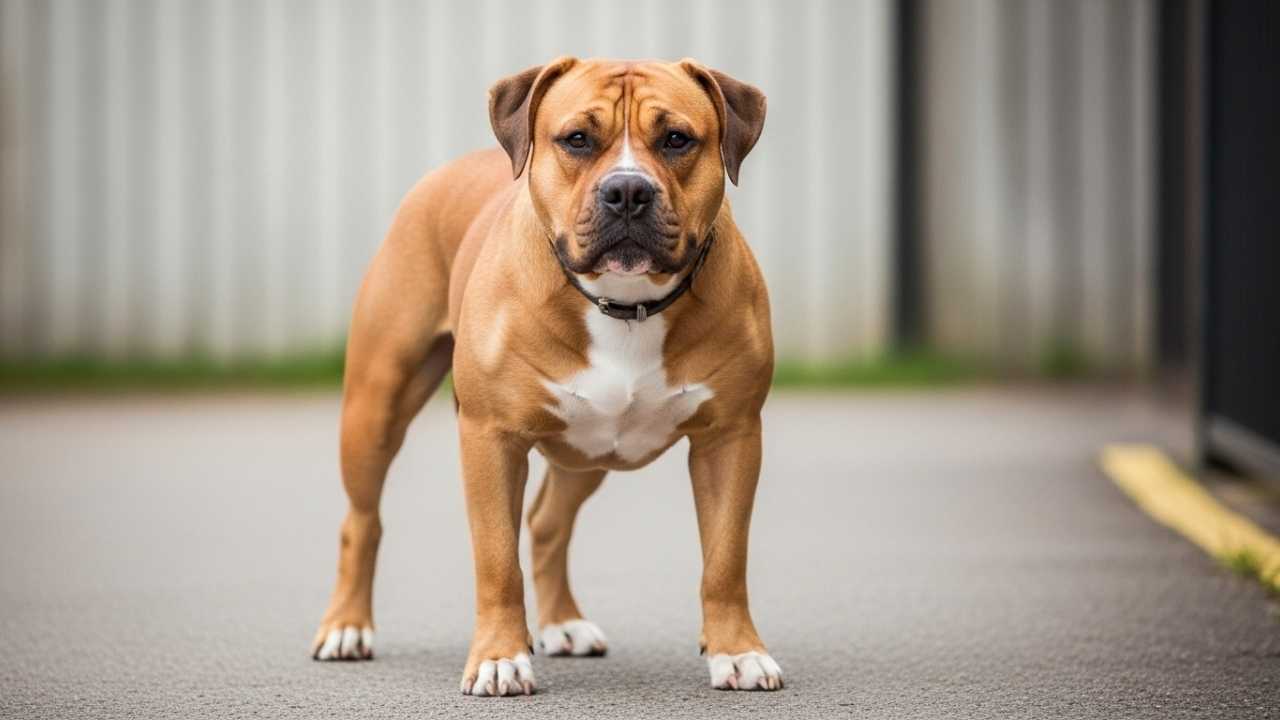
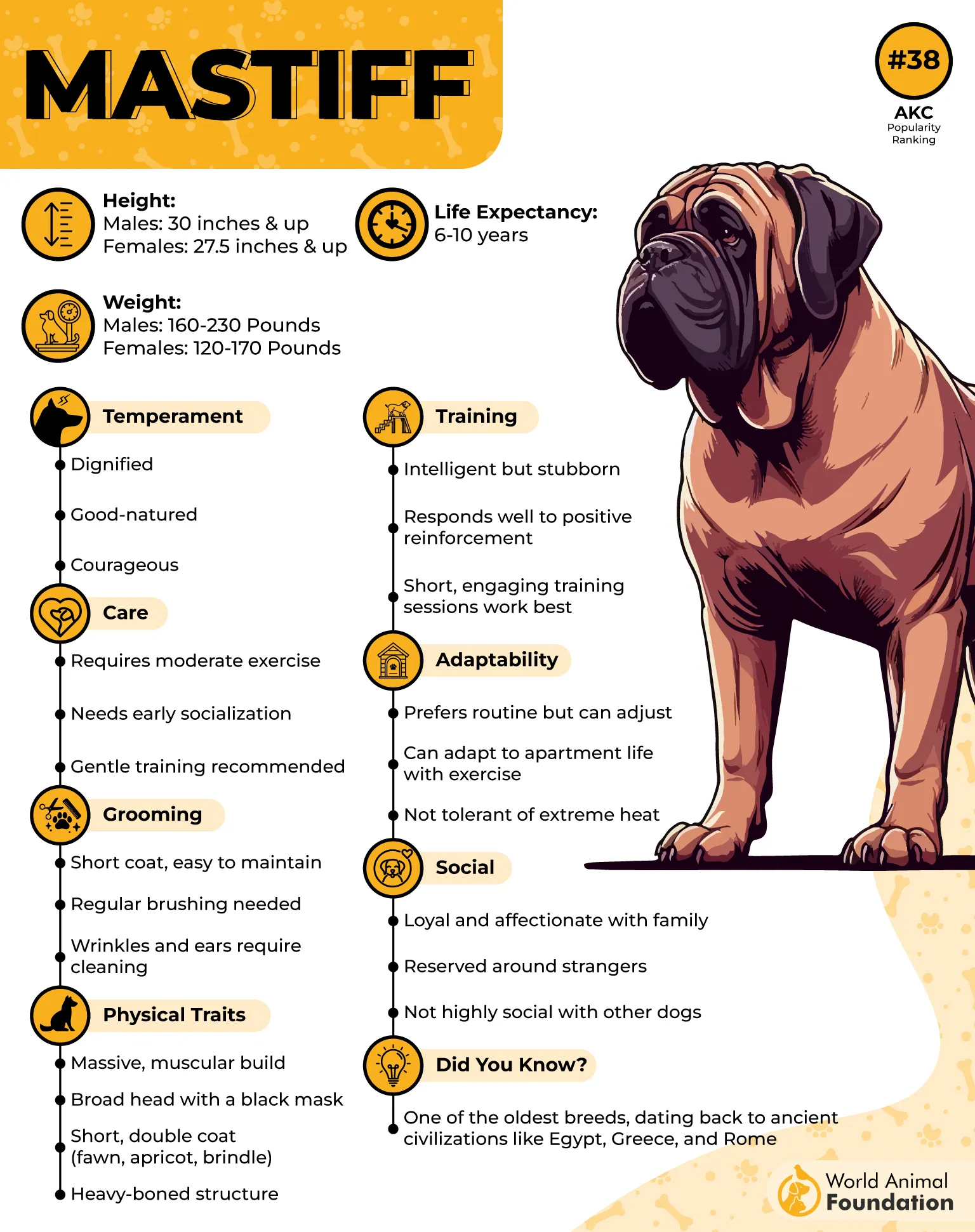
Mastiffs belong to one of the oldest canine lineages and combine immense size with a calm, dignified temperament that surprises first-time admirers. Beneath the broad head, black mask, and deeply wrinkled forehead is a companion that responds best to patient, gentle guidance.
Comfortable Routine
Powerful in size but moderate in energy, this great guard dog is often happiest in a home where life moves at a steady pace. Daily walks of one to two miles for adults, along with free play, are generally enough to keep this breed content without demanding an intense routine.
A few practical details are worth knowing:
Short, dense coat brushes easily
Heavier shedding usually occurs once or twice yearly
Young dogs should avoid stairs, high jumps, and long walks
Easy Coat Care
Mastiff’s grooming routine is refreshingly simple, with a quick brushing every few days handling most of the upkeep throughout the year, as per the AKC. During seasonal shedding, a sturdy-toothed comb helps remove loose hair more effectively while keeping the coat in good condition.
3. Newfoundland
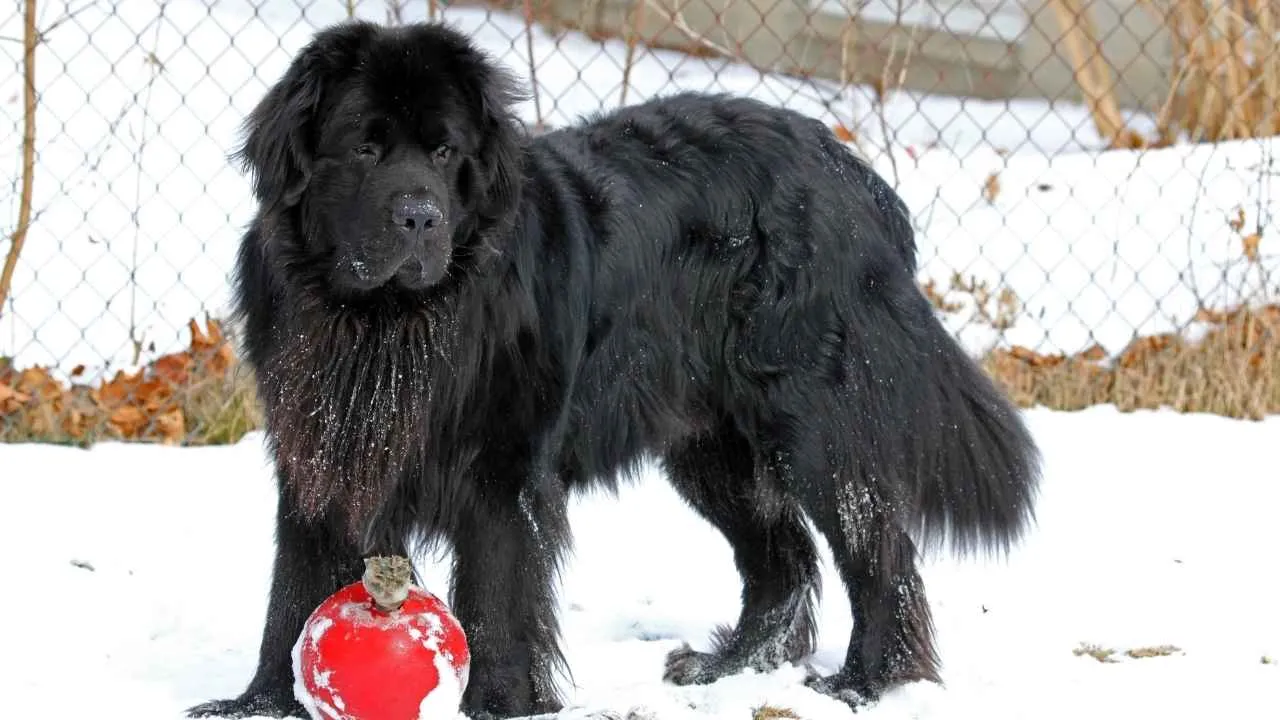
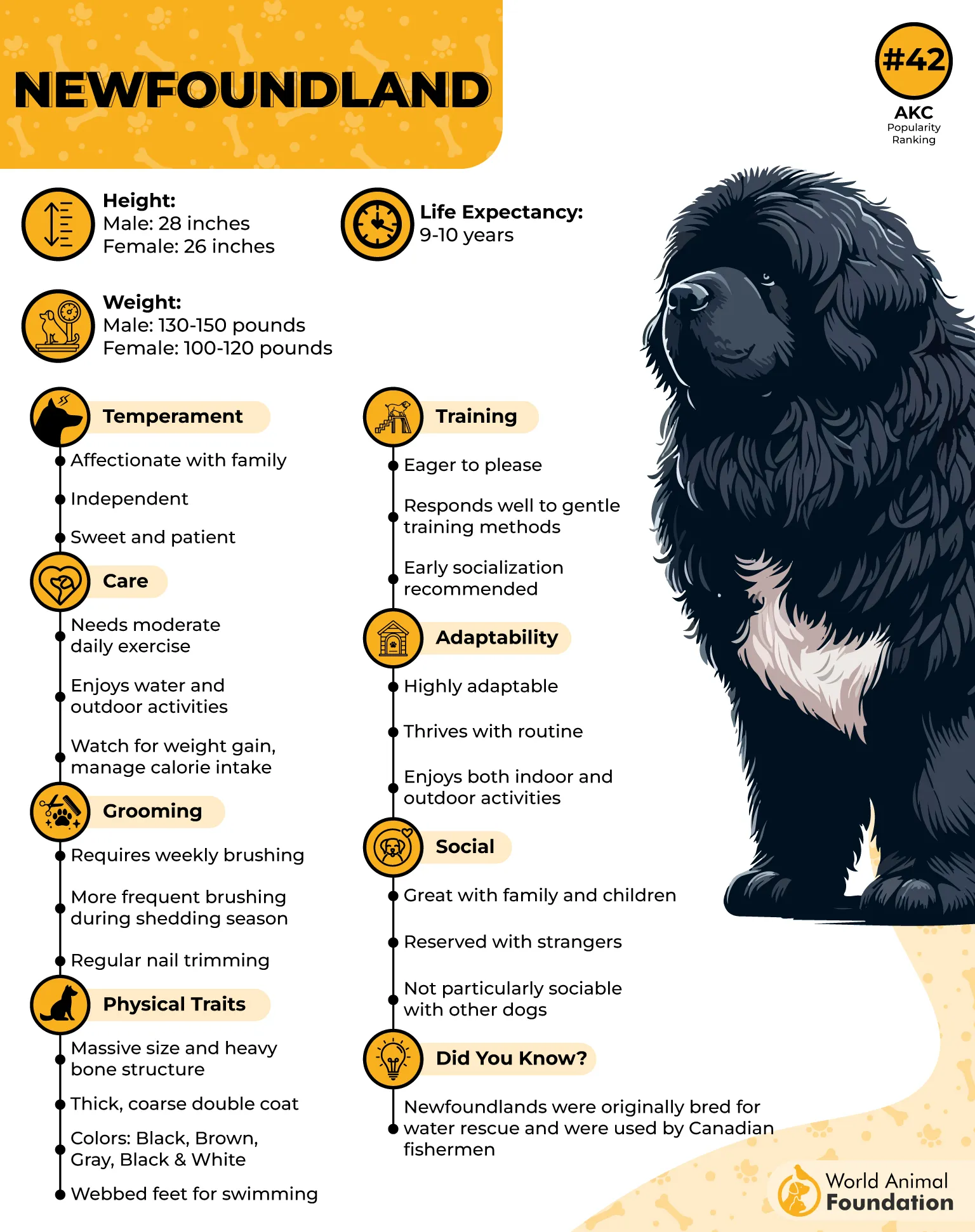
The Newfoundland earned its place alongside fishermen in Newfoundland, Canada, where strength, calm judgment, and confidence in cold water were part of everyday work. Webbed paws and a thick insulating coat helped it handle icy conditions with remarkable ease.
Calm Around the House
A quiet nature makes Newfie an appealing choice for people who prefer a relaxed companion with dependable manners around the home. Daily walks, an occasional hike, or time in the water are usually enough to keep this gentle giant content without demanding an intense routine.
There’s more to this large breed:
Webbed paws for efficient swimming
Weekly coat brushing helps prevent mats
Shedding increases during seasonal coat changes
Gentle Company
Newfoundland has a patient disposition that fits comfortably into homes with children, other dogs, and cats when introductions are handled appropriately, as WebMD notes. Because of its impressive size, supervised interactions with young children remain an important part of everyday safety.
4. Saint Bernard
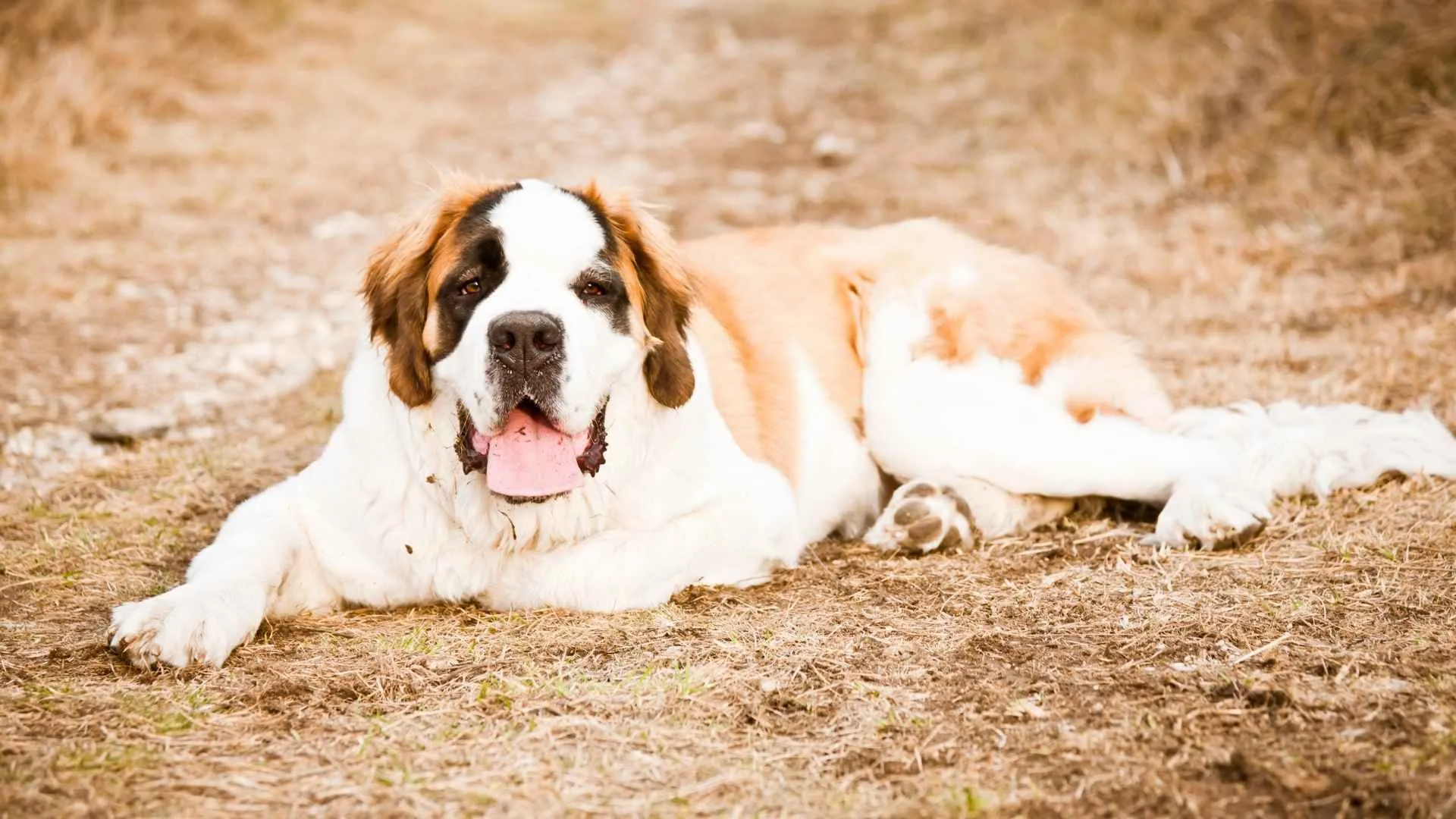
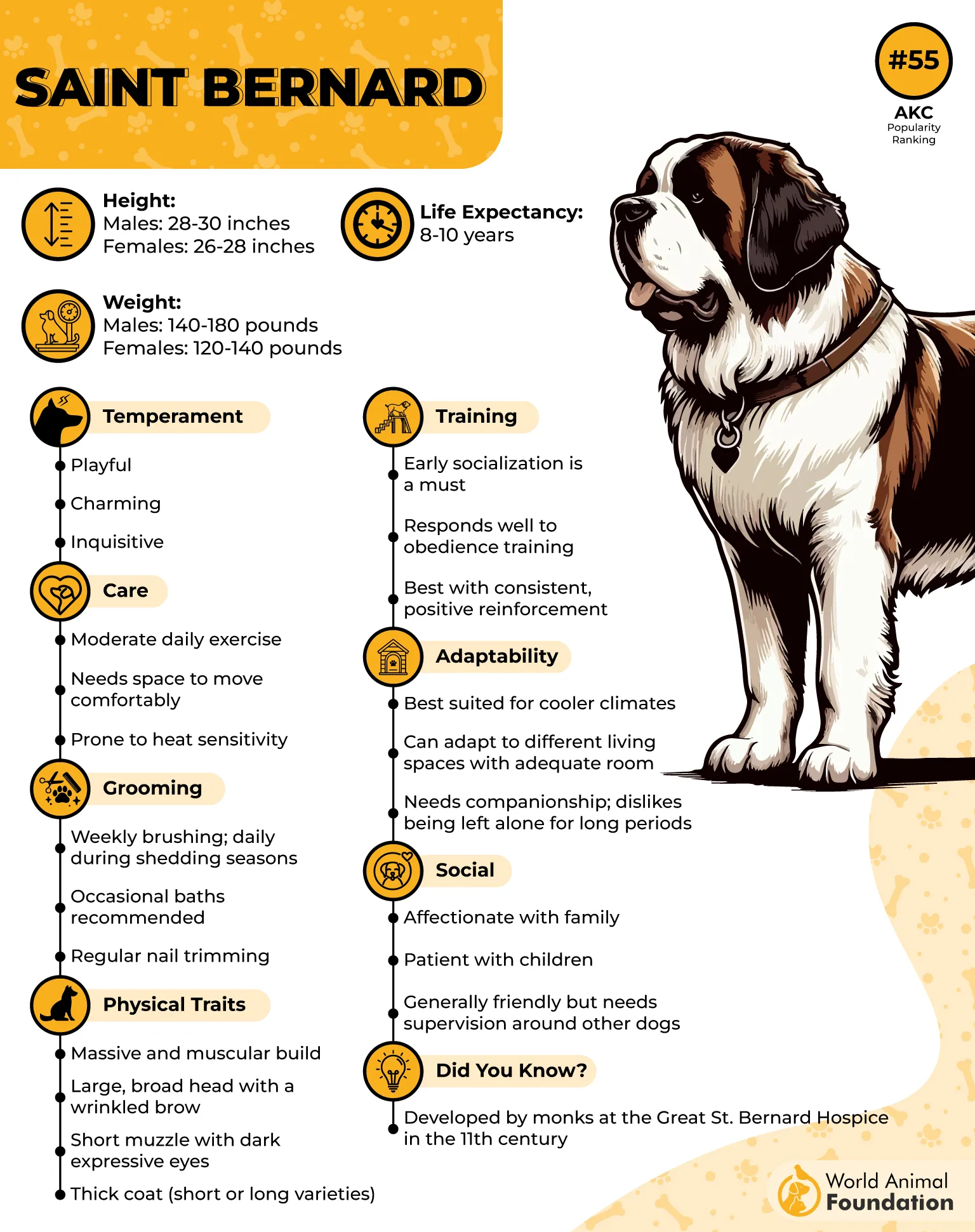
Saint Bernard began its journey with monks in the Swiss Alps during the 1600s, where these giant dogs searched for people trapped beneath avalanches. That early rescue work reflects a calm, dependable nature that still makes this breed a reassuring companion at home.
Easygoing Presence
They appeal to people who prefer a slower pace, thanks to their relaxed temperament and minimal exercise needs. About a 30-minute walk is enough for most days, although this breed will happily join a longer walk or hike when the opportunity comes along.
This furry friend has a few more surprises:
Used in avalanche rescue work
Available in short or long coats
Weekly brushing outside shedding seasons
Calm Learner
Saint Bernard picks up lessons quickly and responds well to positive reinforcement, making obedience and socialization worthwhile from an early age. Early guidance also helps such a large dog learn polite greetings, avoid jumping on people, and resist grabbing food from countertops.
5. Boerboel
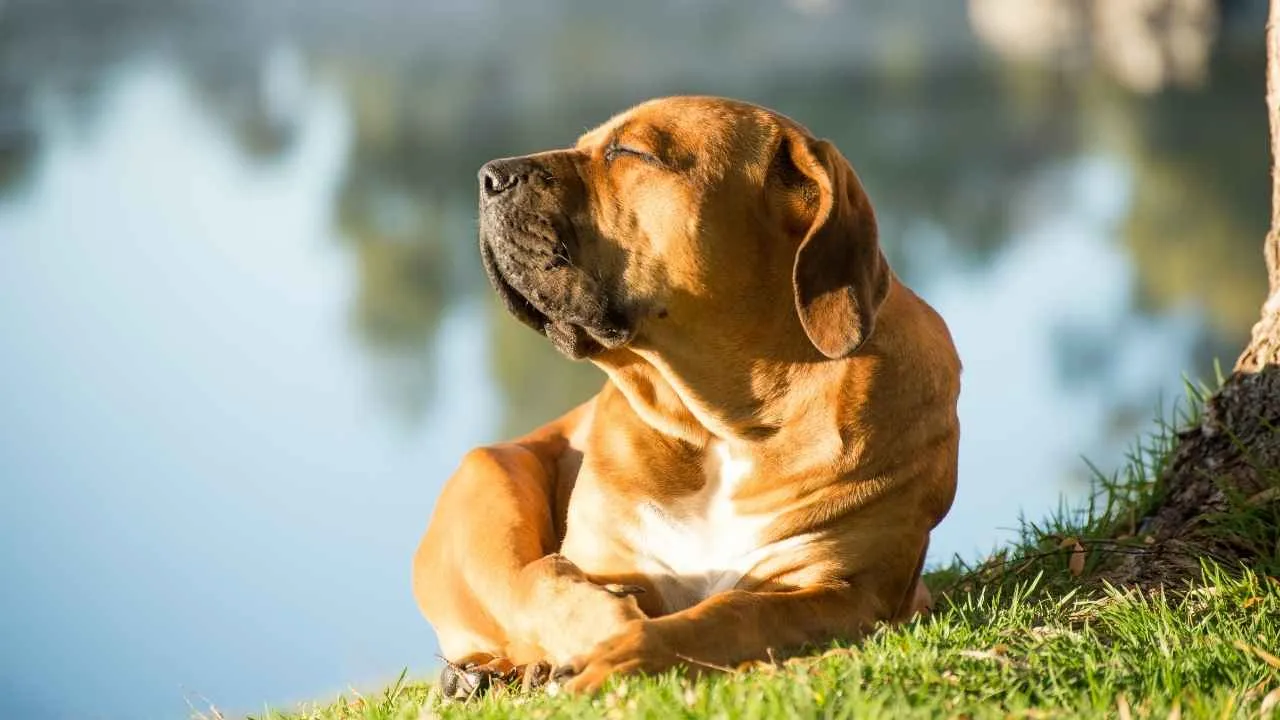
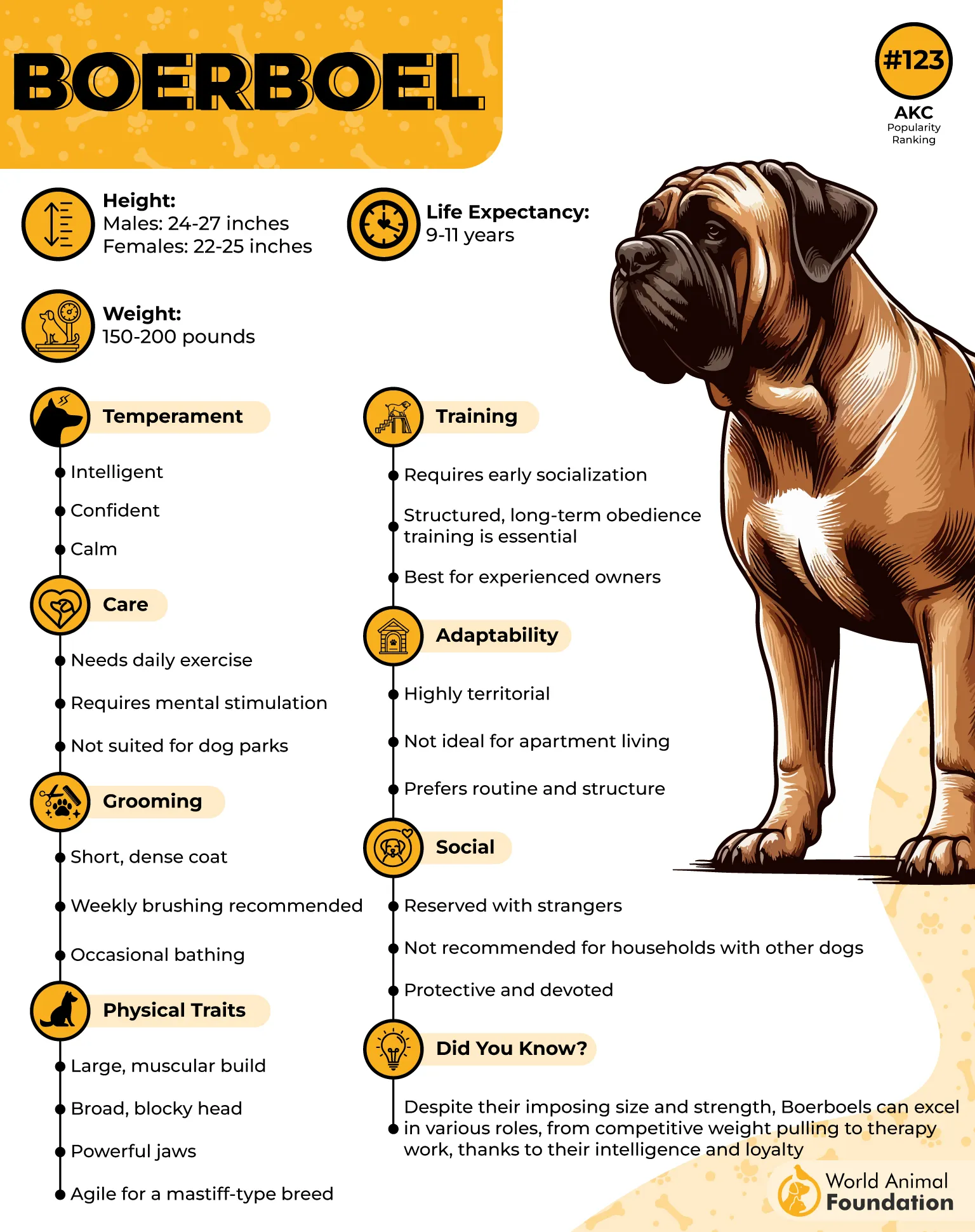
The Boerboel developed on remote South African homesteads, where protecting families and property called for good judgment as much as physical strength. Confidence, intelligence, and a willingness to learn helped this breed handle demanding situations with a steady approach.
Practical Upkeep
A short, dense coat keeps grooming straightforward, making weekly brushing enough to remove loose hair and keep the coat in good condition. Daily walks or play in a securely fenced area also fit naturally into this breed’s routine.
A closer look adds a few more interesting details:
Descends from the ancient molosser dog family
Considered among the most agile mastiff-type breeds
Willing to learn with proper training
Engaged Every Day
This guarding breed enjoys spending time with the people it trusts instead of being left without interaction for long periods. Along with physical activity, regular mental enrichment helps channel this active dog’s intelligence into productive and rewarding routines.
6. Broholmer
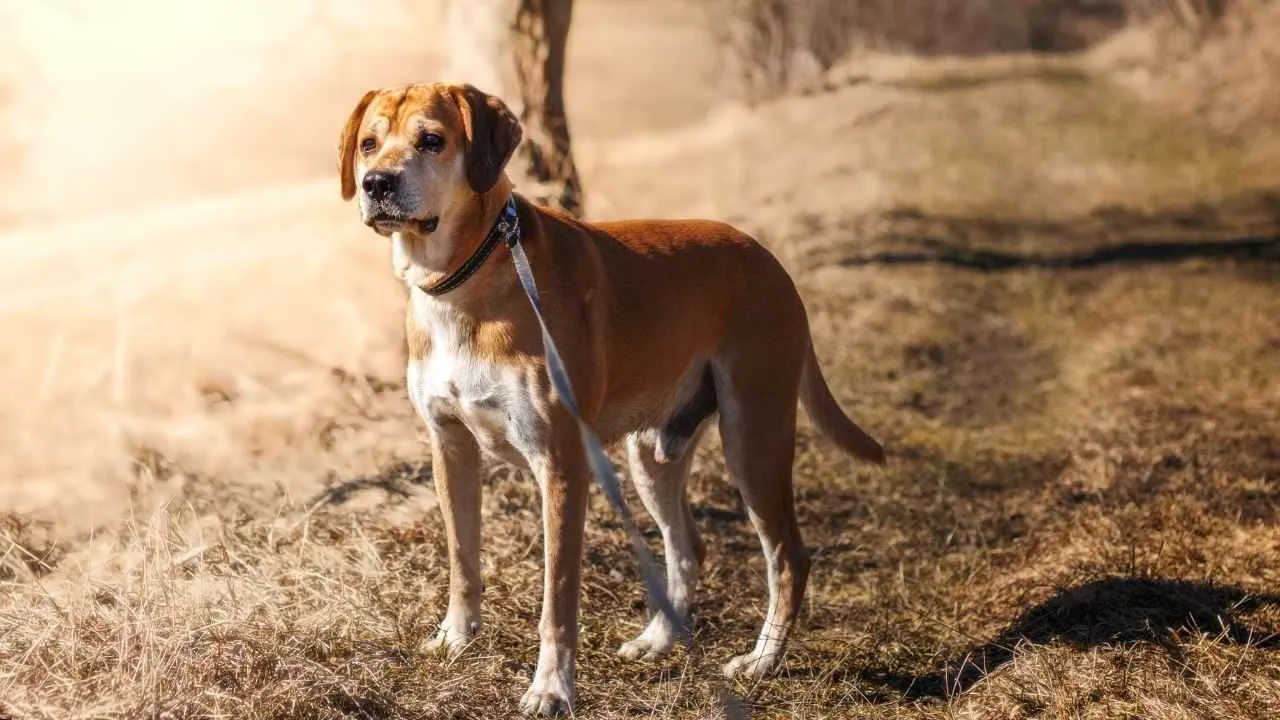
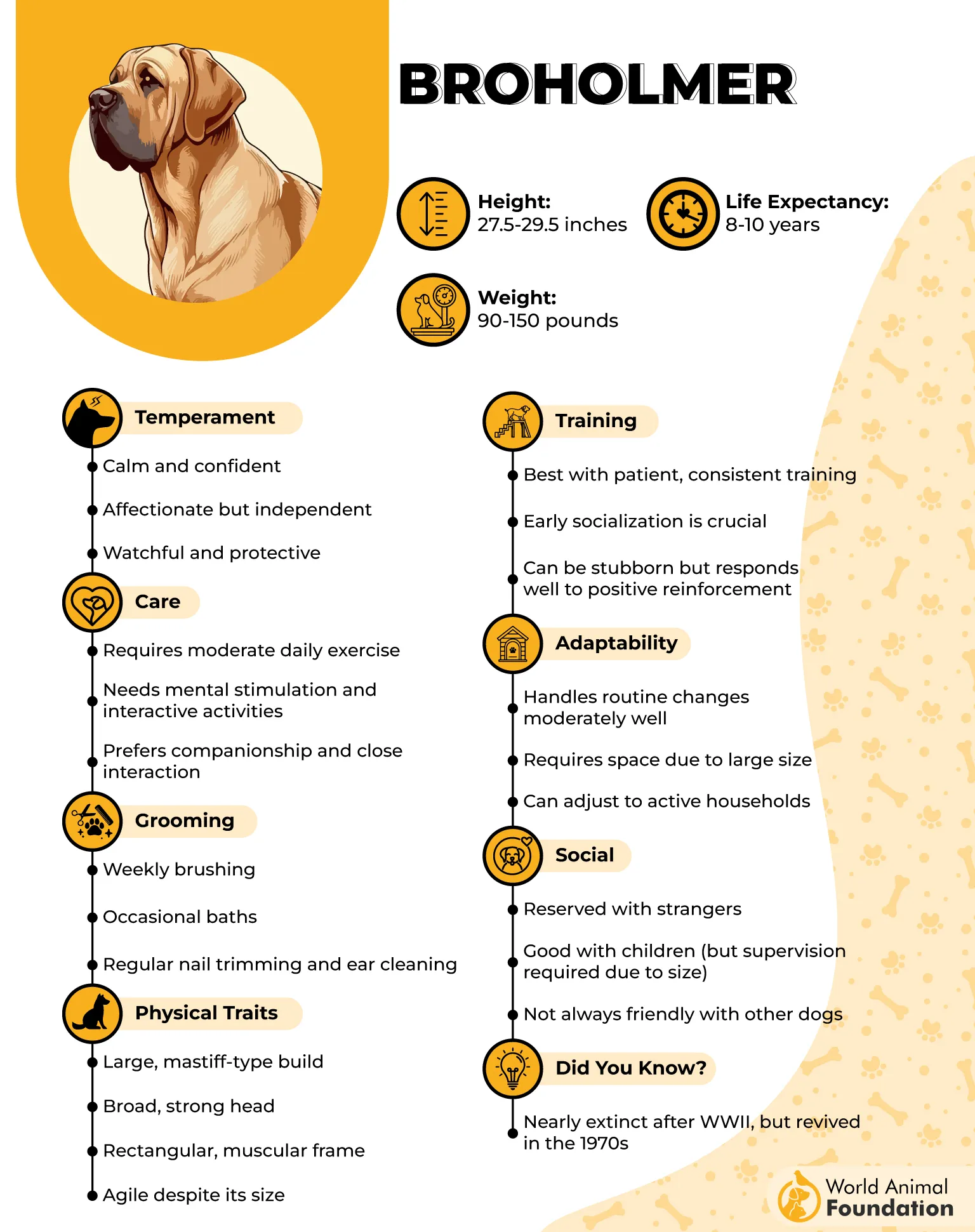
Broholmer comes from Denmark with a calm, confident nature that makes its impressive size feel balanced rather than overwhelming. Once trusted to watch homes, cattle, and busy market areas, this breed now relies more on its natural presence than constant vigilance.
Easy Living
A Broholmer doesn’t demand much coat care, as weekly brushing and the occasional bath are usually enough to keep it looking good. That practical upkeep leaves more time to enjoy quiet walks, picnics, camping trips, or afternoons spent outdoors together.
There’s plenty more worth knowing:
Nicknamed the “butcher’s dog”
Common around Copenhagen in the 1800s
Recognized as a mastiff-type breed
More Agile Than Expected
This guardian breed surprises people with athletic ability that matches their sturdy frame, happily joining games of fetch, frisbee, or agility exercises. Around children and other pets, its gentle attitude shines through, although supervision remains sensible because this breed does not fully recognize its own size.
7. Great Dane
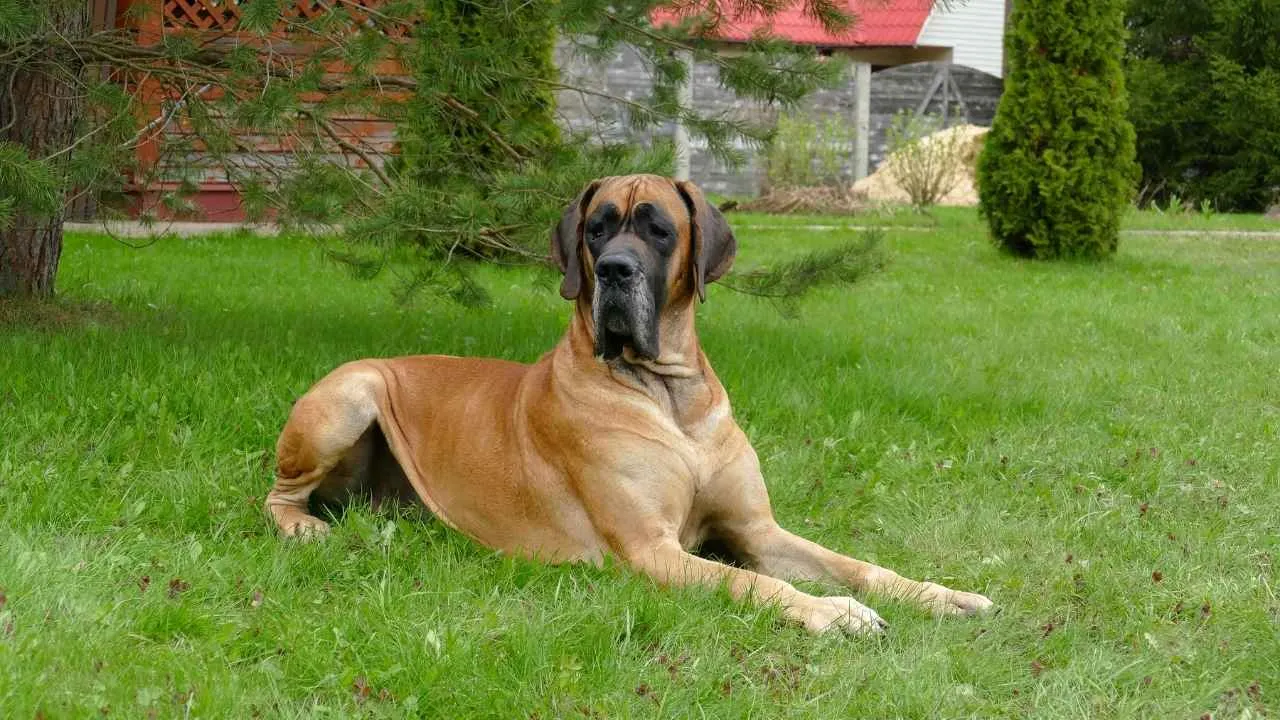
Breeders in Germany developed the Great Dane as a powerful dog for hunting wild boar and guarding large estates during the 1800s. Although its name points elsewhere, the breed has no connection to Denmark, making that title one of its most curious facts.
Calm Around the Home
This breed brings a naturally quiet attitude into daily life. Its impressive size alone often creates a strong sense of security, while its calm demeanor keeps household life easygoing. Early socialization helps those qualities develop into a confident, well-mannered companion.
There’s always more to discover:
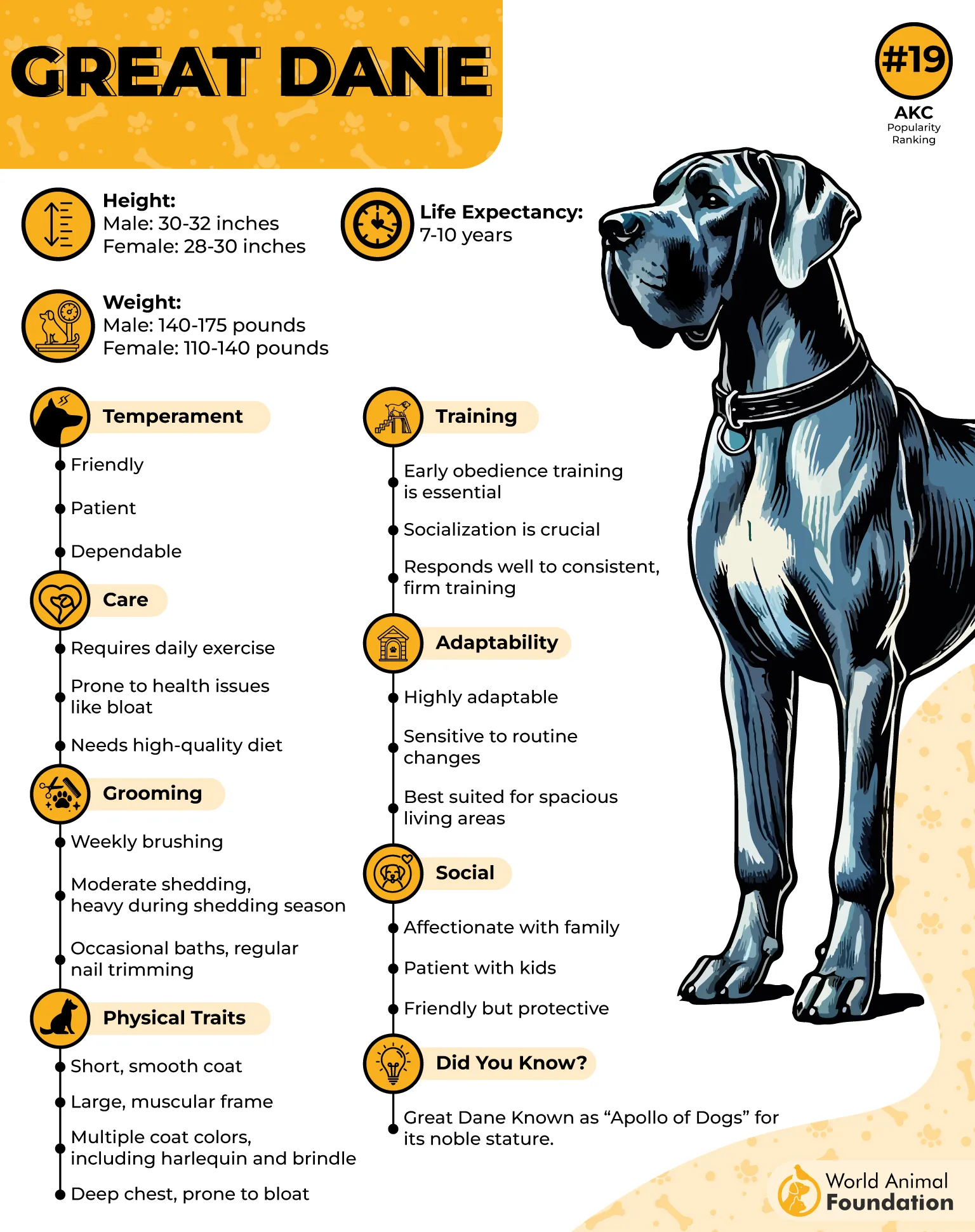
Nicknamed the “Apollo of dogs”
Tallest breed in the working group
One of the world’s largest dog breeds
Simple Coat Care
They have a smooth and short coat with minimal grooming needs that are easy to manage through weekly brushing with a medium-bristle brush, grooming mitt, or hound glove to help control shedding.
Furthermore, long walks each day provide appropriate activity, while jogging or hiking should be avoided until about two years of age to protect growing joints.
Conclusion
A calm home and a dependable guardian can go together more easily than many people expect. Some low-energy dogs naturally prefer quiet routines while remaining attentive enough to notice when something truly deserves attention. That combination makes them especially appealing for pet owners looking for the best low-maintenance dog without giving up the reassurance of a protective companion.
Selecting carefully, providing consistent training, respecting the dog’s natural instincts, and choosing one with minimal grooming help create a relationship built on confidence rather than constant management. When a properly trained protection dog fits your lifestyle, everyday life becomes more enjoyable, bringing lasting companionship, reliable watchfulness, and peace of mind for everyone in the household.
