




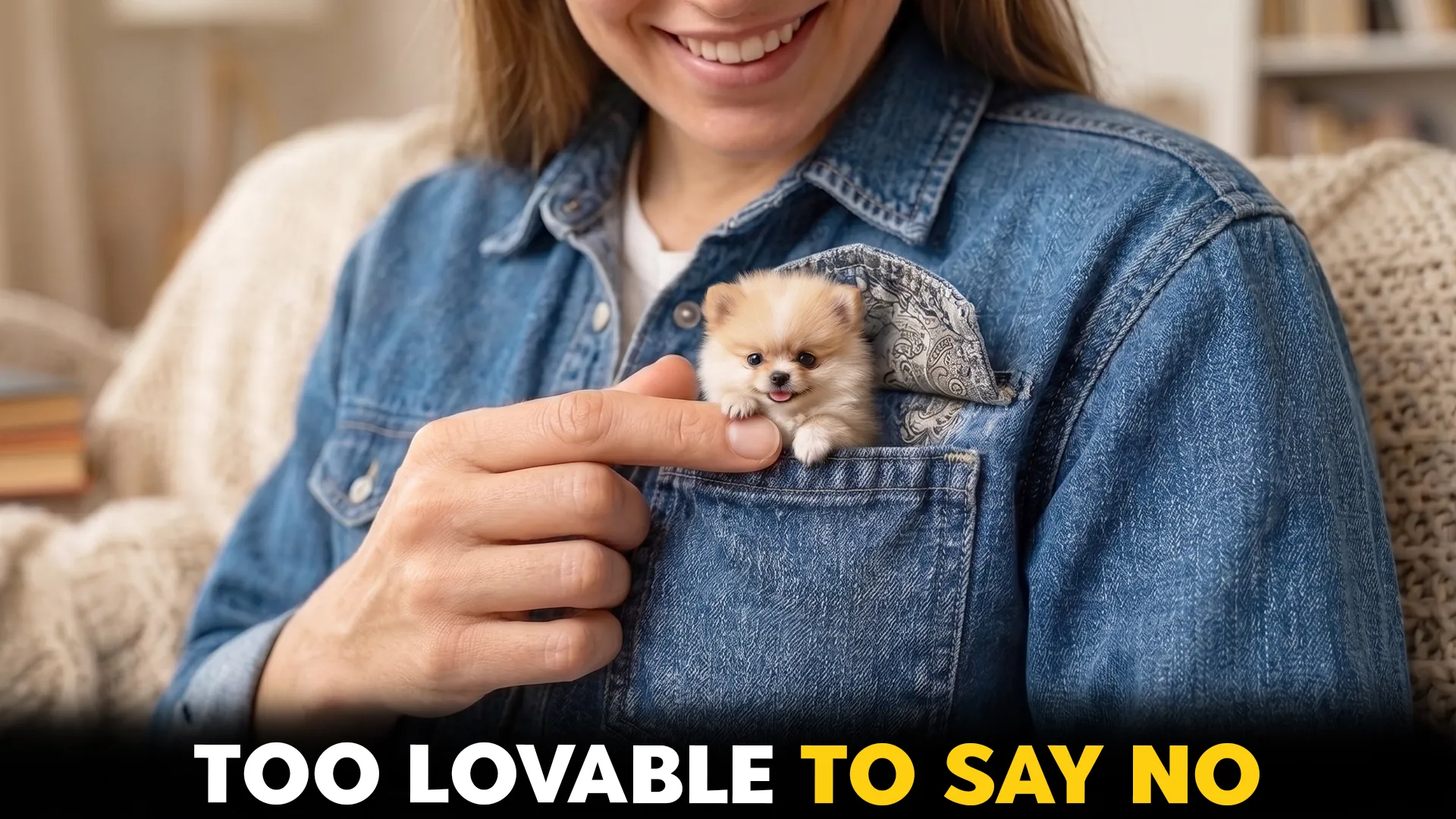
Bringing home your first dog is exciting, but choosing the right one can feel overwhelming. If you’re looking for a companion that’s small in size but full of personality, pocket-sized dog breeds are a wonderful place to start.
These little dogs may fit comfortably in your lap, but they often have huge hearts, playful spirits, and enough charm to brighten even the busiest days.
Don’t let their tiny size fool you. Pocket dogs come in a wide range of personalities, energy levels, and care needs. Some love joining you on every adventure, while others are happiest curled up beside you for a quiet evening at home.
They still need proper training, daily exercise, mental stimulation, and plenty of affection, but many adapt well to apartments and smaller living spaces, making them the perfect match for first-time owners.
In this article, you’ll discover delightful pocket dog breeds that are friendly, lovable, and well-suited for new pet parents.
Key Takeaways
Discover why Toy Poodles, Papillons, and Havanese are beginner-friendly favorites.
Compare grooming, exercise, and personality to find your perfect pocket companion.
See whether a Pomeranian, Shih Tzu, Maltese, or Yorkie best matches your lifestyle.
Learn what first-time owners should expect before bringing home a tiny best friend.
Delightful Pocket Dog Breeds for First-Time Owners
1. Toy Poodle
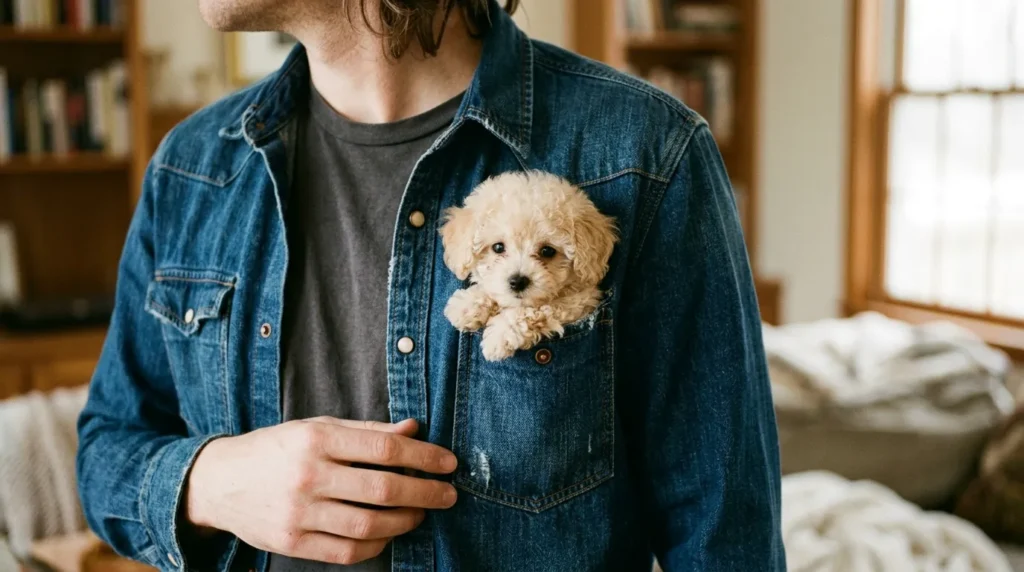
Toy Poodles may be tiny, but they have bright minds and cheerful personalities. They are affectionate, playful, and love being part of family life.
These little dogs enjoy attention and form strong bonds with their owners, making them wonderful companions for first-time dog owners. They are also alert enough to let you know when visitors arrive without being aggressive.
What to Expect
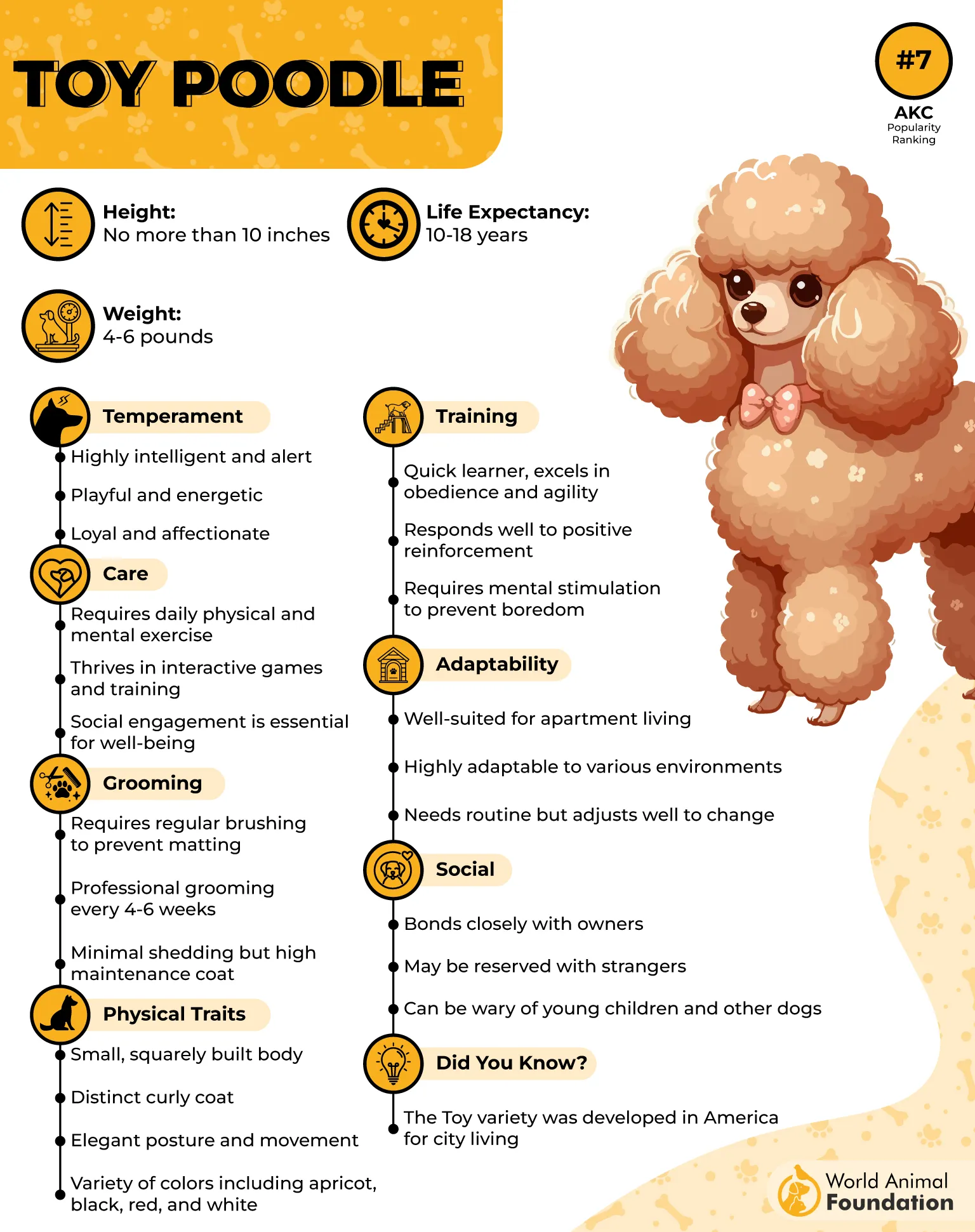
Toy Poodles are among the smartest dog breeds, so training usually comes naturally with praise and positive reinforcement. They enjoy daily walks, playtime, puzzle toys, and learning new tricks to keep their minds busy, as noted by the AKC.
They adapt well to city living and smaller homes, but they do not enjoy being left alone for long and prefer spending time with their families.
Care Needs
Their curly, low-shedding coat needs brushing every other day and professional grooming every four to six weeks to prevent mats.
They are often a good choice for some allergy sufferers, although no dog is completely hypoallergenic.
Early socialization helps them get along well with children and other pets, but young kids should always be supervised because of the breed’s small size.
2. Yorkshire Terrier
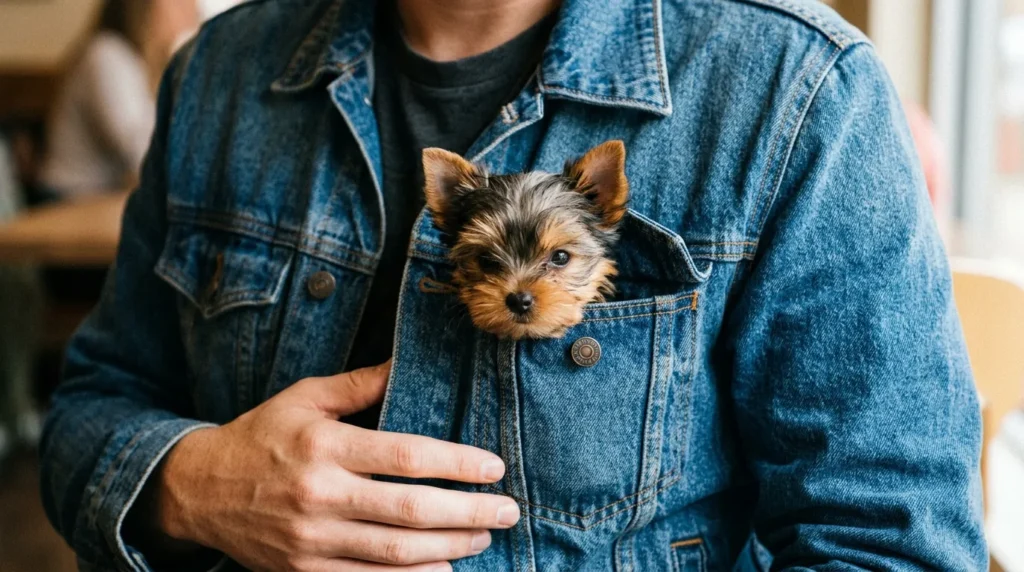
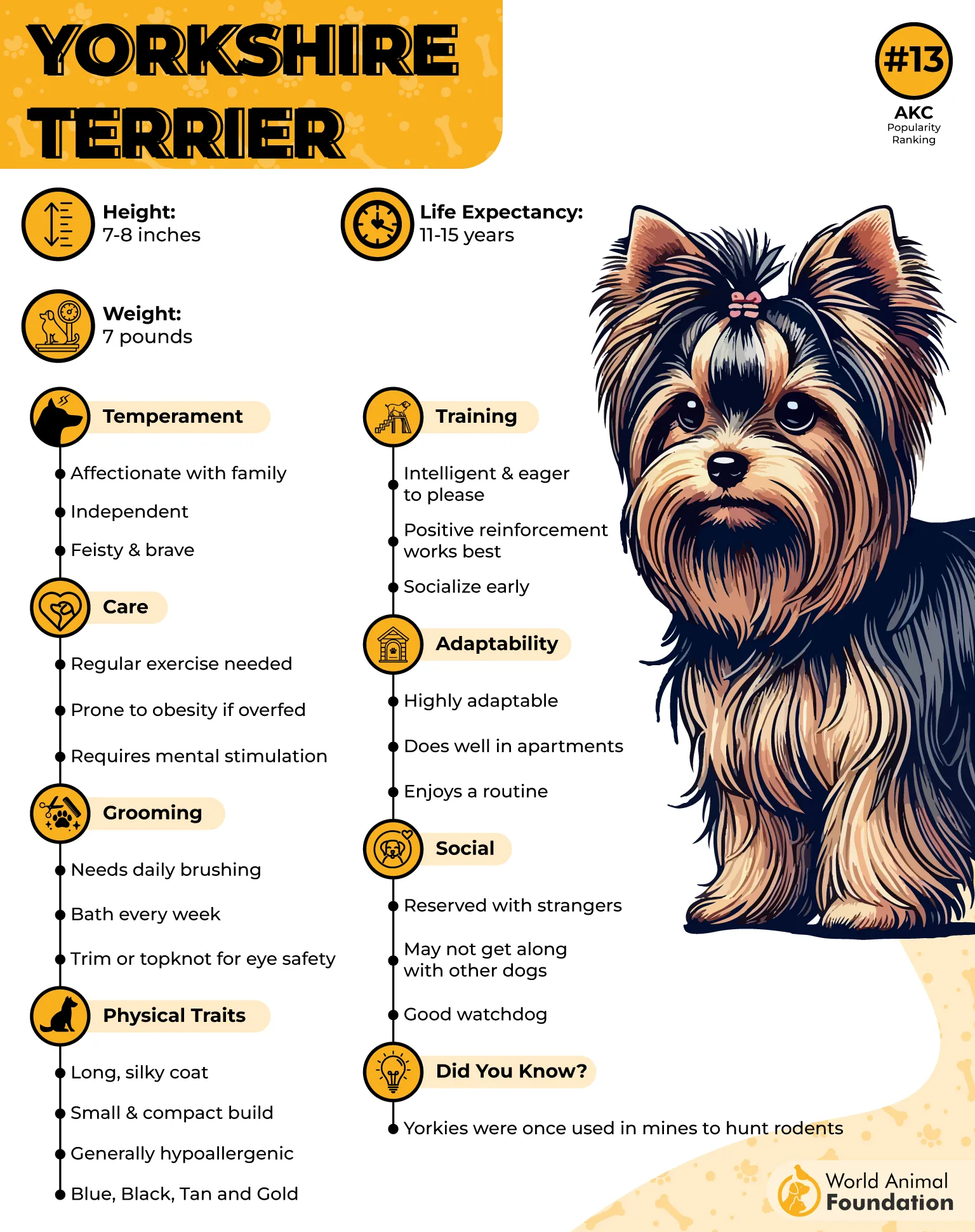
Yorkshire Terriers, or Yorkies, may look like delicate lap dogs, but they have bold, confident personalities. Originally bred to catch rodents in textile mills, they are curious, playful, and full of energy.
They form close bonds with their families and bring plenty of entertainment with their fearless attitude and affectionate nature.
What to Expect
Yorkies enjoy short daily walks, indoor games, and activities that keep their clever minds busy. Early socialization helps them grow into confident, well-mannered companions.
They can be vocal and make excellent little watchdogs, but consistent training and enough mental stimulation help manage excessive barking. They adapt well to apartment living and smaller homes, though they prefer not to be left alone for long periods.
Care Needs
Their long, silky hair needs regular brushing and routine trims, with many owners choosing an easy-to-maintain puppy cut.
They are intelligent but can have a stubborn streak, so short, positive training sessions work best.
They are generally gentle with respectful children, but supervision is important because of their small size.
🎧 Dogcast
Episode 37 — Why Dogs Stay Close without Touching
If you don’t hear sound, tap the button above to enable audio.
3. Pomeranian
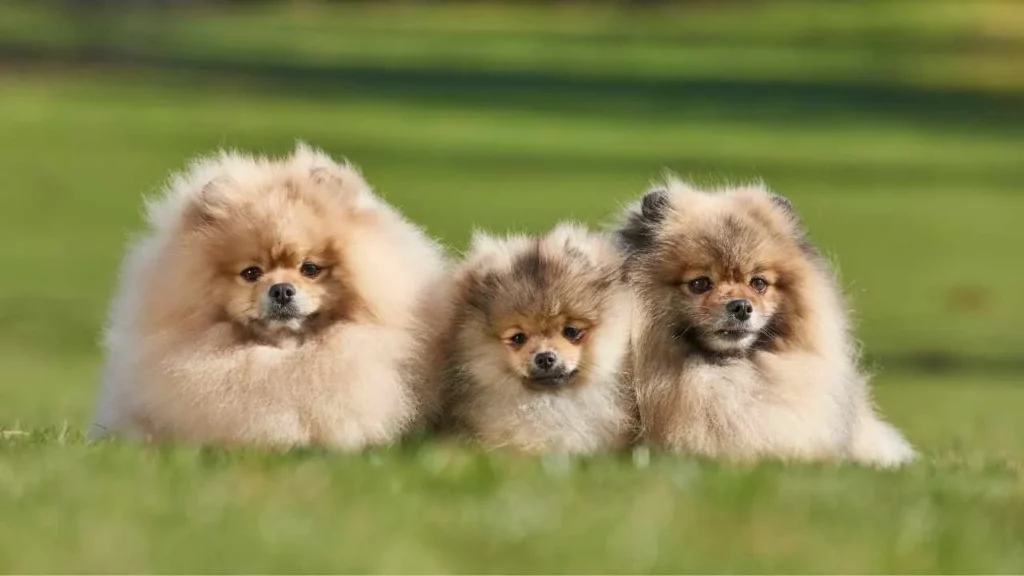
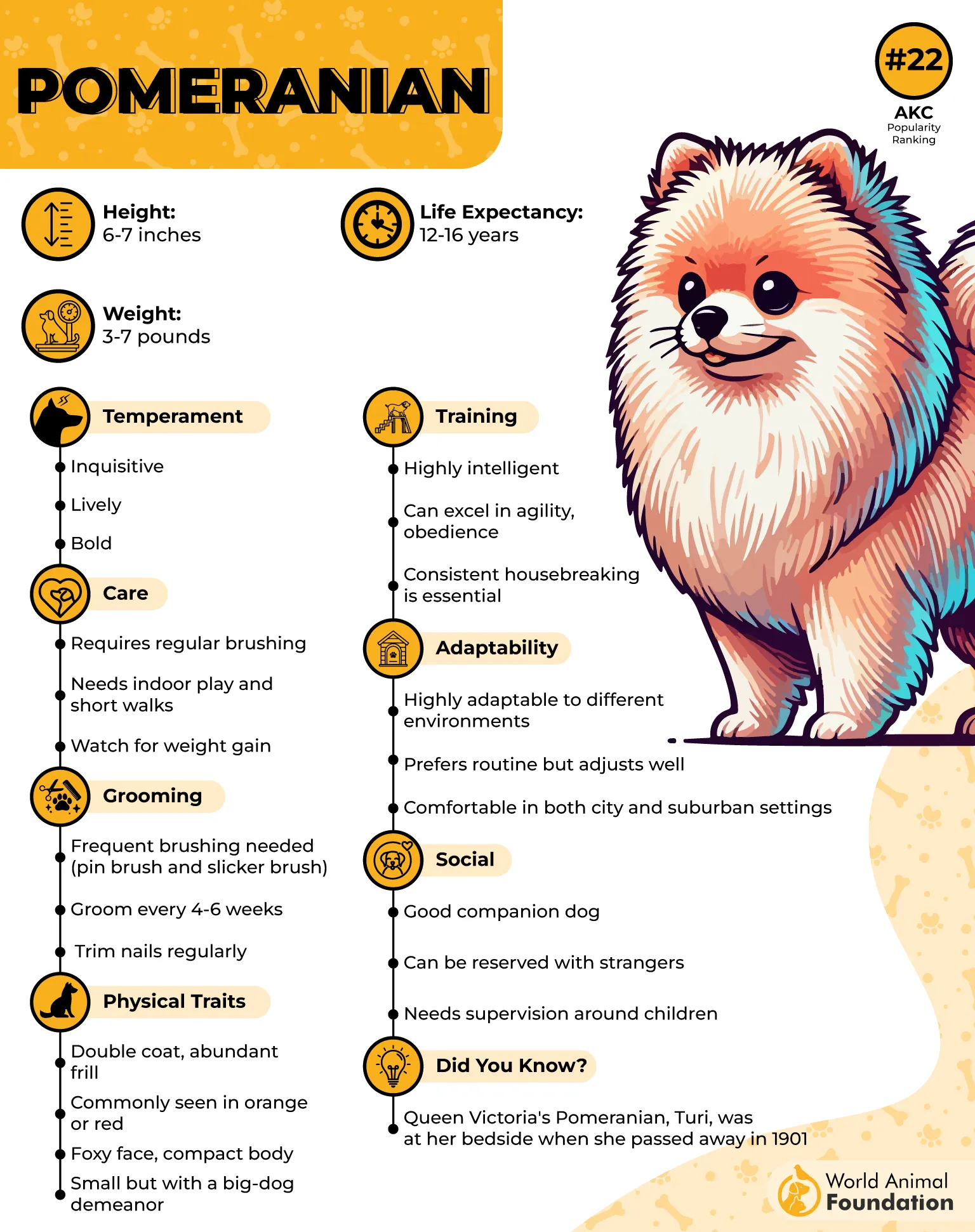
Pomeranians may be tiny, but they have big personalities and plenty of confidence. Descended from larger Spitz working dogs, they are lively, affectionate, and love being the center of attention. Their cheerful nature makes them wonderful companions for singles, families, and older adults.
What to Expect
These clever little dogs enjoy learning new things and respond well to positive reinforcement training. They like short walks, indoor play, and puzzle games that keep their minds active.
Early socialization is important to help them grow into friendly, well-mannered companions. Purina says they can also be quite vocal and alert, making them alert little watchdogs.
Care Needs
Their thick double coat needs brushing several times a week, with extra grooming during shedding seasons and regular professional trims.
They enjoy activity but can meet most of their exercise needs with short walks and playtime at home.
They do best with gentle handling, so supervised play is important around young children because of their small size.
4. Shih Tzu
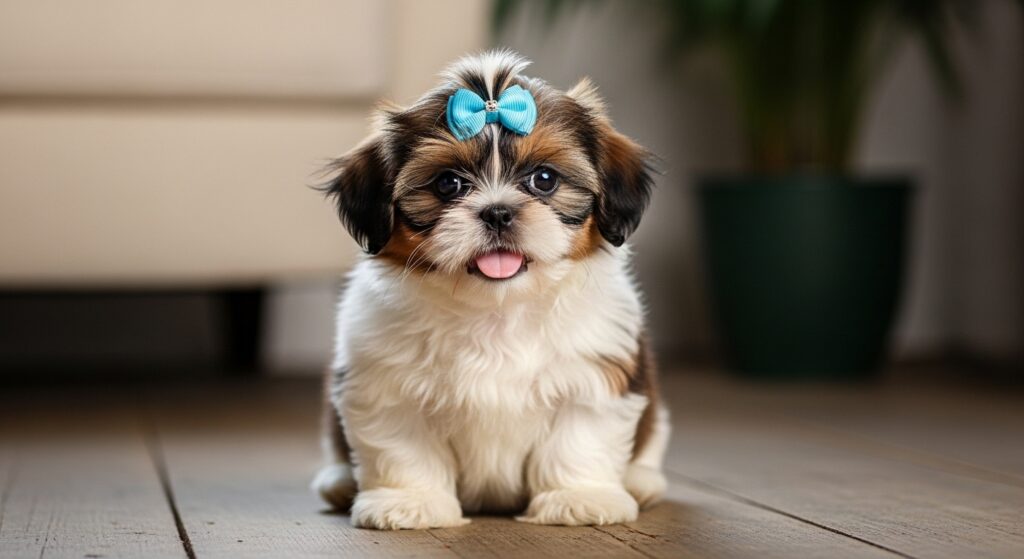
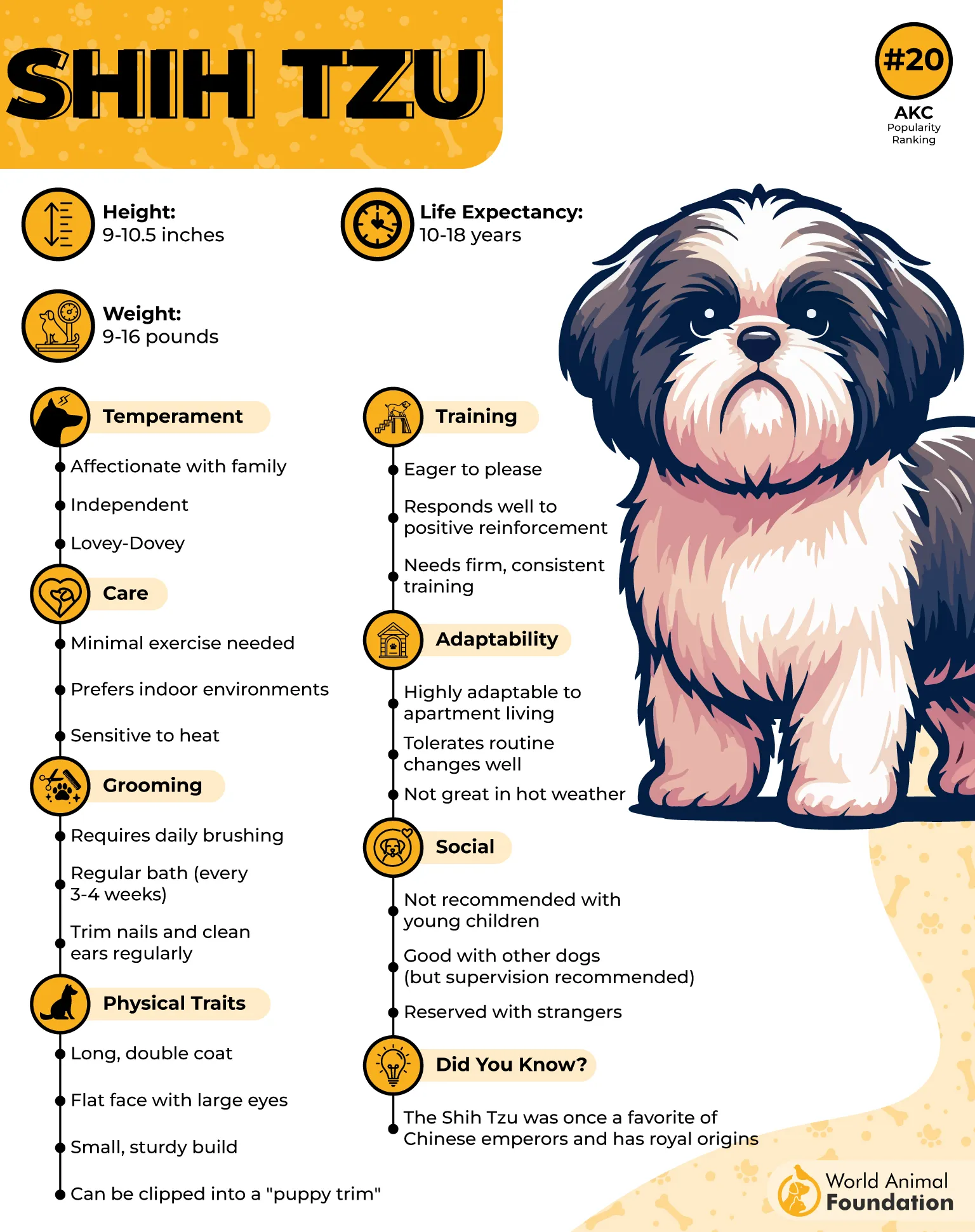
Shih Tzus were bred to be companion dogs, and they still excel at the job today. Friendly, affectionate, and full of charm, they love spending time with their families and enjoy being the center of attention. They get along well with people of all ages and usually mix well with other pets when socialized early.
What to Expect
These small dogs are playful but only need minimal exercise. A daily walk and some indoor playtime are usually enough to keep them happy.
They are eager to please and enjoy learning simple tricks with positive reinforcement. While they can bark to alert you when someone arrives, they are more likely to greet visitors than guard the house.
Care Needs
Their long coat needs regular brushing, with many owners choosing a shorter trim for easier maintenance.
They thrive on companionship and prefer being with their people rather than spending long hours alone.
Gentle handling and early socialization help them become confident companions for families, children, and other pets.
5. Maltese
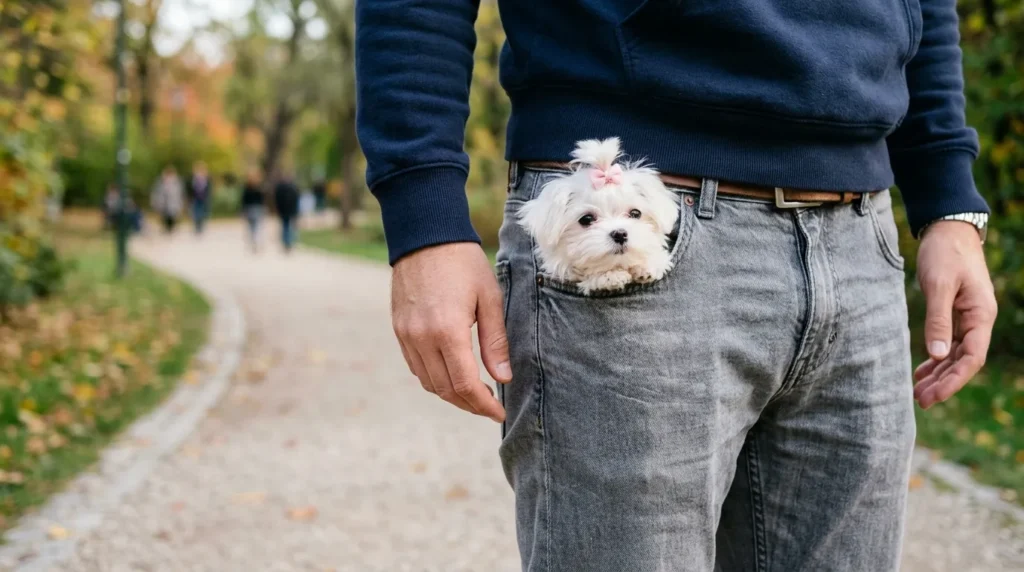
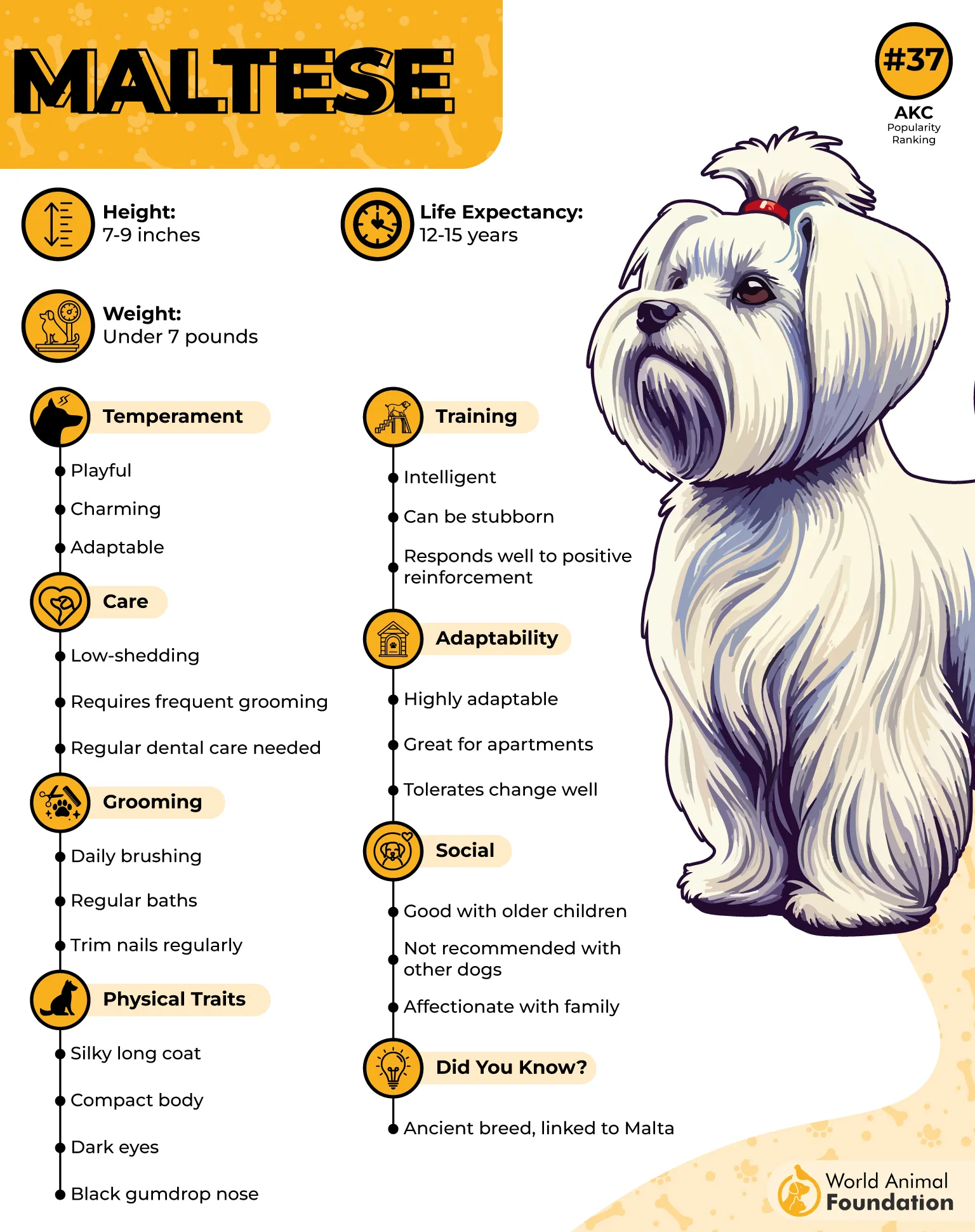
The Maltese has been an affectionate companion for centuries, and it’s easy to see why. Gentle, affectionate, and playful, these little dogs love being close to their families. They are intelligent, eager to learn, and fit comfortably with apartment dwellers.
What to Expect
Maltese enjoy short walks, indoor play, and learning simple tricks with positive reinforcement. They form strong bonds with their owners and prefer not to be left alone for long.
They are naturally alert and may bark when they hear unfamiliar sounds, making them good little watchdogs without being overly demanding.
Care Needs
Their long, silky white coat needs daily brushing and regular baths, though a shorter trim makes grooming much easier.
Their low-shedding, luxurious coat can be a good option for some allergy sufferers, but no dog is completely hypoallergenic.
They do best with older, respectful children, as their small size means gentle handling is important during play.
6. Papillon
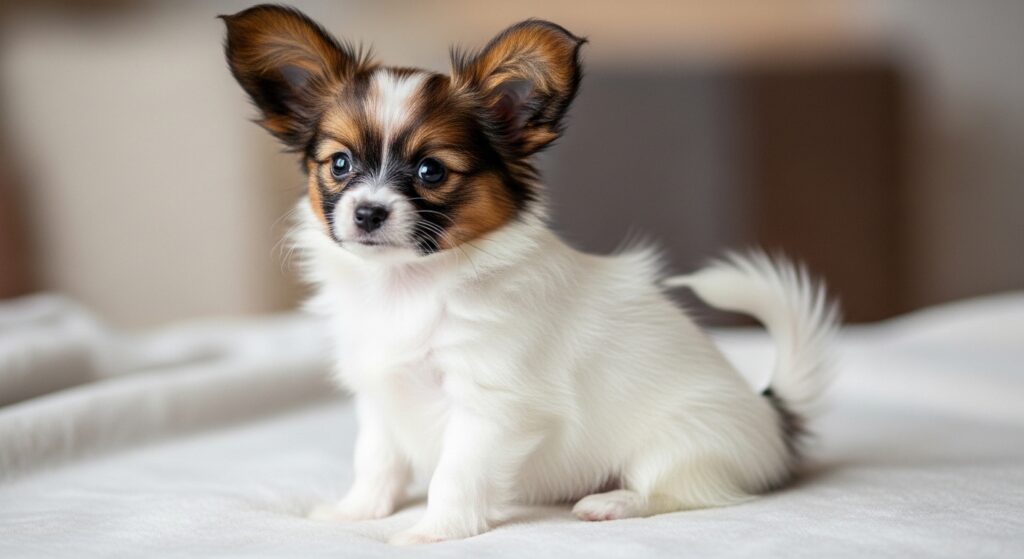
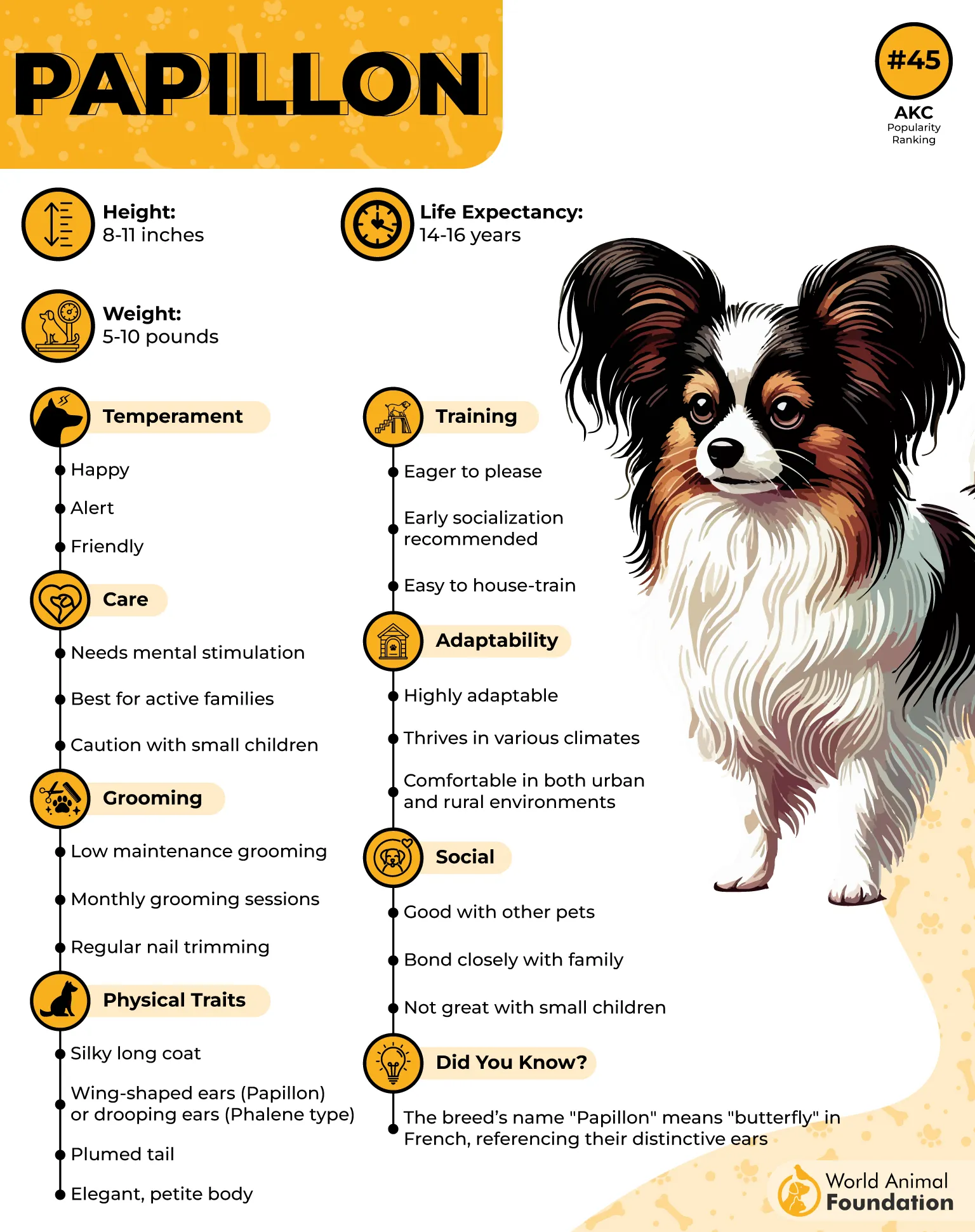
Named after the French word for “butterfly,” the Papillon is famous for its large, feathered ears and cheerful personality.
These affectionate little dogs love being with their families and are among the smartest toy breeds. They are playful, adaptable, and enjoy joining in on everyday activities.
What to Expect
Papillons have more energy than many pocket-sized breeds and enjoy daily walks, interactive games, and activities that challenge their minds.
They are eager to please, quick learners, and respond well to positive, consistent training. Early socialization helps them grow into confident companions that get along well with other pets and new people.
Care Needs
Their silky coat needs brushing a few times a week to prevent tangles, especially around the ears.
They thrive on attention and mental stimulation and may become noisy or develop separation anxiety if left alone too often.
They are gentle family dogs, but young children should always be supervised because of their small size.
7. Havanese
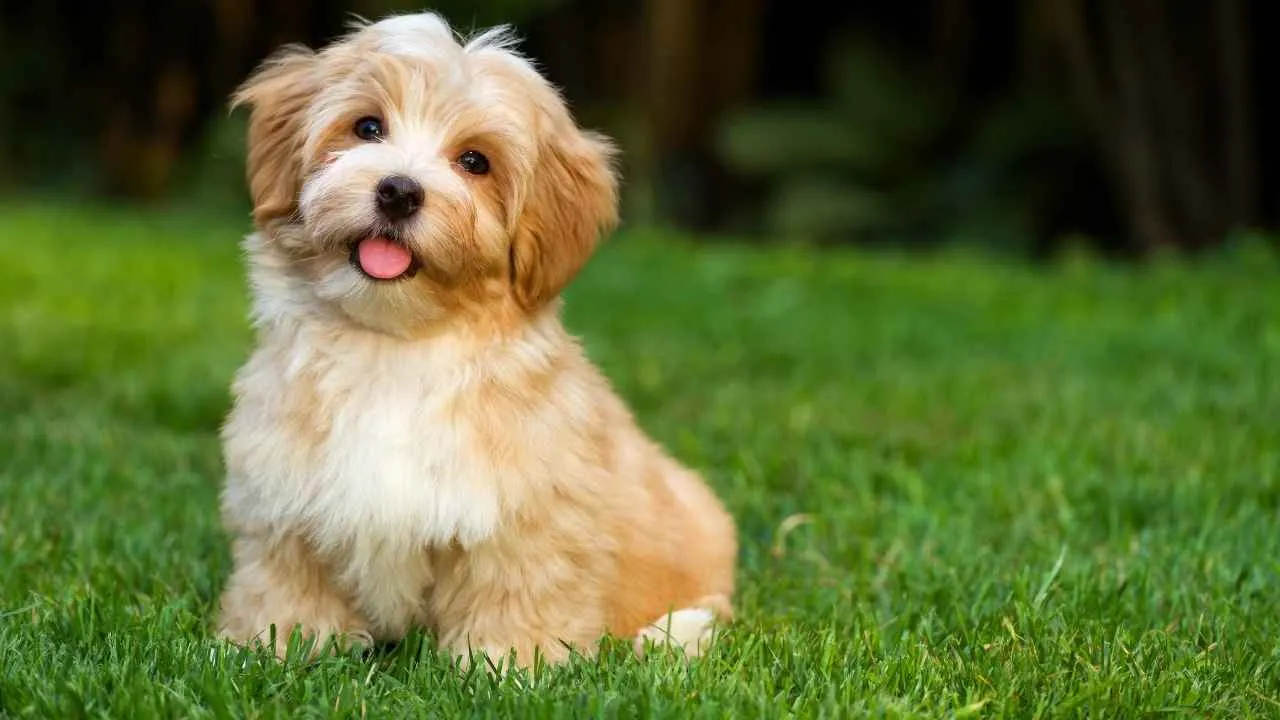
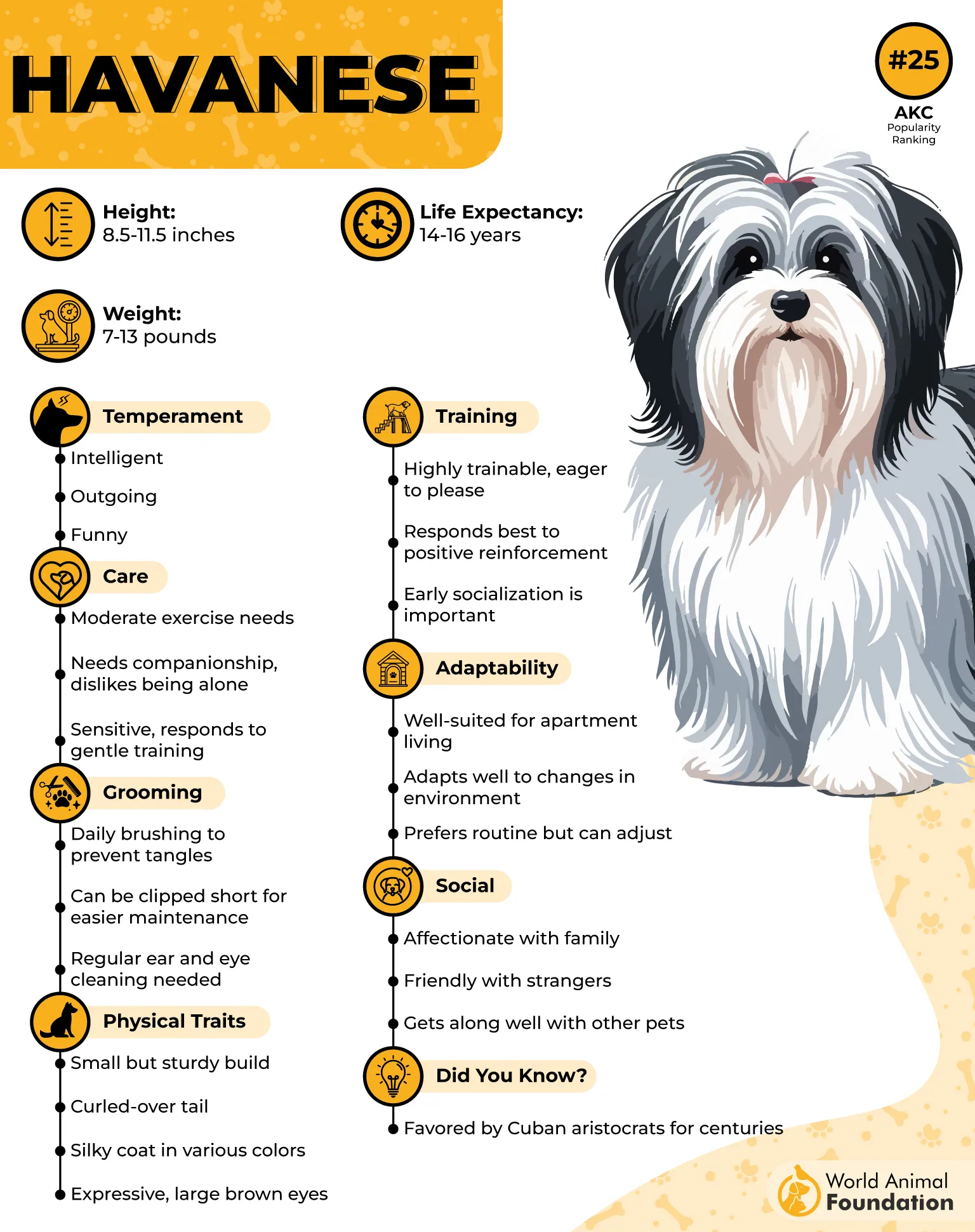
The Havanese is a cheerful little companion that loves being around people. Originally from Cuba, this friendly breed is affectionate, outgoing, and eager to please.
PetMD mentions they get along well with children, other pets, and visitors, making them an excellent choice for first-time pet owners looking for a social and loving companion.
What to Expect
Havanese enjoy daily walks, games, and learning fun tricks with their families. They are intelligent and easy to train when positive reinforcement is used.
While they make good little watchdogs, they are too friendly to be effective guard dogs. They thrive on companionship and do not enjoy being left alone for long periods.
Care Needs
Their long, silky coat needs brushing several times a week to prevent tangles and mats.
They need moderate daily exercise, which can be met with short walks and indoor or outdoor play.
Early socialization helps them stay confident and friendly around new people and other animals.
Conclusion
Finding the right pocket-sized dog is about more than choosing the cutest face. Every breed has its own personality, grooming needs, energy level, and lifestyle preferences.
Taking the time to match a dog’s temperament with your daily routine will help create a happier experience for both you and your new companion.
If you’re welcoming your first dog, start by thinking about the kind of companion that best fits your home and lifestyle. With the right care, training, and plenty of love, these delightful little dogs can become loyal friends who fill your home with joy, laughter, and unforgettable moments for years to come.
Can You Score 6/6 on These Delightful Pocket Dogs? 🐶
Which pocket dog breed is described as one of the smartest and easiest to train?
Which breed was originally developed to catch rodents in textile mills?
Which tiny breed descended from larger Spitz working dogs?
Which breed usually needs only a daily walk and indoor play for exercise?
Which breed’s name comes from the French word for “butterfly”?
Which cheerful pocket-sized breed originally comes from Cuba?
