




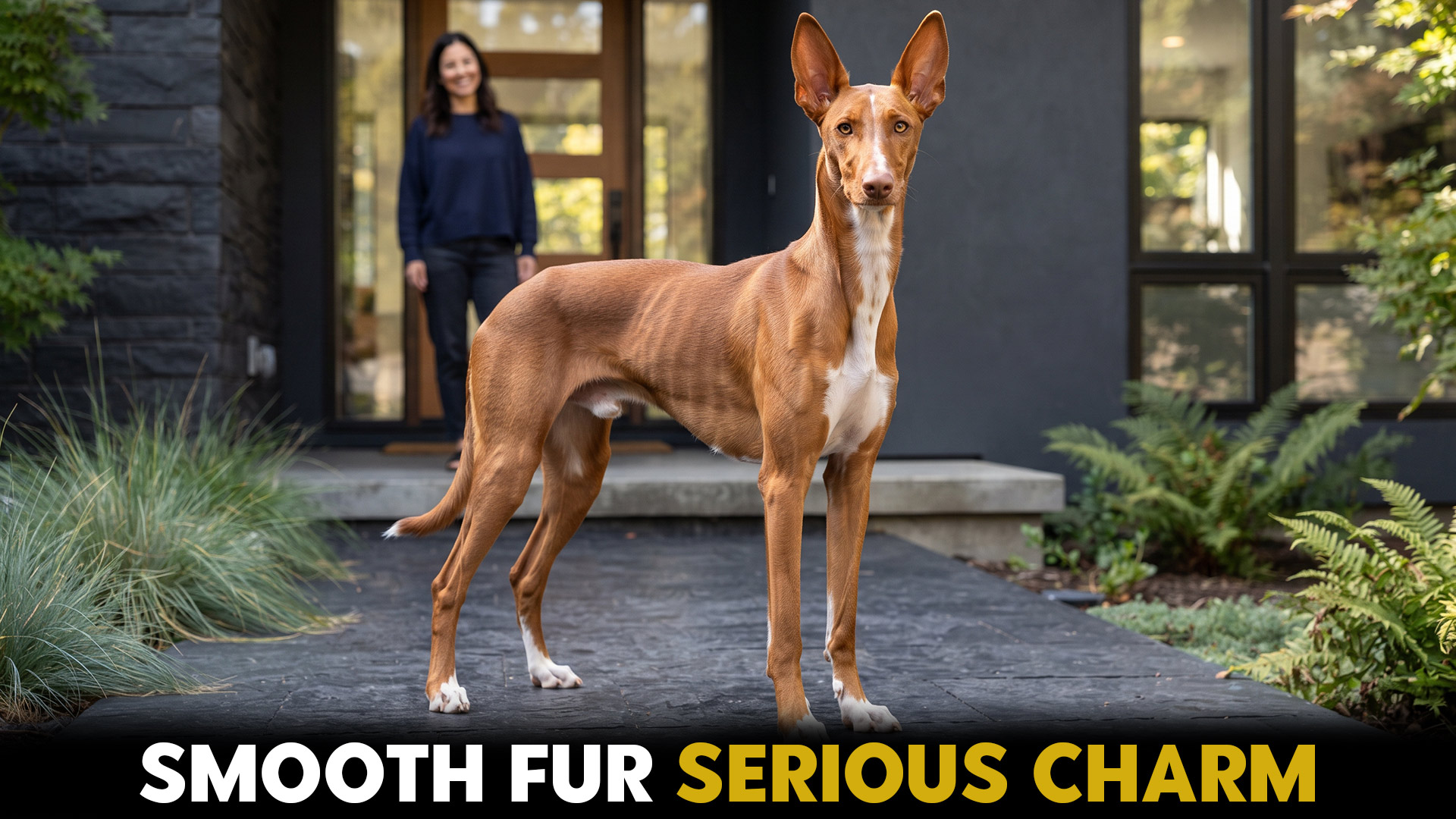
Long, flowing coats may dominate dog-show glamour shots, but short-haired dogs bring their own kind of effortless beauty.
Their smooth coats highlight muscular bodies, elegant outlines, expressive faces, and unique markings without hiding everything beneath several inches of fluff. Basically, these dogs wake up looking polished while the rest of us are still trying to locate a hairbrush.
Short fur is also appealing to owners who want a more manageable grooming routine. Most sleek-coated breeds do not need complicated trimming, daily detangling, or frequent professional styling, although they still shed and require regular skin, nail, ear, and dental care.
Beautiful Dog Breeds Sporting Short, Sleek Fur
1. Boston Terrier
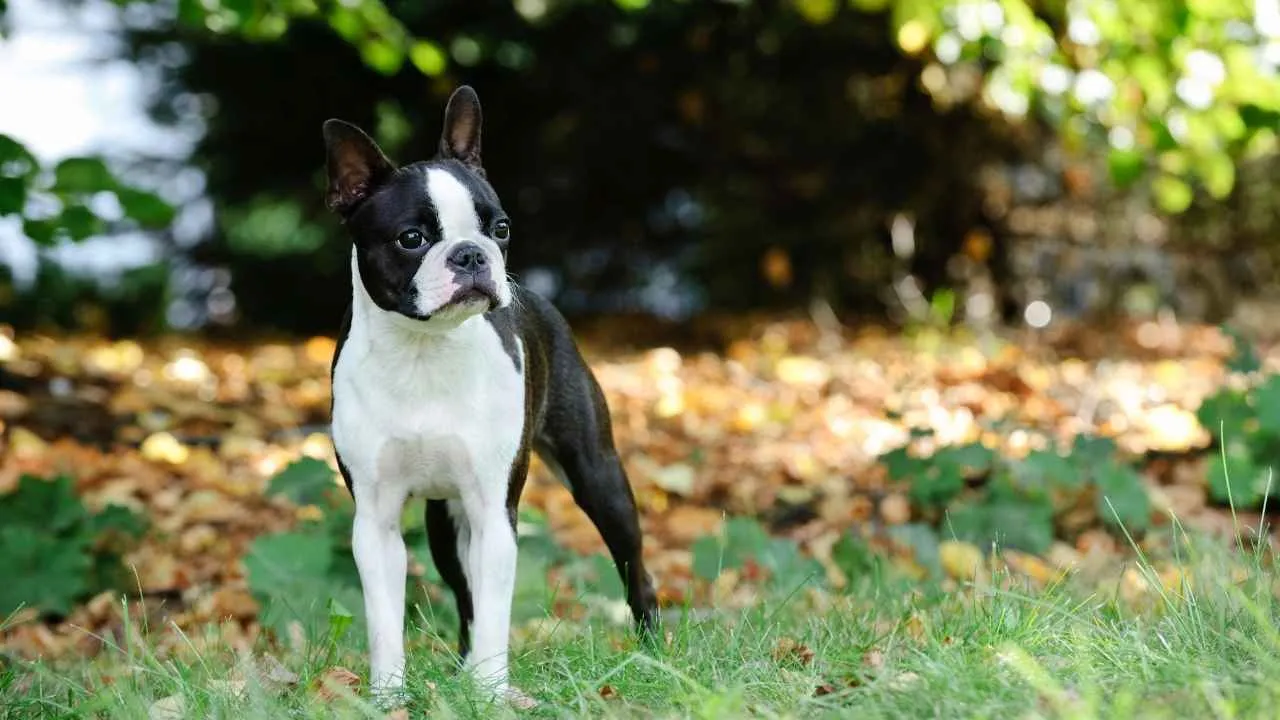
The Boston Terrier looks as though it arrived at life’s party wearing a perfectly fitted tuxedo. Its smooth coat, compact frame, square muzzle, and distinctive white markings create an instantly recognisable appearance. The American Kennel Club describes the breed as a lively companion with a tight tuxedo-style jacket and a sporty yet compact body.
These low-maintenance pups are often affectionate, sociable, and amusing dogs that enjoy staying close to their families. Their expressive eyes and naturally comedic reactions have earned them a reputation as lovable household entertainers. Many owners discover that ordinary activities become much funnier when a Boston is silently judging them from the sofa.
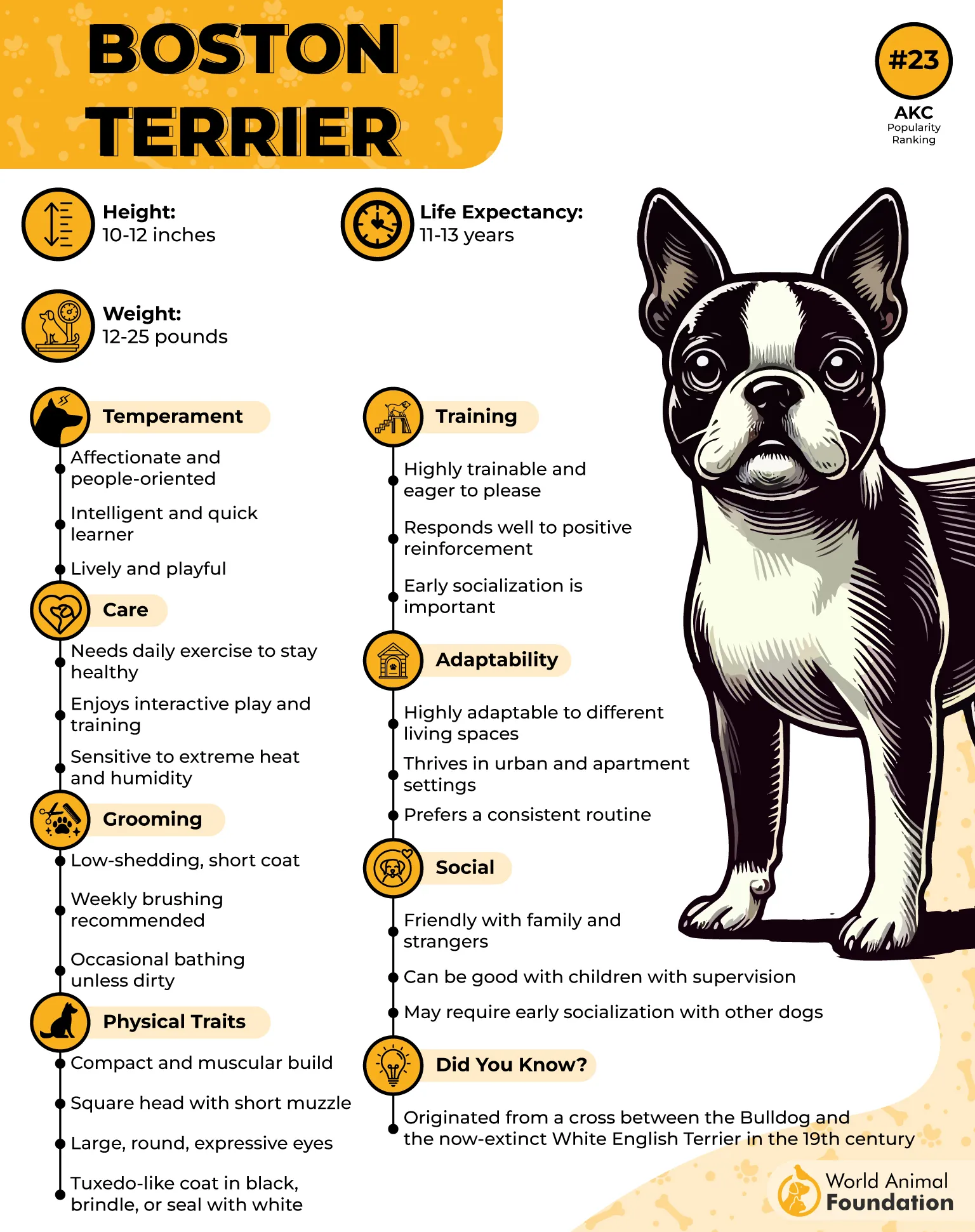
Their short coat makes routine grooming relatively straightforward, but it does not eliminate shedding. A soft-bristled brush or grooming mitt can lift loose hairs and distribute natural oils across the coat. Because their fur lies close to the skin, bumps, redness, dryness, or irritation may also be easier to notice during grooming sessions.
These family dogs usually enjoy daily walks and playful interaction, although their exercise should be adjusted to their physical condition and the weather. Their shortened muzzle can make them less tolerant of heat and strenuous activity than longer-nosed athletic breeds.
This short-haired breed can suit apartments, family homes, and owners who want a compact companion with a big personality. Positive training and early socialisation help channel their enthusiasm into polite behaviour around visitors, children, and other pets.
The result is a glossy little dog with formalwear looks and the chaotic charm of a comedian who refuses to leave the stage.
Tips To Manage Their Sleek Fur
Run a soft rubber grooming mitt over the coat weekly to collect loose hair without irritating the skin.
Clean and dry facial folds carefully, as moisture and debris can collect around the short muzzle.
Check the skin regularly for redness, itching, or thinning patches that may need veterinary attention.
2. Italian Greyhound
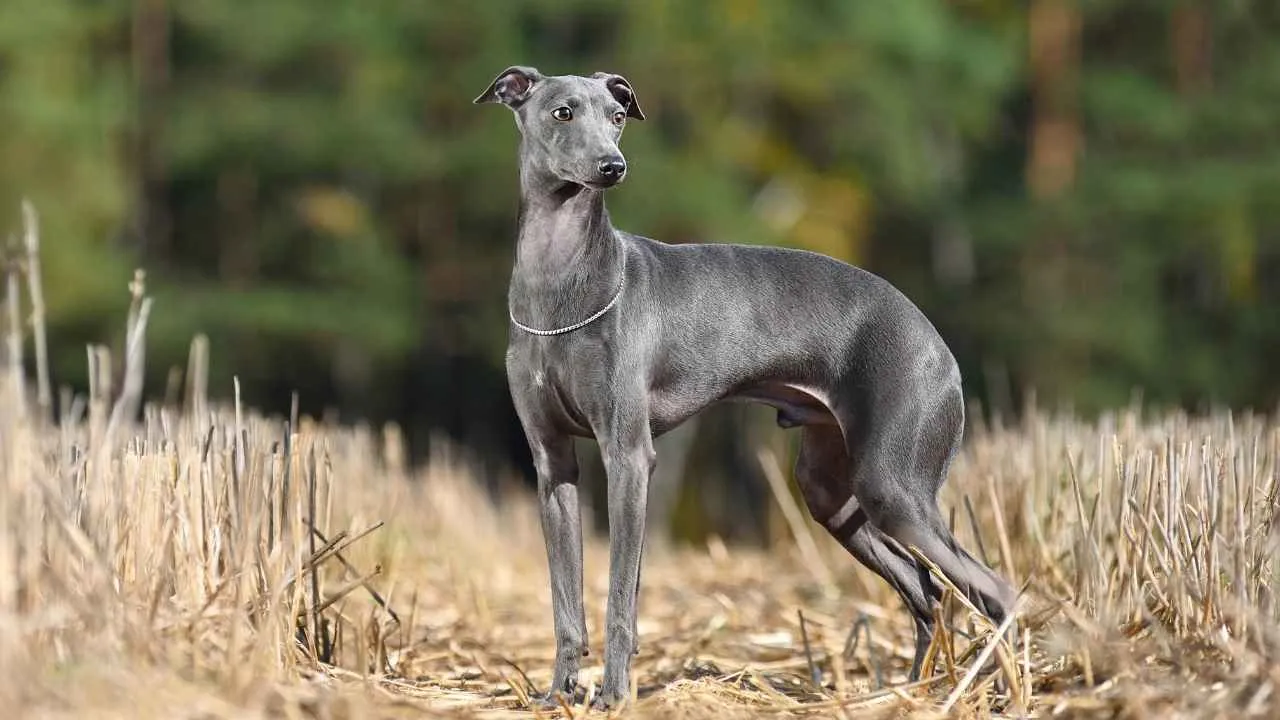
The Italian Greyhound is elegance reduced to its most delicate form.
As the smallest member of the sighthound family, it has a narrow head, long legs, fine bones, a curved outline, and an exceptionally smooth coat. Italian Greyhounds have also appeared in Renaissance artwork, adding historical main-character energy to their already aristocratic appearance.
This breed is typically affectionate, sensitive, and deeply attached to its favourite people. An Italian Greyhound may spend one moment sprinting through the room at impressive speed and the next burrowing beneath a blanket like a tiny heat-seeking missile. Their emotional sensitivity means they generally respond better to gentle, reward-based training than harsh corrections.
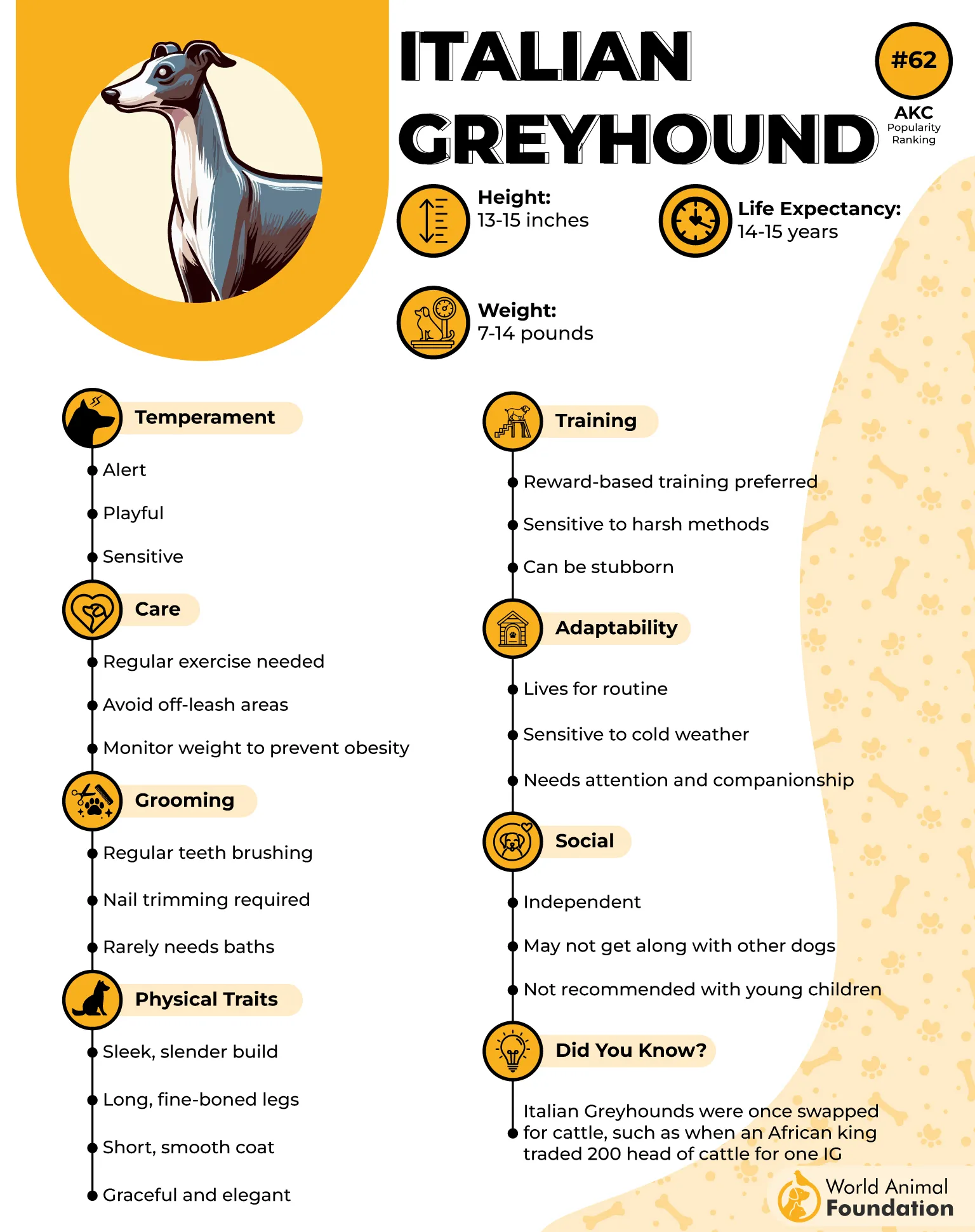
The coat is extremely small and requires little brushing to keep it in good condition, but the thin fur provides limited protection from cold conditions. Many Italian Greyhound dogs appreciate sweaters or coats during chilly walks, especially in wet or windy weather.
Italian Greyhounds can be wonderful companions for patient owners who appreciate closeness, grace, and a slightly dramatic personality. Their fine structure means puppies and adults must be handled thoughtfully, particularly around young children or reckless canine playmates.
In the right home, they deliver equal parts athletic beauty, affectionate companionship, and blanket-based interior design.
Tips To Manage Their Sleek Fur
Gently wipe the body with a soft cloth or grooming glove to remove dust and loose hair.
Provide weather-appropriate clothing, as the ultra-fine coat offers little insulation against cold.
Avoid harsh shampoos and abrasive brushes that may dry or scratch their delicate skin.
3. Basenji
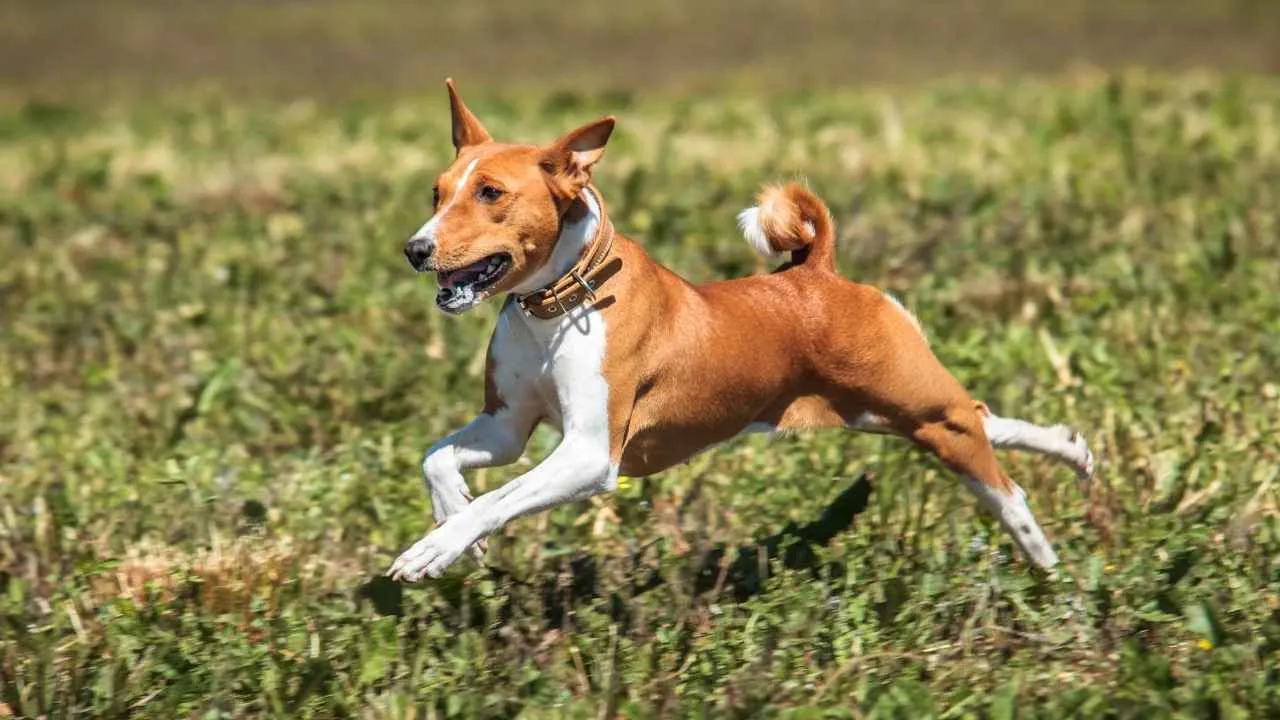
The Basenji has one of the cleanest and most sculpted silhouettes in the dog world. Its short coat lies tightly against a lightly built body, while the curled tail, upright ears, and wrinkled forehead create an alert and intelligent expression.
The breed’s balanced appearance feels ancient, athletic, and effortlessly stylish rather than overly decorative.
Basenjis are widely known for producing unusual vocalisations instead of relying solely on a conventional bark. That does not mean they are silent, because many can yodel, whine, growl, or create surprisingly dramatic sounds when expressing themselves. Living with one may feel less like owning a quiet dog and more like sharing a home with an experimental musician.
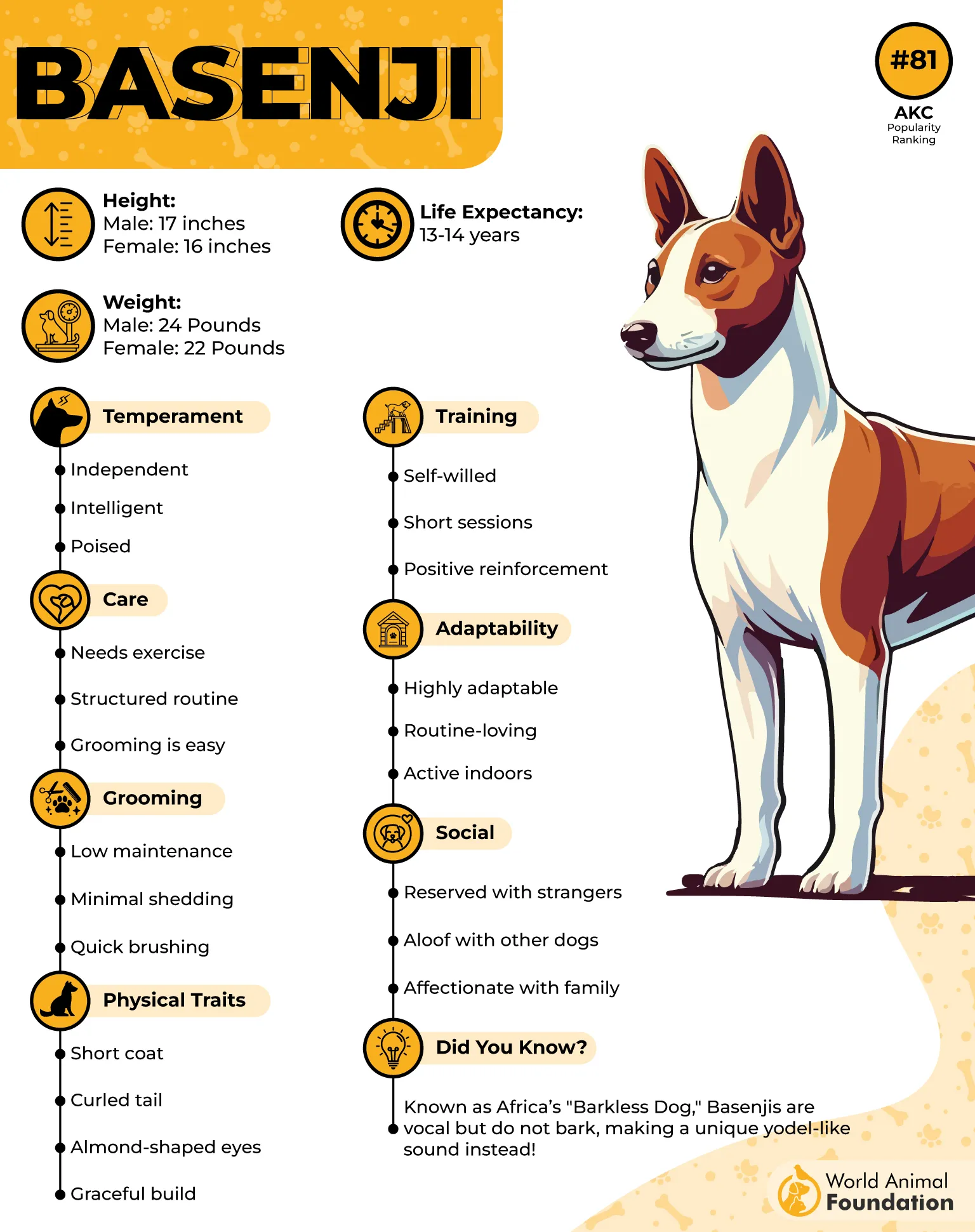
These odor-free, relatively clean dogs are intelligent, independent, and often highly curious. Training requires patience and creativity, and it offers rewards valuable enough to compete with whatever the Basenji currently finds more interesting. Repetitive drills can lose their attention quickly, so short sessions and varied activities tend to produce better results.
Their sleek coats and relatively shorter fur are naturally easy to maintain, and Basenjis are often recognised for their self-grooming habits. Even so, occasional brushing helps remove loose hairs, inspect the skin, and strengthen the bond between dog and owner.
Bathing is generally needed only when this easy-care breed becomes dirty or develops an odour, rather than on an unnecessarily frequent schedule.
These wonderful companions need secure exercise, mental enrichment, and an owner prepared to make independent decisions. Puzzle feeders, scent activities, controlled running, and carefully managed exploration can keep the breed engaged.
Tips To Manage Their Sleek Fur
Use a soft hound glove occasionally to maintain the coat’s naturally polished appearance.
Keep bathing moderate, as excessive washing may strip useful oils from the skin.
Turn grooming into a full-body check for scratches, parasites, lumps, or other subtle changes.
4. Dalmatian
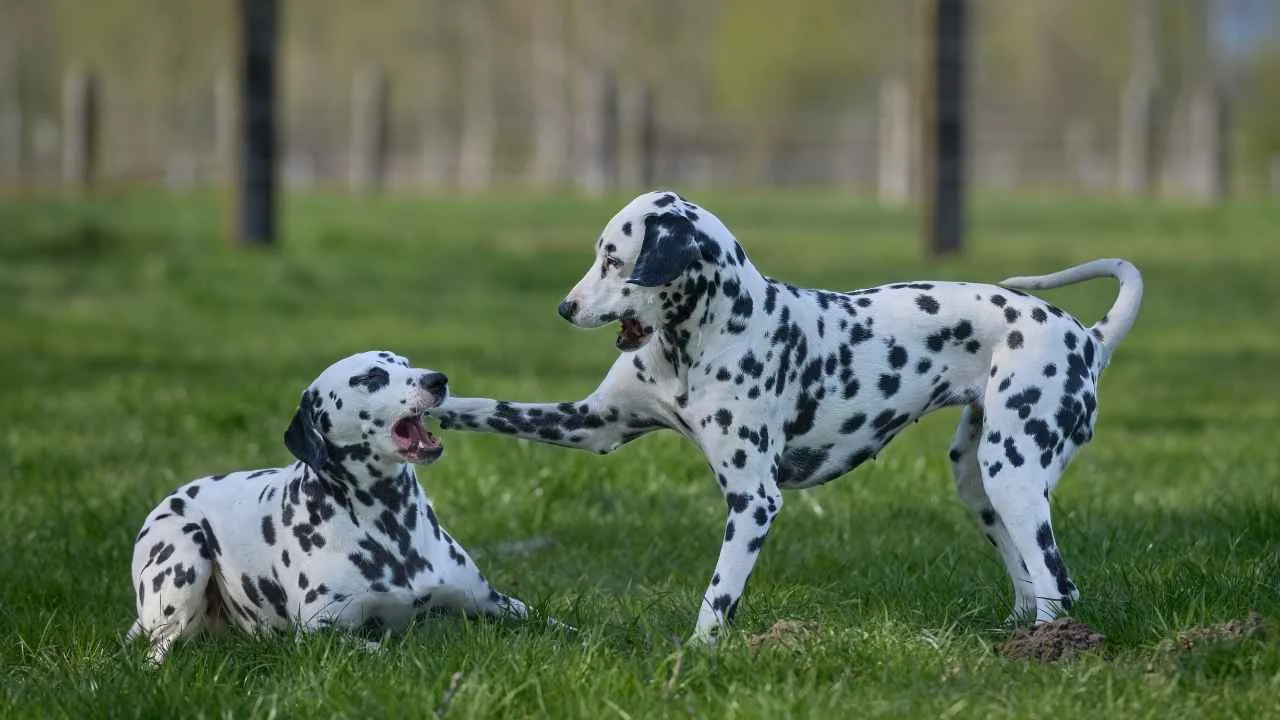
Few coats are as instantly recognizable as the Dalmatian’s white background covered in black or liver-colored spots. The short, dense fur emphasizes the breed’s athletic shape while making every dog’s markings appear like a one-of-a-kind print.
They historically worked as coach dogs, travelling alongside horse-drawn vehicles and later becoming closely connected with firehouses.
This breed is energetic, intelligent, and generally happiest when given meaningful activity. Dalmatians were not developed to spend every day admiring their spots in a mirror, so they need walks, training, games, and room to use their athletic ability.
Under-exercised individuals may redirect their unused energy into jumping, chewing, pacing, or conducting unauthorised home renovations.
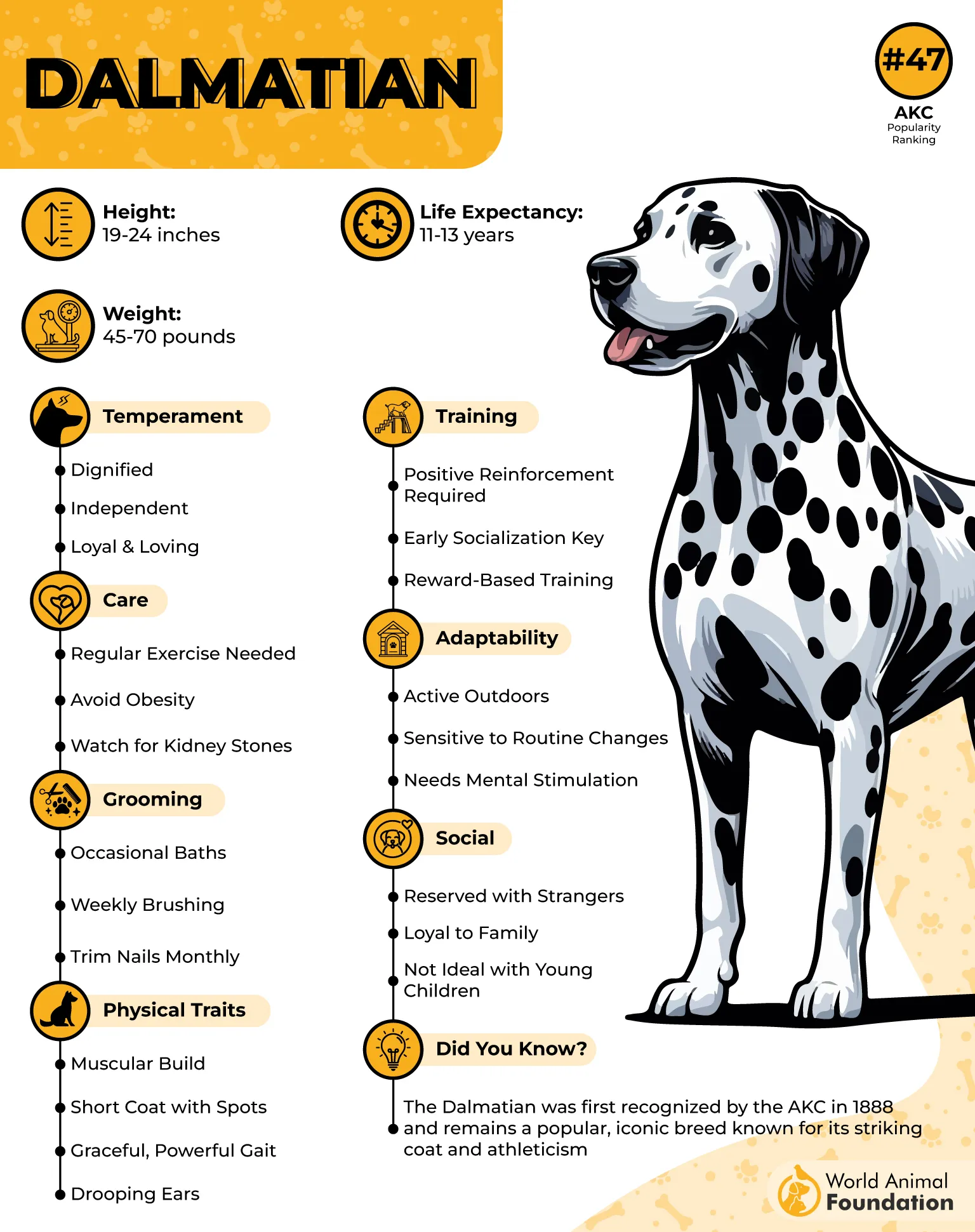
Although the coat is short, they can shed a surprising amount throughout the year. Their small, stiff hairs may weave themselves into clothing, upholstery, and car seats with almost supernatural determination. Frequent brushing with a rubber curry brush or grooming mitt can reduce loose fur before it becomes a permanent household accessory.
The light areas of their coat and sparsely covered skin may require thoughtful protection from excessive sun exposure. Veterinary information indicates that lightly pigmented and sparsely haired dogs, including Dalmatians, may be more susceptible to certain sunlight-related skin problems.
Dalmatians can become devoted and entertaining family companions when their exercise, socialization, and training needs are met. They tend to suit active households that enjoy walking, running, hiking, structured play, or dog sports.
With a short-haired coat, their appearance may attract attention everywhere, but behind those famous spots is a serious athlete who needs much more than good lighting for photographs.
Tips To Manage Their Sleek Fur
Brush several times a week to control the constant supply of short, needle-like shed hairs.
Examine pale skin for redness, crusting, sores, or unusual changes after extended outdoor activity.
Support coat quality through balanced nutrition and veterinary guidance rather than unproven shine supplements.
5. Vizsla
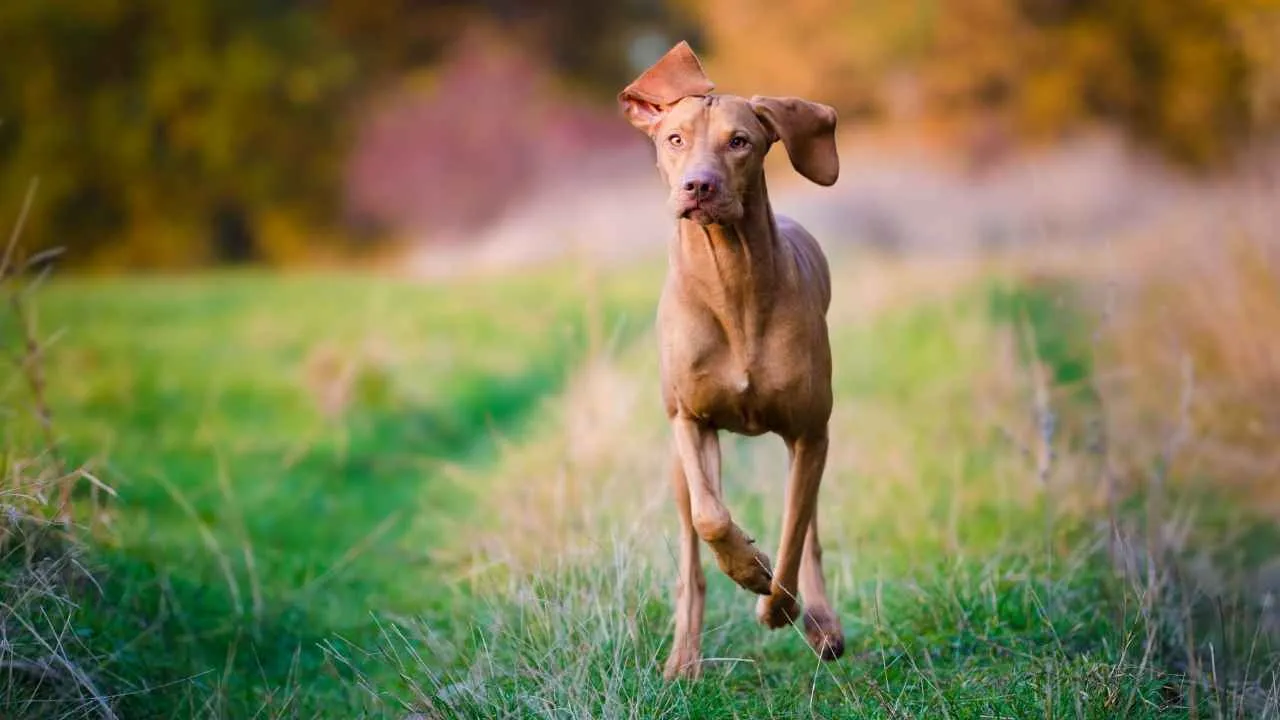
The Vizsla wears one of the most beautifully uniform coats in the canine world. Its short, smooth fur appears in rich golden-rust shades that complement the breed’s lean muscles, long ears, and gentle facial expression.
Because the nose, eyes, and coat tones often blend harmoniously, the entire dog can look like a warm-toned sculpture that suddenly learned how to sprint.
PetMD claims that they were originally developed as a versatile hunting companion in Hungary; this smooth-coated dog combines speed, stamina, responsiveness, and close cooperation with people. They often remain intensely active and highly people-oriented, making them poor matches for households seeking a distant or low-energy pet.
These dogs lightly shed and are sometimes nicknamed “Velcro dogs” because personal space tends to become more of a suggestion than an actual boundary.
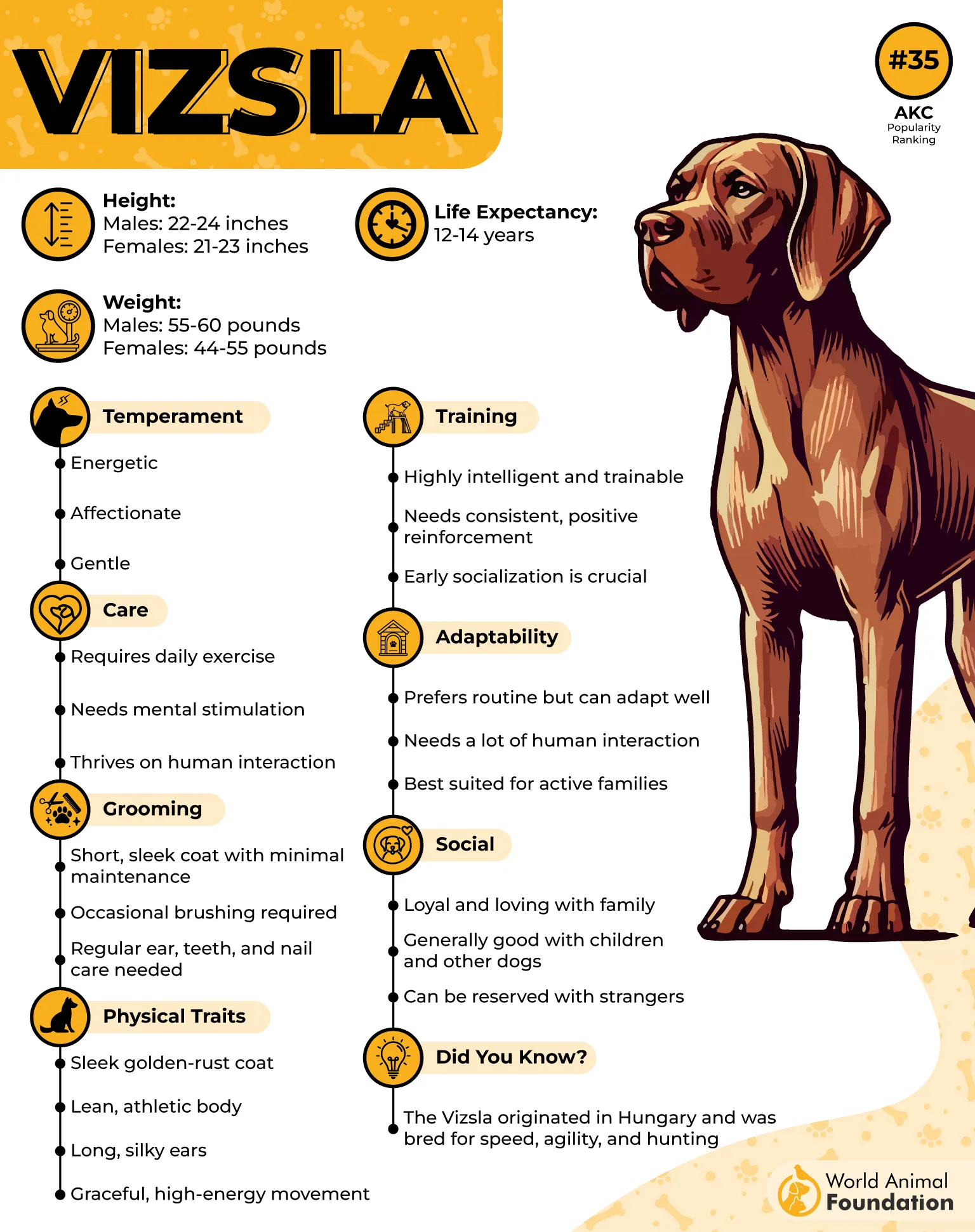
The coat requires minimal styling, but Vizslas still shed fine hairs. Weekly brushing can lift dead fur, stimulate the skin, and maintain the coat’s natural gloss. Their thin hair also means owners can quickly spot cuts, insect bites, irritation, or small areas of hair loss that might otherwise remain hidden beneath a heavier coat.
Physical exercise alone is rarely enough for this intelligent sporting breed. Vizslas benefit from scent work, retrieving games, obedience, hiking, running, and activities that require them to think alongside their owners.
Their limited coat coverage offers less insulation during extreme cold and less cushioning when moving through rough vegetation. With proper exercise and care, the Vizsla combines athletic prowess, emotional devotion, and a coat that practically glows in sunlight.
Tips To Manage Their Sleek Fur
Polish the coat with a damp cloth after dusty walks instead of giving unnecessary full baths.
Inspect the chest, legs, and belly after outdoor adventures, as the thin fur offers limited protection.
Use a canine-safe moisturising or medicated product only when recommended for a specific skin concern.
6. Weimaraner
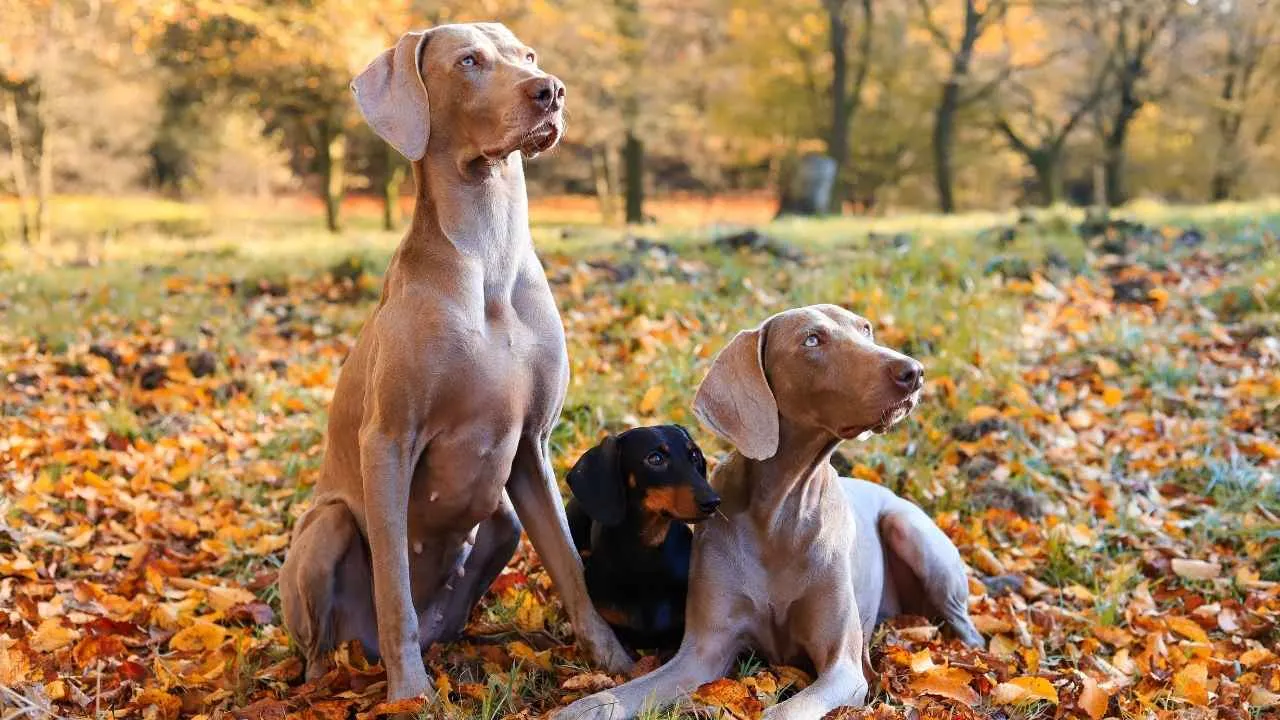
The Weimaraner’s silver-gray coat is so distinctive that the breed is often called the “Gray Ghost.” Its smooth fur, amber or blue-gray eyes, deep chest, and powerful build produce an appearance that is both elegant and slightly mysterious. The coat may be visually subtle, but the personality it carries is rarely quiet or low-key.
Weimaraners were developed as hunting dogs and retain substantial energy, stamina, and problem-solving ability. Purina mentions that these are an excellent choice for active parents and thrive in homes that provide purposeful exercise rather than expecting a quick bathroom break to count as a full fitness programme.
Running, hiking, tracking, retrieving, obedience, and structured games can help satisfy their intense drive to work
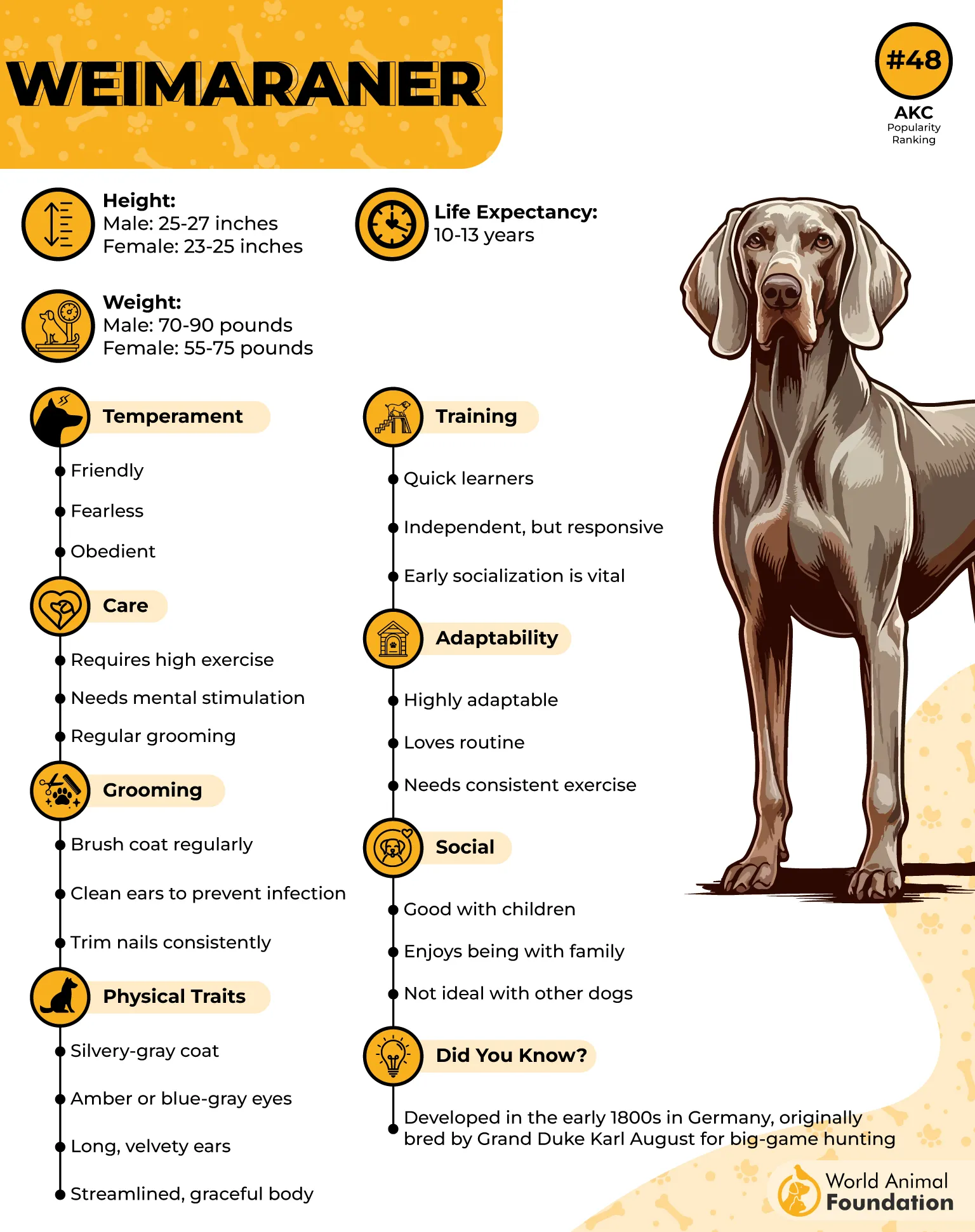
These relatively big-sized dogs often form close bonds with their families and may dislike being left alone for long periods. Their desire for company can be sweet, but insufficient training or gradual independence work may contribute to destructive behavior and distress.
The coat itself is uncomplicated to maintain, although it still releases short hair. A grooming mitt used weekly can collect loose fur and leave the surface smooth without requiring elaborate equipment. Routine grooming also provides an opportunity to inspect the ears, paws, nails, teeth, and skin for anything unusual.
They suit experienced or committed owners who understand that beauty does not cancel out responsibility.
Tips To Manage Their Sleek Fur
Follow energetic outdoor sessions with a quick brush-down to remove dirt and loosened hair.
Check floppy ears regularly, as coat simplicity does not reduce the need for careful ear care.
Watch for dry patches or repeated scratching rather than assuming every coat issue is ordinary shedding.
7. Doberman Pinscher
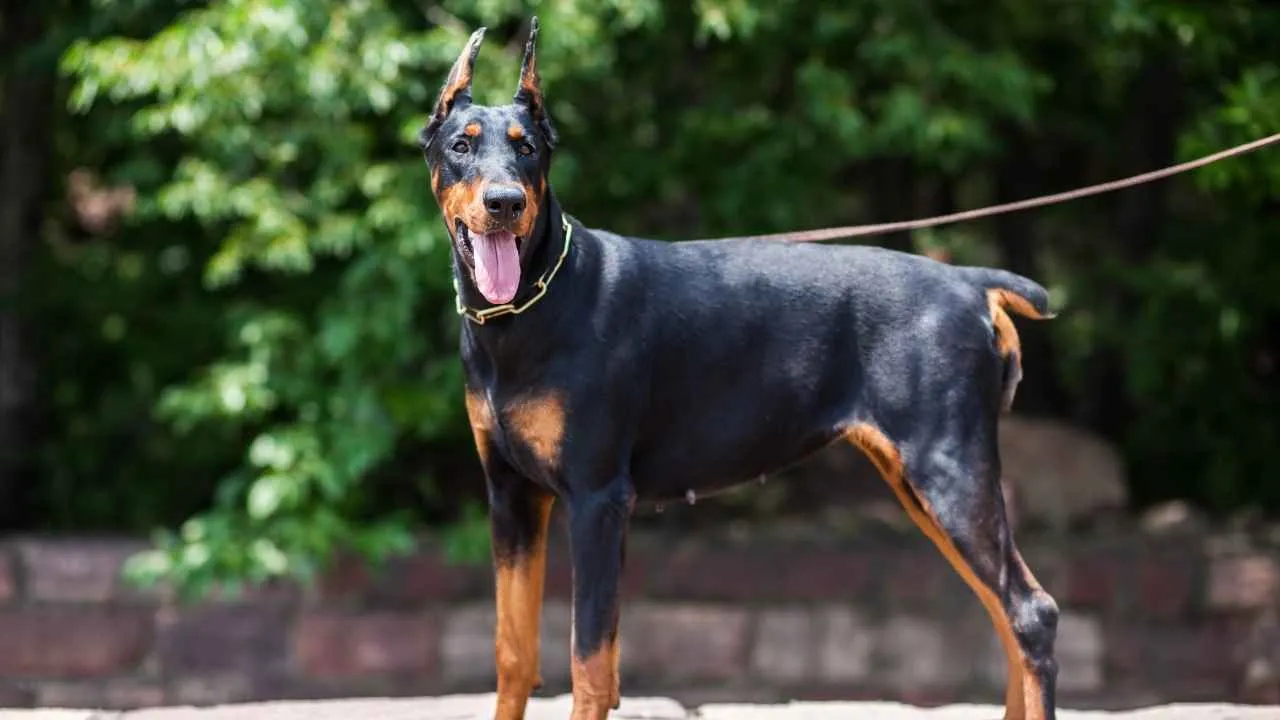
The Doberman Pinscher may be the ultimate example of sleek canine architecture. Its close-fitting coat reveals a muscular, balanced body, while the wedge-shaped head and confident movement create an unmistakably powerful presence. Among the larger, smooth-coated breeds, this one is a relatively lower-maintenance canine for grooming.
This charming breed was developed in Germany with personal protection and working ability in mind. Modern Dobermans are known for intelligence, trainability, loyalty, and close attachment to their households.
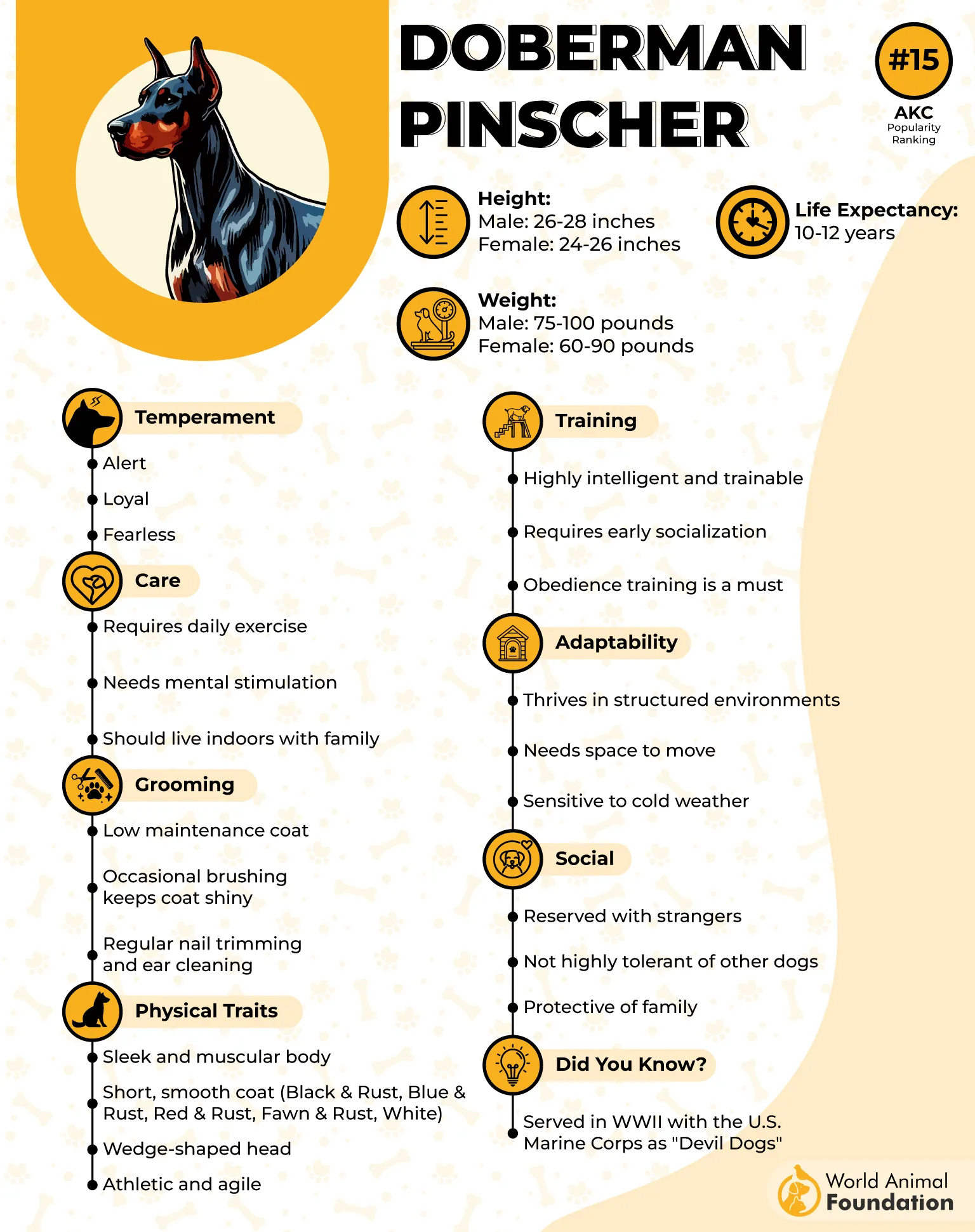
These excellent companions require structured exercise and meaningful mental work. Obedience, tracking, scent games, running, hiking, and canine sports can help focus their intelligence and athletic energy. Without proper outlets, such a clever and powerful dog may pose challenges far less amusing than a stolen slipper.
Their short coat is easy to brush, but it offers limited protection against cold temperatures and rough conditions. Many Dobermans need a coat during winter walks, particularly in colder climates or when spending extended time outdoors. Their skin should be checked regularly because irritation, thinning hair, or small injuries are easy to see through the close fur.
Early socialization and positive, consistent training are essential for developing a stable adult dog. Responsible ownership should also include careful selection of a breeder or rescue, routine veterinary care, and awareness of the breed’s health conditions.
Tips To Manage Their Sleek Fur
Use a rubber brush in the direction of hair growth to remove shedding fur and preserve the glossy finish.
Add a properly fitted dog coat in cold weather because short hair provides minimal insulation.
Treat sudden hair thinning, persistent dandruff, sores, or itching as health clues rather than cosmetic flaws.
Conclusion
Short, sleek coats may appear simple, but the dogs wearing them are anything but ordinary.
Their coats are generally easier to maintain than long, heavily furnished fur, yet easy does not mean maintenance-free. Short-haired dogs still require brushing, sensible bathing, balanced nutrition, nail care, dental hygiene, ear checks, weather protection, and regular skin inspections.
The best breed for your home should be chosen by temperament and care requirements, not appearance alone. Some of these dogs are relaxed companions, while others need hours of activity, training, and close human interaction to remain happy.
