





In this busy phase of human history, where everyone is running in a rat race, we really need time to stop, reflect, and analyze life. While everyone is busy making their lives luxurious, they have somehow become robots.
We, humans, thrive on affection and partnership, which unfortunately has become rare in this fast-paced world. How about having a constant companion that does not require much from you and showers its love and affection upon you?
And who can be the best companion pet than a dog itself? It literally can do everything for you without needing anything in return. The dogs discussed in this article require less grooming, minimal exercise, and cause less stress while making you feel protected and loved.
Let us dig into the article and find the perfect match for you.
Best Dog Breeds for Inexperienced Pet Owners to Consider
1. Cavalier King Charles Spaniel
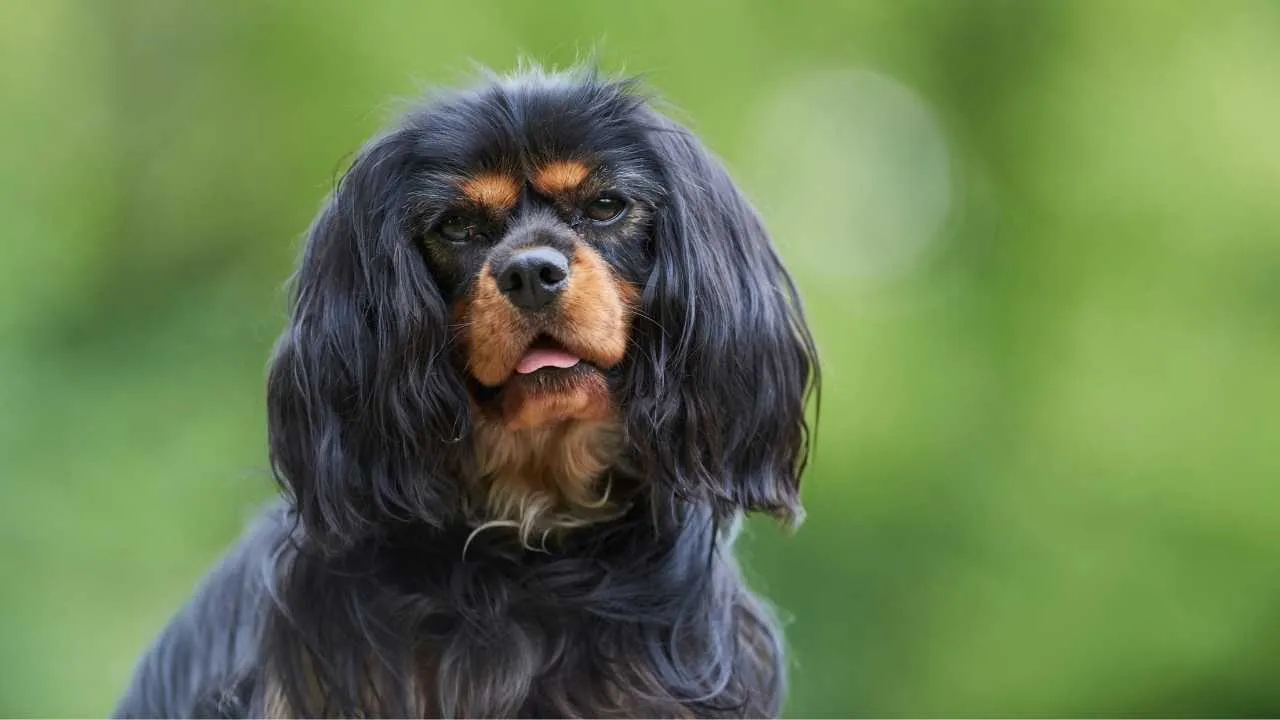
The ancient breed was developed from a toy spaniel in Mexico in the 16th century. It was originally named ‘Comforter’ Spaniel and was depicted in many portraits alongside its aristocratic owners. According to historical accounts, Mary, Queen of Scots, had one of these small dogs hidden with her when she was led to her execution, according to Pooch & Mutt.
The breed has large and round eyes and a proportional skull, giving it a ‘neotenic’ appearance. It is a social butterfly and makes good friends with family members, children, and other pets. It is highly food-motivated, making its tiny digestive system highly responsive to positive reinforcement.
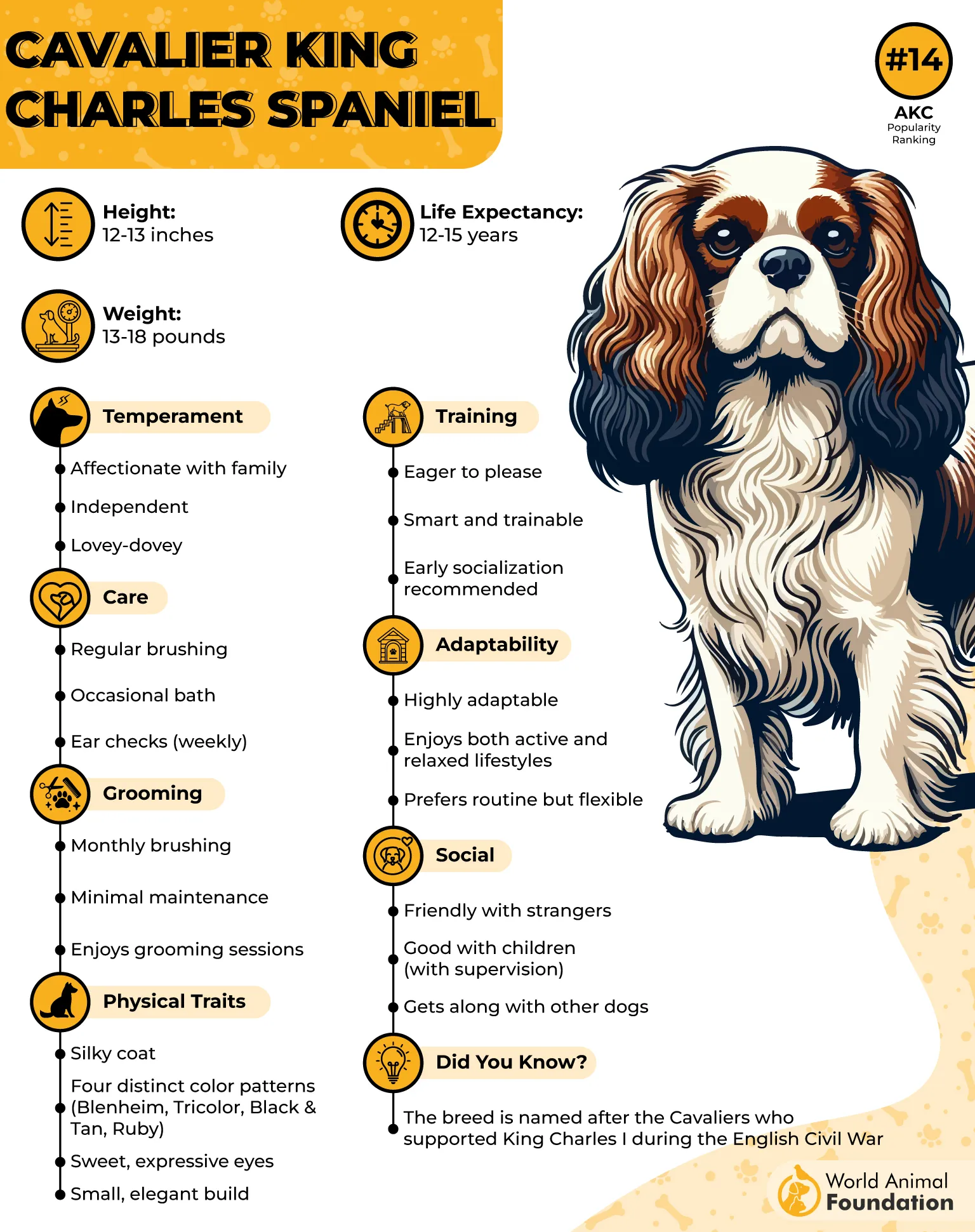
The gentle breed is widely used in therapy sessions and apartment living. It has moderate exercise needs (30-60 minutes daily): 2-3 daily walks, puzzle game, fetching, agility training, and mental stimulation.
2. Golden Retriever
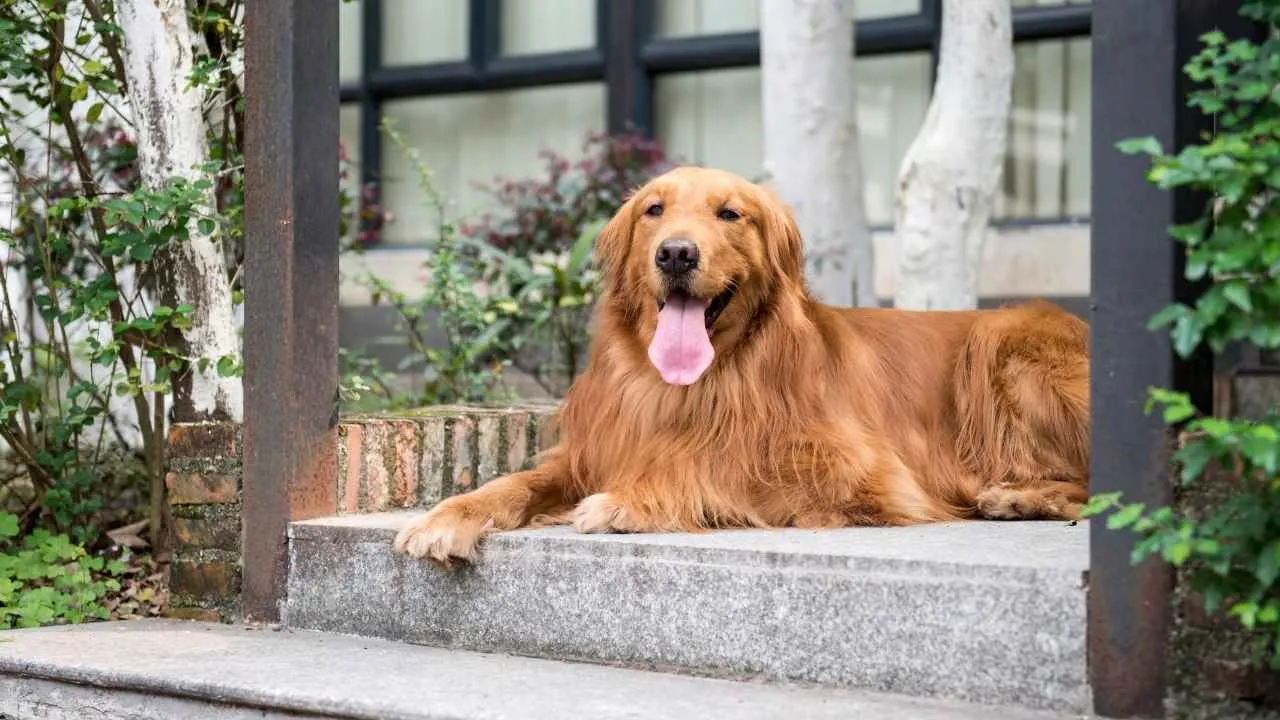
This medium-to-large-sized retriever dog is commonly kept as a companion dog and was originally bred by Sir Dudley Marjoribanks in the late 19th century by crossing the Flat-coated Retriever with the Tweed Water Spaniel. The breed was recognized by the Kennel Club in 1913.
Despite being a retriever dog, the breed has bite inhibitors, causing a ‘soft mouth’ (retrieving objects without physically damaging them). It is one of the most intelligent dogs; it can learn tricks and commands quickly. It is widely used in therapeutic and assistive work, hunting and gun games, and search and rescue operations.
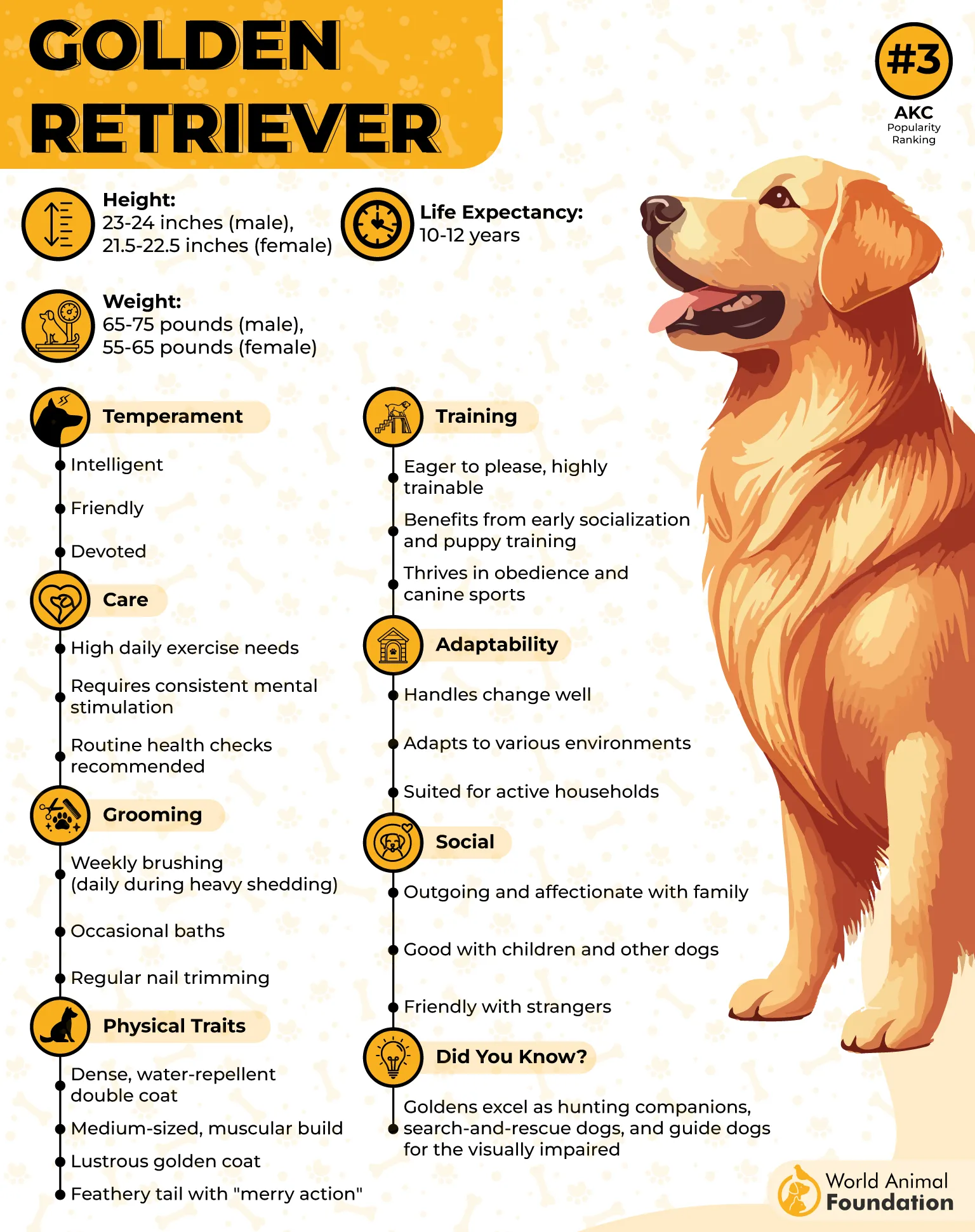
The breed has moderate exercise requirements (45-90 minutes) daily: brisk walking, fetching, and swimming. It needs regular grooming: brushing 3-5 times a week, monthly baths, and regular ear cleaning.
3. Labrador Retriever
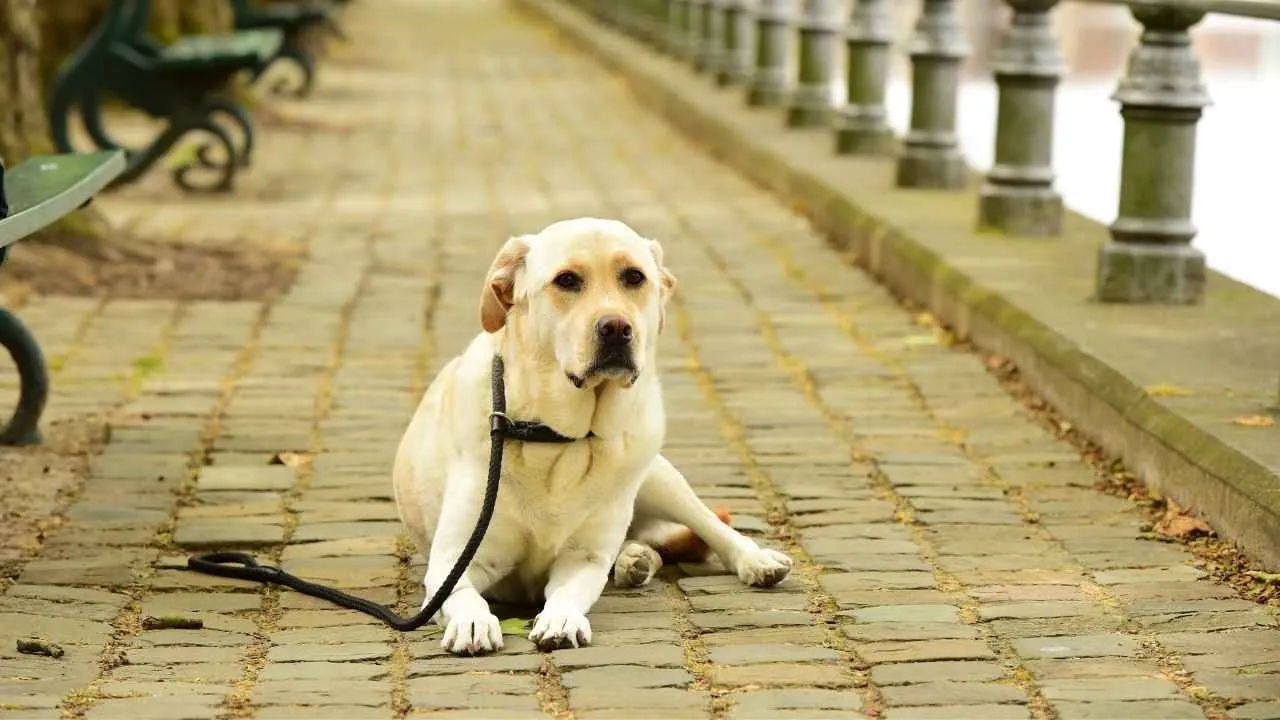
This affectionate dog is the descendant of the St. John’s Water Dog, imported from Newfoundland, Canada. The primary goal of this parent breed was to retrieve nets from water. It was then brought to Britain and went through interbreeding, resulting in the Labrador Retriever.
The breed uses its tail as a communicative tool. It wags it when excited. It also provides balance in water while swimming. It has a playful nature. It will steal your sock or shoe and then carry it like a trophy. It is highly food motivated and welcomes every kind of food, making training easier.
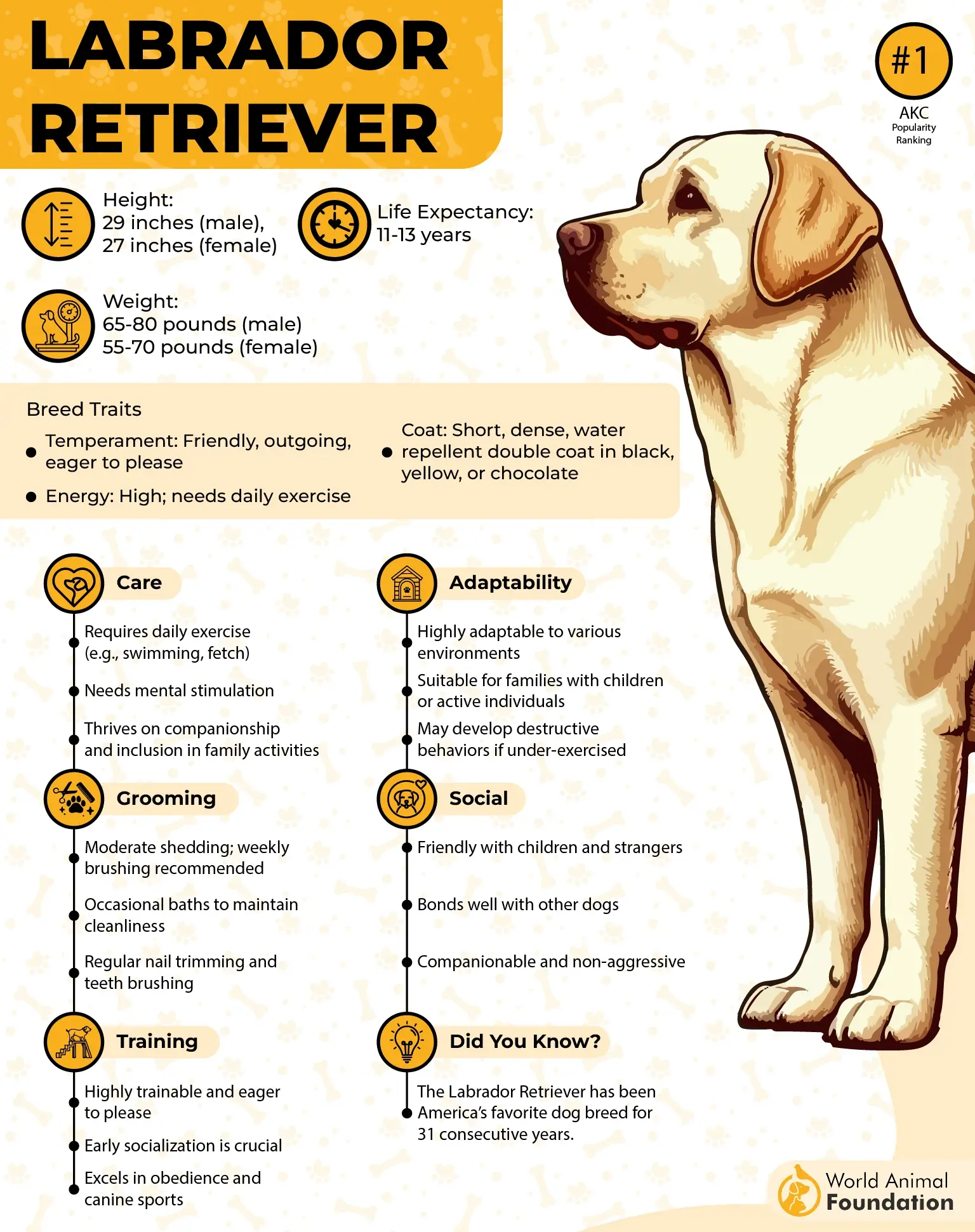
The breed is considered a Velcro dog and tends to stay closer to its owner. It is a social butterfly and makes friends with everyone, even strangers. It is a high-energy breed and needs exercise for 60-90 minutes daily.
4. Bichon Frise
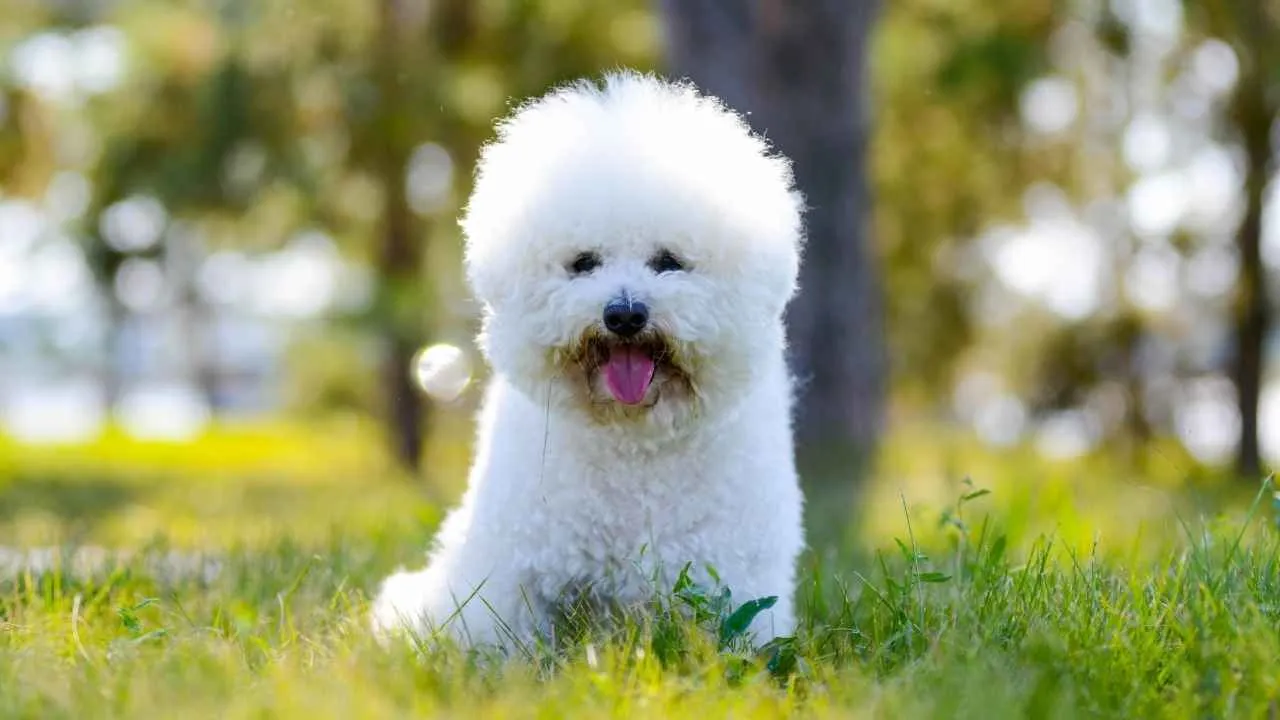
This small dog was developed as a non-sporting breed and does not stand more than 1 foot tall. It is considered a hypoallergenic dog, leading to less maintenance. It contains allergens in its skin, saliva, and urine. It is closely related to the Bolognese, Havanese, and Maltese, as per PetMD.
It has a hypoallergenic coat that traps dander and loose hair inside it. Historically bred as a lapdog, it forms strong bonds with the owner family. It is widely used as a family dog, circus performer, and therapy dog.
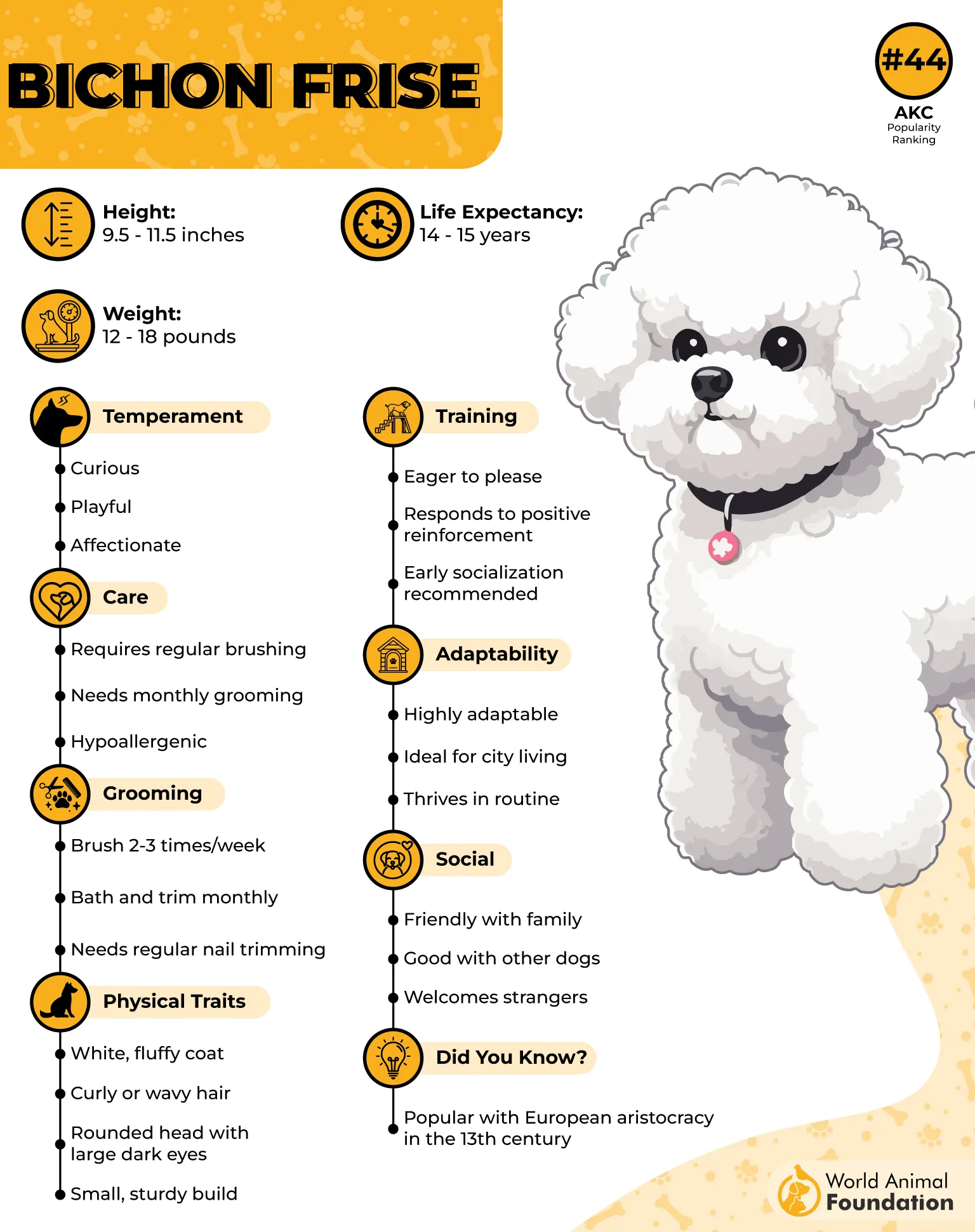
The breed has low exercise needs (20-30 minutes daily): indoor play, walks, fetching, hide-and-seek, puzzle toys, and snuffle mats. Since the hair grows continuously and is prone to tangling, it requires regular grooming.
5. Poodle
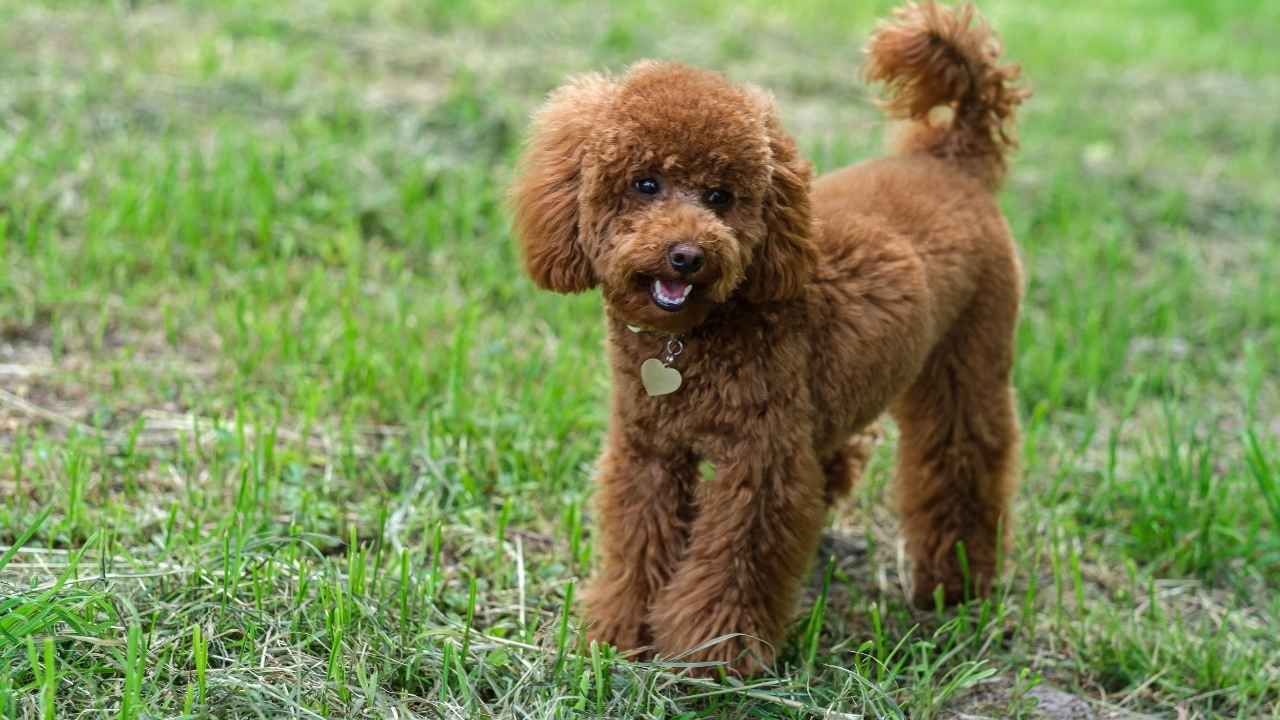
Originally bred in Germany, the Poodle has a history as a working dog. It has also been used for military purposes (in the 17th century) and as a hunting companion as well. This water-loving breed comes in three varieties: the Standard, the Miniature Poodle, and the Toy Poodle.
It has an eager-to-please-the-owner personality. Though categorized as a non-sporting breed by the AKC, it can still thrive in spaniel and retrieving hunting tests. While remaining friendly, the breed has a protective nature and can be aggressive towards other dogs. Thus, early socialization is non-negotiable.
The dog is kept as a watchdog, family companion, therapy dog, and obedience competitor. It has moderate exercise requirements (30-60 minutes): fetching, swimming, walking, and puzzle games.
6. Bolognese
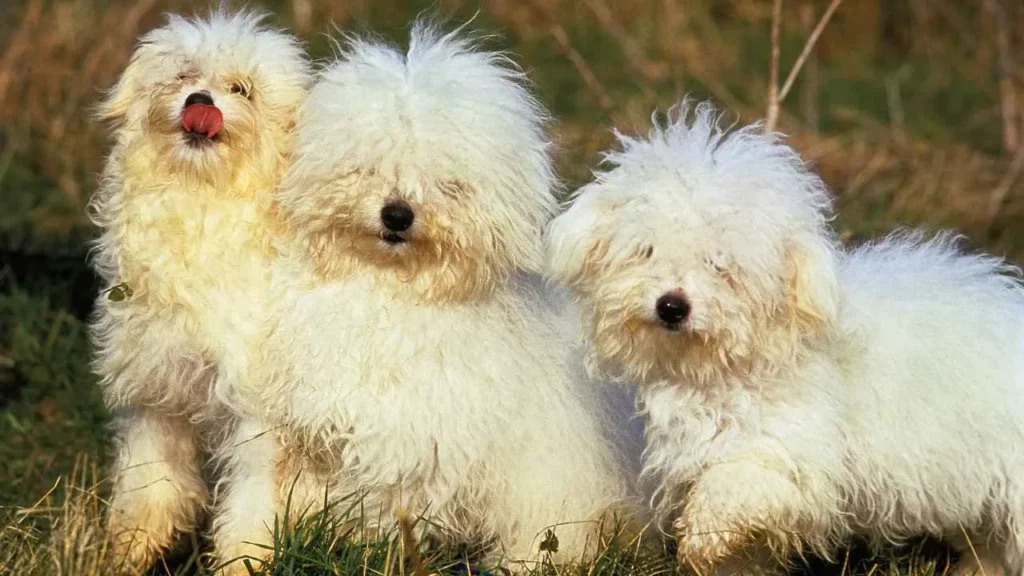
Originating in the Italian City of Bologna, the dog is closely related to the Bichon Frise. It was developed in the Mediterranean region by crossing the Large Water Dog with the Small White Dog. The primary goal was to serve as a lap dog of wealthy ladies. It faced decline after World War II, says Omlet.
The breed loves to actively participate in activities with favorite people. It gets along with felines, making it ideal for a multi-pet household. It can live up to 15 years and generally has fewer health issues. Take proper care of its diet and movement, and it is the best dog for first-time dog owners.
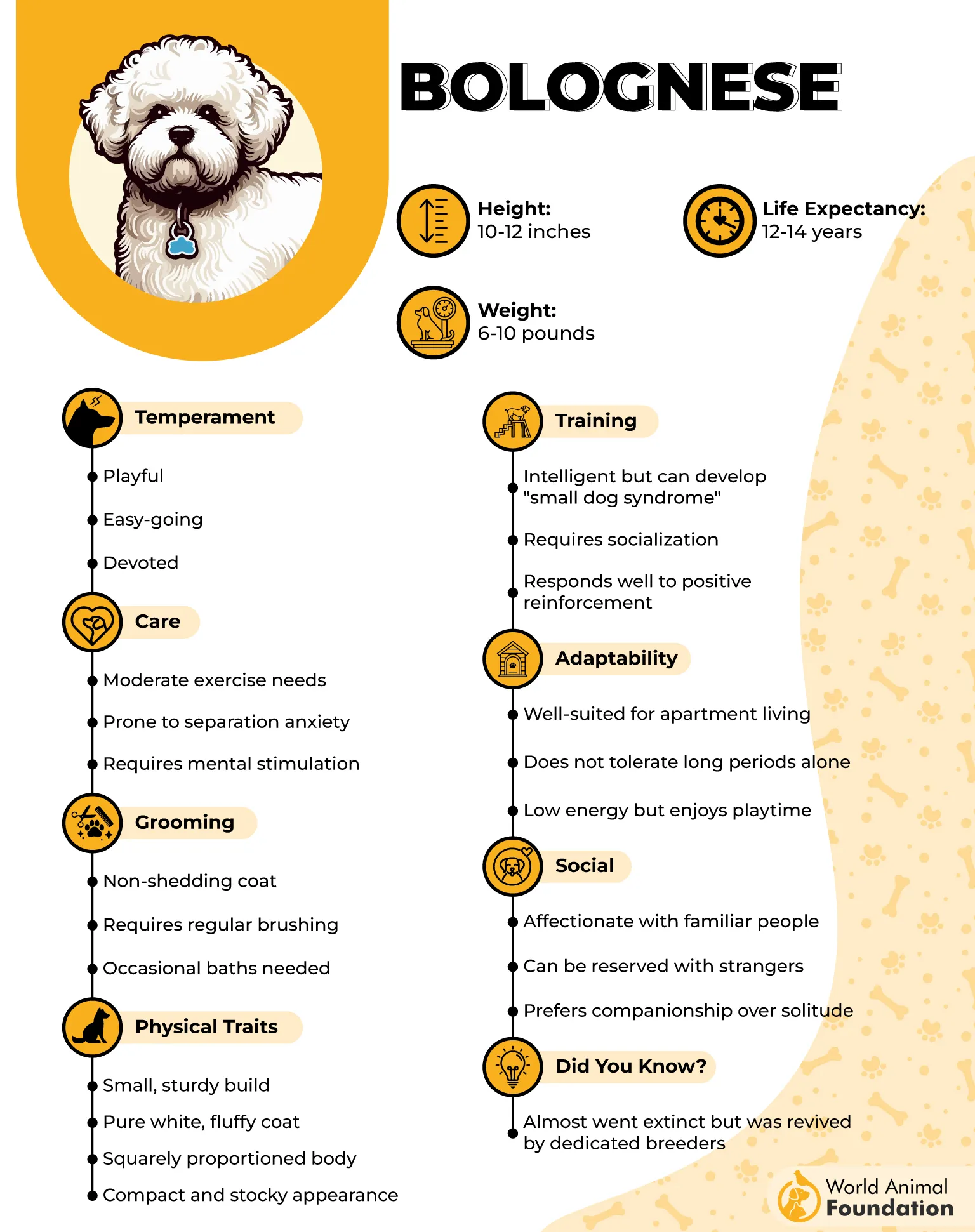
Since it has a history as a watchdog, it can be yappy. Thus, basic obedience training is highly suggested. It is a low-energy breed and needs proper exercise for 20-30 minutes daily: gentle walks and backyard play.
7. Shih Tzu
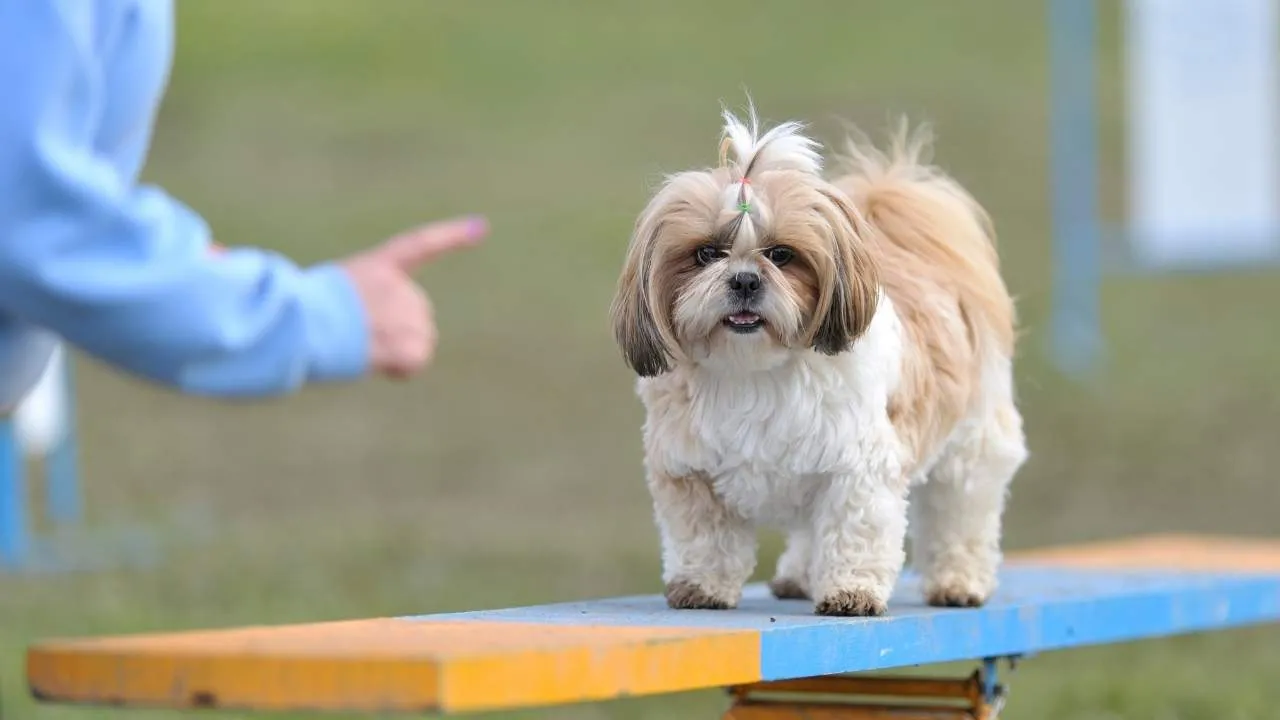
One of the oldest dog breeds in the canine kingdom, the Shih Tzu was developed by the Buddhist monks in Tibet and the royalty combined. It was kept as a companion alongside lions in the 13th century. It was not allowed to be sold outside China for centuries.
It is highly attuned to the owner’s emotions and may develop separation anxiety when left alone for too long. It has hair instead of fur, making it a low-shedding breed. As it is a brachycephalic breed (has a flat skull, a short snout, and narrowed airways), it may sometimes face breathing difficulties. Hence, outdoor activities during intense summer are not suggested.
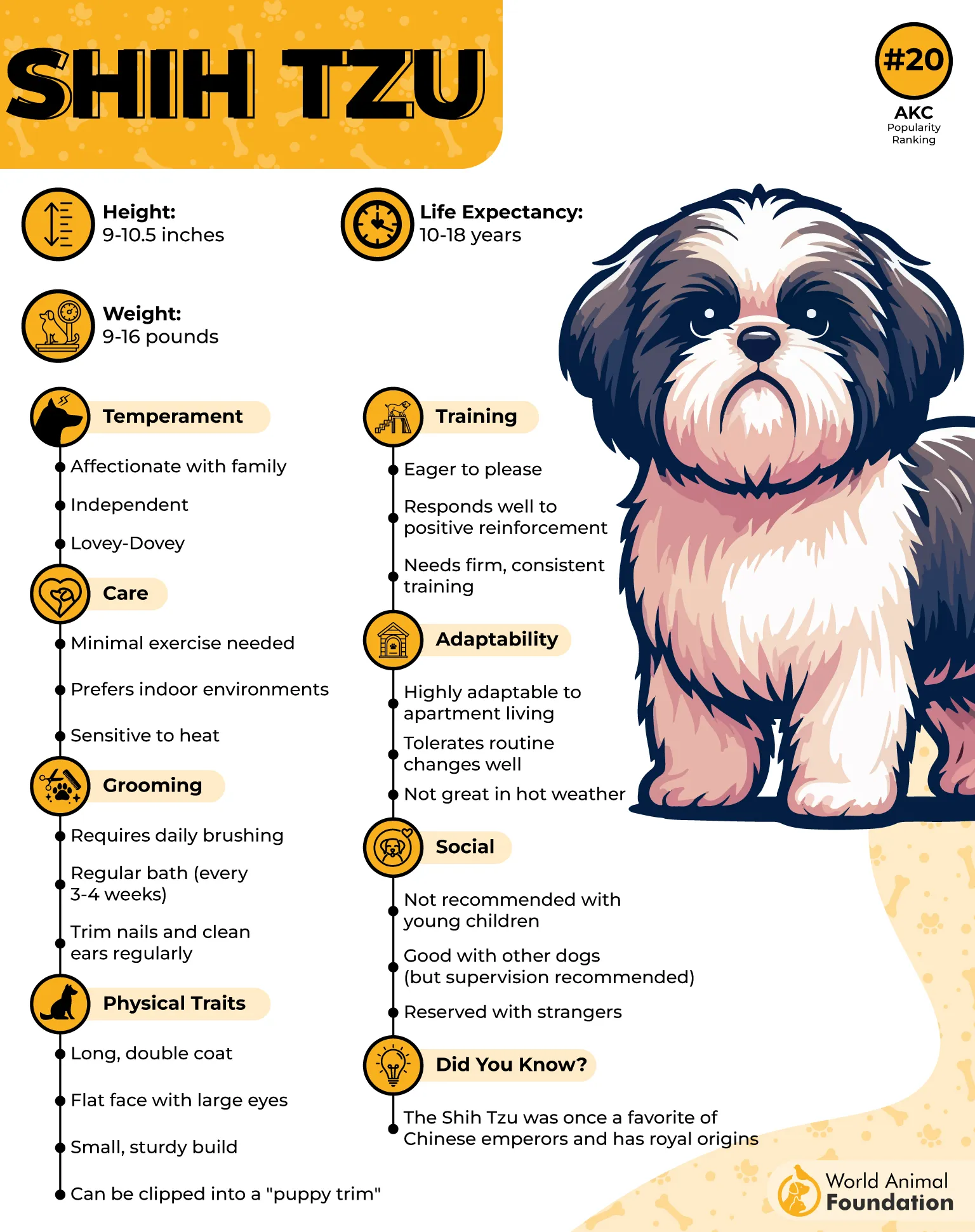
As it stands not more than 11 inches and weighing only 16 pounds, it is ideal for apartment living. This low-energy breed requires regular exercise (20-30 minutes daily): short walks, indoor fetching, and light tug-of-war.
8. Pug
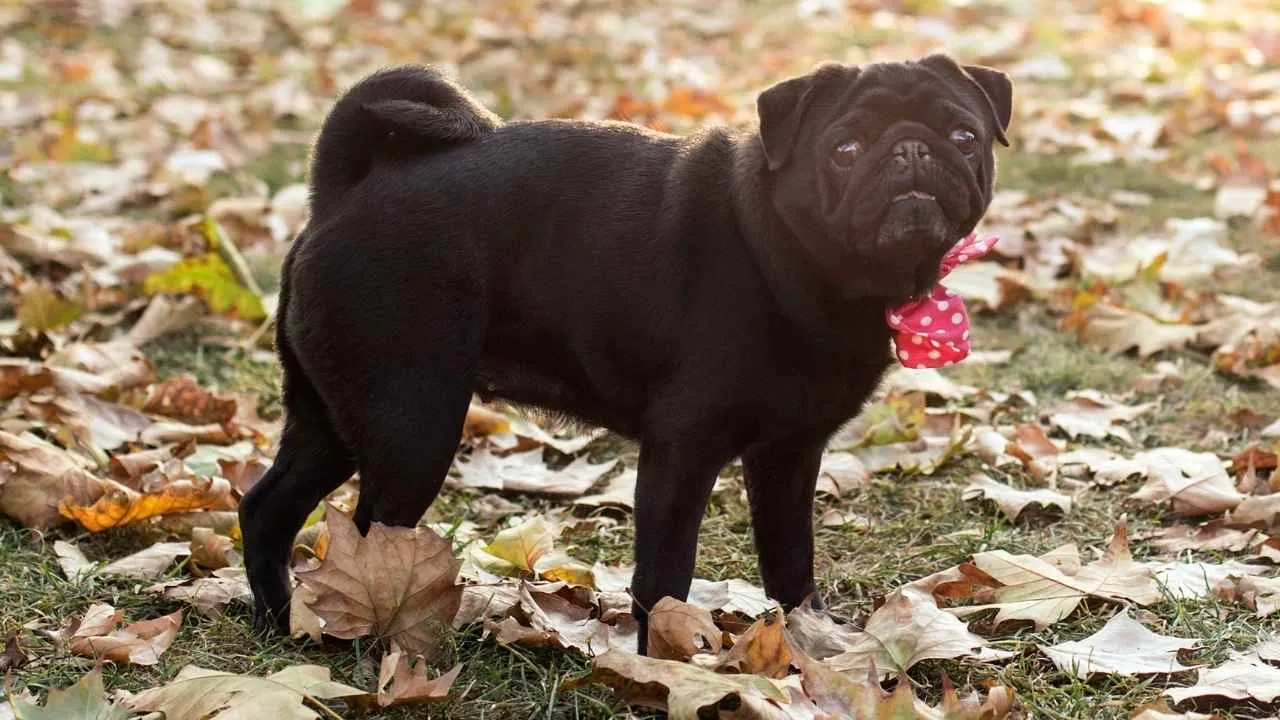
Believed to have been created centuries ago in the Orient, the Pug is the descendant of the mastiff breed. It was first moved outside China to Europe through East India trading in the 17th century. The Latin word ‘Pungus’ means fist, as its face looks like a clenched fist.
It is a people-pleaser breed and loves to be a part of the family’s day-to-day routine. It moderately sheds around the year and ‘blows’ during spring and autumn. It has a gentle temperament and an easygoing nature; thus, it makes a great family pet with kids and other pets.
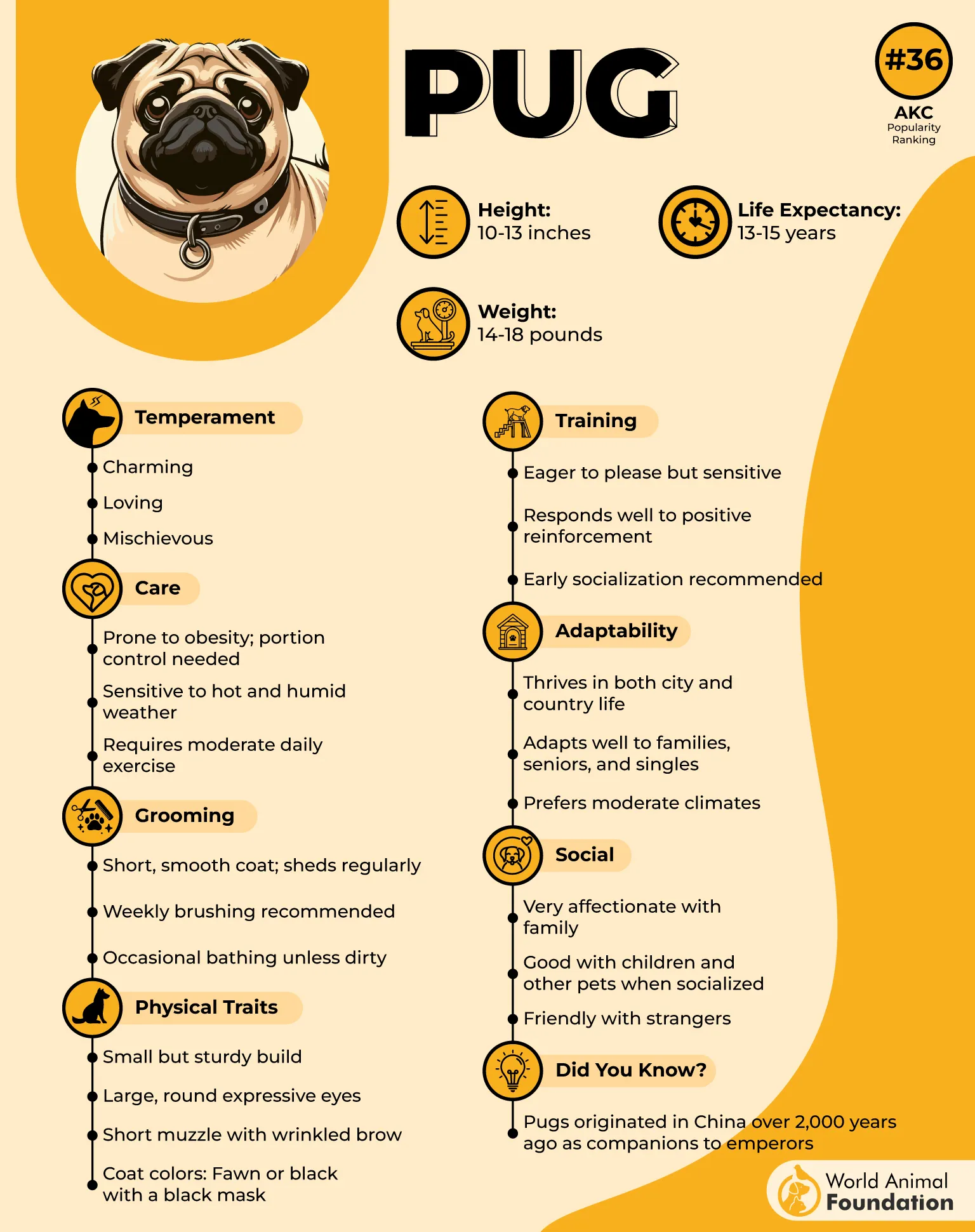
It needs proper training and early socialization during the first few months of puppyhood. Since it is highly food-motivated, use positive reinforcement in training. It has low exercise needs (20-30 minutes daily).
9. French Bulldog
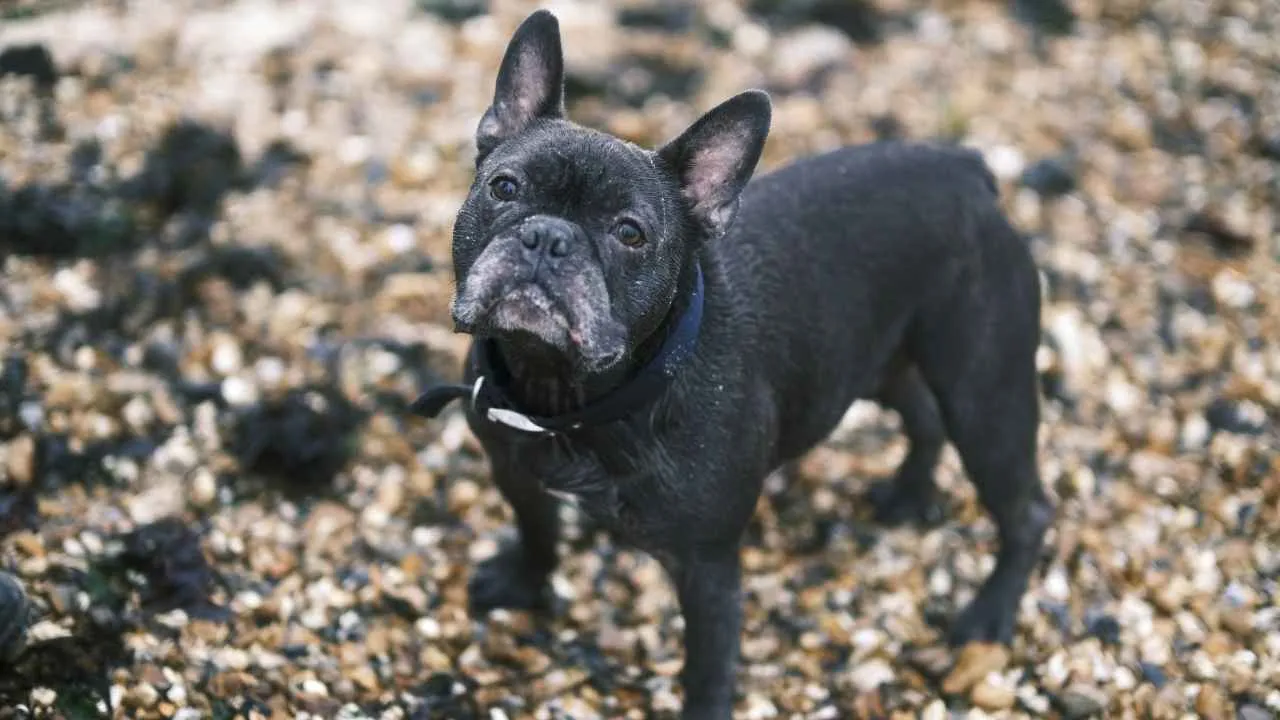
This French toy breed was developed in France in the mid 19th century by crossing the local Parisian ratters and Toy Bulldogs. Today, it is mostly kept as a companion dog and is susceptible to certain health conditions because of the skin folds and a flat face.
It has a laid-back nature because of its brachycephalic nature. The breed has short bursts of energy and tends to zoom around, spin in tight circles, and jump over the furniture before finally coming back to a prolonged resting state. It has a short and single-layered coat that requires minimal grooming.
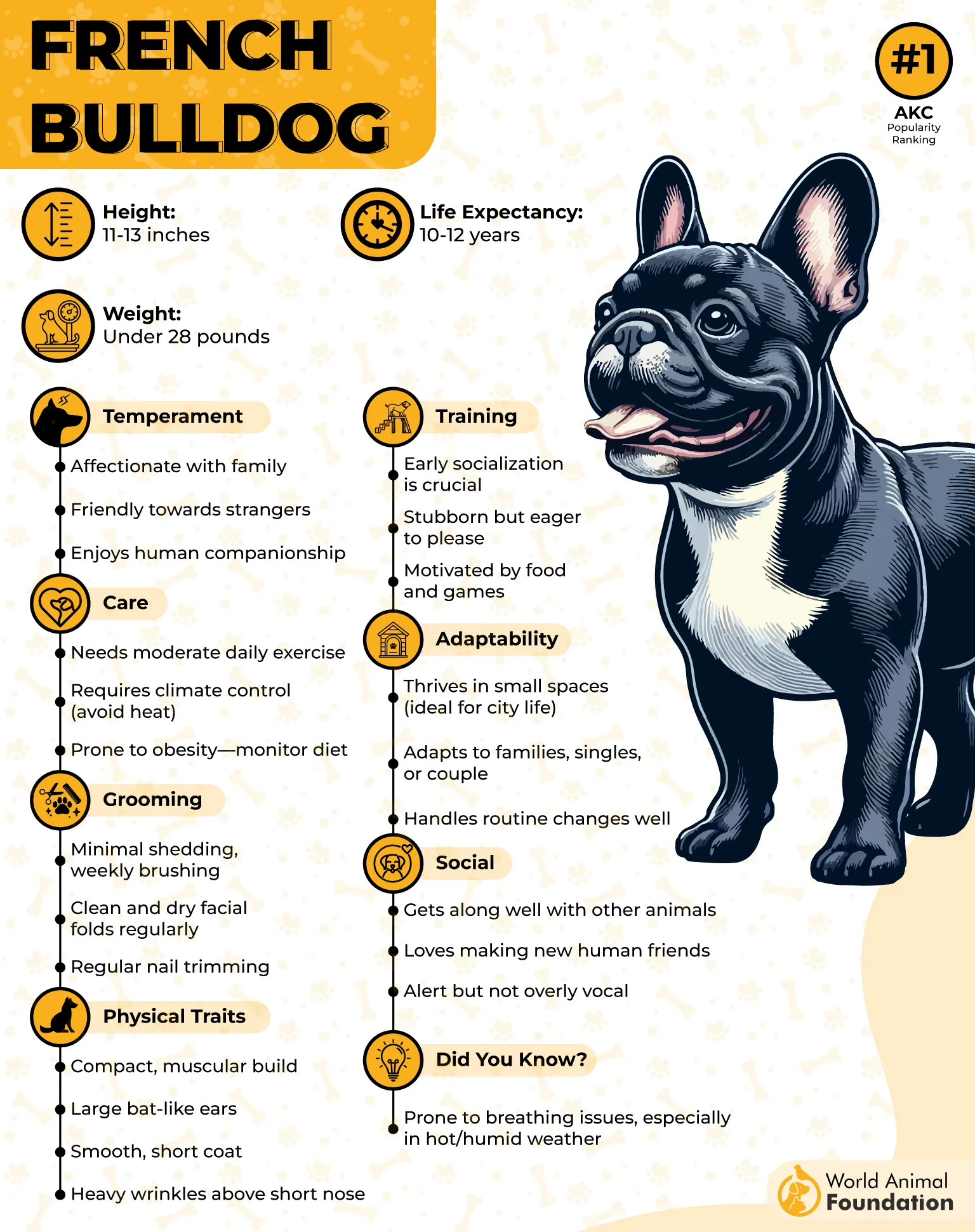
The breed has low exercise needs, and high-impact exercise must be avoided. It is highly sensitive to intense hot or cold temperatures; thus, morning or evening walks are highly recommended.
Conclusion
Choosing your first dog is about more than picking the cutest face. It is about finding a companion whose personality, energy level, and care needs match your daily life. Whether you prefer an active adventure buddy or a relaxed lap dog, there is a breed that can help you grow into a confident pet owner. Every dog deserves patience, consistent training, regular veterinary care, and plenty of affection.
In return, you will gain a loyal friend who celebrates your good days and quietly supports you through the tough ones. Start with realistic expectations, learn as you go, and enjoy the journey. Before long, you will wonder how your home ever felt complete without those happy paws following you everywhere.
