




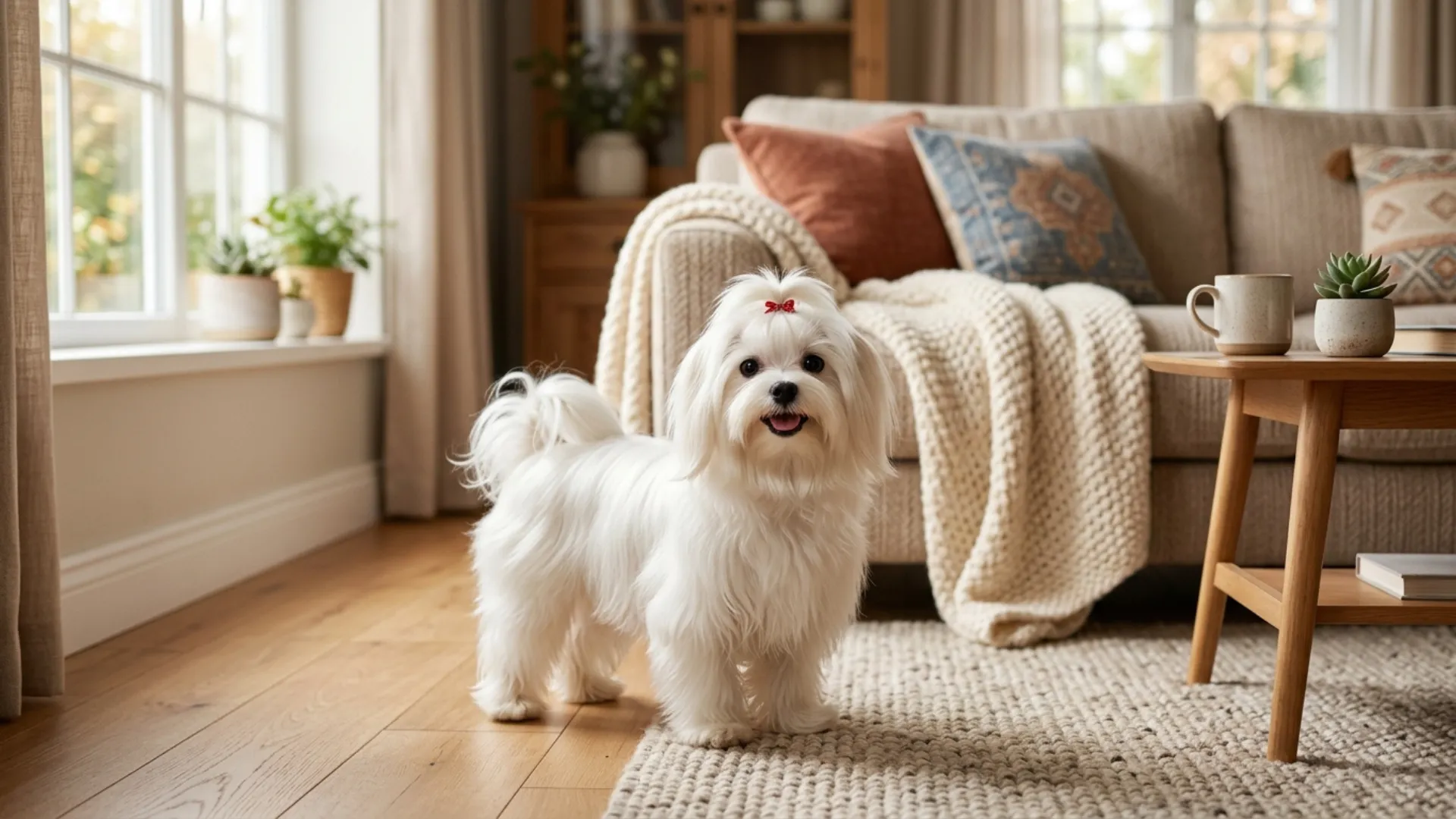
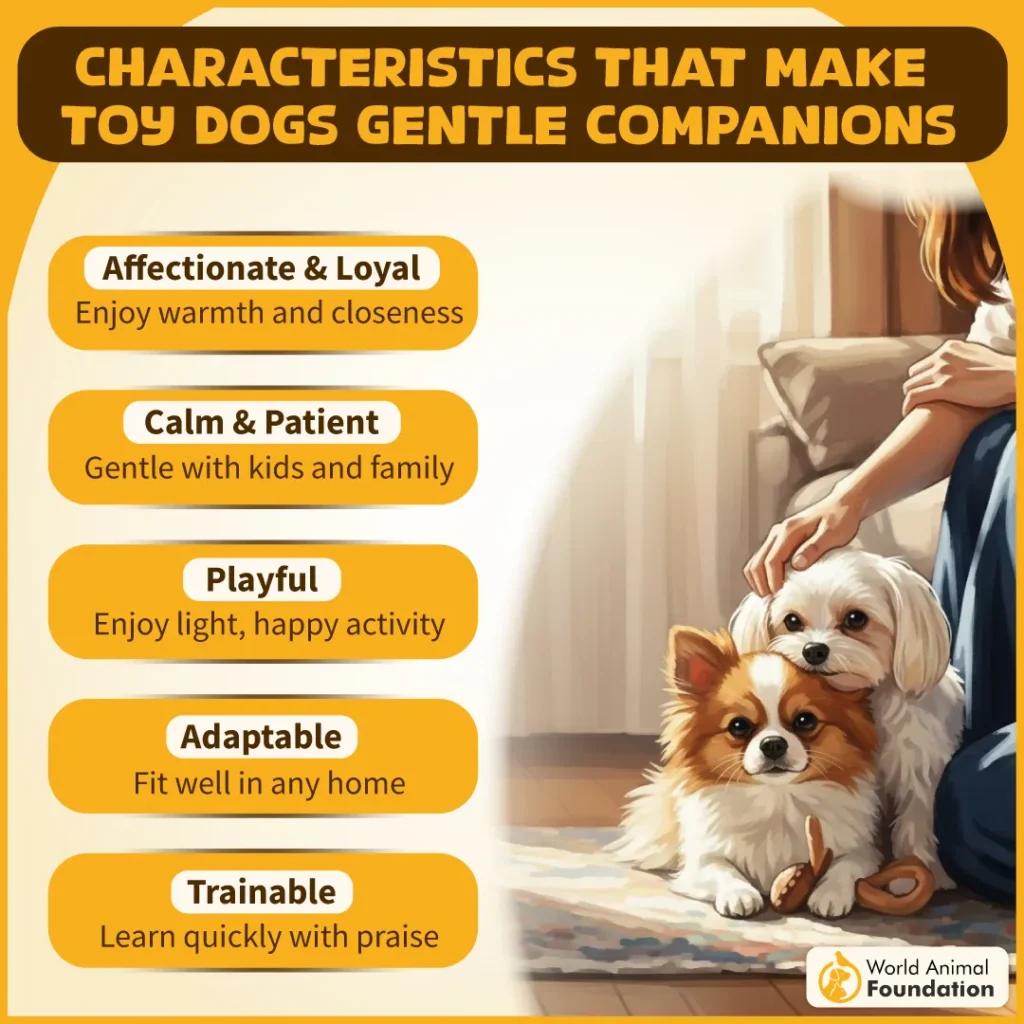
Toy dogs may be tiny enough to fit under an airplane seat, but their personalities rarely understand the concept of “small.” These compact companions can bring affection, comedy, loyalty, playfulness, and a surprising amount of household supervision into everyday life.
Their smaller size can make toy breeds attractive to apartment residents, older adults, families, frequent travelers, and people without enormous gardens. However, small dogs are not decorative accessories or low-effort substitutes for larger pets, because they still need exercise, training, veterinary care, socialization, enrichment, and opportunities to explore safely.
The seven breeds below come directly from your shared material and represent different versions of the cozy companion lifestyle. Some are playful social butterflies, some are dignified lapdogs, and others are tiny comedians who believe silence is deeply overrated.
Fantastic Toy Dog Breeds for a Happy, Cozy Home
1. Cavalier King Charles Spaniel
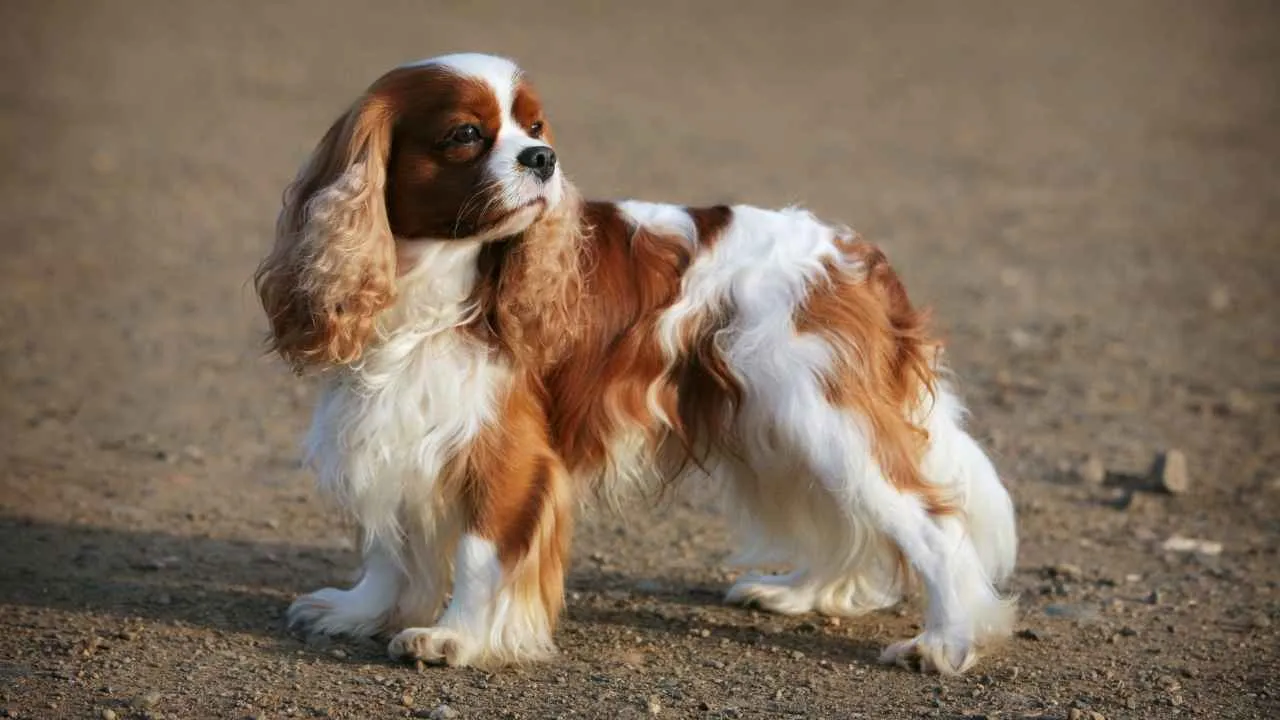
The Cavalier King Charles Spaniel combines the gentle attentiveness of a toy companion with the curiosity and athletic spark of a sporting spaniel. Originally bred in Britain, it is evident in the elegant name, silky ears, expressive eyes, and a permanently polished appearance.
Cavaliers are known for forming close emotional bonds with their people and generally enjoy being included in everyday family activities. Properly socialized dogs can be welcoming toward children, visitors, other dogs, and household pets, although every interaction still needs sensible supervision.
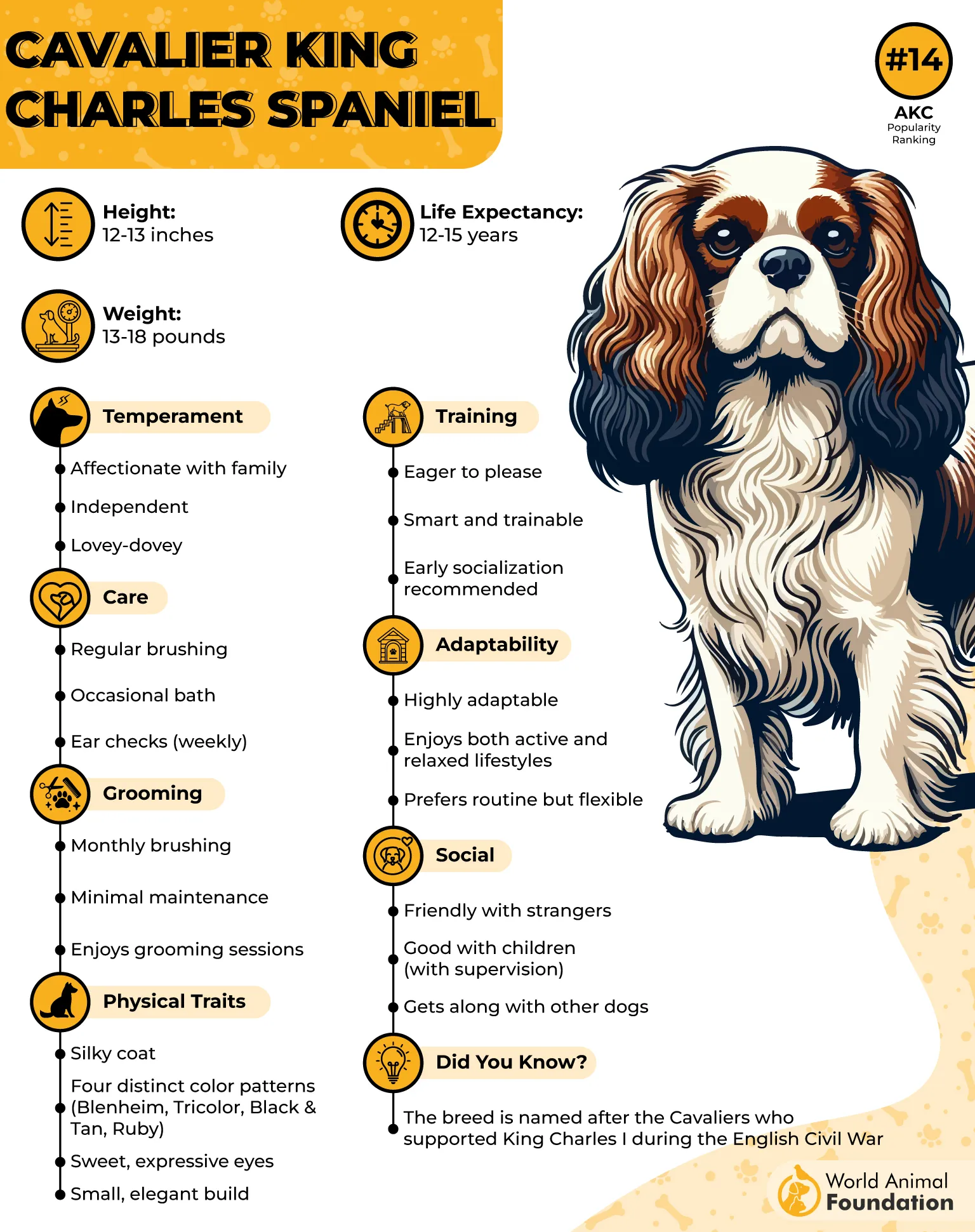
Hill’s Pet says that daily walks, gentle games, sniffing opportunities, and playful training help satisfy the active spaniel hiding beneath that sweet expression. Many owners discover that their Cavalier is equally enthusiastic about exploring a park and returning home to conduct a highly committed cuddle session.
Off-leash freedom should be limited to securely fenced areas because an interesting scent can activate the breed’s chasing instincts. A Cavalier following a bird or woodland smell may temporarily decide that your recall cue is merely a background suggestion.
2. Shih Tzu
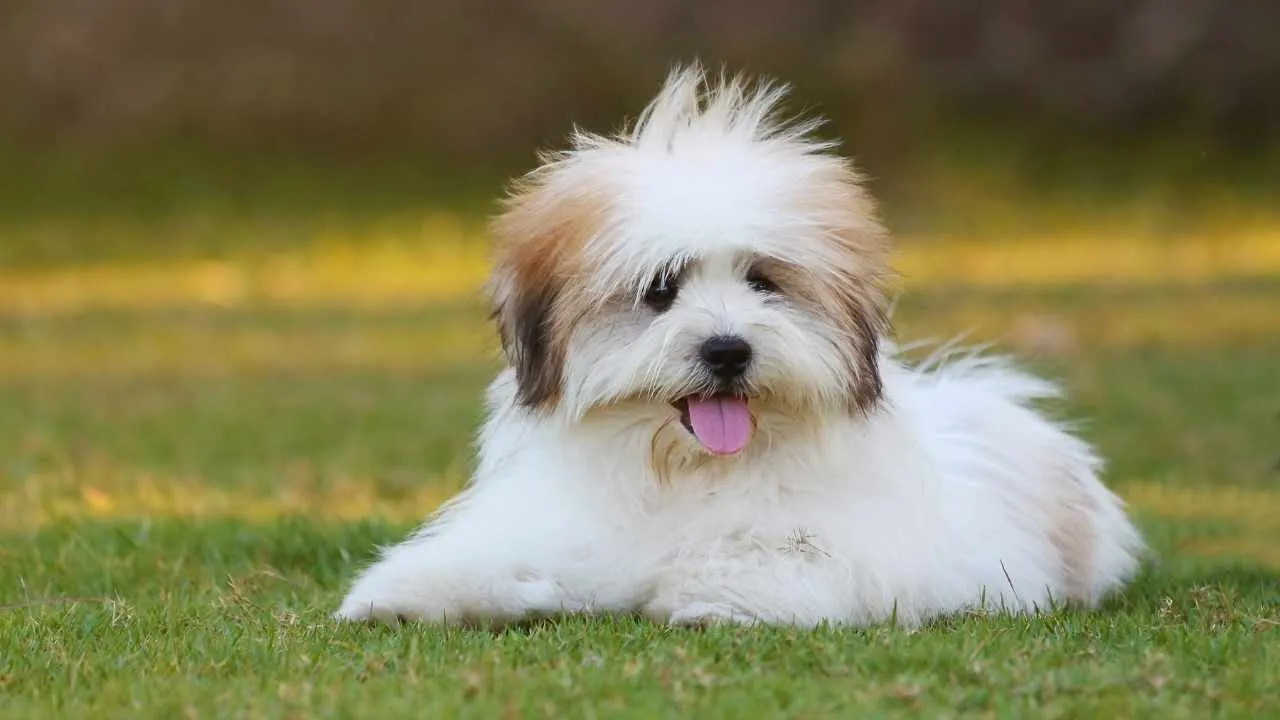
The Shih Tzu is often called a “lion dog,” although most modern examples are more interested in conquering laps than defending ancient kingdoms. This breed has a long history as a cherished companion and was developed to live closely with people rather than perform demanding outdoor work.
These lap dogs often fit well into families because they tend to be loving, social, and eager to spend time with familiar people. Early introductions can help them live peacefully with respectful children and compatible pets, but their compact bodies still require gentle handling.
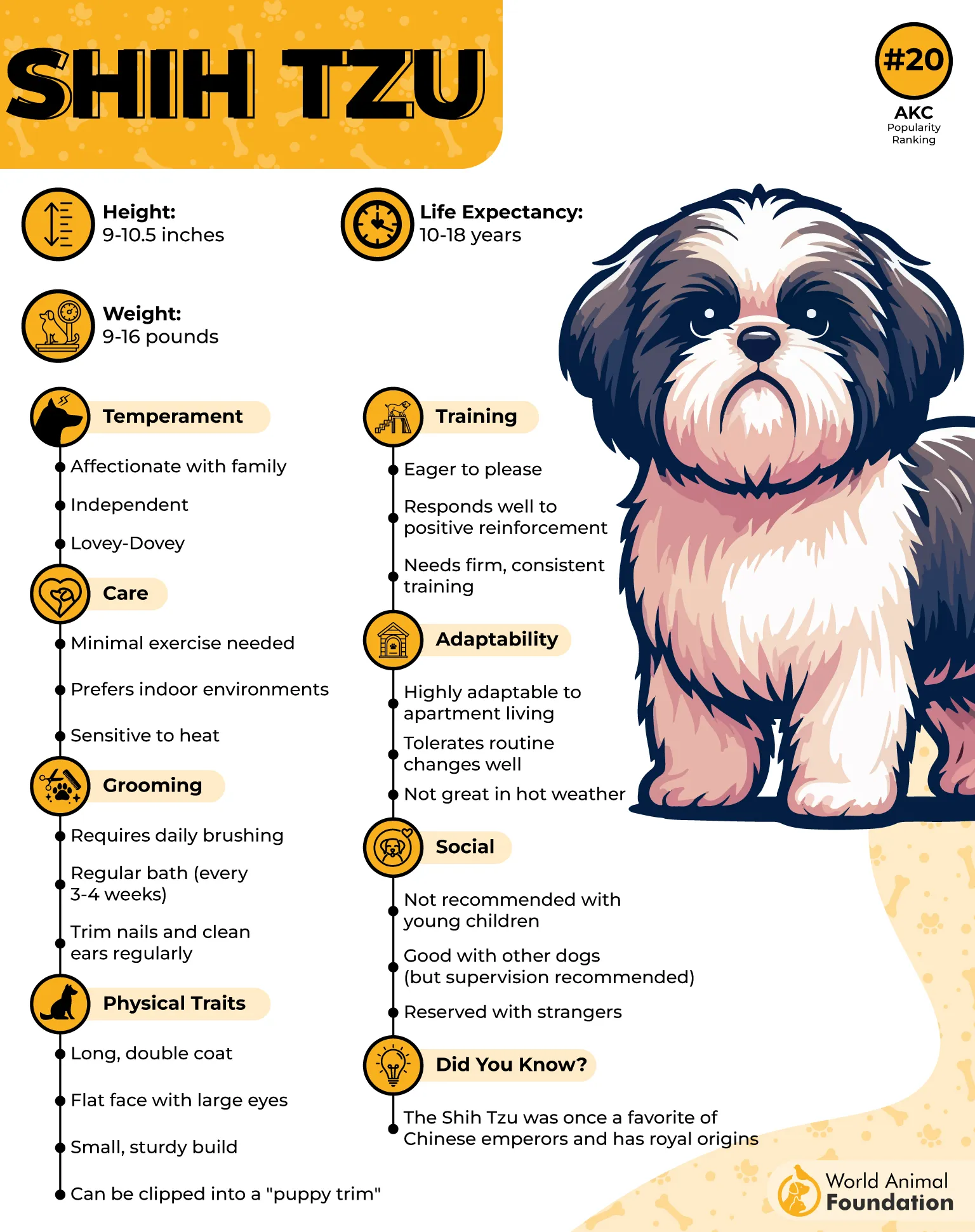
Their daily exercise requirements are usually manageable through short walks, indoor play, trick sessions, and safe outdoor exploration. These pups are not built for intense endurance activities, and their short faces and heavy coats can make hot weather particularly uncomfortable.
Positive reinforcement training, predictable routines, gradual alone-time practice, and plenty of social interaction help create a confident dog rather than a tiny household supervisor experiencing a management crisis.
3. Maltese
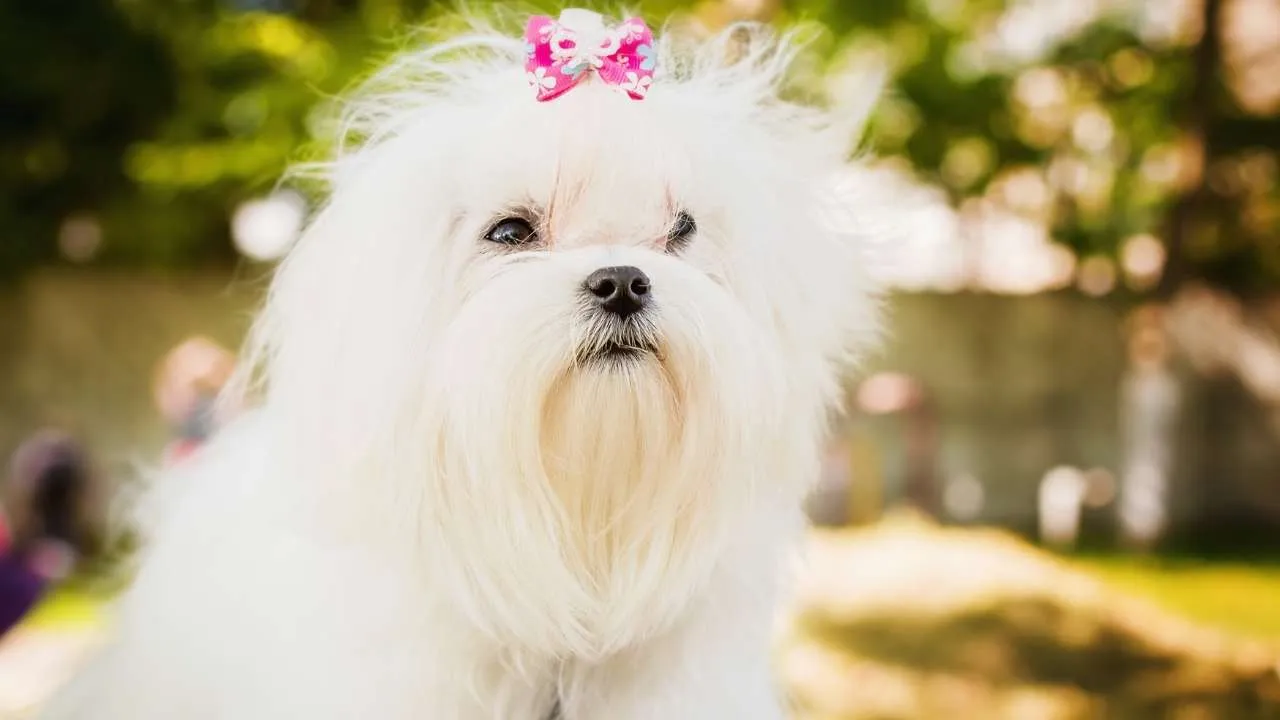
The Maltese has been associated with luxury and companionship for centuries, but the breed is much more than a white coat with excellent lighting. These tiny dogs are generally playful, adaptable, and charming, carrying themselves with the confidence of someone who definitely believes the home was purchased for them.
Maltese dogs can be affectionate family pets, particularly when children understand how to interact calmly with a physically delicate animal. Older, considerate kids are often an easier match because accidental drops, rough grabbing, and high-energy chasing can cause injury.
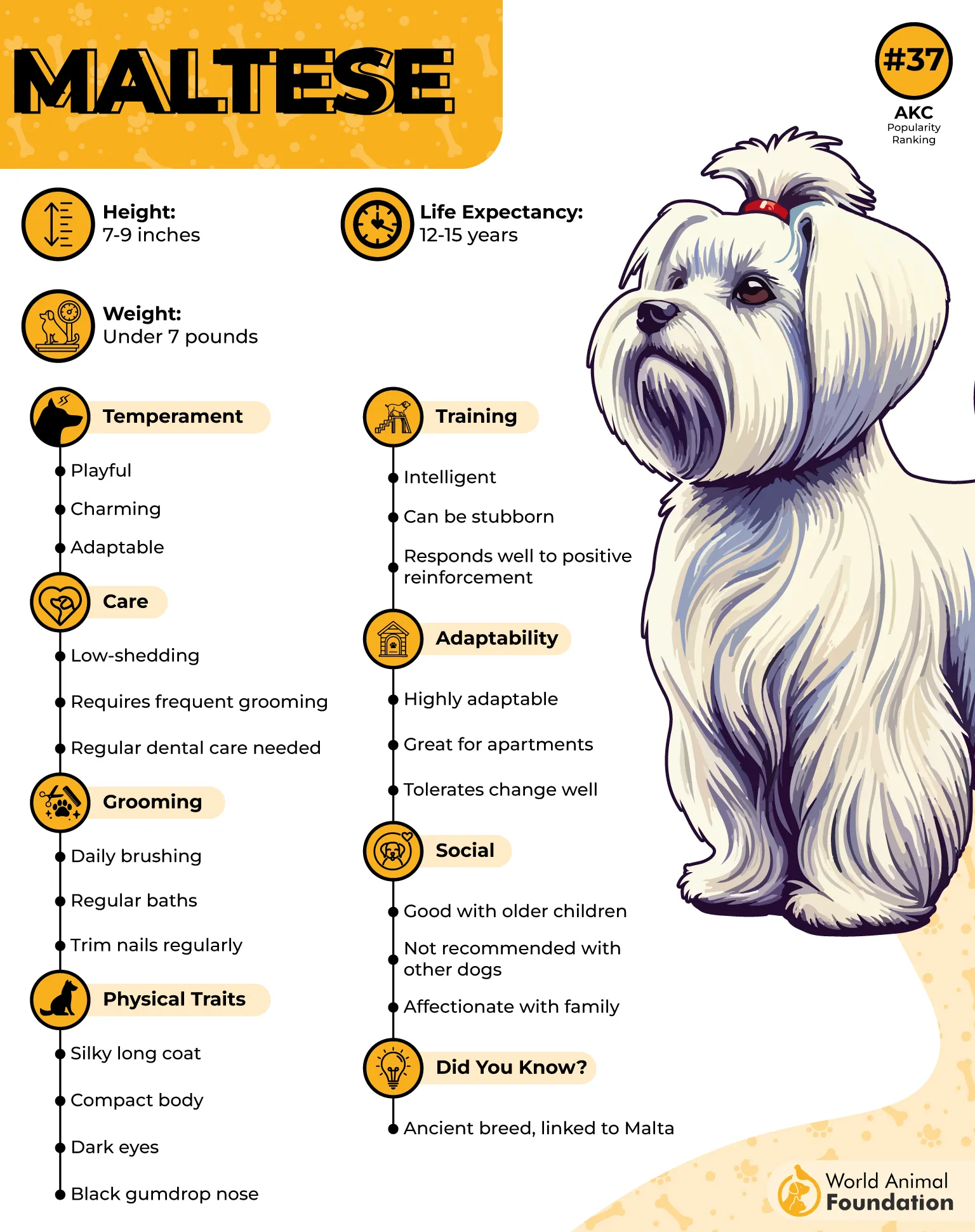
Despite their small size, Maltese usually appreciate daily walks, indoor games, toy-chasing, and opportunities to learn simple skills. They do not require punishing workouts, but inactivity and loneliness can encourage barking or other unwanted habits.
Training works best when sessions are upbeat, brief, and supported by rewards the individual dog genuinely values.
The flowing coat requires regular combing, bathing, facial care, and protection from mats, although a shorter trim can simplify the routine. Families can involve older children in gentle brushing or supervised games, but the adults must retain full responsibility for veterinary care, grooming, feeding, and safety.
4. Pug

The Pug is a sturdy little companion with a wrinkled face, curled tail, and facial expressions that deserve their own reaction-image library. Their modern mission remains refreshingly straightforward: love people, collect snacks, and make every normal situation at least 40 percent funnier.
Pugs are typically social and affectionate dogs that enjoy children, visitors, and other pets when introductions are positive. Their clownish behavior, snorts, dramatic pauses, and desire to be included have made them popular family companions.
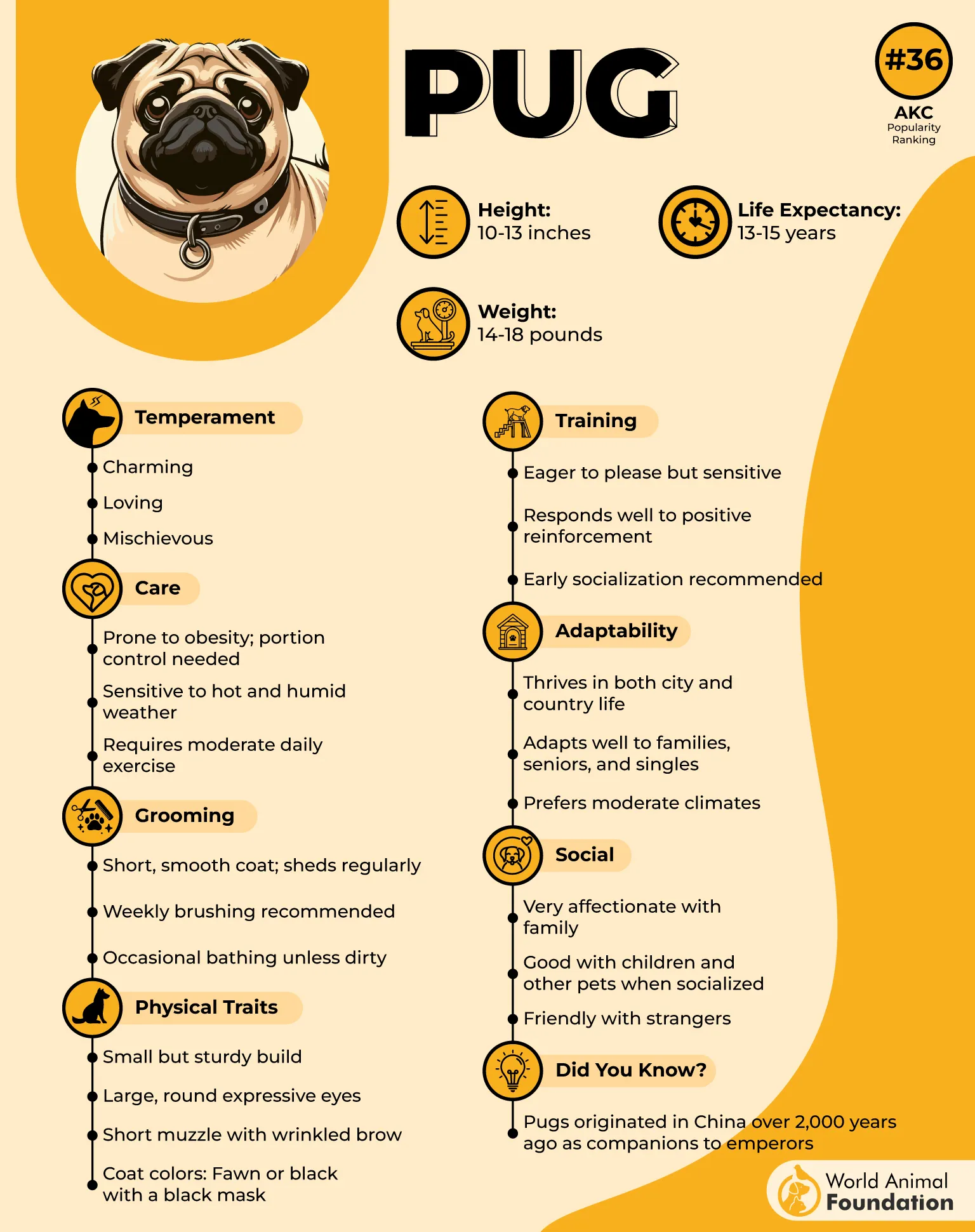
Exercise should usually involve several gentle activities rather than intense athletic challenges. Short walks, indoor games, food puzzles, and safe backyard obstacle courses can keep a Pug moving without expecting it to train like a working sheepdog.
Pugs have short muzzles, which can affect breathing and make temperature regulation difficult during hot or humid conditions. Outdoor activity should occur during cooler periods, with water, shade, rest breaks, and immediate attention to signs of distress.
5. Havanese
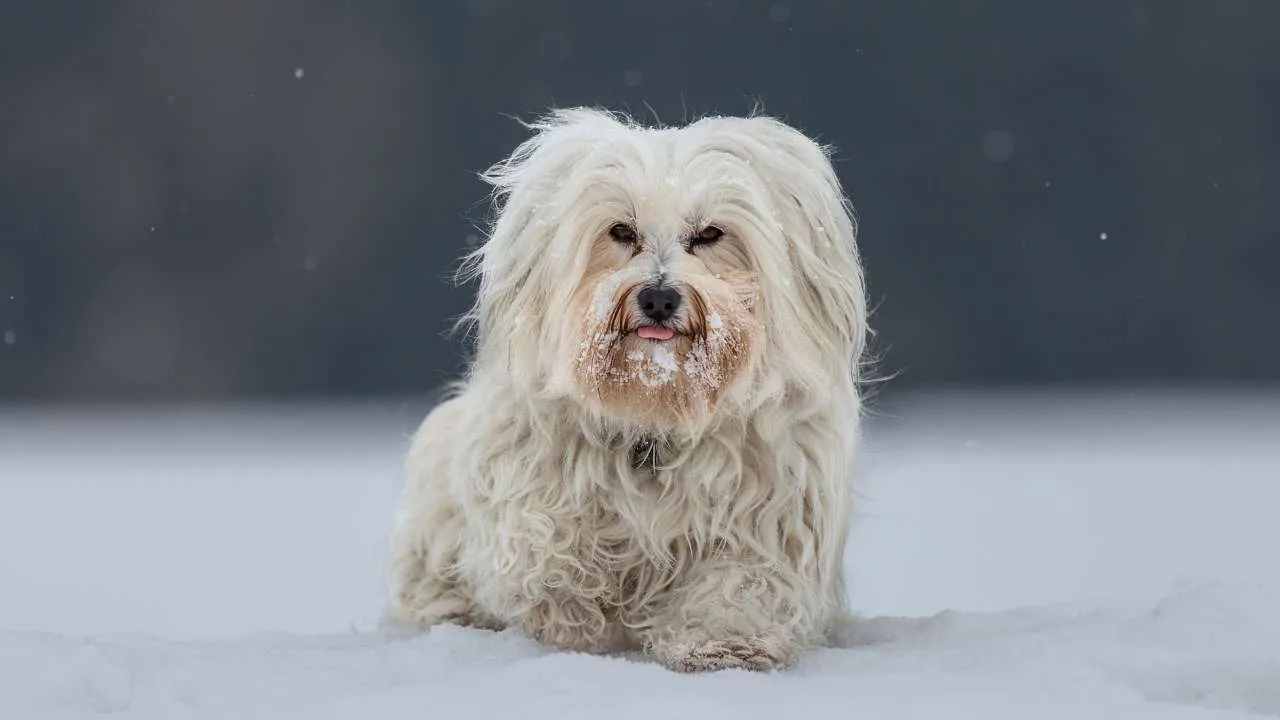
The Havanese is Cuba’s only native dog breed and has the cheerful, sociable personality of a host who wants everyone to stay for dessert. These silky companions were developed primarily to live alongside people, and their springy movement often makes them look as happy as they behave.
PetMD notes that these energetic dogs generally enjoy families, friendly pets, visitors, and respectful children when properly socialized. They are playful without needing vast amounts of land, making them adaptable to apartments and houses alike.
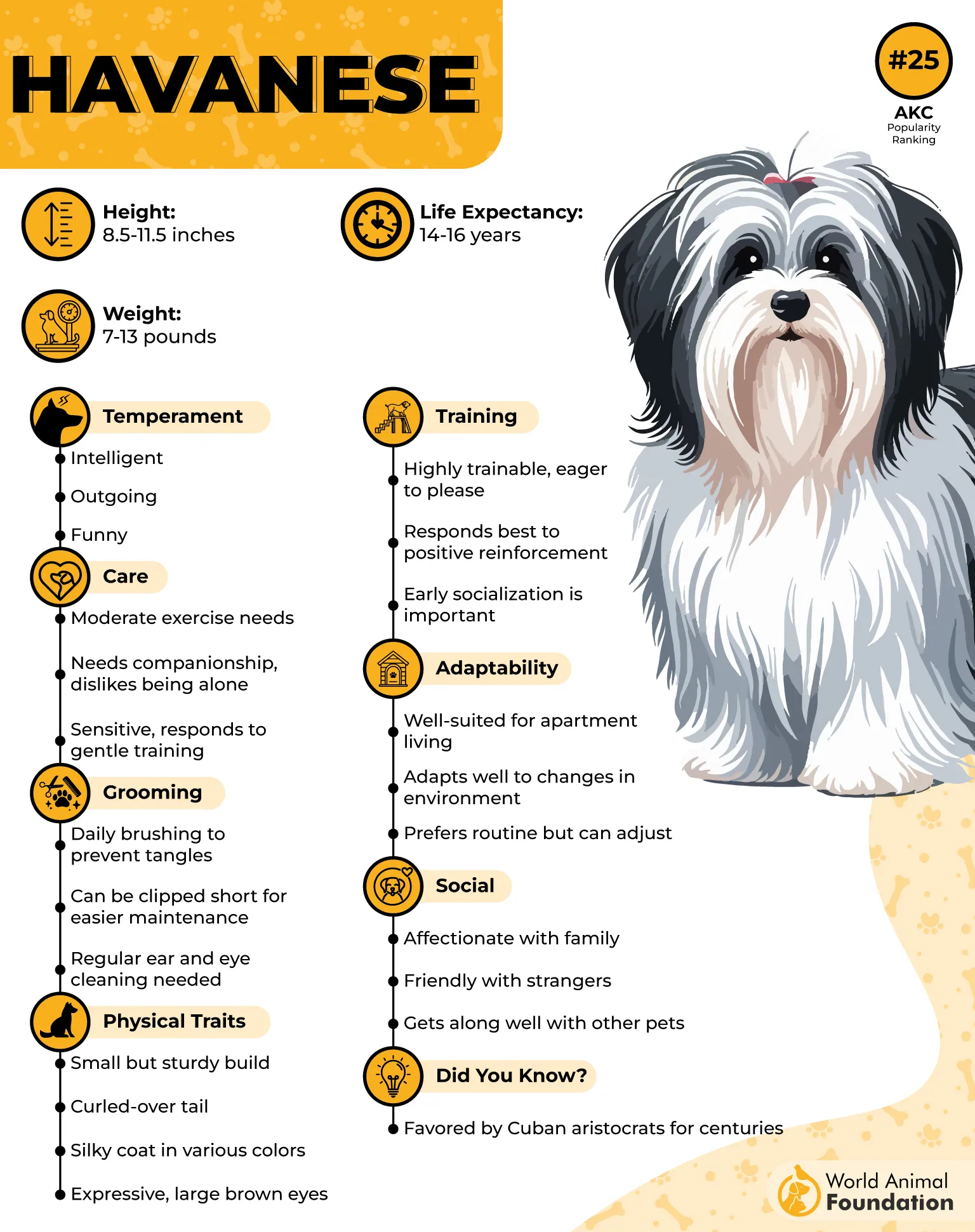
Training is often enjoyable because Havanese tend to like tricks, attention, and interactive games. Many excel when lessons involve praise, treats, movement, and opportunities to entertain their audience, which explains their historical appeal as charming performers.
The long coat needs consistent grooming to prevent knots and matting, particularly in high-friction areas behind the ears and around the legs. A shorter trim can reduce daily work, but brushing, bathing, nail care, ear checks, and dental hygiene remain part of the package.
6. Japanese Chin
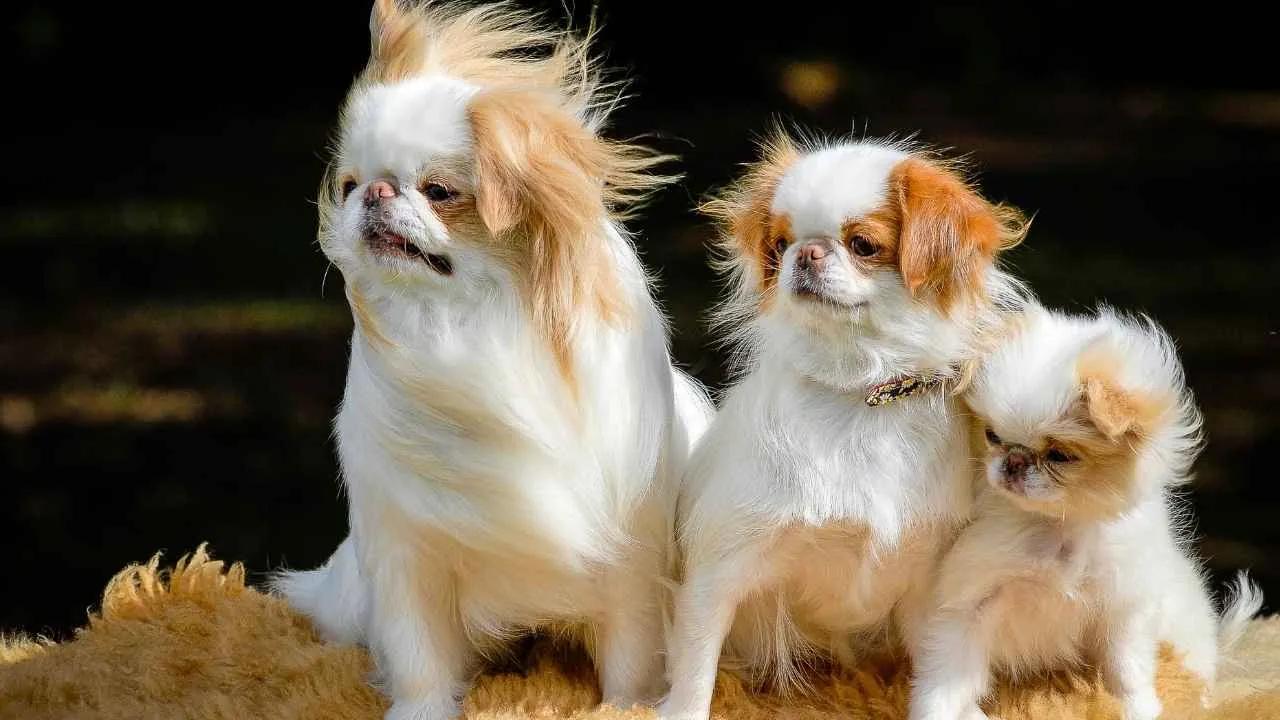
The Japanese Chin has the refined appearance of a palace companion and the independent operating system of a cat. The breed is often described as charming, loving, noble, graceful, and generally quiet, which is basically aristocratic energy without the inconvenient estate taxes.
They do not normally require enormous amounts of exercise, but daily activity helps maintain a healthy weight and gives their curious minds fresh material. Off-leash freedom is risky outside secure spaces because an independent Chin may interpret recall as the opening round of a negotiation.
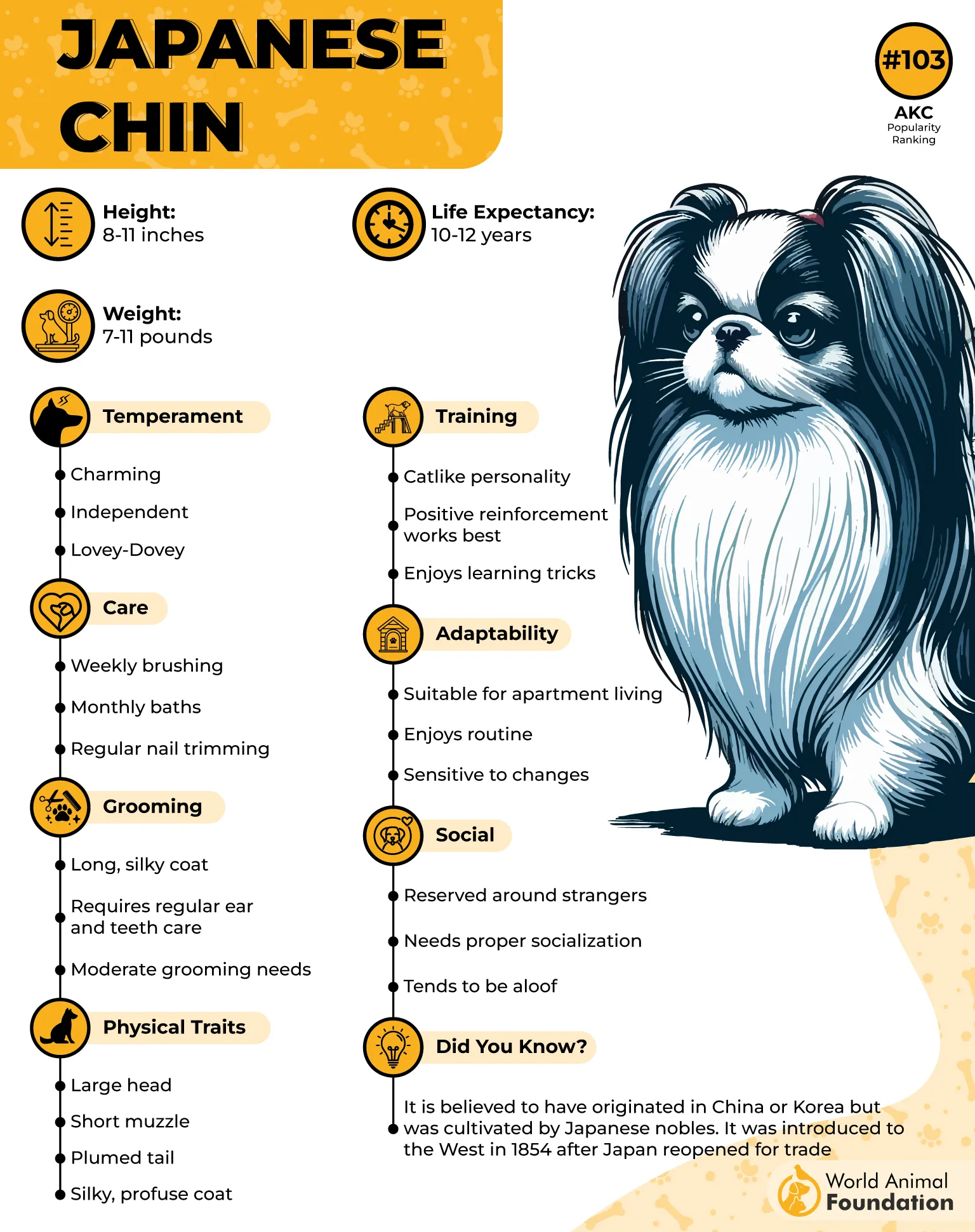
The short muzzle places Japanese Chins among brachycephalic breeds, so hot weather and strenuous exertion demand caution. Ventilation, fresh water, cool indoor conditions, and carefully timed walks can help reduce the risk of heat-related illness.
These cute dogs are affectionate with familiar people but may initially appear reserved in new situations. Early socialization between puppyhood and adolescence helps them build confidence around visitors, other dogs, sounds, handling, and unfamiliar environments, while interactions with children require supervision because of the breed’s delicate size.
7. Pomeranian
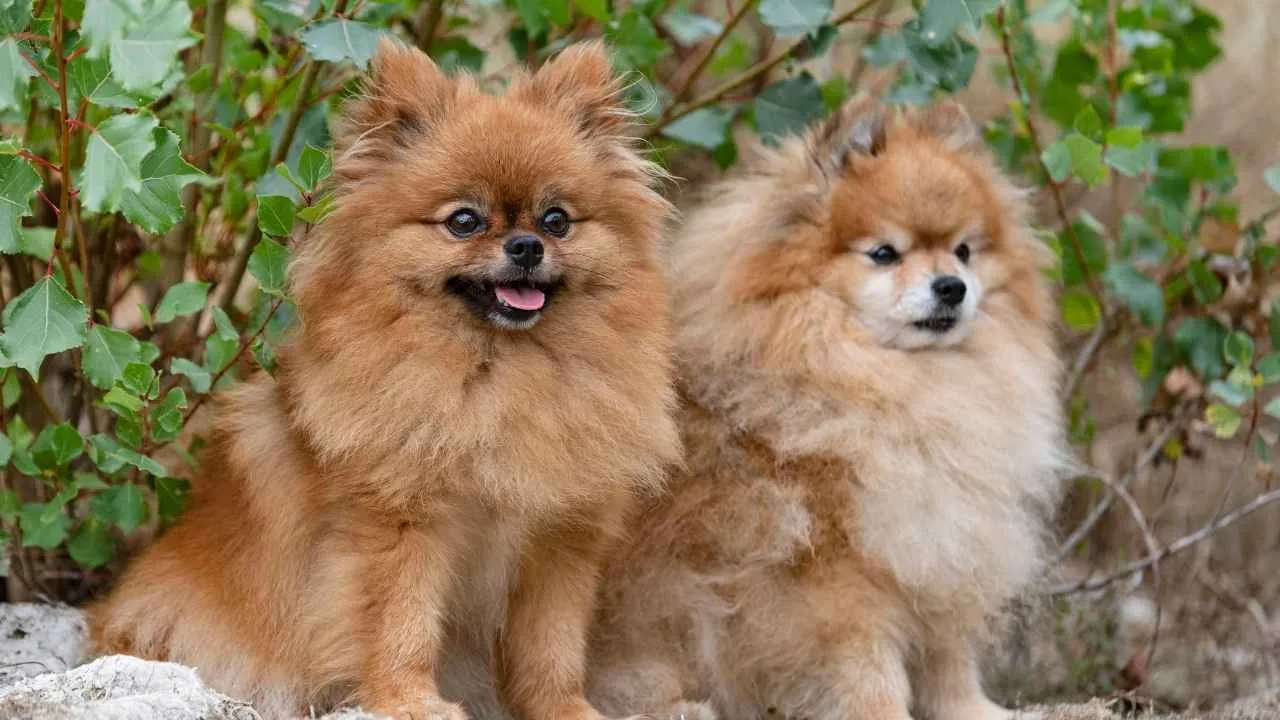
The Pomeranian is a tiny spitz wrapped in enough fluff to look substantially larger than reality. They are known for lively curiosity, affection, intelligence, and a foxy expression that suggests they already know who opened the snack cupboard.
These small dogs thrive on attention and often enjoy being involved in every available family activity. They can live with other pets and sensible older children when properly introduced, but their delicate bodies are vulnerable during rough handling or uncontrolled play.
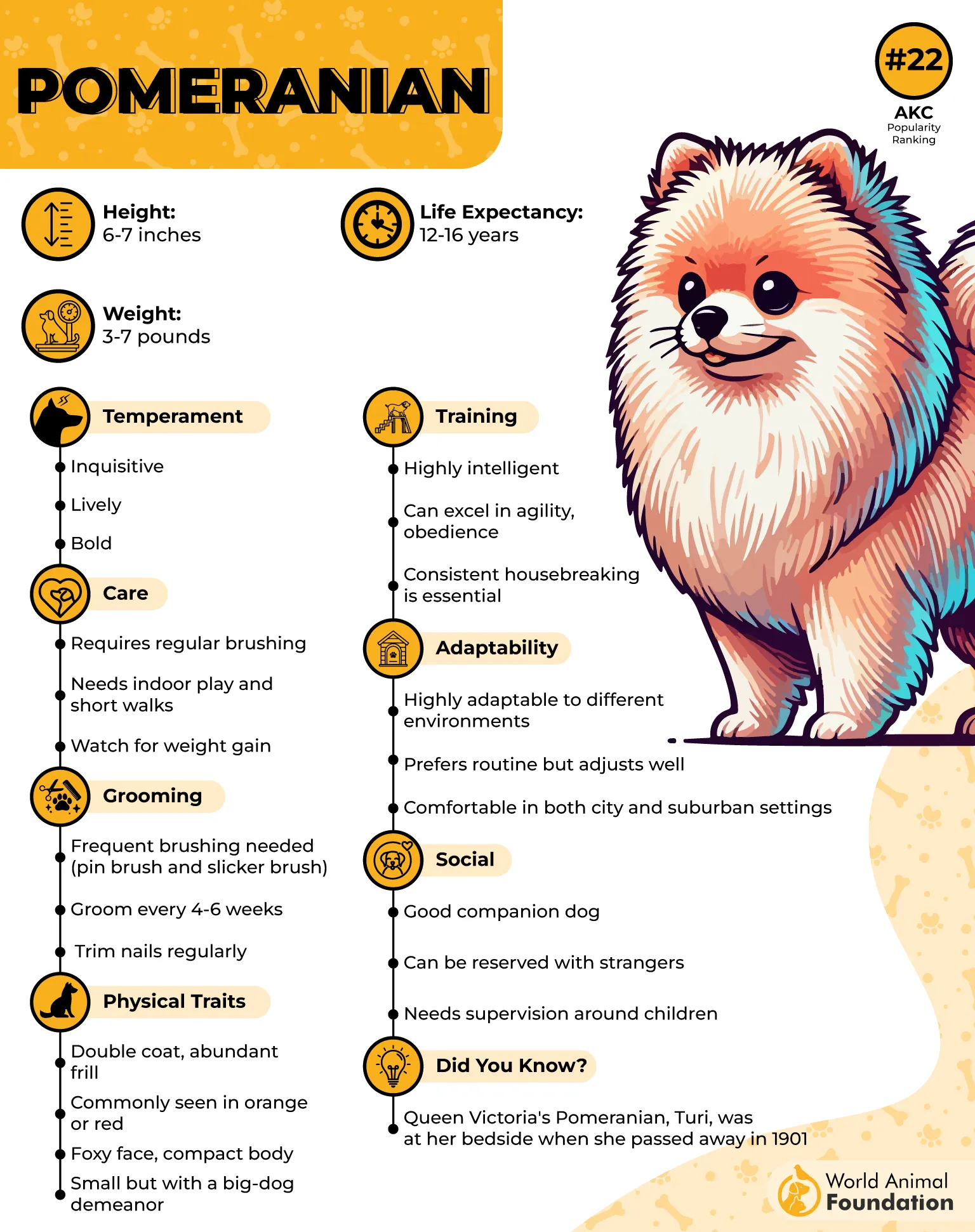
Daily exercise can include several short walks, indoor games, trick training, and supervised play rather than long endurance sessions. Poms are intelligent enough to enjoy obedience, puzzles, and performance-style activities, but their independent streak may surface when rewards are boring.
The Kennel Club states that alert barking is common because Pomeranians tend to notice unfamiliar sounds and announce them enthusiastically. Teaching a quiet cue, rewarding calm behavior, limiting nonstop window patrol, and providing mental stimulation can prevent useful alertness from becoming a twenty-four-hour news channel.
Conclusion
Toy dogs may be physically small, but the relationship they form with their families can be enormous. Give them patient training, safe adventures, quality health care, respectful handling, and plenty of genuine companionship. In return, they can transform the quietest home into a place filled with comedy, comfort, loyalty, and suspiciously little personal space.
