




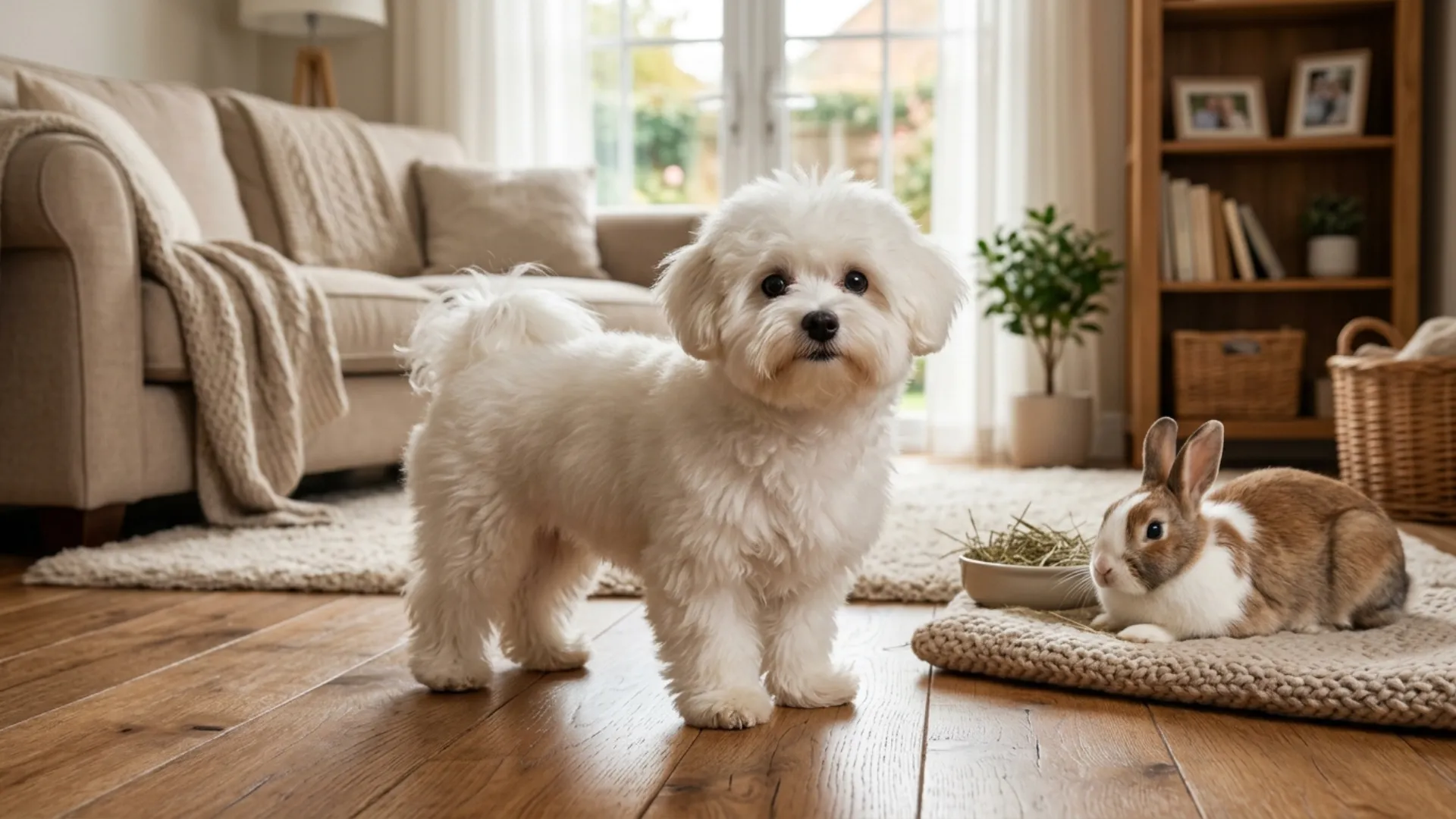
A dog that calmly watches a squirrel run past instead of immediately launching into pursuit can be a dream companion for many owners. If you share your home with cats, smaller pets or simply prefer a less chase-oriented dog, low prey drive breeds may deserve your attention.
Prey drive refers to a dog’s urge to notice, pursue, and sometimes capture smaller moving animals, but this instinct varies significantly between breeds and individual dogs. Some are naturally more relaxed around small creatures, making them potentially easier to manage in certain households.
Even a generally gentle dog may react to sudden movements or unfamiliar animals. By choosing thoughtfully and introducing pets carefully, pet parents can improve the chances of creating a peaceful and harmonious home where every companion feels comfortable and secure.
Best Dog Breeds for Owners Seeking Low Prey Drive
1. Cavalier King Charles Spaniel

Bred to be companion dogs, Cavaliers served their companionship to British Royalty for many years. Cavalier King Charles Spaniels are no doubt wonderful family dogs. They have moderate to low prey drive and enjoy games involving chase and may run after pet birds.
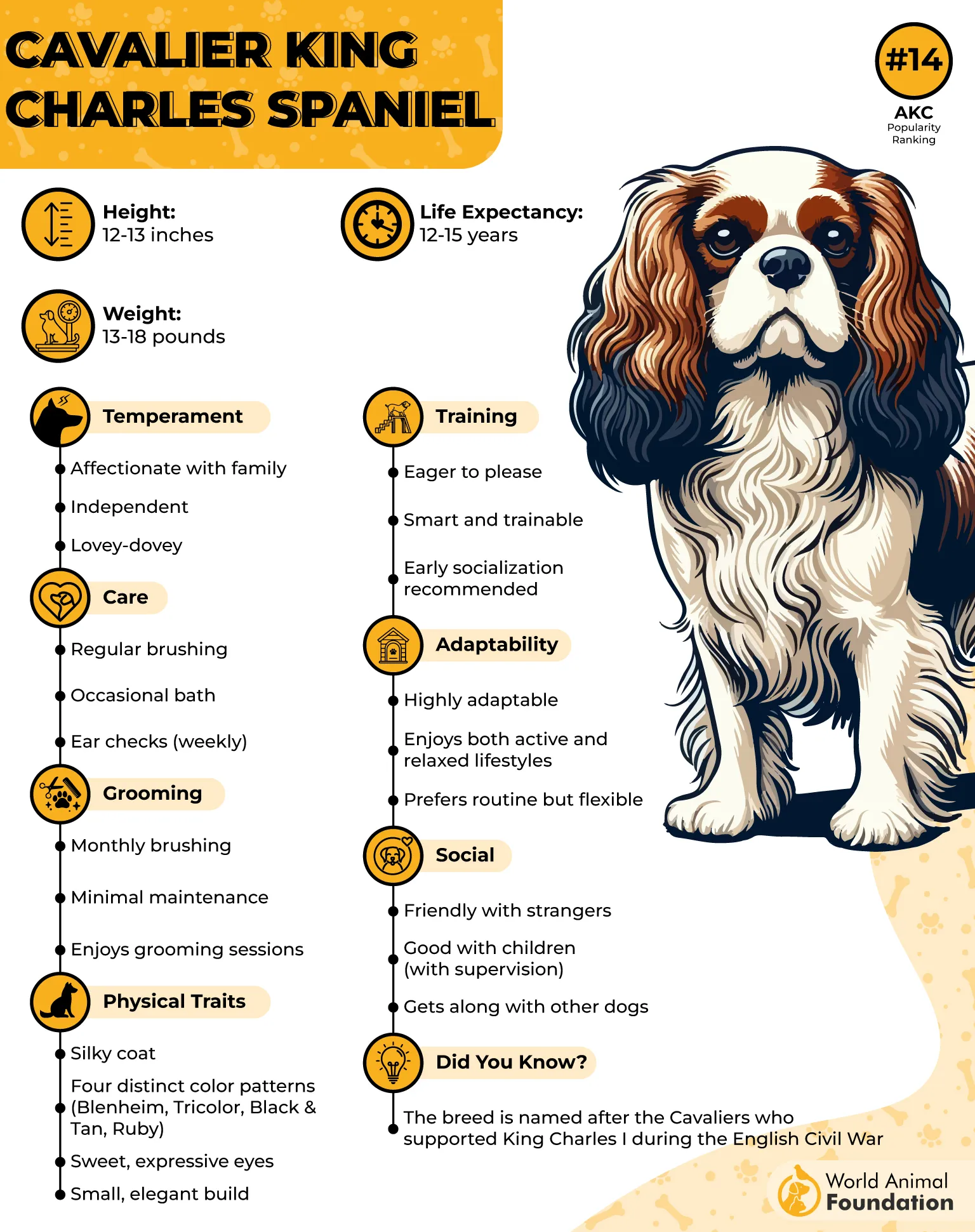
These dogs are also famous for their affectionate personalities and portable sizes. They make excellent choices for people of all ages, from young ones to seniors alike. They are not overly demanding dogs and love spending time lounging with their humans.
Cavalier King Charles Spaniels have moderate exercise needs that include short walks and plenty of mental stimulation. To keep the neighbor furry friends safe and the gardens secured, do not leave them off leash when you are going for a walk to the park.
2. Bolognese
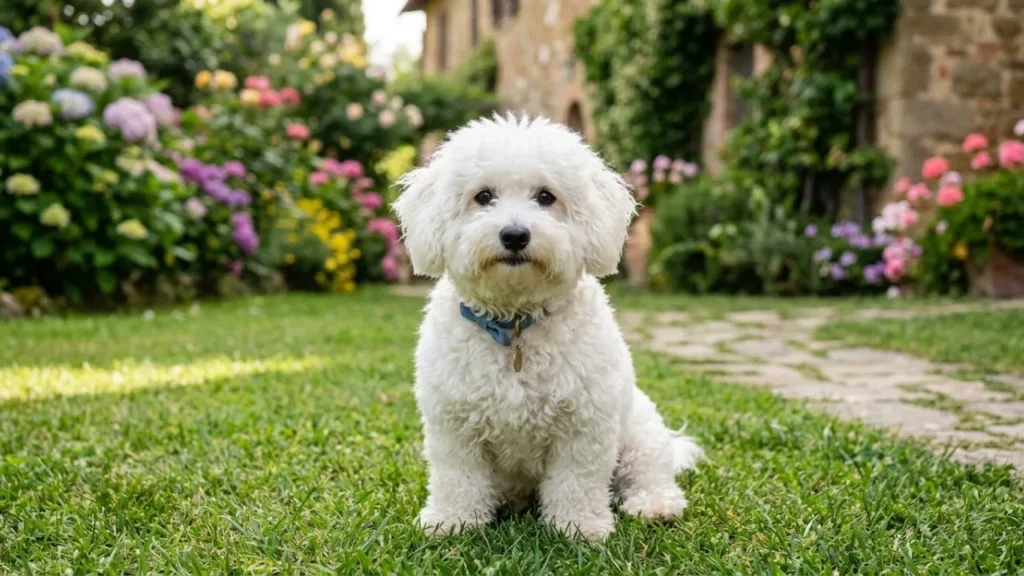
These small white dogs do not have any urge to chase after other animals like cats and rabbits. They make remarkable family pets for a variety of households, thanks to their friendly, loving, and gentle nature. Bolognese have a rich history as companions and are enlisted among the low prey drive dogs.
They are intelligent and highly trainable dogs and thus are considered a perfect fit for people who are new to the canine world. Bolognese are adaptable in multi-pet households and get along well with other pets under the same roof, provided with early socialization.
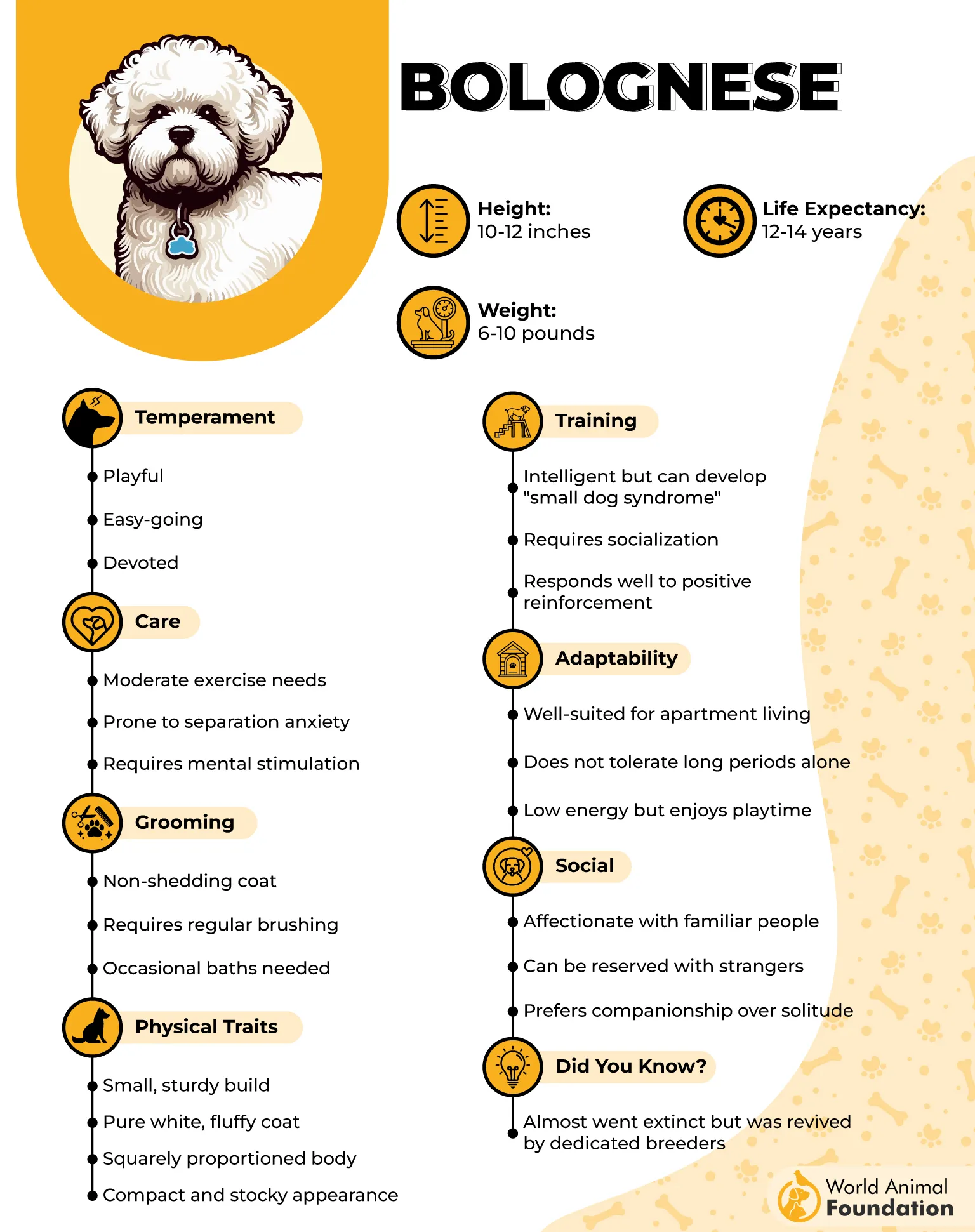
They do not require any extensive physical exercise, and are happy being snuggled with their favorites and playing indoors with them. They tend to look cute with their teddy bear-like looks. The white coat of Bolognese does not shed like other dogs, and they make a great choice for allergy sufferers.
3. Bulldog
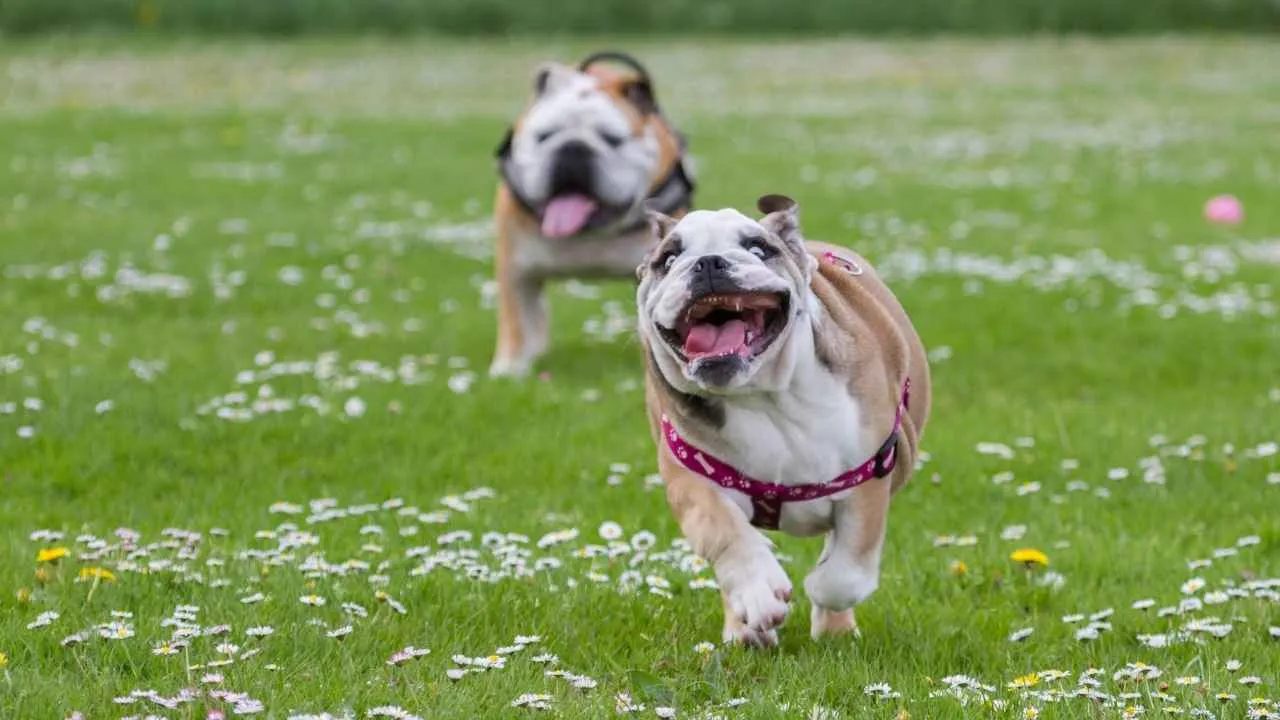
Also called English Bulldogs, these canines were developed from Asian Mastiff-type dog breeds for bull baiting. Today, they are lovable, friendly, and patient companions, and all credit goes to the breeder who worked on these traits. As low-prey-drive dogs, they generally remain peaceful with other pets.
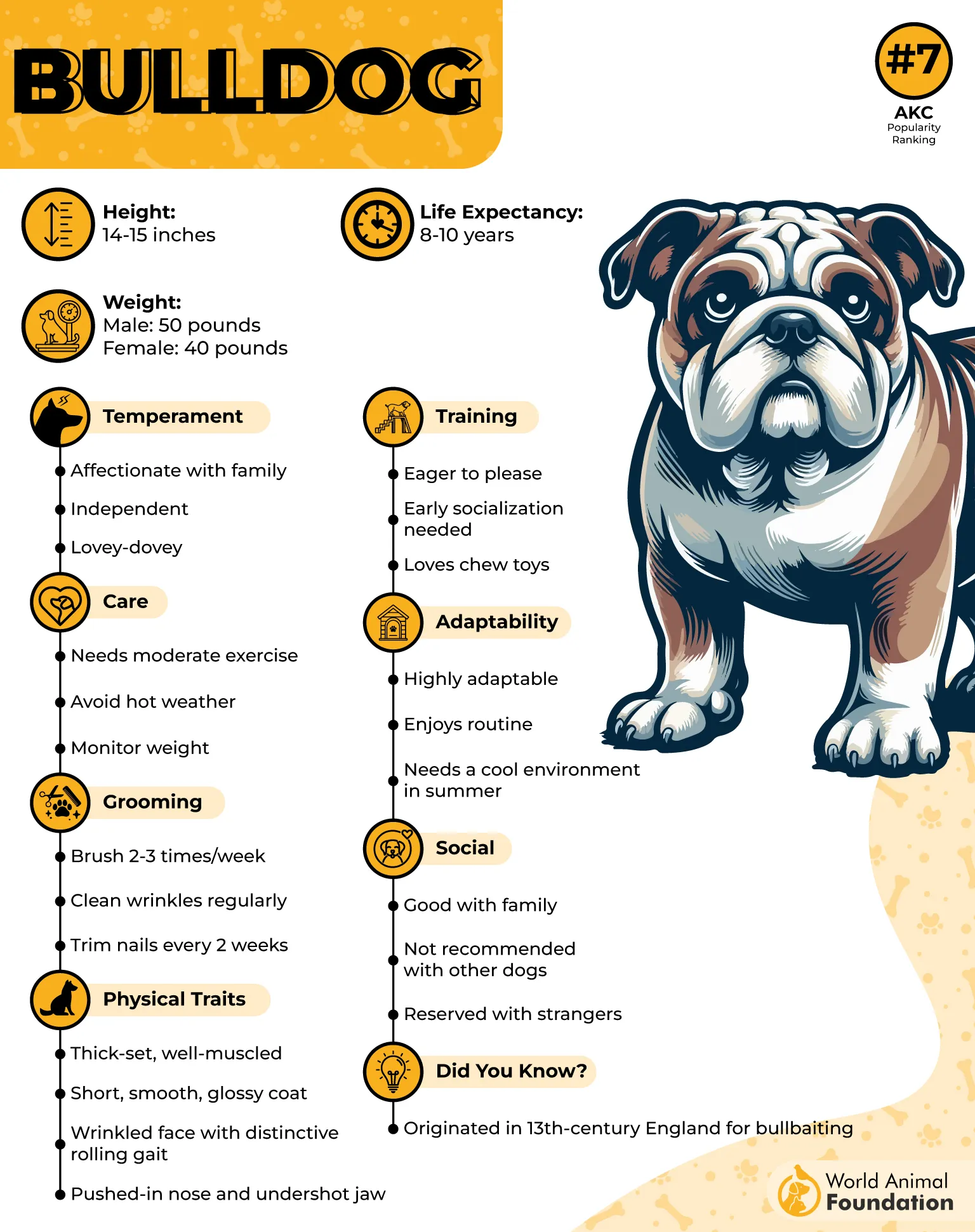
English Bulldogs get along well with children and have lots of patience and a high tolerance level against pain. Early socialization plays a crucial role in their personalities to behave well as adults in front of other people, animals, and different sounds. They are calm dogs and prefer living indoors.
They are also known for having a stubborn streak and strength, which means obedience training coupled with positive reinforcement methods is important. They are prone to wheezing, snoring, and snorting due to their short muzzles and flat faces.
4. Maltese
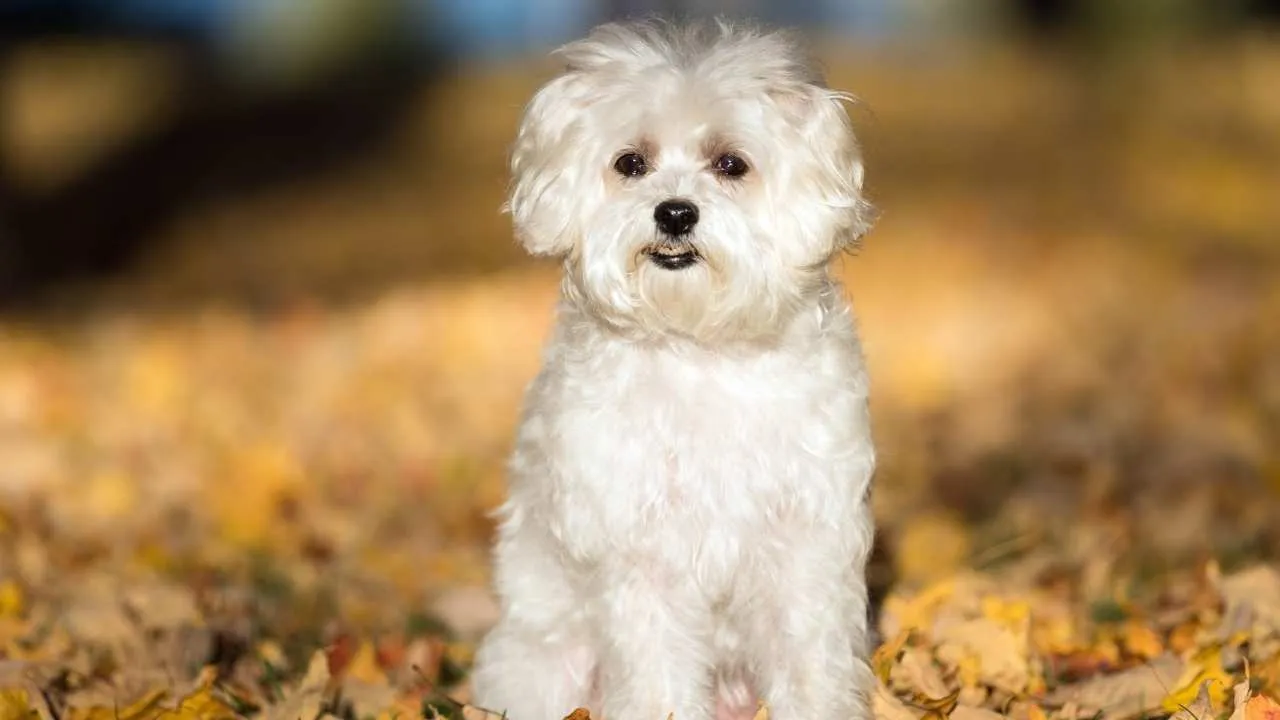
People know Maltese dogs for their stunning floor-length white coats and cheerful disposition. These small dogs with low prey drive tend to get along well with kids and cats. However, they still need early introduction to remain calm when they see other small animals with swift movements like birds and squirrels.
Maltese do not have significant needs when it comes to their physical stimulation. They are satisfied with short walks and playing in yards or even in small spaces, as long as they are provided with quality time with their humans and lots of cuddling sessions with them.
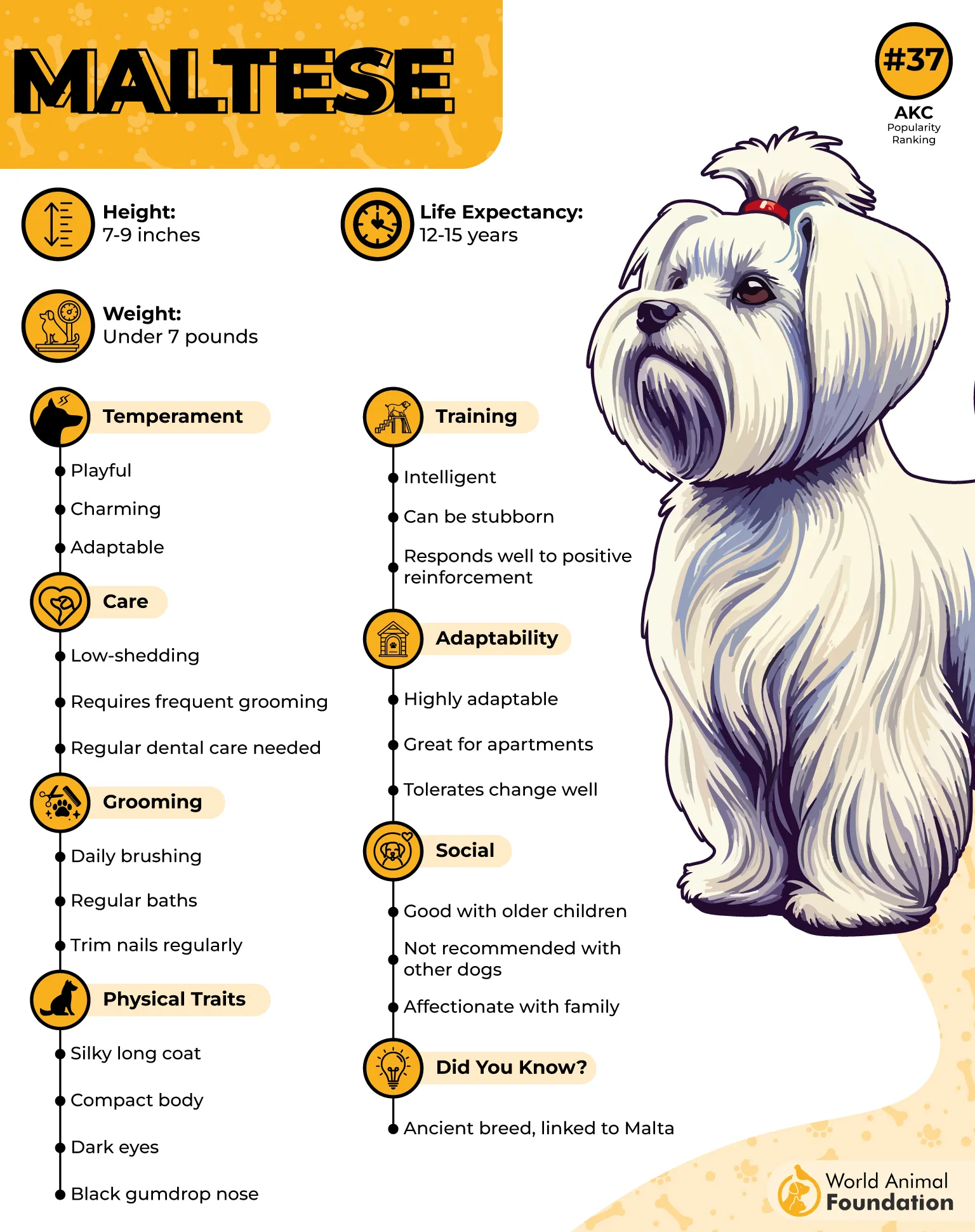
Since these dogs thrive on companionship, leaving them alone for a longer time will develop separation anxiety in them. According to PetMD, Malteses are smart pooches that learn things quickly and enjoy pleasing their owners.
5. Pug
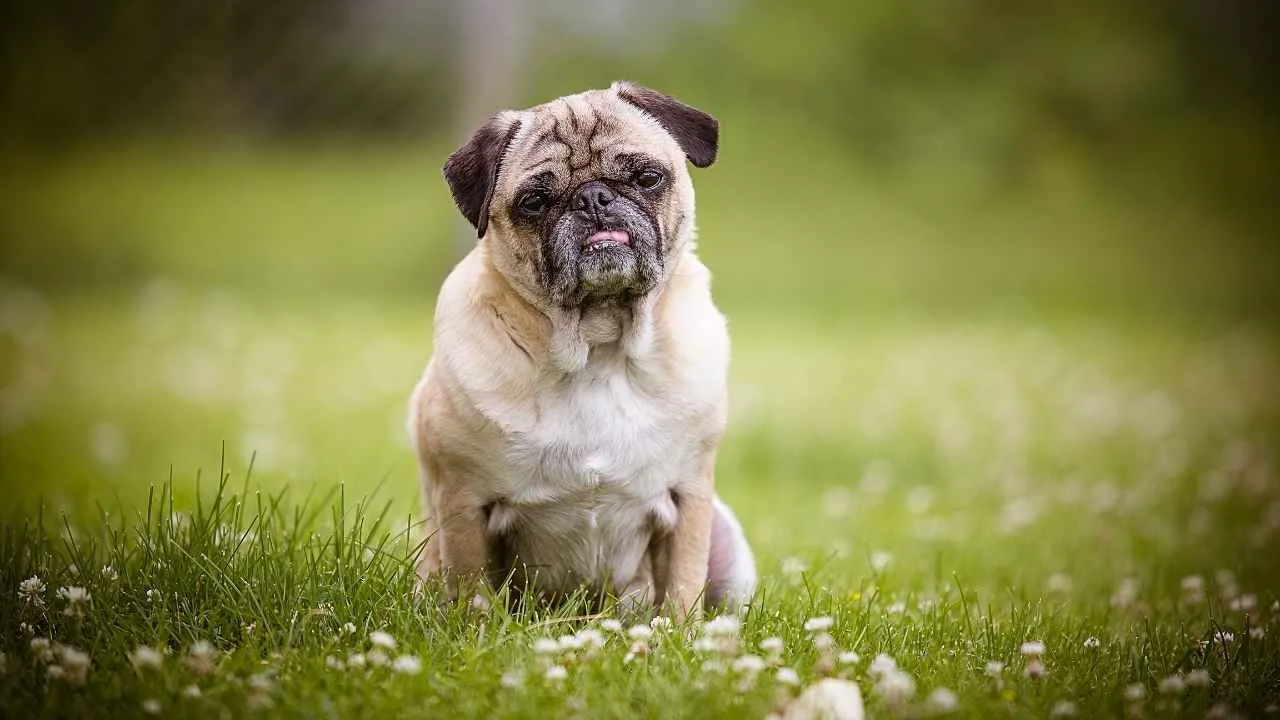
A lot in a small package; Pugs are mischievous, entertaining, and compact dogs with an affectionate nature. Moreover, these small dogs do not have a strong prey drive, which means with proper socialization they show gentleness towards other animals of neighbors as well as other pets at home.
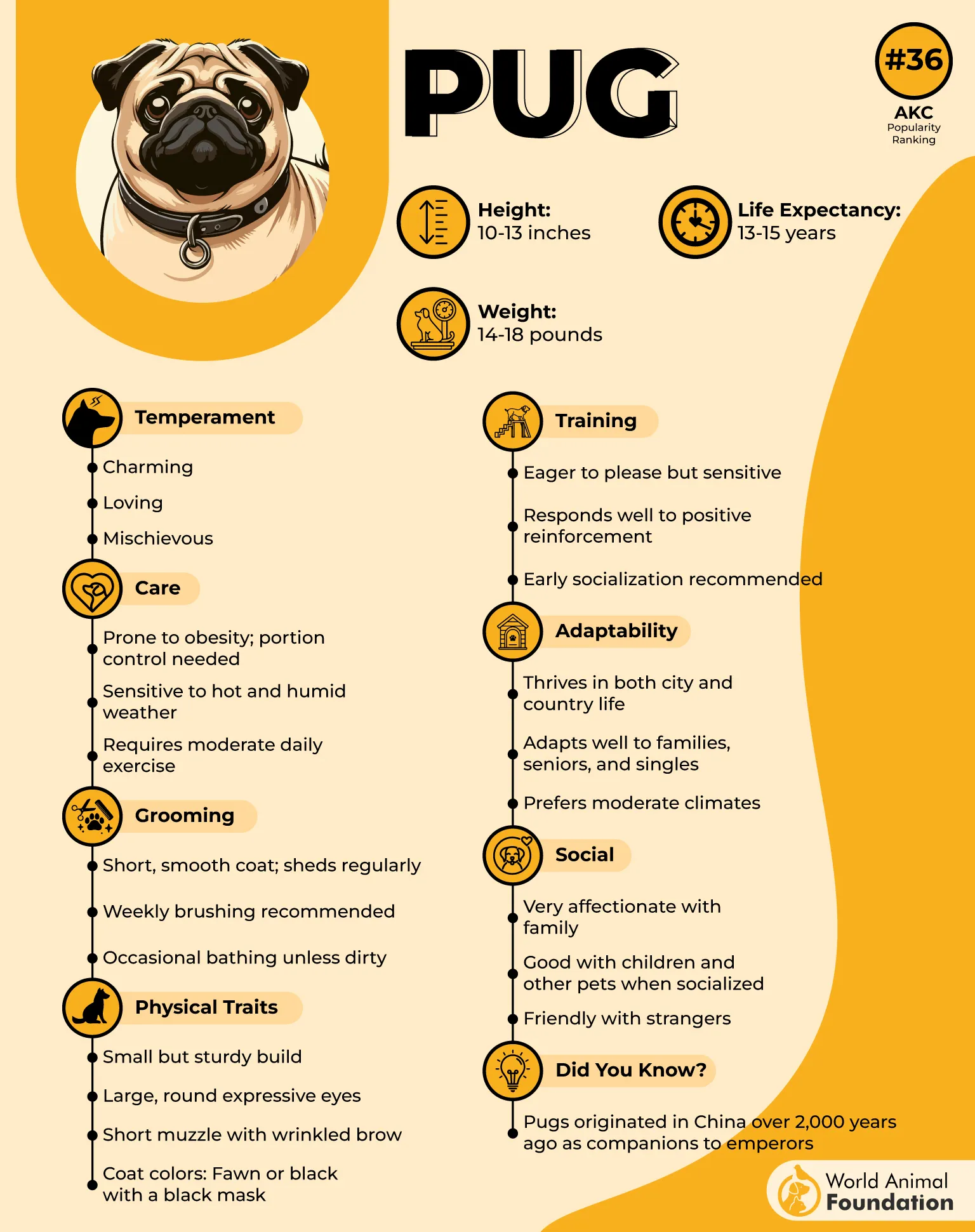
They are amiable and rarely show any strong urge to chase after animals. These shadow dogs love following their owners from room to room and enjoy spending time with them. They are highly adaptable and thrive in various living environments from big homes to small spaces.
Whether it’s their exercise or grooming requirements, Pugs are enlisted as low-maintenance pets and are well suited for laid-back households. Though they are intelligent, due to their independent nature, they learn commands at their own speed, says Orvis. Reward-based methods work well in this regard.
6. Japanese Chin
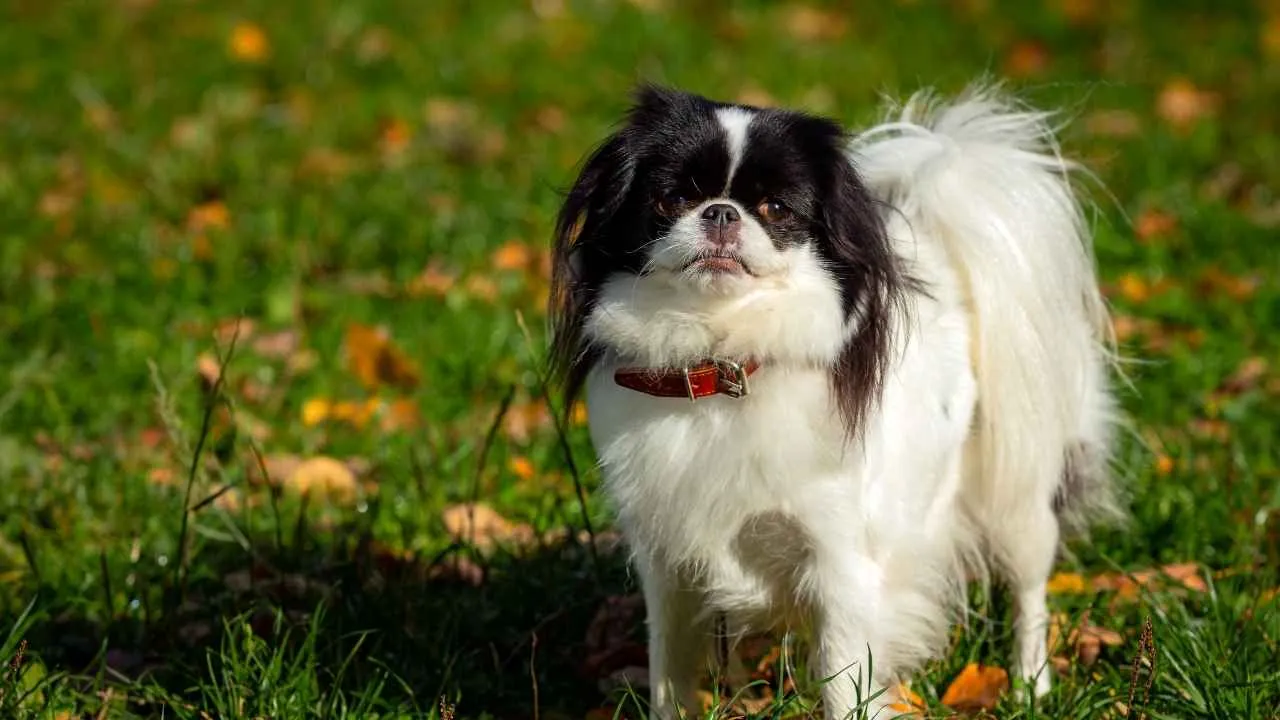
Japanese Chins are intelligent and bright dogs with pint-sized bodies and silky fur. They were originally bred as companions for Japanese royalty and aristocracy. Though they have cat-like personalities with a curious disposition, these dogs do not have a potential prey drive and are not actively interested in chasing.
They make great dogs for a variety of families, thanks to their flexible and less demanding attitude. Japanese Chins are naturally clean and groom themselves on their own, according to Hill’s Pet. They thrive in learning new tricks and do not mind being left alone for some time.
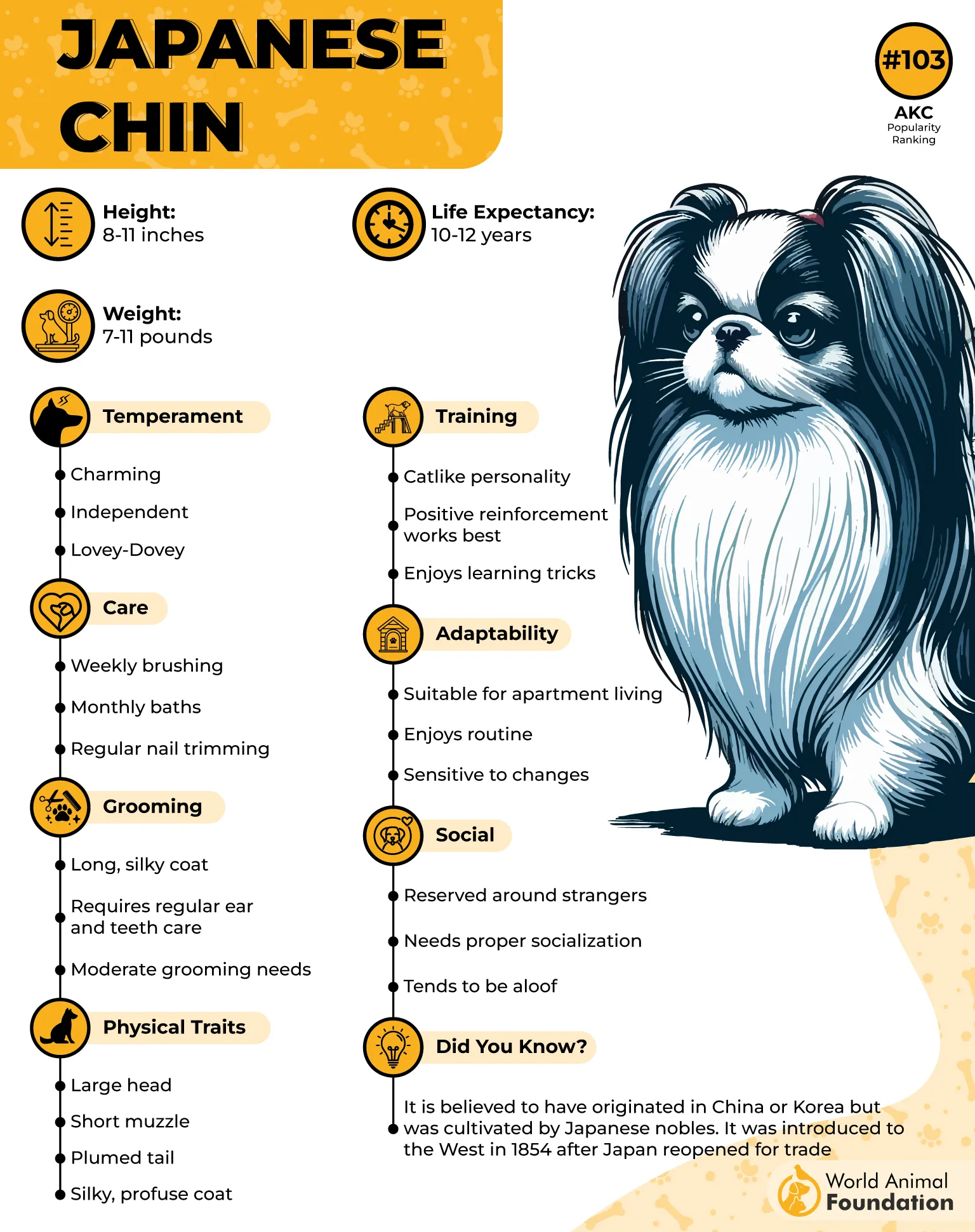
Japanese Chins are not vocal dogs, yet they are alert enough to inform their family members of anything unusual happening around. If they receive proper training and socialization as puppies, they interact well with animals. Owing to their tiny size, their interaction with small children should be observed closely.
7. Bichon Frise
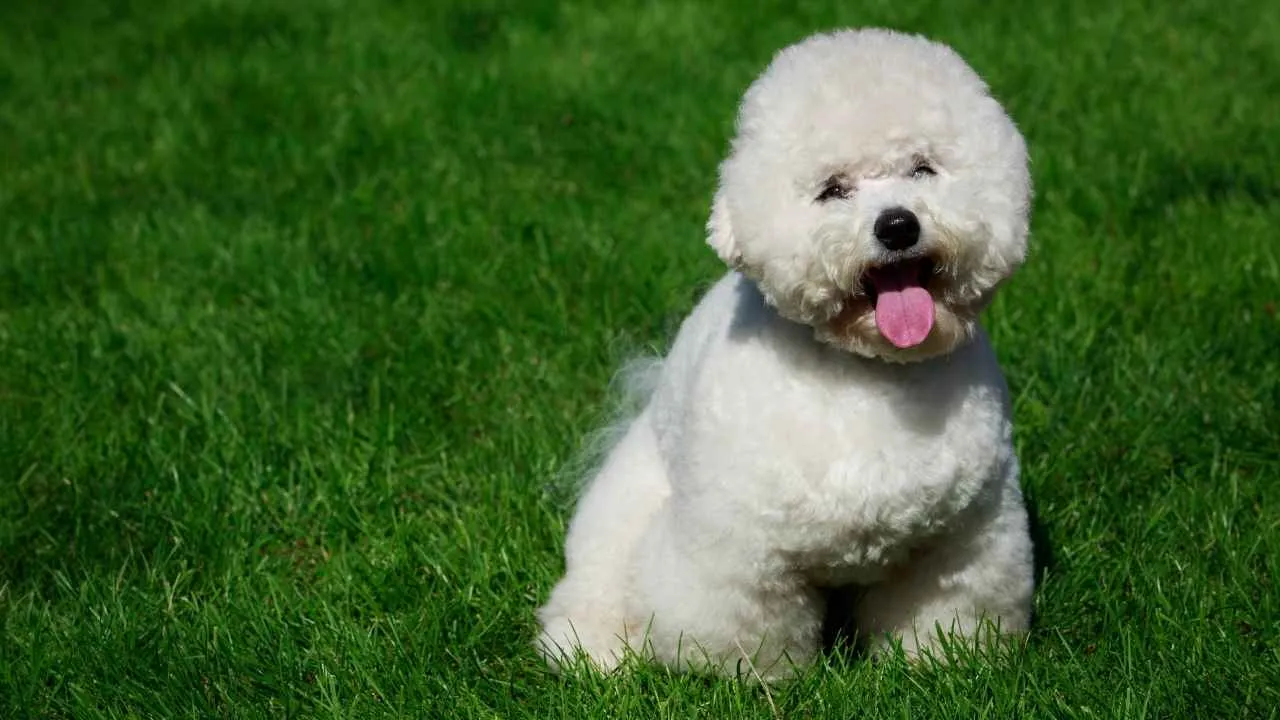
Owing to their ranking among low prey drive dog breeds, Bichon Frises live comfortably with other pets, including cats. These gentle and loving dogs also make ideal buddies for kids; no matter what age group they belong to, meanwhile, as pups they must be introduced to different people to behave well.
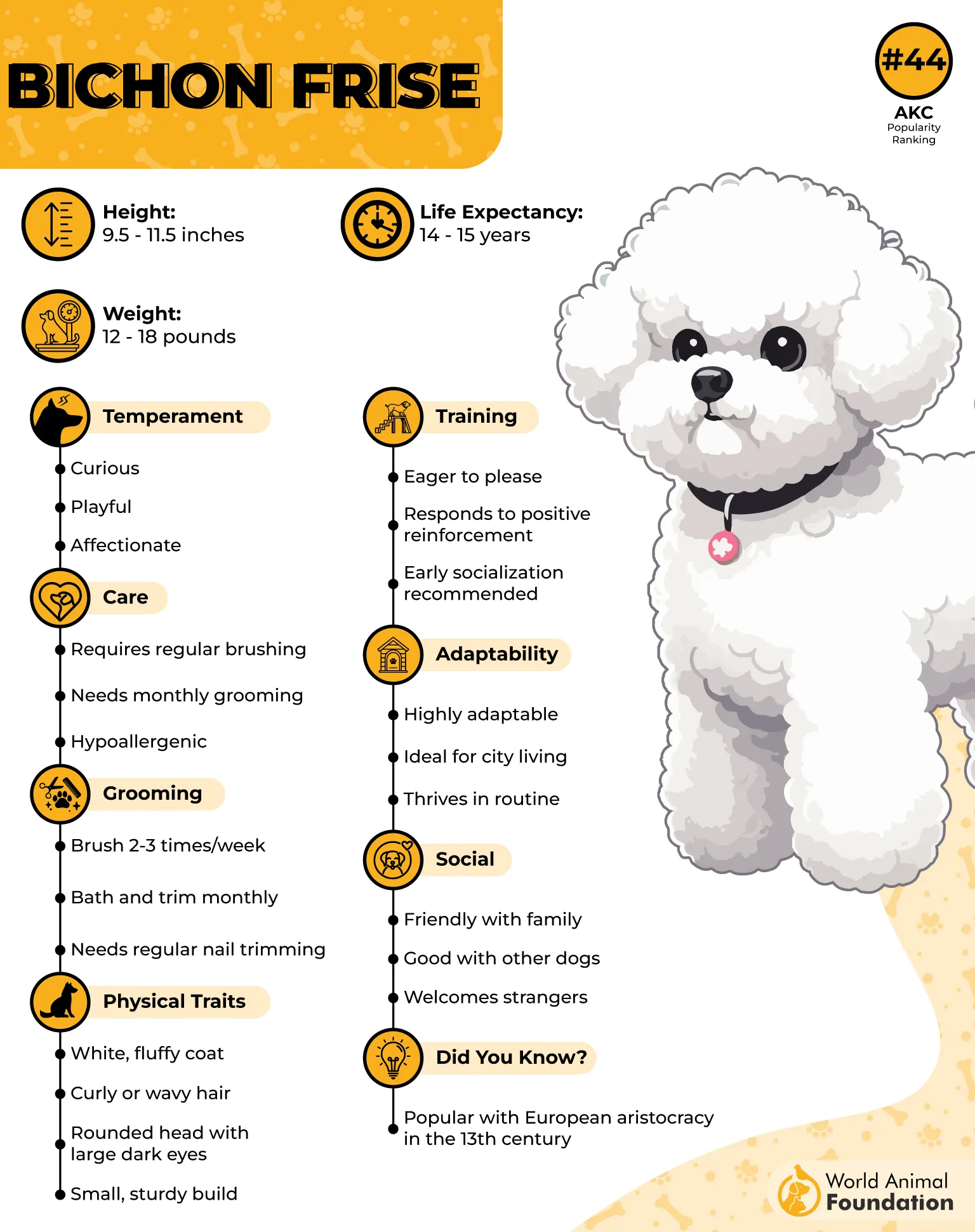
Though they do not have a high prey drive, caution should be taken if you have guinea pigs, rabbits, or squirrels at home. Bichon Frises love being the limelight of family gatherings and activities, which shows their closeness, flexibility, and sociable nature.
As long as they have companionship of their favorites, they adapt to routines well and are one of the best choices for first-time pet parents. They shed the least, but it does not mean they have the least grooming needs. Regular brushing, baths, and visits to professional groomers are vital for keeping their looks at their best.
Conclusion
A low prey drive dog breed can be a valuable trait for pet parents seeking a dog that is less focused on chasing small animals. Whether you want a relaxed family companion or a breed that can coexist more comfortably with other pets, understanding instincts can help guide your decision.
