




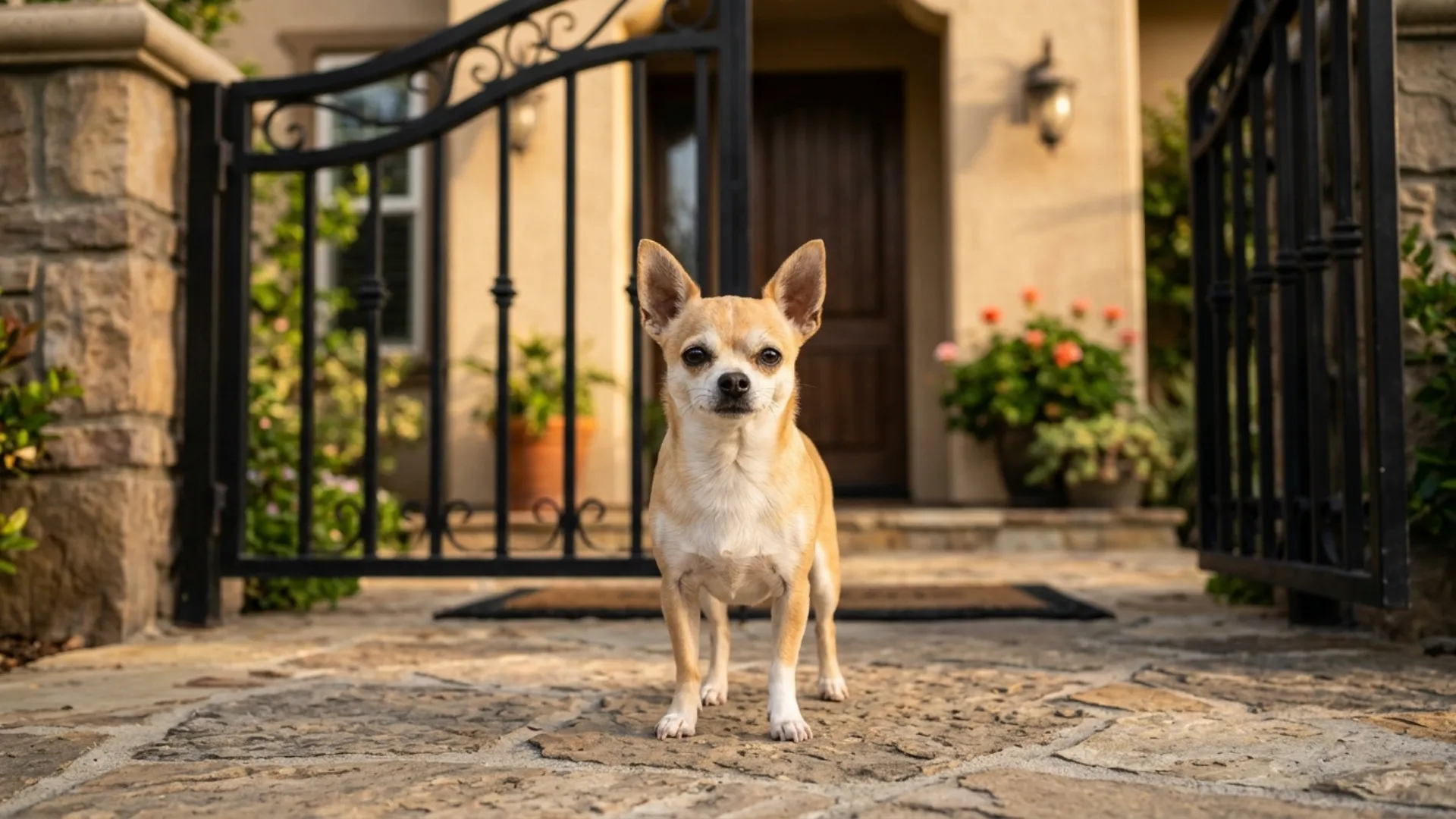
A guard dog does not always need giant paws, a booming chest, or the ability to make the delivery driver reconsider their career. Some of the sharpest household watchdogs arrive in tiny packages, complete with excellent hearing, intense family loyalty, and enough confidence to challenge a suspicious recycling bin.
It is important to separate watchdogs from true protection dogs. Watchdogs alert their humans through barking, observation, and territorial awareness, while protection dogs are professionally trained to respond physically to genuine threats.
Let’s talk about the small guard dog breeds that really stay loyal with you!
Small Dog Breeds: Loyal, Alert, and Ready to Guard
1. Chihuahua
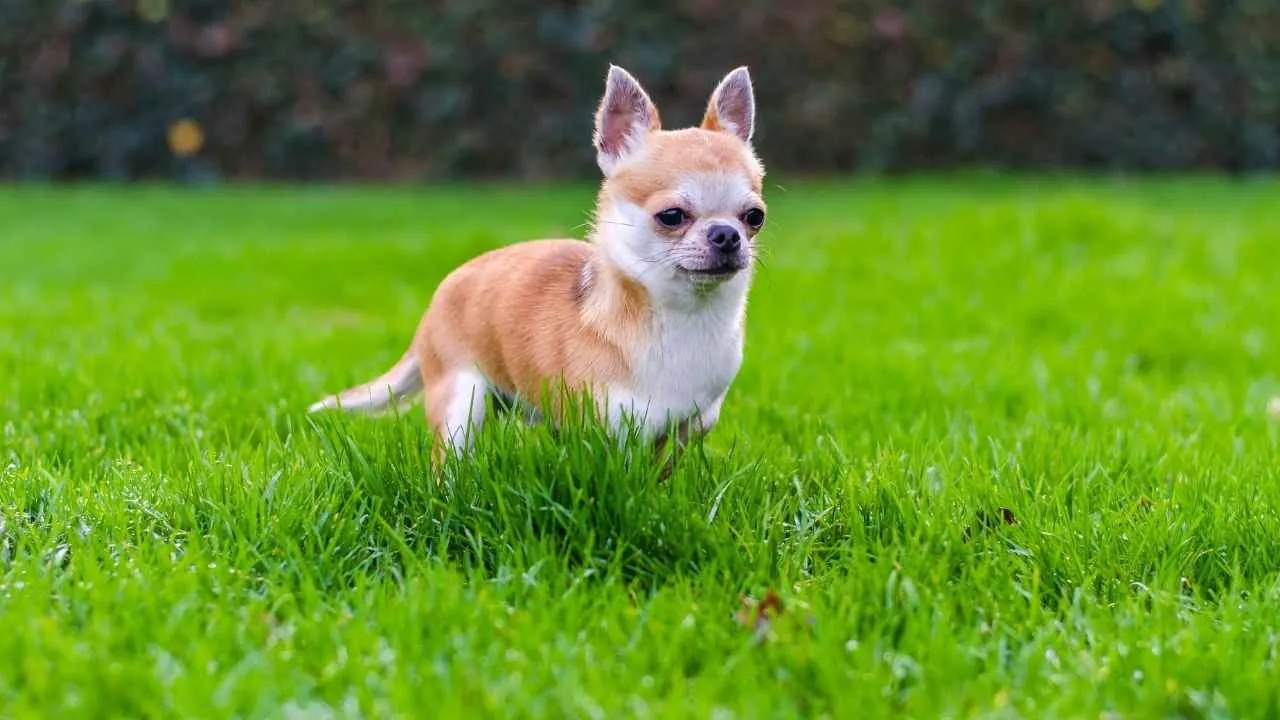
The Chihuahua may weigh no more than six pounds under the American Kennel Club standard, yet its self-image appears to be measured in metric tons. The American Kennel Club officially recognized the Chihuahua in 1904, although small dogs associated with the Mexican state of Chihuahua were known centuries earlier.
They often form exceptionally close bonds with one or more household members and prefer to remain near their chosen humans. Owners frequently describe them as shadows that follow people from room to room, monitor every movement in the household, and immediately notice unfamiliar visitors.
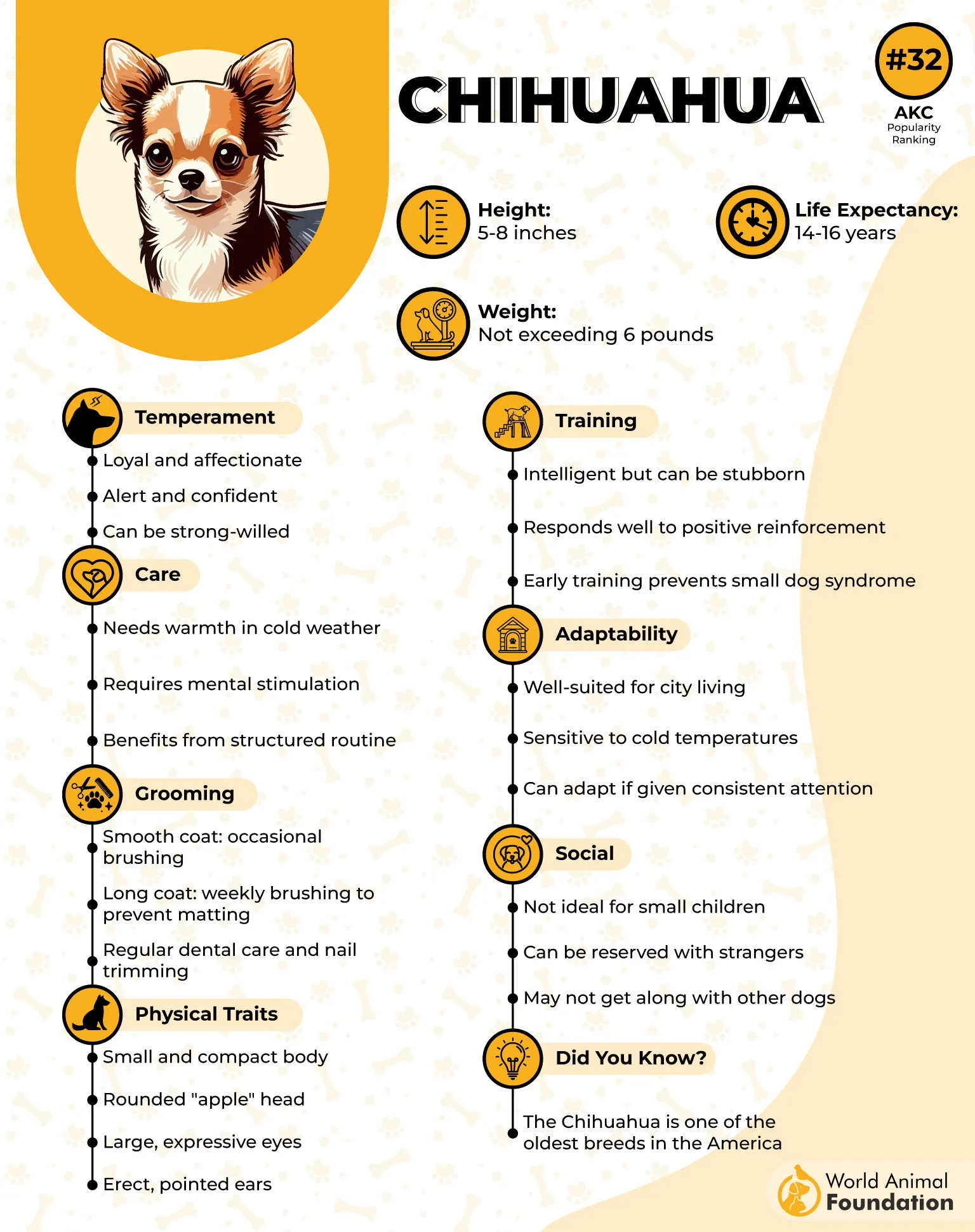
Their watchdog style is quick, vocal, and highly responsive to environmental changes. A knock, unfamiliar footsteps, a new animal, or a suspicious object can trigger enthusiastic barking because the Chihuahua often believes early notification is part of its full-time job description.
Chihuahuas can live successfully with respectful older children and compatible pets, but their delicate bodies require careful handling and constant adult supervision around young kids. They should never be carried everywhere simply because they are portable, as walking, sniffing, choosing, and safely interacting with the world are essential parts of being a real dog.
2. Miniature Pinscher
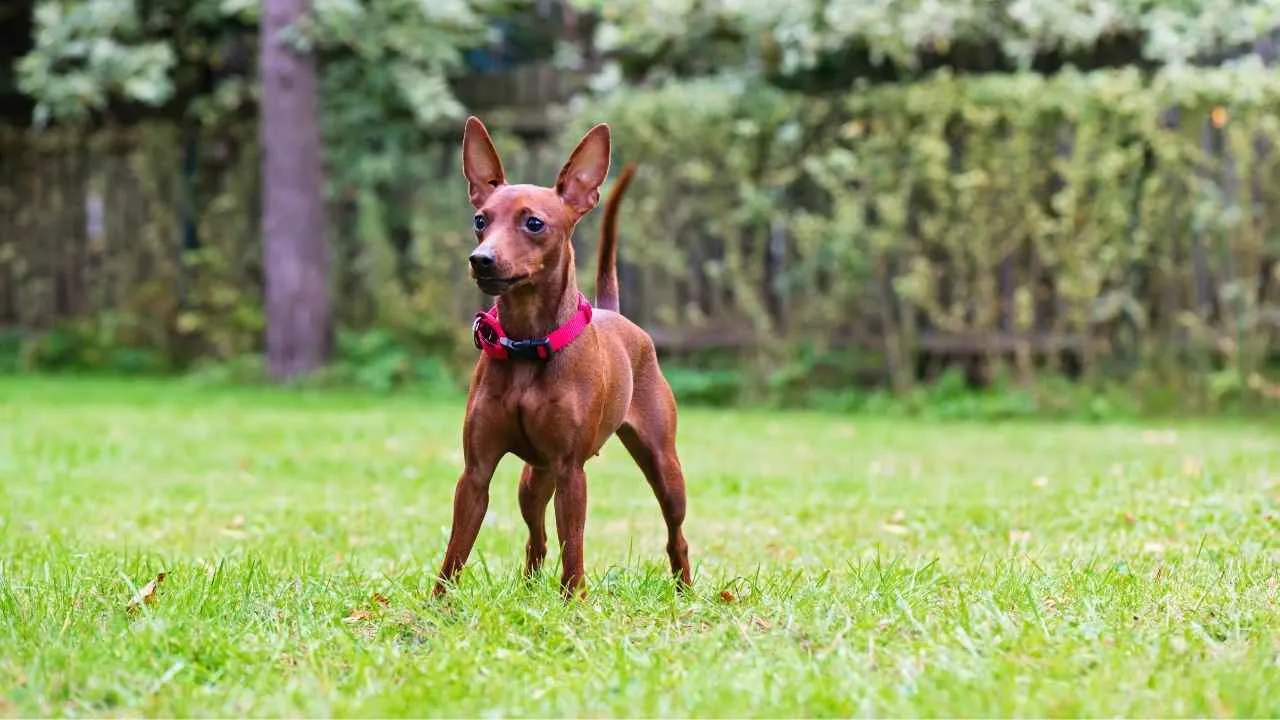
The Miniature Pinscher is often mistaken for a pocket-sized Doberman, but the breed has its own older history and distinct ancestry. Developed in Germany to control vermin around farms and barns, the Min Pin likely includes influences from Dachshunds,
These dogs are proud, fearless, energetic, and wonderfully convinced that every household decision should pass through their tiny management department. Their distinctive high-stepping gait only adds to the impression that they are entering every room to receive an award.
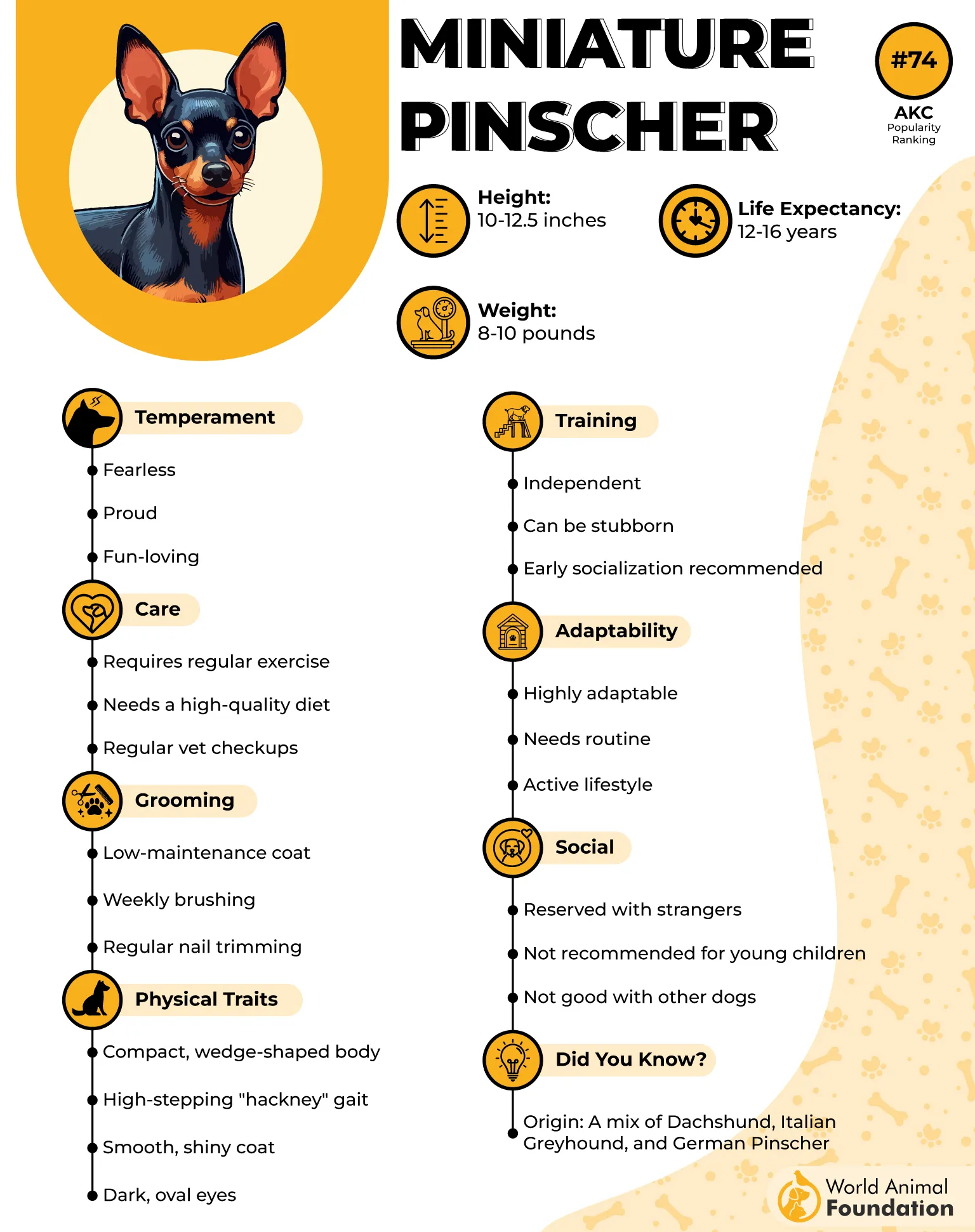
According to the United Kennel Club, they make sharp watchdogs because they are naturally observant, suspicious of unusual activity, and quick to investigate unfamiliar sounds. Their loyalty can lead to defensive barking at strangers or larger dogs, especially when socialization has been limited.
Exercise needs are substantial for such a compact breed, although satisfying them does not require marathon training. Fast-paced indoor games, scent work, short walks, fetch, agility foundations, and structured trick sessions can drain both mental and physical energy.
Secure fencing and careful doorway management are essential because these athletic dogs can squeeze through gaps and leap onto surfaces that appear completely unreasonable. Their small frames are also vulnerable during rough play, making homes with calm older children generally easier to manage than chaotic households with toddlers.
3. Pomeranian
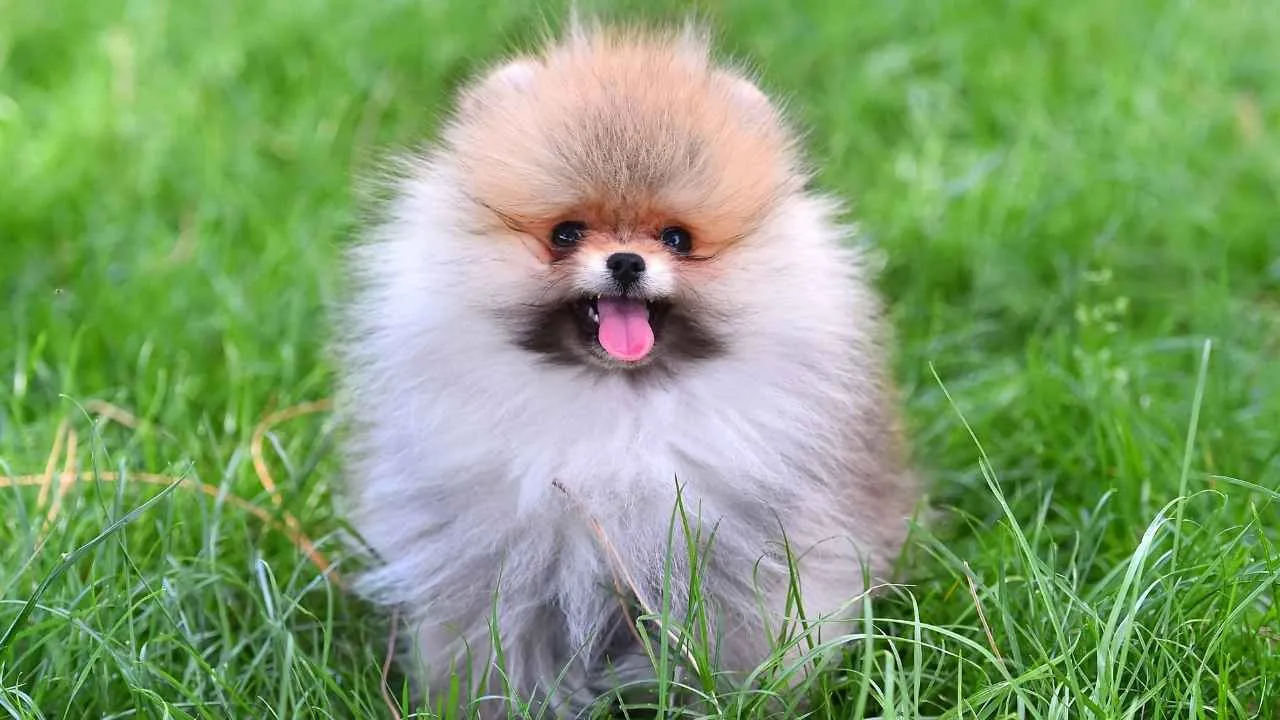
The Pomeranian resembles a fluffy fox who has recently been informed that the entire neighborhood falls under its jurisdiction. This smallest member of the spitz family carries a thick double coat, erect ears, bright expression, and energetic personality beneath all that dramatic fluff.
These small dogs are deeply loyal and often form a particularly strong bond with one primary person. They enjoy cuddling and attention, but they also need opportunities to walk, sniff, explore, learn, and behave like dogs rather than permanently living as fashionable accessories.
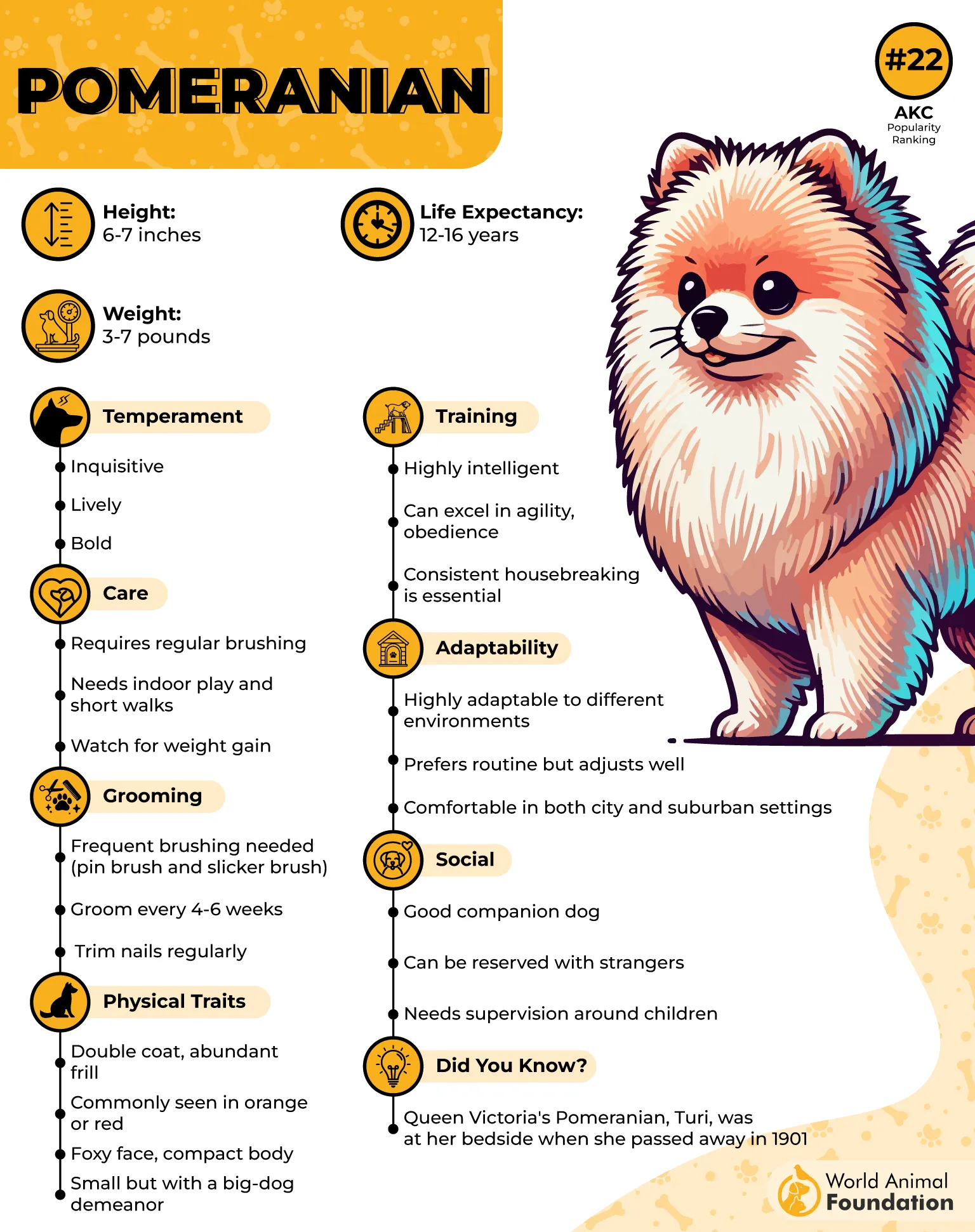
As watchdogs, Poms are basically tiny notification specialists with excellent response times. They may bark at visitors, vehicles, animals, hallway sounds, moving curtains, and occasionally events that appear to exist exclusively in their imagination.
Mental stimulation is especially important because an underoccupied Pomeranian can become demanding, noisy, or creatively mischievous. Trick training, puzzle toys, scent games, controlled social outings, and several short walks provide healthier outlets for curiosity.
4. Yorkshire Terrier

The Yorkshire Terrier may wear a silky coat and a fashionable topknot, but underneath the glamour lives an old-school working terrier. Yorkies earned their keep catching rats in mines and textile mills before becoming popular companions among Victorian families.
These dogs with a profound protective nature are affectionate with their chosen people and often follow them closely around the house. One minute they may be curled peacefully on someone’s lap, and the next they can launch into a territorial announcement because another dog dared to exist outside.
This combination of cuddly attachment and terrier intensity makes them endlessly entertaining but rarely invisible.
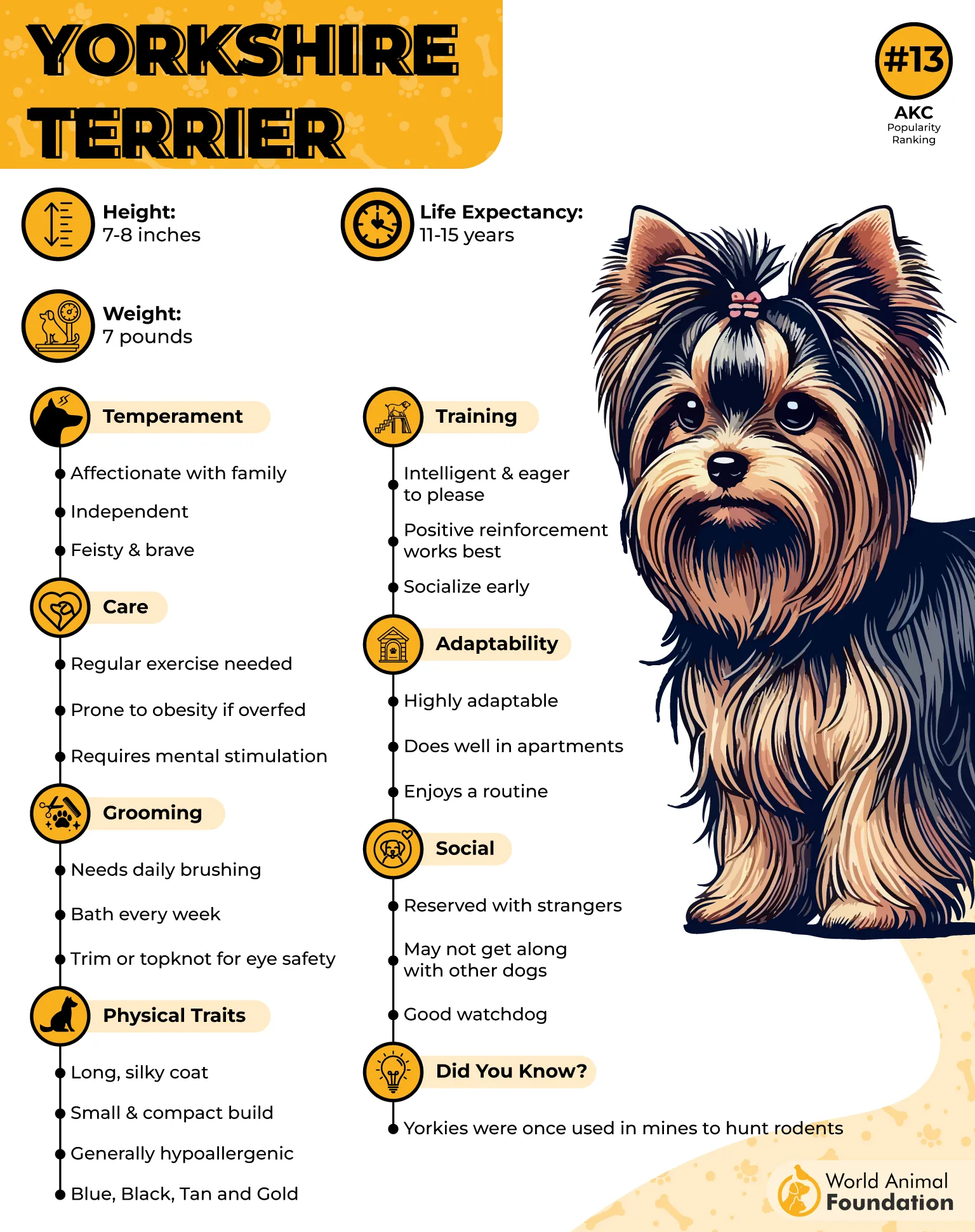
PetMD says their traditional ratting background helps explain their alertness, curiosity, digging instinct, and readiness to chase small moving animals. Earth-dog activities, scent boxes, toy searches, and controlled digging opportunities can provide constructive outlets for these inherited behaviors.
Known for their big personalities, they can adapt well to apartment life because their exercise needs can be met through short walks and energetic indoor play. Close neighbors may be less enthusiastic about their vocal tendencies, so early training should focus on calm doorway behavior, settling after an alert, and responding reliably to a quiet cue.
5. Lhasa Apso
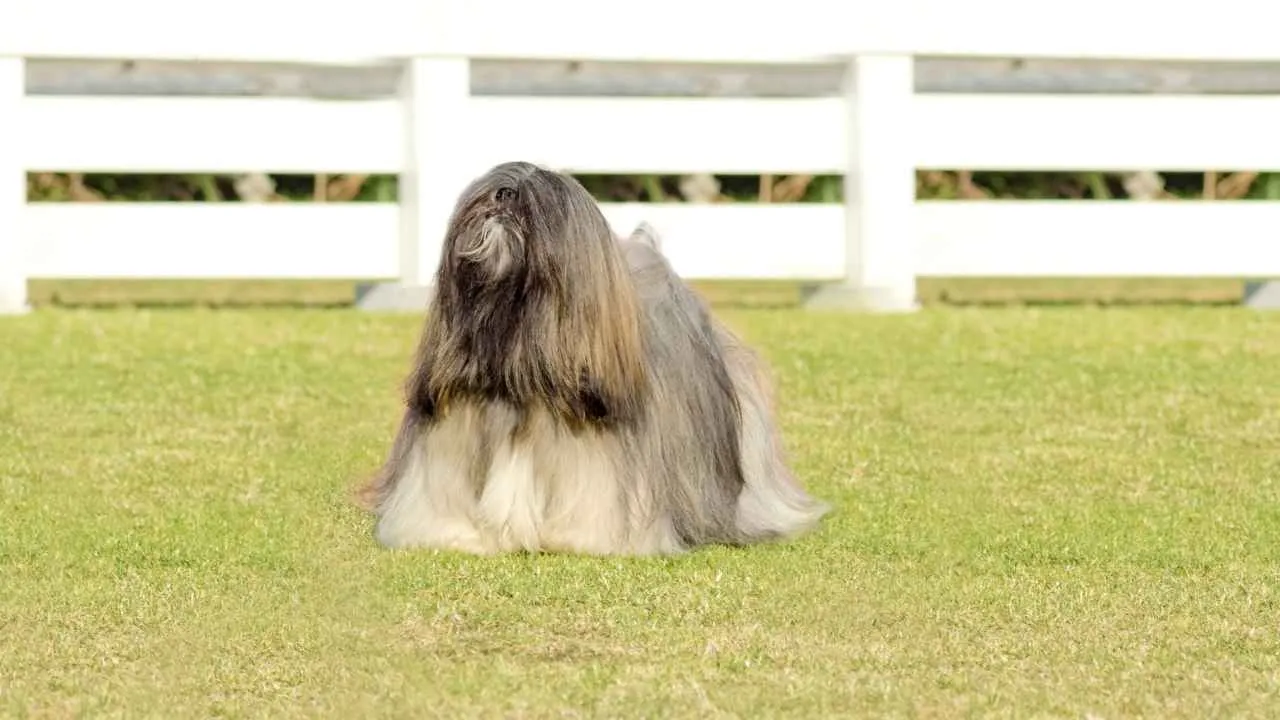
The Lhasa Apso has spent centuries perfecting the art of looking luxurious while quietly judging everyone entering the building. Originating in Tibet, this ancient breed of little dogs served as an interior sentinel in Buddhist monasteries and palaces while larger mastiff-type dogs guarded outdoor areas.
Their long coat and dignified posture can make them appear purely ornamental, but underneath sits a sturdy, independent dog bred to assess unfamiliar activity.

Their guarding style is observant and selective rather than endlessly frantic when properly trained, which helps them perform their watchdog duties efficiently. A Lhasa may quietly watch a stranger before deciding whether the situation deserves barking, retreat, or acceptance.
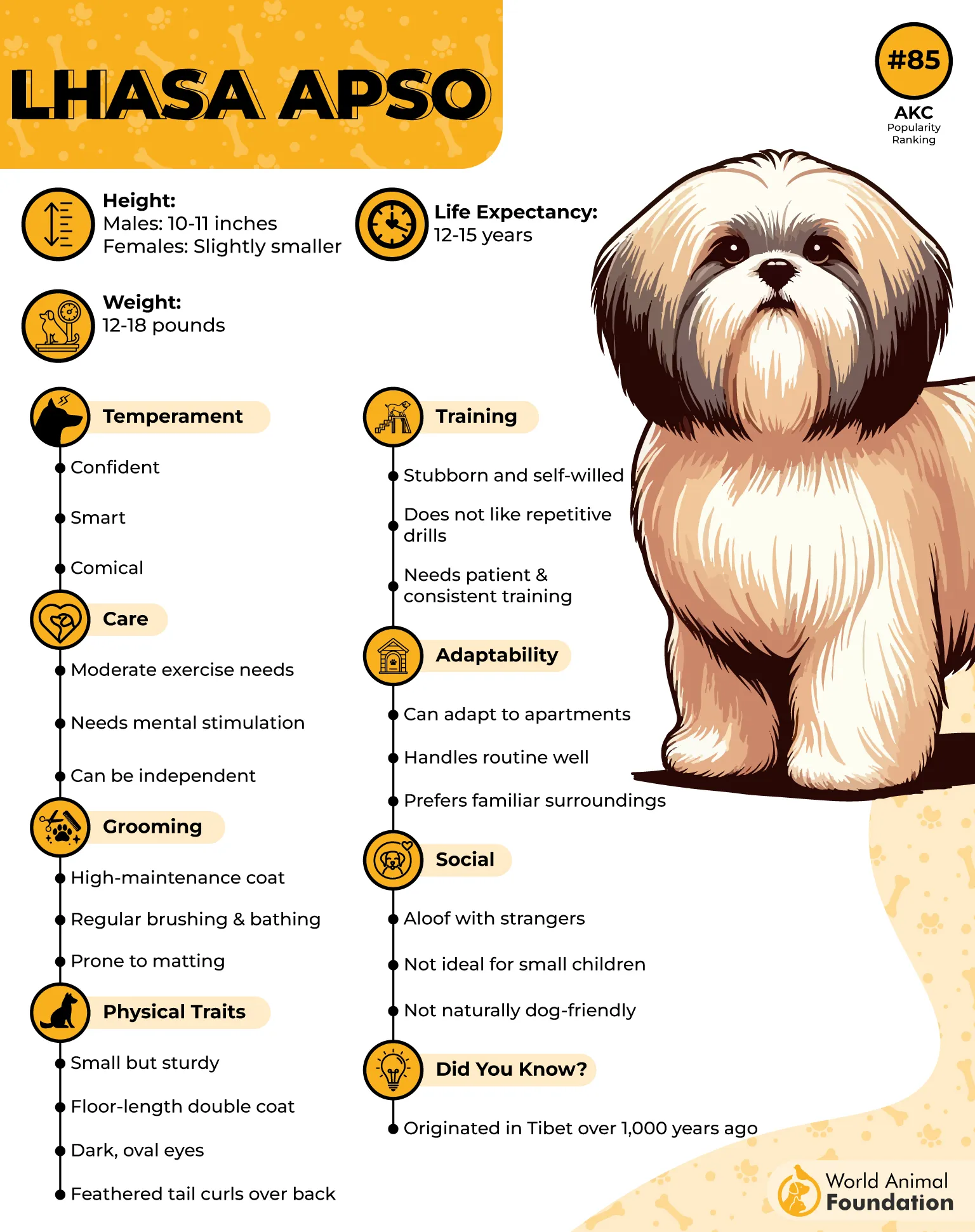
Training these excellent watchdogs can test a beginner’s patience because Lhasas are intelligent without being automatically obedient. They may understand the command perfectly and still require convincing that following it offers any meaningful benefit to their day.
Reward-based lessons, calm consistency, early handling practice, and varied exercises usually work better than repetition or force with this self-possessed little strategist.
6. Miniature Schnauzer
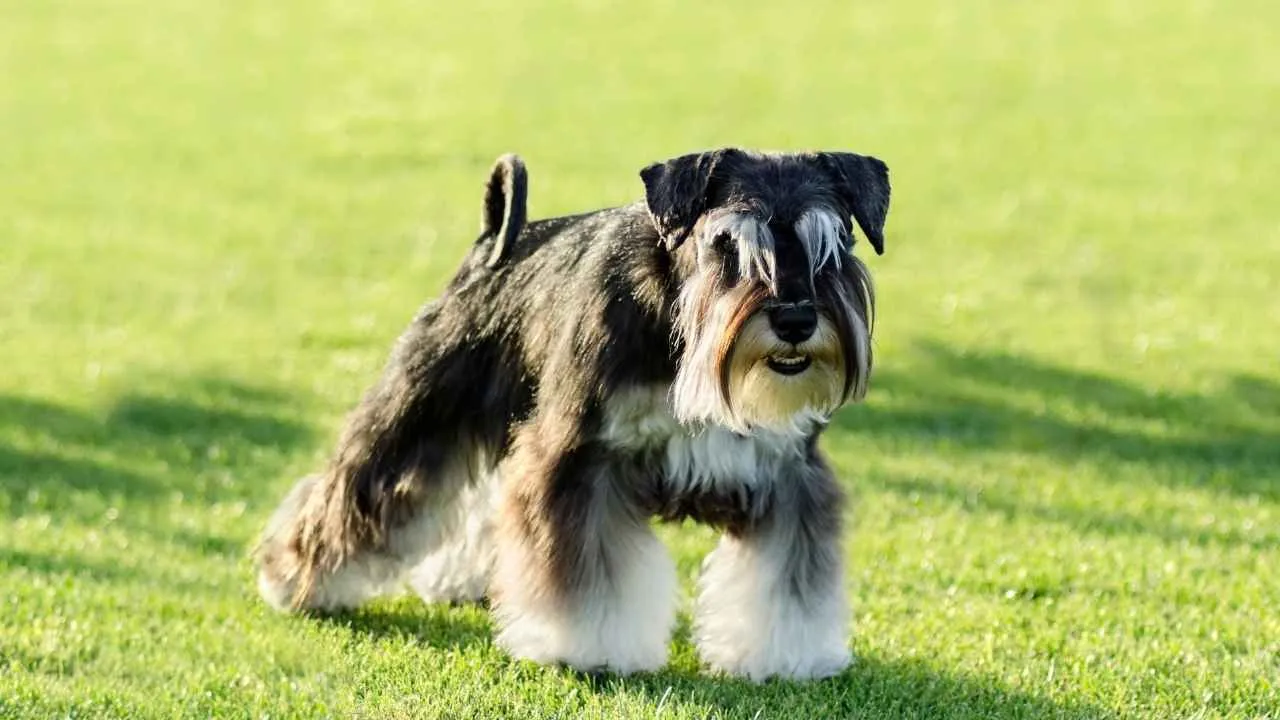
The Miniature Schnauzer looks like a tiny professor who has arrived to investigate a suspicious noise and possibly grade everyone’s behavior. Developed in Germany from smaller Standard Schnauzers and other compact breeds, Minis originally worked as farm dogs and ratters.
These dogs are friendly, intelligent, trainable, and highly connected to their households, claims Purina. Their alert expression is not merely decorative, because Miniature Schnauzers typically monitor doors, windows, gardens, and unfamiliar visitors with impressive dedication.
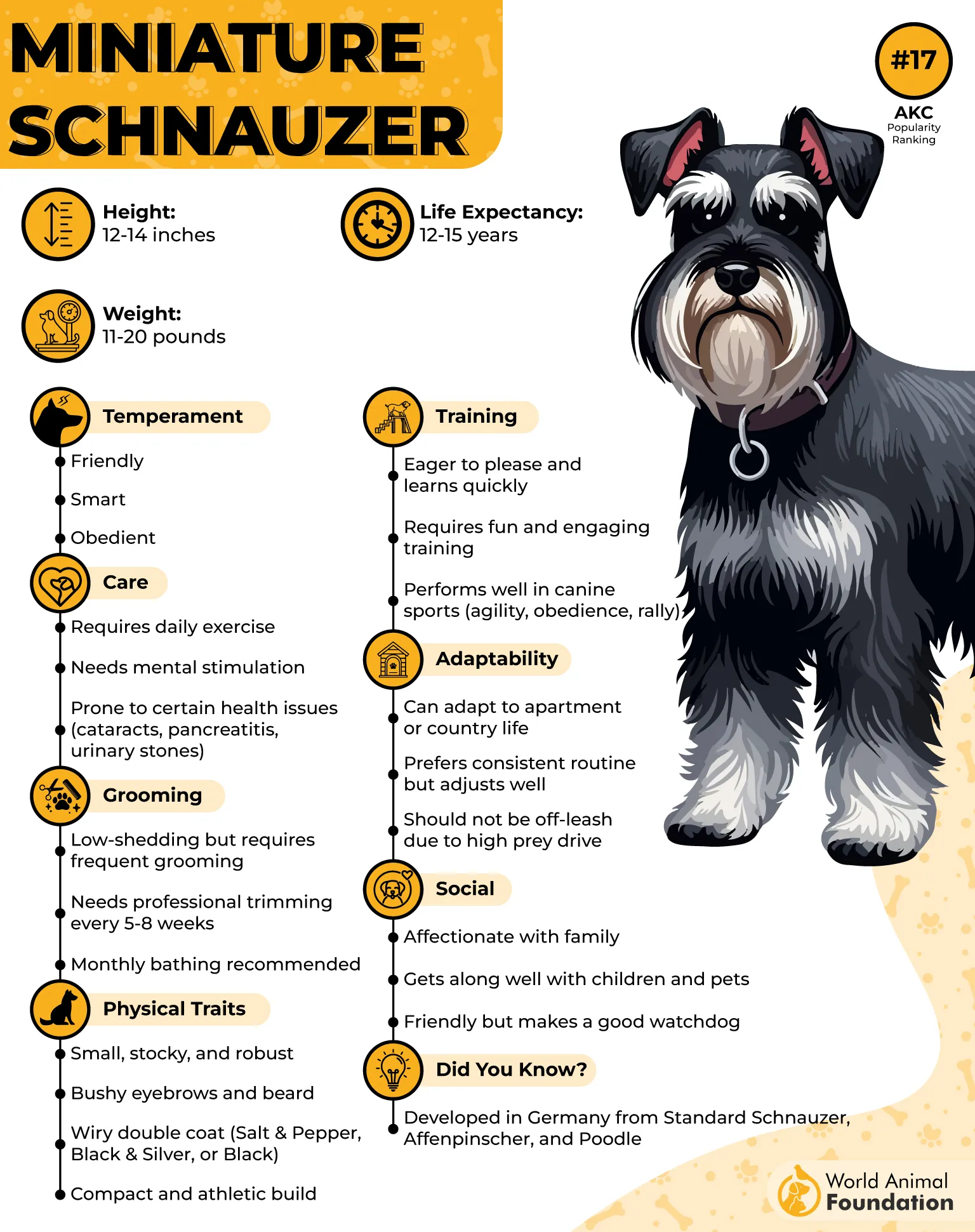
Vocal behavior is one of the breed’s most common household challenges. A Mini may announce a stranger, a delivery, a neighboring dog, a moving branch, or a distant sound that human ears have not yet registered. Consistent quiet training, sufficient exercise, and rewarding neutral observation can transform that enthusiasm into useful alerting instead of nonstop commentary.
For active households able to provide grooming, socialization, and daily engagement, the Miniature Schnauzer offers one of the strongest combinations of compact size, trainability, sturdiness, and dependable watchdog behavior.
7. Tibetan Spaniel
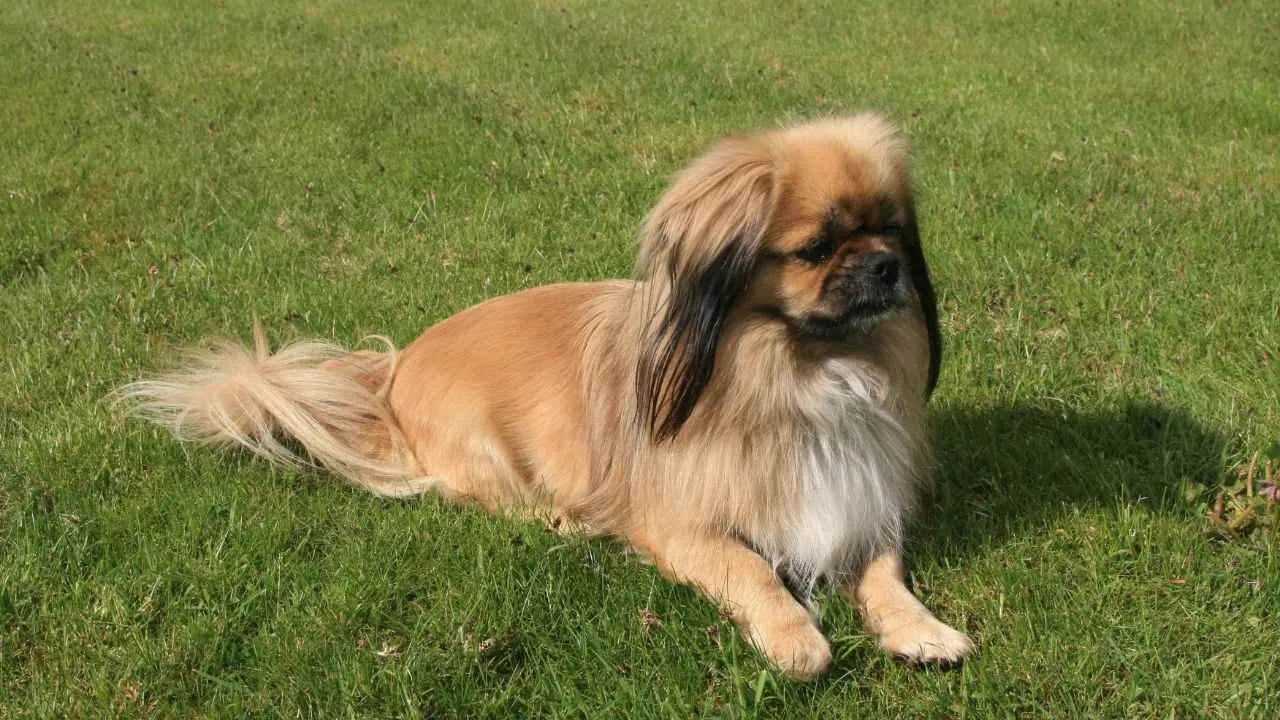
The Tibetan Spaniel approaches household security like a tiny mountain lookout officer who prefers working from the highest available cushion. These dogs traditionally lived alongside monks in Tibetan monasteries, where their habit of sitting on elevated walls or windows helped them observe activity below.
WebMD describes Tibetan Spaniels as playful, bright, and self-confident, while breed enthusiasts often compare their behavior to a curious mixture of dog and cat. They are affectionate with family members yet may remain reserved around strangers until they have assessed the situation.
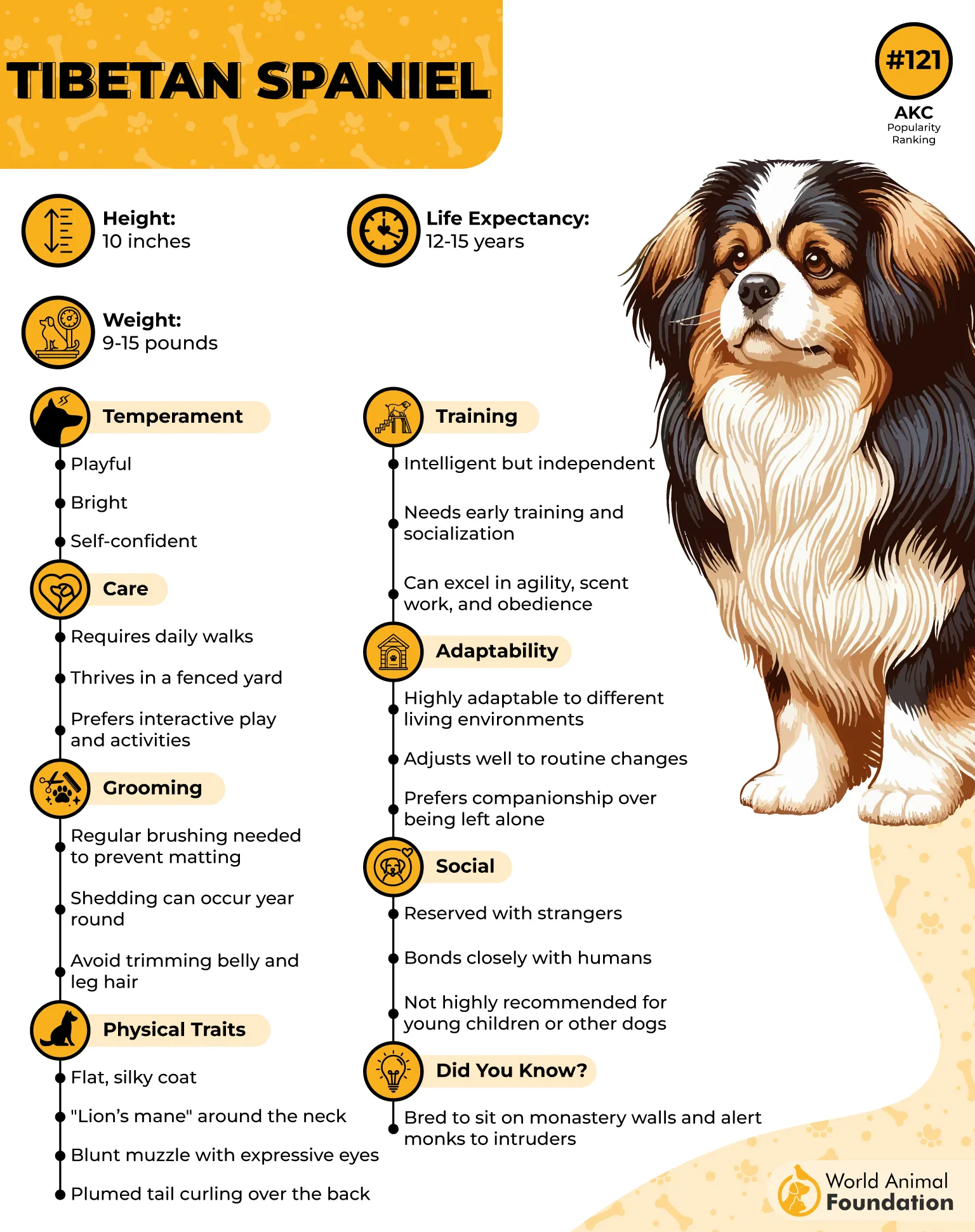
Some of the best guard dogs out there, they usually alert quickly when something unusual occurs, making them dependable early-warning dogs in apartments and houses. Their small size limits their physical guarding capacity, but their keen observational habits and sharp awareness help them spot movement before many ground-level companions do.
Training requires creativity because Tibetan Spaniels are excellent problem-solvers who may not consider pleasing humans their main life objective. With proper training, respectful leadership, and early socialization, the Tibbie becomes a devoted, amusing, and observant watchdog whose confidence feels remarkably large for such a compact body.
Conclusion
Small watchdog breeds prove that security awareness has very little to do with height.
Still, the goal should never be to create a frightened or aggressive dog. A reliable watchdog notices change, communicates with its people, accepts direction, and settles once the situation has been assessed. Socialization and training turn natural alertness into a useful skill rather than allowing it to become exhausting reactivity.
Choose the breed whose exercise, grooming, temperament, noise level, and physical needs genuinely match your lifestyle. Respect the individual dog, set clear boundaries, and never underestimate the importance of allowing a small breed to walk, explore, learn, and build confidence independently.
