




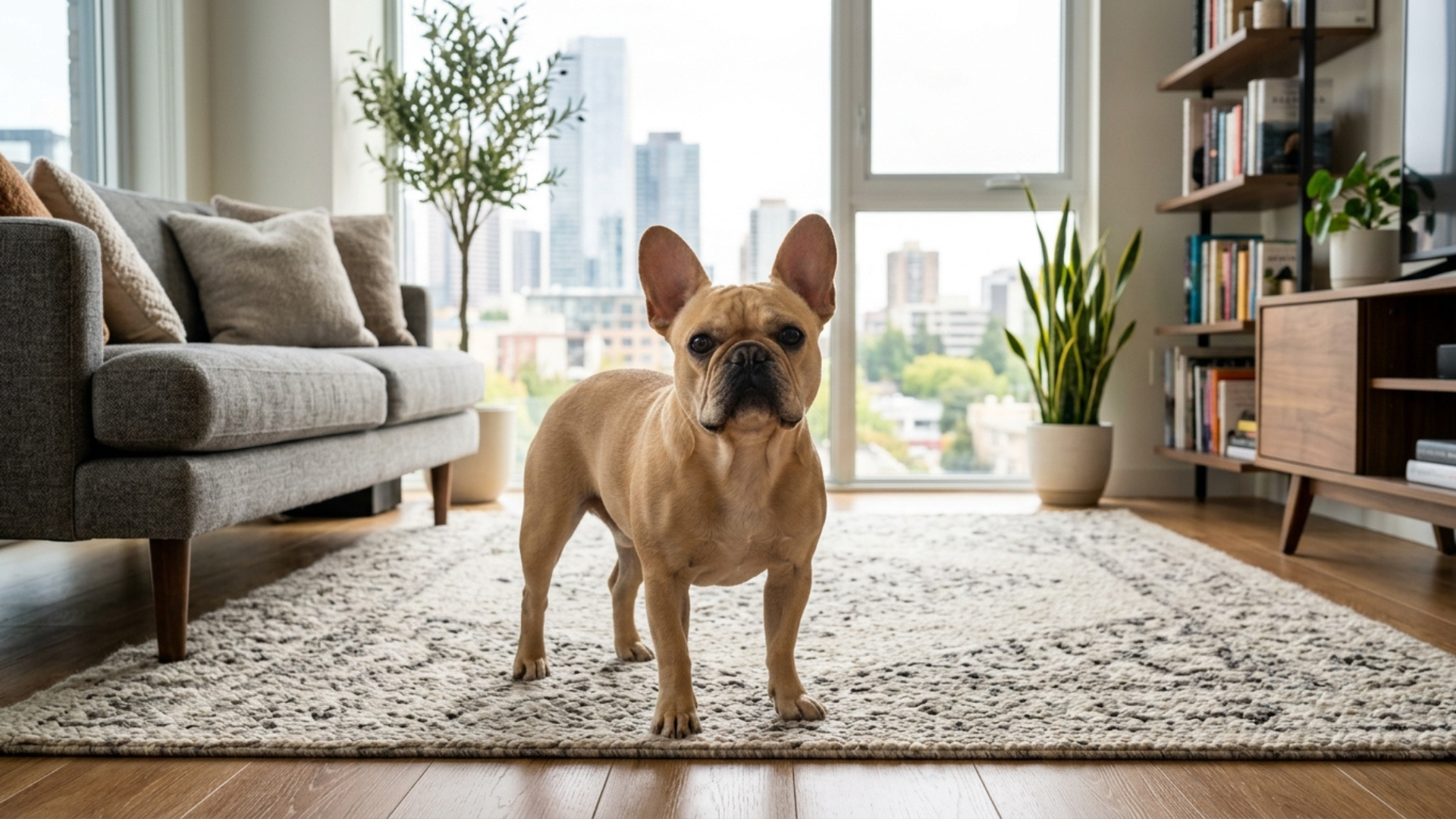
The family across the hall had a dog you rarely noticed, even though it greeted them at the door every evening with the same excitement. It never filled the hallway with constant barking or reacted to every sound outside the apartment.
Visitors often assumed the dog was unusually well-trained, but the owners shared a different reason. They had chosen a breed known for its naturally quiet nature before bringing it home. That single decision made apartment life smoother from the very beginning.
Peaceful evenings stayed peaceful, neighbors remained happy, and the dog settled comfortably into its surroundings without becoming the loudest presence in the building. While every dog has moments of excitement, some are simply more reserved with their voices than others.
Here, you’ll meet quiet apartment-friendly breeds, learn what influences barking habits, and find the companion that best matches your living space.
Key Takeaways
Peace at home often starts with the right dog, and some breeds hardly feel the need to bark unless something truly catches their attention.
The Japanese Chin can even communicate with gentle sounds and expressive body language instead of filling the apartment with constant noise.
From the speedy Whippet to the laid-back French Bulldog, these companions prove that apartment living does not have to come with endless barking.
There is one more breed near the end of this list that has been winning hearts for centuries while keeping homes surprisingly peaceful.
Top Low-Bark Dog Breeds for Peaceful Apartment Living
1. French Bulldog

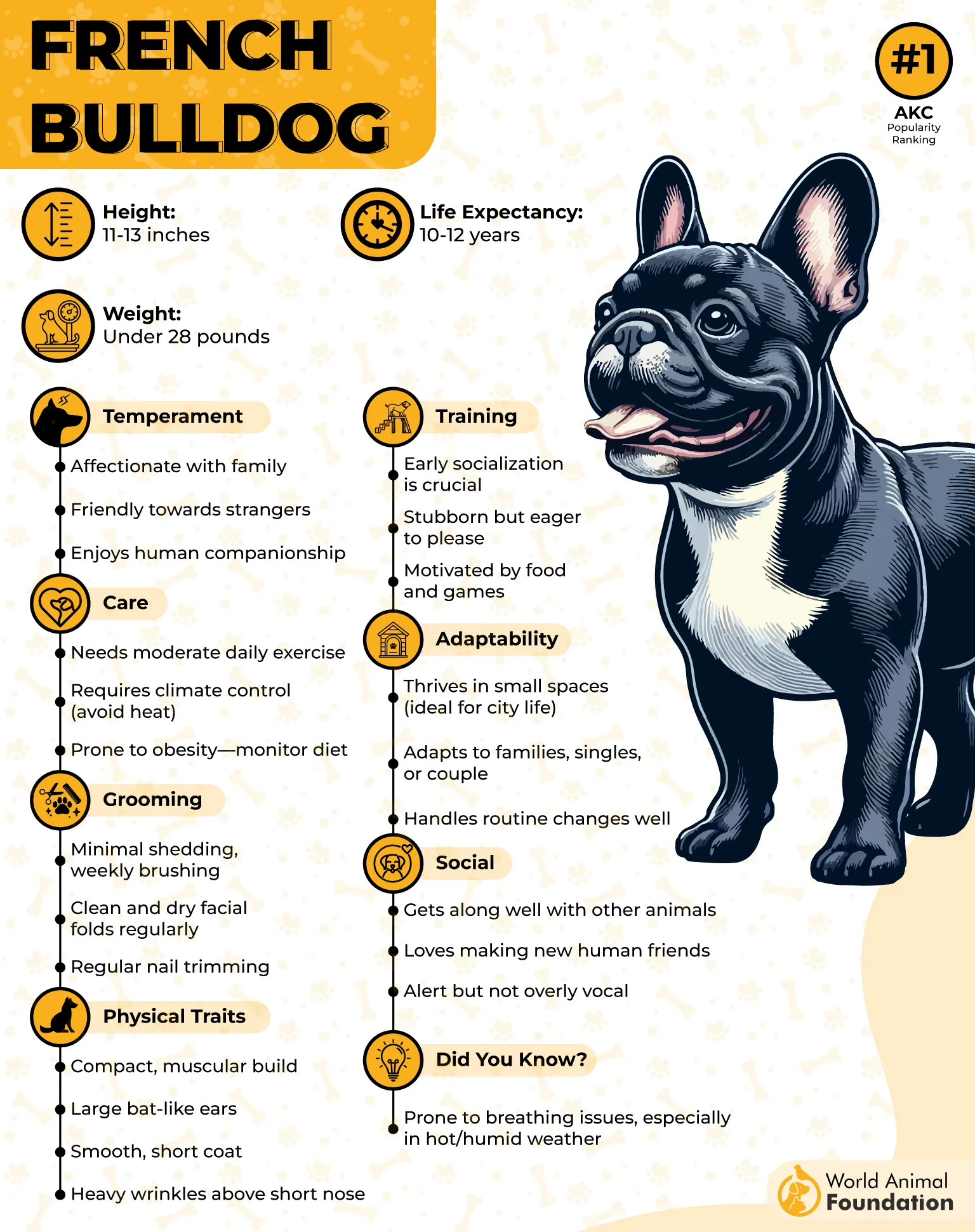
The French Bulldog is known for its upright bat ears, broad square head, and cheerful personality that gives the breed a distinctive look and an easygoing presence at home.
Its compact size has also made it a familiar companion in cities and neighborhoods throughout the United States and many parts of the world.
Quiet by Nature
This small dog is usually quiet around the home, rarely barking without a reason, as Showsight Magazine noted. When something unfamiliar happens, it is more likely to stay watchful than make a fuss.

That easygoing personality comes with these details:
Smooth, muscular body
Short, wrinkled muzzle
Enjoys human-centered games
Always Nearby
Frenchies enjoy being involved in whatever is happening around the home and often choose a spot close to family members instead of wandering off alone. Curiosity also keeps this breed interested in simple activities such as fetch, tug-of-war, hide-and-seek, and leisurely neighborhood walks.
2. Japanese Chin

Japanese Chin brings a calm presence indoors, paired with a graceful, cat-like personality that gives this toy breed a character all its own. Its silky coat, rounded eyes, flowing neck ruff, and plumed tail create an elegant appearance that has long been associated with Japanese companion dogs.
Peaceful Indoors
Apartment life is rarely a challenge for the Japanese Chin, which is not known for barking at every little thing. It often gets its message across with expressive body language or a quiet, purr-like sound, a quality many neighbors can appreciate.
More about this little breed includes:
Large, expressive eyes with an astonished look
Feathered “culottes” on the hind legs
Prefers gentle, slow-paced walks over demanding outings

Curious but Independent
Japanese Chin enjoys exploring at its own pace and can become surprisingly determined when it spots something interesting outside, as per the AKC. For that reason, allowing this breed to roam off-leash can quickly become challenging, as it may ignore calls to return while following its curiosity.
3. Bolognese
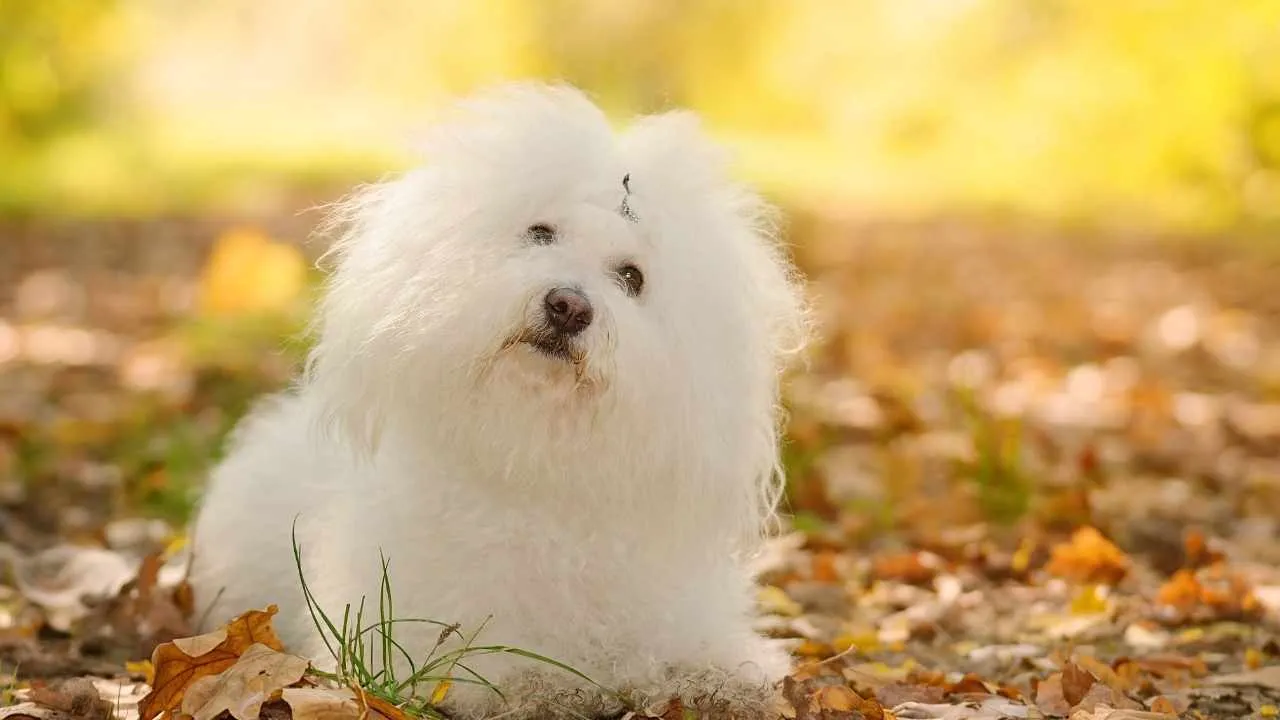
Bolognese belongs to the Bichon family and first appeared in Italy as a compact companion with a sturdy, square build and a fluffy white coat, as Purina stated. Behind that elegant appearance is a thoughtful little dog with a calm personality and a surprisingly witty character.
Quiet by Nature
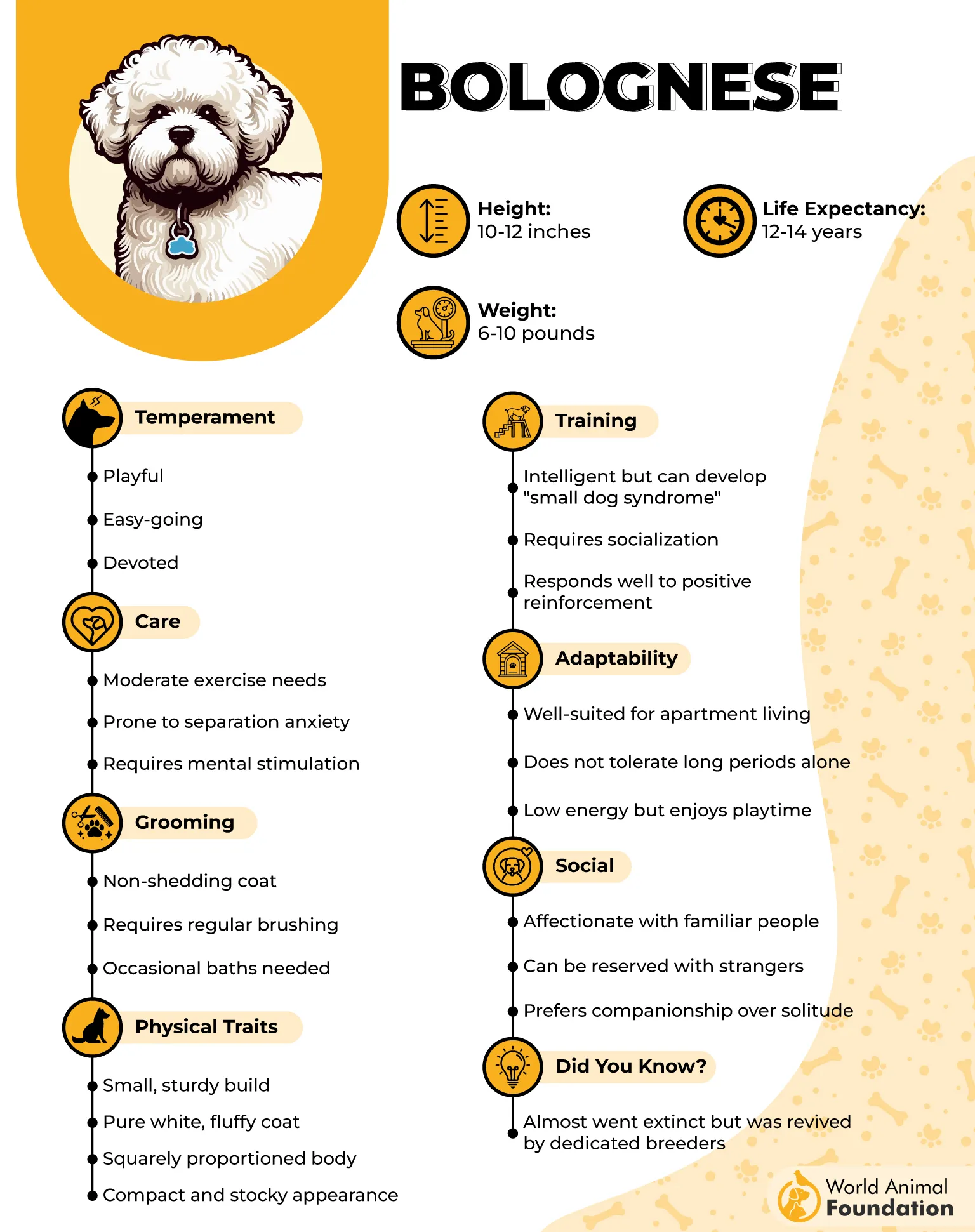
Life indoors comes naturally to this quiet dog breed, which is more likely to relax nearby than race around the house or bark throughout the day. Moderate walks, short play sessions, and simple indoor games are usually enough to match this breed’s comfortable daily pace.
These details add another layer:
New faces receive cautious greetings at first
Enjoys learning simple tricks
Likes to stay occupied indoors
Close to Its People
Bolognese prefers being included in everyday household activities and can become unsettled after spending long hours without company. This attachment makes the breed a better match for retirees, seniors, or anyone who spends plenty of time at home.
4. Coton de Tulear
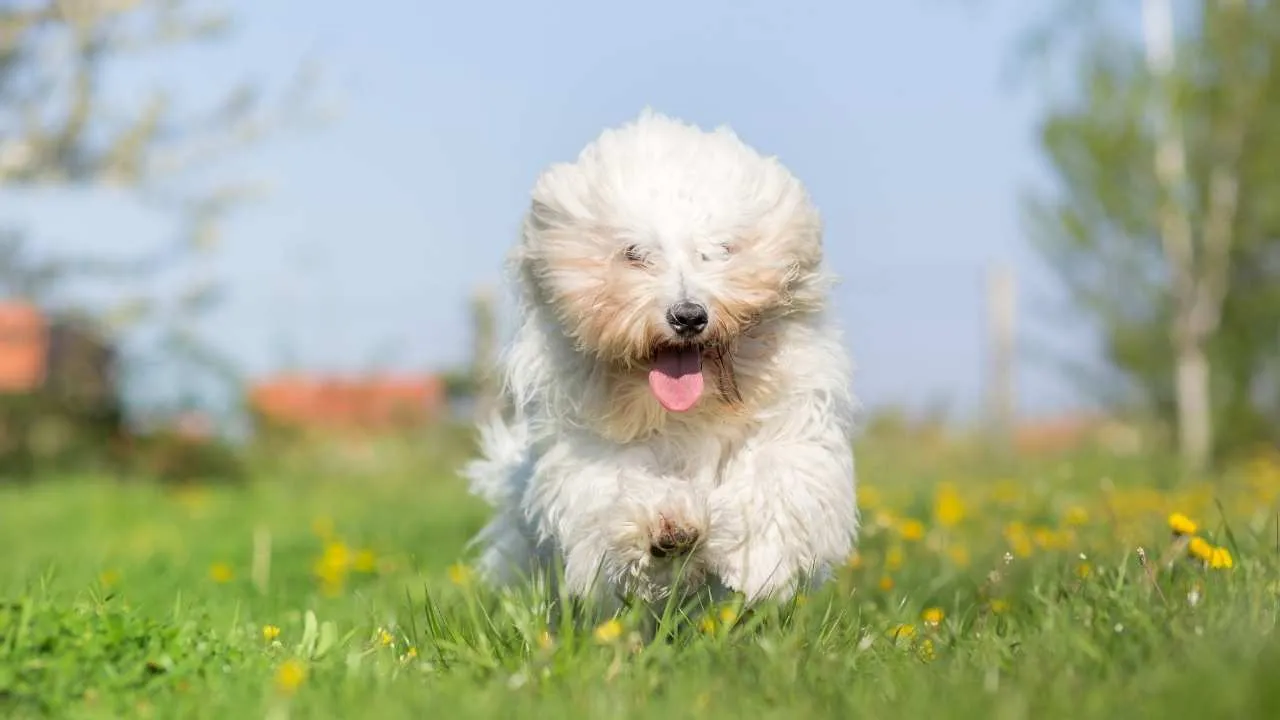
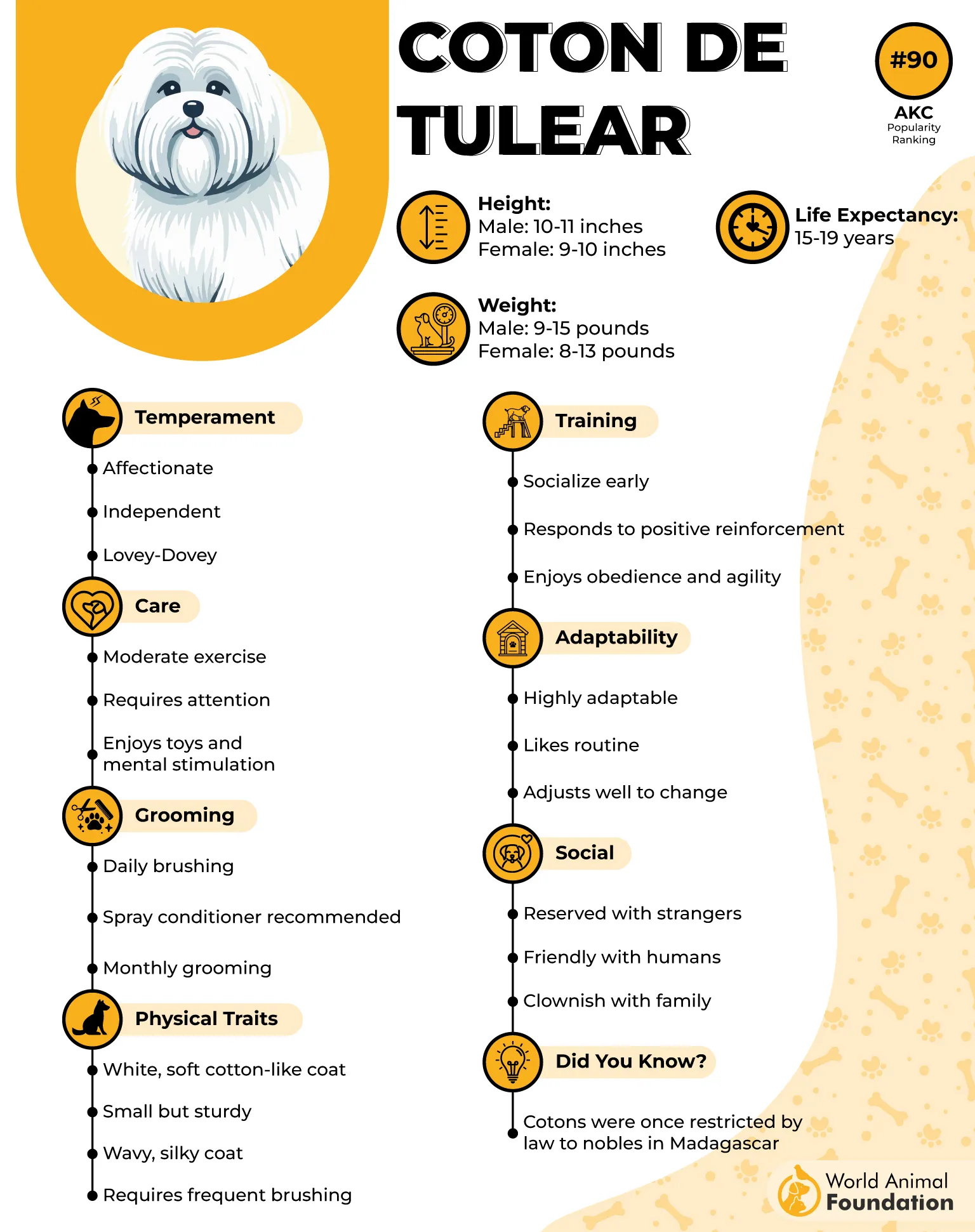
Coton de Tulear takes its name from the port city of Toliara in Madagascar, where this fluffy little companion became closely associated with island life. Its soft, cotton-like coat and cheerful personality helped it become a favorite among Madagascar’s nobles for many generations.
Gentle Around Home
Life indoors suits the Coton de Tulear, with a relaxed nature that does not depend on constant activity. Soft grumbles, cheerful chirps, and little yips often replace frequent barking, giving the breed its own charming way of communicating.
There’s plenty more worth knowing:
Nicknamed the Royal Dog of Madagascar
Reached Madagascar by ship centuries ago
Responds best to playful training sessions
Loves Company
Coton de Tulear enjoys sharing everyday moments with people and happily joins family activities whenever someone is nearby. Spending several hours alone can lead to separation anxiety, making this breed better suited to homes where companionship is part of the daily routine.
5. Whippet
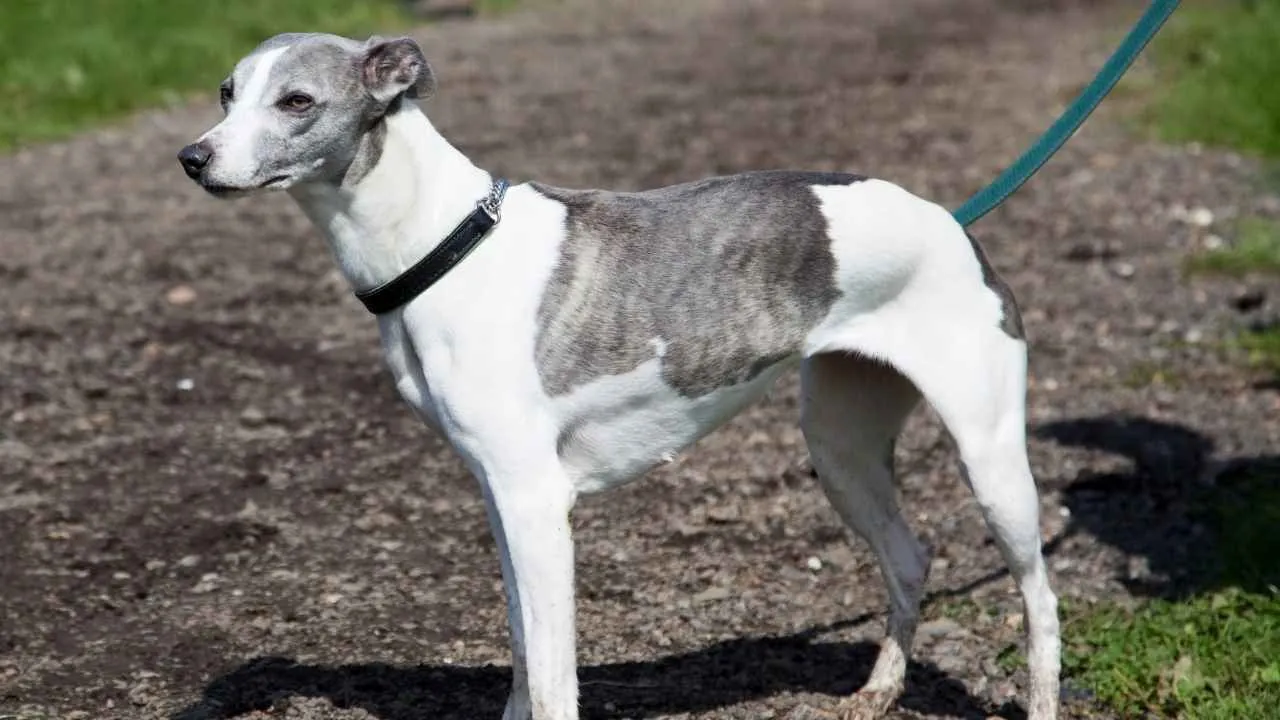
Whippets combine the sleek outline of a sighthound with impressive acceleration, reaching speeds of around 35 mph during short pursuits. Once the excitement passes, this gentle companion is just as happy spending long stretches resting indoors in complete comfort.
A Calm Fit Indoors
Whippets give apartment dwellers the best of both worlds, enjoying a chance to stretch their legs outside before settling into a calm, quiet routine indoors. Once its daily exercise is finished, it is usually happy to relax instead of staying constantly on the move.
The breed has a few more surprises:
Nicknamed the “Poor Man’s Racehorse”
Distinctive inverted “S” body outline
Deep chest with a narrow waist

Athletic Without the Fuss
Whippet combines an agile frame with a practical, low-maintenance coat, making routine care fairly straightforward. Regular walks, retrieving games, flying disc sessions, or fenced play areas provide productive outlets for the bursts of speed this breed enjoys.
6. Boston Terrier
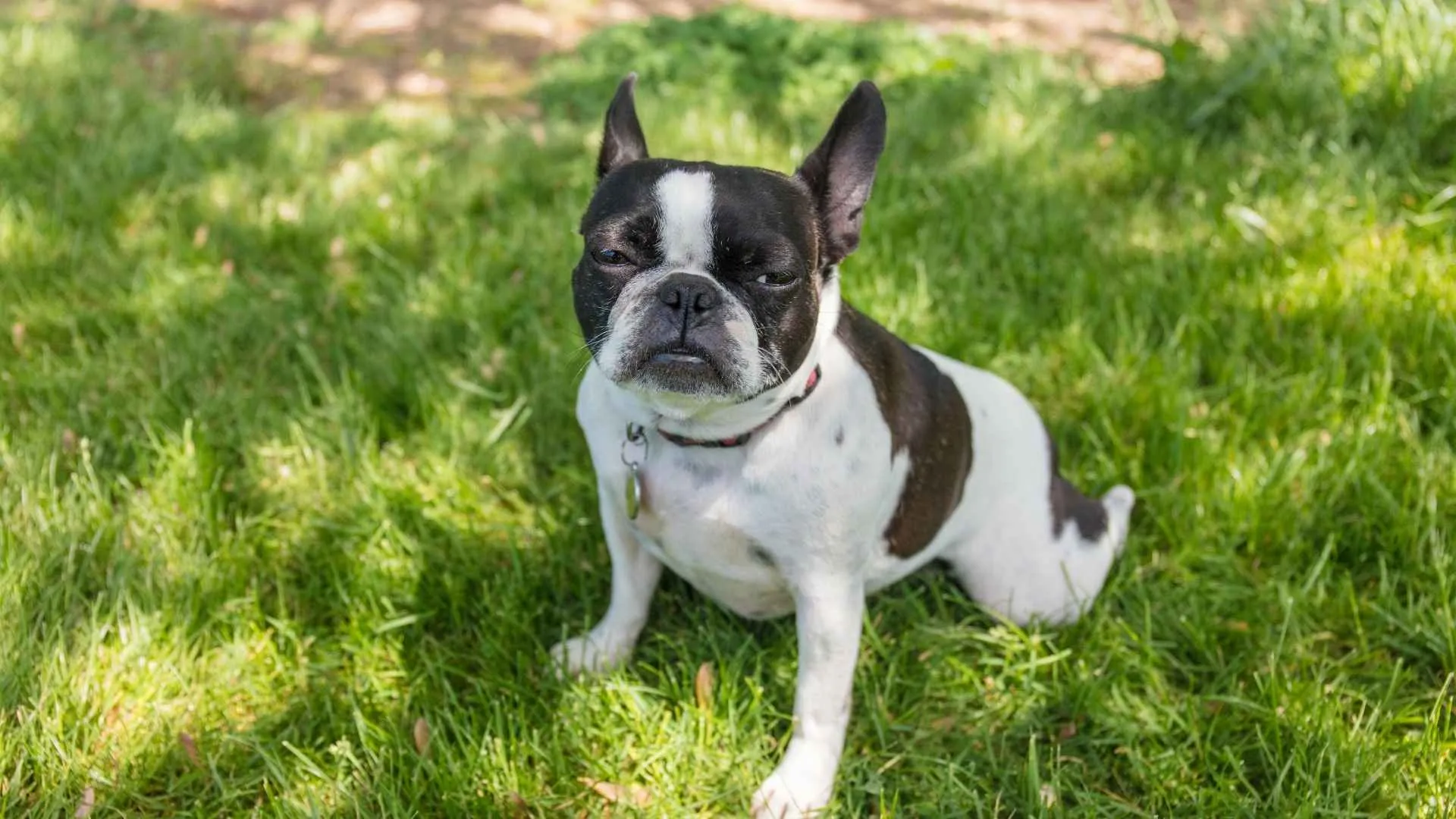
Boston Terrier first gained recognition in Boston and quickly picked up the nickname “American gentleman” because of its polite personality and tuxedo-like coat. That charming combination gives this compact breed an appealing character without demanding a large living space.
Quiet Around the Home
Hallway footsteps and everyday neighborhood sounds do not always trigger a response from the Boston Terrier. Because unnecessary barking is less common, apartment life often feels quieter for both owners and nearby neighbors.
A few interesting details complete the picture:
Black-and-white or brindle coat
Flat-faced breed with expressive features
Enjoys active moments throughout the day
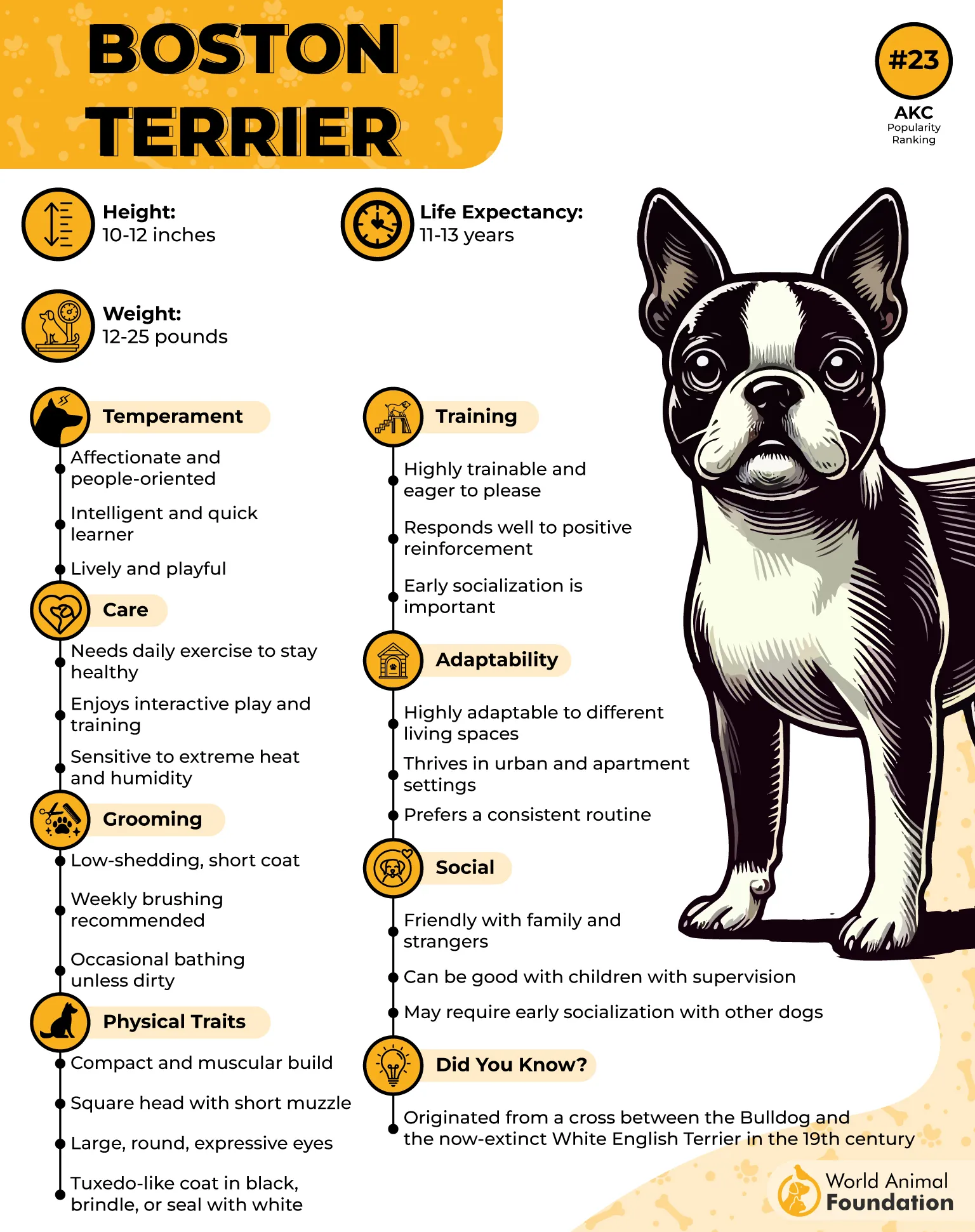
A Different Kind of Noise
Boston Terriers may keep barking to a minimum, yet their flat face often brings snoring, snorting, and grunting while resting or sleeping. Gentle children usually make suitable companions, though supervised play helps prevent accidental injuries to this sturdy little dog.
7. Pekingese
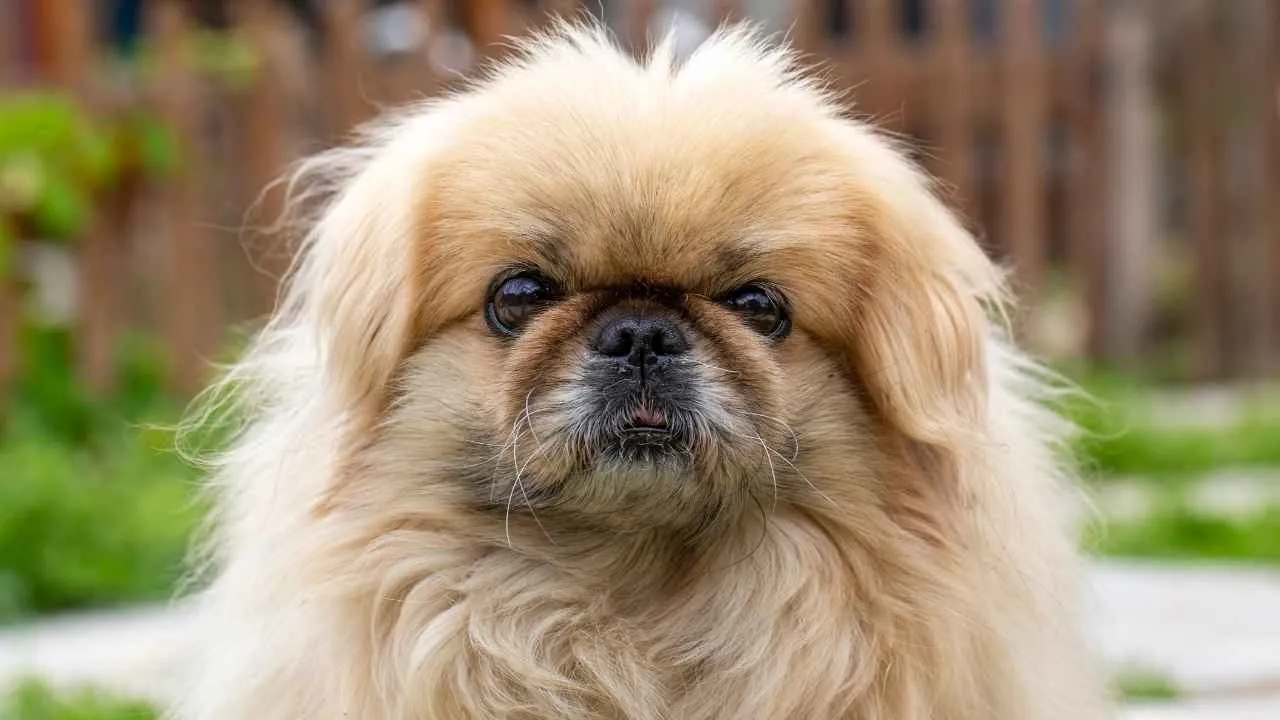
Pekingese found its place among the ruling families of ancient China, where its confident personality matched its regal appearance. The broad head, bright expressive eyes, and distinctive rolling gait give this small companion a look that is instantly recognizable.
Comfortable Indoors
Rather than looking for something to do every minute, the Pekingese is often content to spend much of the day relaxing close to the people it loves. That quieter rhythm makes it an easy companion for homes where peace and comfort are part of everyday life.
A closer look reveals even more:
Envelope-shaped head structure
Distinctive rolling gait
Enjoys canine sports at its own pace
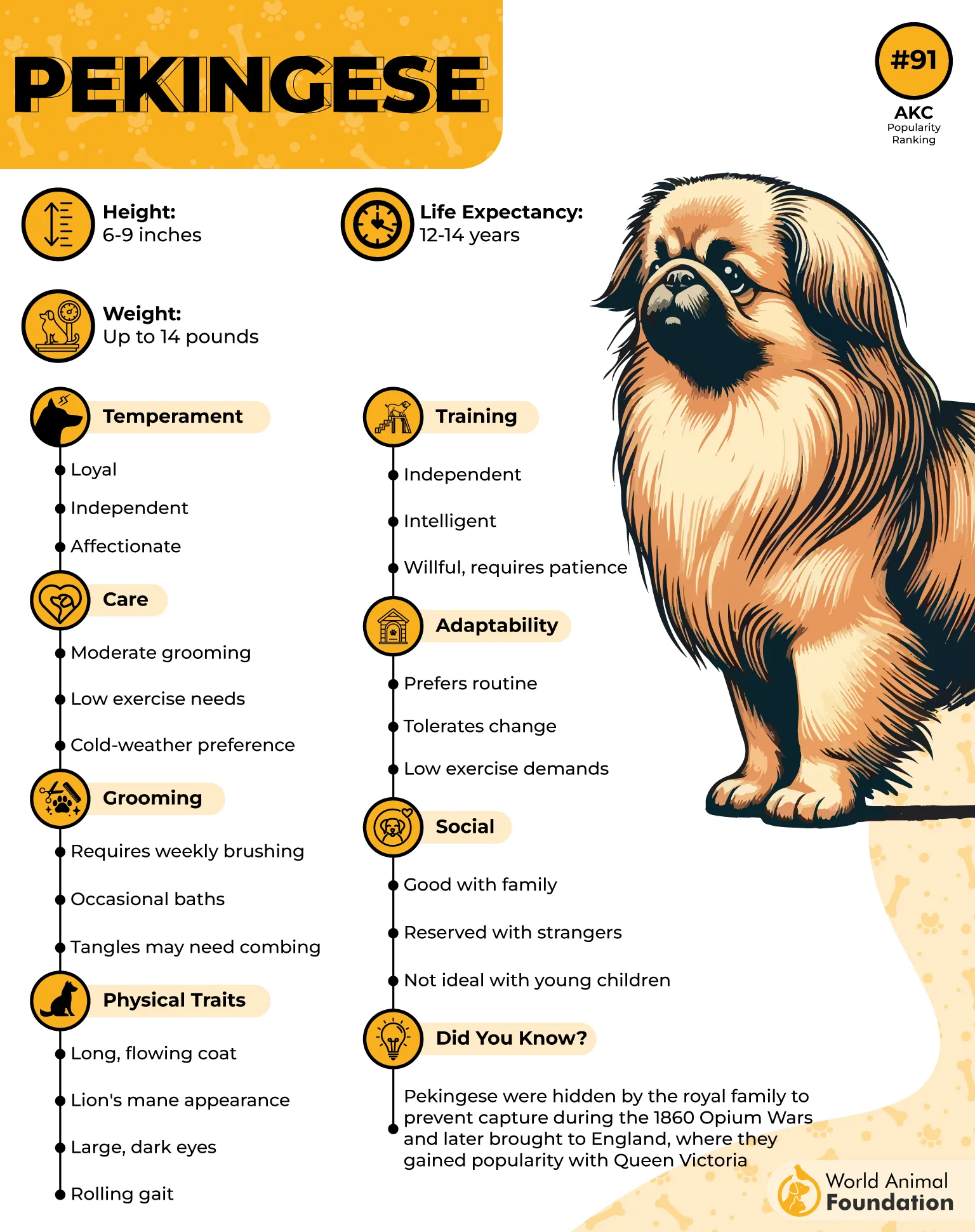
Quiet Confidence
Pekingese prefer spending time with a favorite person and approach daily life with an independent attitude that reflects its royal past. It can also act as an attentive household alarm, while rough play with children is generally less appreciated than calm interaction.
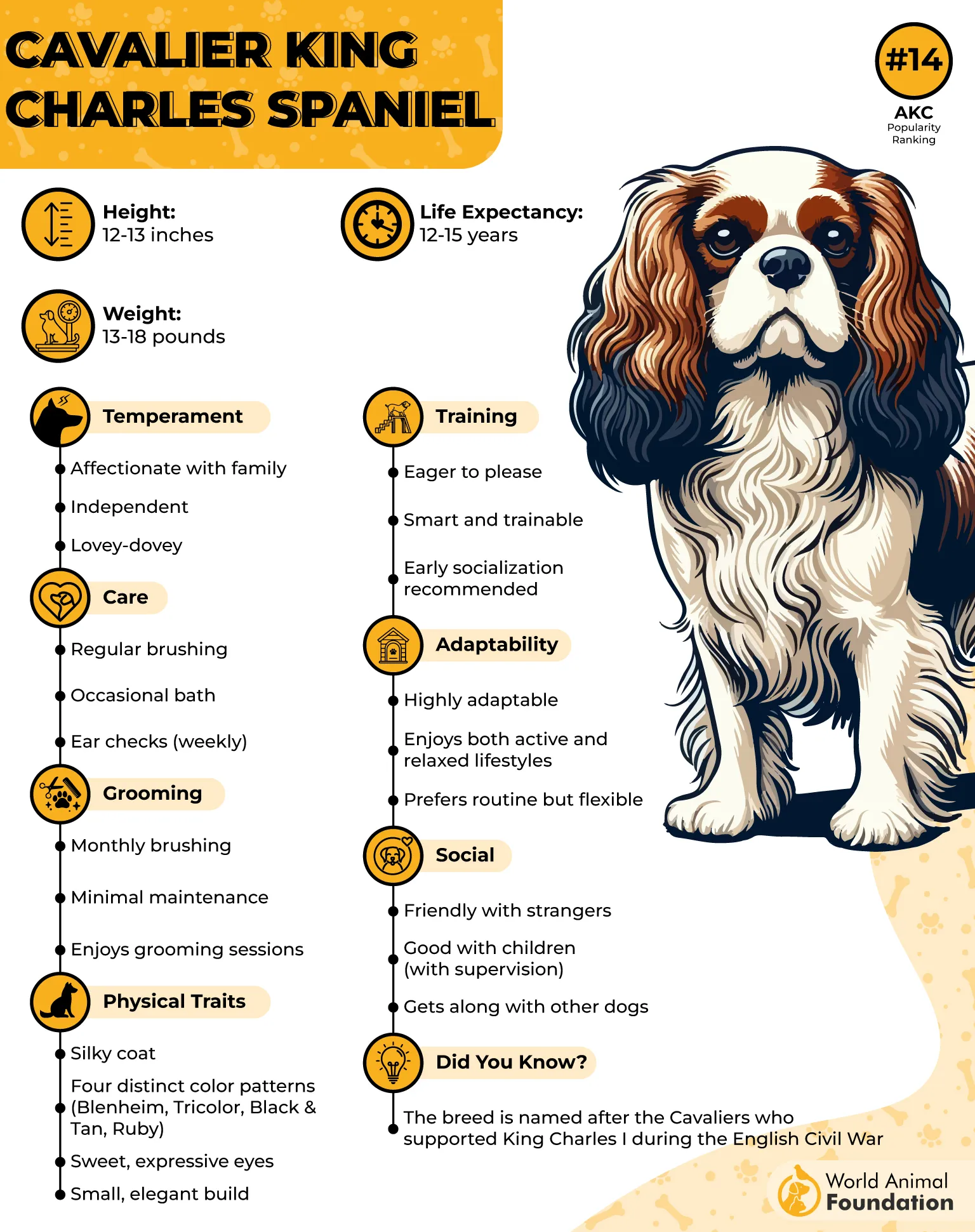
8. Cavalier King Charles Spaniel
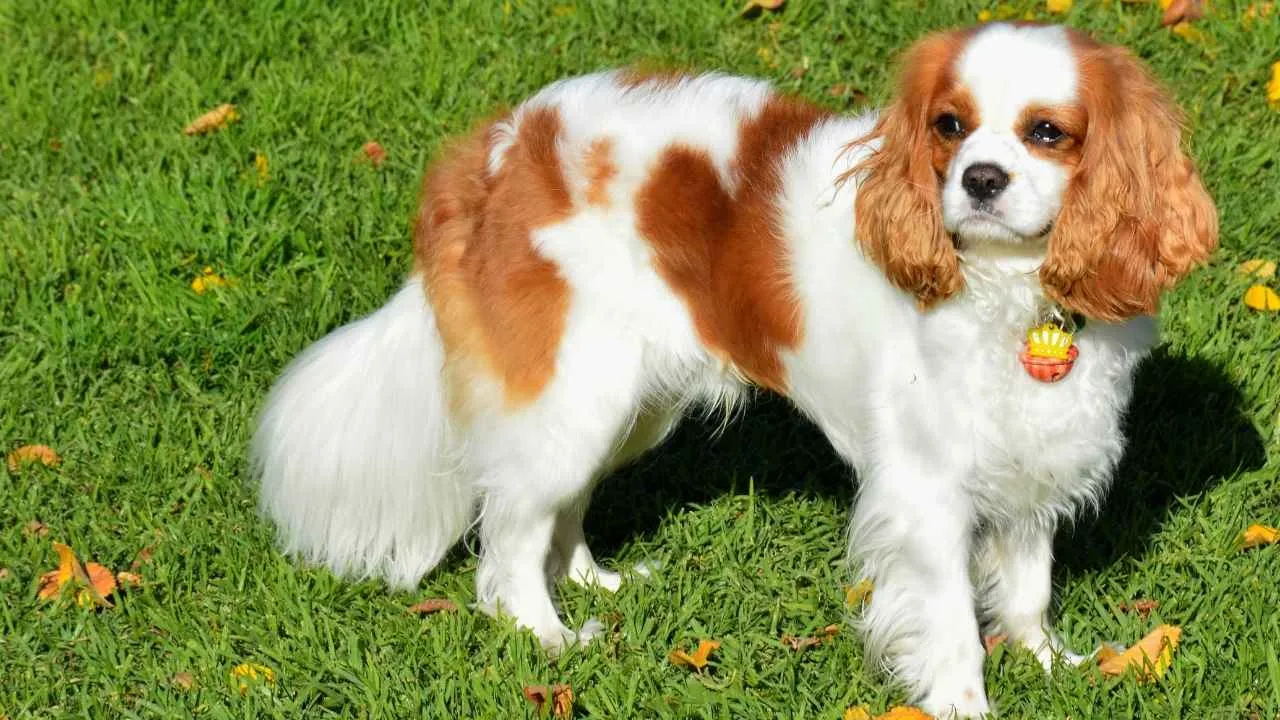
Cavalier King Charles Spaniel shares a long connection with British royalty, taking its name from King Charles I and King Charles II, who were famously devoted to the breed. Historical accounts even describe these little companions accompanying the royal family into Parliament.
Quiet Around the Home
This Spaniel keeps apartment life fairly peaceful, often ignoring many of the everyday sounds that excite other small dogs. Two walks of around 20 to 30 minutes each day are typically enough before it settles in for a restful evening indoors.
Its character goes beyond companionship:
Ranked 14th by the AKC in popularity
Once chosen to warm laps during cold carriage rides
Welcomes children, cats, and other dogs with patience
Always Close By
Cavalier King Charles Spaniel was originally bred as a companion, which explains why it enjoys spending much of its time beside the people it trusts. That constant desire for company has also led to the well-known nickname “Velcro dog” among breed enthusiasts.
9. Shih Tzu
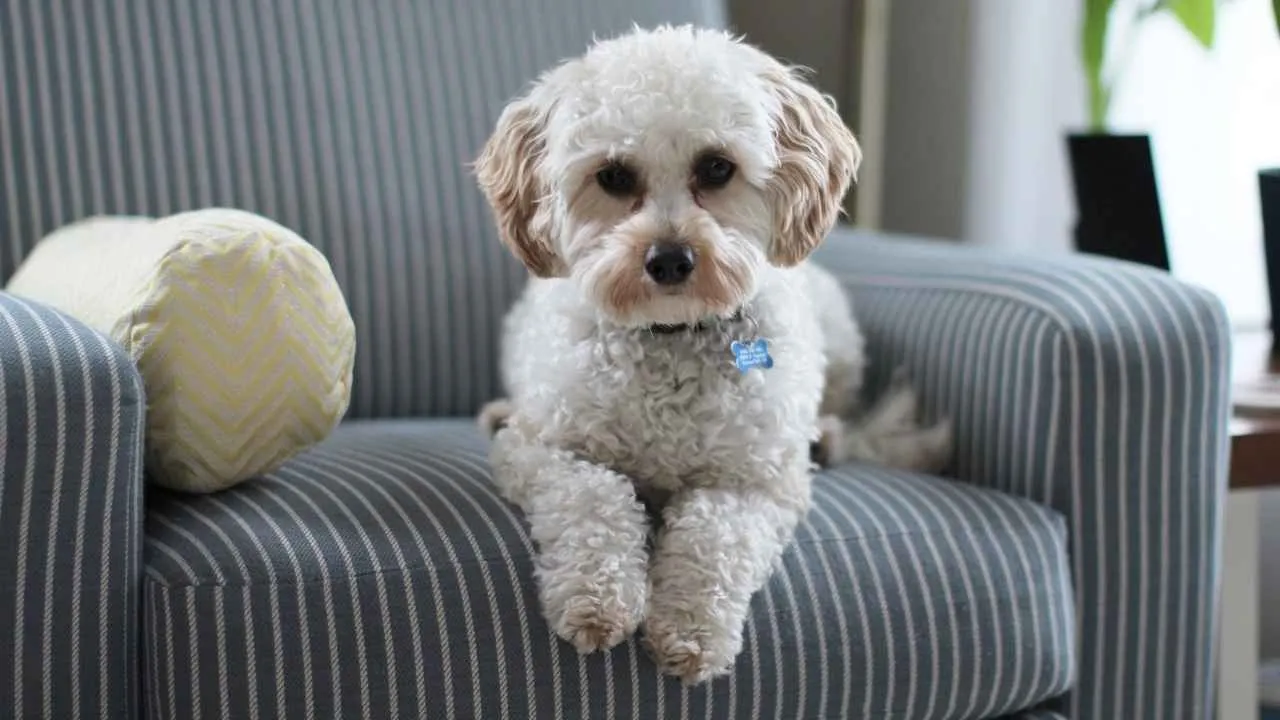
Shih Tzu began as a Tibetan toy breed whose name translates to “lion dog,” reflecting its close association with Buddhist traditions. Although its roots stretch back centuries, the American Kennel Club officially recognized the breed in 1969 after it gained wider recognition beyond Asia.
Calm Around the Home
The Shih Tzu usually keeps its voice for moments that seem worth mentioning instead of barking throughout the day. A knock at the door or a new arrival may get a quick response before it settles back into relaxing at home.
Several details help complete the picture:
Young children and other pets can fit into its routine
Bring an energetic attitude to short play sessions
A flat face can cause snoring and snorting

Everyday Comfort
Shih Tzu usually feels satisfied with a 30-minute walk paired with indoor play, making daily routines easier to manage in a compact living space. Because of its facial structure, attaching a leash to a harness instead of the collar provides a more comfortable walking experience.
10. Pug

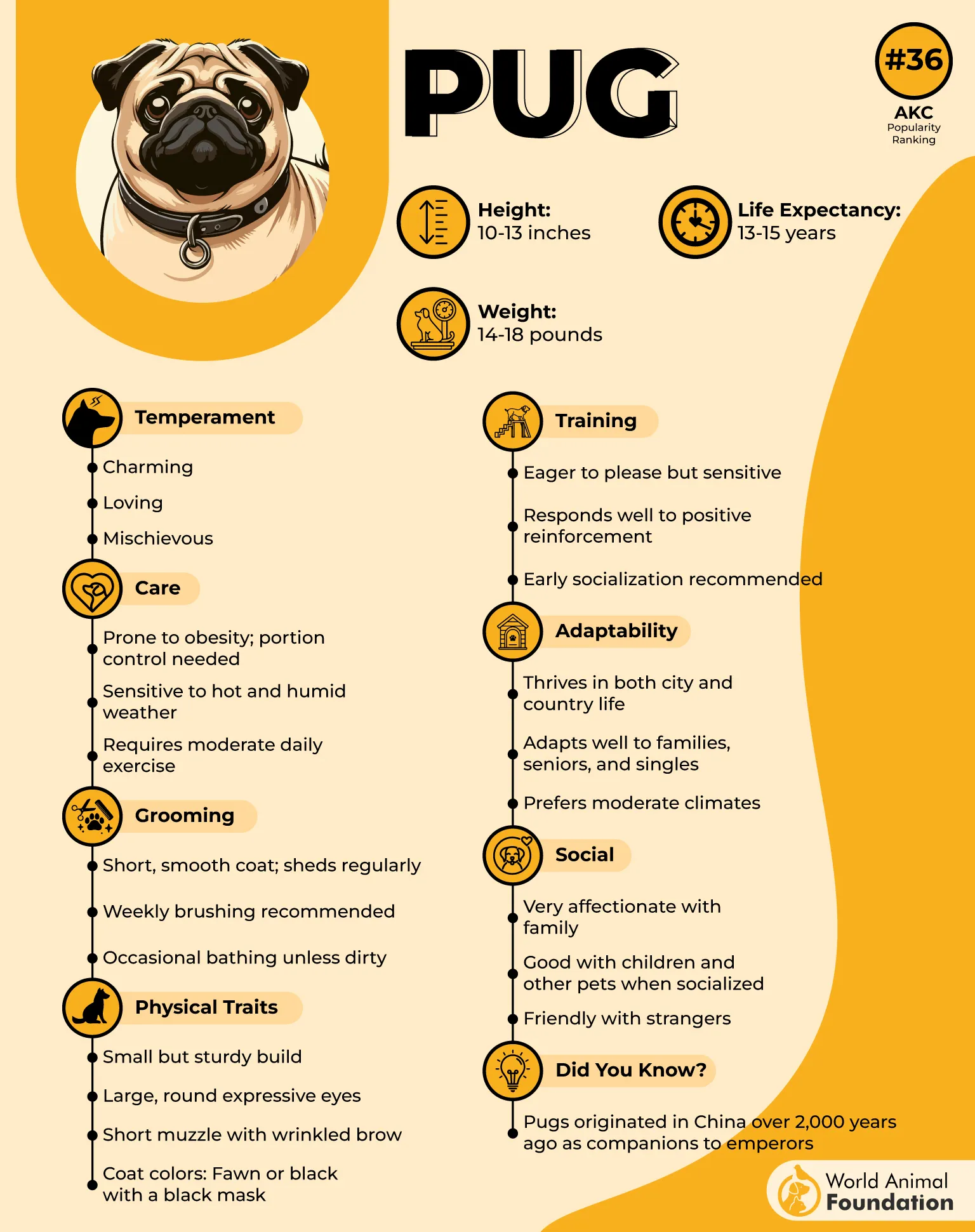
Pugs were originally bred in China around 2,000 years ago before becoming a cherished companion in royal households across different countries. That long association with people still shines through in a breed that enjoys being included in everyday family life and shared routines.
Quiet Around the Home
The Pug is not the type of dog to bark throughout the day, usually making itself heard during play or when someone reaches the front door, a habit that suits apartment living. Their calm temperament also keeps life indoors more settled.
Its character goes beyond companionship:
Short, flat-faced muzzle
Narrow nostrils and airways
Elongated soft palate
Comfortable Indoors
This low-energy canine belongs among the affectionate dogs that enjoy human company throughout the day while also appreciating plenty of time to relax. Because of its flat facial structure, this breed does best with indoor living, shorter outdoor outings, and extra attention during warm weather.
Conclusion
Living in an apartment does not mean giving up the idea of owning a wonderful dog. The better approach is choosing one whose natural habits and breed characteristics already suit shared walls, nearby neighbors, and quieter surroundings. Proper training, regular mental stimulation, and enough daily activity help those qualities shine even more over time.
A calmer companion often brings greater comfort without filling every quiet moment with unnecessary noise. While all dogs bark, the right routine helps reduce excessive barking, making the decision much easier and creating a home where both people and pets enjoy the slower rhythm that apartment living often encourages throughout each day.
