




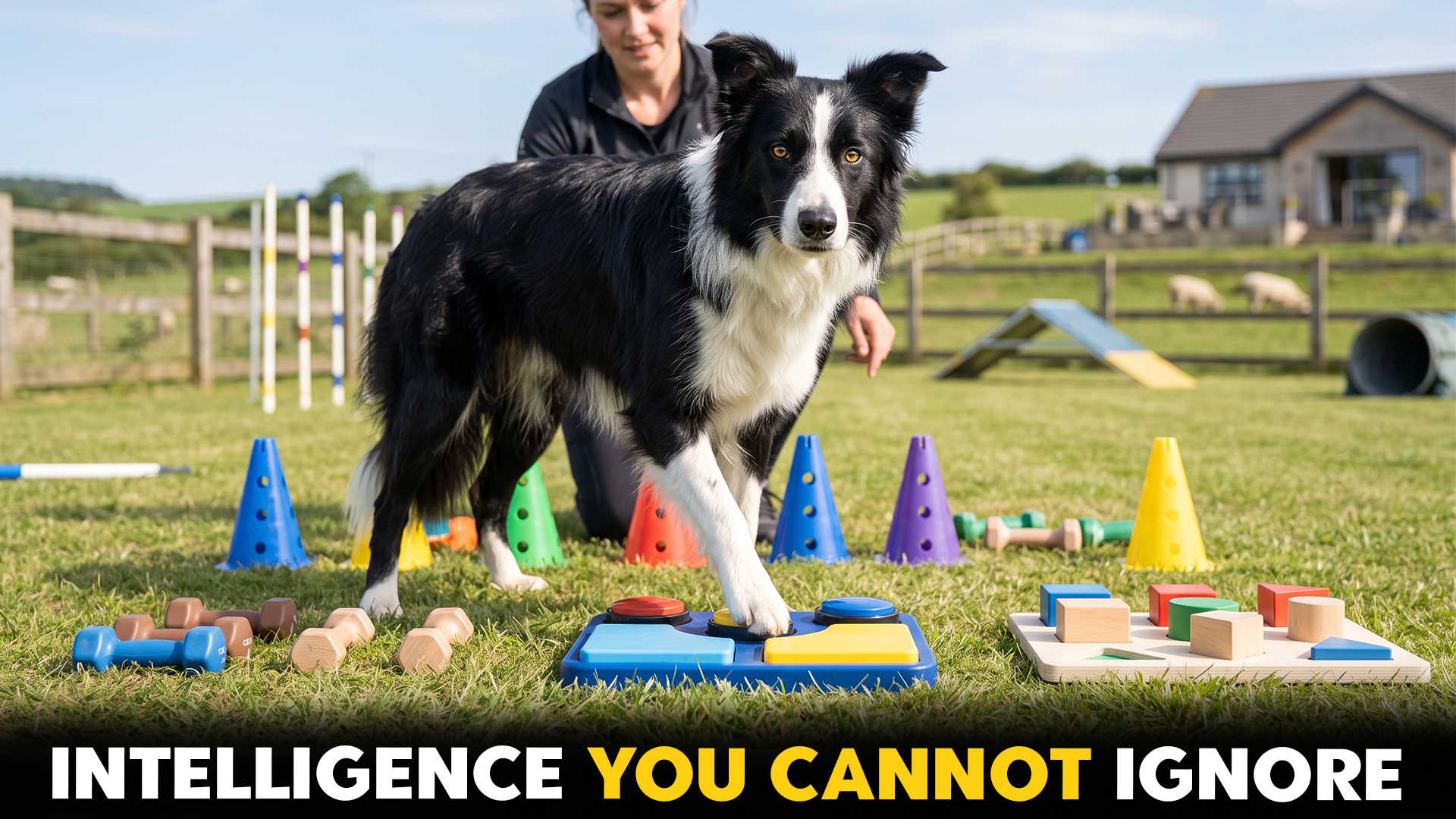
We all like to think we’re pretty smart, but deep down, most of us admire someone who seems just a bit sharper, whether that’s a friend, a sibling, or a coworker. And honestly, that makes sense, because intelligence isn’t just one thing. It’s diverse.
Maybe you’re great at studying while a friend shines in art, communication, or reading people. The same idea applies to dogs, and what counts as a “smart dog” really depends on who you ask. Problem-solving skills, sharp focus, and the ability to connect the dots are usually the benchmark, while memory, adaptability, and social intelligence round things out even further.
Some dogs really are natural strategists, capable of thinking outside the box. They’re sharp enough that they sometimes seem to pick up on the words we use. So if you’ve ever wondered whether your dog actually understands what you’re saying, chances are, they do.
Here are 9 dogs that stand out for their intelligence. We’ll cover how smart they are, their general temperament, and what kind of exercise or training they need, so stick around if you want a better sense of what your future pup might be like.
Smartest Dog Breeds: Unleashing Their Learning Power
1. Border Collie
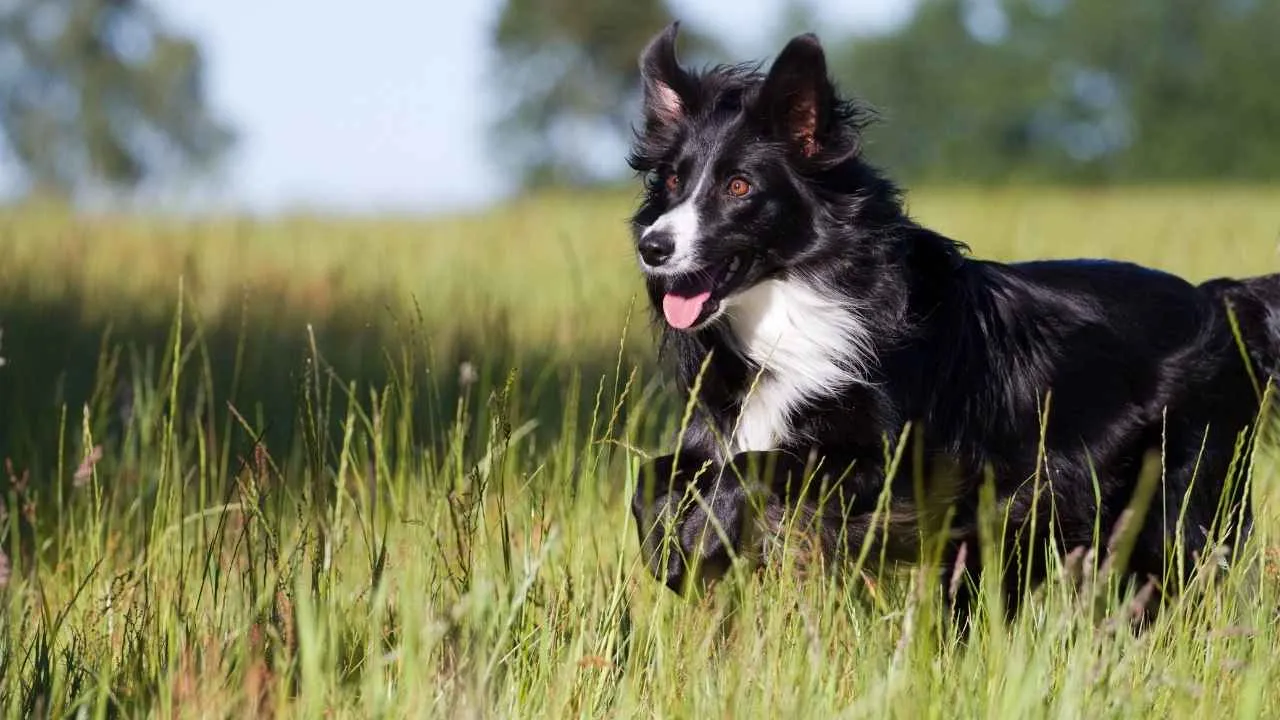
Border Collies are energetic, alert, and loyal dogs bred to herd livestock, which explains why they’re happiest when they have a job to do. They’re widely considered one of the smartest dog breeds, according to PetMD, often earning the nickname “Einstein of the dog world.”
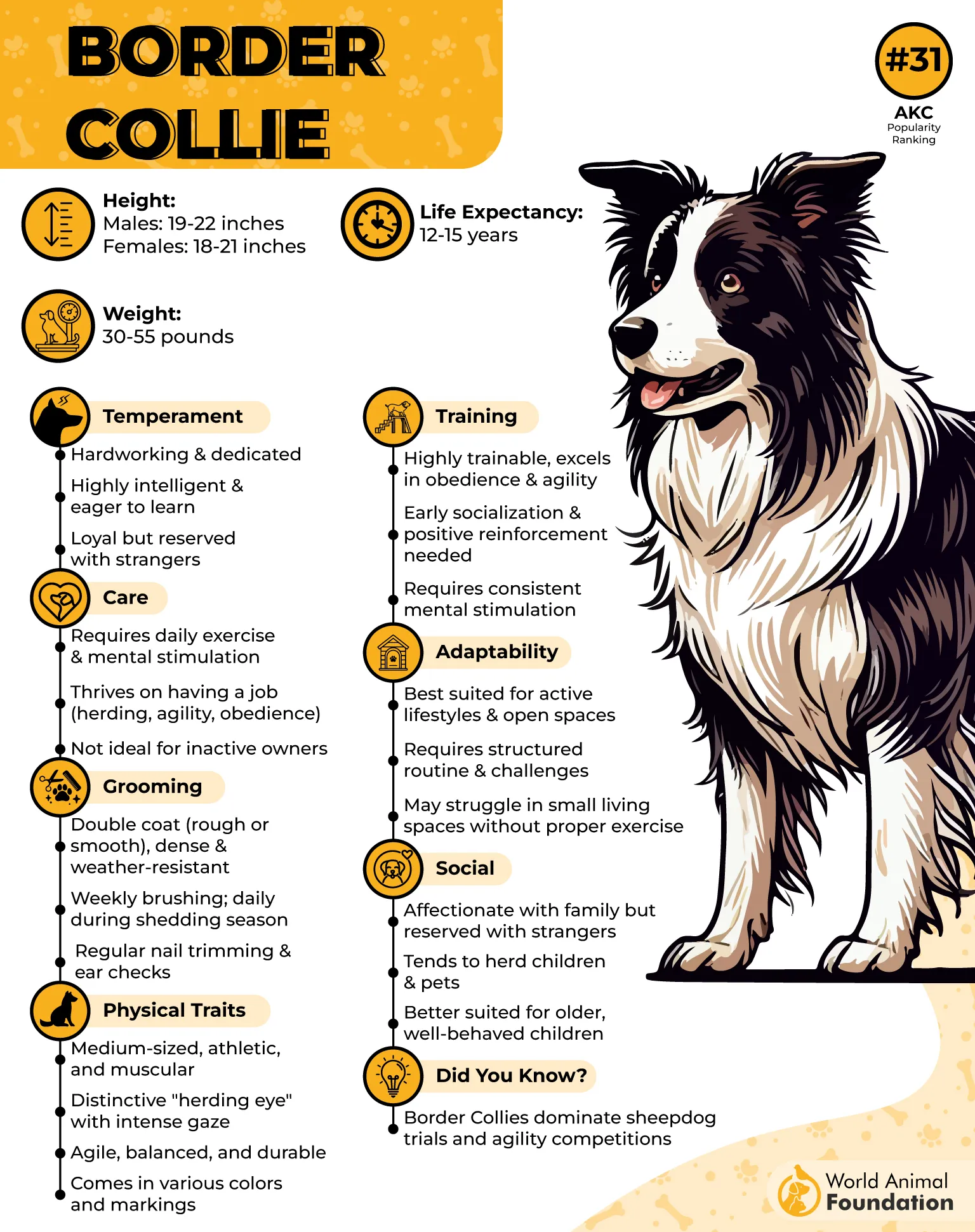
These medium-sized dogs can learn a new command in just five repetitions and follow it correctly about 95% of the time. Their problem-solving skills are impressive too; one famous Border Collie named Chaser reportedly learned over 1,000 words.
Border Collies are quite high-energy and need about 1-2 hours of daily exercise to stay mentally satisfied. Their eager-to-please nature makes them highly trainable, and their coat sheds moderately, so plan on brushing them 2-3 times a week.
2. Poodle
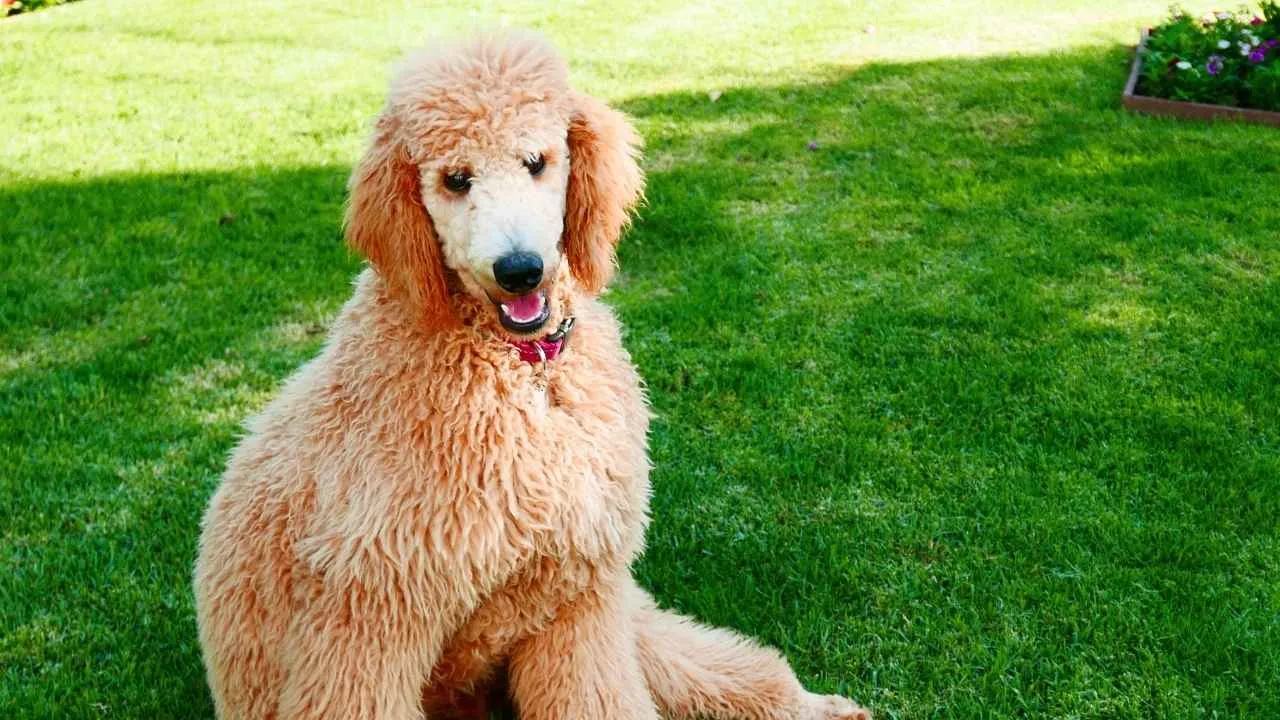
Poodles are famous for two things above all: that signature curly coat and their sharp intelligence. They’re alert, affectionate, confident dogs with a big personality to match, originally bred as retrievers with plenty of bravery and curiosity built in. The AKC describes the Poodle as having superior intelligence and an exceptional ability to learn.
These dogs are widely considered among the smartest breeds, thanks to sharp problem-solving skills and a knack for picking up commands quickly. They’re also highly intuitive and adapt easily to new environments.
Poodles have moderate energy levels and do well with brisk walks paired with indoor playtime and mental activities to keep them engaged. They’re highly adaptable and low-shedding, though daily brushing is a must to keep mats at bay.
3. German Shepherd
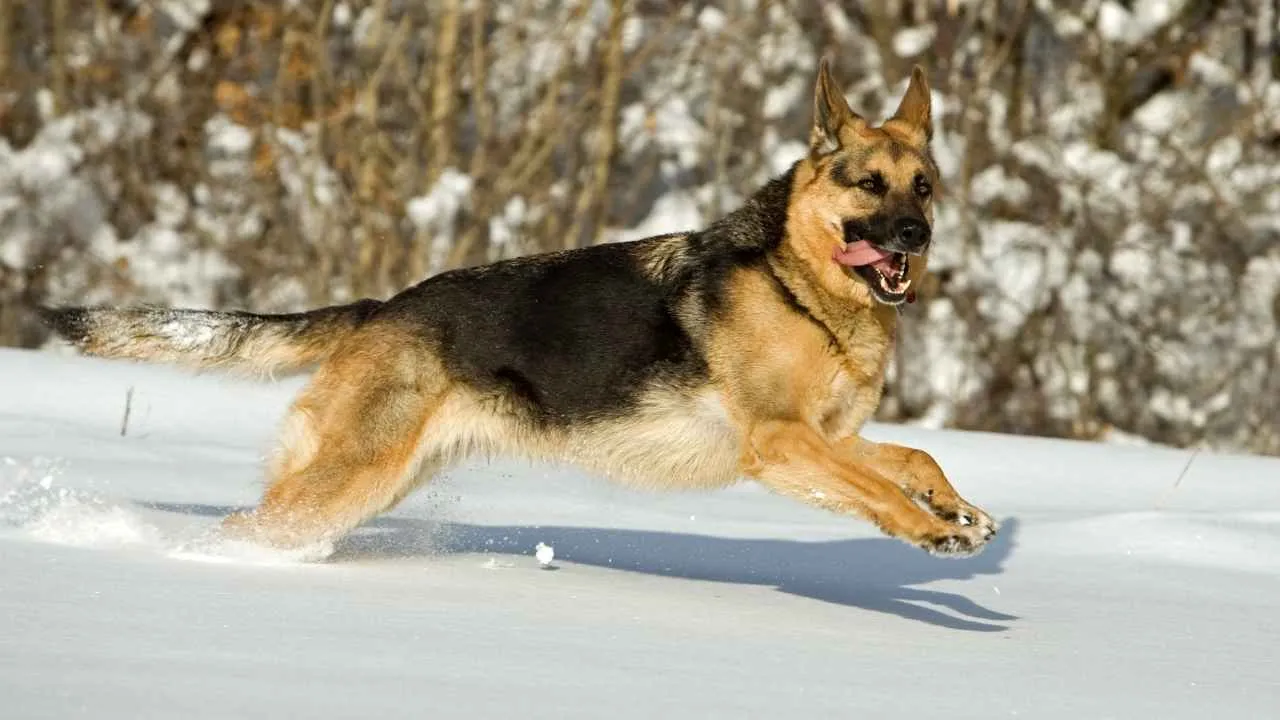
German Shepherds are confident, powerful, muscular, and watchful dogs, originally bred for herding and guarding before eventually becoming staples of K9 units everywhere. And that kind of work takes real intelligence, which this breed has in spades.
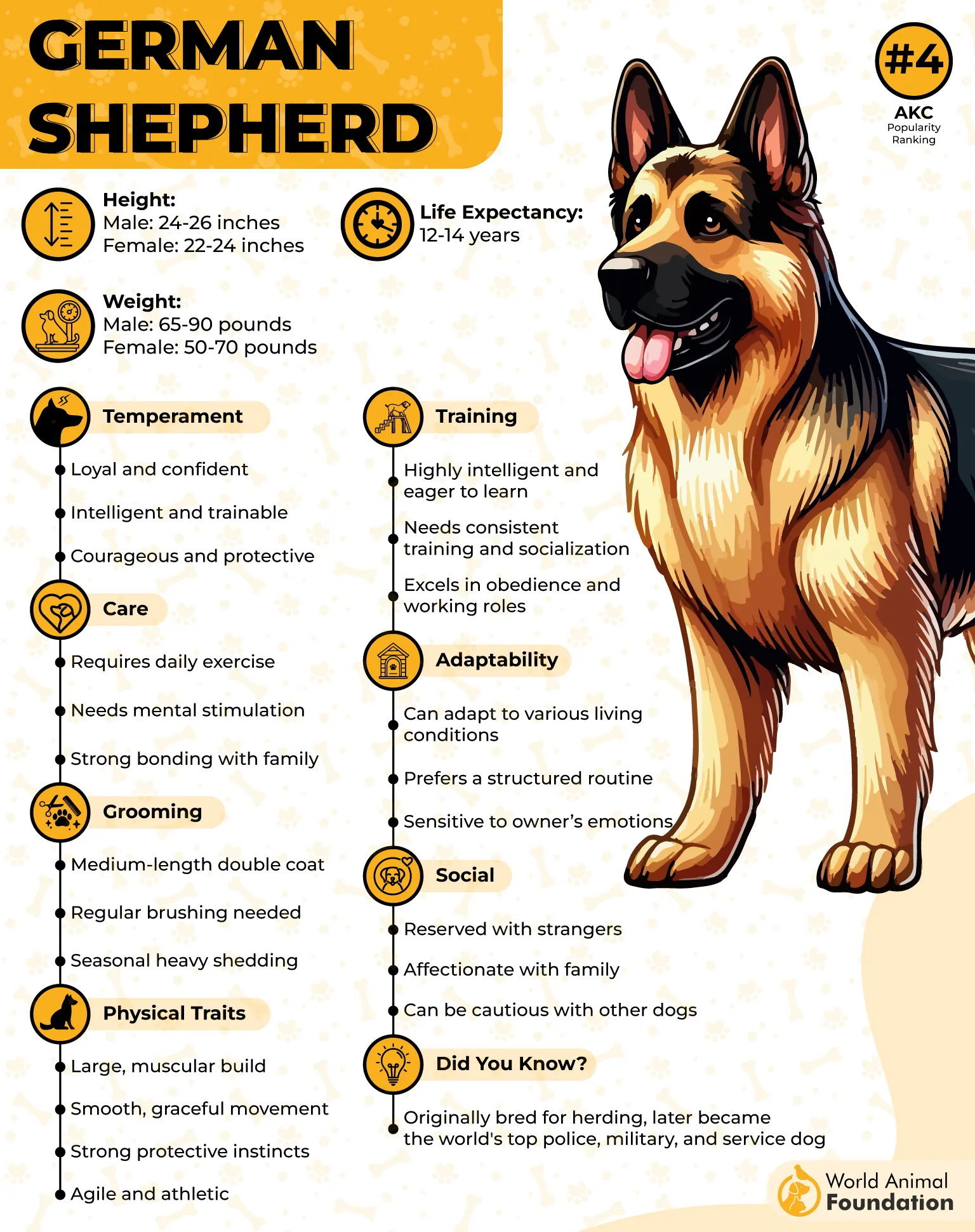
These loyal dogs are highly observant and genuinely enjoy learning new tricks. With a strong working memory and the ability to handle complex tasks, it’s easy to see why they’re considered smart heroes. That said, they do best with firm, consistent training from experienced handlers.
German Shepherds have high energy levels and shed heavily, so plenty of exercise, like hiking, running, and scent work, goes a long way toward keeping them mentally satisfied. Frequent brushing is a must too, given how much they shed.
4. Golden Retriever

Golden Retrievers are famous for being friendly, tolerant, and eager to please. Originally bred to retrieve game during long hunting days, they’ve since become beloved family pets thanks to their affectionate, easygoing nature.
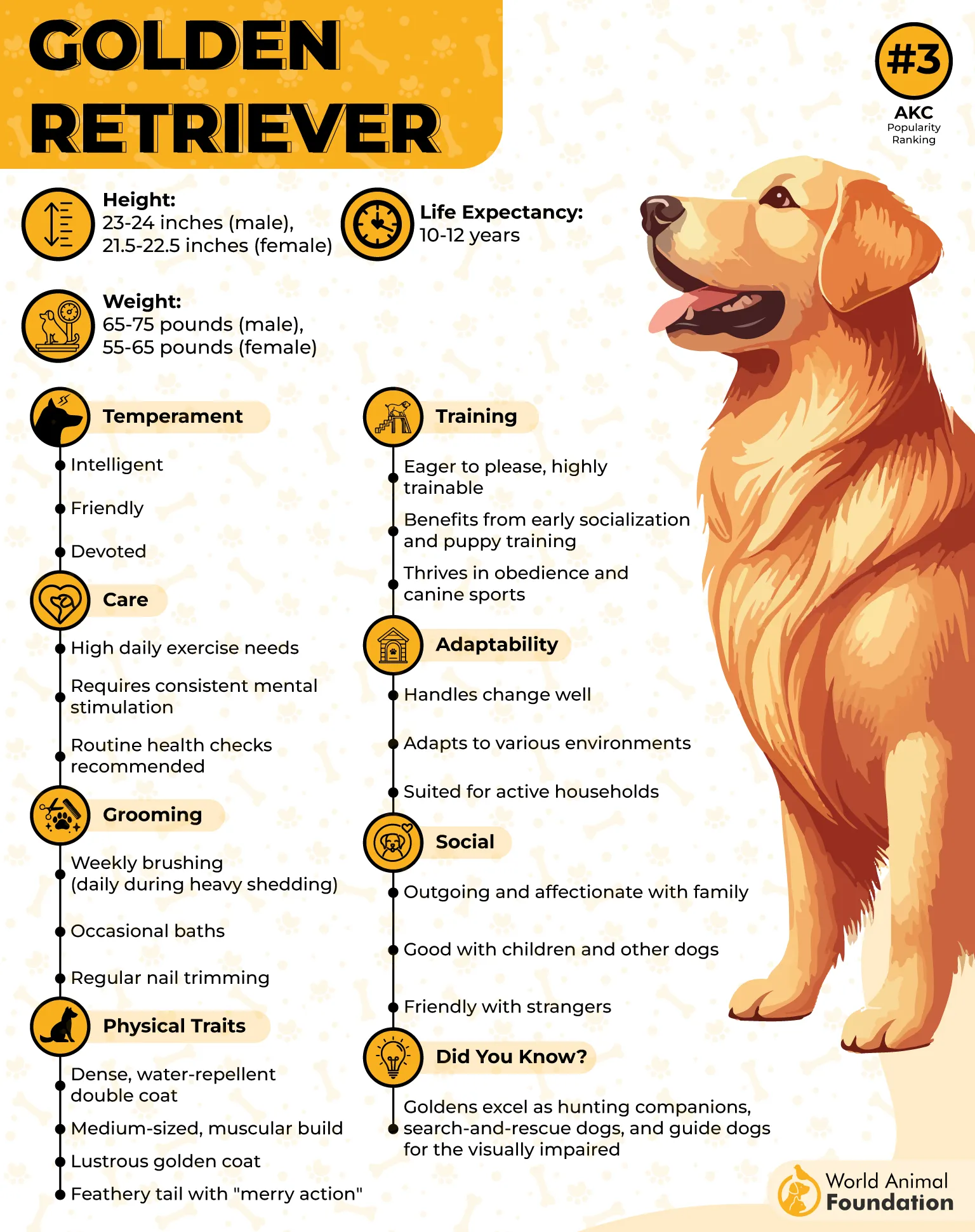
Goldens rank among the smartest breeds, with impressive emotional and cooperative intelligence. They’re natural people-readers, quick to pick up on what makes their owner happy and genuinely sensitive to emotions, which is part of why the bond runs so deep.
They’re also highly food-motivated, which makes training a lot smoother. Add in a love for active play- think long games of fetch, hiking, and running, and it’s clear this breed thrives on staying engaged. Their coat sheds heavily, so plan on brushing at least twice a week.
5. Doberman Pinscher
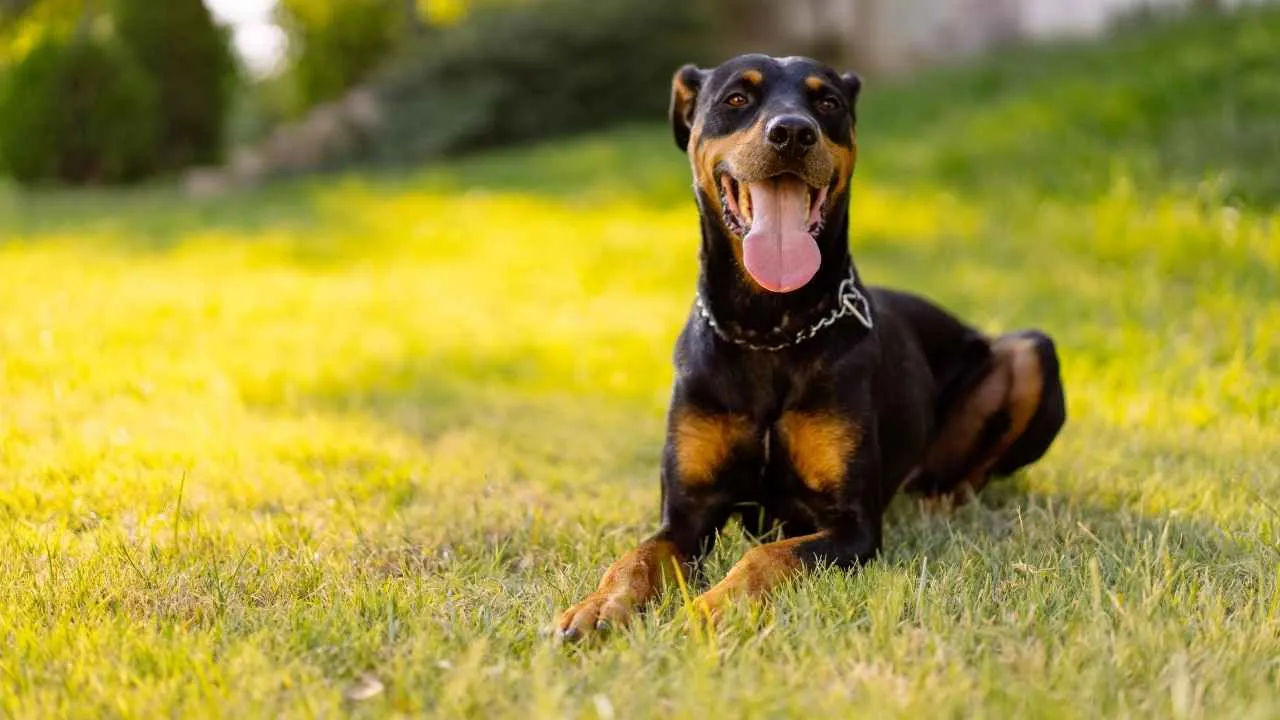
We all know Dobermans as sharp, protective guard dogs, and that reputation comes down to intelligence. Their thinking nature keeps them constantly scanning their environment, and they pick up new things fast. Loyal, fearless, and energetic, Dobermans are true Velcro dogs at heart.
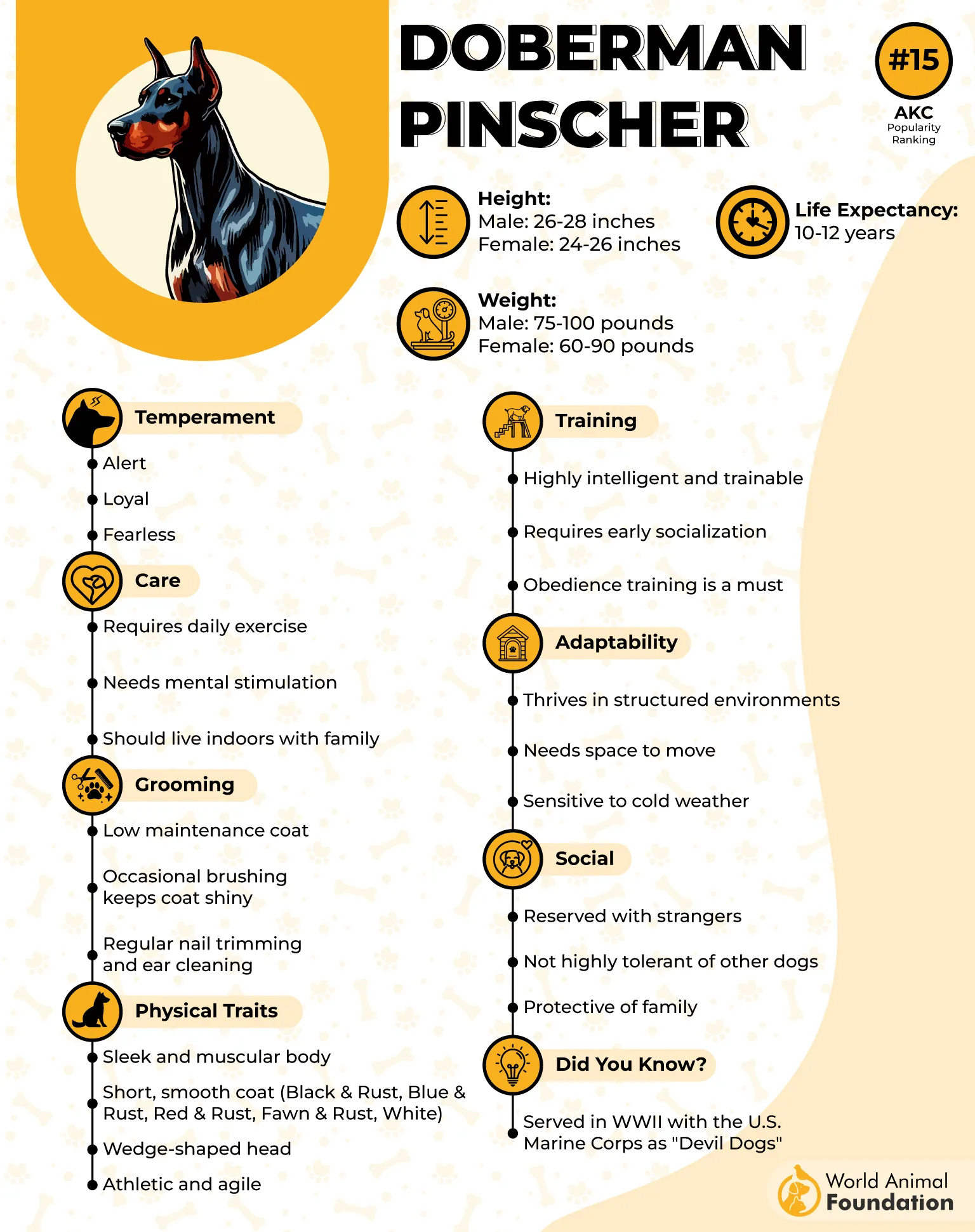
They’ve also worked as service and therapy dogs, according to Purina, which says a lot about how emotionally attuned they are to their owners. That said, Dobermans can turn stubborn if they’re bored or not kept mentally engaged.
They also have a fairly high prey drive, so this breed tends to do best with experienced owners. Dobermans need plenty of daily exercise to match their energy levels, and their short coat sheds low to moderately, needing just regular brushing to stay on top of it.
6. Shetland Sheepdog
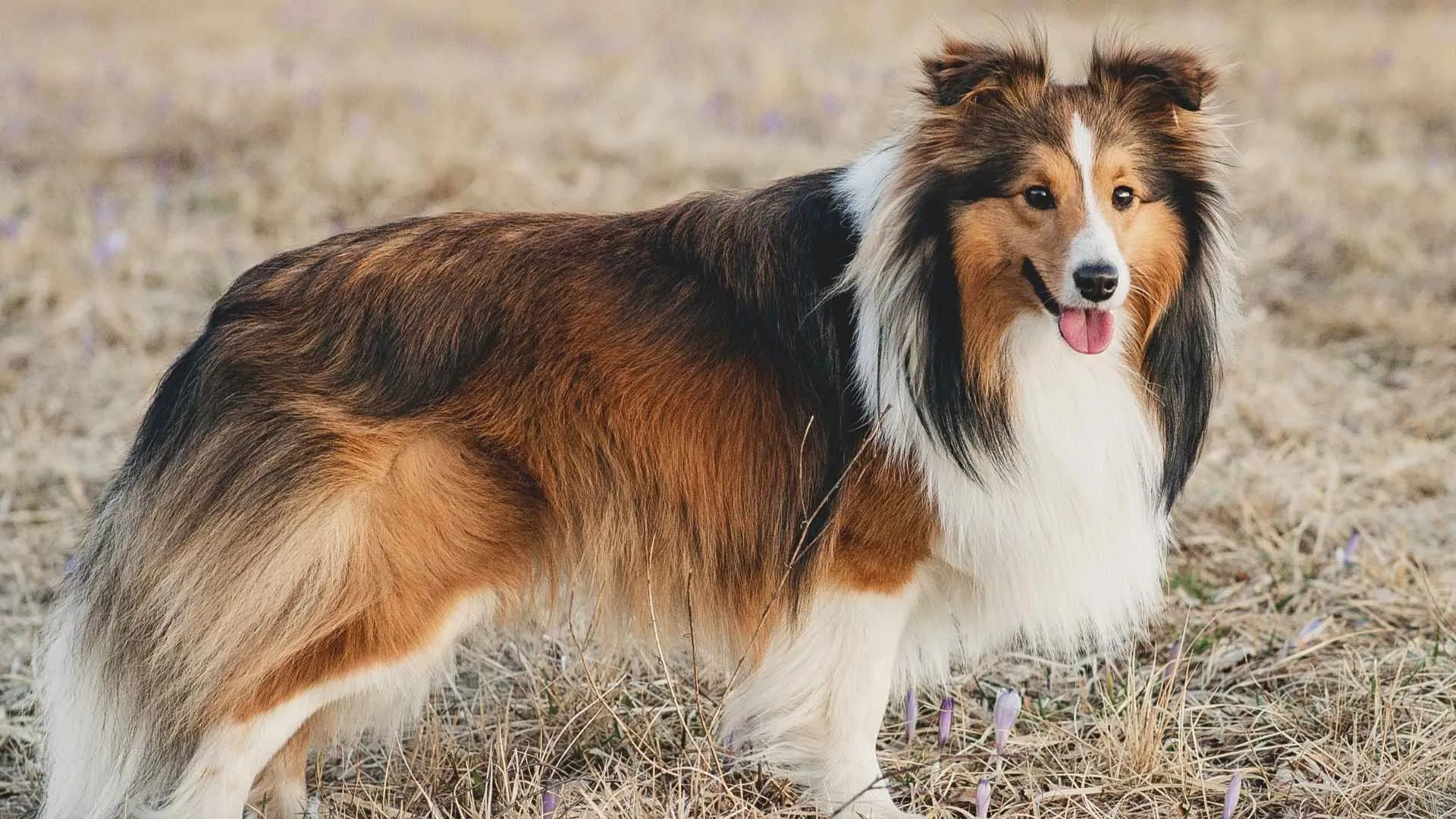
Shetland Sheepdogs, or Shelties, were bred in the rugged terrain of Scotland’s Shetland Islands to herd livestock. They’re sensitive, vocal, bright dogs known for their obedience, and they often surprise owners with just how sharp they really are.
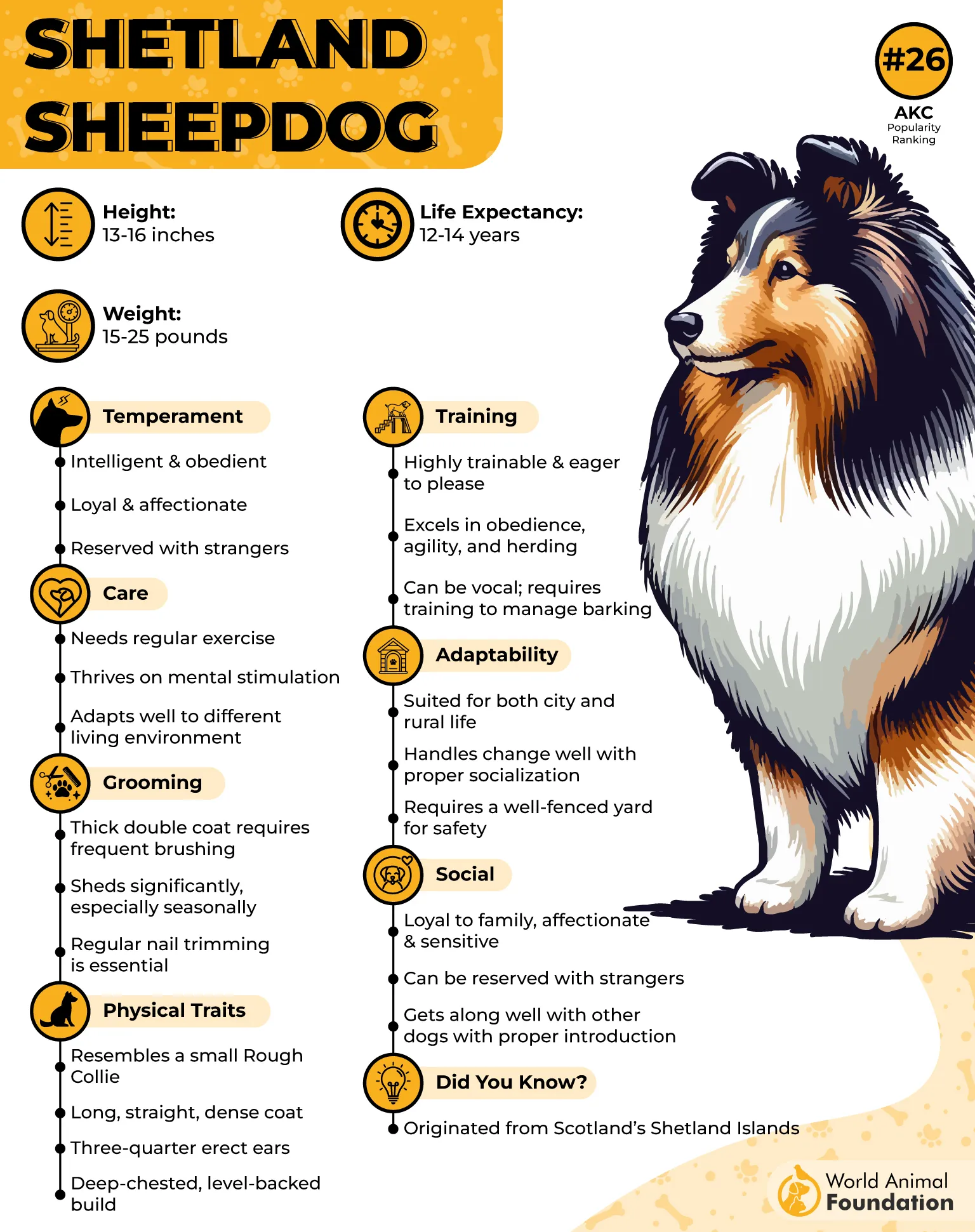
Shelties are master observers and eager learners, tackling problems and focus-heavy tasks with real ease. They’re highly trainable too, though gentle, positive reinforcement works far better with this breed than harsh correction.
Given their compact size, Shelties are usually satisfied with short brisk walks, some running, and playtime with their favorite people. Their double coat sheds moderately year-round, so brushing at least twice a week helps keep loose fur under control.
7. Labrador Retriever
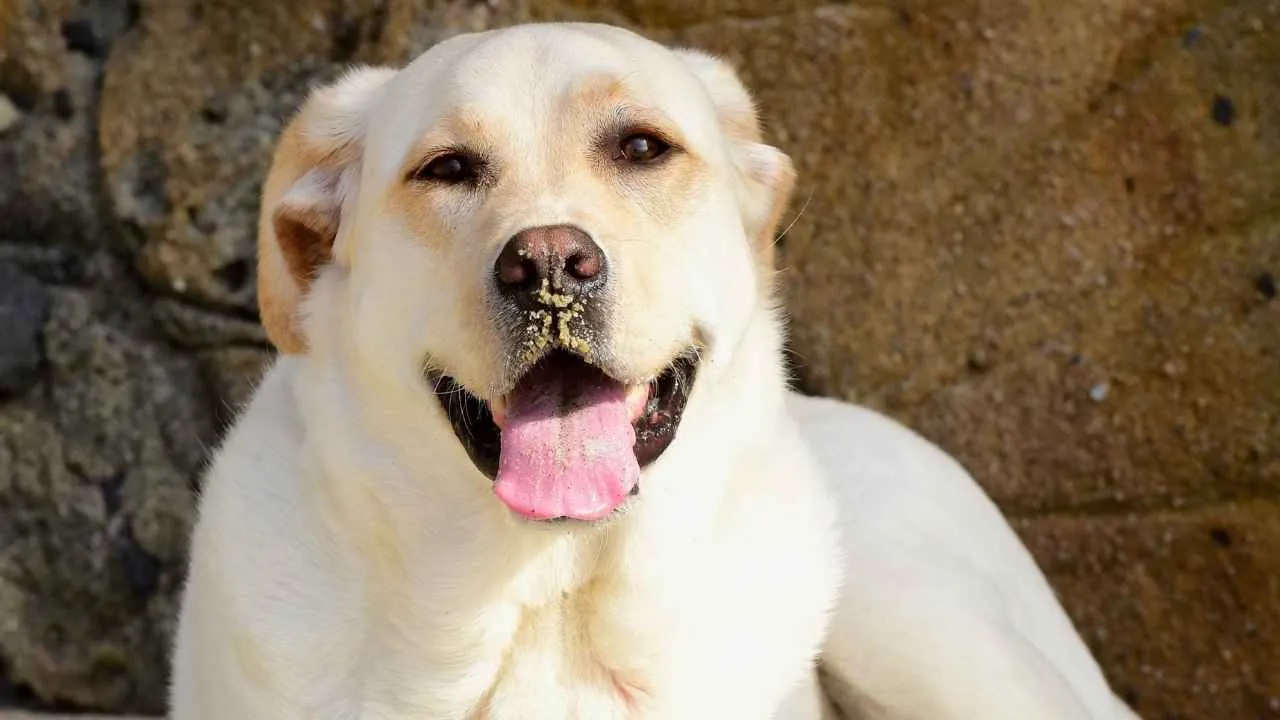
Labrador Retrievers show up in nearly every corner of the dog world, from retrieving game to service work, therapy, and of course, family life. That versatility comes down to their affectionate, social, and easygoing nature. Labs are also highly intelligent, focused, and goal-oriented dogs./
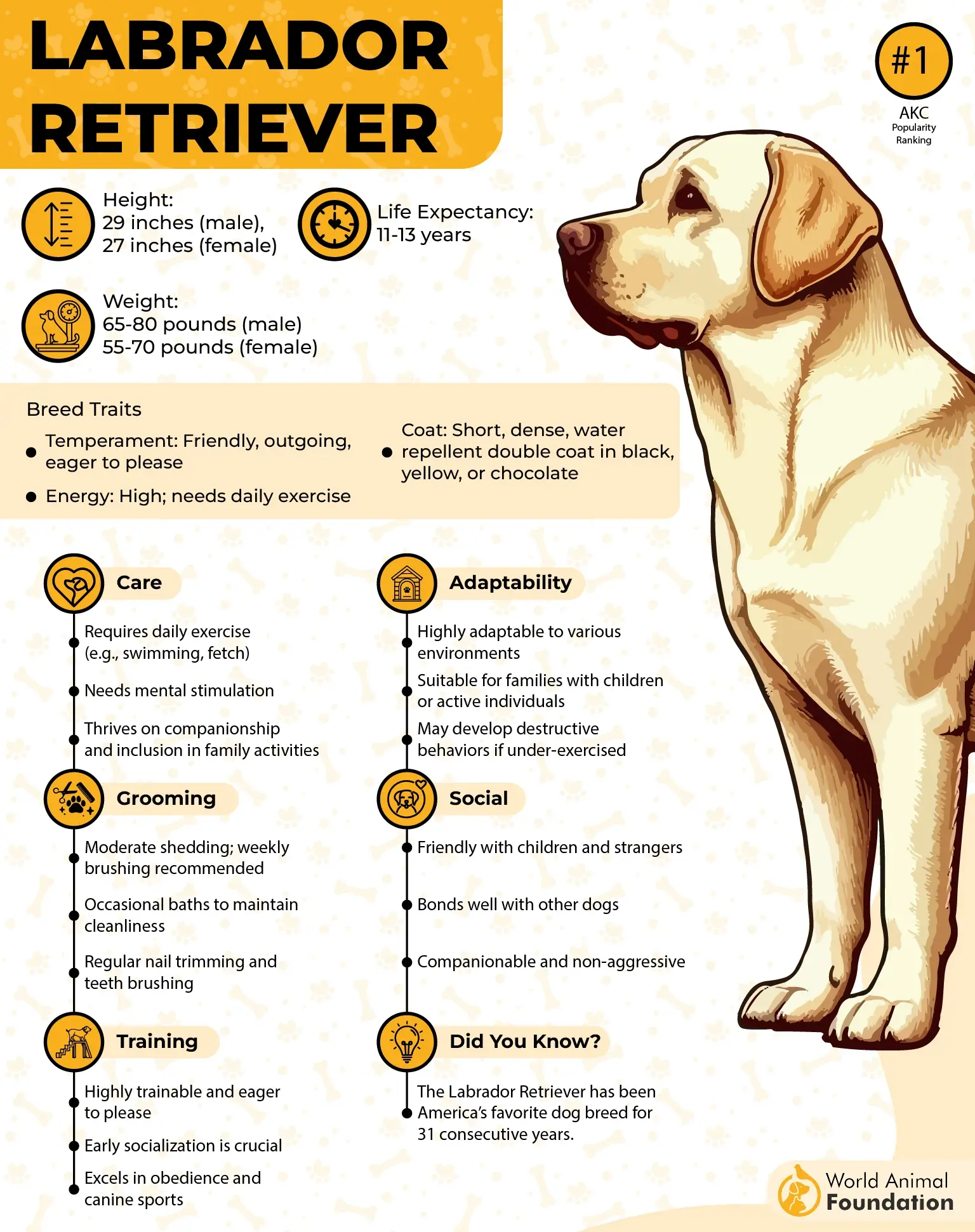
These medium-to-large dogs are natural observers, often picking up on their owner’s routines, body language, and emotions. And if Labs have one true weakness, it’s food. Offer up some tasty treats, and you’ve basically made a friend for life.
That said, Labs need about an hour of exercise a day to stay mentally satisfied, or they can start showing destructive behavior out of boredom. Thanks to their webbed feet, they love retrieving games, fetch, and swimming especially. Their short coat sheds quite a bit, so brushing 2-3 times a week helps keep it in check.
8. Papillon
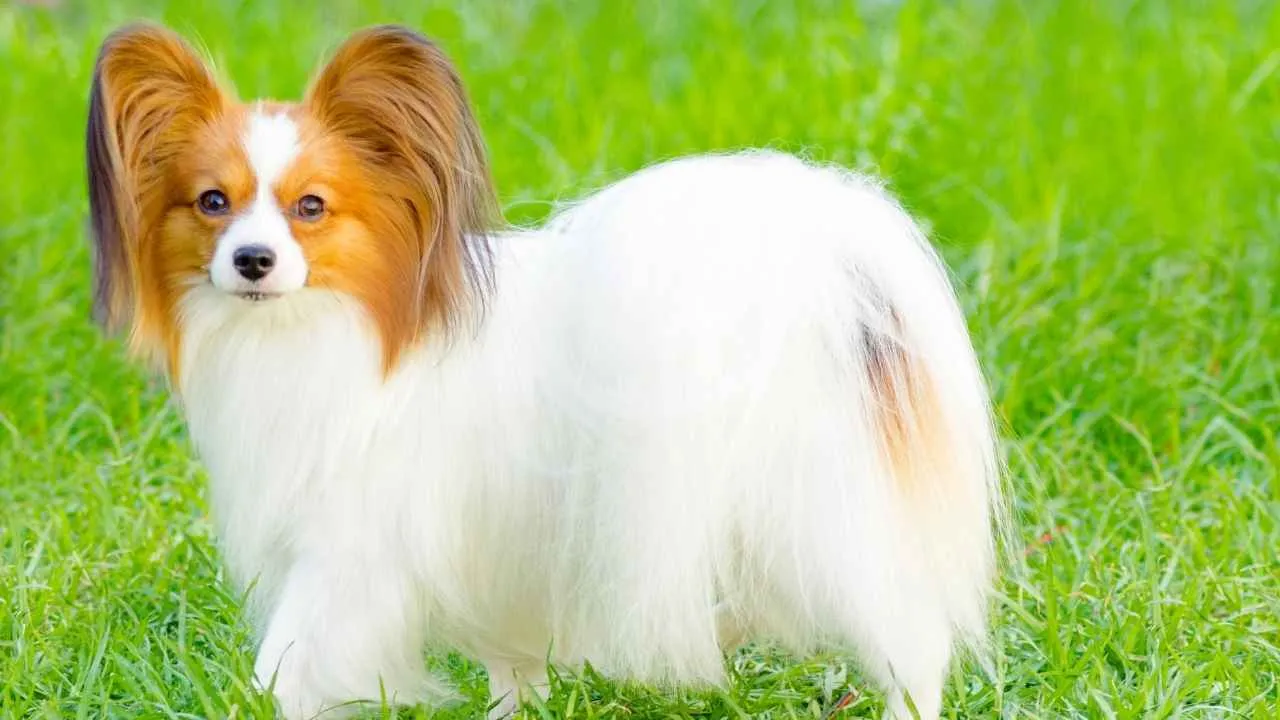
Papillons are lively, friendly, bold little dogs packed into a small frame. Endlessly curious, they love investigating whatever’s going on in the house and jumping right into the action. Their name actually means “butterfly” in French, a nod to their delicate, wing-like ears.
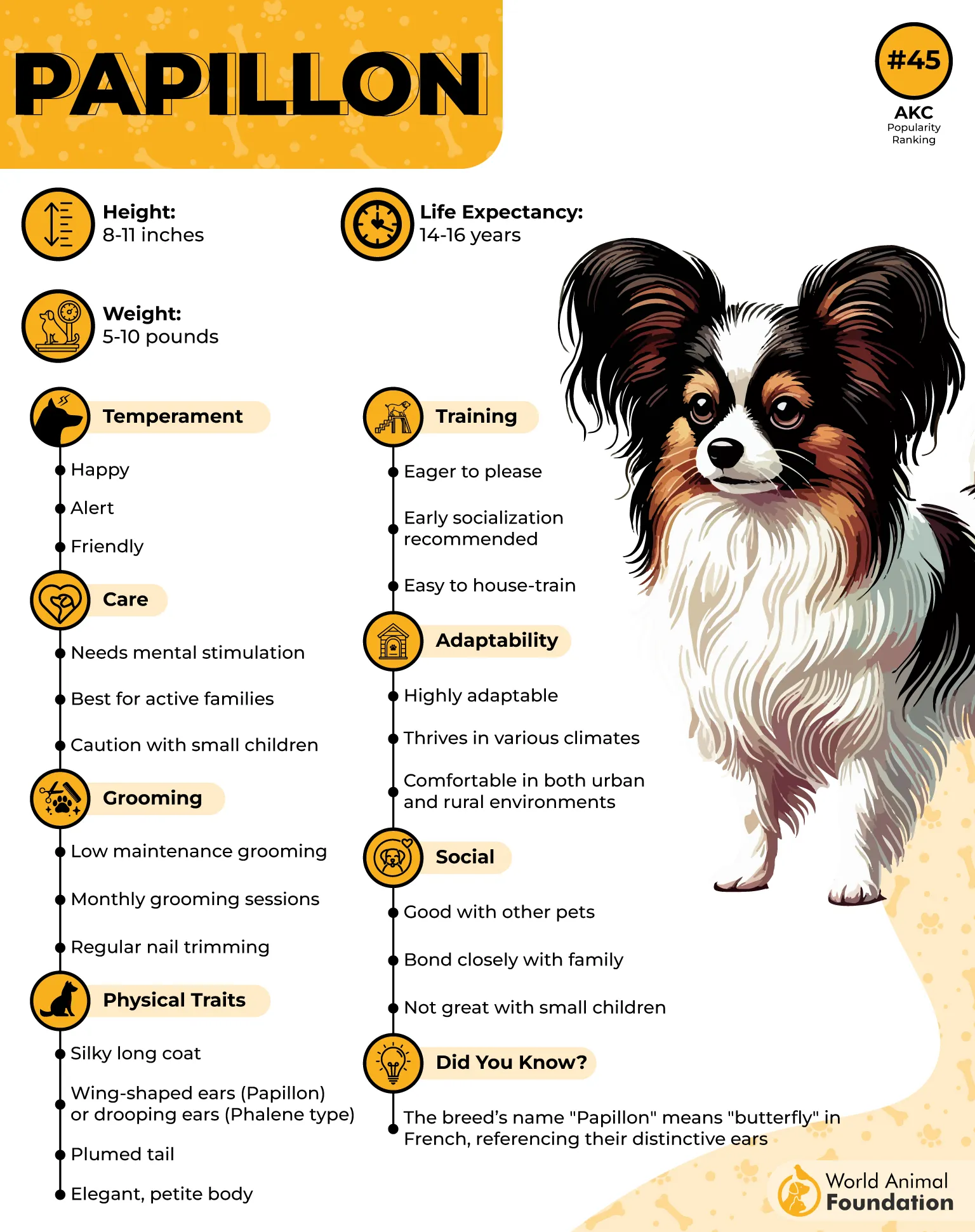
These dogs are natural problem solvers, always taking in their surroundings. They pick up on subtle cues quickly and master new tasks with impressive mental agility. Positive reinforcement and trick-based training tend to work especially well with this breed.
If training feels like a challenge, bringing in a certified trainer can help. Beyond that, Papillons don’t need a big yard, just daily walks and some regular playtime. Their coat sheds moderately year-round, so brushing every few days helps keep it looking its best.
9. Rottweiler
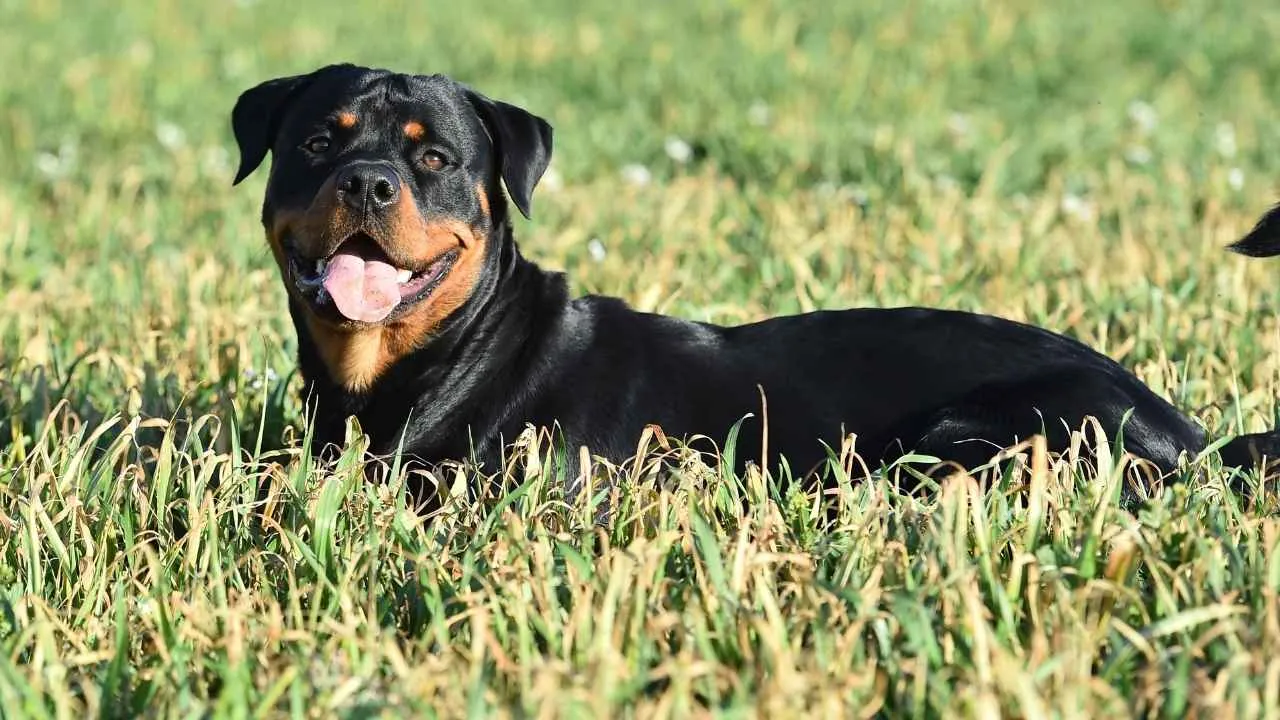
Rottweilers are powerful, calm, self-assured dogs with a history of herding and guarding work dating back to the Roman Empire. They tend to be reserved around strangers but deeply devoted to their own families, and that combination of confidence and problem-solving ability makes them genuinely capable dogs.
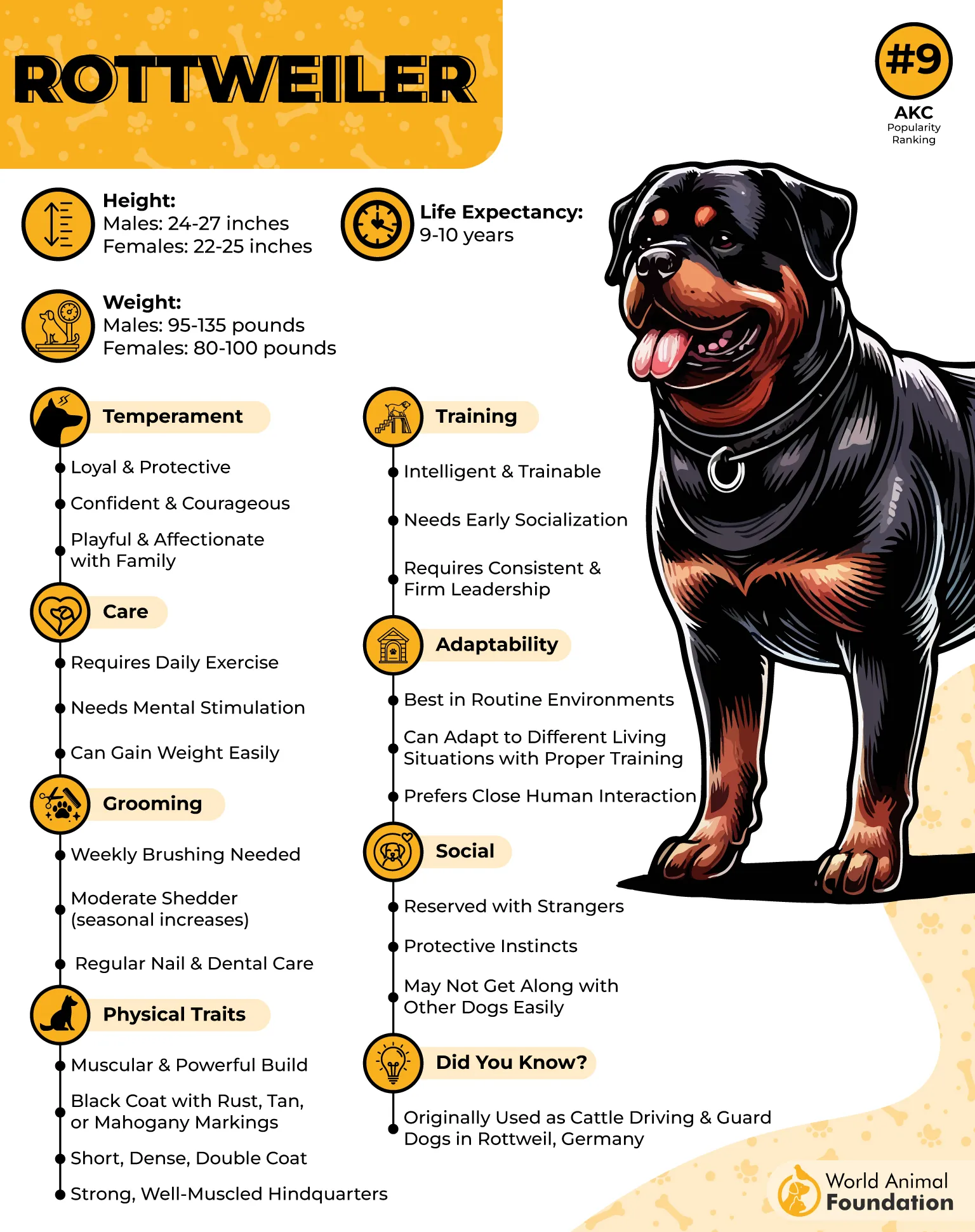
Rotties can learn and follow detailed instructions well, and they’re stoic, highly trainable learners at that. That said, they still need a firm, patient leader, since they can turn into selective listeners if training isn’t consistent.
According to Chewy, Rottweilers need one to three hours of exercise a day to stay mentally satisfied. Their short, dense coat sheds moderately year-round and needs weekly brushing to clear out dead hair, and beyond that, they’re fairly low maintenance when it comes to grooming.
Conclusion
We all end up thinking our own dog is the smart one, especially once we start picking up on their little quirks and body language. But these 9 intelligent dog breeds are genuinely known for that natural wit, quick to learn commands, adapt to new situations, and read human emotions with surprising accuracy.
That said, it’s worth remembering that breed only accounts for part of the picture. The rest comes down to training and socialization. So in many ways, just how smart your dog turns out to be is partly up to you, and it’s not something worth skimping on.
