




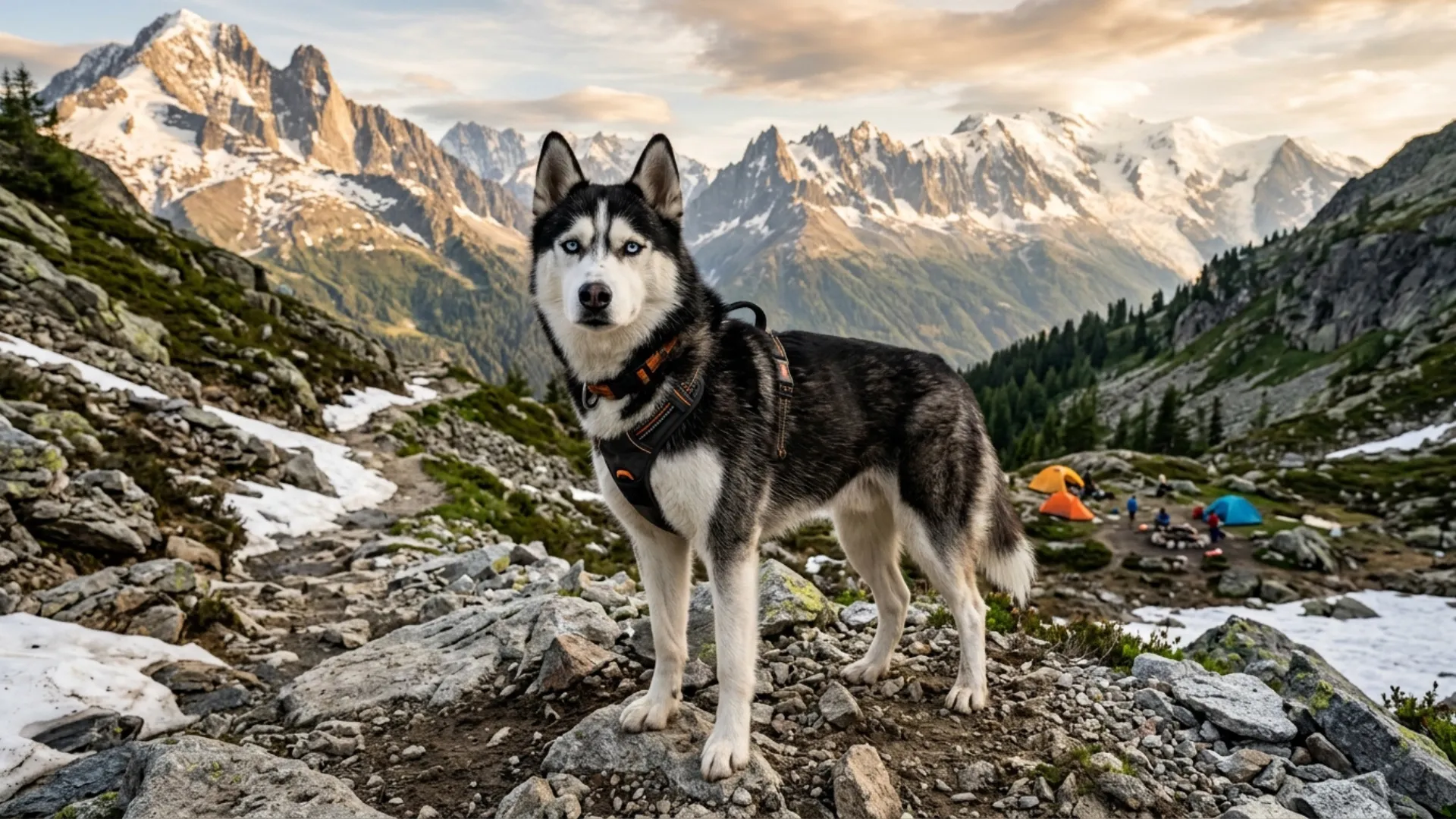
Spending a cool evening on a cozy sofa while holding a cup of coffee is fun until fun comes into action. If you have an active lifestyle and you love to spend much of your time outdoors, but do not have a constant companion who thrives with you and enjoys every bump on the road, starry night in the mountains, and distant voices of wild creatures.
No matter what background a dog has, each one of them has the desire to go outdoors and have fun. Even the laid-back ones. But here in this article, we are going to discuss the top strong and resilient dog breeds that are experts in rugged outdoor adventures.
All you need to do is provide them with a structured routine and enough physical and mental stimulation.
Top Most Resilient Dog Breeds for Rugged Outdoor Adventures
1. Australian Cattle Dog
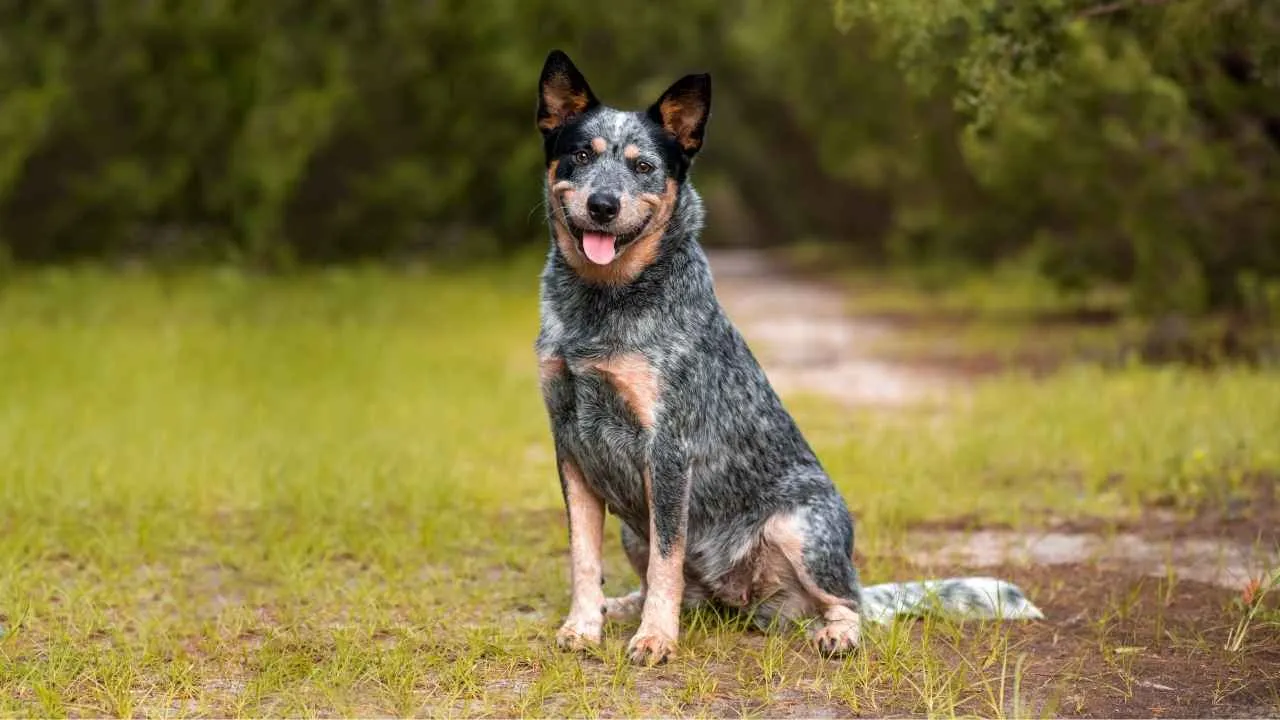
Australian ranchers noted in the 19th century that the herding dogs they brought from England were not suitable for the harsh climate. So, they developed a herding dog that can herd over large distances without being overly aggressive. It was bred by crossing Blue Smooth Highland Collies with Dingos, says Orvis.
The heavy musculature provides great agility and endurance. It can control the movement of heavy objects in both open and confined areas. The curious and watchful instincts make it thrive in dog sports. The breed has cat-like feet and rugged feet, specifically built to handle rugged terrain.
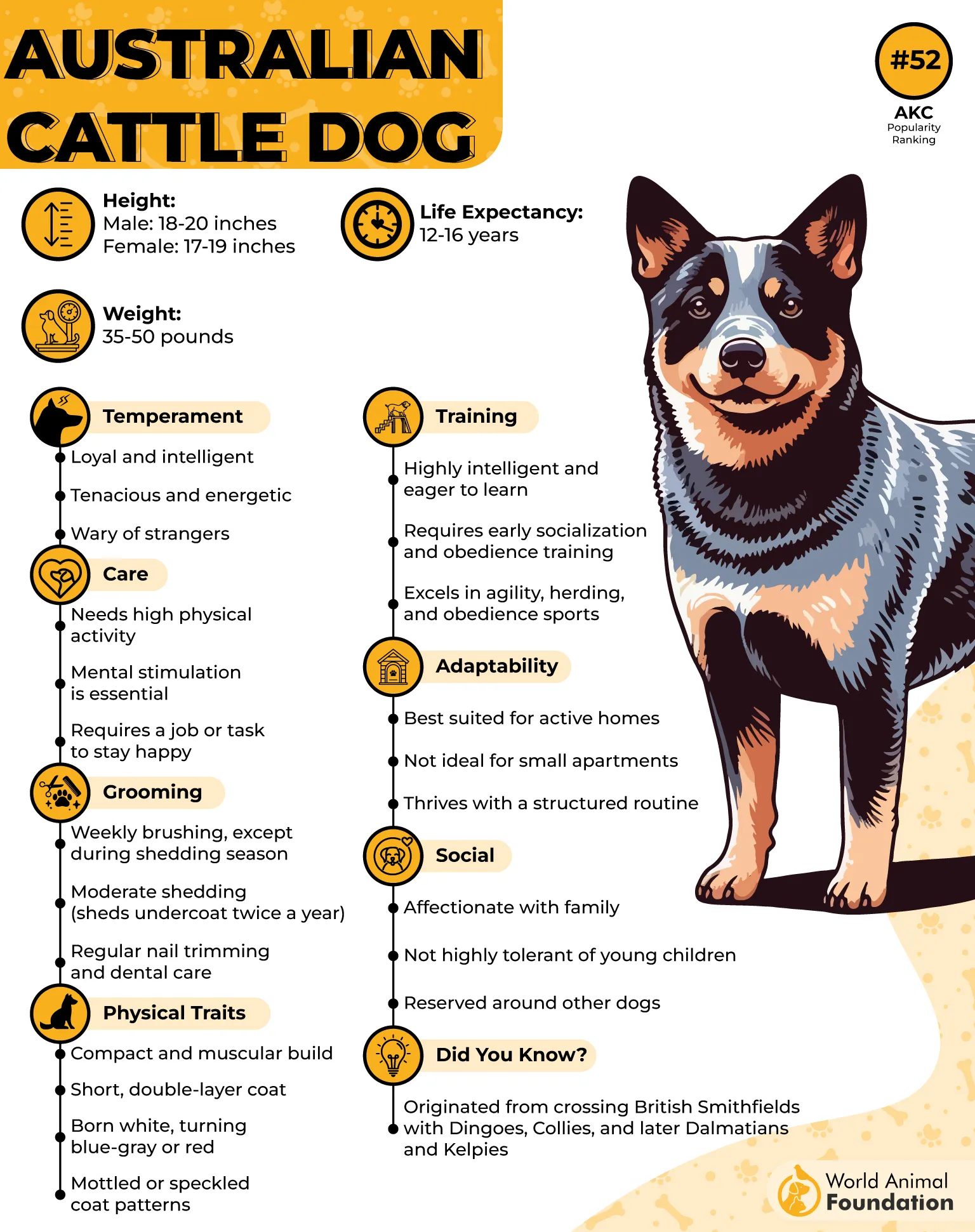
Also known as Blue Heelers, the breed thrives in treiball (inflated exercise balls), flirt pole, trail running, hiking, backpacking, and dog sports like Fast CAT and Disc Dog. Agility training and obedience courses are suggested.
2. Siberian Husky
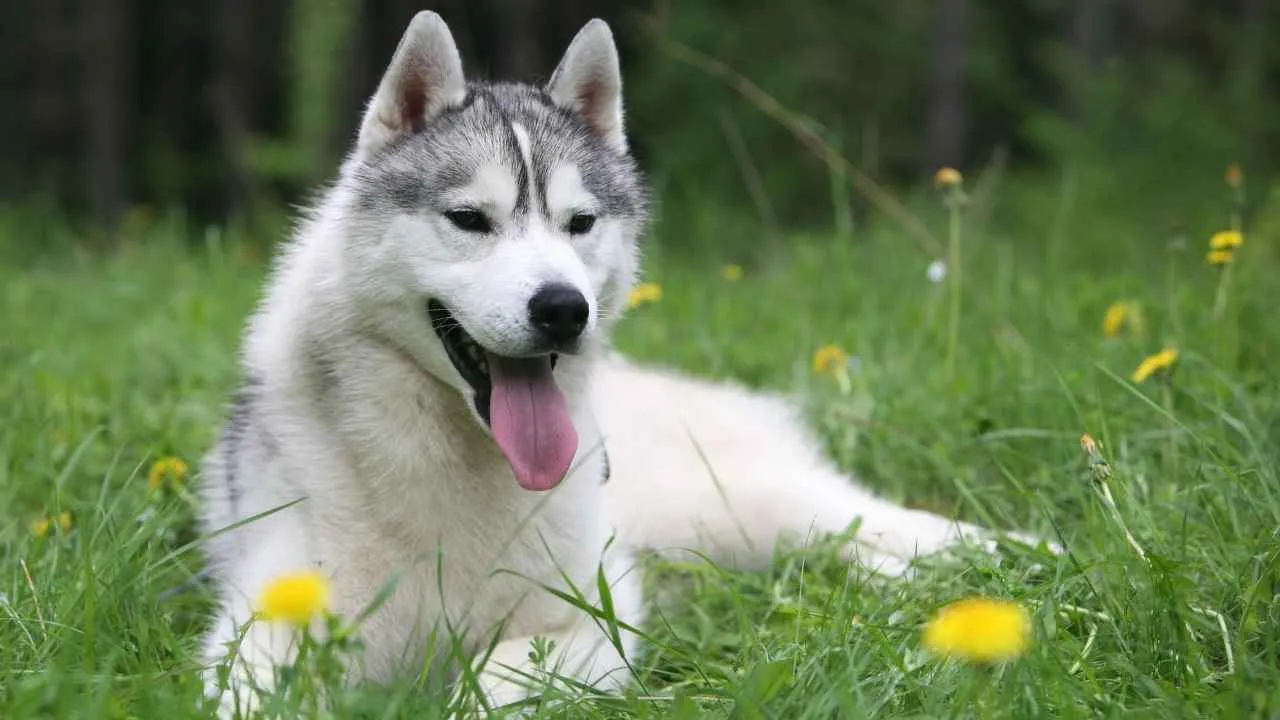
Originally bred in Northeast Asia, the gentle giant was developed by the Chukchi people as a sled dog. The Spitz-type dog breed is famously known for carrying antitoxins to Nome during diphtheria. It is now commonly kept as a companion dog.
When the muscle glycogen runs out, the body burns fats and proteins directly from the bloodstream, making the breed work for hours without tiring. The dog inhales frigid air that can be dangerous. The specialized nasal pathway humidifies and warms cold air before reaching the lungs.
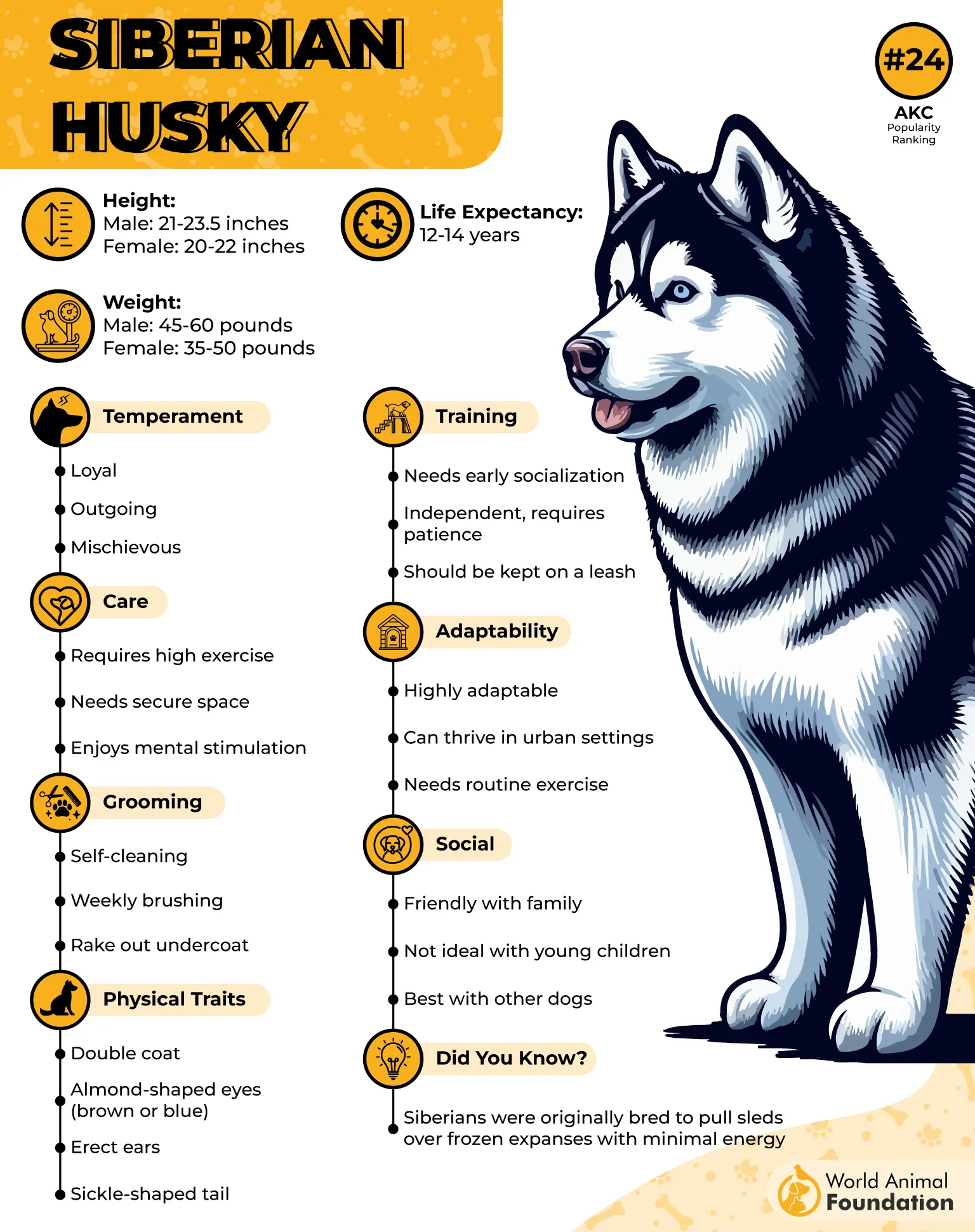
It has a thick and bushy tail which it uses to cover its body and nose while sleeping outdoors in harsh cold weather. As it has an instinct to pull, the breed thrives in canicross, bikejoring, and skijoring.
3. Alaskan Malamute
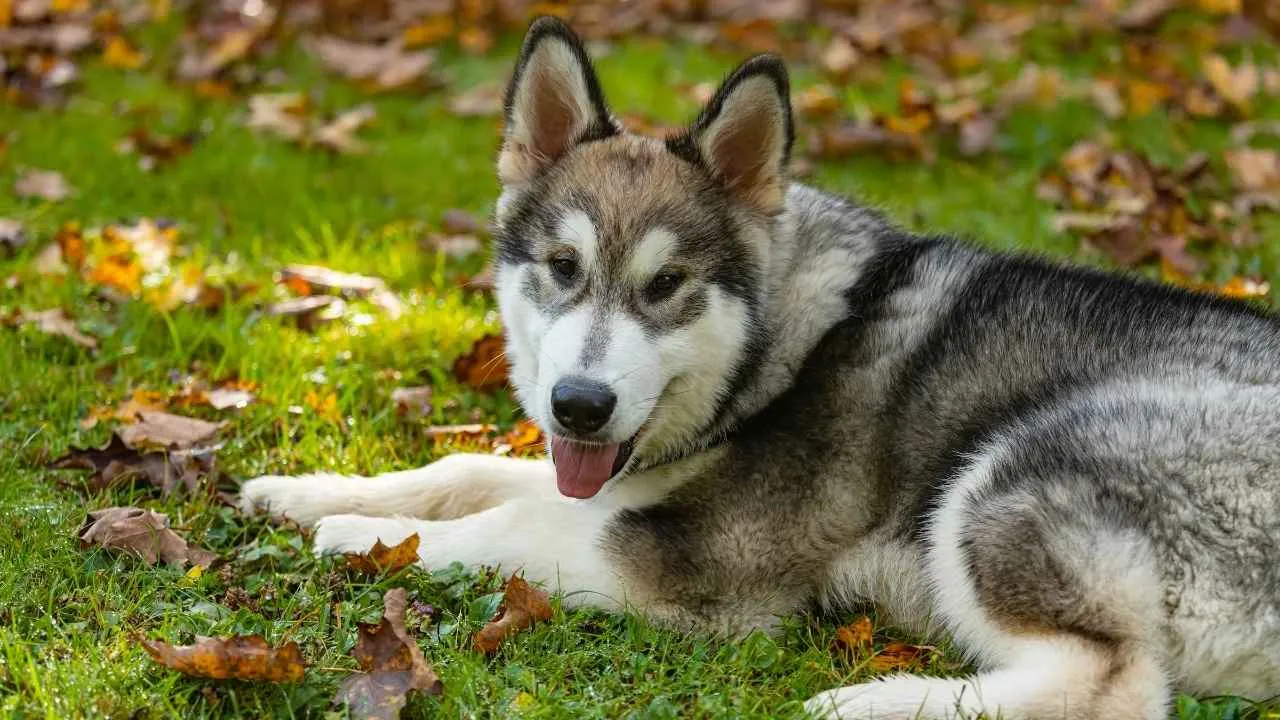
The breed was developed in the Arctic region during prehistoric times. The primary goal was to act as a working dog, pulling heavy weights, such as bears and seals, to the villages. Because of a thick double coat and webbed feet, the breed pulls sleds in snow for long distances, as per Omlet.
The deeply padded paws and the fur between the toes act like built-in snowshoes, providing excellent traction on ice. The erect, triangular ears, brown eyes, and a wide snout provide strong senses of sight, smell, and hearing. The feathering around the ears protects them against frostbite.
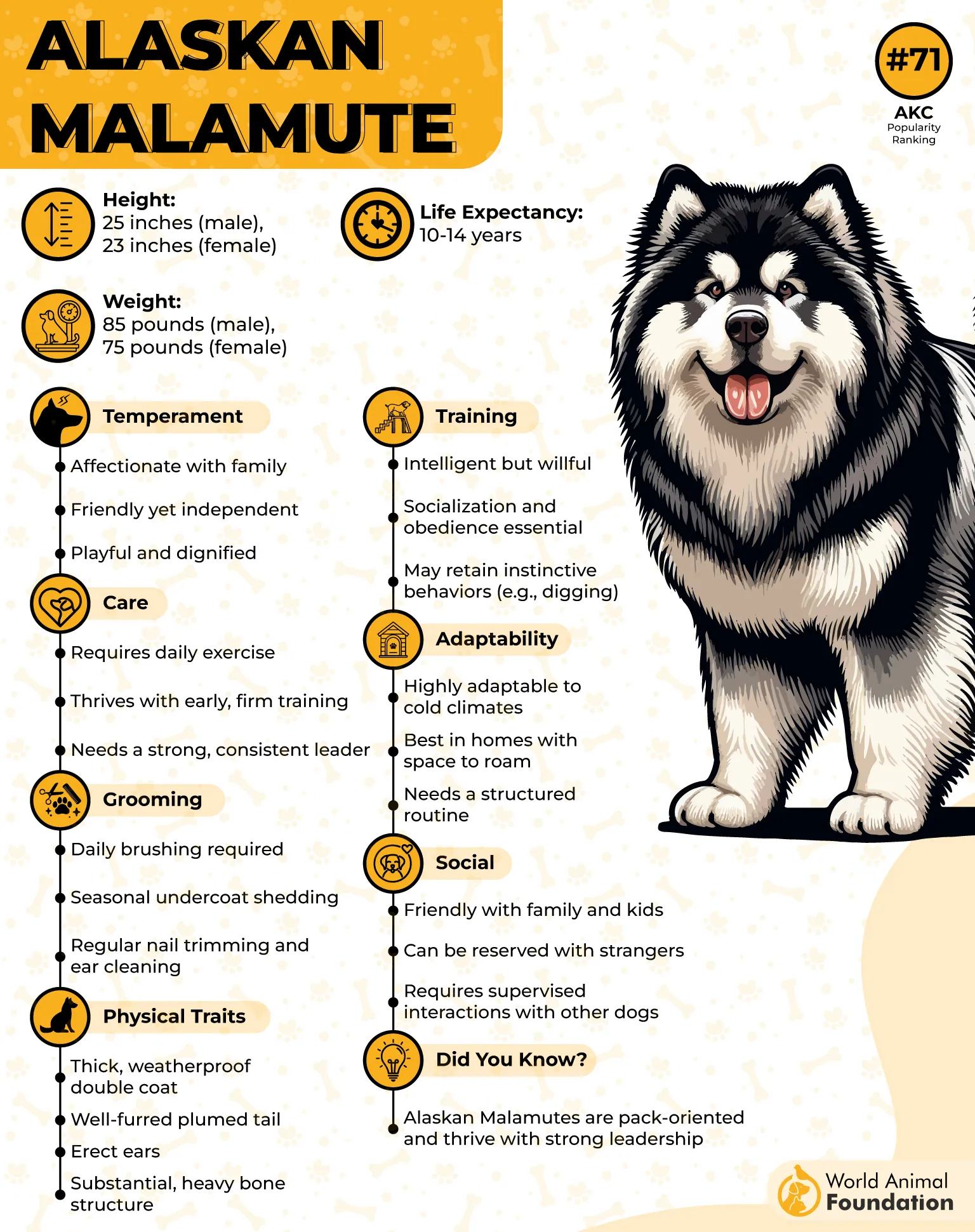
This powerful working dog thrives in dog sports, such as carting, sledding, and weight pulling. It also excels in agility, play, scent work, fetching, hide-and-seek, tug-of-war, hiking, and swimming.
4. Rhodesian Ridgeback
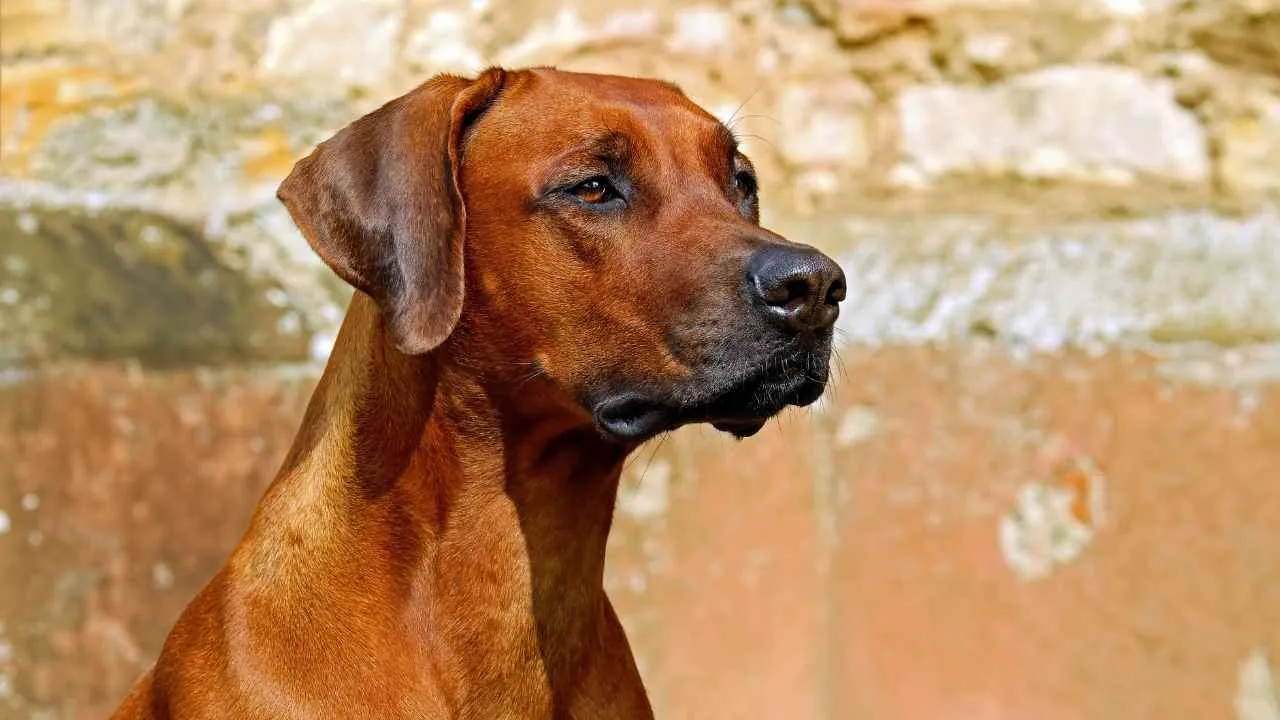
The breed was developed from the South African semi-wild dog. This dog was interbred with other dogs brought to the country by European settlers in the 17th century. The dog was primarily used for the protection of property and people. The AKC recognized the breed in 1955.
The rectangular body proportion enables a perfect balance for traveling rough terrain. It has a high lung capacity that maximizes oxygen intake and efficient cardiovascular performance. It has cat-like paws that act as shock absorbers and provide durability,
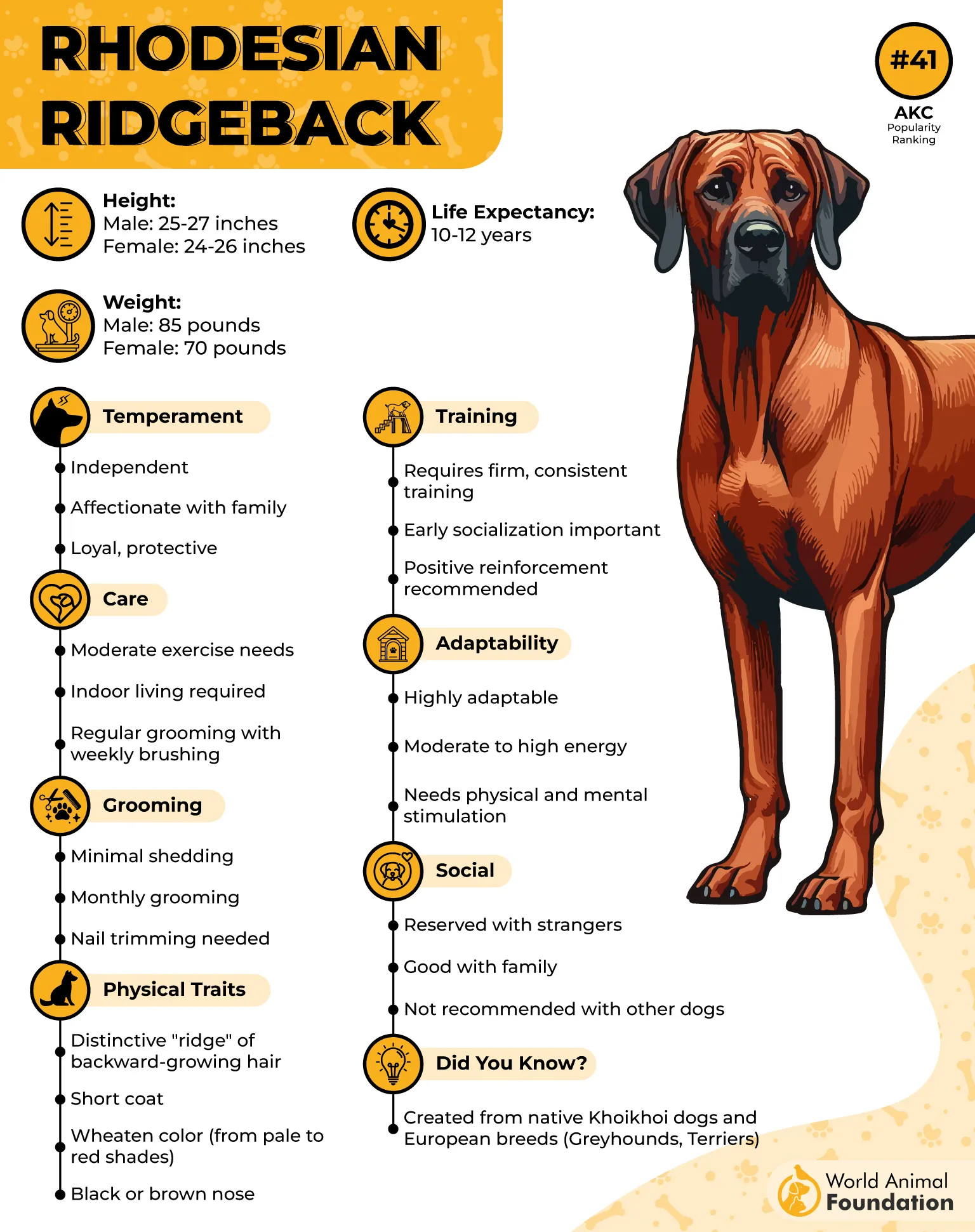
The breed has high exercise needs (1-2 hours daily): distance hiking, running, fetching, soccer, and swimming. It also thrives in mental stimulation activities, such as scent work, lure coursing, and agility courses.
5. Norwegian Elkhound
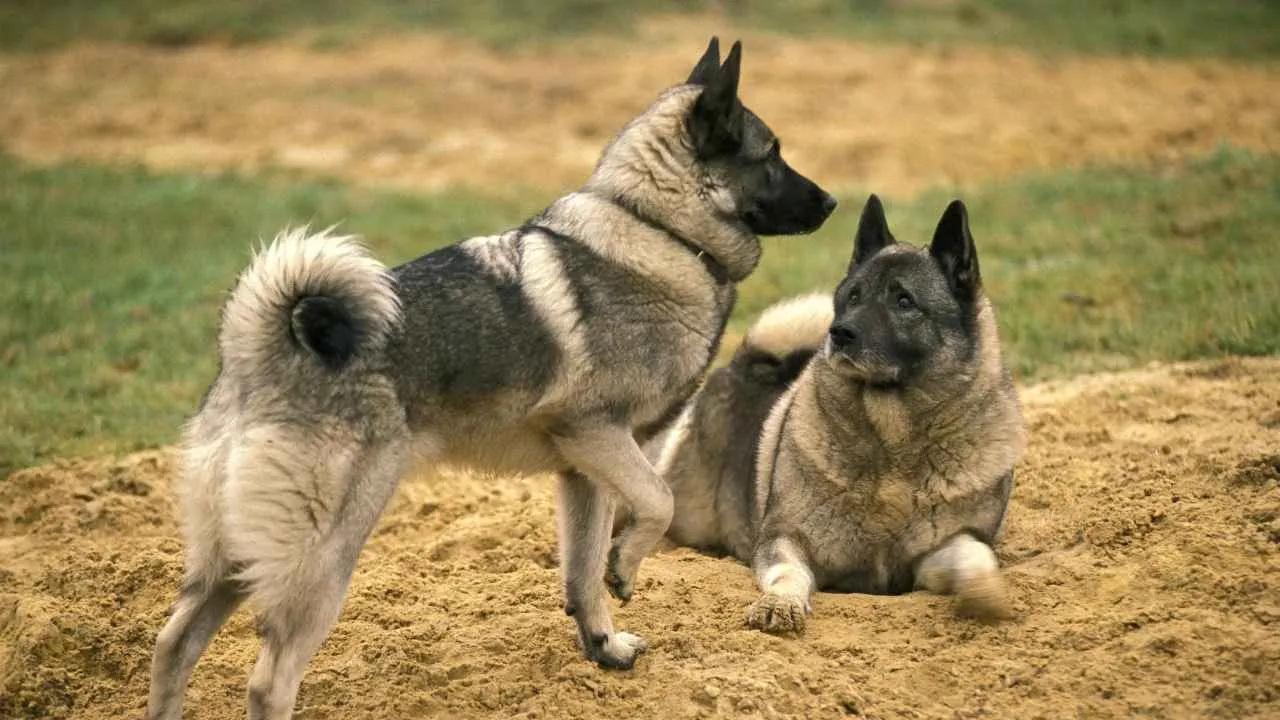
This Spitz-type family dog was developed as a hunting dog and was originally used to kill moose. Later, people started using it as a protection dog to guard their property, herd their cattle, and protect their families. This ancient dog breed has been around since the time of the Vikings in Scandinavia.
The breed has a heavy, thick double coat that makes it tolerate sub-zero temperatures. It follows the rules of single tracking (the back feet perfectly land in the hole created by the front feet in snow). It is historically wired to have quick reflexes, such as jumping to dodge attacks.
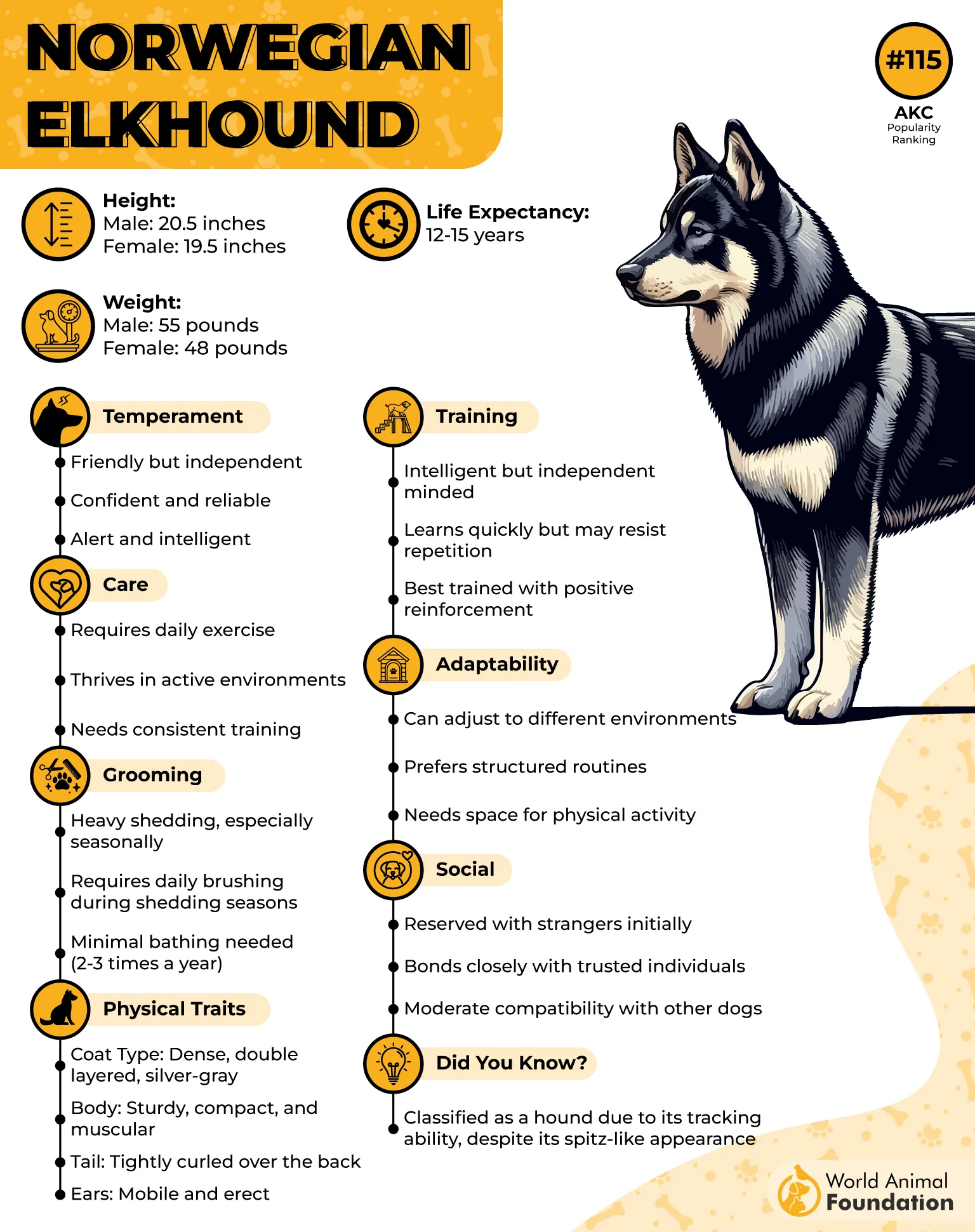
The great outdoors companion needs at least 1.5-2 hours of daily exercise. Leashed trail running (because of the strong prey drive), winter sports (winter hikes and skijoring), scent work (because of a strong nose), and agility training are highly recommended.
6. German Shepherd
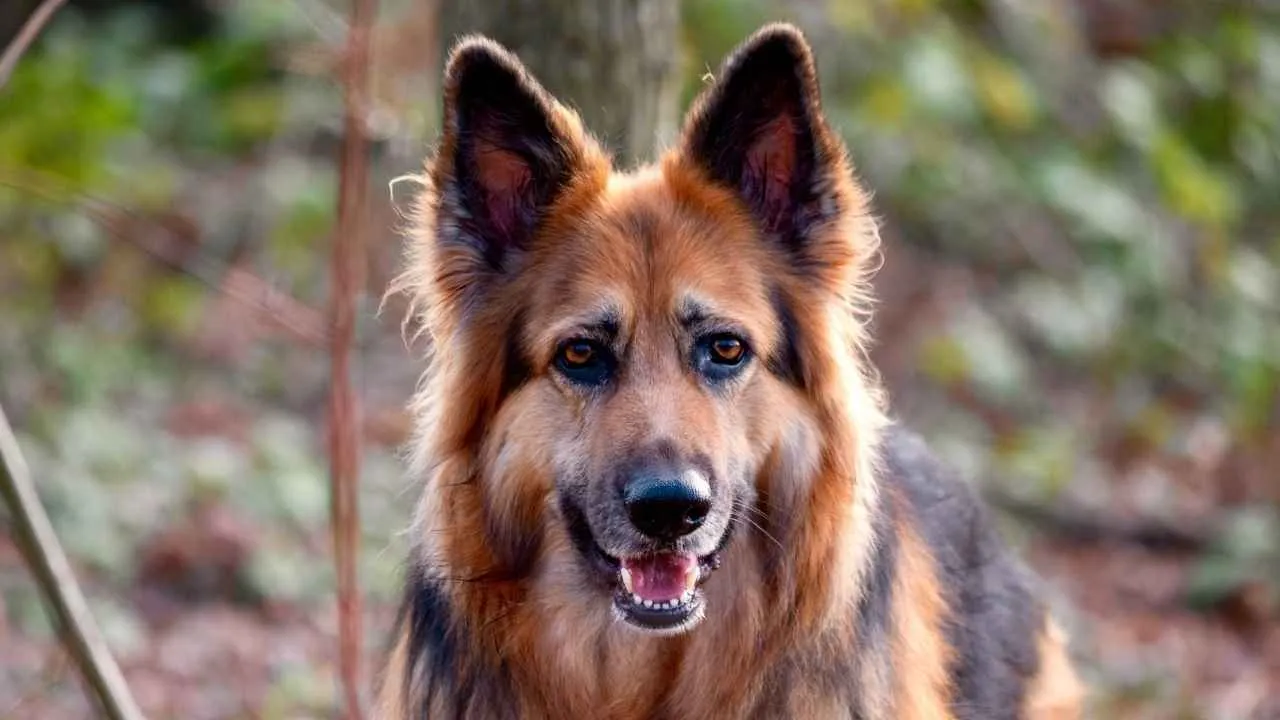
The German Shepherd dog we know today is the product of a shepherd dog and a farm dog and was developed in 1899 by a German breeder named Capt. Max von Stephanitz.’ It is the third most intelligent dog breed in the canine kingdom.
The outdoor enthusiast runs at a high speed of 35 mph because of the well-angulated limbs that provide a ground-covering trot. The bushy tail provides balance while navigating through dense and rugged environments. The diamond-shaped dark eyes are highly focused.
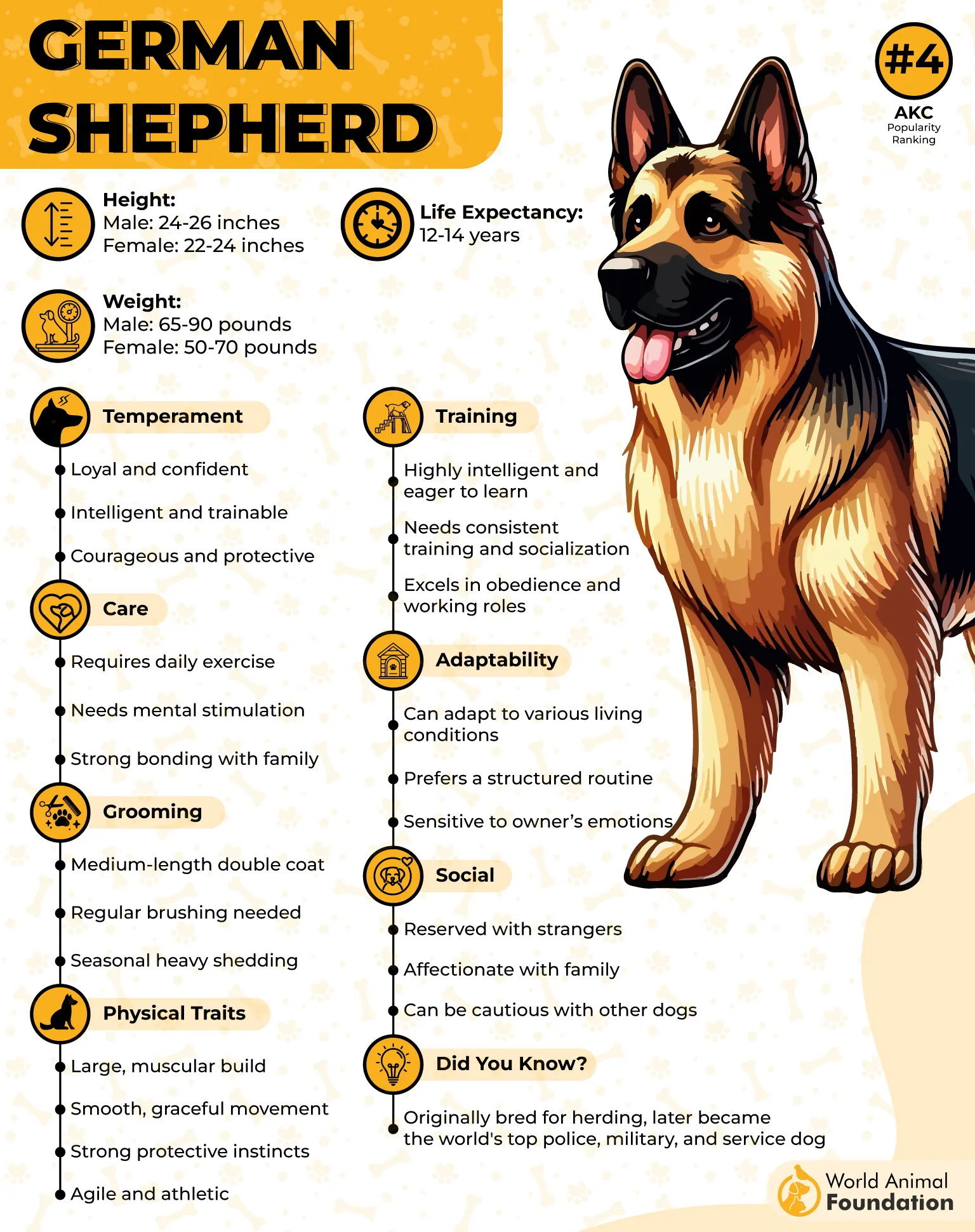
The extremely intelligent breed excels in high-impact physical activities, including long walks, hiking, fetching, swimming, and flirt-pole work, as noted by VCA Animal Hospitals. The excellent companion also needs scent work and mental stimulation, such as agility training, scatter feeding, and outdoor adventures.
7. Greater Swiss Mountain Dog
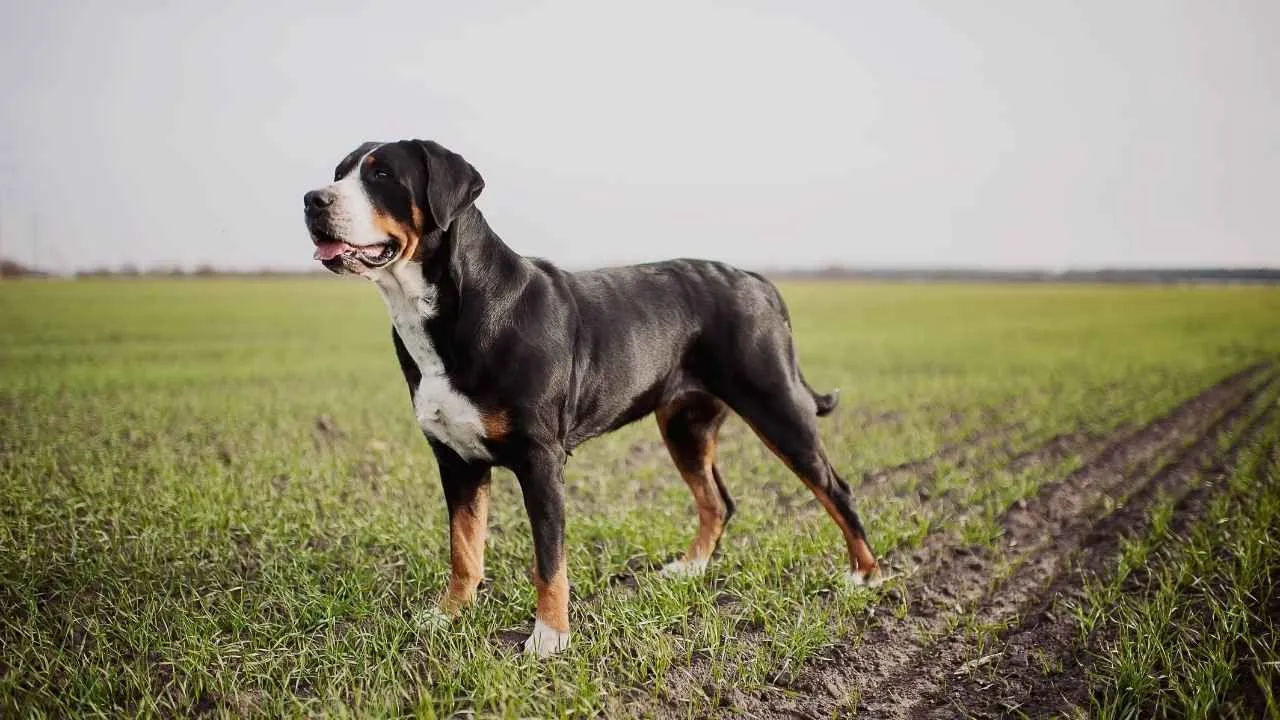
Its history dates back 2,000 years, when it was bred from mastiff-type dogs. This Roman Mastiff was bred with the local farm dog, making it the largest of all 4 Swiss Mountain Dogs. Its primary goal was to guard the property, herd the farms, and pull carts. The breed faced decline after the invention of machinery.
The energetic dog is extremely quick to sound alarms and notices every change in its surroundings. It has a very strong prey drive because of the herding instincts and its desire to chase small moving objects. The breed needs a constant job to avoid boredom.
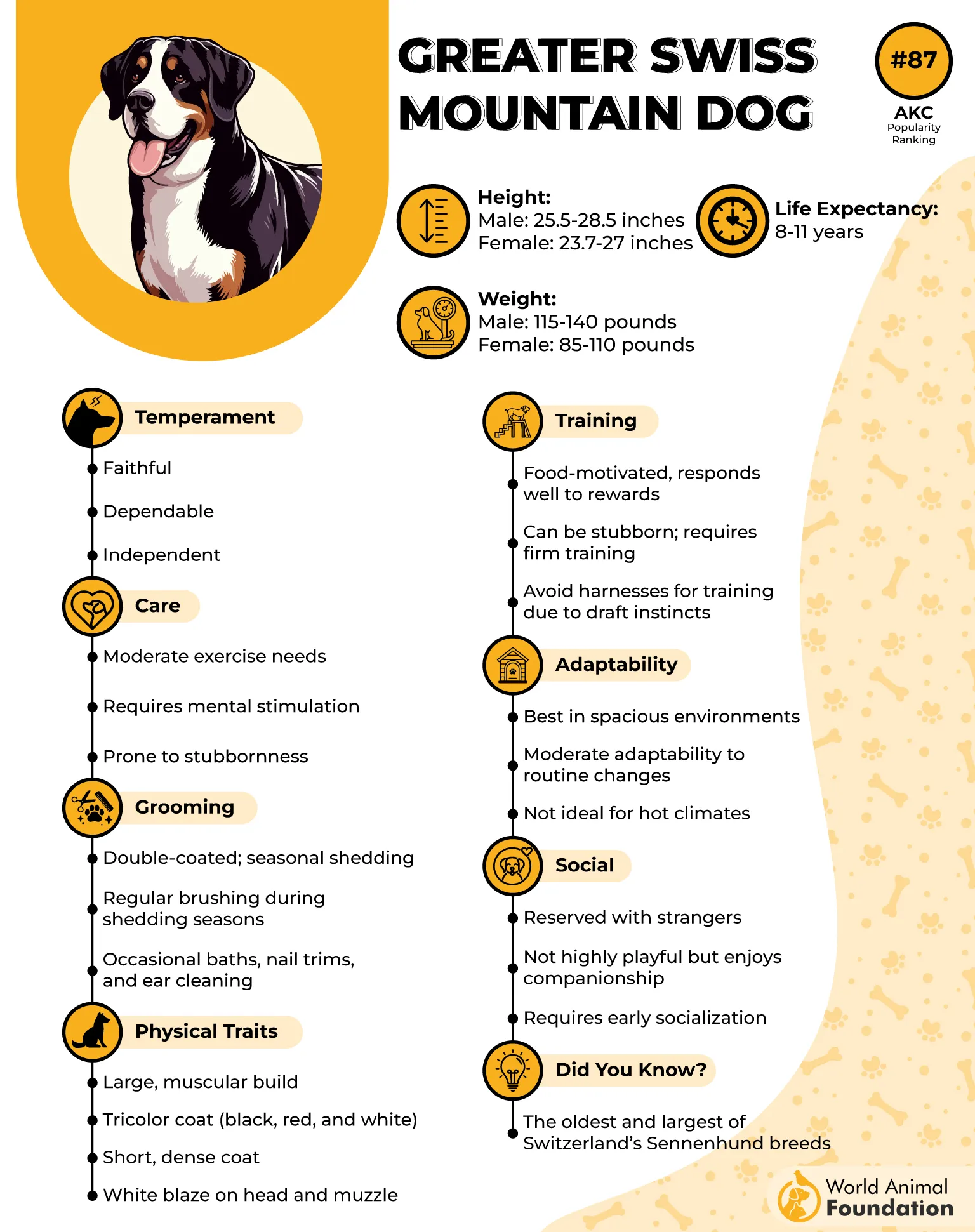
The athletic dog is widely used in pulling (to show immense strength), hiking and backpacking (to travel 10+ miles without tiring), mental enrichment (to stimulate its tracking and problem-solving instincts), and cold-weather fun (such as cart pulling and sledding because of the thick coat).
Conclusion
Not every dog is built for rough trails, steep climbs, or unpredictable weather, but these seven breeds have earned that reputation through generations of hard work and purpose. Their resilience comes from more than strength alone. It comes from intelligence, determination, adaptability, and an incredible bond with their people.
Still, even the toughest dog needs proper training, good nutrition, regular veterinary care, and enough time to rest after every adventure. Think of them as teammates, not equipment. When you respect their limits and understand their needs, they will happily follow you across mountains, forests, and open fields.
After all, the best outdoor memories are often made with muddy boots, tired legs, and a loyal dog walking proudly beside you.
