




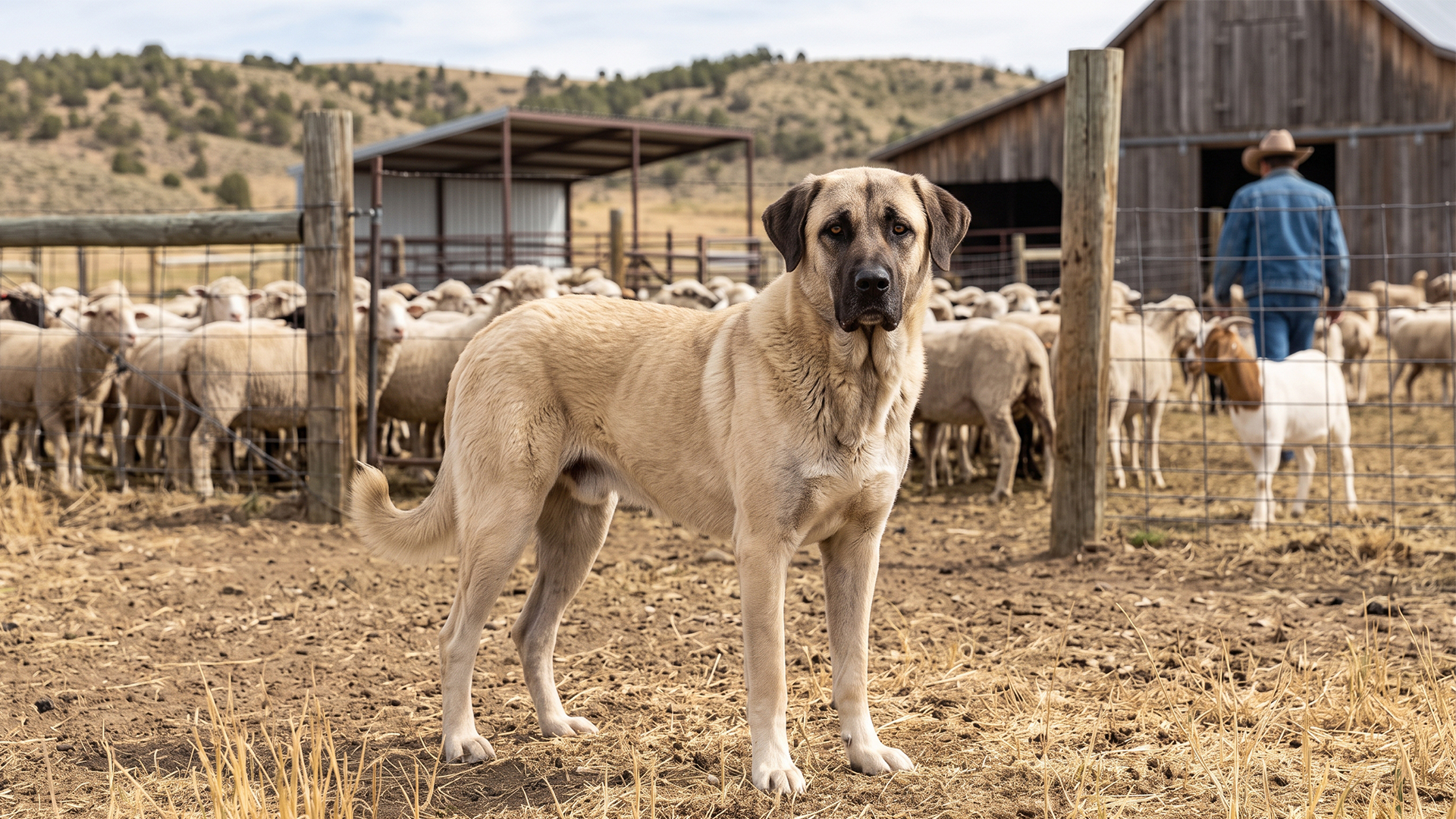
For generations, livestock has relied on more than sturdy fences and watchful farmers for protection.
Across farms and rugged grazing lands, specially bred working dogs have served as fearless guardians and dependable herders, standing between vulnerable animals and predators while helping move livestock safely across challenging terrain.
Unlike herding breeds that respond closely to human commands, livestock guardian dogs are valued for their independence, remaining with the herd and instinctively reacting to danger.
Their success, however, depends not only on natural ability but also on careful breed selection, early socialization, proper training, and responsible care.
When raised correctly, these hardworking companions become trusted members of the flock, providing reliable protection day and night. From powerful mountain guardians to agile farm workers, each breed brings unique strengths shaped by centuries of purposeful breeding.
In this guide, we explore some of the fiercest dog breeds renowned for protecting and working alongside livestock with remarkable courage, intelligence, and dedication.
Key Takeaways
Livestock working dogs are bred for specific roles, with some excelling at guarding flocks from predators while others specialize in herding and managing livestock.
Guardian breeds work independently, staying close to livestock and relying on instinct rather than constant human direction to detect and deter threats.
Centuries of selective breeding have produced fearless, resilient dogs capable of protecting sheep, goats, cattle, and other farm animals in challenging environments.
Early socialization and consistent training are essential to develop reliable working behavior and strengthen the bond between the dog and the livestock.
Powerful breeds like the Great Pyrenees, Anatolian Shepherd, and Bouvier des Flandres are valued for their courage, intelligence, and protective instincts.
Fierce Dog Breeds Best for Working with Livestock
1. Great Pyrenees
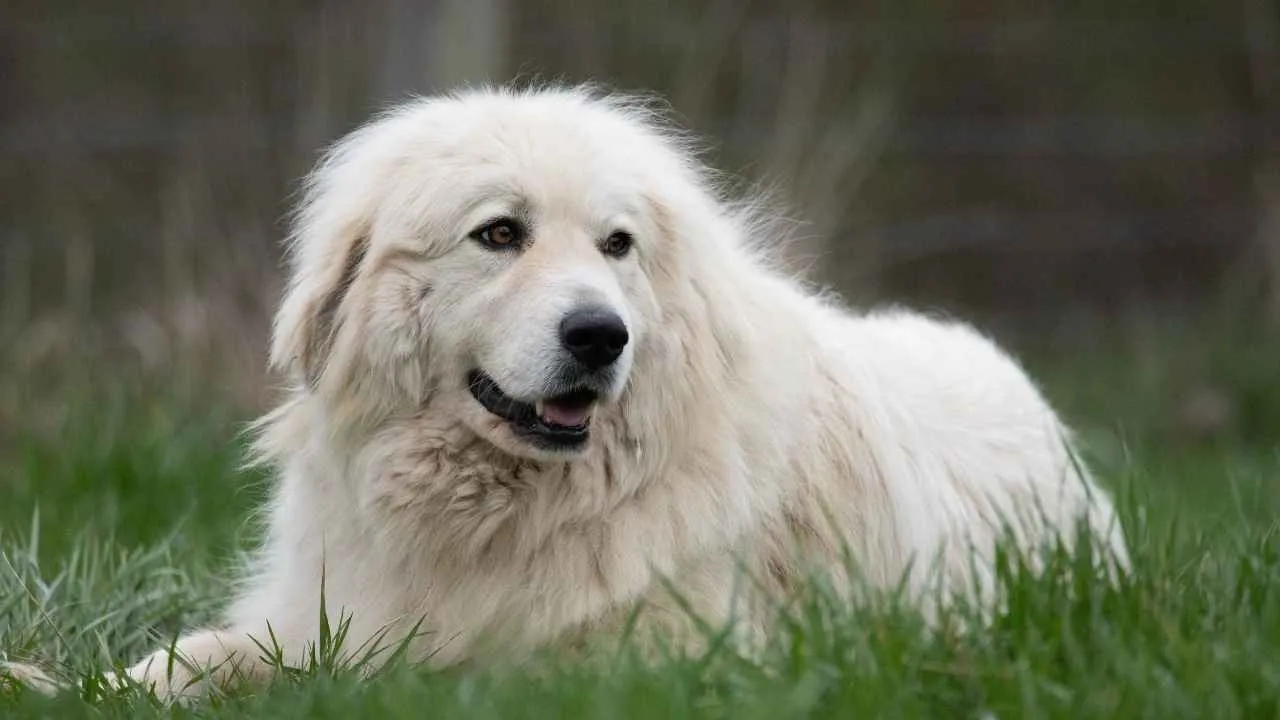
The Great Pyrenees was developed to guard livestock in rugged mountain landscapes, where protecting sheep from wolves and other predators demanded courage, patience, and remarkable endurance.
This powerful guardian combines impressive strength with a calm, steady nature.
While relaxed around its family and flock, it can react with surprising speed and confidence when danger appears.
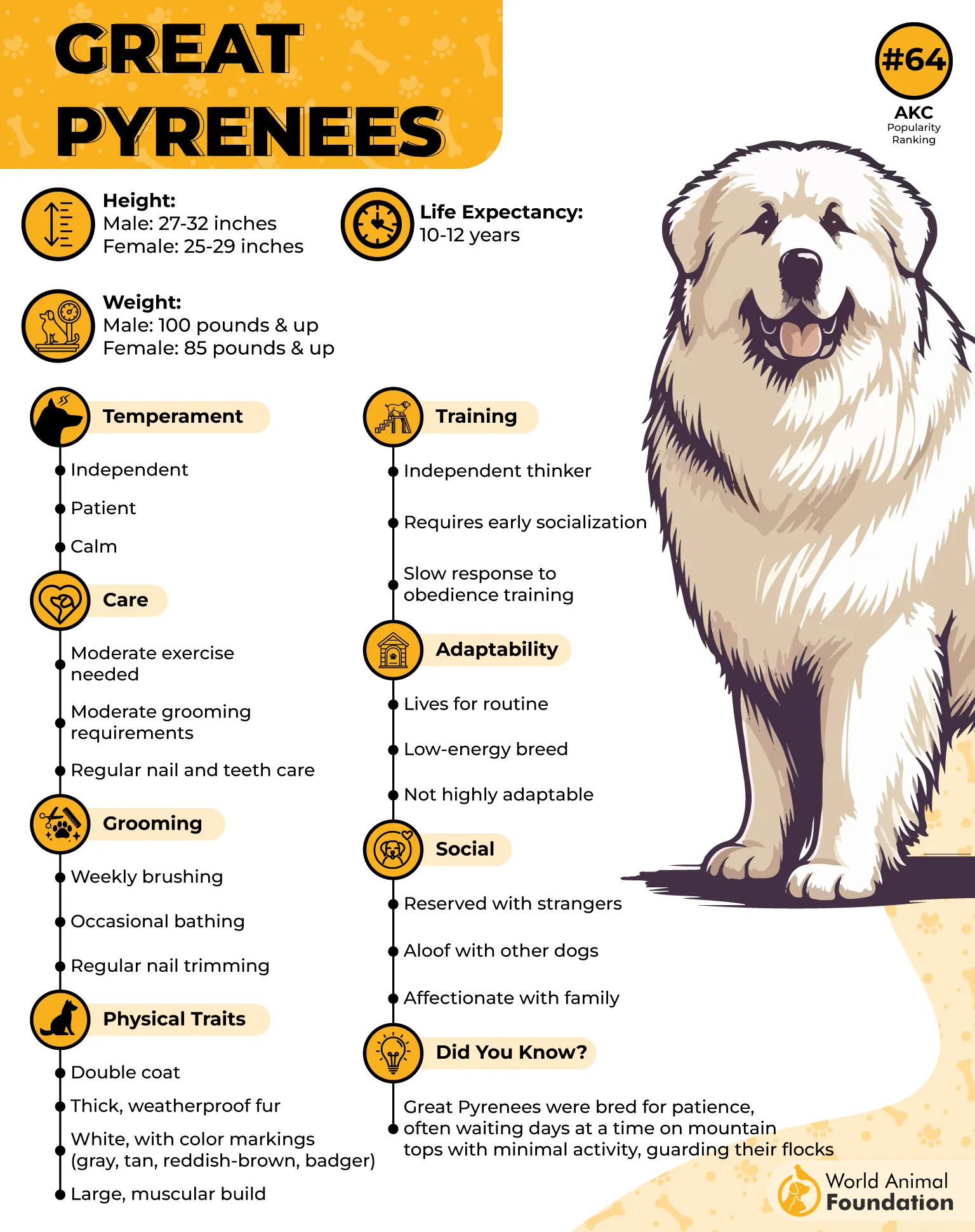
Its thick, weather-resistant double coat, usually white or white with gray, tan, reddish-brown, or badger markings, protects it in harsh conditions.
Unlike many large breeds, the coat is naturally resistant to dirt and tangles, requiring weekly brushing despite seasonal heavy shedding, according to the American Kennel Club.
Bred to think independently, the Great Pyrenees excels at making decisions without constant human direction, a quality that makes it an outstanding livestock guardian.
Moderate exercise, early socialization, routine health screenings, proper nutrition, and awareness of bloat all contribute to keeping this devoted working breed healthy and dependable.
2. Greater Swiss Mountain Dog
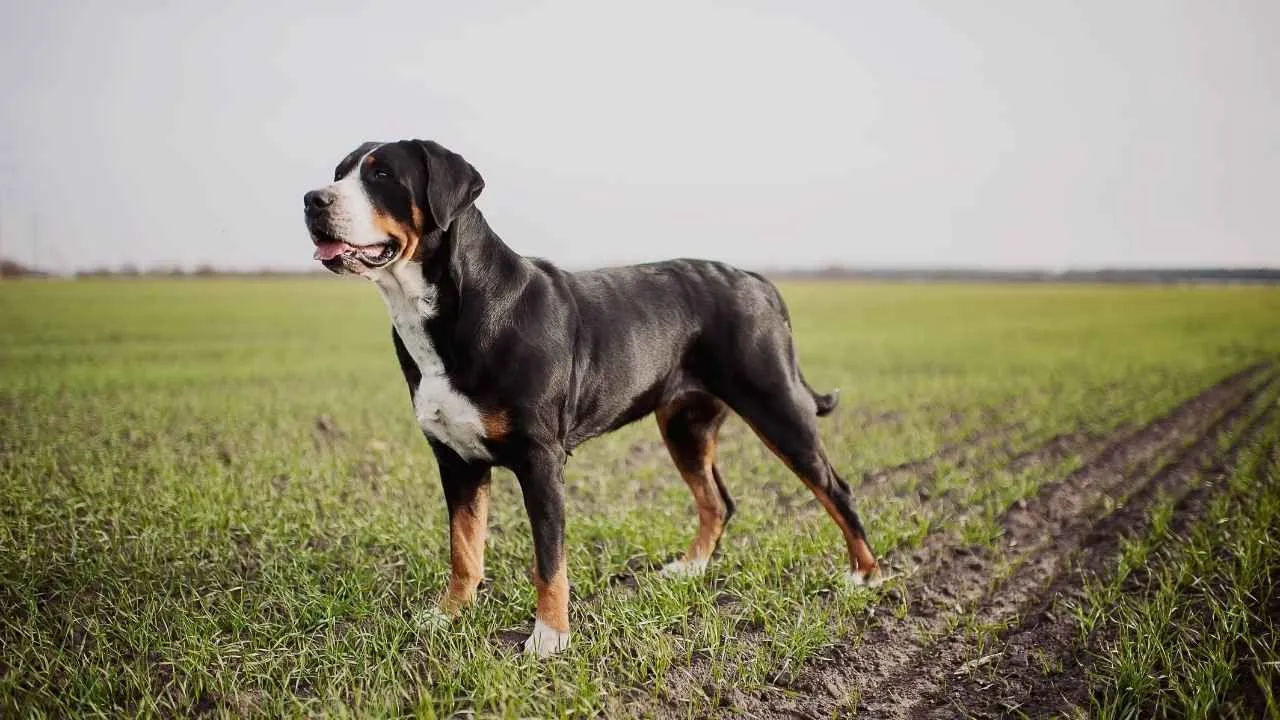
The Greater Swiss Mountain Dog is a powerful working breed developed to handle demanding farm tasks, including herding livestock, pulling carts, and guarding property.
Strong, agile, and highly dependable, it thrives when given a purpose and quickly forms close bonds with its family.
While females are slightly smaller. Their sturdy, muscular build allows them to work confidently across challenging terrain.
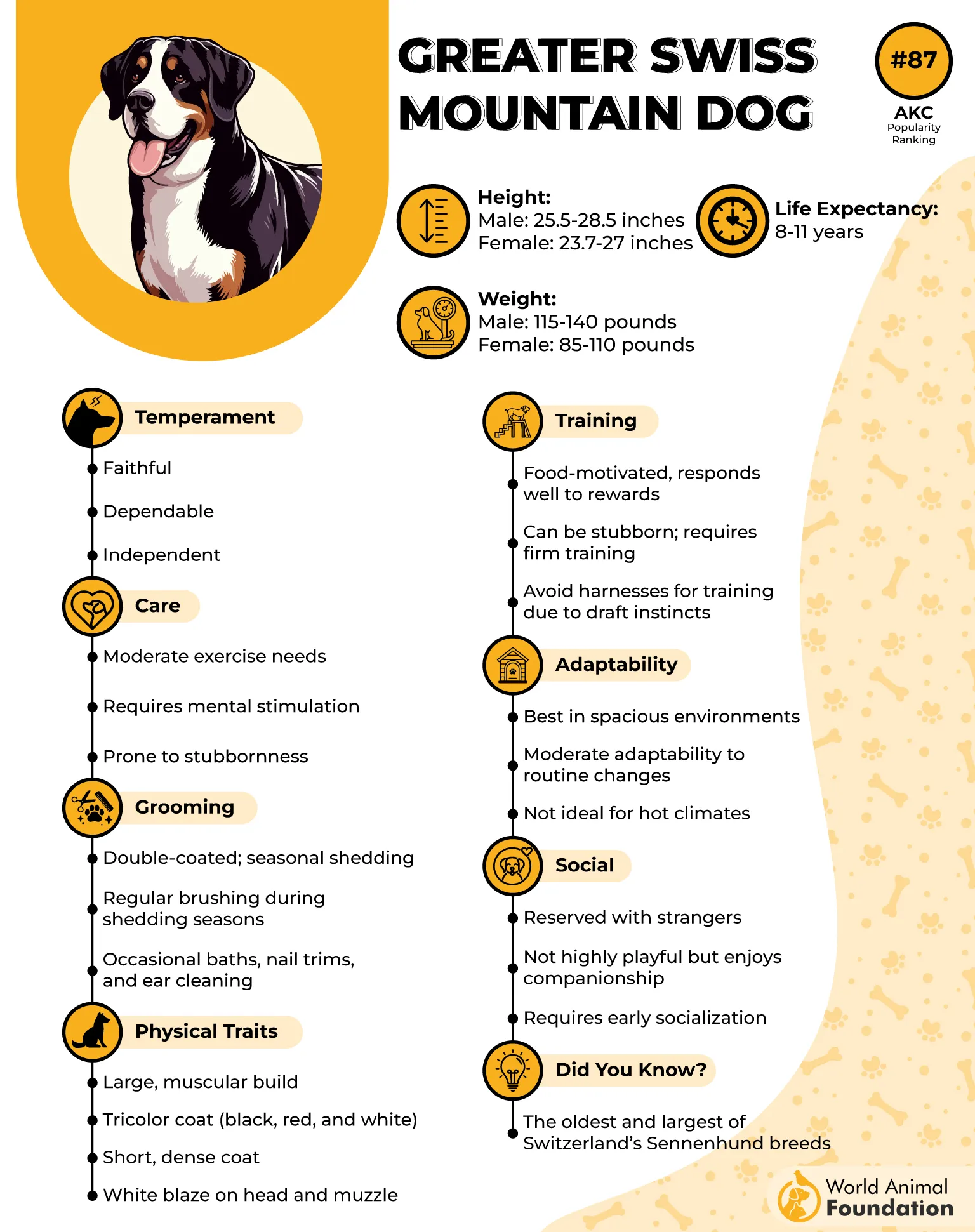
The breed’s short, dense tricolor coat requires minimal grooming aside from heavier seasonal shedding.
Naturally bold, alert, and trainable, these dogs respond best to early, consistent training and enjoy moderate daily exercise, along with mentally engaging activities such as agility or herding trials.
Although generally healthy, they can be prone to conditions including hip and elbow dysplasia, bloat, splenic torsion, eye disorders, obesity, and epilepsy.
With proper care, balanced nutrition, and regular veterinary checkups, the Greater Swiss Mountain Dog remains a loyal, hardworking, and reliable livestock companion.
3. Anatolian Shepherd Dog
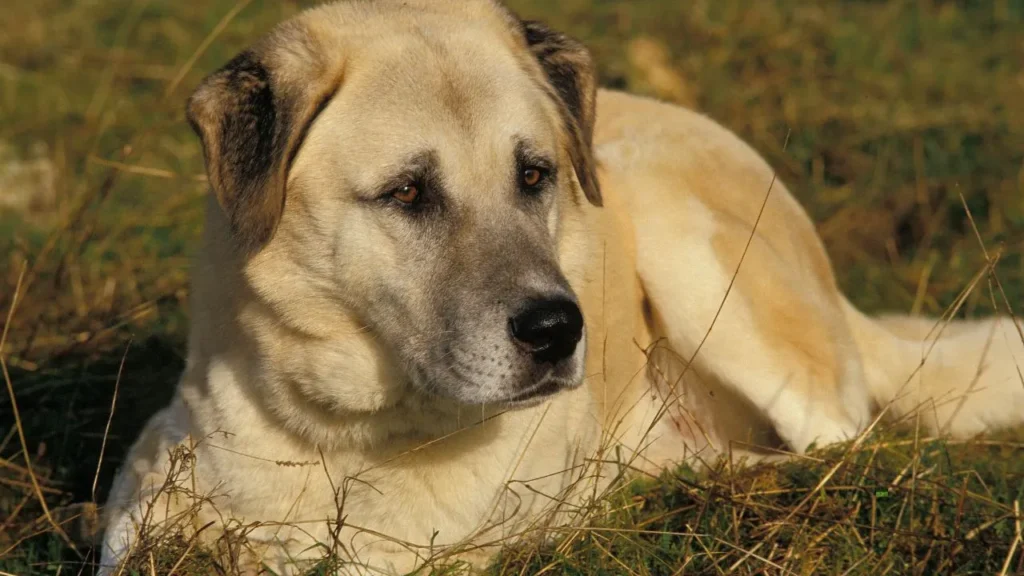
The Anatolian Shepherd is an ancient livestock guardian developed in Turkey to protect sheep and goats from wolves, bears, and human intruders.
Powerfully built with a broad head and a dense, weather-resistant coat, this giant breed is well equipped to work in harsh climates.
Loyal and affectionate with its family, it remains naturally wary of strangers and reacts quickly when it senses danger, making it a fearless protector of livestock.
Bred to work independently without constant direction, the Anatolian Shepherd is an intelligent decision-maker that requires an experienced owner, thorough early socialization, and positive reinforcement training.
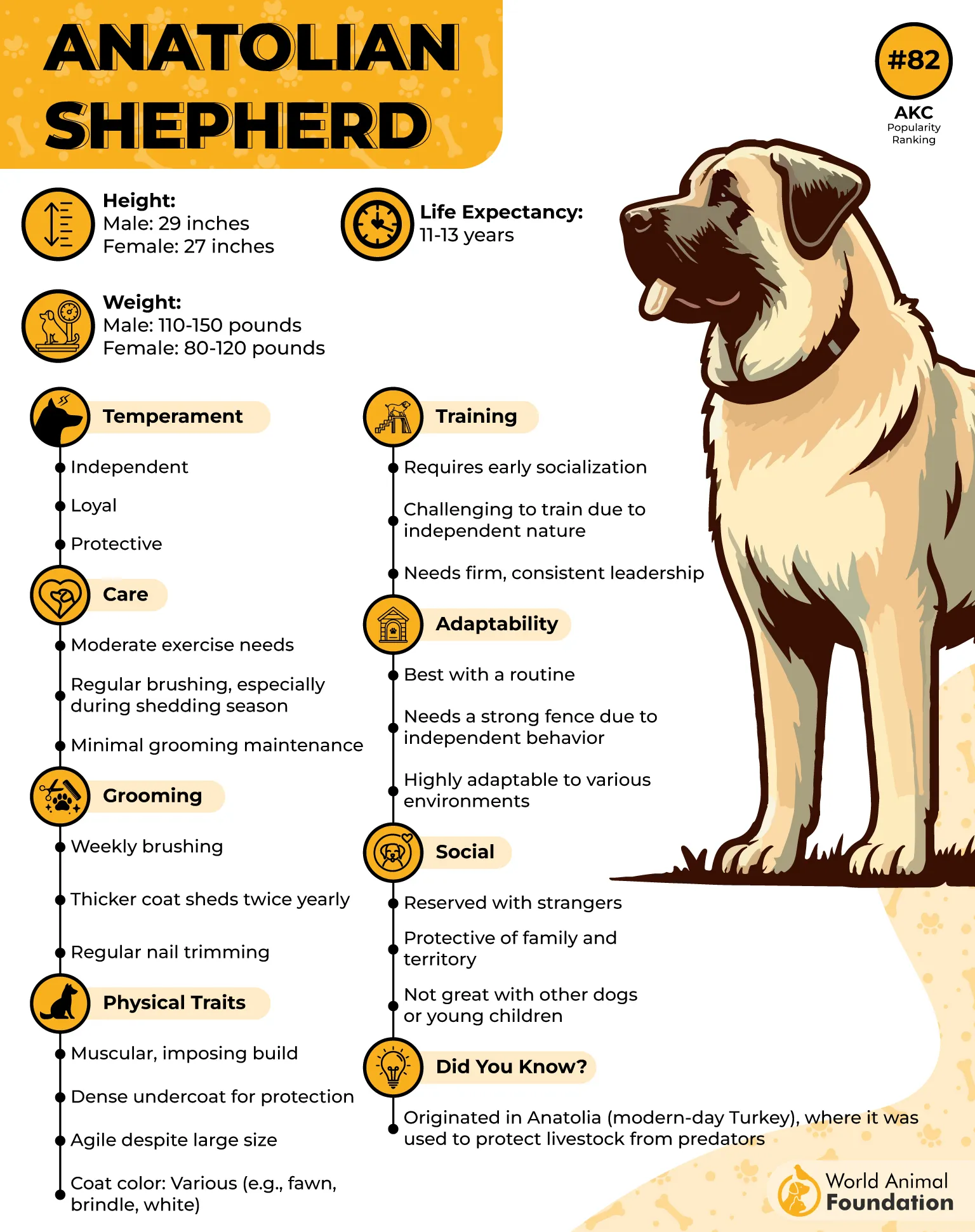
It thrives in spacious rural environments with securely fenced land and benefits from up to two hours of daily exercise along with mentally stimulating activities, as stated by Purina.
Weekly brushing keeps its coat in good condition, though seasonal shedding is heavy. Proper nutrition, smaller frequent meals to help reduce the risk of bloat, and regular veterinary care support this hardworking and dependable guardian throughout its life.
4. Pyrenean Shepherd
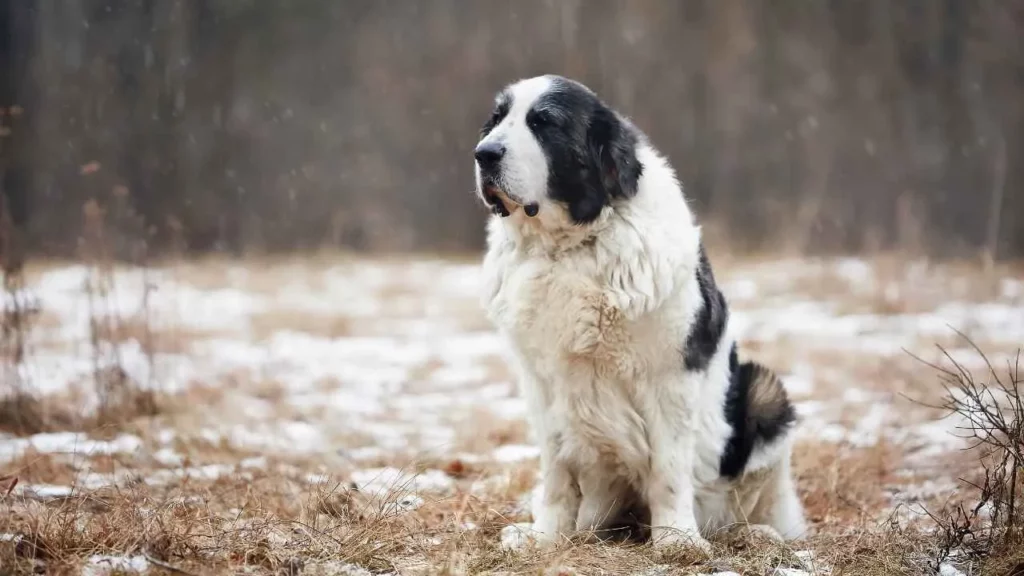
The Pyrenean Shepherd, often called the Pyr Shep, is a small but remarkably determined herding dog that has worked alongside shepherds in France’s Pyrenees Mountains for centuries.
Agile, quick, and highly intelligent, this breed was developed to move large flocks across steep, rugged terrain while larger guard dogs protected them from predators.
Two Pyrenean Shepherds could manage flocks of up to 1,000 sheep, showcasing their exceptional stamina and natural herding instinct.
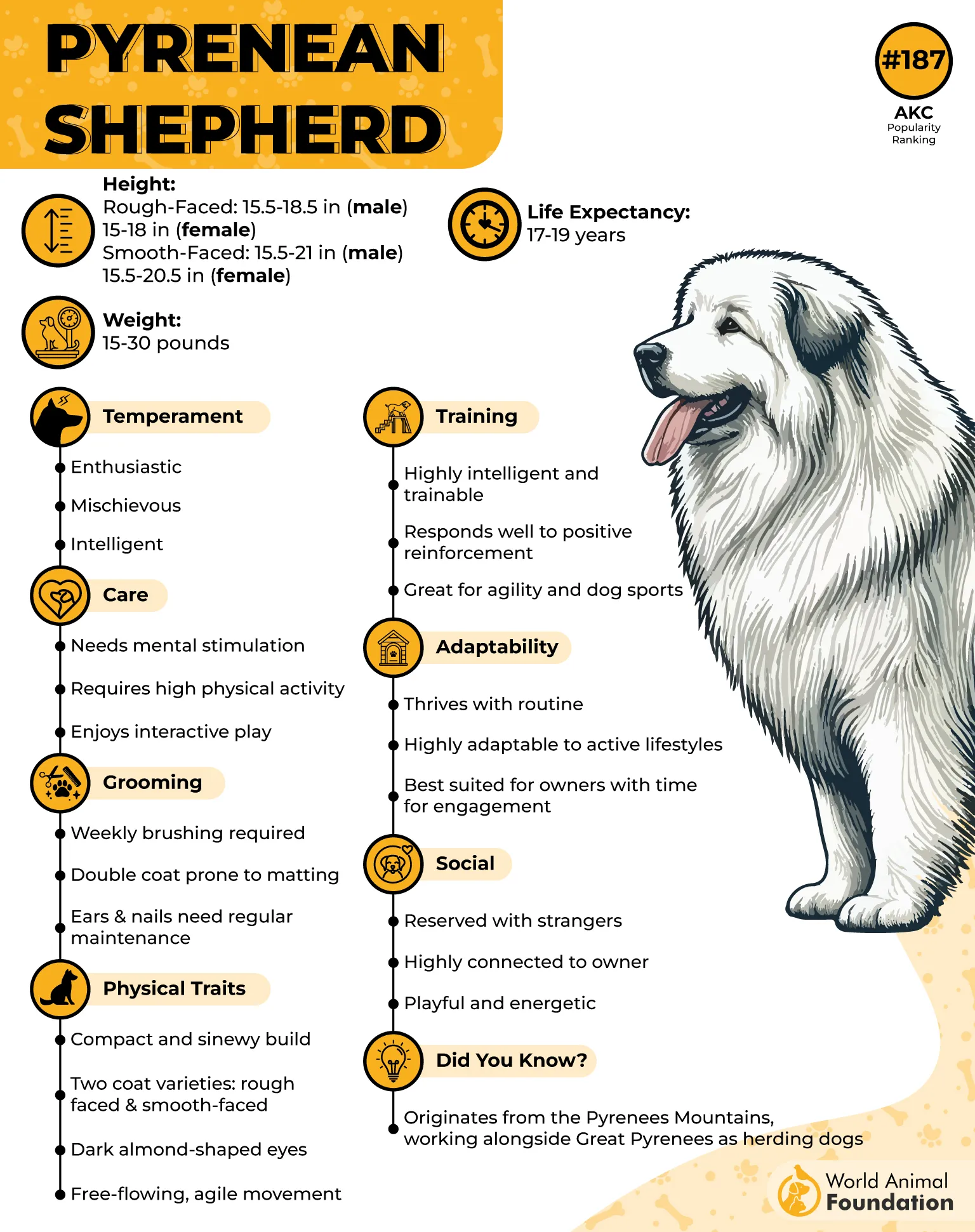
Their weather-resistant coat comes in a variety of colors and requires weekly brushing, while their energetic nature demands daily exercise and plenty of mental stimulation.
Loyal and affectionate with their families, they can be reserved around strangers and thrive with consistent training and companionship.
Generally healthy and long-lived, with a lifespan of 17 to 19 years, responsible breeding and regular health screenings help reduce the risk of conditions such as hip dysplasia, epilepsy, eye disorders, and luxating patellas.
5. Bouvier des Flandres
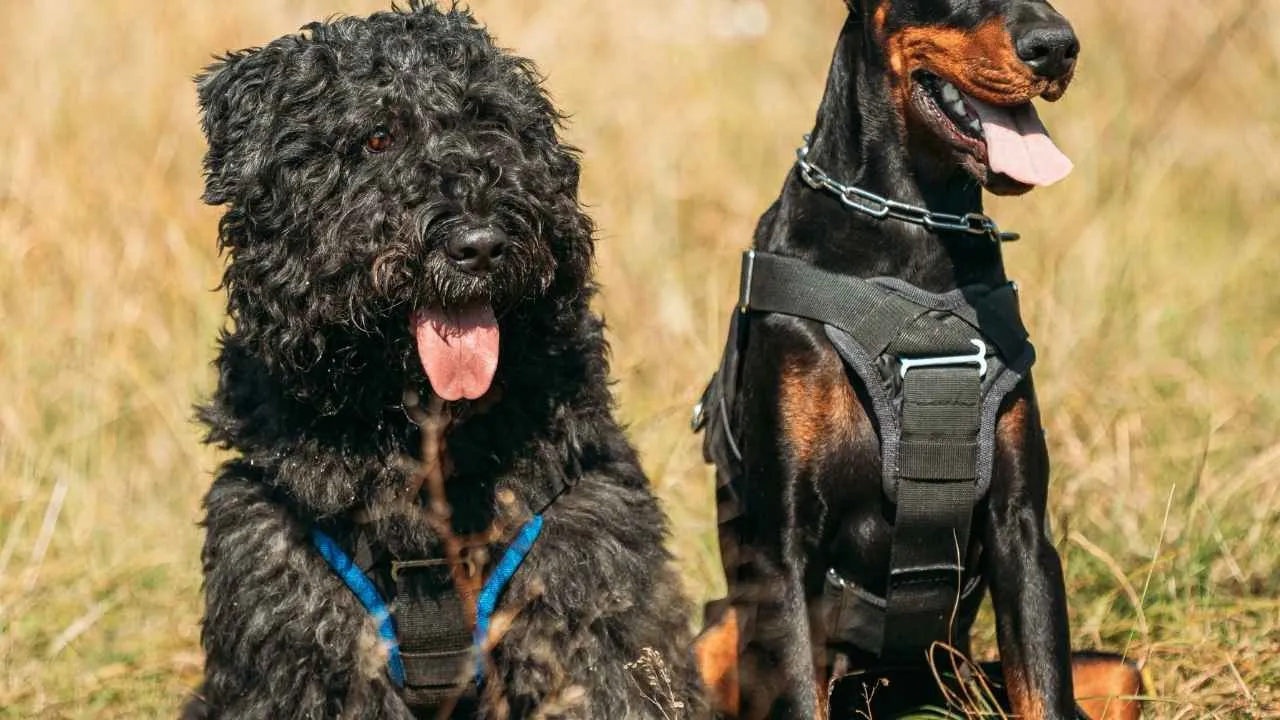
The Bouvier des Flandres is a powerful, sturdy herding dog originally developed in Belgium to drive and guard cattle, horses, and other livestock.
Calm, courageous, and highly intelligent, this hardworking breed is known for making independent decisions while remaining deeply loyal to its family.
Its strength, protective instincts, and excellent sense of smell have also made it a reliable police, guard, and tracking dog.
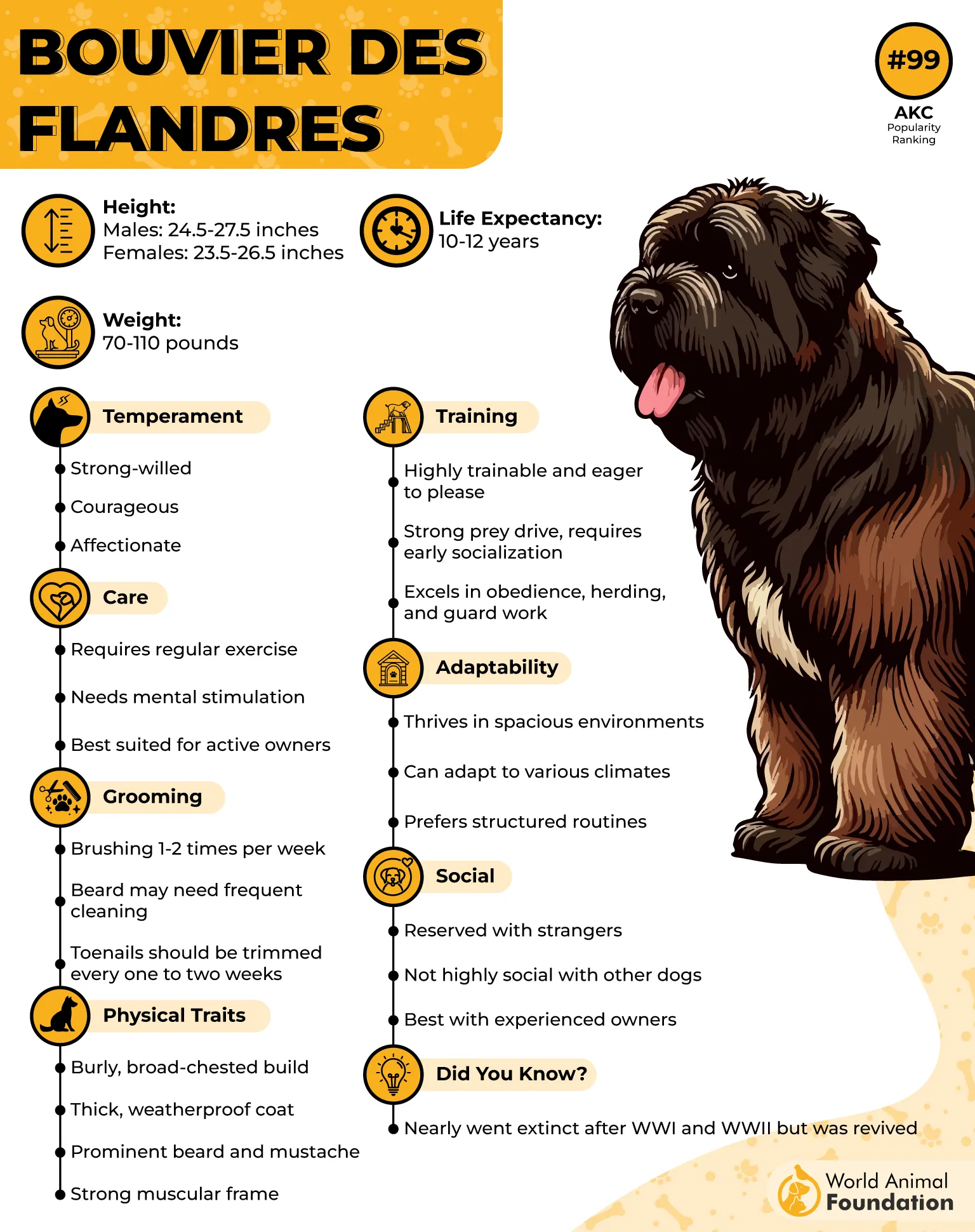
With a rough, weather-resistant coat and its distinctive beard and moustache, the Bouvier requires daily brushing but sheds very little when properly maintained.
As an energetic working breed, it thrives in spacious rural settings where it has both physical exercise and meaningful tasks, including tracking, drafting, or other canine activities.
Early, consistent training is essential to channel its independent nature, as explained by Zooplus.
Although generally hardy, the breed can be prone to hip dysplasia, cataracts, and bloat, making regular veterinary care, balanced nutrition, and responsible breeding important for maintaining its health and longevity, which can reach up to 15 years.
6. Bergamasco Sheepdog
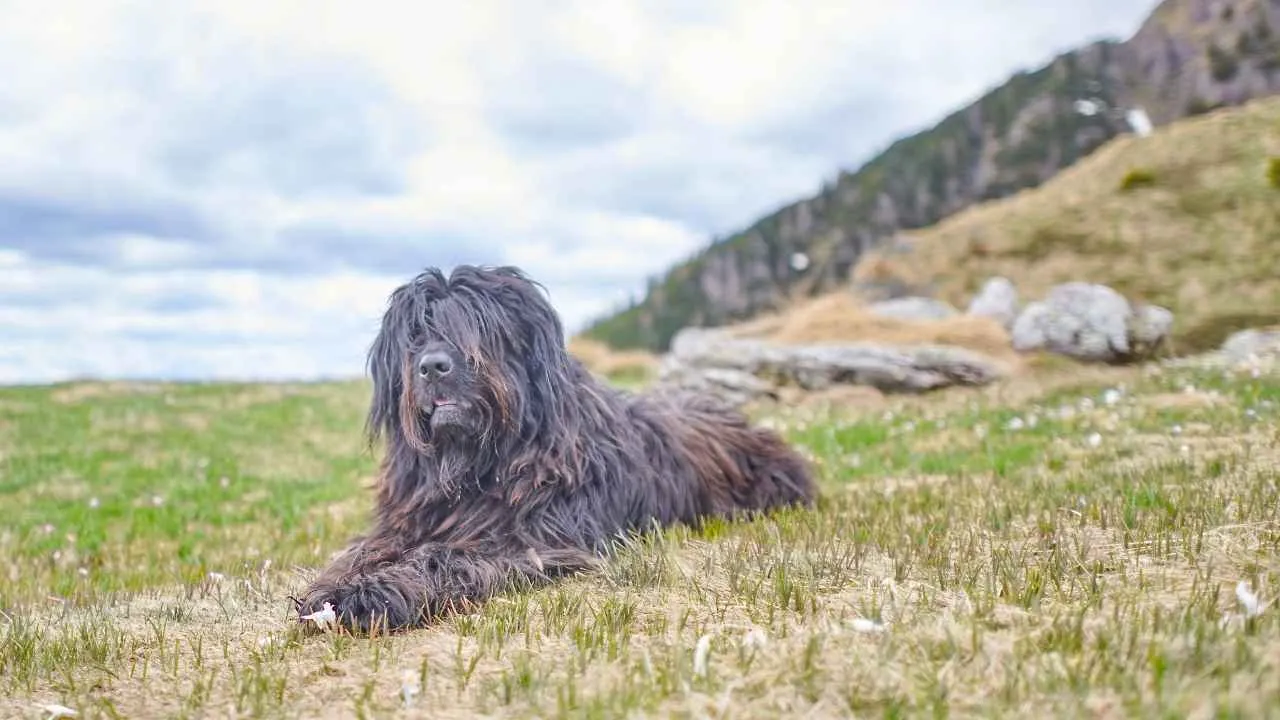
The Bergamasco Sheepdog is a remarkable livestock herding breed that originated in the Alpine regions of northern Italy and southern Switzerland.
Bred to work independently in rugged mountain landscapes, it combines intelligence, resilience, and a strong sense of responsibility for the animals in its care.
Its most distinctive feature is its unique coat, which forms dense, flat “flocks” rather than the cords seen in similar breeds.
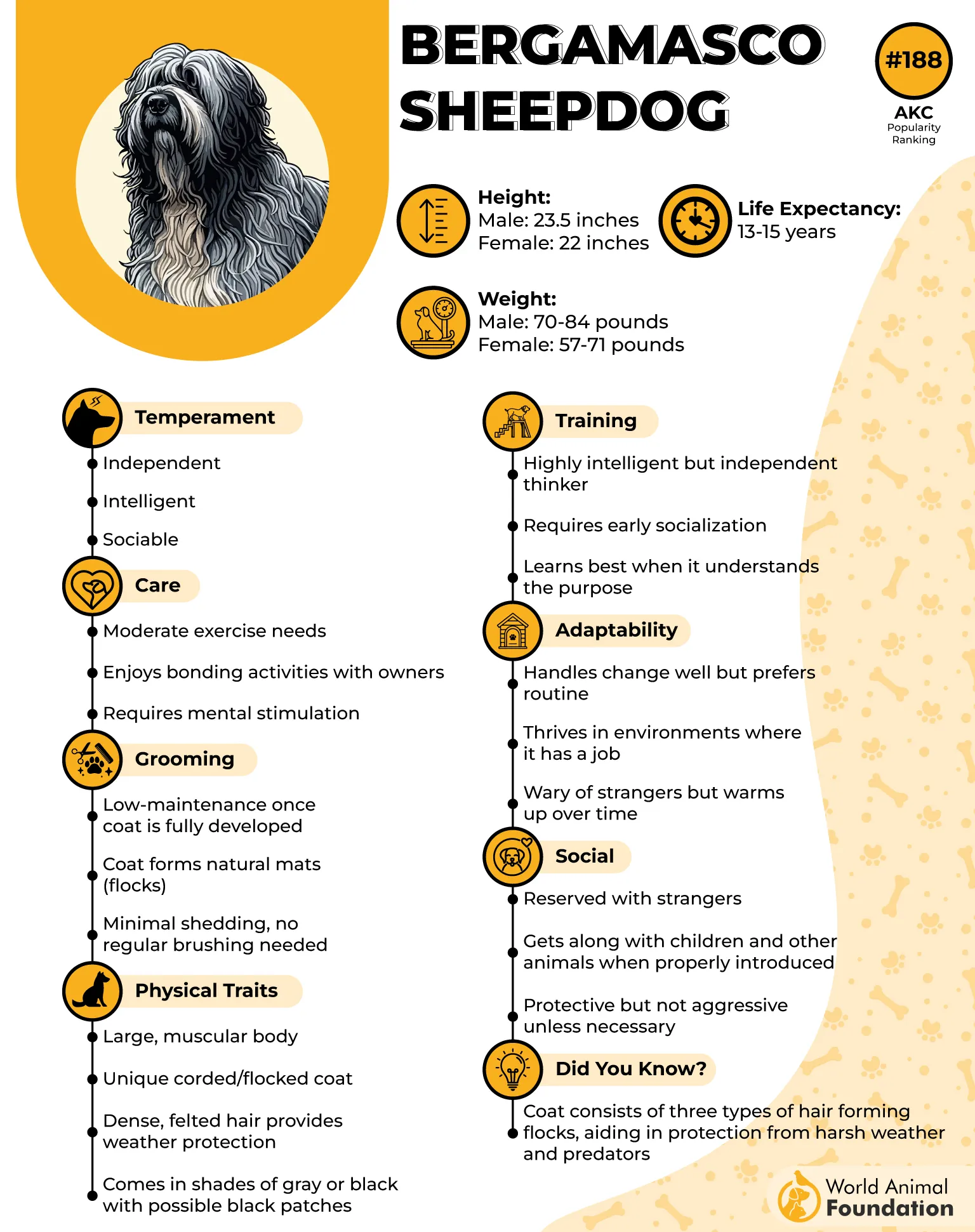
Made up of three different types of hair, the coat provides natural protection against harsh weather and helps shield the dog from predators while working among livestock.
Although its appearance suggests demanding maintenance, the coat requires surprisingly little grooming once they are fully developed.
Centuries of herding shaped the Bergamasco into a thoughtful, confident worker that forms close bonds with its family while retaining its independent nature.
Nearly disappearing after World War II, the breed was preserved through dedicated breeding efforts and continues to be admired for its hardworking spirit and loyalty.
7. Icelandic Sheepdog
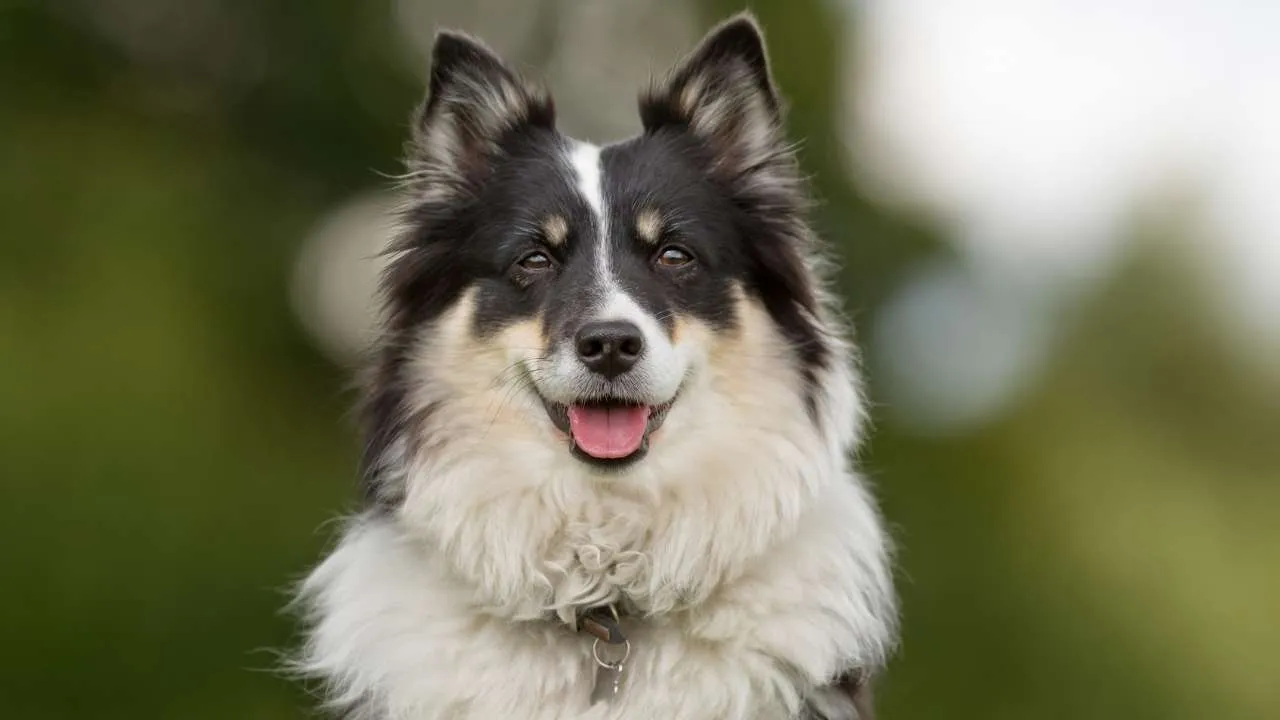
The Icelandic Sheepdog is Iceland’s only native dog breed, tracing its roots back to the Viking settlers who brought these hardy working dogs to the island more than 1,100 years ago.
Originally bred to herd and guard sheep, horses, and cattle, the breed remains energetic, alert, and remarkably independent while working livestock.
Despite its medium size, the Icelandic Sheepdog is agile, intelligent, and naturally driven to gather and protect animals, often relying on instinct rather than constant direction.
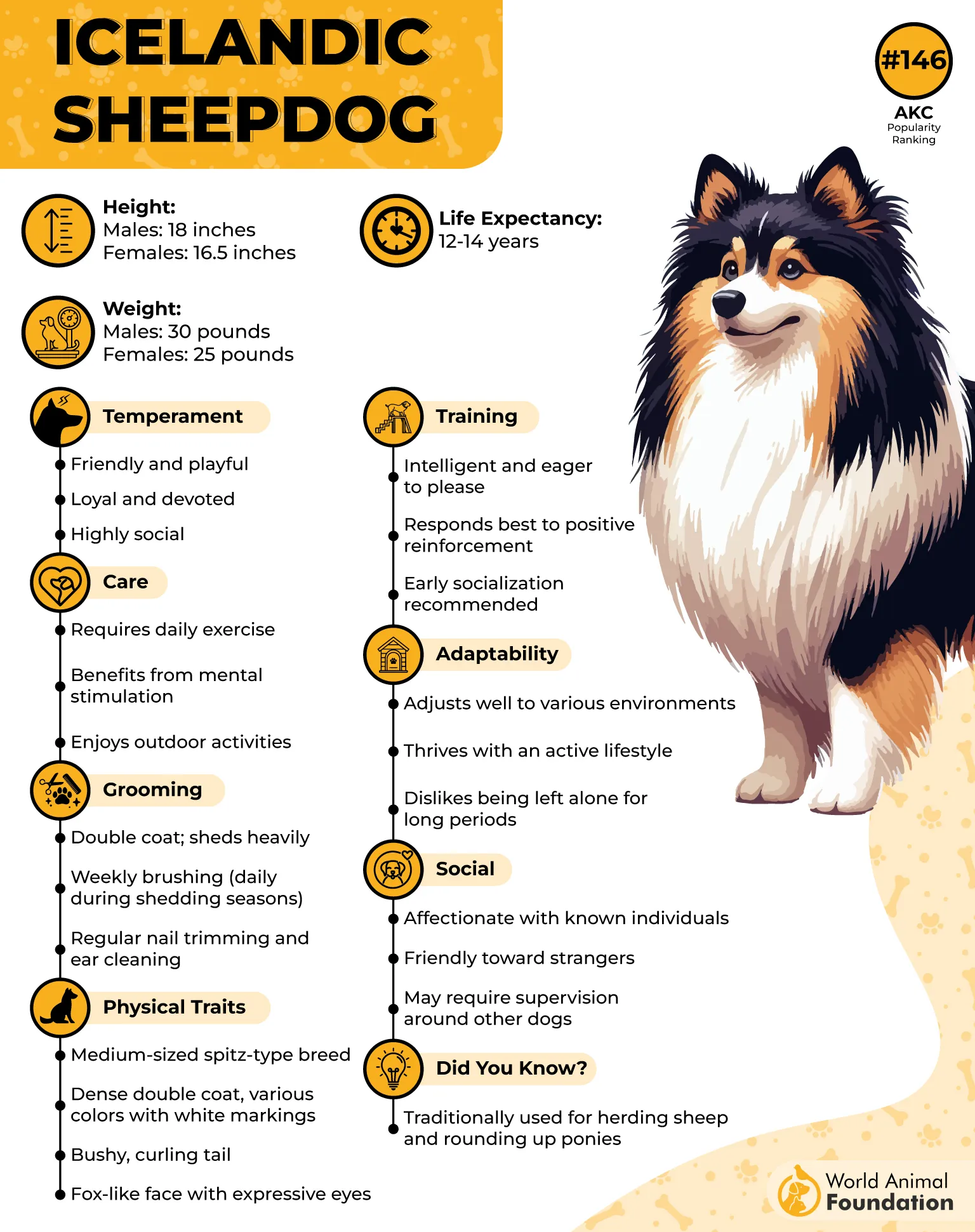
Its thick double coat provides protection in harsh weather but requires weekly brushing and sheds heavily during seasonal coat changes.
Friendly, affectionate, and eager to please, the breed responds well to positive reinforcement and excels in herding, agility, obedience, tracking, and other canine sports.
Daily exercise and mental stimulation are essential to keep it content, according to Adventures.
Although generally healthy, responsible breeders screen for hip and elbow dysplasia, kneecap disorders, and eye conditions, helping preserve this resilient and dependable livestock companion for future generations.
Conclusion
Working livestock demands more than strength alone. The best farm dogs combine courage, intelligence, endurance, and an unwavering commitment to protecting or managing the animals entrusted to them.
From fearless guardians that stand their ground against predators to agile herding breeds that can move large flocks with remarkable precision, each breed has been shaped by generations of purposeful work.
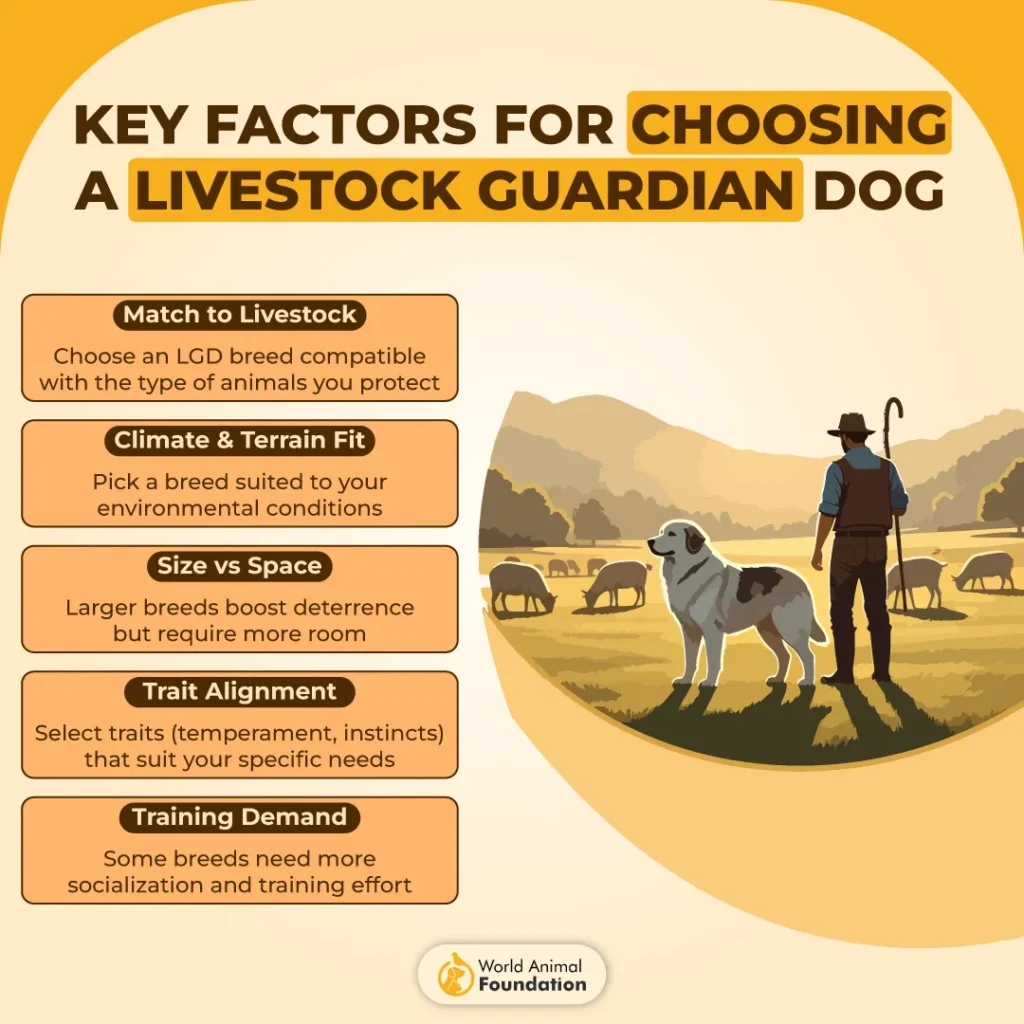
Choosing the right dog depends on your livestock, property size, climate, and the tasks you need accomplished.
While these breeds are naturally capable, they still require proper training, early socialization, regular veterinary care, balanced nutrition, and enough physical and mental activity to thrive.
When their needs are met, they become far more than dependable workers; they become loyal partners that share the daily responsibilities of farm life.
