




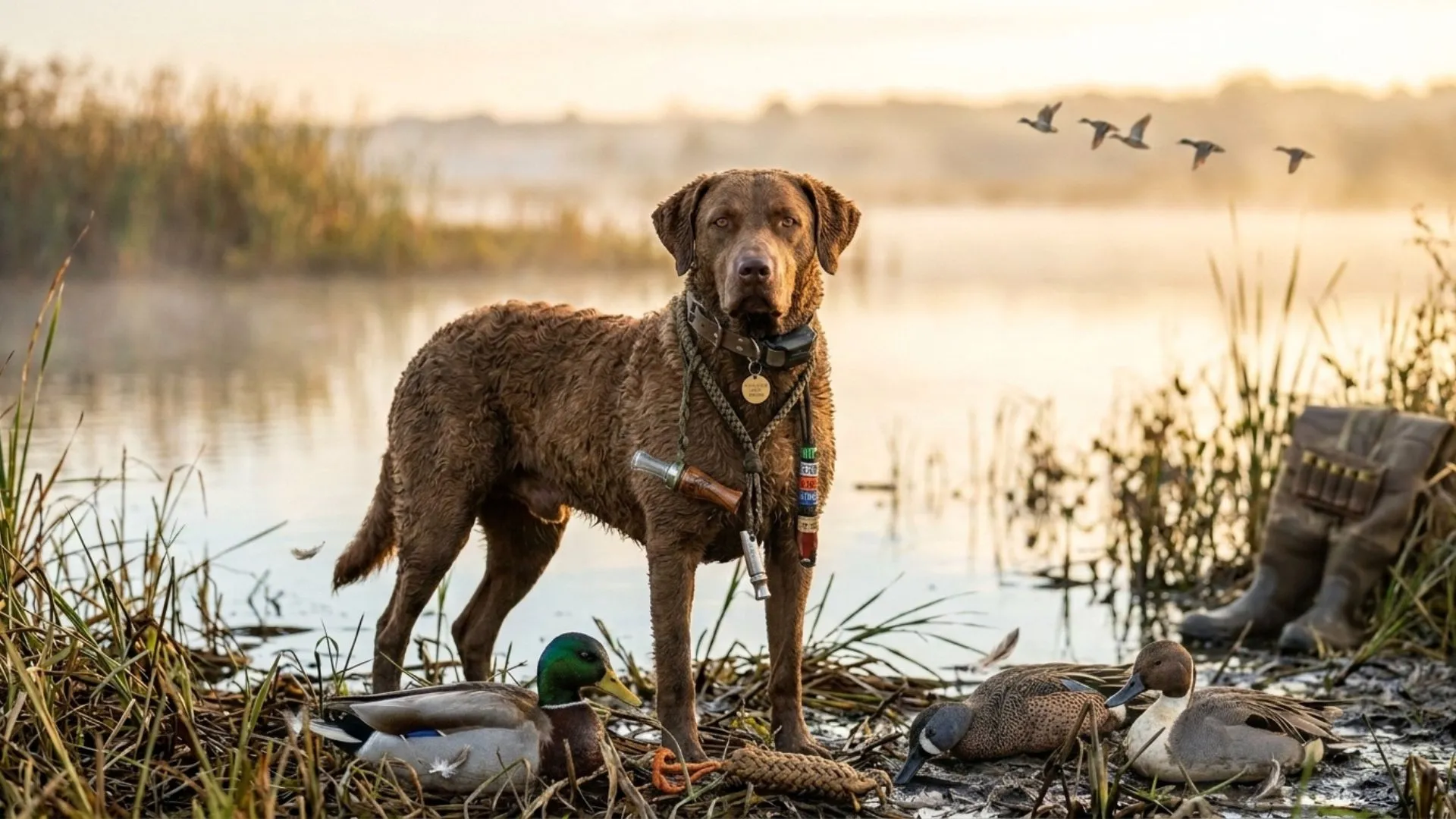
Morning fog still covered the marsh when the first bird dropped into the water well beyond the shoreline. Before anyone spoke, a dog was already moving with quiet confidence, cutting through the water without hesitation and returning moments later with the retrieve held gently in its mouth.
The whole sequence unfolded so smoothly that it almost seemed effortless. No wasted movement, no uncertainty, and no need to correct the dog. What looked simple on the surface reflected years of thoughtful breeding and deeply rooted instincts that training alone cannot create.
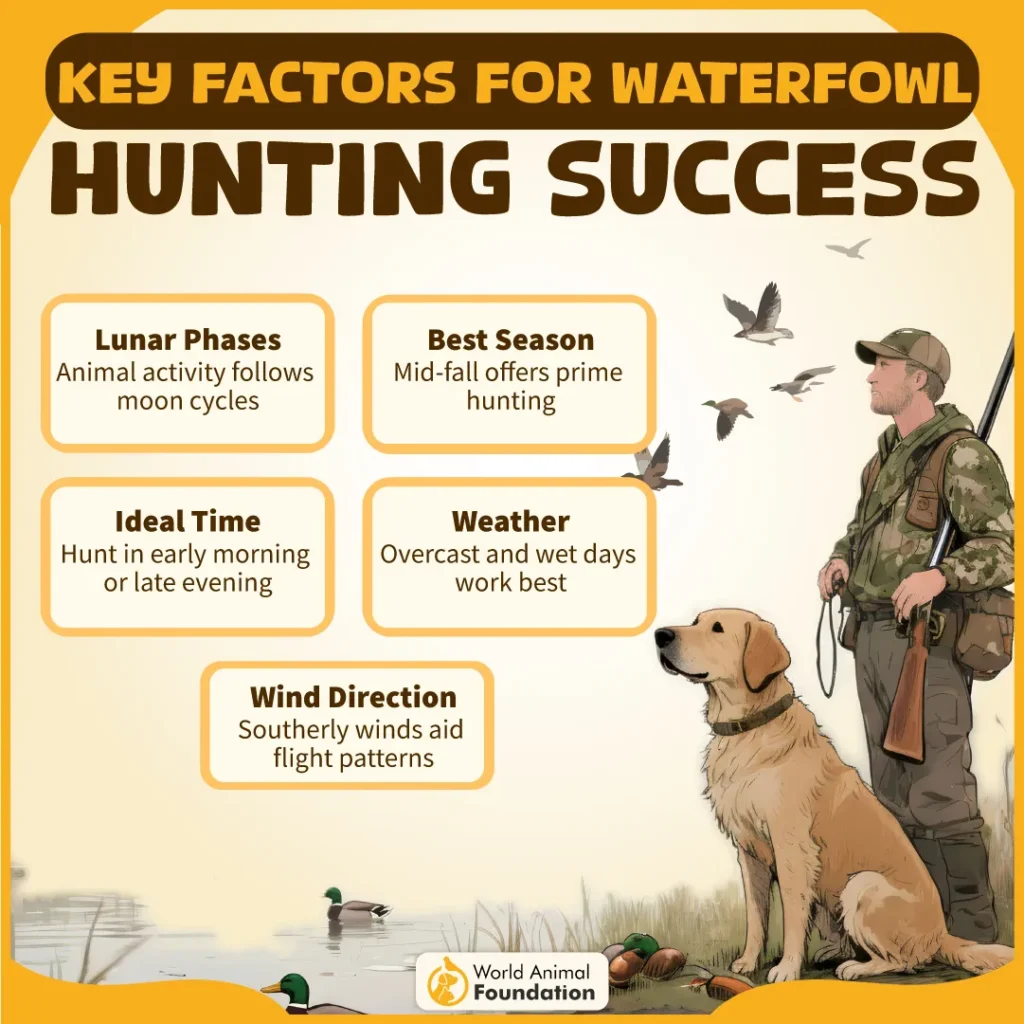
Scenes like this unfold every hunting season across lakes, rivers, and wetlands where dependable dogs become trusted partners rather than simple companions. Their role begins long before the first shot and continues until the final bird has been recovered.
The breeds ahead have built remarkable reputations through these moments, and each one brings its own strengths to one of the most demanding forms of hunting in the outdoors.
Key Takeaways
Retrieving a bird from freezing water is only part of the job. Staying calm, thinking quickly, and working through thick marshes is what truly sets these dogs apart.
Labrador Retrievers, Chesapeake Bay Retrievers, and a few others were shaped over generations for moments exactly like this, where instinct matters just as much as training.
One remarkable breed even draws ducks closer before the hunt begins, using a clever technique that few people have ever heard about.
Keep reading because every breed on this list has earned its reputation in a completely different way.
Remarkable Dog Breeds That Excel in Waterfowl Hunting
1. Labrador Retriever
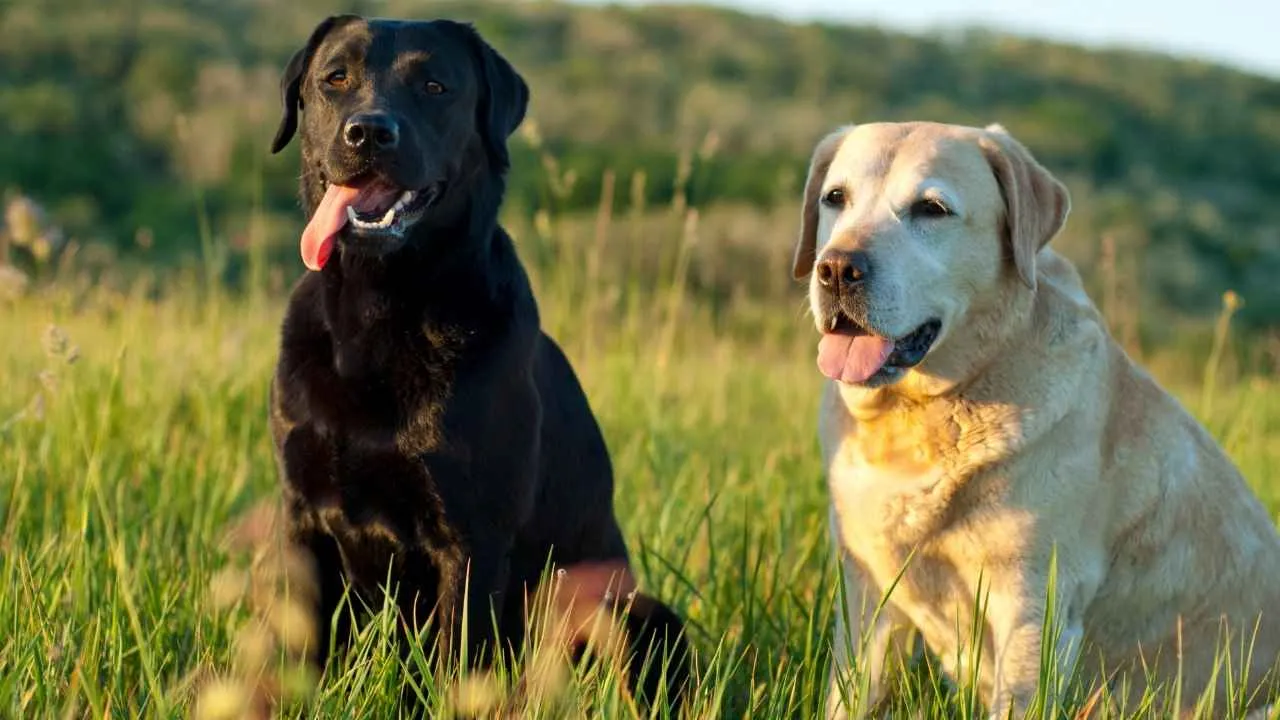
Labrador Retriever was originally bred in Newfoundland, where its ancestors retrieved game, gathered fish, and even helped pull boats across lakes. That early working role explains why this breed feels so capable in chilly marshes, ponds, and other water-filled hunting grounds.
Built for the Retrieve
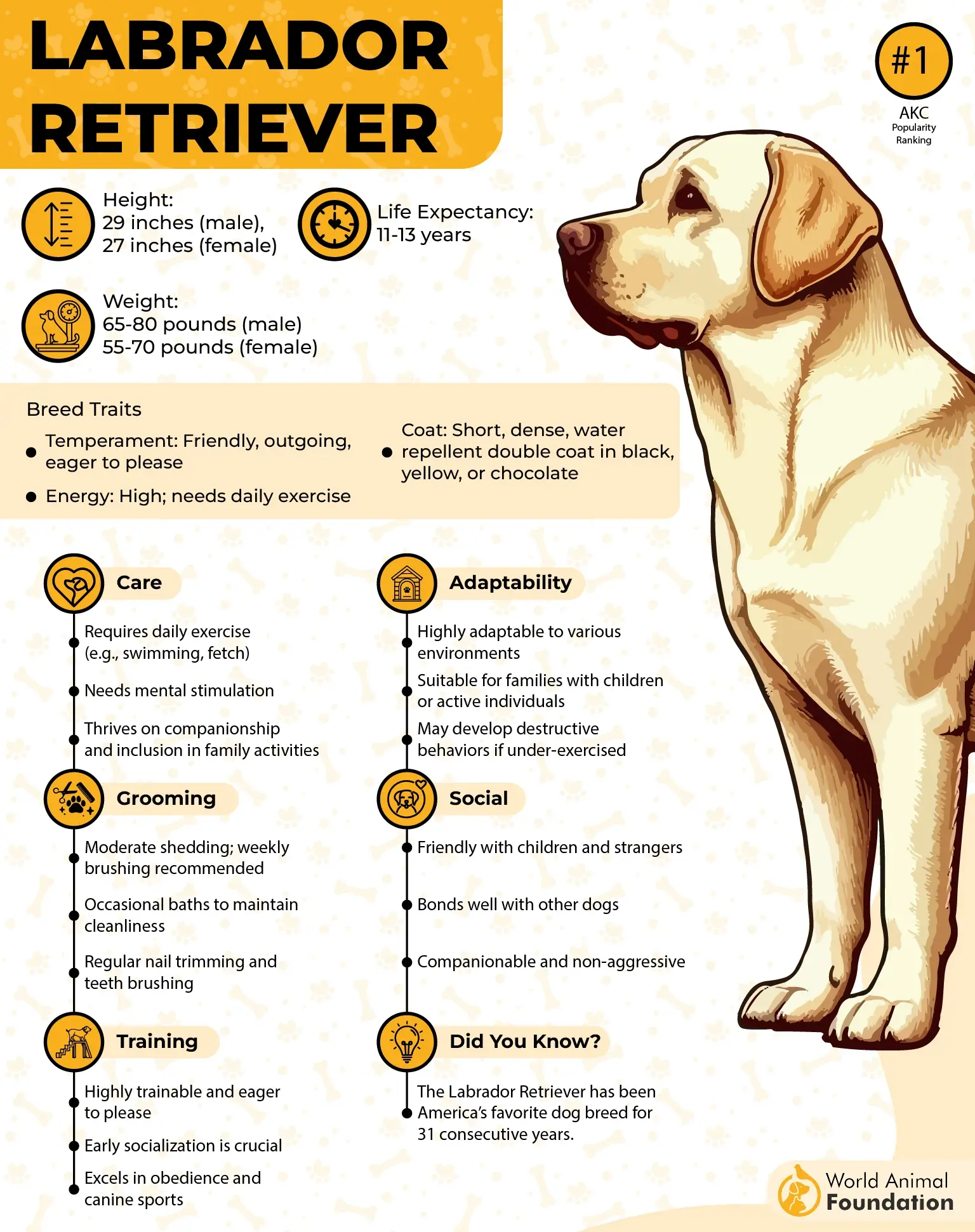
Every part of this breed serves a purpose once birds fall into the water. A dense, waterproof coat helps in freezing temperatures, while webbed paws and a thick, otter-like tail provide efficient control through currents and heavy vegetation, as per the AKC.
Several physical features make that job easier:
Naturally gentle grip on game birds
Thick tail used as a swimming rudder
Webbed feet for stronger propulsion
Calm Before the Action
This famous waterfowl hunting dog remains composed when patience matters most, quietly waiting inside a blind or boat until the right opportunity arrives. That steady temperament helps prevent rushed retrieves and gives hunters greater confidence throughout the outing.
2. Chesapeake Bay Retriever
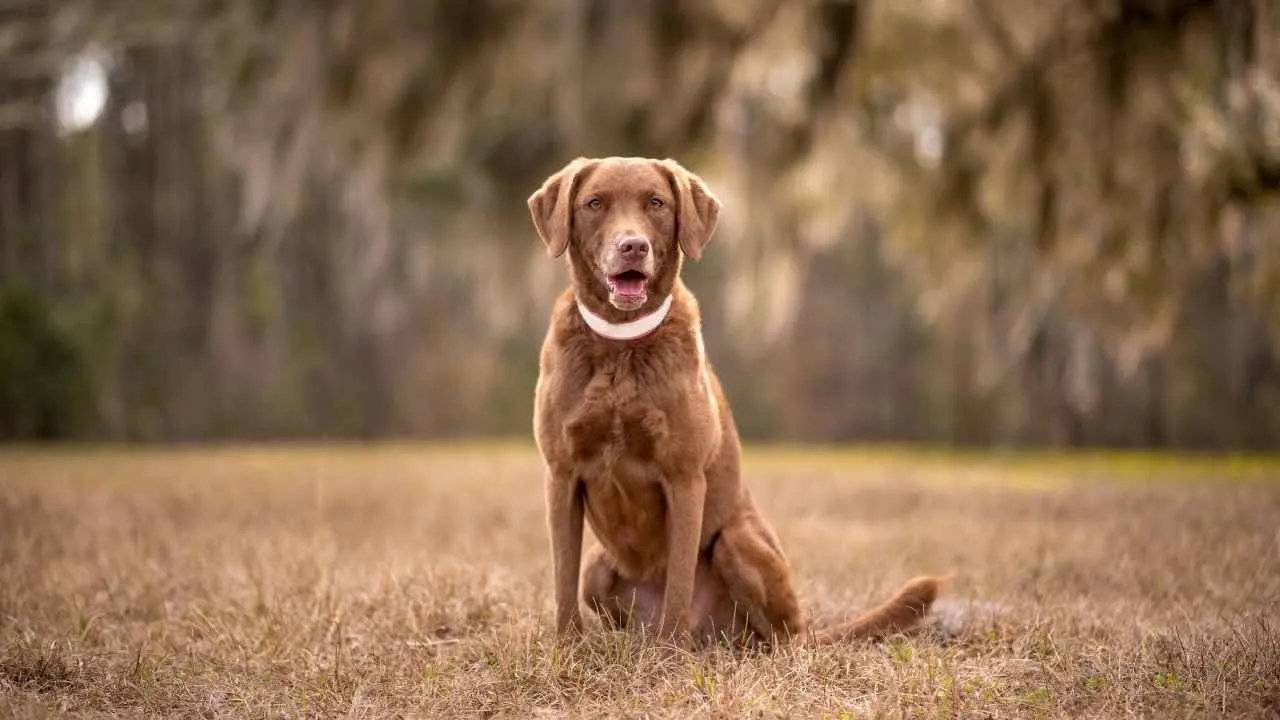
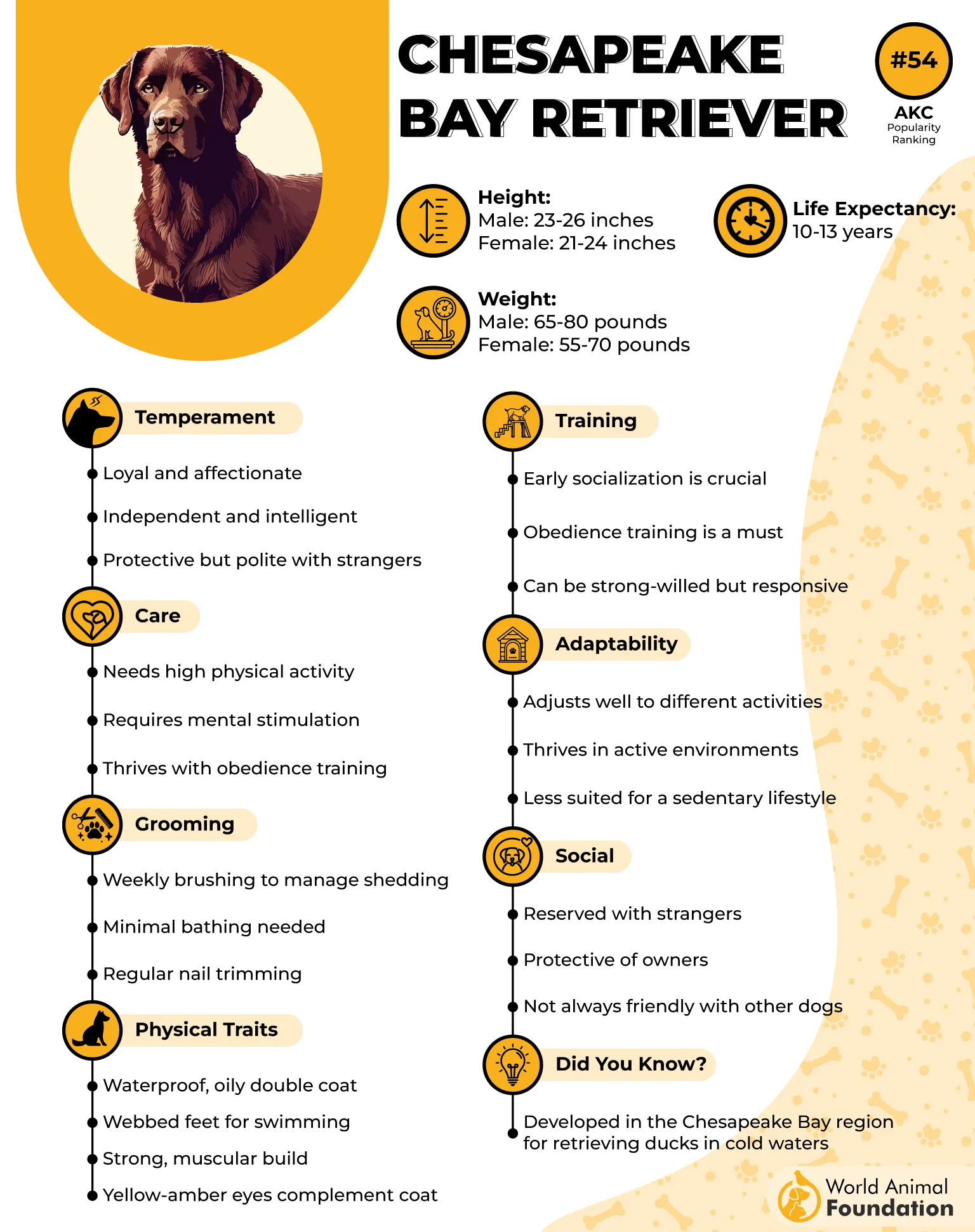
Chesapeake Bay Retriever took shape in the United States and joined the American Kennel Club in 1885, building a reputation as a dependable waterfowl specialist, as Omlet noted. Its dense, oily coat helps keep the skin warm and dry, allowing this breed to continue working even in freezing water.
Ready for Difficult Retrieves
Long retrieves through icy water, thick reeds, muddy banks, and rough surf are exactly the kind of conditions this breed was built to handle. Market hunters once depended on that endurance because a single day could demand dozens of retrieves without slowing down.
A few working details deserve a closer look:
Webbed paws for stronger swimming
Heavy bone structure for rough terrain
Independent problem-solving ability
Thinks Through the Hunt
This premier duck dog does not give up when a wounded bird slips into thick cover or disappears underwater, often working things out without waiting for direction. That self-reliant style gives this breed a different approach to work than several other retrievers.
3. Golden Retriever
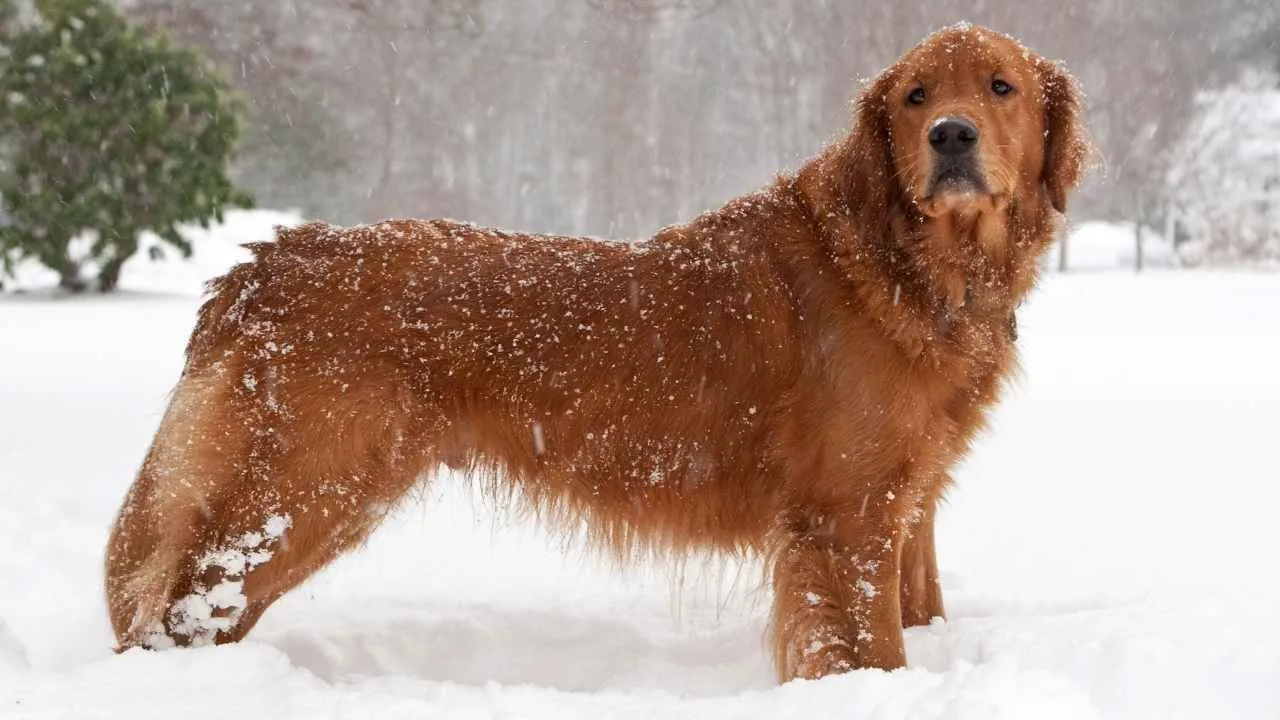
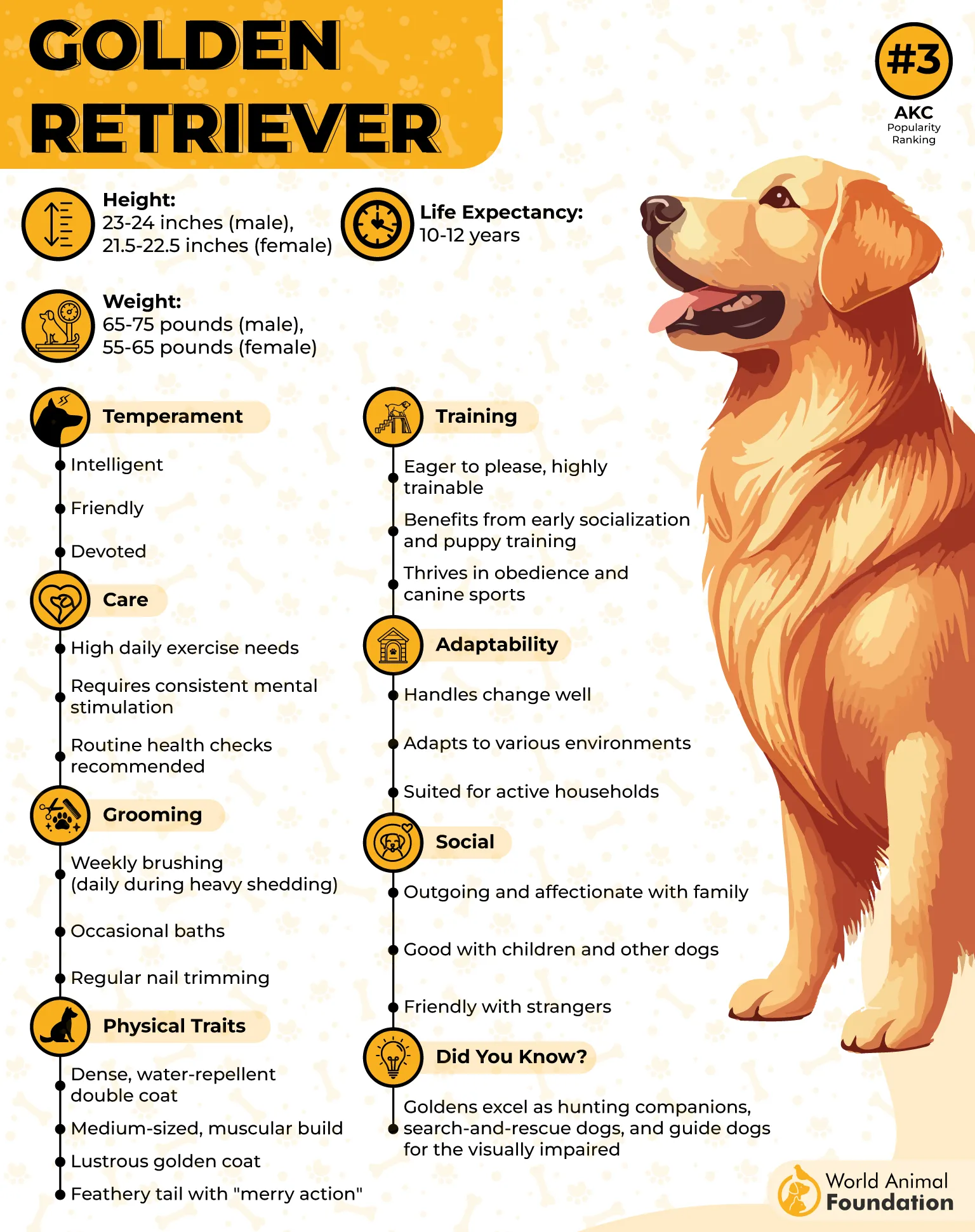
In mid-1800s Scotland, Lord Tweedmouth originally developed the Golden Retriever to retrieve game through thick undergrowth while remaining confident and under control. That original purpose still explains why retrieving remains the breed’s favorite job, especially around marshes and wetlands.
Built for Water Work
A dense outer coat repels water while the thick undercoat provides insulation in icy conditions, allowing this breed to work comfortably during long retrieves. Its natural swimming ability and willingness to enter the water make it especially dependable when waterfowl land beyond the shoreline.
A closer look reveals a few field-tested advantages:
Gentle grip protects harvested birds
Excels at following blind or wing-tipped falls
Responds well to hand-signal casting
Sharp in the Marsh
Golden Retriever combines an exceptional nose with a willingness to follow direction, making complex retrieves through heavy cover much more manageable.
That responsiveness also explains why the breed has contributed to search and rescue work, detection roles, and assistance dog programs beyond the hunting field, as PetMD claims.
4. American Water Spaniel
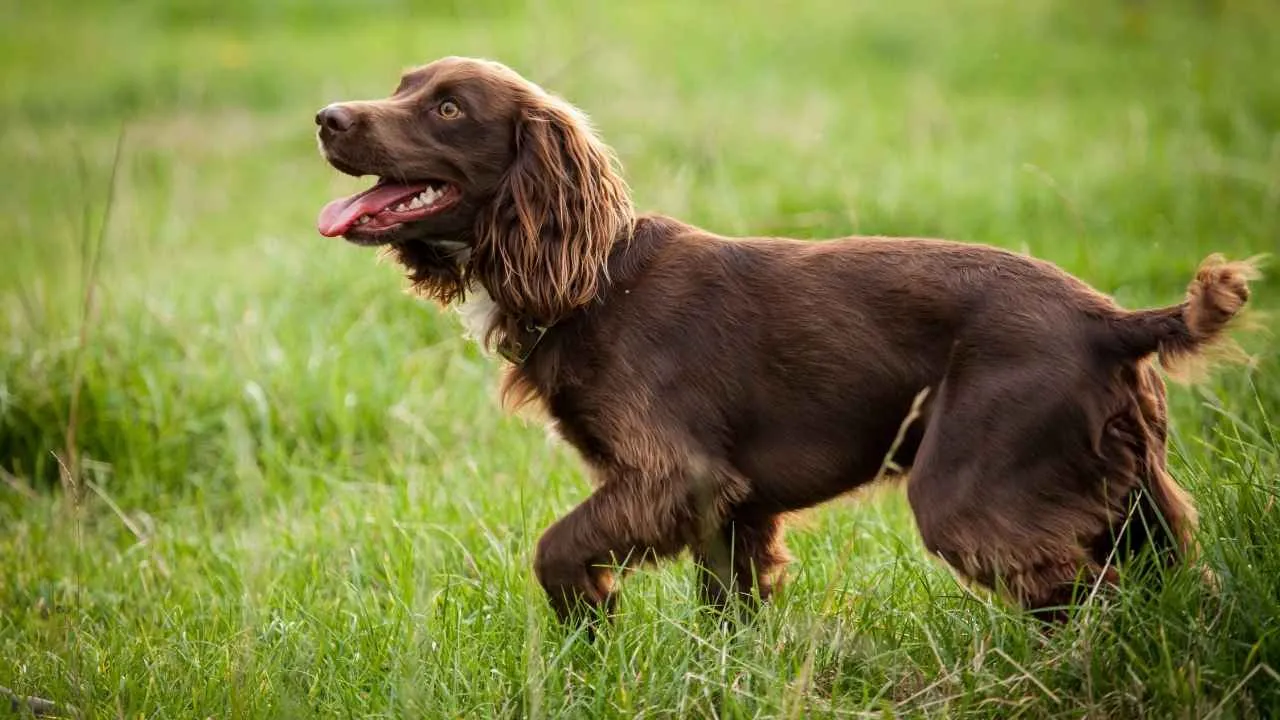
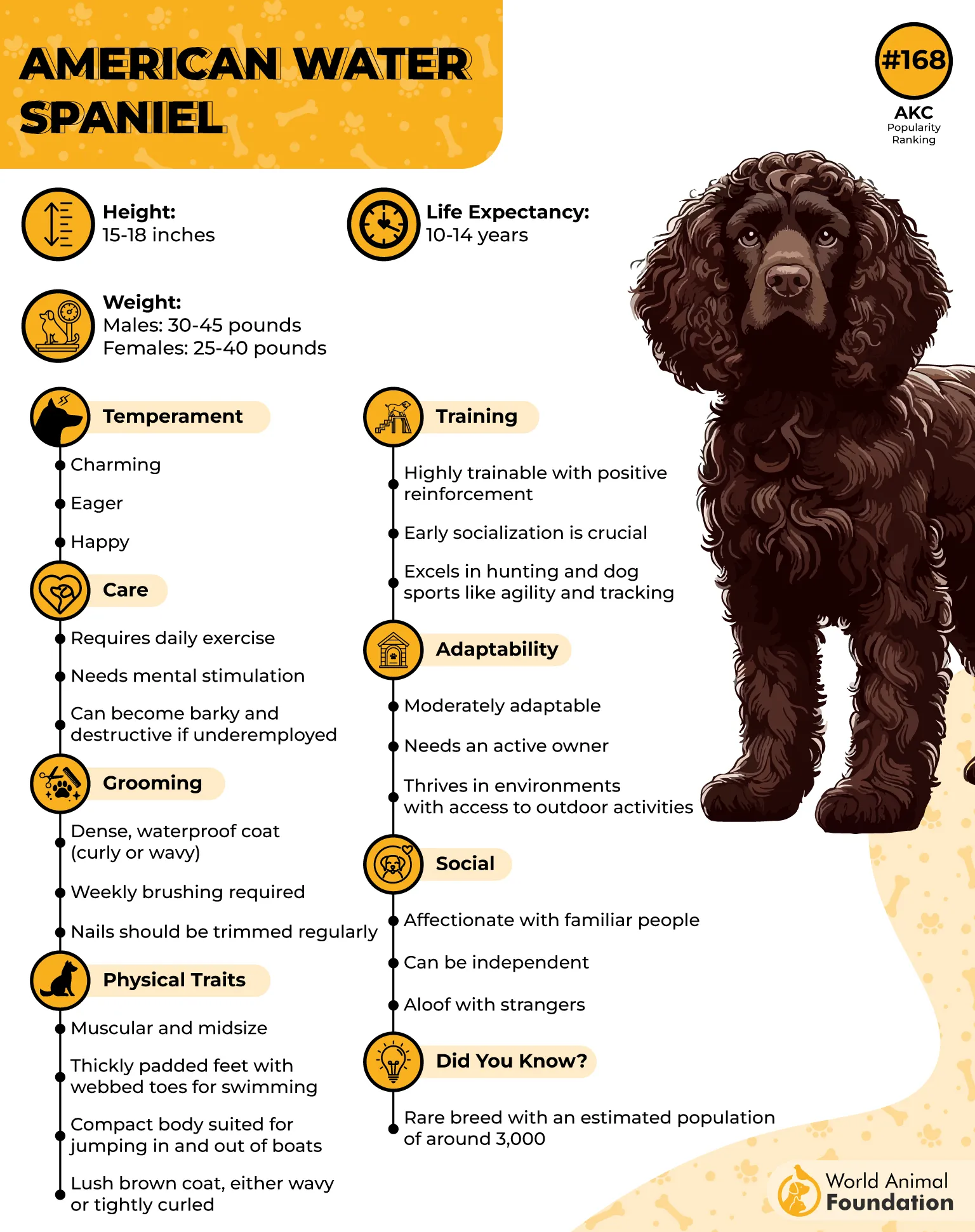
American Water Spaniel gained a practical place among hunters because its compact size fit easily into small rowing boats heading toward hard-to-reach marshes. That smaller frame also made working through tangled vegetation and narrow waterways much easier than with larger retrievers.
Ready for the Marsh
This spaniel combines strong swimming ability with the determination to push through frozen water, thick wild rice, heavy cattails, and muddy cover while searching for downed birds. The same dog can also flush pheasants, grouse, and woodcock once the morning waterfowl hunt is over.
A closer look reveals a few useful advantages:
Wisconsin’s official state dog
Typically weighs between 25 and 45 pounds
Natural coat oils help repel burs
At Home Too
This waterfowl dog balances its working drive with a playful side, fitting comfortably into family life with children and other pets. It often forms a closer connection with certain family members while still enjoying games, outdoor adventures, and a quiet nap after an active day.
5. Nova Scotia Duck Tolling Retriever
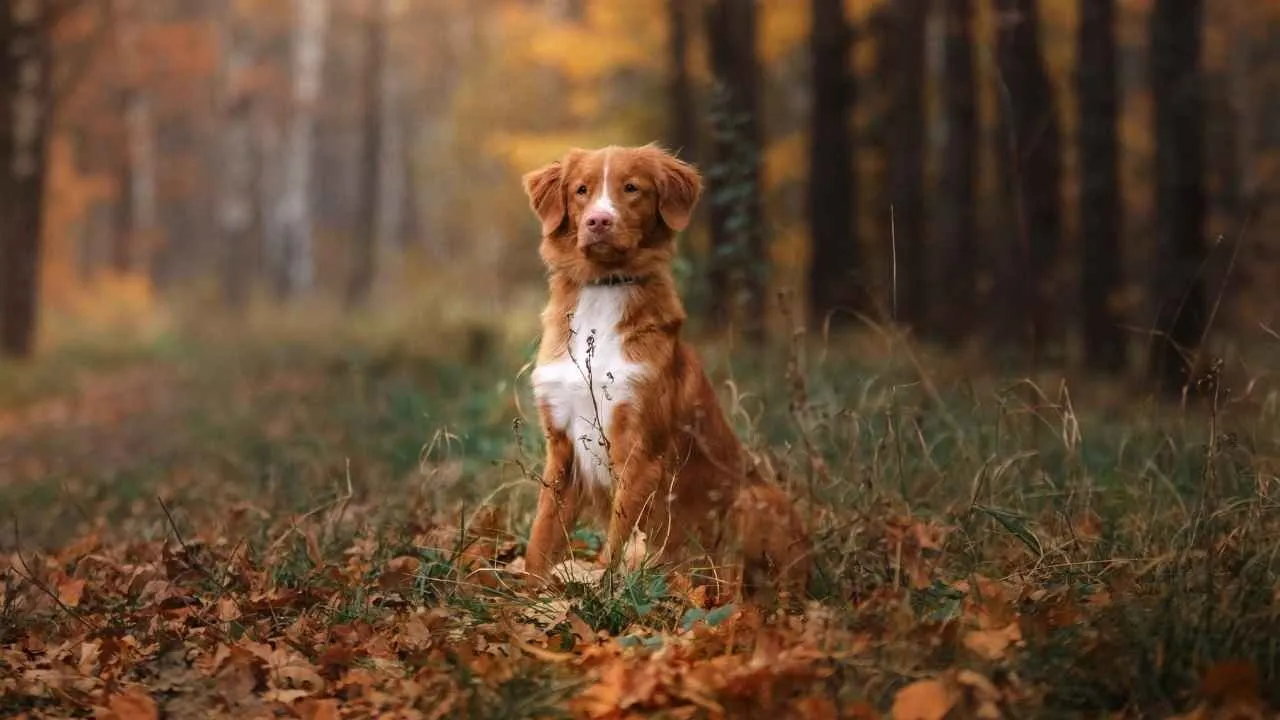
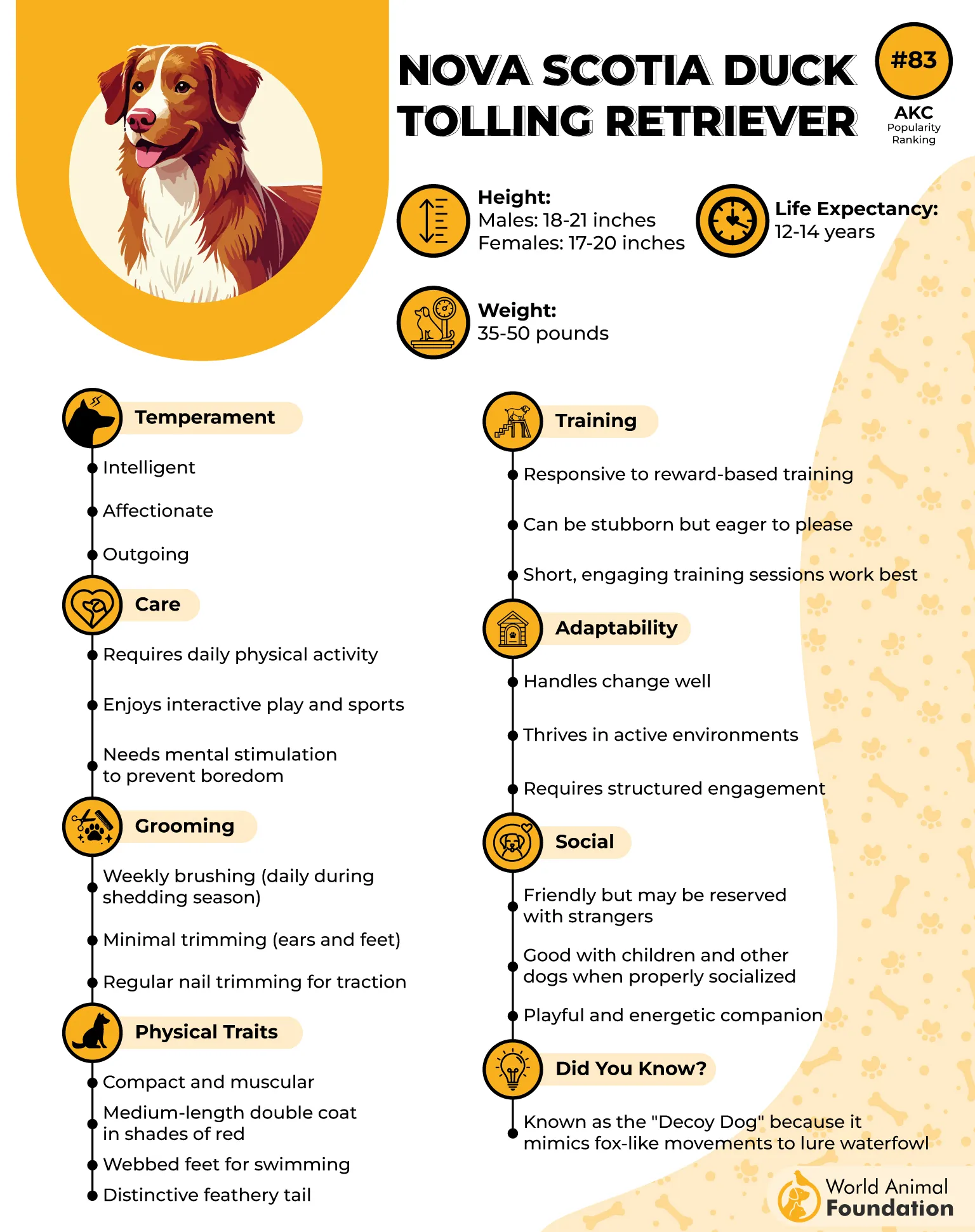
Nova Scotia Duck Tolling Retriever takes a very different approach in the field, using playful shoreline activity to draw curious waterfowl closer before the retrieval even begins. That distinctive hunting method first took shape in the Little River region of Nova Scotia, Canada.
The Tolling Method
Instead of waiting quietly beside the hunter, this breed becomes part of the plan before a shot is fired. Repeated games along the shoreline encourage ducks to swim within range, after which the dog returns to the blind before retrieving the harvested birds.
A closer look explains how the sequence works:
White-tipped tail attracts attention
Retrieves after the birds are down
Works from the shoreline before the shot
Calm Beyond the Marsh
This retriever breed fits easily into family life with its lively personality and easygoing nature around children and familiar pets. New faces may receive a more reserved greeting at first, while early socialization helps the breed become comfortable with visitors entering the home.
6. Curly-Coated Retriever
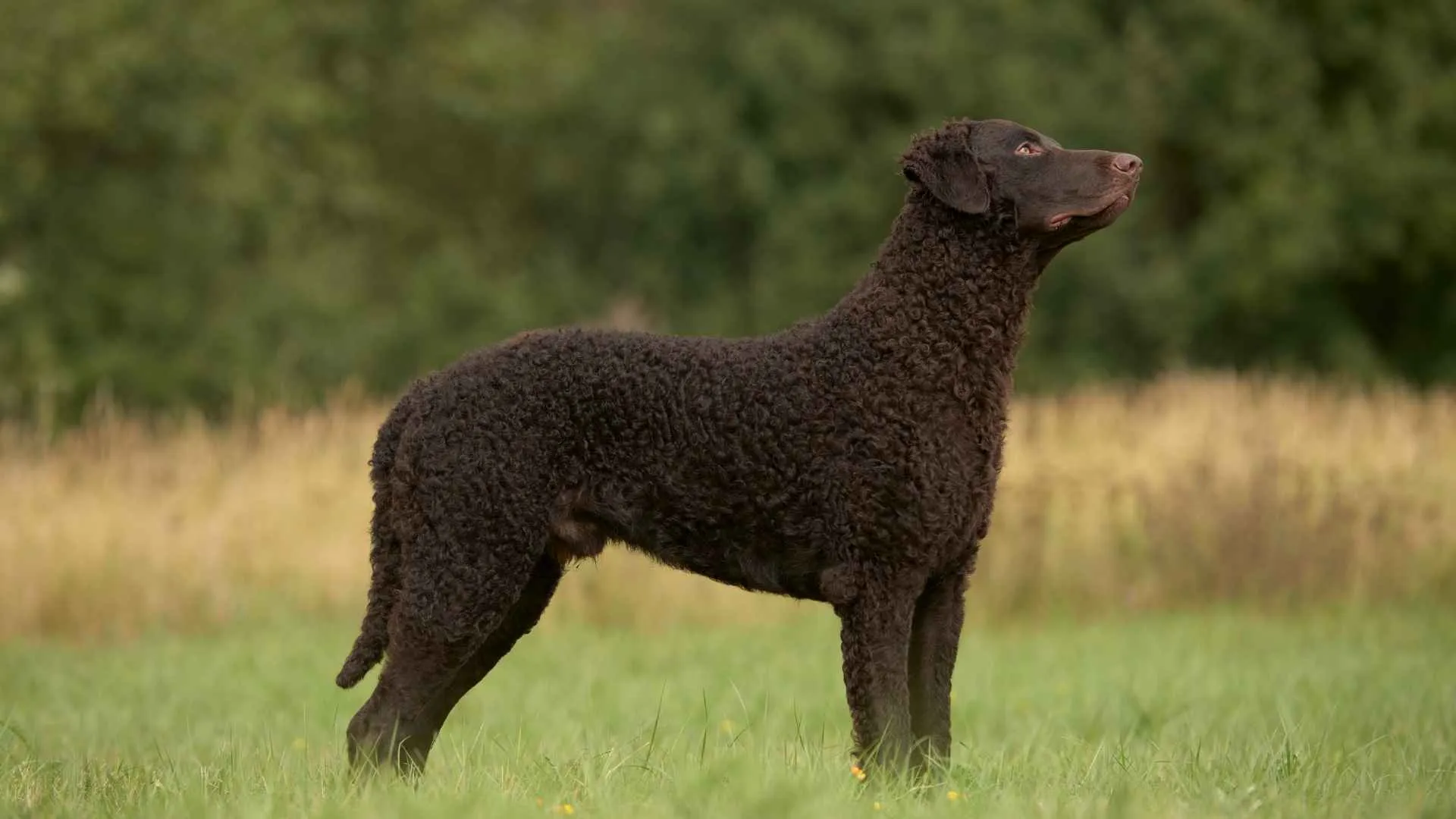
Curly-Coated Retriever appeared in England during the late 1700s, where bird hunting and waterfowl retrieval shaped its early purpose. Its tightly curled, naturally oily coat sheds water quickly while helping protect the body from freezing winds, rough brush, and icy conditions.
Ready for Demanding Retrieves
This hunting companion has impressive size with the strength needed to retrieve large waterfowl from difficult environments. Strong river currents, shoreline ice, and dense marsh vegetation are the kind of demanding conditions this breed was built to tackle with confidence.
Several working qualities complete the picture:
Marks multiple fallen birds accurately
Coat dries quickly after water retrieves
Curls collect very little mud or burrs
Practical in the Field
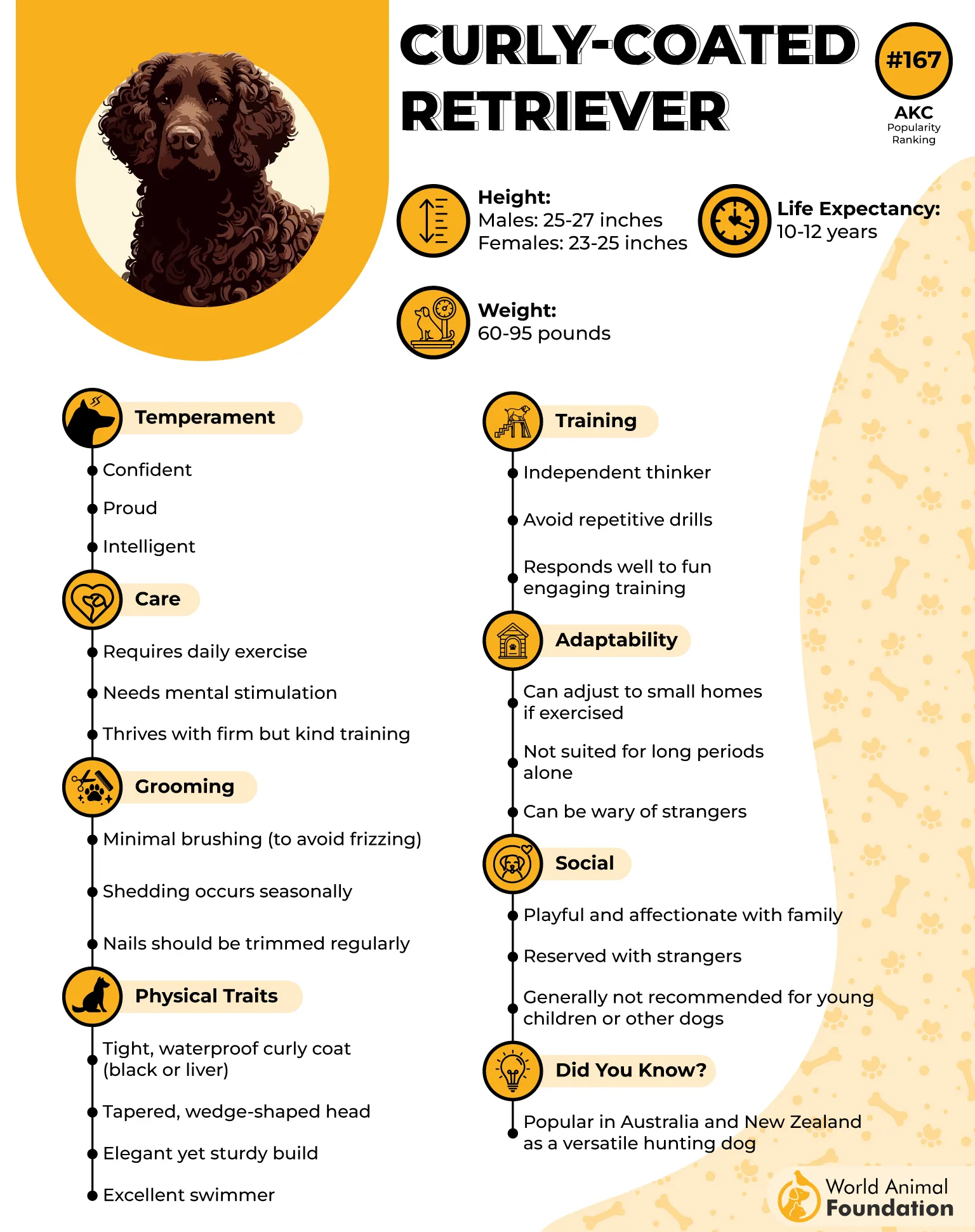
Curly-Coated Retriever reaches up to 27 inches in height and can weigh as much as 95 pounds, giving it the physical power needed for demanding retrieves. After leaving the water, a quick shake often clears away aquatic weeds and debris because the coat lacks a dense undercoat.
7. Boykin Spaniel
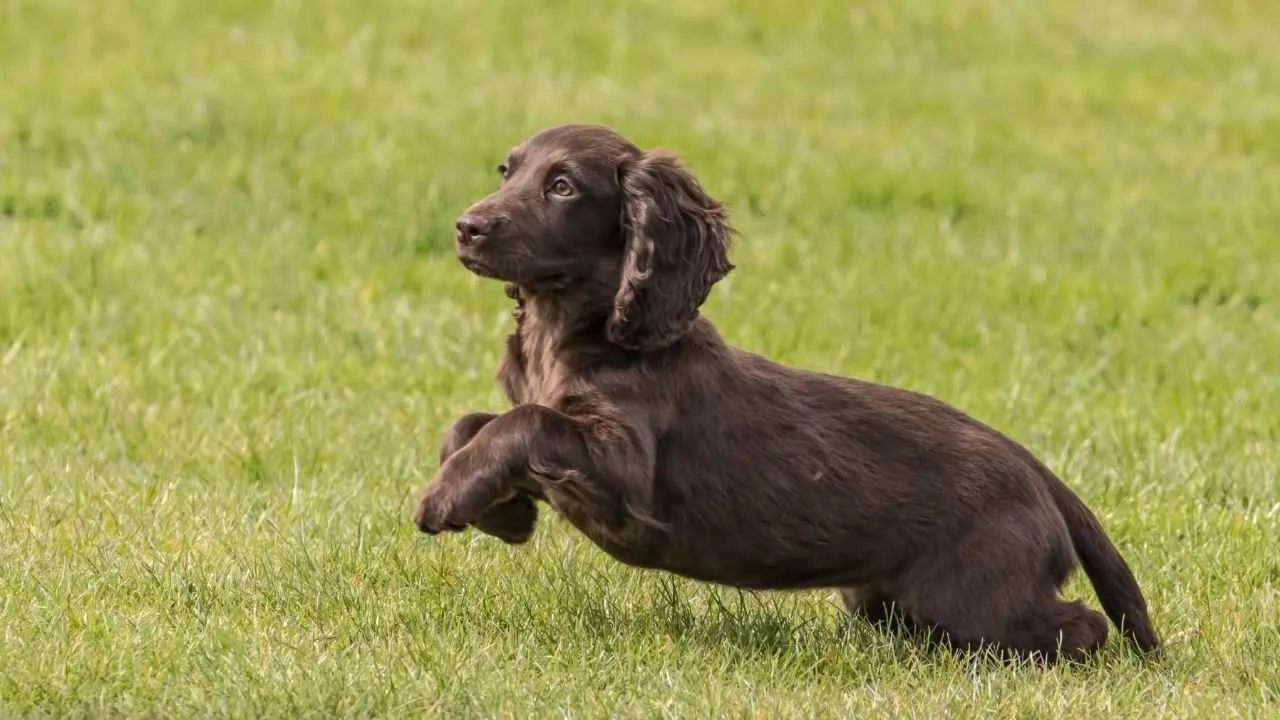
Boykin Spaniel first gained attention in the wetlands of South Carolina, where its medium build and dependable nature fit the demands of bird hunting. From flushing game to retrieving ducks, this breed quickly became a familiar sight across marshes, rivers, and flooded timber.
Built for the Blind
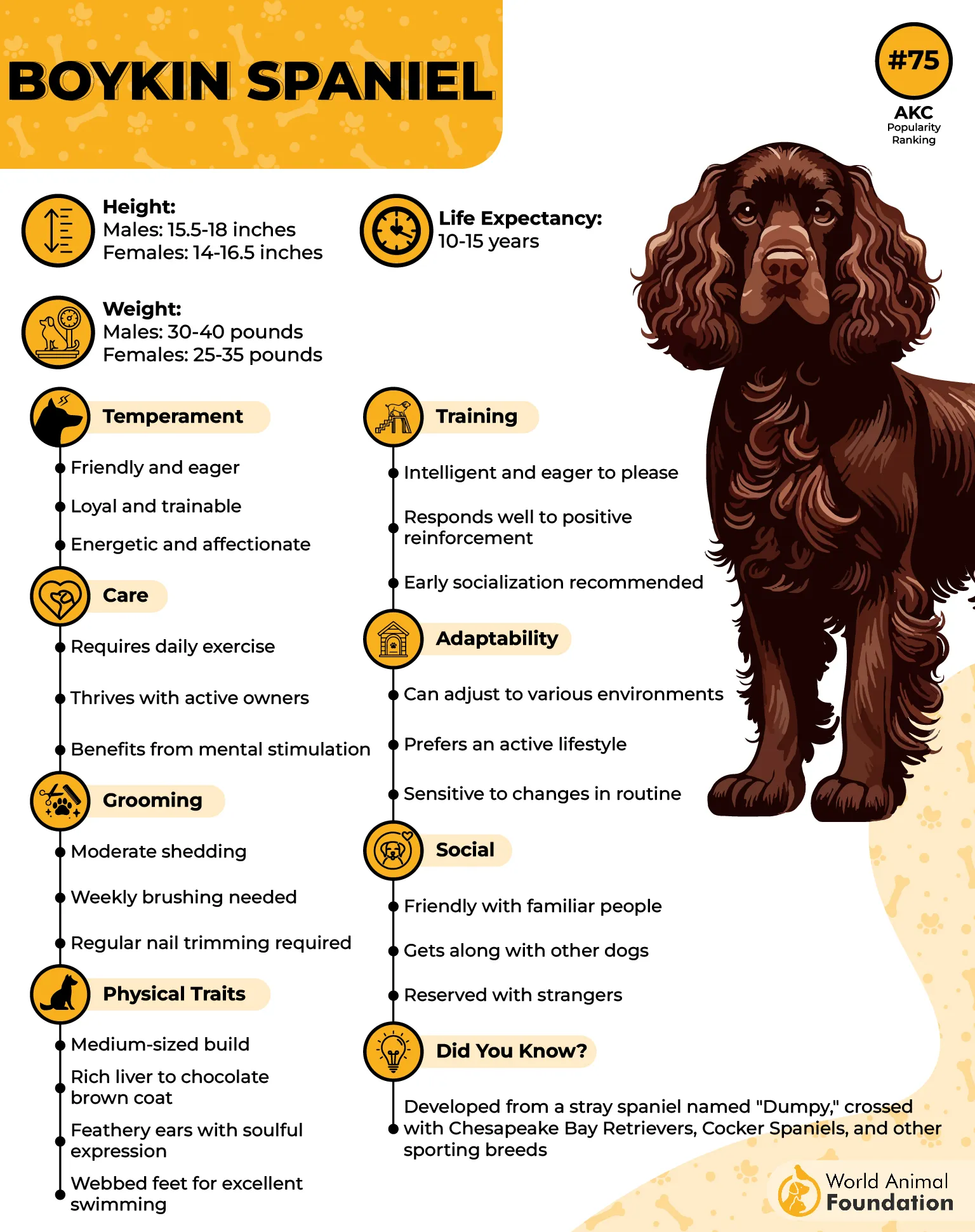
A weight of around 25 to 40 pounds gives this waterfowl hunter a practical advantage when working from a small boat or kayak. Its heavily webbed feet and muscular frame provide strong propulsion through swamp water, muddy channels, and fast-moving currents.
The following working qualities make that possible:
Navigates tangled cypress knees with ease
Slips through flooded timber efficiently
Retrieves without overcrowding small boats
Built for Long Hunts
Boykin Spaniel combines an eager attitude with the stamina needed for long days outdoors, making it equally comfortable swimming, hunting, and active play. That energy comes with a daily need for several hours of purposeful activity to help prevent chewing or digging around the home.
8. Irish Water Spaniel
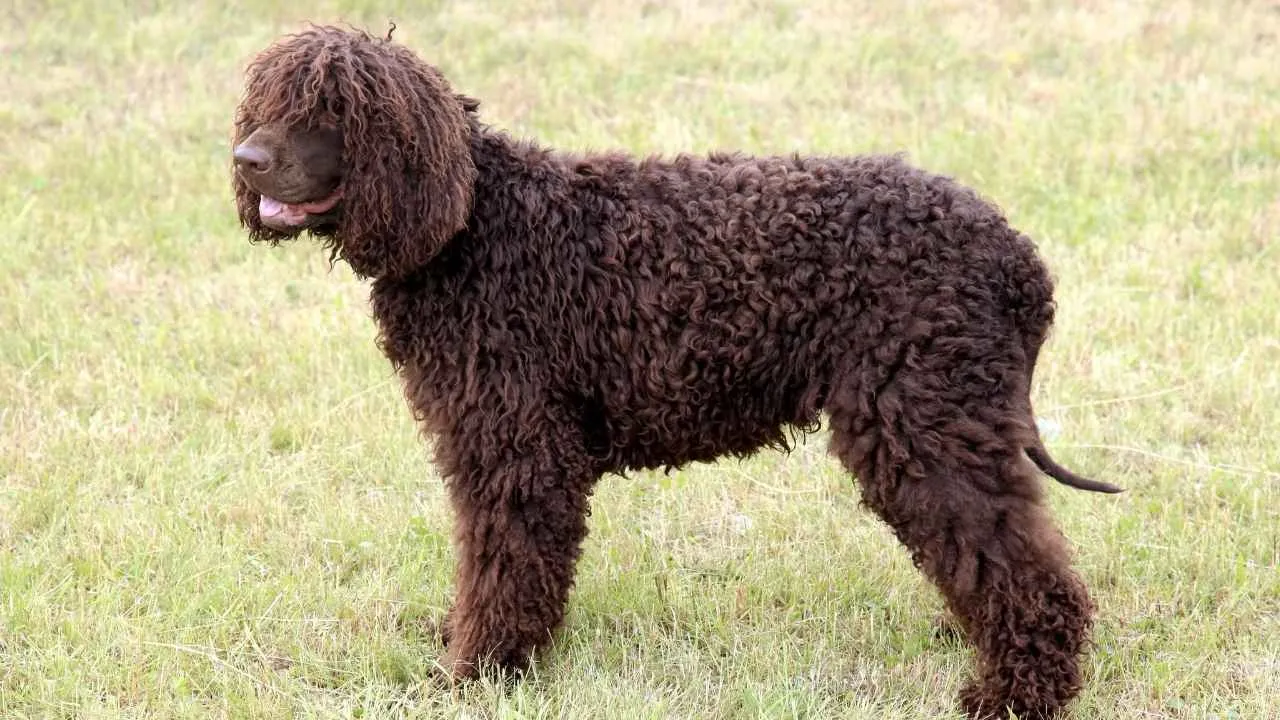
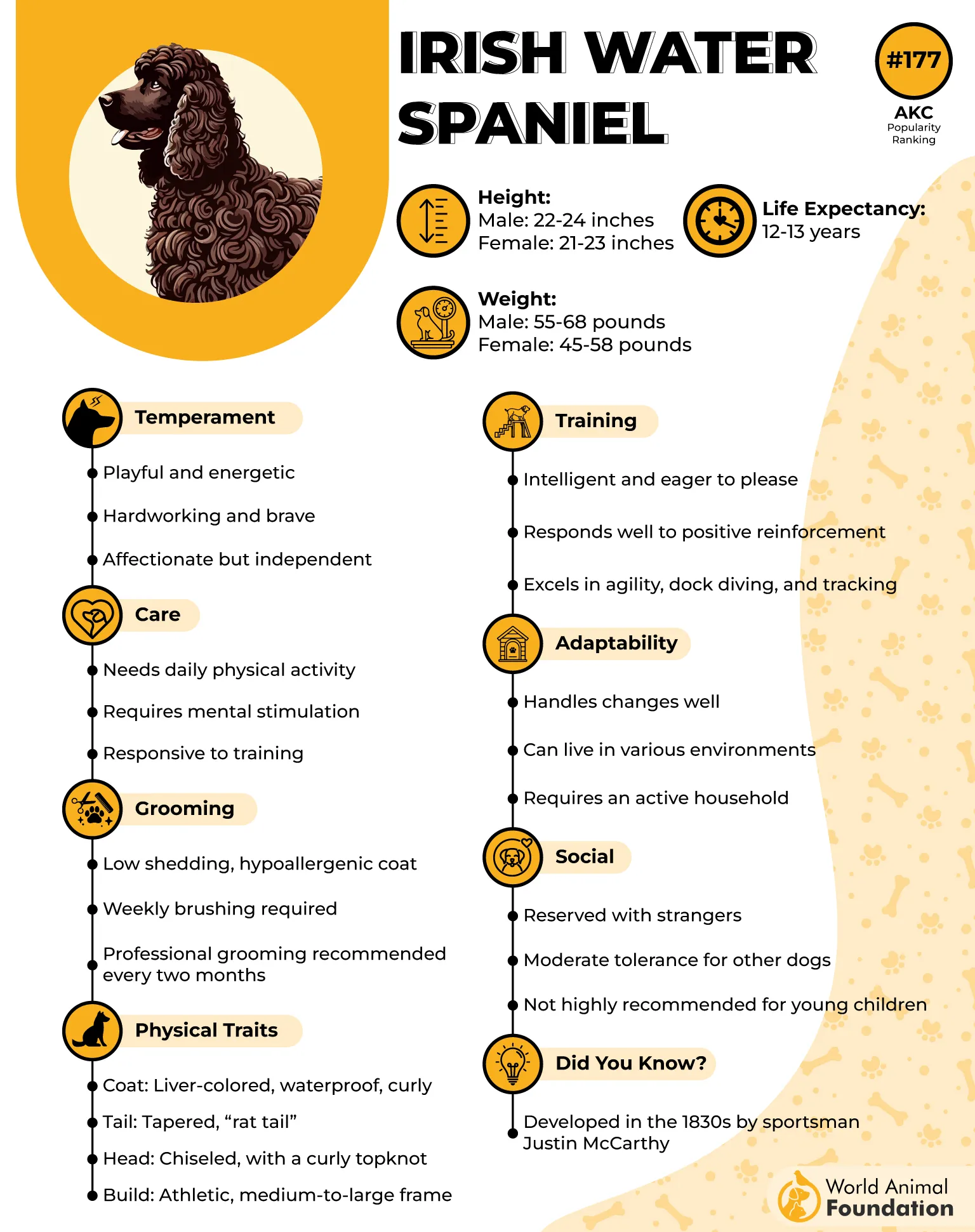
Irish Water Spaniel worked alongside fishermen and hunters for generations, retrieving game from rivers and marshes where reliability mattered every day. A soft mouth allowed this breed to pick up game carefully, making it especially useful after waterfowl had been brought down.
Confident in Rough Conditions
They enter cold water with remarkable force, pushing through ice, dense cattails, thick mud, and heavy vegetation without hesitation. Its low, level swimming style also helps it travel efficiently through strong river currents and rough coastal waves.
These physical details explain that ability:
Large webbed feet for propulsion
Hairless “rat tail” acts as a rudder
Largest member of the Spaniel family
Around the Family
Irish Water Spaniel enjoys taking part in everyday family life and prefers having people nearby for much of the day. Children, other dogs, and household pets are usually accepted well, while unfamiliar faces may receive a cautious greeting until trust has been established.
9. Flat-Coated Retriever
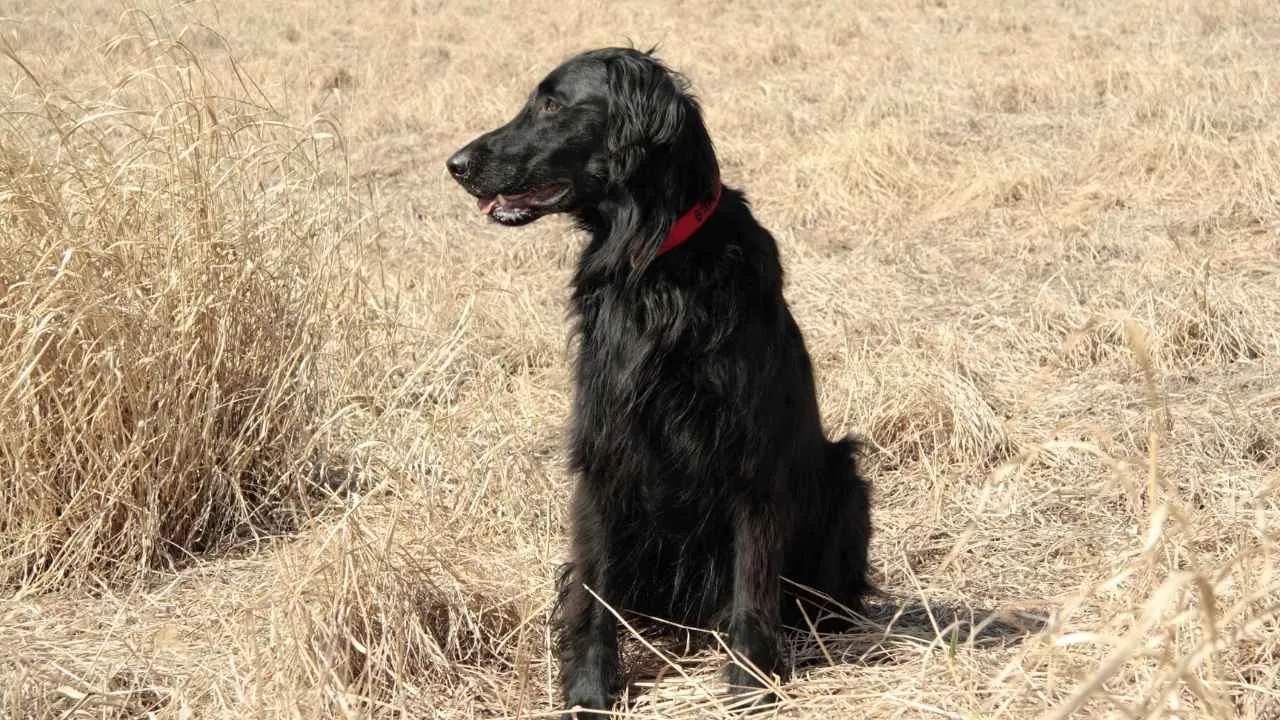
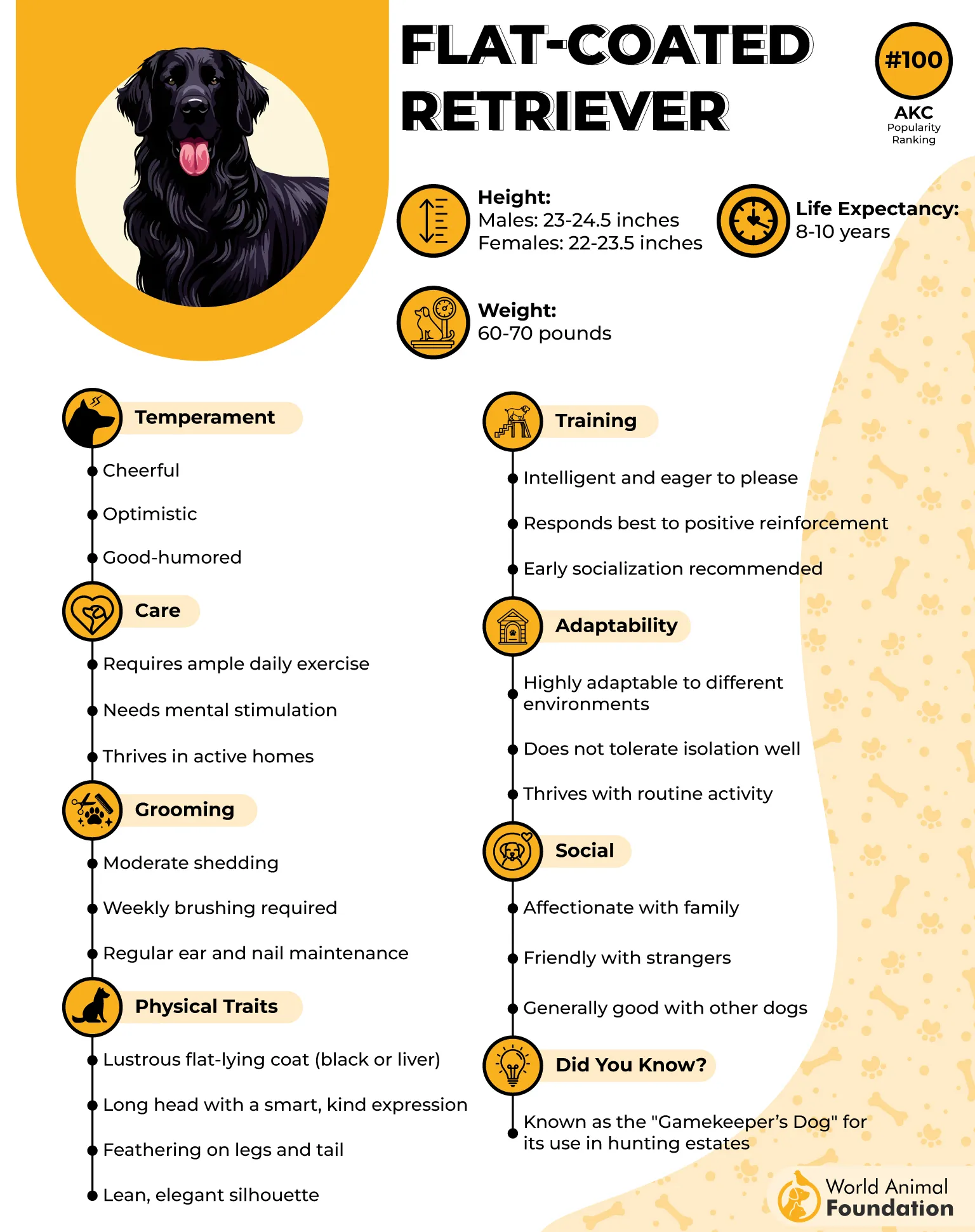
Flat-Coated Retriever took shape during the 1800s when skilled water retrievers used by fishermen were crossed with flat-coated dogs to create a dog better suited for retrieving in wet conditions. That combination produced a capable swimmer with a coat better suited for repeated trips through water.
Sharp in the Blind
This versatile breed brings more than enthusiasm into a waterfowl blind, using remarkable visual memory to keep track of several falling birds at once. Lean body structure and quick acceleration also help this breed cross mud and marshes with impressive efficiency during demanding retrieves.
A few details reveal even more:
Nicknamed the “Peter Pan of the Retriever World”
Responds well to whistle stops
Handles blind directional casting confidently
Joy Between Hunts
Flat-Coated Retriever approaches family life with the same cheerful attitude seen in the field, greeting familiar faces with an always-wagging tail and plenty of enthusiasm. Young children may need gentle supervision because this energetic breed can become a little too bouncy during play.
10. Portuguese Water Dog
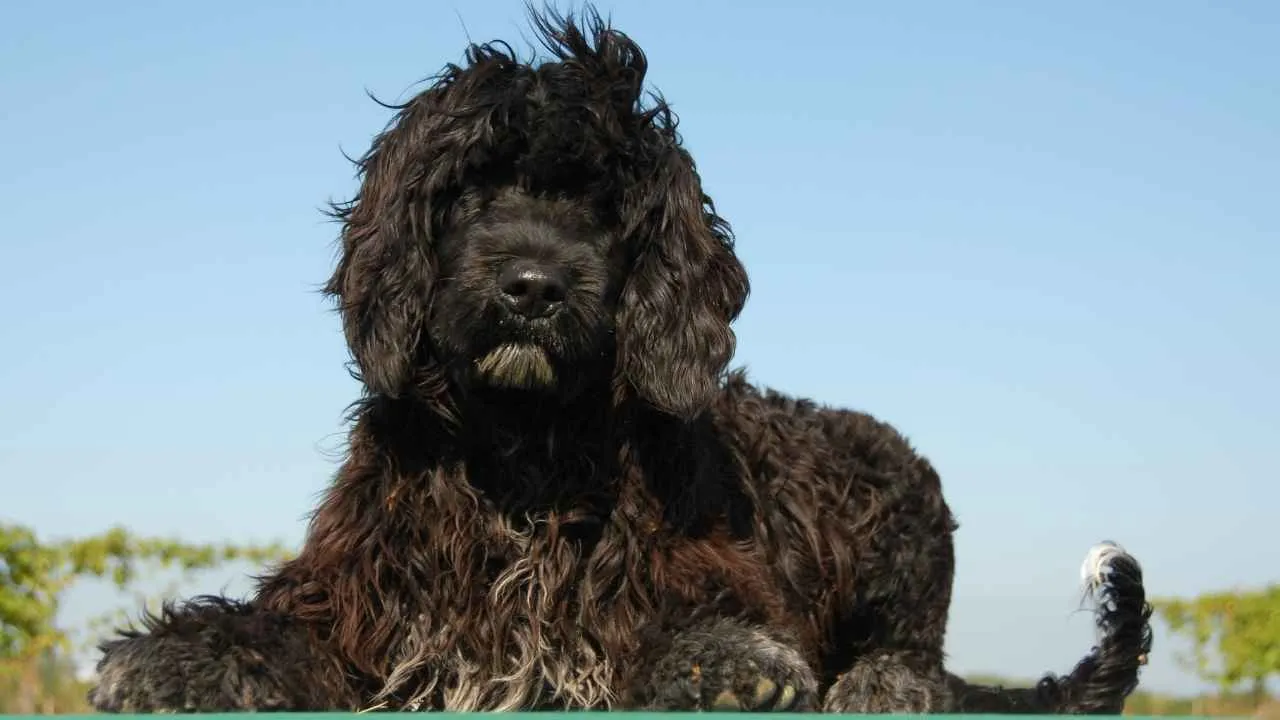
Portuguese Water Dog spent generations assisting fishing crews along the Portuguese coast, where it helped guide schools of fish toward waiting nets and recovered damaged nets from the water. That practical role also took this hardworking breed on long cod-fishing journeys as far as Newfoundland.
Built for Open Water
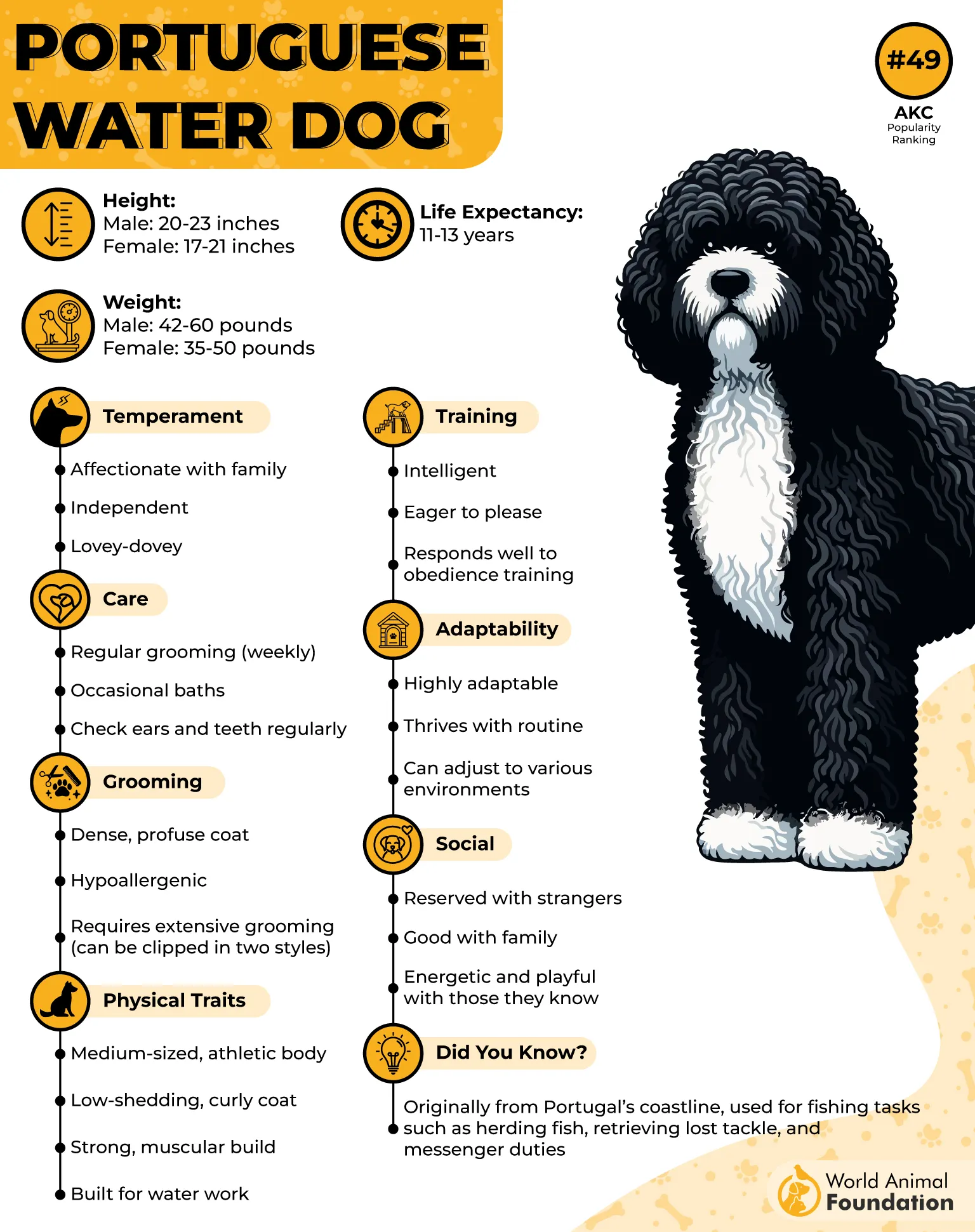
PWD brings several physical advantages to waterfowl work, especially when swimming through rough, choppy water. Fully webbed feet, a muscular frame, and a naturally water-repellent coat help this breed work efficiently without becoming weighed down after repeated swims.
A few remarkable details deserve a closer look:
Webbed feet provide stronger propulsion
Single-layer coat dries quickly after swimming
Learns complex tasks quickly
Calm Around the Family
Portuguese Water Dog enjoys being close to the people in its household and often forms the strongest connection with the person guiding its training. New faces may receive a cautious greeting at first, while respectful children and familiar pets are generally welcomed comfortably.
Conclusion
Time in the marsh becomes far more rewarding when every retrieve is handled with confidence, patience, and steady determination. A capable hunting companion brings much more than physical ability, combining natural instincts with the hunting skills needed to hunt waterfowl reliably through cold water, heavy cover, and long days outdoors where every opportunity matters.
The best choice depends on your hunting style, environment, and expectations in the field. Some are excellent retrievers, while other retriever breeds excel in different ways. Understanding what each one naturally does best helps experienced hunters build a partnership that remains dependable throughout countless hunting seasons and memorable days outdoors.
