




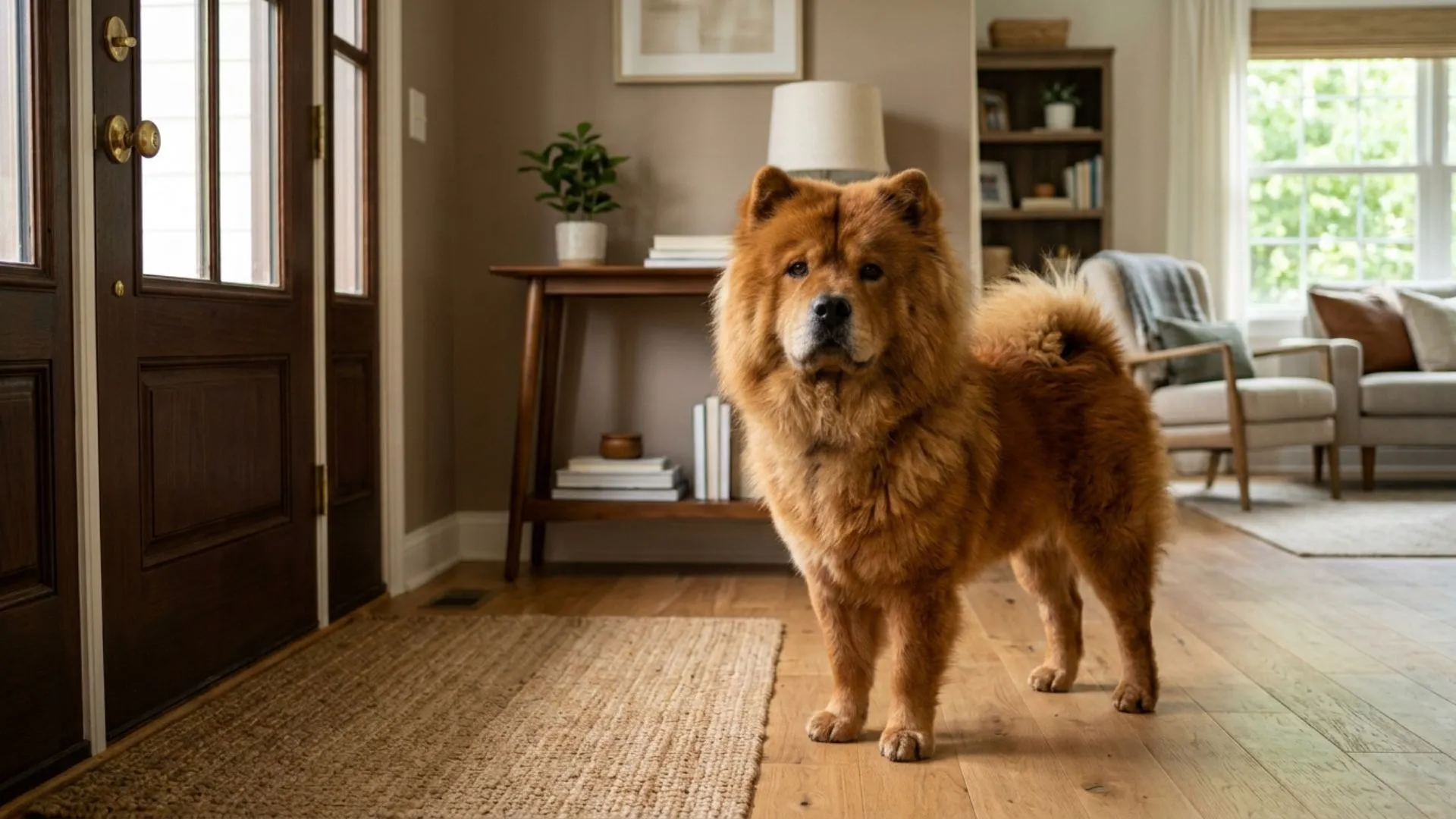
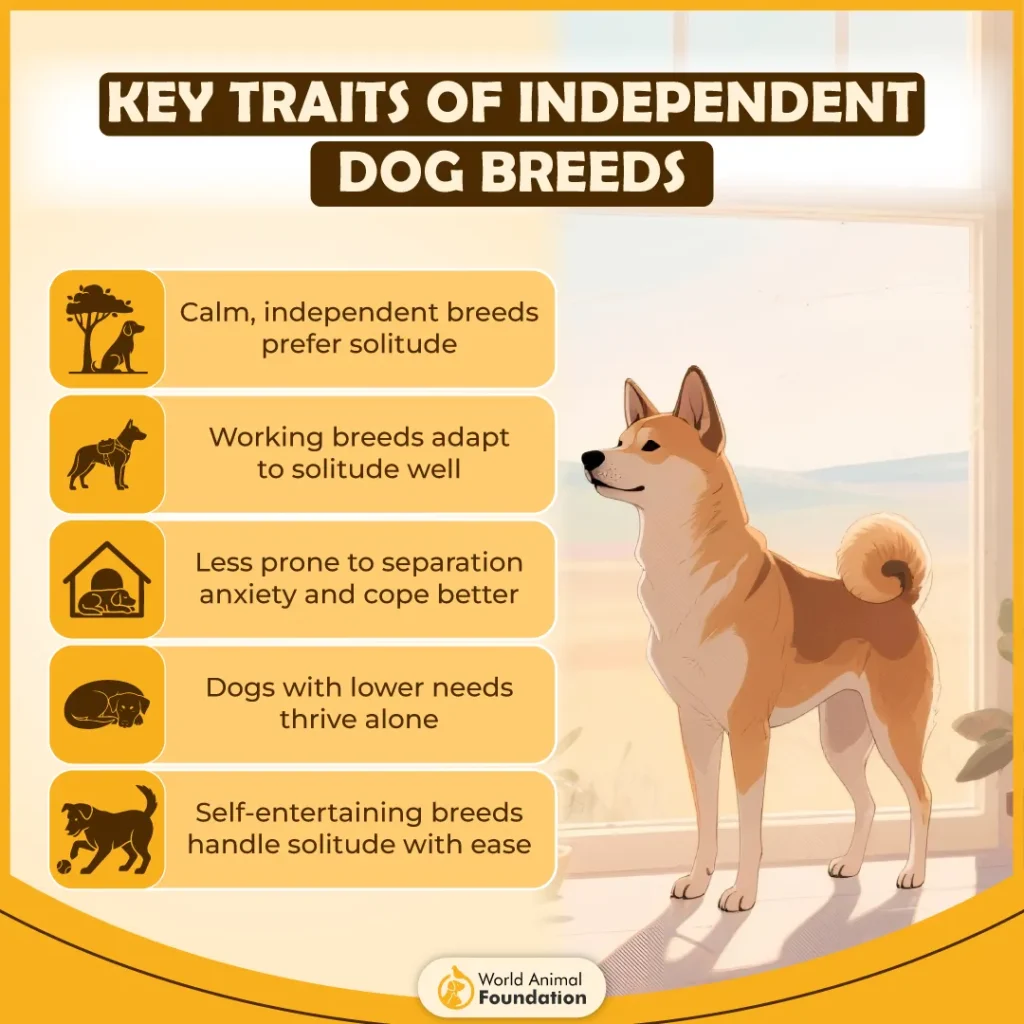
Independent dogs are often appreciated for their calm, self-assured nature, but no breed should be expected to spend long hours alone without preparation.
While some dogs cope better with short periods of separation than others, every dog benefits from training, mental stimulation, regular exercise, and a consistent routine.
Separation-related distress can be subtle, with some dogs showing obvious signs like barking or destructive behavior, while others quietly pace, tremble, or whine.
Building confidence starts by gradually teaching a dog that being alone is safe and rewarding, never frightening. Interactive toys, food puzzles, and positive reinforcement can help keep them occupied, while avoiding punishment is essential if unwanted behaviors occur.
Even the most independent breeds need companionship, daily interaction, and opportunities to exercise and explore. When their emotional and physical needs are met, these self-reliant dogs are more likely to remain relaxed and content during short periods at home.
Key Takeaways
Independent breeds handle solitude better: Dogs like the Basenji, Greyhound, and Chow Chow are naturally more self-reliant and can tolerate being alone for reasonable periods with proper preparation.
Independence doesn’t mean isolation: Even the most independent dogs still need daily companionship, exercise, and mental stimulation to stay happy.
Early training is essential: Positive reinforcement and consistent routines help these breeds feel secure when left home alone.
Exercise reduces boredom: A well-exercised dog is more likely to rest calmly instead of developing destructive behaviors.
Mental enrichment matters: Puzzle toys, chew toys, and interactive activities help keep independent dogs occupied while you’re away.
Top Independent Dog Breeds You Can Leave Home Safely
1. Greyhound
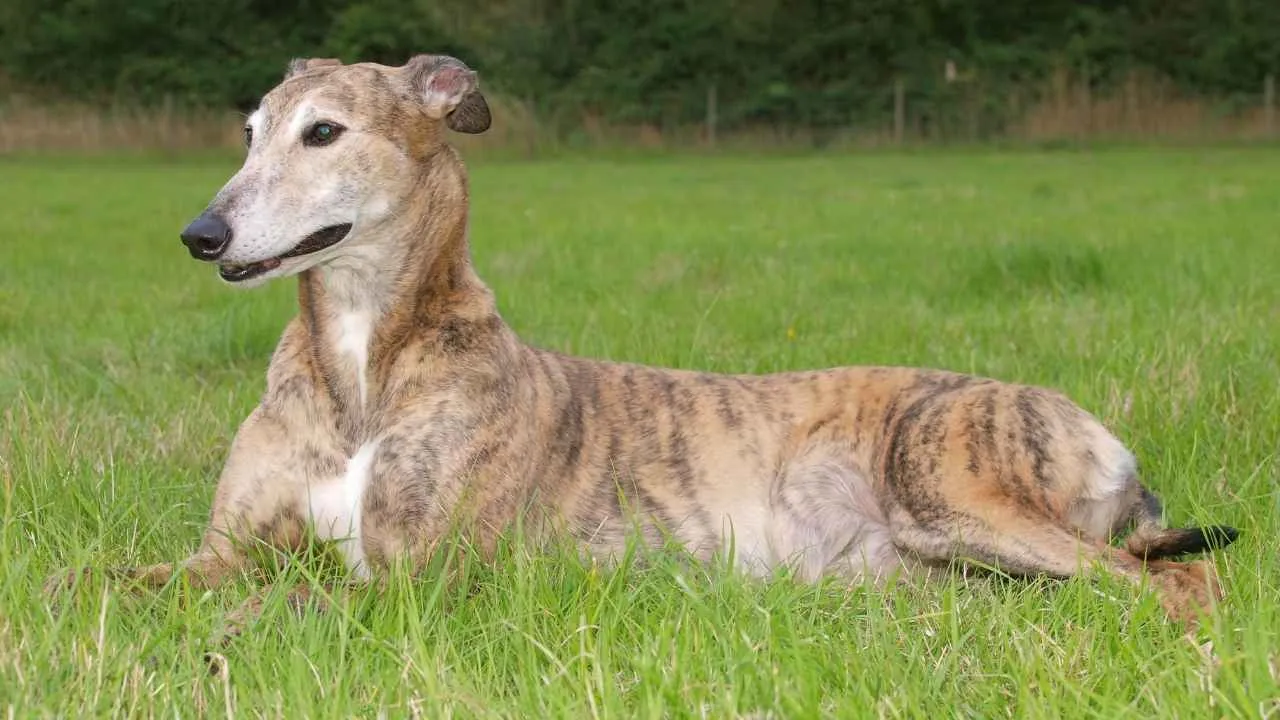
The Greyhound is best known for incredible speed, but at home this elegant breed is calm, gentle, and surprisingly independent.
Bred to make decisions while chasing prey by sight, Greyhounds are naturally self-reliant, which helps them stay relaxed when left alone for reasonable periods.
They enjoy quiet time indoors and are often content to spend hours lounging after receiving regular exercise.
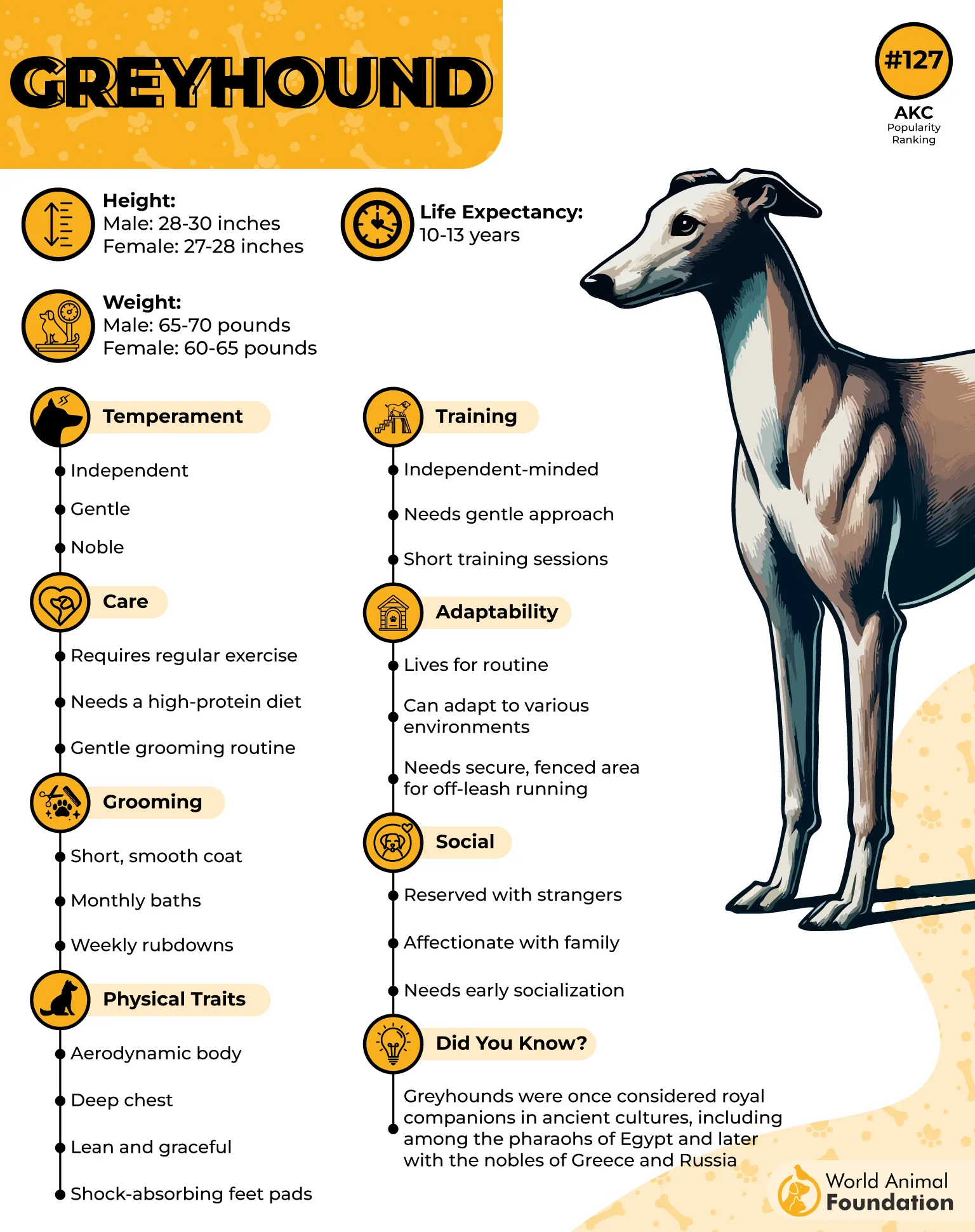
Their short, smooth coat is easy to maintain with weekly grooming, regular nail trimming, ear checks, and routine dental care, according to the American Kennel Club.
Although generally healthy, Greyhounds can be prone to bloat, gastric torsion, certain heart and eye conditions, and Greyhound neuropathy, making regular veterinary care important.
Training works best with patience, kindness, and short, engaging sessions, as these sensitive dogs can lose interest quickly.
A nutritious, age-appropriate diet and secure areas for safe exercise help this graceful breed remain a healthy, affectionate, and dependable companion for the right owner.
2. Chow Chow
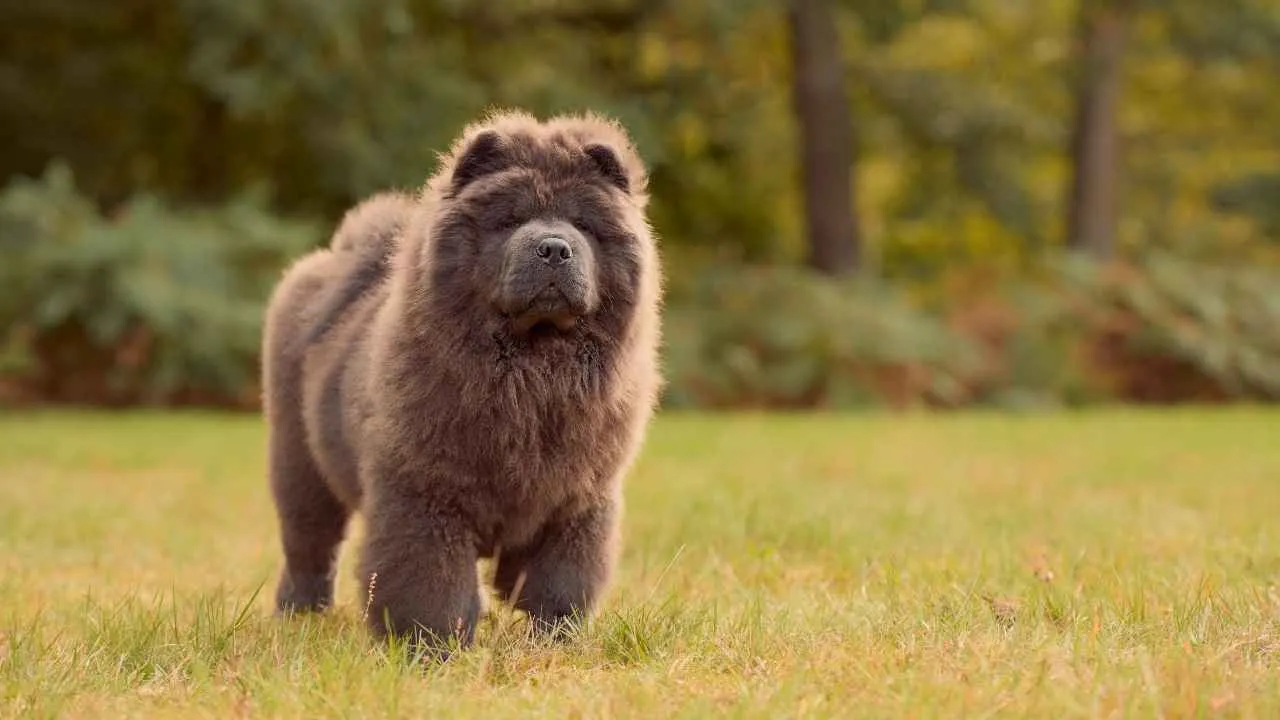
The Chow Chow is a large, striking breed known for its thick double coat, lion-like appearance, and naturally independent personality.
Rather than constantly seeking attention, Chow Chows are typically reserved and prefer showing affection on their own terms, making them a suitable choice for owners who appreciate a more self-sufficient companion.
With proper training, they can tolerate being left alone occasionally, though early socialization and positive reinforcement are essential because they can be stubborn and wary of strangers.
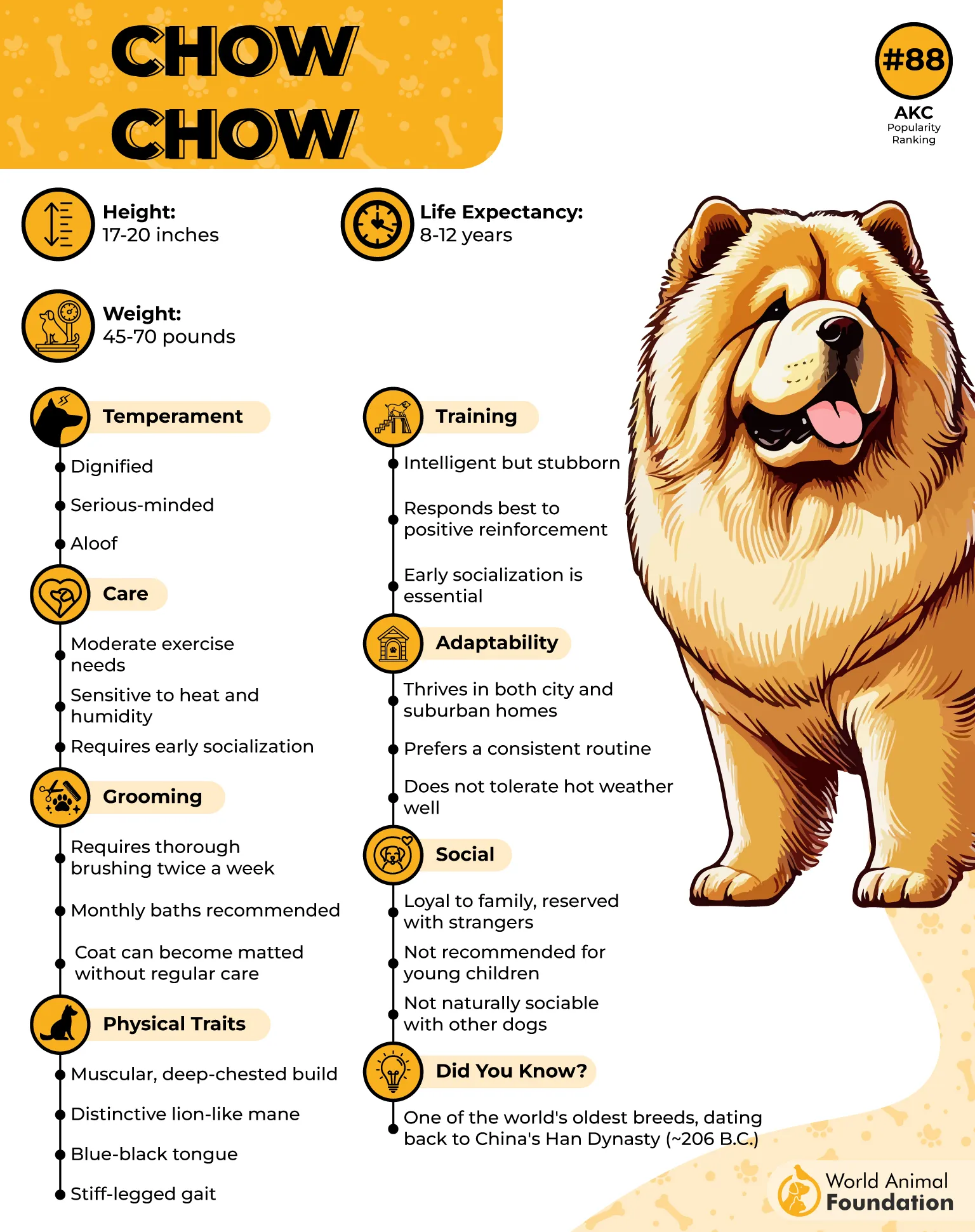
They enjoy about an hour of daily exercise and are often content spending quiet time in a secure garden, provided they have access to shade in warm weather.
Their dense coat requires regular grooming, with rough-coated dogs needing daily brushing. A balanced diet, fresh water, and routine health care help keep them in good condition.
Best suited to experienced owners, Chow Chows thrive in calm homes where their unique personality and independent nature are understood and respected.
3. Chinese Shar-Pei
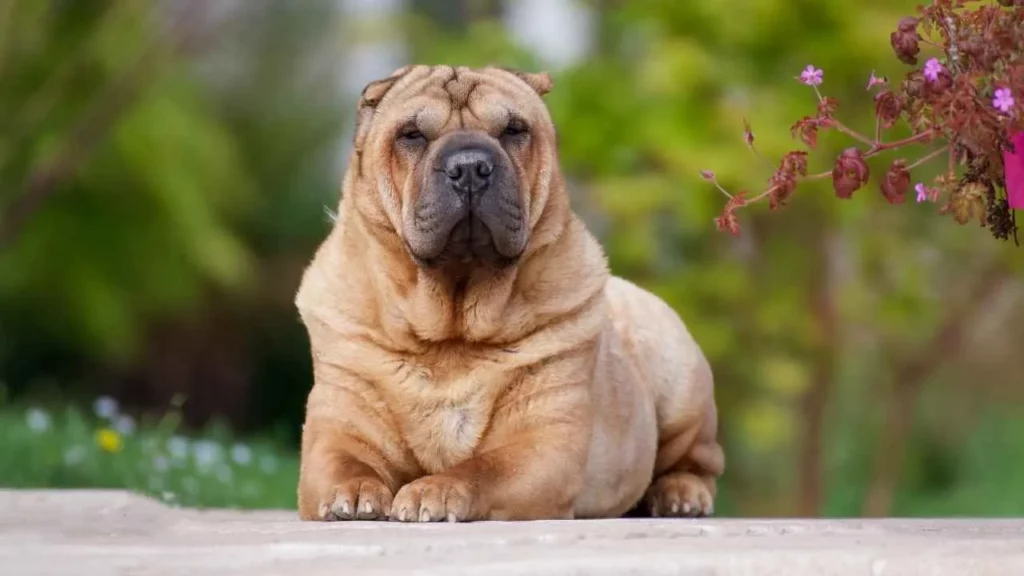
The Chinese Shar-Pei is a loyal and devoted family dog with a naturally independent personality, making it a breed that can handle occasional time alone when properly trained and socialized.
Originally developed in China as a farm dog and guardian, the Shar-Pei is intelligent, watchful, and often reserved around strangers while remaining deeply attached to its family.
Its distinctive wrinkled coat, small ears, and blue-black tongue make it instantly recognizable, as stated by WebMD.
Grooming is relatively simple thanks to its short coat, though regular ear cleaning, dental care, and nail trimming are important.
Shar-Peis adapt well to different activity levels, enjoying anything from relaxed daily walks to longer outdoor adventures, but they should be protected from overheating.
They are prone to certain health conditions, including skin problems, allergies, joint disorders, inflammatory bowel disease, and respiratory issues, so routine veterinary care is essential.
With consistent positive training, they become calm, dependable, and confident companions.
4. Basset Hound
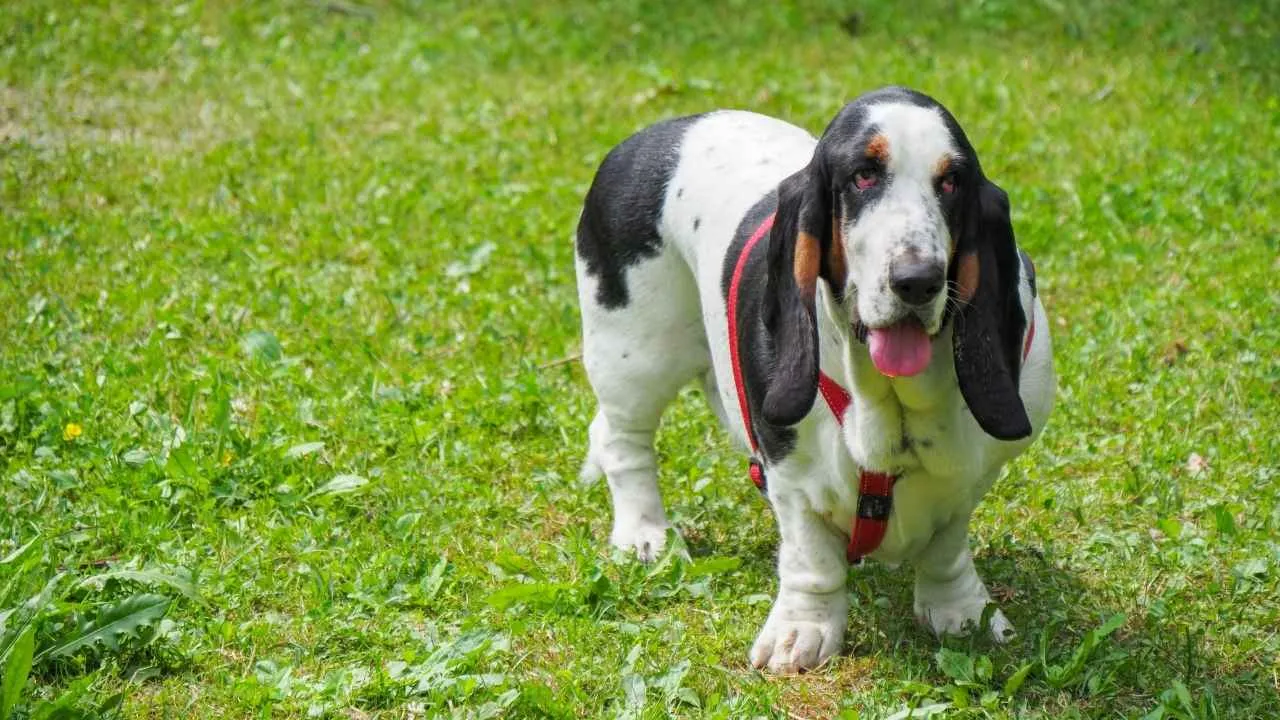
The Basset Hound is a calm, affectionate breed with a famously powerful sense of smell and an independent nature shaped by centuries of scent hunting.
Originally developed in France to help hunters track game on foot, these short-legged hounds were bred to follow trails confidently without constant guidance.
That independence means they can be comfortable spending reasonable time alone when their exercise and companionship needs are met.
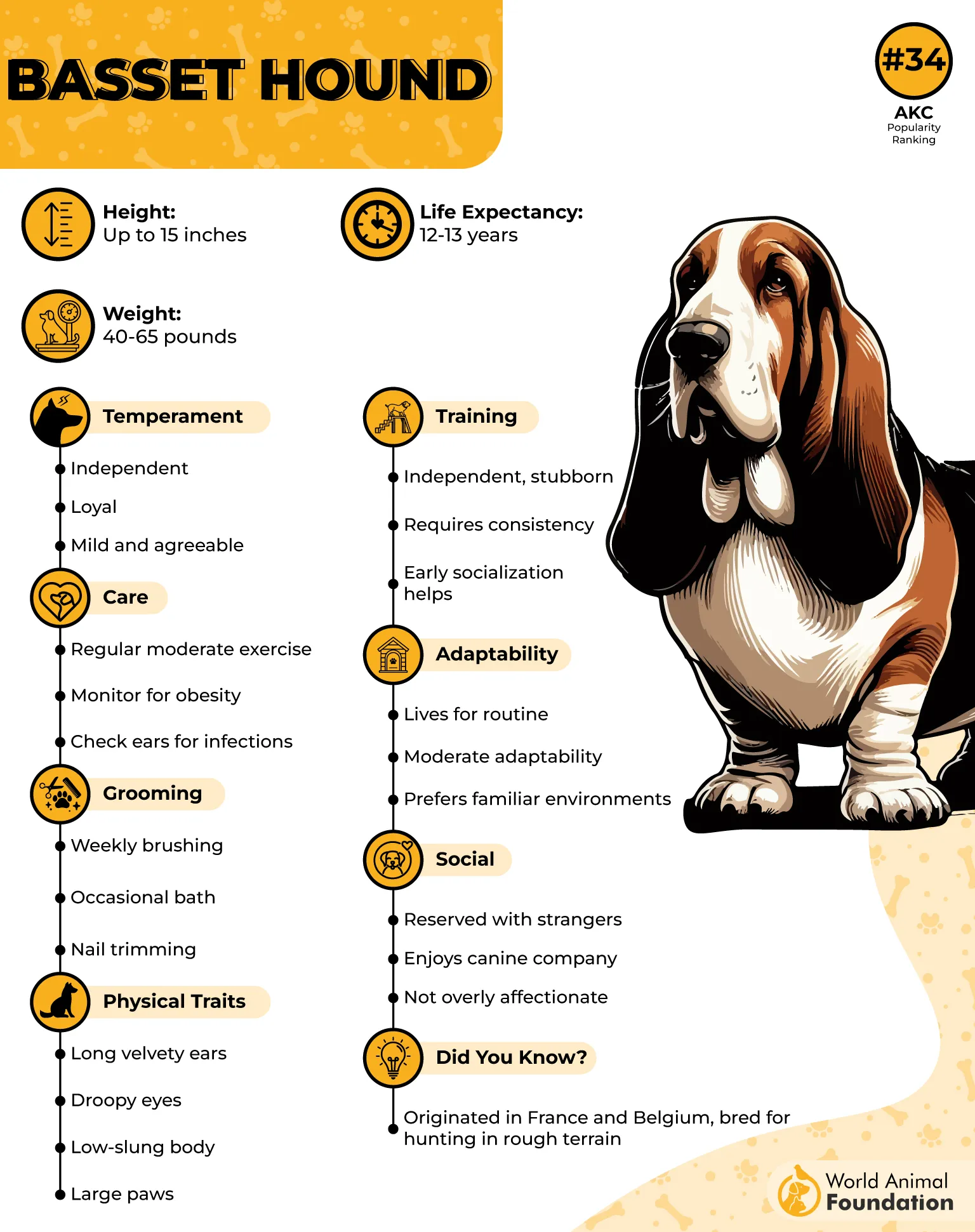
Gentle with children, friendly toward other pets, and generally easygoing at home, Basset Hounds thrive on leisurely walks where they can sniff and explore.
Their short coat is easy to maintain with weekly brushing, though their long ears, facial wrinkles, and mouth require regular cleaning.
Because they can be stubborn, reward-based training works best. Owners should also monitor their weight, as the breed is prone to obesity, and stay aware of potential health concerns such as hip and elbow dysplasia and gastric dilatation-volvulus (GDV).
5. Lhasa Apso
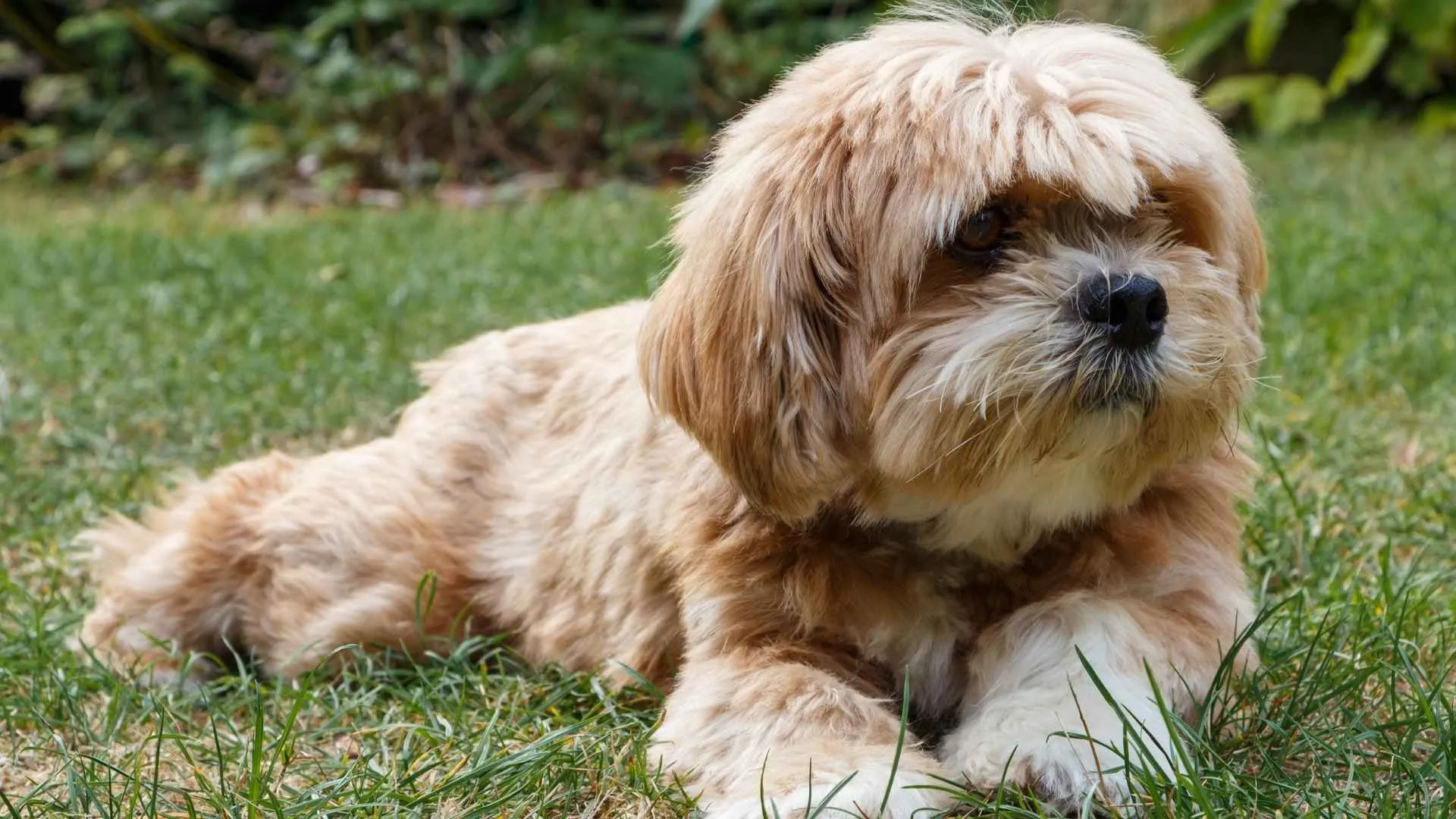
The Lhasa Apso may be small in size, but this ancient Tibetan breed is full of confidence, loyalty, and independence.
Originally bred to guard monasteries and palaces, Lhasa Apsos remain naturally alert and watchful, forming strong bonds with their families while often staying reserved around strangers.
Their independent nature means they can enjoy quiet time on their own, making them less prone to separation anxiety than some breeds when left alone for reasonable periods.
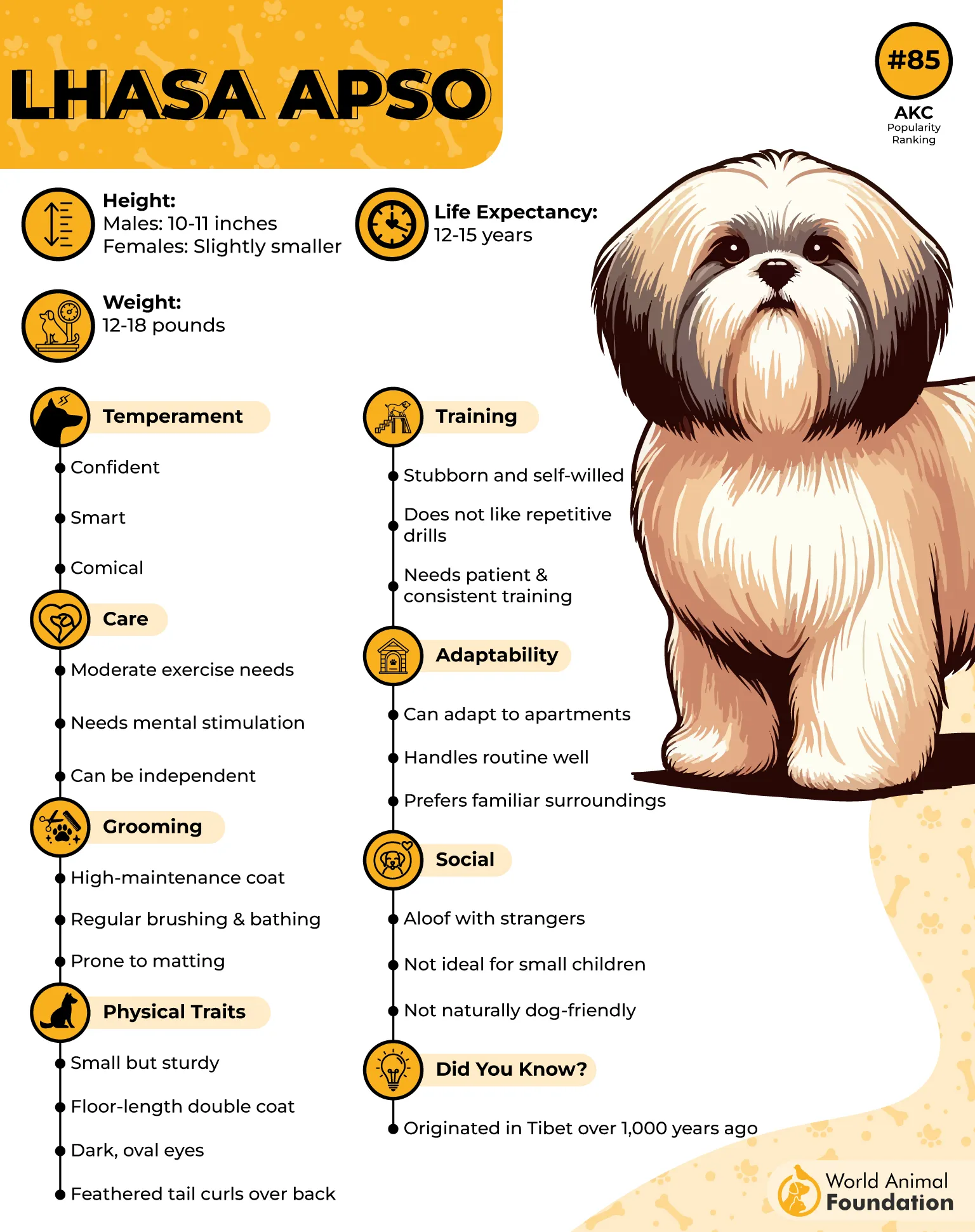
Although intelligent, they can be stubborn, so patient, consistent training and early socialization are essential, as explained by Pooch and Mutt.
They need about an hour of daily exercise, along with play and mental stimulation, but are otherwise content relaxing indoors. Their long, low-shedding coat requires daily brushing, regular grooming, and routine dental care.
Lhasa Apsos are also prone to certain health conditions, including eye, joint, kidney, respiratory, and dental issues, making regular veterinary care an important part of keeping them healthy and happy.
6. Basenji
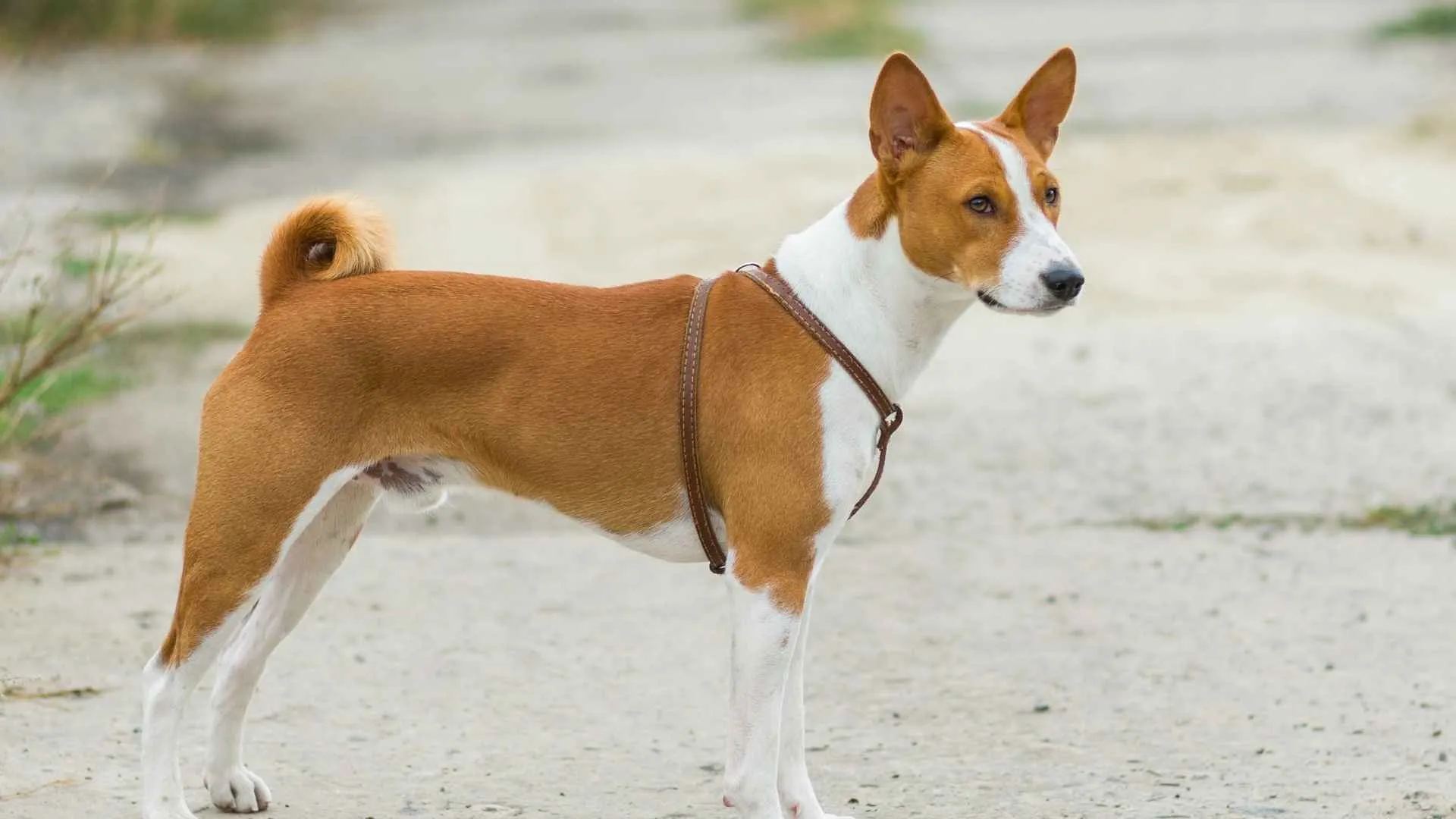
The Basenji is an intelligent, self-reliant breed whose independent nature has been shaped over thousands of years.
Originally from Central Africa, these agile dogs lived alongside people while hunting and surviving with little direct guidance, giving them a confident personality that remains today.
Basenjis form strong bonds with their families but are not naturally eager to please, so patient, consistent training with positive reinforcement is essential.
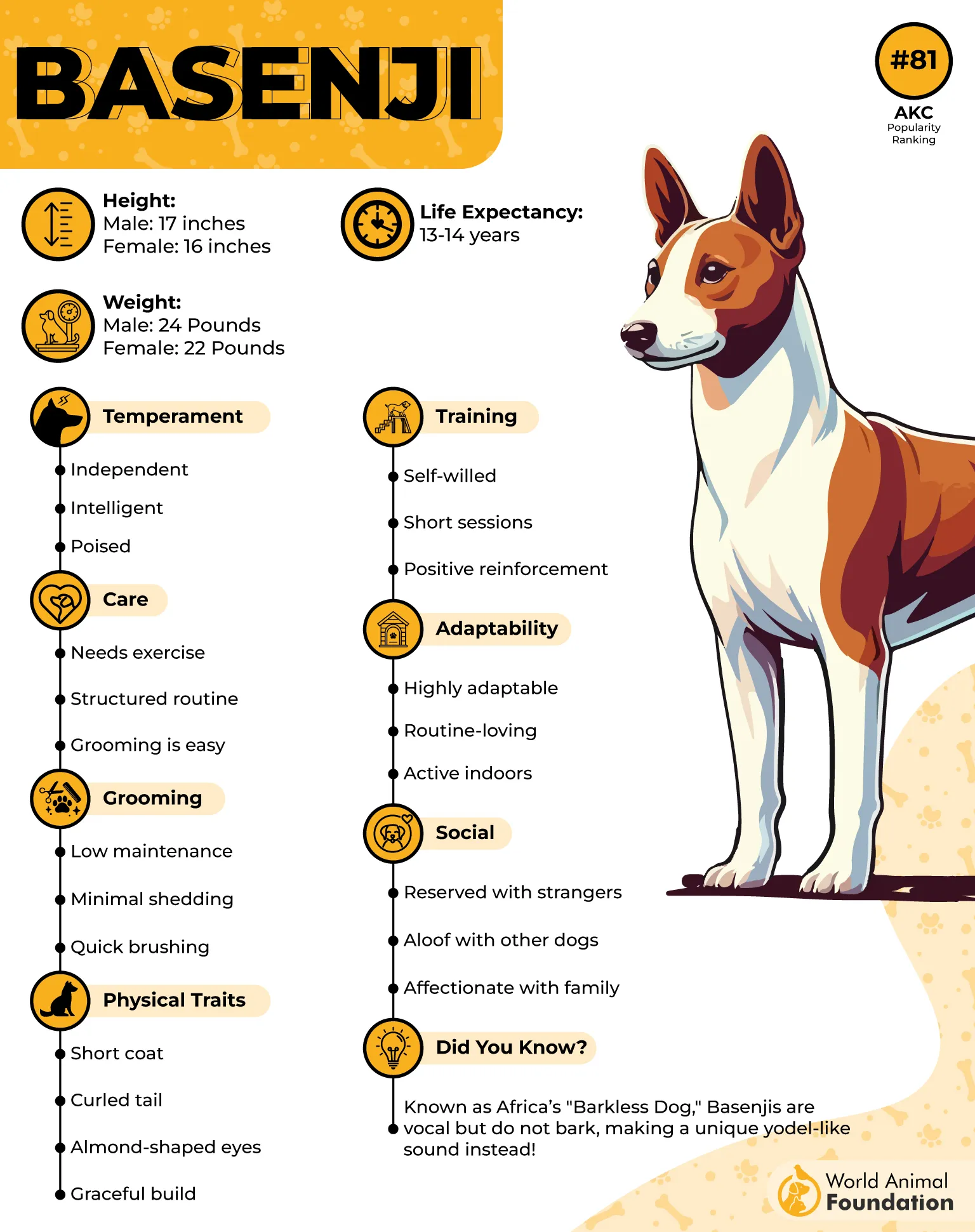
Their short, glossy coat is remarkably clean, requires very little grooming, and sheds minimally. Active and curious, they need around two hours of daily exercise and enjoy long walks, games, and mentally stimulating activities.
Because of their strong hunting instinct, they should remain on a lead or be exercised in securely enclosed areas. Although generally healthy, they can be prone to inherited conditions such as Fanconi syndrome, certain eye disorders, and hernias.
For experienced owners, the Basenji offers a unique blend of independence, loyalty, and quiet companionship.
7. Irish Wolfhound
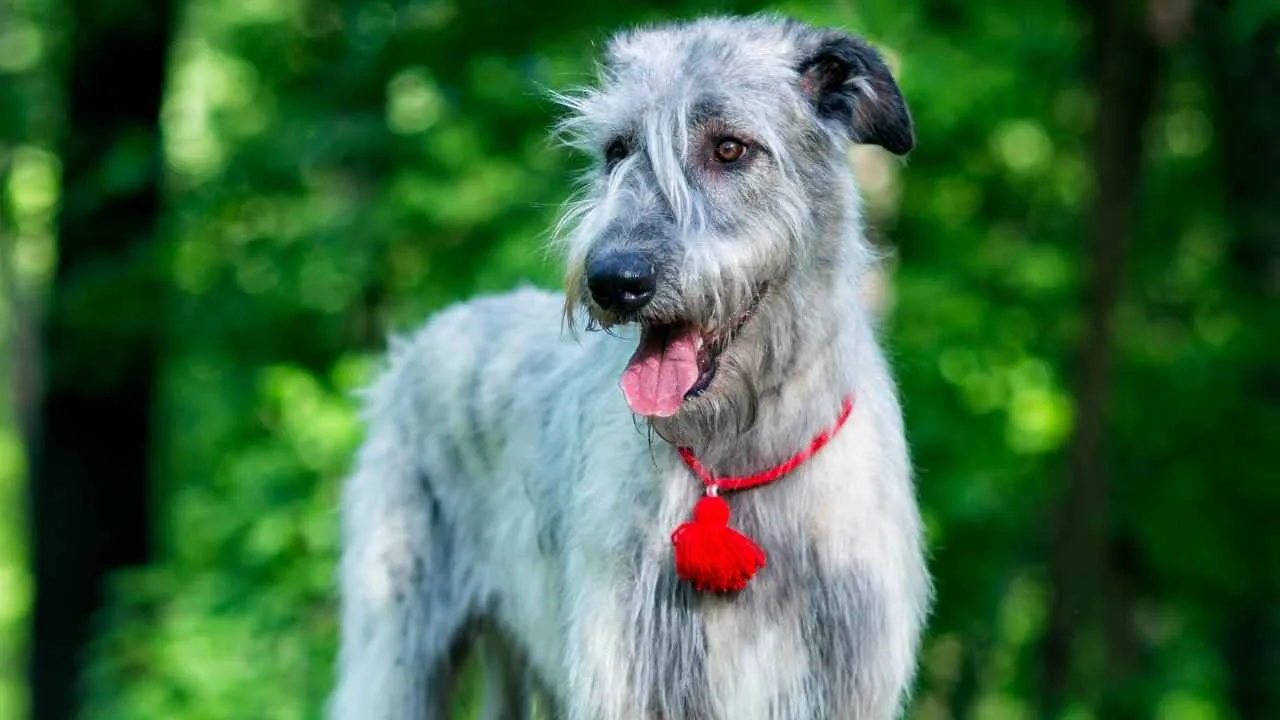
The Irish Wolfhound is the tallest dog breed in the world, yet beneath its impressive size is a calm, gentle companion with a kind and affectionate nature.
Originally bred in Ireland to hunt wolves, wild boar, and deer, these giant sighthounds are moderately active and enjoy regular walks, play, and opportunities to explore.
While they form close bonds with their families, their relaxed temperament allows them to settle quietly at home after their exercise needs are met.
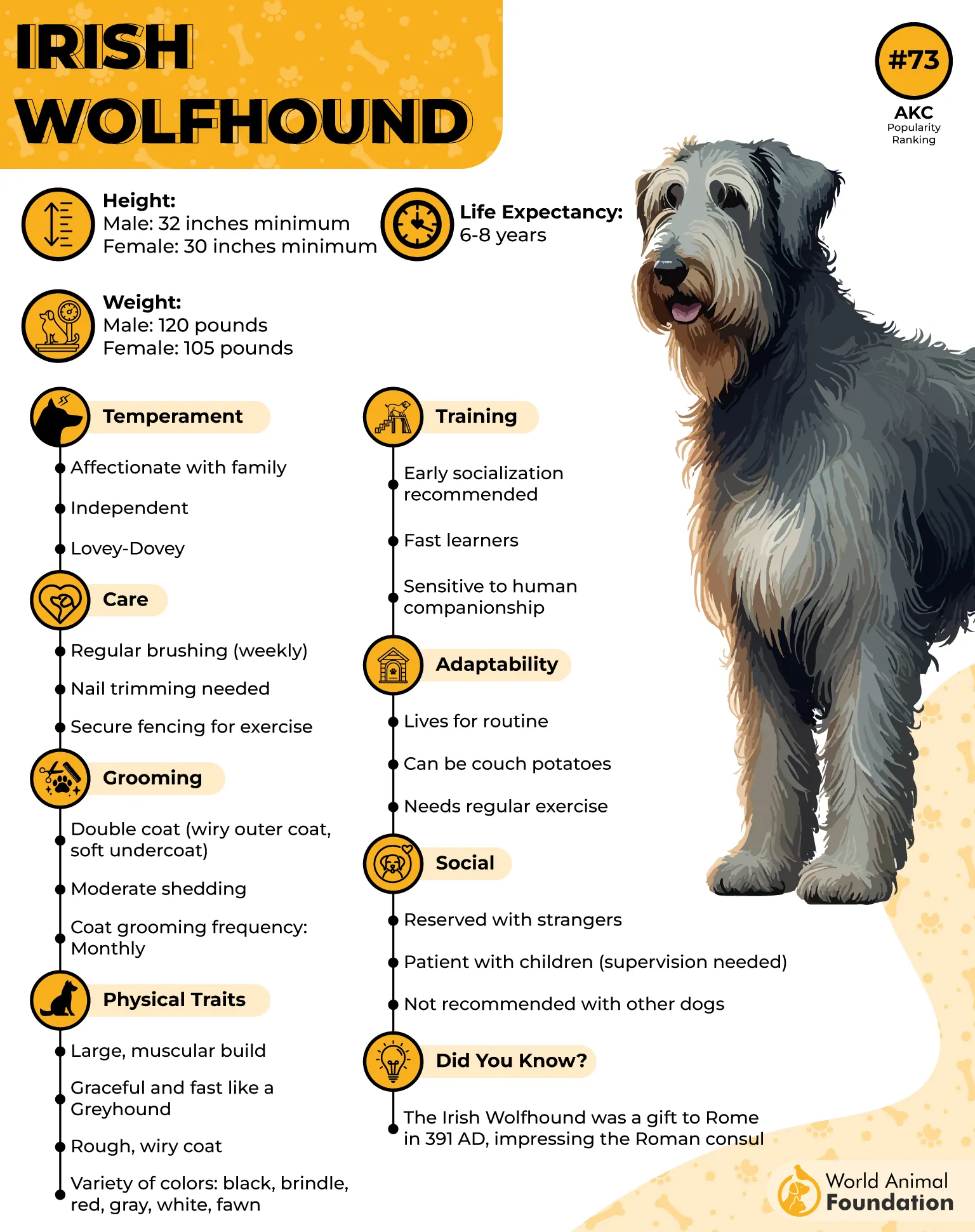
Their rough, wiry coat requires routine grooming, and a balanced diet tailored to their age, size, and activity level helps maintain good health.
Like all breeds, they benefit from positive, reward-based training and daily mental enrichment. Prospective owners should also be aware that Irish Wolfhounds can be prone to certain health conditions, making regular veterinary checkups and preventive care essential.
For those with the space and commitment, they are gentle giants with remarkable loyalty and quiet dignity.
Conclusion
Independent dog breeds can be a wonderful choice for people with busy schedules, but no dog should be expected to spend long hours alone without proper care, exercise, and companionship.
Breeds like the Greyhound, Basenji, Chow Chow, Shar-Pei, Basset Hound, Lhasa Apso, and Irish Wolfhound have personalities that allow them to enjoy quiet time more comfortably than many others.
Even so, their independence doesn’t replace their need for love, mental stimulation, and regular interaction with their families.
A secure home, consistent routine, proper training, and enough physical activity are essential for keeping these dogs happy and well-adjusted. Before choosing any breed, consider your lifestyle, available space, and the time you can realistically dedicate to your pet.
The right match isn’t simply about finding a dog that can stay home alone; it’s about building a lasting relationship where both you and your four-legged companion can thrive together for years to come.
