




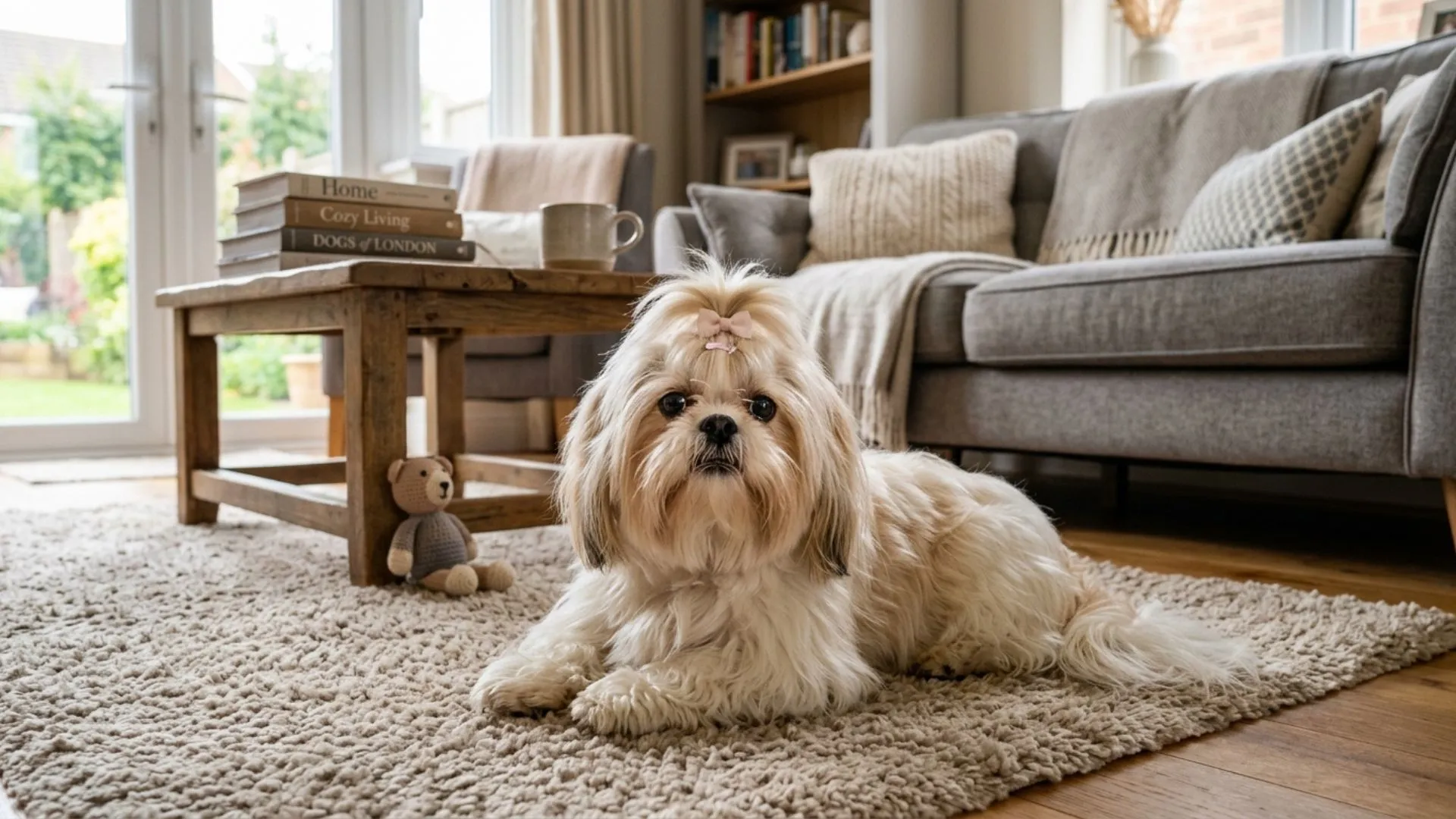
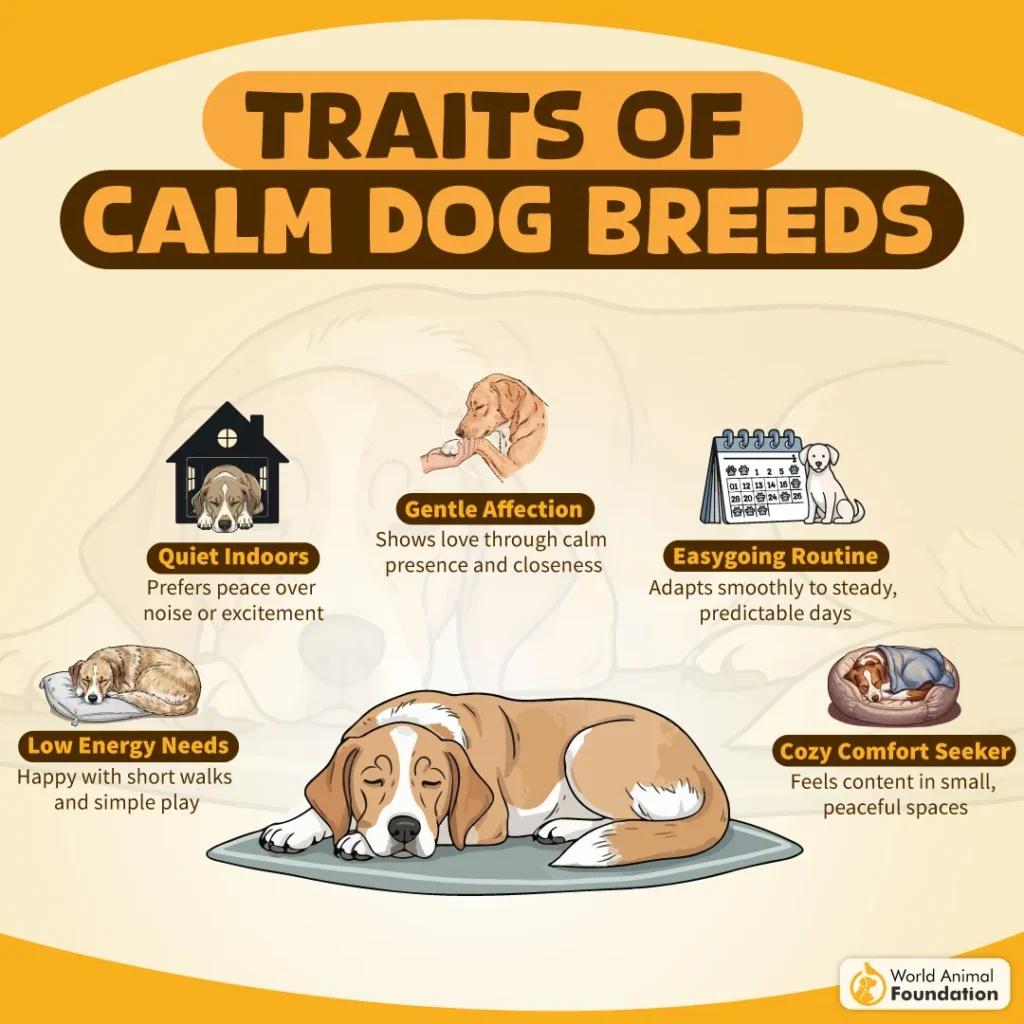
Want a family dog that brings all the fun and cuddles without demanding hours of vigorous daily exercise? While some pet parents deliberately seek out high-energy dogs suited to an active lifestyle, that’s not the only way to do dog ownership. Plenty of breeds fit beautifully into a more relaxed, easygoing family life, perfect for people who prefer lower-intensity activities with their dog.
Whether you live solo, with a partner, or with a house full of kids, calm dog breeds can bring plenty of charm into a busy or low-key lifestyle. That said, it’s worth remembering that even the chillest dogs still need attention and regular play, even if it’s just indoors.
So if you’re ready to take that leap, or a few well-paced steps, toward adopting your own easygoing companion, this guide will help you find the right fit.
Dog Breeds for Families Who Prefer Calm, Low‑Intensity Play
1. Cavalier King Charles Spaniel
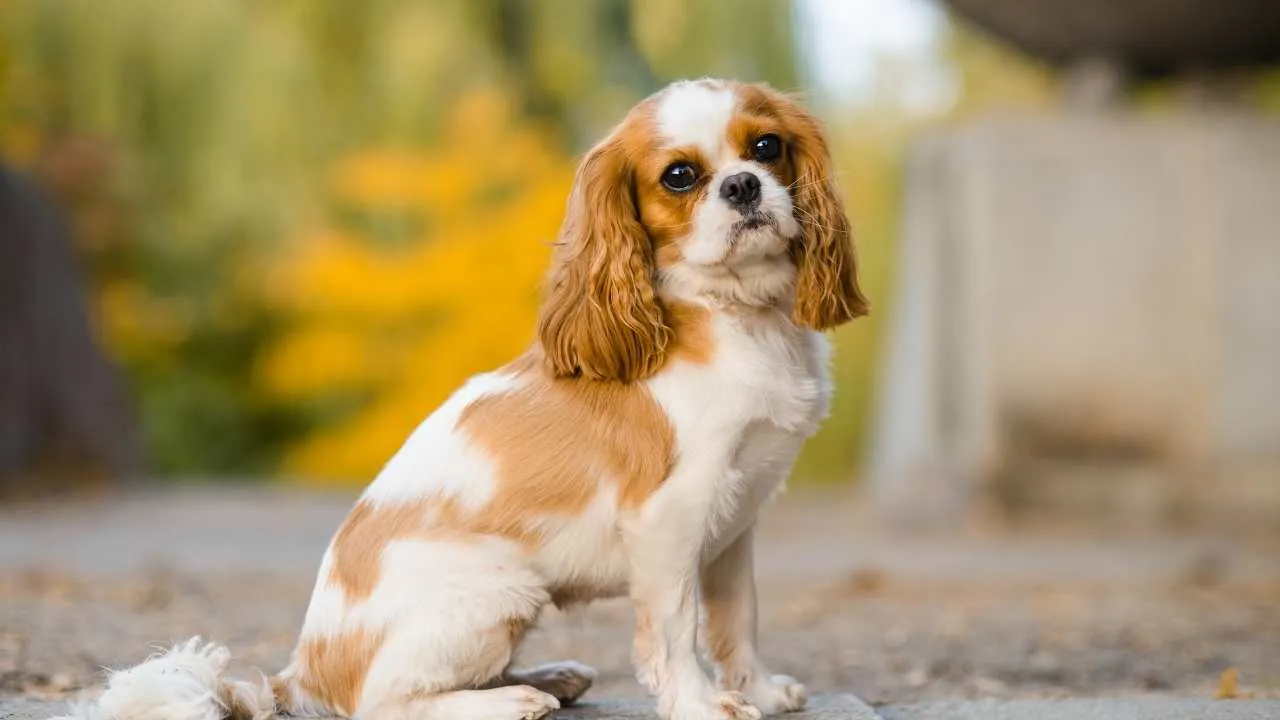
Cavalier King Charles Spaniels are about as ideal and well-balanced as small dogs get; they’re far from couch potatoes, but they also thrive on nothing more than some indoor play and daily walks. Cavs are playful, social little dogs that welcome new people warmly and genuinely soak up attention from their human family.
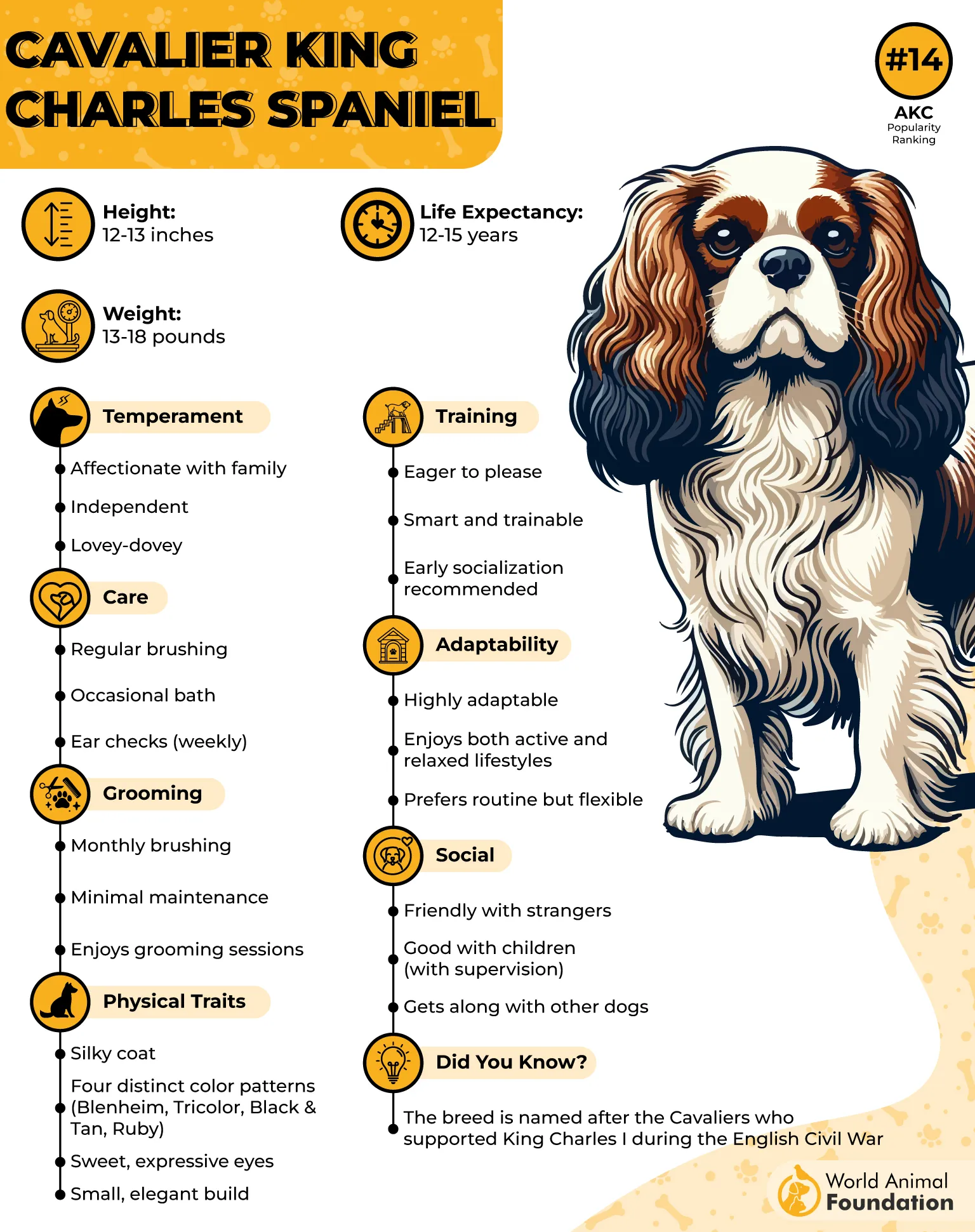
This graceful, gorgeous breed has long been a favorite among British royals, and it’s easy to see why. Their gentle temperament and soulful eyes practically beg for endless couch cuddles. They’re wonderful companions for owners of any age and tend to get along beautifully with other dogs in the home too.
Got a fenced yard? Cavaliers would happily spend time chasing a ball or bouncing around outside, though they’re just as content lounging indoors with their favorite humans. Eager to please by nature, they pick up training quickly and make delightfully cooperative little companions.
2. Shih Tzu
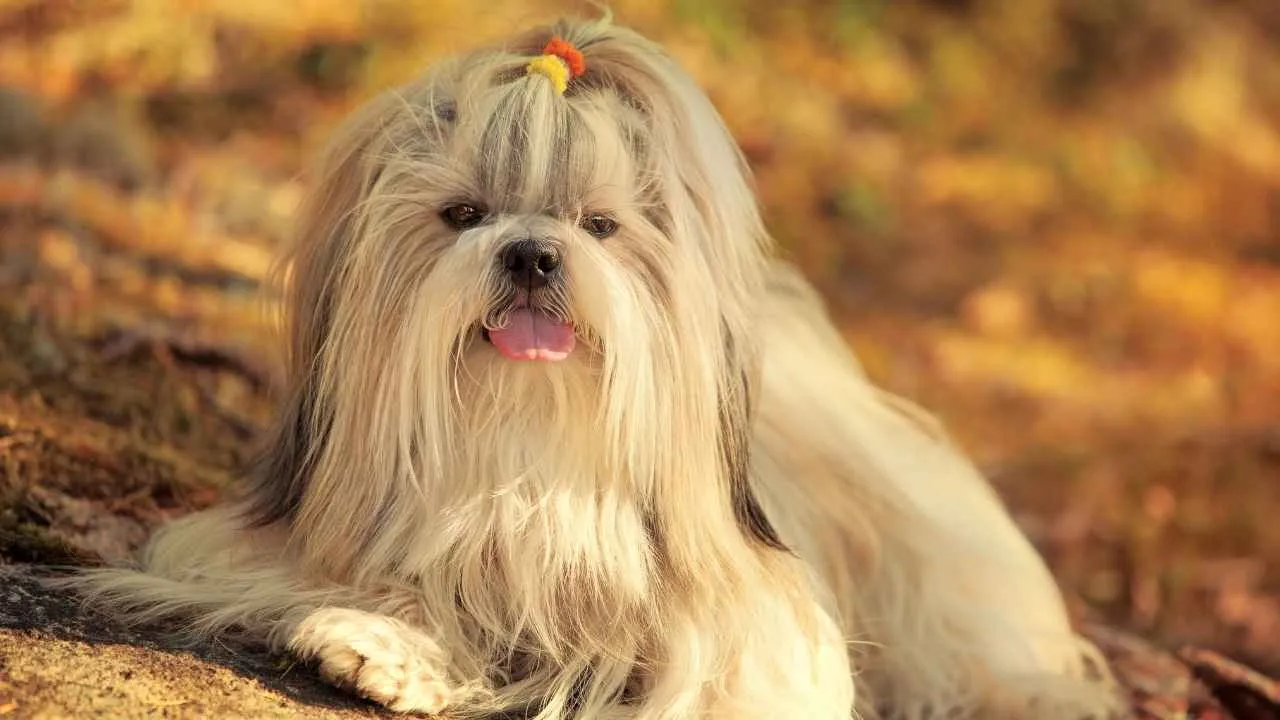
The Shih Tzu carries both remarkable beauty and a rich history worth knowing. These “little lions” are known for their lush, floor-length silky coat, a huge part of their appeal, along with their sweet nature and ease of living in smaller spaces.
Despite their adorable looks, Shih Tzus carry themselves with real grace, which makes sense given their history alongside aristocrats. According to some historical accounts, the breed was brought to China as a gift, while other sources suggest they were actually bred and developed there, as noted by Orvis.
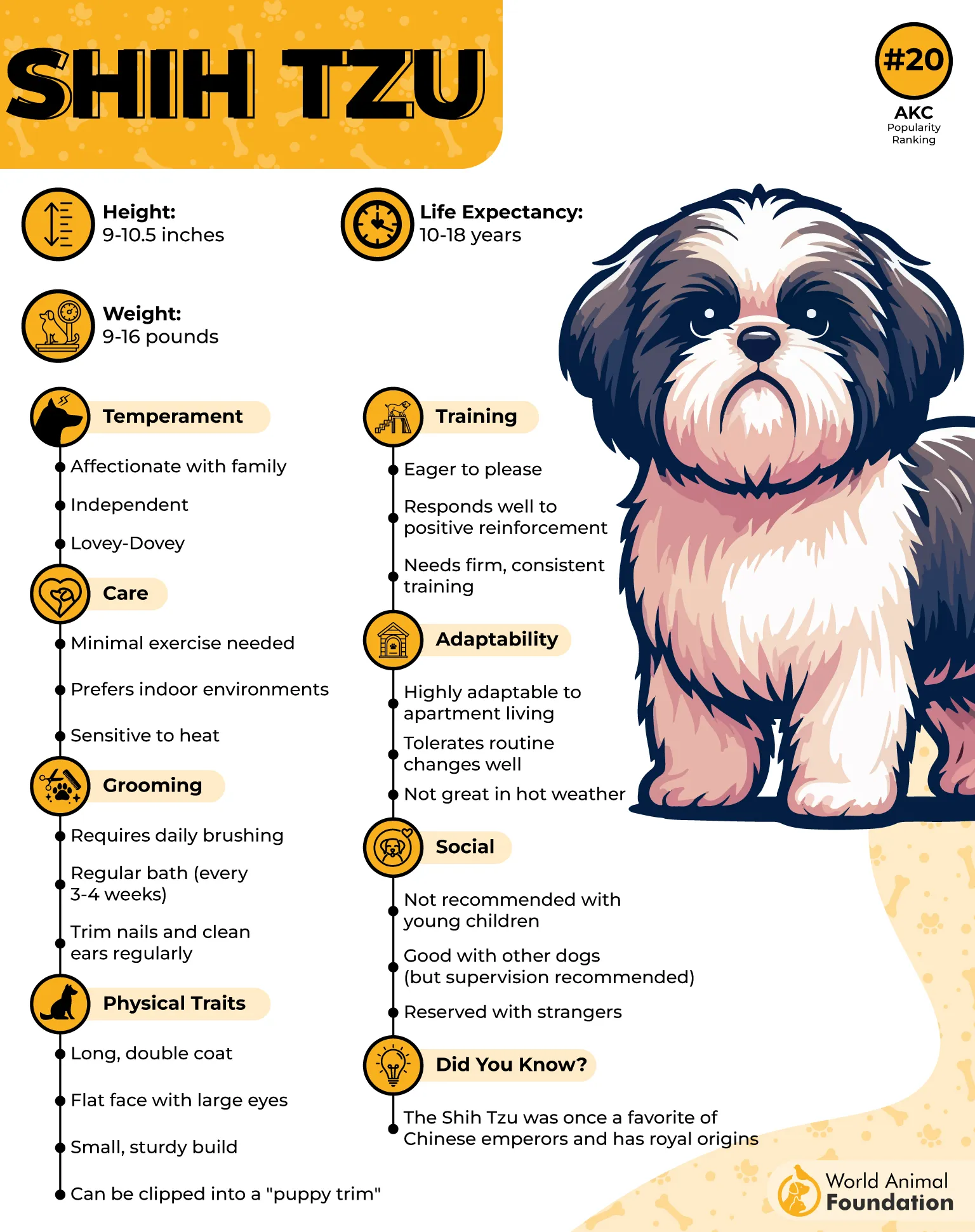
Either way, this breed has deep roots in a luxurious lifestyle with Chinese royalty, and that laid-back, dignified demeanor still shows today, making them wonderful family dogs for people who prefer a slower pace.
Shih Tzus enjoy exploring the outdoors, though it’s best to keep them on a leash, and they love being the center of attention, especially from their favorite humans. Short daily walks keep them healthy and in good spirits, and they’ll happily round things out with some indoor playtime too.
Naturally gentle rather than aggressive, they tend to get along well with kids and other pets. They’re also fairly alert and will let you know with a bark whenever someone new shows up.
3. Russian Tsvetnaya Bolonka
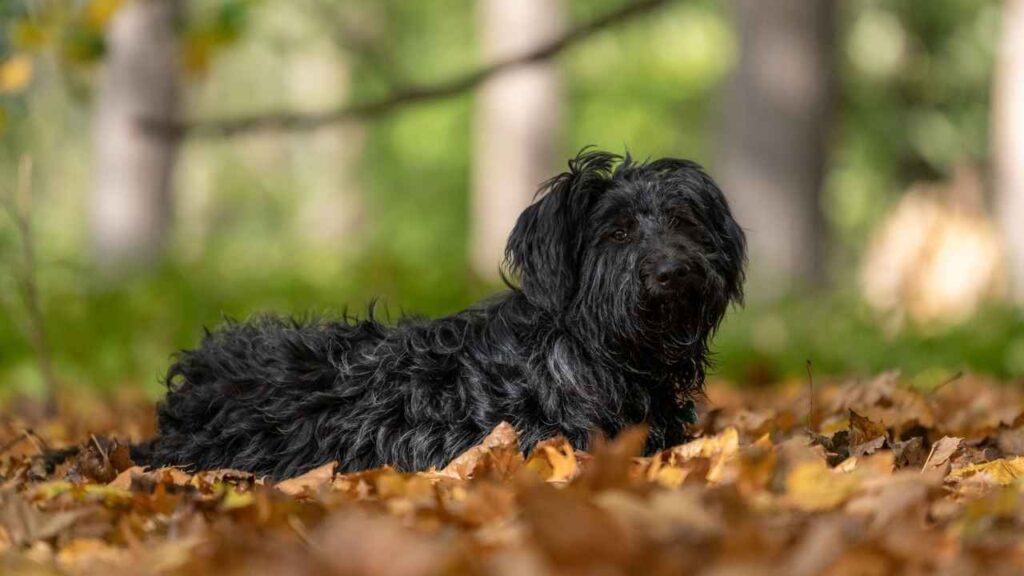
The Russian Tsvetnaya Bolonka is an adorable little lap dog from the Bichon family, and one with quite a history; the breed actually faced the risk of extinction during and after the Cold War, according to the AKC. Thankfully, it’s still around today, and it makes a wonderful choice for families with moderate activity levels or anyone living in a smaller space.
The name itself gives away one of its best features: “Tsvetnaya Bolonka” translates from Russian to “colored lapdog,” a nod to its charming coat. You might also see this breed referred to as the “Toy Bolonka” or “Colored Bichon.” One thing to know going in: this isn’t a breed for owners who like to skip grooming; that coat needs consistent, regular care.
But once you get past all that silky hair, you’ll find a loving, eager-to-please little dog that adores spending time with the whole family. Moderate daily exercise keeps them healthy and happy; a mix of outdoor walks along with indoor games like fetch or hide-and-seek does the trick nicely.
4. Japanese Chin
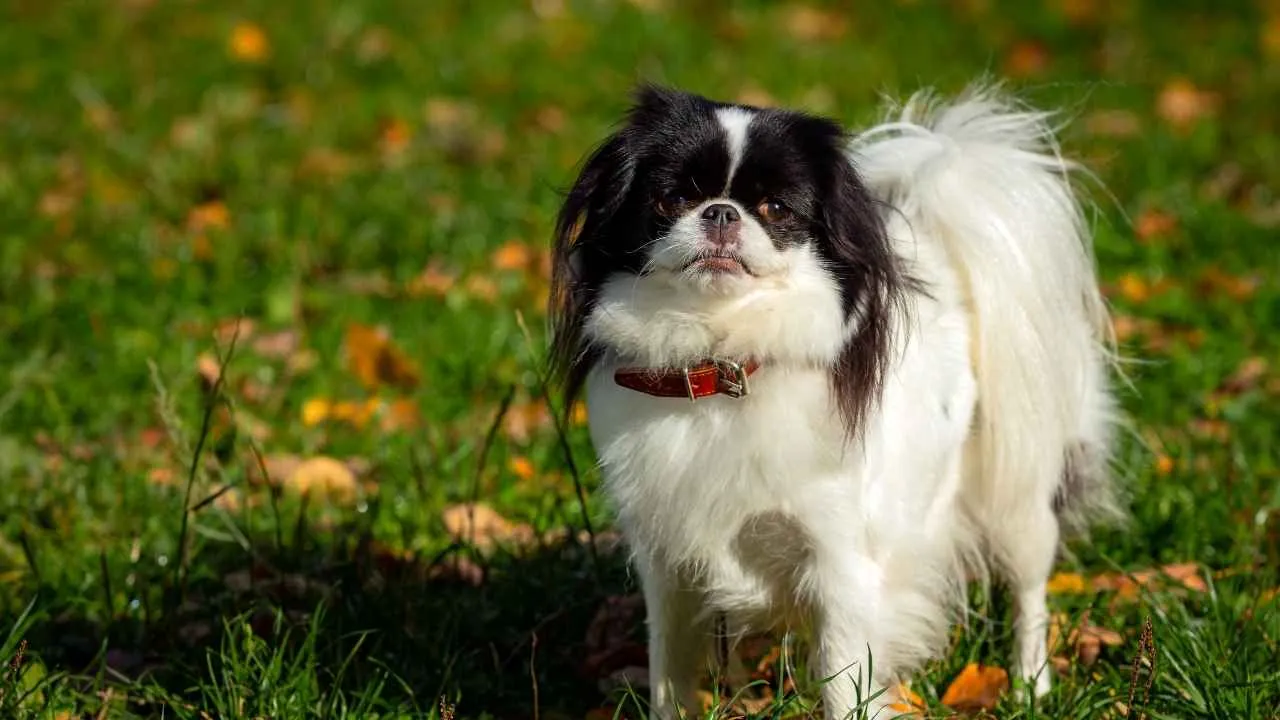
The Japanese Chin is a portable, low-maintenance toy breed that fits easily into tighter living spaces like dorms and apartments. With big, almond-shaped eyes and an expressive little face, this breed carries itself with a dignified yet affectionate charm.
Originally from China, Japanese Chins were exchanged as gifts between emperors for centuries and were also kept as companions by Buddhist monks, according to WebMD. Today, these regal yet gentle little dogs make wonderful family pets and bond closely with their humans, though they can be a bit reserved around strangers.
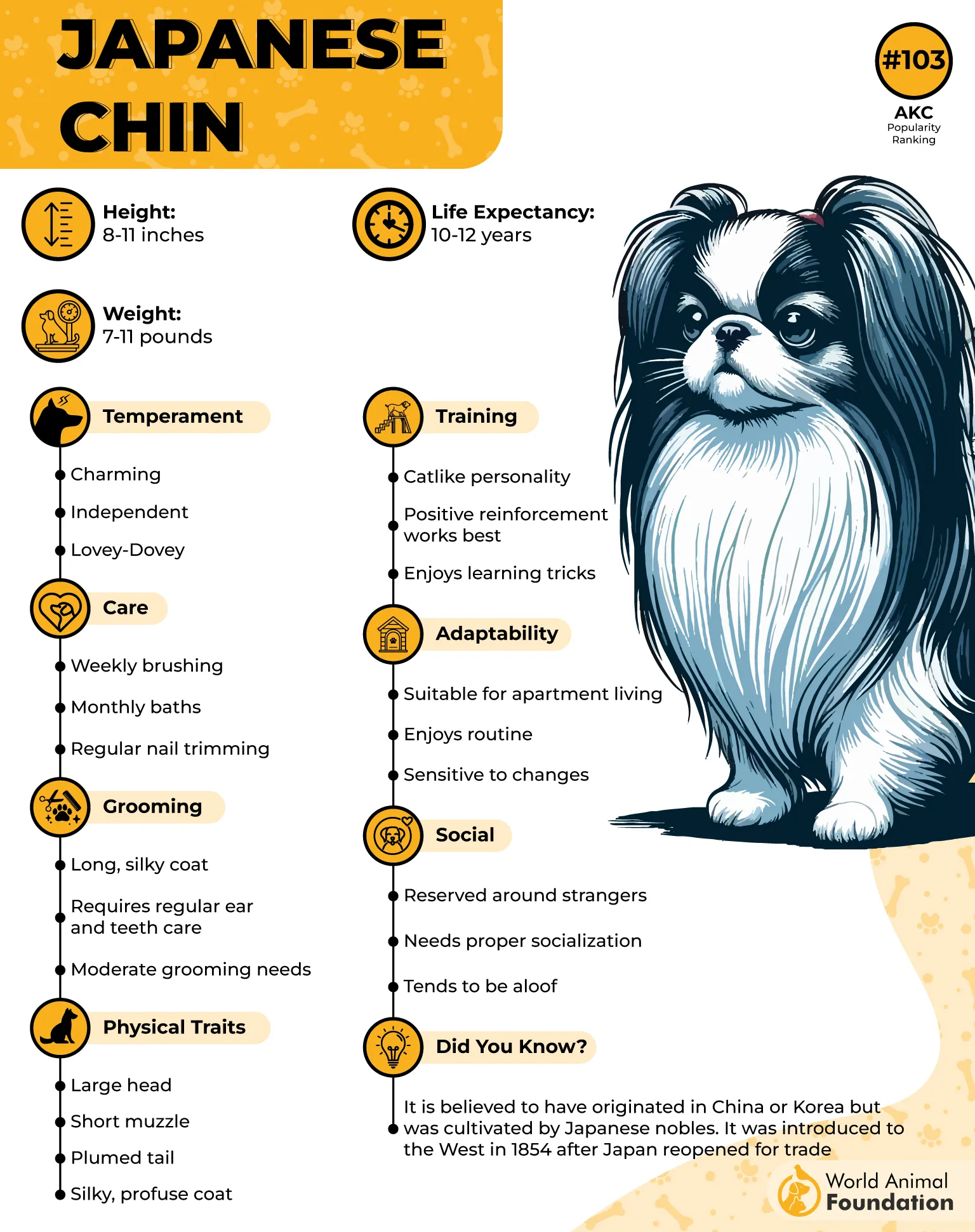
Despite that lush, flowing coat, grooming needs are surprisingly minimal; weekly brushing and the occasional bath are usually enough to keep things in order. Exercise needs are just as modest, with short daily walks and some indoor play being plenty to help ward off obesity-related health issues.
If cozy afternoons on the sofa and low-key playtime sound like your ideal way to spend time with a pet, the Japanese Chin could be exactly the right fit for your family.
5. Maltese
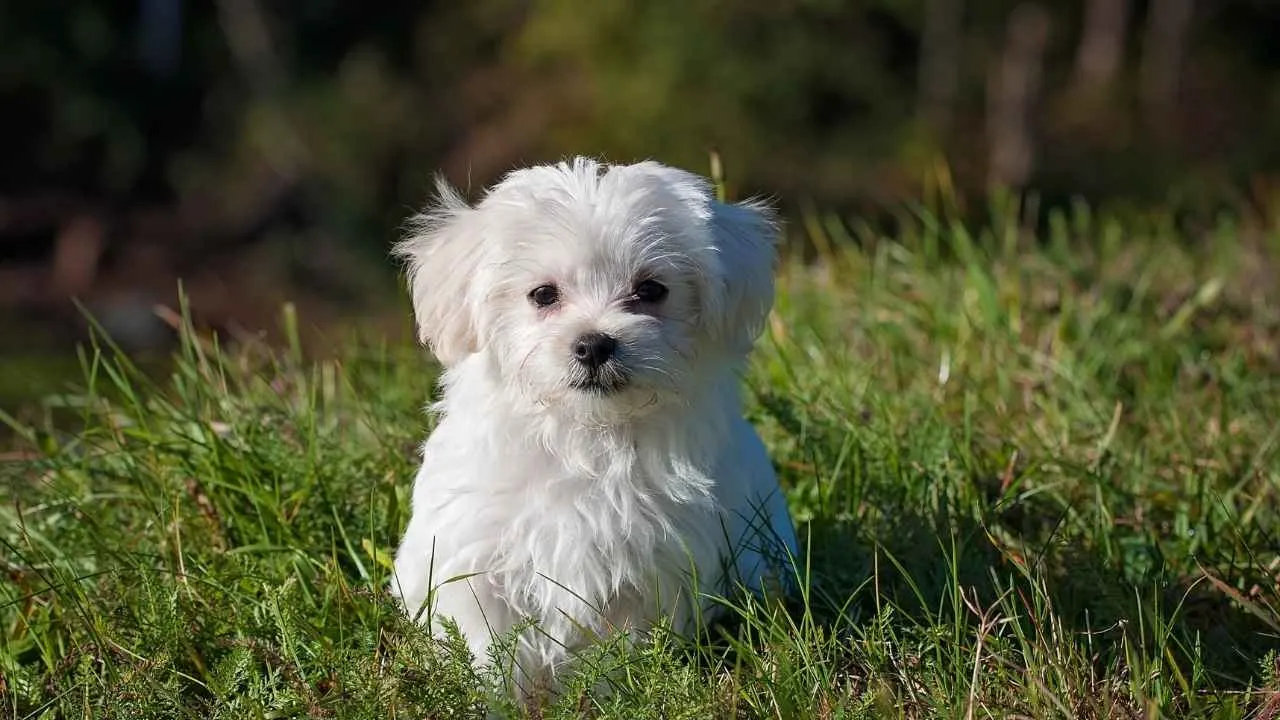
The Maltese is a small white dog breed beloved for its sweet face and silky coat, one that can grow all the way to the floor if left untrimmed. Named after the Mediterranean island of Malta, this breed is known for its patient nature and ability to adapt to just about any living environment.
Fun fact: the Maltese is an ancient breed, likely dating back around 2,000 years, and was even revered by civilizations like the Egyptians and Greeks, according to Purina.
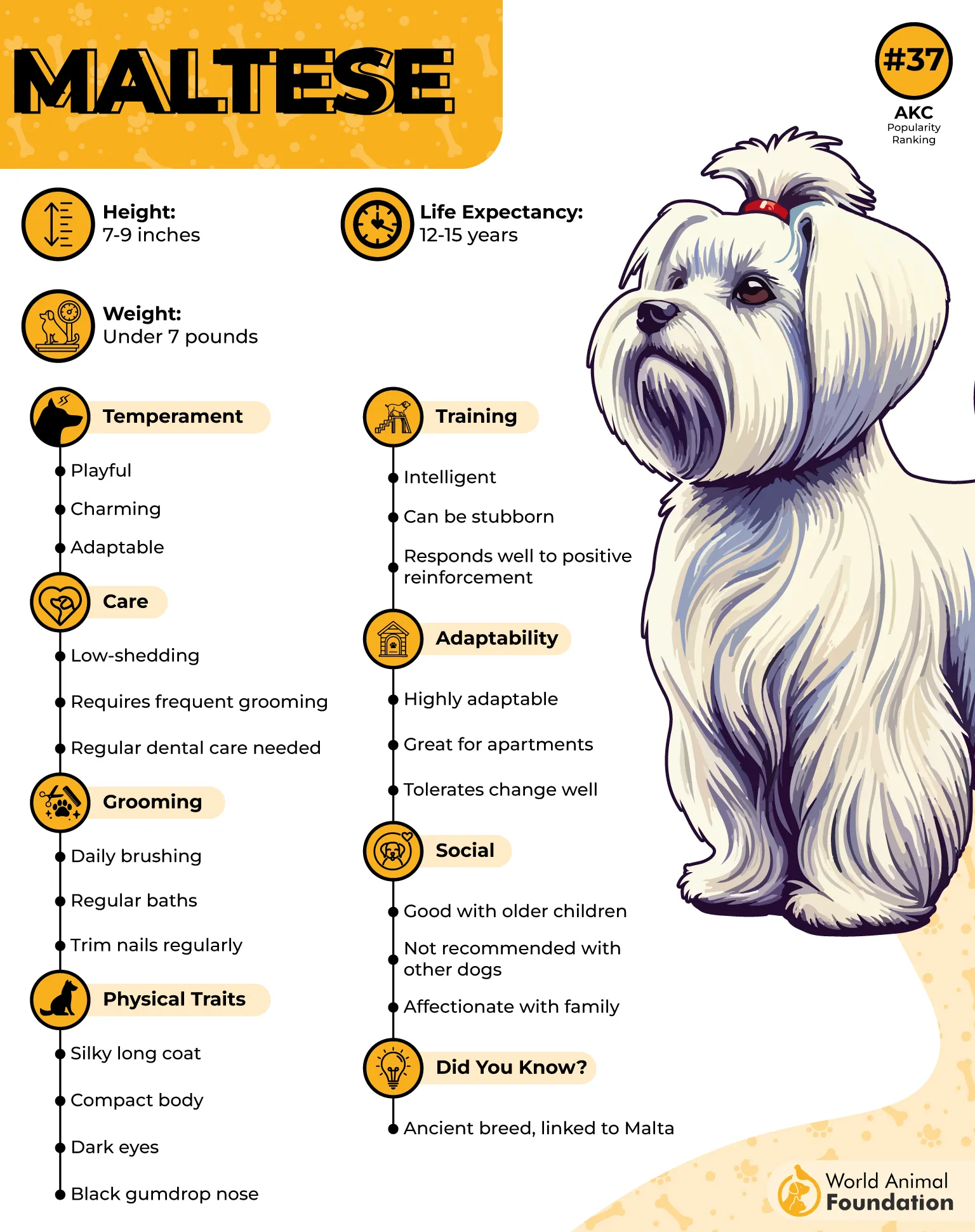
Whether your family loves to travel or mostly sticks to relaxed evenings at home, the Maltese adapts well either way and makes a wonderful family pet. They may be small, but they’re anything but dull; these dogs genuinely enjoy learning new tricks, so expect plenty of laughter and a bit of mischief along the way.
While they’re smart enough to need some mental stimulation, Maltese are generally low-maintenance when it comes to exercise. Positive reinforcement training tends to work well given their big personalities, though it’s worth noting they can be prone to separation anxiety if left alone too often.
6. Bulldog

As one of the most companionable small dog breeds, Bulldogs are surprisingly calm, people-oriented pups. Being a brachycephalic breed with that signature flat face, Bulldogs do better with indoor living, though short outdoor walks are always welcome. Just keep a close eye on them in hot weather, since they can struggle with breathing and overheat fairly quickly.
Stocky and lovable, Bulldogs are known for their wrinkly, droopy faces and their clownish sense of humor. Interestingly, this laid-back, indoor-loving breed wasn’t always so mellow; it was originally used for bull-baiting and as a butcher’s working dog, according to PetMD.
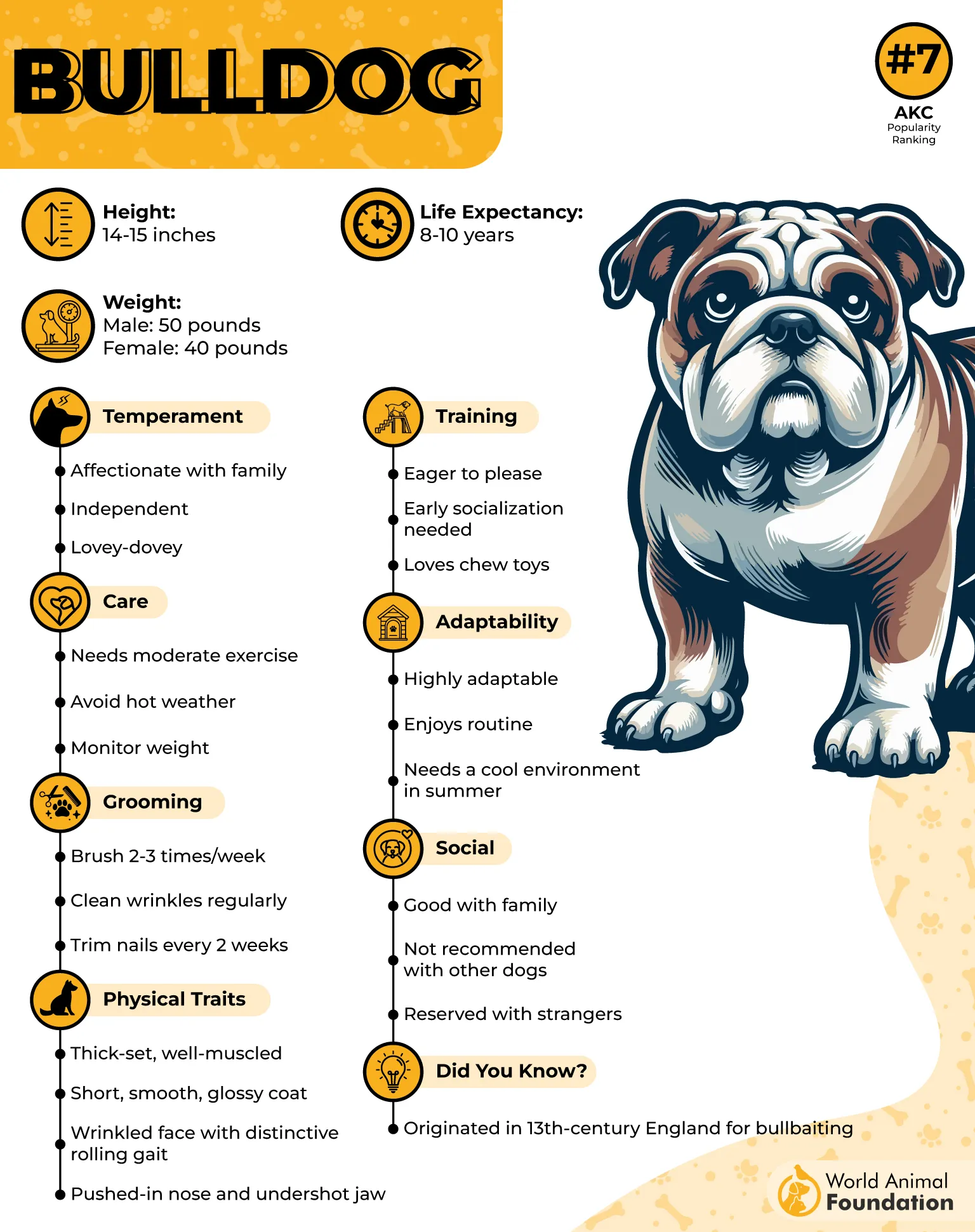
Selective breeding over the years has turned Bulldogs into the easygoing family companions we know today, ones that love cozying up to their humans and get along well with owners of every age. They don’t need intense daily exercise either; a few low-key indoor games are usually more than enough to keep them content.
Puzzle toys and gentle games of tug-of-war tend to be Bulldog favorites. Their short coats shed moderately, so regular brushing and bathing help keep things manageable, and it’s also important to keep those wrinkly facial folds clean to prevent infections.
7. Basset Hound
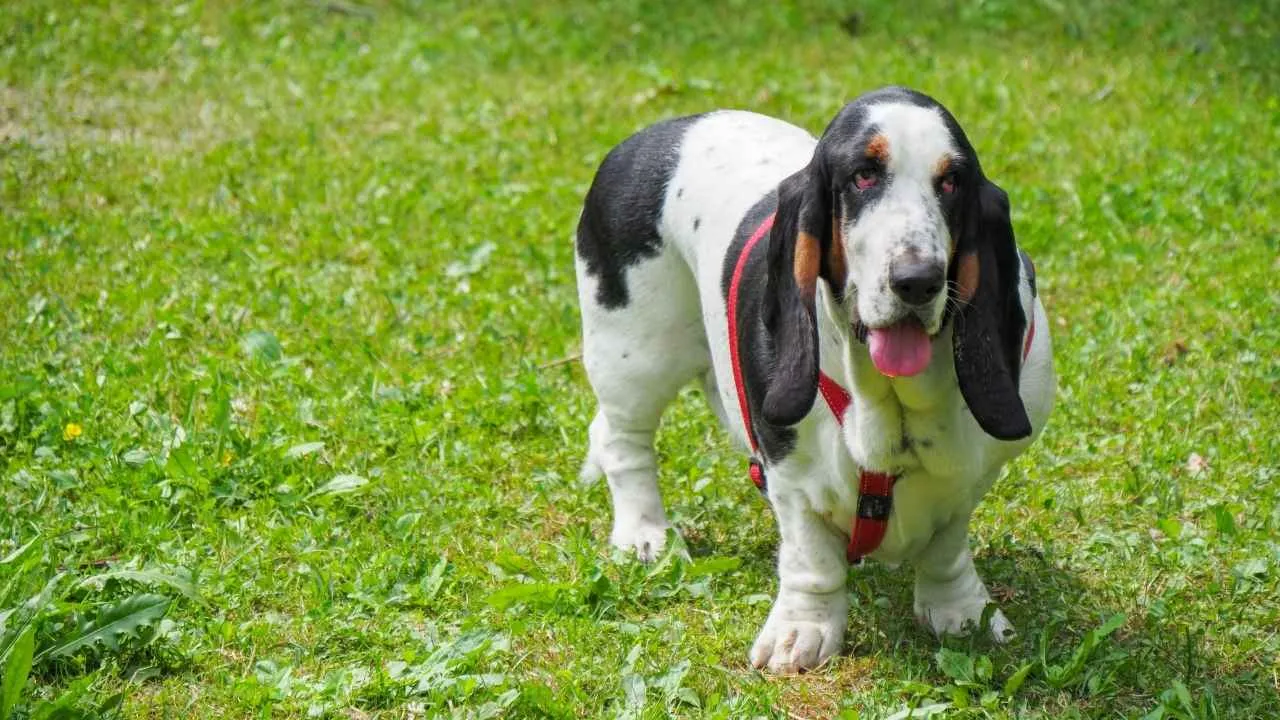
With those long, floppy ears and a body noticeably longer than it is tall, the Basset Hound is a friendly, easygoing, medium-sized dog from the hound group. Originally bred in France, the breed was used to hunt small game like rabbits.
Despite that hunting background, Basset Hounds are actually known as one of the lower-energy breeds around. They might not be the best match for highly active families who love hitting the trails, but they fit right in with households that enjoy a slower, cozier pace of life.
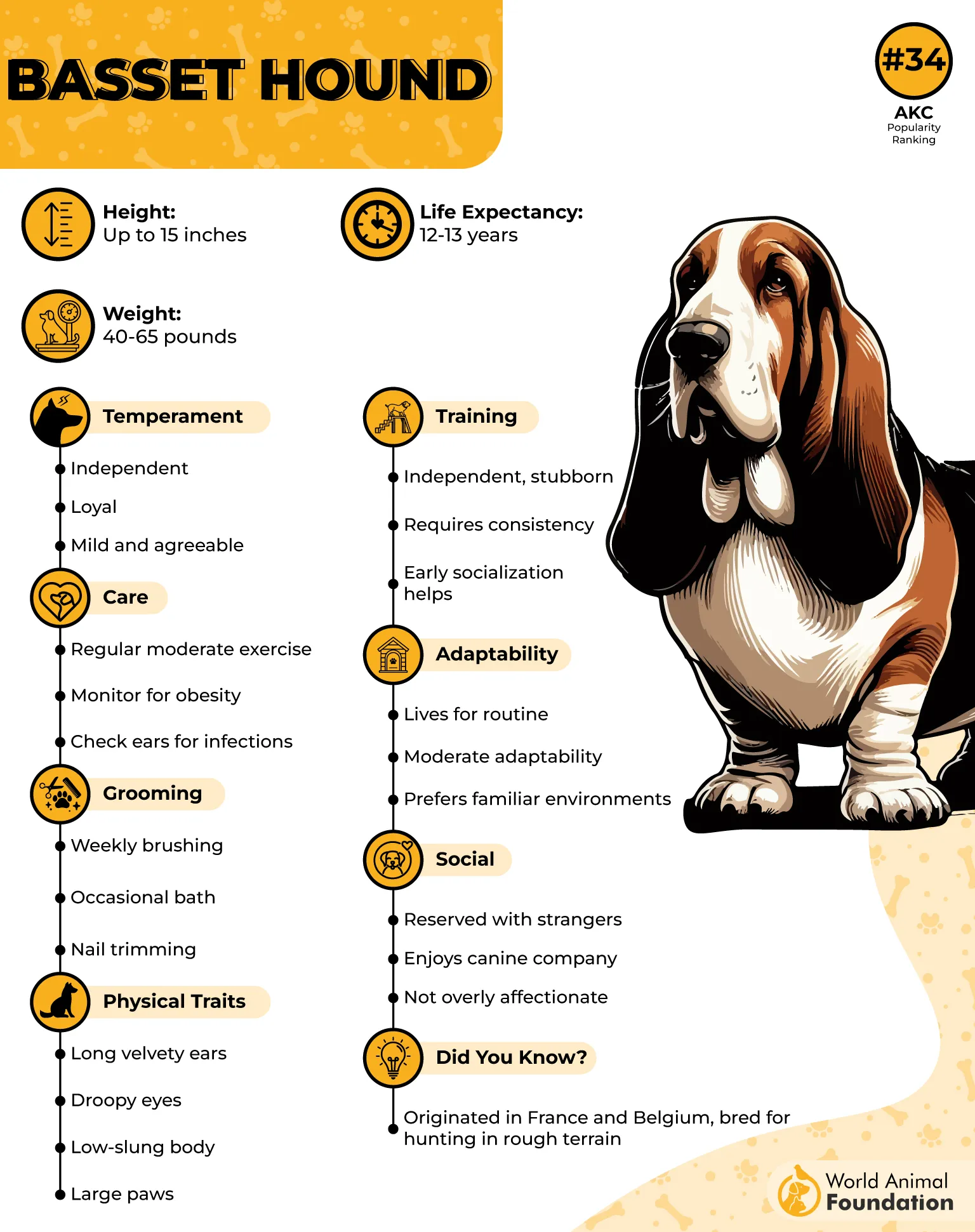
Even low-energy breeds need some regular movement, though, to stay clear of obesity and the health issues that can come with it. Daily walks paired with some indoor play go a long way. Bassets are generally gentle and affectionate with their families, though they can show a stubborn streak now and then, so early socialization and training really help.
One more thing worth knowing: that powerful nose of theirs. Their strong scenting instincts can sometimes lead them into trouble, but channeling that drive into controlled scenting activities or games can help satisfy the urge in a safe way.
8. Clumber Spaniel
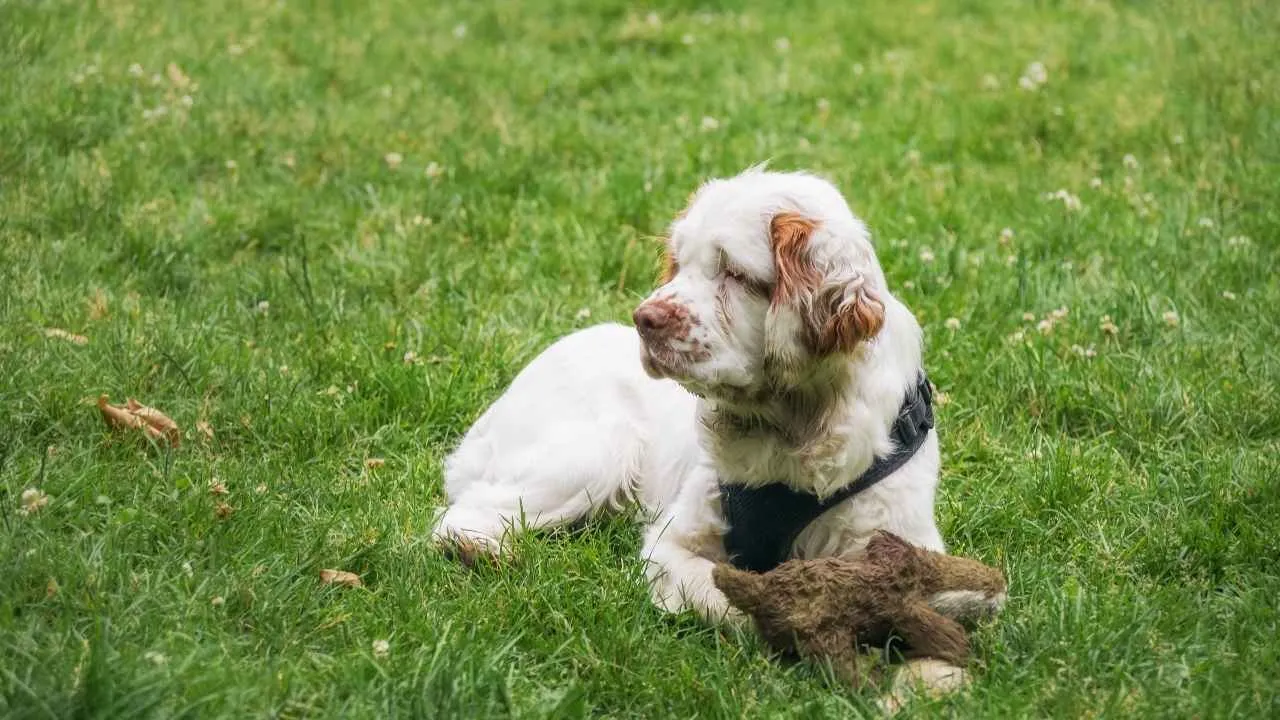
The Clumber Spaniel is one of the most easygoing companion breeds out there and is believed to be the heaviest of all the spaniels. Named after Clumber Park in Nottingham, England, this breed dates back to before the French Revolution, according to Britannica.
Temperament-wise, Clumber Spaniels strike a nice balance between mellow and playful. They make sweet, cooperative companions indoors but are just as happy soaking up some fresh air on daily walks or a trip to the dog park.
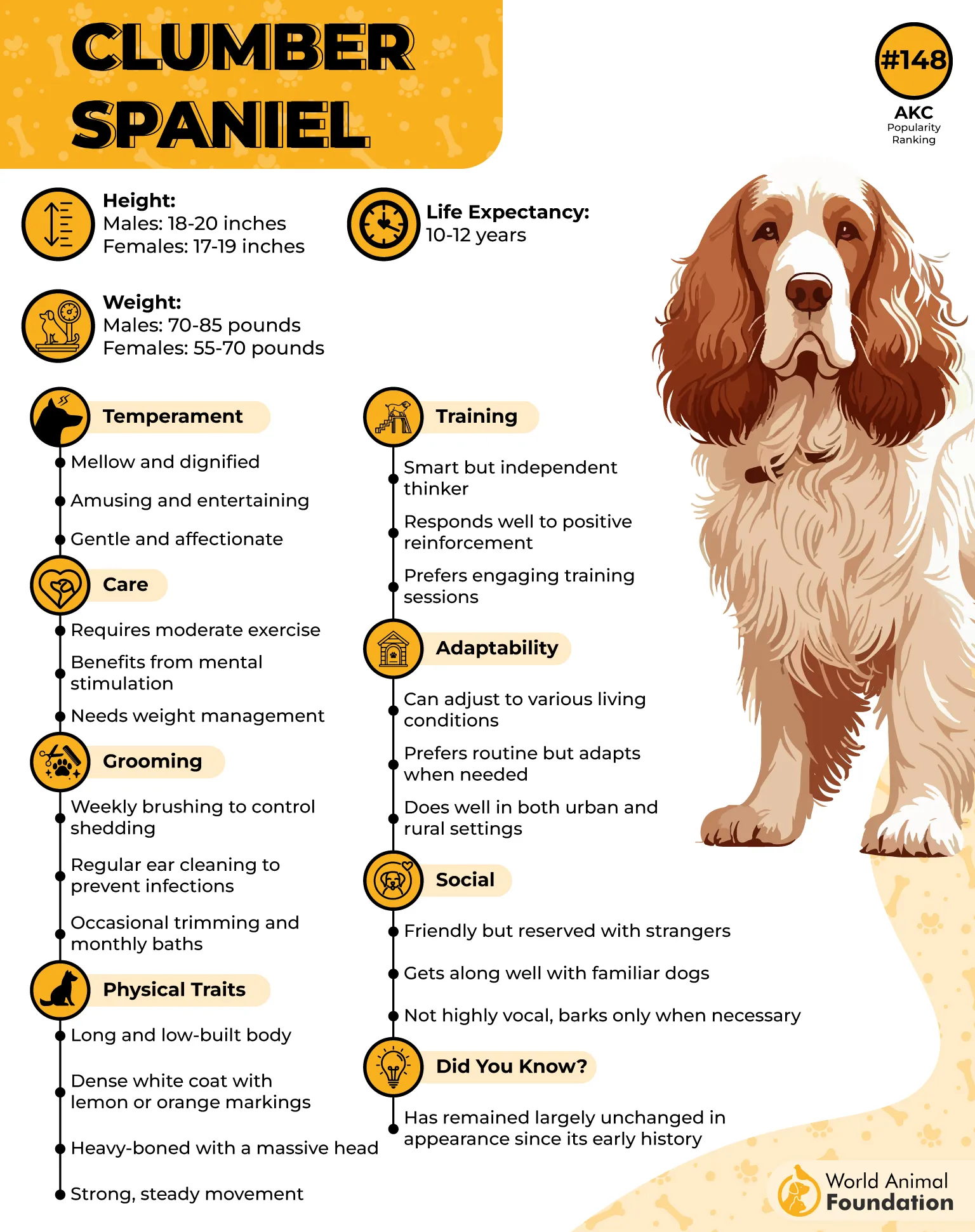
Their friendly nature means they typically get along great with kids and other pets. They can be a little reserved around strangers, but they’re not big barkers by nature. Clumbers make sturdy, patient playmates for both kids and adults, and many of them genuinely love a good swim.
That said, Clumber Spaniels do have an independent streak and like doing things their own way, so training calls for a good mix of consistency and patience.
9. Pug
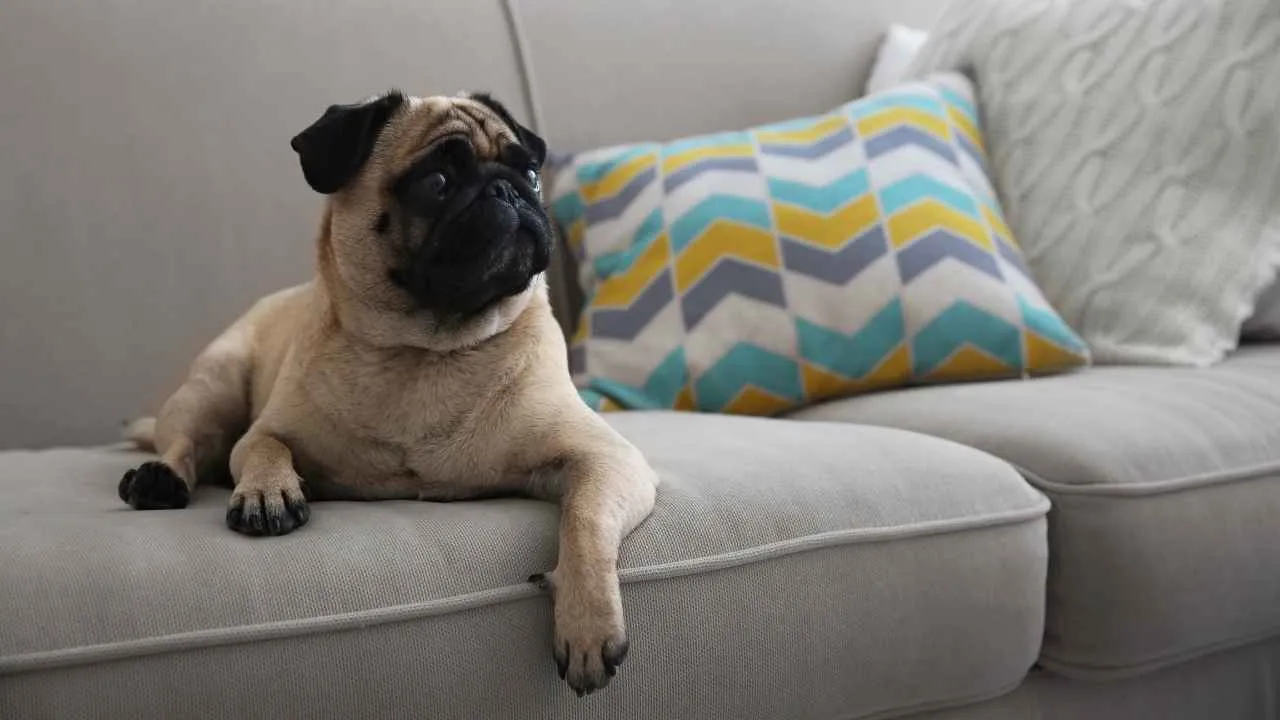
The Pug is another wrinkled-faced, brachycephalic breed that makes a wonderful companion for families who prefer a calmer pace of life. As one of the ultimate apartment dogs, its compact size makes it perfectly suited to smaller living spaces.
With a history of keeping Chinese royalty company, Pugs are no strangers to a pampered, cozy indoor lifestyle.
That tiny body holds a surprisingly big heart; this loyal little dog thrives on human companionship and tends to keep a watchful eye on its surroundings. They’ll bark occasionally, usually just to let their humans know something’s caught their attention.
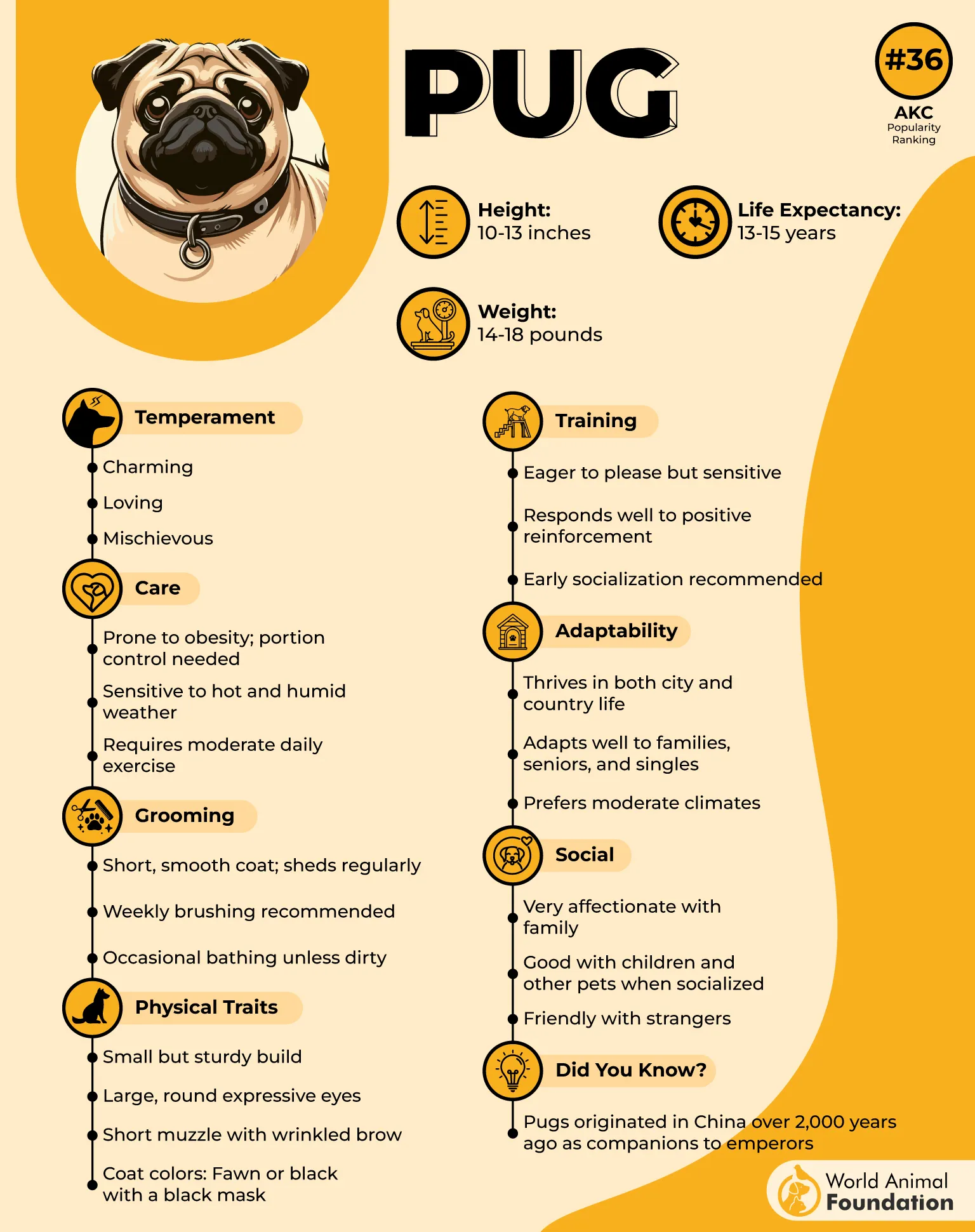
Their comedic, goofy nature makes them wonderful company for chill days indoors. Speaking of which, Pugs also need to be kept cool during summer, ideally indoors with the AC running when temperatures climb.
Conclusion
Even with low-intensity games and mostly indoor activities, life with a low-energy dog breed can be full of joy in its own quiet way. Once you’ve adopted a calm dog breed, it’s worth chatting with your vet about their specific exercise needs and nutrition requirements to help them thrive.
