




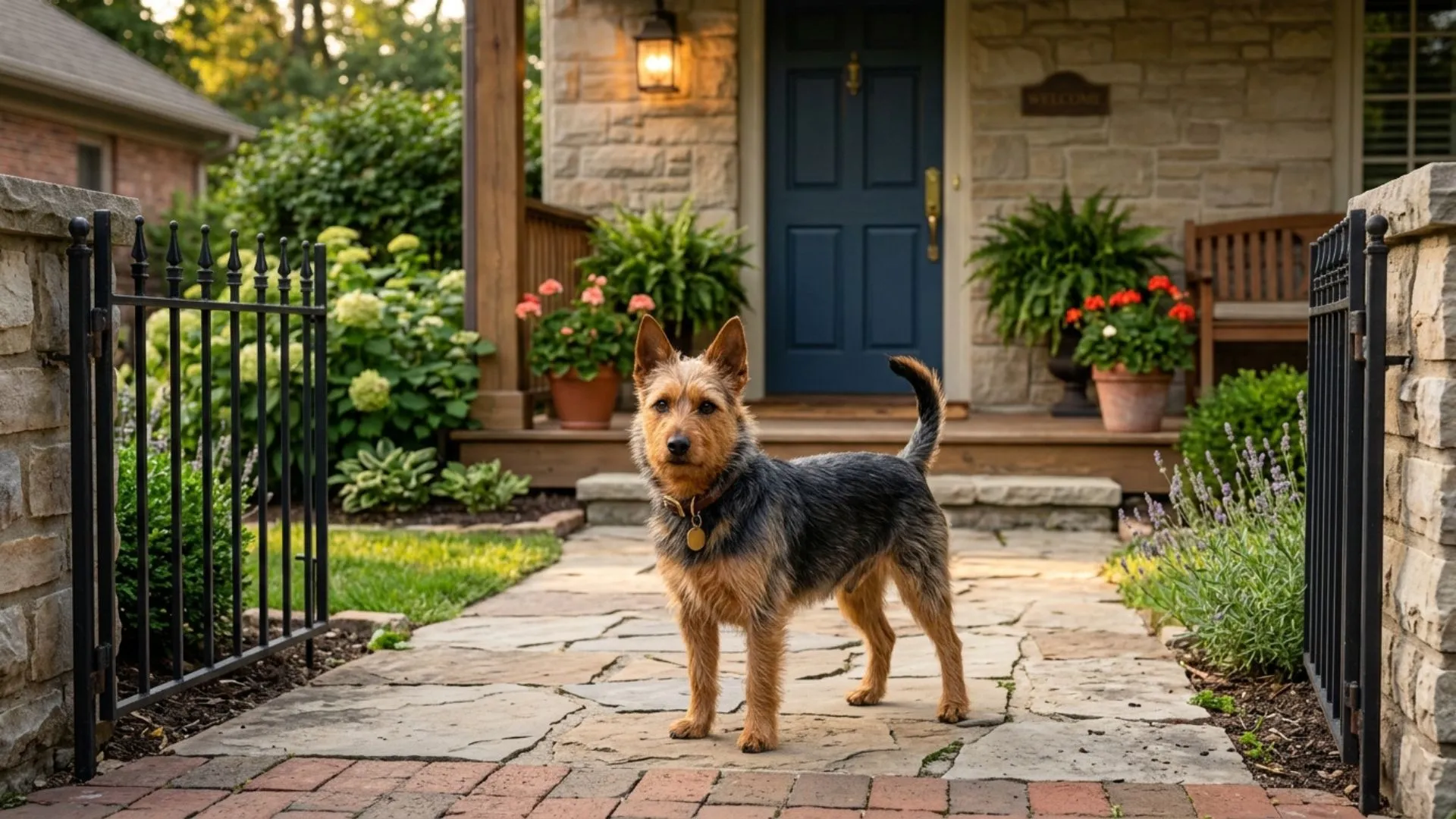
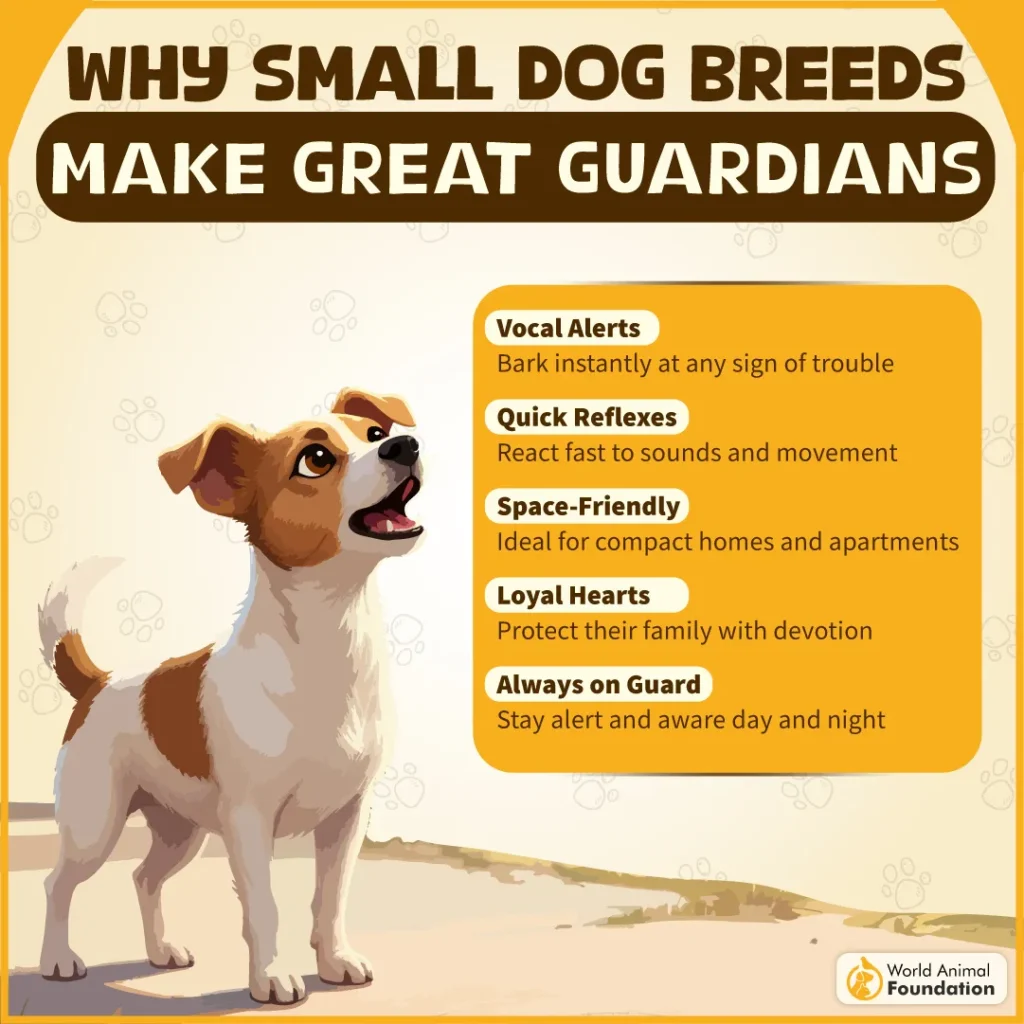
“Size does not matter. Heart does.” That famous lesson from many underdog stories fits these little dogs perfectly. While Hollywood heroes like Lassie or Beethoven stole the spotlight, plenty of pint-sized pups quietly earned a reputation for protecting their homes with sharp senses and fearless attitudes.
They may not stop an intruder physically, but they will make enough noise to ensure nobody slips by unnoticed.
If you have ever laughed at a tiny dog acting like it owns the neighbourhood, you are not alone; and honestly, that is exactly what makes these breeds so special.
This guide explores the best small dog breeds for watchdog duties, explaining why these loyal companions combine courage, intelligence, and devotion in surprisingly compact packages.
Best Small Dog Breeds for Watchdog Duties and Safety
1. Tibetan Spaniel
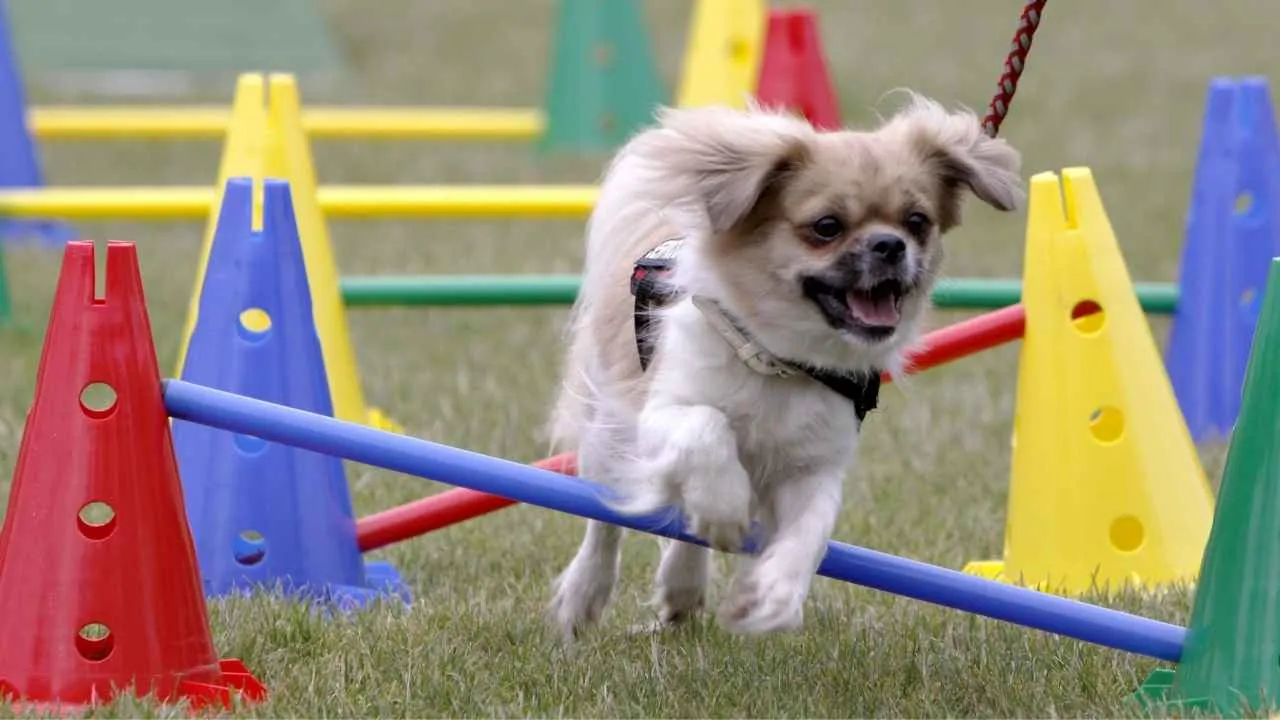
This ancient dog breed, which has been depicted in Eastern artwork since 1100 BC, was bred by Buddhist monks and was used to sit in the monasteries as a watchdog. This ‘little lion dog’ made its way to Europe in the 19th century, according to PetMD.
The small breed has keen eyesight, and it can watch over long distances, making it a great watchdog. It has a loud bark to alert the owner to unusual sounds. Specifically trained to spin the monks’ prayer wheels, it used to sleep with the monks to provide them warmth.
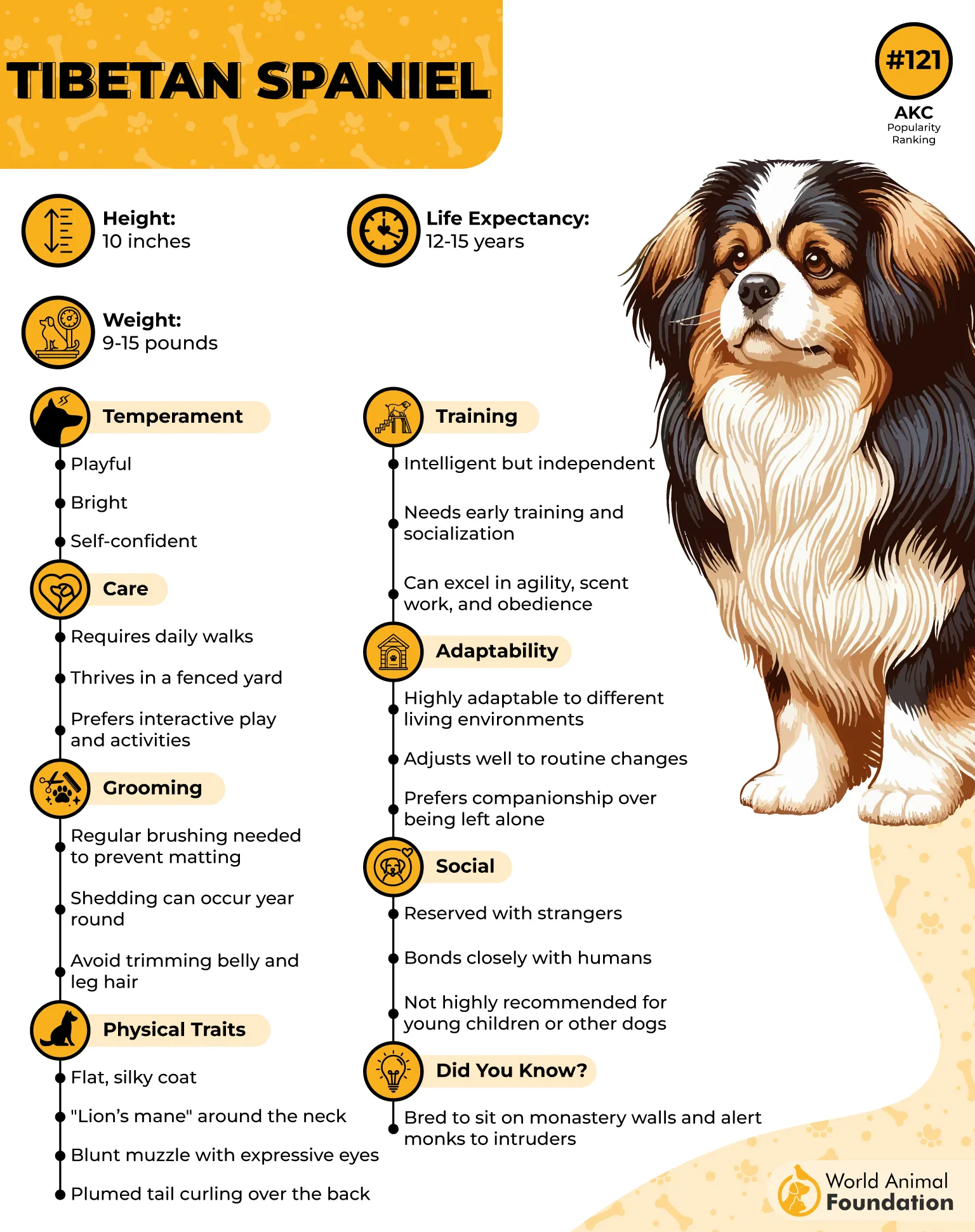
Being fiercely independent, assertive, and alert, this guard dog is aloof of strangers, even after socialization. The dog needs 30-60 minutes of moderate exercise: daily walks, interactive puzzle toys, and soft fetching.
2. Australian Terrier
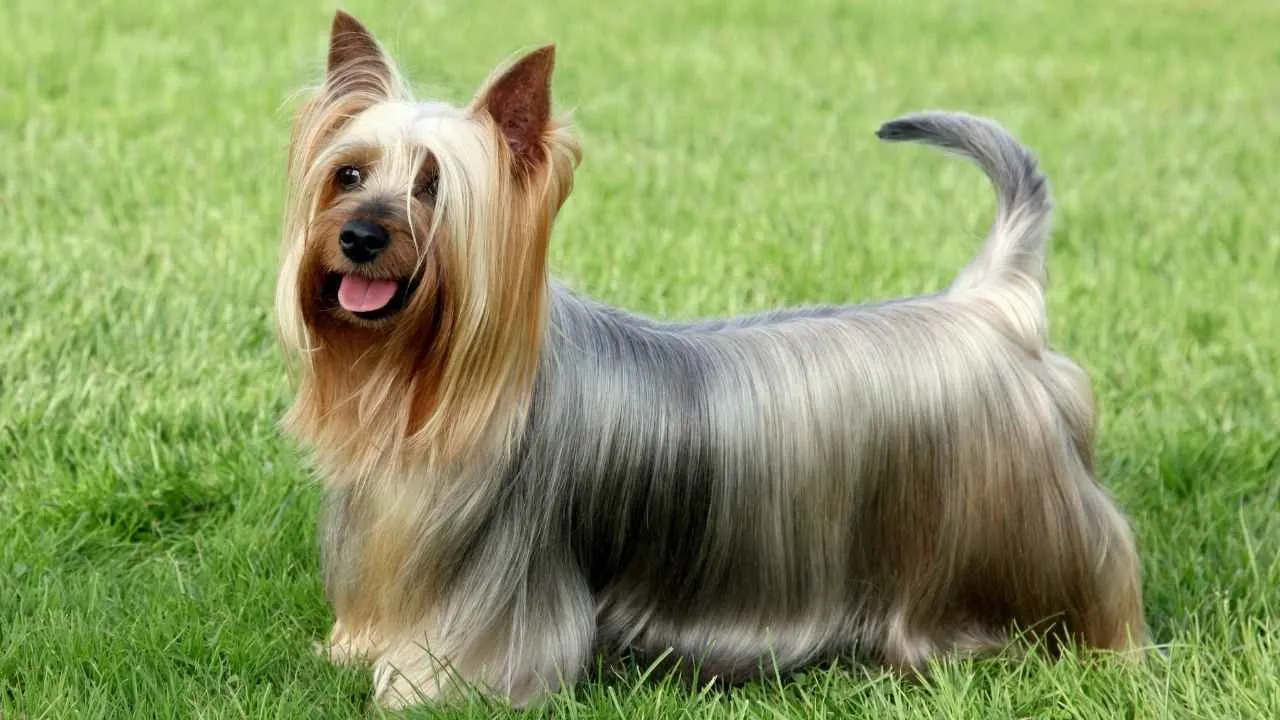
Though the origin of this historical breed is from England, the modern-day Australian Terrier was developed in Australia. The breed has a small muzzle, short legs, a ruff around the neck, and pigmented face, ears, and legs. The ancestors were kept to hunt rats and mice, as per Wikipedia.
The breed has prick ears that act like a radar system and move in the direction of the source of the sound. This helps it detect high-frequency sounds, slight vibrations, and noises from a significant distance. It is generally not yappy and barks once or twice to alert the owner of the potential threat.
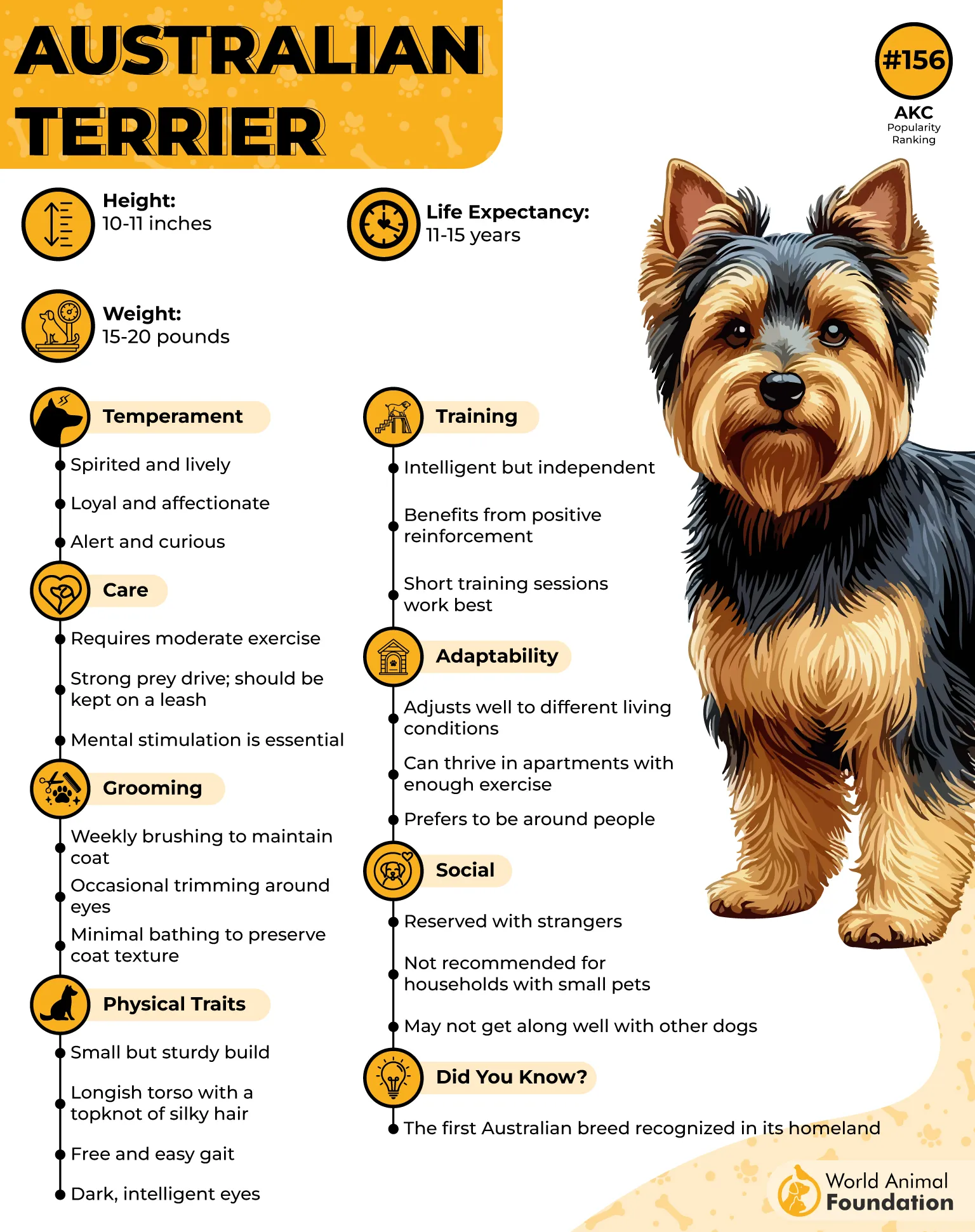
It has strong instincts for territory because of its hunting heritage. While being small, it is not intimidated by larger breeds or attackers easily. The breed has moderate-to-high exercise needs (1-2 hours) daily: long walks, vigorous play sessions, jogging, and mental stimulation.
3. Miniature Pinscher
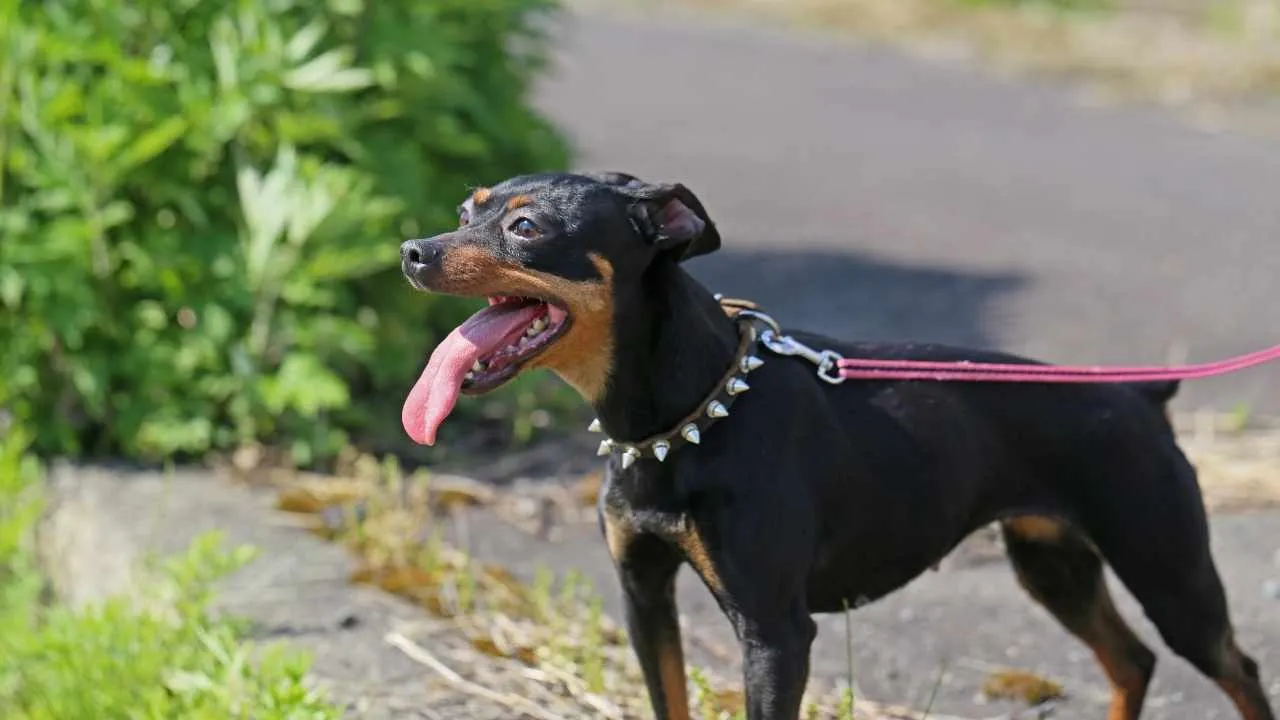
This small guard dog breed was developed in Germany almost 200 years ago as a ratting breed. It was bred by crossing the Dachshund and the Italian Greyhound. It was originally called ‘Reh Pinscher’ because of its keen resemblance to a deer ‘reh,’ as reported by Orvis.
It has a high-stepping trot (the hackney action), where the well-muscled body allows it to pivot, run, and maneuver quickly in tight spaces. Highly affectionate with family members, the dog can get rough with children and aggressive with other dogs.
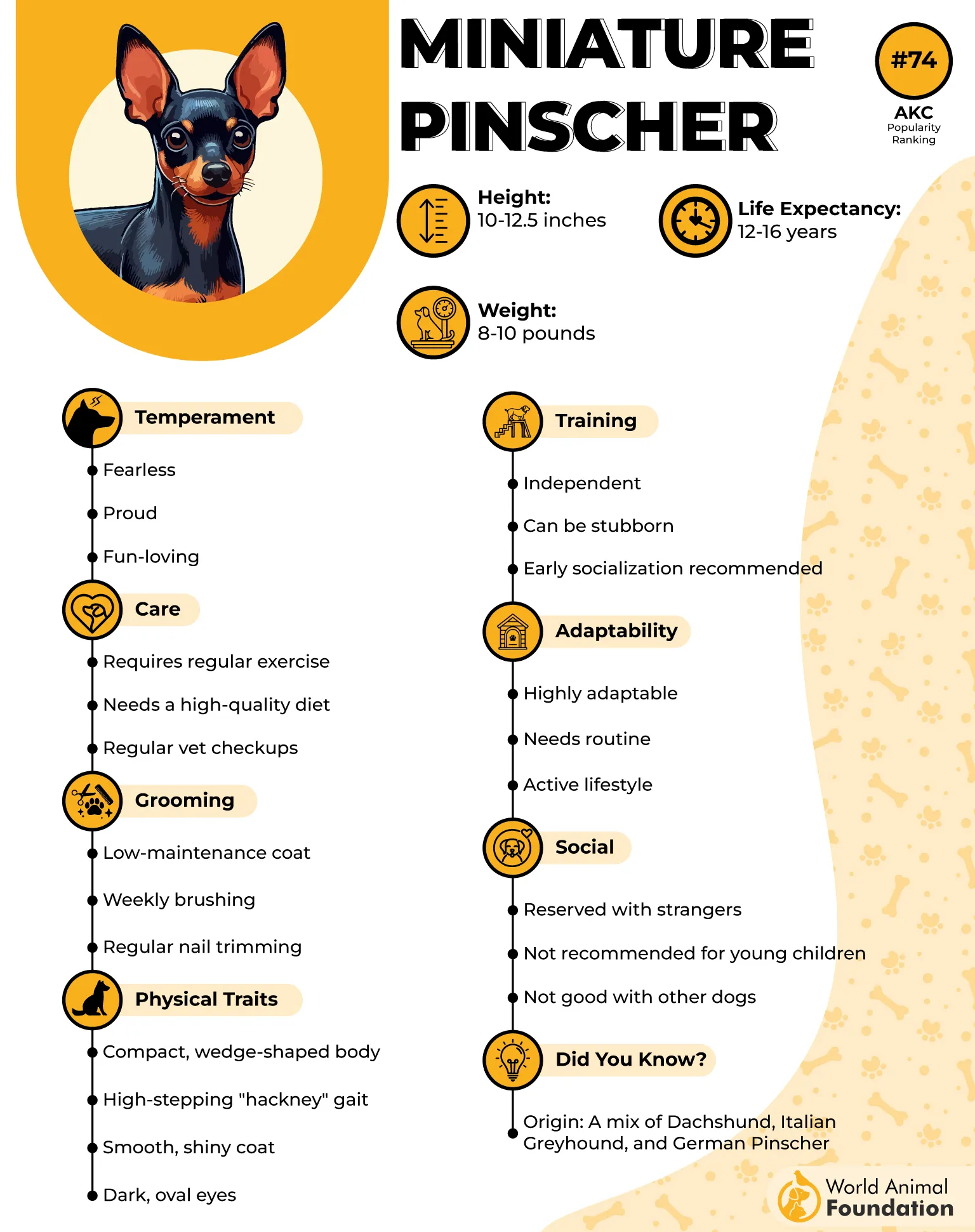
The dog has built-in instincts for tracking, hunting, and guarding territory. It is a high-energy dog that requires intense exercise and mental stimulation (1-2 hours daily): brisk walks, fetching, running, hiking, and indoor play.
4. Cairn Terrier
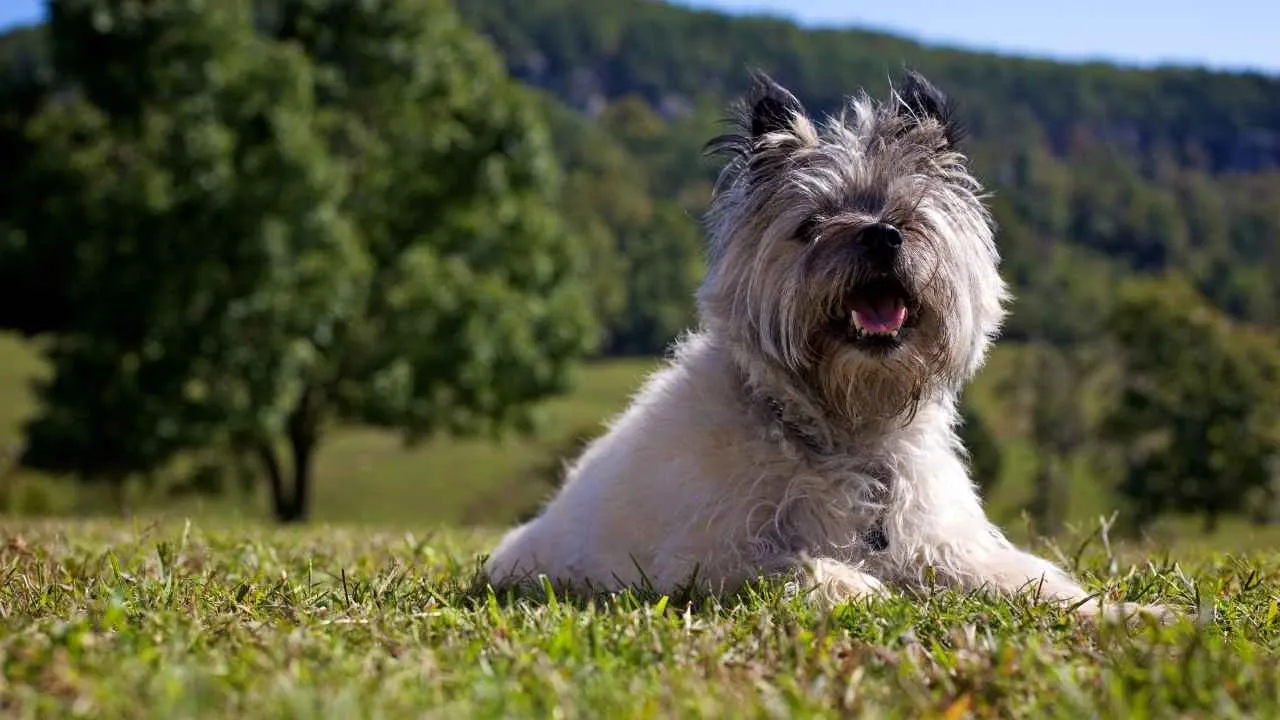
The breed was originally bred in Scotland and was called ‘Scottish Terrier.’ The primary goal of the breed was to dig into the man-made rock formations and cairns to kill rodents. It is divided into two classes: Dandie Dinmont Terrier and Skye Terrier.
This breed has shaggy eyebrows, dark and wide-set eyes, and a pigmented nose, which gives a highly alert expression. The pointed and erect ears give the breed a watchful appearance. The short tail is curled over the back and gives a rough-and-ready look. It wags when the dog is in alert or defensive mode.
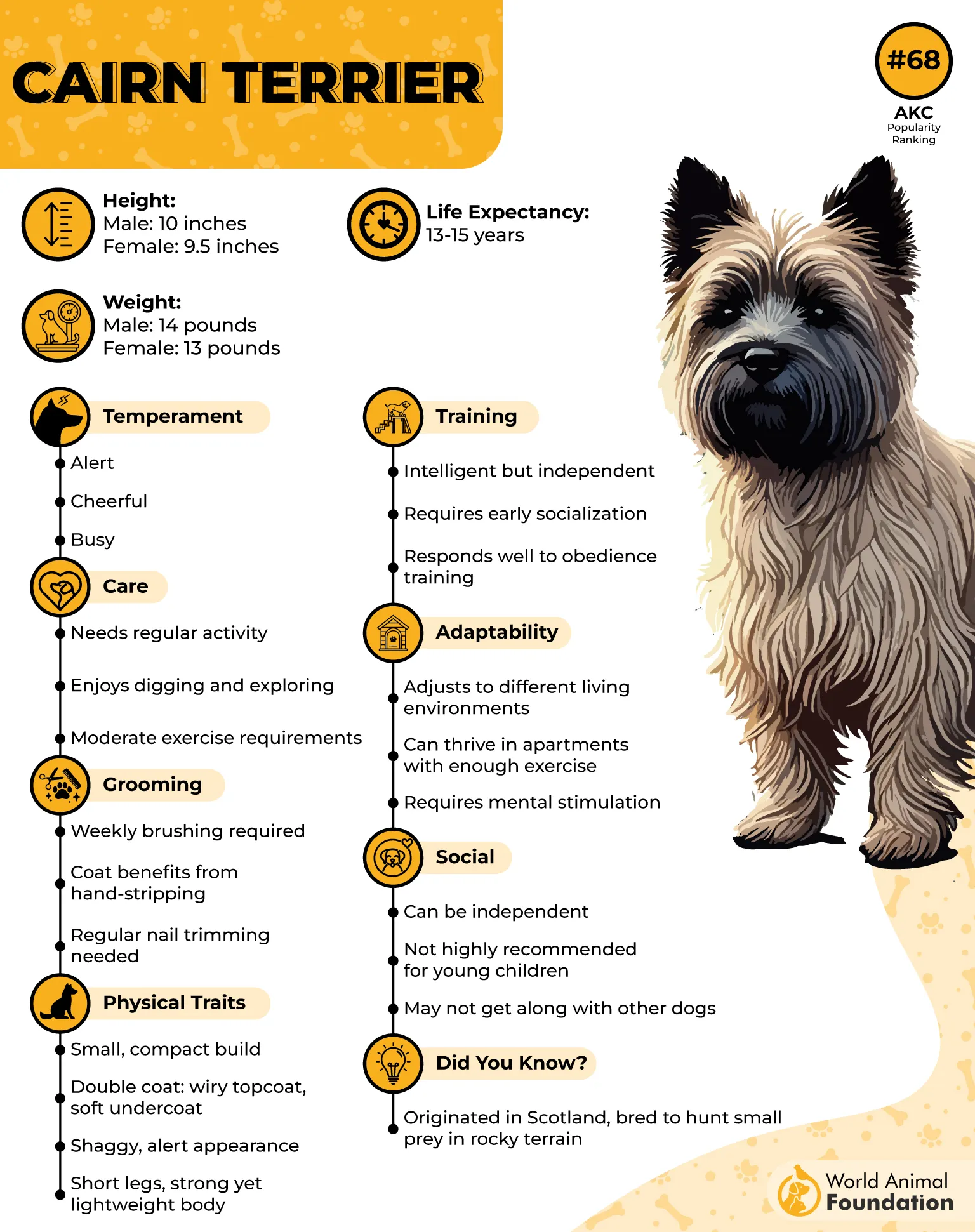
The breed has a high prey drive and digging instincts. It tends to navigate tight spaces and small animals. Despite its small size, it exhibits a scissor bite (where the upper incisors overlap the lower incisors perfectly).
The breed needs 30-60 minutes of daily exercise with positive reinforcement as it is highly intelligent and has an independent streak.
5. Miniature Schnauzer
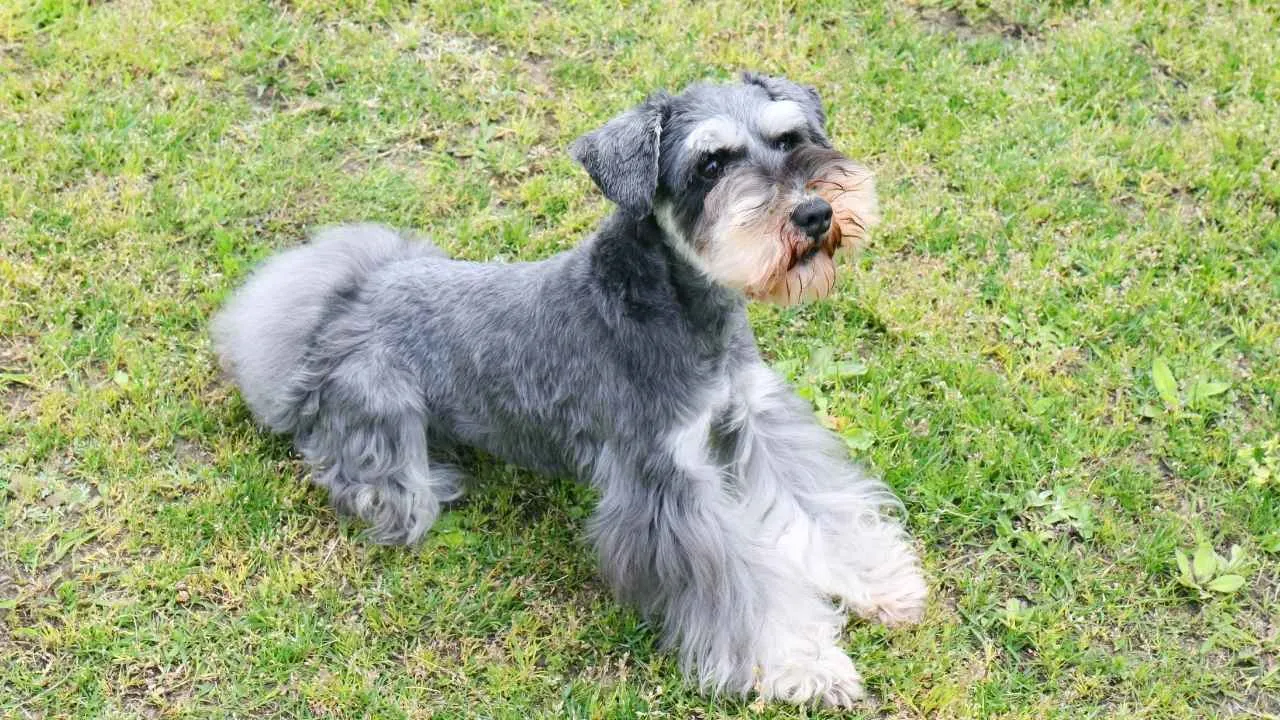
The Schnauzer was developed in Germany and has been serving as a working farm dog since the 14th century. Its primary goal was to kill vermin and also acted as a protection dog for livestock, property, and cattle driving. The Miniature Schnauzer is a cross of the Schnauzer and the Affenpinscher.
The excellent small guard dog has a lively disposition and an alert nature but can be snappy when nervous and thus becomes aggressive towards other small animals. The strong senses of hearing and smelling make it an ideal breed for vermin control and watchfulness.
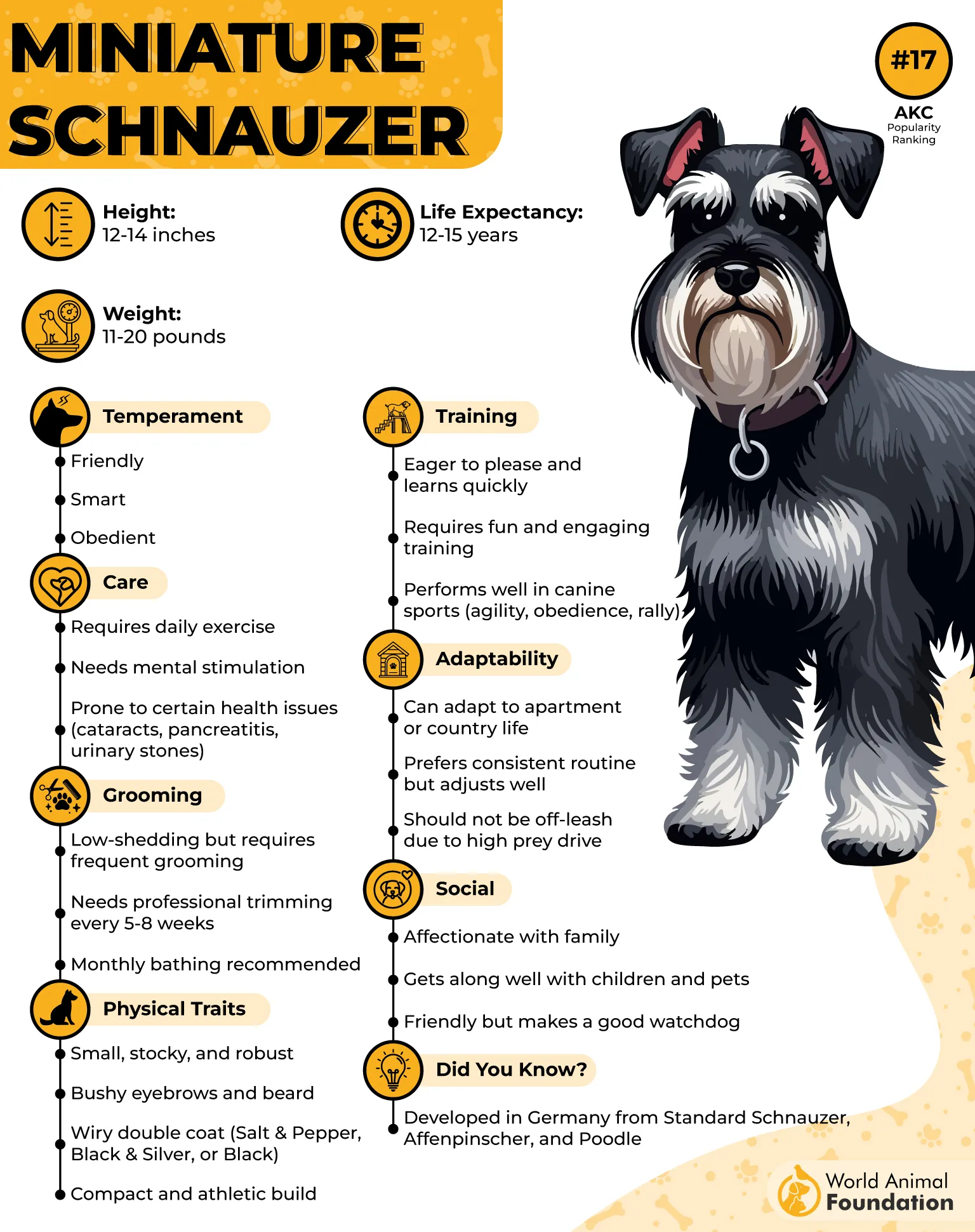
Despite its small size, it is fiercely protective. There was a viral online video circulated in 2018 showing that a Mini Schnauzer named Cash was chasing a black bear away from its property. It requires a moderate amount of exercise daily (30-60 minutes).
6. Pomeranian
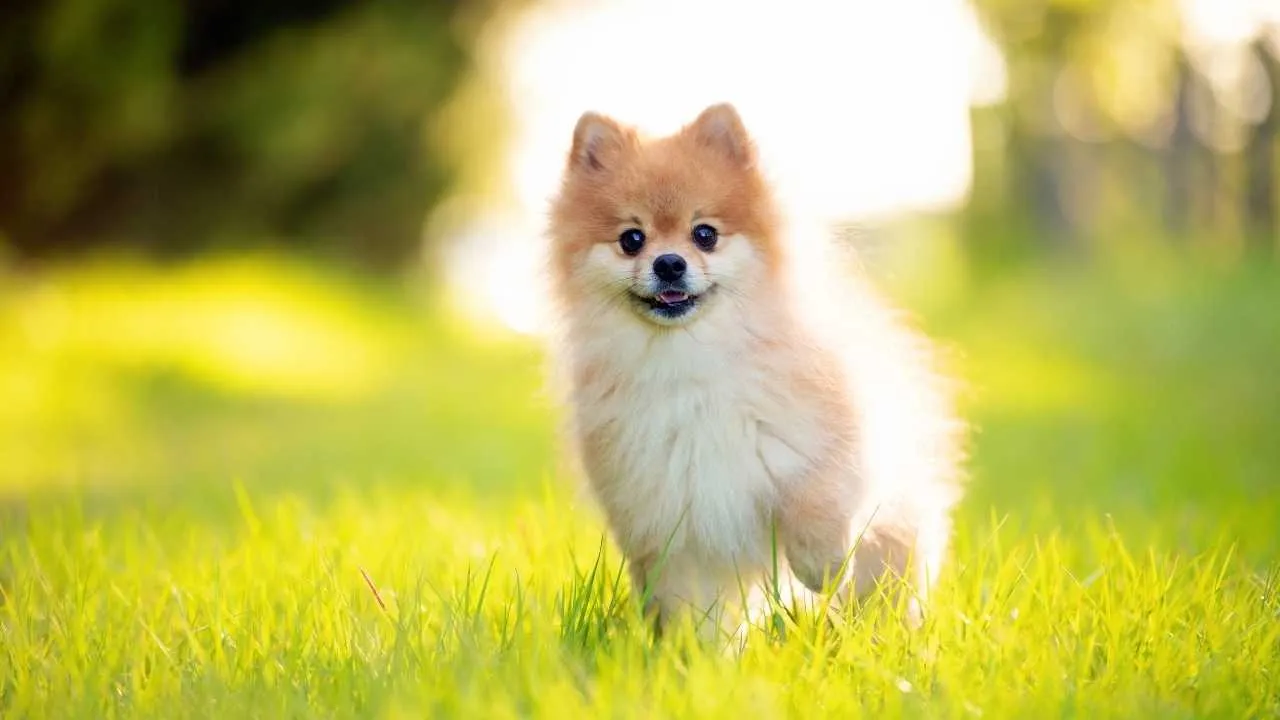
Descended from the Spitz-type dogs who had wolf-like characteristics, the Pomeranian made its way to Europe, where it was further developed in the region of Pomerania (northeastern Germany and northwestern Poland). It went through size reduction during the time of Queen Victoria.
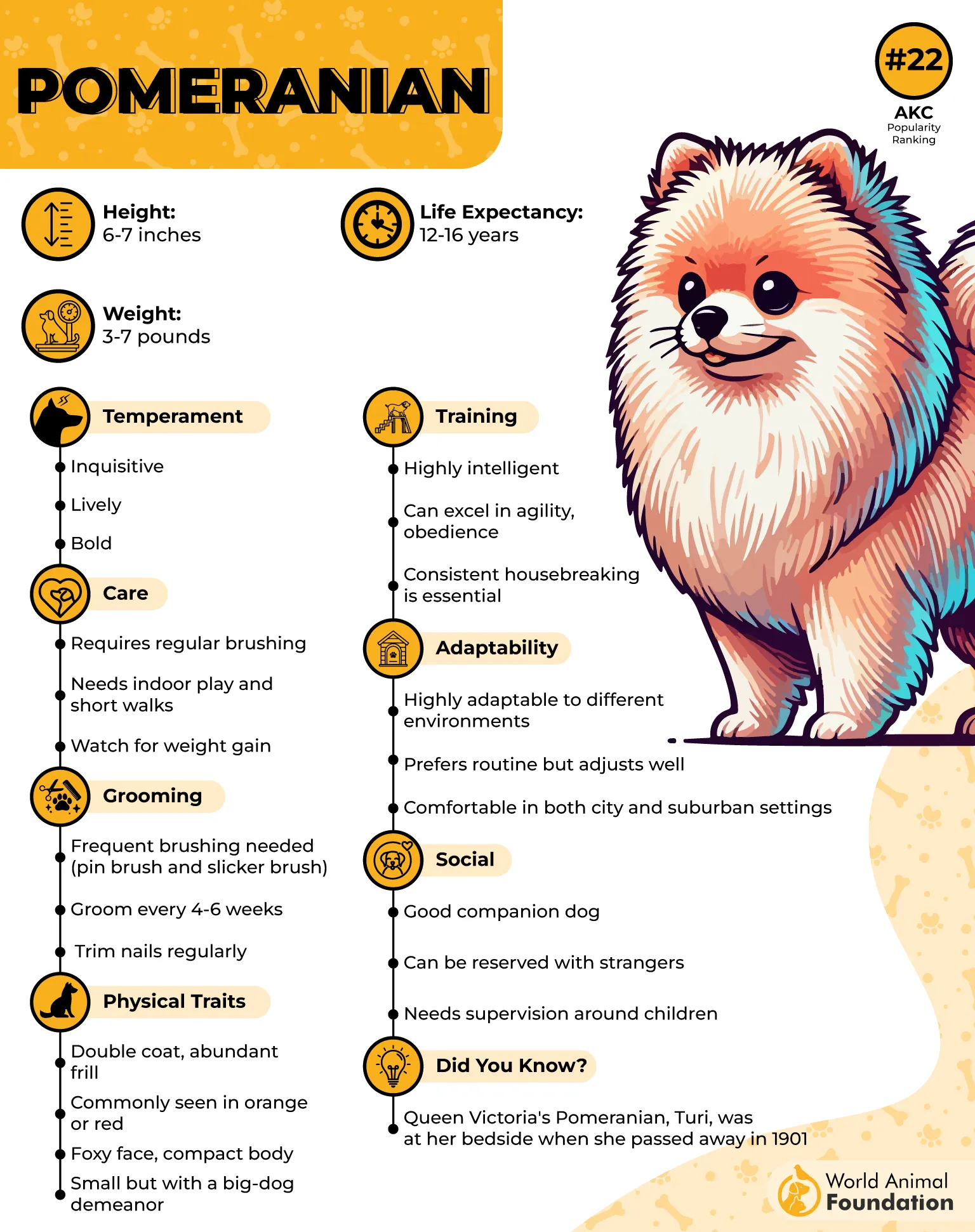
This excellent guard dog has curious eyes, perky ears, and a fox-like face, making it undeniably alert and charming. Because of its historical role as a watchdog, it has a high-pitched bark that it uses to alert the owner. It is a proud, bold, inquisitive, extroverted, and spirited dog with a ‘big dog personality.’
Though quite friendly with kids, it may snap at them if they are showing sudden movement. Because of its small size, adult supervision is a must. It has regular exercise needs, and because of temperature sensitivity, outdoor activity in cooler times of the day is recommended.
7. Lhasa Apso
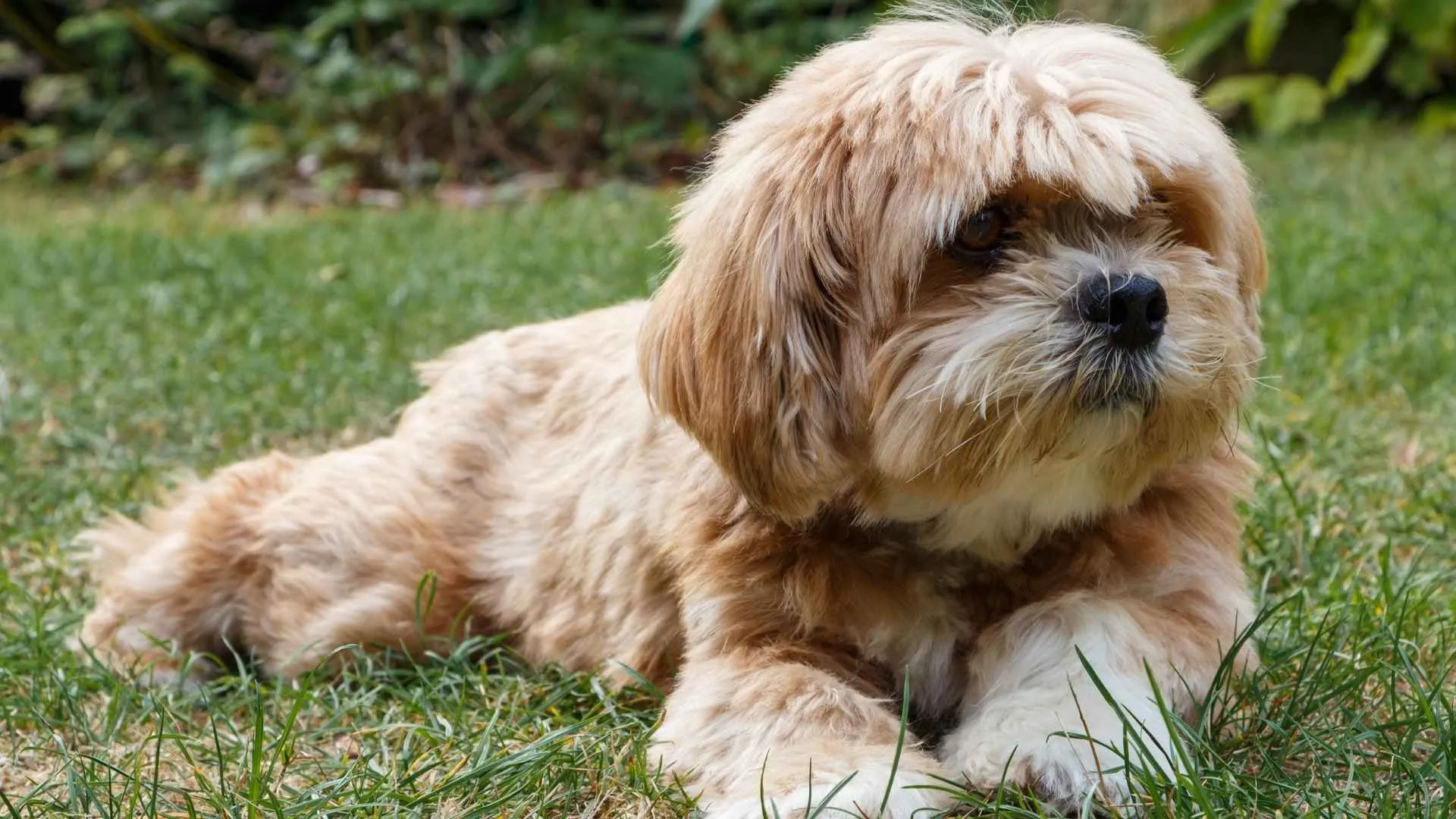
The traces of this ancient dog breed are 2,000 years old. The breed was exclusively bred by the monks and Chinese nobility to guard properties. It was considered a sacred animal in the region because of its lion-like appearance. Today, it is widely used for companionship, while keeping its loyalty intact.
The breed is naturally aloof from strangers and unknown dogs. Also known as the ‘bark lion sentinel dog,’ it is quite possessive of its food, toys, territory, and favorite person. Playful yet intelligent, the breed forms a strong bond with the family.
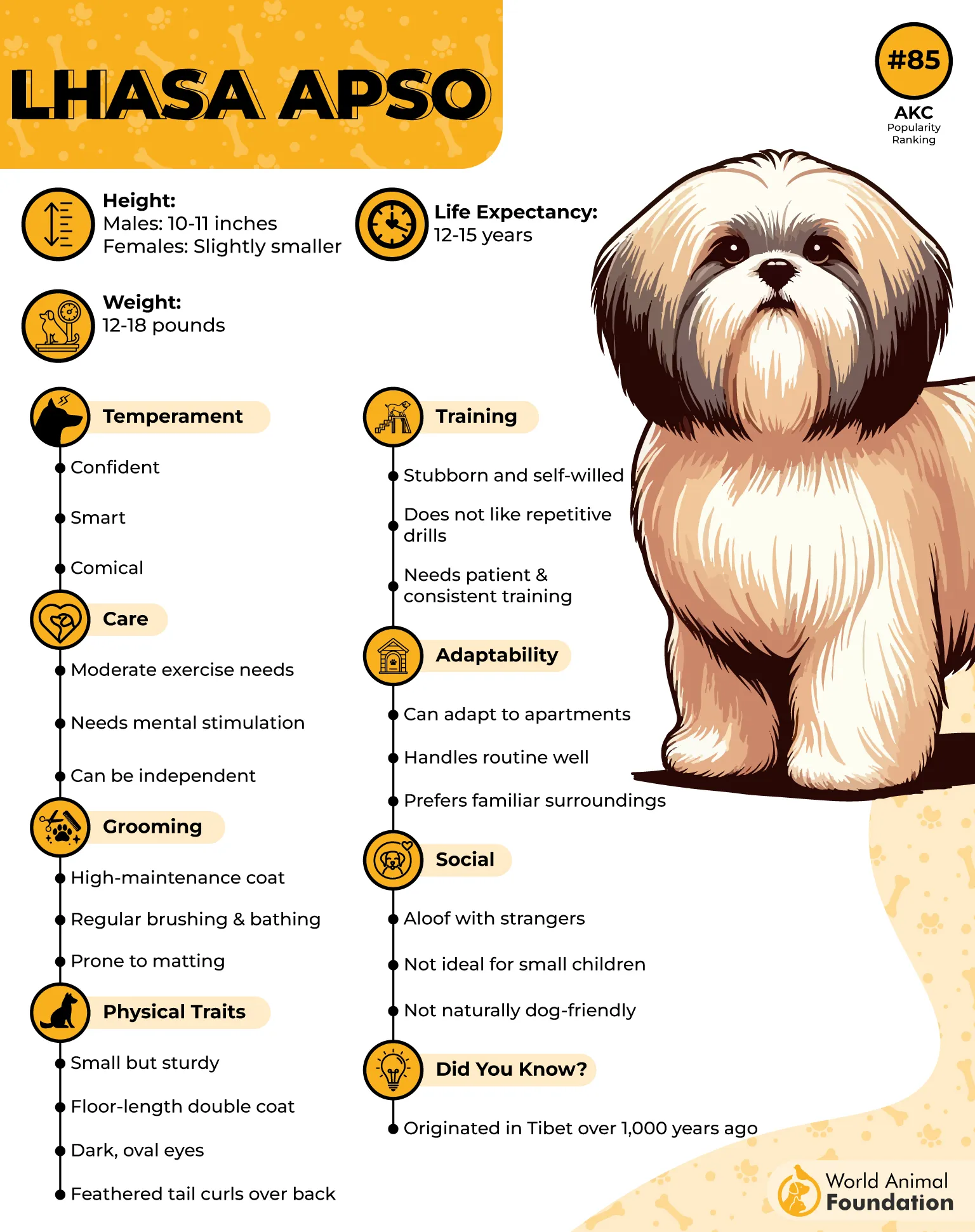
The dog matures slowly (in 3 years) and then becomes full of energy, curiosity, and playfulness. Its strong sense of hearing and barking make it a reliable early warning system. The breed can be left alone for some period of time because of its independent streak.
Conclusion
The best guard dog breeds for watchdog duties prove that courage is not measured in pounds. Each breed has its own way of protecting the people it loves. Some rely on loud alarms, others on sharp observation, while a few combine confidence with remarkable intelligence. The right choice depends on your lifestyle, home, and expectations rather than simply picking the loudest bark.
A well-trained, well-socialized small dog becomes more than an early warning system; it becomes a trusted family member that notices the little things humans often miss. Give these loyal companions proper care, training, and plenty of affection, and they will happily spend every day watching over the people they love, all while reminding everyone that even the smallest guardian can make a big difference.
