




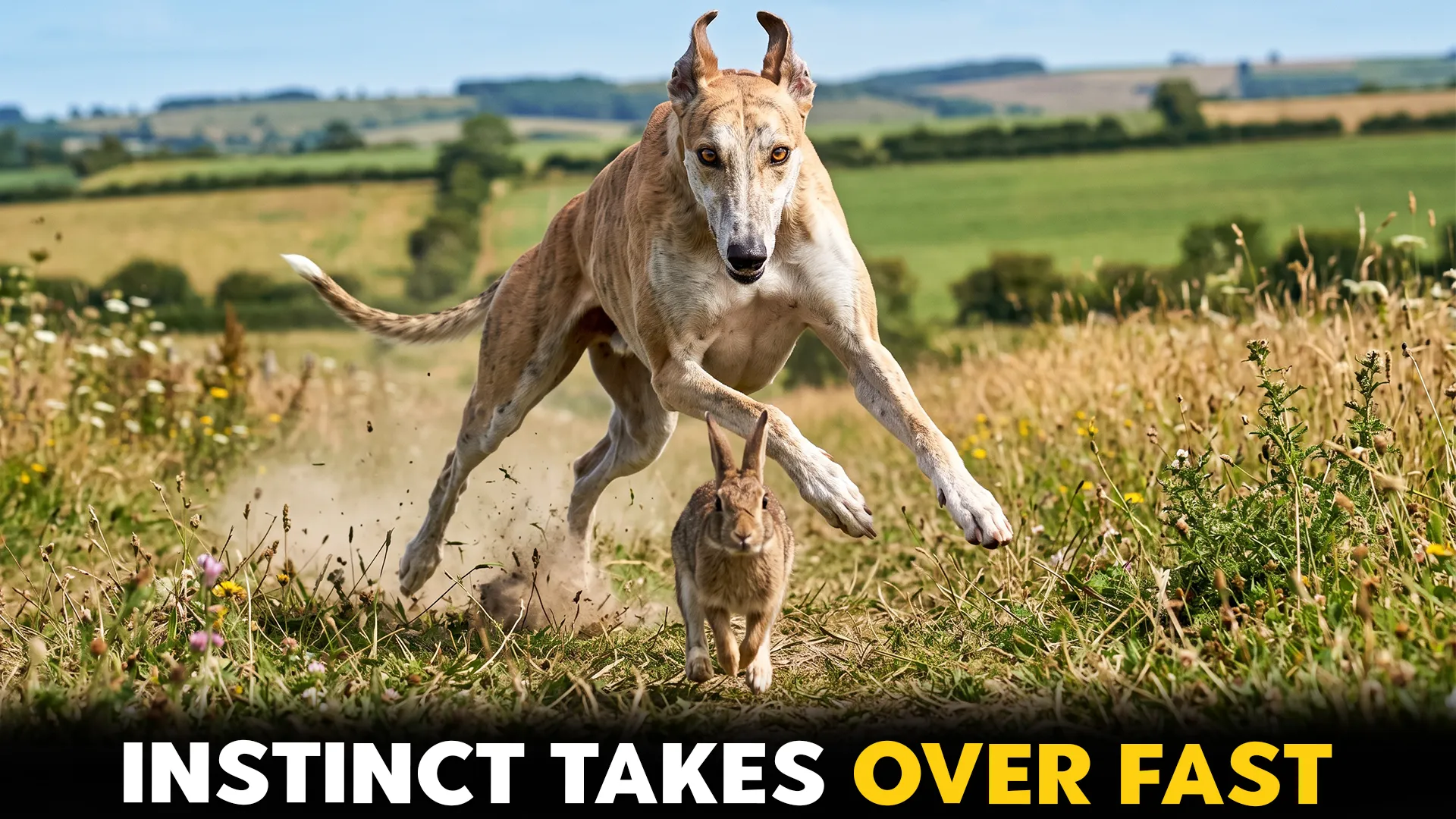
Ever wonder why some dogs become completely locked in on a squirrel, rabbit, or even a fluttering bird? One second they’re walking calmly by your side, and the next they’re ready to sprint after anything that moves.
That powerful instinct isn’t stubbornness or bad behavior—it’s something called prey drive, a natural trait that’s been part of dogs for thousands of years.
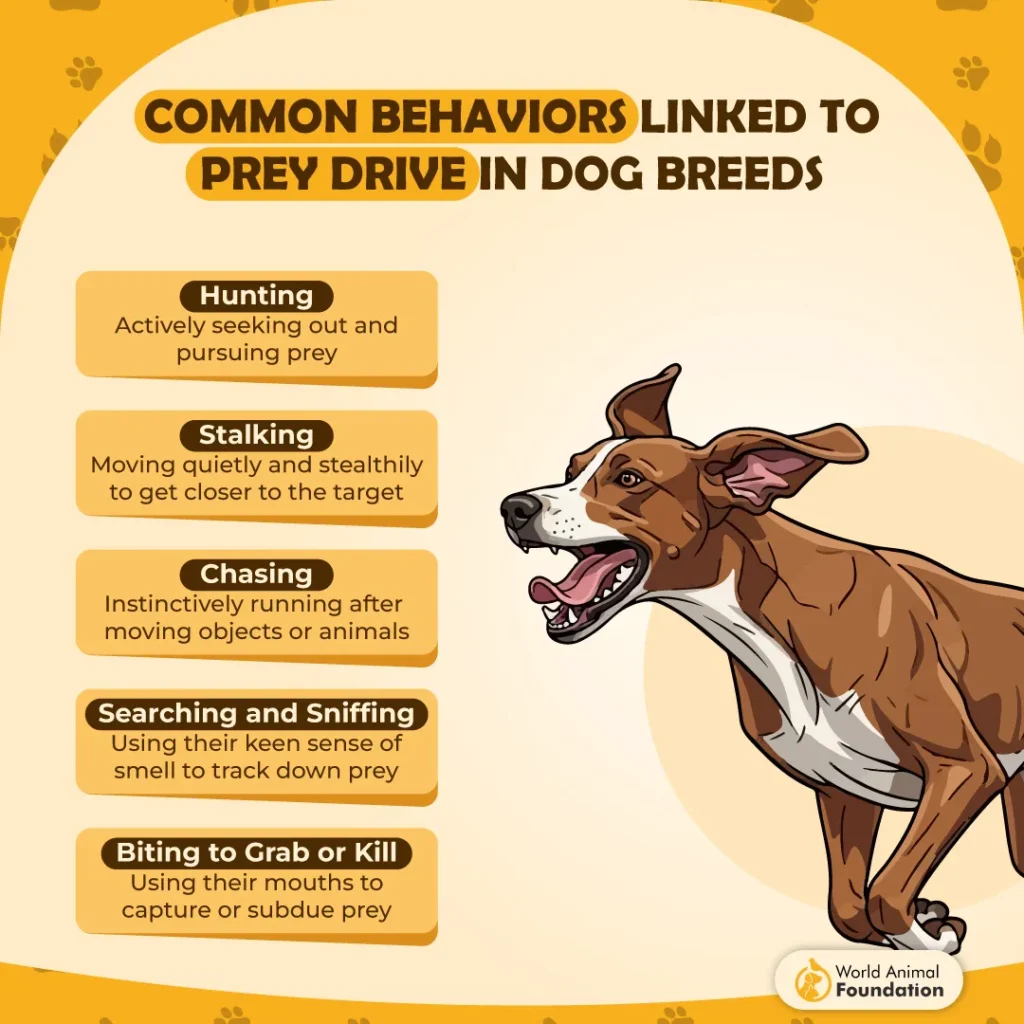
A dog’s prey drive is the instinct to spot, stalk, chase, and catch moving animals or objects. Every dog has it to some degree, but in some, it’s far more intense because they were originally bred for jobs like hunting, herding, or tracking.
A strong prey drive can make dogs incredibly focused, athletic, and intelligent, but it can also lead to challenges like chasing wildlife, ignoring commands, or slipping through fences in pursuit of a target.
In this article, we’ll explore the breeds most likely to follow their instincts, explain what prey drive really looks like in everyday life, and share what future owners should know before bringing one of these energetic, driven companions home.
Key Takeaways
Discover why Irish Setters, Border Collies, and Greyhounds have such powerful prey instincts.
Meet fearless hunters like the Rhodesian Ridgeback, Weimaraner, and Basenji.
Learn how prey drive shapes a dog’s behavior, training, and daily care.
Find out which high-drive breed best matches your lifestyle before bringing one home.
Dog Breeds with Remarkable Prey Drive
1. Irish Setter
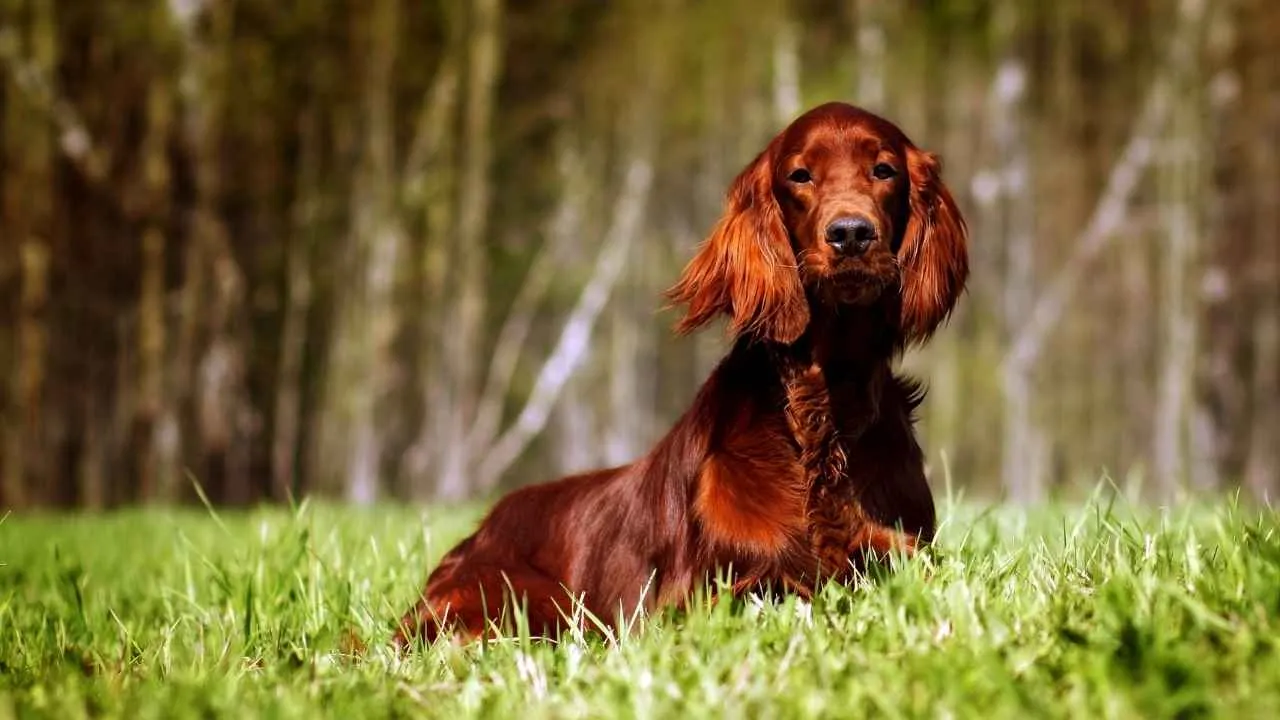
Originally bred as bird dogs, Irish Setters were developed to locate game birds, freeze or “set” to show hunters where the birds were hiding, and help flush them into the air.
That hunting background gives them a remarkable prey drive, along with incredible speed, stamina, and sharp instincts. Although their rich red coat often steals the spotlight, these energetic dogs are just as famous for their sweet nature, playful personality, and love of outdoor adventures.
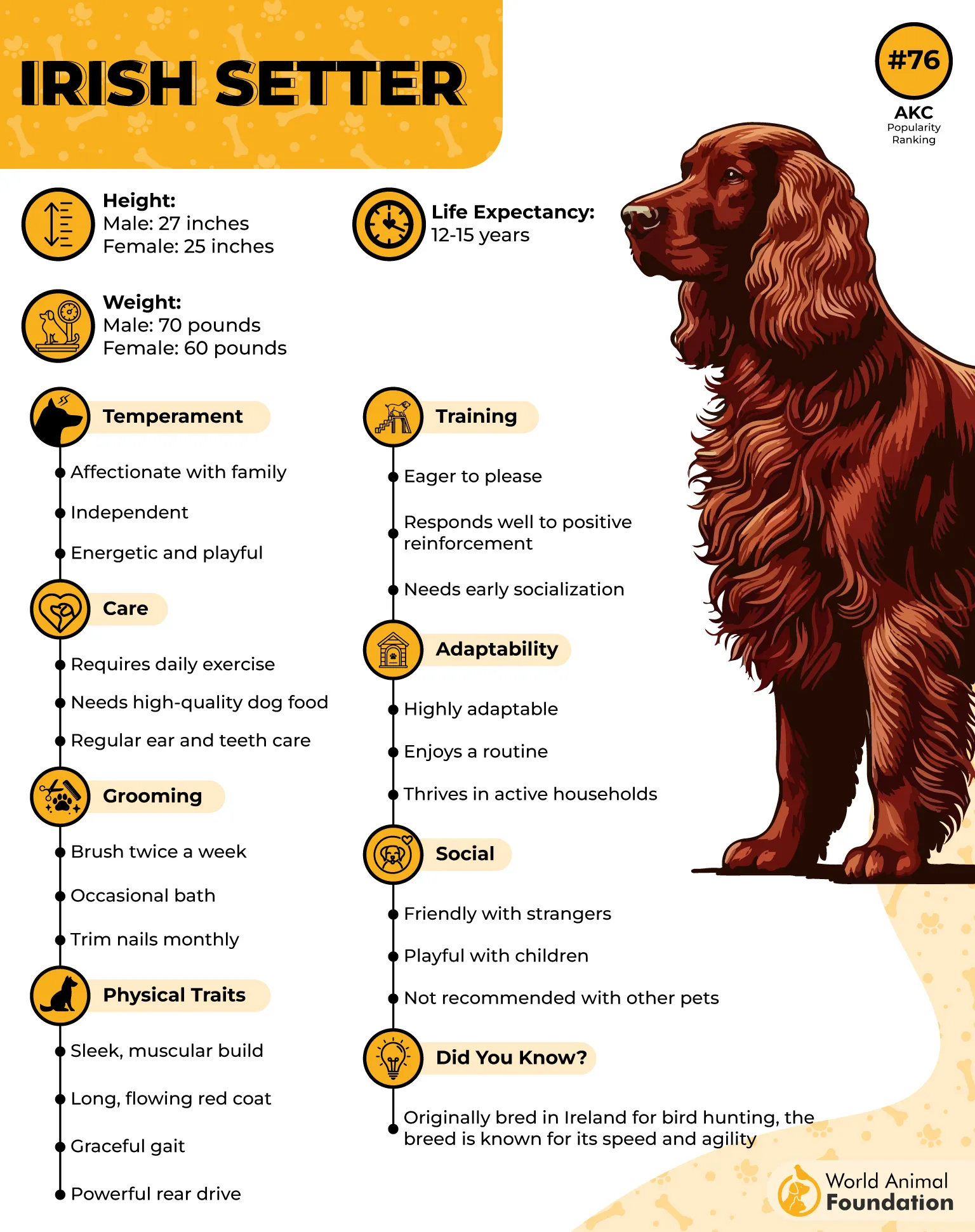
Why They Stand Out
Strong natural instinct to track and flush birds
Fast, athletic, and built for long days outdoors
Friendly, affectionate, and eager to join family activities
Intelligent but independent, so training should stay fun and rewarding
Irish Setters are happiest with active families who can keep them busy. They need plenty of daily exercise, regular mental stimulation, and lots of time with their people. Without enough activity, they may chew, dig, or become destructive.
Their beautiful coat also needs brushing several times a week to prevent mats, and their ears should be checked regularly because they can be prone to ear infections.
While they usually get along well with other pets when properly introduced, their strong prey drive means extra care is needed around smaller animals.
2. Border Collie
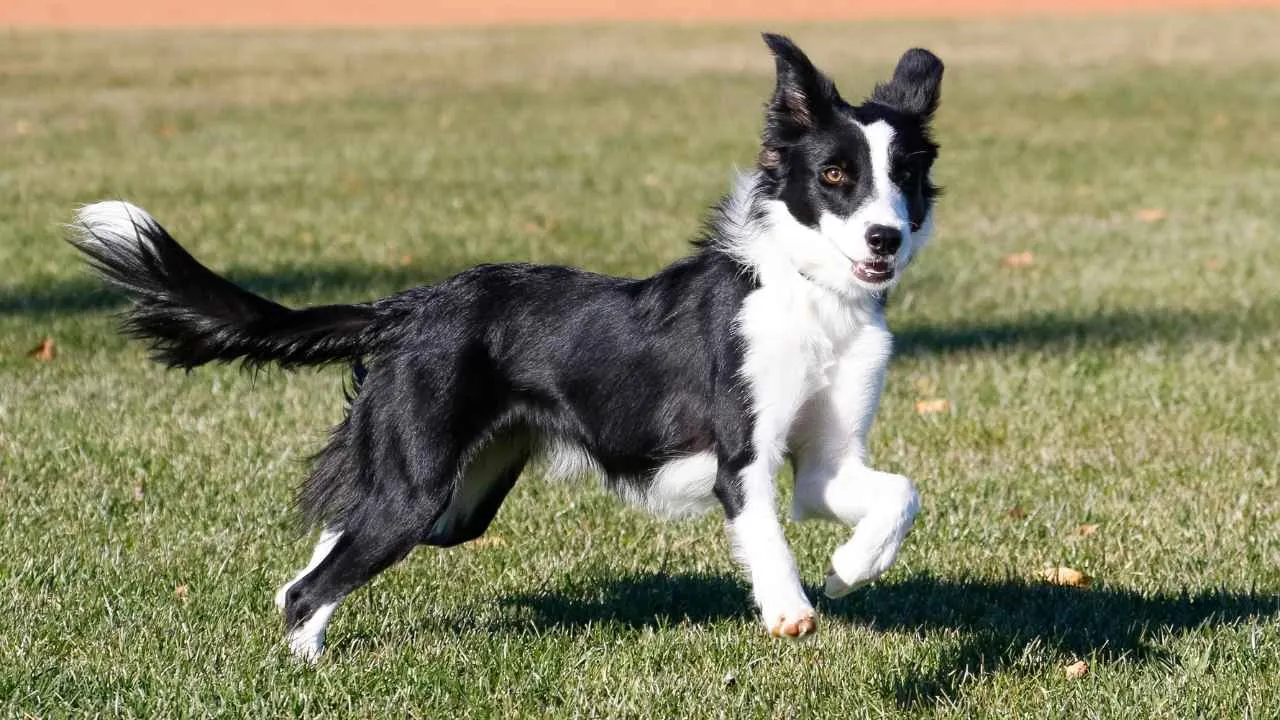
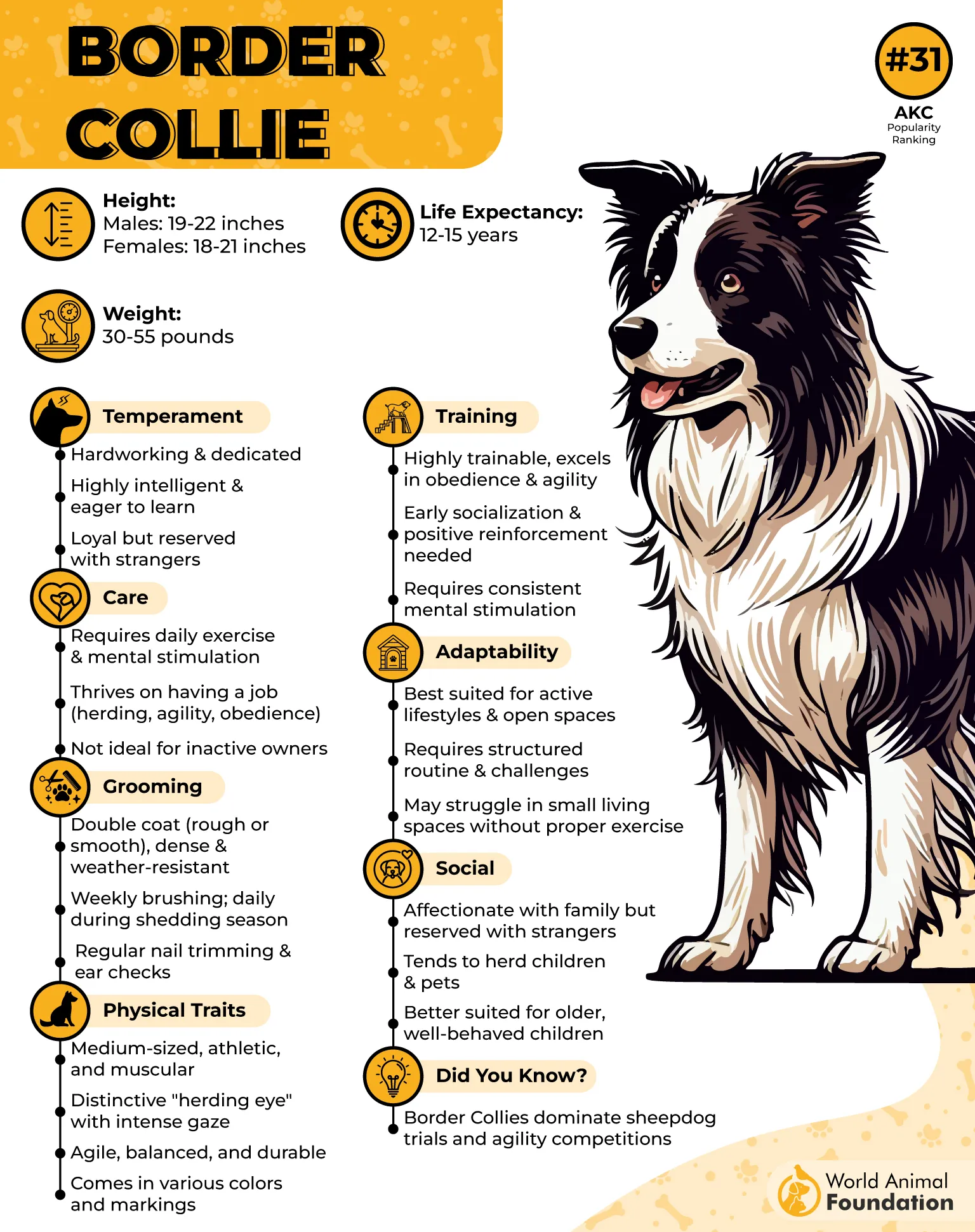
Originally bred to herd sheep, Border Collies have one of the strongest prey drives of any working breed. Their instinct isn’t just to chase—it includes stalking, fixing an intense gaze, and controlling movement with incredible precision.
This natural drive, combined with unmatched intelligence and endless energy, makes them exceptional at herding, dog sports, and other demanding jobs.
Why They Stand Out
Powerful instinct to stalk, chase, and herd moving animals
Exceptionally intelligent and quick to learn
Highly athletic with endless energy and stamina
Excels in agility, flyball, Frisbee, obedience, and herding trials
Border Collies thrive in active homes where they have a job to do. They need at least one to two hours of daily exercise, along with plenty of mental stimulation to stay happy. Without enough activity, they may bark excessively, chew, dig, or even try to herd children, other animals, bicycles, or cars.
Their medium double coat needs brushing two to three times a week, and regular ear, nail, and dental care help keep them in top condition. PetMD mentions that they are affectionate and loyal but can be reserved with strangers, making early socialization and positive training especially important.
3. Greyhound
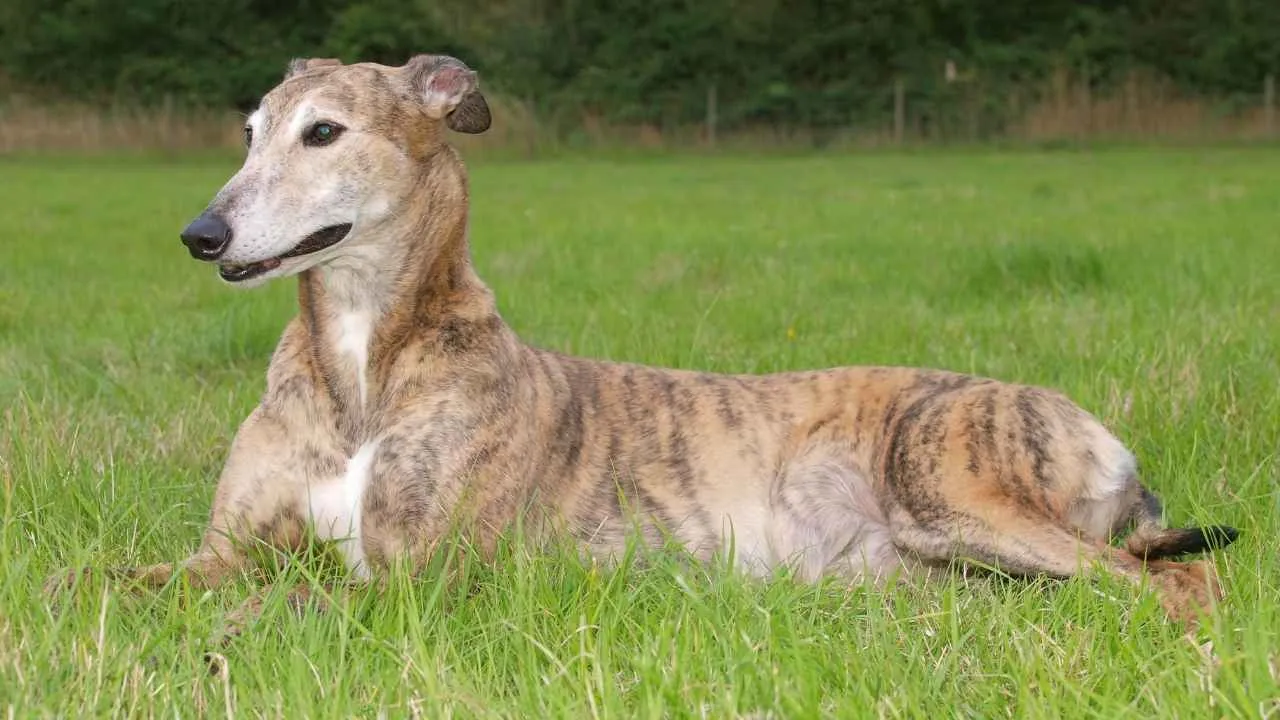
Bred as sighthounds, Greyhounds were developed to hunt by sight rather than scent. Their remarkable prey drive, incredible speed, and sharp eyesight allowed them to chase squirrels, hares, deer, foxes, and other fast-moving game across open ground.
As the fastest dog breed in the world, they can reach impressive speeds in short bursts before happily settling down to relax.
Why They Stand Out
Powerful instinct to spot and pursue prey
One of the fastest dog breeds, built for sprinting
Gentle, affectionate, and surprisingly laid-back at home
Independent thinkers with a calm and quiet personality
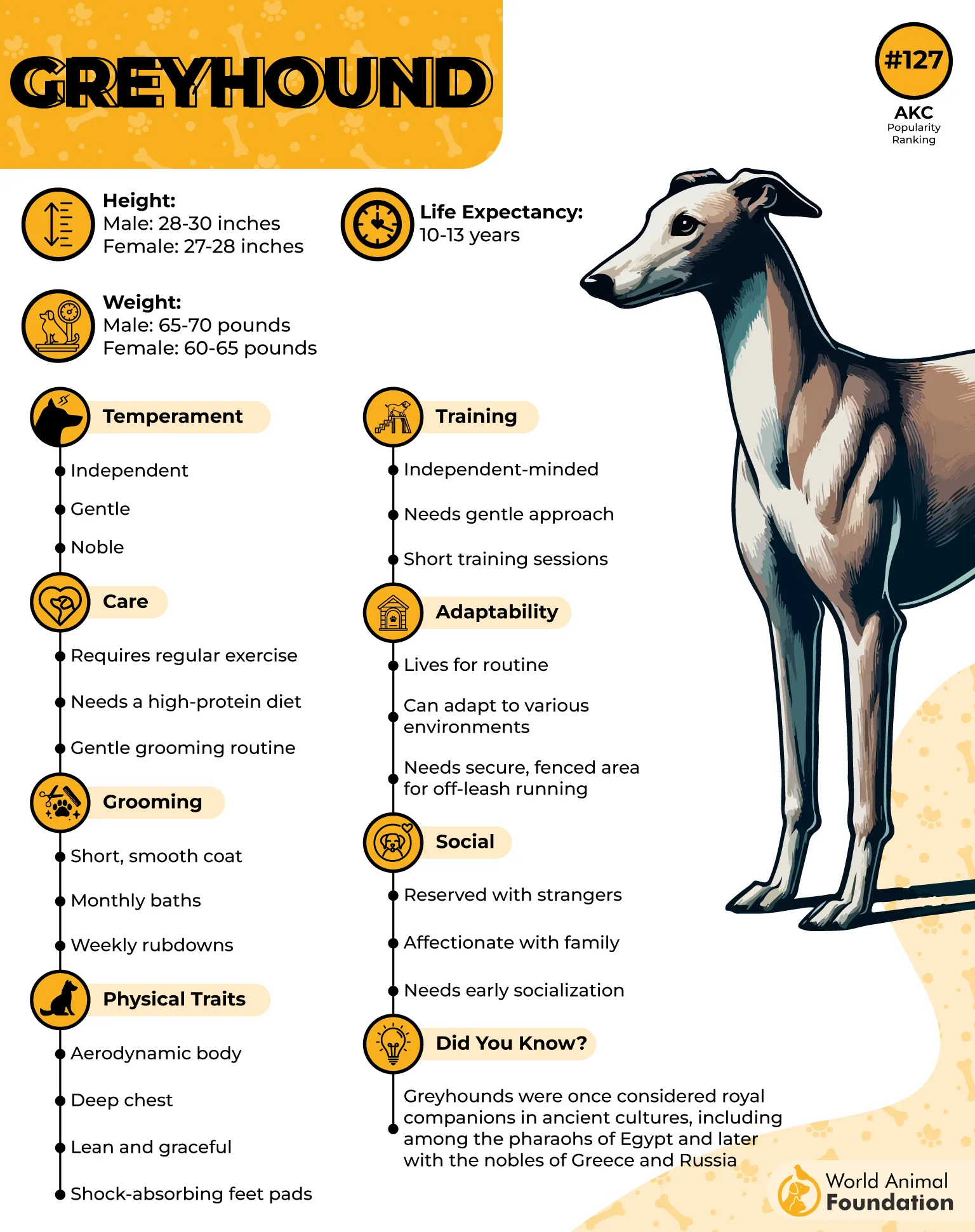
Greyhounds need a secure, fenced-in area where they can safely sprint, along with daily walks. Because of their strong prey drive, they should stay on a leash during walks and may not be suitable for homes with cats or other small pets unless raised together.
Their short coat is easy to maintain with occasional brushing and bathing, but they are sensitive to cold weather due to their low body fat. Although intelligent and eager to please, their independent nature means patient, positive training and early socialization work best.
4. Bluetick Coonhound
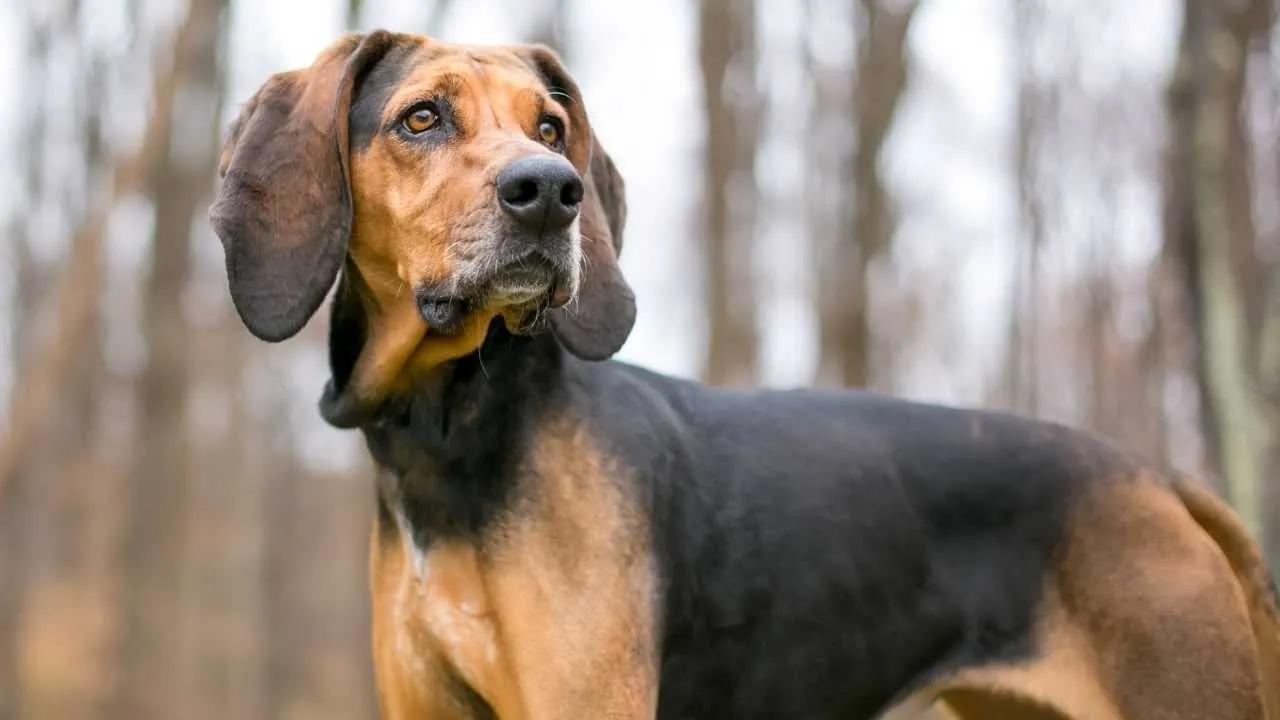
Bred as scent hounds, Bluetick Coonhounds are famous for their remarkable noses and relentless prey drive. Originally developed to track raccoons, they also hunted larger game like bears, wild boars, and cougars.
Once they catch an interesting scent, these determined hunters will follow it with incredible focus and endurance, making secure fences and leashes essential.
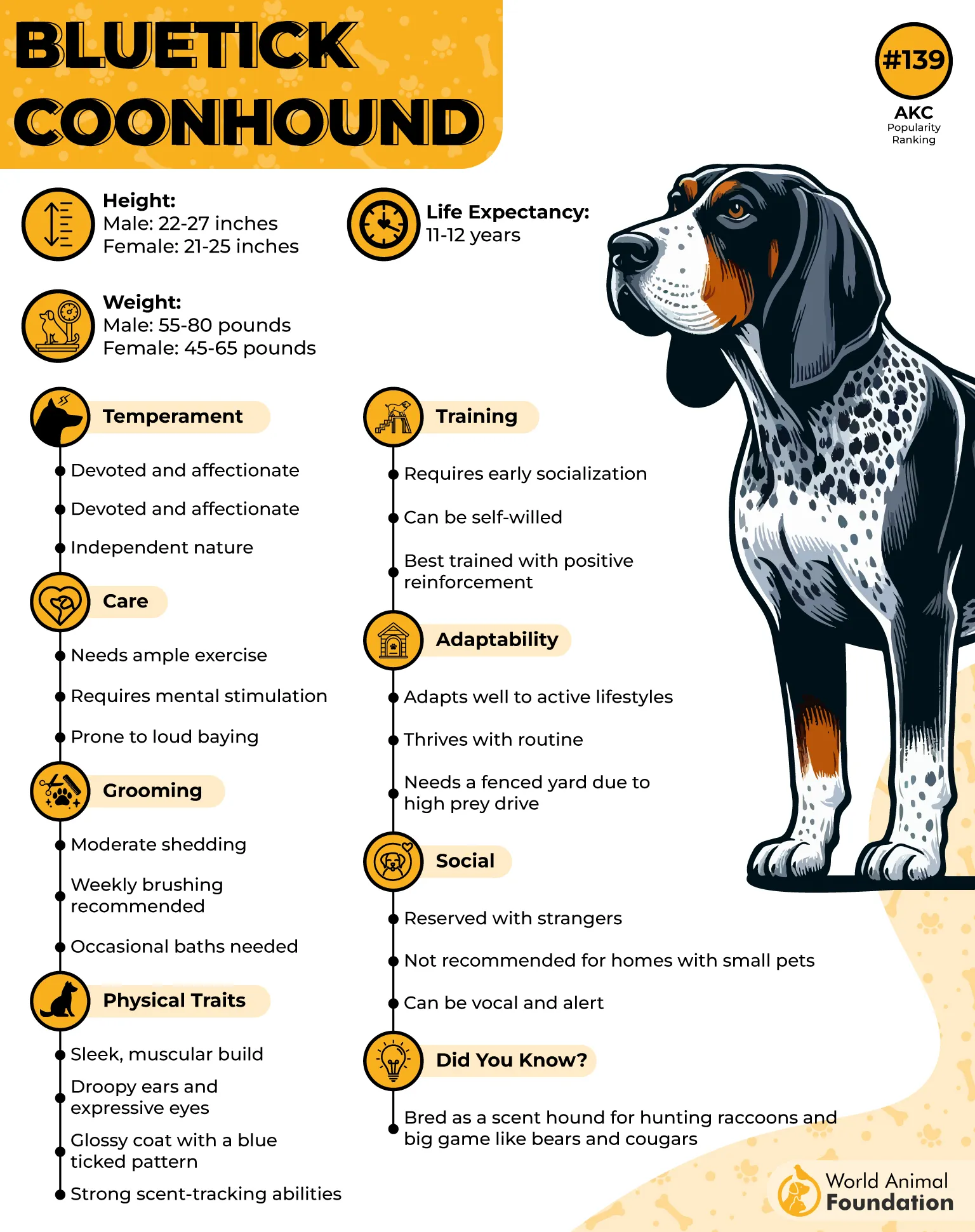
Why They Stand Out
Outstanding scent-tracking ability and strong hunting instincts
Excellent endurance for long hours in the field
Intelligent, affectionate, and loyal companions
Thrives in nose work, hiking, hunting, and other outdoor activities
Bluetick Coonhounds need plenty of daily exercise, mental stimulation, and close companionship to stay happy. Without enough activity, they may howl, bay, bark excessively, or become destructive.
Their short, glossy coat is easy to maintain with weekly brushing, but their long floppy ears need regular cleaning because they are prone to ear infections.
Positive, reward-based training and early socialization help channel their intelligence and strong prey drive, making them better suited for experienced owners with active lifestyles.
5. Rhodesian Ridgeback
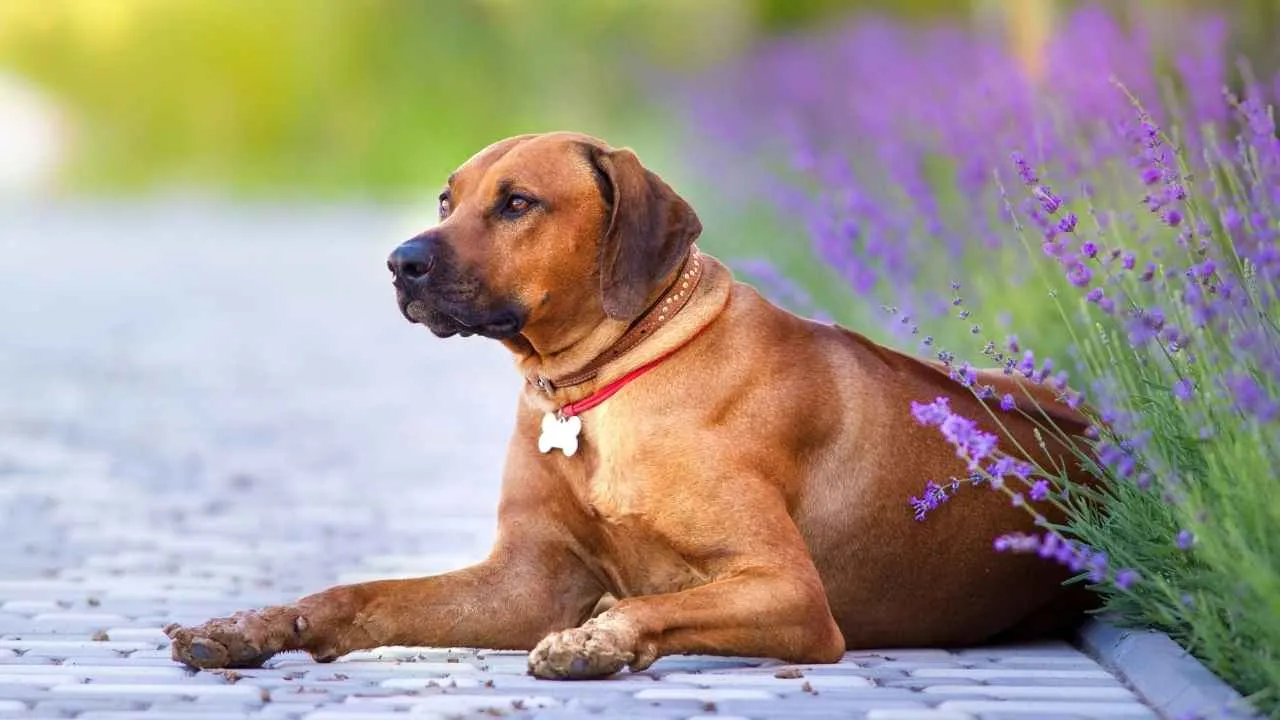
Originally bred in Africa to track and corner large game, including lions, Rhodesian Ridgebacks have a remarkable prey drive, exceptional courage, and impressive endurance.
Often called the African Lion Hound, they were developed to track and bay at dangerous animals without attacking them. Today, they are loyal family companions, but their strong hunting instincts and independent nature remain.
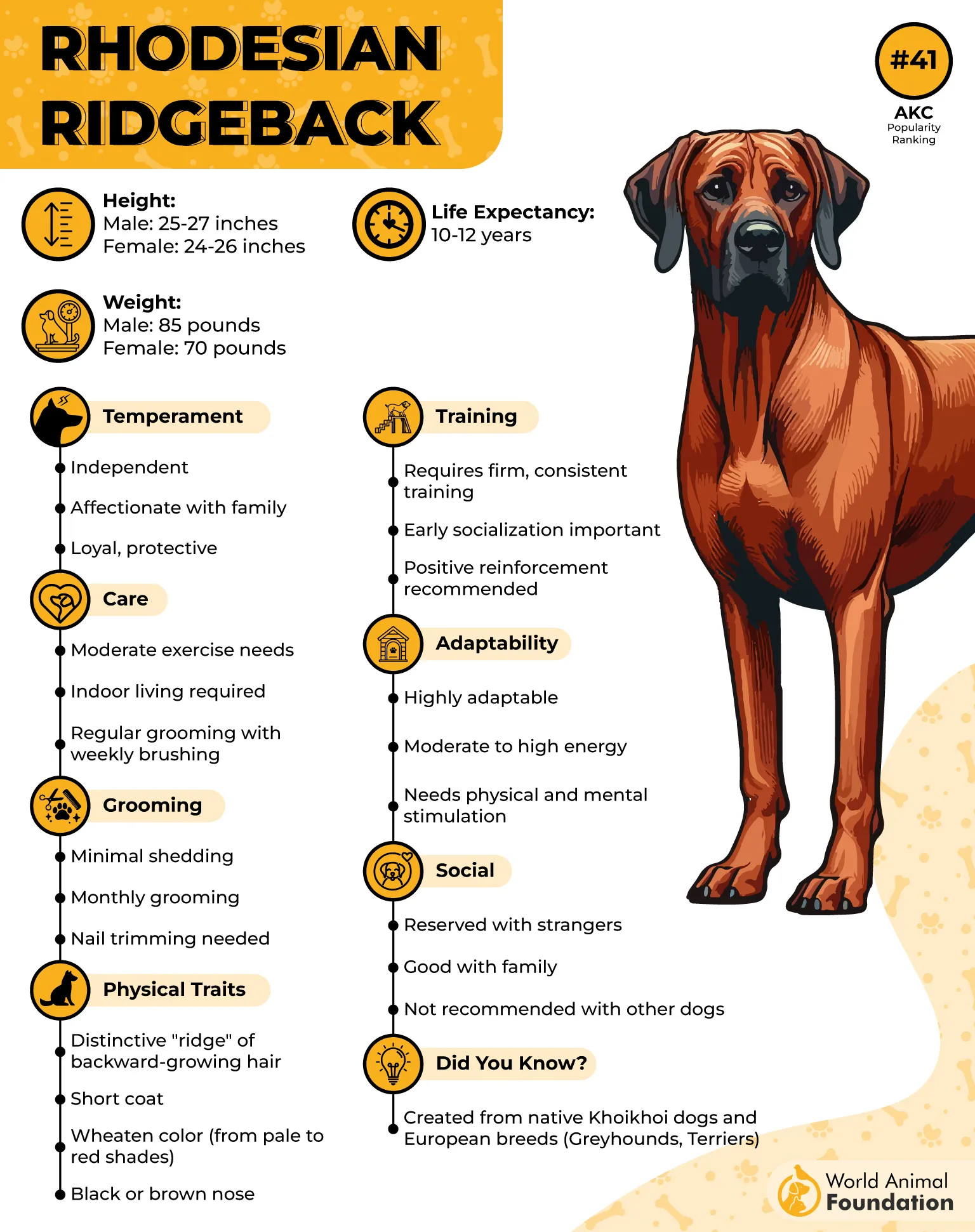
Why They Stand Out
Powerful prey drive and excellent tracking instincts
Athletic, fast, and built for endurance
Loyal, intelligent, and naturally protective
Excels in tracking, lure coursing, agility, and hiking
Rhodesian Ridgebacks need at least 45–60 minutes of daily exercise, along with mental stimulation to prevent boredom. Their strong prey drive means they should always be kept on a leash or inside a securely fenced area when outdoors.
Early socialization and positive, consistent training are essential, as they can be strong-willed and independent.
Their short wheaten coat is easy to maintain with weekly brushing and occasional baths, while regular ear, nail, and dental care help keep them healthy. Although affectionate with their families, they can be reserved around strangers and may not be the best choice for first-time dog owners.
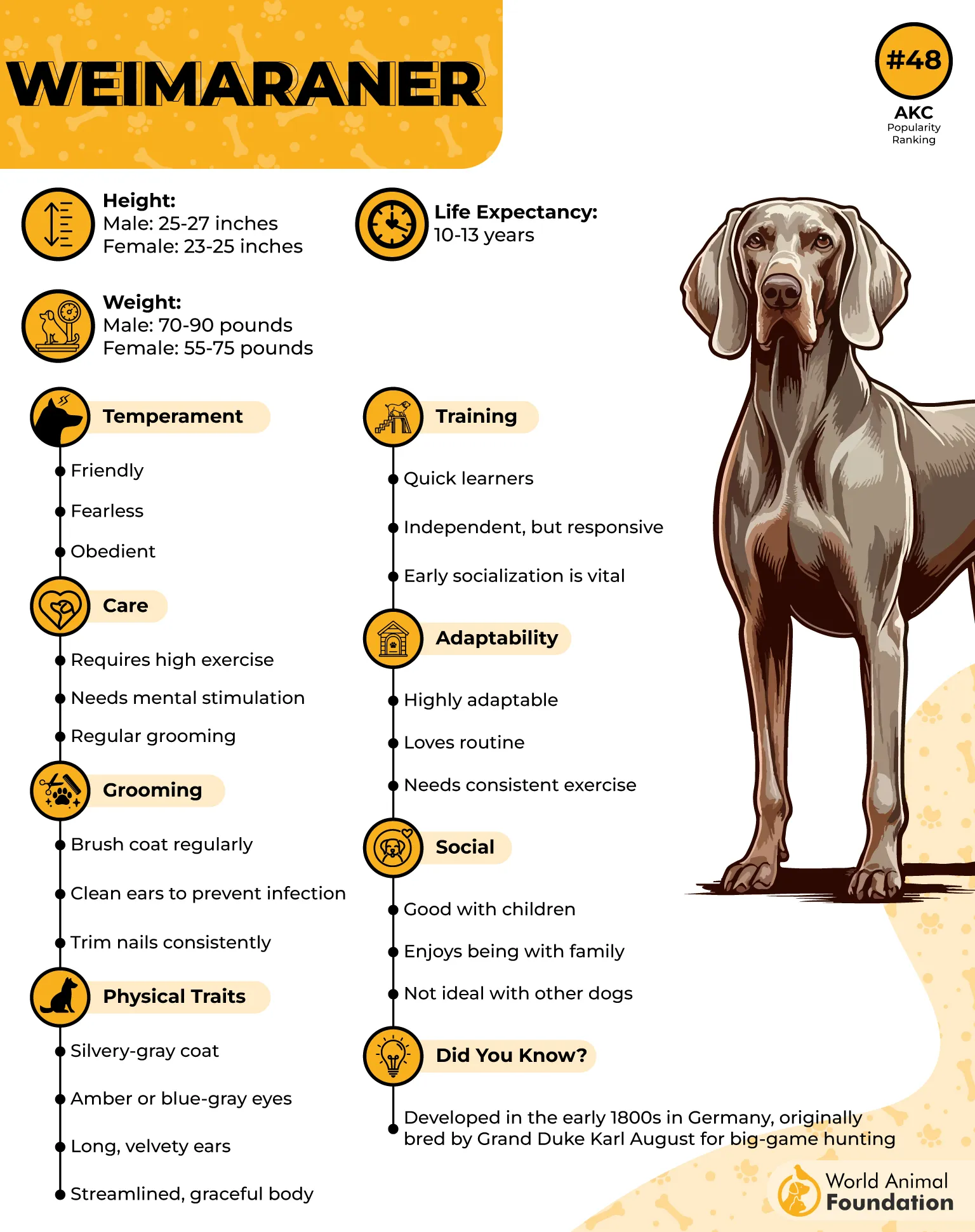
6. Weimaraner

Originally bred in Germany as an all-purpose hunting dog, the Weimaraner was developed to track and retrieve everything from small game to deer. Known for their speed, stamina, and intelligence, these athletic dogs thrive on activity and close companionship.
Often called the “Velcro Dog,” Weimaraners form strong bonds with their families and prefer to be involved in every part of daily life, as mentioned by Chewy.
Why They Stand Out
Exceptional stamina and high energy for active lifestyles
Highly intelligent, eager to learn, and versatile
Deeply loyal and affectionate with their families
Excels in hunting, tracking, agility, obedience, hiking, and running
Weimaraners require at least 2 hours of daily exercise along with plenty of mental stimulation to stay happy and well-behaved. Their strong prey drive means they should always be kept on a leash or in a securely fenced area when outdoors, as they may chase small prey.
Early socialization and consistent, positive reinforcement training are essential to manage their intelligence, independence, and occasional stubbornness.
Because they crave constant companionship, Weimaraners can develop separation anxiety and destructive behaviors if left alone for long periods, making them best suited for active families who can include them in everyday life.
7. Basenji
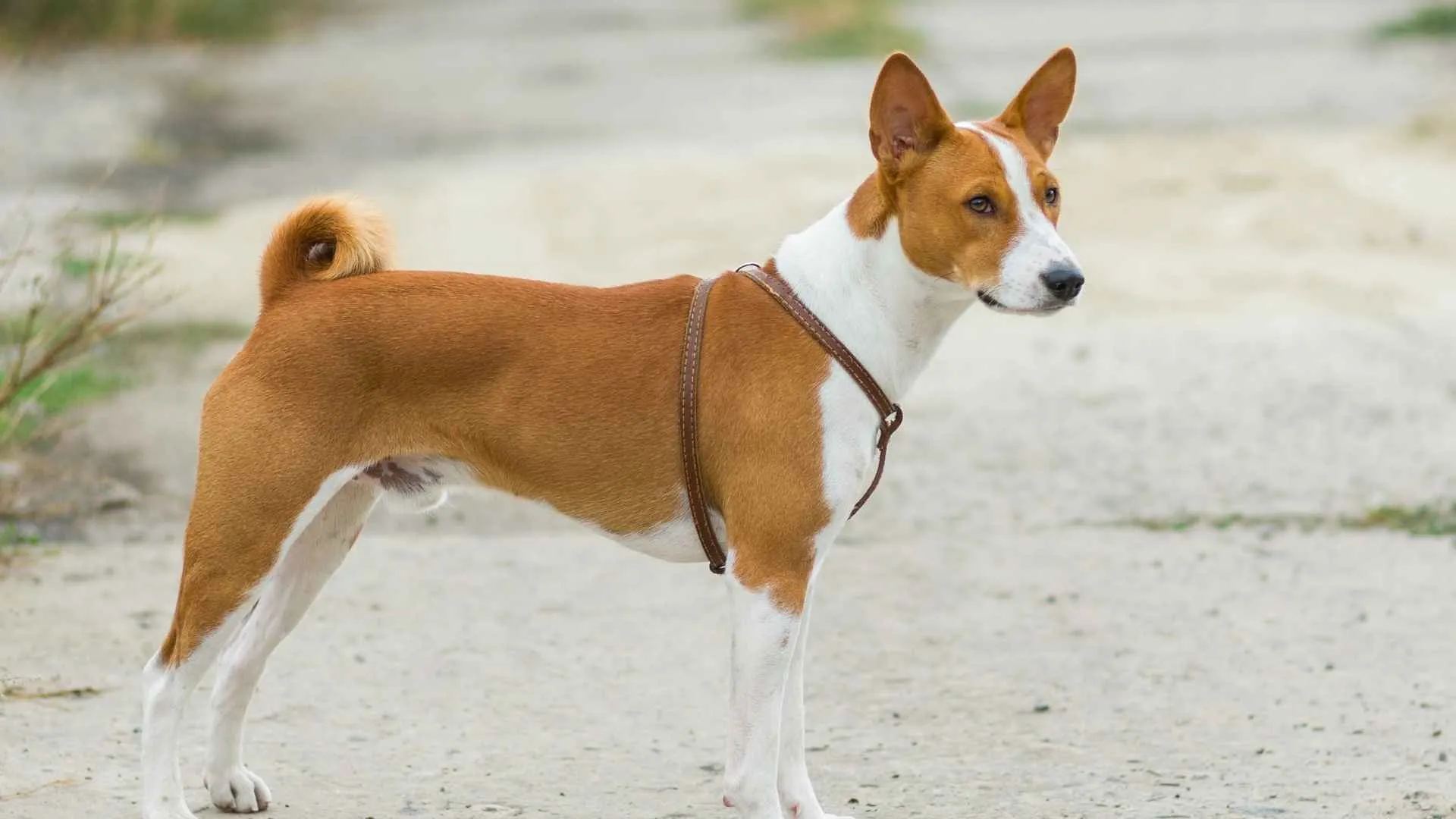
One of the world’s oldest dog breeds, the Basenji originated in Central Africa, where it was prized by hunters for its sharp senses, speed, and agility. Unlike most hounds, the Basenji hunts using both sight and scent, making it a versatile tracking companion.
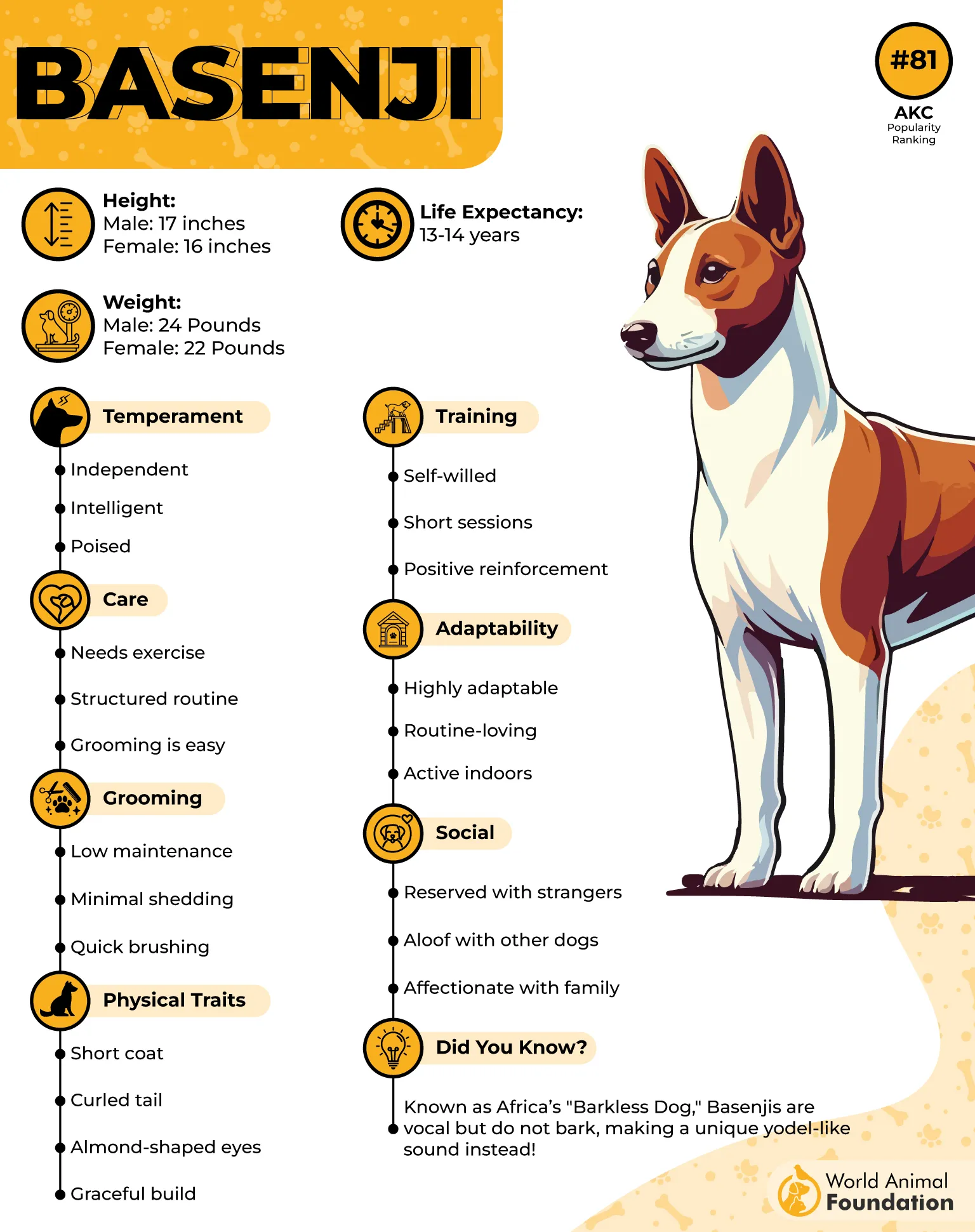
Often called the “barkless dog,” this unique breed rarely barks but instead communicates with its signature yodel-like sound known as a “barroo.”
Why They Stand Out
Famous for their unique yodeling instead of barking
Intelligent, agile, and highly energetic hunters
Cat-like grooming habits and naturally clean coat
Excels in lure coursing, scent work, agility, hiking, and running
Britannica says Basenjis need at least an hour of daily exercise along with plenty of mental stimulation to prevent boredom and destructive behavior.
Their strong prey drive and curiosity mean they should always be kept on a leash or inside a securely fenced yard, as they are skilled climbers and talented escape artists.
Early socialization and patient, positive reinforcement training are essential because they are intelligent but highly independent and stubborn.
Although deeply devoted to their families, Basenjis can be reserved around strangers, dislike being left alone, and may not be the easiest choice for first-time dog owners.
Conclusion
From fearless hunters and expert trackers to loyal family companions, each of these seven high-prey-drive dogs brings its own unique strengths, personality, and care requirements.
While they all share strong instincts, intelligence, and an active nature, choosing the right breed ultimately comes down to finding one that fits your lifestyle, experience, and ability to meet its physical and mental needs.
Before welcoming any of these remarkable dogs into your home, take the time to research the breed, meet reputable breeders or rescue organizations, and honestly assess the commitment involved.
With proper training, regular exercise, and plenty of companionship, any of these breeds can become a devoted lifelong partner and an unforgettable member of your family.
