




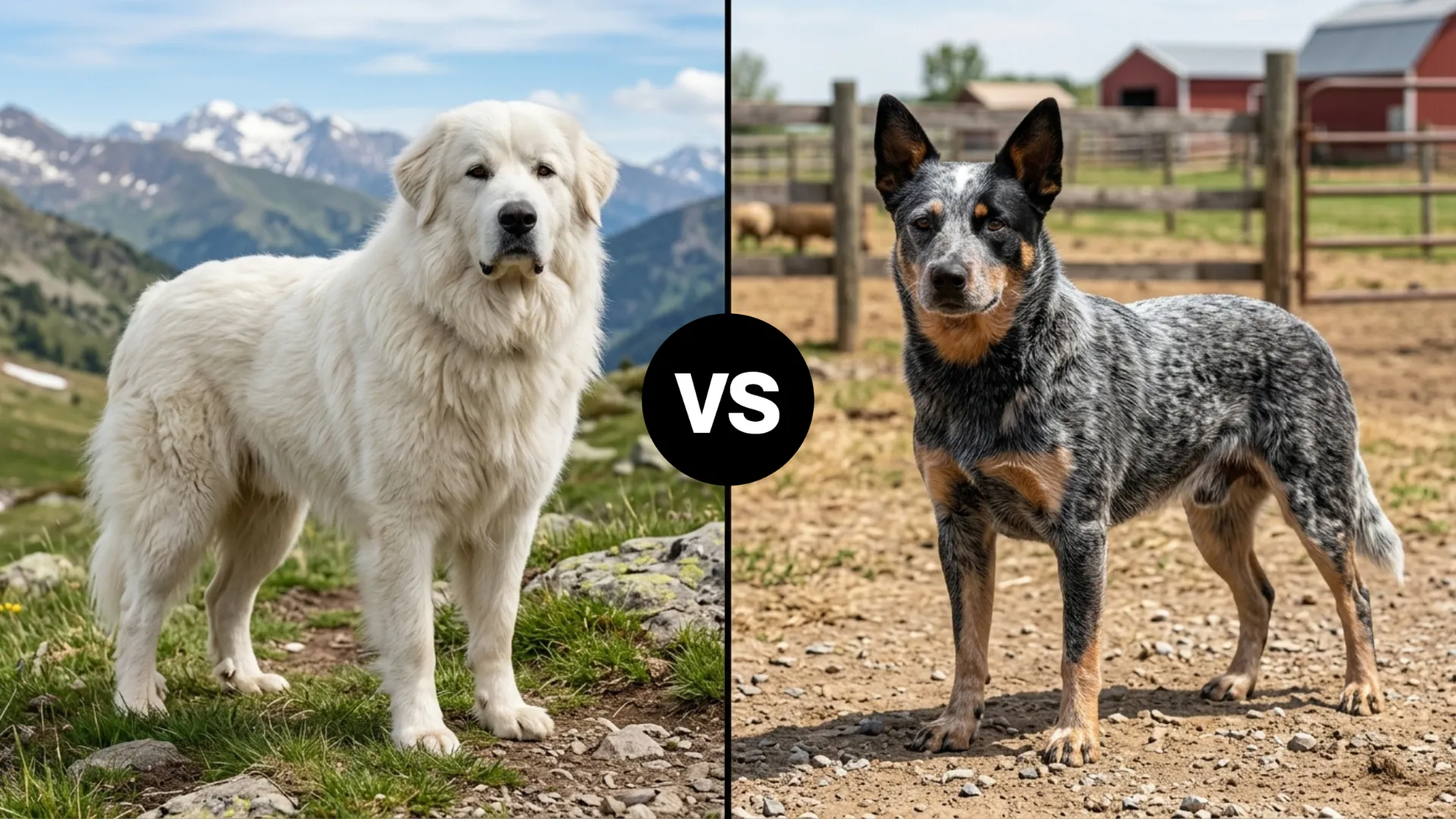
Let’s be honest—choosing a dog isn’t as simple as pointing at the cutest face. One breed might be happiest lounging in the yard while keeping a watchful eye on everything around it.
Another would rather spend the day chasing a ball, learning new tricks, or finding a job to do. Both can make incredible companions, but they’ll fit very different lifestyles.
That’s where the Great Pyrenees and Blue Heeler enter the conversation. While both are hardworking, intelligent, and fiercely loyal, they were bred for different purposes, giving each a distinct personality, energy level, and approach to family life.
So, which one is the better match for your home? In this guide, we’ll compare their temperament, exercise needs, training, grooming, health, and more, helping you understand what sets these two remarkable breeds apart before you make your decision.
Great Pyrenees vs. Blue Heeler: Dog Breeds Breakdown
Origins & Purpose
At first glance, these two breeds may seem worlds apart—and in many ways, they are. While both were developed as hardworking dogs, their original jobs shaped them into very different companions. One was trusted to guard, while the other was bred to keep livestock moving all day long.
Great Pyrenees: This gentle giant traces its roots back thousands of years to the Pyrenees Mountains between France and Spain. Bred by the Basque people, its primary job was to protect sheep from predators like wolves and bears. That history explains the breed’s calm confidence, independent thinking, and naturally protective temperament.
Blue Heeler: Developed in 19th-century Australia, the Blue Heeler was created to herd cattle across rugged landscapes. By crossing imported herding dogs with Australian dingoes, breeders produced an intelligent, resilient dog with incredible stamina and a strong work ethic.
Although their careers couldn’t have been more different, both breeds were designed to work closely with people. Today, those instincts still shine through, influencing everything from their personality and energy level to how they interact with family members.
Physical Size & Build
If size plays a big role in your decision, these two breeds couldn’t be more different. One is a towering guardian built to stand its ground against predators, while the other is a compact athlete designed to stay quick on its feet. Their body structure reflects the demanding jobs they were originally bred to perform.
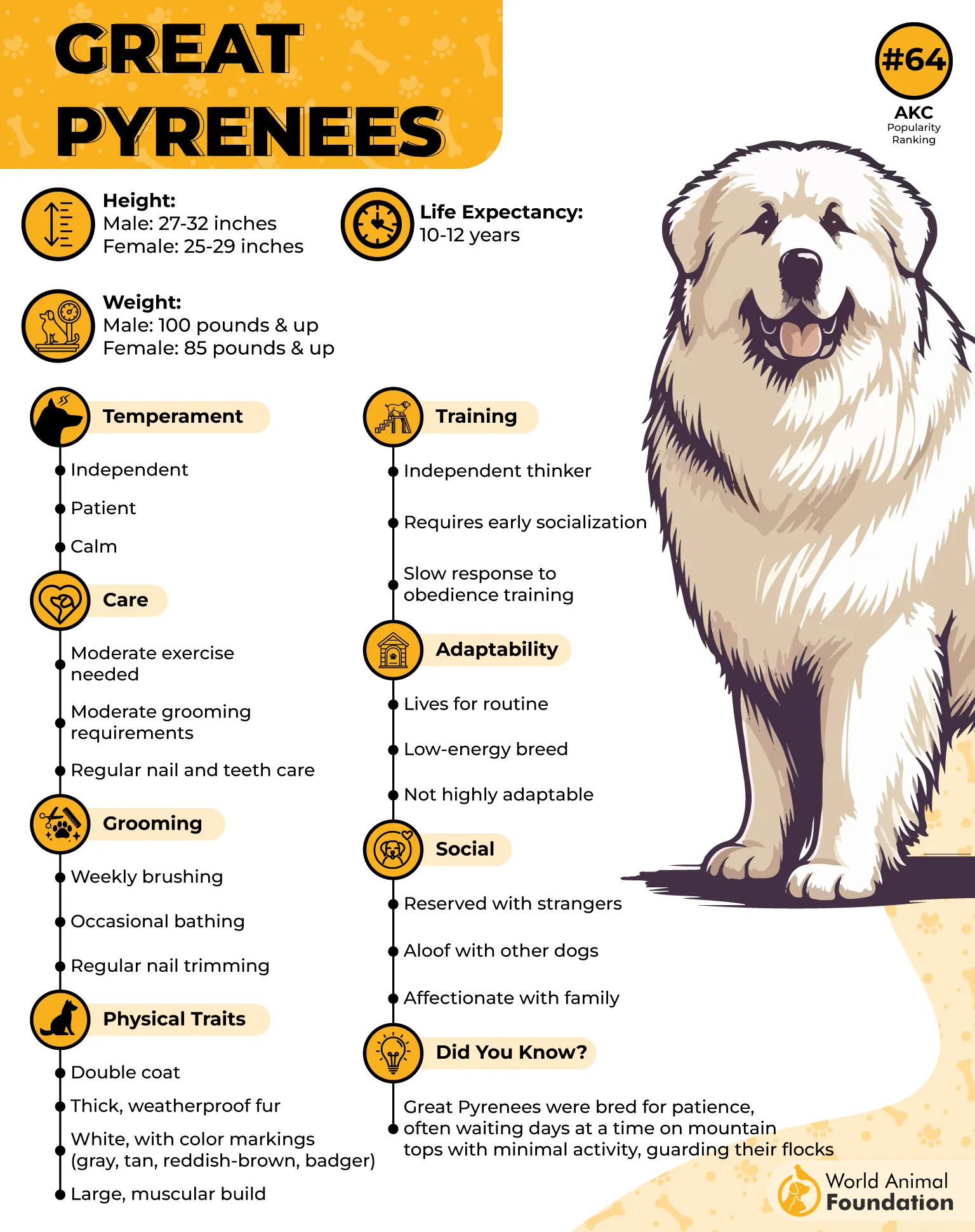
Great Pyrenees: This breed is large, muscular, and heavily built, often standing up to 32 inches tall and weighing over 100 pounds, as per the AKC. Its thick, weather-resistant double coat, broad frame, strong neck, and well-plumed tail are all suited for protecting livestock in harsh mountain conditions.
Blue Heeler: Considerably smaller, the Blue Heeler has a medium-sized, compact, and athletic build. It features a wedge-shaped head, dark almond-shaped eyes, upright ears, a sturdy neck, and a short, weather-resistant double coat that allows for speed and endurance while herding cattle, as per Wikipedia.
While the Great Pyrenees relies on sheer size and presence, the Blue Heeler impresses with agility, balance, and remarkable stamina. The better choice depends on whether you prefer a gentle giant or an energetic working companion.
Pricing & Availability
Bringing home a new dog is exciting, but it’s also a financial commitment. The purchase price is only the beginning—you’ll also need to budget for food, routine veterinary care, grooming, training, and other essentials. Fortunately, both breeds are available through reputable breeders and rescue organizations, though costs can vary widely.
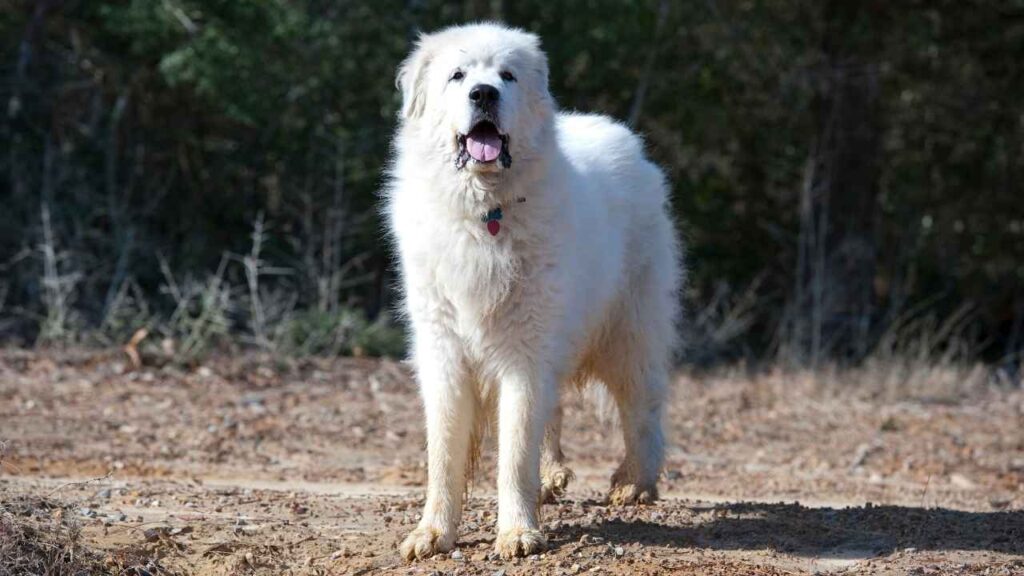
Great Pyrenees: Puppies from responsible breeders generally cost $1,100 to $2,500, while adoption fees can range from free to around $1,000, depending on the dog’s age and the rescue organization. Their large size also means higher ongoing expenses for food and healthcare.
Blue Heeler: A Blue Heeler puppy typically costs $600 to $1,000, although puppies from champion bloodlines may reach $3,000. Annual care expenses usually fall between $1,000 and $2,000, covering essentials like food, veterinary visits, and preventive care.
Before making your choice, remember that the lowest price doesn’t always mean the best value. A healthy, well-socialized puppy from a responsible breeder—or a reputable rescue—can save you high costs and challenges in the long run.
Personality & Temperament
Personality is where these two breeds really begin to show their differences. While both are loyal and protective, they express those qualities in completely different ways. One prefers to quietly watch over the family, while the other is always ready for action and thrives on having a purpose.
Great Pyrenees: Calm, gentle, and naturally protective, this breed is known for staying composed in most situations. It tends to be independent, enjoys having its own space, and may bark to alert the family when something seems unusual. While affectionate with loved ones, it can be reserved around strangers.
Blue Heeler: Energetic, highly intelligent, and eager to stay busy, the Blue Heeler forms incredibly strong bonds with its family. It has a protective personality and a natural herding instinct and can be stubborn if left without enough mental or physical stimulation, as per PetMD. Early socialization helps reduce nipping and overly protective behavior.
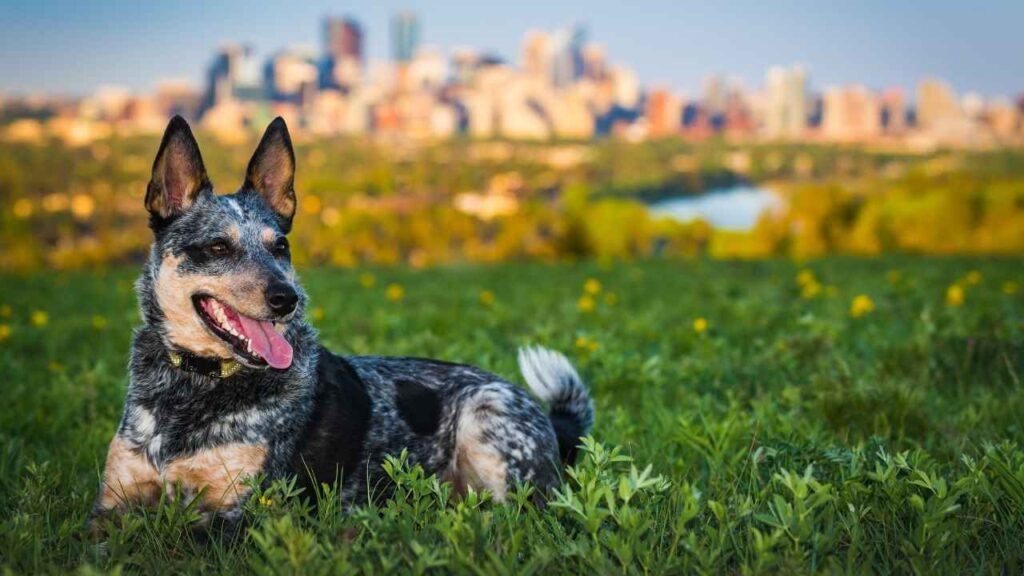
If you’re looking for a laid-back guardian, the Great Pyrenees is a strong contender. If you’d rather have an active partner that’s always ready for the next adventure, the Blue Heeler is hard to beat.
Energy Levels & Exercise Needs
When it comes to daily activity, these breeds are on opposite ends of the spectrum. One is happy with a relaxed routine and a meaningful job to do, while the other seems to wake up every morning asking, “What’s today’s mission?” Matching their energy level to your lifestyle is one of the biggest factors in choosing the right dog.
Great Pyrenees: Despite its large size, the Great Pyrenees has a moderate energy level. Daily walks, time in a secure yard, and occasional activities are usually enough to keep this breed healthy. Rather than running nonstop, it prefers calmly patrolling its surroundings and conserving energy.
Blue Heeler: Bred as a hardworking Australian Cattle Dog, the Blue Heeler has exceptionally high energy and needs plenty of exercise every day. Long walks, runs, agility, obedience, and interactive games help satisfy both its body and mind.
If your household enjoys an active lifestyle, the Blue Heeler will happily keep up. For those seeking a more relaxed yet still capable working companion, the Great Pyrenees is often the better fit.
Trainability & Intelligence
Both breeds are highly intelligent, but don’t expect them to learn in the same way. One likes to think independently before following commands, while the other loves solving problems—as long as training keeps things interesting. Understanding their learning style can make all the difference.
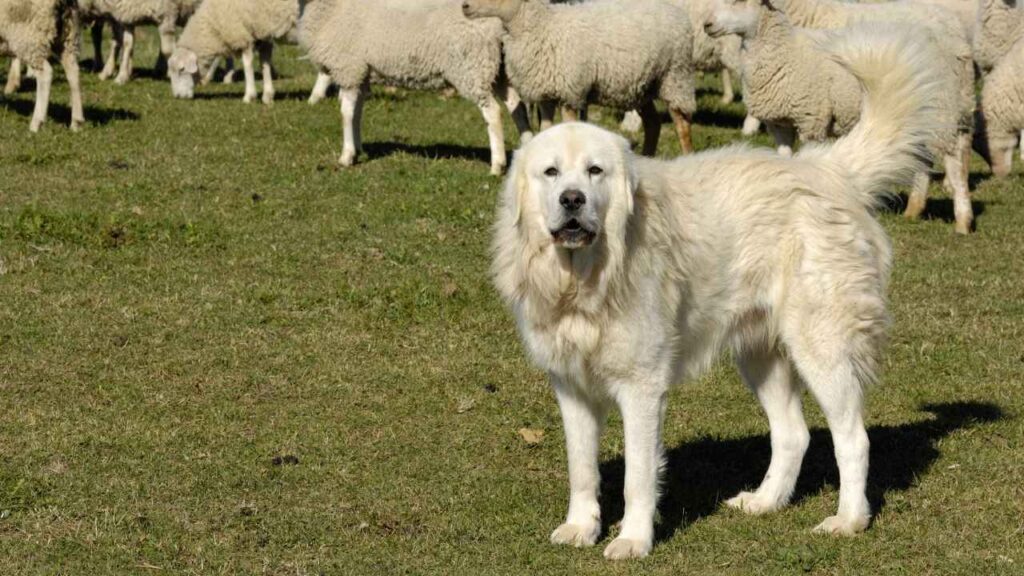
Great Pyrenees: Bred to guard livestock without constant human direction, the Great Pyrenees is an independent thinker. It can seem stubborn during training, especially if it doesn’t see a reason to follow repetitive commands. Early socialization and consistent guidance help this breed develop into a well-mannered companion.
Blue Heeler: The Blue Heeler is exceptionally intelligent and eager to learn, making it highly trainable. It excels in obedience, agility, and herding activities but needs regular mental challenges to stay engaged. Without enough stimulation, boredom can lead to unwanted behaviors like nipping or chewing.
If you enjoy teaching new skills and spending time on advanced training, the Blue Heeler is likely to impress you. The Great Pyrenees, meanwhile, rewards patient owners who understand that its independent nature is part of what makes this remarkable guardian so unique.
Grooming & Maintenance
A dog’s coat can be beautiful, but it also comes with responsibilities. Fortunately, neither of these breeds requires fancy haircuts, though they do have different grooming needs. Regular brushing goes a long way in keeping their coat healthy and your home a little less covered in fur.
Great Pyrenees: This breed has a thick double coat with a long, weather-resistant outer layer. It tends to shed heavily, especially during seasonal changes, so weekly brushing is recommended to remove loose hair and prevent matting. Routine flea, tick, and coat care are also important since these dogs enjoy spending time outdoors.
Blue Heeler: The Blue Heeler has a short, dense double coat that’s easier to maintain but still sheds throughout the year. A quick brushing several times a week—and more often during seasonal shedding—helps keep loose fur under control. Occasional baths and regular nail trims are usually all that’s needed.
If you don’t mind extra brushing, the Great Pyrenees rewards you with a stunning coat. If lower-maintenance grooming sounds more appealing, the Blue Heeler has the advantage.
Health & Lifespan
Both breeds have a reputation for being hardy, but neither is completely free from inherited health concerns. Routine veterinary checkups, a nutritious diet, regular exercise, and health screenings can help your dog enjoy a long, healthy life.
Great Pyrenees (average lifespan: 10–12 years)
Hip and elbow dysplasia: Joint conditions that can cause pain, stiffness, and reduced mobility over time.
Bloat (GDV): A life-threatening condition in which the stomach twists, requiring immediate emergency care.
Eye disorders: Conditions such as cataracts, entropion, and inherited retinal diseases may affect vision.
Patellar luxation: The kneecap can slip out of place, leading to limping or discomfort.
Neuronal degeneration: A rare inherited neurological disorder that affects movement and coordination, often beginning in puppies.
Blue Heeler (average lifespan: 12–16 years)
Progressive retinal atrophy (PRA): An inherited eye disease that gradually leads to vision loss.
Deafness: Some Blue Heelers inherit hearing loss, though they can still live happy, active lives with proper training.
Hip dysplasia: May cause joint pain, stiffness, and arthritis as the dog gets older.
Heart conditions: Although uncommon, some dogs may develop inherited heart problems that require veterinary monitoring.
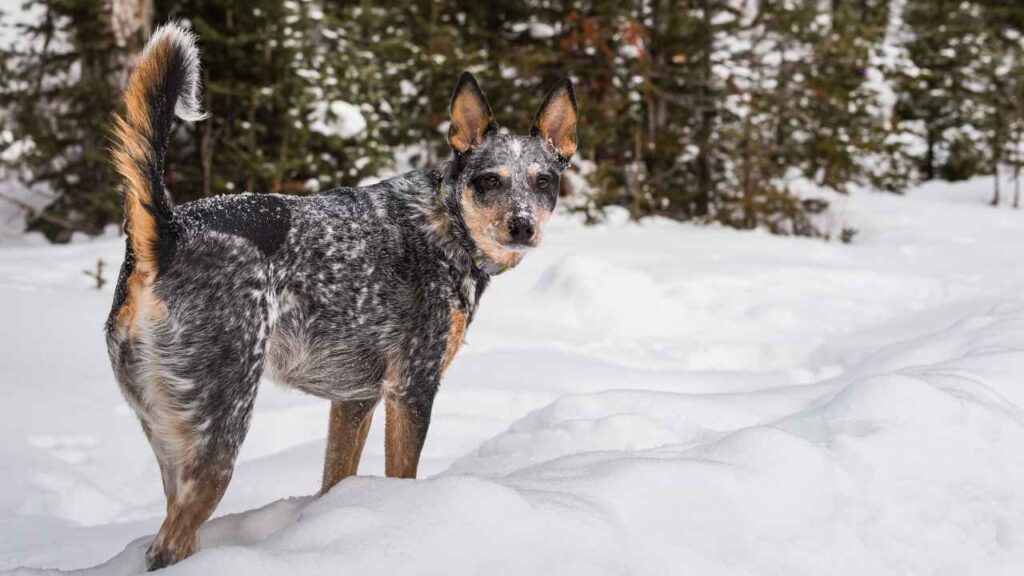
Overall, the Blue Heeler tends to have a slightly longer lifespan, while the Great Pyrenees may need closer monitoring for orthopedic issues and bloat due to its larger size. Choosing a responsible breeder or reputable rescue can significantly reduce the risk of inherited health problems.
Great Pyrenees vs. Blue Heeler: Which Breed Fits Your Lifestyle Best?
There isn’t a one-size-fits-all winner in this comparison—only the breed that best matches your lifestyle. If you want a calm, patient guardian that enjoys a quieter routine and naturally watches over your home, the Great Pyrenees is an excellent choice. Its gentle nature and protective instincts make it a wonderful companion for families with plenty of space.
The Blue Heeler, on the other hand, is better suited to active owners who enjoy spending time outdoors and can provide daily exercise, training, and mental challenges. This breed thrives when it has a job to do and loves being involved in family activities.
Before making your decision, consider your living space, activity level, grooming expectations, and the amount of time you can dedicate to training. When your lifestyle matches your dog’s instincts, both the Great Pyrenees and the Blue Heeler can become loyal, loving companions for many years to come.
Conclusion
The Great Pyrenees and Blue Heeler may both be hardworking, loyal breeds, but they bring very different strengths to the table. One is a calm, protective guardian that prefers a steady pace, while the other is an energetic problem-solver that’s happiest when staying active.
From their size and temperament to their exercise needs and grooming requirements, each breed is suited to a different type of owner.
Before making your choice, take an honest look at your daily routine, living space, and the amount of time you can dedicate to training and care. A dog that fits your lifestyle is far more likely to become a happy, well-adjusted companion.
Still deciding? Spend time meeting both breeds through reputable breeders or local rescue organizations whenever possible. Sometimes, the right dog isn’t just the one that checks every box—it’s the one that feels like the perfect addition to your family.
