




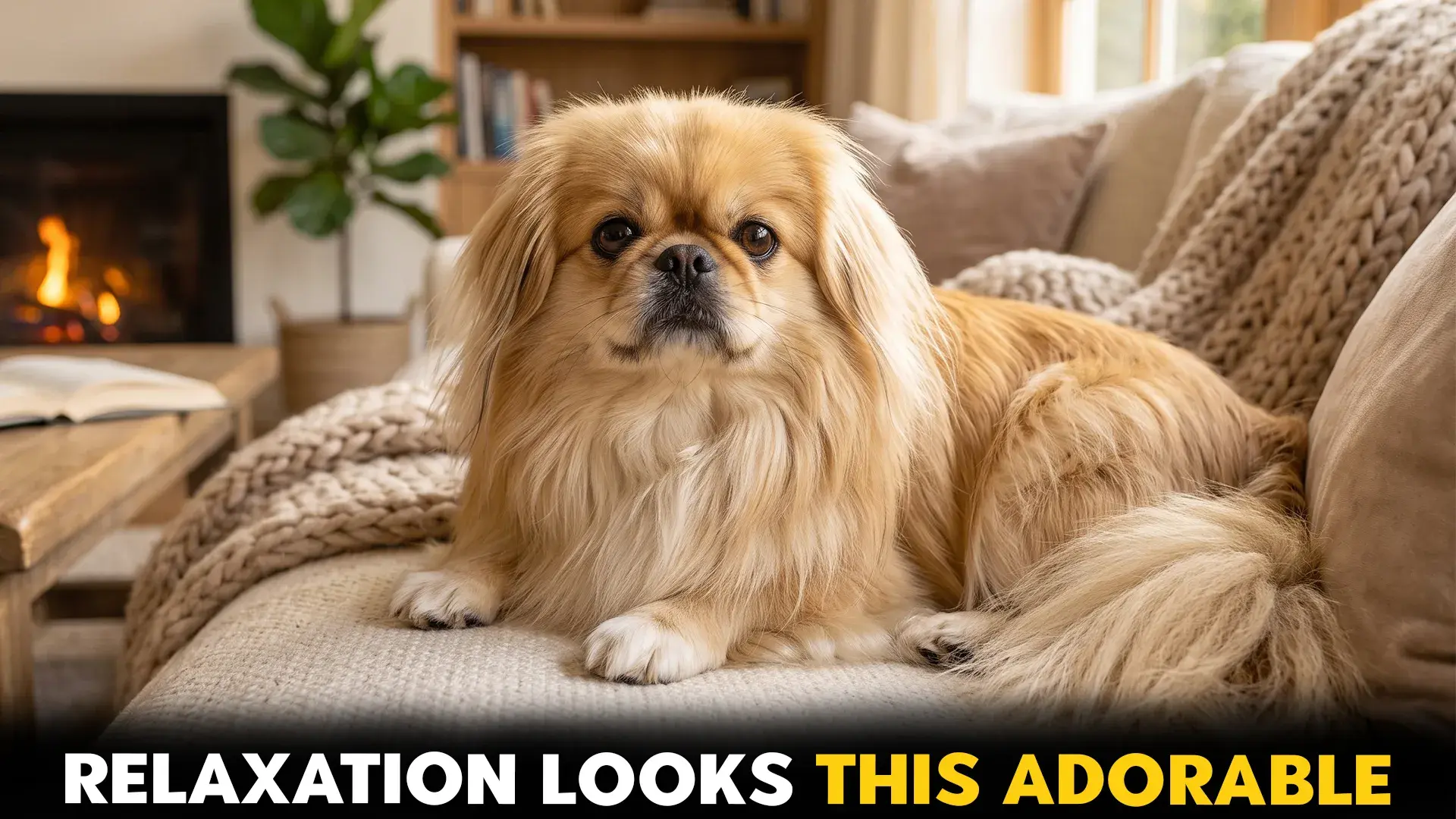
Some dogs treat every morning like an invitation to launch a full-scale sporting event, but others are perfectly happy to embrace a slower rhythm. They enjoy leisurely walks, familiar routines, comfortable sleeping spots, and the deeply important responsibility of keeping the sofa warm.
For people who prefer peaceful evenings over nonstop chaos, these comfy companions can feel like the canine equivalent of switching your phone to “do not disturb.”
The seven breeds below range from tiny royal lapdogs to enormous hounds and powerful guardians. Some are naturally mellow, while others become settled housemates only after receiving appropriate activity and firm guidance. Think of this list as a starting point for finding a dog that appreciates quiet companionship without assuming that “comfy” means effortless.
Comfy Dog Breeds Ideal for a Relaxed Home Life
1. Clumber Spaniel
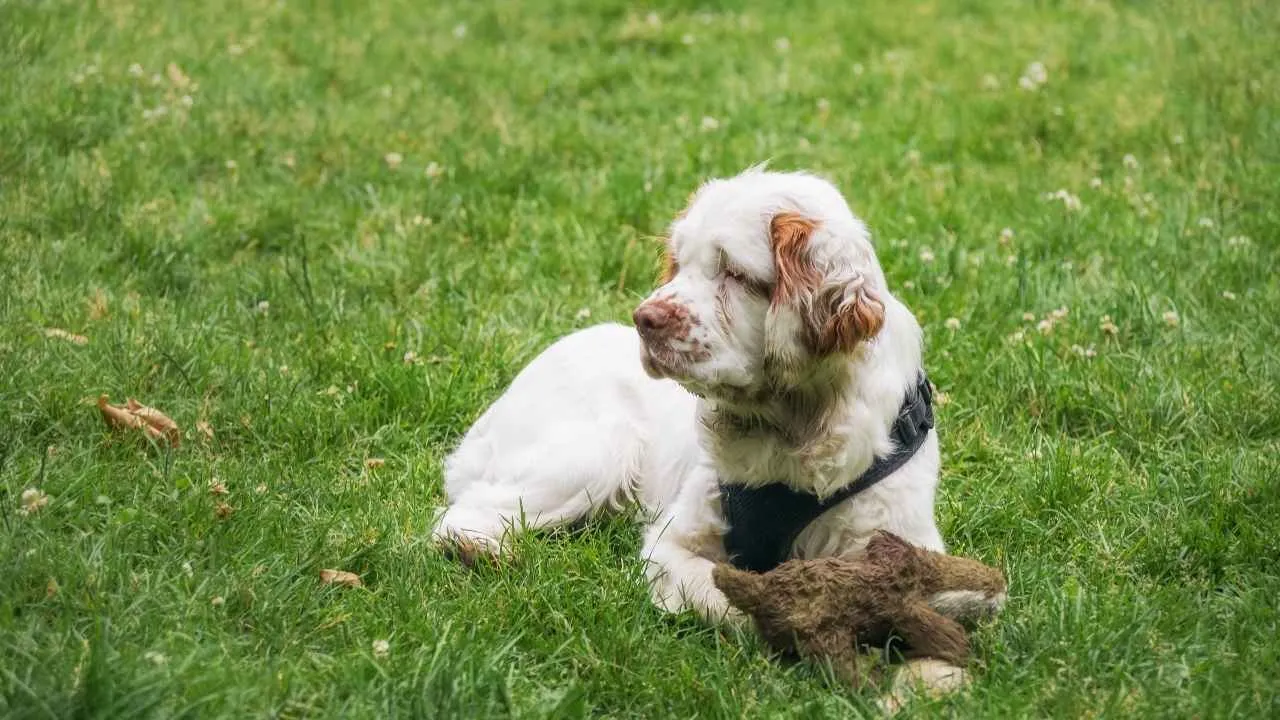
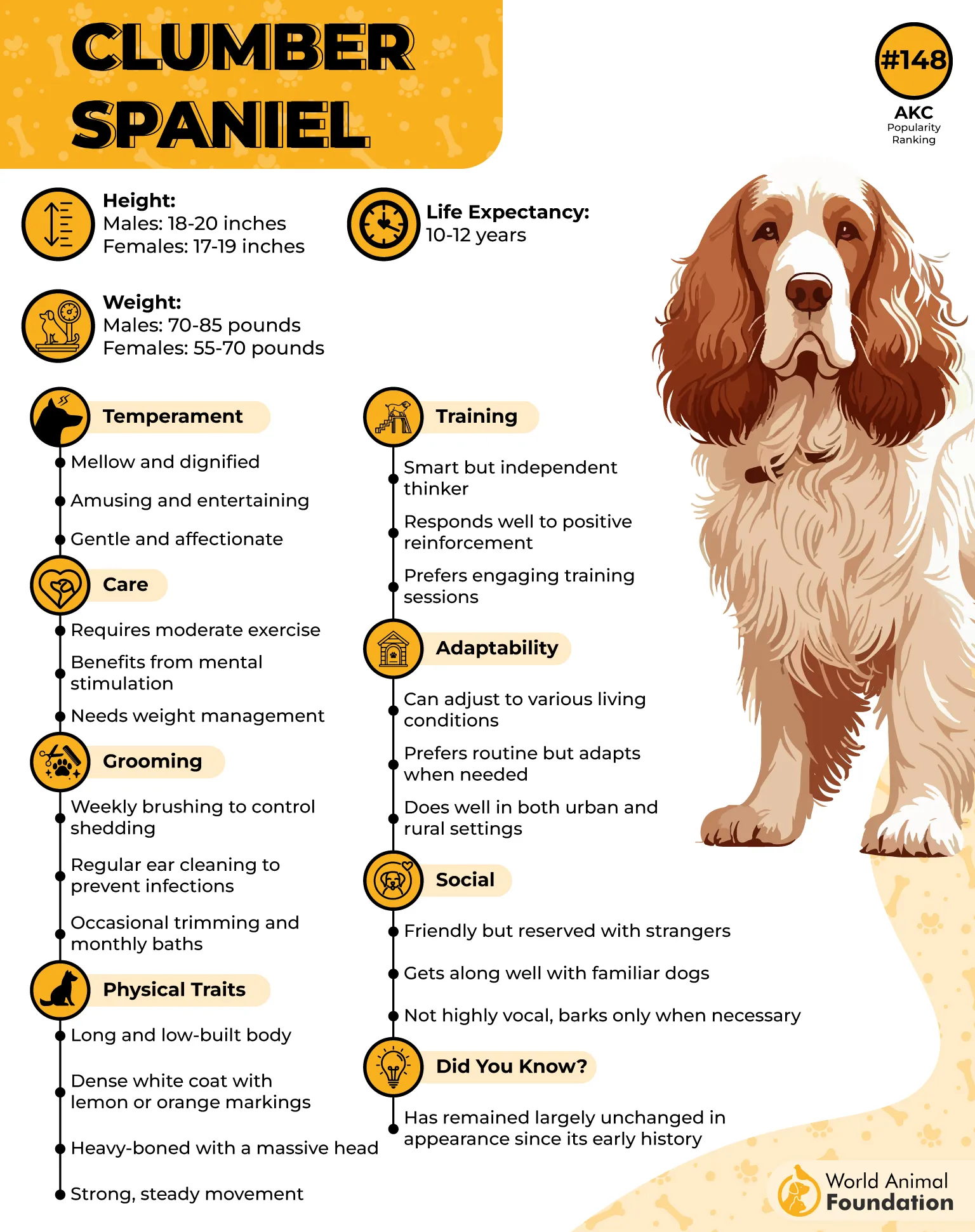
The Clumber Spaniel has the build of a serious working dog and the facial expression of someone who has just been awakened from an elite nap. This substantial, low-set spaniel was developed to move through dense undergrowth while flushing game, so there is real strength beneath that slow-and-steady exterior.
The American Kennel Club describes the Clumber as the largest of its flushing spaniels and an amiable, mellow companion. At home, a well-exercised Clumber often settles into a peaceful routine and enjoys staying near family members without demanding constant entertainment.
These low-energy dogs tend to be affectionate and good-natured, although they can also possess the selective hearing of a roommate who definitely heard you but chose inner peace. They typically need moderate exercise. Daily walks, time to sniff, and gentle play usually suit this breed well.
These Spaniel dogs still need regular walks, sniffing opportunities, play, and mentally engaging training because their sporting heritage has not disappeared just because the sofa arrived. They may not race around with the intensity of lighter spaniels, but they can be surprisingly determined when an interesting scent enters the chat.
Their dense coat requires more maintenance than their relaxed personality might suggest. Regular brushing helps manage loose fur, feathering, and outdoor debris, while their ears, skin folds, nails, and teeth require routine attention.
These dogs, known for their calm temperament, need enough space to move comfortably, and stairs may become difficult for an older or physically compromised dog due to the breed’s heavy structure.
2. Pekingese
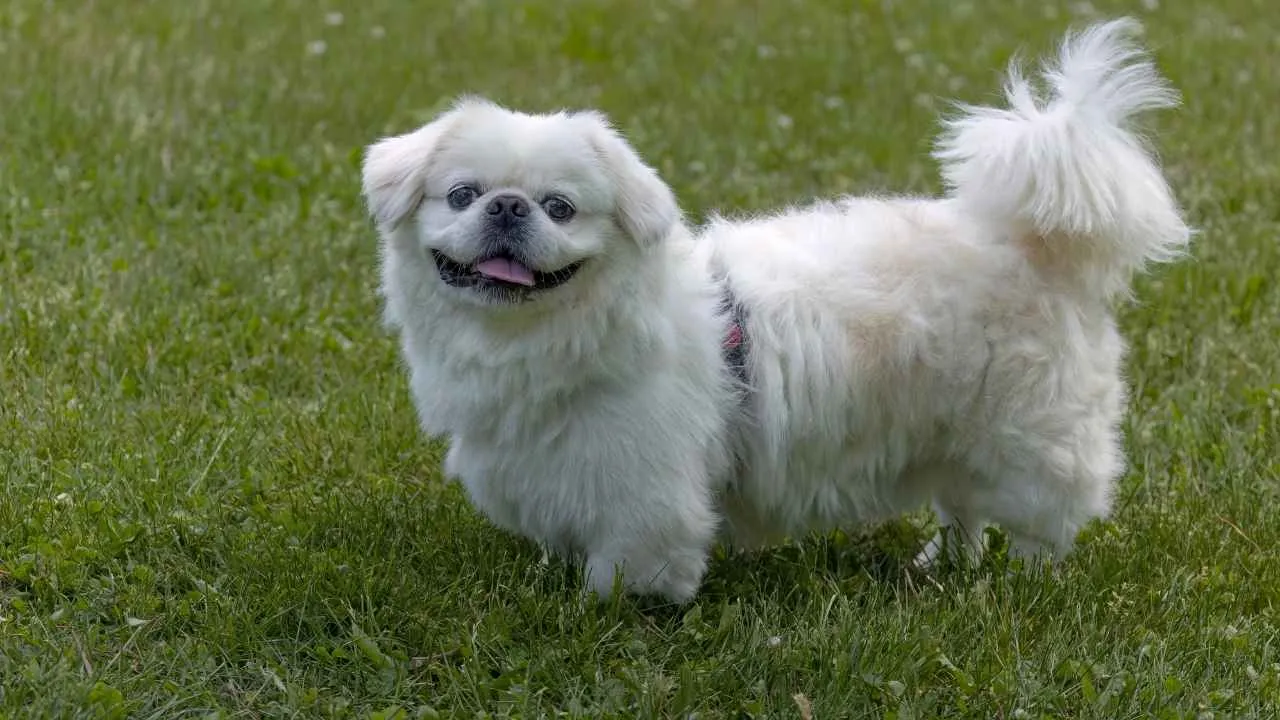
The Pekingese enters a room with the confidence of a tiny monarch inspecting a newly acquired palace. Developed as a treasured companion of China’s imperial household, the breed carries centuries of lapdog history in a compact, lionlike frame.
These lap dogs can enjoy a peaceful home because they generally do not require marathon exercise sessions or a garden large enough to host a canine Olympics. Short walks, gentle indoor play, and opportunities to explore at their own pace may satisfy many healthy adults.
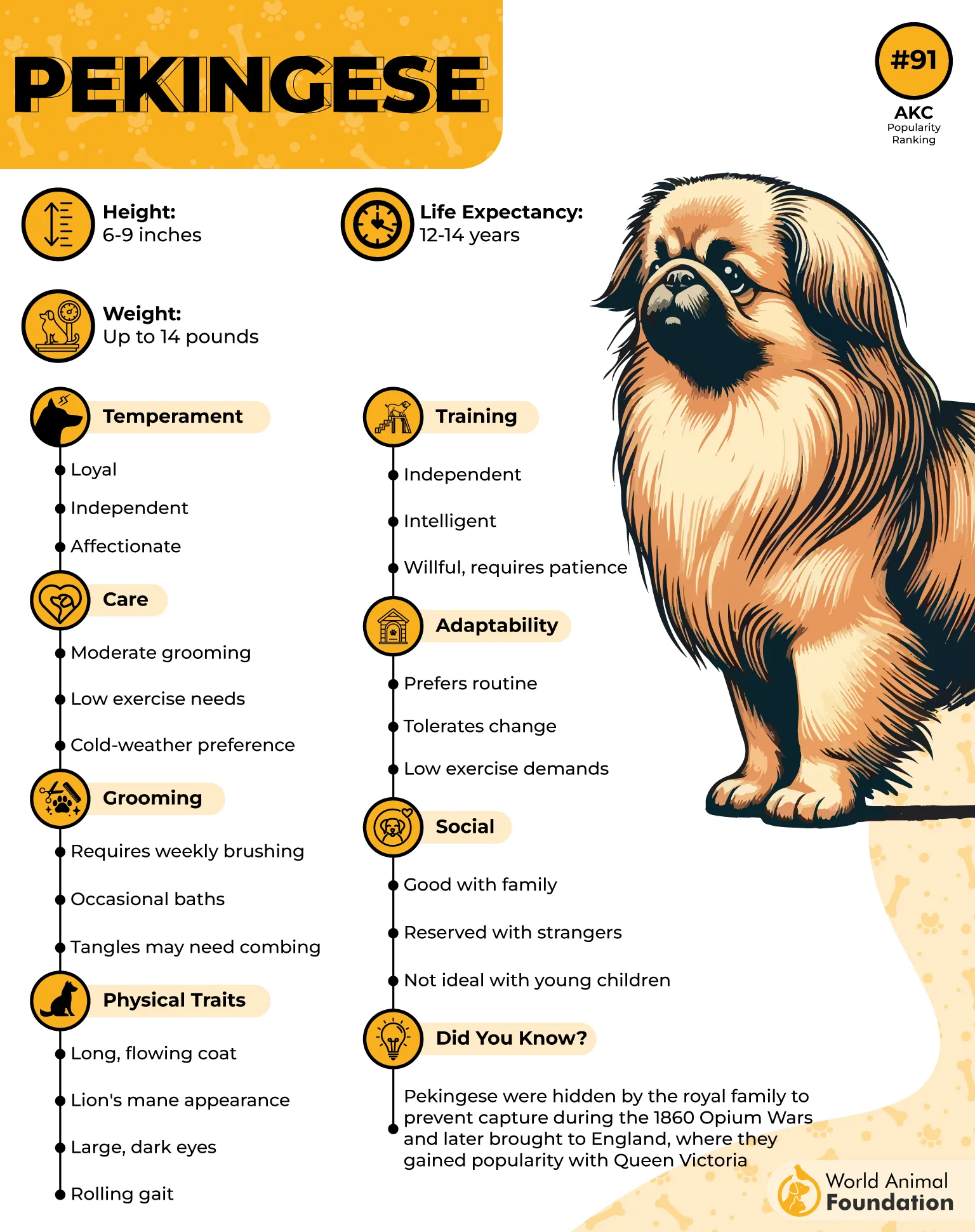
Their independent streak with a gentle temperament means training should be patient, respectful, and rewarding rather than confrontational. These dogs, with a calm demeanor, are intelligent enough to understand the lesson but may pause to consider whether following it would support their personal brand.
The glamorous double coat brings a serious grooming commitment, especially when kept long. Frequent brushing helps prevent tangles and mats, while the facial area, eyes, ears, nails, and skin require careful monitoring.
Because the Pekingese is a flat-faced breed, heat, humidity, and strenuous exercise require particular caution. VCA Animal Hospitals notes that brachycephalic dogs can experience breathing difficulties, making open nostrils and responsible breeding important considerations.
3. Basset Hound
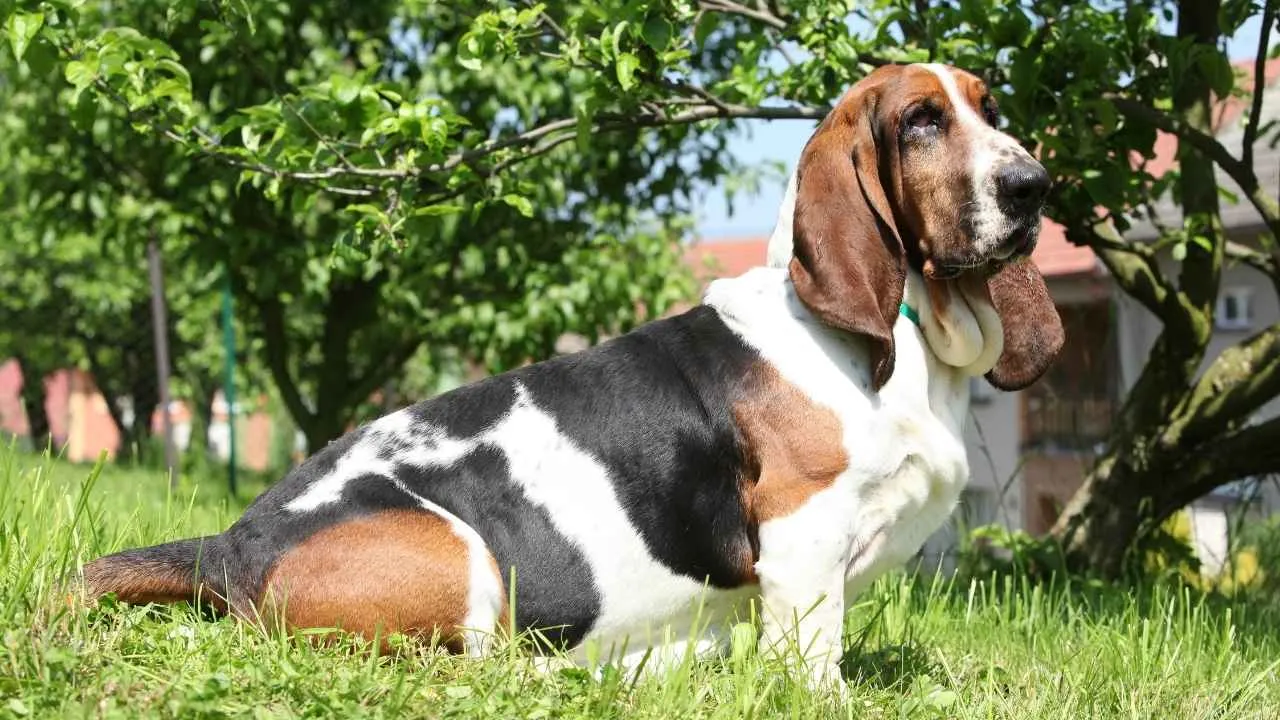
The Basset Hound looks as though it has never rushed for anything except a snack, but that famously low body was built for endurance scent work. Its powerful nose, long ears, and deliberate movement helped hunters follow game over long distances at a manageable pace.
Inside the home, these apartment dogs are commonly mild, agreeable, and loyal companions. They often enjoy lounging near their people, observing household life with an expression that suggests they have already forgiven everyone for being slightly disappointing.
Their calm indoor manner can work beautifully in relaxed homes when their physical and emotional needs are consistently met.
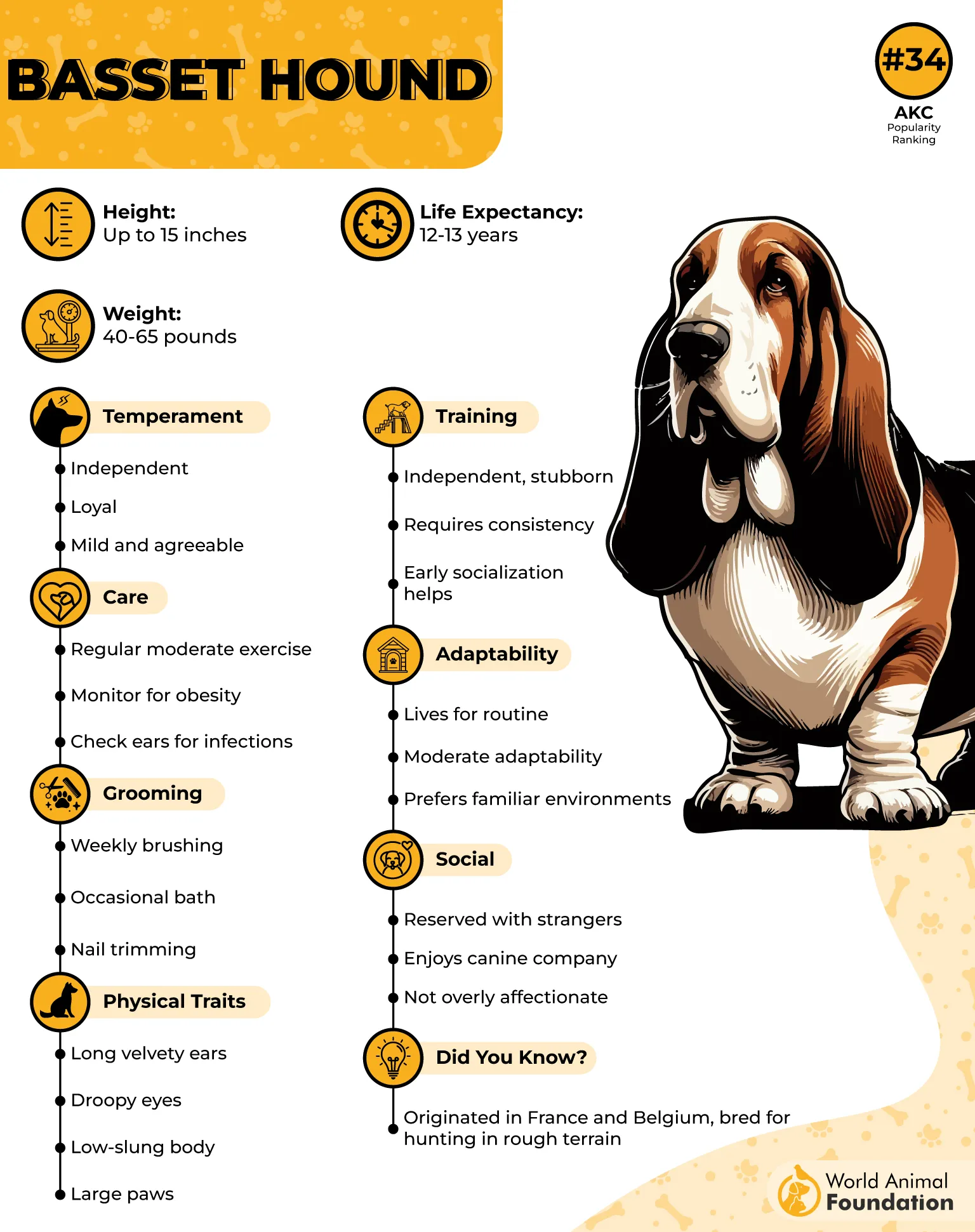
Daily walks remain essential because these good family dogs can gain excess weight, and their heavy bodies place pressure on comparatively short legs. Exercise should be steady rather than punishing, with plenty of time for sniffing because scent exploration is basically their preferred social media platform.
Their short coat is deceptively easy-looking because Bassets can shed heavily and need regular brushing. Long ears should be checked and cleaned as advised by a veterinarian, while facial folds and the area around the mouth must be kept clean and dry.
4. Boerboel

The Boerboel may look deeply relaxed while lying beside the sofa, but this is not a low-responsibility lapdog wearing an extra-large costume. Developed in South Africa as a versatile farm guardian, the breed is powerful, muscular, confident, and historically capable of confronting serious threats. Its calmness is best understood as controlled confidence, not passivity.
A well-bred, properly trained Boerboel can be composed and affectionate with its family. Many mature dogs settle quietly indoors after suitable exercise and enjoy keeping watch without bouncing around like caffeinated pinballs. That peaceful presence can feel reassuring, but it comes with an enormous obligation to develop safe, predictable behaviour.
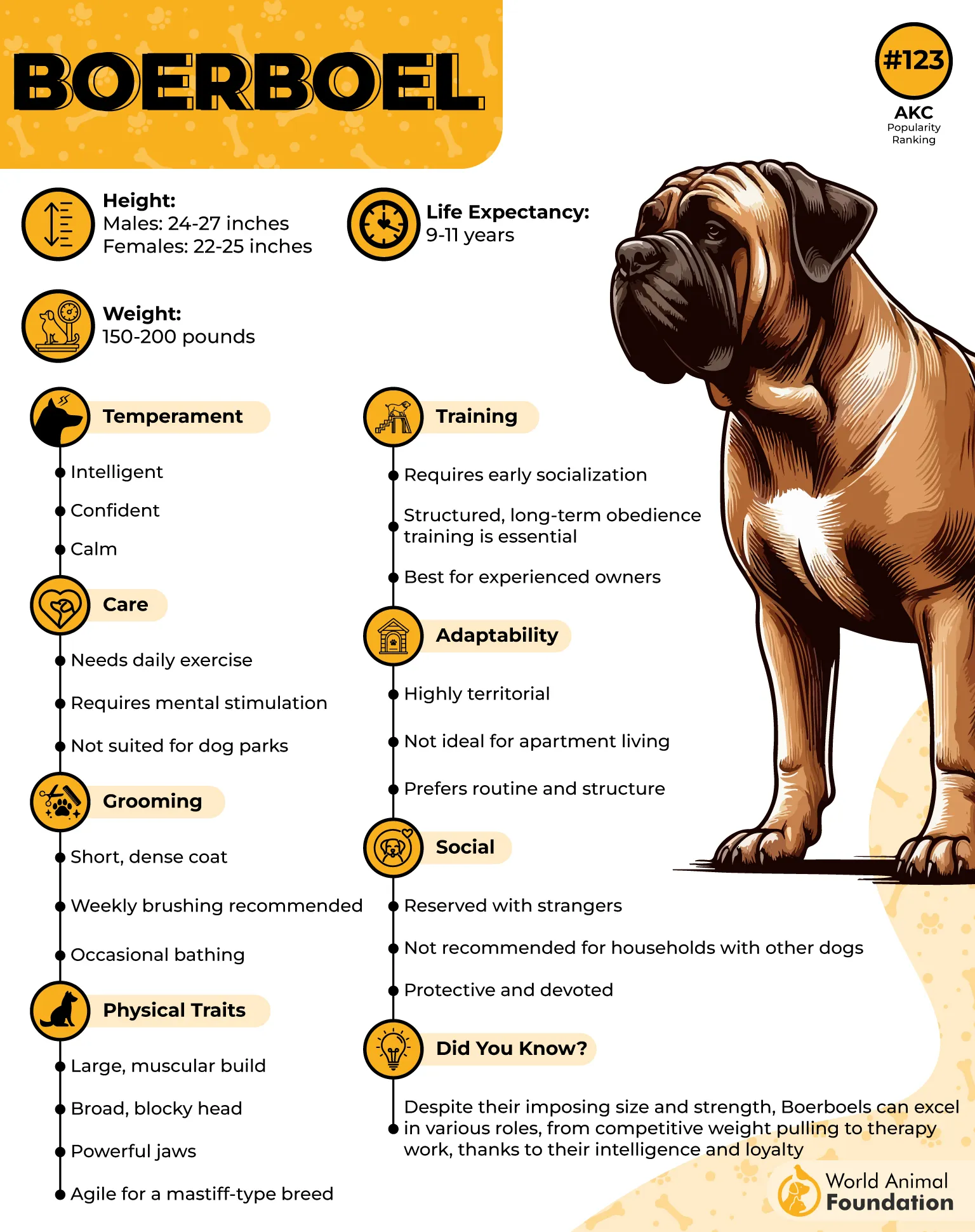
Early socialisation and obedience training are essential, not optional extras. The breed’s strength means that small behavioural problems can quickly become large practical problems. A Boerboel needs an experienced, confident handler who uses fair, consistent methods and never treats intimidation as a personality quirk.
Daily exercise should include controlled walks, structured play, training exercises, and mentally satisfying tasks. Young dogs require careful activity management as their bodies develop, and adults still need sufficient engagement to prevent frustration or territorial overreaction.
Their short coat is relatively uncomplicated, but overall maintenance includes nail trimming, dental care, skin checks, drool management, feeding expenses, secure containment, and access to appropriately sized equipment. The American Boerboel Club notes that the breed can be affected by health issues seen in other large dogs, so health screening and responsible sourcing matter.
5. Shih Tzu
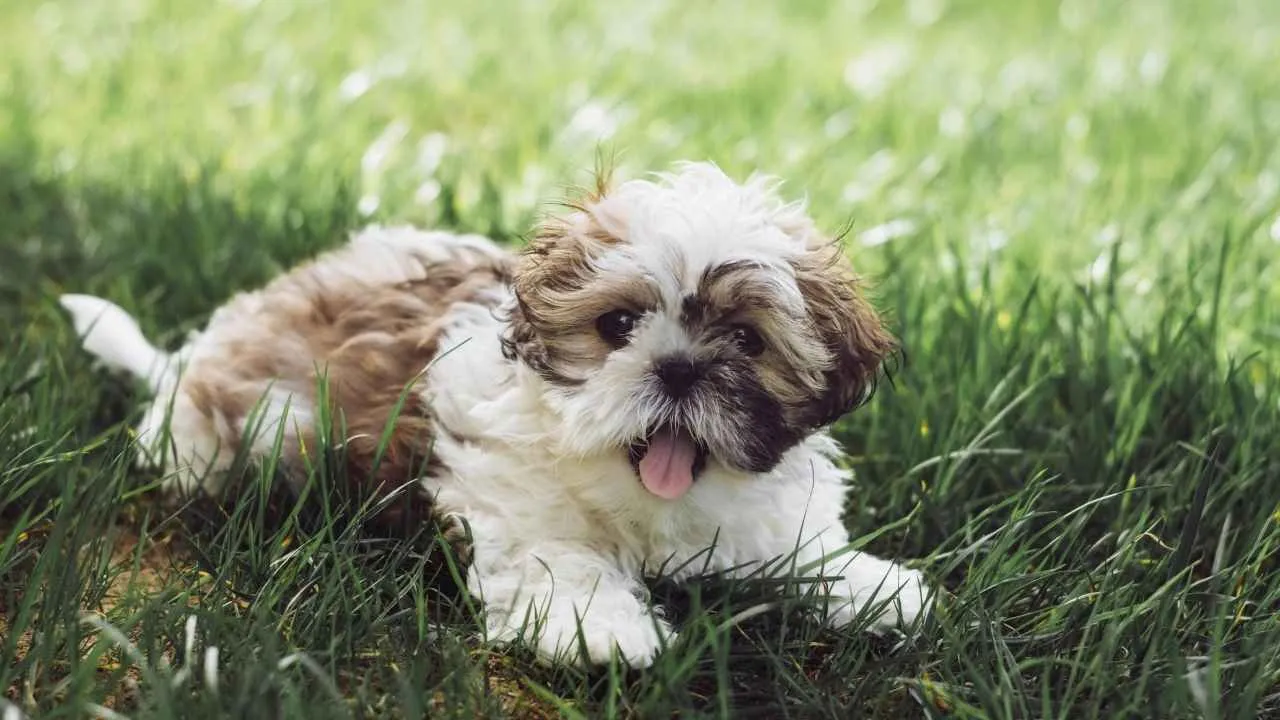
The Shih Tzu was essentially designed for the soft-life agenda centuries before social media made it a trend. Imperial breeders developed these little companion dogs for palace life, and their name is commonly translated as “lion dog.”
These playful, affectionate dogs can adapt well to apartment living and quieter homes when given daily companionship. They usually enjoy short walks, indoor games, gentle training, and strategically positioned naps where they can monitor everyone’s snacks.
Pooch & Mutt describes the Shih Tzu as a loving, outgoing at-home companion, making the breed particularly appealing to people who spend substantial time indoors.
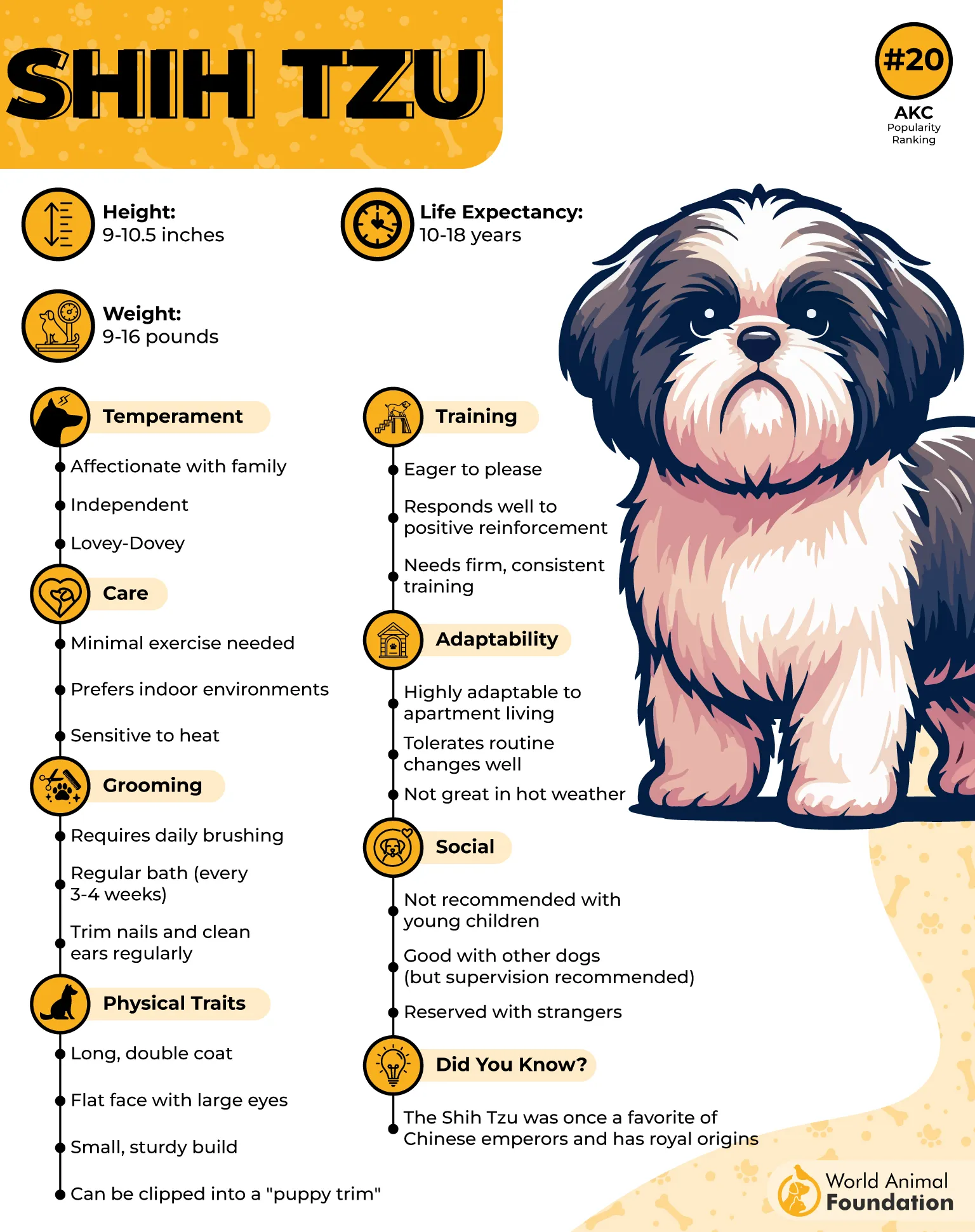
Although they are small, these quiet dogs benefit from socialisation and basic manners just like larger dogs. Reward-based training can develop polite greetings, reliable toileting habits, comfortable grooming behaviour, and confidence around everyday experiences.
The long, flowing double coat requires frequent brushing when maintained in full length. Many family pets wear a shorter trim for convenience, yet the coat, facial hair, eyes, ears, teeth, and nails still require consistent care.
As a flat-faced breed, the Shih Tzu may be less tolerant of heat and strenuous activity than longer-muzzled dogs. Walks should be adjusted for weather, age, fitness, and breathing comfort, with plenty of access to shade and fresh water.
6. Irish Wolfhound
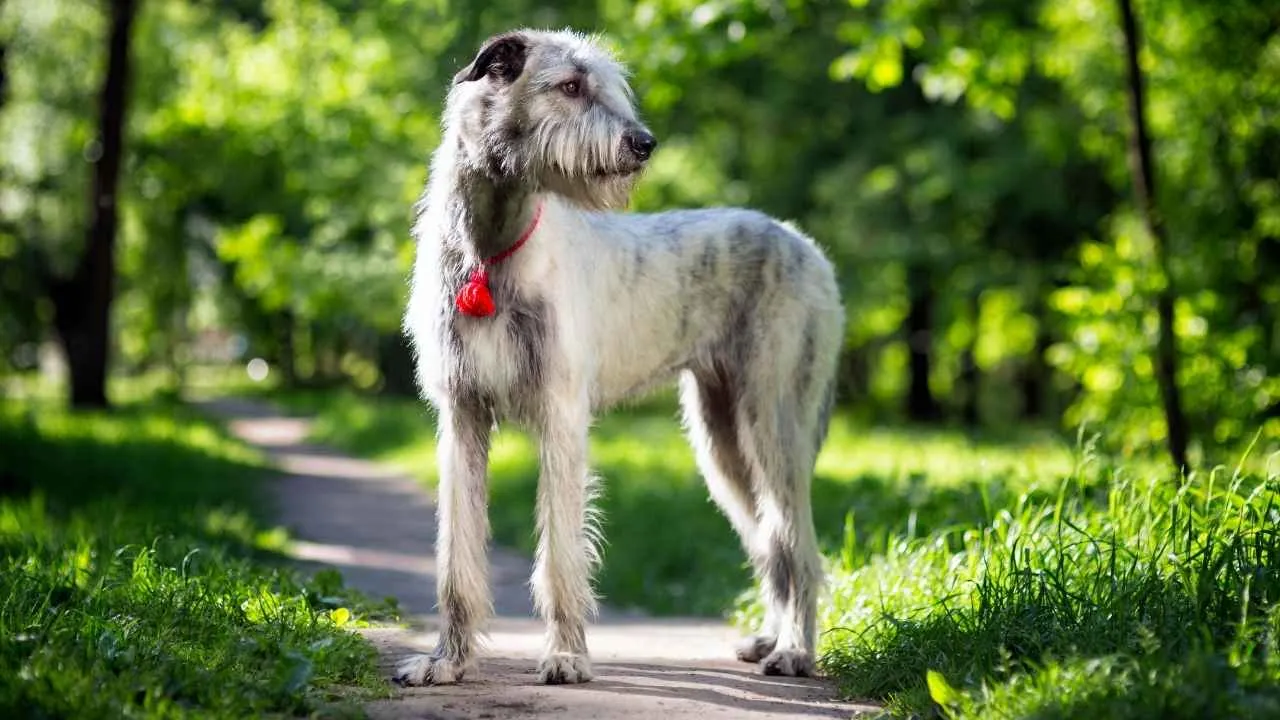
The Irish Wolfhound is proof that a dog can resemble a medieval legend while behaving like a thoughtful houseguest. It is the tallest of the galloping hounds and combines enormous size with a rough coat, muscular build, and graceful movement.
Historically used to hunt wolves and large game, the modern breed is widely admired as a gentle giant.
Many adult Wolfhounds are calm indoors and enjoy stretching out near their families after appropriate exercise. The main issue is that “stretching out” can occupy roughly the same area as a studio apartment. Their laid-back presence may suit peaceful homes, provided those homes have enough physical space, suitable transport, and furniture that accepts its fate.
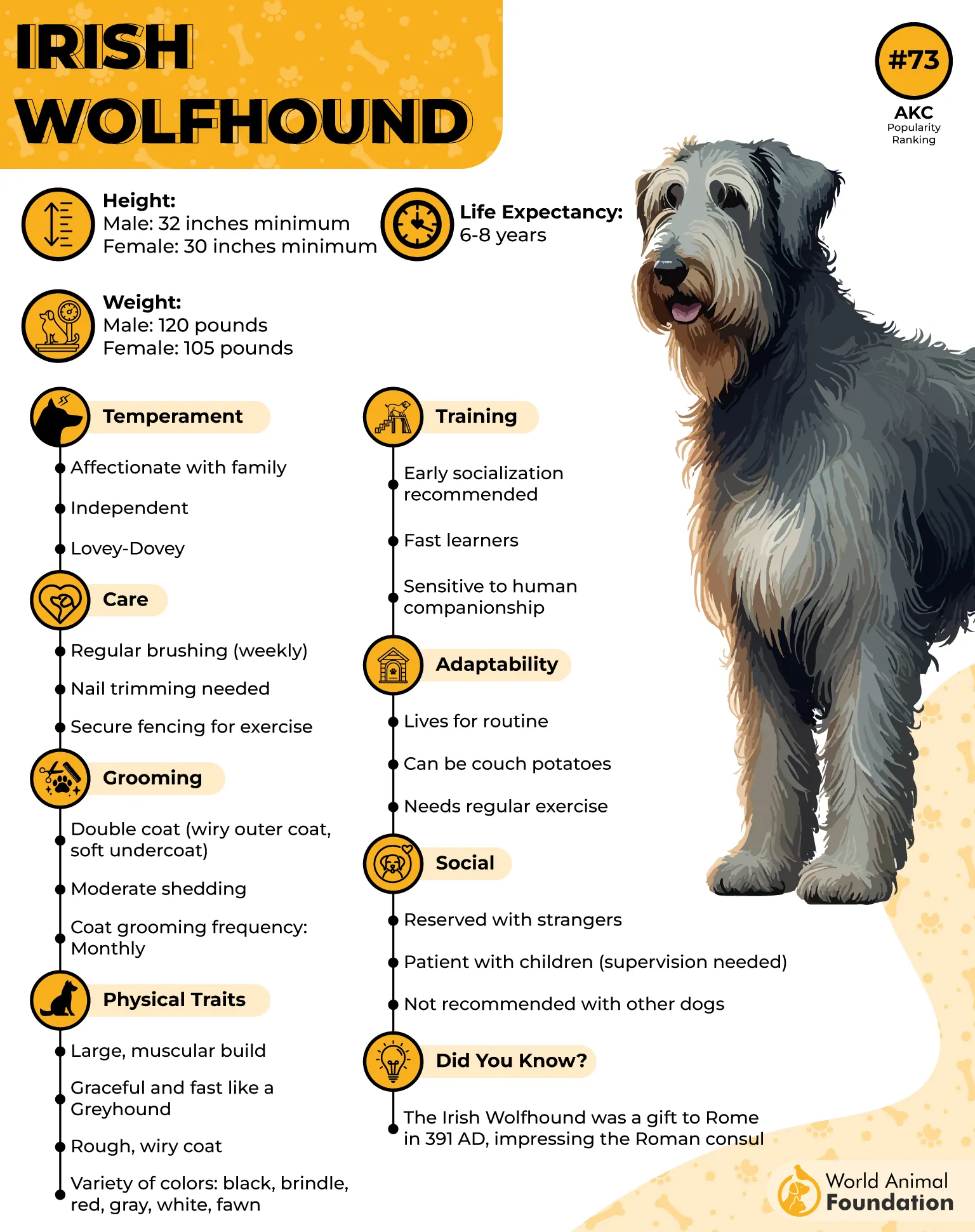
Regular walks, safe movement options, and opportunities to explore are important for maintaining both muscle and mental well-being. Their strong chase instinct means secure fencing and responsible leash handling are essential, even when the dog appears too relaxed to pursue anything.
Training and socialisation should begin early, while the dog is still technically portable. Gentle, consistent instruction helps these sensitive hounds learn without creating fear or resistance.
Potential owners must also consider the breed’s significant health responsibilities and comparatively short lifespan. The Irish Wolfhound Club of America recommends health screening for concerns such as heart disease, certain cancers, pneumonia, and liver shunt, along with veterinary care from a veterinarian familiar with sighthounds.
7. Cavalier King Charles Spaniel
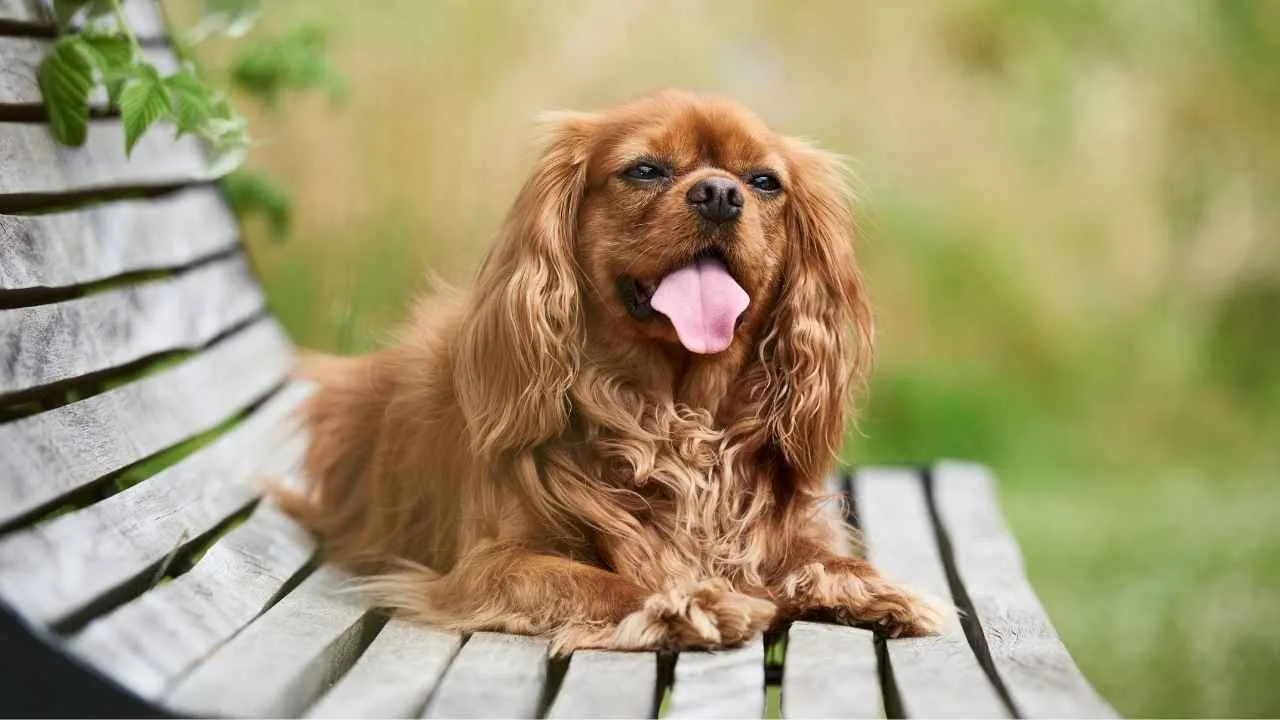
The Cavalier King Charles Spaniel has the soft eyes of a dog who already knows you are cancelling plans to stay home with it. Named for its connection to British royal history, this small spaniel blends toy-dog affection with traces of sporting enthusiasm.
Some of the calmest dog breeds out there, they are commonly affectionate, gentle, and strongly people-oriented. They often fit comfortably into family homes, apartments, and quieter households because they can adapt their activity to the people around them.
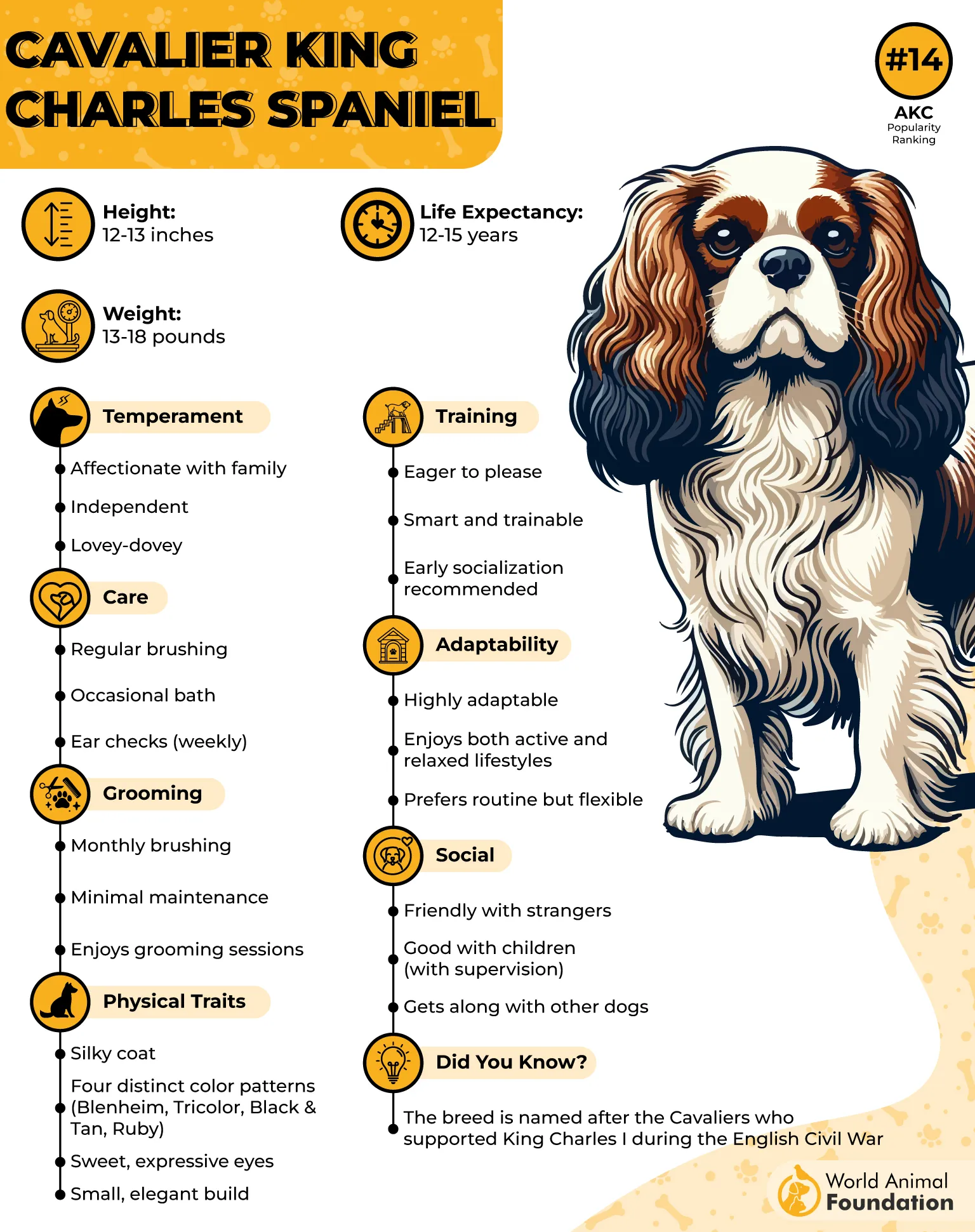
Training is often enjoyable because Cavaliers tend to be intelligent and eager to please. Early socialisation and puppy classes still matter, but the breed’s cooperative nature can make basic manners more approachable for committed first-time owners.
The coat is manageable, but it is not self-maintaining, no matter how naturally polished the dog looks in family photos. This low-maintenance breed has moderate exercise needs, is usually easy to train, and does not require the space or intensive handling that giant or guardian breeds do.
Health research and responsible breeding are especially important for this breed. Prospective owners should discuss appropriate cardiac, eye, joint, and neurological screening with reputable breeders and veterinarians rather than choosing solely on appearance.
Eager-to-please behaviour can reduce training friction when owners remain kind and consistent.
Conclusion
The most comfortable dog for a relaxed home is not automatically the smallest, slowest, or sleepiest breed. A suitable match depends on available space, grooming tolerance, training experience, budget, household noise, climate, exercise habits, and how much time people can spend with the dog.
Even a famously mellow breed can become restless or difficult when its needs are ignored. Greyhounds and Great Danes are other dogs known for their gentle demeanor.
Meet adult dogs whenever possible, speak honestly with reputable breeders or rescue organisations, and evaluate individual temperaments rather than shopping solely by photographs.
Ask about health testing, noise level, grooming, separation tolerance, prey drive, exercise needs, and behaviour around children or other pets. The right dog will not merely match the aesthetic of a relaxed home; it will fit comfortably into the real routine of the people living there.
