




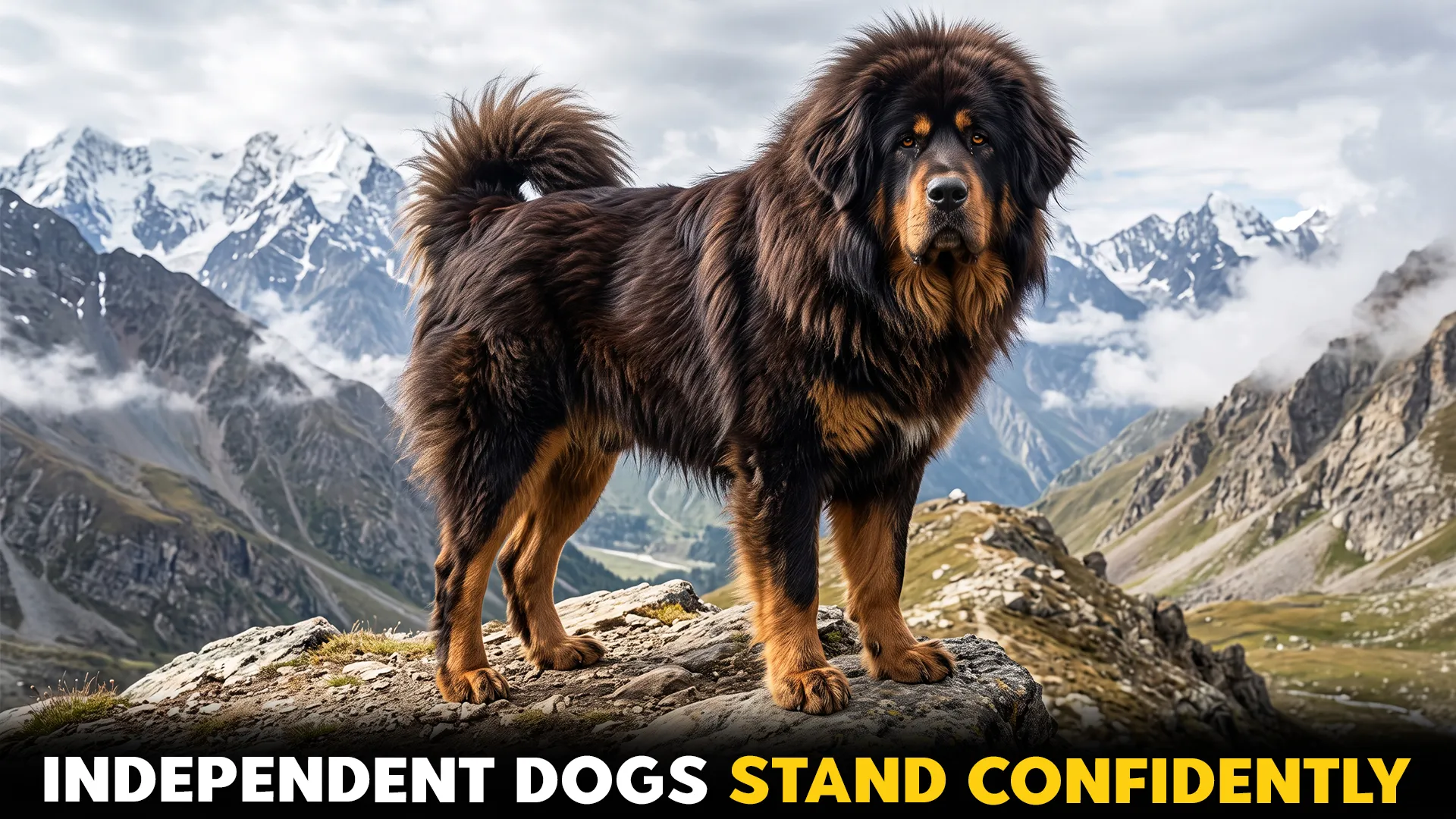
Some dogs act like your shadow. Others are perfectly happy knowing you’re in the house somewhere… even if they’re stretched out three rooms away enjoying a peaceful nap. If your schedule includes work, errands, or simply a little personal space, finding a dog that can handle reasonable alone time without turning your living room into a renovation project is a smart move.
The good news? Some large dog breeds are naturally more independent, confident, and comfortable entertaining themselves for a while. They still love their people, of course. They just tend to show it without needing constant attention every minute of the day.
So, which big dogs are most comfortable flying solo when life gets busy? Let’s take a look.
Did you know?
A dog’s breed may offer hints about certain tendencies, but personality is shaped by much more than that. Two dogs of the same breed can grow into remarkably different companions based on their experiences, training, and daily routines.
Top Solo-Ready Big Dog Breeds That Thrive Alone
1. Great Pyrenees
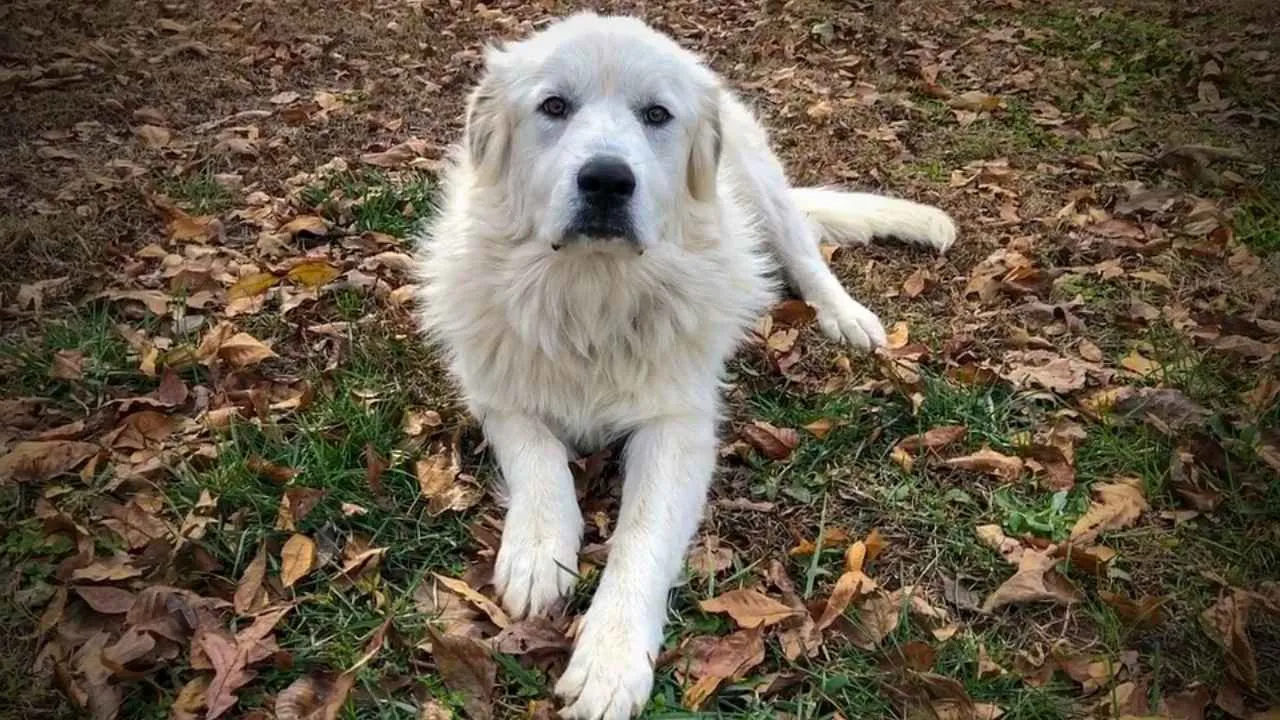
Life on a mountain pasture required a dog that could make decisions without constant direction, and the Great Pyrenees still carries that trait today. This calm, alert breed prefers a peaceful routine and often enjoys having personal space throughout the day.
Generations of guarding livestock helped create a dog that feels comfortable operating independently. Rather than needing constant interaction, the Great Pyrenees can quietly observe its surroundings, spend long periods alone, and remain content while keeping watch over its environment.
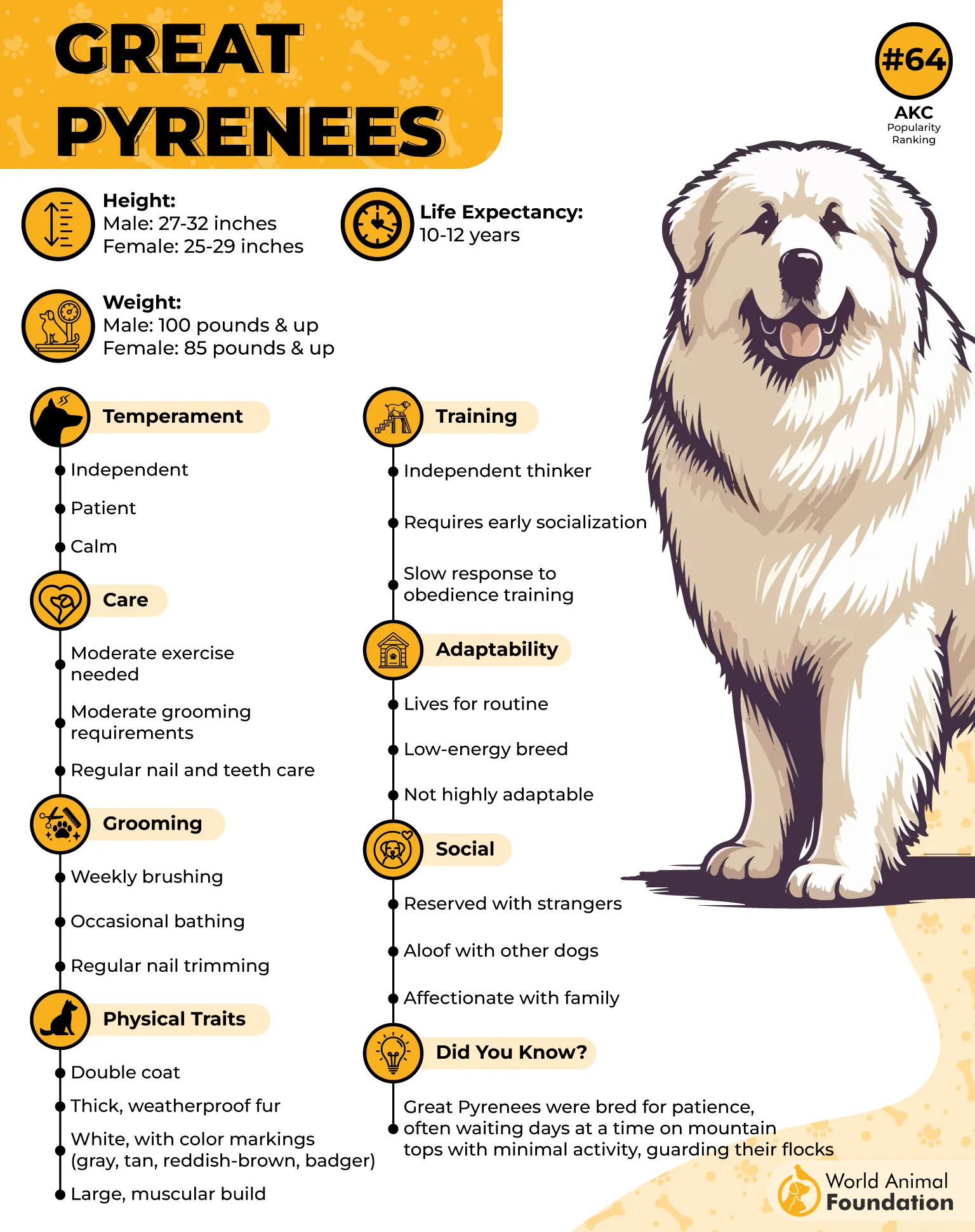
Warm and affectionate beneath a calm and reserved exterior, this breed forms strong connections with its household. Great Pyrenees dogs are known for being patient with respectful children, friendly toward other pets when properly socialized, and happiest in homes that balance companionship with personal freedom.
Why This Dog Breed Thrives Alone
Developed to work and make decisions without continuous human supervision.
Naturally comfortable spending time quietly observing its surroundings.
2. Tibetan Mastiff
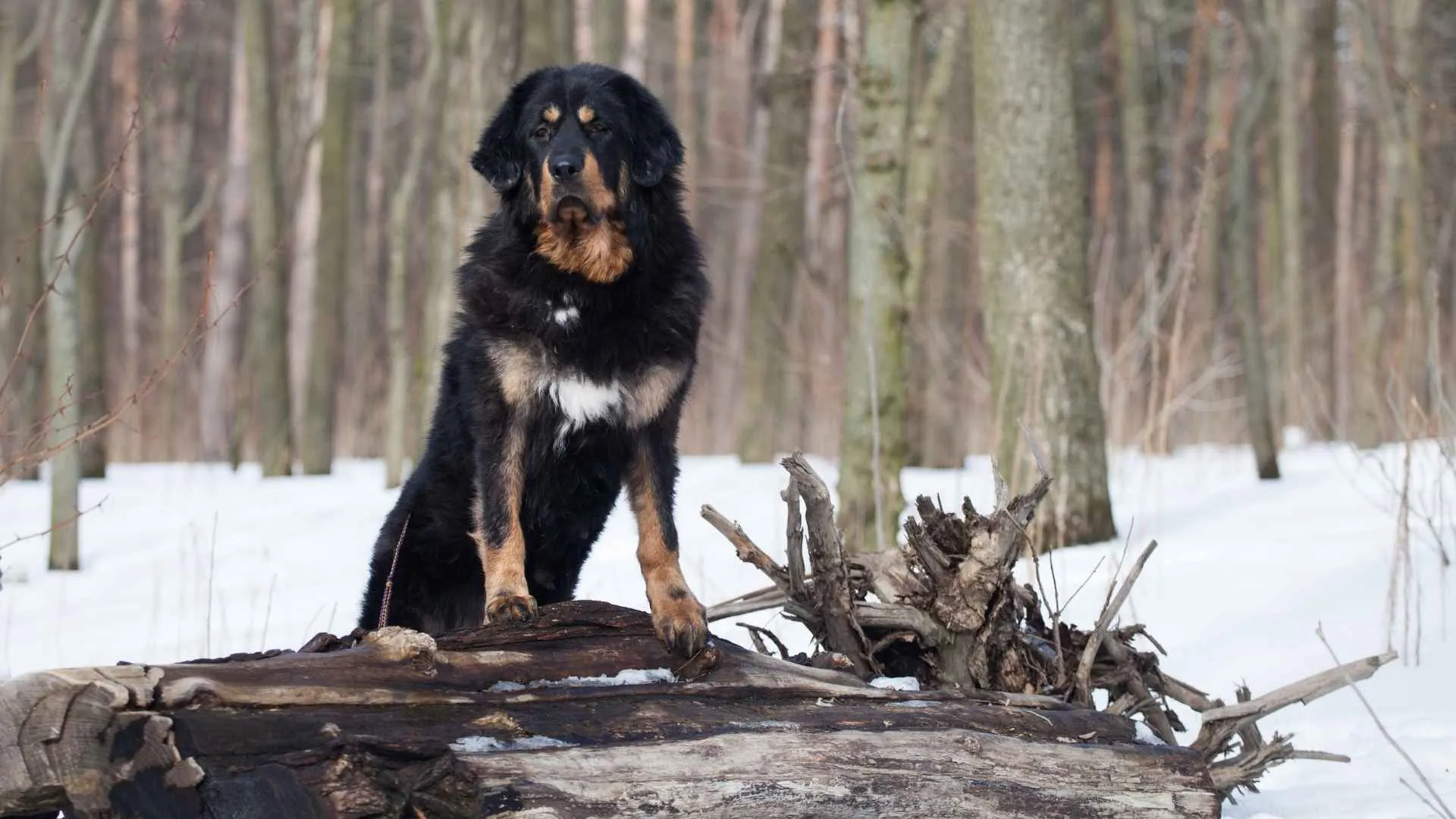
Some dogs seek attention every minute of the day, but the Tibetan Mastiff tends to be more self-contained. This ancient guard dog breed is loyal to its family, watchful by nature, and often prefers calmly monitoring its surroundings rather than constantly demanding interaction.
Its history as a guardian played a major role in shaping its personality. Originally bred to protect livestock and property, the Tibetan Mastiff learned to stay alert and make judgments independently, qualities that still help it remain comfortable during periods of solitude.
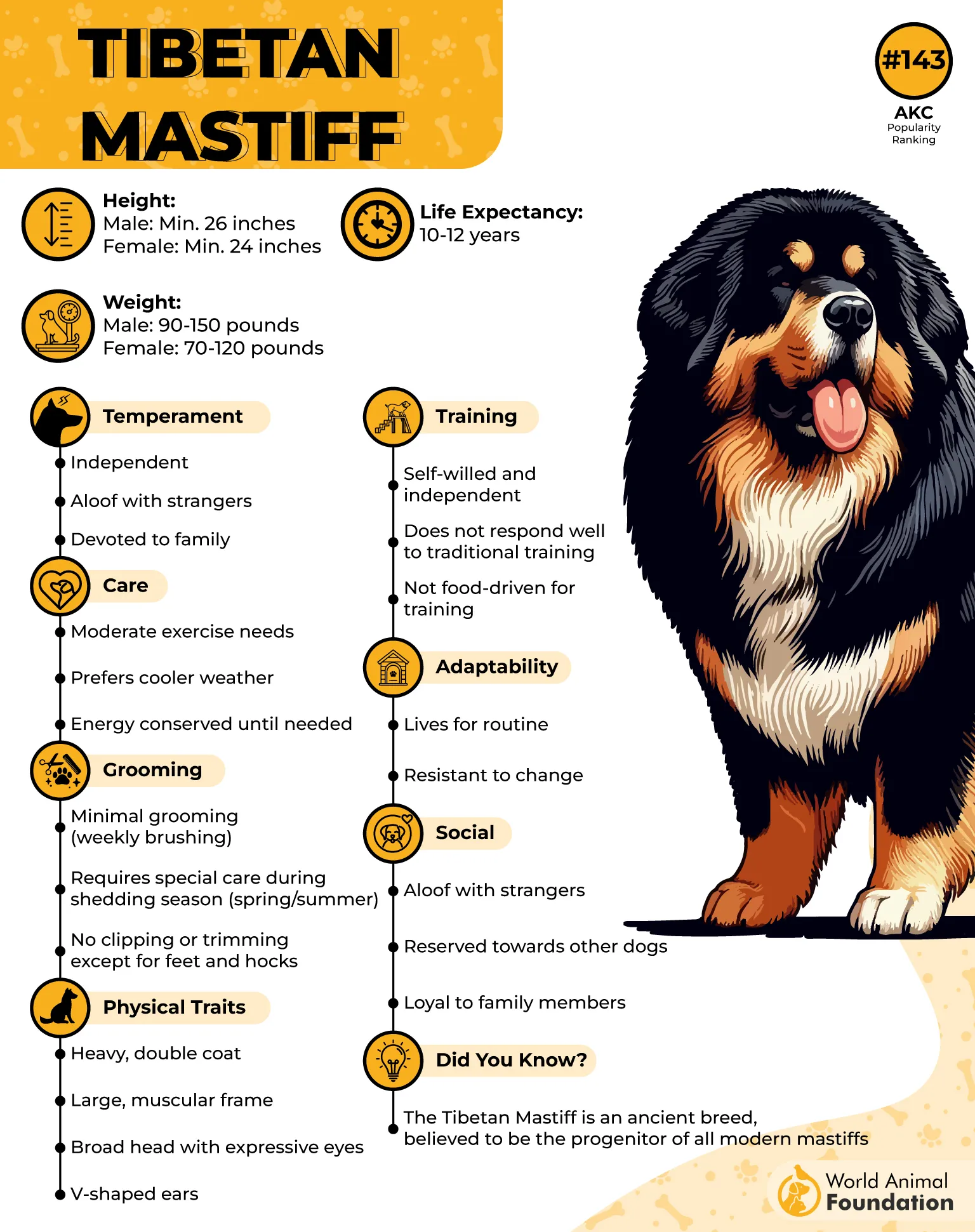
As noted by PetMD, Tibetan Mastiff puppies benefit from early socialization with people and other animals to help them become more accepting of strangers. They are intelligent but strong-willed, so training requires patience, consistency, and positive reinforcement.
Why This Dog Breed Thrives Alone
Guardian instincts encourage independent observation and decision-making.
Naturally watchful temperament reduces the need for constant engagement.
3. Bullmastiff
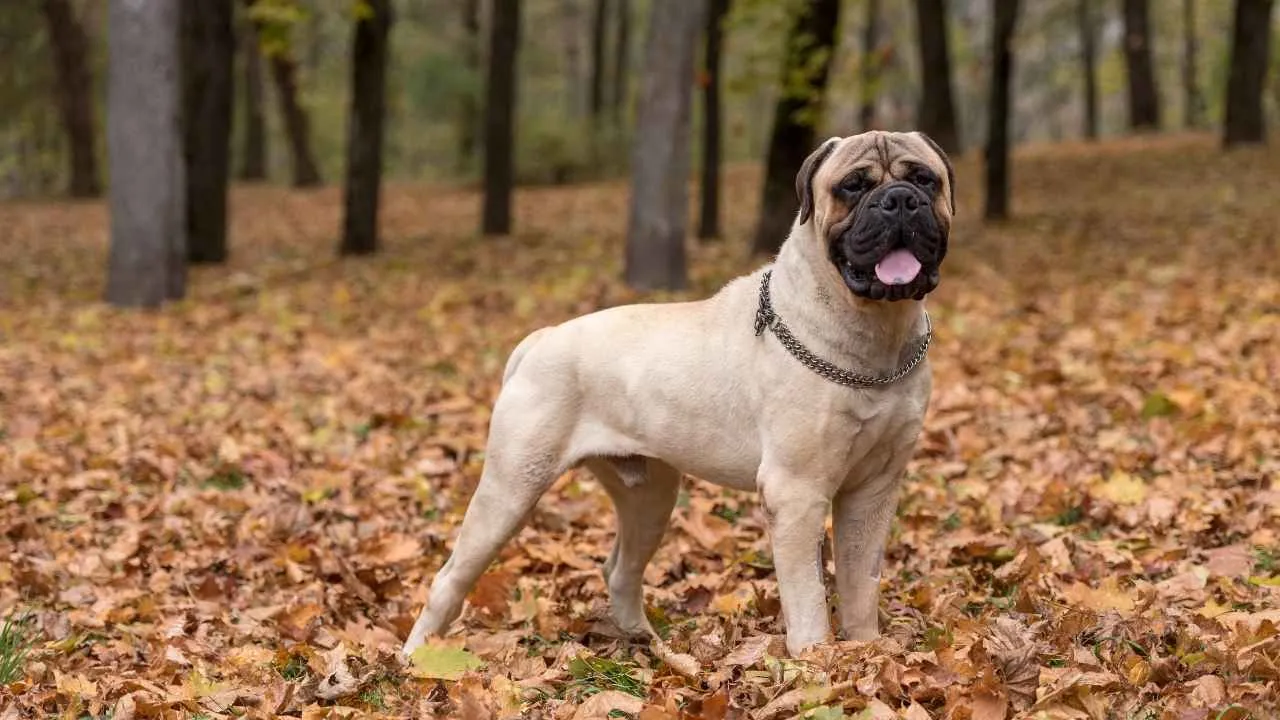
Strength and confidence come wrapped in a surprisingly gentle package with the Bullmastiff. Originally developed by English gamekeepers to guard estates, this affectionate breed builds deep bonds with human family members while remaining calm, observant, and relatively quiet around the home.
A Bullmastiff can generally handle being left alone for a few hours when given a comfortable environment and a consistent routine. Many spend that time relaxing or keeping an eye on their surroundings, though extended periods of isolation are usually not ideal.
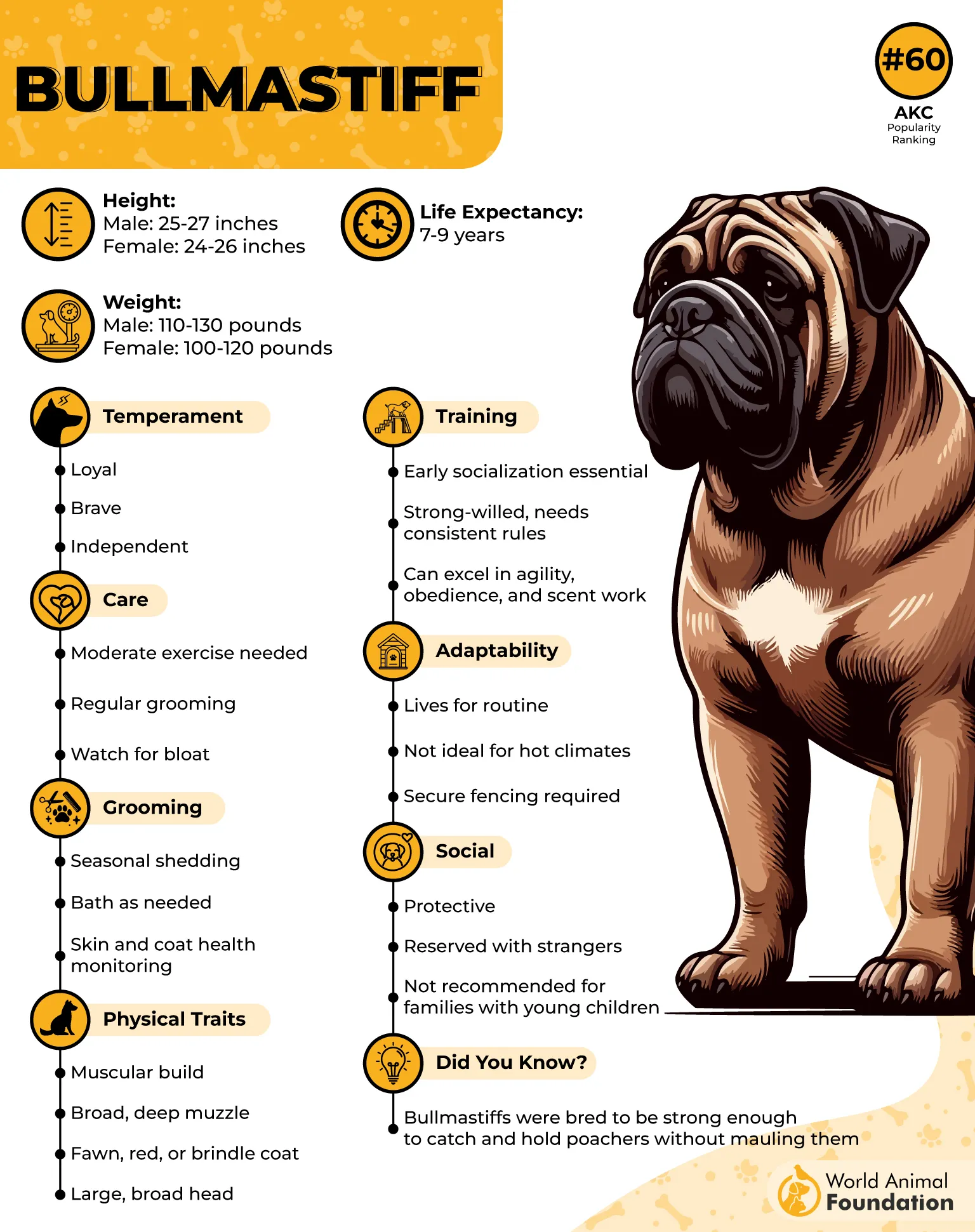
Socialized Bullmastiffs often live successfully alongside other dogs. Their confident and easygoing personality can support positive relationships with canine companions, especially when introductions are handled carefully and household expectations remain clear and consistent from the beginning.
Why This Dog Breed Thrives Alone
Confident nature helps it remain settled during short periods without company.
Estate-guarding background supports calm independence and self-control.
4. Irish Wolfhound
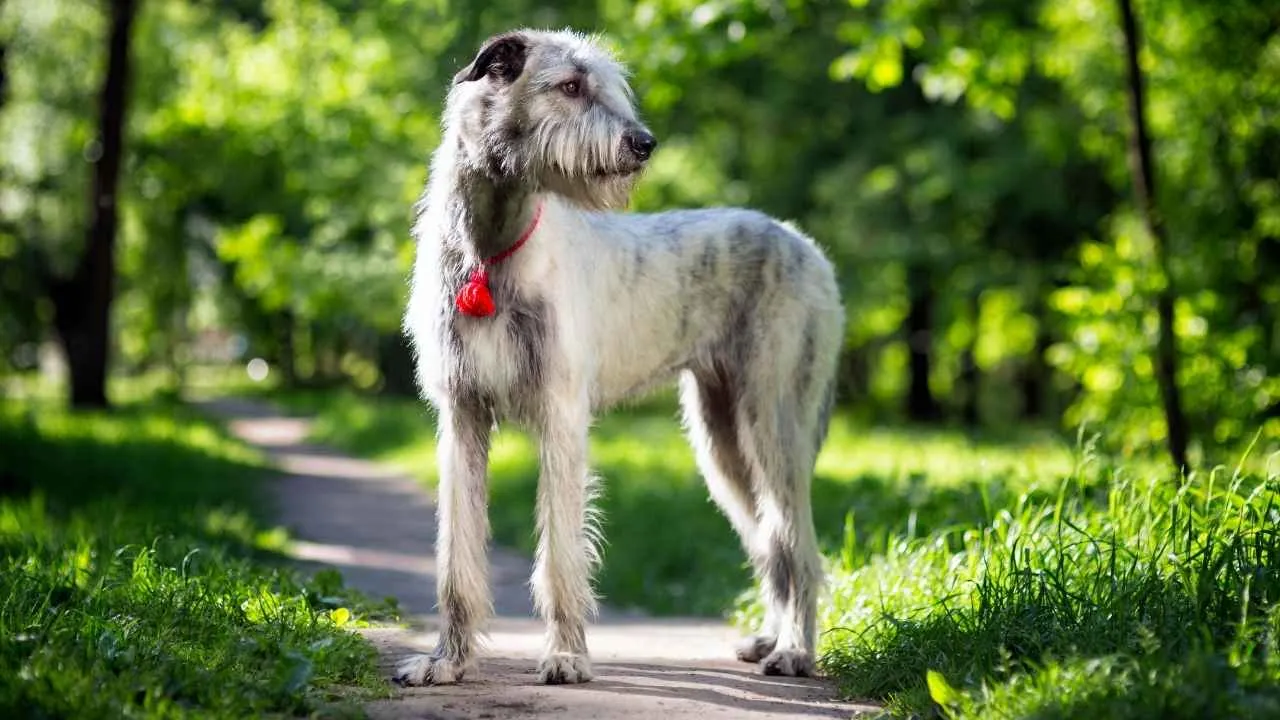
The Irish Wolfhound combines massive size with an exceptionally gentle personality. Recognized by the AKC in 1897, this calm and easygoing breed is known for its sensitive nature, eagerness to please, and ability to live peacefully with children and other dogs when socialized.
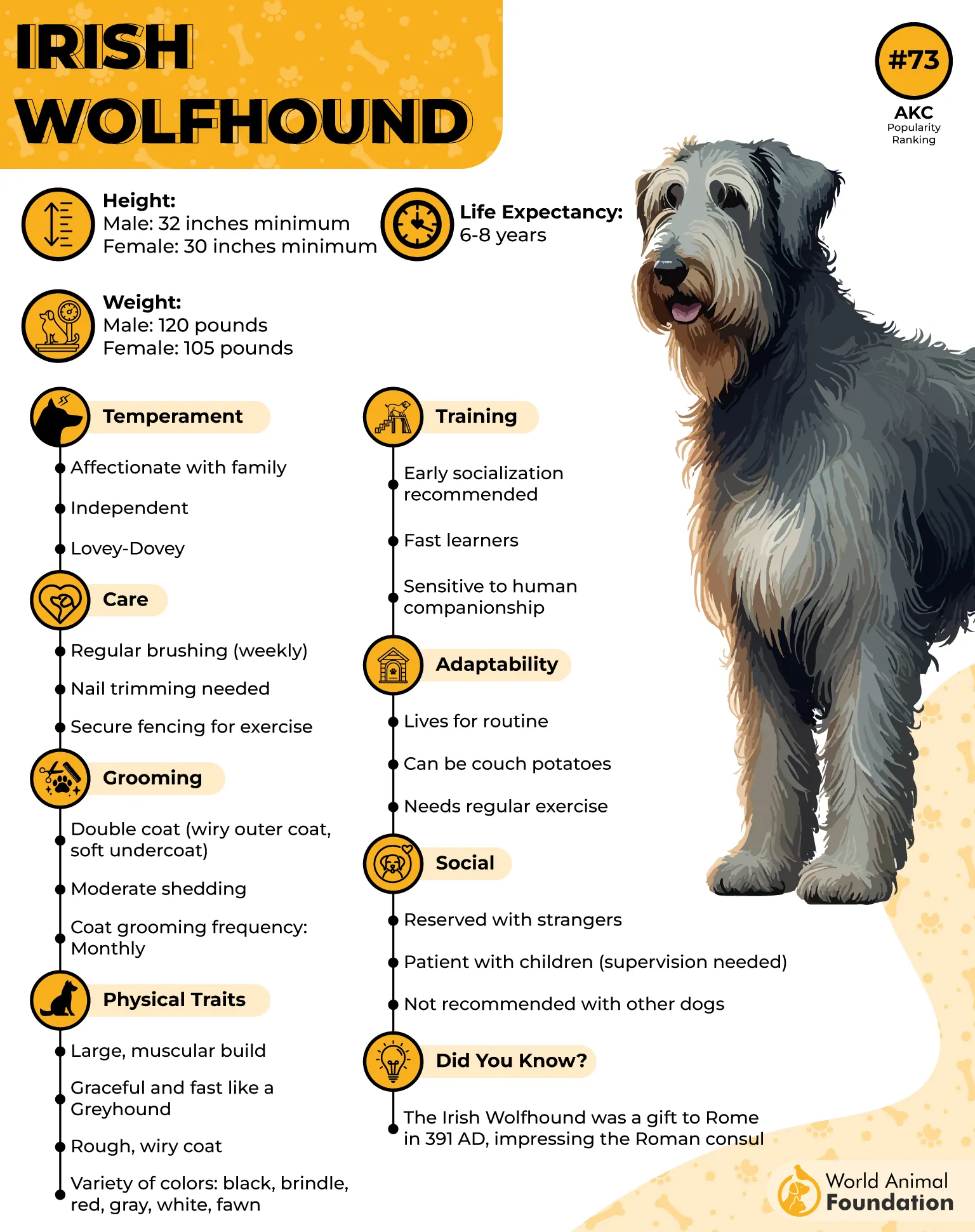
Long before becoming a beloved family companion, the Irish Wolfhound was bred to hunt large game, including wolves. That working history required courage, endurance, and focus, creating a dog capable of performing demanding tasks while operating with considerable independence.
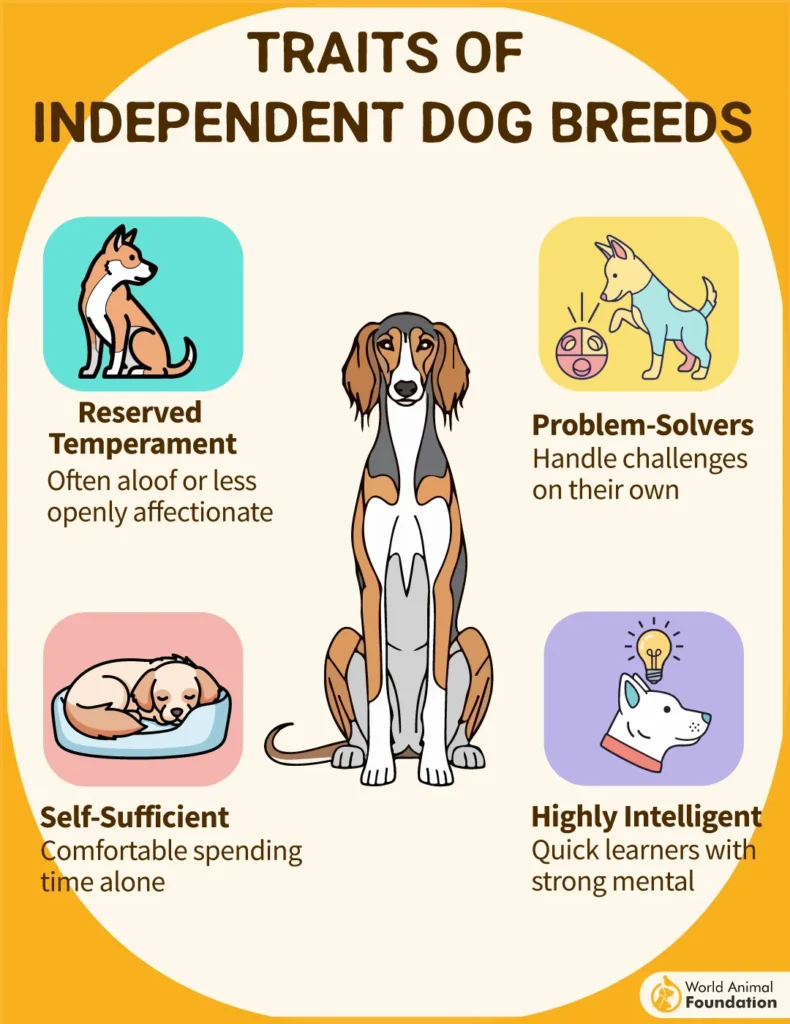
The Irish Wolfhound is not considered a high-energy breed, and its activity needs are not overly demanding. Regular exercise and mental stimulation help this breed stay balanced and content. Short daily walks and simple scent or obedience work are usually enough to keep it satisfied and mentally engaged.
Why This Dog Breed Thrives Alone
Historical working role encouraged independent focus and problem-solving.
Balanced exercise and mental enrichment promote confidence when alone.
5. Scottish Deerhound
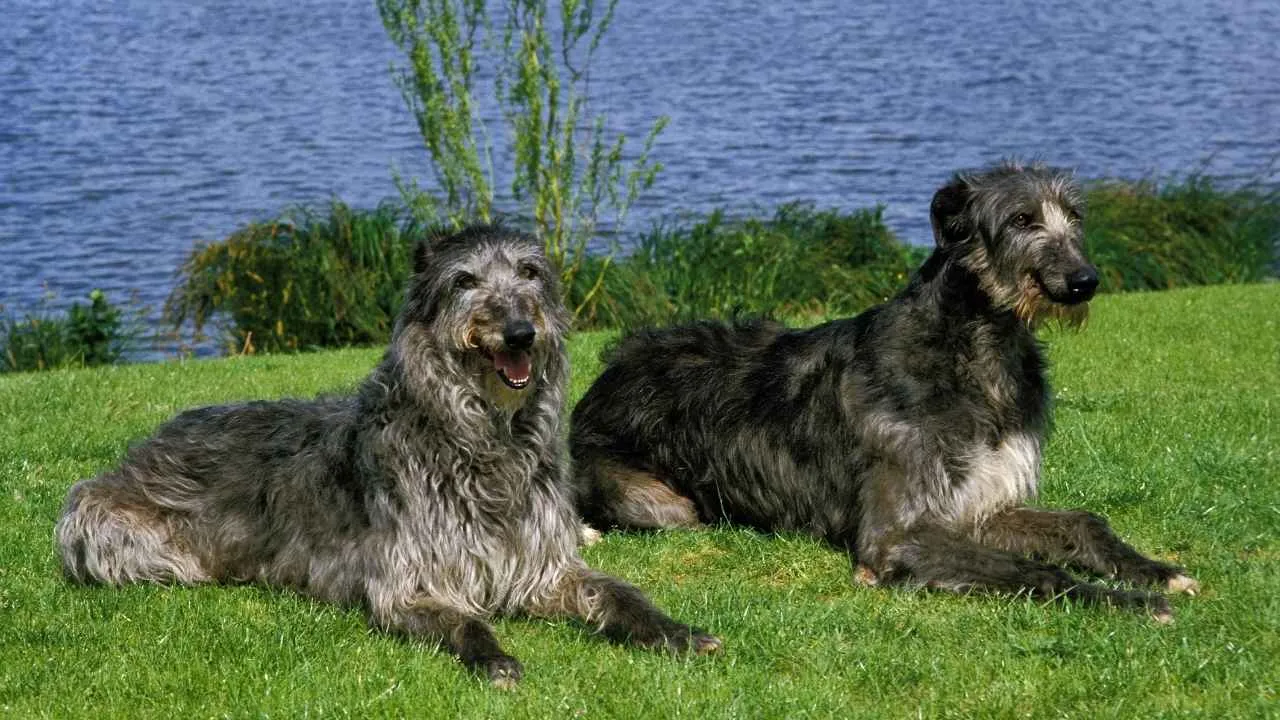
A Scottish Deerhound brings a wonderfully relaxed attitude to everyday life. One minute this breed is stretched out enjoying a long nap, and the next it is happily joining its favorite people, making companionship feel easy and natural.
That easygoing outlook is one reason the Scottish Deerhound often handles personal space well. Bred to work independently while hunting deer across the Scottish Highlands, this dog tends to approach situations with quiet confidence rather than constant dependence.
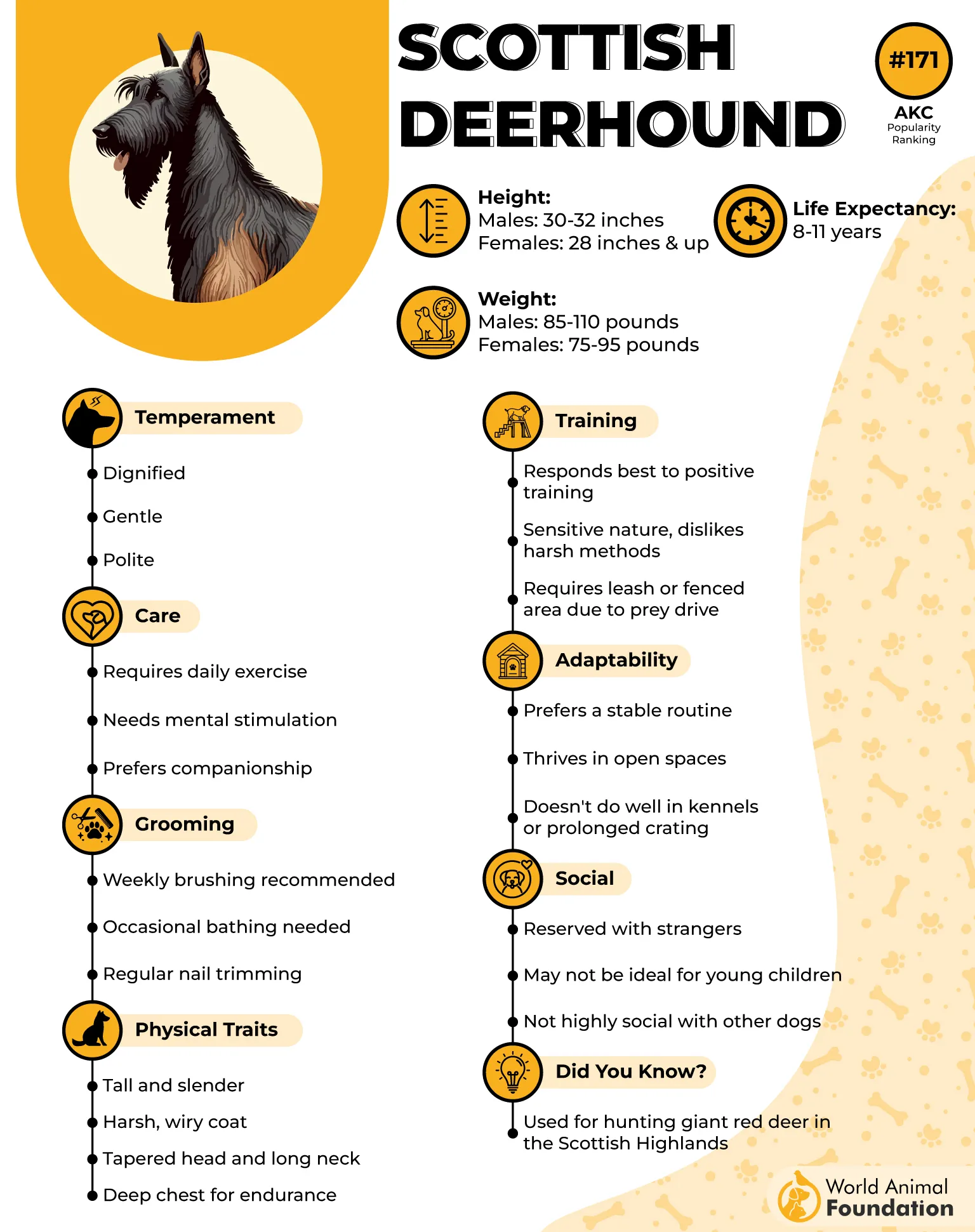
Smaller pets can require extra consideration because a Scottish Deerhound has a strong prey drive and may be tempted to chase. Proper socialization helps create positive relationships, though outdoor interactions with small animals often call for additional supervision.
Why This Dog Breed Thrives Alone
Comfortable switching between periods of rest and activity.
Independent working heritage encourages self-reliant behavior.
6. Anatolian Shepherd
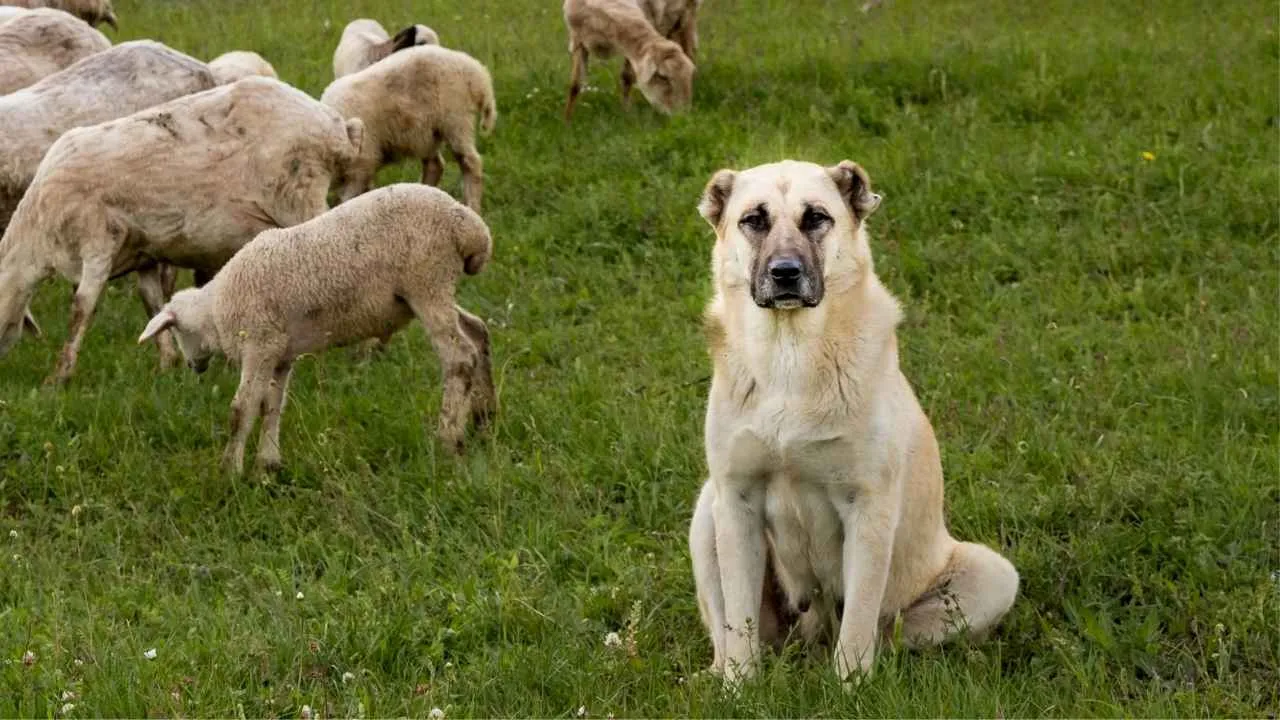
Anatolian Shepherds carry themselves with the calm confidence of dogs that always seem to know exactly what is happening around them. Around family, they can reveal a surprisingly playful side that feels completely different from their serious public image.
For thousands of years, this breed was developed to guard flocks and protect territory. That background shaped a dog capable of assessing situations independently, responding to potential threats, and remaining focused even when no one is directing every move.
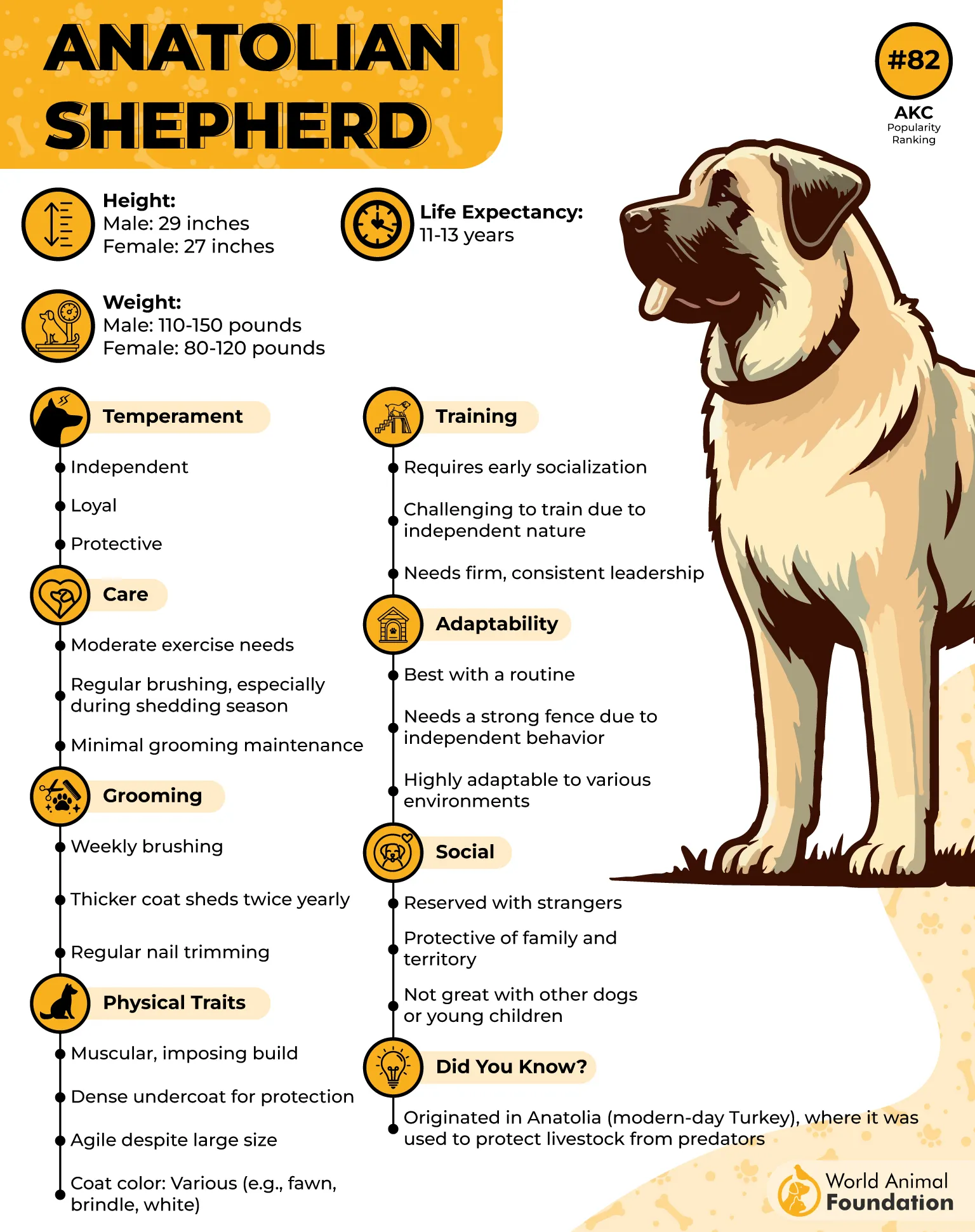
As mentioned by WebMD, Anatolian Shepherds are independent, cautious dogs that require early socialization to reduce wariness of strangers. Obedience training helps define their role as pets and supports better behavior through structured learning and consistent guidance.
Why This Dog Breed Thrives Alone
Naturally comfortable making decisions without constant guidance.
Guardian instincts encourage patience and watchfulness.
7. Caucasian Shepherd
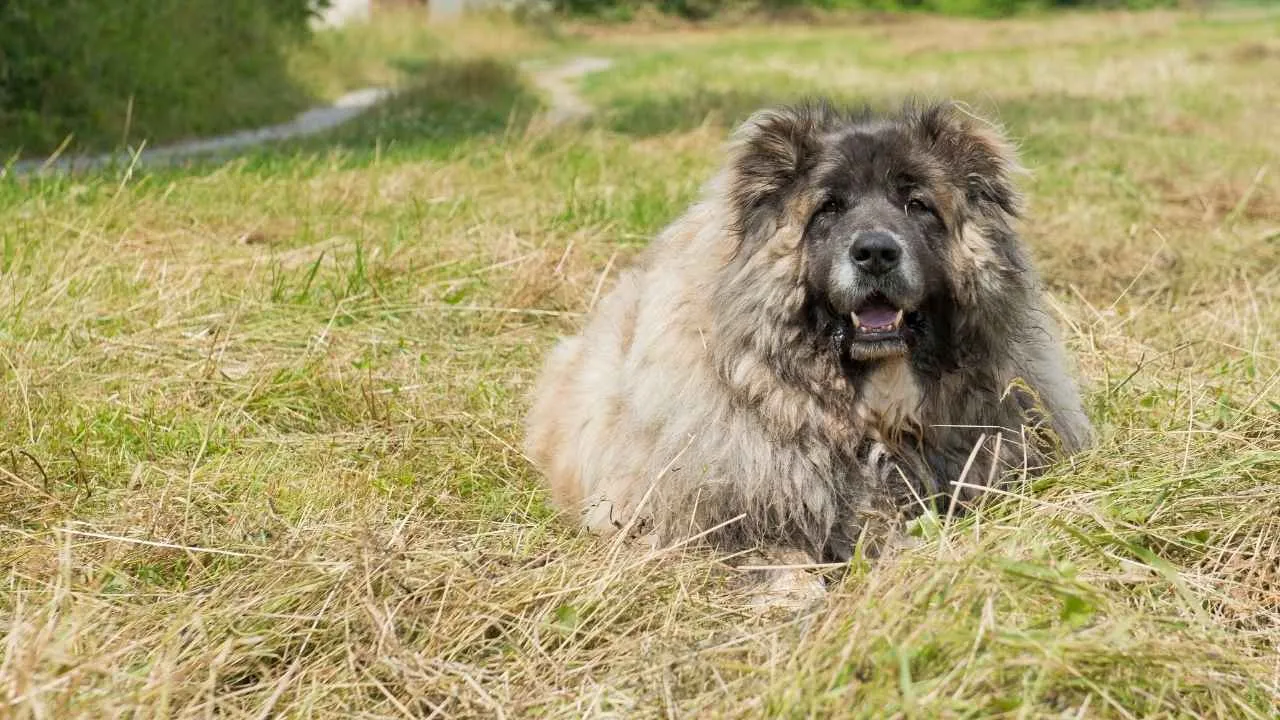
Some dogs greet life like enthusiastic party guests. The Caucasian Shepherd walks in more like a professional security team. Beneath that serious reputation sits a wonderful companion that becomes deeply attached to family members and familiar household animals.
Experienced owners are usually the best match for this powerful guardian. A breed with centuries of protective work behind it needs leadership, clear expectations, and people who understand how to manage strong guarding instincts responsibly.
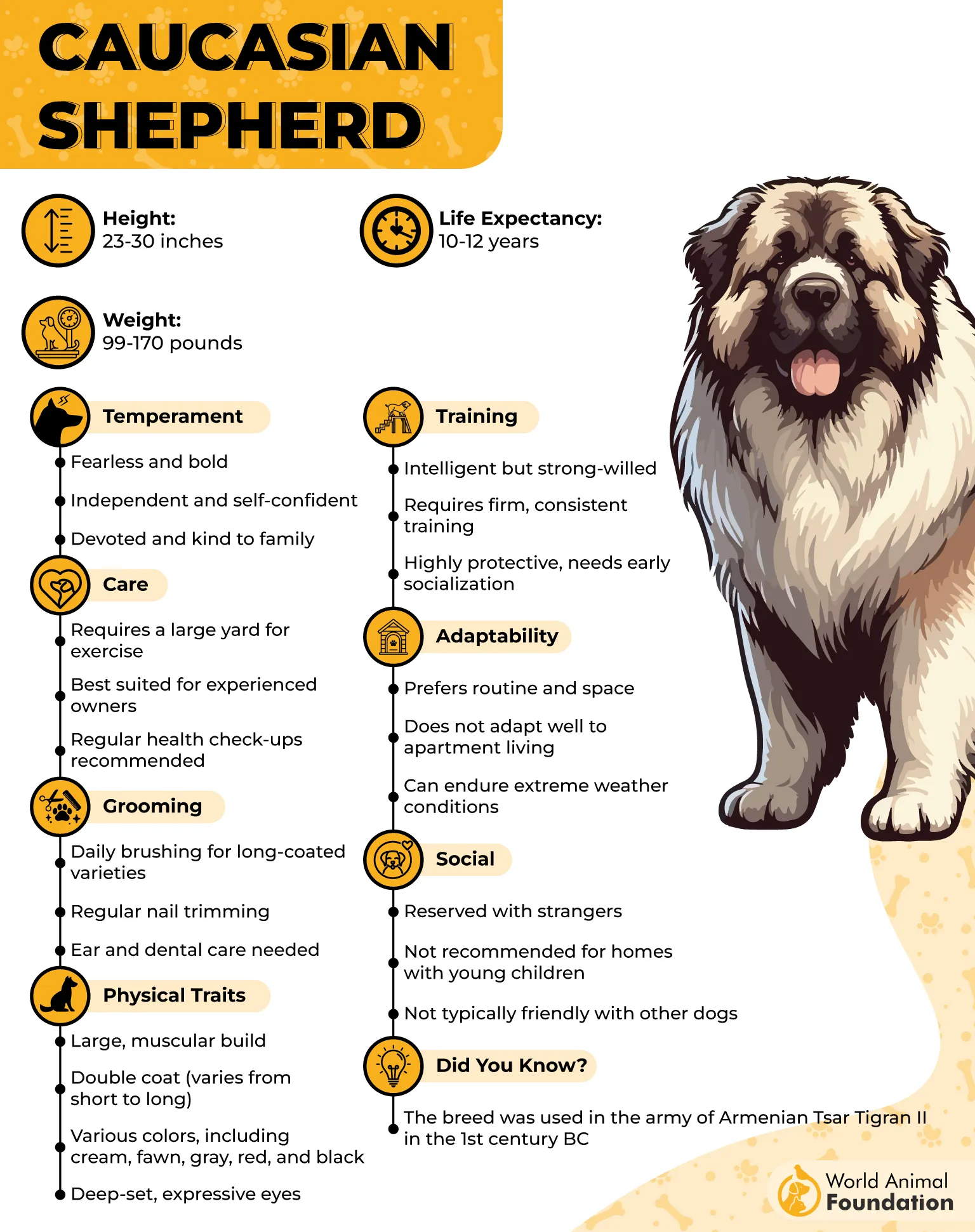
Regular activity helps keep the Caucasian Shepherd engaged and balanced. Many enjoy having a meaningful role or purpose, and structured movement gives them an outlet for both their energy and their natural desire to stay aware of their surroundings.
Why This Dog Breed Thrives Alone
Comfortable monitoring surroundings for extended periods.
Naturally focused on observation rather than constant interaction.
8. Central Asian Shepherd
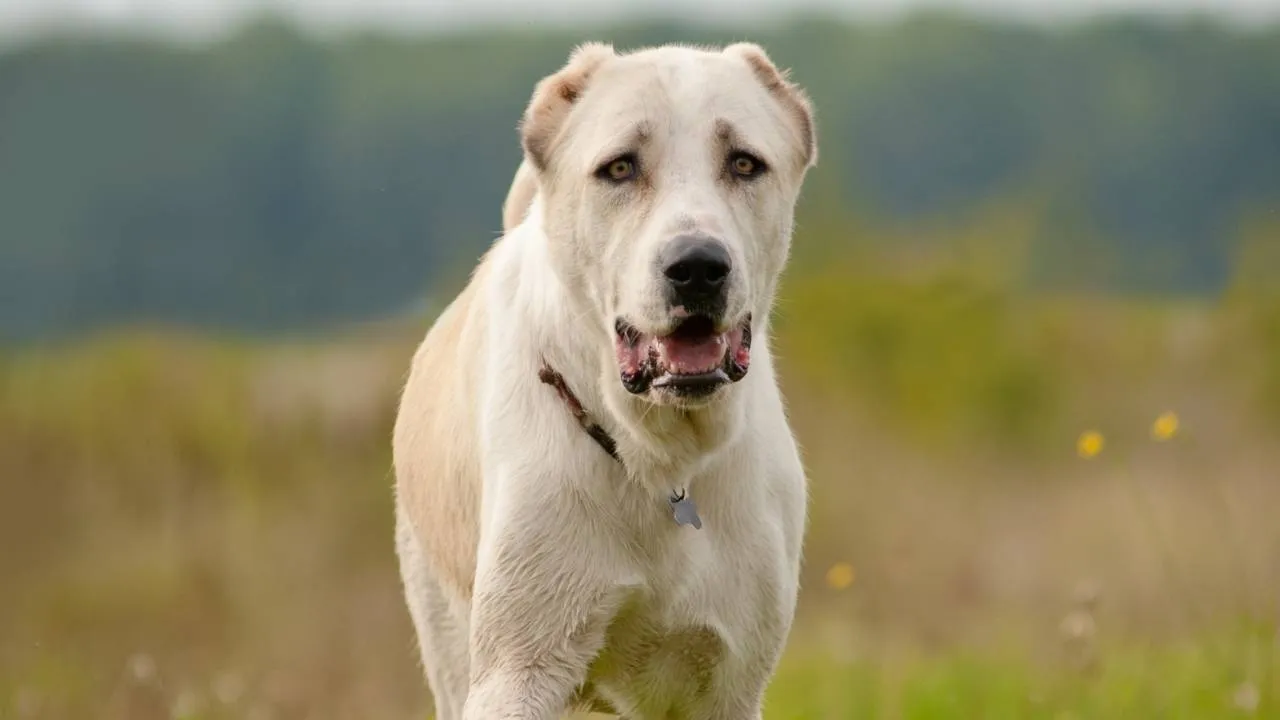
The Central Asian Shepherd often seems happiest when it has something important to oversee. This courageous breed developed alongside people for centuries and built a reputation for dedication, endurance, and a steady presence in challenging environments.
Originally bred to protect people, livestock, and property across rugged regions, the Central Asian Shepherd learned to confront harsh conditions and predators. Those demanding responsibilities helped create a fearless worker capable of handling situations with remarkable independence.
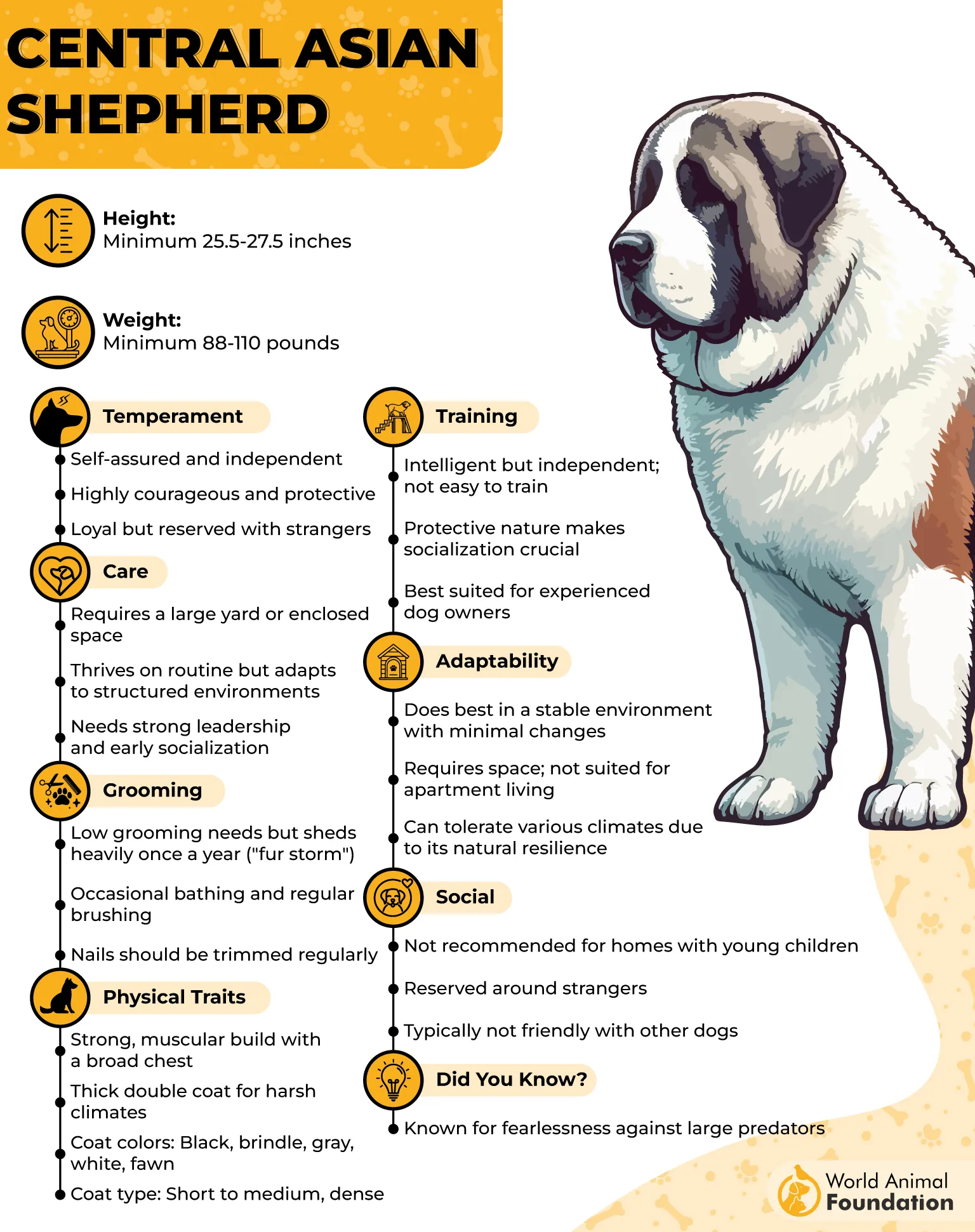
Separation anxiety is generally not a defining characteristic of this large breed, but that does not mean it enjoys endless isolation. Central Asian Shepherds have worked alongside humans for generations and can develop unwanted behaviors when left alone too often.
Why This Dog Breed Thrives Alone
Strong work ethic supports confidence during quiet periods.
Developed resilience through generations of demanding guardian duties.
9. Pyrenean Mastiff
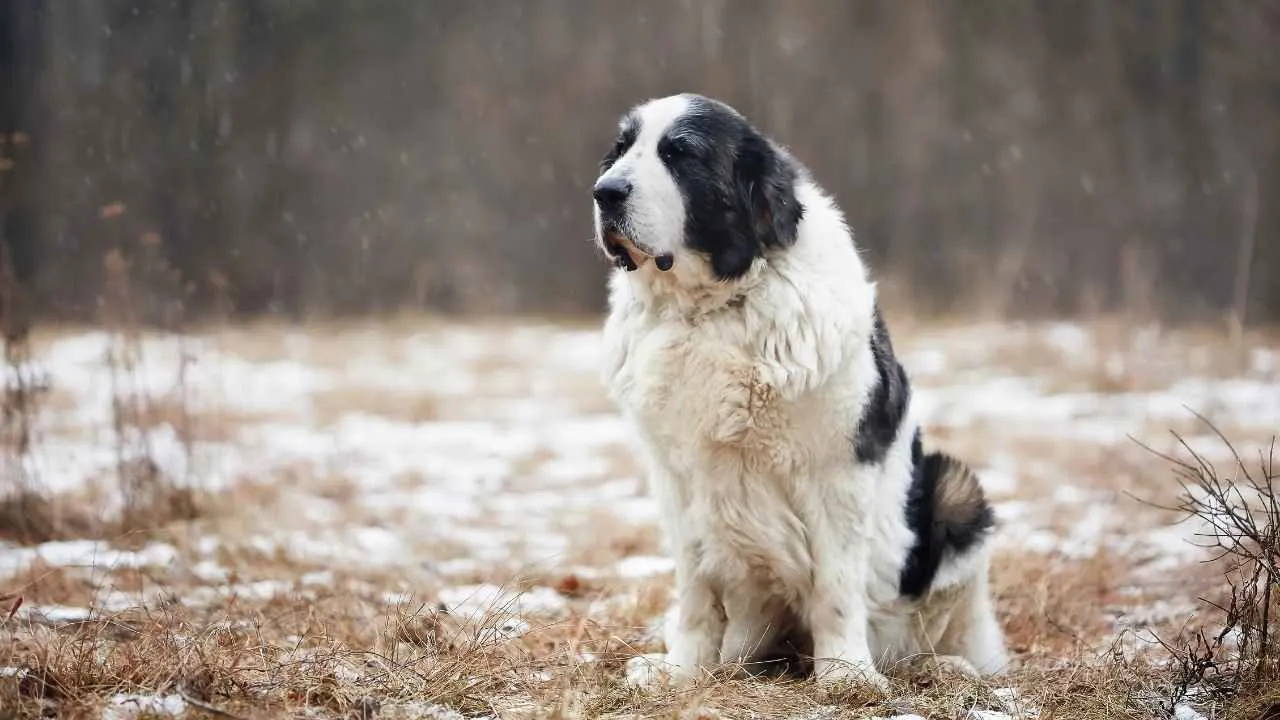
The Pyrenean Mastiff has a talent for blending a laid-back personality with an impressive sense of responsibility. Spending time with people remains important to this breed, yet its calm nature helps create a remarkably steady presence around the home.
Large properties are particularly well suited for this breed, as ample roaming space allows it to move comfortably and stay engaged. Generations spent working in the Spanish Pyrenees Mountains have shaped a dog that thrives in colder climates and appreciates having room to explore, observe, and remain alert.
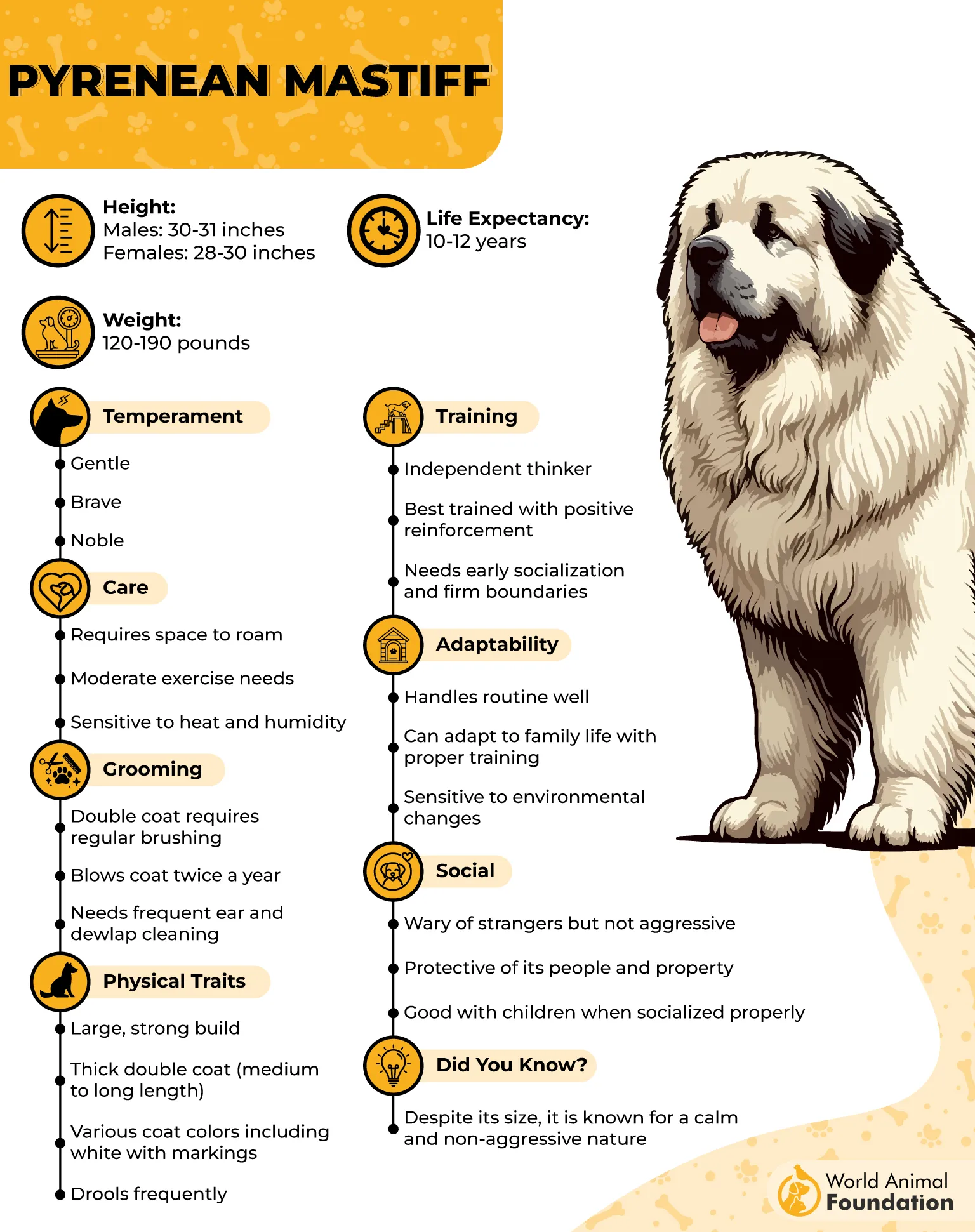
Long stretches are usually handled best when a Pyrenean Mastiff still feels connected to its household routine. These dogs enjoy interaction with their people, but their easygoing attitude often helps them remain relaxed while family members are temporarily away.
Why This Dog Breed Thrives Alone
Calm disposition supports a settled and unhurried mindset.
Guardian background encourages awareness without constant supervision.
Conclusion
These independent dog breeds show that time alone does not mean distance from character. Some of the best dogs that thrive alone were covered above. Each one brings a steady mindset, calm awareness, and a grounded way of handling space, making them interesting choices for different living styles.
Whether it is quiet confidence, watchful presence, or relaxed independence, these dogs fit well into homes that value space and structure. Take a closer look at what matches your lifestyle best, explore more, and see which breed feels right for you.
