




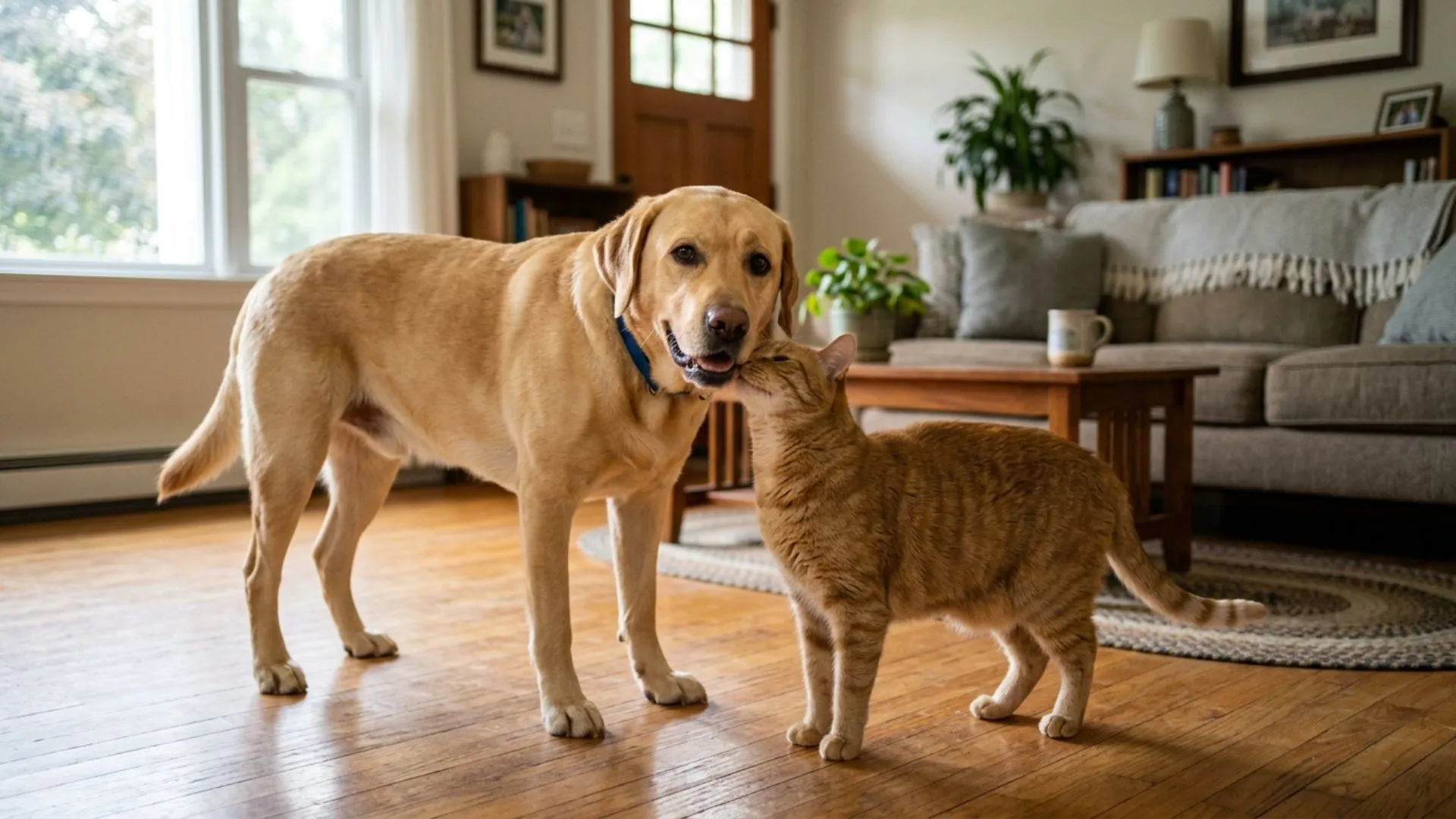
The cat claimed the sofa long before the new dog arrived, watching every movement from its favorite corner as the front door opened.
Everyone expected a tense first meeting filled with hissing, barking, or careful separation behind baby gates. Instead, something unexpected happened. The dog paused, looked around the room, noticed the cat, and calmly carried on exploring the house without making a scene.
Within days, both pets had settled into a routine that felt surprisingly natural. Moments like these are not simply good luck. They often begin by choosing a dog whose personality already leans toward accepting other animals instead of challenging them. Every introduction takes patience, but some breeds make things easier from the beginning.
This article explores dogs that have earned the trust of countless cat owners by making peaceful coexistence feel like the most natural thing in the world.
Key Takeaways
The best cat-friendly dogs are not always the quietest ones. They are often the breeds that know when to slow down and give a cat the space it needs.
The Cavalier King Charles Spaniel has been cherished as a close companion for centuries, while the Golden Retriever is known for reading a cat’s signals instead of rushing into every interaction.
From the playful Bichon Frise to the gentle Basset Hound, these breeds often make sharing a home with cats feel much smoother when introductions are handled with care.
Keep going because a few names on this list might surprise you, especially if you thought peaceful cat and dog friendships were rare.
Cat-Friendly Dog Breeds That Get Along Instantly
1. Cavalier King Charles Spaniel
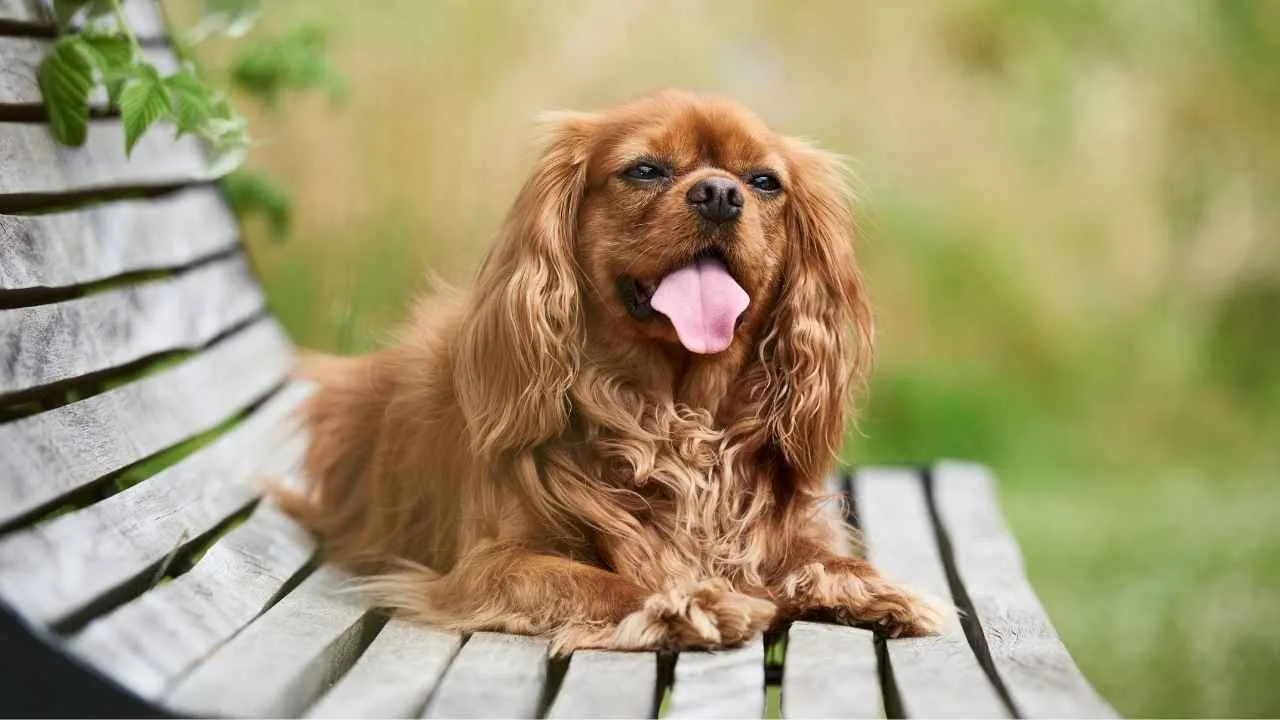
The Cavalier King Charles Spaniel takes its name from King Charles I and King Charles II, who kept these little companions close, even during visits to Parliament. That long association with people helps explain why this breed enjoys sharing everyday life instead of spending time alone.
Peaceful Housemate
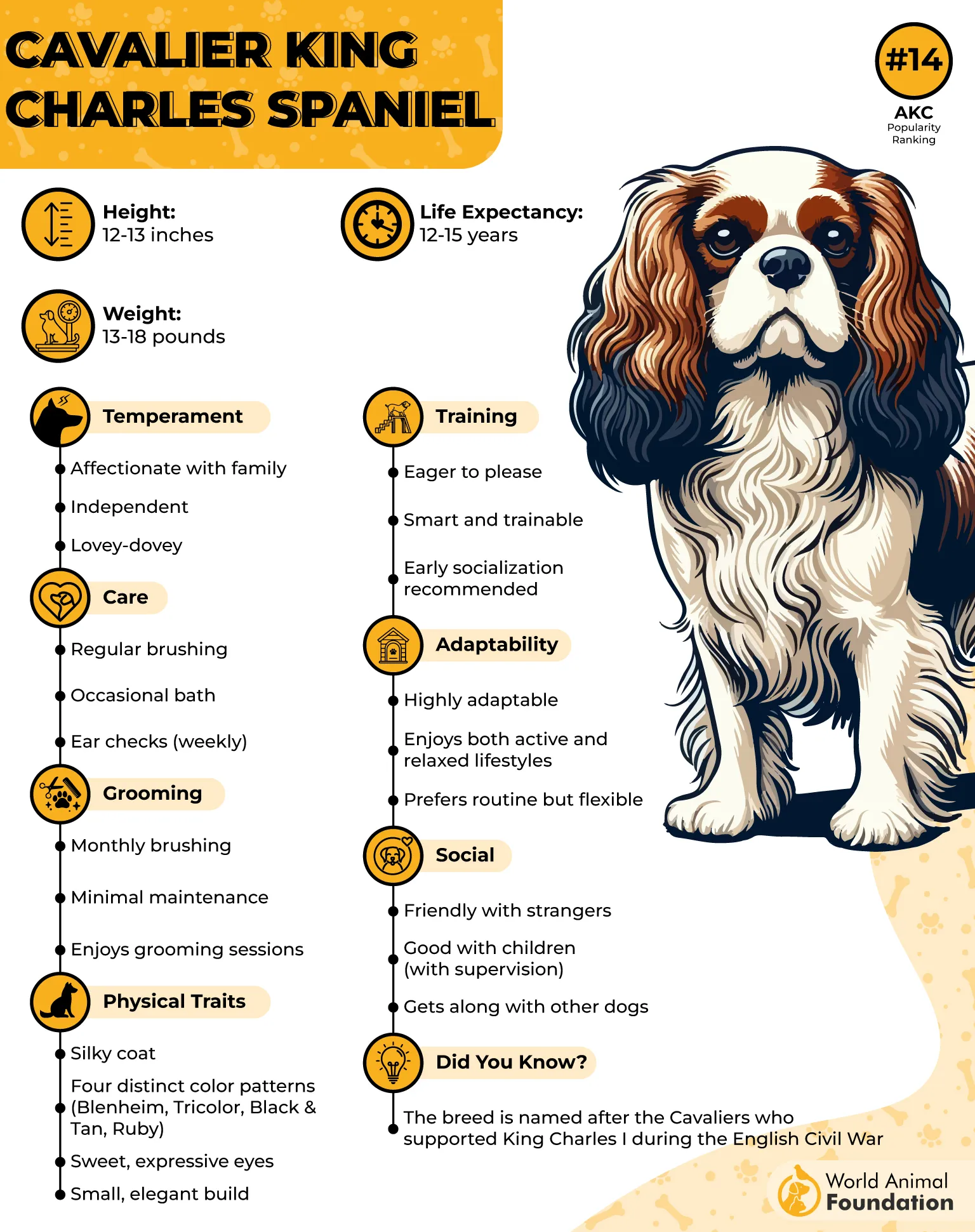
This little dog has a patient and easygoing nature that helps introductions with cats feel less stressful when handled properly. Calm reactions, tolerance, and a friendly attitude also make this breed comfortable around children and other pets.
Their personality is further enhanced by these traits:
Ranked 14th most popular by the AKC
Originally selected as a companion dog
Once kept warm on laps during carriage rides and in drafty castles
Close by Choice
The Cavalier King Charles Spaniel prefers being near its favorite people, whether that means curling up on the couch or following them from room to room. As per PetMD, two daily walks of about 20 to 30 minutes are usually enough before this breed happily relaxes indoors for the rest of the day.
2. Pug
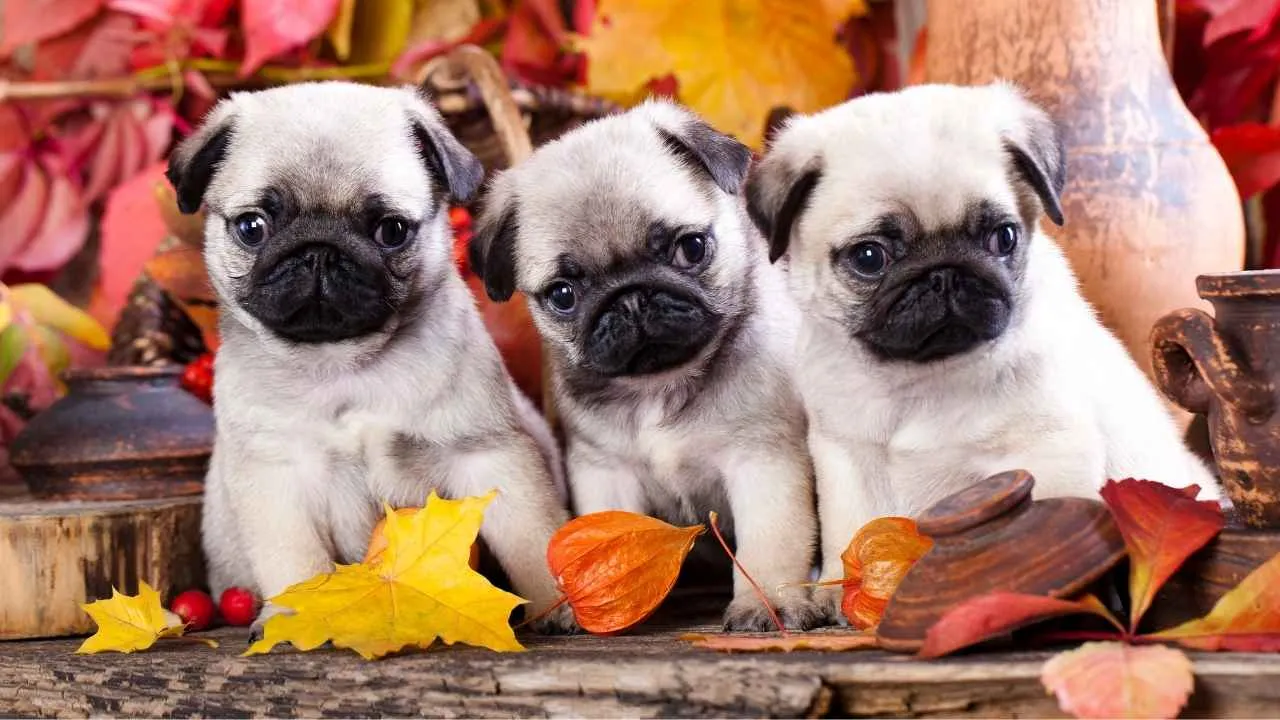
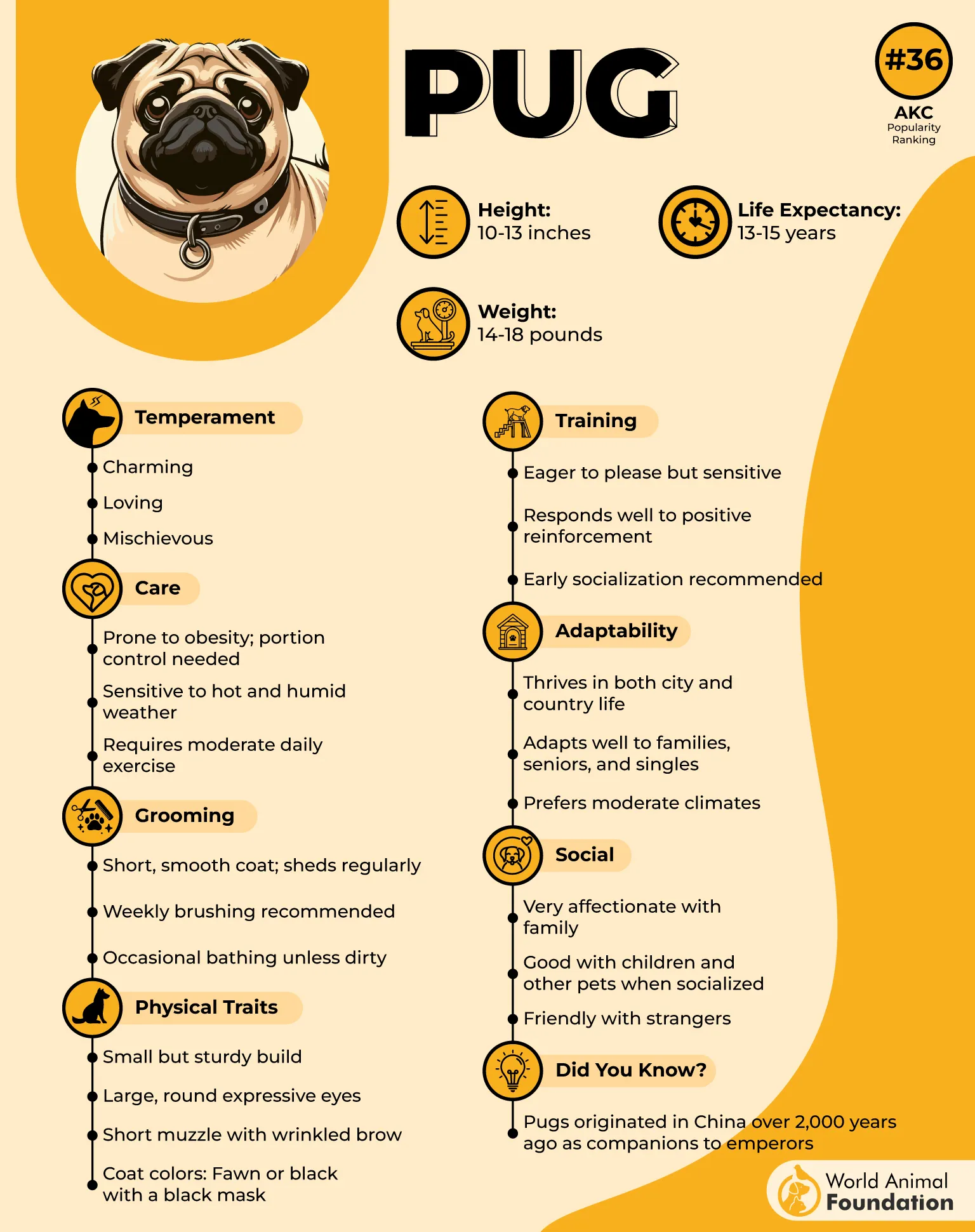
Pugs were first seen in China around 2,000 years ago before becoming a favorite among royal households in different parts of the world. Today, this small companion still prefers being close to people and enjoys taking part in everyday family life instead of spending long hours alone.
Easy With Feline Friends
They approach cats with a calm attitude instead of turning every interaction into a chase, making introductions much smoother in many homes. Gentle play and a desire to be included often help this breed share living space comfortably with feline companions.
A few additional details help explain its appeal:
Popular choice for first-time dog owners
Enjoys short 15- to 20-minute walks
Prefers indoor living over extended outdoor time
Relaxed Lifestyle
Pug enjoys quieter activities more than demanding workouts, making casual walks and short games of fetch a better match than running or agility sessions, as mentioned by PDSA. Its flat face also means warm weather and signs of overheating deserve close attention during time outside.
3. Maltese
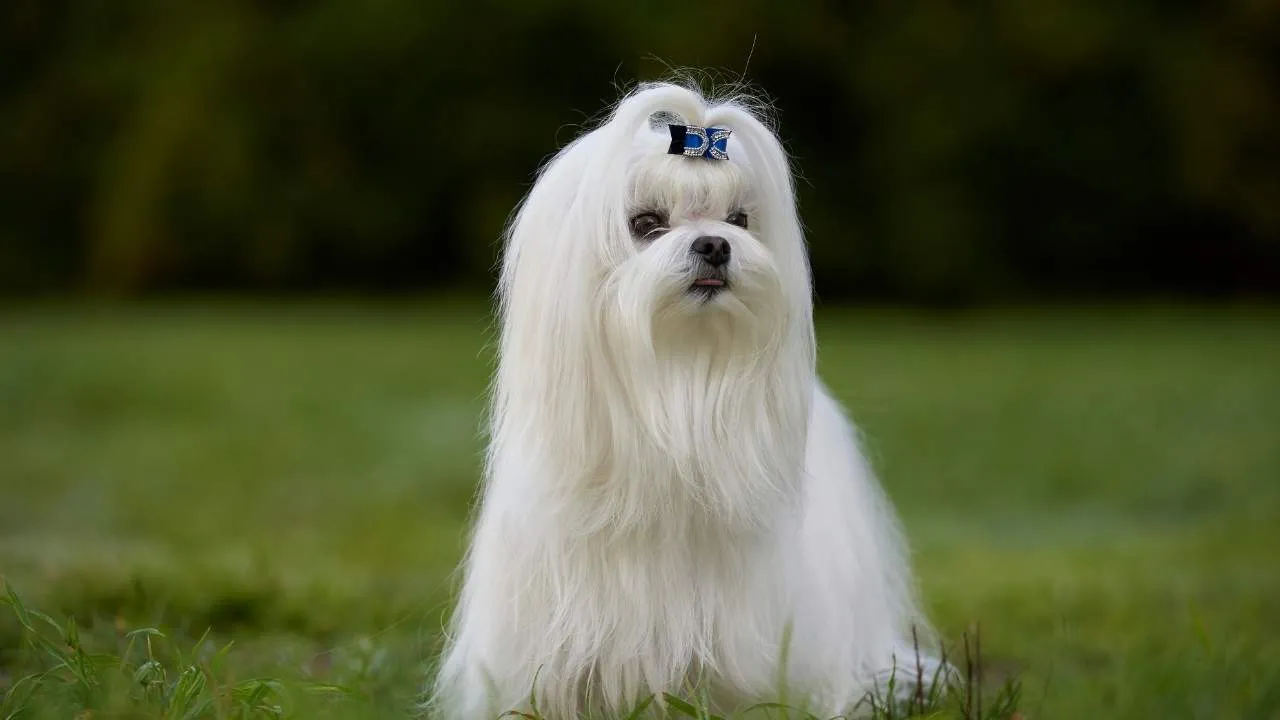
The Maltese pairs a playful personality with a compact frame, making everyday interactions feel less overwhelming for other small household pets. Since this breed is often close in size to a typical house cat, early introductions can become much more comfortable for both dog and cat.
Sharing the Home
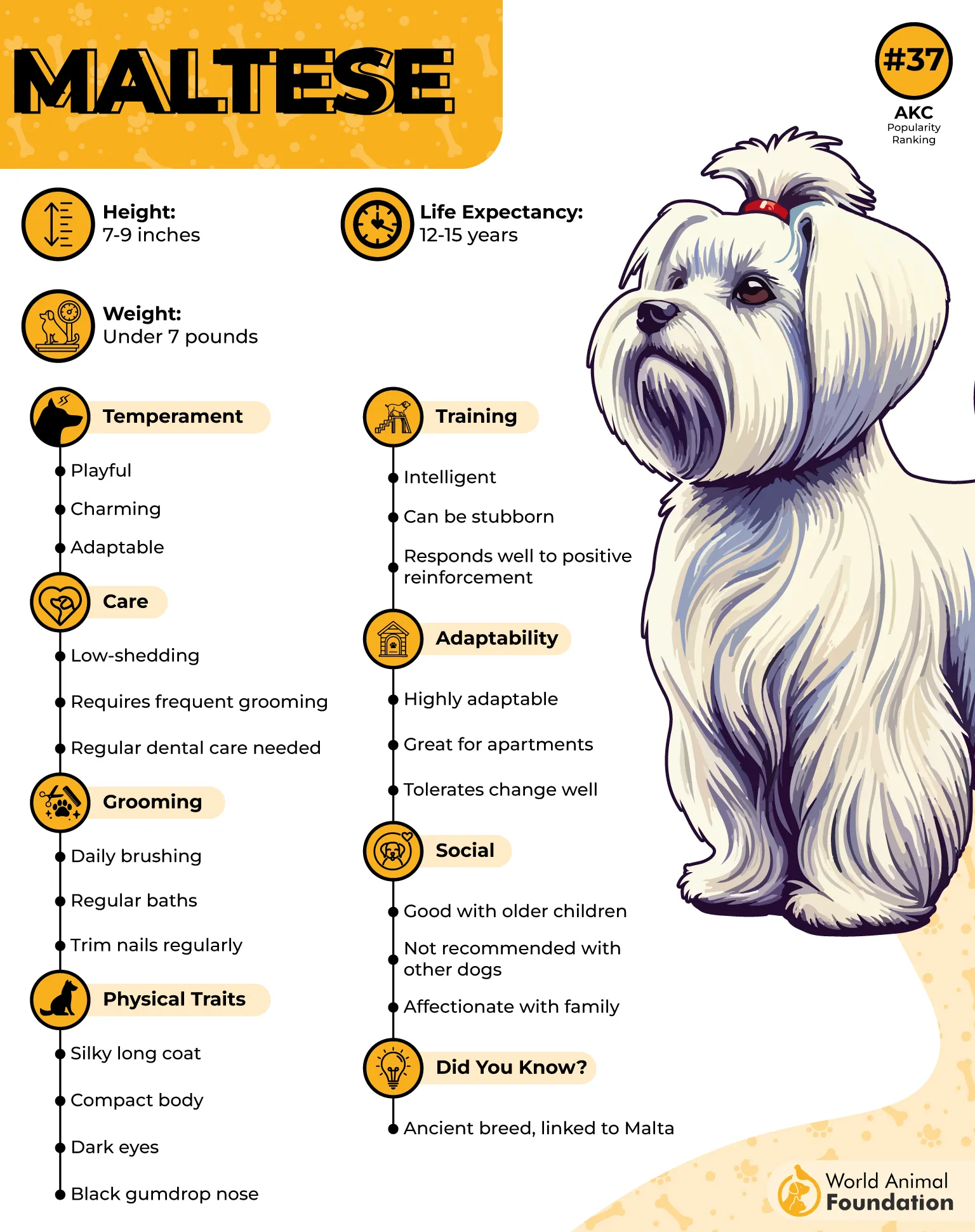
Life indoors suits the Maltese just fine, with short walks, playful moments, and a little training providing plenty of activity for the day. That easygoing routine can make it easier to manage shared spaces when a cat is already part of the household.
The breed has a few more surprises:
Mentioned in Ancient Greek literature
Also referenced in Ancient Roman writings
White coat is often described as “hypoallergenic”
Bright and Responsive
This cat-friendly breed learns training cues quickly when praise, toys, and other positive rewards keep sessions enjoyable and engaging. Short lessons usually hold this breed’s attention better, while using too many treats can quickly add unnecessary calories for such a small dog.
4. Bichon Frise
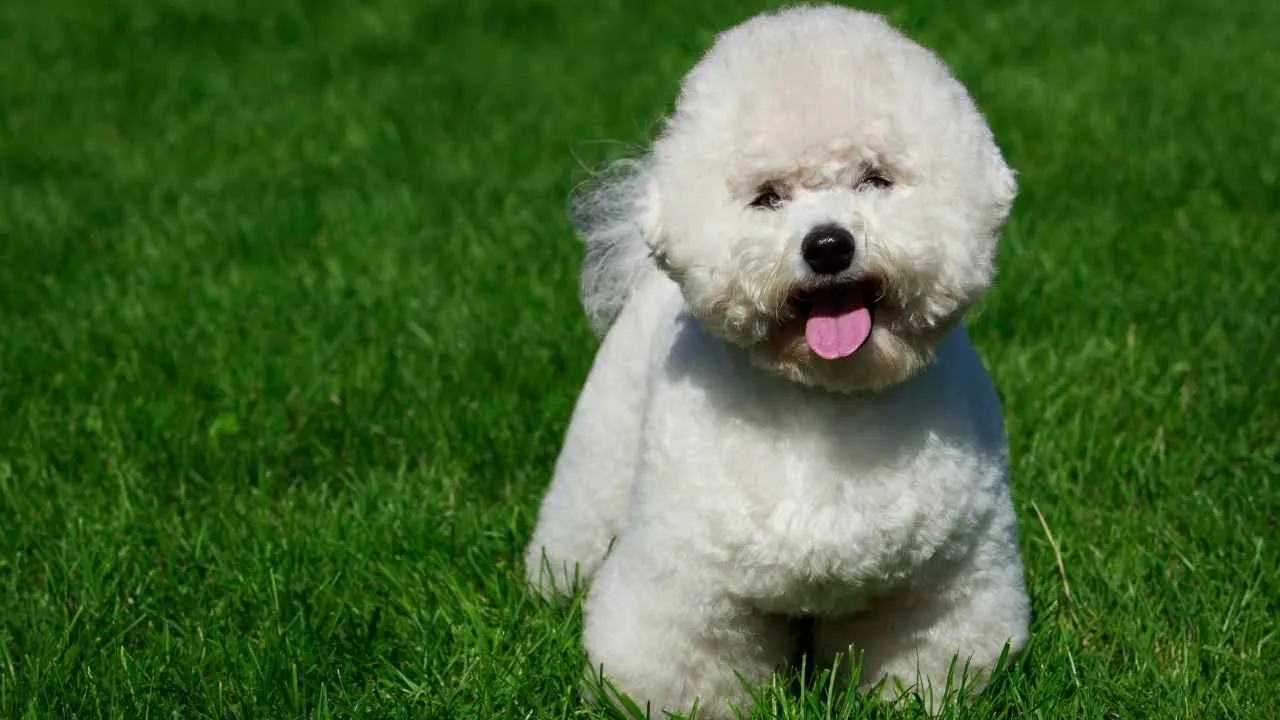
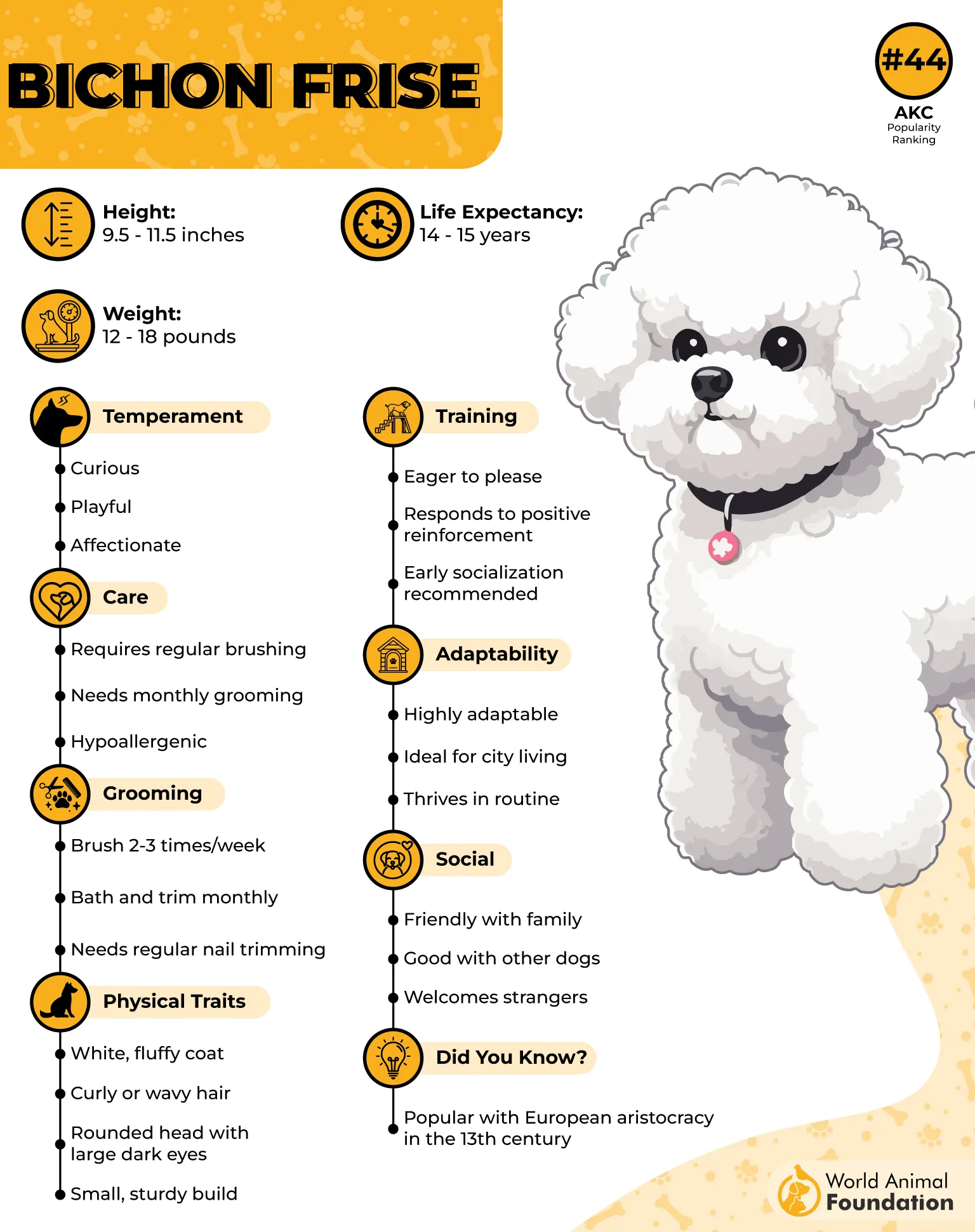
The story of the Bichon Frise began around the Mediterranean, where larger water dogs were crossed with small white dogs, creating the group once called Barbichons. That early foundation gave this cheerful little companion a personality centered on people, play, and everyday companionship.
Easy Around Cats
They approach feline housemates with curiosity instead of intimidation, making introductions feel less overwhelming for many cats. Its compact size also means cats are less likely to view this playful dog as a physical challenge during early interactions.
Some more interesting traits stand out below:
Belongs to the non-sporting group
Enjoys learning new tricks
Eager to please during training
Always Ready to Join In
The Bichon Frise enjoys turning ordinary moments into games, whether that means chasing a favorite toy or inviting another pet to join the fun. As per the AKC, after burning off that playful energy, this breed is just as happy relaxing beside the family on the couch for the rest of the day.
5. Beagle
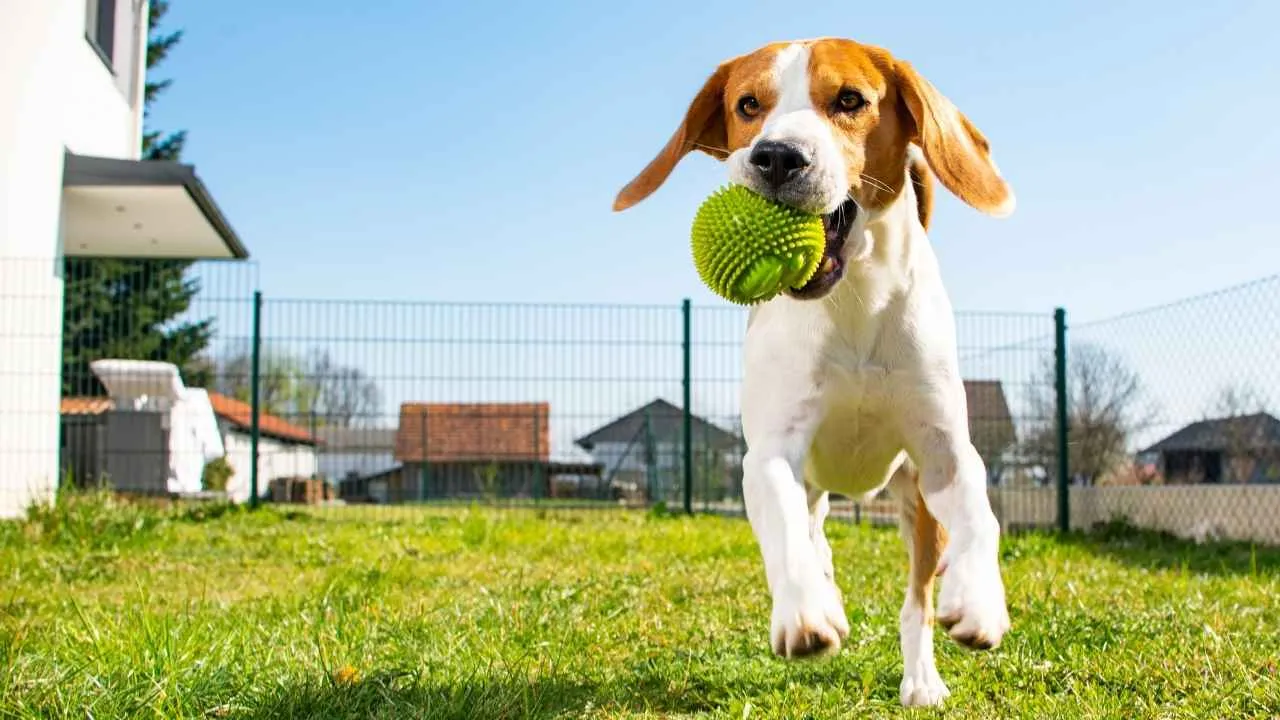
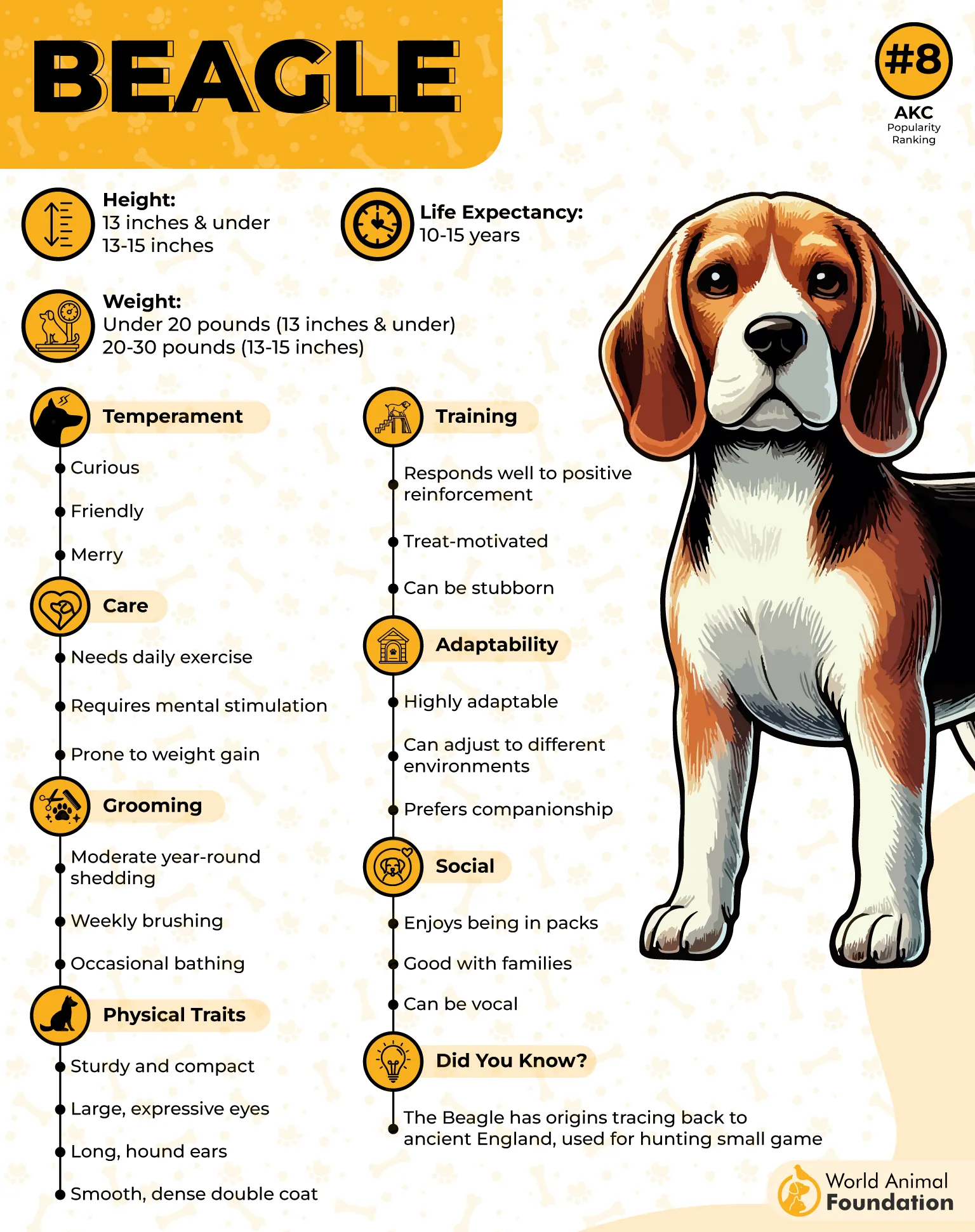
The Beagle took its modern form by the late 1800s after centuries of use during England’s hare-hunting tradition, where packs worked across open countryside. That remarkable nose still shapes much of this breed’s personality and everyday decisions.
Sharing the Home
Beagles generally accept feline companions when introductions happen gradually, and socialization begins early. Curious investigations are common, so confident cats usually adjust more easily, while timid or older cats benefit from high resting spots and escape routes.
Some worth noting points of Beagles include:
Strong instinct to follow interesting scents
Best suited to secure, enclosed outdoor areas
Distinctive baying after picking up fresh scents
Company Matters
The Beagle enjoys constant interaction and prefers life with another dog or regular human companionship instead of spending long hours alone. Without enough social contact, boredom can lead to chewing, unwanted mischief, or other destructive habits around the house.
6. Basset Hound
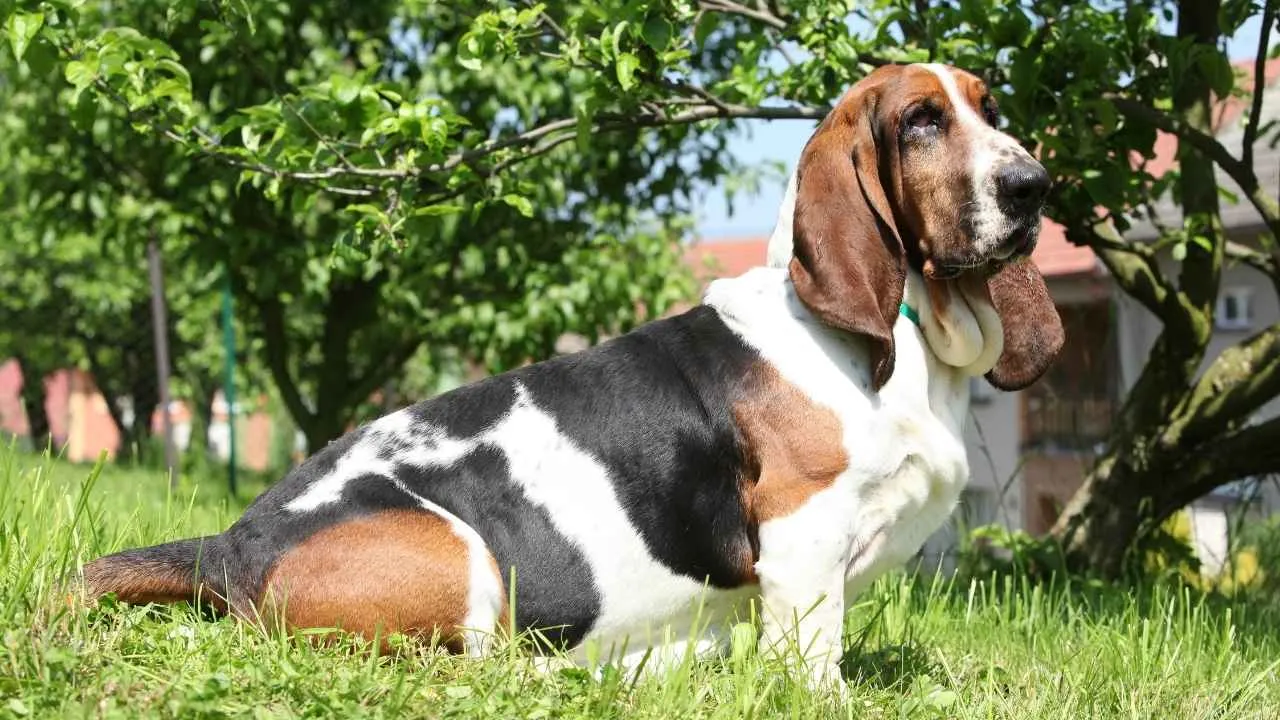
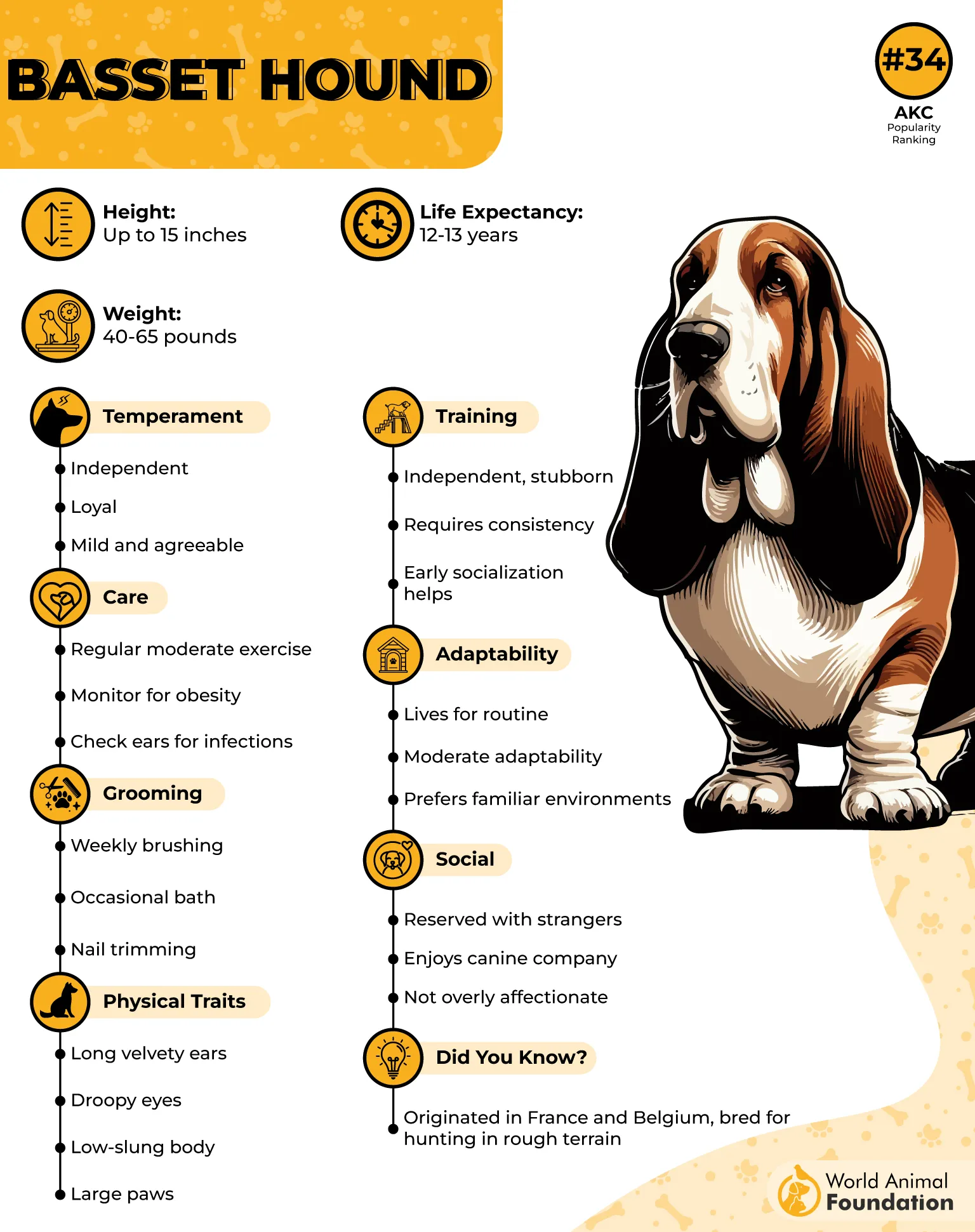
The Basset Hound was originally bred in France, where it descended from the now-extinct St. Hubert Hound, a breed related to today’s Bloodhound. Although it once followed scent trails on hunts, this easygoing dog is now much better recognized as a relaxed household dog breed.
Easy Around Cats
Its calm pace can make introductions with cats feel less overwhelming, especially when both pets are given time to adjust properly. Its sociable pack nature also helps it accept sharing living space with other dogs instead of constantly seeking the spotlight.
The details below tell more about this breed:
Steady movement is less likely to startle cats
Strong pack-oriented temperament
Can experience separation anxiety
Calm Household Companion
The Basset Hound enjoys a quiet routine and is often content stretching out for long naps between daily activities. Even with its laid-back personality, regular walks and interactive toys help reduce the risk of weight gain while providing useful mental engagement.
7. Golden Retriever
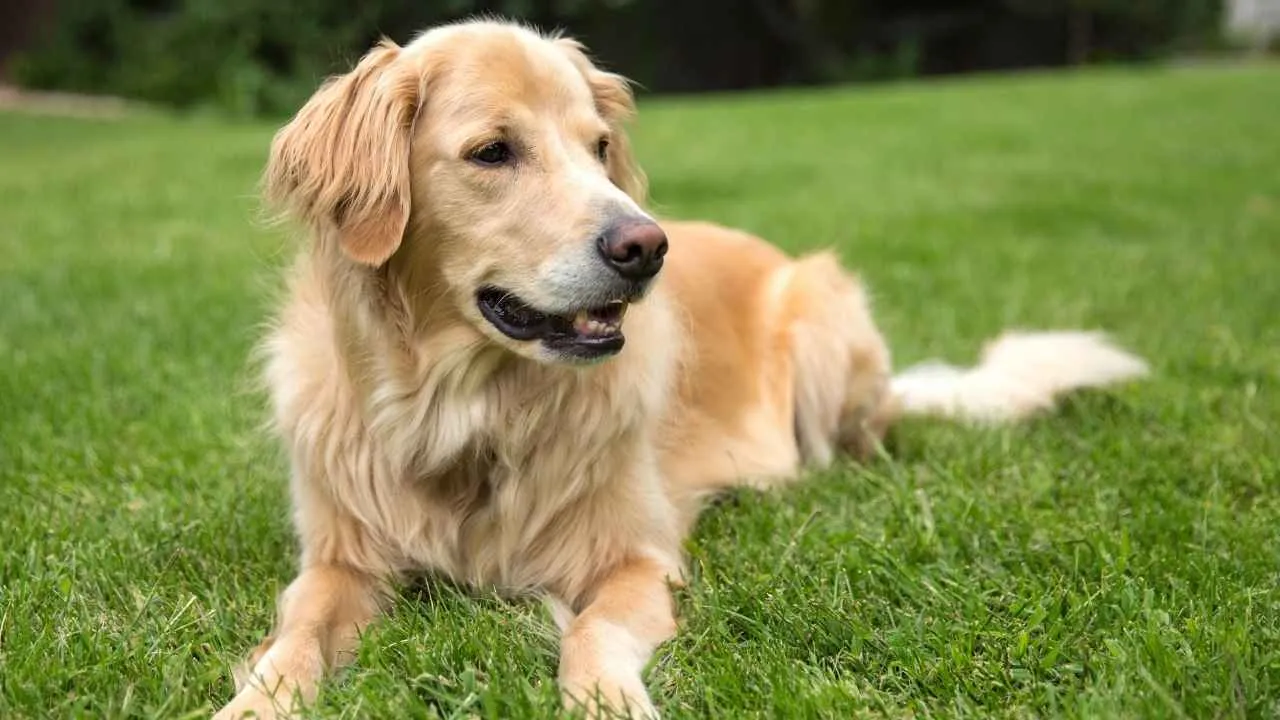
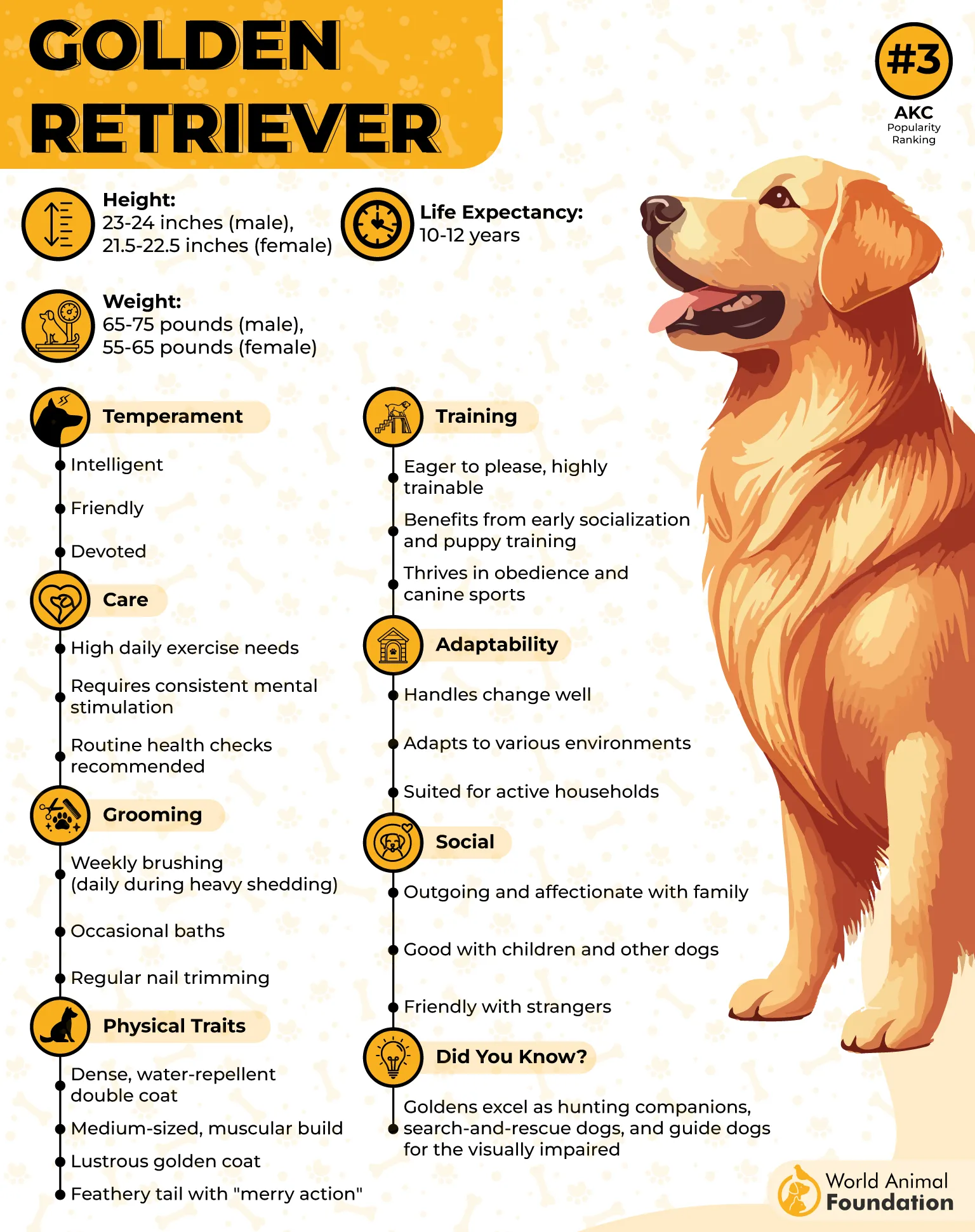
The Golden Retriever was developed in Scotland during the mid-1800s, when Lord Tweedmouth wanted a dependable retriever capable of working through dense undergrowth. That willingness to cooperate now helps this breed adapt smoothly to life with children, other dogs, and even feline housemates.
Reading the Room
Usually, this breed responds well to a cat’s body language, often stepping back after a hiss or swat instead of turning the interaction into a chase. Early socialization gives both animals a better chance to understand each other’s boundaries from the beginning.
That easygoing nature is supported by a few notable qualities:
Frequently chosen as a guide dog
Assists search and rescue teams
Trained to detect explosives
Busy Minds Matter
Golden Retrievers enjoy having a job to focus on, and boredom can quickly lead curious puppies toward shoes, socks, furniture, or even the trash. Interactive games and regular activities help direct that intelligence toward more rewarding outlets throughout the day.
8. Boston Terrier
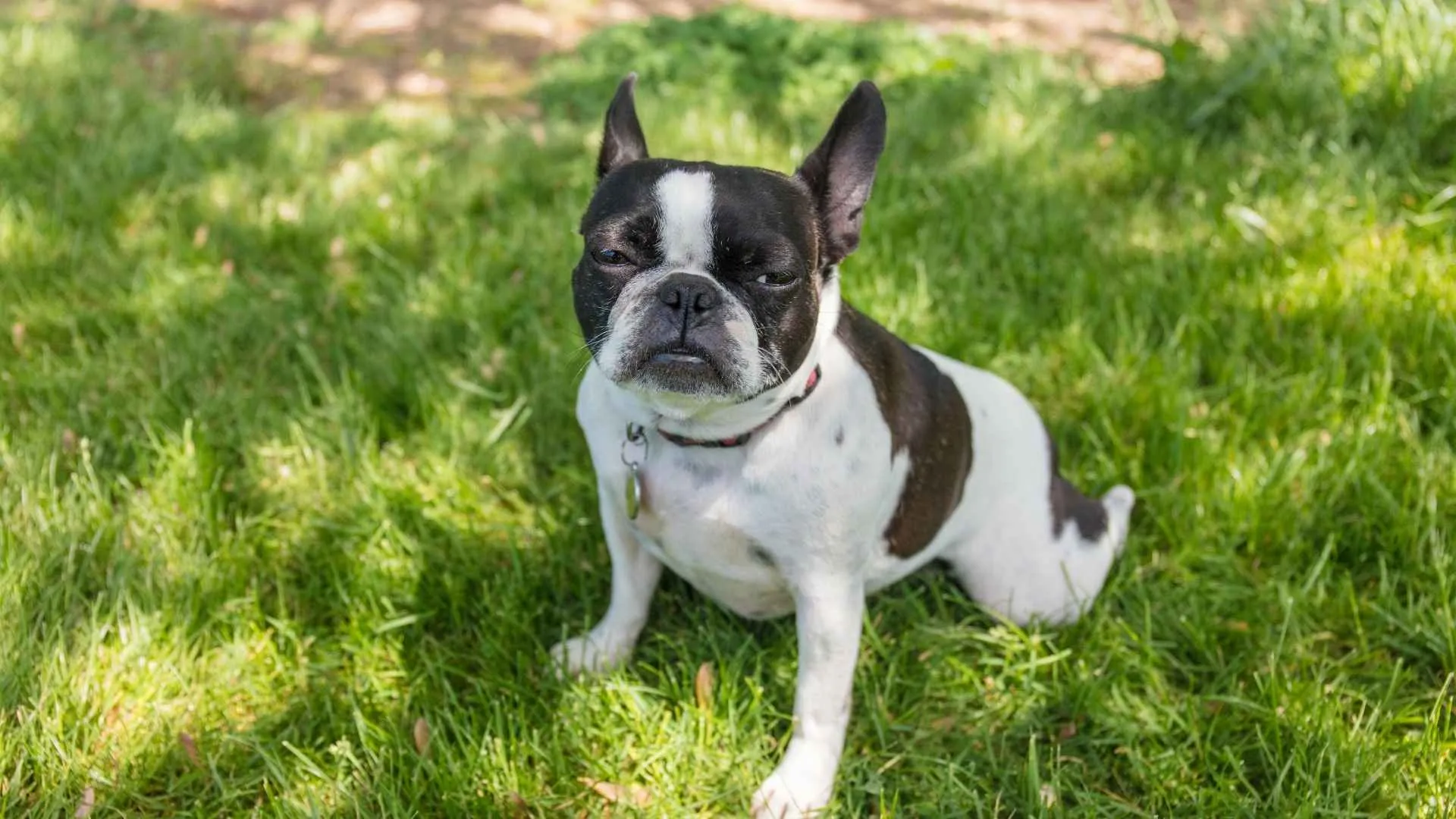
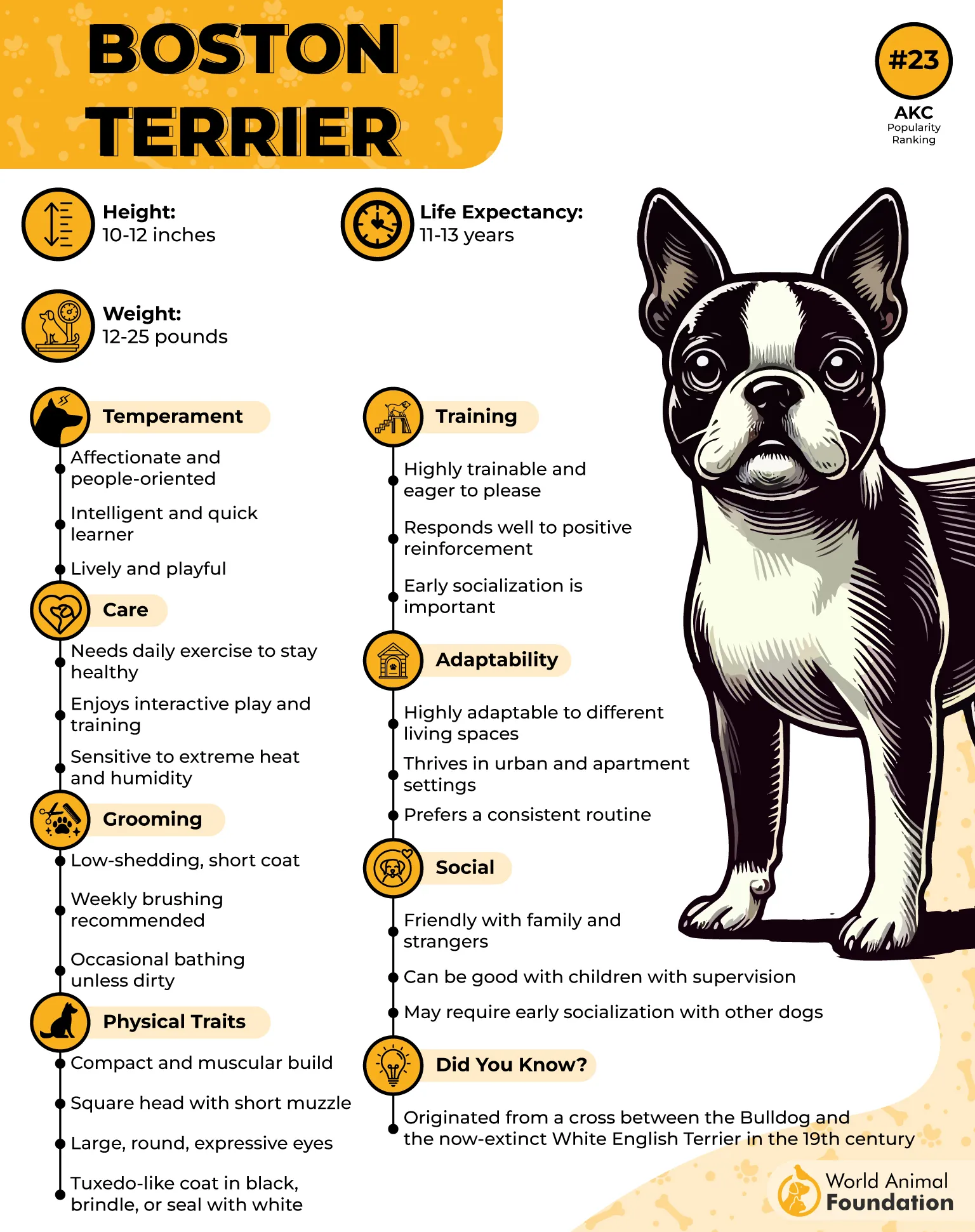
Boston gave the Boston Terrier its start, and the breed soon earned the nickname “American Gentleman” for its polite nature and black-and-white tuxedo coat. Brindle is another accepted coat color, giving this cheerful companion a slightly different but equally recognizable look.
Sharing the Home
This terrier breed often settles comfortably into homes with cats when introductions, training, and socialization begin the right way. The bigger challenge is playful enthusiasm, as energetic wrestling or chasing can overwhelm a cat that prefers a calmer companion.
One detail makes that relationship easier to understand:
Bred as a companion dog
No natural desire to hunt cats
“Leave it” training helps curb chasing
Play Comes First
Boston Terrier enjoys joining family activities and happily jumps into games like fetch or Frisbee whenever the opportunity appears. Gentle children often make great playmates, although supervision helps prevent accidental bumps because of this breed’s lively personality.
9. Labrador Retriever
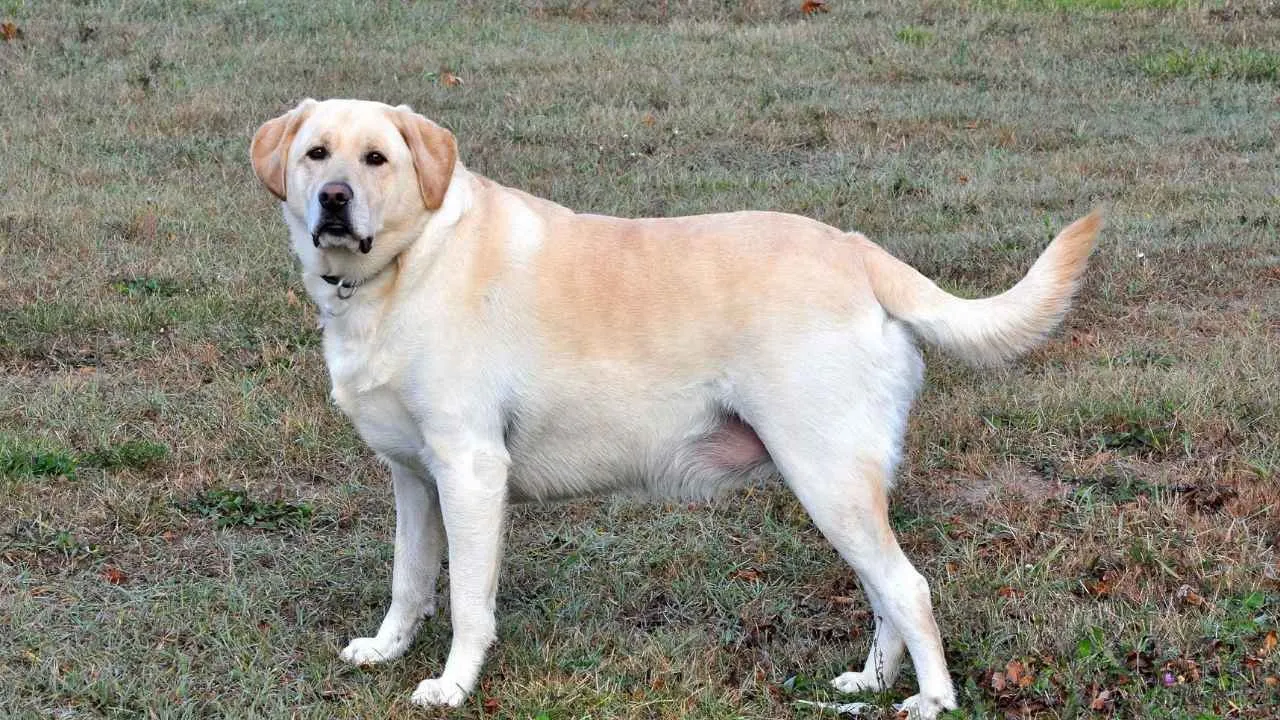
Early Labrador Retrievers originated in Newfoundland, where they were much leaner than the Newfoundland breed recognized today. They retrieved game, gathered fish, and even helped pull boats across lakes before the breed gradually took its modern form.
Easy Around Cats
Life with a cat often suits this breed, as Labradors usually welcome feline companions with curiosity rather than hostility. Their playful nature still calls for early guidance, as an excited greeting or energetic game can easily overwhelm a smaller cat.
There’s always more to discover:
Low prey drive toward cats
Respect for boundaries should be taught early
Supervised introductions to build confidence
- Always Ready to Join In
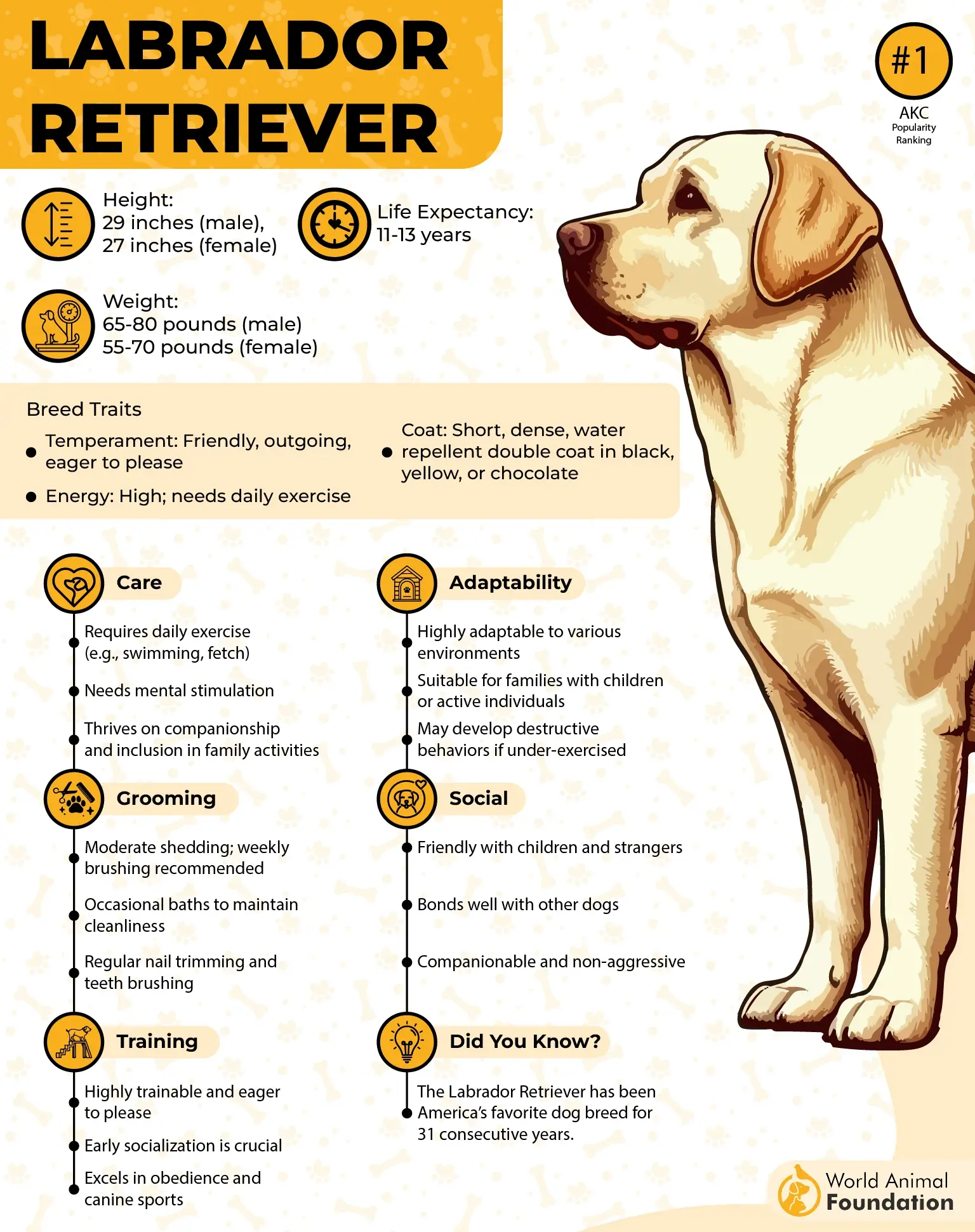
Labrador Retrievers keep an enthusiastic attitude well into adulthood and enjoy interactive games that provide both activity and attention. Around the home, that same enthusiasm can lead curious puppies toward socks, shoes, furniture, or even the trash without consistent training.
Conclusion
Living with both cats and dogs becomes much easier when personality matters more than first impressions. A calm introduction, patient guidance, and positive experiences from a young age give every pet the best chance to succeed together. Building a peaceful multi-pet household takes time, but the rewards often last for years.
Size alone does not decide compatibility, and even large dogs can learn to respect a cat’s space when given clear boundaries and thoughtful training. With the right foundation, everyday life becomes filled with quiet companionship, shared routines, and a home where every pet feels comfortable and secure.
