




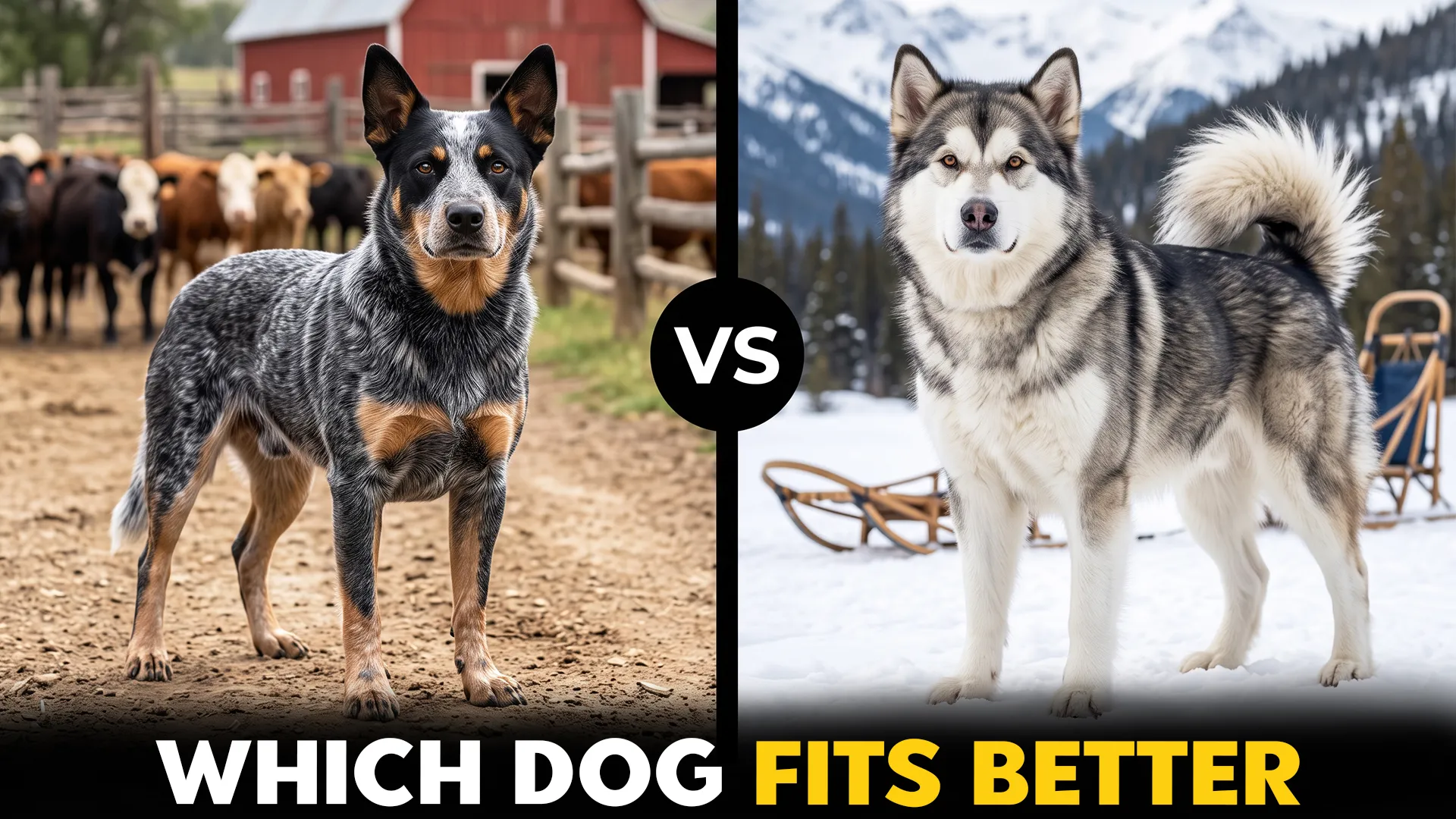
Working dogs are admired for their intelligence, determination, and unwavering loyalty, but not every hardworking breed is suited to every home.
The Australian Cattle Dog and the Alaskan Malamute are two exceptional examples, each bred for demanding tasks in vastly different environments.
One spent generations herding cattle across Australia’s rugged countryside, while the other hauled heavy sleds through the frozen Arctic with incredible endurance.
Although both are athletic, devoted, and happiest with an active lifestyle, their personalities, grooming needs, trainability, and instincts set them apart in meaningful ways.
The Australian Cattle Dog thrives on mental challenges and purposeful work, whereas the Alaskan Malamute is known for its strength, affectionate nature, and love of outdoor adventures.
Whether you’re looking for a dependable working partner or an energetic family companion, understanding what each breed truly needs is the key to making the right choice. This comparison will help you decide which remarkable working dog best matches your lifestyle.
Australian Cattle Dog vs. Alaskan Malamute: Which Working Dog Fits Your Lifestyle
The Australian Cattle Dog and Alaskan Malamute are powerful working breeds, but their energy, temperament, and care needs differ greatly. Understanding these differences can help you choose the dog that best fits your home, activity level, and daily routine.
Size and Strength
The Australian Cattle Dog and the Alaskan Malamute were both bred for demanding work, but they differ greatly in size and the kind of strength they offer. The Australian Cattle Dog is a medium-sized, compact, and muscular breed, typically standing 17 to 20 inches tall and weighing around 35 to 50 pounds.
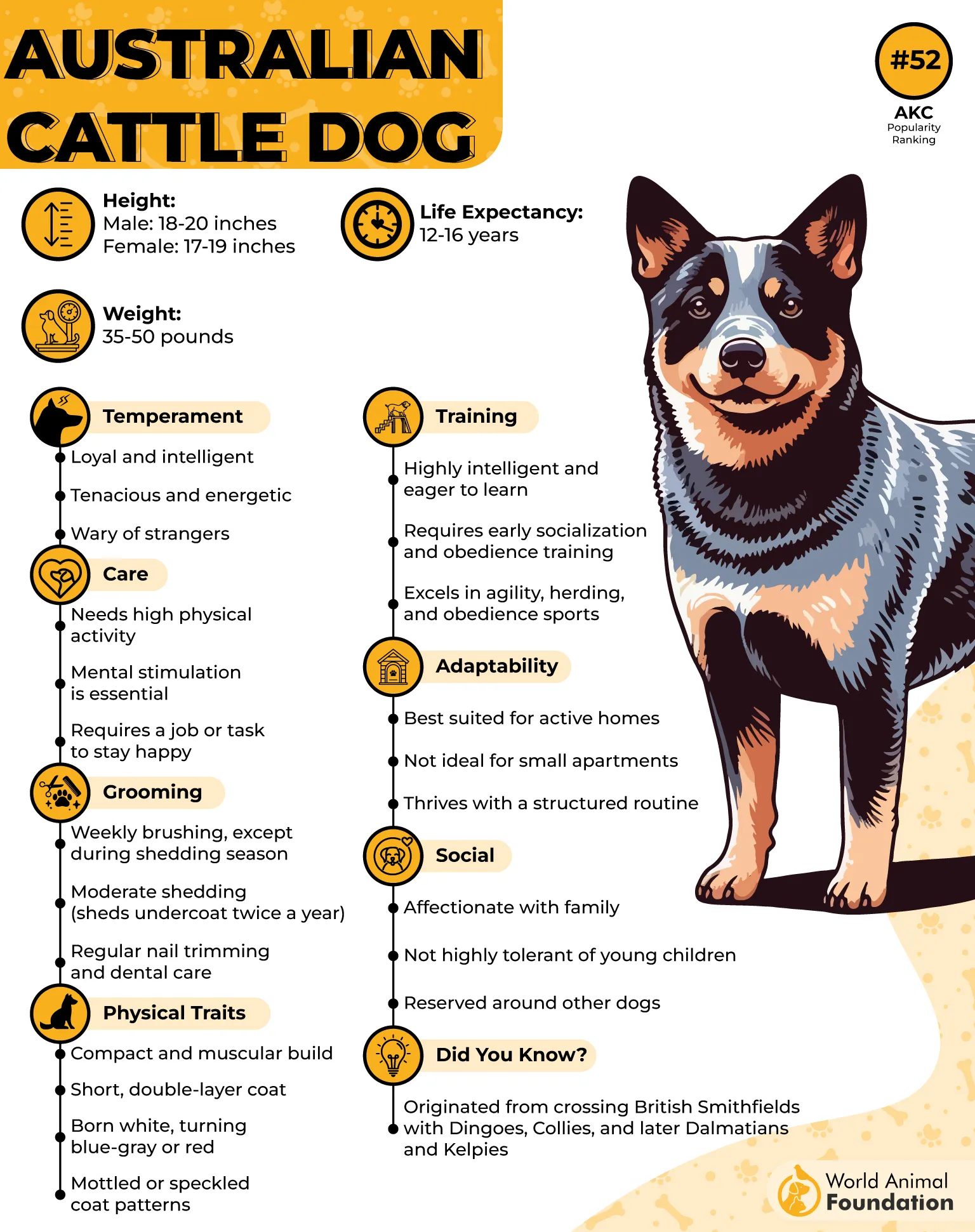
Its sturdy frame, agility, and remarkable stamina make it ideal for herding cattle across rough terrain, where speed and quick decision-making are essential.
In contrast, the Alaskan Malamute is a much larger and heavier working dog, standing about 23 to 25 inches at the shoulder and weighing between 75 and 85 pounds. Built with heavy bones, a broad chest, and powerful shoulders, it was developed to pull heavy sleds through harsh Arctic conditions.
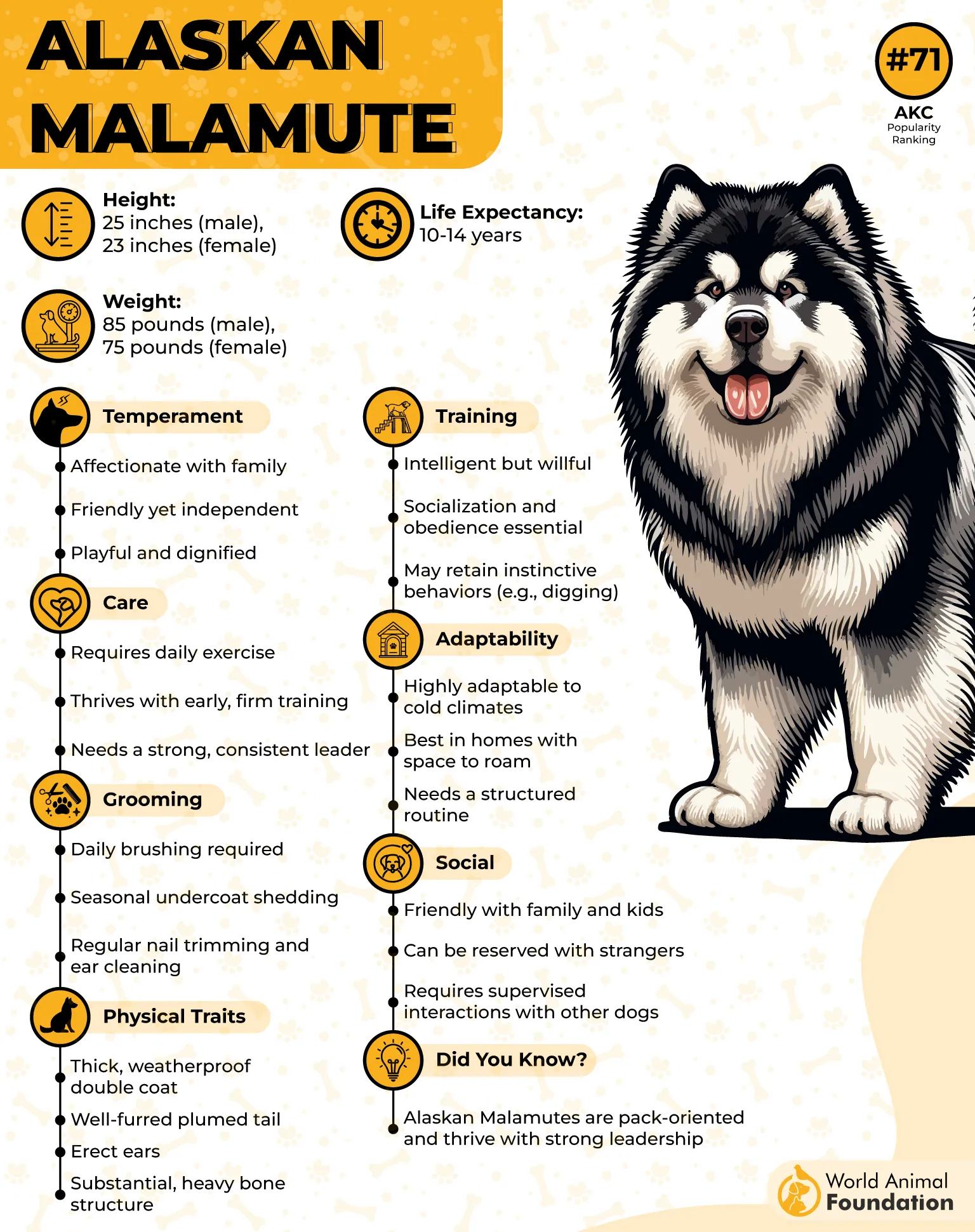
If your lifestyle demands an agile, athletic partner, the Australian Cattle Dog stands out, while those seeking exceptional pulling power and endurance may find the Alaskan Malamute a better fit.
Temperament and personality
Although both breeds are loyal dogs, their personalities reflect the different jobs they were originally bred to perform. The Australian Cattle Dog is exceptionally intelligent, alert, and deeply devoted to its owner, according to the American Kennel Club.
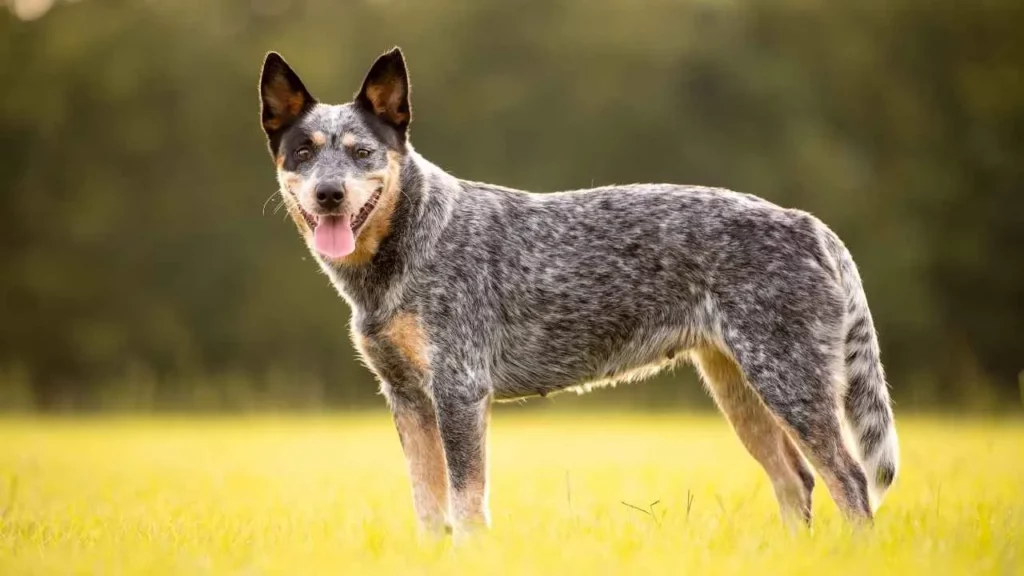
It forms strong bonds with its family but tends to be cautious around strangers. With an independent mind and endless energy, this breed thrives when given meaningful work or challenging activities. Without enough mental stimulation, it can quickly become bored and mischievous.
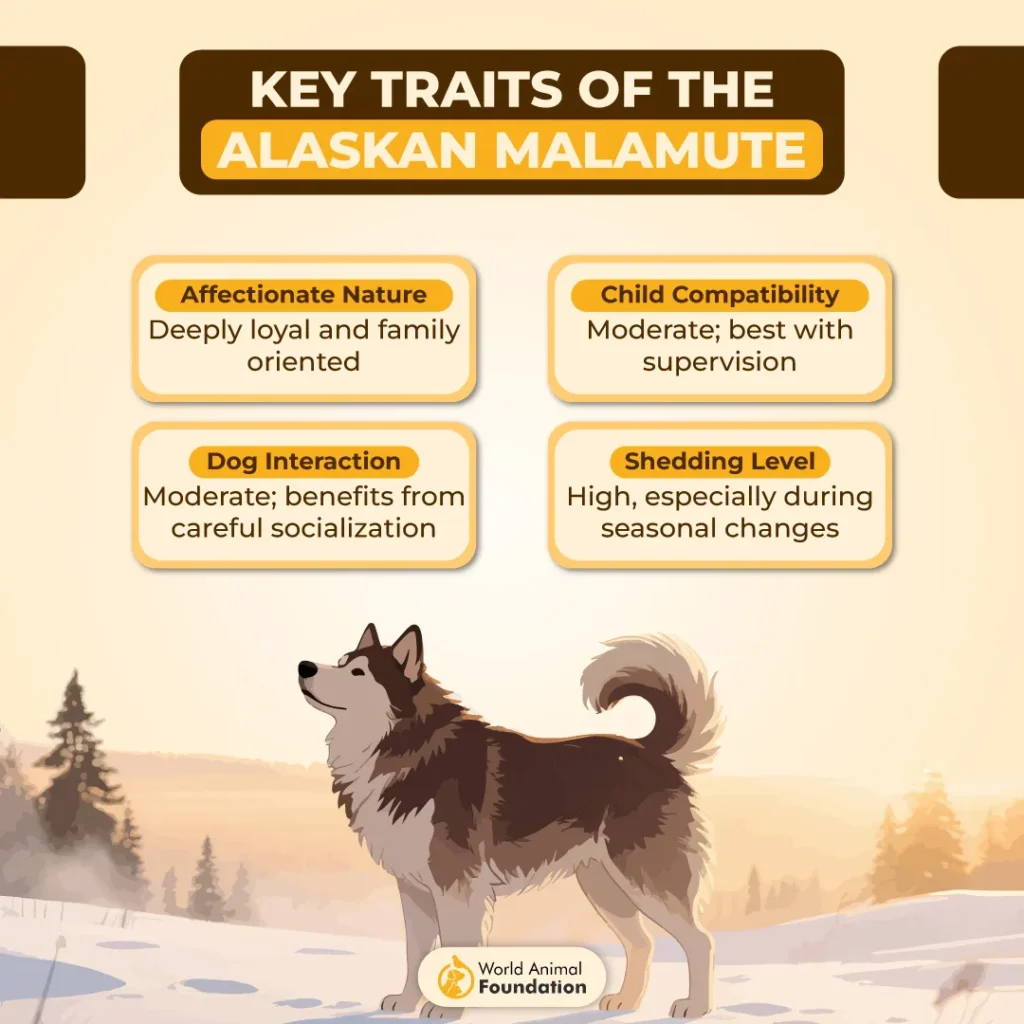
The Alaskan Malamute, on the other hand, is affectionate, playful, and enjoys spending time with its family. While equally intelligent, it is known for being more independent and stubborn, often preferring to think for itself rather than simply follow commands.
Malamutes are generally friendly with people and are not natural guard dogs despite their impressive appearance. Choosing between these breeds depends on whether you prefer a highly focused herding companion or a sociable, adventure-loving dog that values family companionship.
Health and Lifespan
Both breeds are generally hardy working dogs, but they have different lifespans and inherited health concerns that responsible owners should understand. The Australian Cattle Dog is known for its longevity, typically living between 13 and 15 years.
Responsible breeders screen for inherited conditions such as deafness, progressive retinal atrophy (PRA), and hip dysplasia. Regular ear cleaning, dental care, and routine veterinary checkups help maintain the breed’s overall health.
The Alaskan Malamute has an average lifespan of around 10 to 12 years and is also considered a robust breed. However, it can be affected by conditions including hip and elbow dysplasia, hypothyroidism, inherited polyneuropathy, chondrodysplasia, cone degeneration, and certain eye disorders.
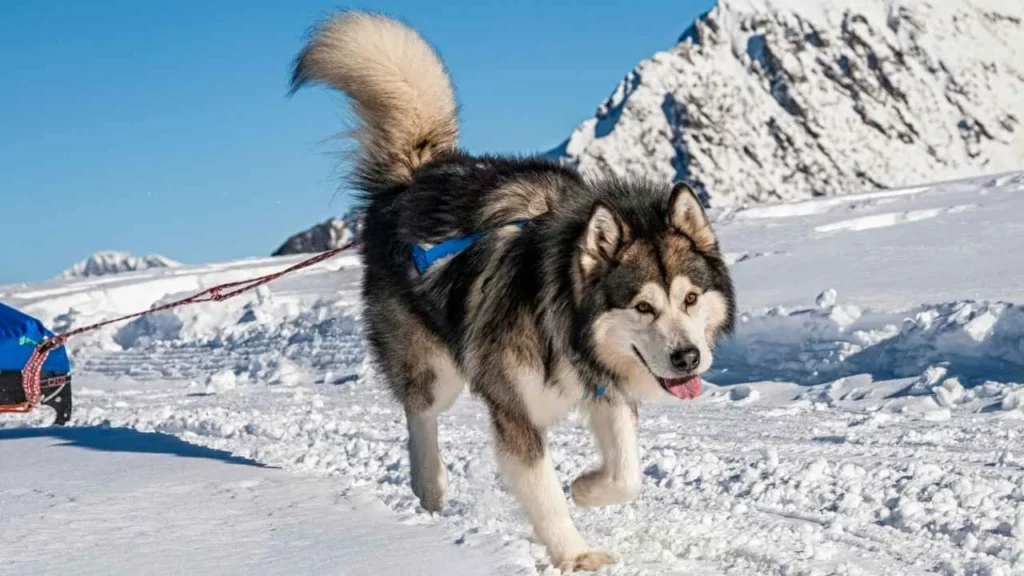
Their thick coats also require regular grooming to keep the skin and coat healthy. Looking for a puppy from health-tested parents and providing consistent preventive care can greatly contribute to the long-term well-being of either breed.
Training and Exercise
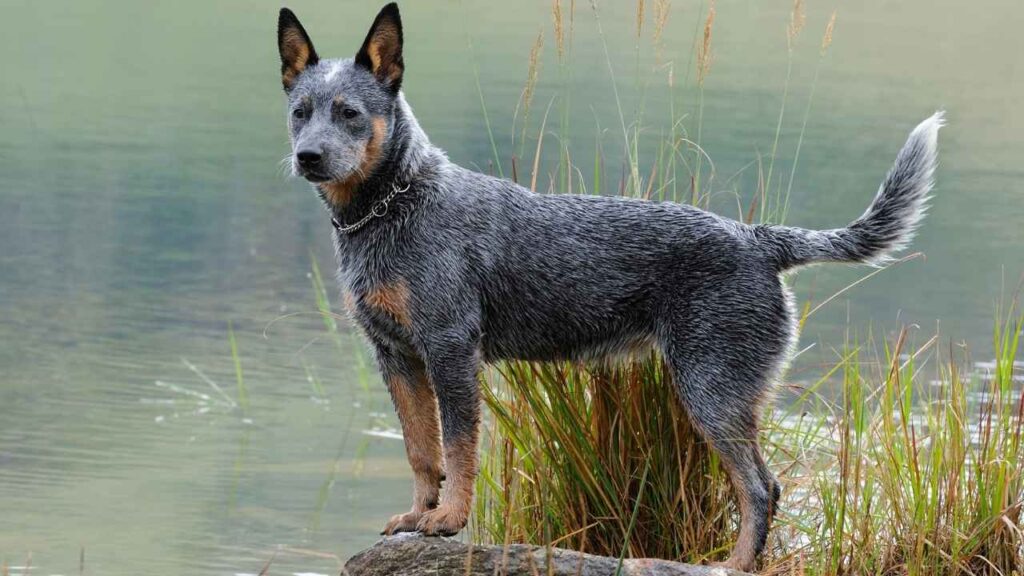
Both the Australian Cattle Dog and the Alaskan Malamute require committed owners, but their training and exercise needs differ in important ways. The Australian Cattle Dog is an energetic, highly intelligent breed that thrives on daily challenges.
Simple walks are rarely enough, as it was bred to herd livestock and enjoys activities such as obedience, agility, herding trials, running, and other canine sports. Early socialization and consistent training are essential to channel its intelligence and prevent boredom-related destructive behavior.
The Alaskan Malamute also has tremendous endurance and requires extensive daily exercise, including long walks, hikes, and opportunities to run in secure areas, as stated by The Kennel Club.
While intelligent, the Malamute is more independent and can be stubborn, making patient, positive, and consistent training especially important.
Early socialization helps encourage good manners and confidence. For active owners who enjoy outdoor adventures, both breeds excel, but each requires a lifestyle that provides regular physical activity and meaningful mental stimulation.
Grooming Needs
When comparing grooming needs, the Australian Cattle Dog is much easier to maintain than the Alaskan Malamute. The Australian Cattle Dog has a short, weather-resistant double coat that only requires weekly brushing to remove loose hair and keep the coat healthy.
During seasonal shedding, more frequent brushing helps manage the extra fur, but overall, grooming remains fairly simple. Baths are only needed occasionally unless the dog becomes especially dirty after outdoor activities. Regular nail trimming, ear checks, and dental care complete their routine.
The Alaskan Malamute, in contrast, demands considerably more coat maintenance, as stated by Britannica. Its thick double coat sheds throughout the year and releases large amounts of fur during seasonal coat changes.
Frequent brushing is essential to prevent loose hair from building up and to keep the coat clean. Although baths are not required often, drying their dense coat takes time. Owners should also maintain regular nail care, ear cleaning, and dental hygiene. For busy owners, the Australian Cattle Dog is a more practical grooming companion.
Energy Level
Both the Australian Cattle Dog and the Alaskan Malamute are energetic working breeds, but they express that energy in different ways. The Australian Cattle Dog was developed to herd livestock across challenging terrain, giving it remarkable stamina and an almost constant desire to stay busy.
It thrives on daily physical exercise combined with mental challenges such as obedience work, agility, puzzle games, or herding activities. Without enough stimulation, boredom can quickly lead to unwanted behaviours.
The Alaskan Malamute was bred to pull heavy sleds across snowy landscapes, making it equally hardworking but with a different purpose. It enjoys long walks, hikes, running, and outdoor adventures that allow it to use its strength and endurance.
While it can relax after sufficient exercise, it still needs consistent daily activity to stay healthy and content. Owners living active lifestyles will appreciate either breed, but those wanting a dog that constantly seeks tasks and mental engagement may find the Australian Cattle Dog a better fit.
Natural Guard Instincts
The Australian Cattle Dog and the Alaskan Malamute both possess protective qualities, but they approach strangers and unfamiliar situations quite differently. Australian Cattle Dogs are naturally alert, loyal, and watchful, as stated by PetMD.
Their strong bond with their family and cautious attitude toward unfamiliar people make them dependable watchdogs. They are quick to notice changes in their surroundings and will often bark to alert their owners when something seems unusual.
While they are not naturally aggressive, their confidence and protective nature can make them effective guardians when properly trained and socialised.
The Alaskan Malamute, despite its large size and powerful appearance, is generally much friendlier toward people. Many Malamutes greet strangers with curiosity rather than suspicion, making them less reliable as guard dogs. They are affectionate, social, and more likely to welcome visitors than to intimidate them.
Although they may protect their family if necessary, they are better suited as loving companions than dedicated watchdogs. For households seeking stronger natural guarding instincts, the Australian Cattle Dog usually has the advantage.
Conclusion
Choosing between the Australian Cattle Dog and the Alaskan Malamute ultimately depends on the lifestyle you can provide. The Australian Cattle Dog is an excellent choice for owners who enjoy structured activities, advanced training, and a dog that thrives on constant mental and physical challenges. Its manageable grooming needs and natural protective instincts also make it well-suited for active households looking for a dependable working companion.
The Alaskan Malamute, meanwhile, is ideal for those who love outdoor adventures and have the time to meet its substantial exercise and grooming requirements. Its affectionate personality, impressive strength, and calm nature after exercise make it a rewarding companion for experienced owners who understand the breed’s independent character.
Both breeds are intelligent, hardworking, and deeply loyal, but neither is suited to a sedentary lifestyle. By matching each dog’s energy level, grooming needs, and temperament with your daily routine, you’ll be far more likely to build a happy, lasting partnership with your four-legged companion.
